A SIOP-based lesson on Earth Day for Level 4 ELs, focusing on the 3 Rs and environmental protection through visual scaffolds, academic language support, and interactive discussion.
A comprehensive introduction to the five stages of design thinking, guiding students through empathy, problem definition, ideation, prototyping, and testing.
A comprehensive STEM project choice unit designed for 7th-grade students to explore various scientific and engineering topics through self-directed learning and creative output.
An in-depth exploration of diverse mammals, focusing on informational text features, main ideas, and vocabulary acquisition through a comprehensive field guide and activity set.
A hands-on investigation into the dynamic predator-prey relationship between wolves and moose on Isle Royale. Students analyze real-world data, graph population trends, and explore the factors that influence ecological balance.
A hands-on exploration of the three primary states of matter through interactive lab stations, concluding with a comprehensive assessment.
An inquiry-based exploration of mechanical waves using Slinkys and water to discover the relationships between frequency, wavelength, and wave behavior.
A collection of engaging riddles covering biodiversity, symbiotic relationships, and population dynamics, designed to challenge middle school students' understanding of ecological concepts.
Students explore the intricate relationships in ecosystems by decoding key scientific terms related to biodiversity, symbiosis, and population dynamics through a cryptographic challenge.
A high-stakes secret agent escape room designed for middle school students, featuring complex logic grids, binary decryption, spatial reasoning, and data analysis. Operatives must work through three rigorous phases of testing to earn their field status.
A quick, engaging bell-work activity focused on how limiting factors determine an ecosystem's carrying capacity. Students will analyze graphs and predict population changes based on environmental constraints.
A comprehensive lesson exploring the critical role of bees in our ecosystem for Earth Day 2026, focusing on pollination, food security, and human impacts like pesticides and climate change.
In this lesson, students explore the physical and chemical properties of matter through two detailed informational passages. They will practice identifying main ideas, citing evidence, and mastering scientific vocabulary.
A lesson exploring biodiversity, ecological relationships, and symbiotic partnerships through riddles and synthesis questions.
A high-stakes research project where students choose an environmental challenge to solve. Using the David Attenborough video as inspiration, students research, plan, and create a model or presentation to rescue our planet.
A field trip exploration guide for the Anne Kolb Nature Center, featuring a scavenger hunt BINGO activity and a counselor answer key.
A simulation-based lesson where students model wolf population dynamics under varying levels of human interference to understand limiting factors and conservation.
A simplified introduction to cell biology focusing on the differences between cell types and the functions of organelles using visual aids and hands-on activities.
A comprehensive review lesson covering the core foundations of chemistry, including mixtures, properties, and changes through an interactive presentation and a hands-on group analysis activity.
A comprehensive lesson on the human digestive system, focusing on the mechanical and chemical processes of the mouth and stomach while integrating ELA standards for context clues and main idea.
A week-long project where students act as travel agents for the Eco-Expedition Agency, creating digital brochures (slide presentations) for various global biomes. Students research climate, flora, fauna, and ecological connections to attract 'eco-tourists' to their assigned biome.
This lesson explores the relationship between structure and function in prokaryotic and eukaryotic cells, and how cells organize into complex organisms. Designed for diverse learners, it uses a 'Blueprint' theme to visualize biological systems as carefully designed structures.
A high-energy, 10-minute Earth Day activation designed to inspire immediate student action through impactful visuals and a personal pledge.
A high-energy STEM event for kids in foster care, focusing on engineering design, collaborative building, and social connection through hands-on challenges.
A comprehensive lesson exploring energy flow through ecosystems, the impact of resource scarcity, and the consequences of human interference like water diversion and invasive species.
A hands-on ecology lesson where students explore the relationship between native Texas wildflowers and pollinators. Students will learn about monarch migrations and native bee habitats before designing their own school pollinator garden to support local biodiversity.
A comprehensive exploration of energy flow within the Colorado Plateau ecosystem, featuring hands-on modeling of food webs, trophic pyramids, and a botanical study of desert plant transpiration.
A beginner-friendly exploration of ocean currents, focusing on the differences between surface and deep water movements and how they affect our planet.
A high-energy lesson on cryptography and the history of the Enigma machine, designed to motivate students before the WYTOPP state assessment. Students learn about substitution ciphers and decode a secret message of encouragement.
Students explore the intersection of geometry and computer science by using nested loops and variables to create generative digital art.
A modified lesson on continental drift designed specifically for IEP students, focusing on Alfred Wegener's theory, Pangea, and the four main pieces of evidence through scaffolded writing and visual activities.
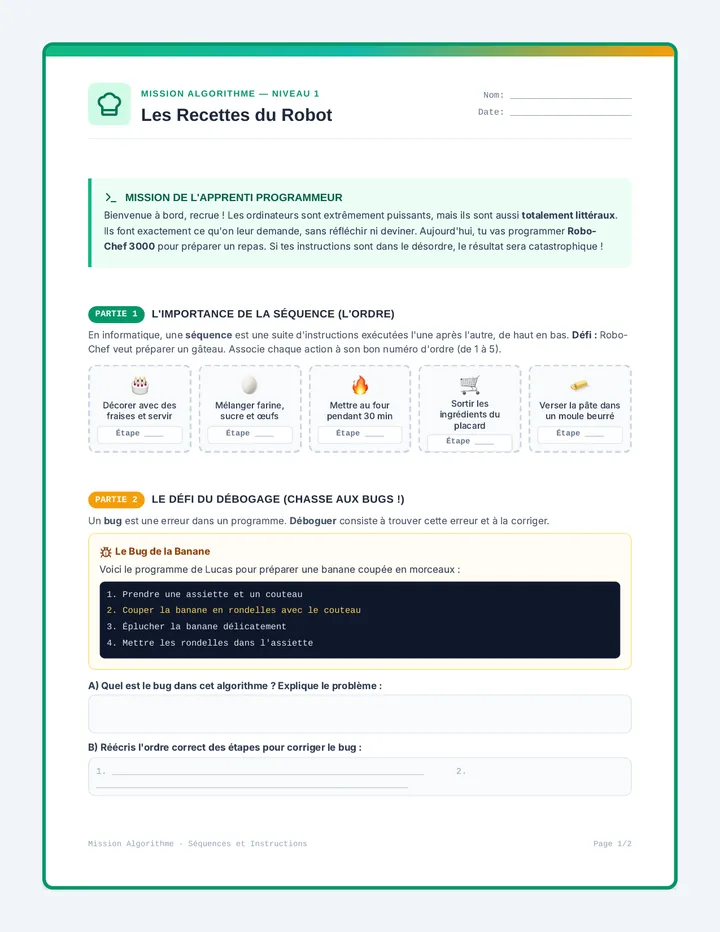
Students become 'architects' of logic, learning to decompose everyday tasks into precise, repeatable algorithms. They will practice 'programming' humans to understand the necessity of detail and sequence in computer science.
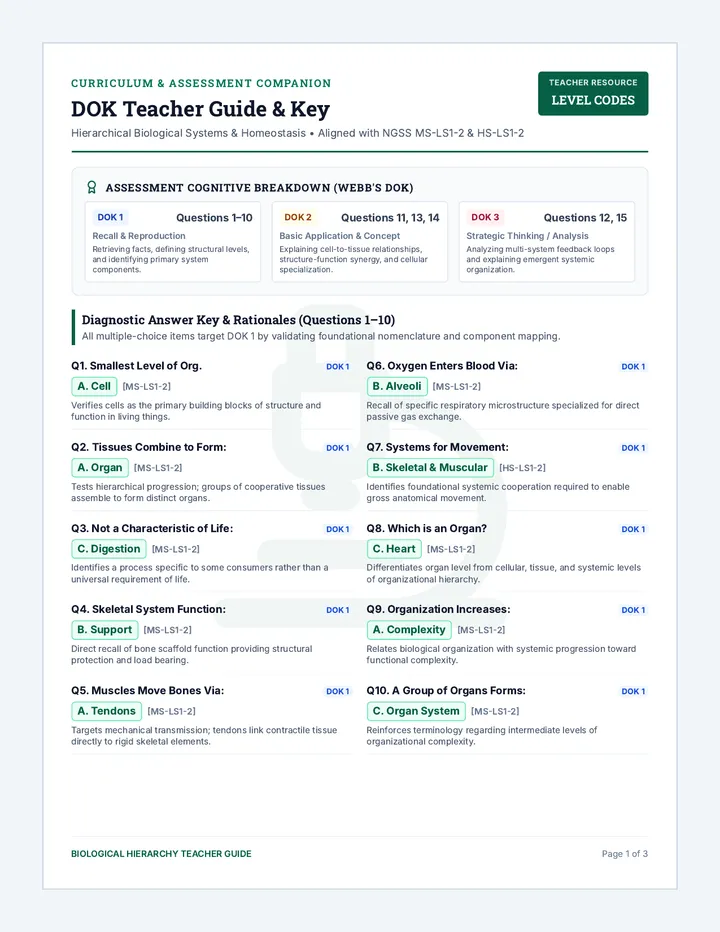
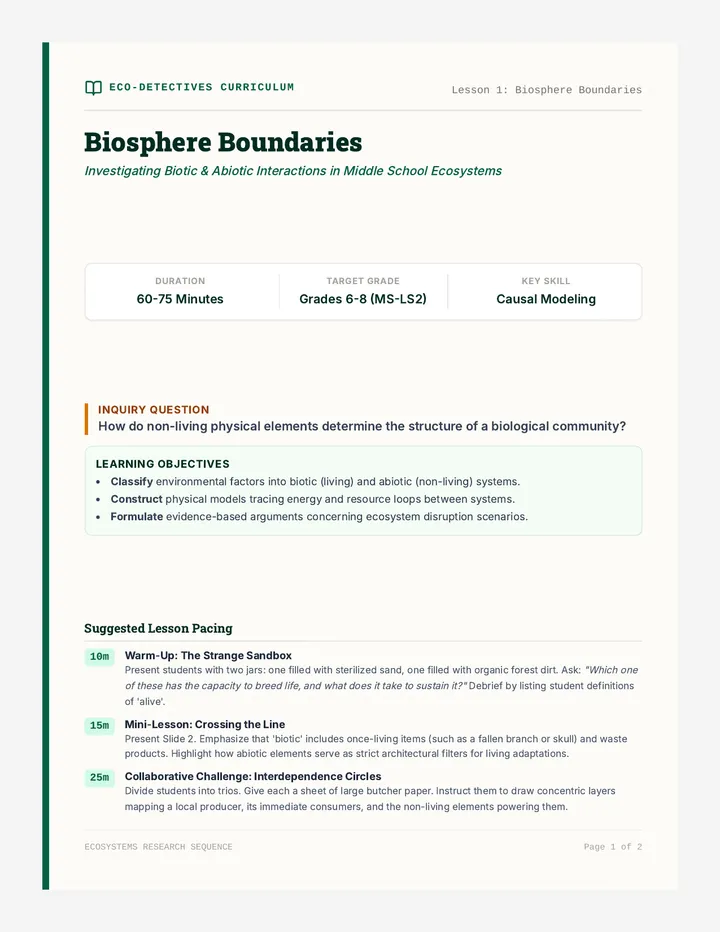
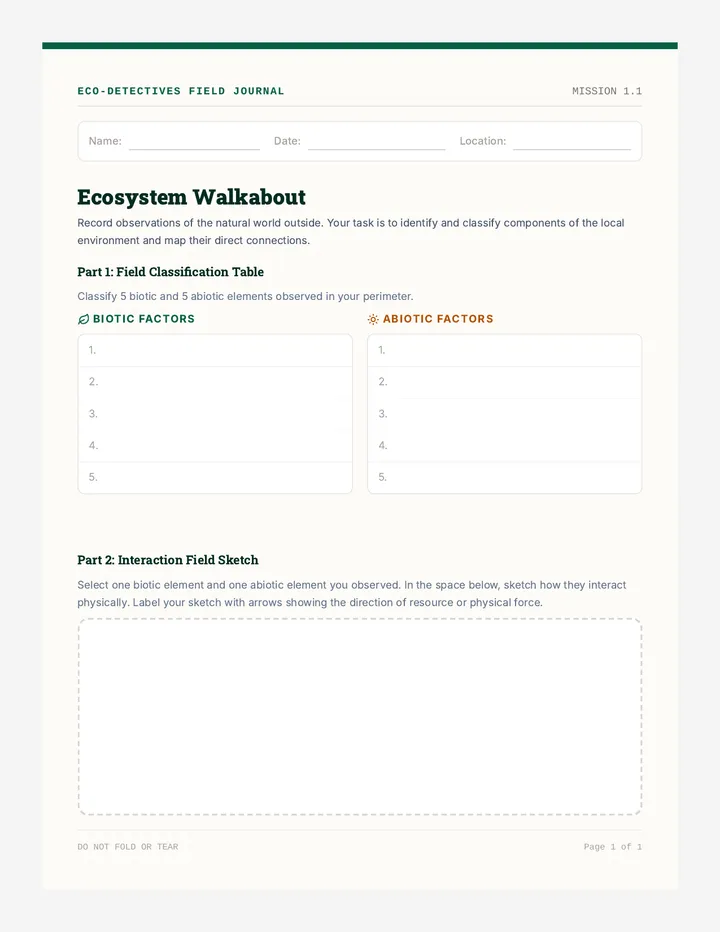
A lesson exploring how ecosystems are organized, the relationships between organisms, and the factors that limit population growth, including the status of endangered species.