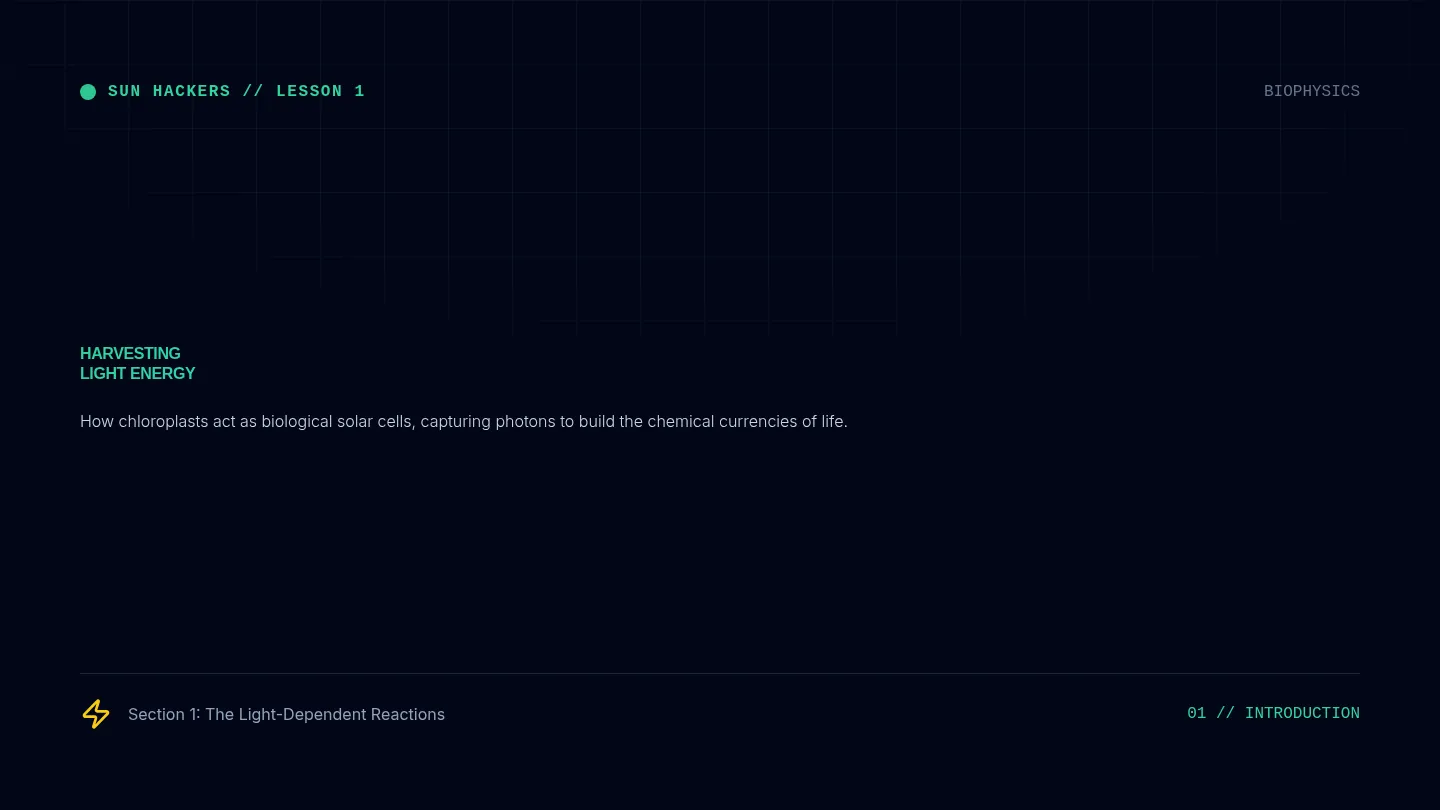
A complete mastery unit designed for high-stakes biology assessment preparation. Covers all core reporting categories: Cells, Genetics, Evolution, Systems, and Ecology with maximum-depth instructional materials and student support.
Homologous: Structure from ancestor (e.g. human arm vs bat wing). Analogous: NO ancestor (bird wing vs bee wing).
3. Biogeography
Study of WHERE organisms live. Island species resemble continent species because they migrated and changed.
4. Molecular (DNA)
THE ABSOLUTE BEST PROOF!
"Matches in Amino Acid sequences are the smoking gun for evolution."
Topic 3: Mechanisms
How Populations Change
Mechanisms & Speciation
TEKS 7E, 11C
Natural Selection
Non-random: Best traits for the environment win.
Genetic Drift
Random Chance Event
Bottleneck (disaster) or Founder (new colony).
Gene Flow
Migration: Genes moving between pools.
Geographic Isolation
Physically splitting a population (river, mountain).
Leads to Speciation (New Species)!
Topic 4: Ecological Stability
Cycles, Energy, & Change
Energy Flow & The 10% Rule
TEKS 12C
Tertiary
Secondary
Primary
Producers
The 10% Rule
Only 10% of energy transfers UP. The other 90% is released as Heat.
"Energy flows in ONE direction. Matter Cycles."
Essential Matter Cycles
TEKS 12E
Water Cycle
Plants add water to the air via Transpiration.
Carbon Cycle
Photo removes CO2. Resp adds it back.
Nitrogen
Atmospheric N2 is fixed by Bacteria in the soil.
Succession: Recovery
TEKS 11D
Primary
starts on BARE ROCK.
Pioneer species: Lichens / Moss.
Secondary
SOIL EXISTS (after fire).
Much faster process. Weeds first.
Climax Community
The final, stable stage. Highest Resilience and Biodiversity.
Blitz Checkpoint
A population of squirrels is split by a new river. Over time, the two groups become different species. Which mechanism primarily caused this speciation?
A. Natural Selection
B. Gene Flow
C. Geographic Isolation
D. Secondary Succession
Victory!
"Master the interactions. Master the test!"
Natural Selection: Reproductive fitness
Gene Flow: Migration movement
Instructional Master Key
Squirrel Checkpoint Q: C (Geographic Isolation)
Stability Key: Biodiversity = Resilience
Energy Key: Energy Flows; Matter Cycles
"Resilience Through Diversity"
High-Depth Eco-Evolution Mastery Guide
Bacteria Only
Eukaryotes
HAS Nucleus (Linear DNA)
Mitochondria (Energy)
Animals, Plants, Fungi
Ribosomes : Synthesis Cell Membrane : Transport Cytoplasm : Space
Detailed Cell Transport
TEKS 4B
Passive: Downhill
High → Low Concentration
1. Simple Diffusion: Small non-polar (O2, CO2) slide through lipids.
2. Facilitated: Larger items use Protein Channels.
3. Osmosis: Specific diffusion of Water.
Active: Needs ATP
Low → High Concentration
1. Molecular Pumps: ATP powers Na+/K+ movement.
2. Endocytosis: Cell membrane folds IN to "eat".
3. Exocytosis: Vesicles fuse OUT to "spit".
Topic 3: Detailed Cellular Energy
Matter & Energy Flow
The Bio-Energy Cycle
TEKS 9B
Feature
Photosynthesis
Respiration
Reactants (IN)
CO2 + H2O + Light
Glucose + O2
Products (OUT)
Glucose + O2
CO2 + H2O + ATP
Organelle
Chloroplast (Plants)
Mitochondria (All Euk)
Goal
STORE Energy in Bonds
RELEASE Energy into ATP
Topic 4: Cell Cycle & Mitosis
The Blueprint for Growth
Chromosome Anatomy
TEKS 5A
Detailed Parts:
Chromatid: One "leg" of the X. Two sisters are identical.
Centromere: Center holder. Point of spindle attachment.
S-Phase: DNA Replication
CENTER
Sister Chromatids
The Stages of Mitosis (PMAT)
TEKS 5A
P
Prophase
Condense
M
Metaphase
Middle
A
Anaphase
Away
T
Telophase
Two Nuclei
Checkpoints & Cancer Detailed
TEKS 5D
Checkpoints verify DNA integrity and proper protein assembly before division.
CANCER
A disease of the cell cycle. Mutations disable checkpoints, causing cells to divide uncontrollably without end.
STOP FAILURE
Topic 5: DNA & Central Dogma
Genetic Blueprinting
The Central Dogma
TEKS 6C
DNA
Storage
RNA
Messenger
Protein
Function
Transcription
In the Nucleus
Translation
In the Ribosome
Mutation: Genetic Mistakes
TEKS 6E
Point Mutation
(Substitution)
One base is swapped. Only changes one amino acid. Usually less severe.
Frameshift Mutation
(Insertion/Deletion)
Every codon AFTER the mutation changes. The protein is completely broken.
Topic 6: Meiosis & Inheritance
Diversity & Traits
Creating Genetic Diversity
MEIOSIS
Crossing Over
During Prophase I, chromosomes swap DNA segments. This "shuffles" the deck for unique offspring.
Diversity = Survival
Offspring with variation can adapt to a changing environment.
Meiosis Divisions
2n
n
n
4 UNIQUE HAPLOID CELLS
X-Linked Logic: The Math
STEP 1
On the X Only
Recessive traits like Hemophilia sit only on the X. The Y is empty.
X Y
Male
X X
Female
"Males only have one shot at a good X."
X-Linked: Why are Males Targeted?
STEP 2
No Backup X
Xh
Y
Affected Male
Hidden Carrier
XH
Xh
Carrier Female
Y-Linked Pattern Rules
THE EASY ONE
The Only Rule:
Only Males Shaded
"If a single female is shaded, it is NOT Y-linked."
Fathers pass to ALL sons.
Females are NEVER affected.
NEVER skips a generation.
X-Linked Pedigree Visual Guide
PRACTICE
Affected Son
Normal Daughter
Carrier Mother → Affected Son
Spot the Signs:
Mostly males are affected. Often skips a generation through carrier females.
The Golden Rule:
Shaded Child + Non-Shaded Parents = RECESSIVE
Victory!
"You have the details. Now go get the score!"
Telo
Topic 5
DNA & Dogma
The Central Dogma
DNA → mRNA → PROTEIN
Transcription (Nucleus) → Translation (Ribosome)
Mutation
1. Point: swap one base.
2. _______________: shifts the whole frame (very dangerous).
Topic 6
X & Y Genetics
X-Linked Spotting
Carrier Mother: XHXh
Affected Son: XhY
Males have NO backup X to hide recessive genes.
Y-Linked Pattern
Affected Female? NEVER
Pattern: Father → Sons
Trait never skips male generations.
Diversity Check:
Crossing Over (Prophase I) shuffles DNA for unique offspring.