A comprehensive review sequence for Grade 6 Science covering genetics, heredity, thermal energy, and climate patterns. Each mission focuses on a mix of all key standards to prepare students for their upcoming assessment.
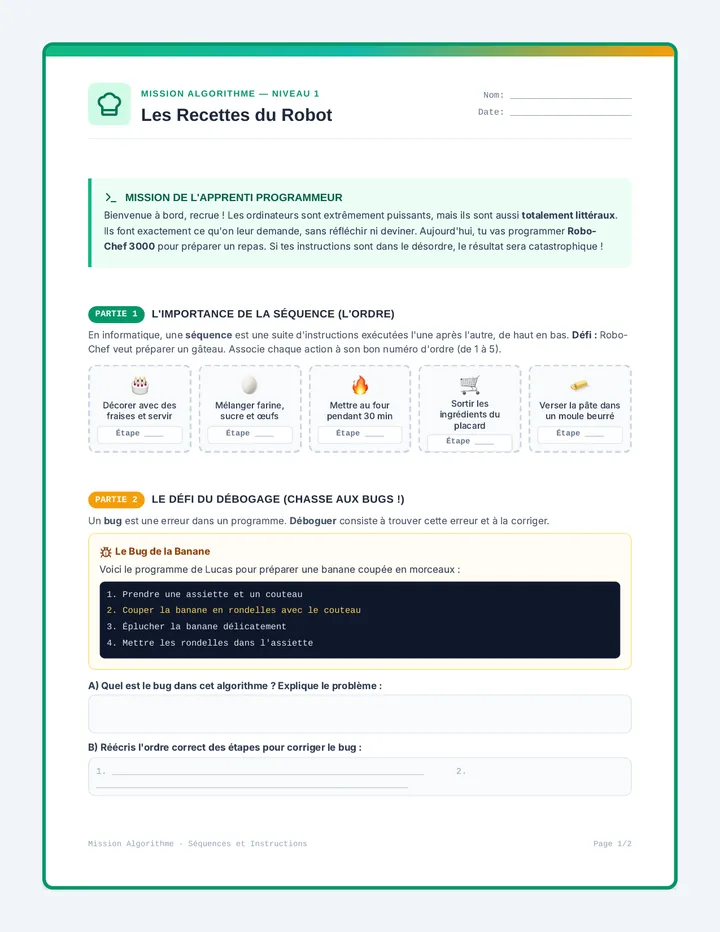
Une séquence d'initiation à l'algorithmique sans code pour débutants absolus. À travers des métaphores concrètes, les apprenants découvrent les trois piliers de la programmation : les séquences d'instructions, les conditions et les boucles.
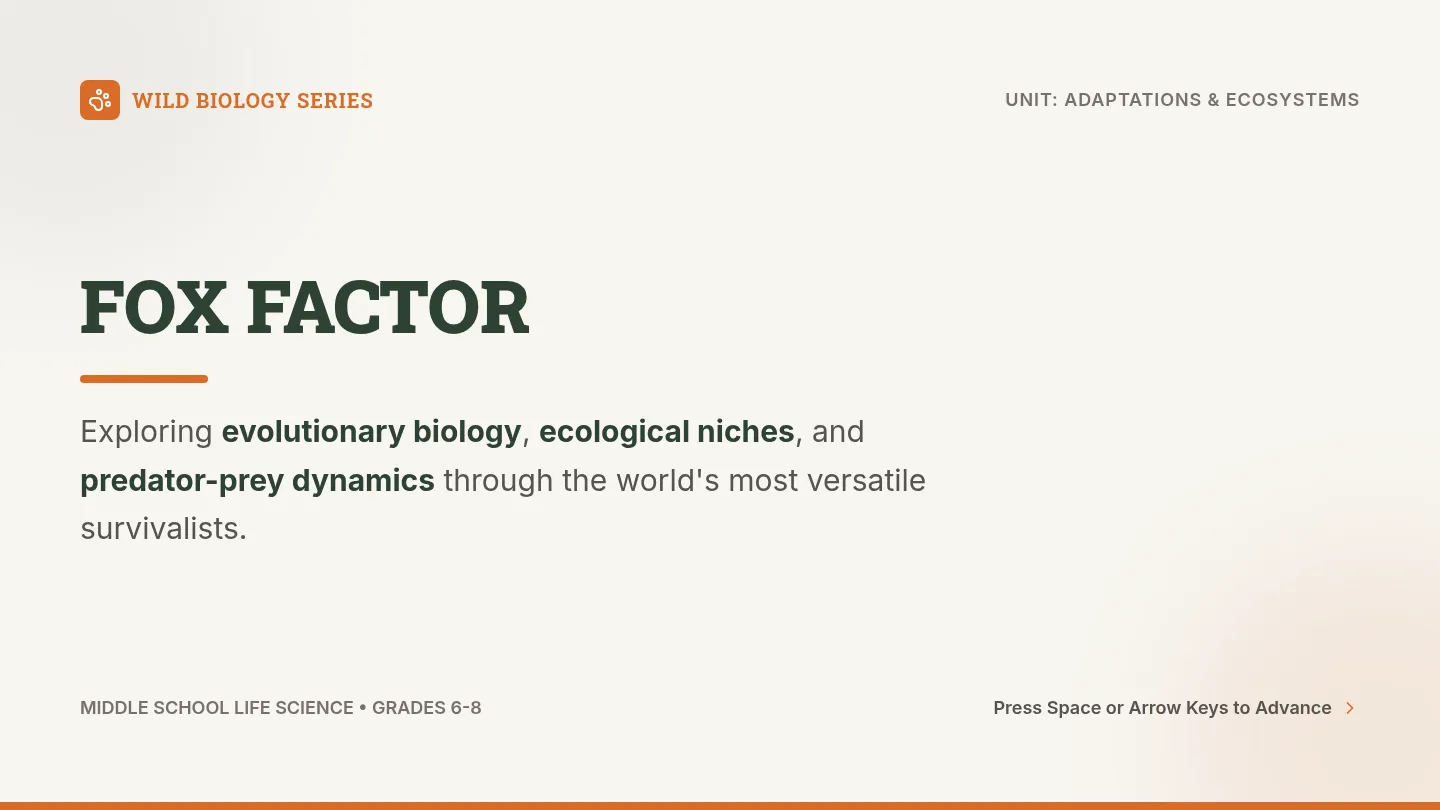
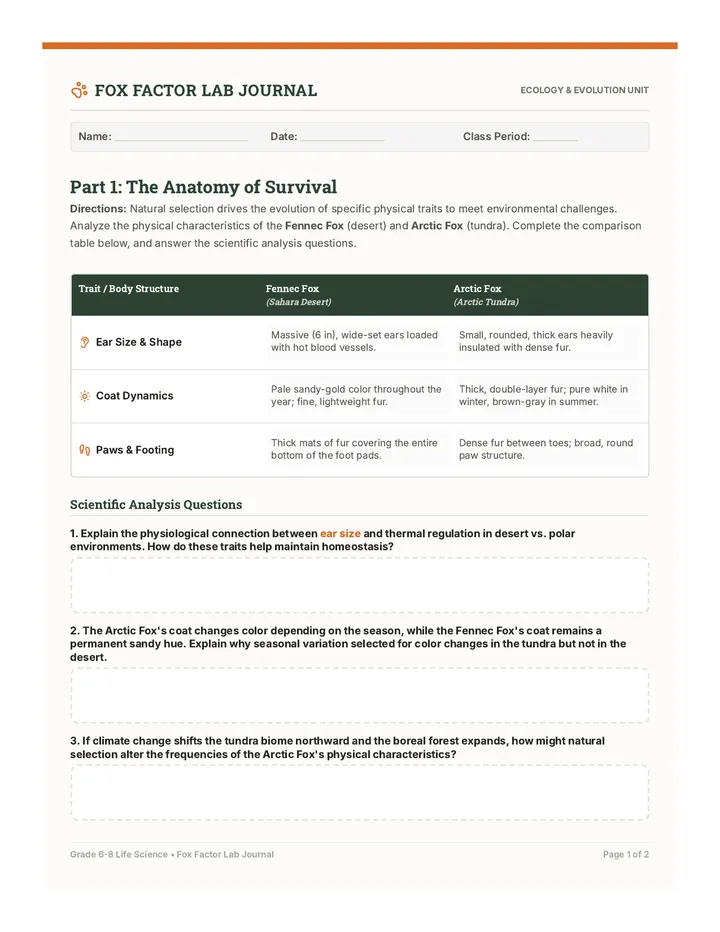
A middle school science lesson exploring evolutionary biology, ecological niches, and predator-prey dynamics through the comparative study of diverse fox species. Students analyze physical adaptations, food webs, and population cycle graphs.
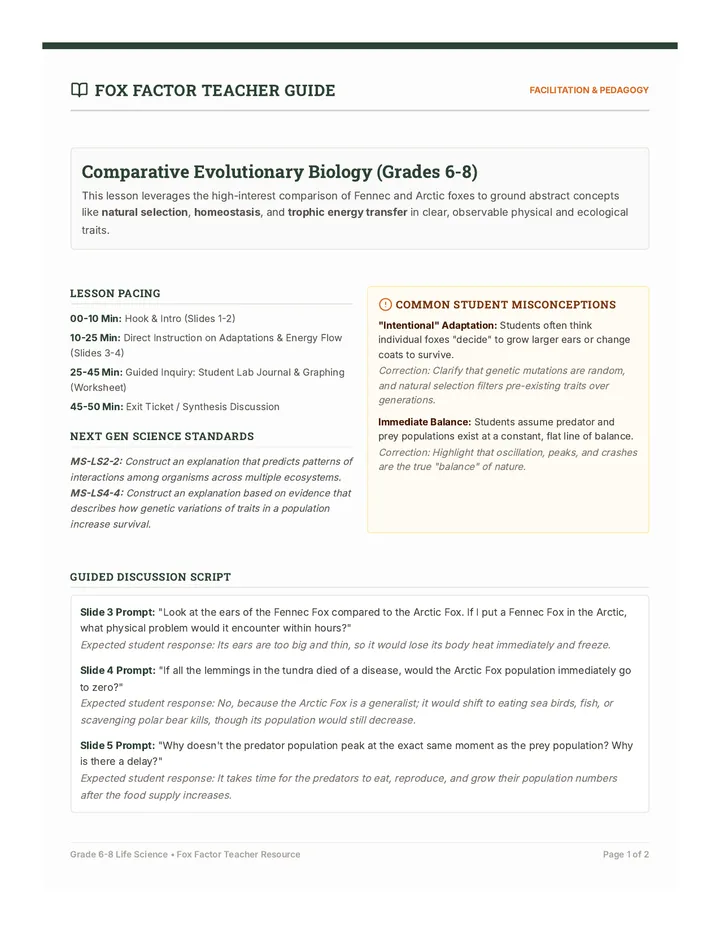
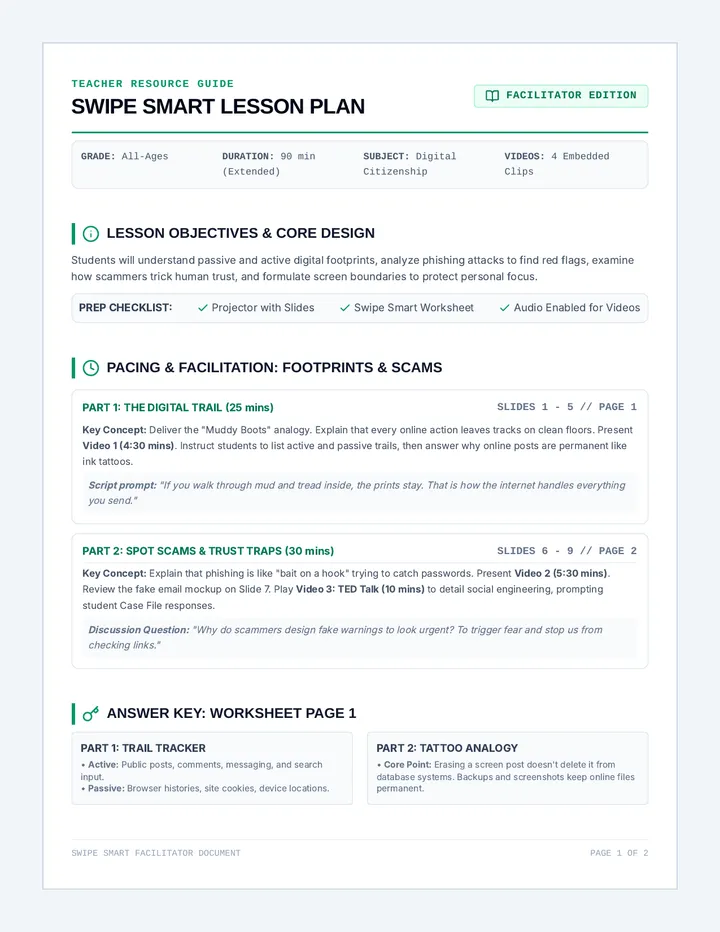
A 2-page teacher facilitation guide containing a complete lesson plan, discussion prompts, lists of common misconceptions, and a comprehensive answer key for the student worksheet.
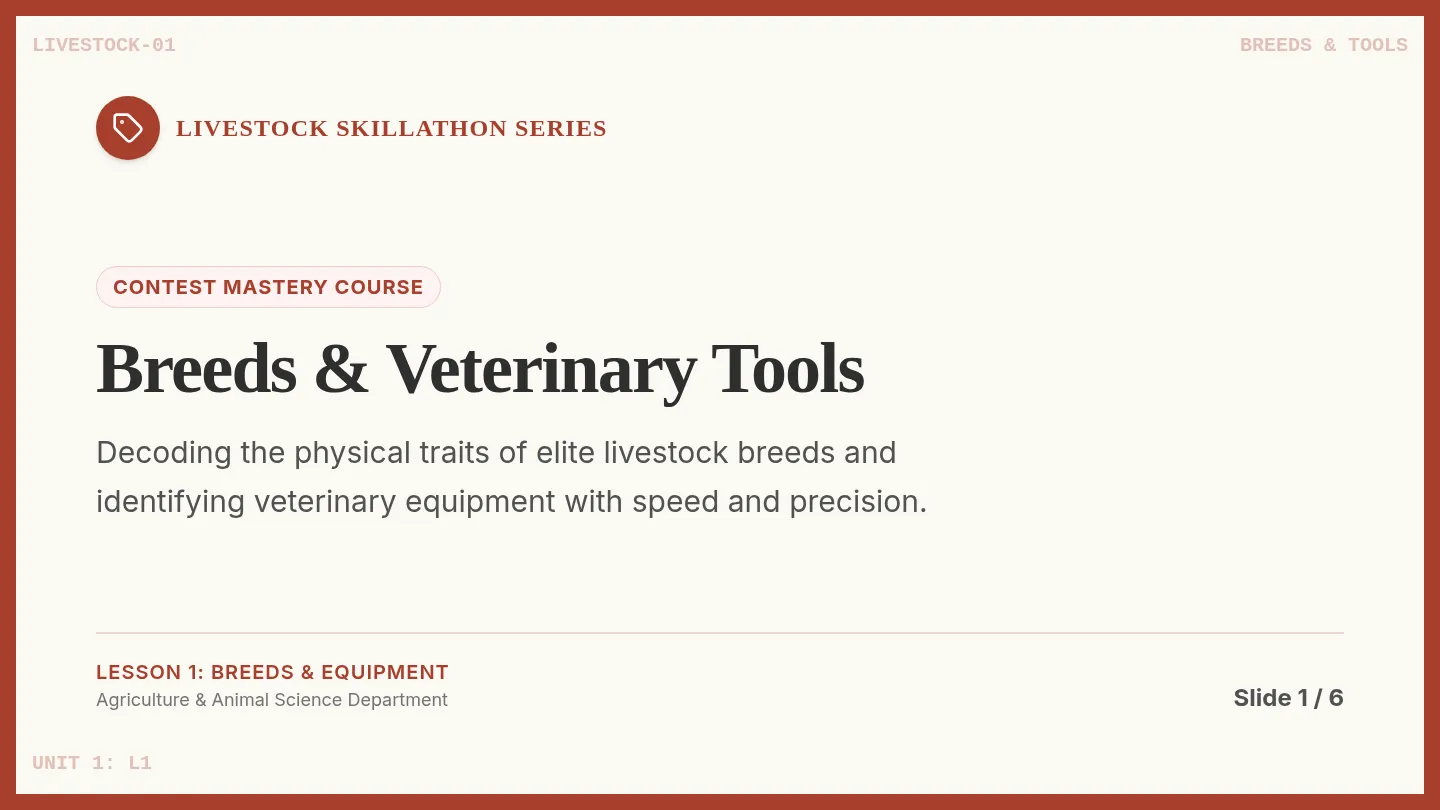
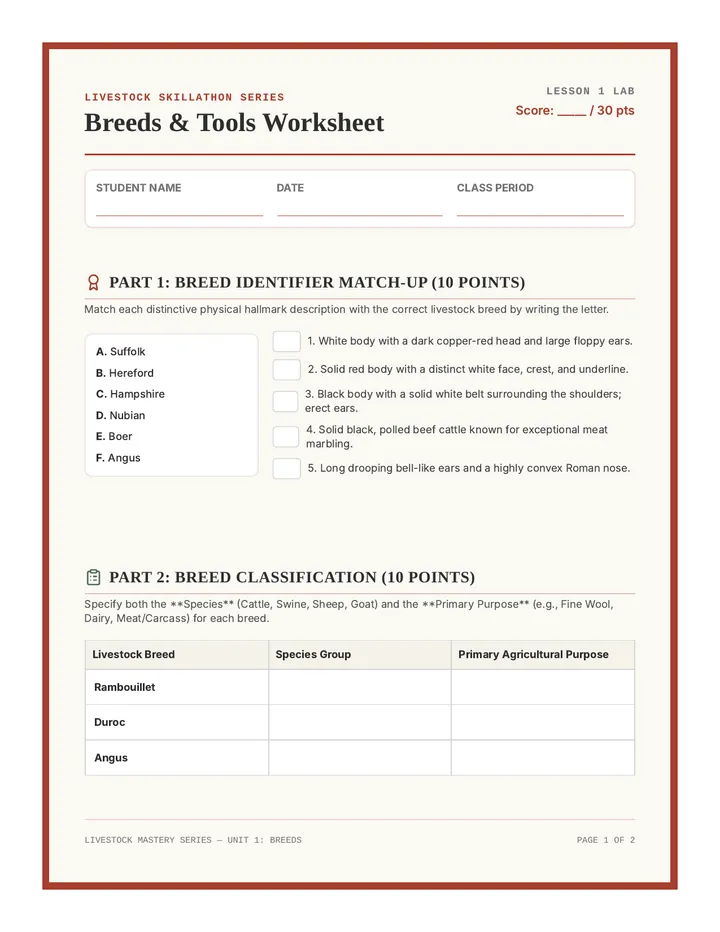
An immersive preparation program that equips agriculture students with the hands-on identification and evaluation skills needed to conquer competitive Livestock Skillathon contests.
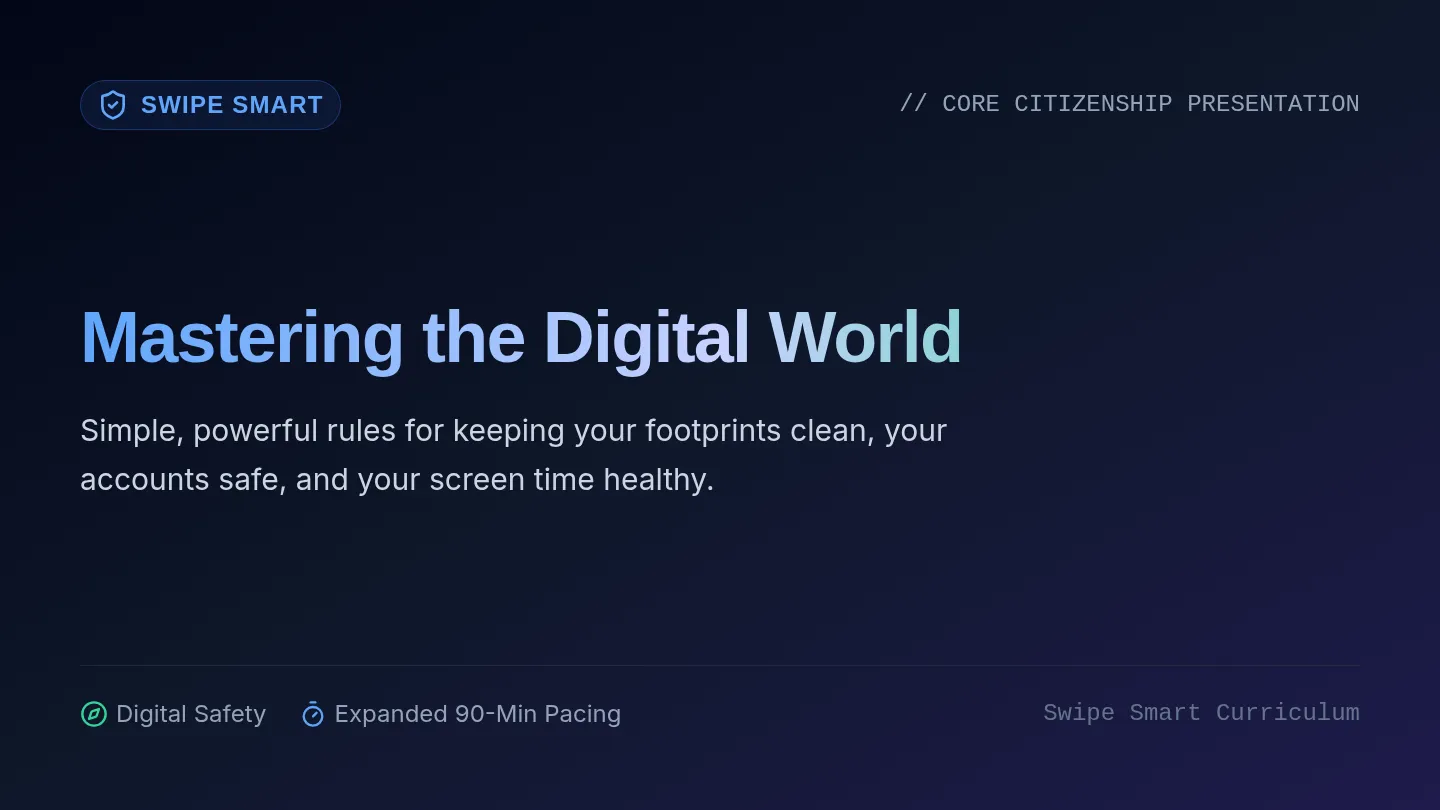
A comprehensive online safety curriculum combining key digital citizenship concepts: managing digital footprints, identifying online scams and phishing, and establishing healthy screen time habits.
A 2-page student worksheet containing physical adaptation matching, food web diagramming, and a real predator-prey dataset graphing analysis.
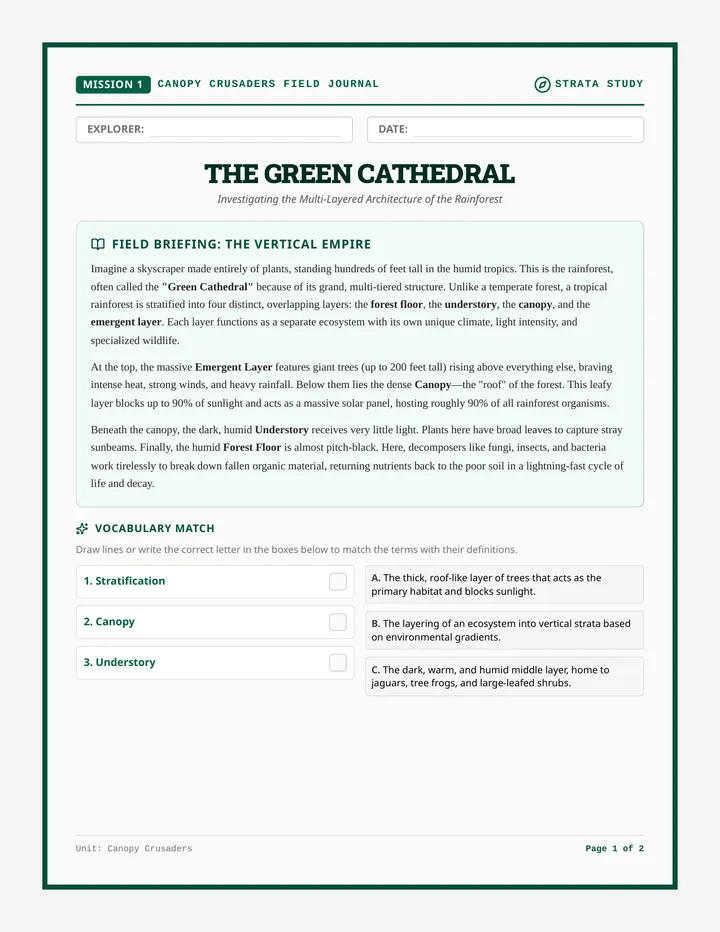
A comprehensive unit on rainforest ecology, climate regulation, and conservation. Students explore the structural layers of the rainforest, their roles as carbon sinks, the threats of deforestation, and collaborative solutions for preservation.
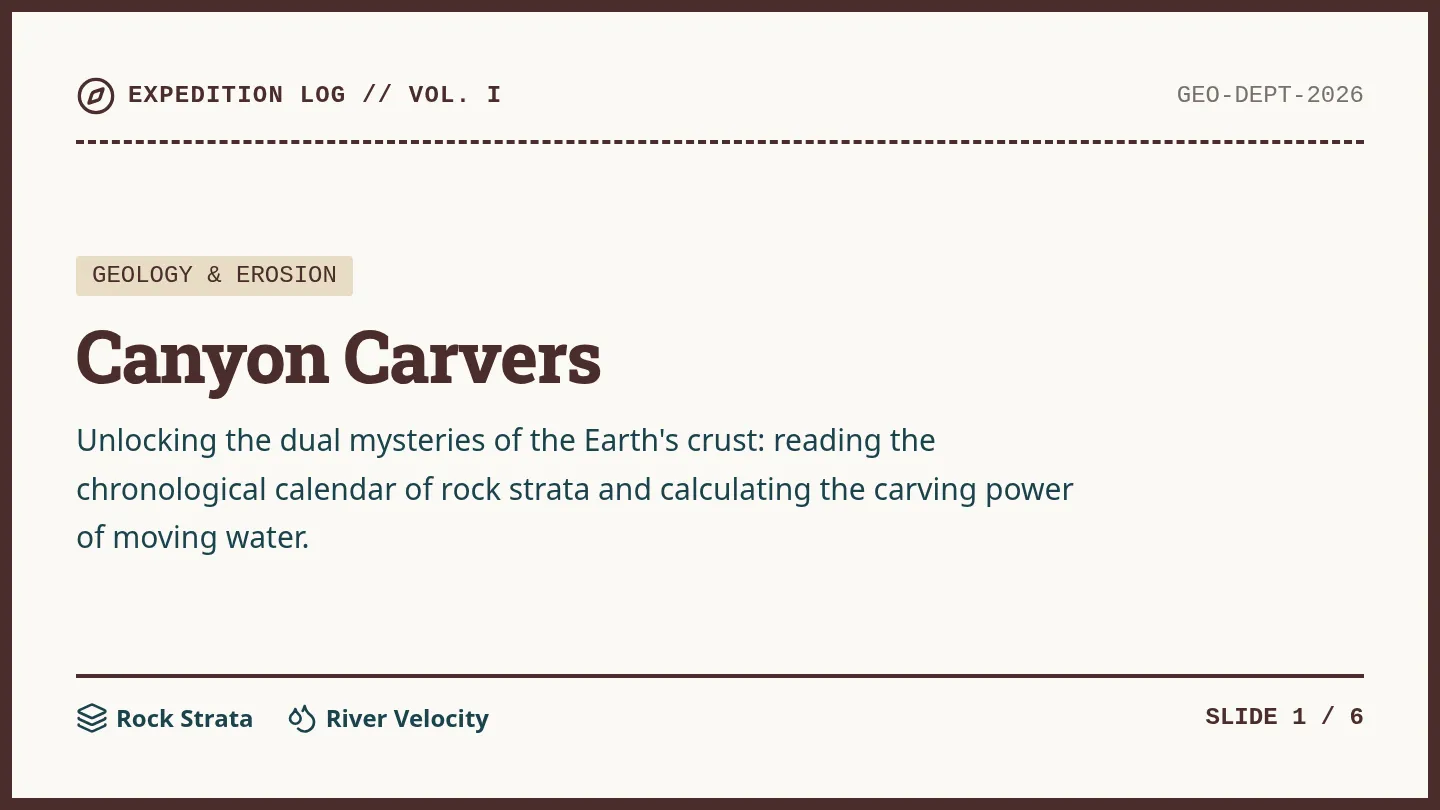
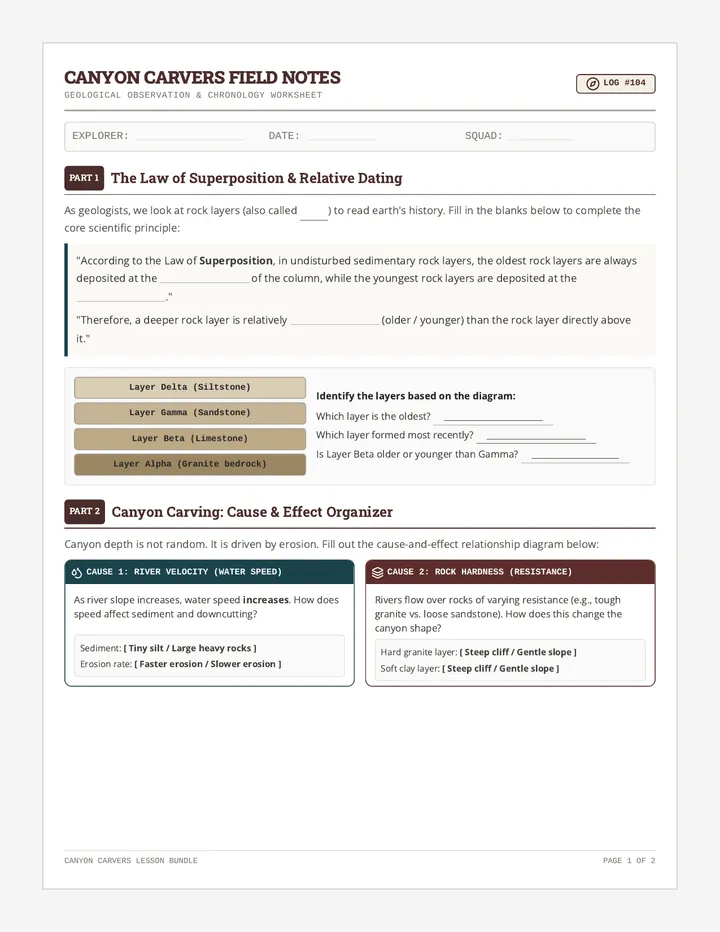
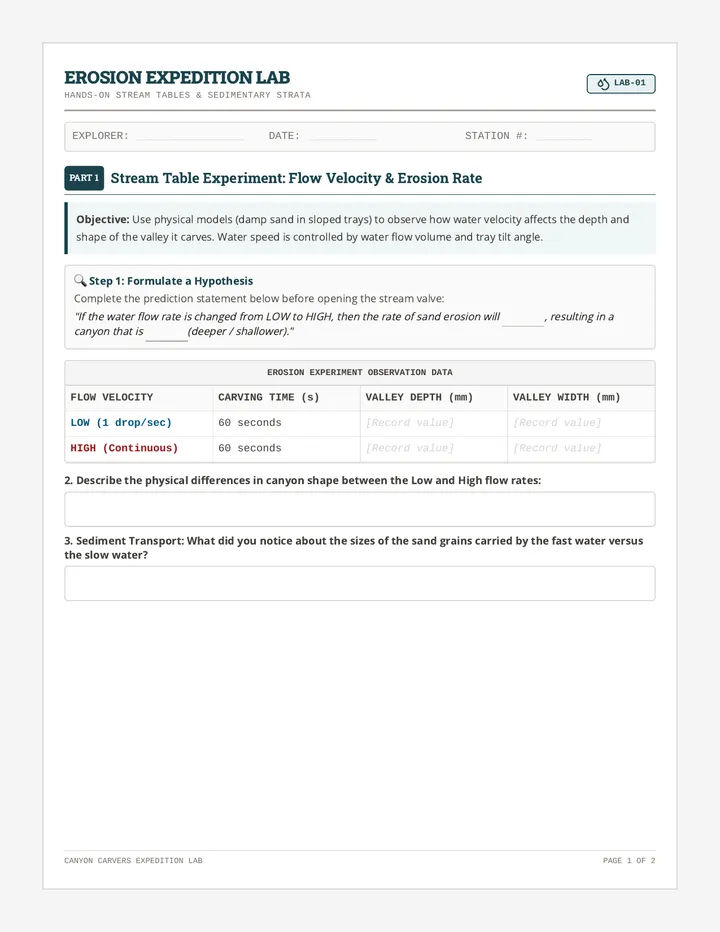
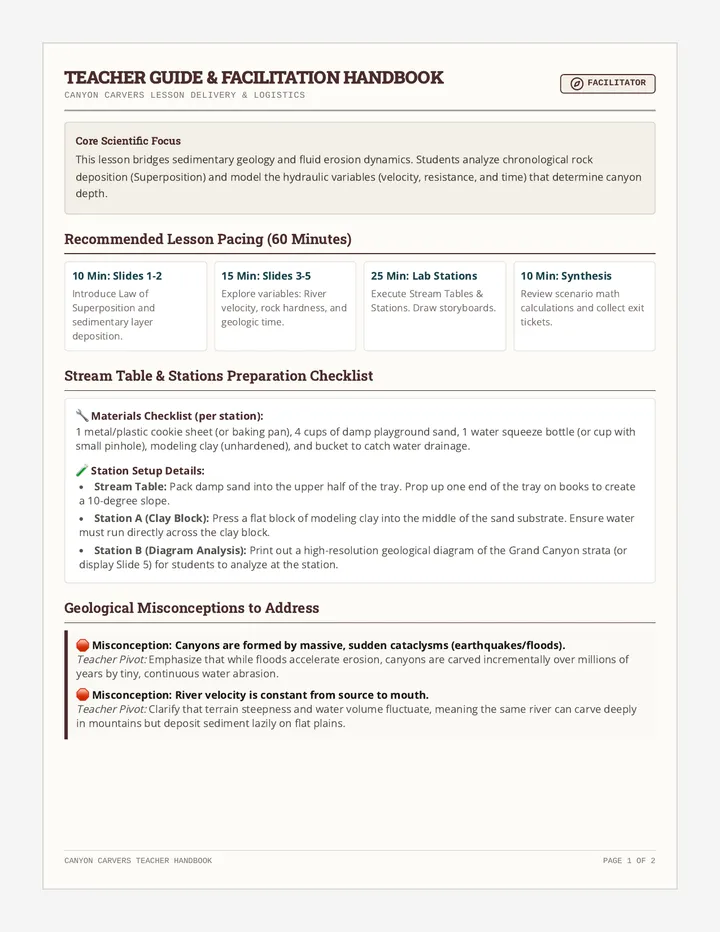
A comprehensive lesson exploring how relative dating determines rock layer age and how river velocity, rock hardness, and time interact to carve valleys of varying depths.
A highly visual slide presentation for direct instruction, introducing students to adaptations, ecological niches, and predator-prey dynamics using Arctic, Fennec, and Red foxes.
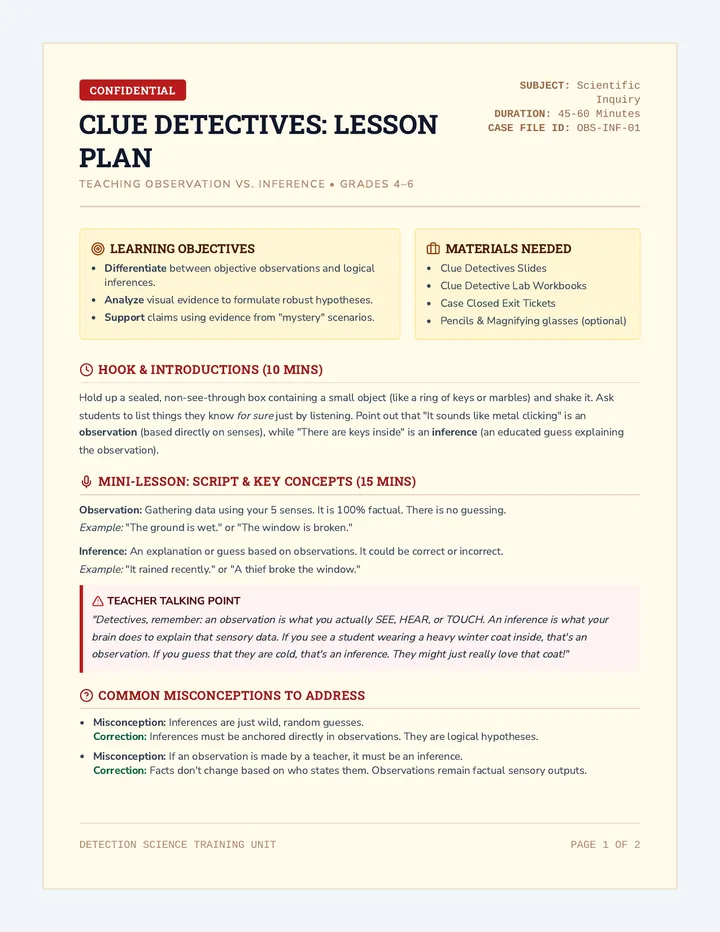
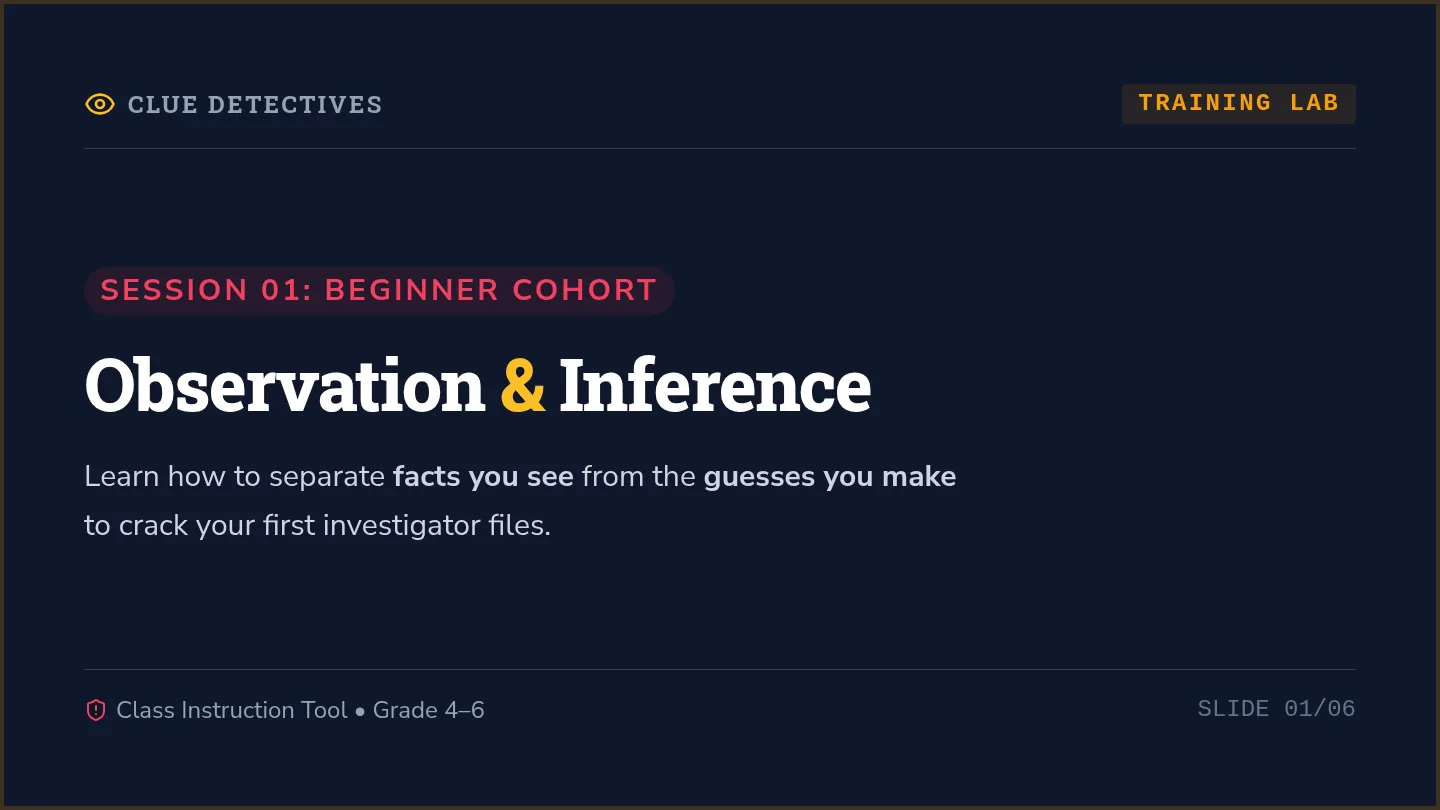
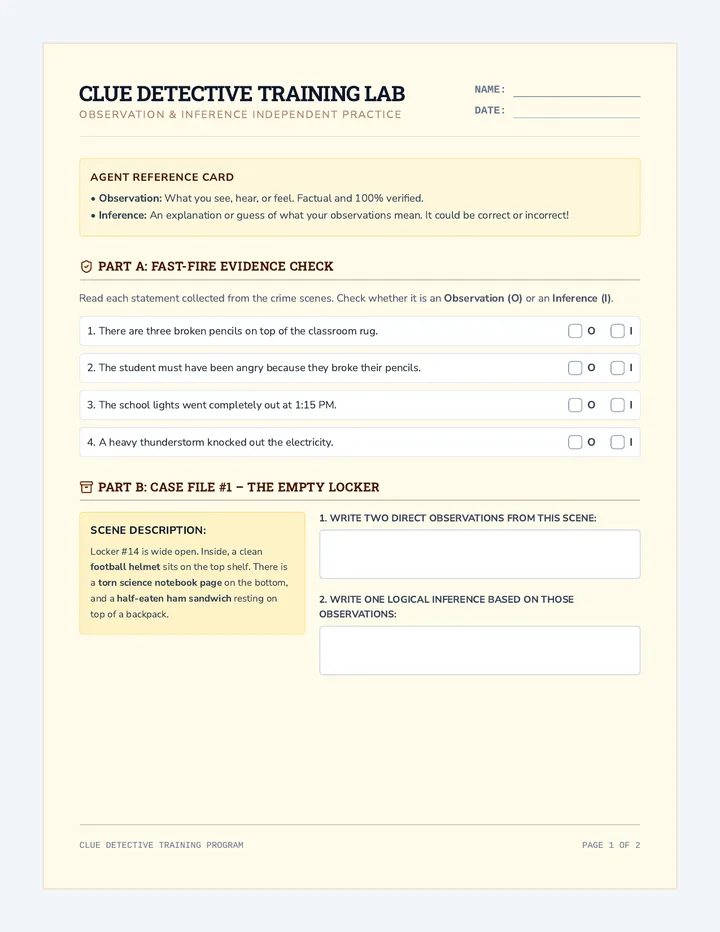
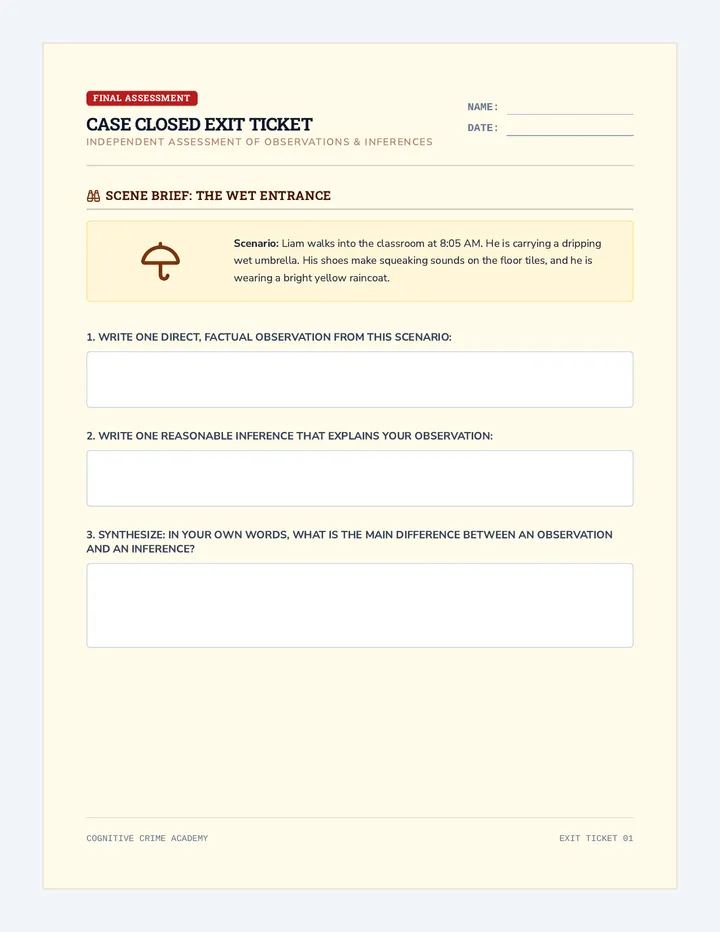
An immersive lesson where students learn to distinguish between direct observations and logical inferences. Using everyday mystery scenarios, students practice analyzing visual evidence and building evidence-based arguments.
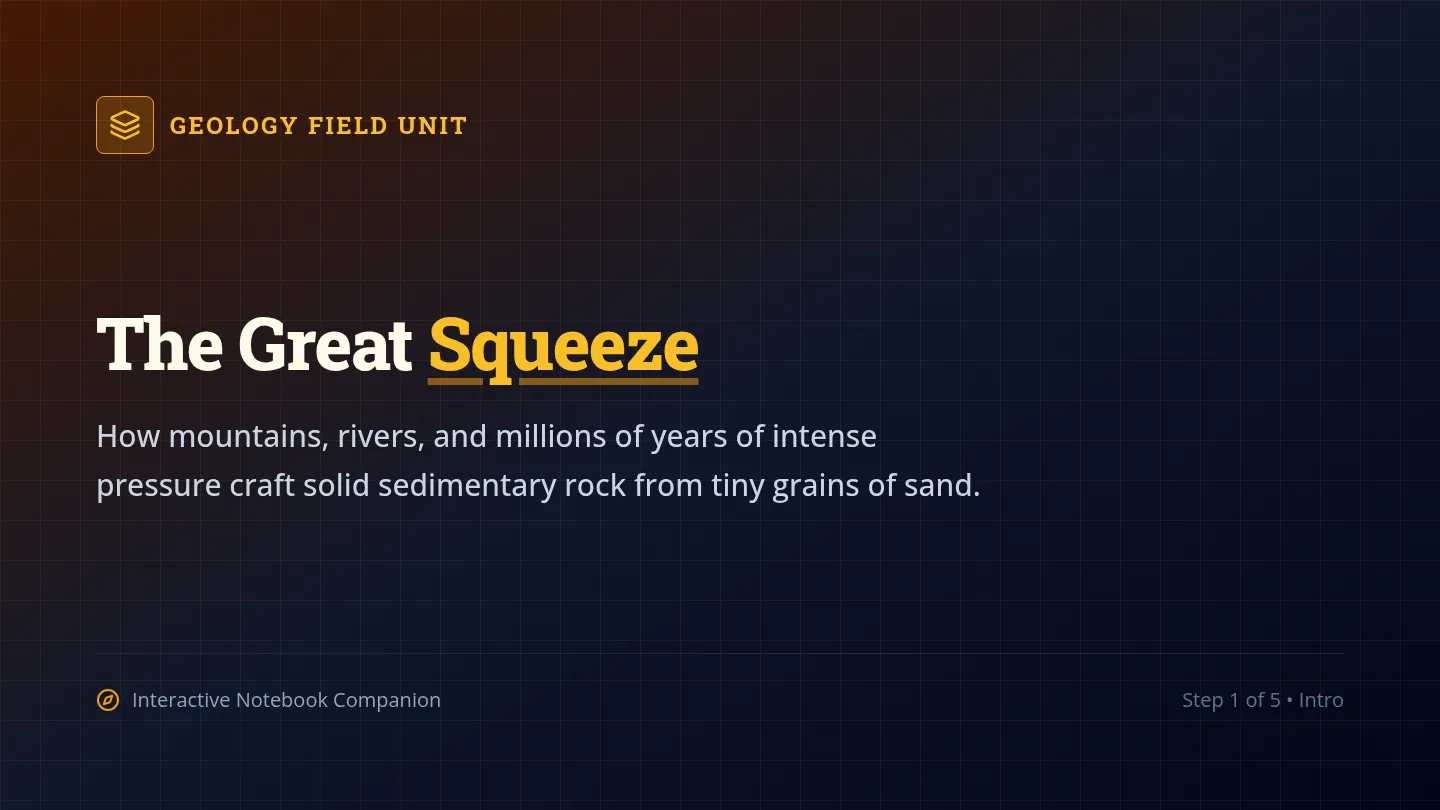
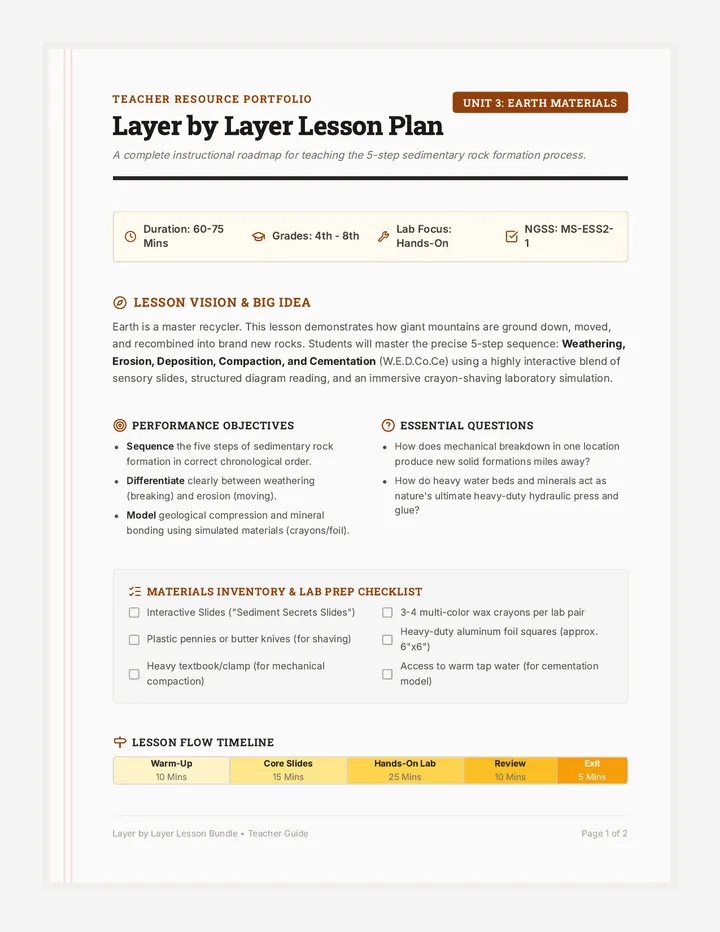
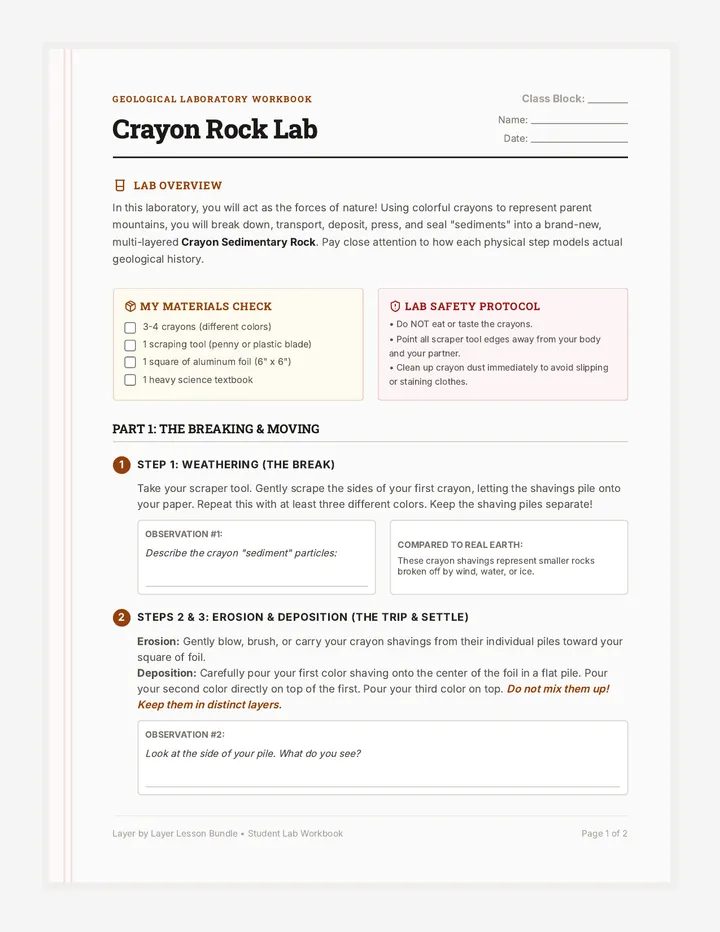
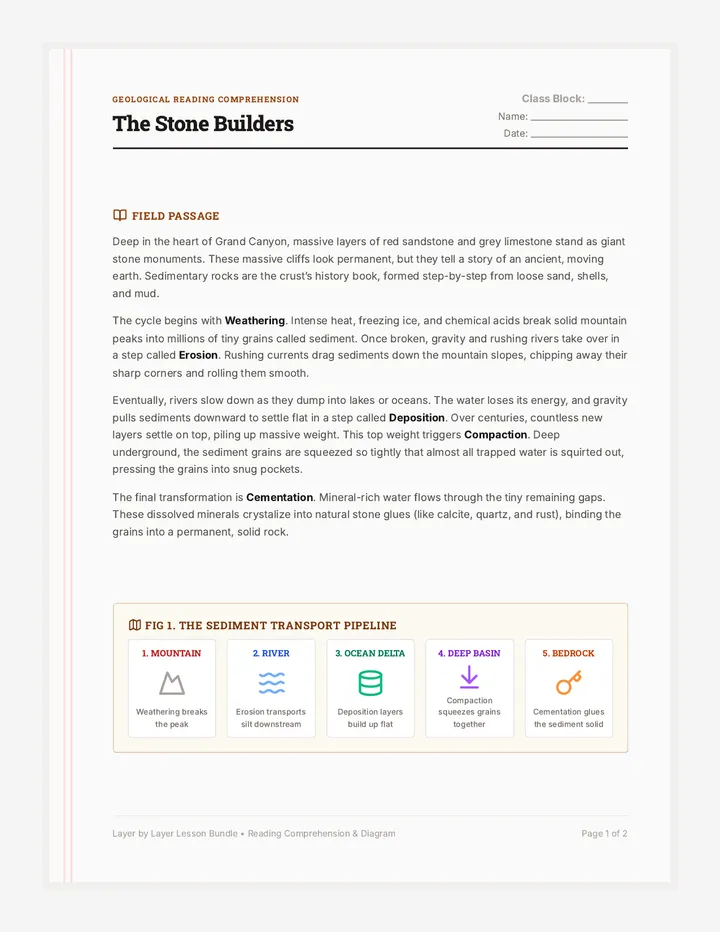
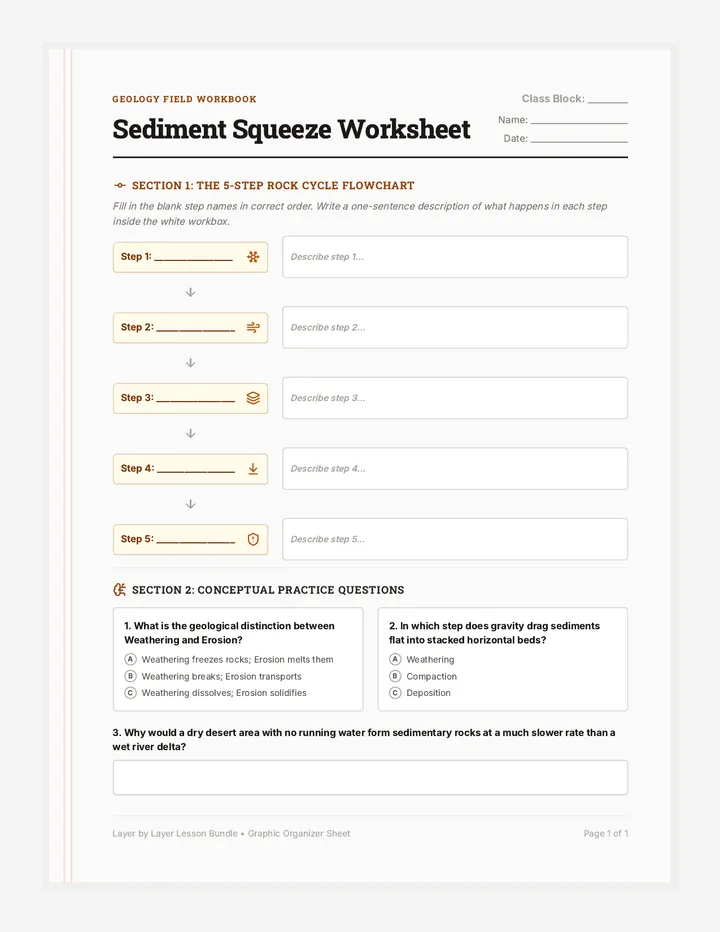
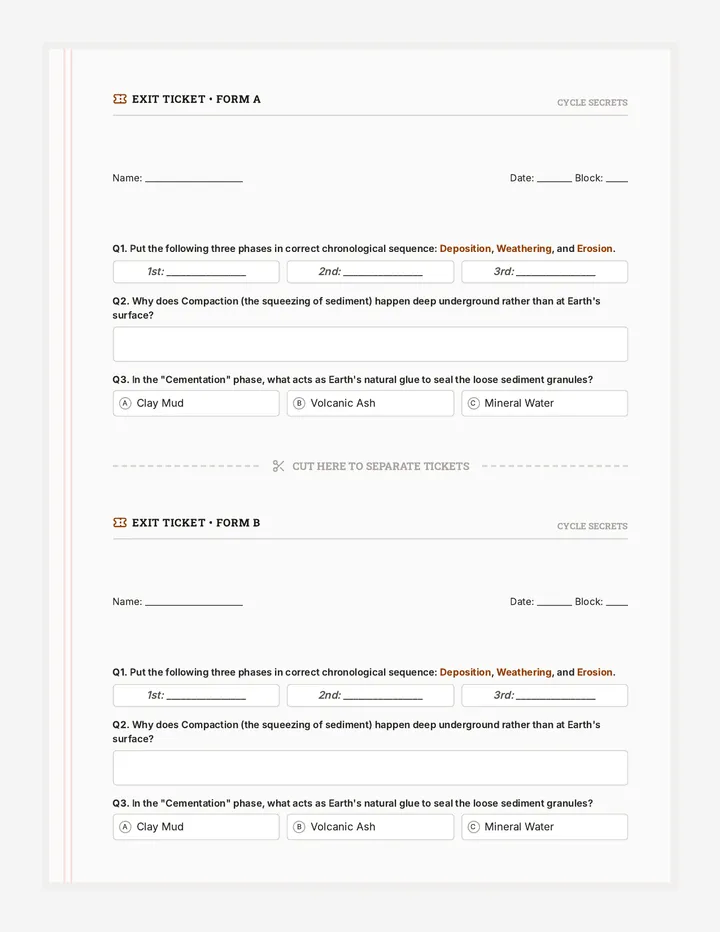
A comprehensive lesson exploring the 5-step sedimentary rock formation process (Weathering, Erosion, Deposition, Compaction, and Cementation). Includes an instructional slide deck, a detailed teacher guide, a crayon-modeling hands-on lab, an interactive diagram worksheet, and an exit ticket.
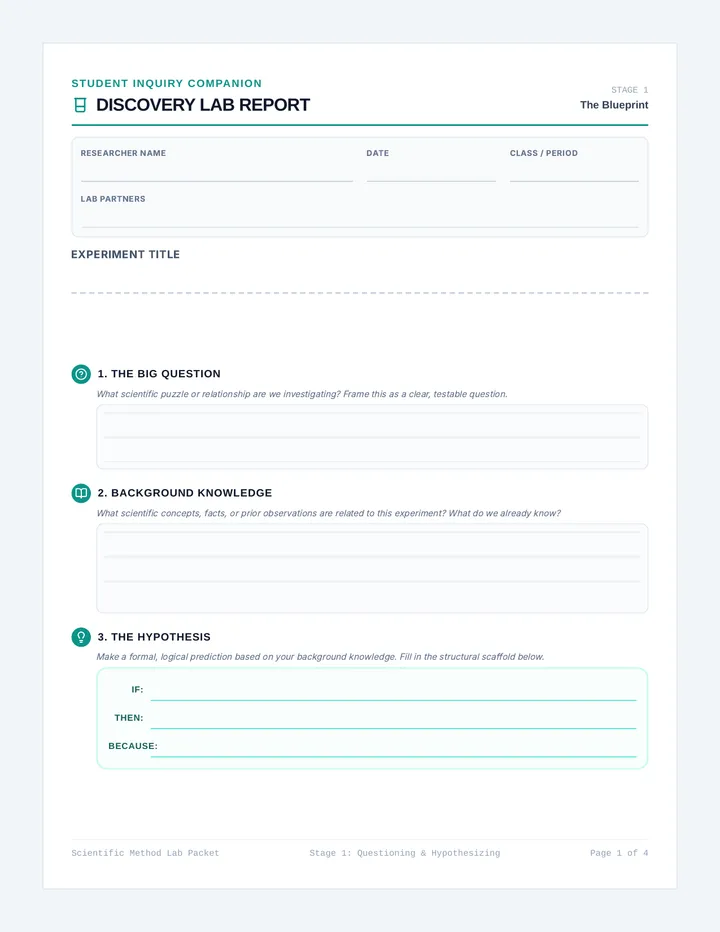
A foundational lesson containing a comprehensive, multi-page scientific inquiry packet and guide that scaffolds students through every stage of the scientific method for any classroom experiment.