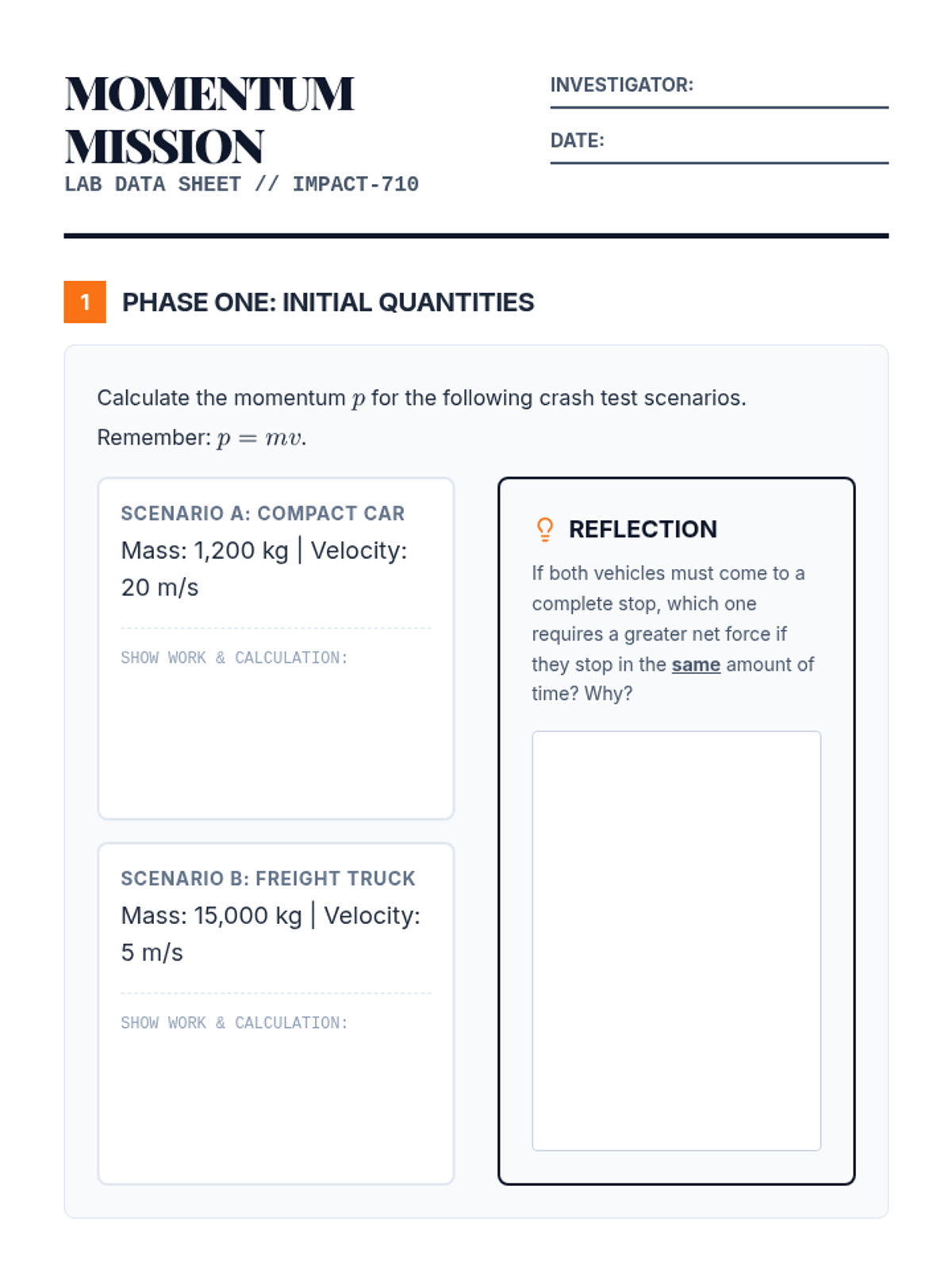
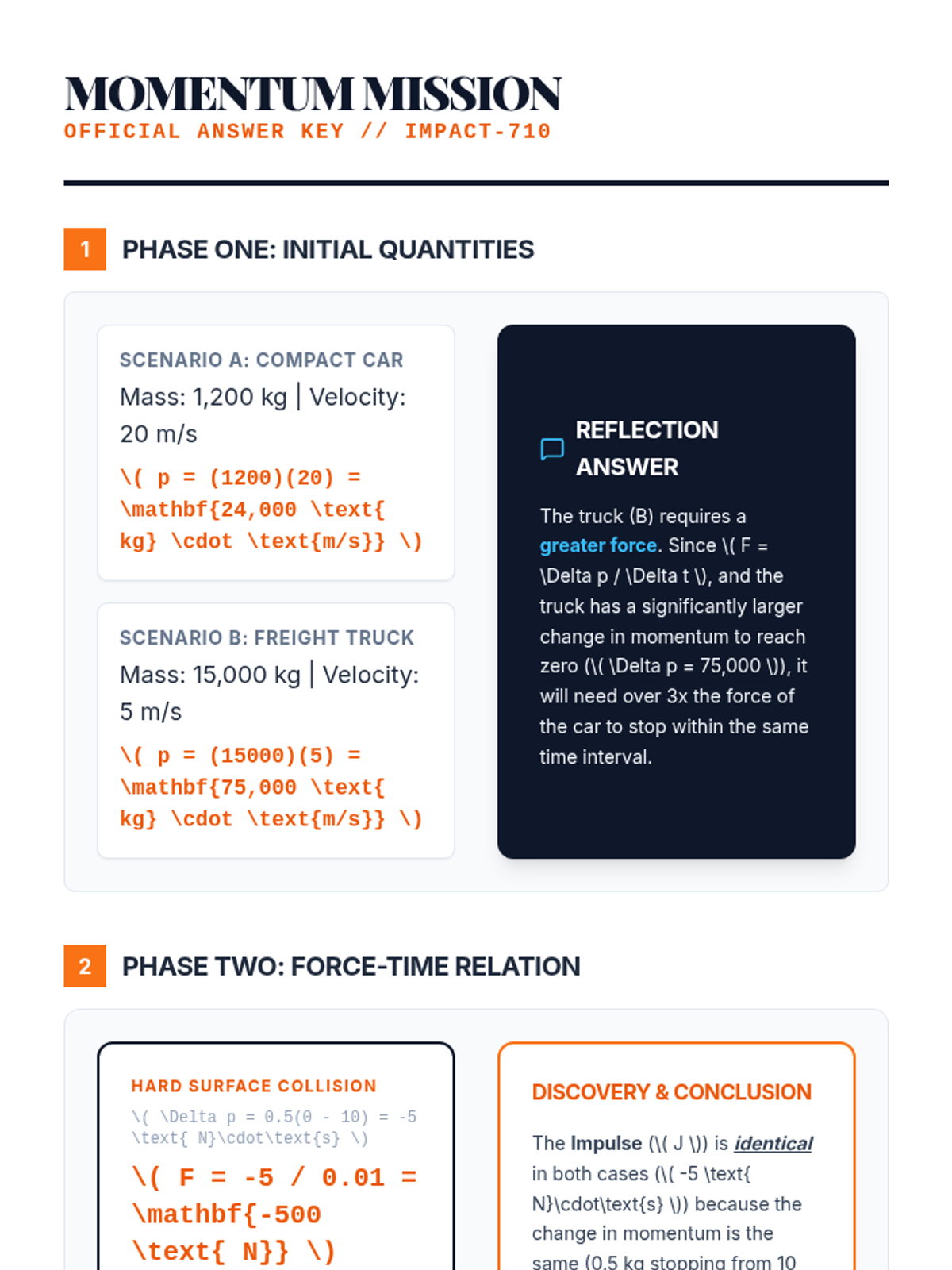
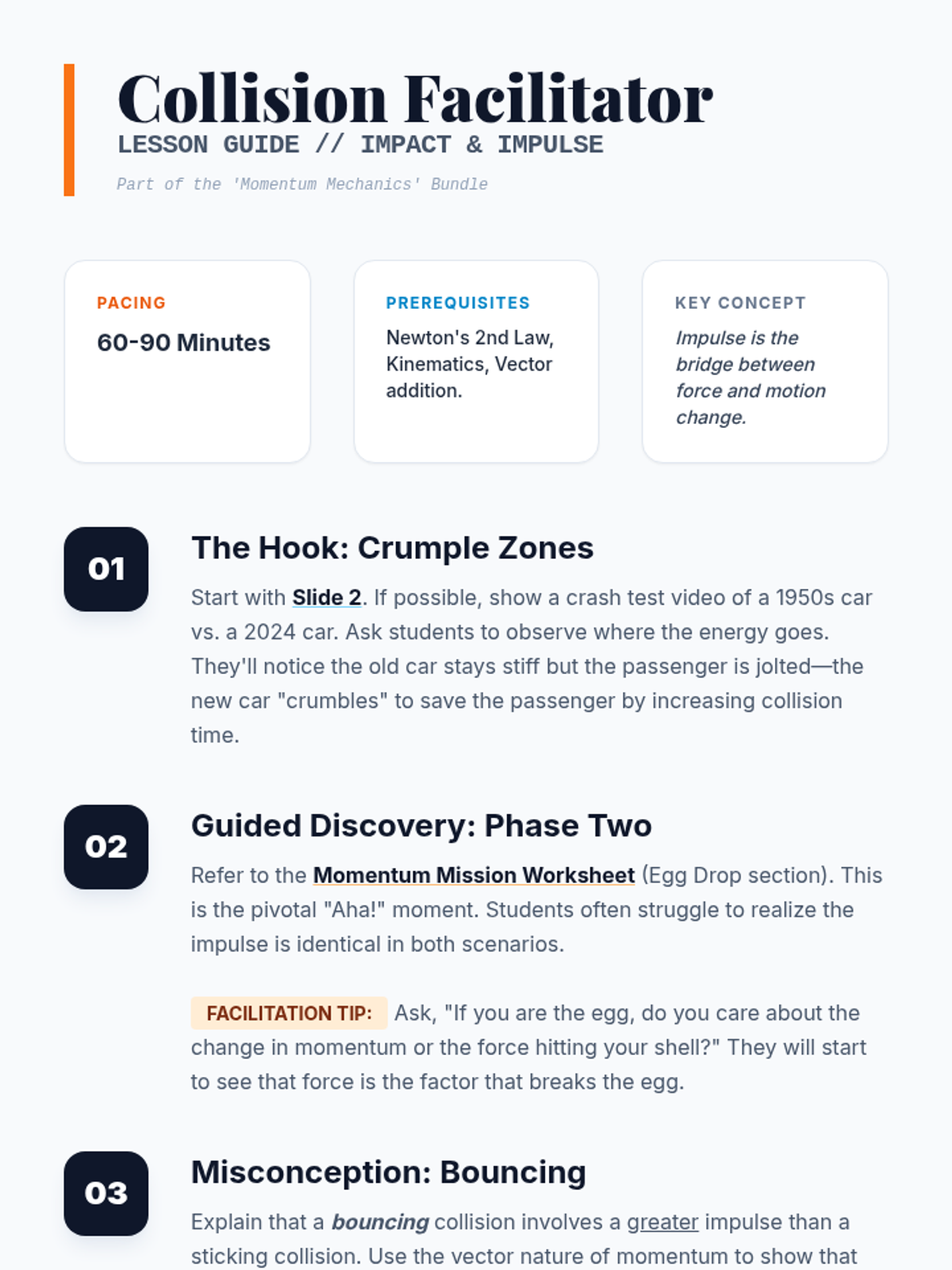
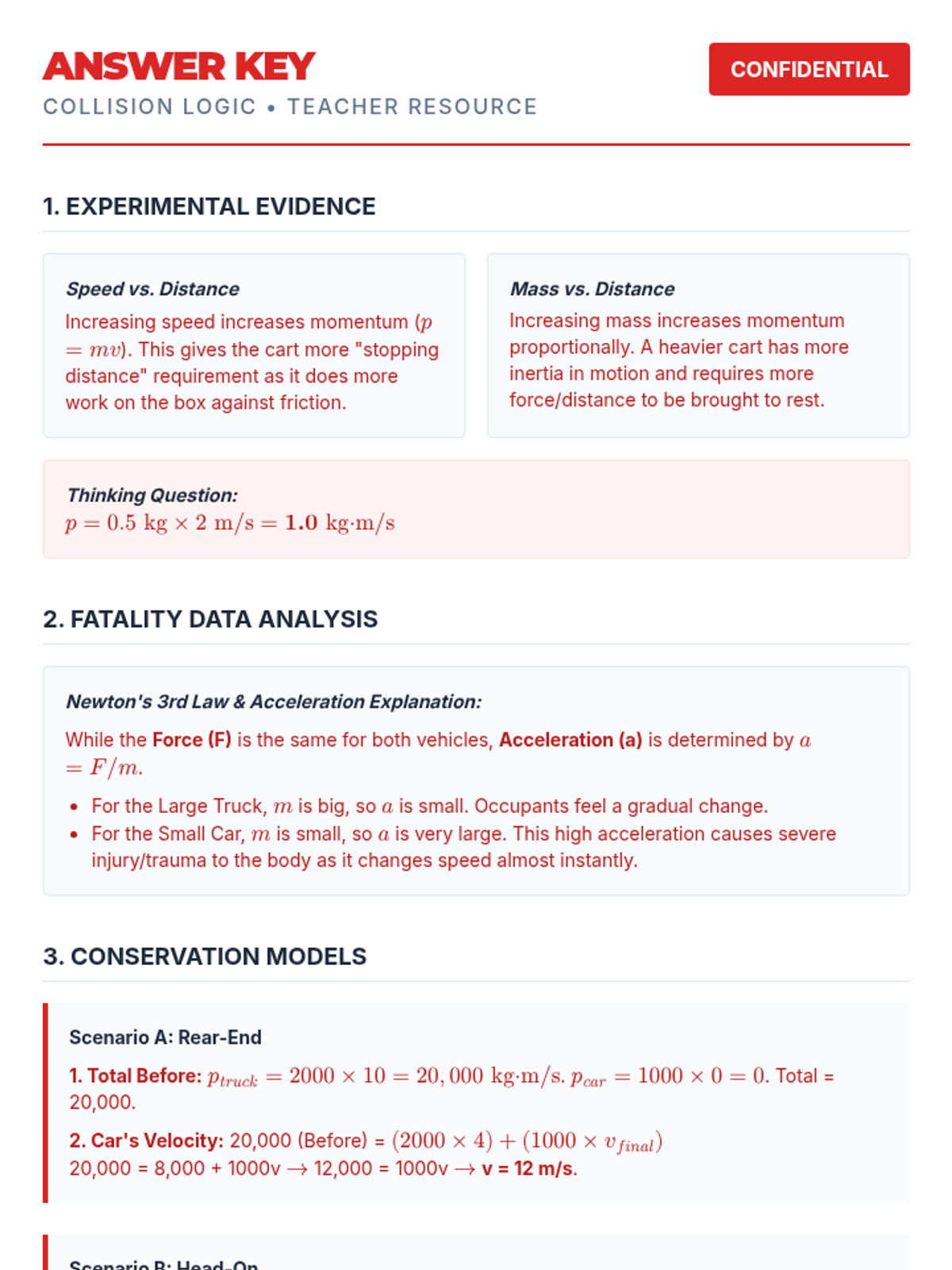
A 10th-grade physics sequence that applies momentum and impulse principles to forensic accident reconstruction. Students take on the role of forensic engineers to determine fault in vehicle collisions using conservation laws.
A guided discovery sequence on linear momentum, impulse, and 2D collisions, focusing on inquiry-based learning and vector analysis.
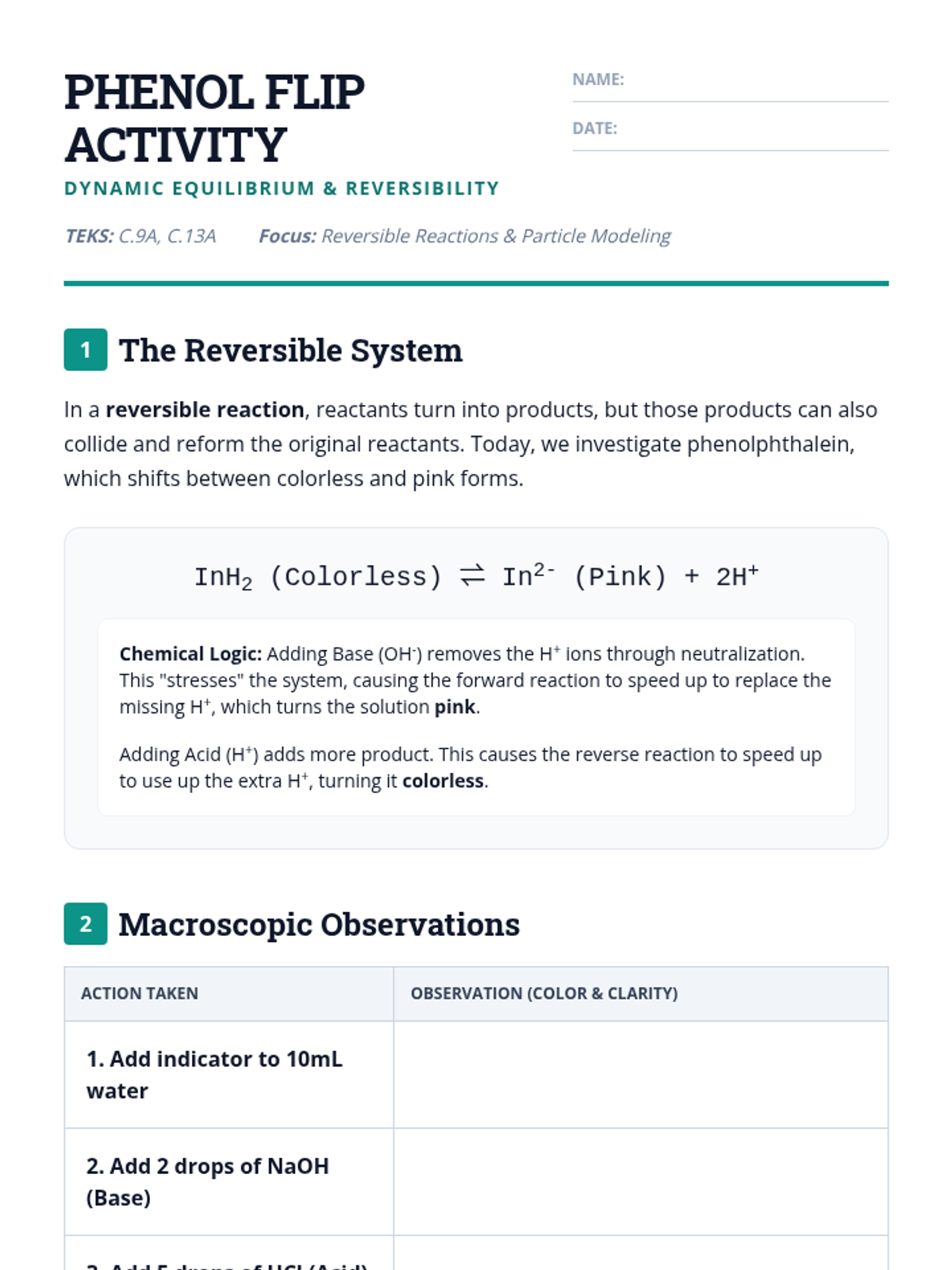
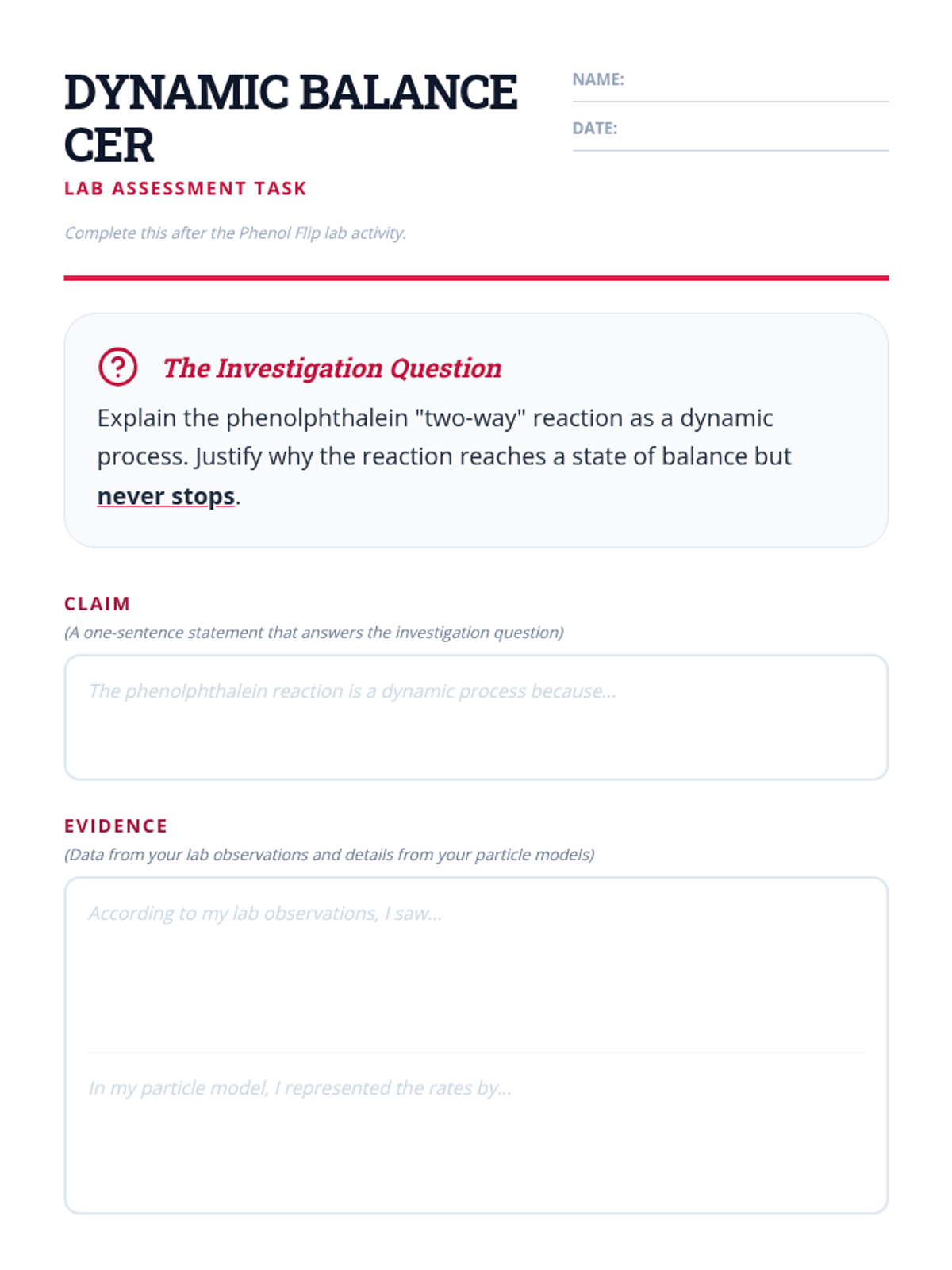
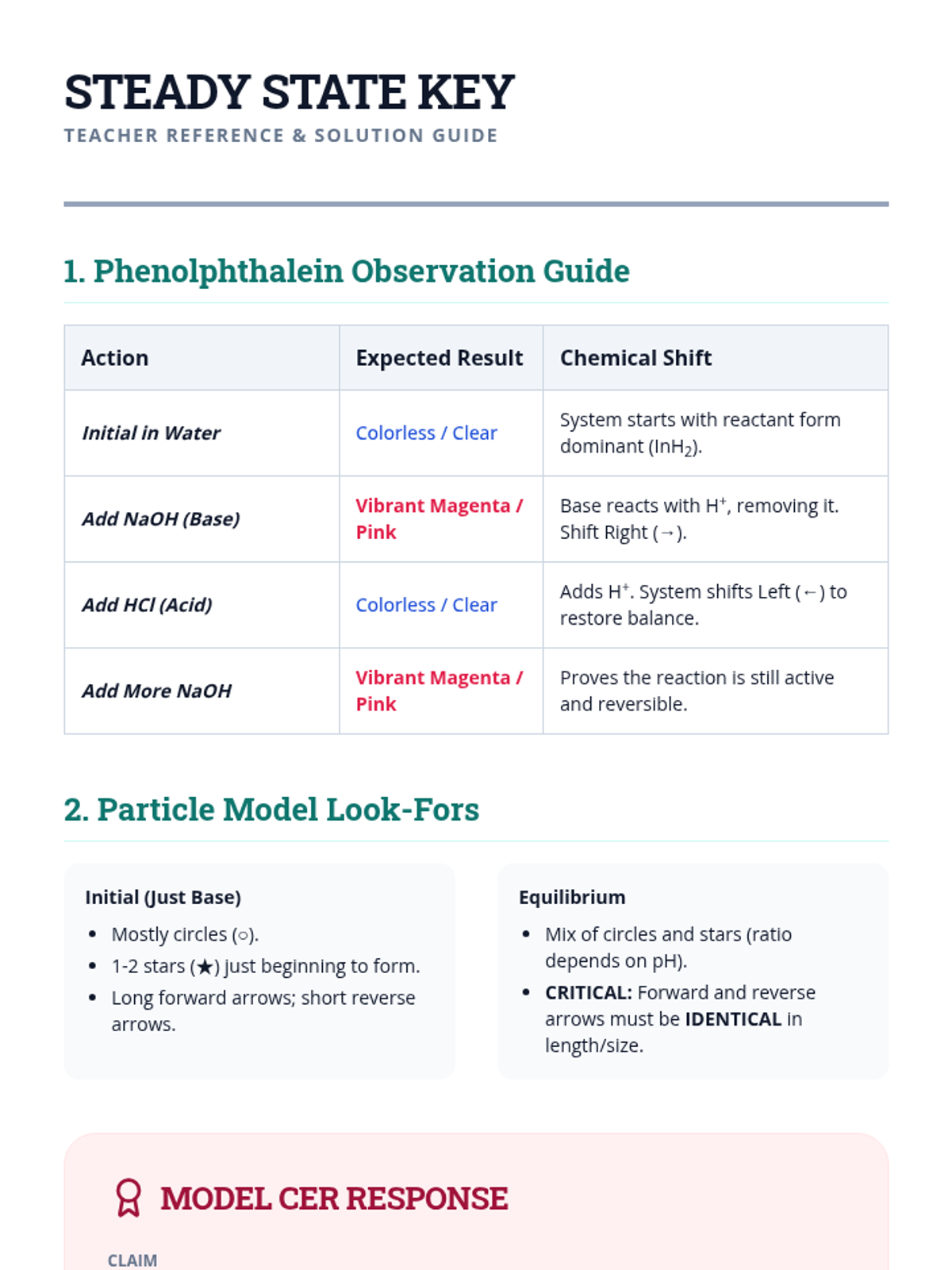
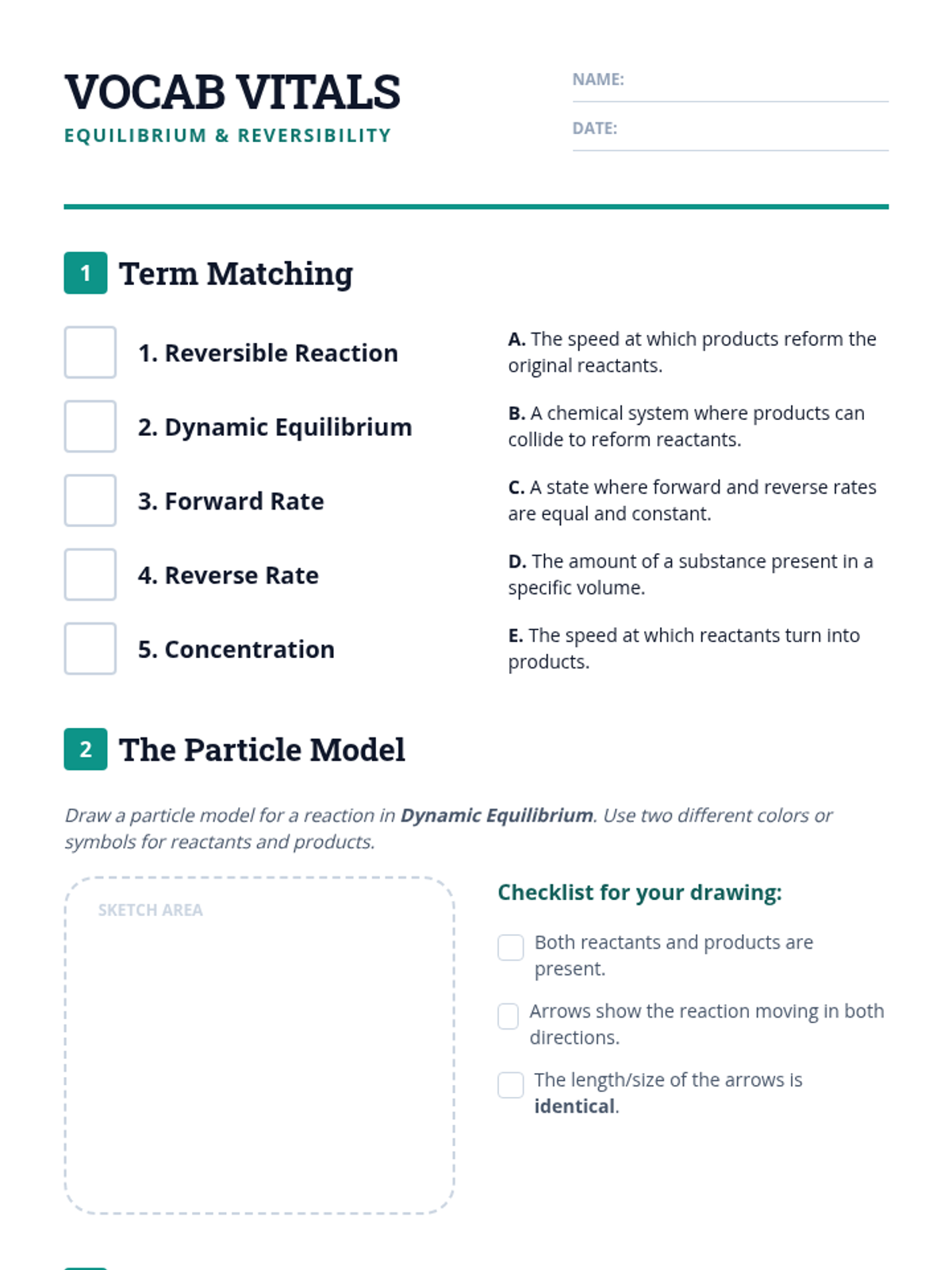
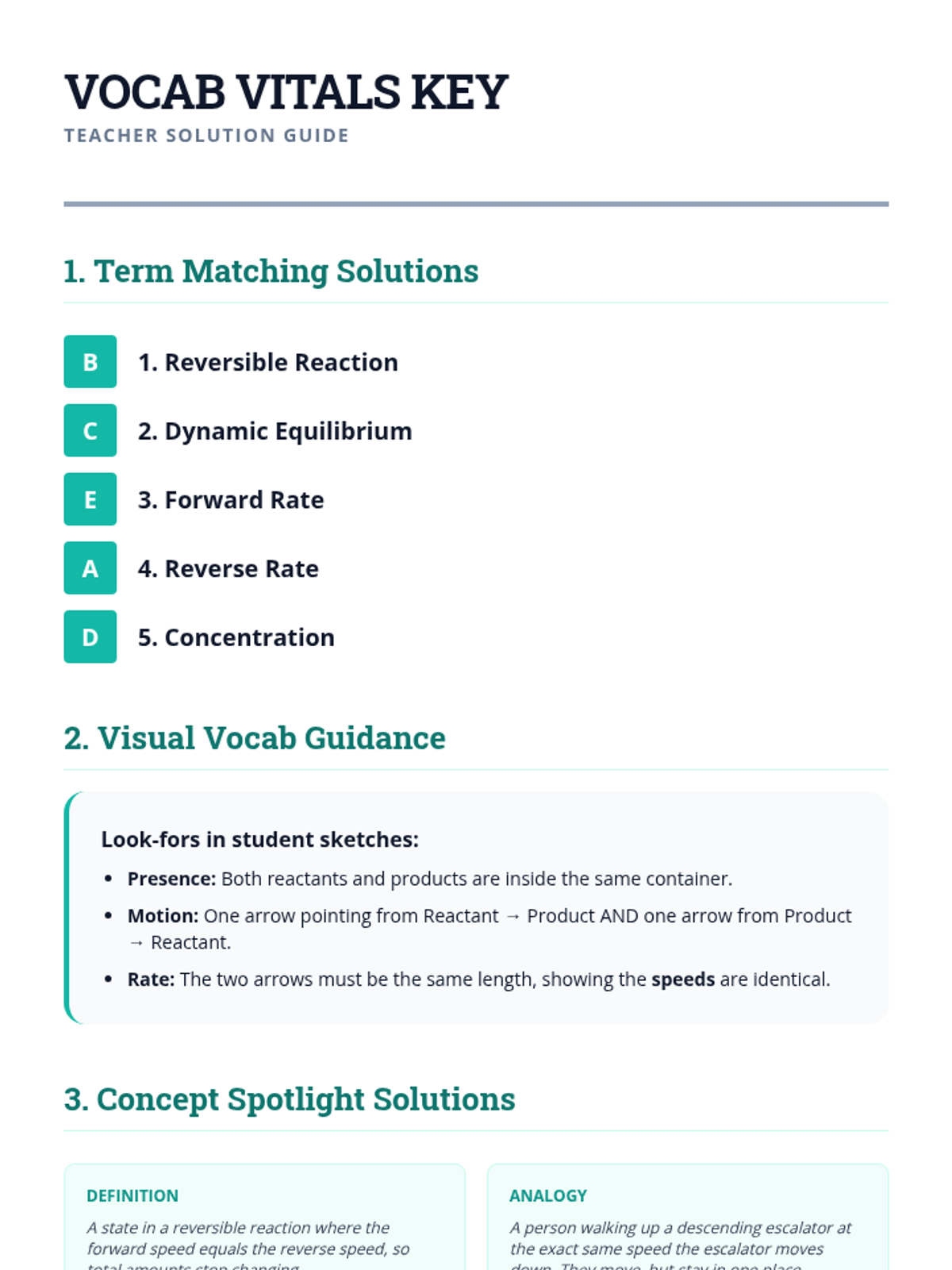
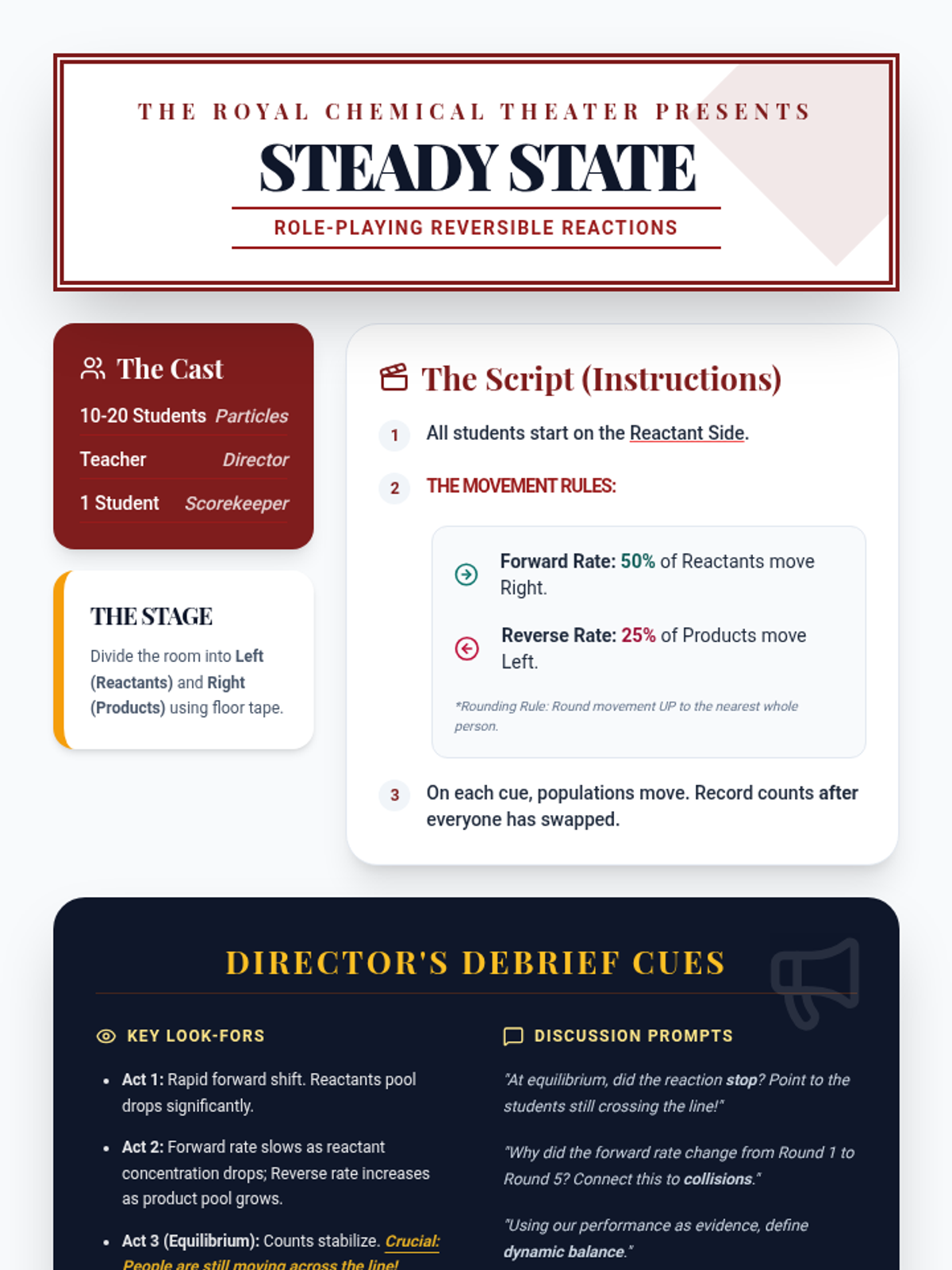
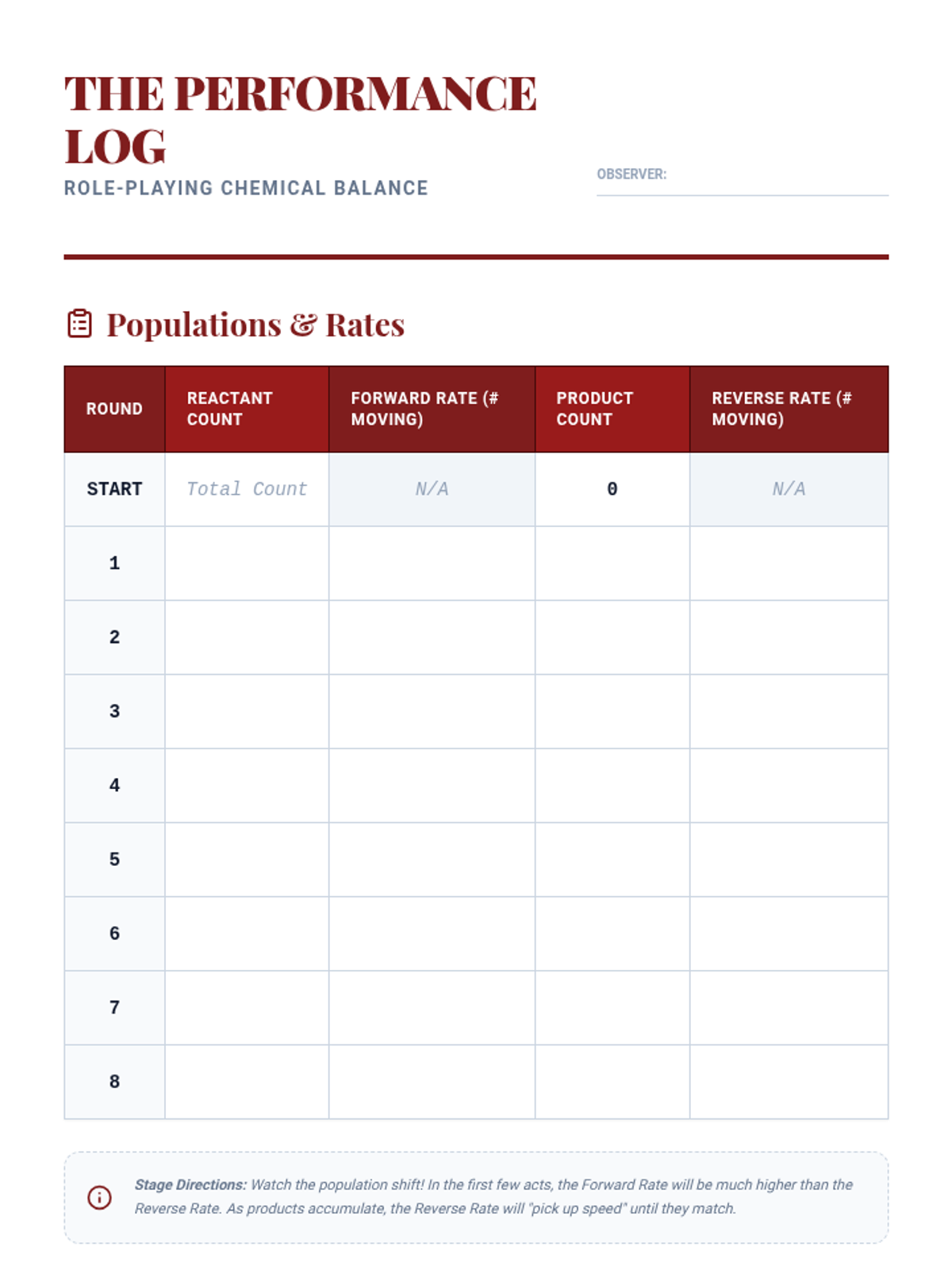
This unit explores how chemical reactions occur and how they reach a state of balance. Students investigate reaction kinetics, energy changes, and the principles of dynamic equilibrium through modeling and laboratory investigation.
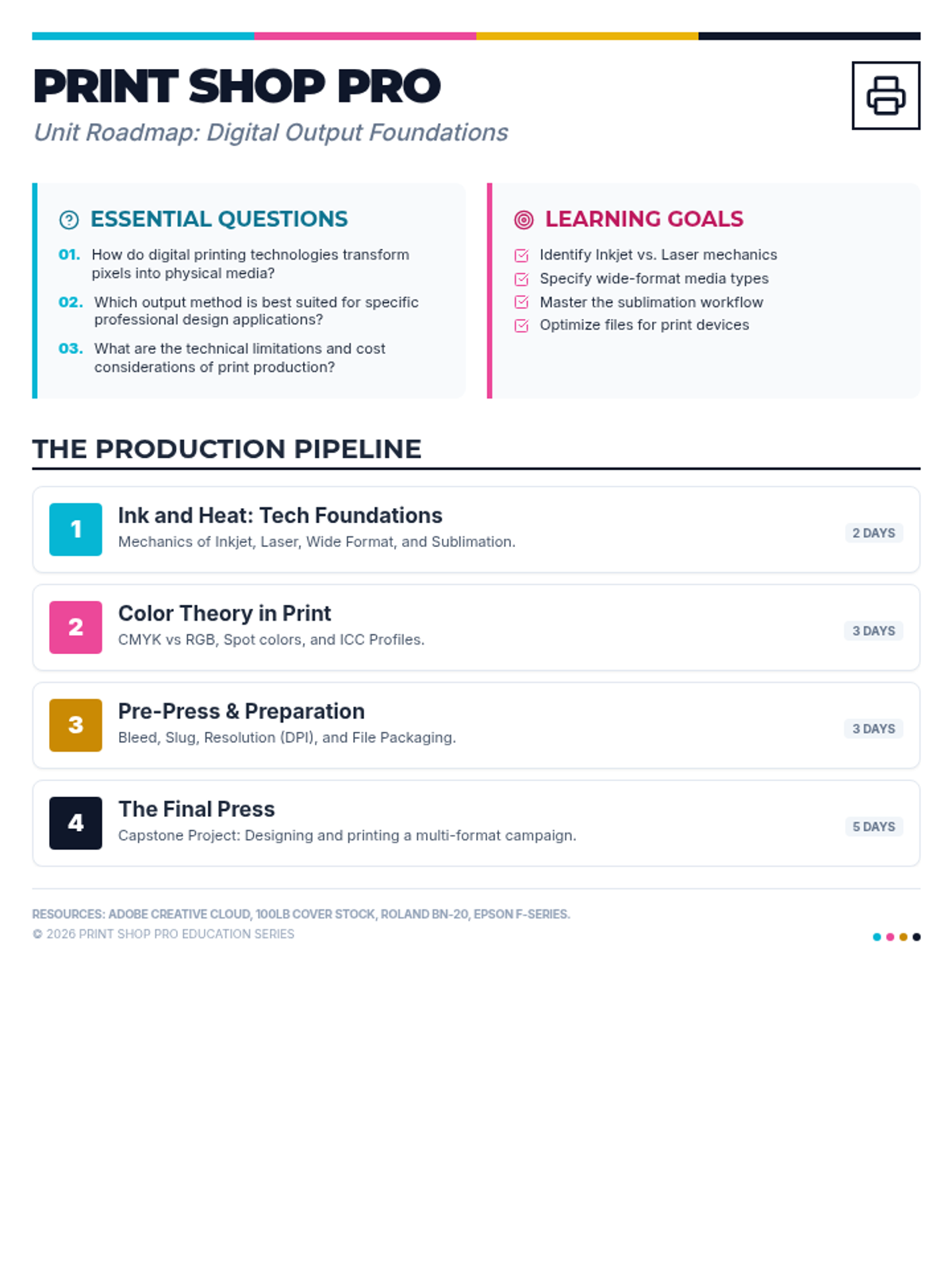
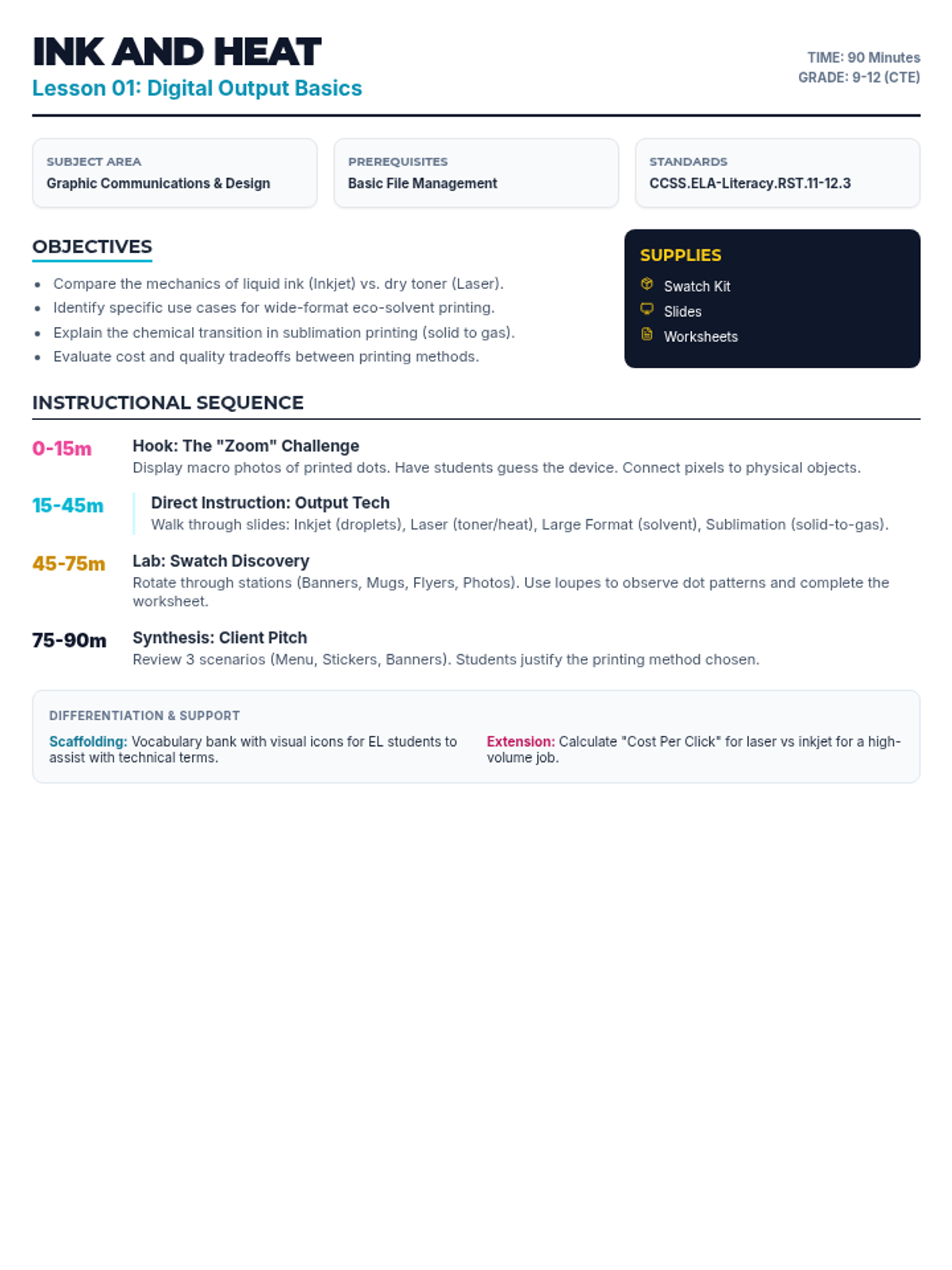
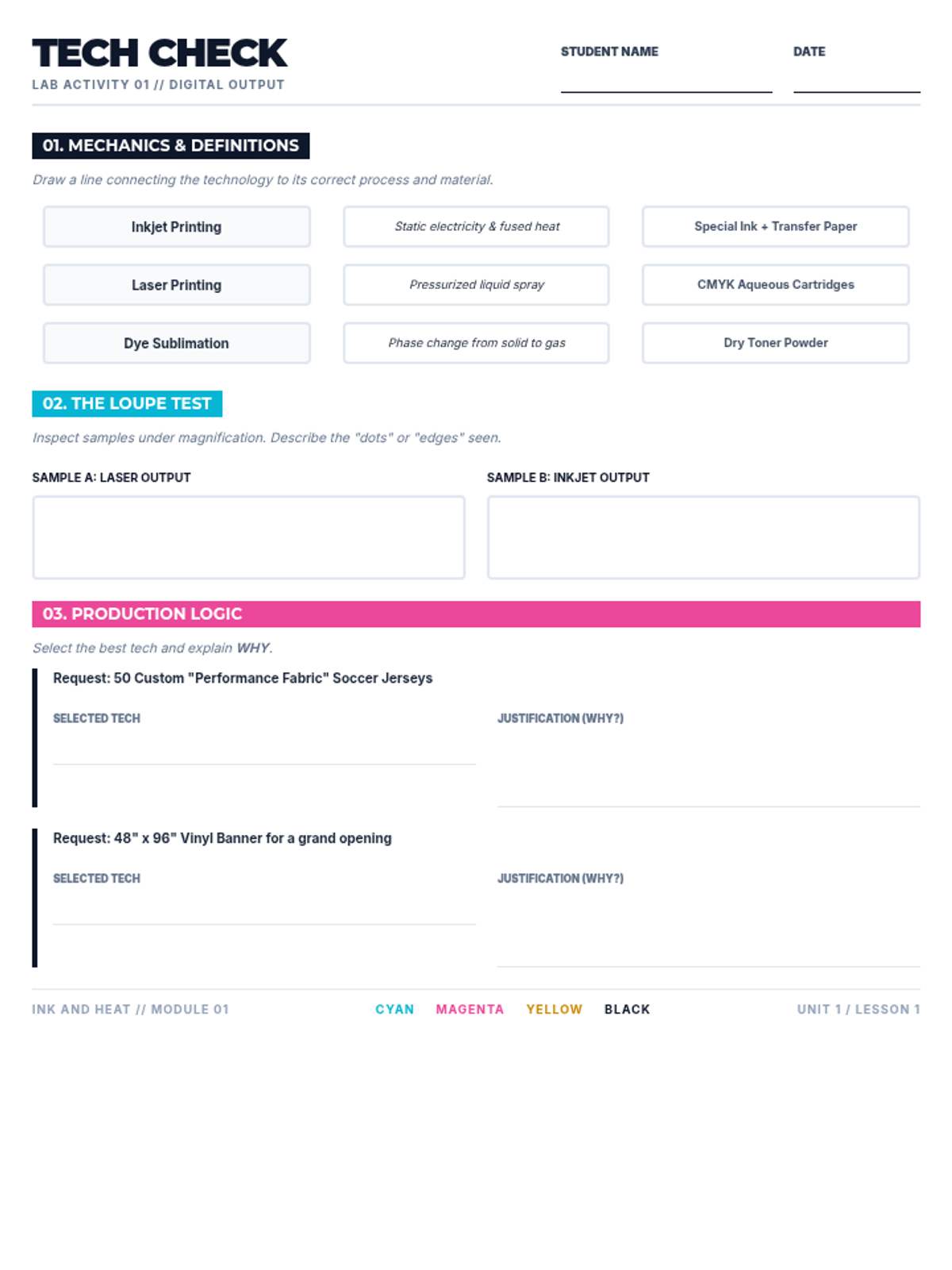
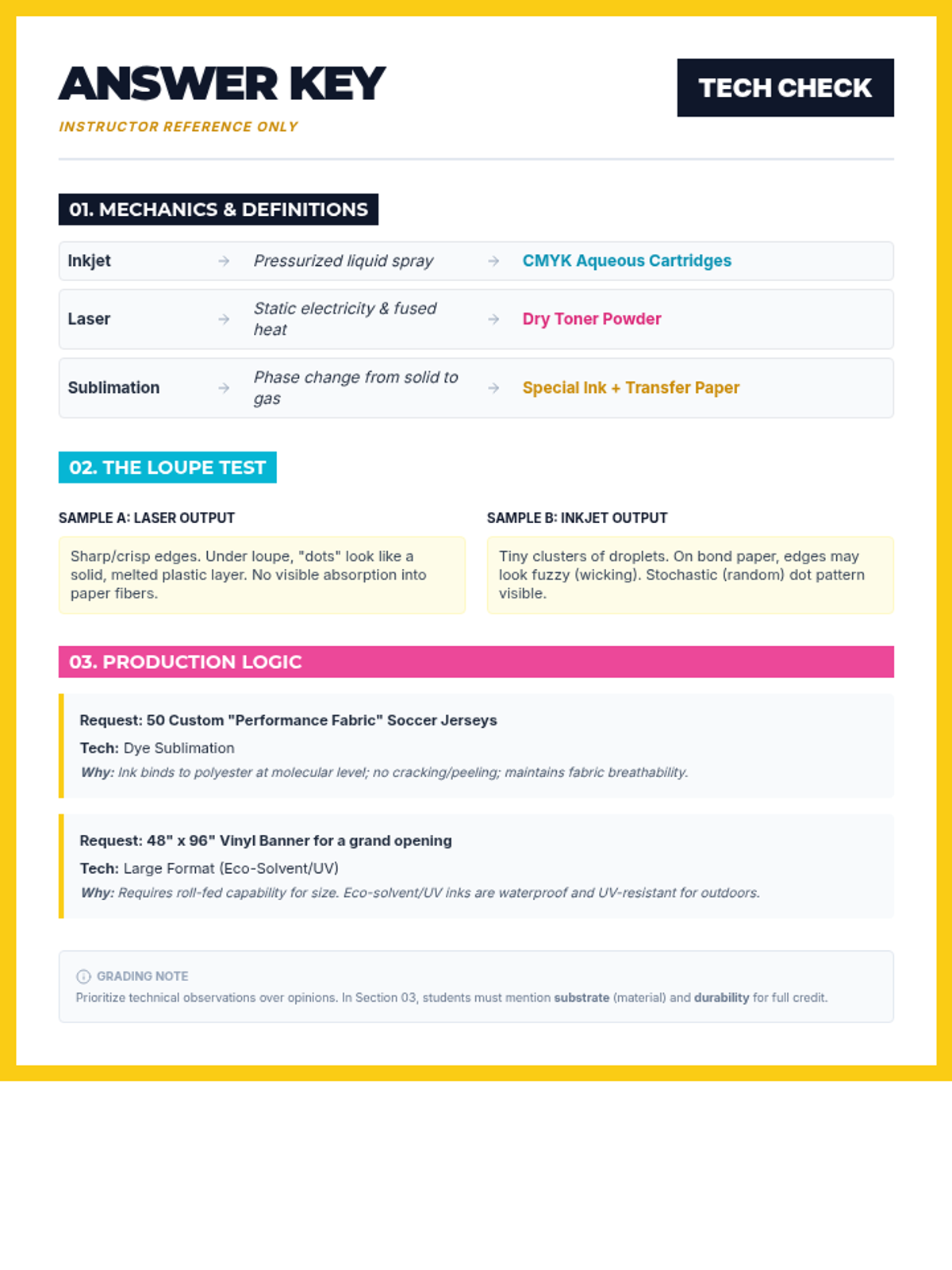
A comprehensive unit exploring the world of digital printing, from desktop publishing to industrial wide-format and specialty sublimation techniques. Students gain technical knowledge and practical design skills for print production.
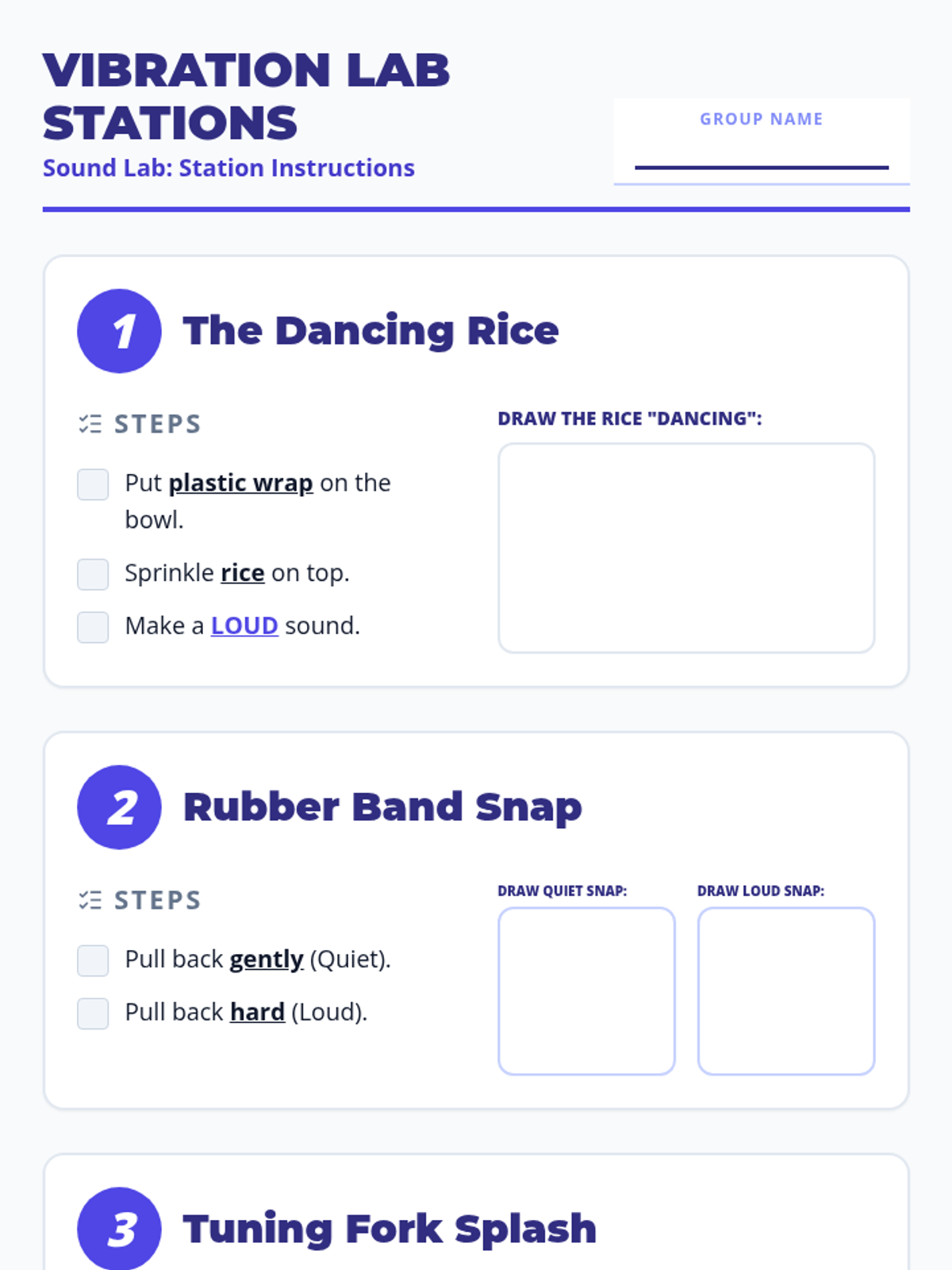
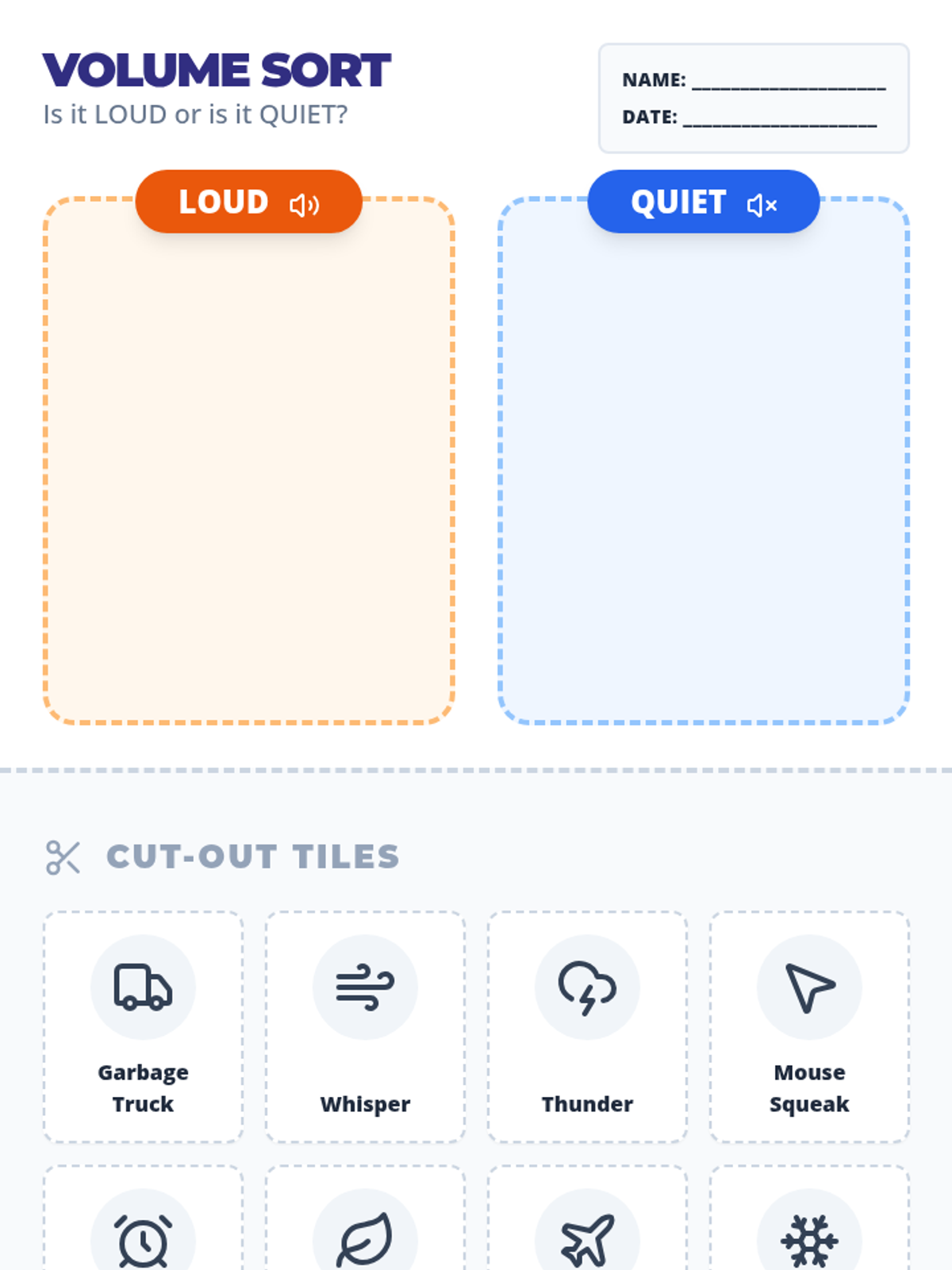
A comprehensive four-lesson unit on sound exploration designed for high school Essential Skills students. This unit covers vibration, volume, source, direction, pitch, and frequency through highly visual and hands-on activities.
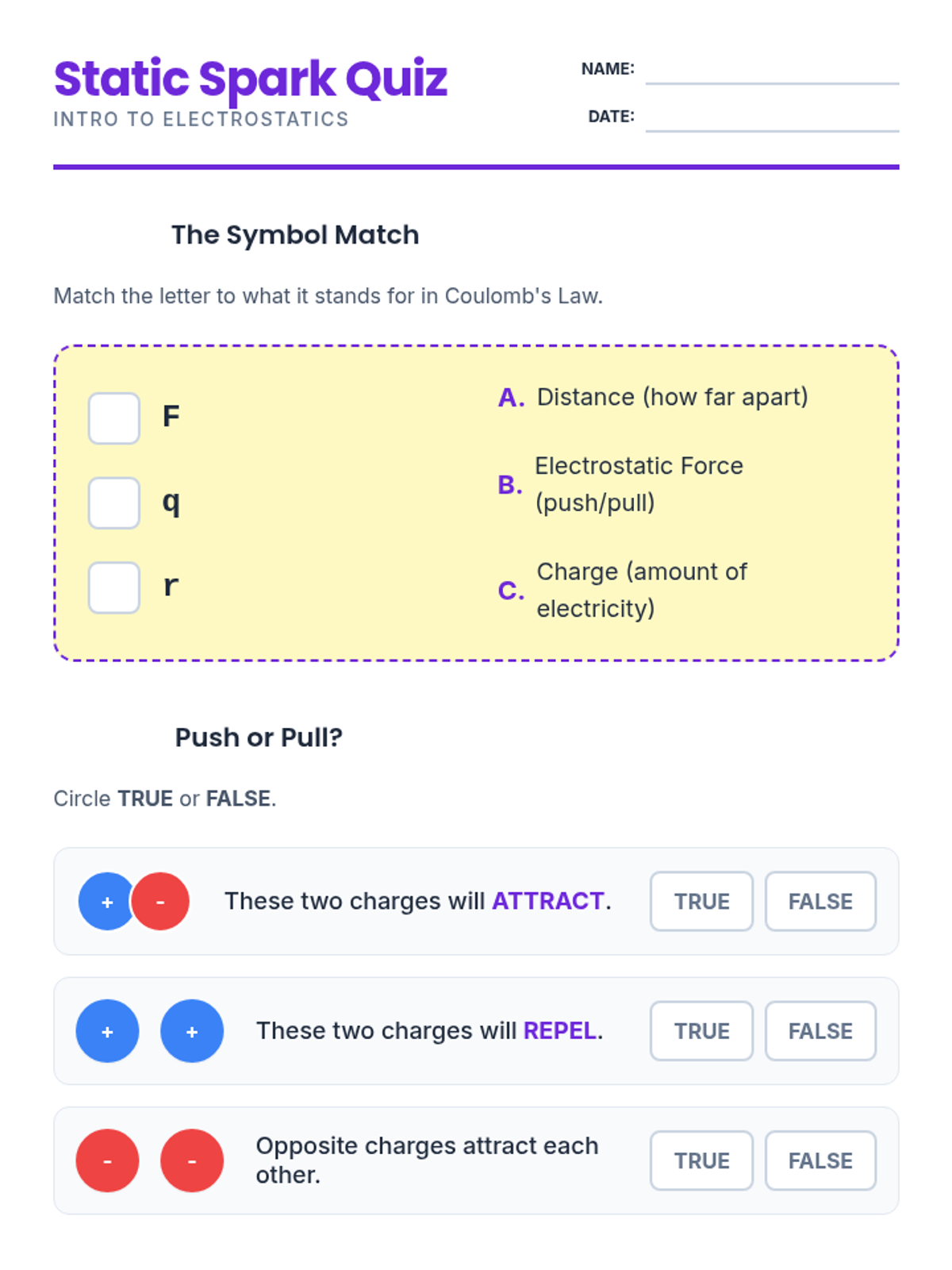
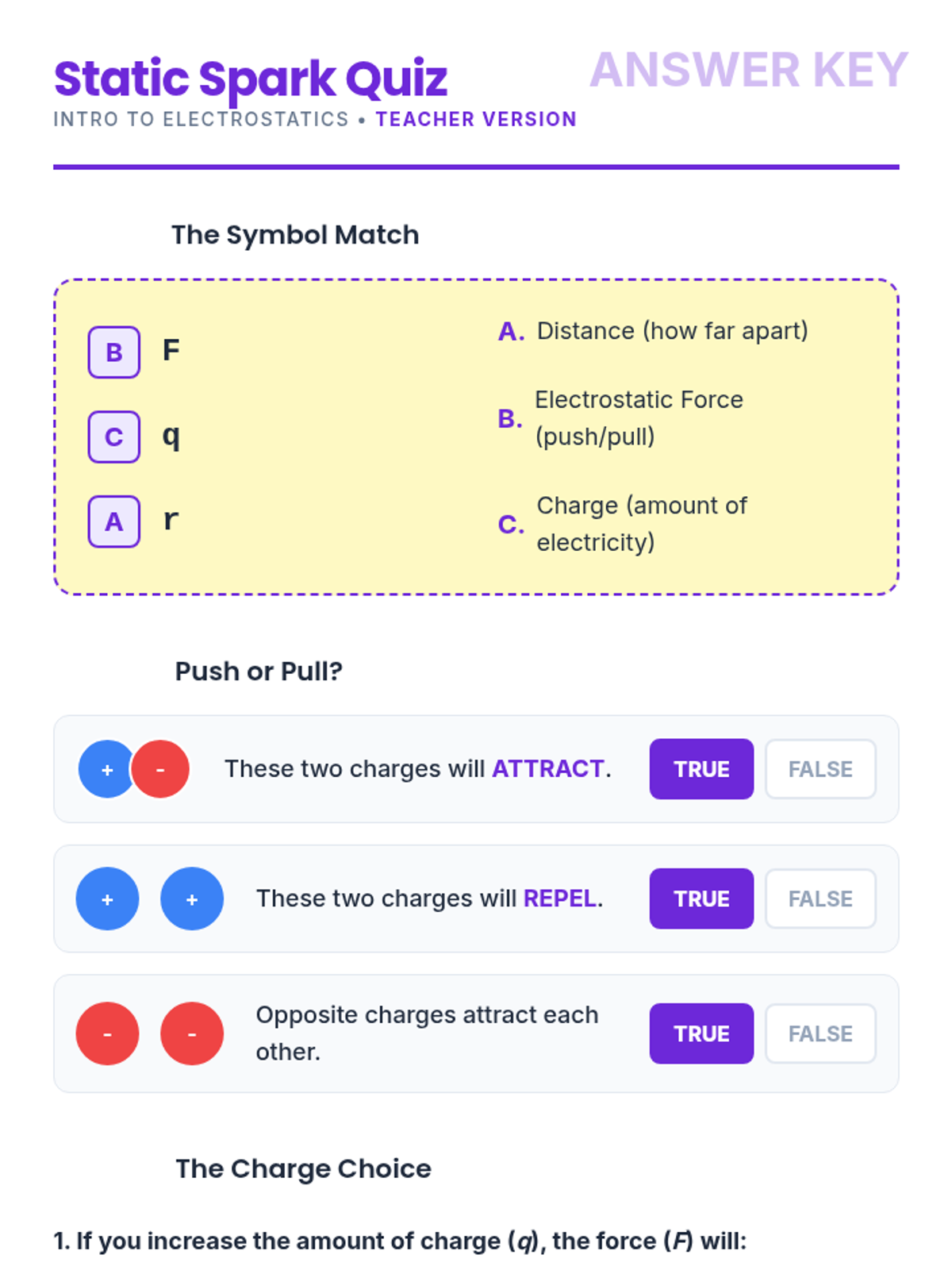
A short sequence introducing students to the fundamental concepts of electricity and magnetism.
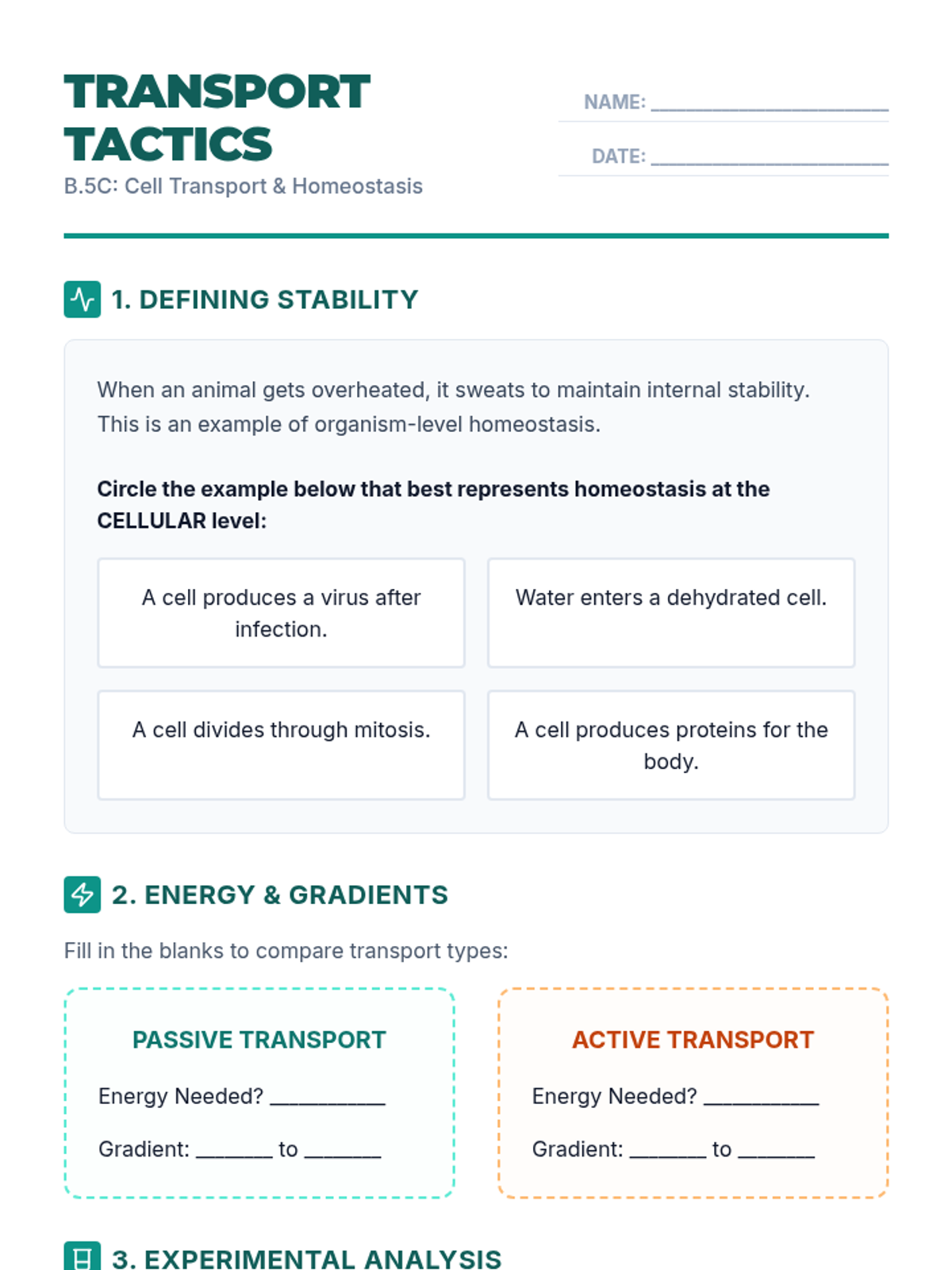
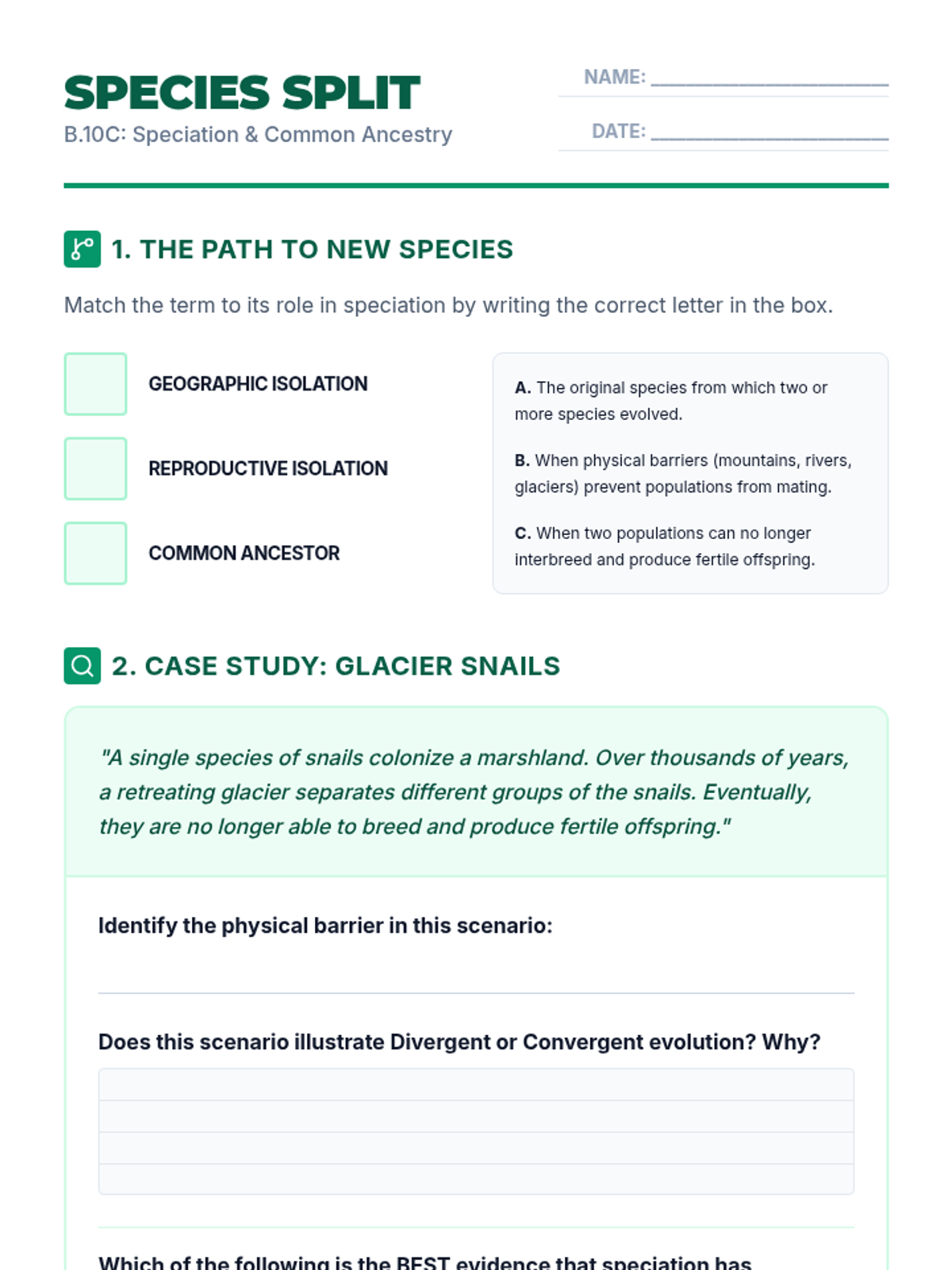
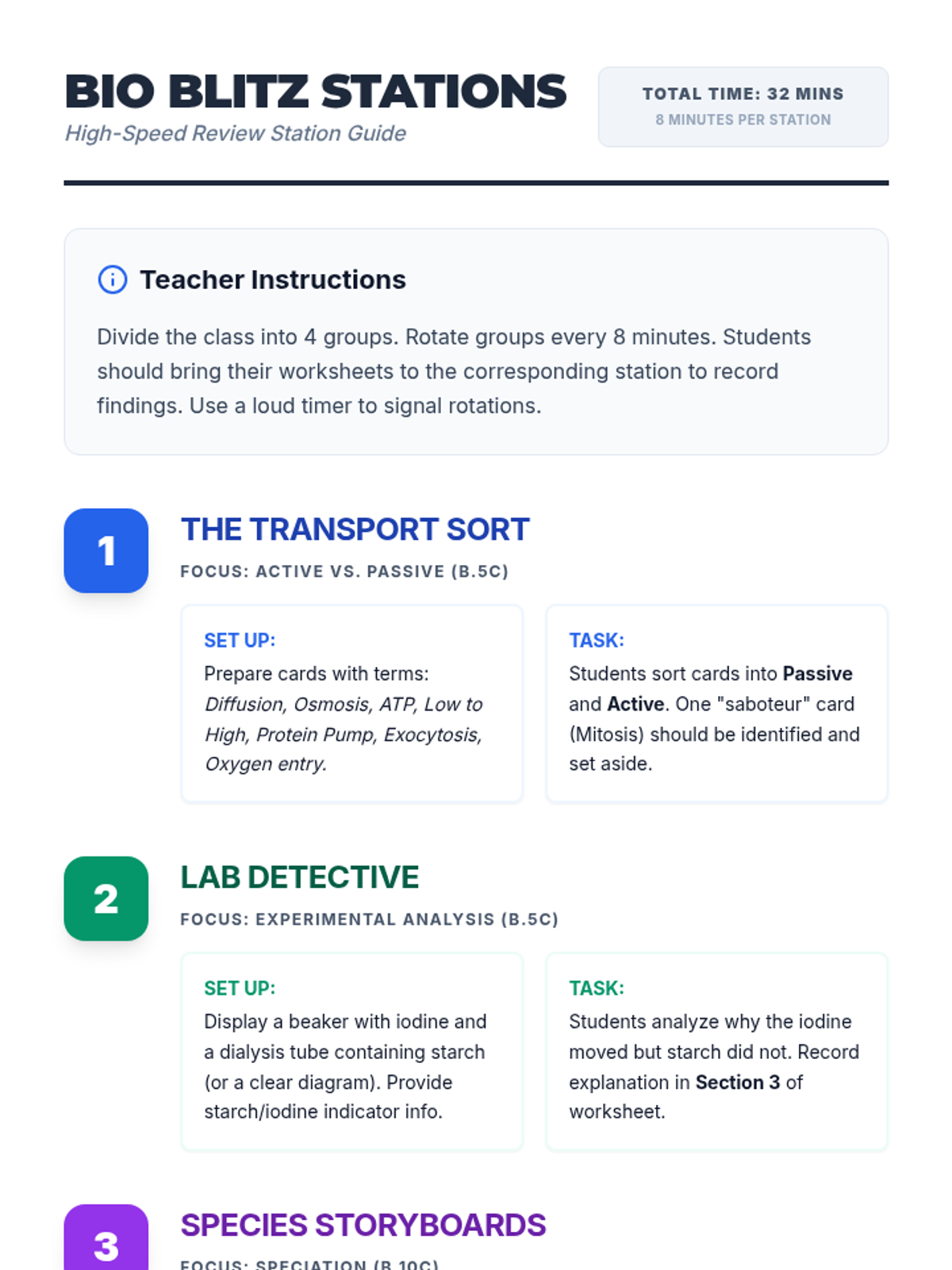
A fast-paced review sequence focused on cell transport, homeostasis, and speciation to prepare students for biology assessments.
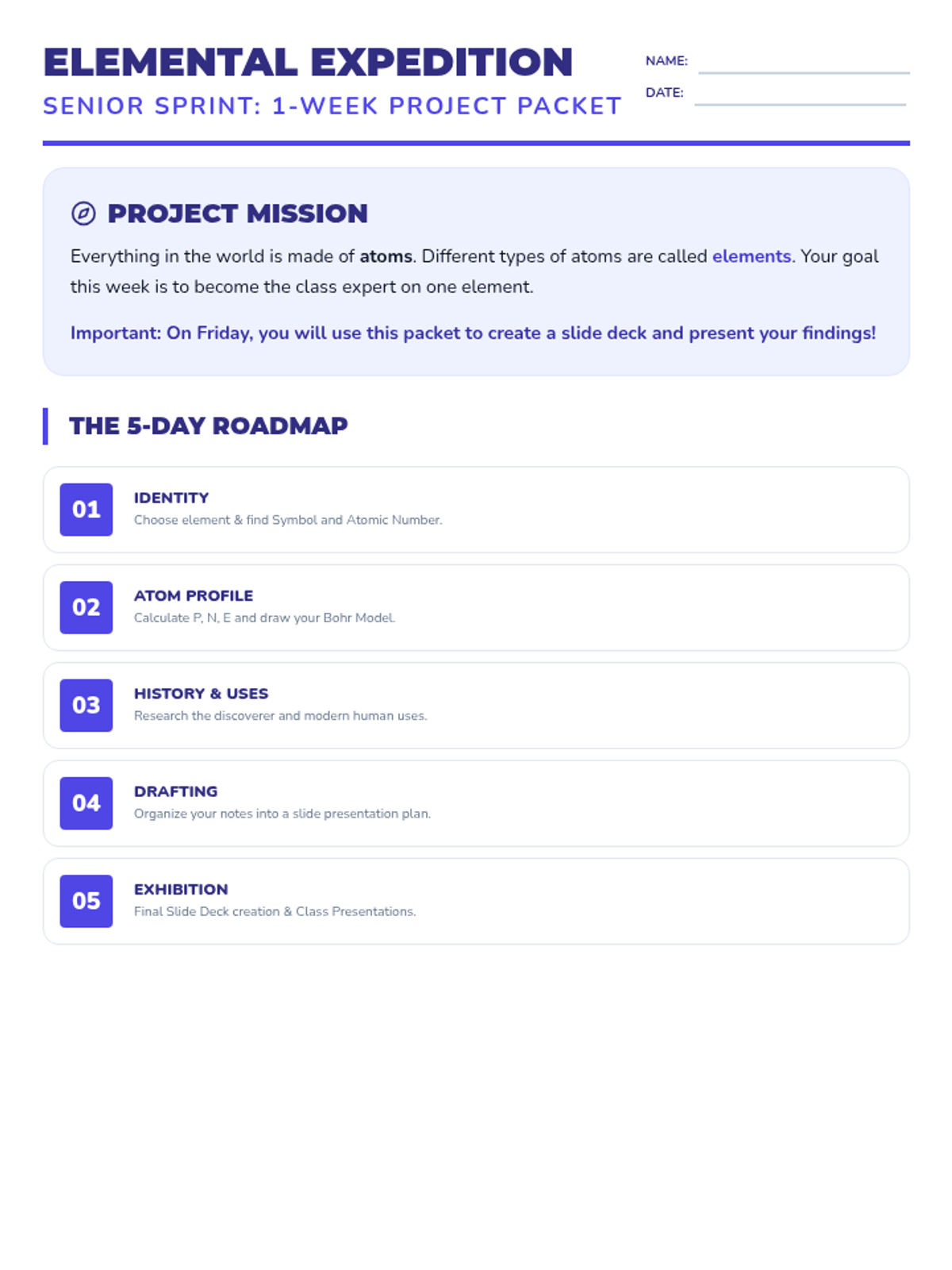
A chemistry research project focused on individual elements of the periodic table, designed for special education students. It includes two tracks: a one-week 'Senior Sprint' for graduating students and a two-week 'Junior Journey' for in-depth exploration.
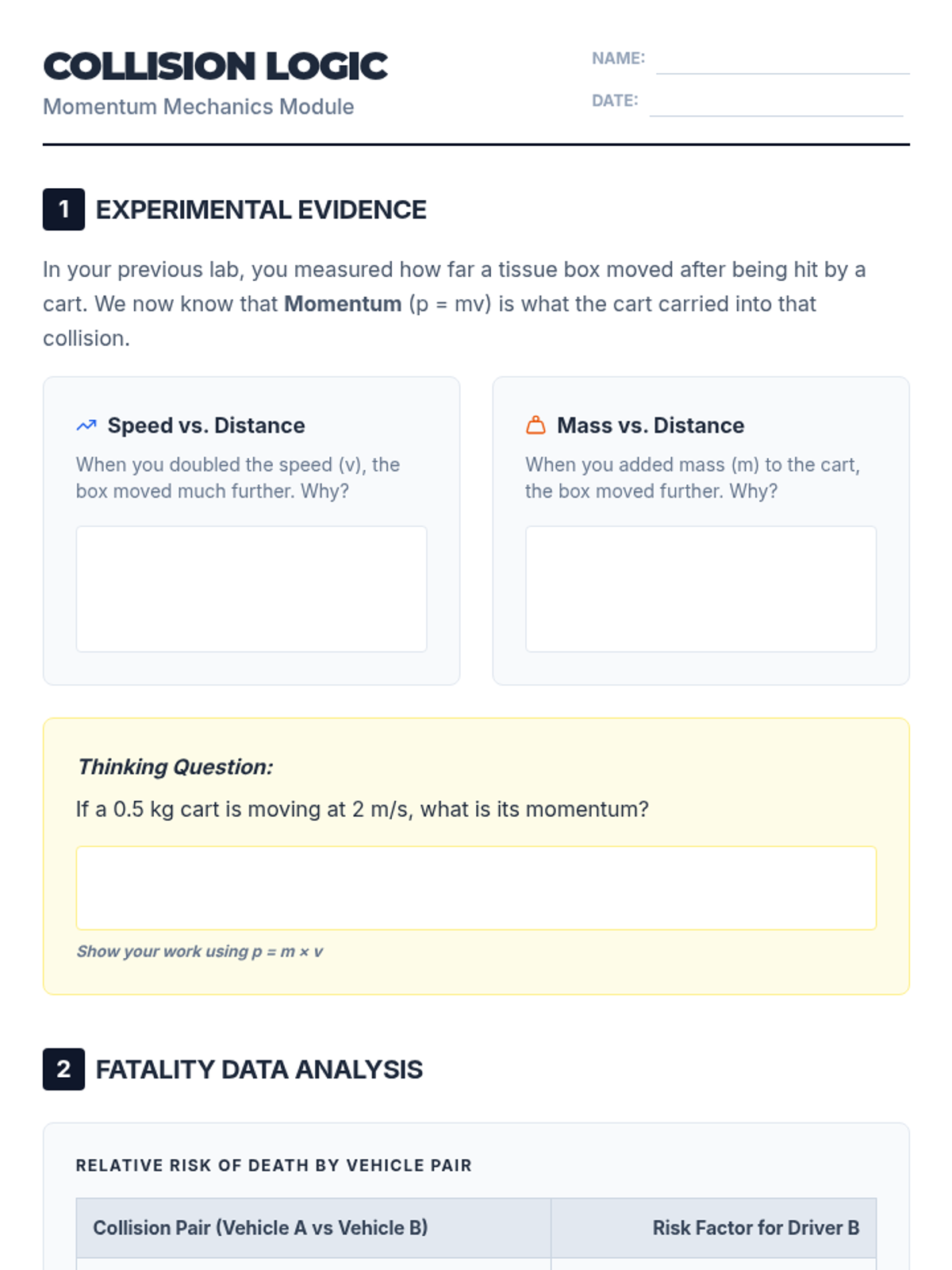
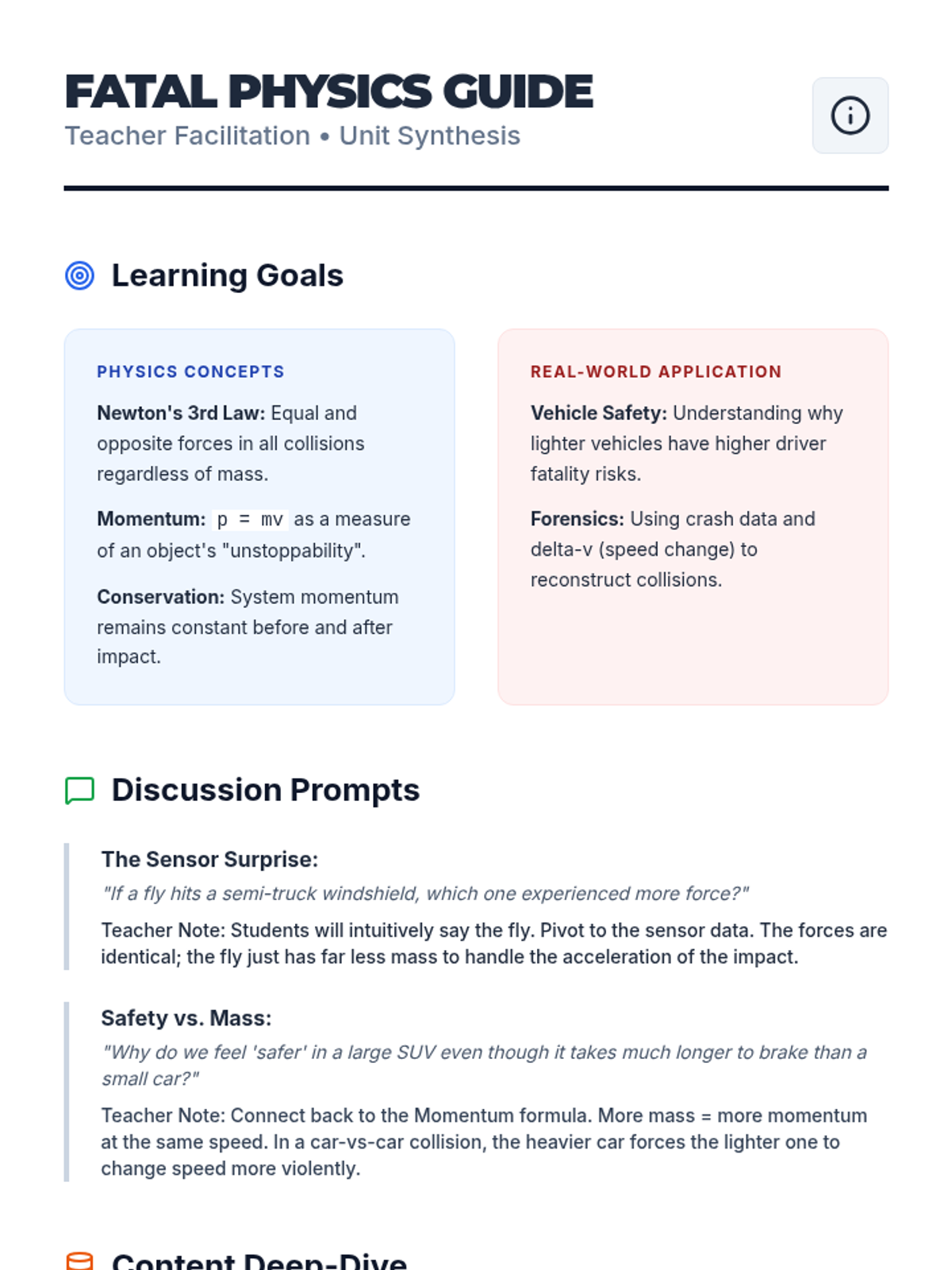
A physics unit wrap-up focusing on collisions, momentum, and vehicle safety engineering. This sequence transitions from hands-on lab investigation to independent data analysis and mathematical modeling.
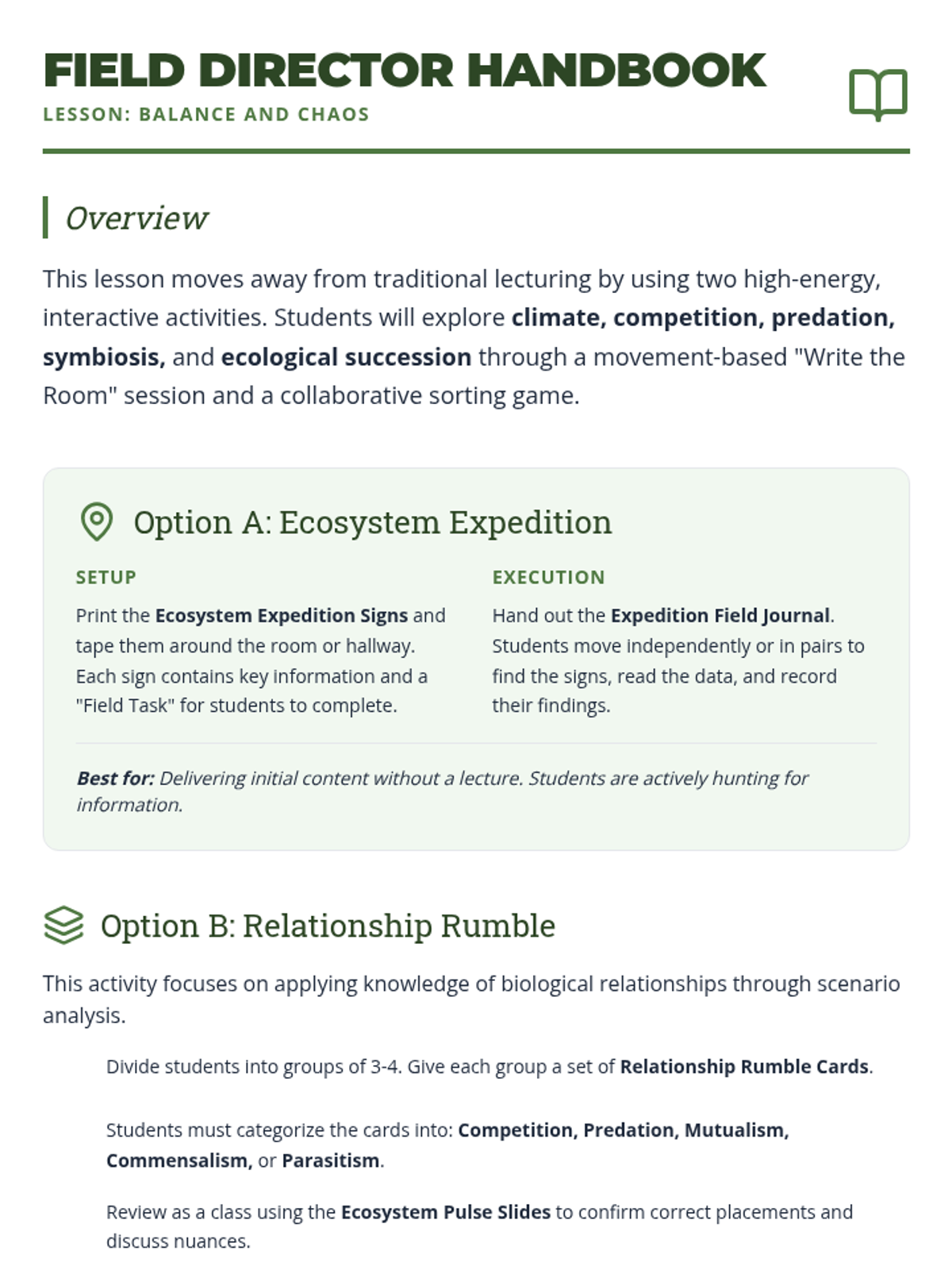
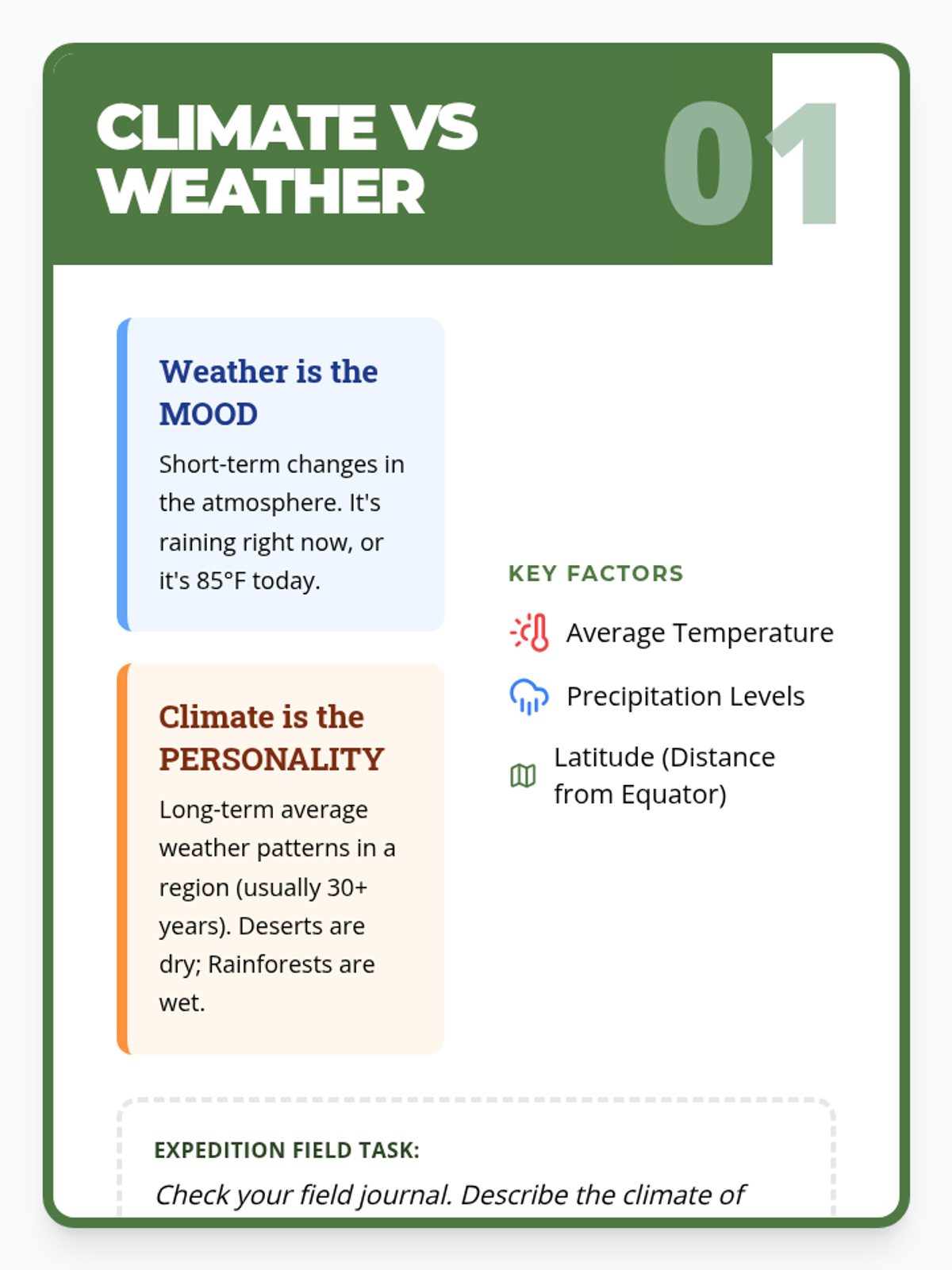
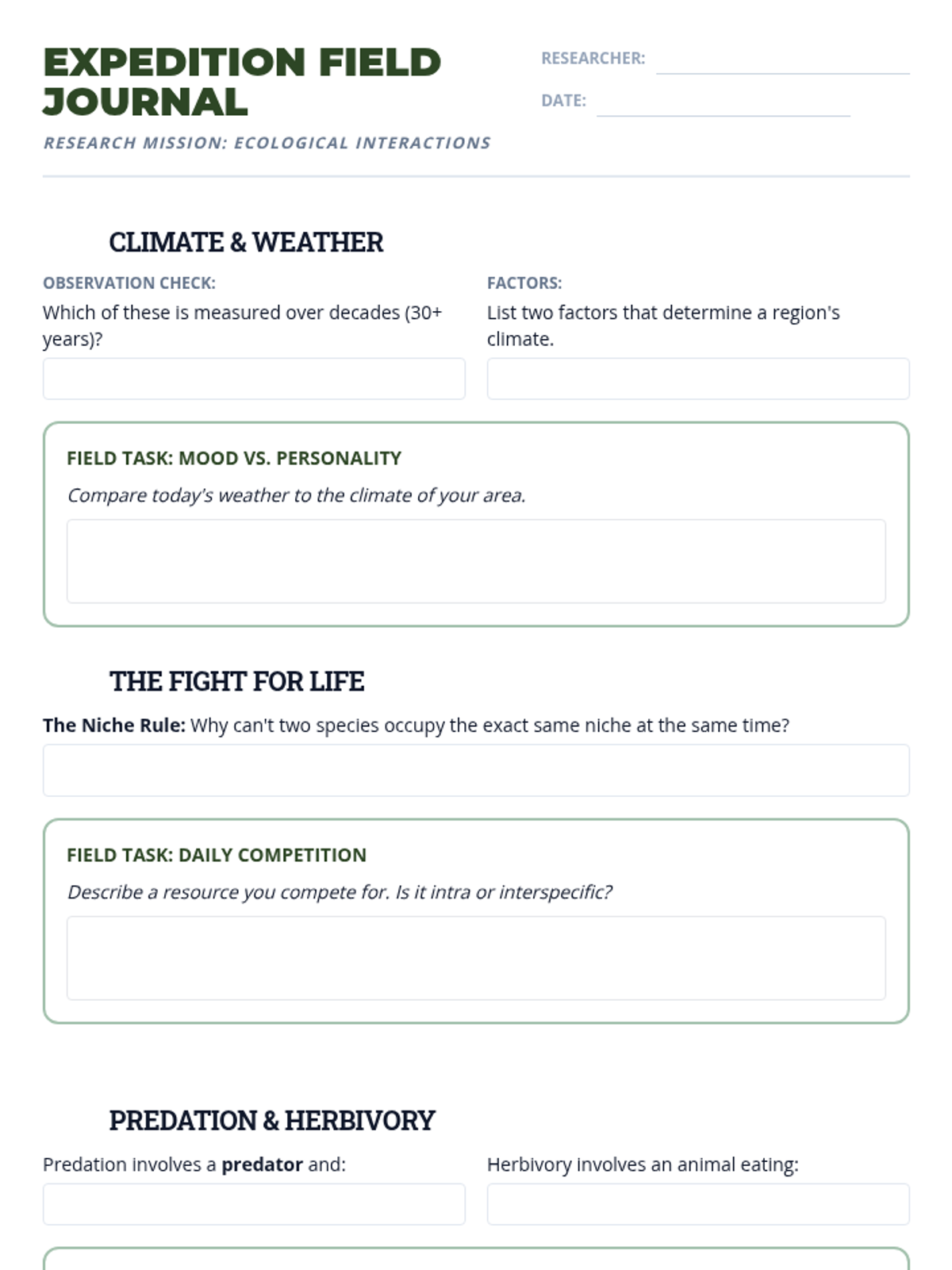
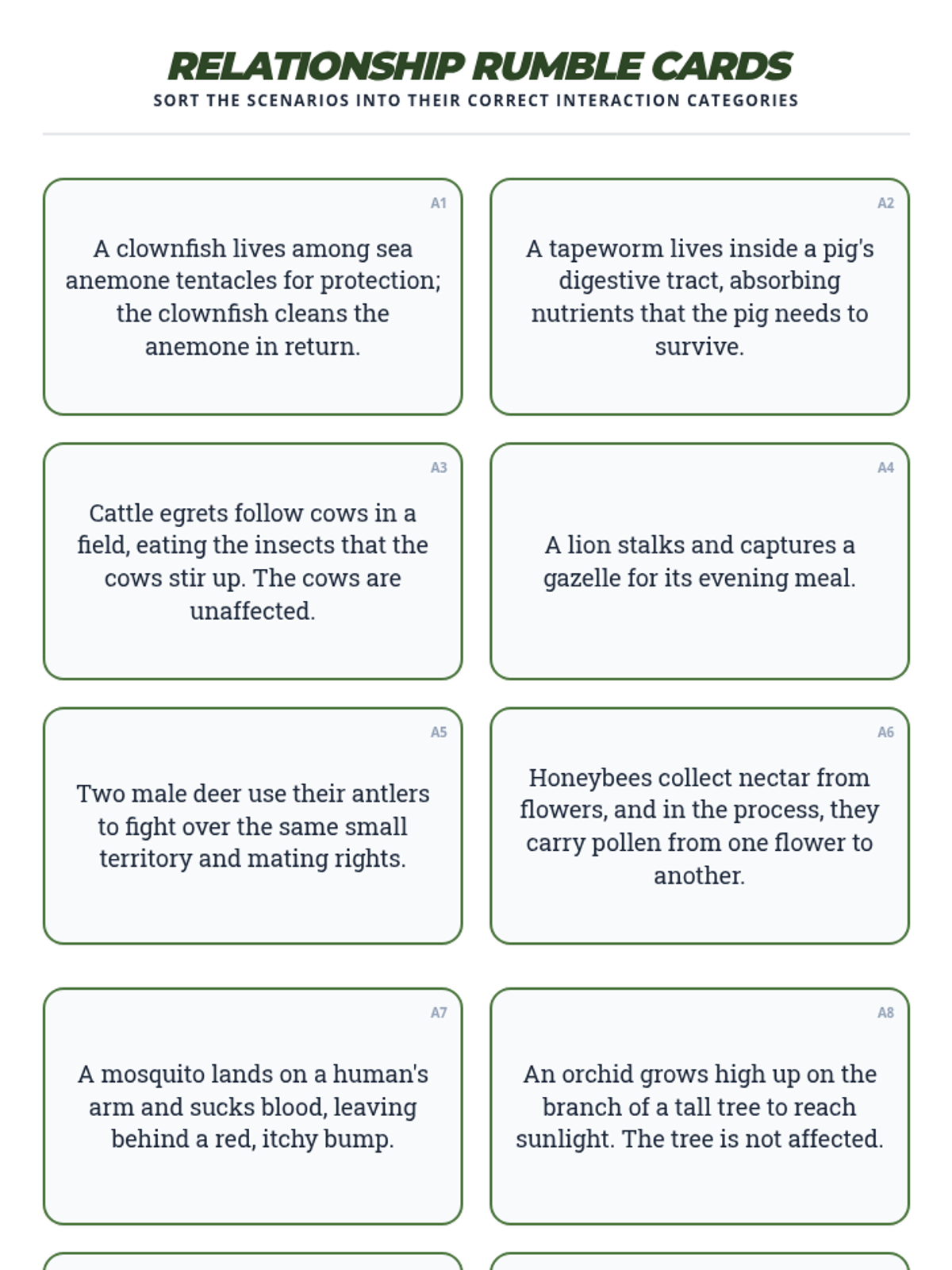
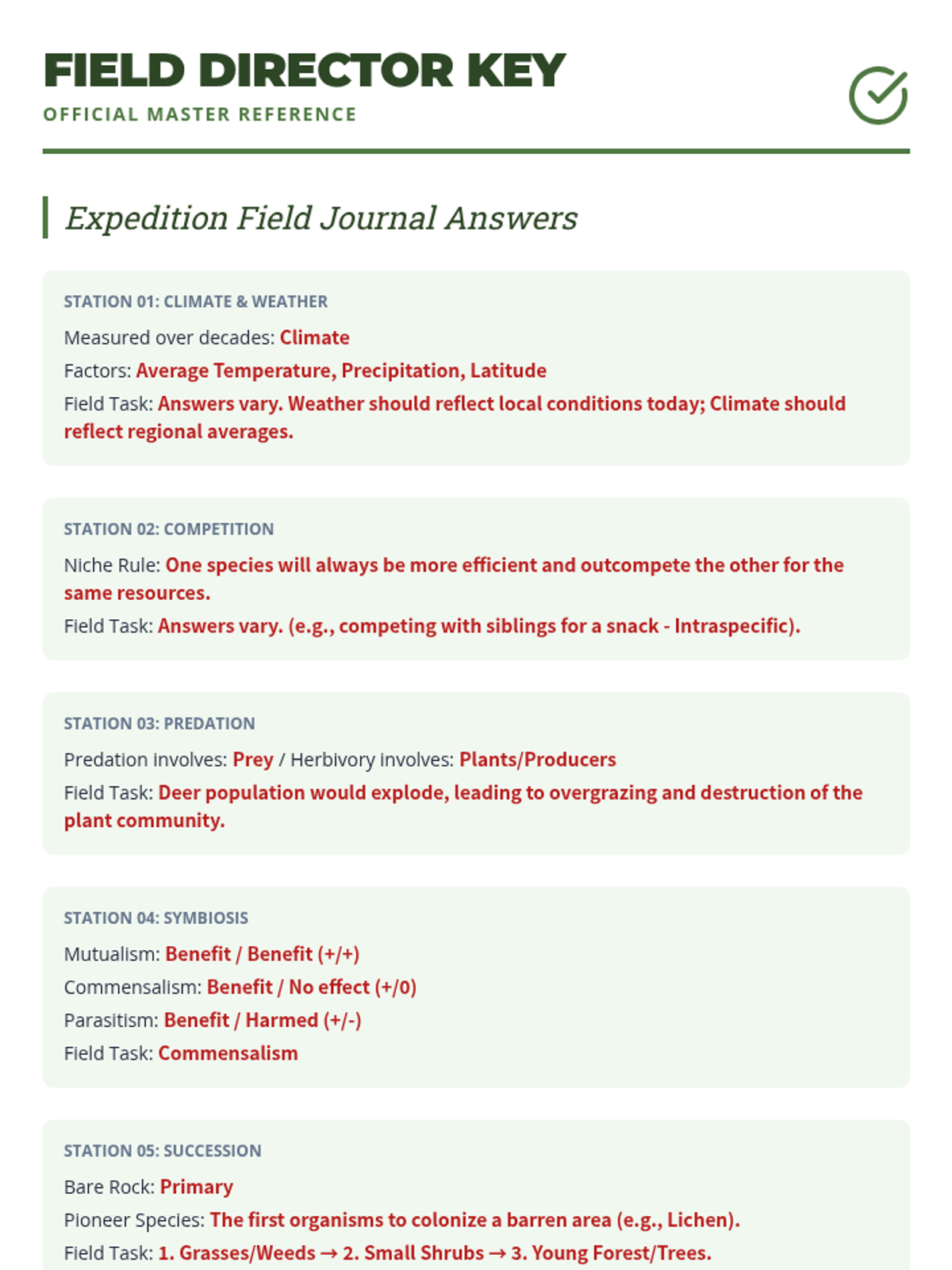
A comprehensive unit exploring the intricate webs of life, focusing on the relationships and environmental factors that shape ecosystems.
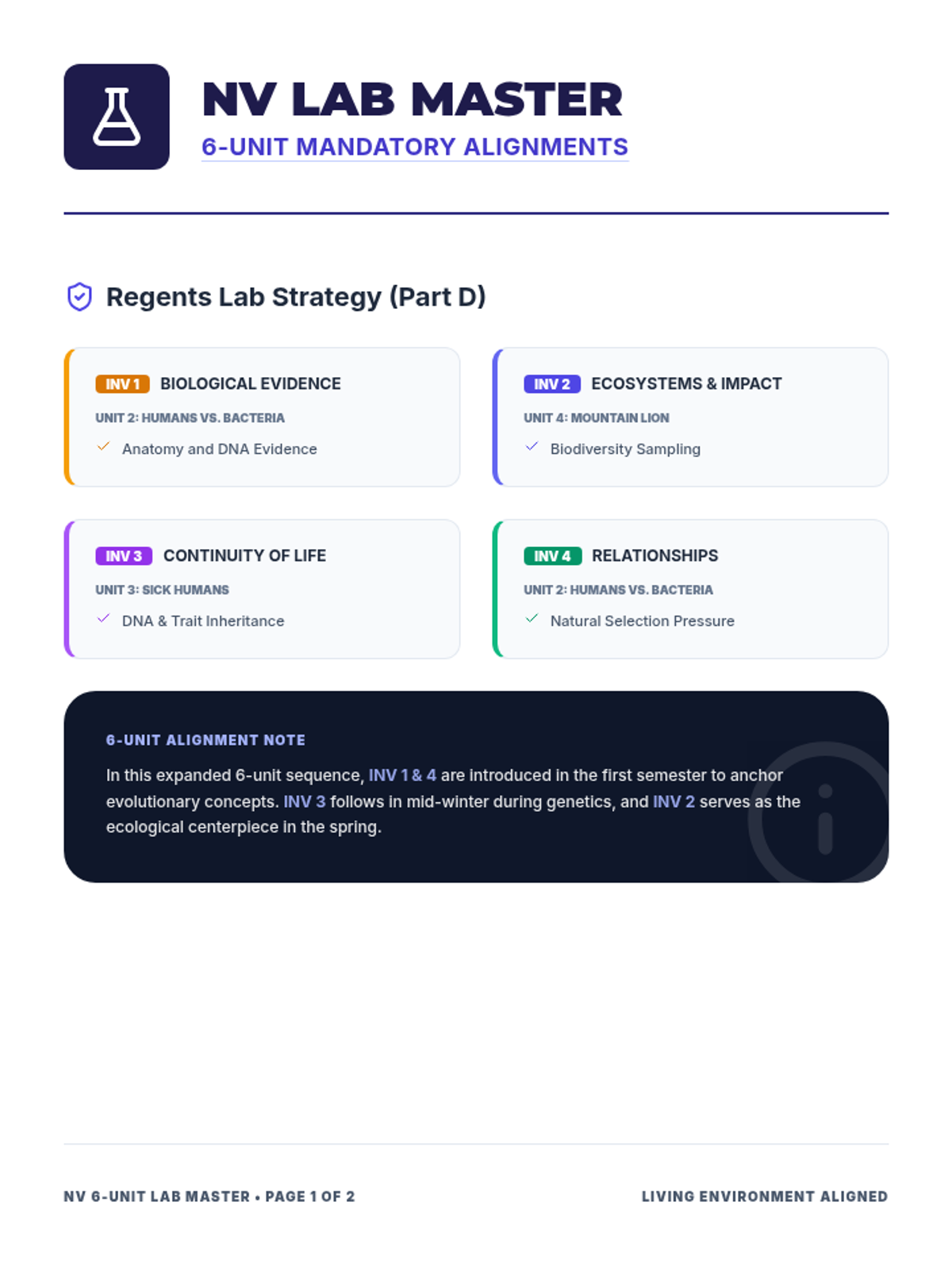
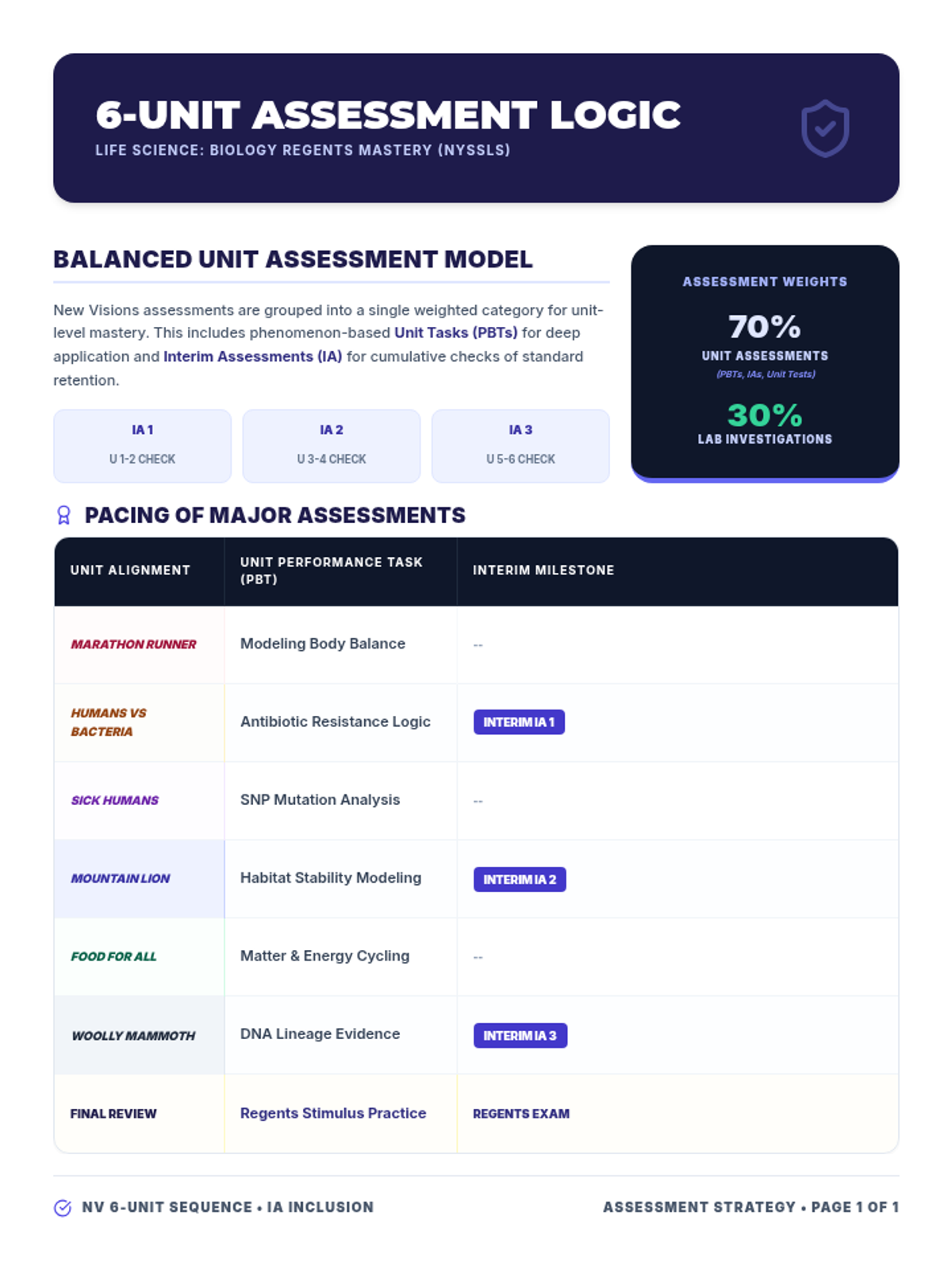
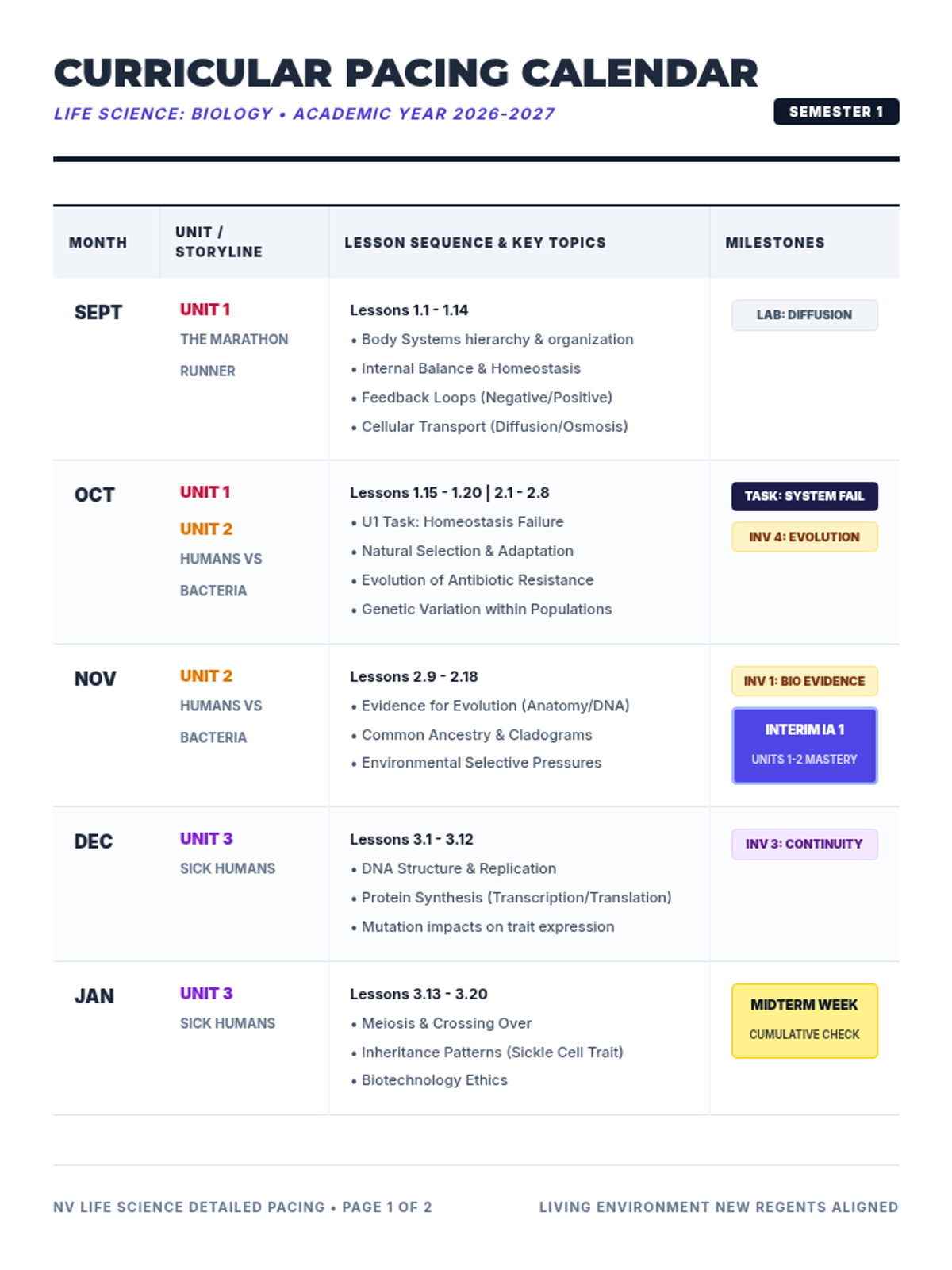
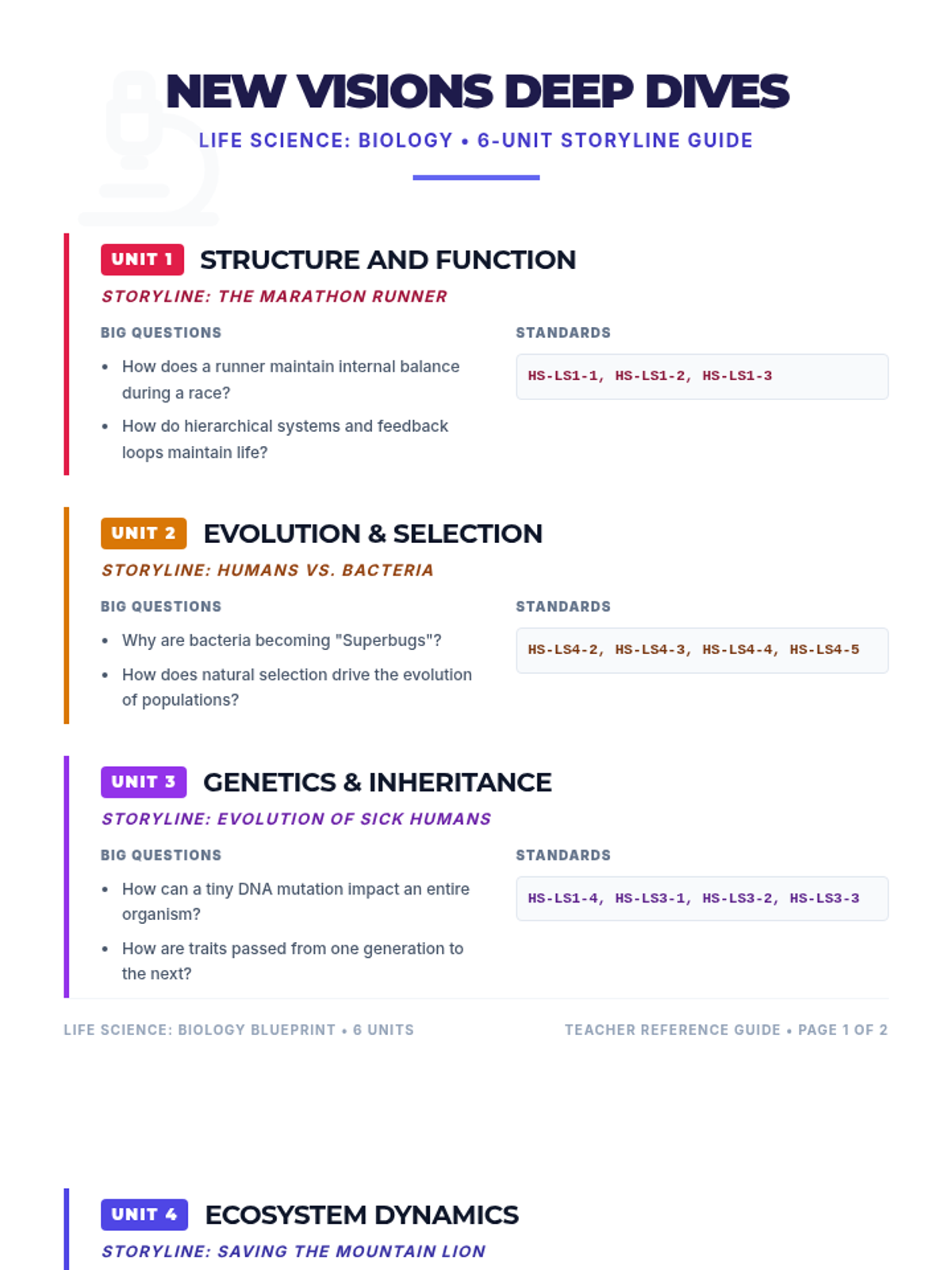
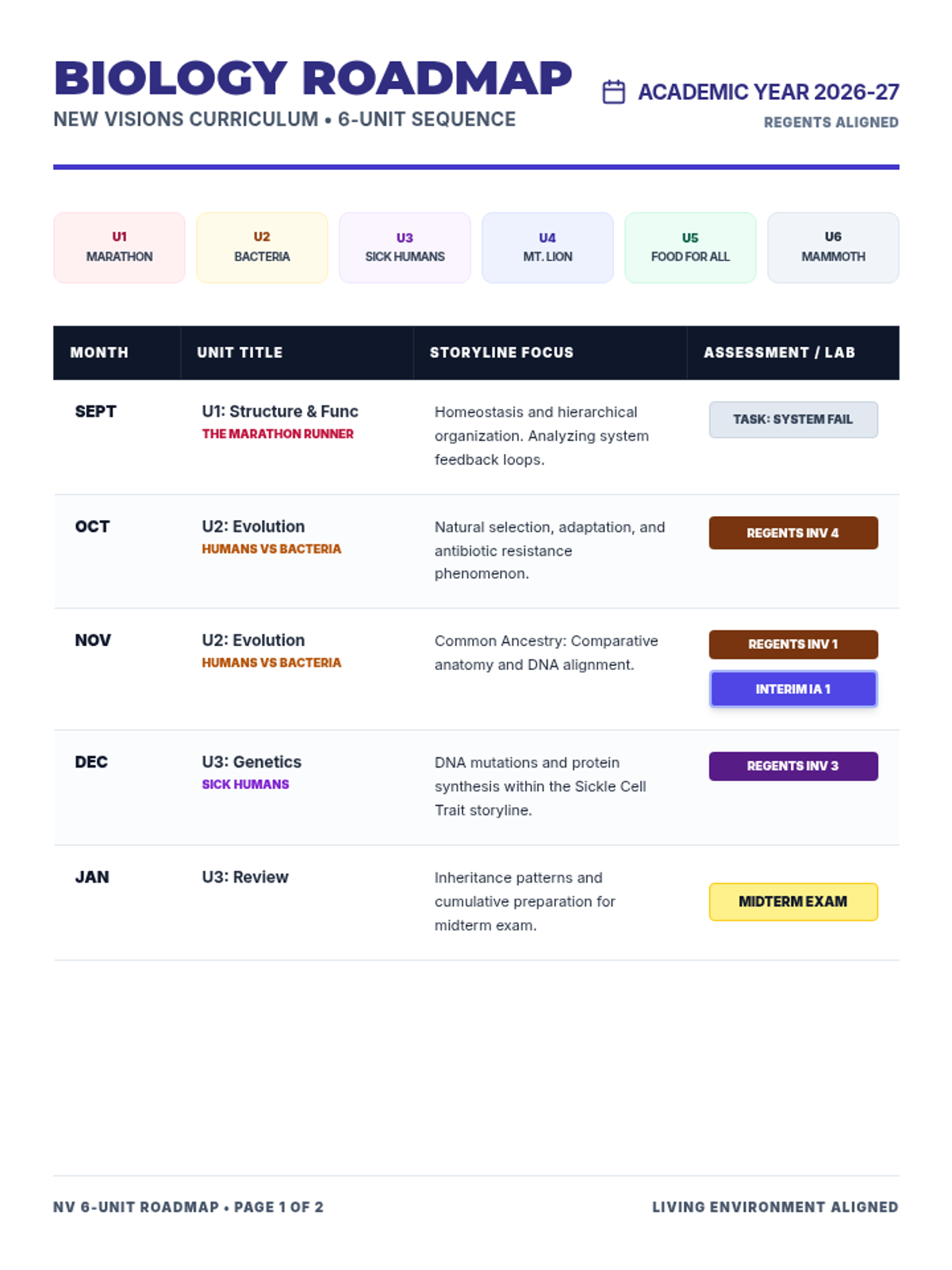
A comprehensive full-year planning framework for high school Life Science: Biology, including pacing, unit objectives, lab requirements, and assessment strategies.
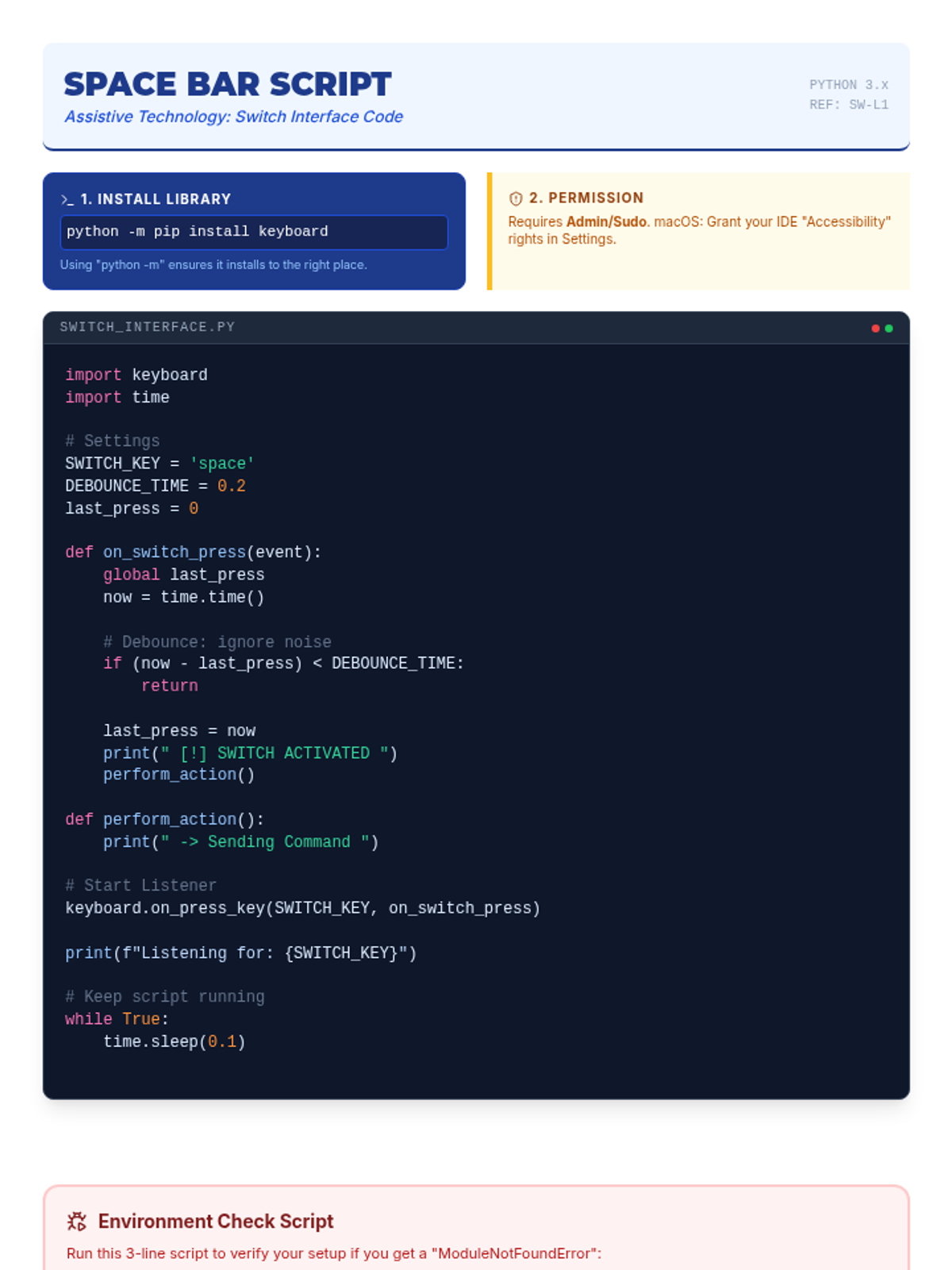
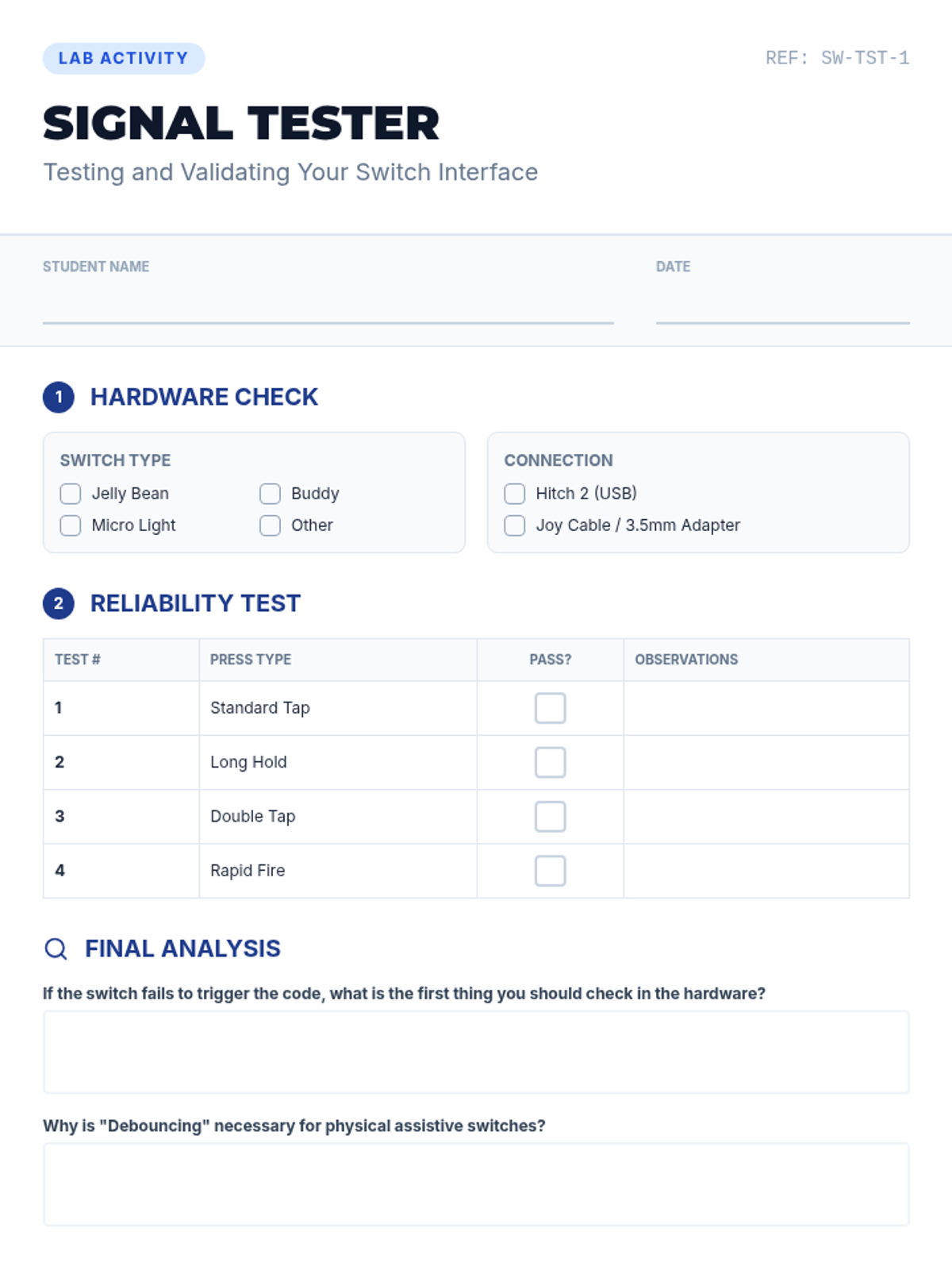
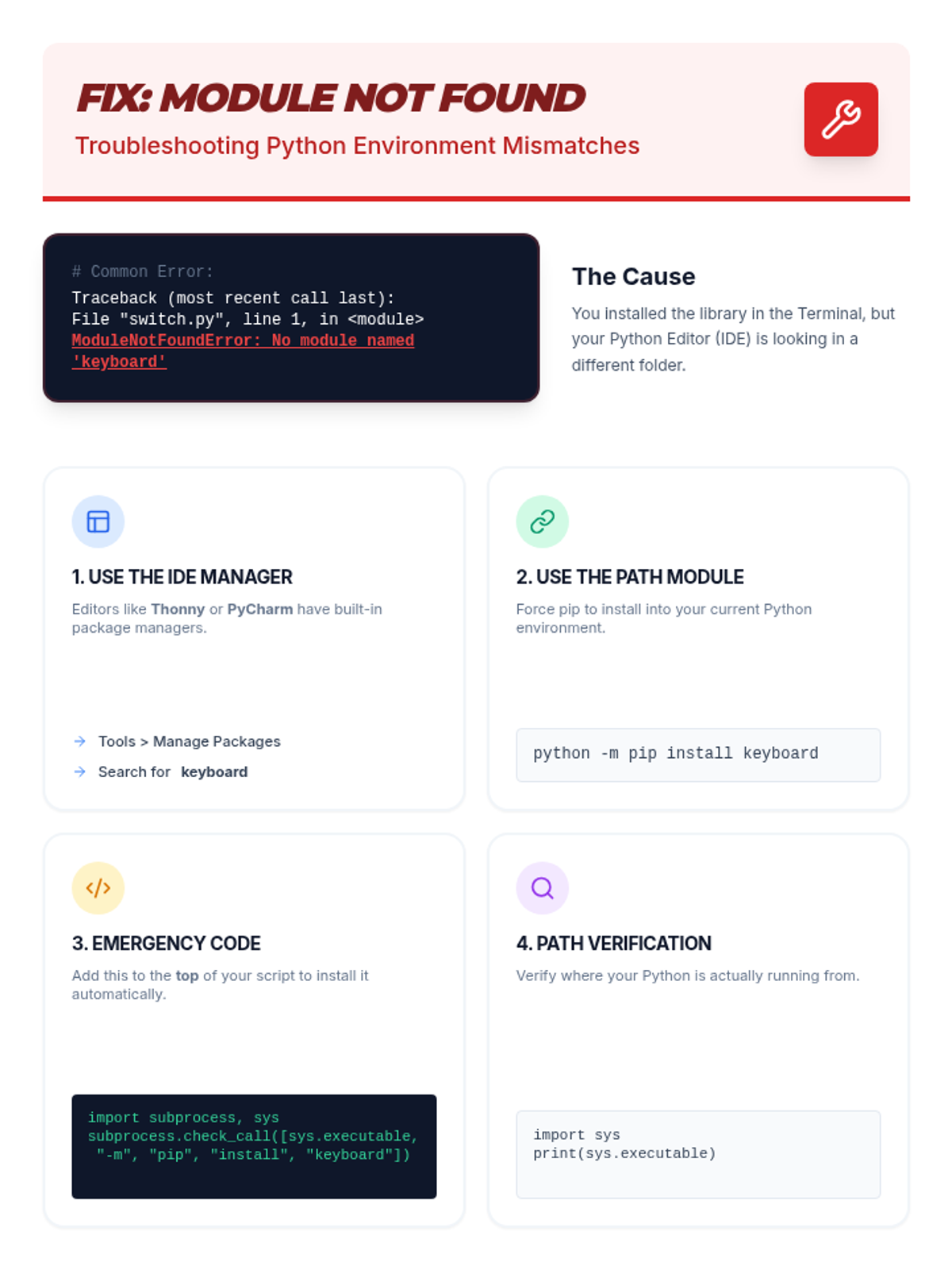
A series of materials focused on building and programming assistive technology interfaces, specifically switch-based controls for accessibility.
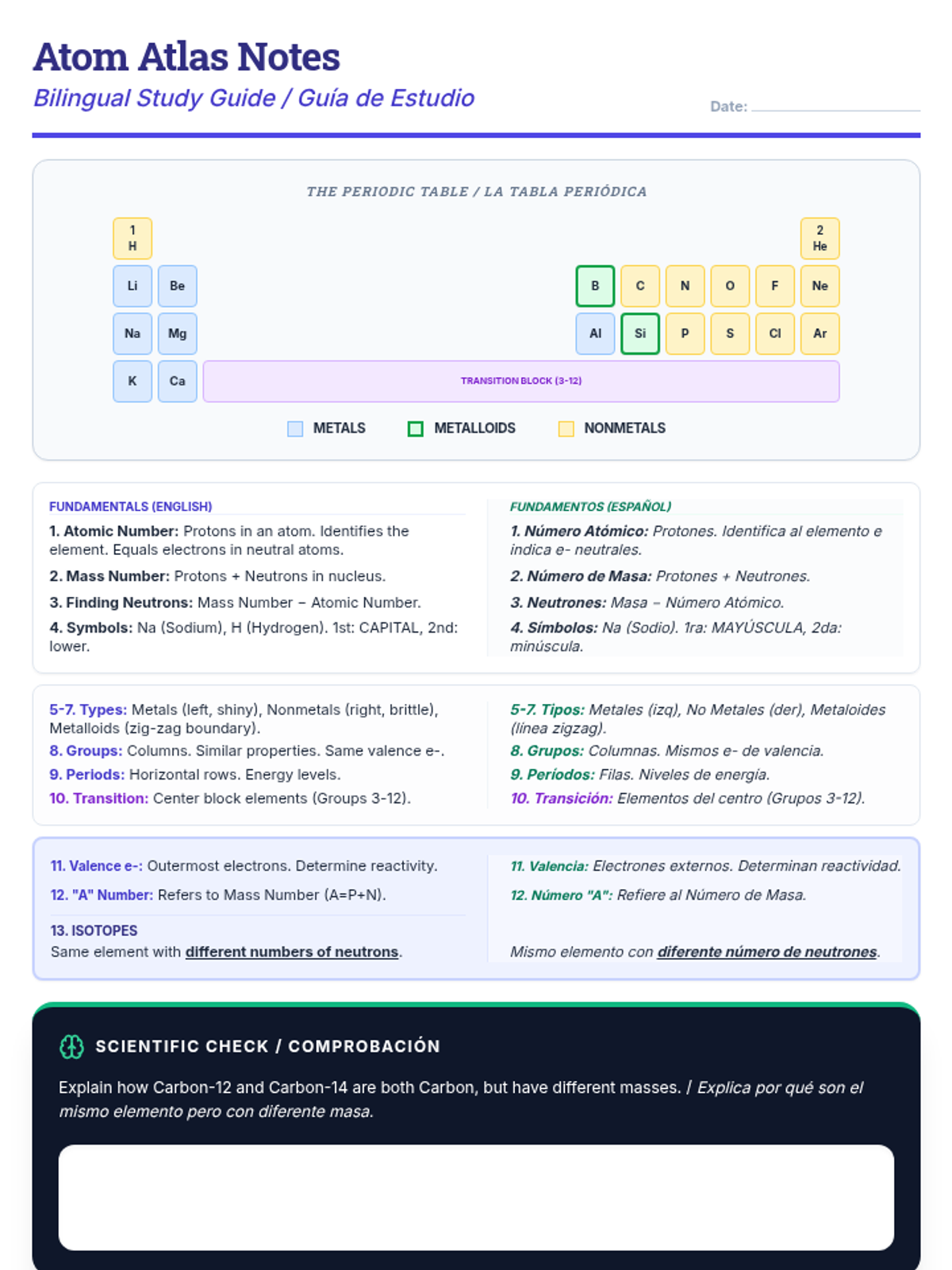
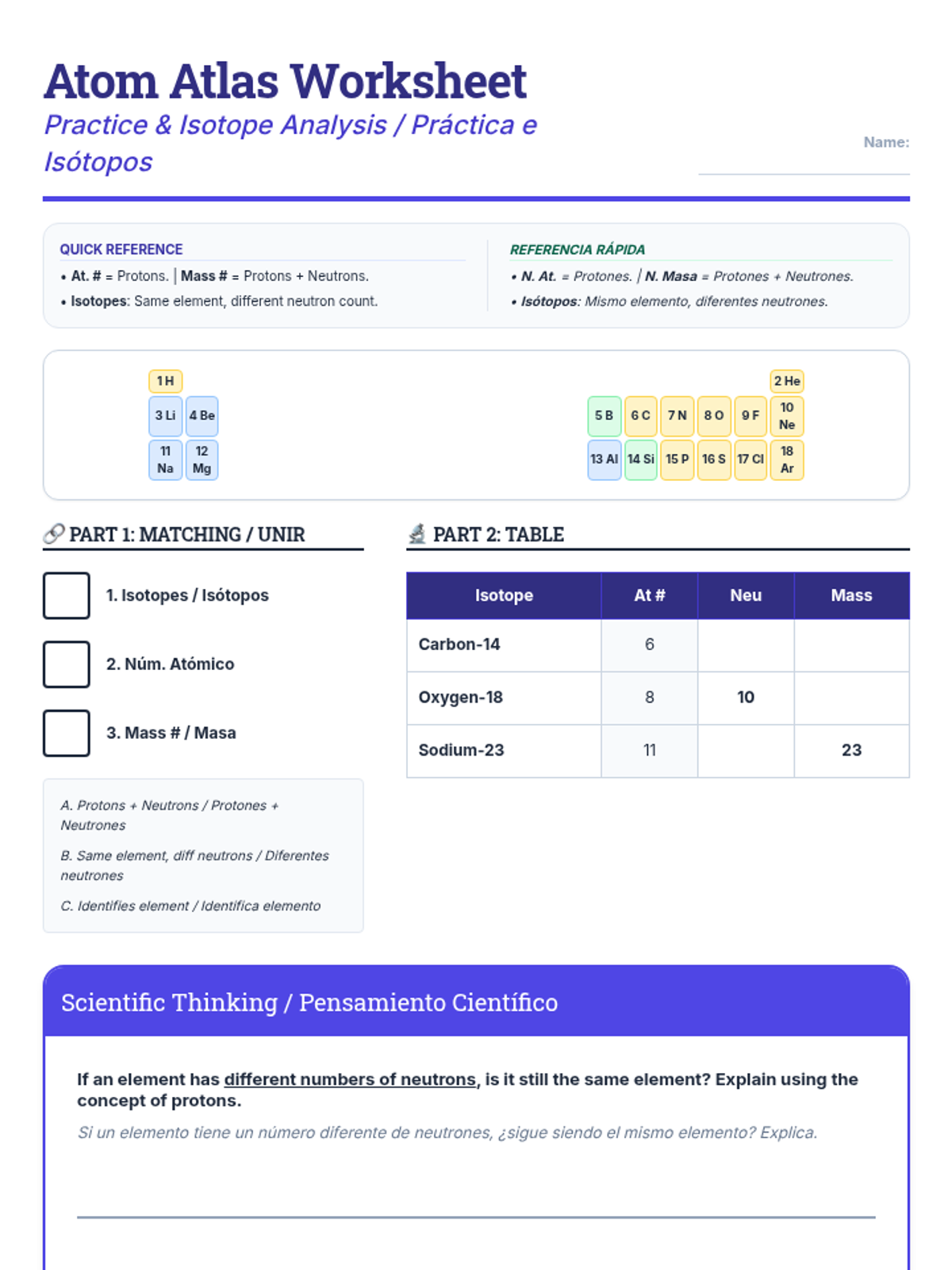
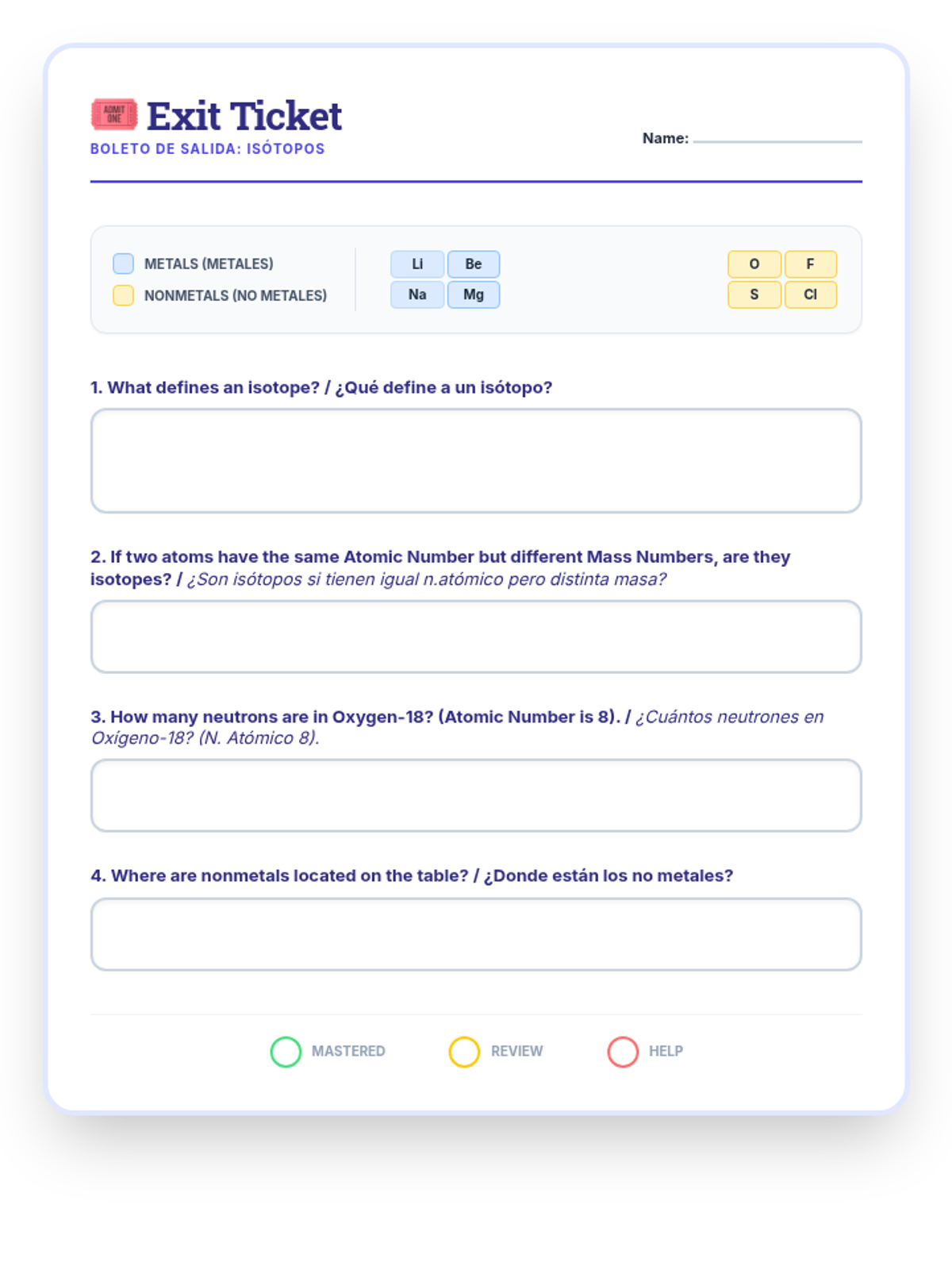
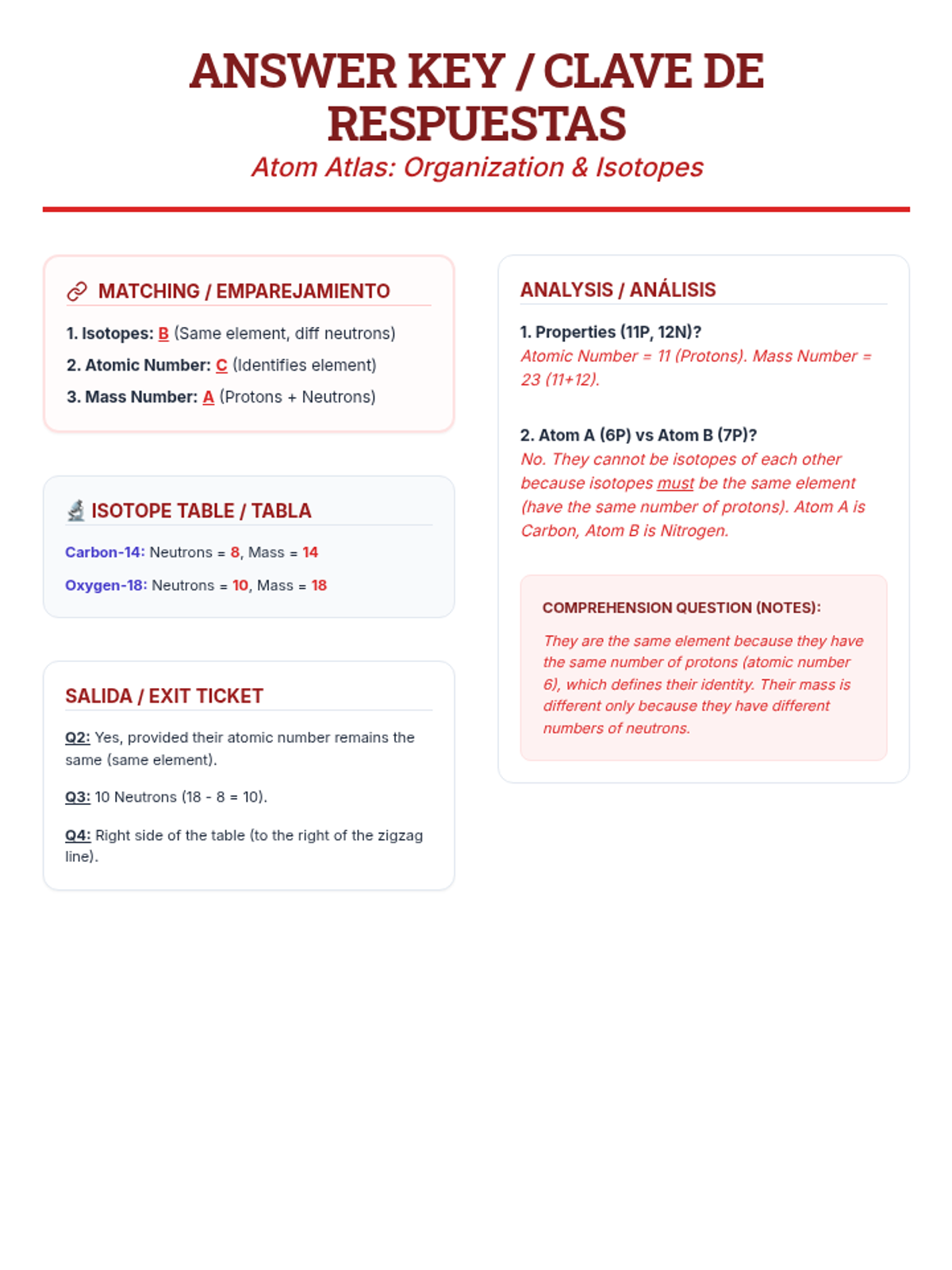
A bilingual (English/Spanish) unit exploring the structure and organization of the periodic table, focusing on atomic properties and element classification.
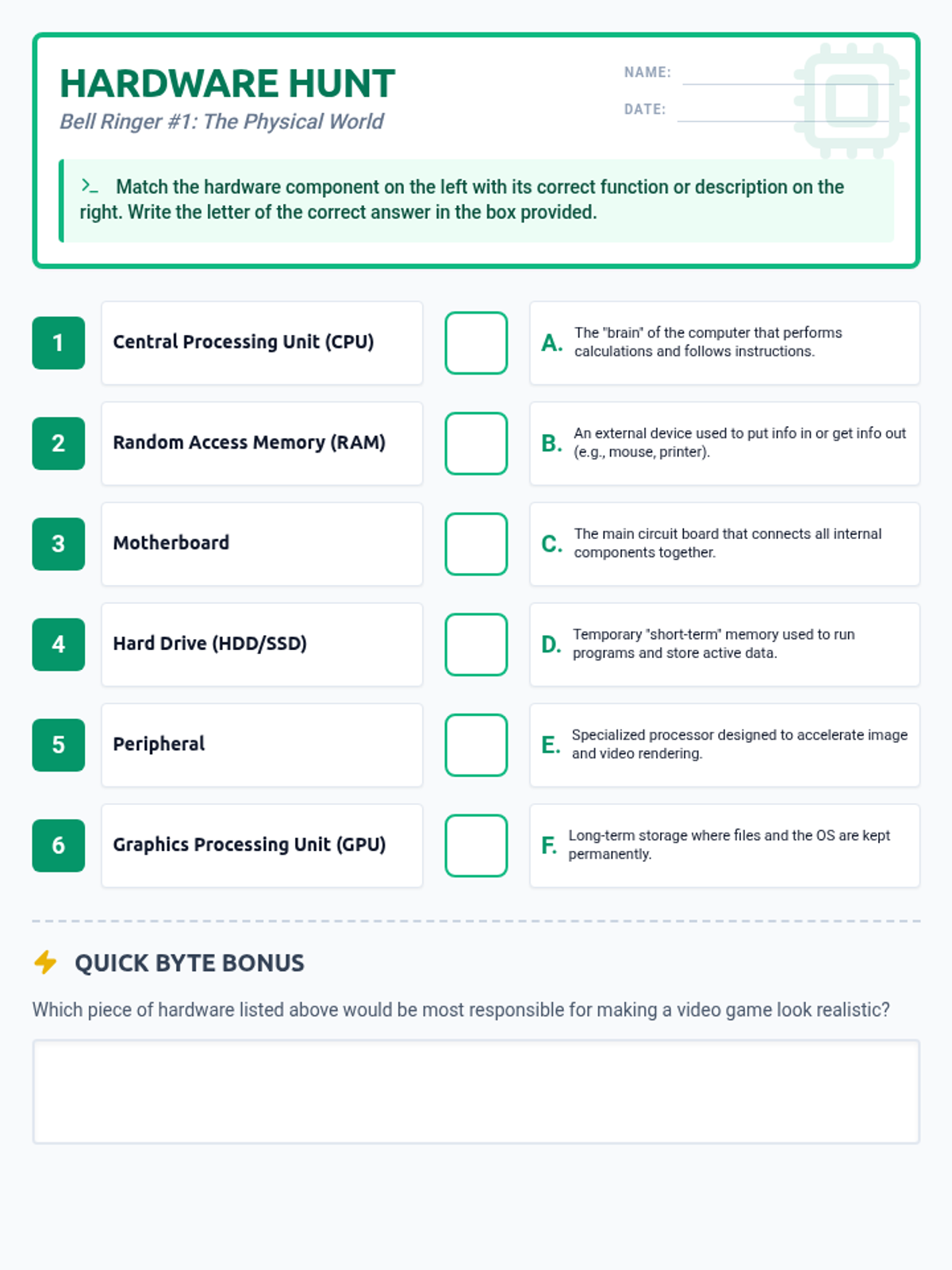
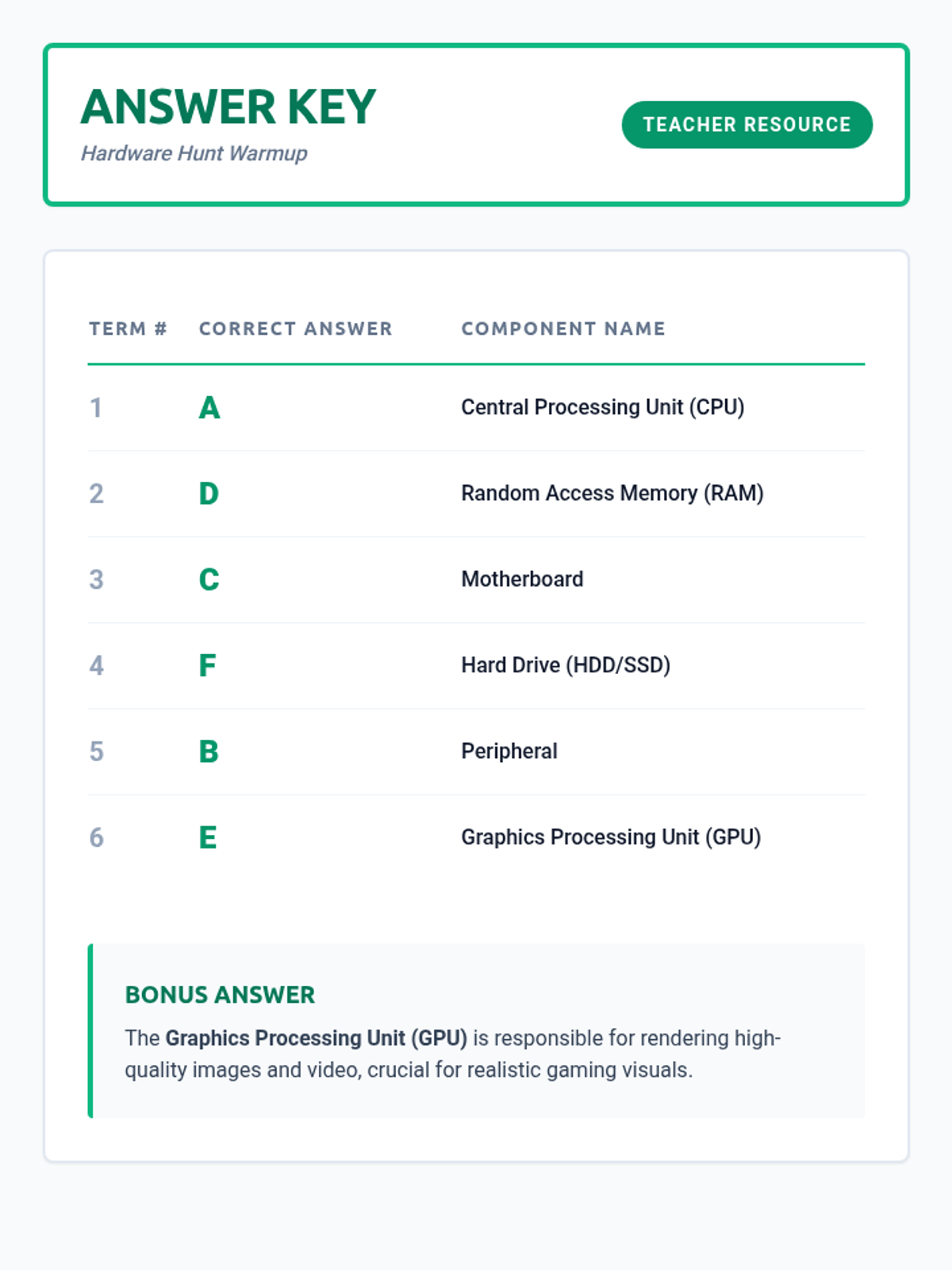
A series of quick, engaging bell-ringer activities focused on building technical vocabulary and understanding computer-related terminology through matching exercises.
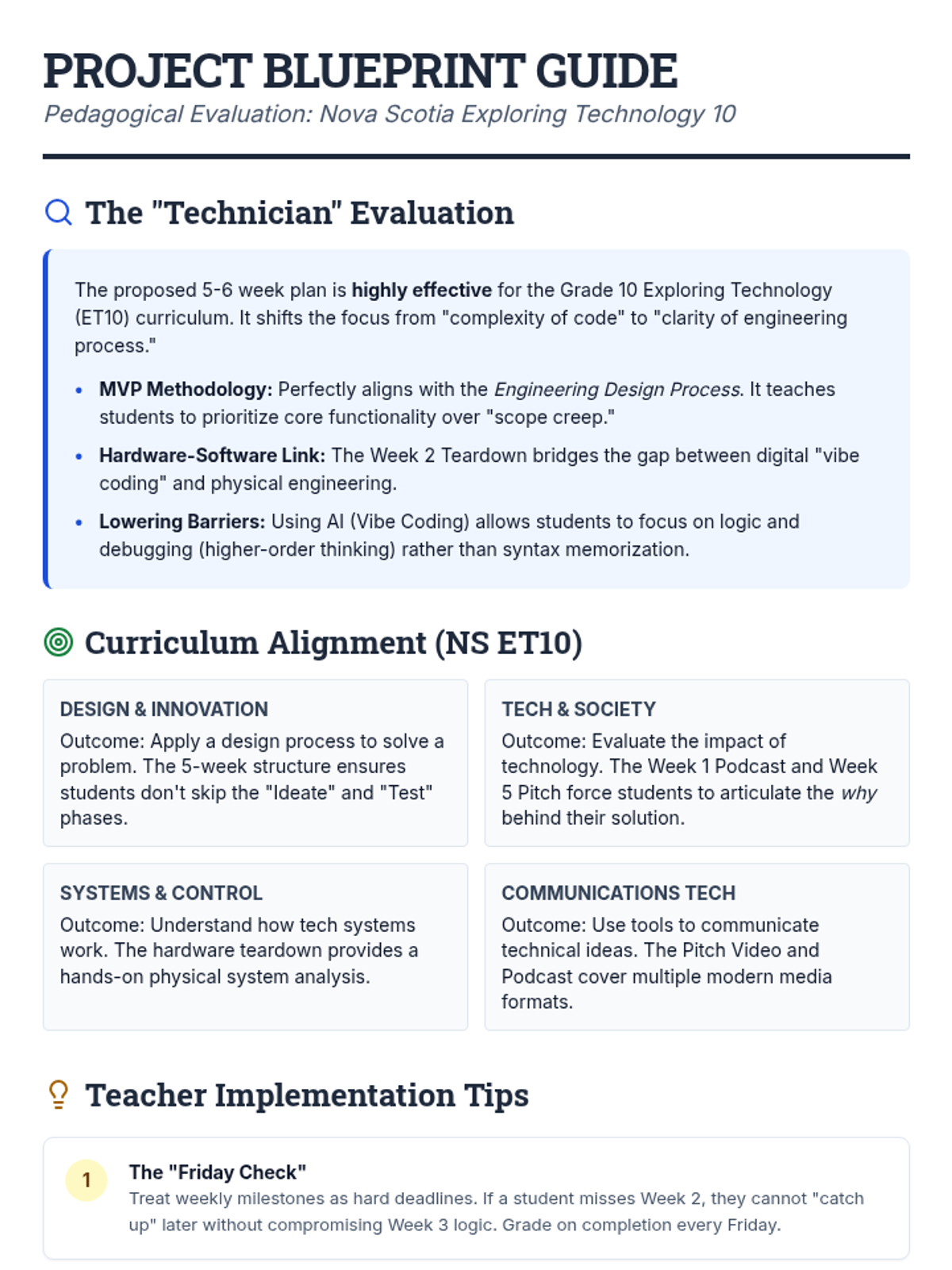
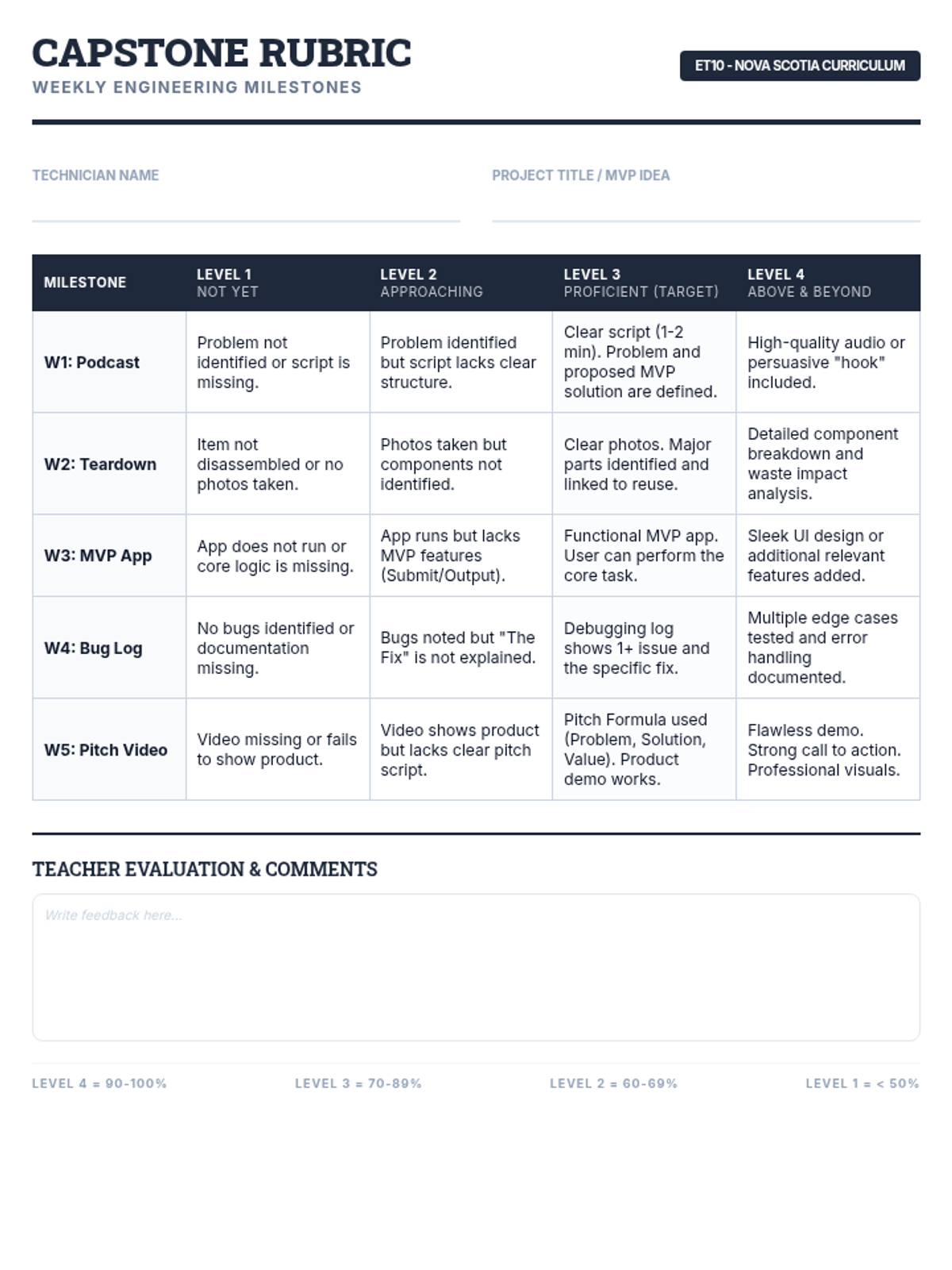
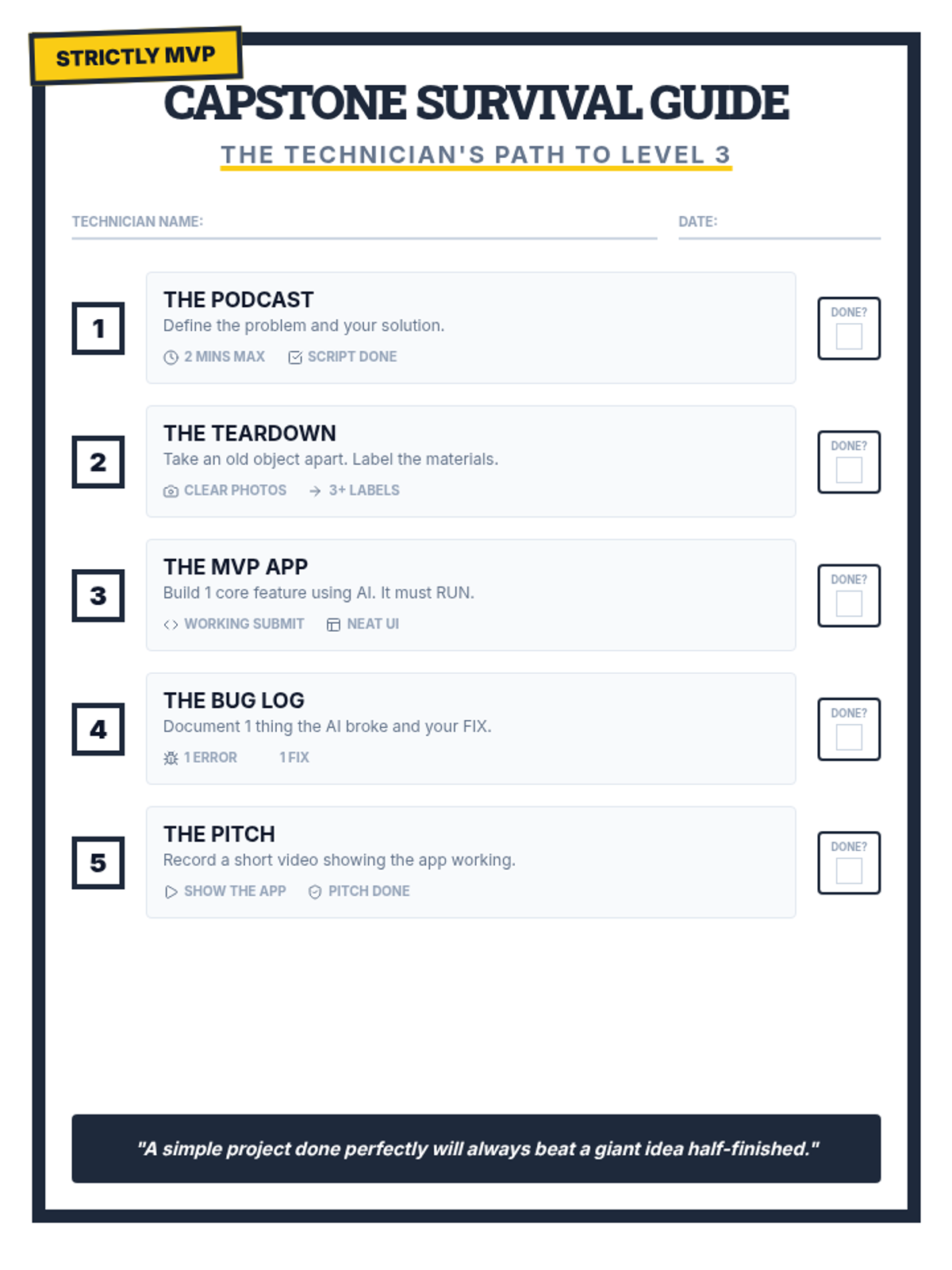
A 5-6 week capstone project framework for Grade 10 Exploring Technology, focusing on a Minimum Viable Product (MVP) approach and weekly engineering milestones.
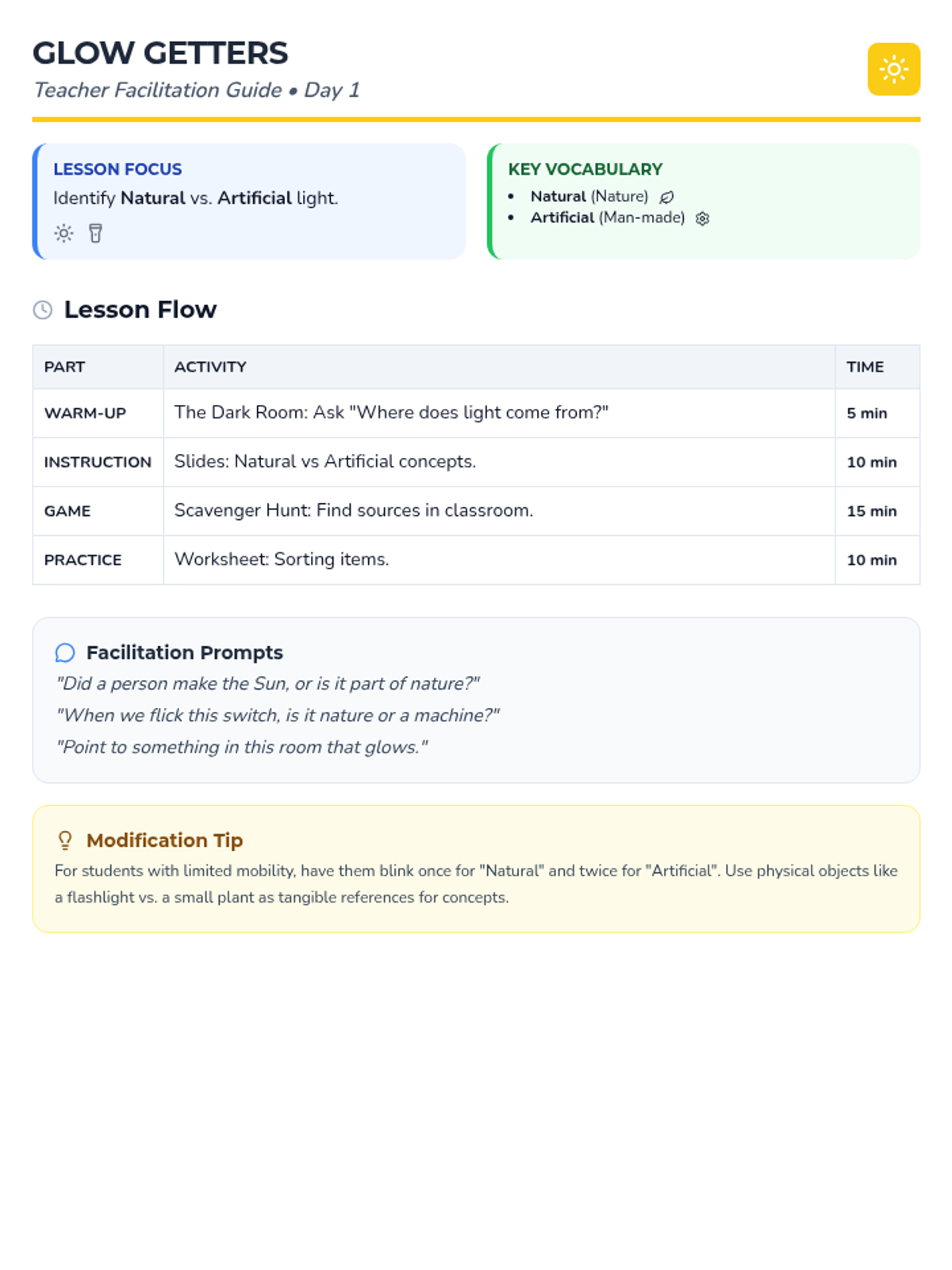
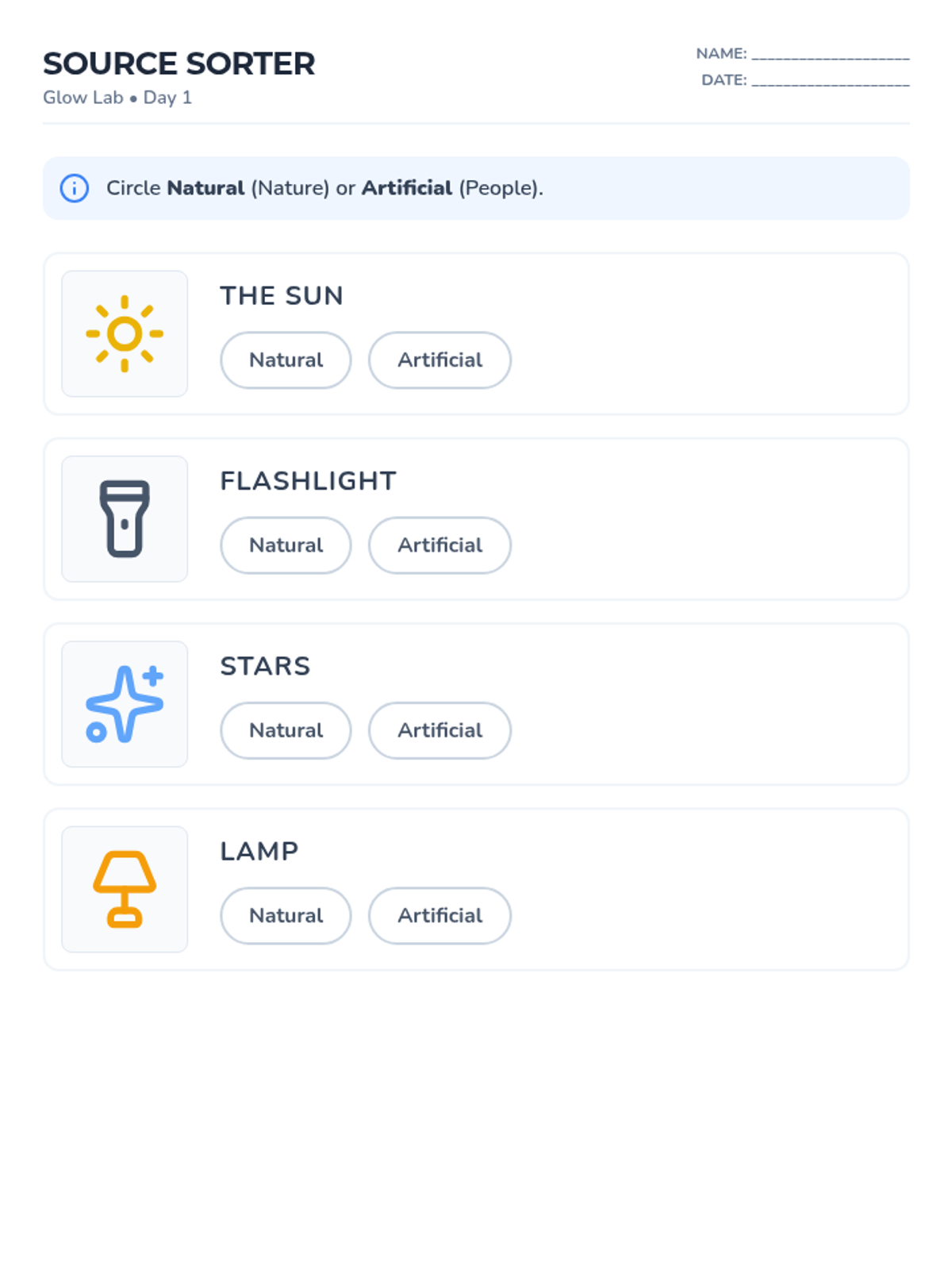
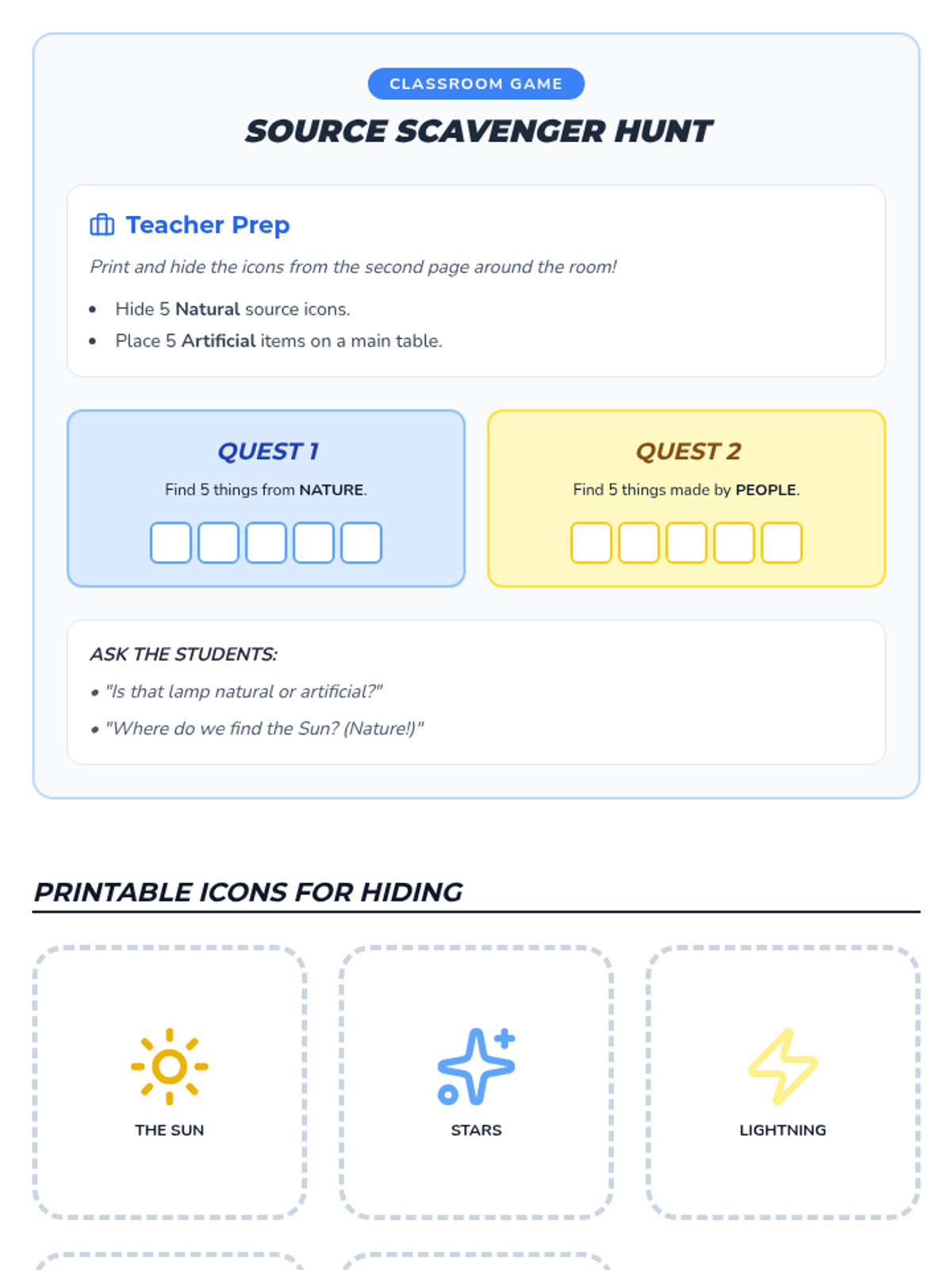
A 4-day science unit for high school Essential Skills students exploring light sources, movement, reflection, shadows, and the visible spectrum. Each day includes visual slides, hands-on activities, and simplified assessments designed for accessibility and engagement.
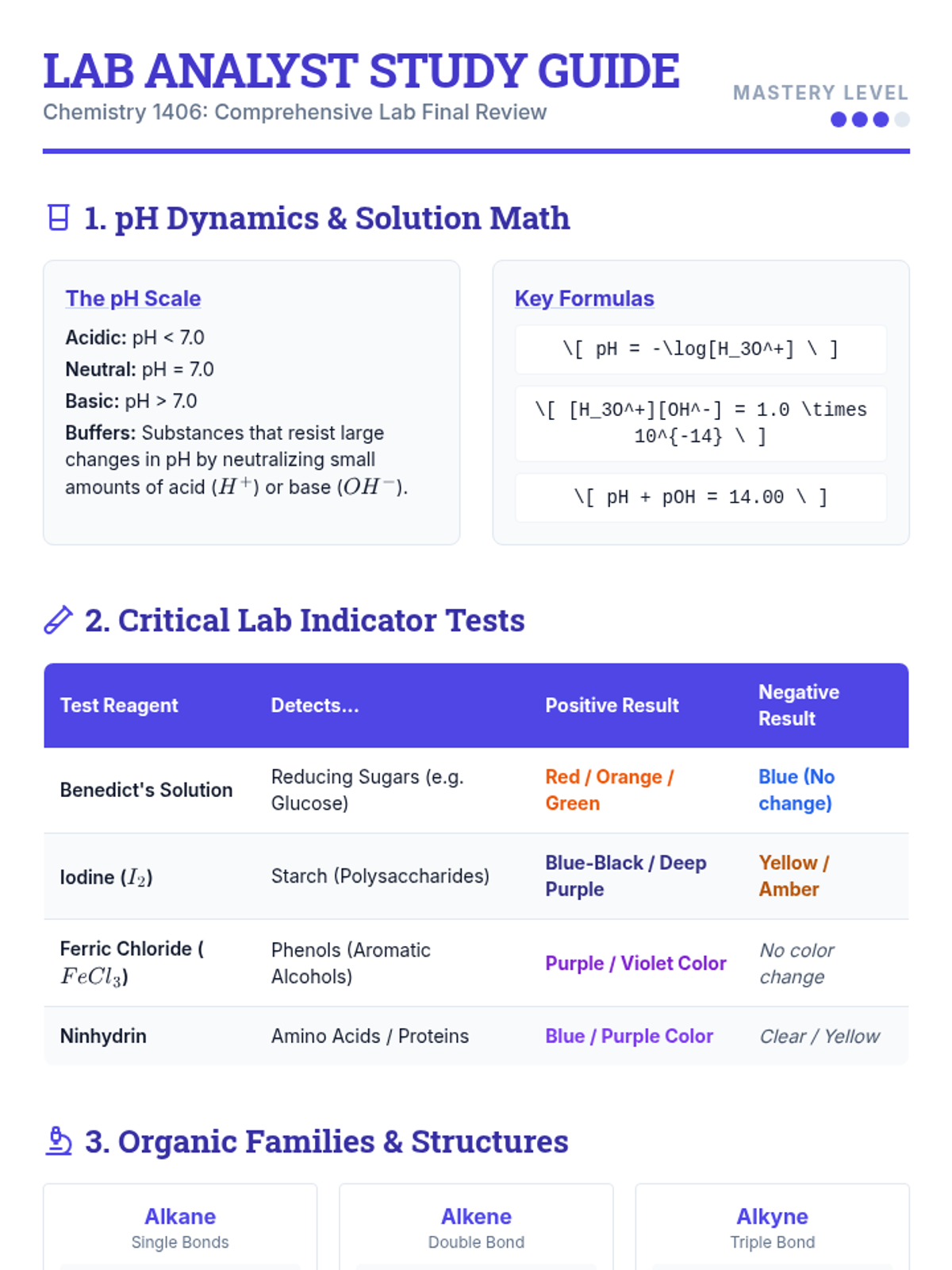
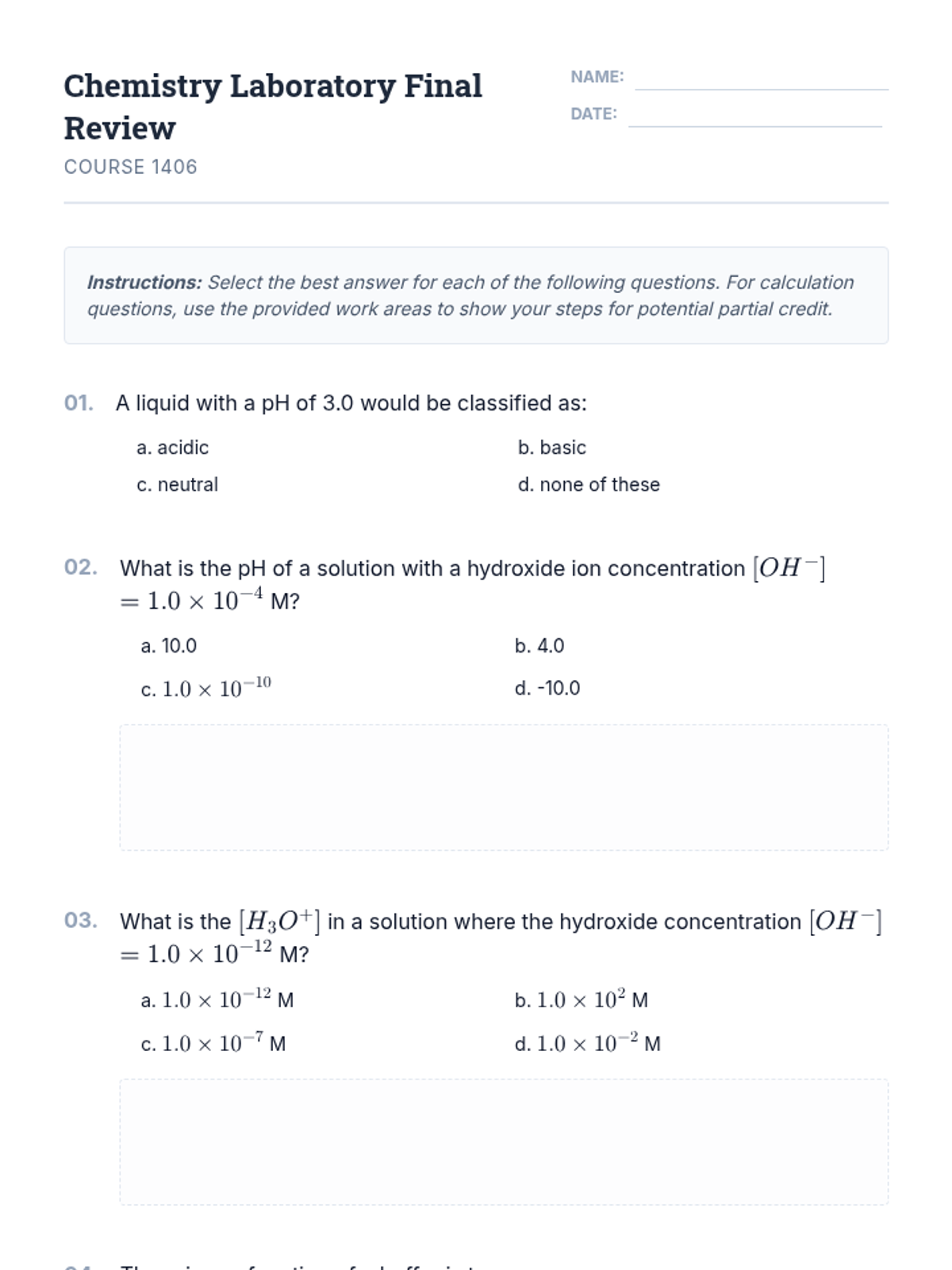
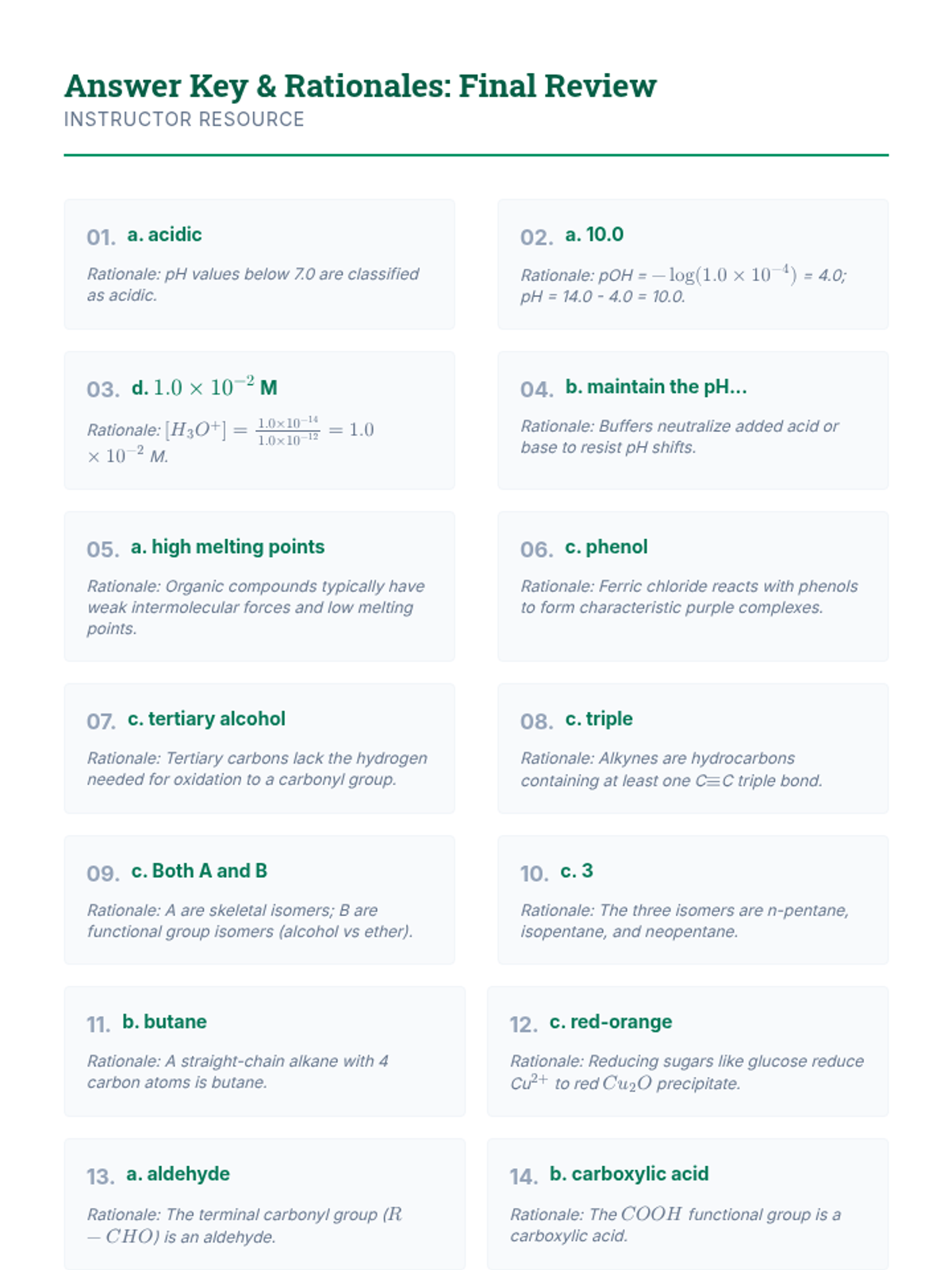
A specialized curriculum designed to prepare students for introductory chemistry laboratory examinations, focusing on practical applications, quantitative calculations, and organic structure identification.
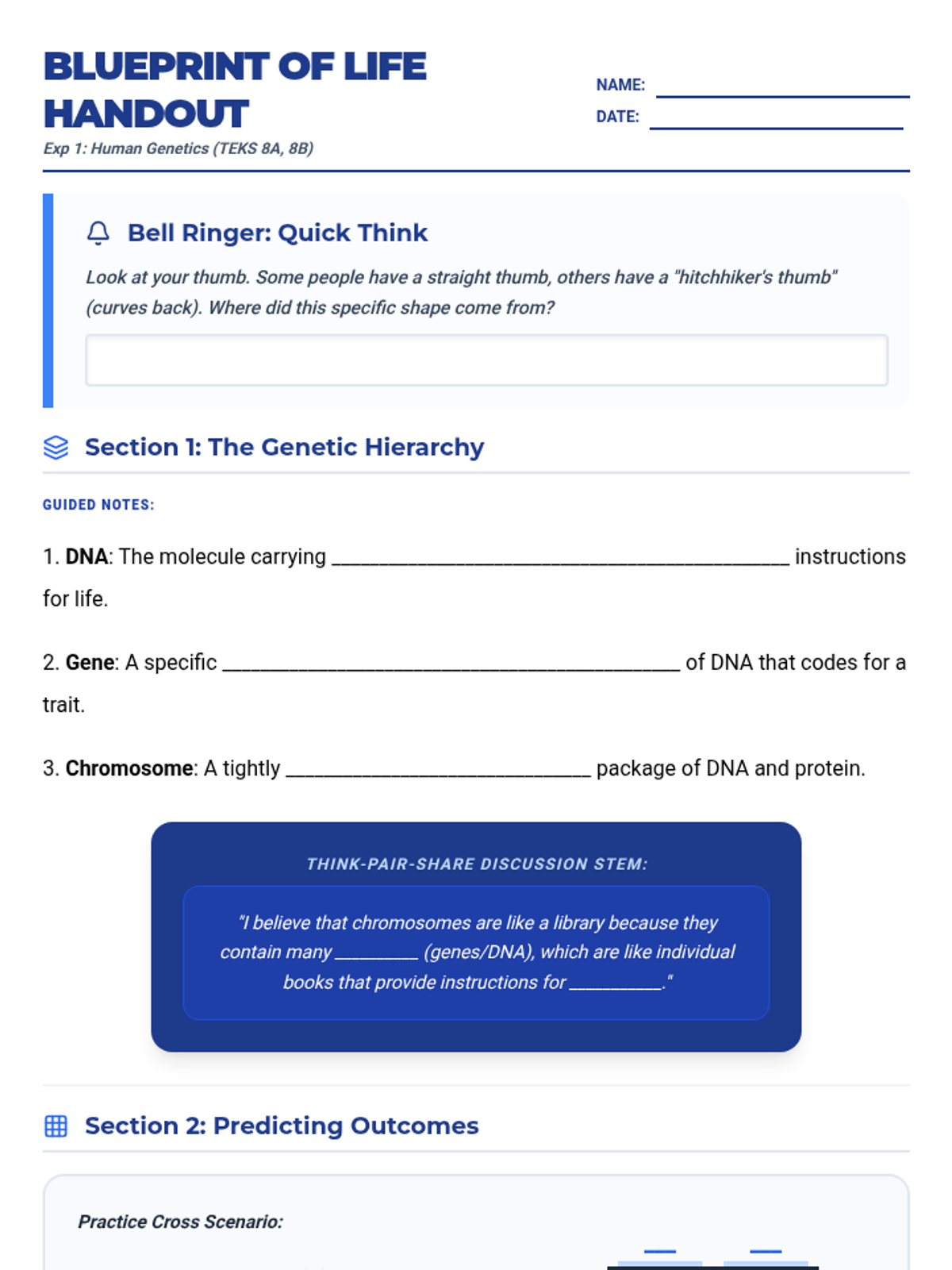
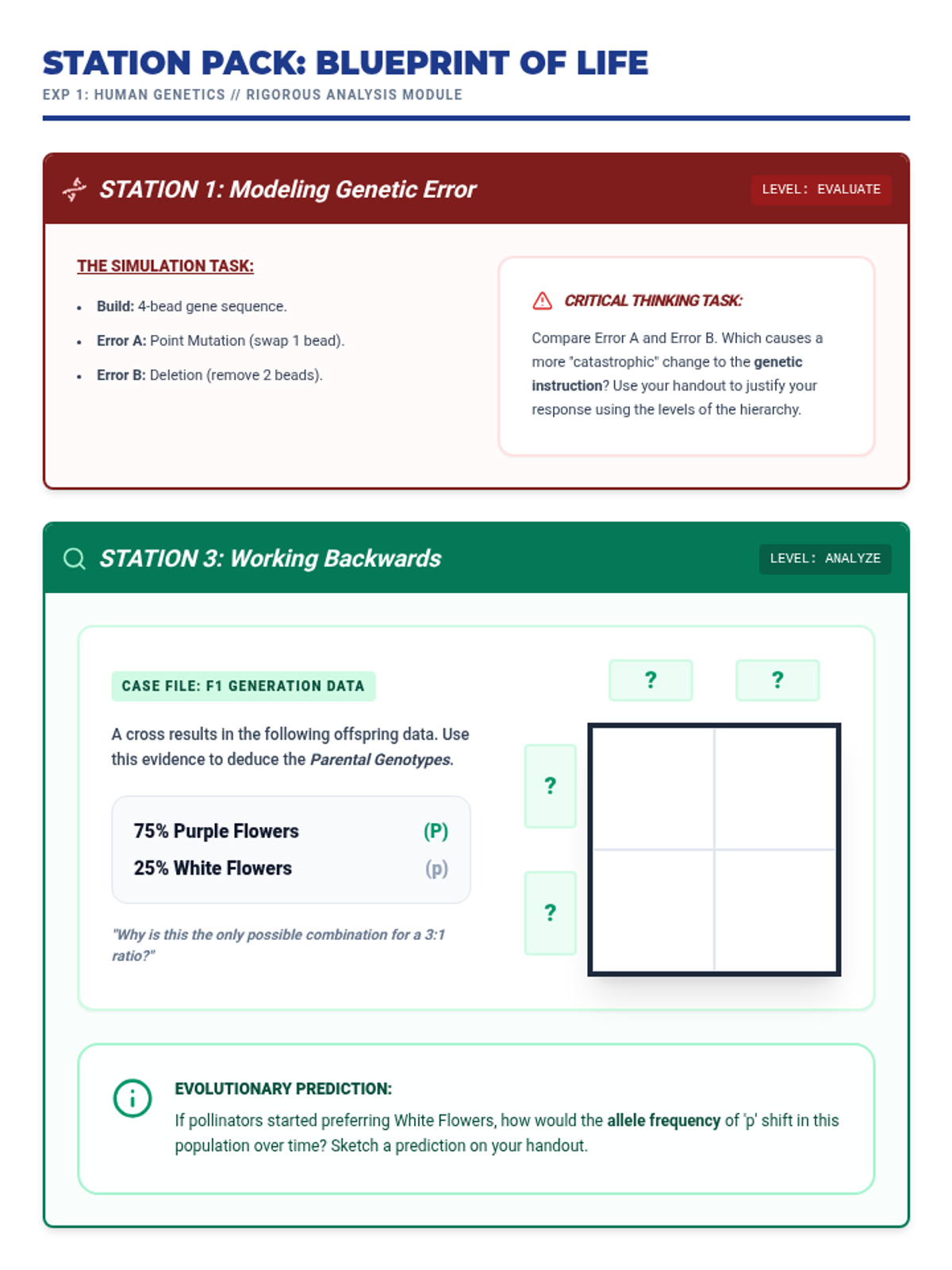
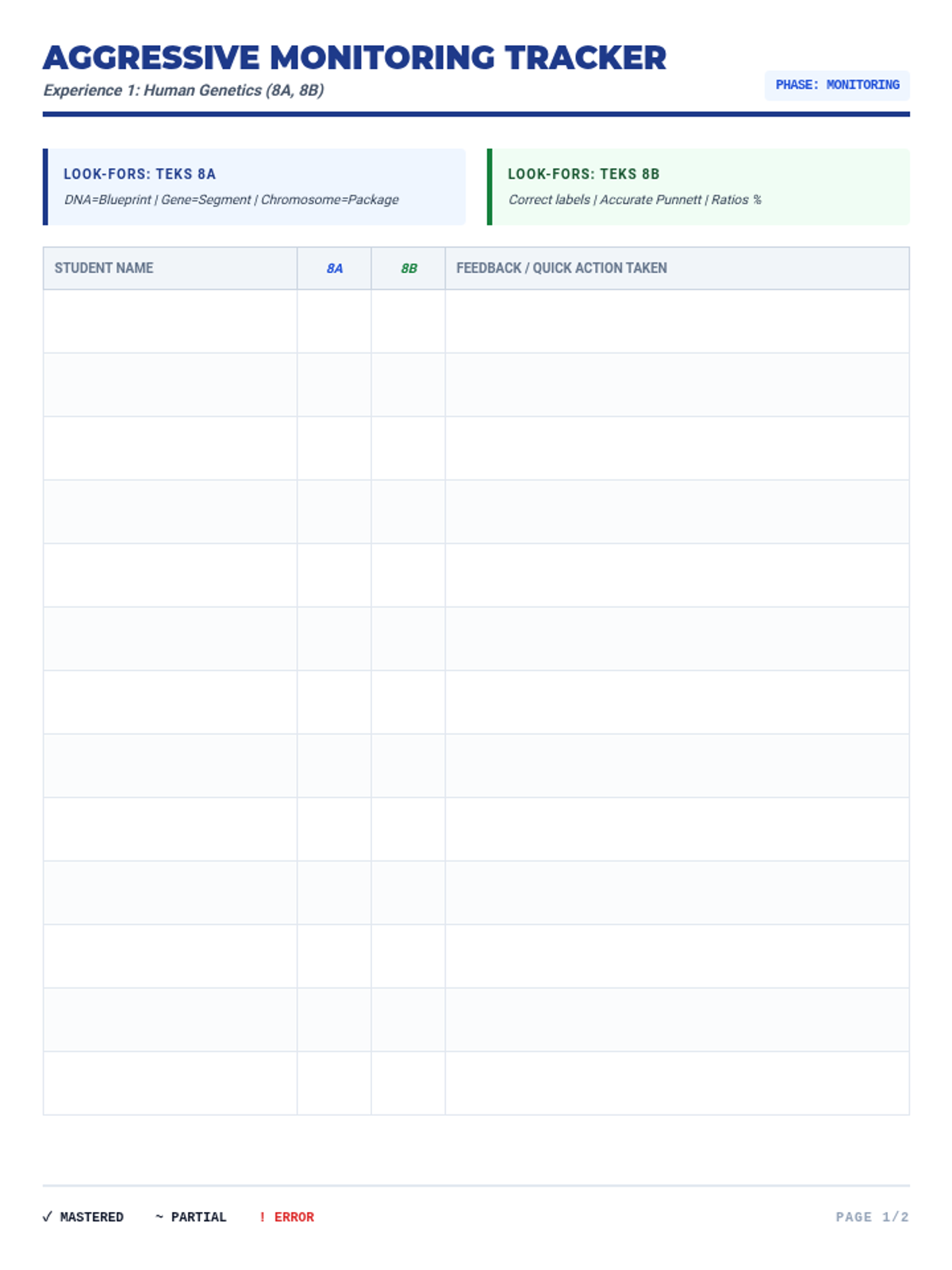
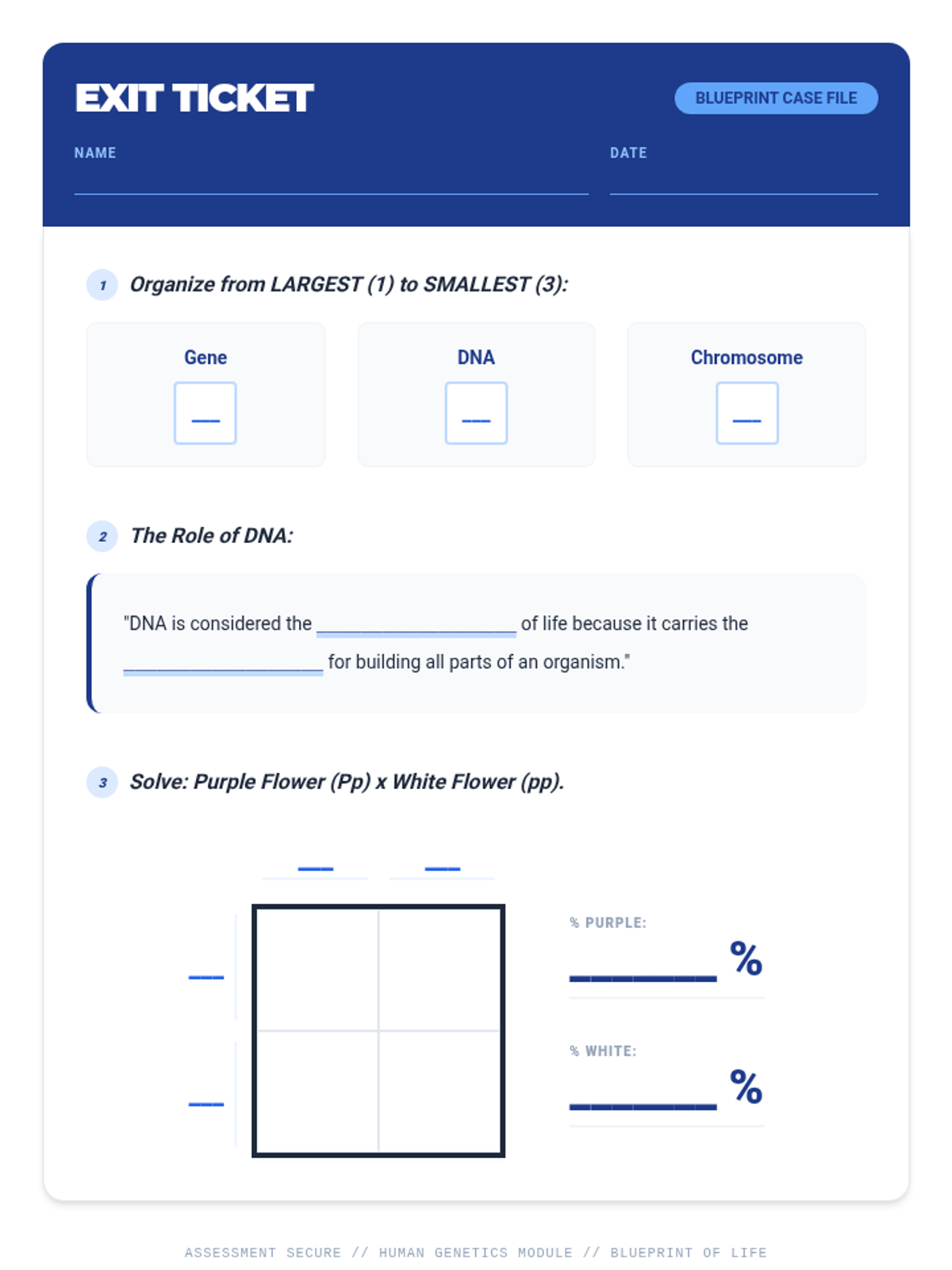
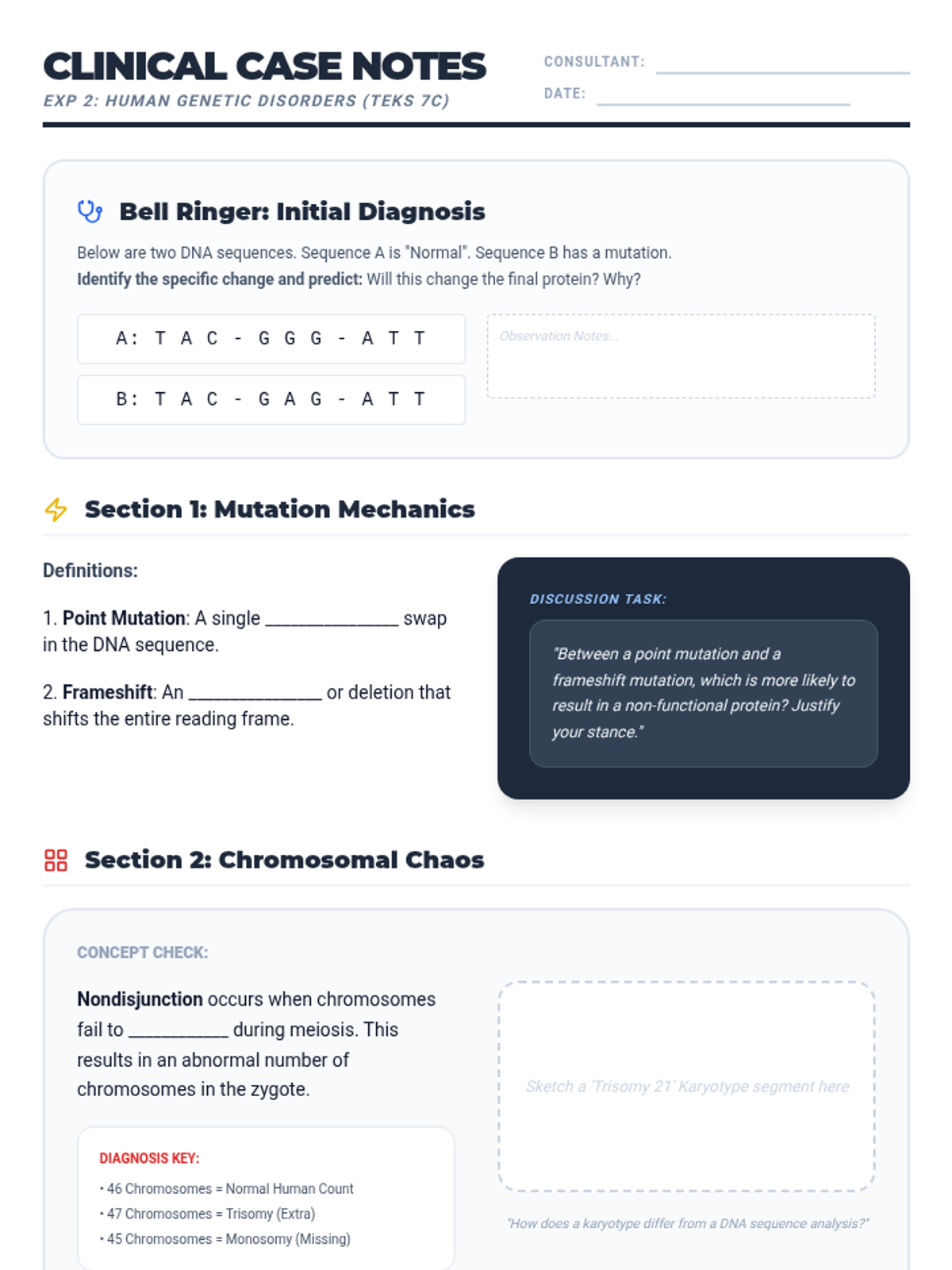
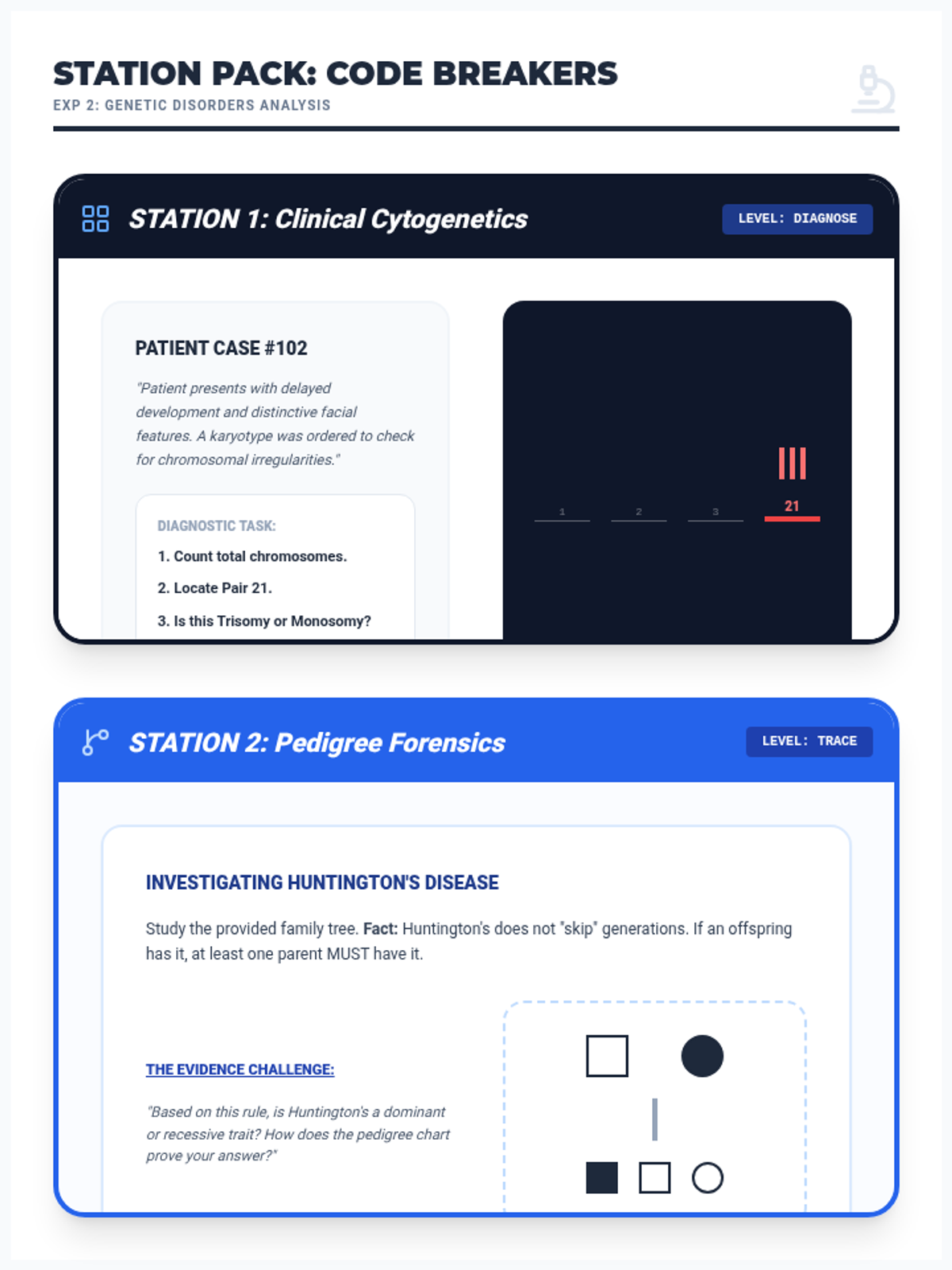
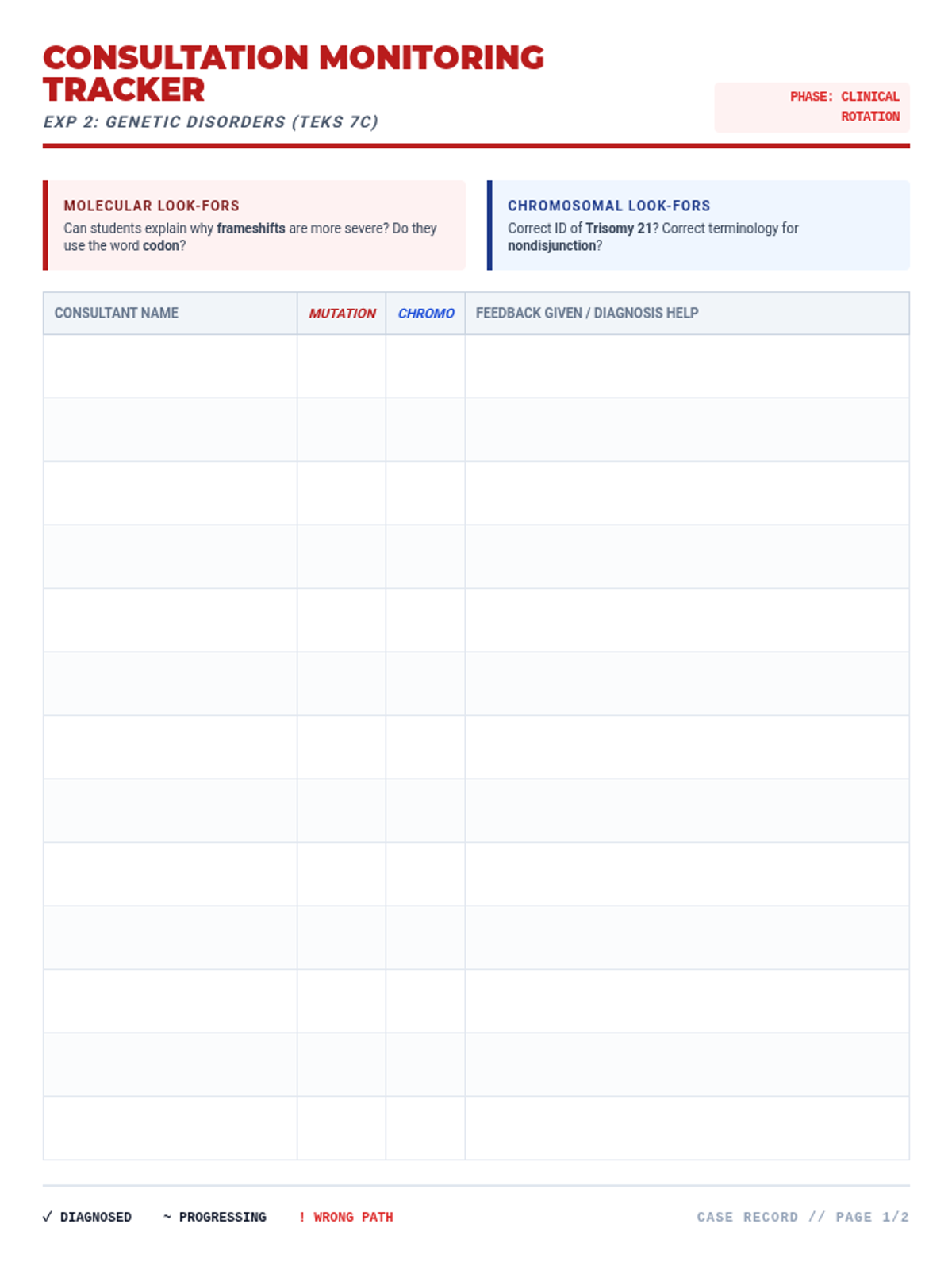
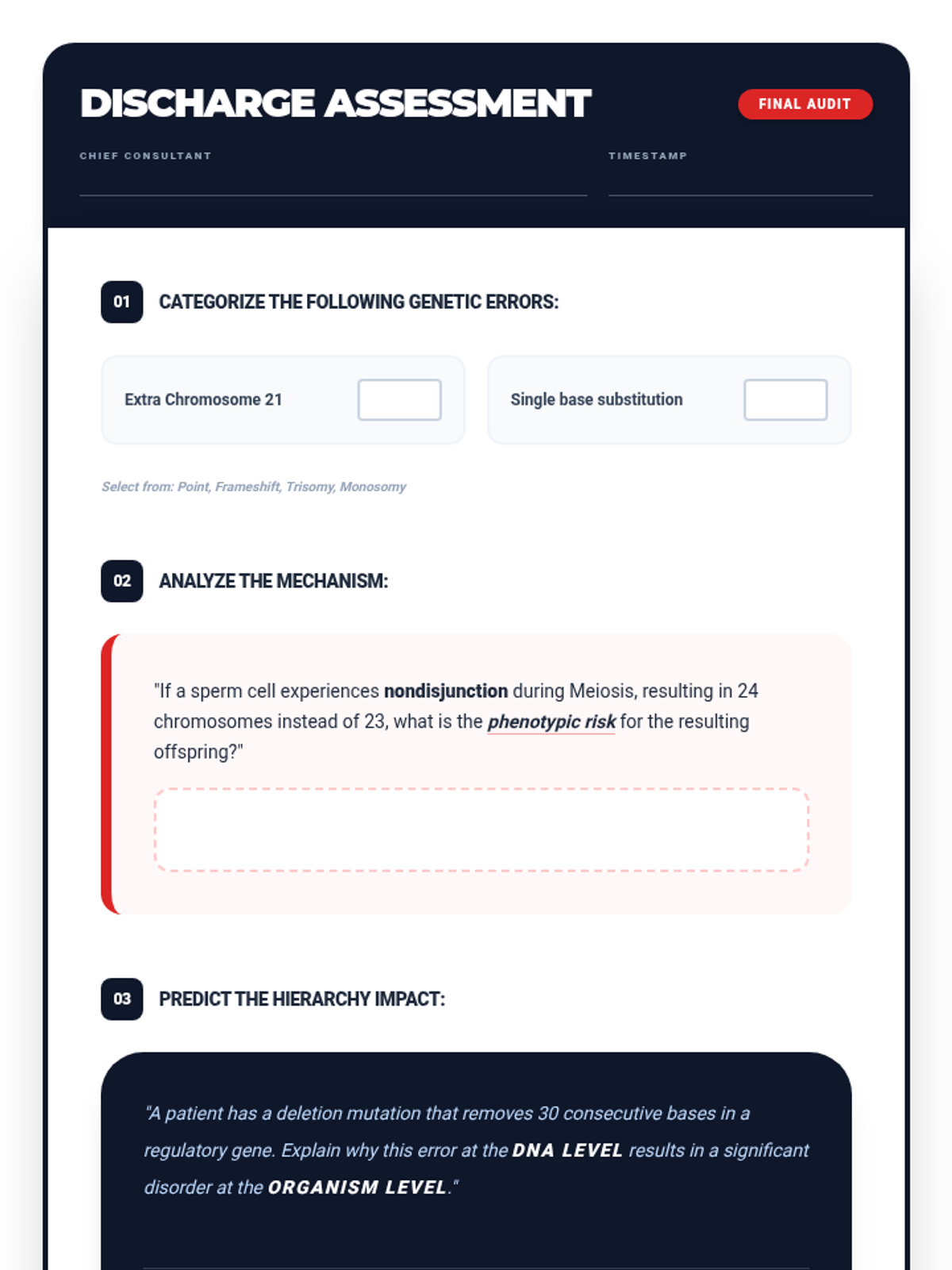
A series of high-impact biology lessons exploring the foundations of genetics, clinical genetic disorders, and genome mapping. Each lesson features chunked instruction, interactive stations, and rigorous monitoring.
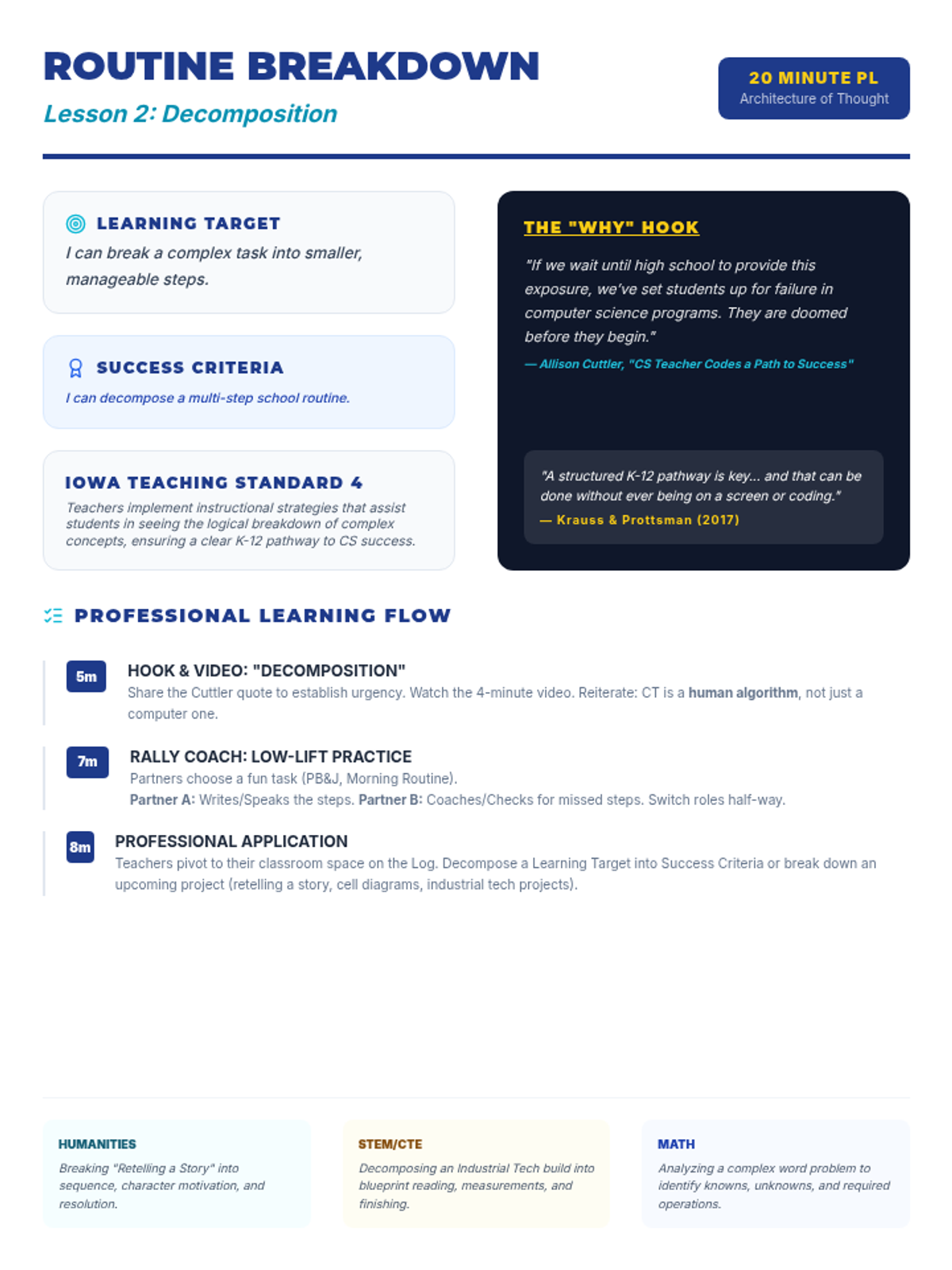
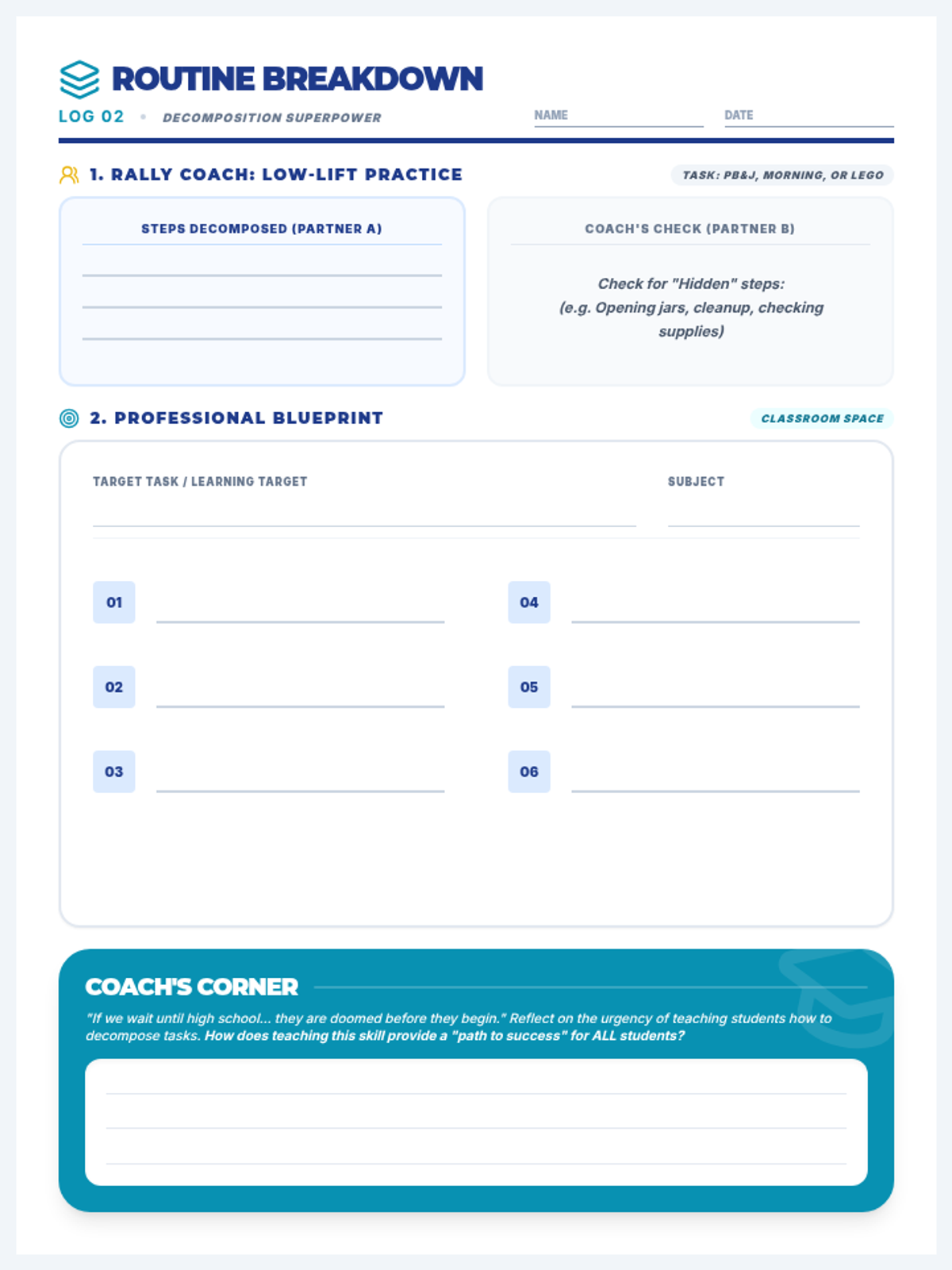
A professional development series for PreK-12 educators that reframes Computer Science as a "Superpower" through Computational Thinking. Teachers explore how CS concepts like decomposition, abstraction, and automation are already present in their daily instructional practices and Iowa Core content.
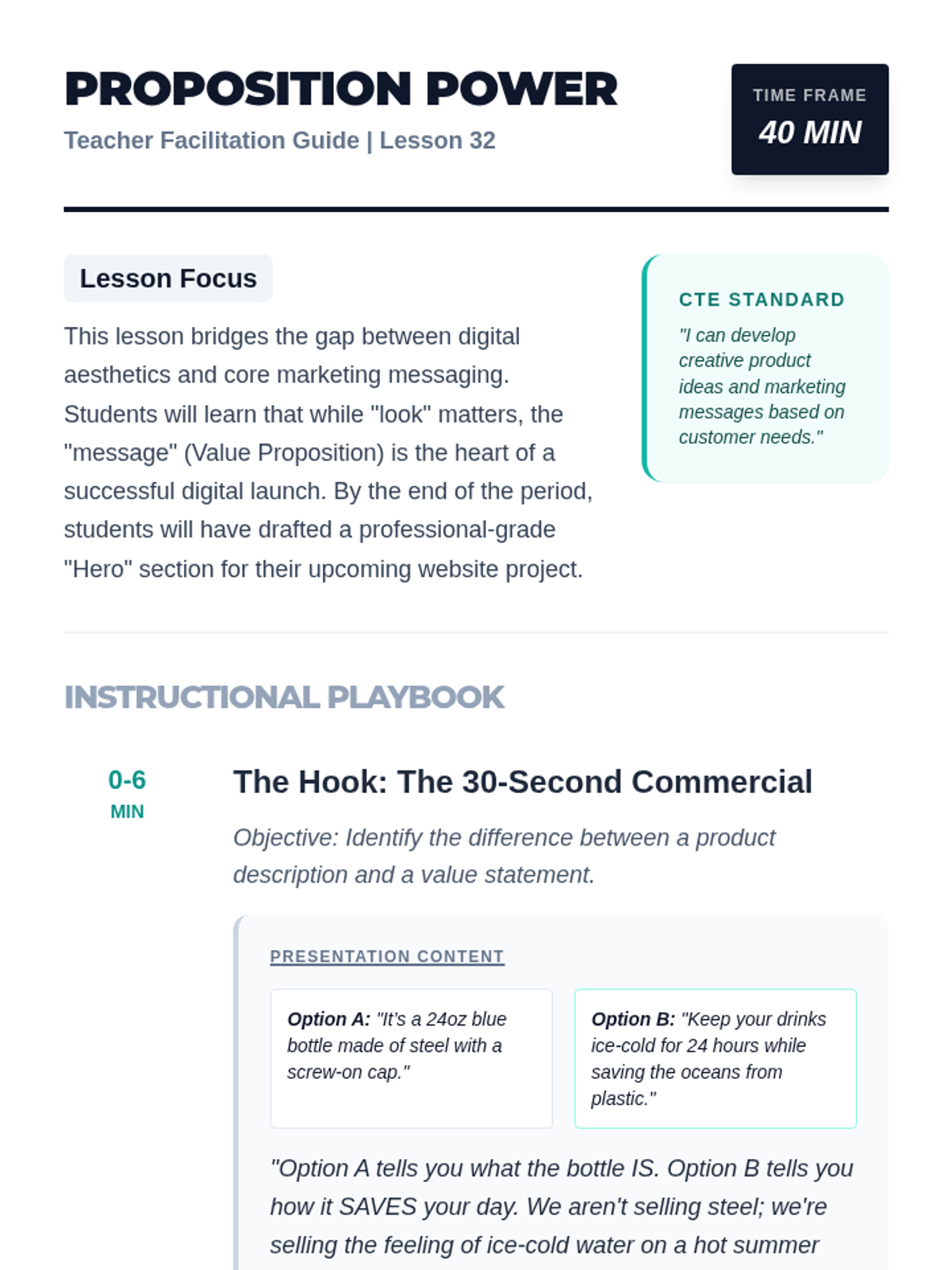
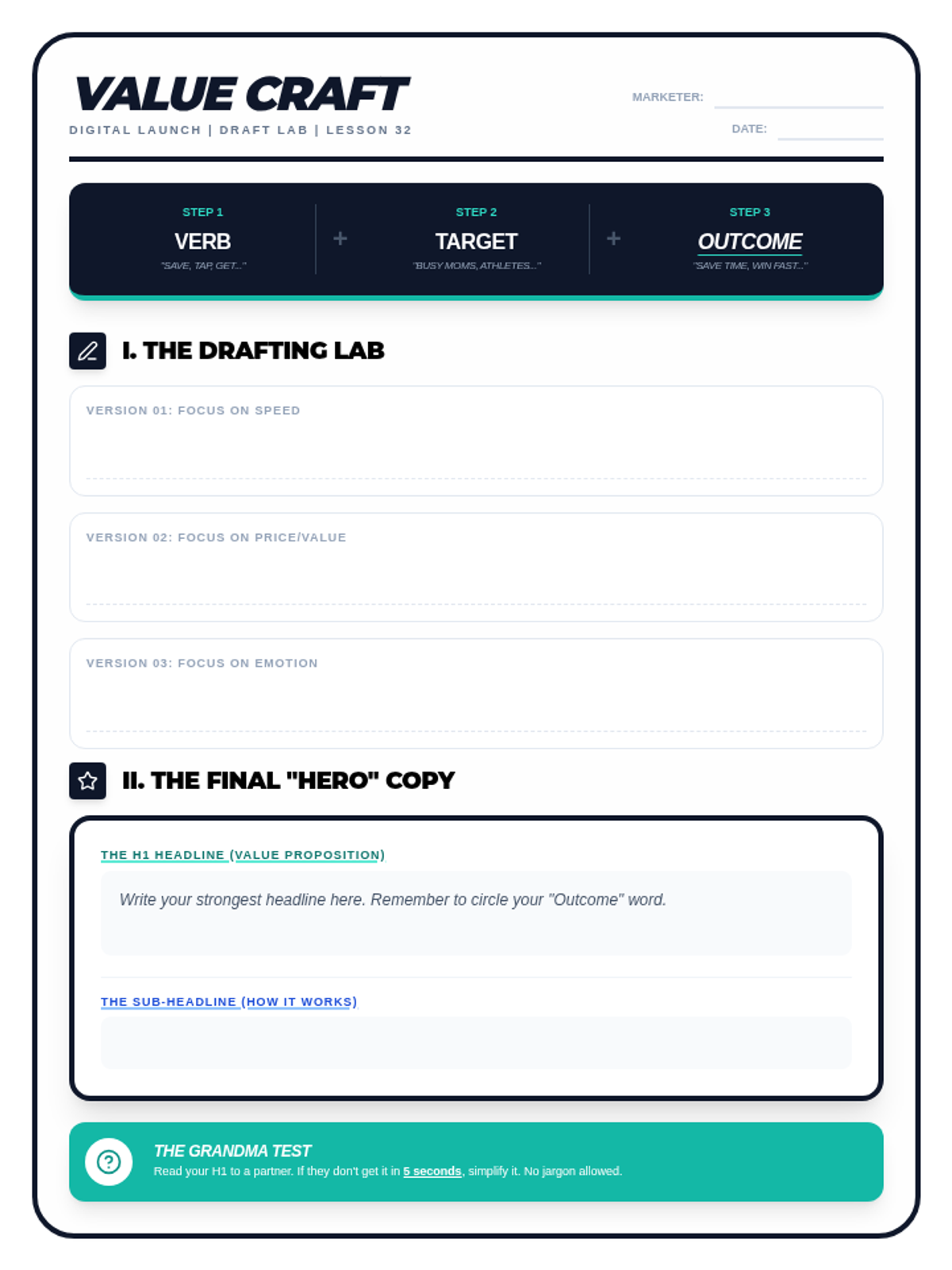
A comprehensive unit focused on the digital launch of marketing campaigns, bridging the gap between design and messaging to create persuasive online presences.