Lenny.com
Explore
Create
ActivitiesNewMathEnglish Language ArtsScience & EngineeringSocial StudiesGlobal LanguagesHealth & Physical EducationSpecial EducationCounseling & Life SkillsArts & CreativityESL
Lenny.com
Lenny.com
Explore
Create
ActivitiesNewMathEnglish Language ArtsScience & EngineeringSocial StudiesGlobal LanguagesHealth & Physical EducationSpecial EducationCounseling & Life SkillsArts & CreativityESL
Lenny.com
Lenny.com

Solutions

Lenny for EducatorsLenny for SchoolsLenny for Districts

Product

ExploreSign inCreateSupportAbout

Resources

Getting startedMTSS Acceleration Program

Newsletters

School Funding Newsletter

© 2026 Lenny Learning Inc.

TermsPrivacyAccessibility
LinkedInInstagramX
Lenny
English Language ArtsPhonics & Reading FoundationsLetter IdentificationLearn Letters A-ZLowercase and Uppercase LettersConsonants and VowelsLetter-Sound AssociationsLetter-Sound Associations: LowercaseLetter-Sound Associations: UppercaseBeginning and Ending SoundsRhymingBlending And SegmentingShort VowelsShort Vowel SoundsConsonant BlendsConsonant DigraphsBlends, Digraphs, and TrigraphsDigraphs, Blends, and Silent LettersLong Vowel SoundsLong Vowel PatternsShort and Long VowelsShort and Long Vowel PatternsSilent EVowel SoundsVowel TeamsR-Controlled VowelsDiphthongs: Oi, Oy, Ou, OwVariant VowelsVariant, Diphthong, And R Vowel PatternsSoft G And CSight WordsIrregular WordsWord RecognitionSyllablesSyllable TypesTwo-Syllable WordsMultisyllabic WordsPhoneme ManipulationDecodable TextsVocabularyAction WordsQuestion WordsNouns and AdjectivesClassify WordsCompound WordsSynonyms and AntonymsHomophonesHomophones and HomonymsShades of MeaningContext CluesPrefixes and SuffixesGreek and Latin RootsAnalogiesIdioms and AdagesForeign Words and ExpressionsWord Choice and UsageReference SkillsReading ComprehensionRead-Along Literary TextsRead-Along Informational TextsReality vs. FictionStory ElementsCharacterSequenceMain IdeaCause And EffectCompare And ContrastReading StrategiesText StructureAuthor's PurposeAuthor's Purpose And ToneAuthor's PerspectivePoint Of ViewThemeInference And ThemeInference And AnalysisPoetry ElementsLiterary DevicesAnalyzing LiteratureAnalyzing Informational TextsComparing TextsAudience, Purpose, And ToneBusiness DocumentsNovel StudyNonfiction Book StudyGrammar & MechanicsSentencesNounsVerbsAdjectivesPronounsCapitalizationPunctuationContractionsConjunctionsPrepositionsArticlesAdjectives And AdverbsVerb TypesVerb TensePronouns And AntecedentsPronoun TypesSubject-Verb AgreementDirect And Indirect ObjectsSentences, Fragments, And Run-OnsPhrases And ClausesCommasSemicolons, Colons, And CommasDashes, Hyphens, And EllipsesSpellingAbbreviationsFormattingVerb Tense And MoodMisplaced ModifiersWritingDescriptive DetailsCreative WritingOpinion WritingTopic SentencesOrganizing WritingLinking WordsSentence VarietyIntroductions And ConclusionsPersuasive And Opinion WritingExpository WritingPersuasive StrategiesDeveloping And Supporting ArgumentsTopic Sentences And Thesis StatementsSummarizingResearch SkillsEditing And RevisingActive And Passive Voice=Writing Clearly And ConciselyDebate & Public SpeakingPublic Speaking BasicsPersuasive TechniquesClaims and EvidenceTypes of ArgumentsReasoning TypesLogical FallaciesTopic ResearchOrganizing EvidenceDebate Speech OrganizationAttacking and Defending ArgumentsClash and EngagementImpact CalculusQuestioning and Cross-ExaminationCritical ThinkingInformal LogicFormal LogicInductive Reasoning

Fluent Thinkers

A four-week second-grade whole-class fluency intervention that shifts the focus from rapid reading to phrasing, expression, and deep comprehension. Over twenty daily ten-minute routines, students learn to slow down, scoop words into meaningful chunks, and track their growth using thoughtful self-monitoring rubrics.

KMKelly Messer
Pacing and Punctuation

Week one focuses on stopping the speed race by teaching students to use punctuation marks as road signs for meaning. Daily mini-lessons and guided paired reading guide second graders to pause at commas and stop at periods while visualizing informational facts about honeybees.

Scooping Word Chunks

Week two targets phrasing by teaching students to scoop words into three-to-five word idea units instead of reading word-by-word or breathlessly. Students read an informational text on blue whales and practice fluent scooping with daily peer feedback.

Voice and Clues

Week three develops prosody and instructional voice so students read like a documentary narrator or teacher sharing fascinating facts. Students explore clever animal builders while learning to stress keywords and lift questions with voice.

Meaning and Showcase

Week four synthesizes all skills with a dedicated focus on the 'Did That Make Sense?' monitor check, partner recordings, and a four-week progress review. Students examine night sky phenomena and celebrate their growth from fast readers to thoughtful, fluent thinkers.

Fluent Thinkers

A four-week second-grade whole-class fluency intervention that shifts the focus from rapid reading to phrasing, expression, and deep comprehension. Over twenty daily ten-minute routines, students learn to slow down, scoop words into meaningful chunks, and track their growth using thoughtful self-monitoring rubrics.

KMKelly Messer
Teacher Model:
"It glides gracefully through cold ocean waters."
"through cold ocean waters"

Choral Prompt: "Let's read Paragraph 2 together. Keep your voice steady through each scoop without stopping inside the phrase."

8 Day 8: Partner Scoop Detective

Format: Paired Read

Teacher Model: Demonstrate with a student helper. Intentionally break up a phrase: "Its heart is as big... [gasp] ...as a small car." Prompt the student helper to say: "Scoop it together!" Teacher rereads: "Its heart is as big as a small car."

Partner Task: Partner A reads Lines 1–4; Partner B checks for smooth scoops. Switch for Lines 5–8.

9 Day 9: Giant Scoops for Krill (Action Connection)

Format: Whisper Read

Teacher Model: "Just like a blue whale opens its mouth to scoop up thousands of tiny krill at once, our eyes and mouths scoop words together! Read Paragraph 3 while imagining the whale opening its mouth."

10 Day 10: Week 2 Progress Review

Format: Showcase & Review

Instructional Goal: Review the week's growth. Students evaluate how scooping words helped them answer the factual comprehension questions on Day 10.

Teacher Phrasing & Chunking Matrix (Week 2 Focus)

1 - Chopped / Racing2 - Short 2-Word Bursts3 - Meaningful Scoops4 - Expressive Glide
Reads word-by-word with pauses between every word, or rushes past phrase breaks.Groups 1–2 words together; breaks phrases in unnatural spots (e.g. between adjective and noun).Regularly scoops 3–4 words; honors phrase boundaries; accurate comprehension recall.Effortless phrasing that mirrors natural speech rhythm; paints vivid informational mental pictures.

12 Day 12: Punching the Clue Words

Format: Choral Read

Teacher Model: Point to Line 3: "They use their sharp orange teeth to chop down sturdy trees." Ask: "What are the clue words? Sharp orange teeth and chop down! When we hit those words, our voice gets slightly crisper and clearer."

Practice: Underline the clue words with pencil. Choral read Paragraph 1 with crisp emphasis.

13 Day 13: Wonder and Secret Rooms

Format: Paired Read

Teacher Model: Read Line 6 about the underwater tunnel: "The only doorway is hidden deep underwater!" Use a voice that sounds like revealing a secret passageway.

Partner Task: Partner A reads with secret-revealer expression; Partner B gives a thumbs-up when they hear the tone shift.

14 Day 14: Dialogue & Direct Quotes

Format: Whisper Read

Teacher Model: Review the difference between telling facts and asking questions. Lift pitch cleanly on questions so listeners lean in.

15 Day 15: The Expression Audition & Review

Format: Showcase & Review

Instructional Goal: Students read their passage for an official peer evaluation. Focus: Did the voice sound alive, paced, and clear? Answer the Day 15 synthesis question.

Teacher Prosody & Voice Matrix (Week 3 Focus)

1 - Flat Drone2 - Mechanical Rise3 - Conversational Host4 - Dynamic Narrator
Reads with zero vocal variety or inflection; sounds like a monotone list; minimal recall.Occasional pitch change at punctuation, but reads in predictable singsong patterns without meaning.Natural voice inflection; stresses clue words; pauses to let listener process facts; strong comprehension.Compelling, nuanced documentary delivery; brings informational text to life with genuine curiosity.

When I punch the clue words with my voice, it helps my listener:

Pay attention Learn cool facts!

Choral Read: Read with smooth, deliberate pacing so the mental movie stays crystal clear.

18 Day 18: Partner Meaning Retell Challenge

Format: Paired Read

Teacher Protocol: "Today, your partner is not grading your speed with a stopwatch. Instead, after you finish reading, your partner must tell you: 'One interesting fact I understood from your reading was...' If they can retell it easily, you were truly fluent!"

19 Day 19: The Complete Fluency Triad

Format: Whisper Read

Teacher Review: Review all three skills: 1) Stoplights at punctuation, 2) Scooping word chunks, 3) Expressive narrator voice. Whisper read the entire passage weaving all three together seamlessly.

20 Day 20: 20-Day Celebration & Showcase

Format: Showcase & Review

Instructional Culmination: Celebrate twenty days of intentional practice! Have students review their Week 1 booklet versus Week 4. Award the "Fluent Thinker" badges and complete the comprehensive reflection.

Master Fluency & Meaning Matrix (20-Day Review)

1 - Speed Racer / Choppy2 - Developing Tracker3 - Fluent Thinker4 - Master Informer
Rushes through punctuation without meaning; monotone; unable to answer daily comprehension checks.Pauses when reminded; short 2-word phrasing; notices errors only with teacher prompt; basic recall.Honors all punctuation; scoops 3–4 word idea units; lively narrator voice; self-corrects; answers checks accurately.Superb prosody and effortless pacing; reads with genuine curiosity; instantly explains nuanced facts to peers.

I stopped the speed race! I pause at road signs, scoop words into ideas, and read for meaning!
Teacher Signature:

You might also like

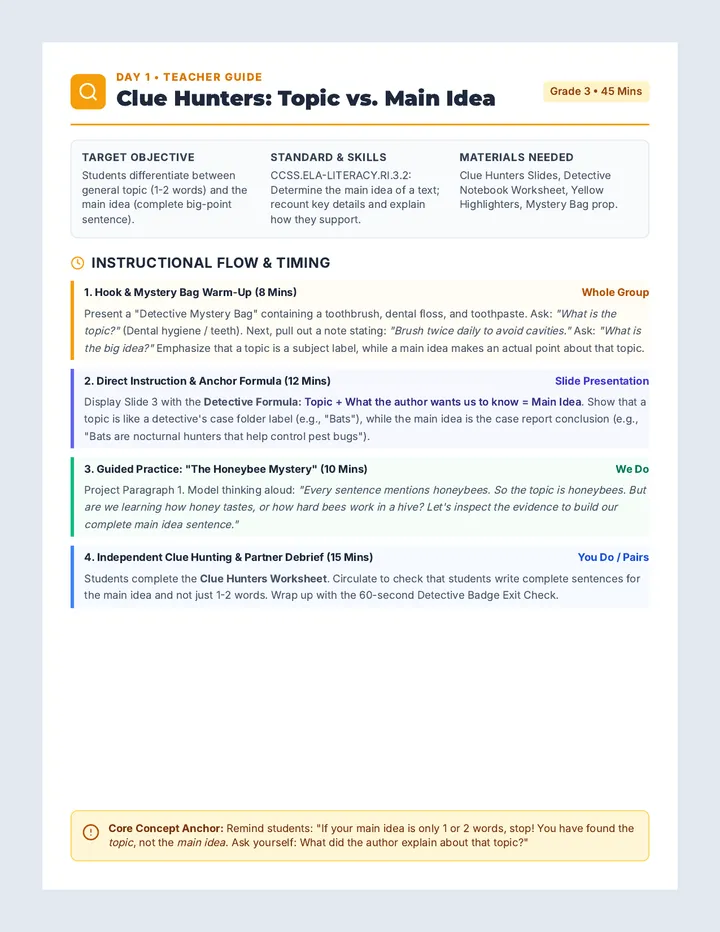
Clue Hunters Teacher Guide

Main Idea Detectives

A comprehensive 3rd grade literacy unit featuring a 3-day reading comprehension sequence on main ideas and key details ('Main Idea Detectives') and a targeted 30-minute writing craft lesson on transition variety ('Bridge Builders').

SW

Suzanne Wolski

13
Where Detectives Lesson Plan

Where Detectives

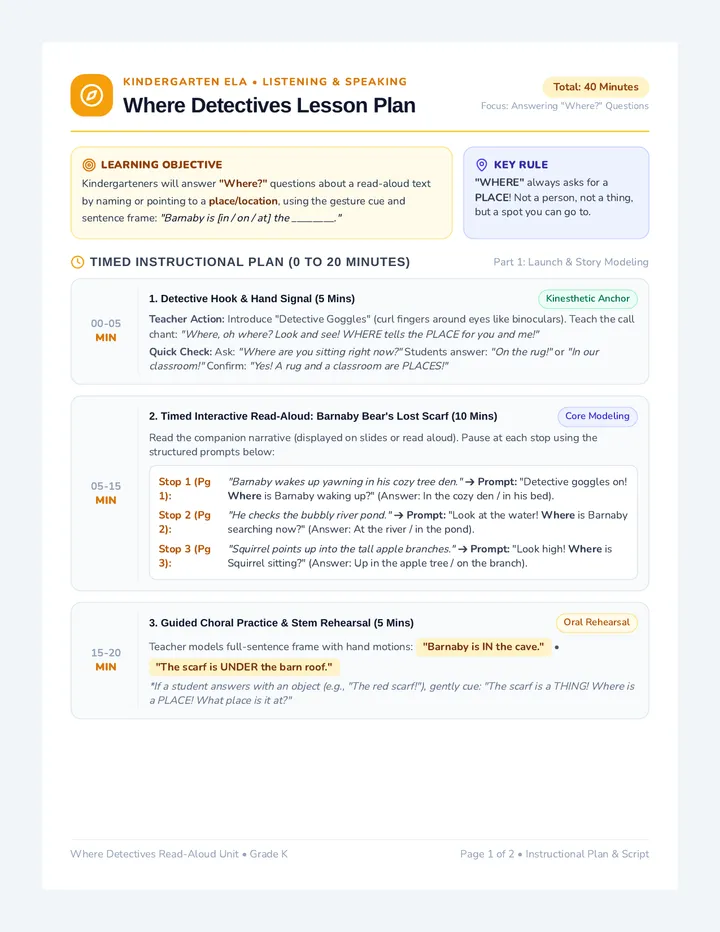
A 40-minute interactive kindergarten read-aloud lesson focused on comprehending and answering 'Where' questions using picture clues, spatial preposition anchors, and scaffolded oral sentence stems.

V

victoria.lesniak

4
Staff Meeting Reminder Email

Staff Meeting Reminder Email

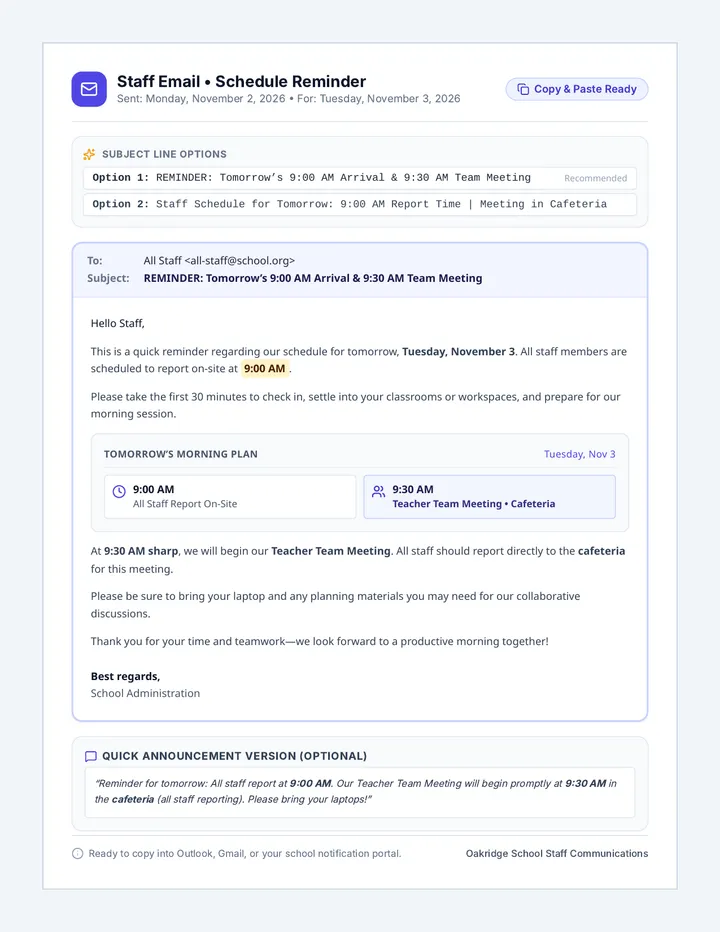
A copy-ready staff email and announcement template reminding all staff of tomorrow's 9:00 AM report time and the 9:30 AM teacher team meeting in the cafeteria.

Lenny Avatar
Lenny
Second Grade Words Reference Sheet

Word Explorer Series

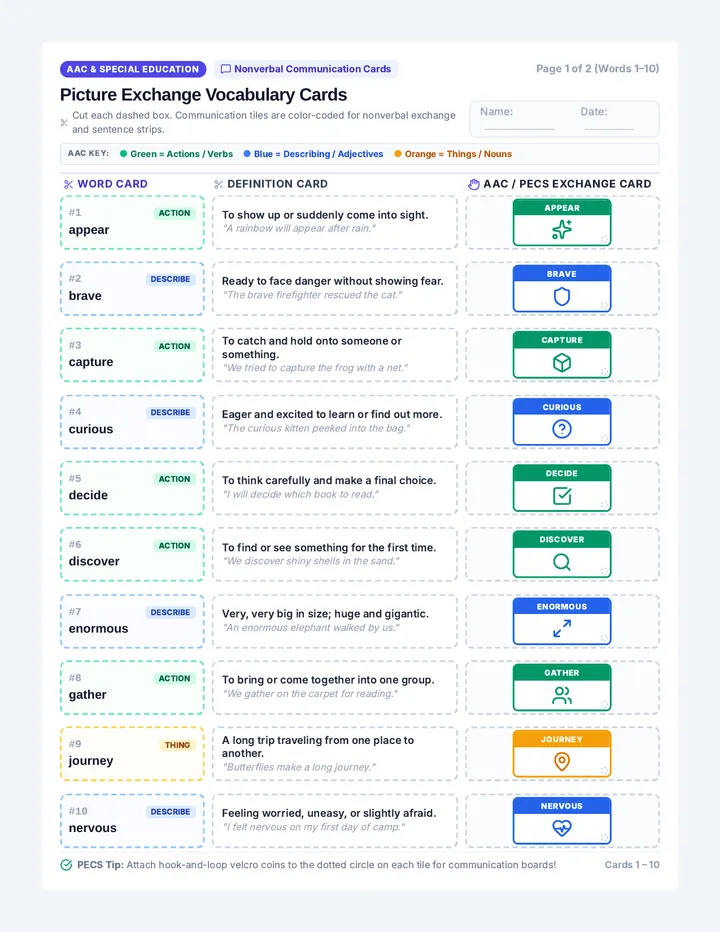
A multi-grade leveled vocabulary series featuring AAC-supported communication cards, hands-on cut-apart matching cards, and tie-together keepsake student booklets.

RC

Roni Coleman

6
Ballot Battle Seventh Worksheet

Ballot Box Revolution

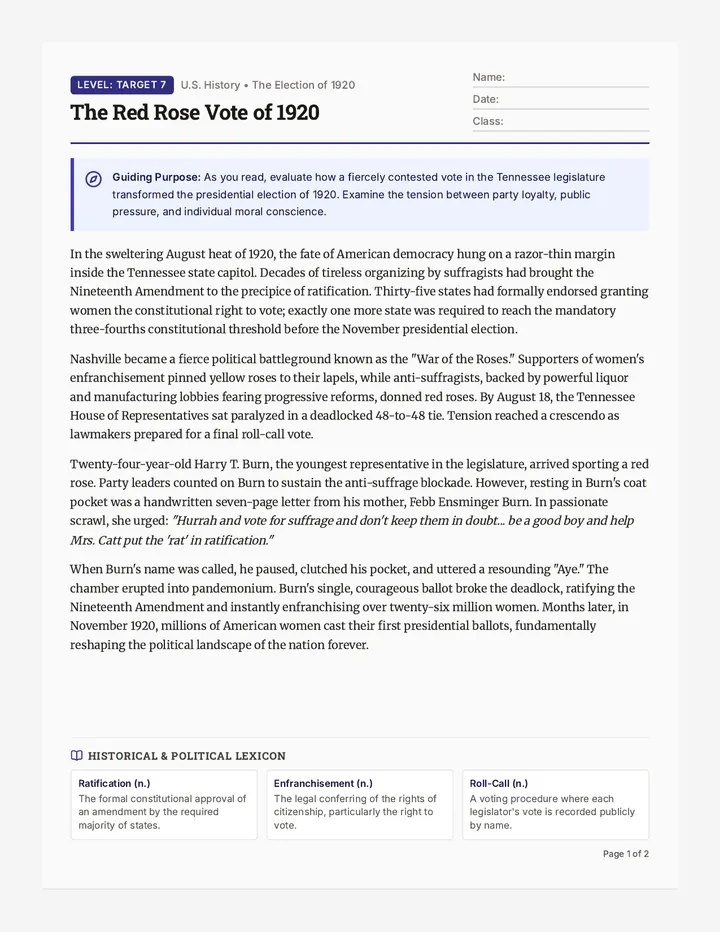
A differentiated reading unit exploring the historic 1920 election and the struggle for women's suffrage. Features three tiered reading passages spanning 7th, 5th, and 4th grade levels, alongside standards-aligned questions addressing main idea, inferencing, and theme, plus an educator answer key.

Z

Zimmer

4
Suffix Detectives Reading Worksheet

Suffix Detectives Reading Worksheet

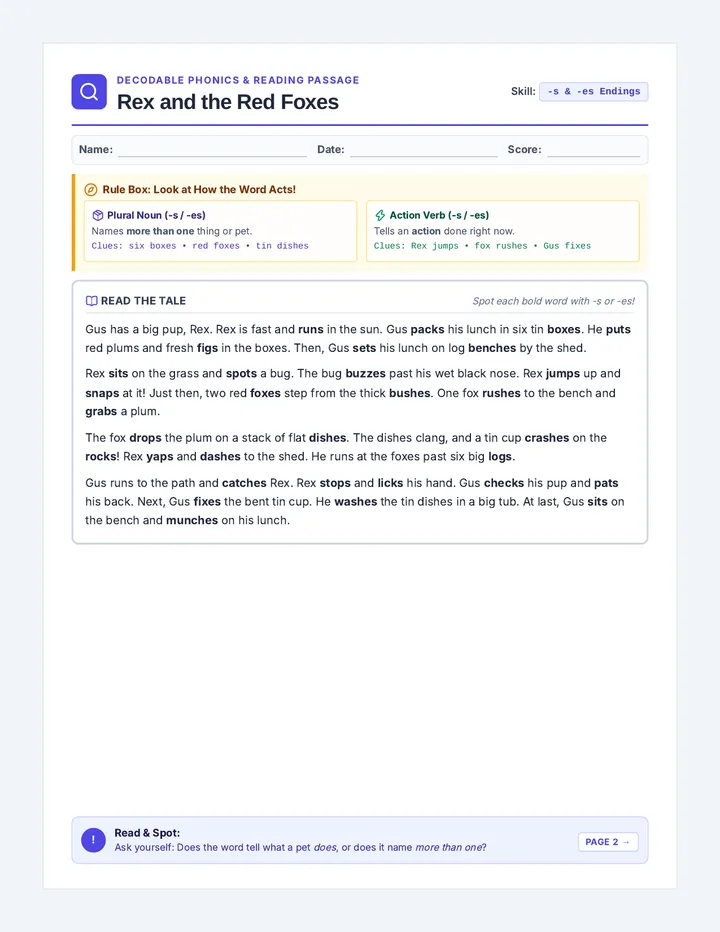
A two-page decodable reading comprehension worksheet built entirely with one-syllable words and zero vowel team patterns (short vowels, digraphs, blends, and suffix -s/-es). Students read the story and distinguish plural nouns from action verbs.

CS

Courtney Scherer

Titan Moves Slides

Titan Sentence Clash

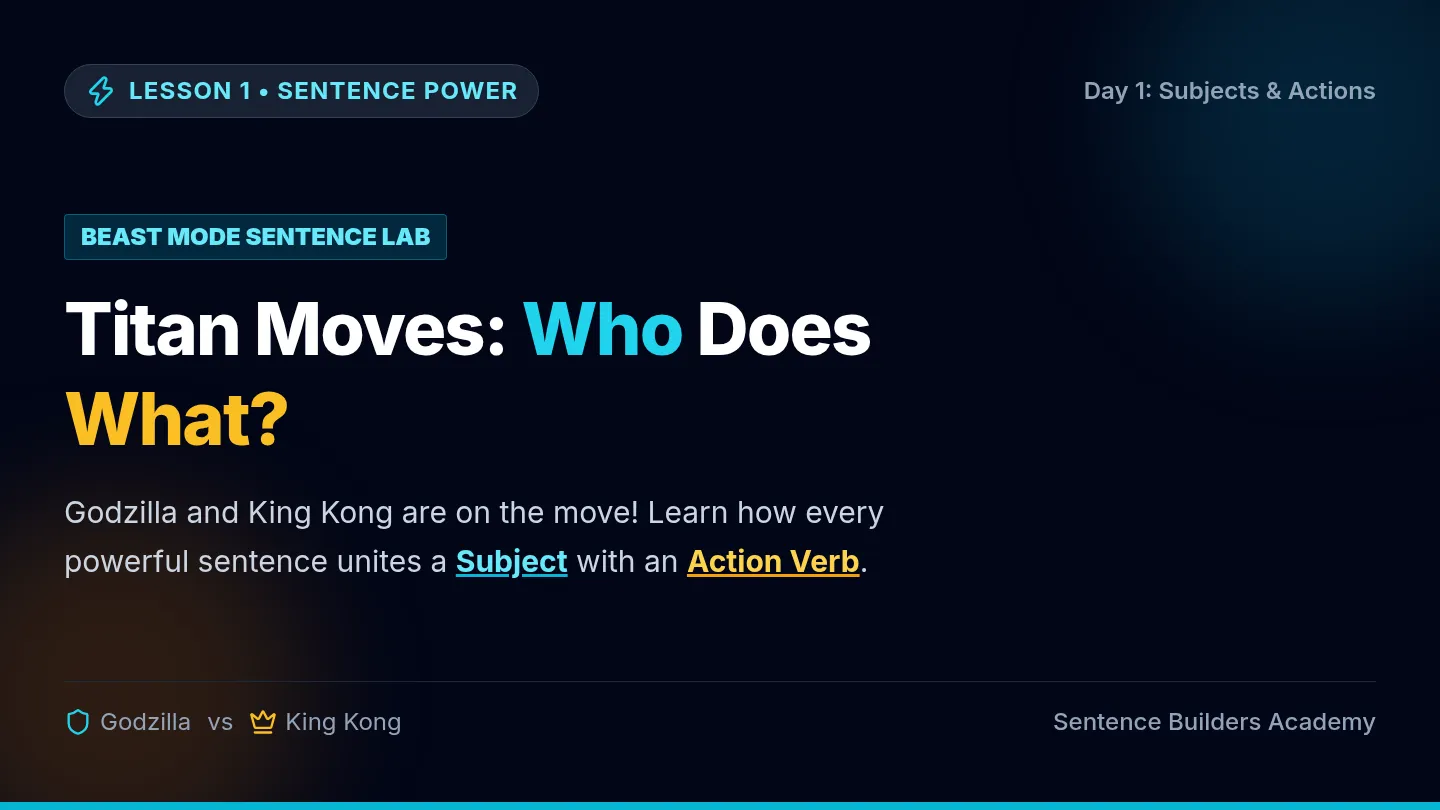
A 3-part sentence-building sequence where students practice constructing, expanding, and combining sentences starring Godzilla and King Kong with rich visual scaffolding.

L

lueshen

7
Unit 3 Chapter 7-Central Idea

Vision Clues Central Idea

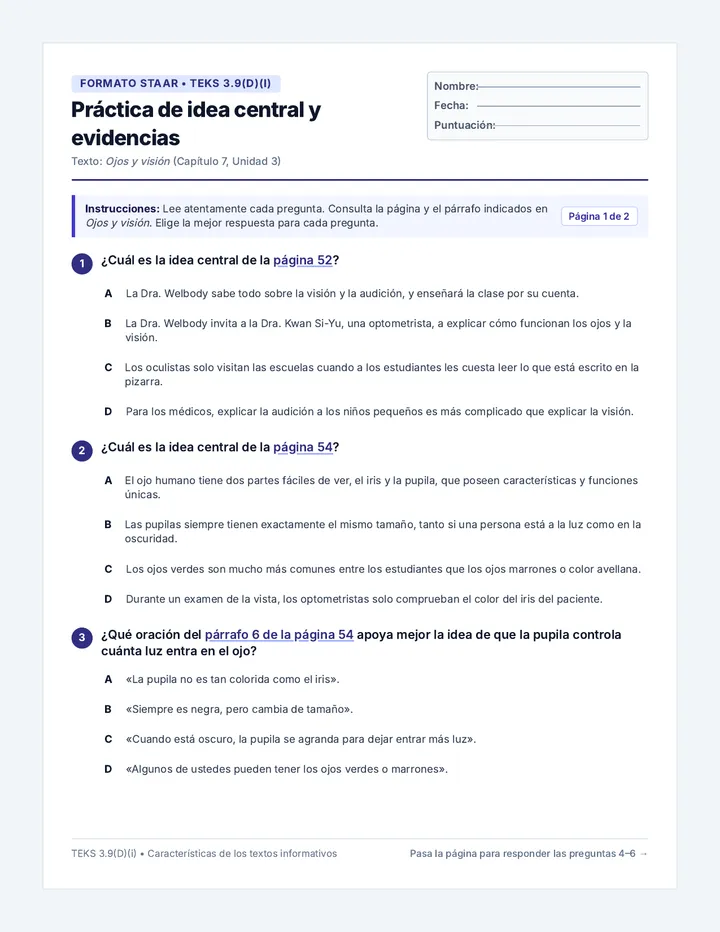
A targeted 3rd-grade reading lesson focused on TEKS 3.9(D)(i) central idea and supporting evidence using the informational text 'Eyes and Vision'. Features a rigorous STAAR-formatted assessment and a detailed teacher answer key with rationales.

LS

Laura Sandoval

2
Where Detectives Answer Key

Where Detectives Answer Key

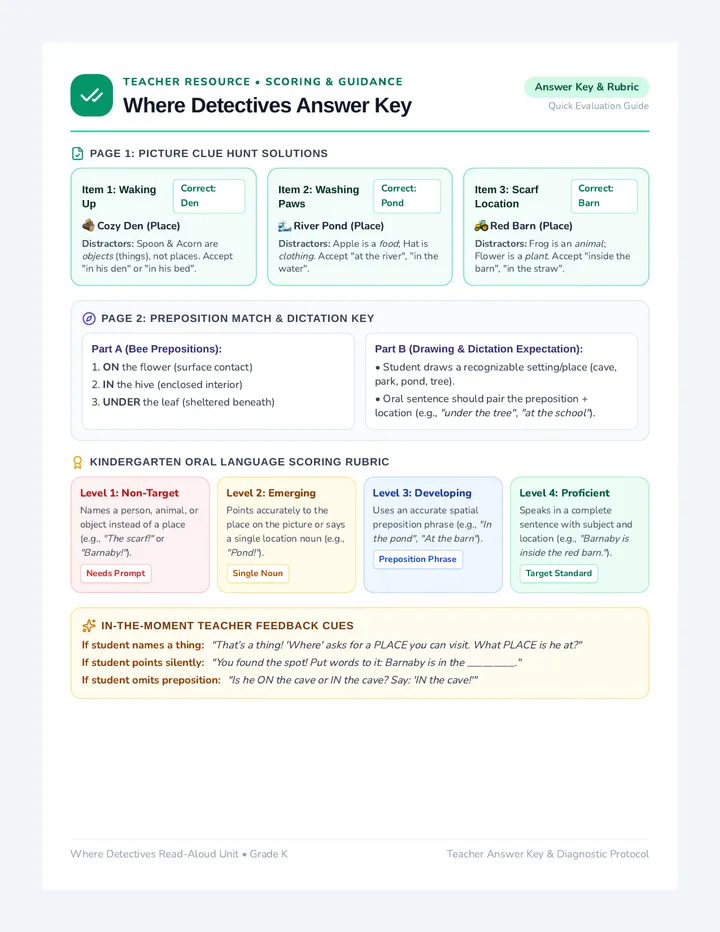
A comprehensive teacher answer key, oral language scoring rubric, and misconception guide for the Where Detectives kindergarten activities.

V

victoria.lesniak

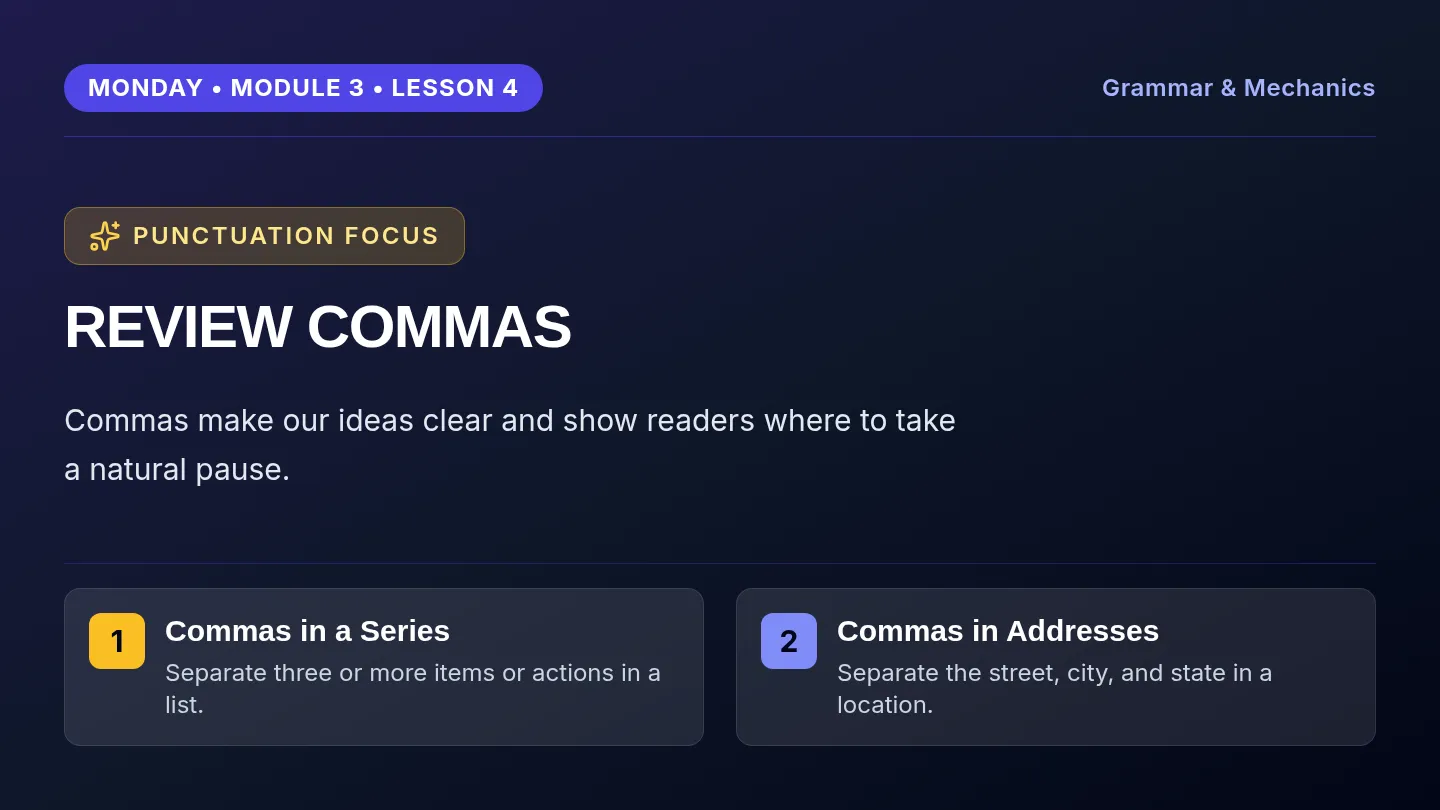
Review Commas Slides

Grammar Builders

A focused grammar and mechanics unit exploring essential punctuation conventions and verb tense mastery across engaging daily lessons.

B

Bhoovaragavaswamym

10
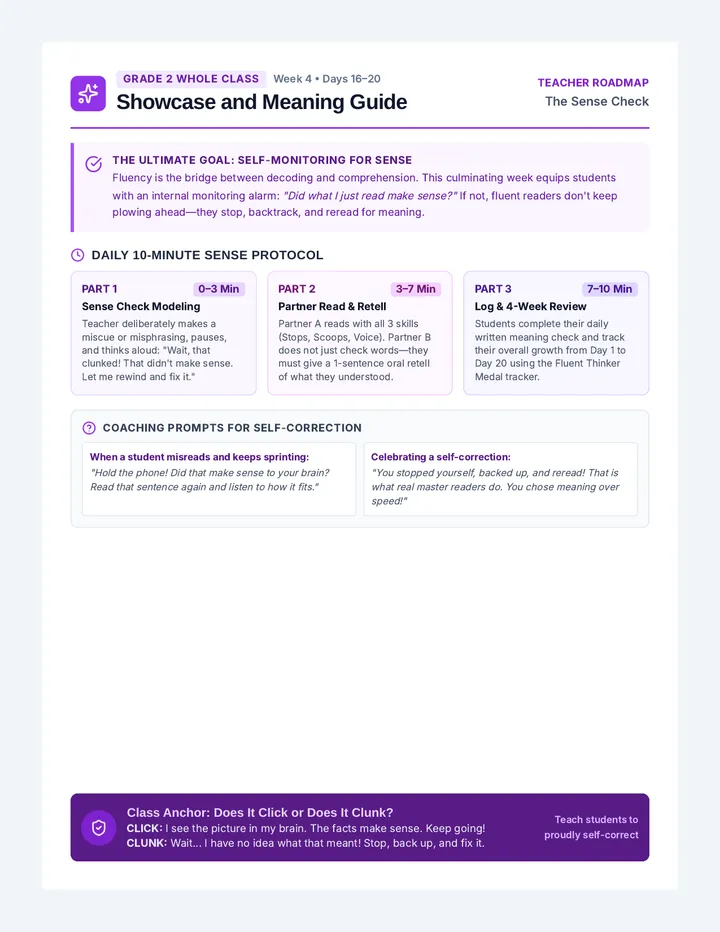
Showcase Teacher Guide

Meaning and Showcase

Week four synthesizes all skills with a dedicated focus on the 'Did That Make Sense?' monitor check, partner recordings, and a four-week progress review. Students examine night sky phenomena and celebrate their growth from fast readers to thoughtful, fluent thinkers.

KM

Kelly Messer

2
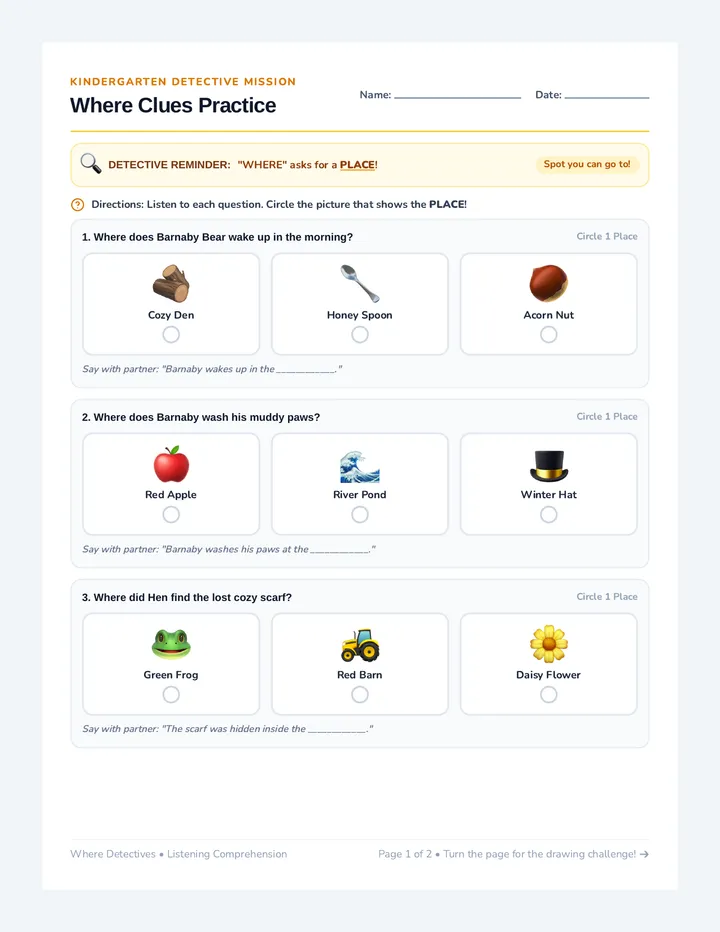
Where Clues Practice Worksheet

Where Clues Practice Worksheet

A 2-page printable kindergarten activity sheet with picture supports, 'where = place' identification, visual matching, drawing space, and handwriting lines.

V

victoria.lesniak