Lenny.com
Explore
Create
ActivitiesNewMathEnglish Language ArtsScience & EngineeringSocial StudiesGlobal LanguagesHealth & Physical EducationSpecial EducationCounseling & Life SkillsArts & CreativityESL
Lenny.com
Lenny.com
Explore
Create
ActivitiesNewMathEnglish Language ArtsScience & EngineeringSocial StudiesGlobal LanguagesHealth & Physical EducationSpecial EducationCounseling & Life SkillsArts & CreativityESL
Lenny.com
Lenny.com

Solutions

Lenny for EducatorsLenny for SchoolsLenny for Districts

Product

ExploreSign inCreateSupportAbout

Resources

Getting startedMTSS Acceleration Program

Newsletters

School Funding Newsletter

© 2026 Lenny Learning Inc.

TermsPrivacyAccessibility
LinkedInInstagramX
Lenny
English Language ArtsPhonics & Reading FoundationsLetter IdentificationLearn Letters A-ZLowercase and Uppercase LettersConsonants and VowelsLetter-Sound AssociationsLetter-Sound Associations: LowercaseLetter-Sound Associations: UppercaseBeginning and Ending SoundsRhymingBlending And SegmentingShort VowelsShort Vowel SoundsConsonant BlendsConsonant DigraphsBlends, Digraphs, and TrigraphsDigraphs, Blends, and Silent LettersLong Vowel SoundsLong Vowel PatternsShort and Long VowelsShort and Long Vowel PatternsSilent EVowel SoundsVowel TeamsR-Controlled VowelsDiphthongs: Oi, Oy, Ou, OwVariant VowelsVariant, Diphthong, And R Vowel PatternsSoft G And CSight WordsIrregular WordsWord RecognitionSyllablesSyllable TypesTwo-Syllable WordsMultisyllabic WordsPhoneme ManipulationDecodable TextsVocabularyAction WordsQuestion WordsNouns and AdjectivesClassify WordsCompound WordsSynonyms and AntonymsHomophonesHomophones and HomonymsShades of MeaningContext CluesPrefixes and SuffixesGreek and Latin RootsAnalogiesIdioms and AdagesForeign Words and ExpressionsWord Choice and UsageReference SkillsReading ComprehensionRead-Along Literary TextsRead-Along Informational TextsReality vs. FictionStory ElementsCharacterSequenceMain IdeaCause And EffectCompare And ContrastReading StrategiesText StructureAuthor's PurposeAuthor's Purpose And ToneAuthor's PerspectivePoint Of ViewThemeInference And ThemeInference And AnalysisPoetry ElementsLiterary DevicesAnalyzing LiteratureAnalyzing Informational TextsComparing TextsAudience, Purpose, And ToneBusiness DocumentsNovel StudyNonfiction Book StudyGrammar & MechanicsSentencesNounsVerbsAdjectivesPronounsCapitalizationPunctuationContractionsConjunctionsPrepositionsArticlesAdjectives And AdverbsVerb TypesVerb TensePronouns And AntecedentsPronoun TypesSubject-Verb AgreementDirect And Indirect ObjectsSentences, Fragments, And Run-OnsPhrases And ClausesCommasSemicolons, Colons, And CommasDashes, Hyphens, And EllipsesSpellingAbbreviationsFormattingVerb Tense And MoodMisplaced ModifiersWritingDescriptive DetailsCreative WritingOpinion WritingTopic SentencesOrganizing WritingLinking WordsSentence VarietyIntroductions And ConclusionsPersuasive And Opinion WritingExpository WritingPersuasive StrategiesDeveloping And Supporting ArgumentsTopic Sentences And Thesis StatementsSummarizingResearch SkillsEditing And RevisingActive And Passive Voice=Writing Clearly And ConciselyDebate & Public SpeakingPublic Speaking BasicsPersuasive TechniquesClaims and EvidenceTypes of ArgumentsReasoning TypesLogical FallaciesTopic ResearchOrganizing EvidenceDebate Speech OrganizationAttacking and Defending ArgumentsClash and EngagementImpact CalculusQuestioning and Cross-ExaminationCritical ThinkingInformal LogicFormal LogicInductive Reasoning

Ballot Box Revolution

A differentiated reading unit exploring the historic 1920 election and the struggle for women's suffrage. Features three tiered reading passages spanning 7th, 5th, and 4th grade levels, alongside standards-aligned questions addressing main idea, inferencing, and theme, plus an educator answer key.

ZZimmer

D. Harry Burn chose not to attend the final legislative session in Nashville.

2. Write one detail from the text explaining why the Tennessee vote was so important before November 1920:

Skill 2

Making Inferences

3. Why were people surprised when Harry Burn voted "Aye"?

A. He had been wearing a red rose, which showed he was against women voting.

B. He was not a citizen and did not have permission to speak in the room.

C. He had promised to vote for three new amendments instead of only one.

D. He was wearing yellow shoes that matched the suffragists' flowers.

4. Why did Harry's mother write that he should help "put the 'rat' in ratification"? Infer what she meant:

Skill 3

Theme & Big Ideas

5. What big life lesson does Harry Burn's historic decision teach us?

A. It is always easiest and best to do whatever the loudest crowd wants.

B. Standing up for what is right takes courage, and one person can make a huge difference.

C. Elections only matter when everyone agrees on the candidates beforehand.

D. Young people should never try to participate in community decisions.

6. Think about a time you had to make a tough choice when other people wanted you to do something else. What happened?

Grade 5 Differentiated Reading Series • Yellow Roses Page 2 of 2

3. Why did Harry's friends probably feel shocked when he shouted "Aye"?

A. He was wearing a red rose, so they expected him to vote against the law.

B. He had forgotten to wear shoes to the capitol building that morning.

C. He had decided to vote for five different presidents at the same time.

D. He had never learned how to speak English in front of crowds.

4. Why was his mother's letter so important to Harry? Infer why it changed his mind:

Part 3

Theme (The Big Life Lesson)

5. What is the big life lesson this story teaches us about standing up for fairness?

A. You should always agree with your friends even if they are being unfair.

B. One brave voice can help change history and make things fair for everyone.

C. Rules should never be changed once they have been written down.

D. Only old people are able to make important decisions in a country.

6. Why is it important for every person in a community to have a say and a vote?

Grade 4 Differentiated Reading Series • First Ballots Page 2 of 2

  • Tier 5: "Febb Burn used wordplay on 'ratification' to urge Harry to take action and not hesitate when voting for women's suffrage."
  • Tier 4: "Harry respected and loved his mother, and her words reminded him that giving women a voice was the right thing to do."
  • Teacher Guide • Ballot Box Revolution Page 1 of 2

    Theme Analysis, Rubric & Inclusive Facilitation

    Instructional Guidance & Rubric

    Skill 3: Universal Theme Solutions

    All Tiers: Question 5 = B

    Q5 Correct Answer: B (A single individual exercising moral courage can alter the democratic destiny of millions)

    Theme Core: Democracy is not self-executing; it requires individuals willing to withstand immense social and political pressure to expand justice and inclusion.

    Q6 Constructive Response Scoring Rubric (All Tiers):

    Exemplary (Full Credit) Articulates how civic courage and standing up against peer pressure directly protect and expand democratic rights for everyone in a community.

    Partial Credit Mentions that voting or helping people is good, but does not connect the concept of personal bravery to broader civic responsibility.

    Needs Revision Merely retells the story of the letter without formulating an analytical or personal thematic connection.

    Inclusive Whole-Class Discussion Prompts (Unified Seminar)

    All three passages explore the identical historical turning point. Use these prompts to lead a rich whole-class conversation across reading levels:

    Prompt 1 (Main Idea): "Why was Tennessee considered the 'last hope' for women before the 1920 presidential election? What was at stake?"

    Prompt 2 (Inferencing): "Harry Burn walked in wearing a red rose. What risks did he take when he changed his vote to 'Aye'? What does that reveal about his character?"

    Prompt 3 (Theme): "How can one person's vote or choice change the lives of millions of people who don't have a voice?"

    Classroom Differentiation Strategies

    Target 7: Have students investigate how voting rights continued to evolve through the 1965 Voting Rights Act.

    Tier 5: Pair with historical primary source photographs of the 1920 yellow and red rose marches.

    Tier 4: Provide sentence starters for Question 6: "It is important for every person to vote because..."
    Teacher Guide • Ballot Box Revolution Page 2 of 2

    You might also like

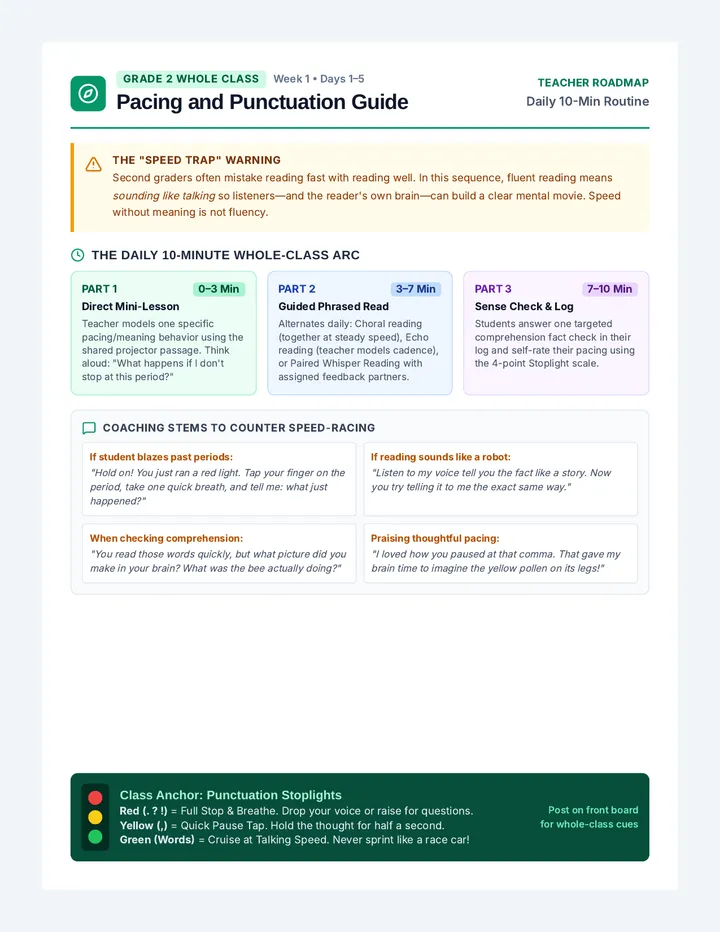
    Pacing Teacher Guide

    Fluent Thinkers

    A four-week second-grade whole-class fluency intervention that shifts the focus from rapid reading to phrasing, expression, and deep comprehension. Over twenty daily ten-minute routines, students learn to slow down, scoop words into meaningful chunks, and track their growth using thoughtful self-monitoring rubrics.

    KM

    Kelly Messer

    8
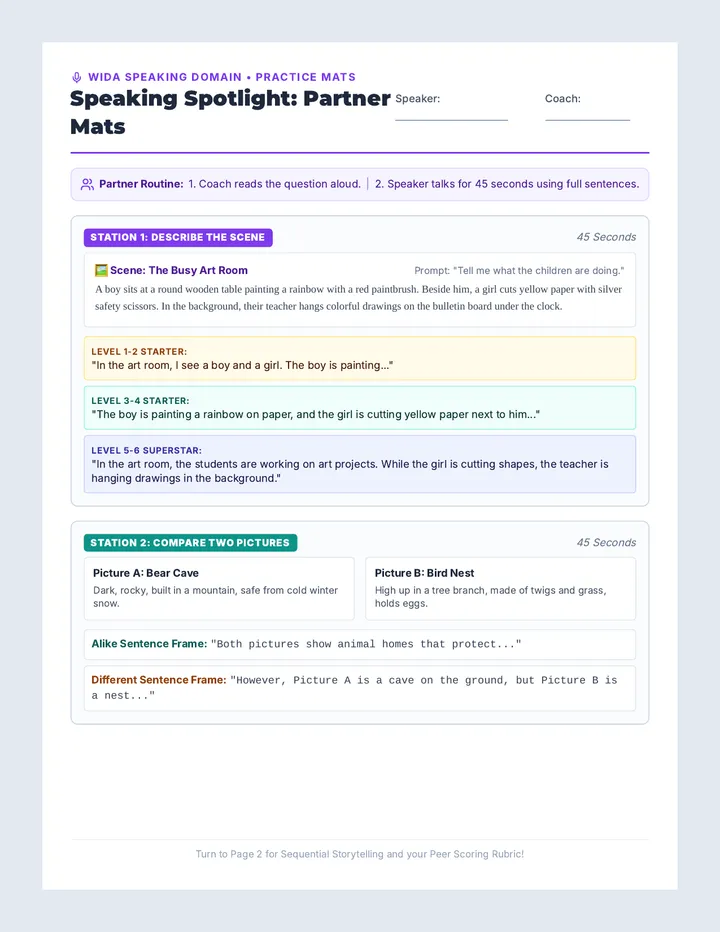
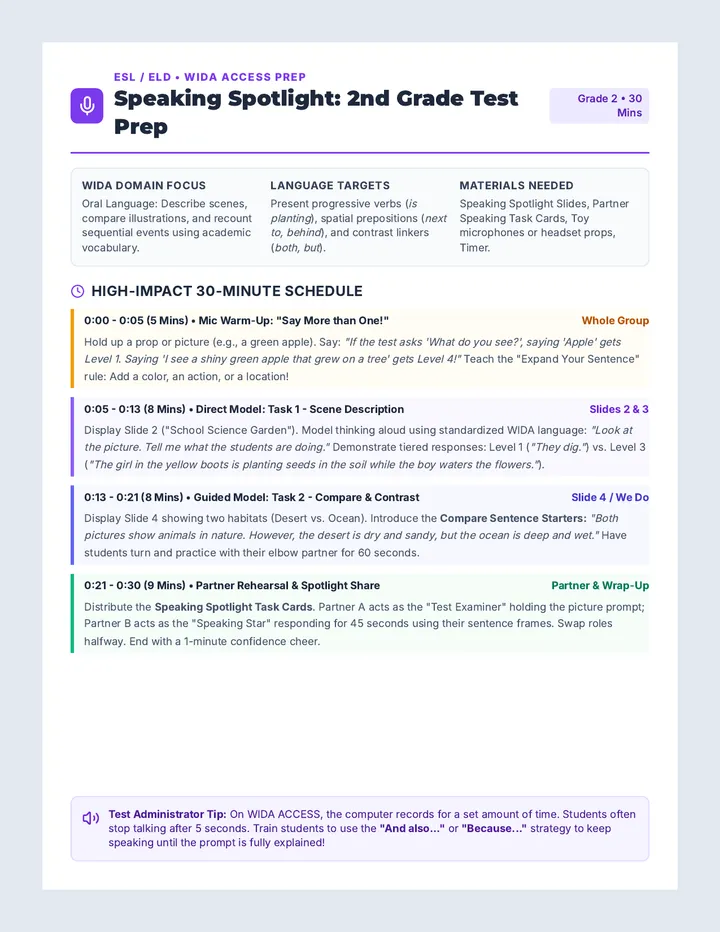
    Speaking Spotlight Teacher Guide

    Speaking Spotlight

    A focused 30-minute speaking practice lesson for 2nd grade English learners preparing for the WIDA ACCESS Speaking test. Students practice oral descriptions, visual comparisons, and step-by-step explanations using tiered sentence frames and partner rehearsal.

    SW

    Suzanne Wolski

    3
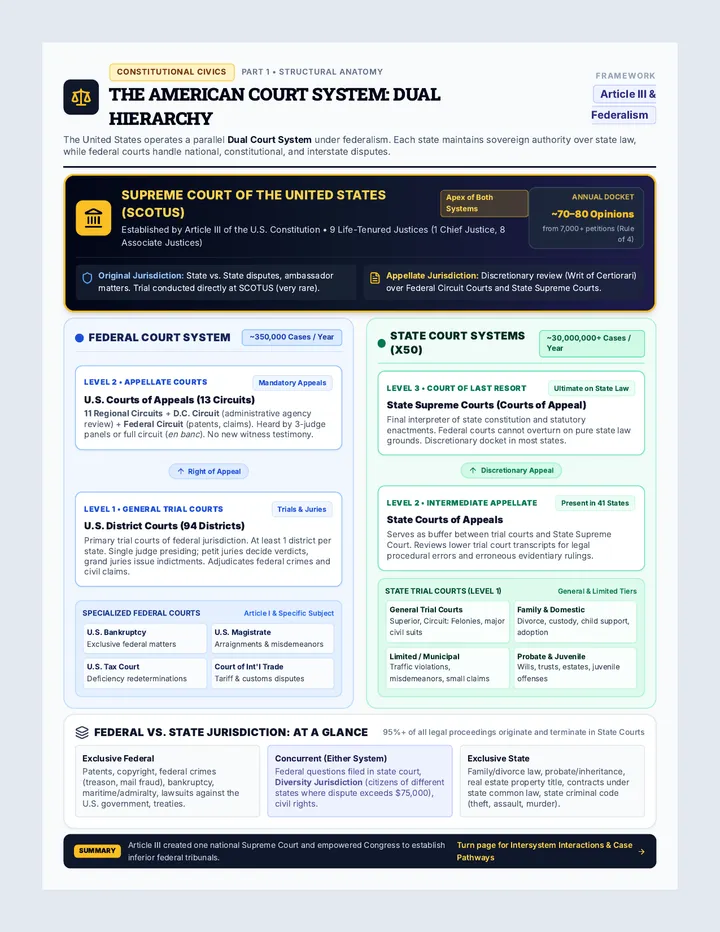
    American Courts Hierarchy Infographic

    American Courts Hierarchy Infographic

    A comprehensive two-page civics and legal infographic detailing the dual court system of the United States. Page 1 maps the structural hierarchy of both Federal and State judicial branches beneath the Supreme Court, while Page 2 details intersystem interactions, federal question appeals, concurrent jurisdiction, and real-world case pathways.

    D

    dfleisch

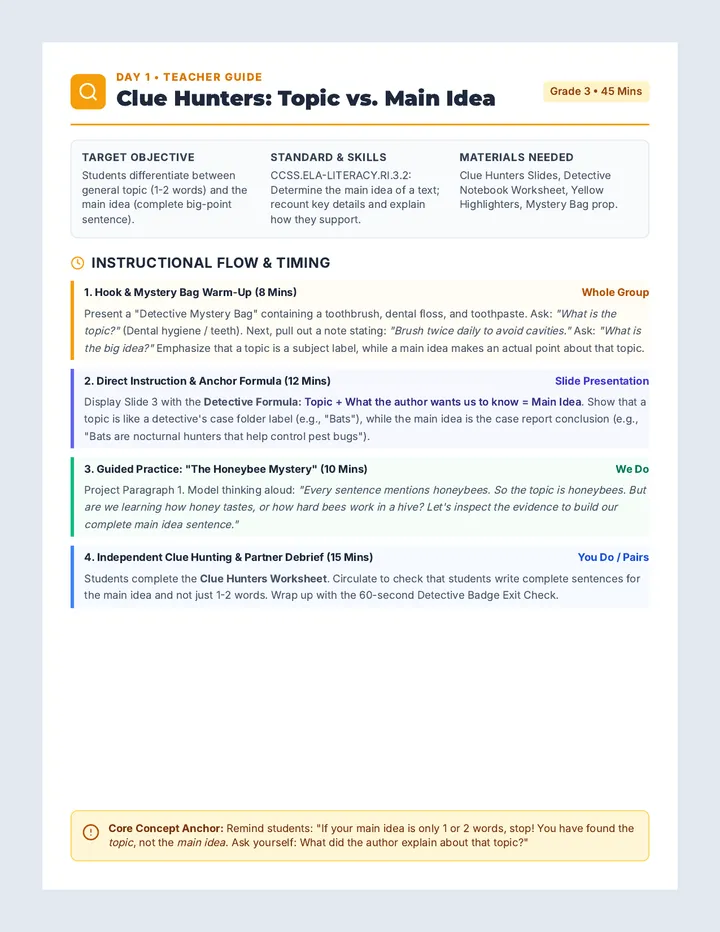
    Clue Hunters Teacher Guide

    Main Idea Detectives

    A comprehensive 3rd grade literacy unit featuring a 3-day reading comprehension sequence on main ideas and key details ('Main Idea Detectives') and a targeted 30-minute writing craft lesson on transition variety ('Bridge Builders').

    SW

    Suzanne Wolski

    16
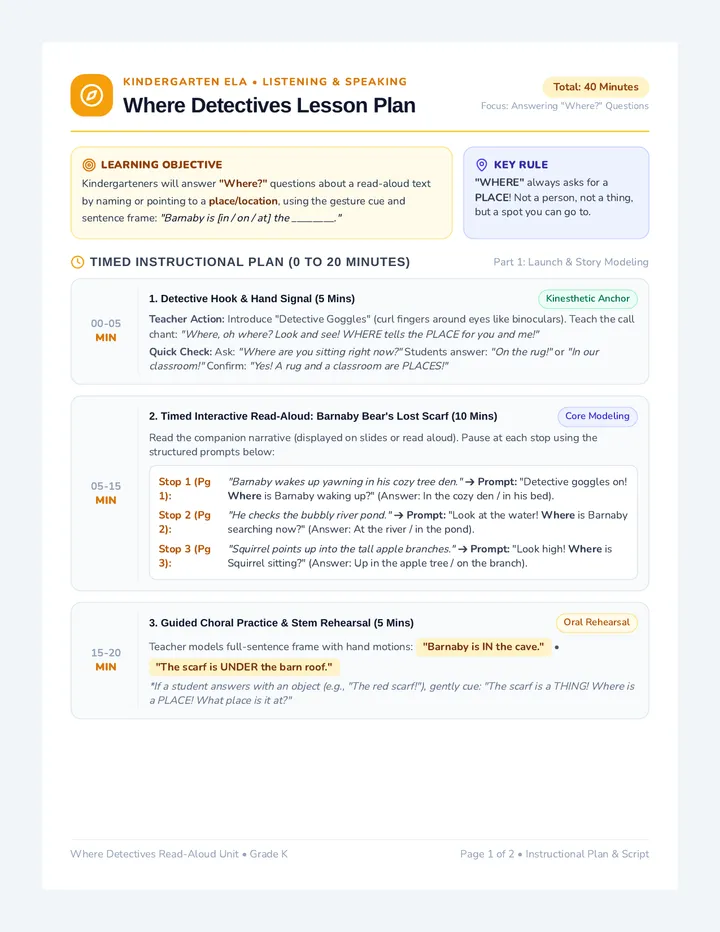
    Where Detectives Lesson Plan

    Where Detectives

    A 40-minute interactive kindergarten read-aloud lesson focused on comprehending and answering 'Where' questions using picture clues, spatial preposition anchors, and scaffolded oral sentence stems.

    V

    victoria.lesniak

    4
    Speaking Spotlight Activity

    Speaking Spotlight Activity

    A 2-page partner speaking practice activity featuring visual prompt mats, tiered oral sentence frames, and a peer-feedback speaking rubric designed for 2nd grade WIDA preparation.

    SW

    Suzanne Wolski

    Second Grade Words Reference Sheet

    Word Explorer Series

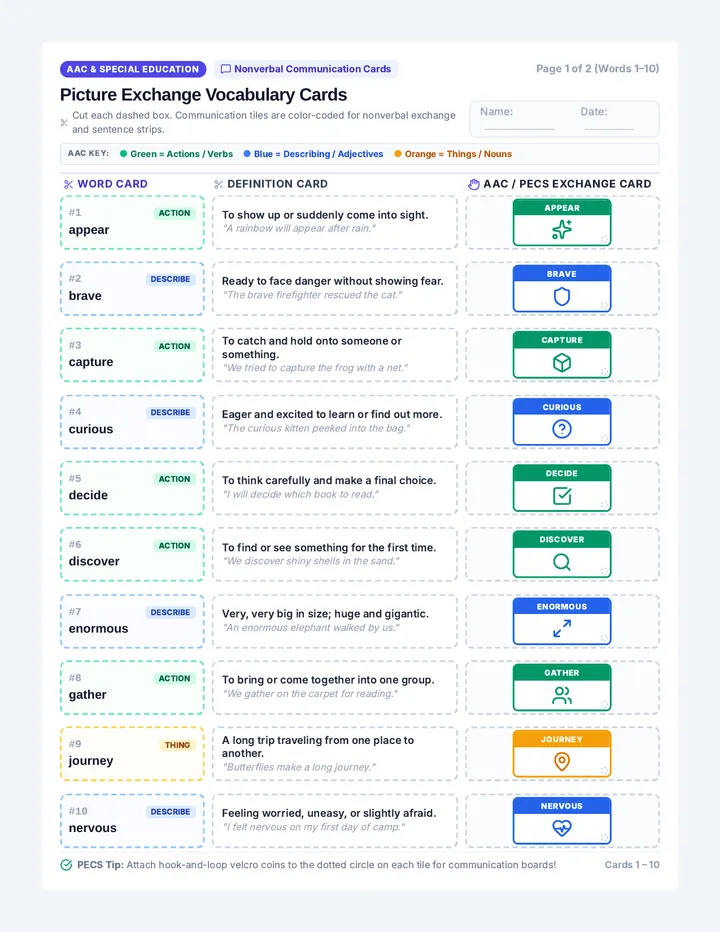
    A multi-grade leveled vocabulary series featuring AAC-supported communication cards, hands-on cut-apart matching cards, and tie-together keepsake student booklets.

    RC

    Roni Coleman

    6
    Turkey Mission Project Guide

    Turkey Escape Project

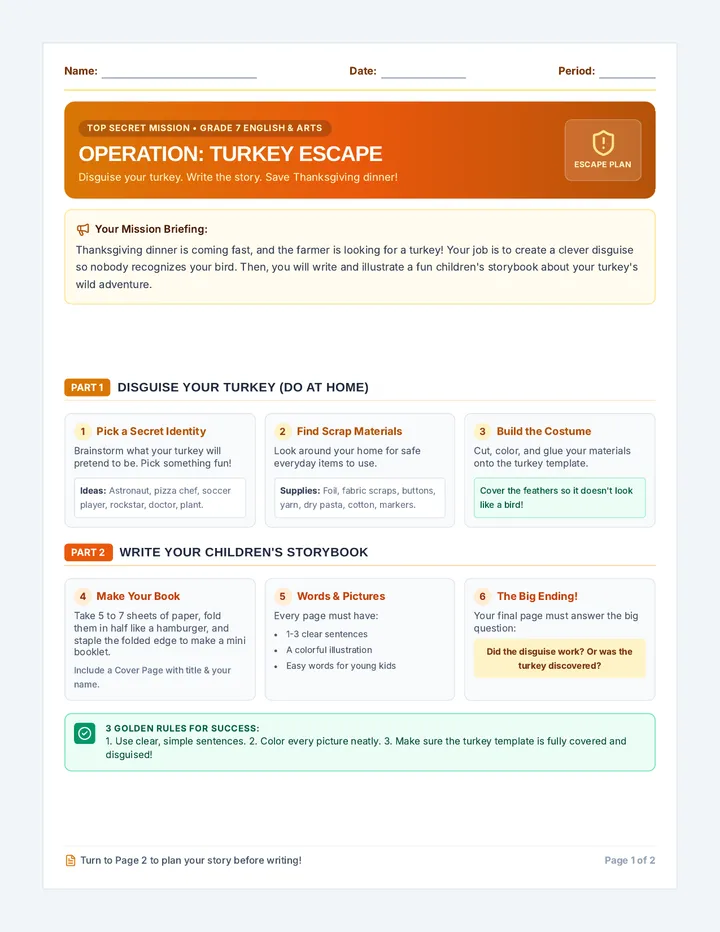
    A creative cross-curricular holiday project where students disguise a paper turkey using household materials and craft an illustrated children's storybook recounting its escape.

    GL

    Grace Lisberg

    2
    Speaking Spotlight Slides

    Speaking Spotlight Slides

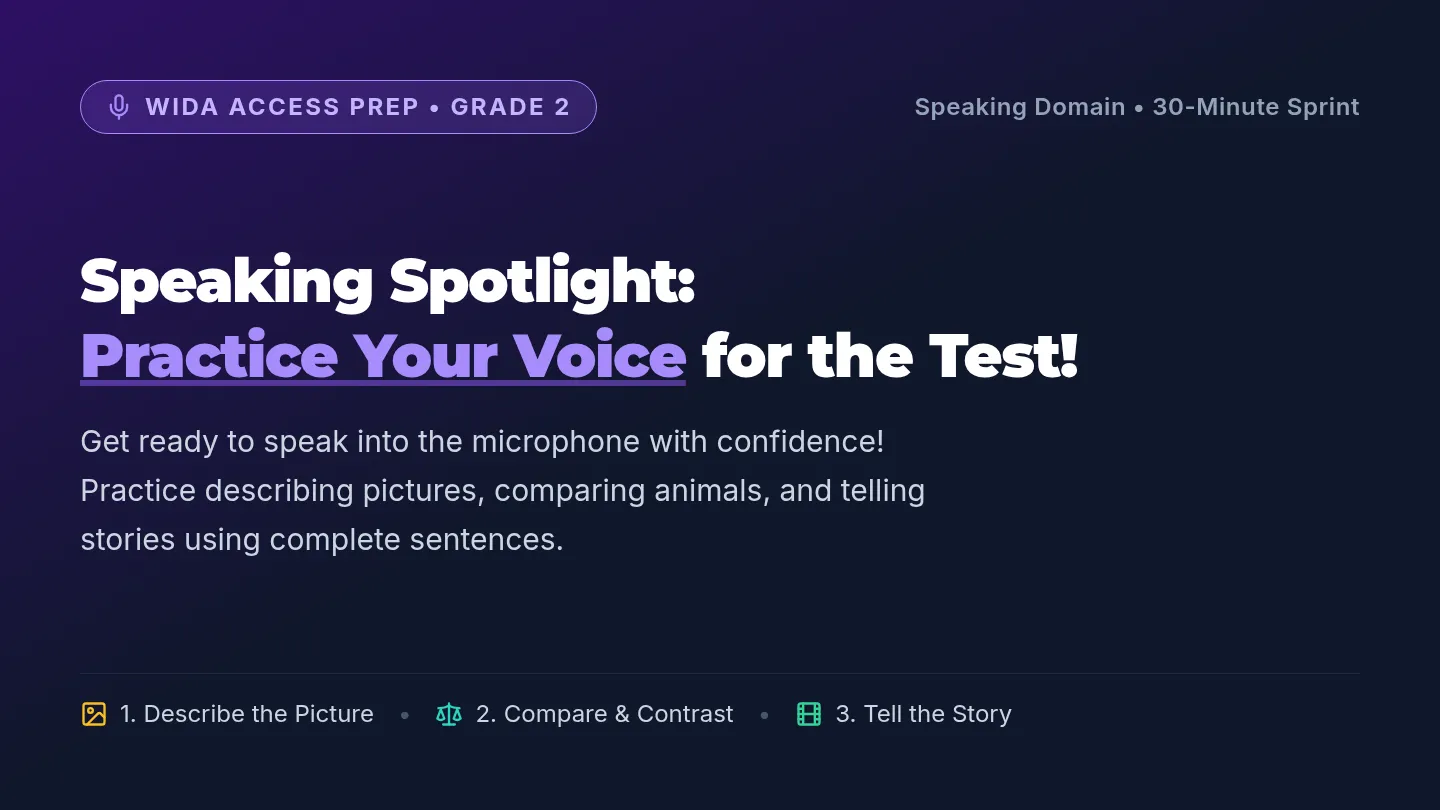
    A 5-slide interactive practice presentation for 2nd grade WIDA Speaking test prep, featuring visual scene description, animal comparison, sequential storytelling, and microphone confidence tips.

    SW

    Suzanne Wolski

    Titan Moves Slides

    Titan Sentence Clash

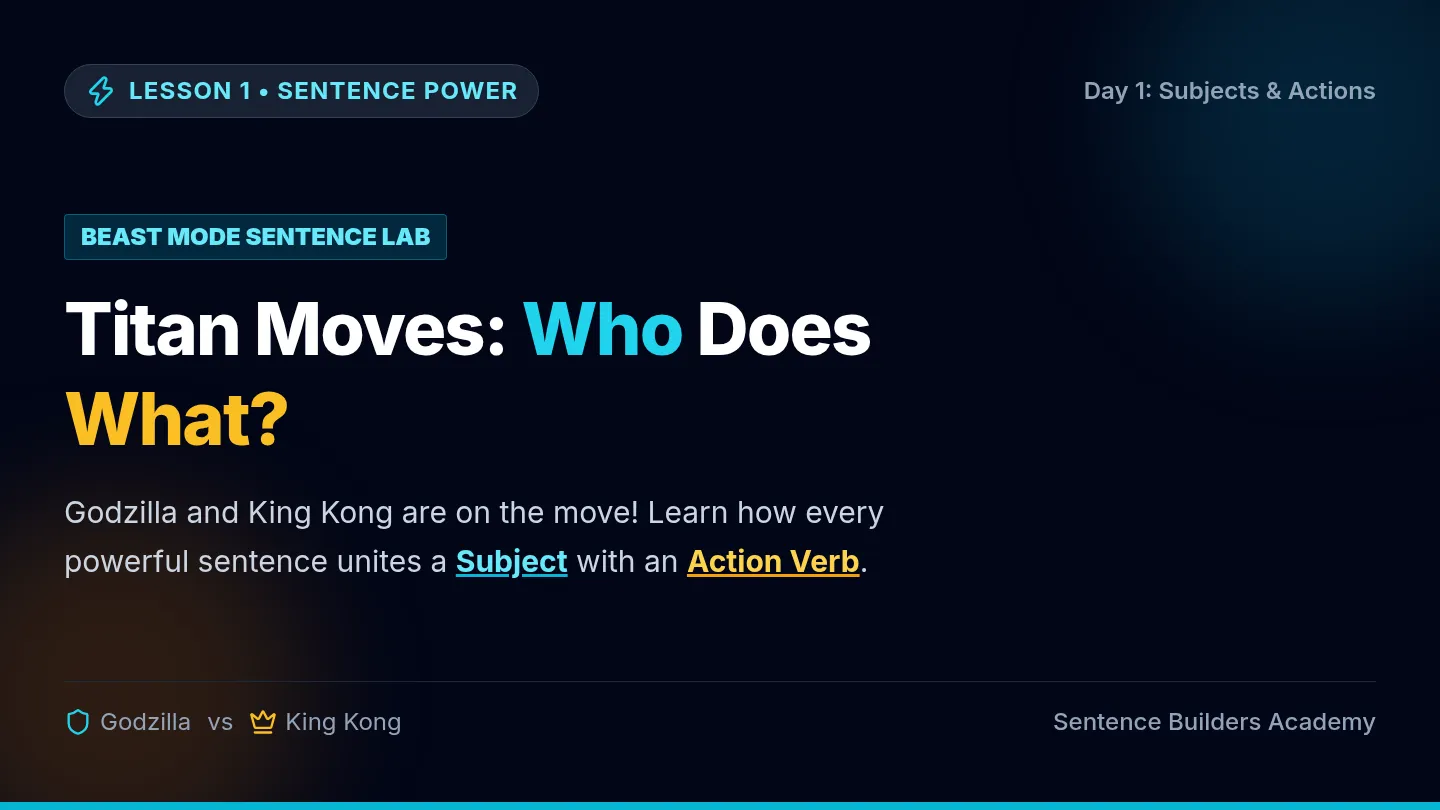
    A 3-part sentence-building sequence where students practice constructing, expanding, and combining sentences starring Godzilla and King Kong with rich visual scaffolding.

    L

    lueshen

    7
    Unit 3 Chapter 7-Central Idea

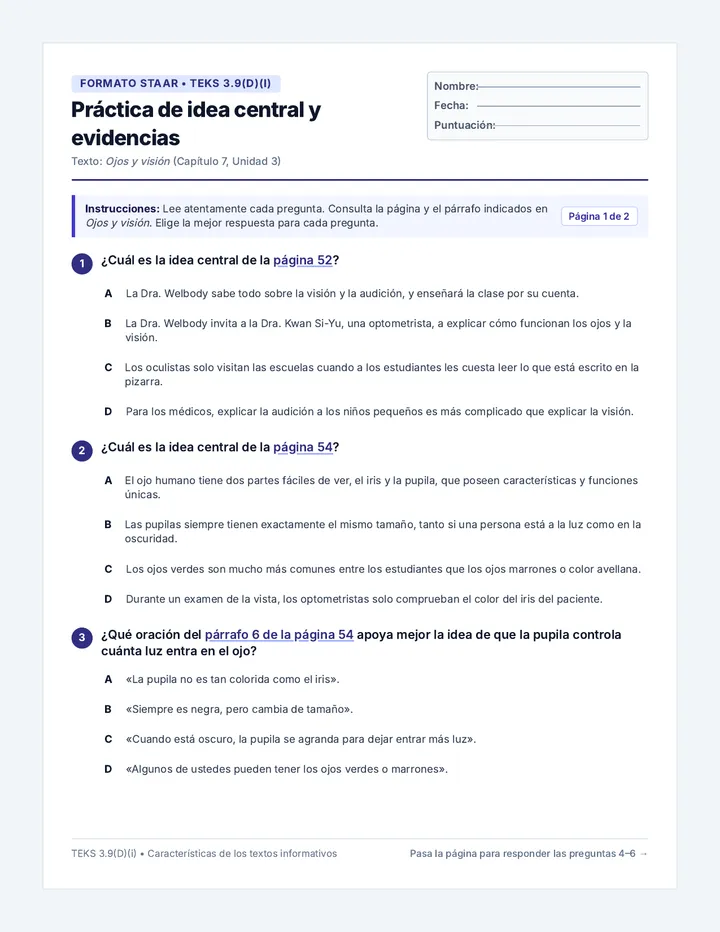
    Vision Clues Central Idea

    A targeted 3rd-grade reading lesson focused on TEKS 3.9(D)(i) central idea and supporting evidence using the informational text 'Eyes and Vision'. Features a rigorous STAAR-formatted assessment and a detailed teacher answer key with rationales.

    LS

    Laura Sandoval

    2
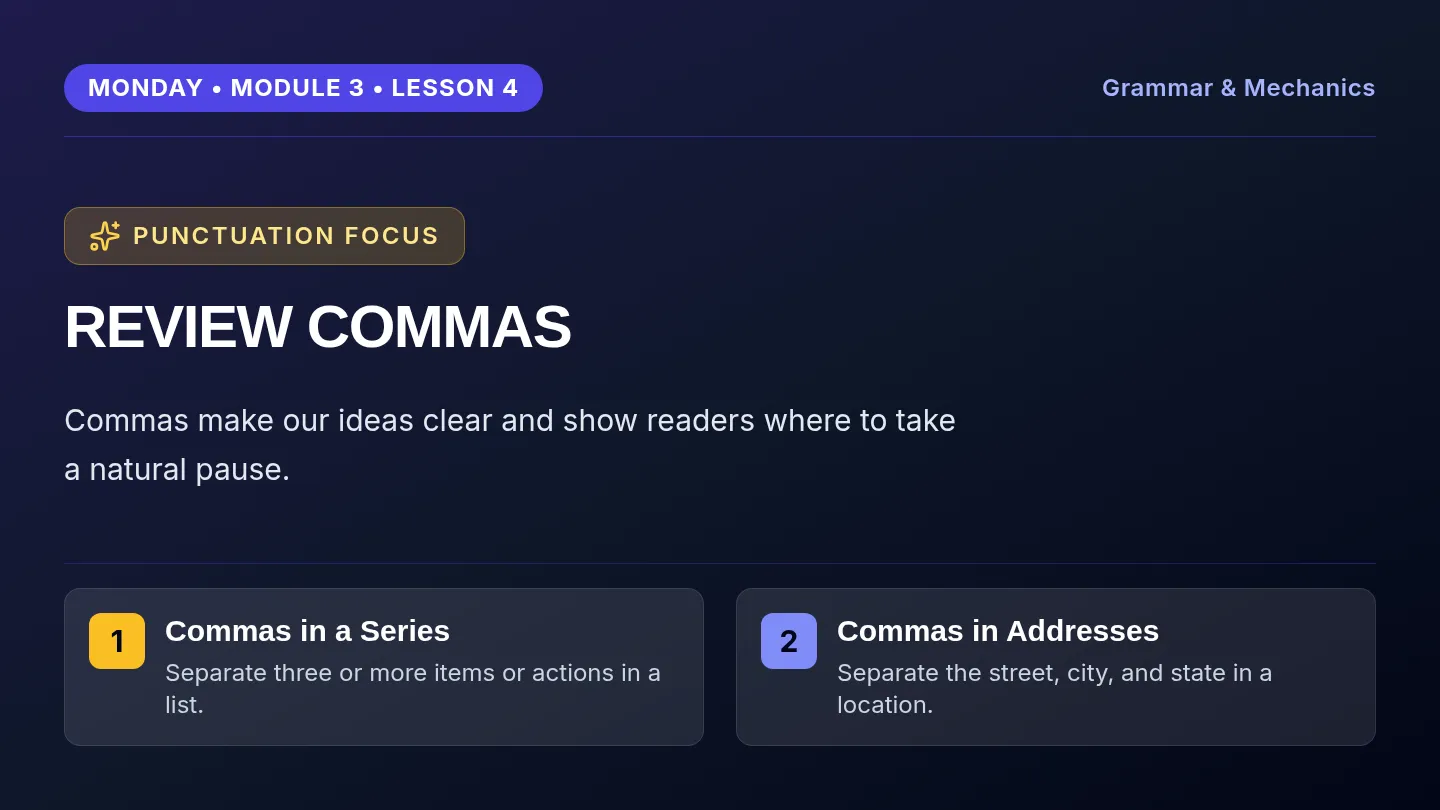
    Review Commas Slides

    Grammar Builders

    A focused grammar and mechanics unit exploring essential punctuation conventions and verb tense mastery across engaging daily lessons.

    B

    Bhoovaragavaswamym

    10