A classroom anchor chart summarizing the comparison between domestic and wild dogs, featuring a visual Venn diagram and key traits of wolves, coyotes, jackals, and African wild dogs.
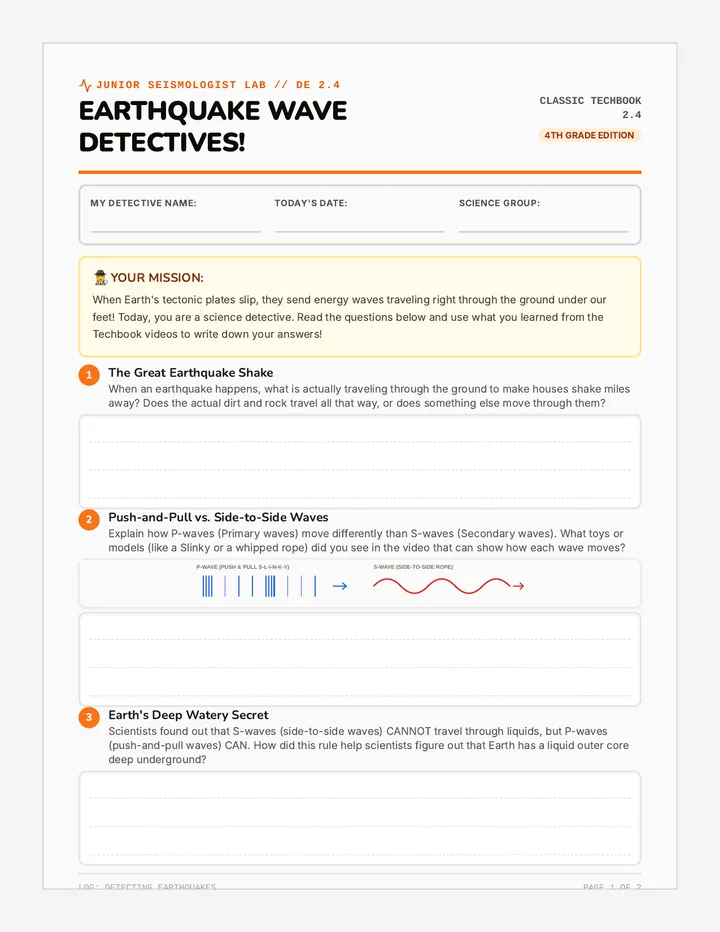
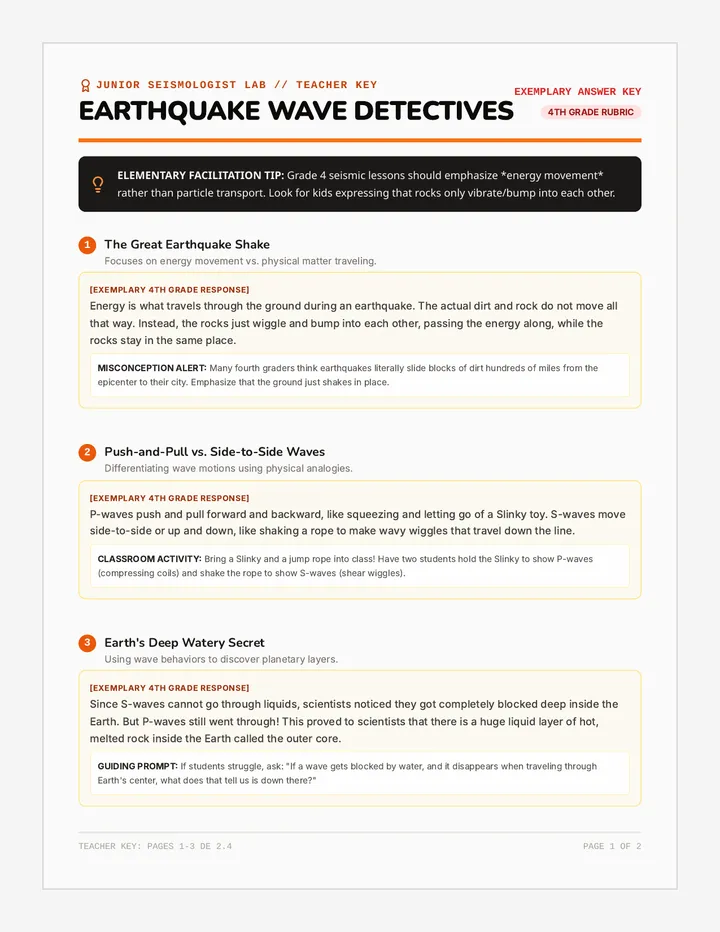
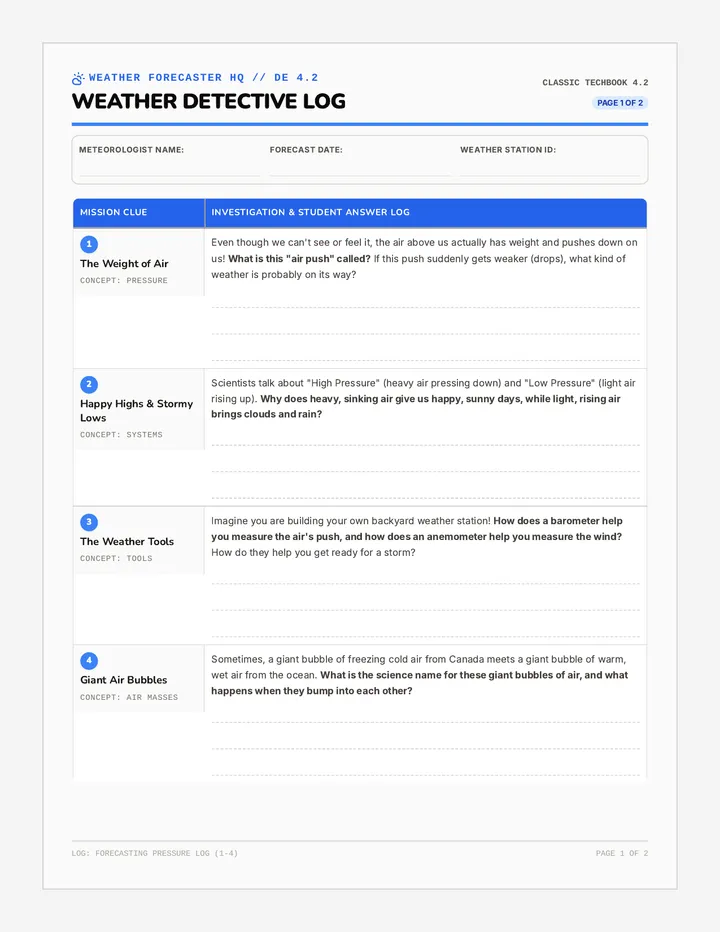
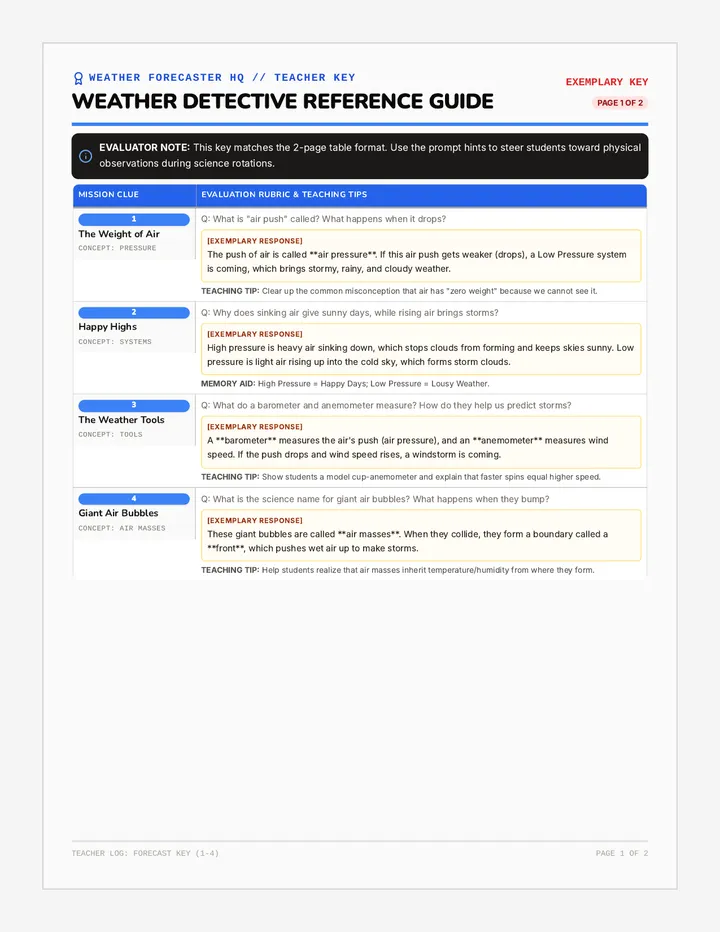
An earth and space science curriculum unit covering dynamic earth processes, earthquake wave mechanics, atmospheric pressure systems, and weather prediction techniques.
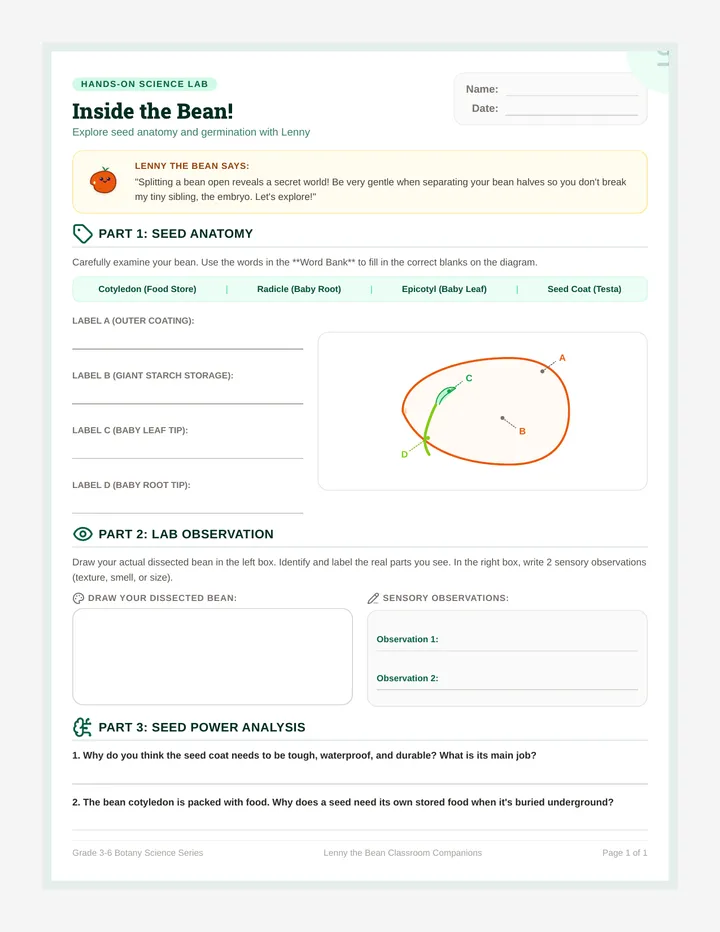
Explore the fascinating biology of seeds and germination guided by Lenny the Bean! Students will dissect a bean, identify its parts, and understand how a tiny seed contains everything needed to start a new life.
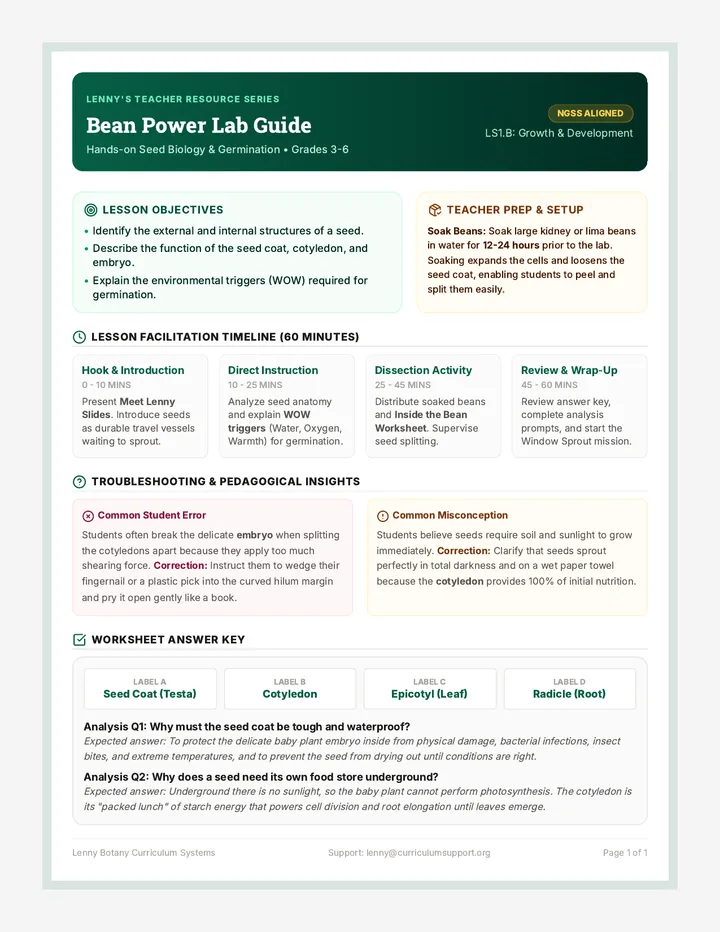
A comprehensive facilitation and answer guide for teachers using the Bean Power lesson. It features alignment with standards, a lesson timeline, lab safety/setup instructions, and a completed answer key for the student worksheet.
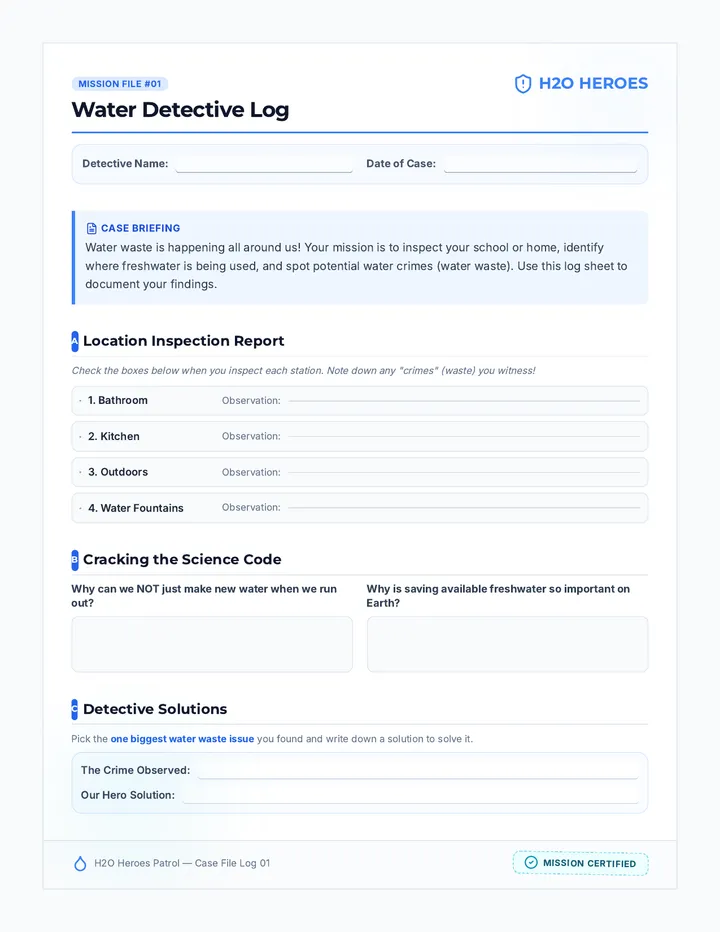
A comprehensive third-grade science and ELA unit focusing on freshwater distribution, conservation, and persuasive public service announcements. Students learn about global water resources and work in teams to design and produce a persuasive PSA to save water in their school or community.
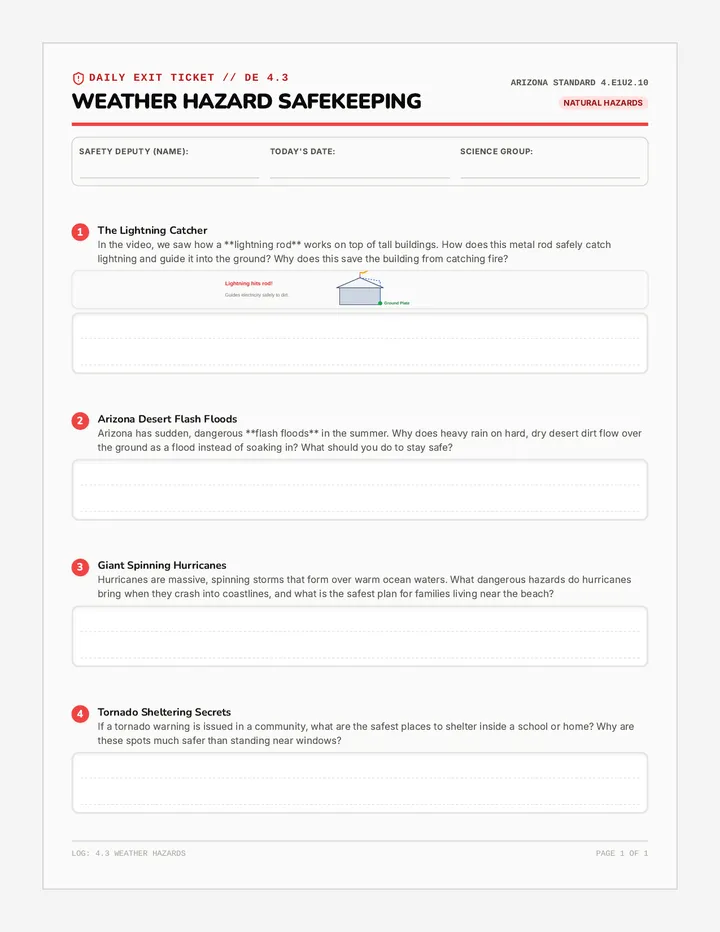
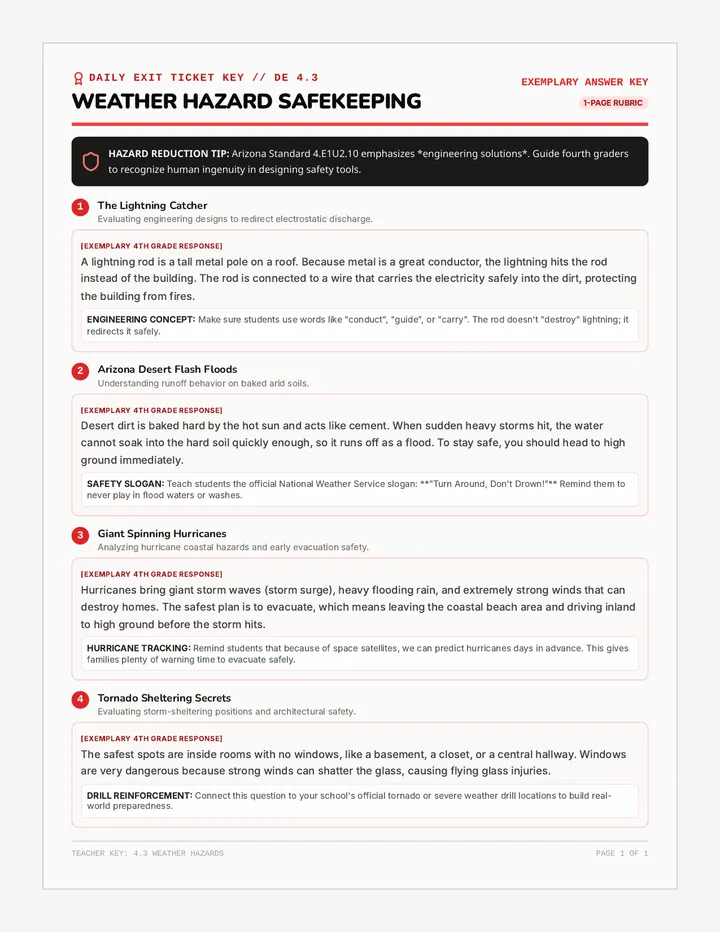
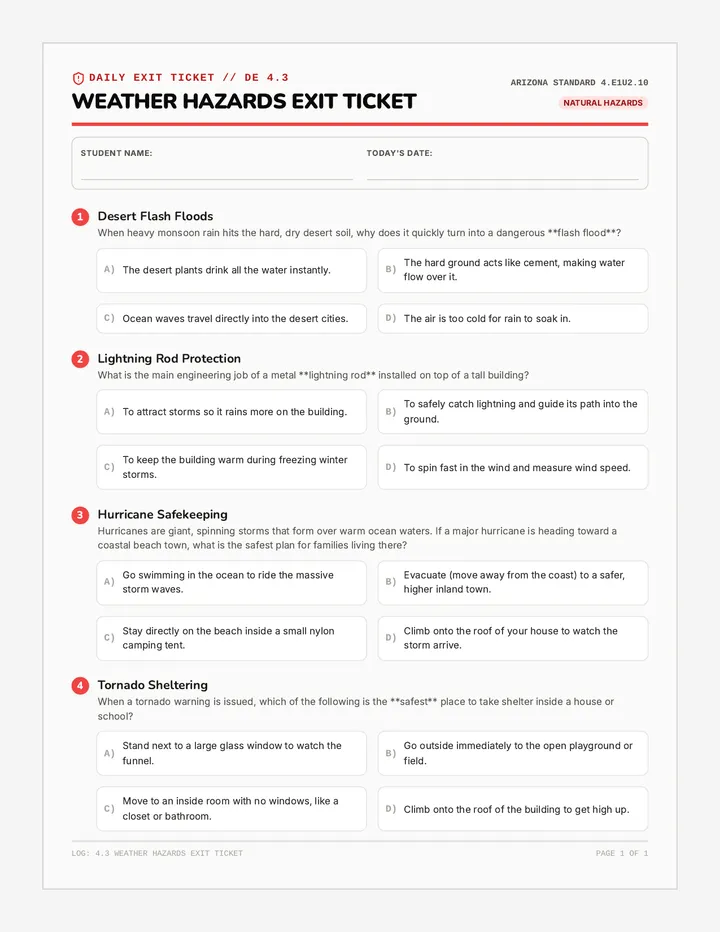
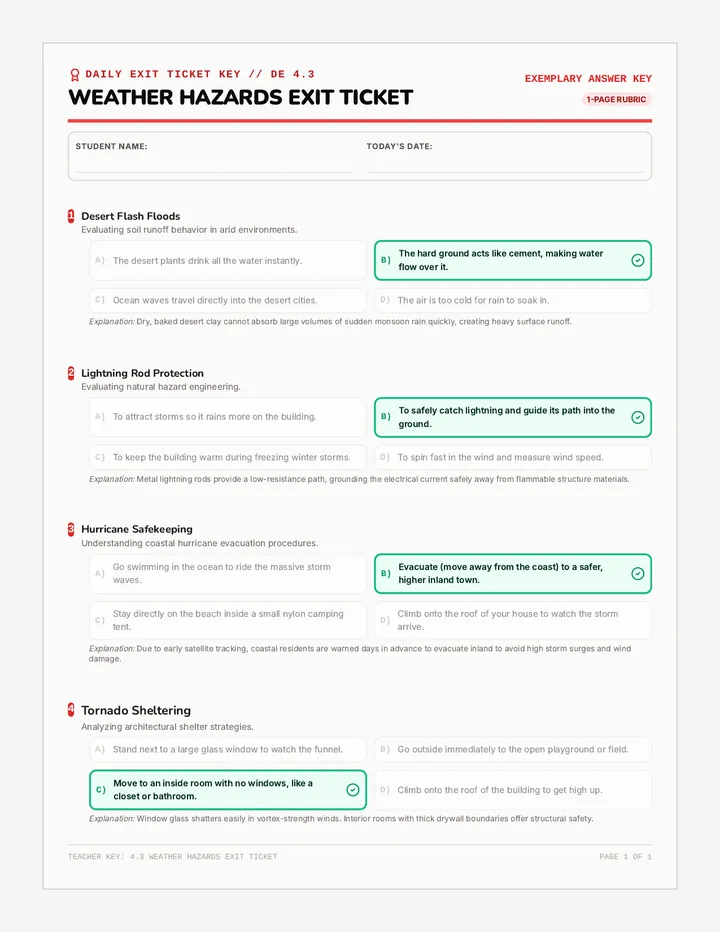
Students identify different types of severe weather hazards (like lightning, tornadoes, flash floods, and dust storms) and explore engineering solutions designed to keep communities safe.
A printable student worksheet for the bean dissection activity. It features labeling exercises, space for hand-drawing observations, and comprehension questions, all guided by Lenny the Bean.
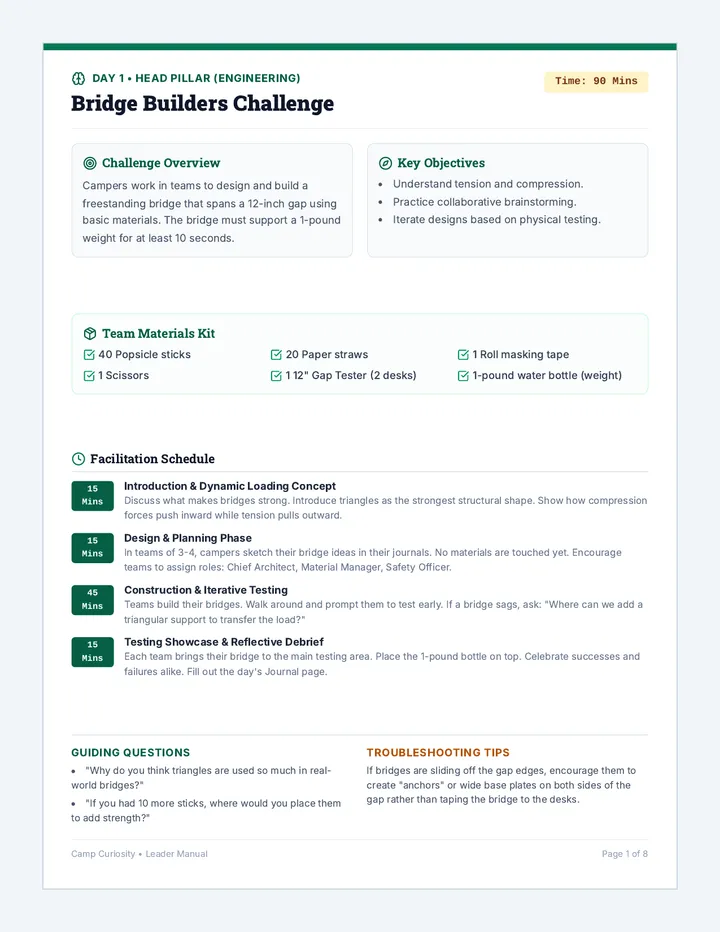
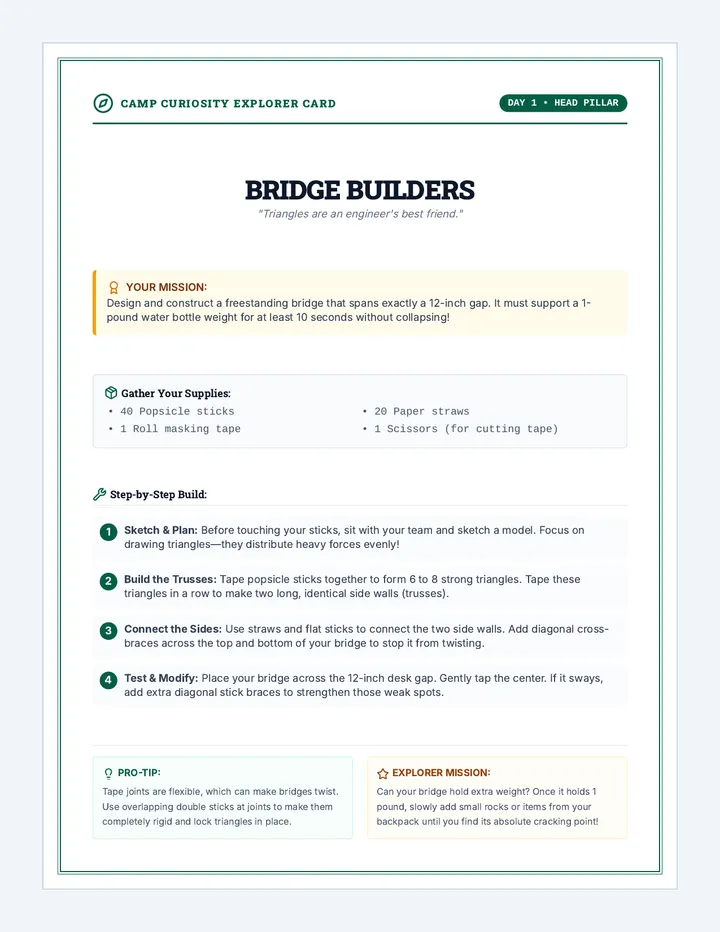
An action-packed, hands-on 8-day 4-H camp program focusing on Head, Heart, Hands, and Health. Students tackle engineering, teamwork, ecology, nutrition, and art challenges through daily active learning.
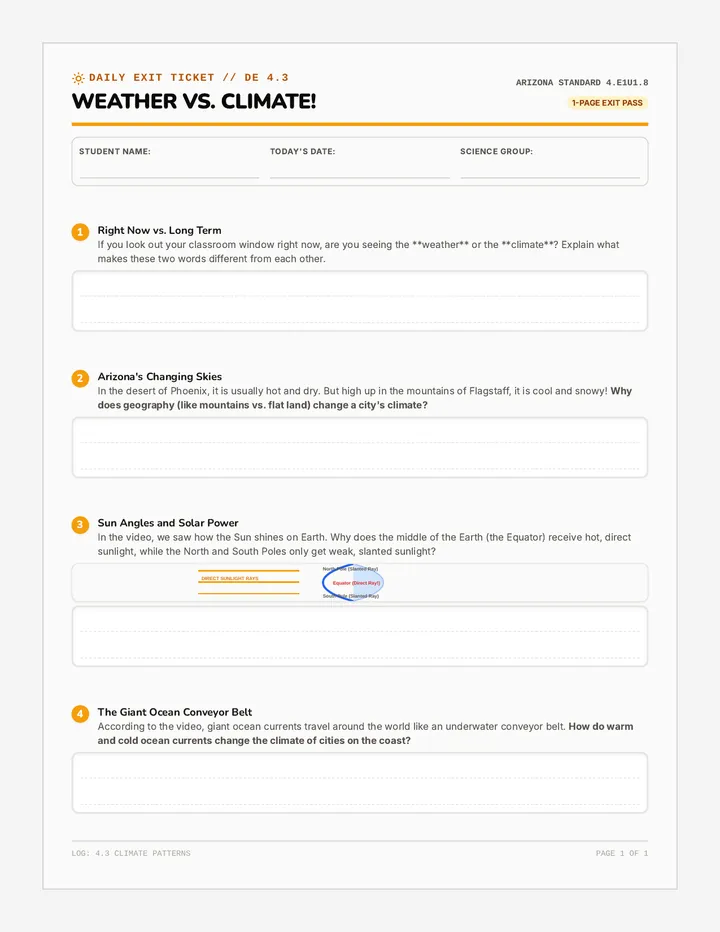
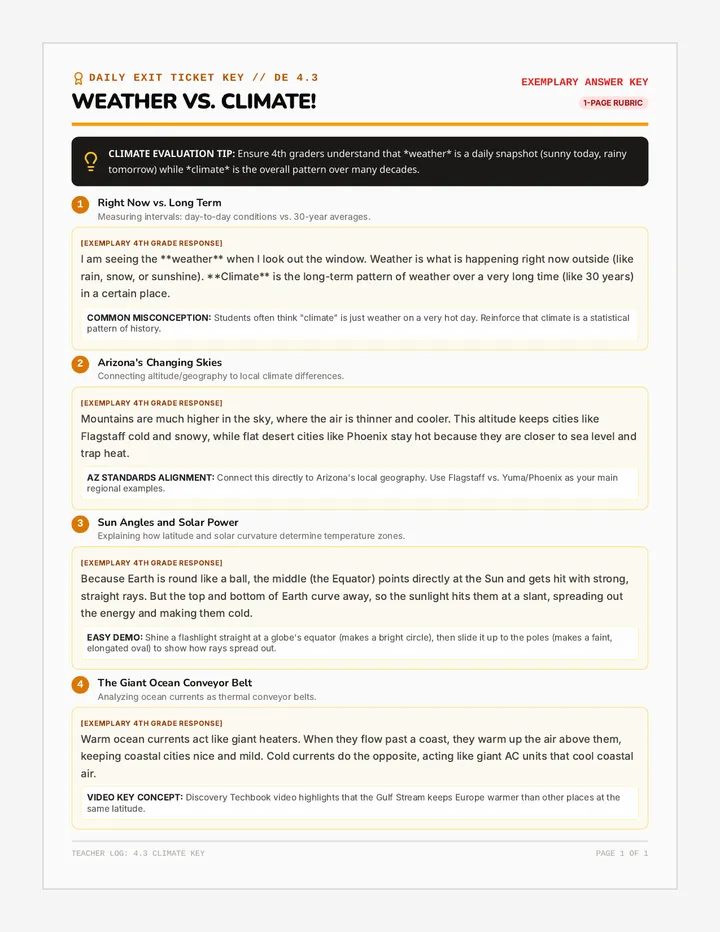
Students explore the key differences between weather and climate patterns, analyzing temperature, precipitation, and regional zones over time using global climate models.
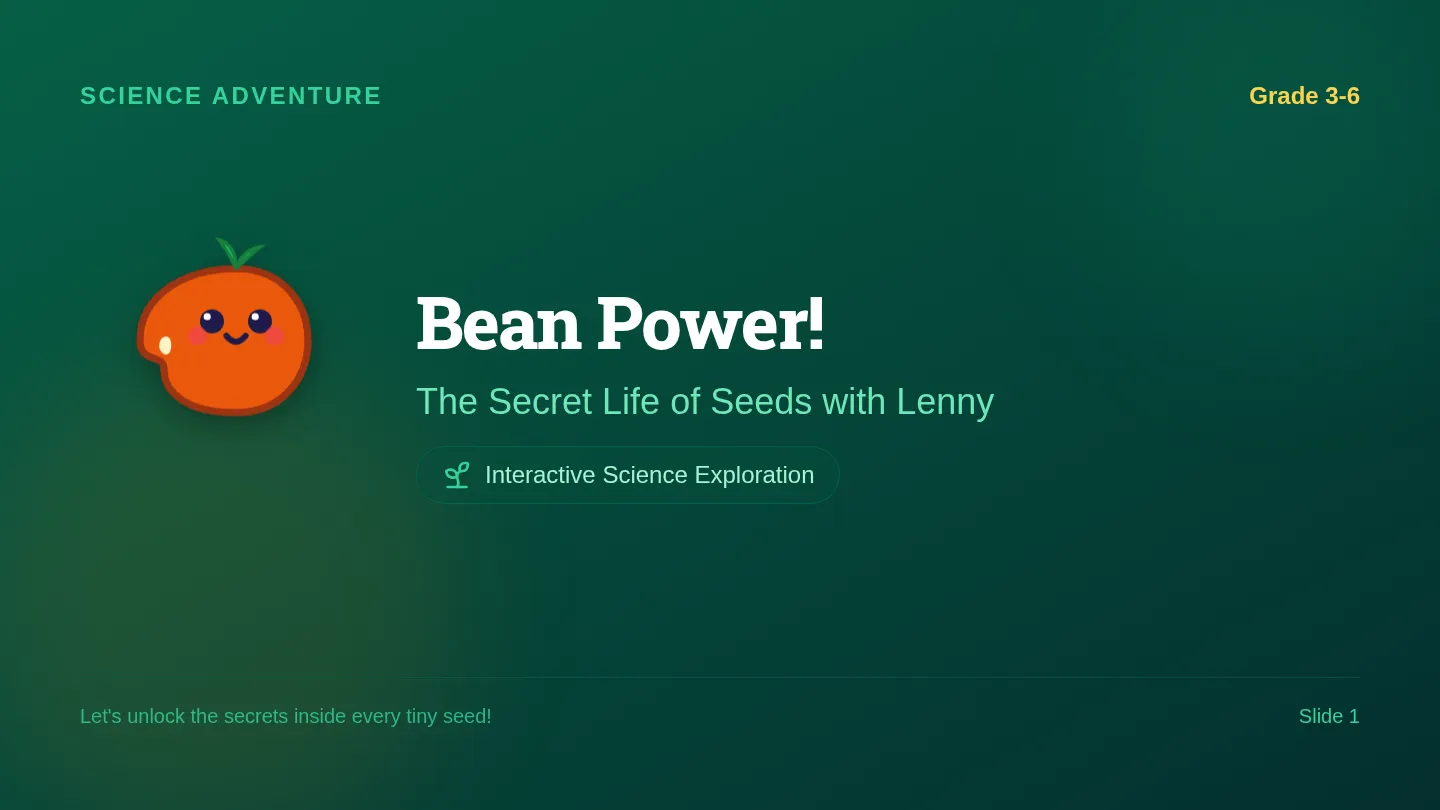
A visually stunning, interactive slide deck featuring Lenny the Bean. This presentation teaches seed anatomy, germination, and guides students through a hands-on bean dissection with a fun, engaging science narrative.
A comprehensive unit on rainforest ecology, climate regulation, and conservation. Students explore the structural layers of the rainforest, their roles as carbon sinks, the threats of deforestation, and collaborative solutions for preservation.
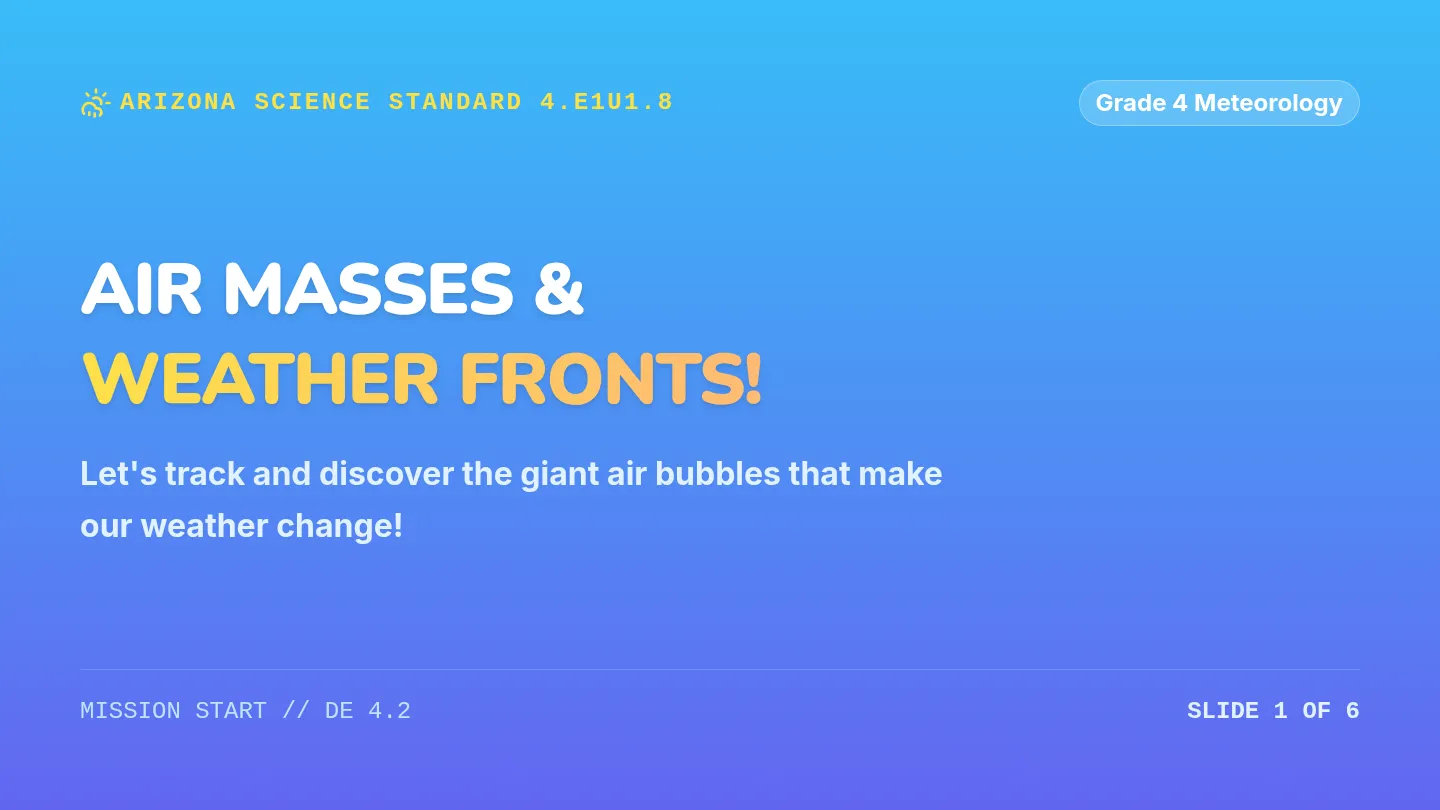
This lesson covers weather prediction techniques, atmospheric pressure systems, warm and cold fronts, and how meteorologists analyze satellite and radar data to forecast storms.
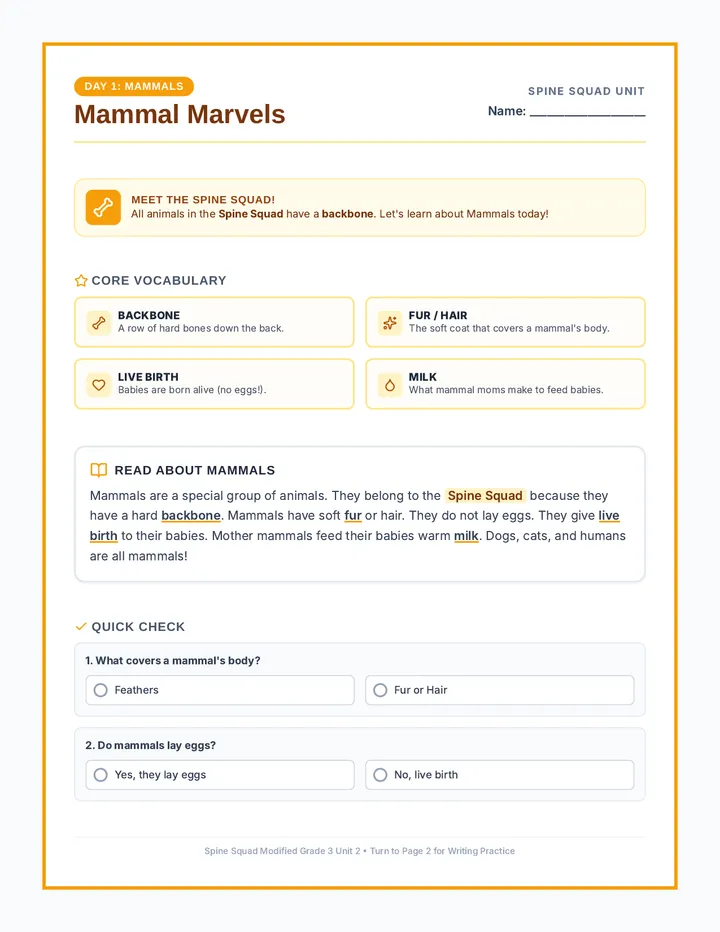
A five-day modified animal classification unit focusing on the five main vertebrate groups, designed with extensive visual support, sentence frames, and tracing options for modified learning.