An inquiry-focused sequence exploring how animals receive, process, and respond to sensory information for survival. Students use simulations and experiments to compare human and animal sensory capabilities.
A three-lesson cybersecurity sequence designed for 4th-grade students to learn the fundamentals of protecting personal information online. Through highly visual slides and hands-on, unplugged group activities, students learn to build uncrackable passwords, spot phishing scams, protect private information, and navigate public networks safely.
Students learn to identify what counts as Private Personal Information (PPI) versus safe-to-share details online. Through a series of simulation challenges, they practice setting boundaries for safe digital sharing.
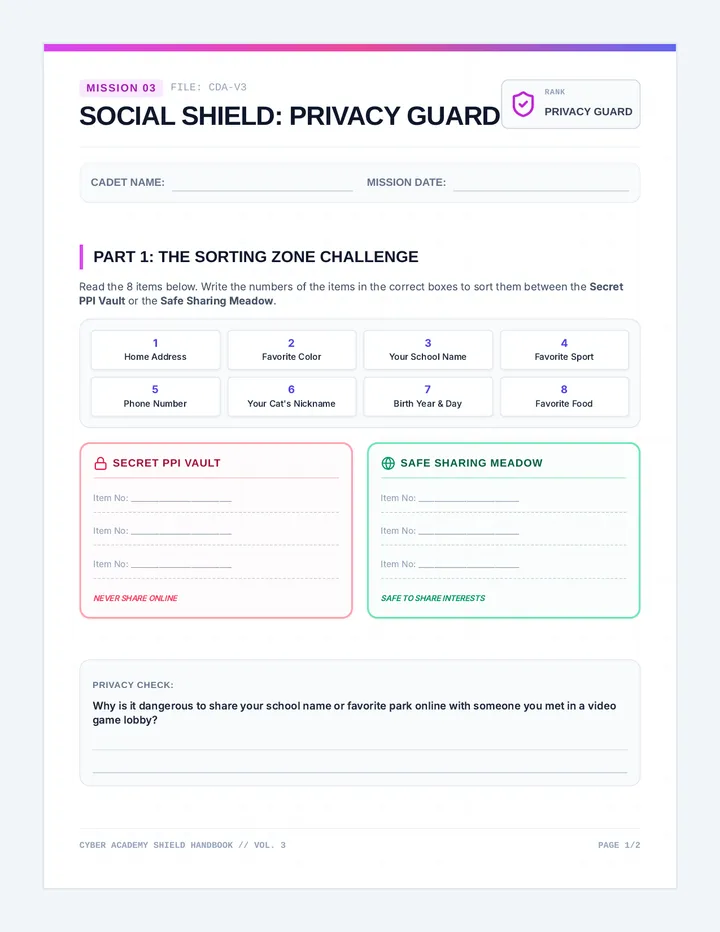
An unplugged 2-page student worksheet for Lesson 3. Guides students to classify safe-to-share details versus Private Personal Information (PPI) and simulates applying the Shield Rule to real-world social sharing dilemmas.
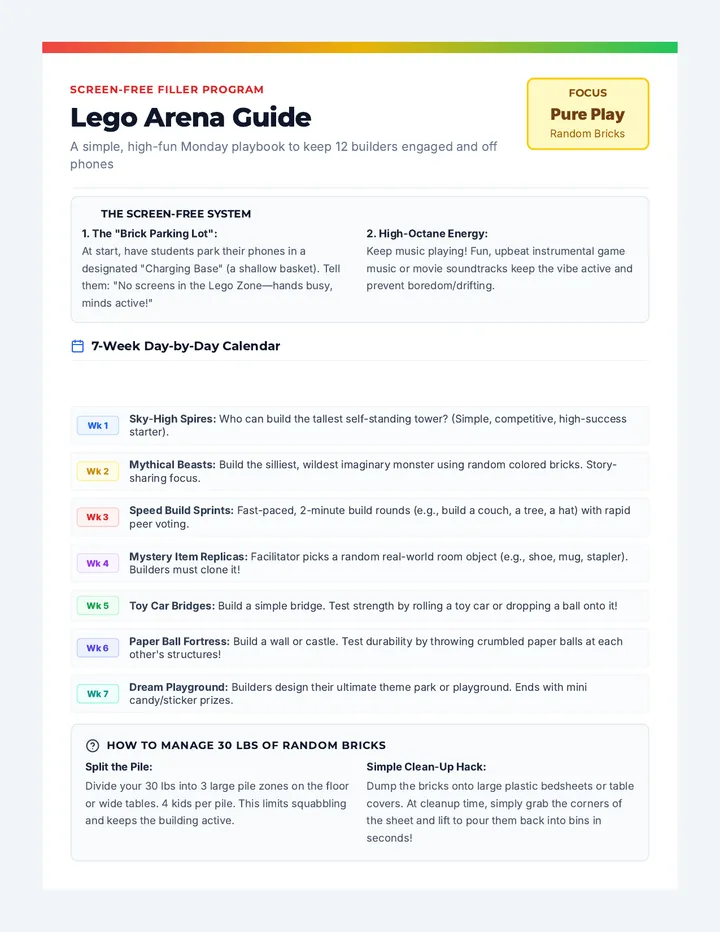
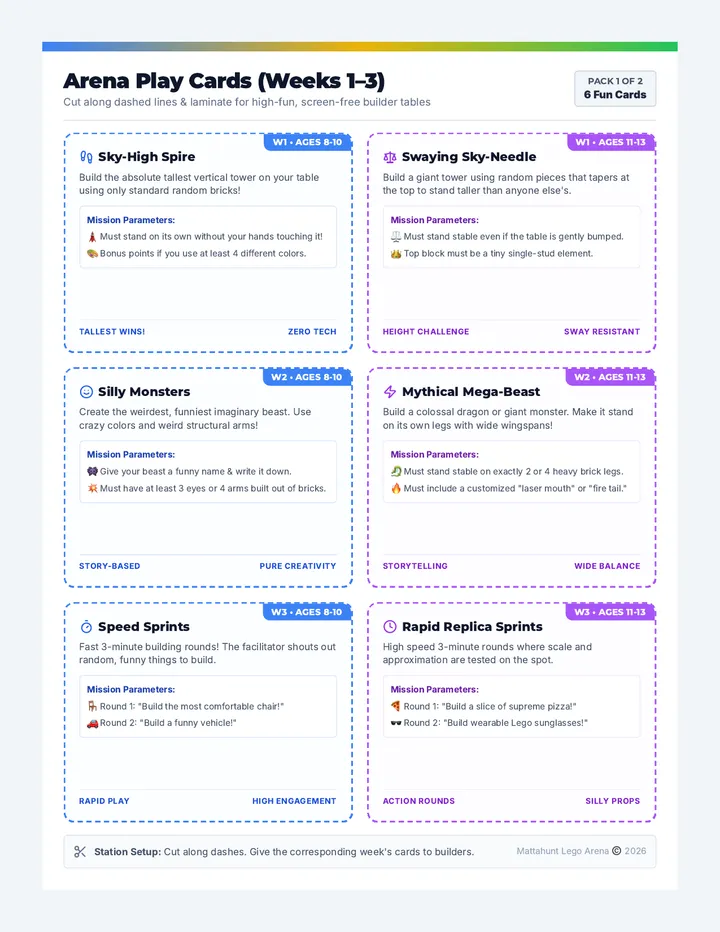
A structured 7-week engineering curriculum for 12 builders, featuring rotating theme-based challenges, team collaborations, and progressive skill challenges for both Elementary and Middle school students.
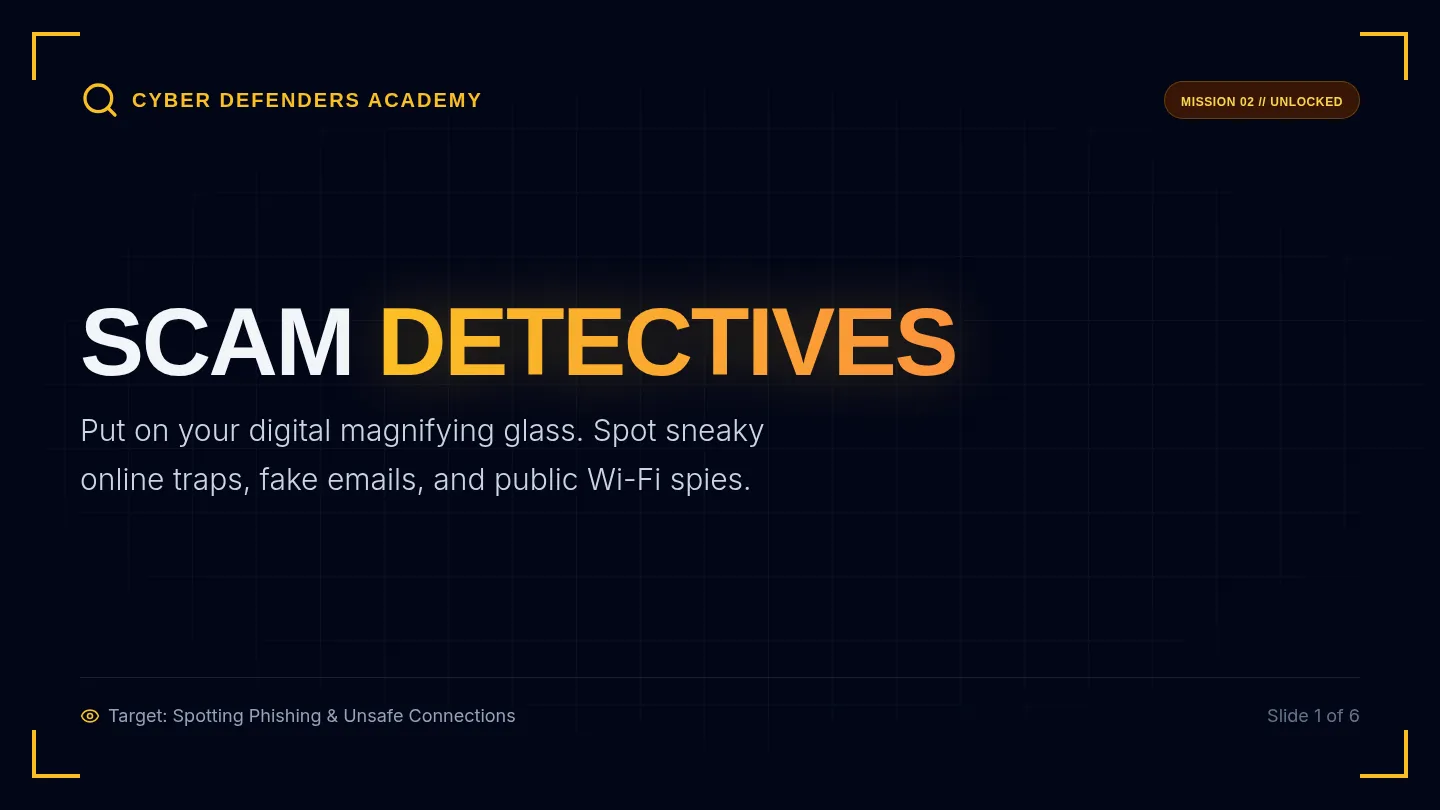
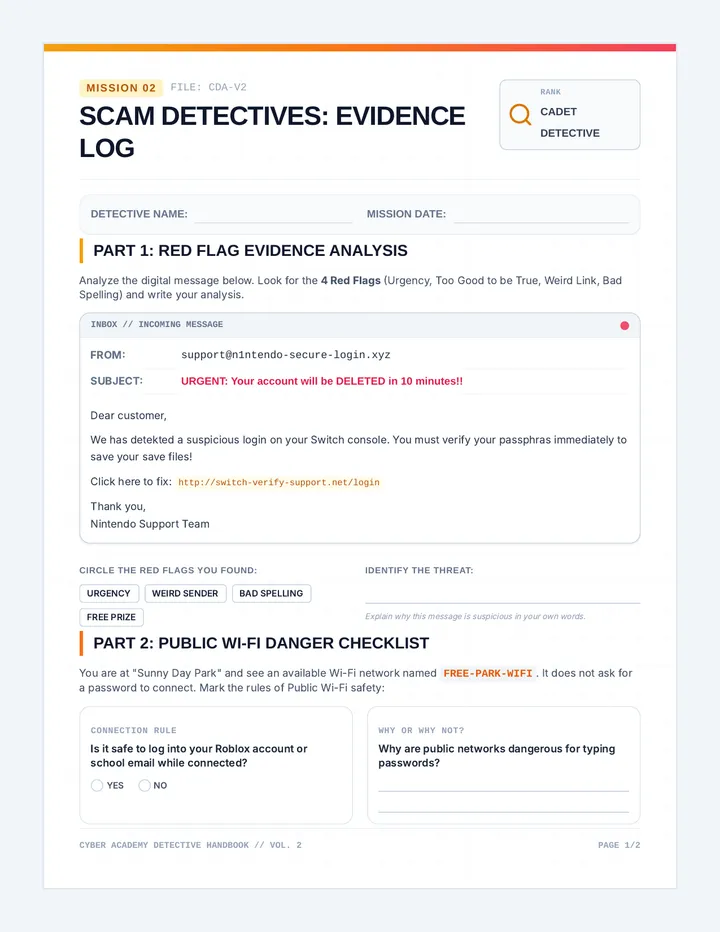
Students learn to identify phishing emails, suspicious links in online games, and the security hazards of connecting to public Wi-Fi networks in coffee shops or parks.
Highly visual presentation slides for Lesson 3 that teach students the concept of Private Personal Information (PPI) and how to protect their digital footprint while sharing safely.
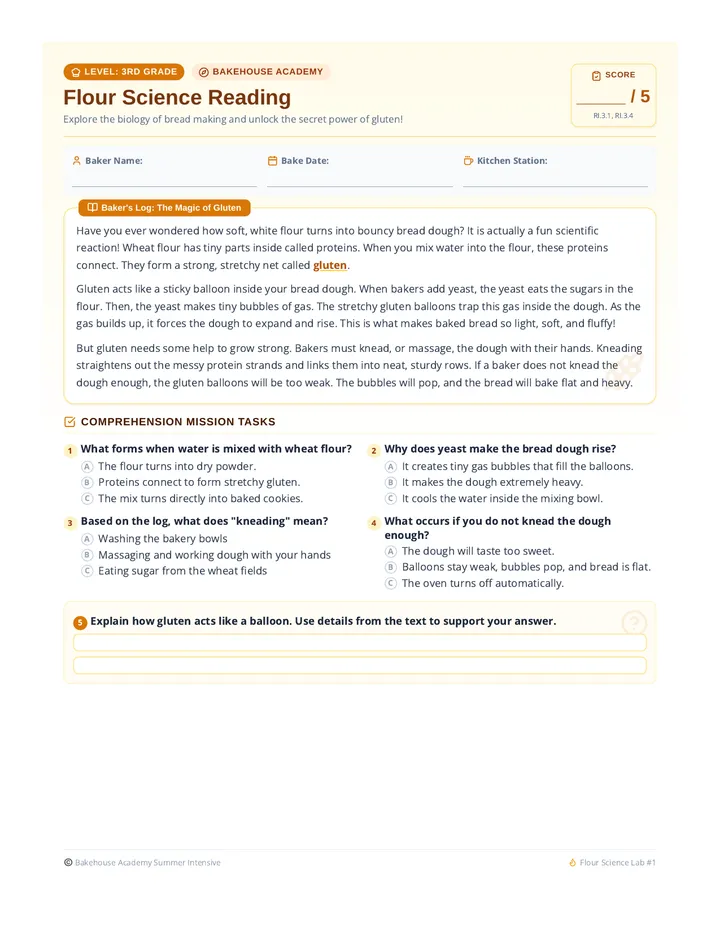
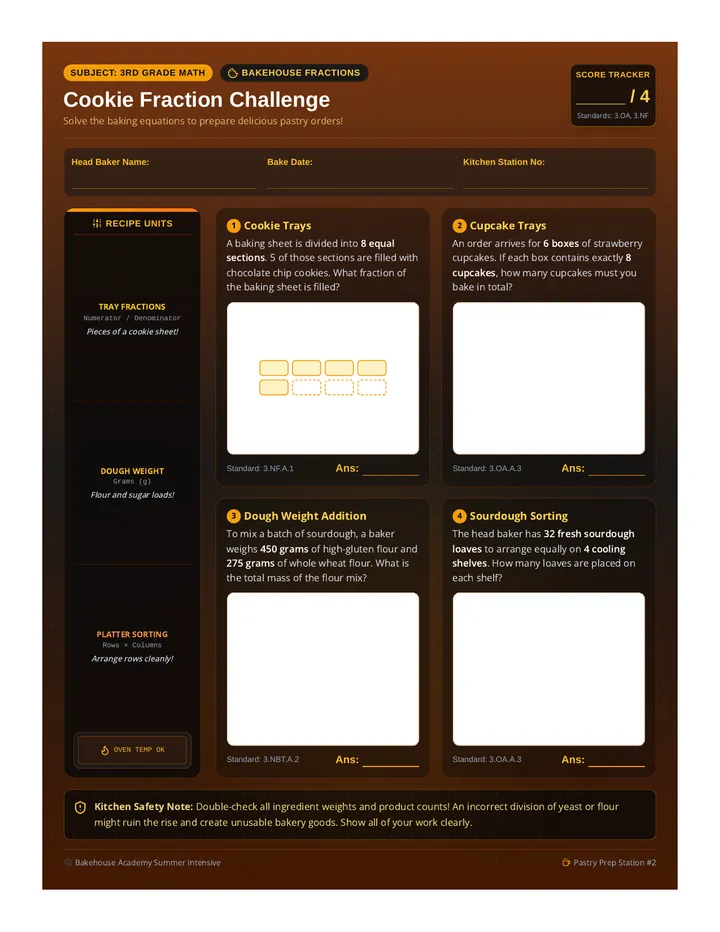
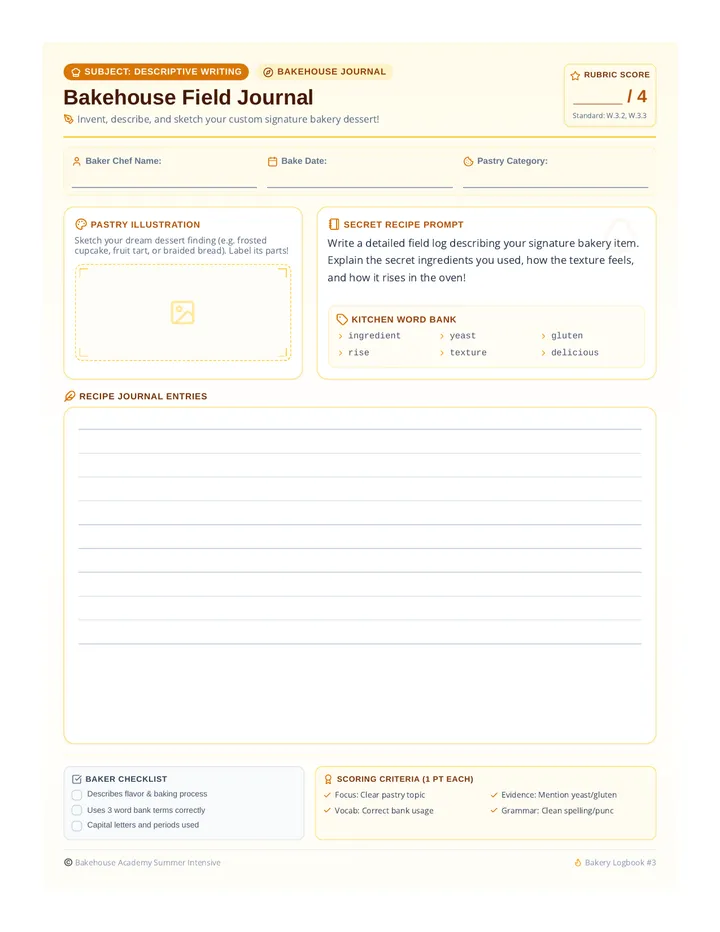
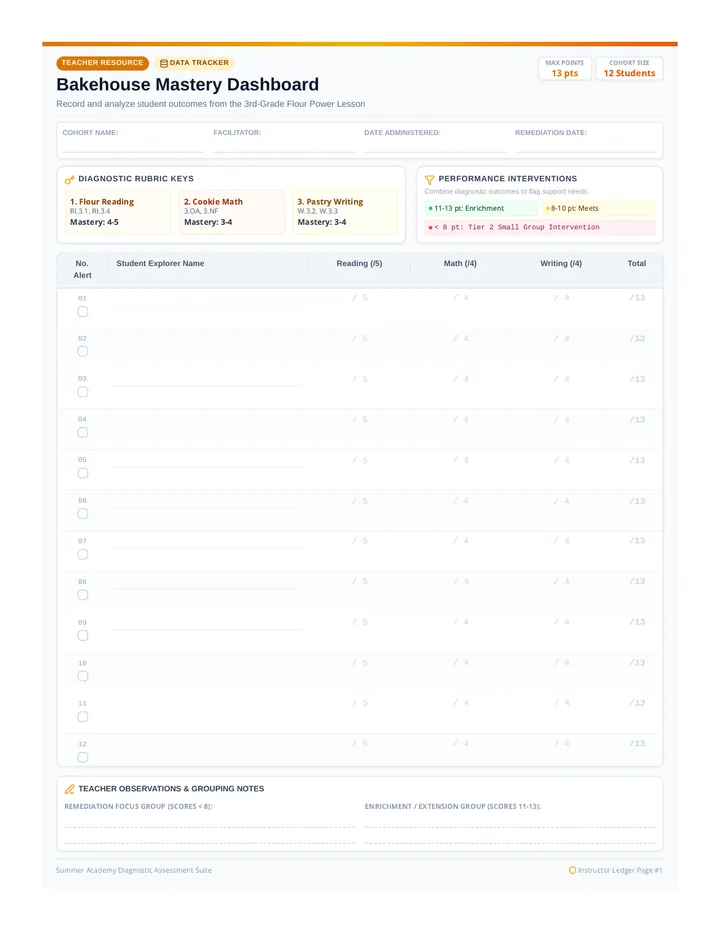
A premium 3rd-grade summer math, reading, and writing sequence themed around managing a successful bakery, complete with recipe conversions, flour science reading, and custom teacher data ledgers.
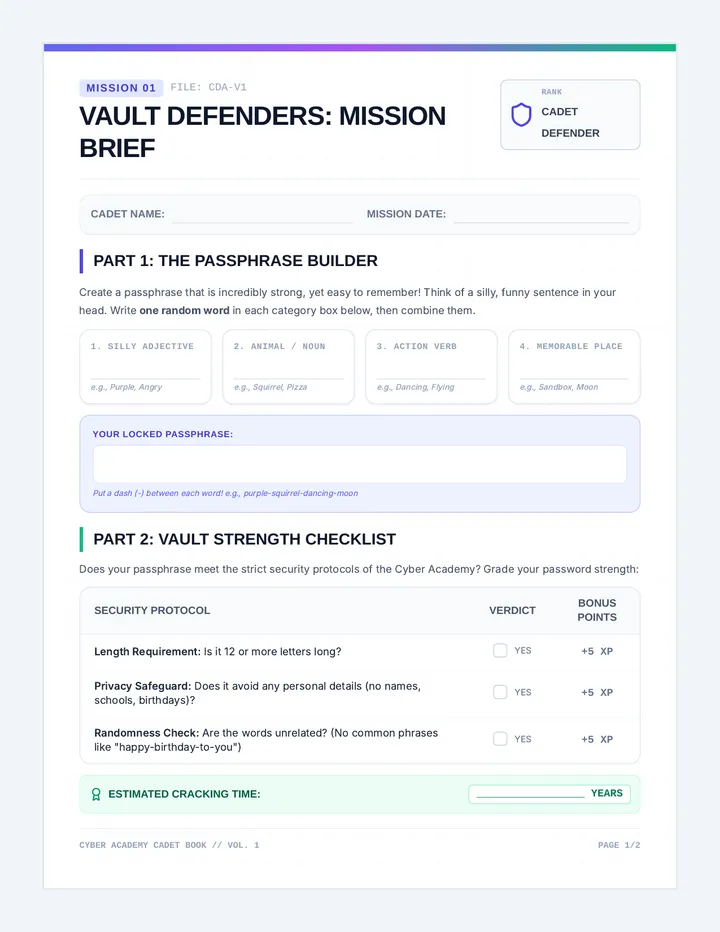
Students learn the architecture of uncrackable passwords and passphrases using physical building blocks, followed by an unplugged simulation of Multi-Factor Authentication (MFA) to lock down their digital vaults.
An unplugged 2-page student worksheet and cut-out scenario cards for Lesson 2. Includes mock phish messages to analyze for red flags, a public Wi-Fi safety checklist, and 4 cut-out digital dilemma discussion cards.
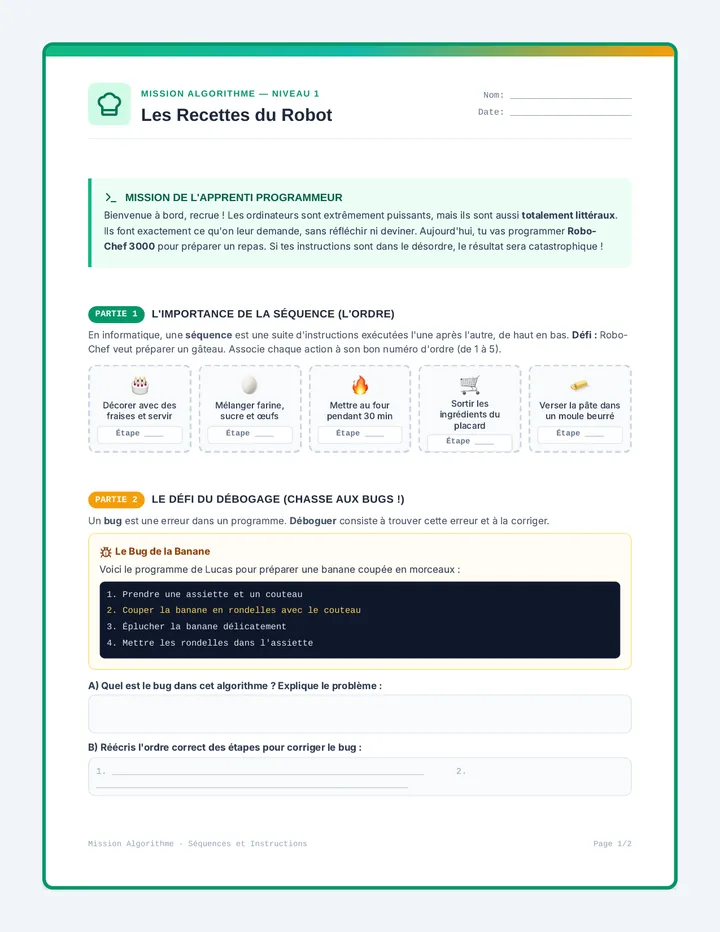
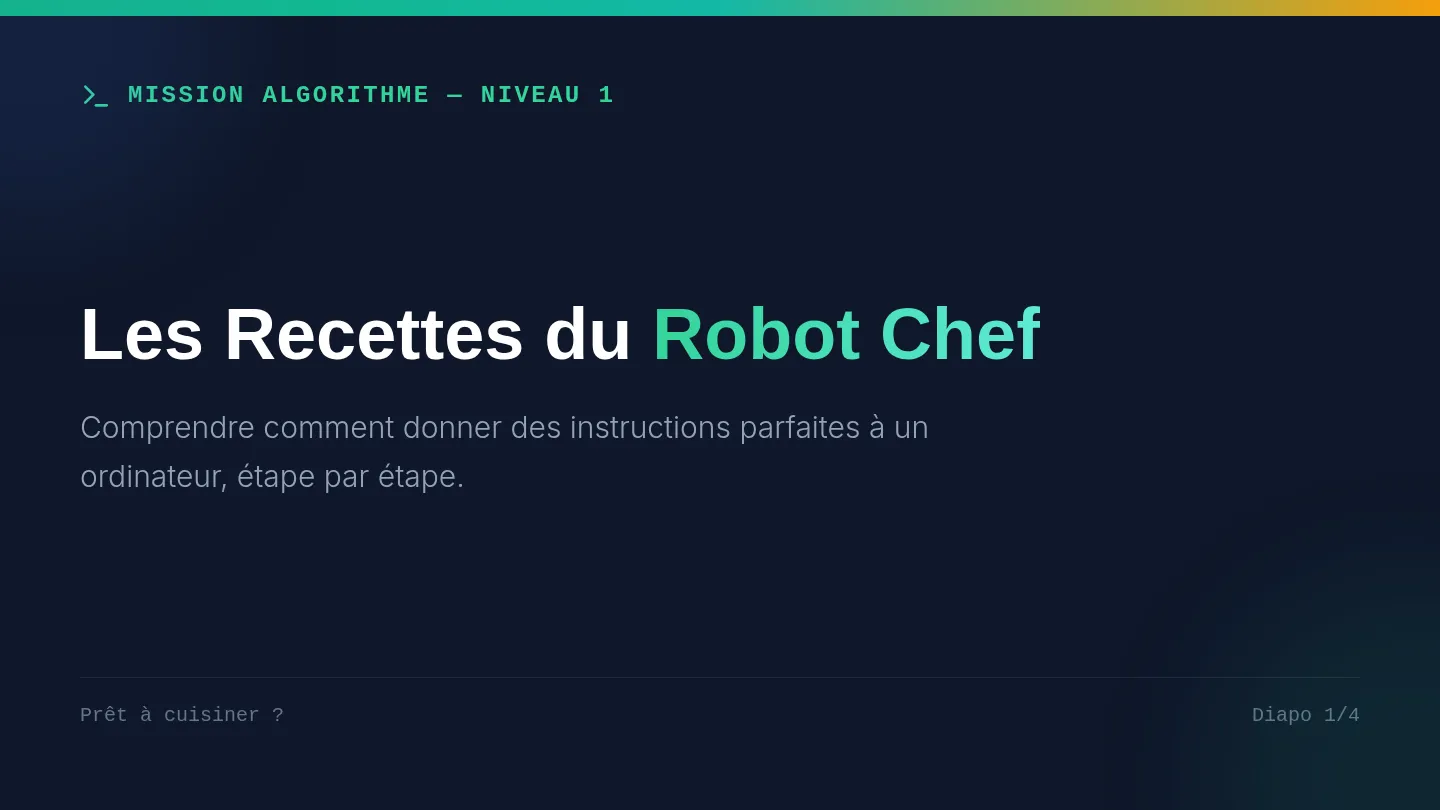
Une séquence d'initiation à l'algorithmique sans code pour débutants absolus. À travers des métaphores concrètes, les apprenants découvrent les trois piliers de la programmation : les séquences d'instructions, les conditions et les boucles.
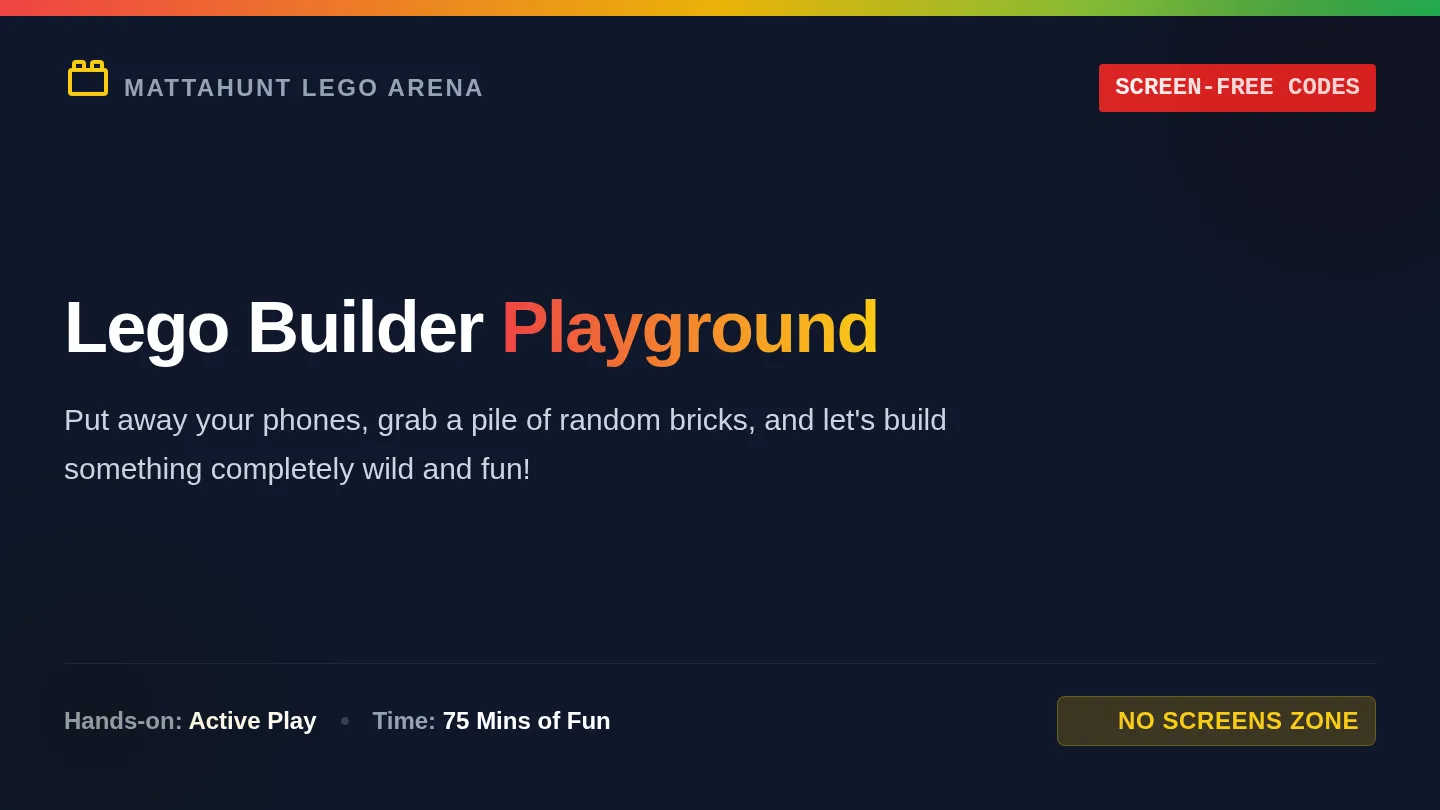
A comprehensive 75-minute Lego builder session designed for Elementary (Ages 8-10) and Middle School (Ages 11-13) featuring collaborative engineering, creative themes, and structured challenges.
Engaging presentation slides for Lesson 2 that train students to spot digital traps including email phishing, gaming scams (free in-game currency), and the physical security risks of public Wi-Fi.