A 2nd-grade science lesson exploring how sunflowers follow the sun to survive, featuring a hands-on planting activity and observation journal.
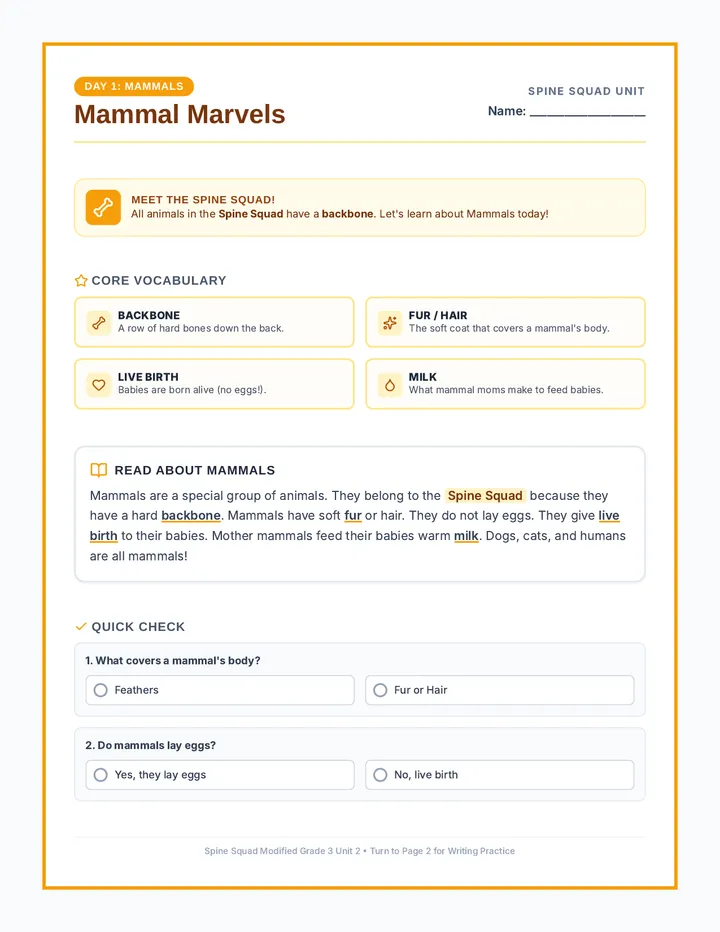
A five-day modified animal classification unit focusing on the five main vertebrate groups, designed with extensive visual support, sentence frames, and tracing options for modified learning.
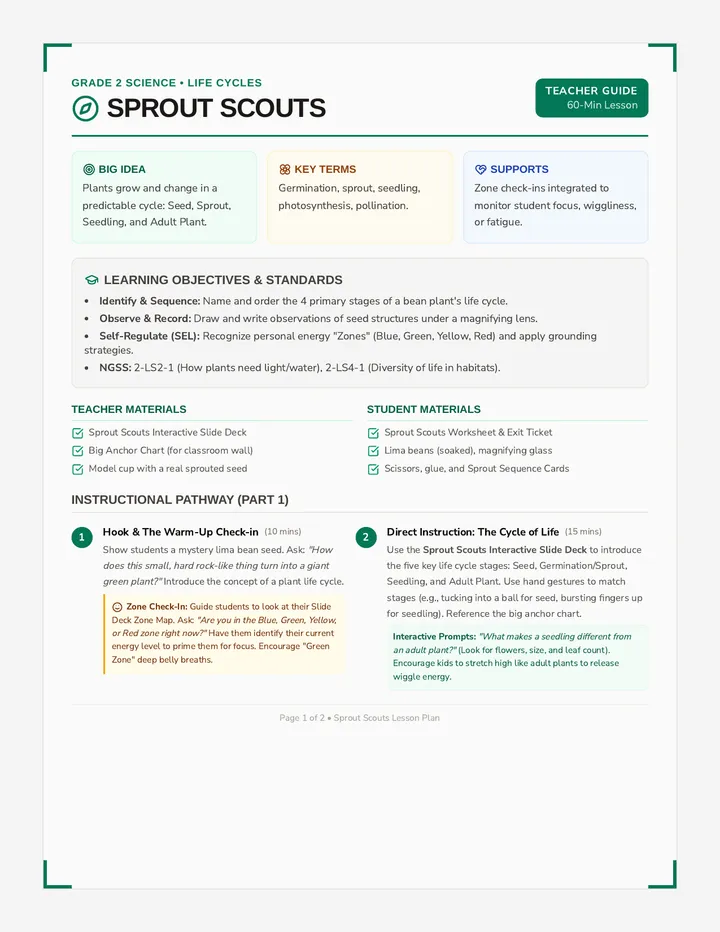
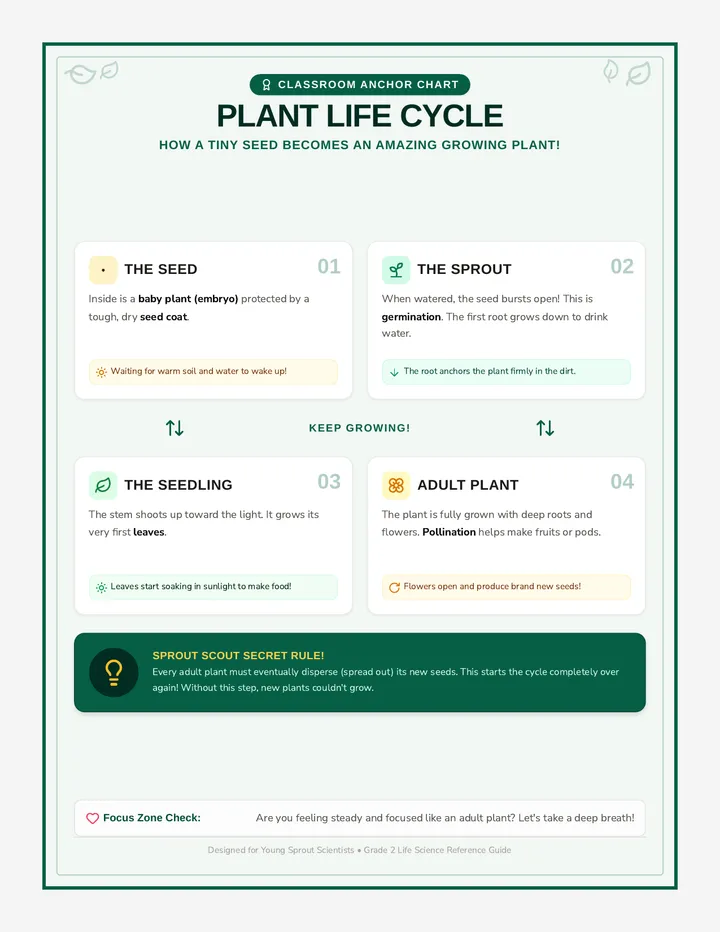
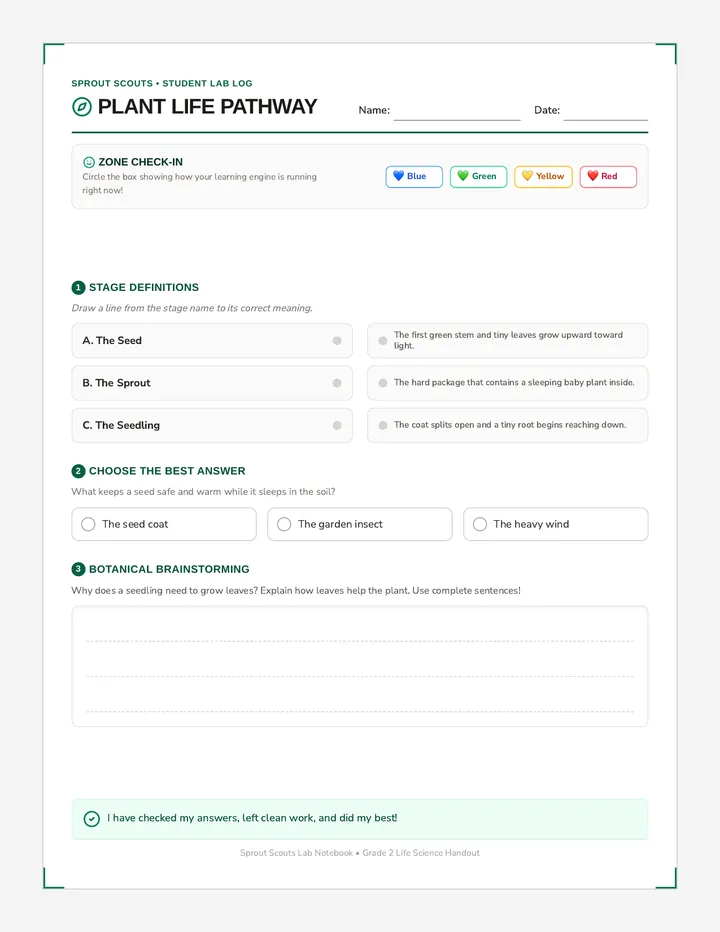
An immersive, hands-on science lesson exploring the plant life cycle for second graders. Incorporates interactive slides, observation labs, and structured emotional Zone check-ins to support student self-regulation and engagement.
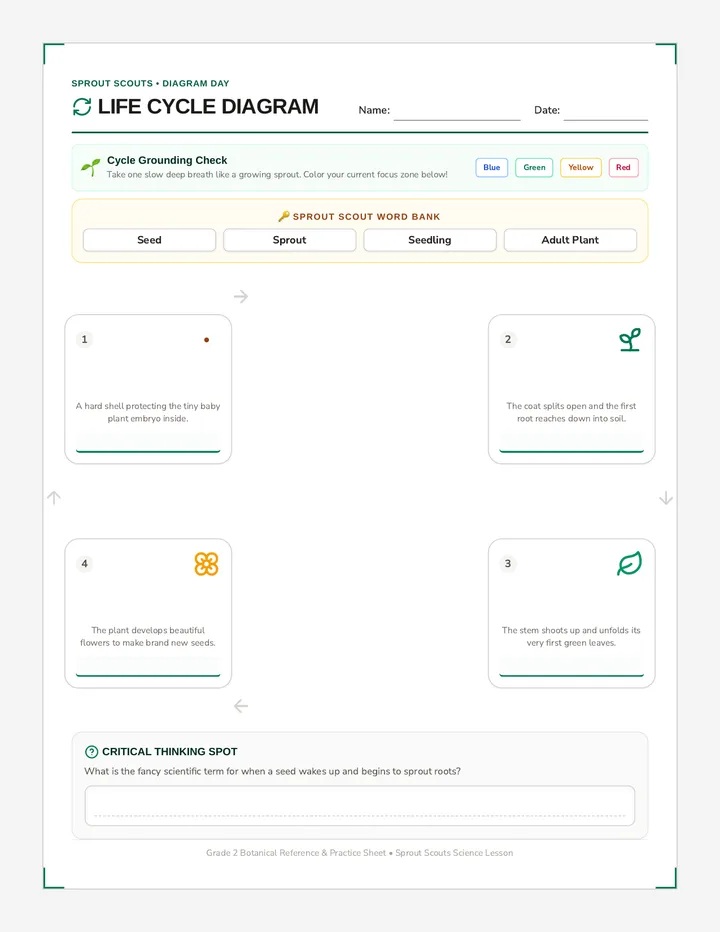
A 1-page visual fill-in-the-blank diagram worksheet. Students label the stages of the plant life cycle (Seed, Sprout, Seedling, Adult Plant) using a word bank and interactive elements, supported by a Zone check-in.
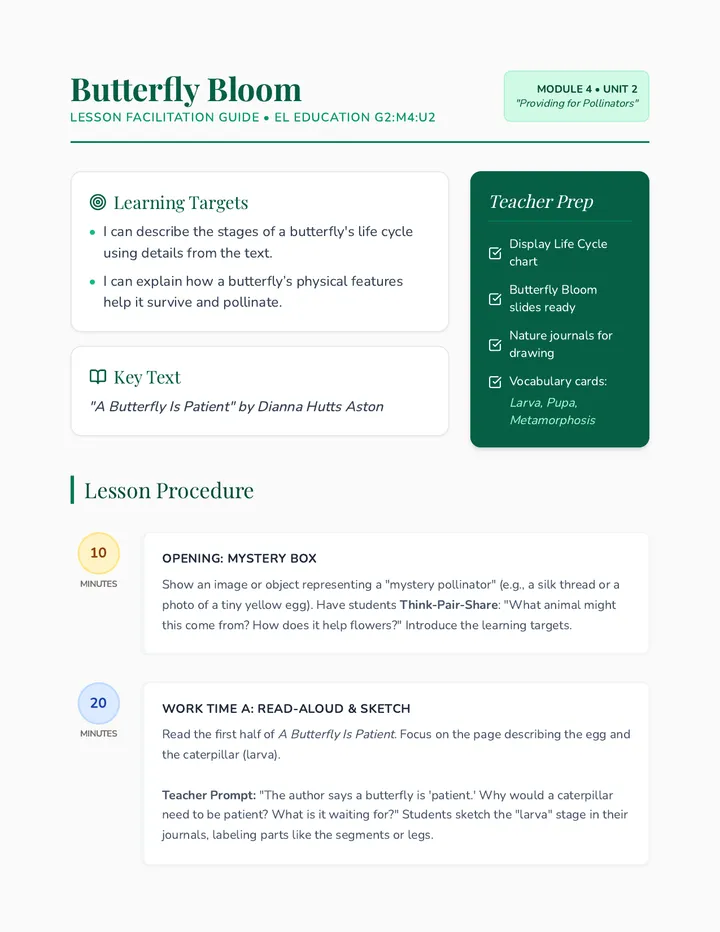
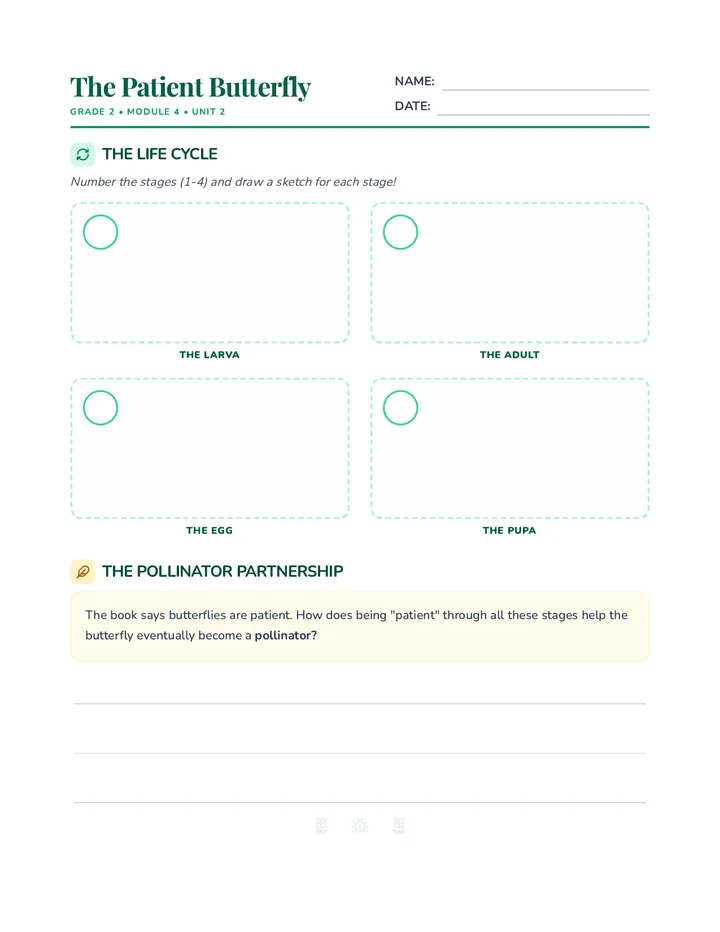
Grade 2, Module 4: 'Providing for Pollinators' focuses on the life cycles of pollinators, specifically butterflies, and how they interact with their habitats to support our environment. This sequence covers the core of Unit 2, moving from the physical characteristics and life cycles to the specific ways these insects provide for our ecosystem.
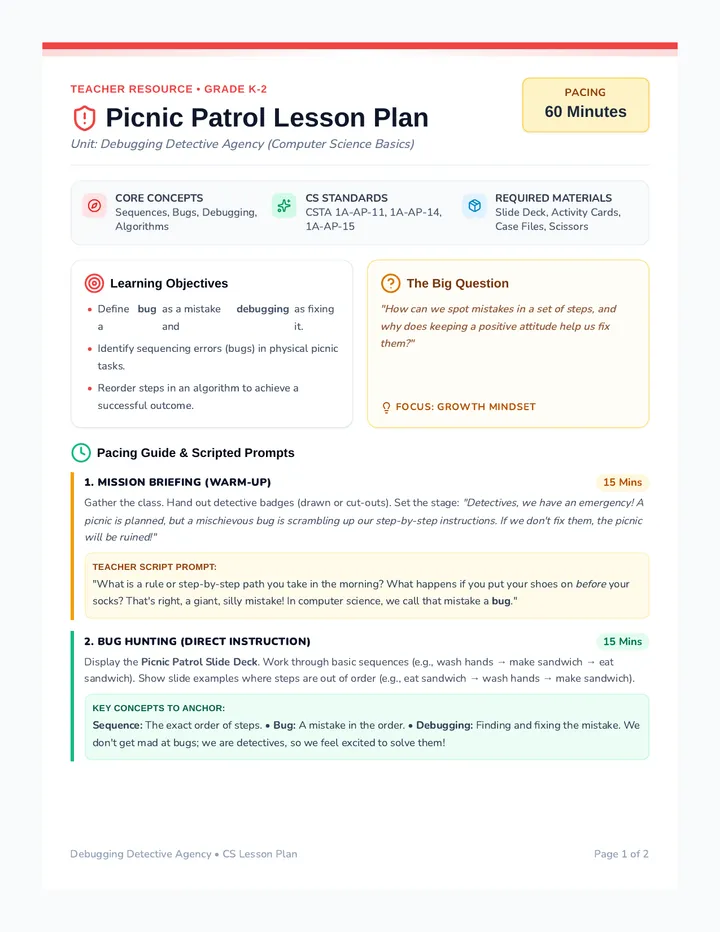
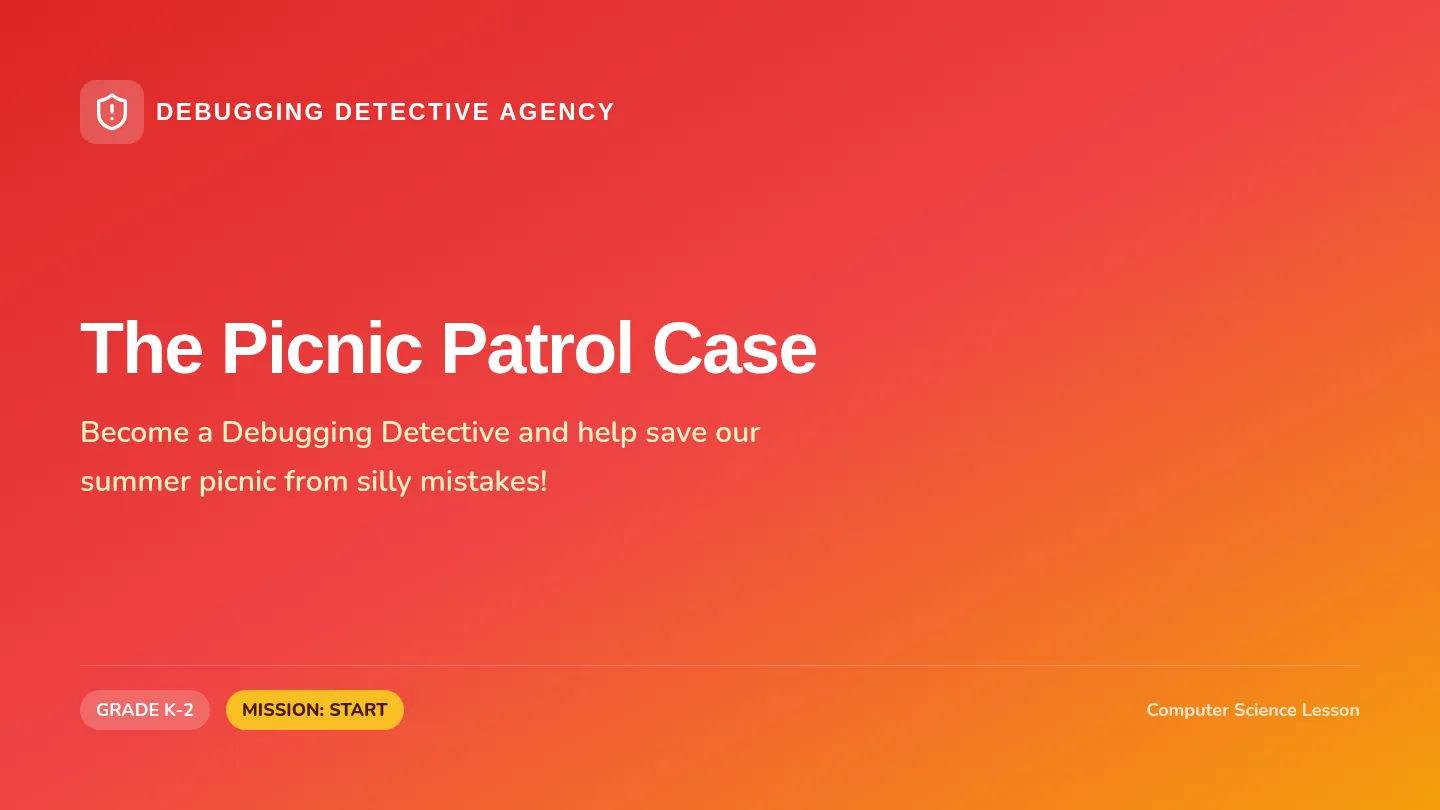
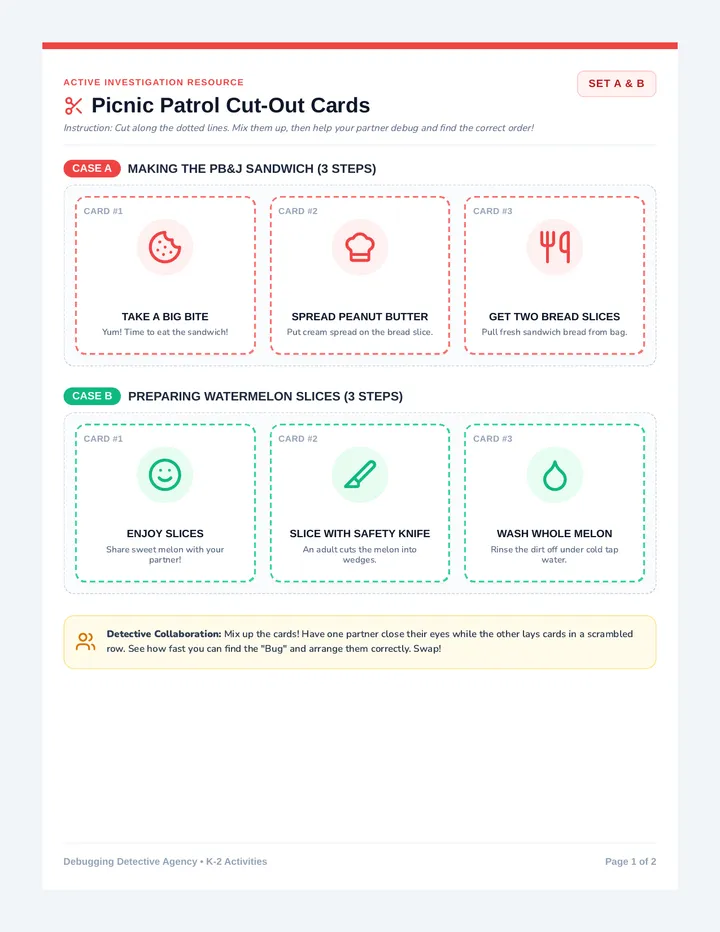
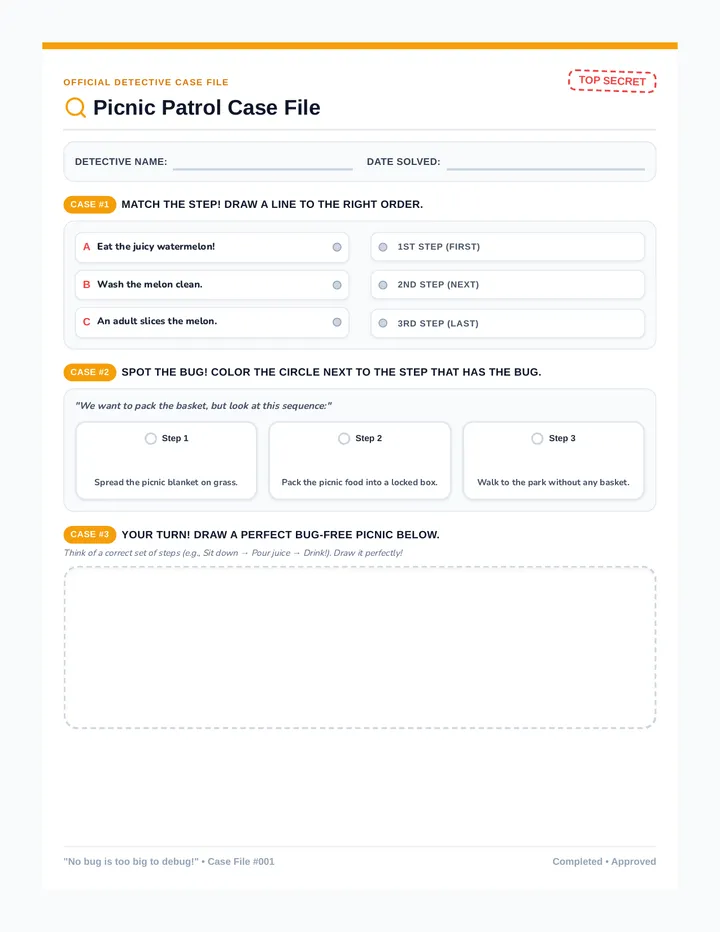
An interactive computer science lesson for K-2 students where they roleplay as 'Debugging Detectives' to identify and fix logical sequencing errors in physical algorithms to save a summer picnic.
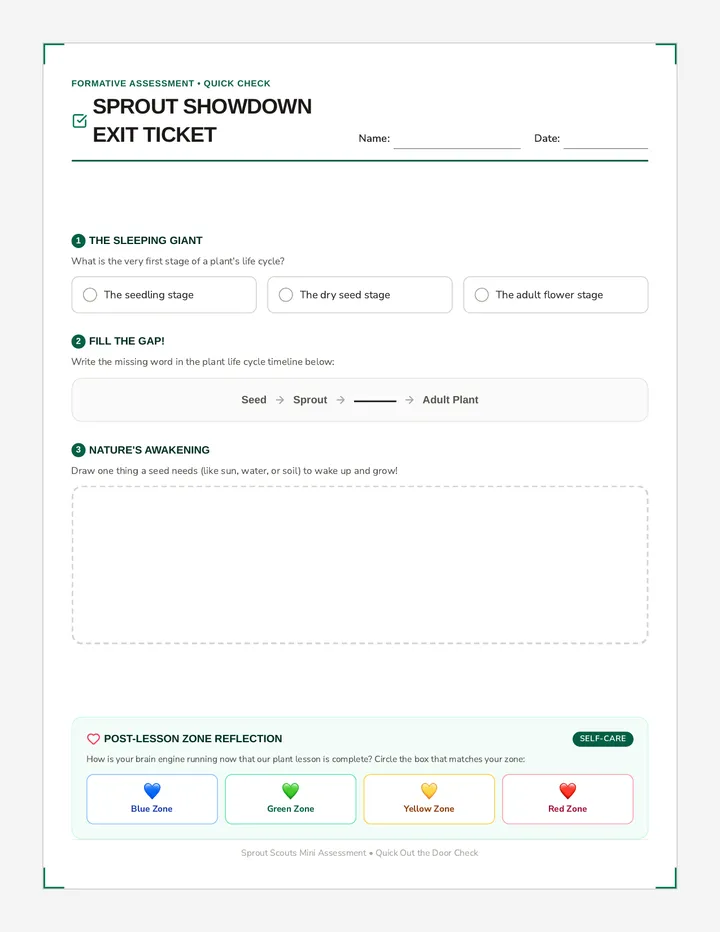
A 1-page quick Exit Ticket formative assessment. Includes simplified multiple-choice questions, fill-in-the-blank cycle sequencing, a drawing box, and a closing emotional Zone reflection.
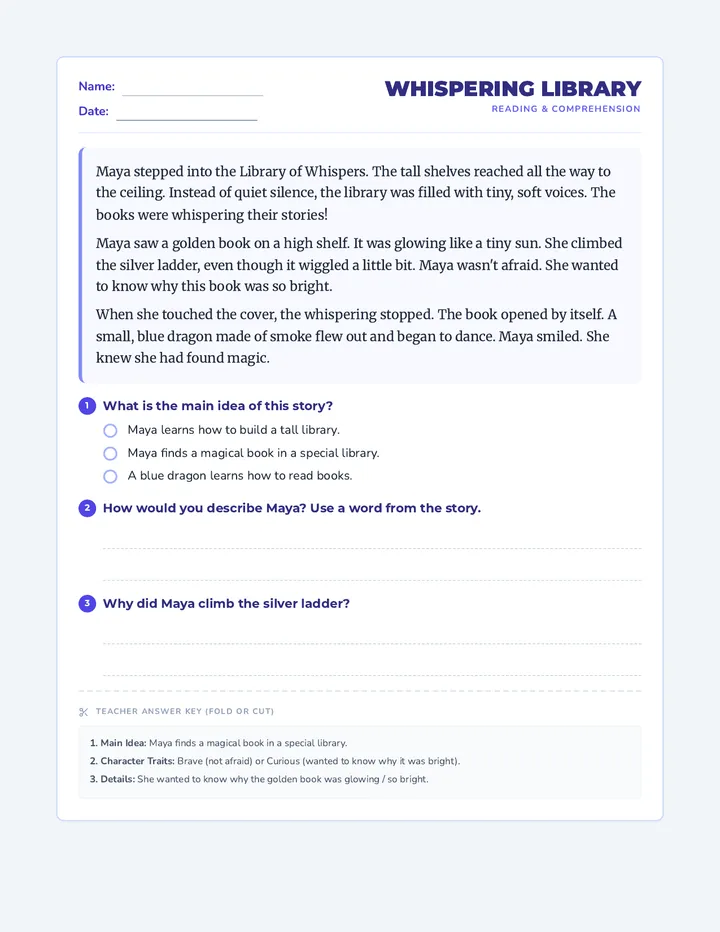
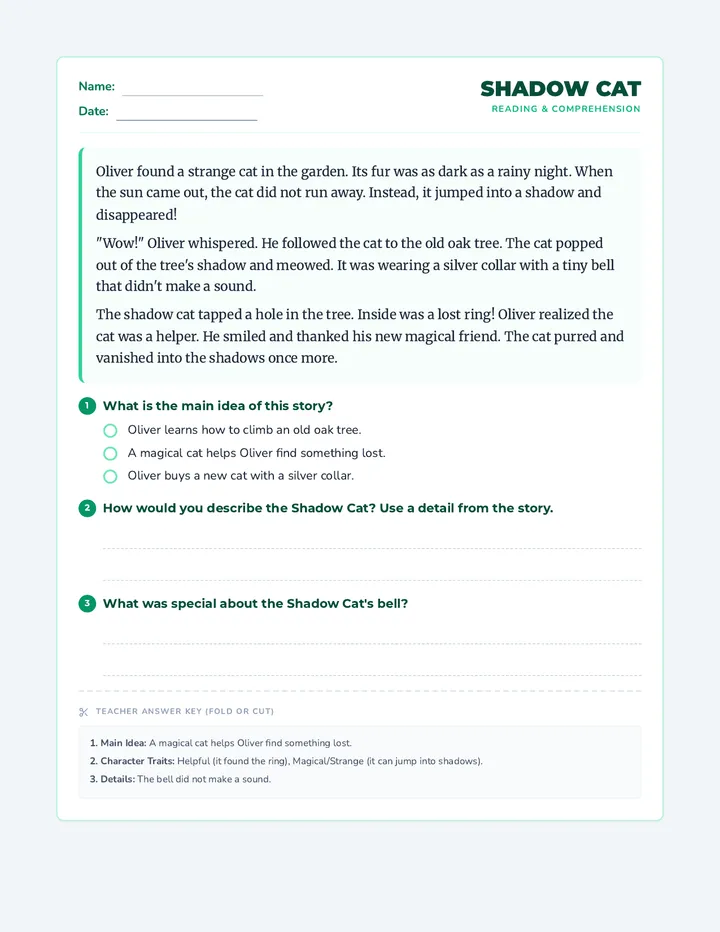
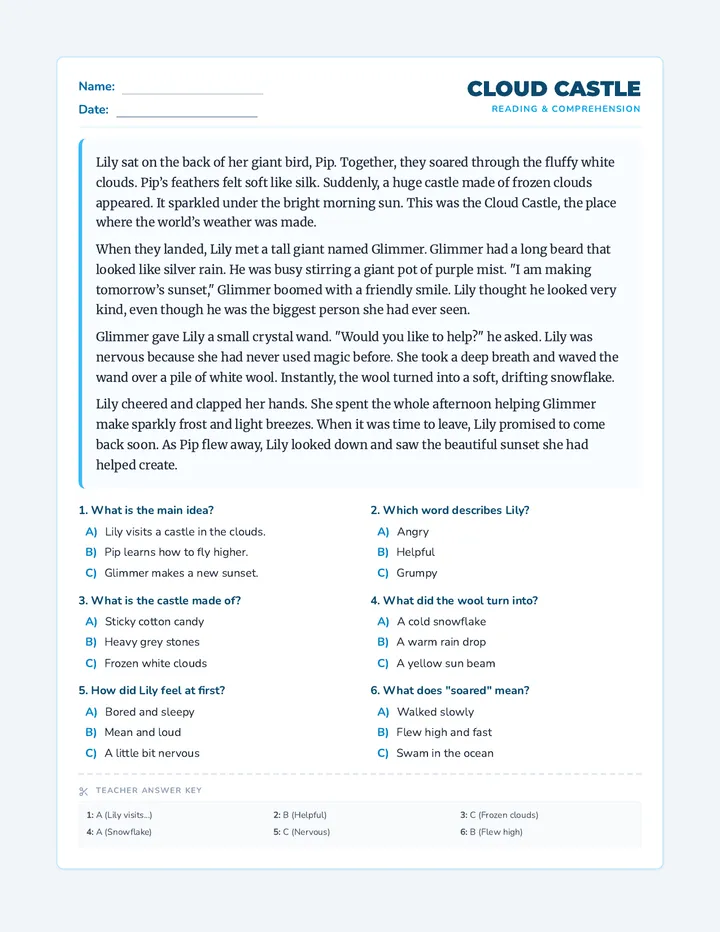
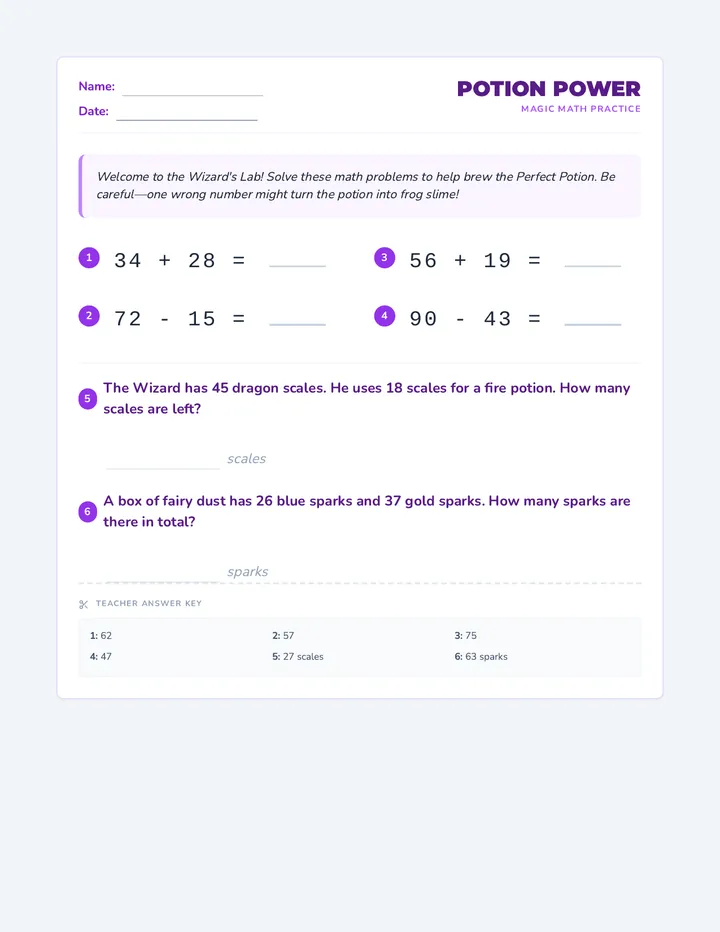
A collection of magical-themed lessons covering reading comprehension and early mathematics for primary students.
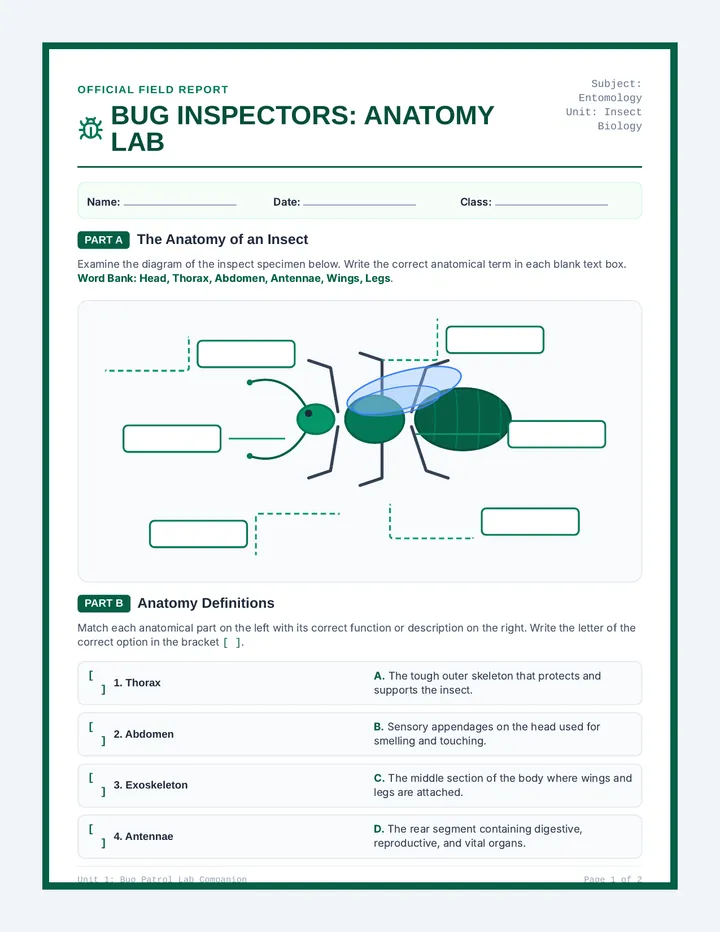
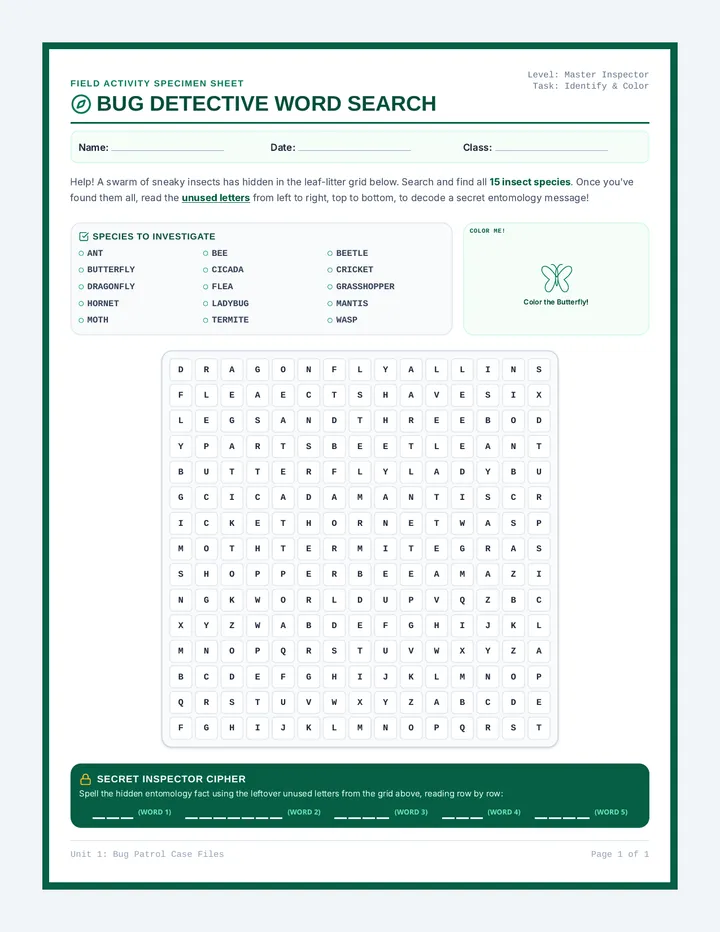
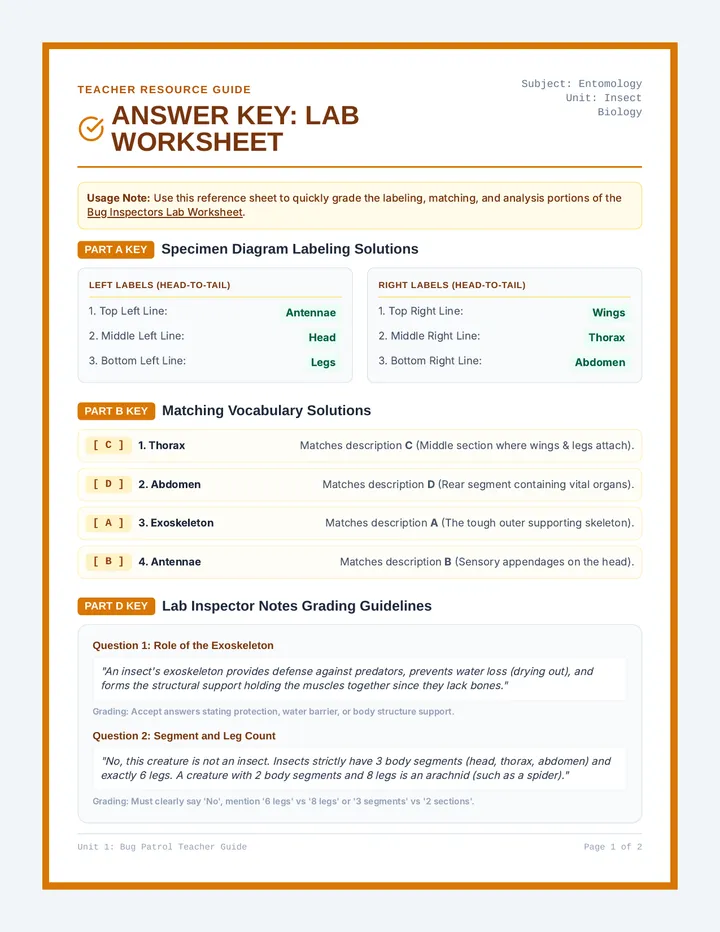
An insect-themed science and vocabulary lesson where students inspect insect anatomy, identify bug types, and complete highly engaging puzzles including a labeling lab sheet and a comprehensive word search.
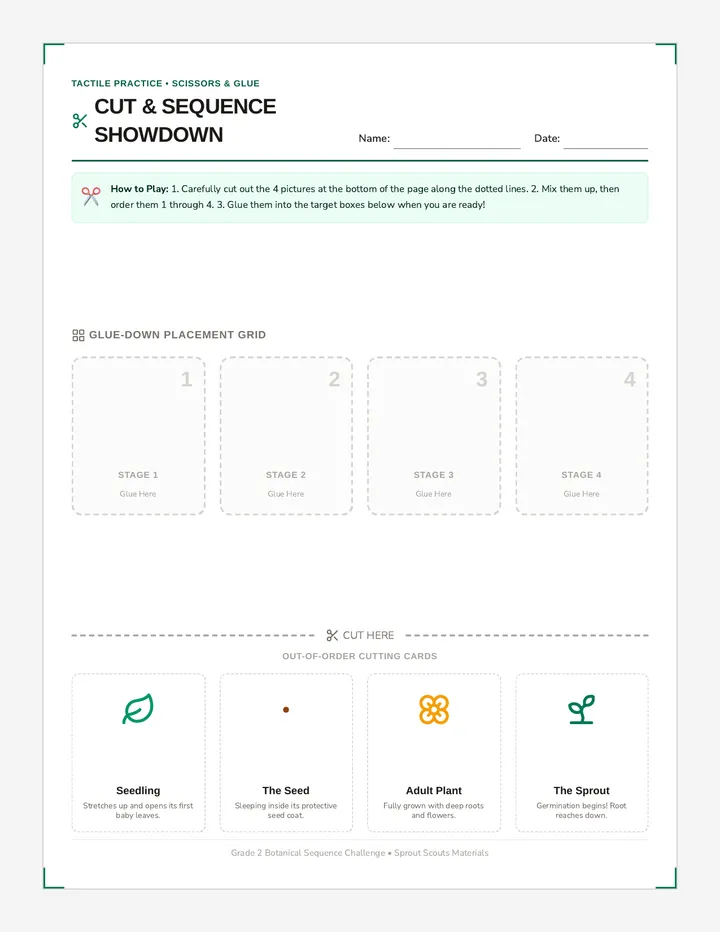
An interactive 1-page scissor-skills and sequence sorting activity. Features a numbered placement grid at the top and dotted-line cut-out cards at the bottom for tactile hands-on sorting.
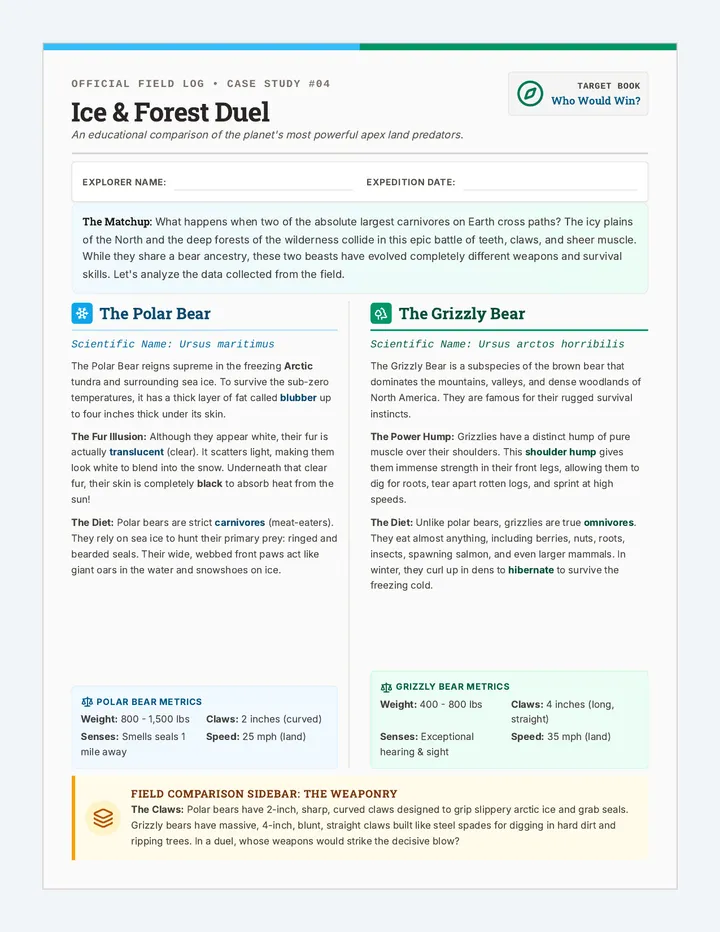
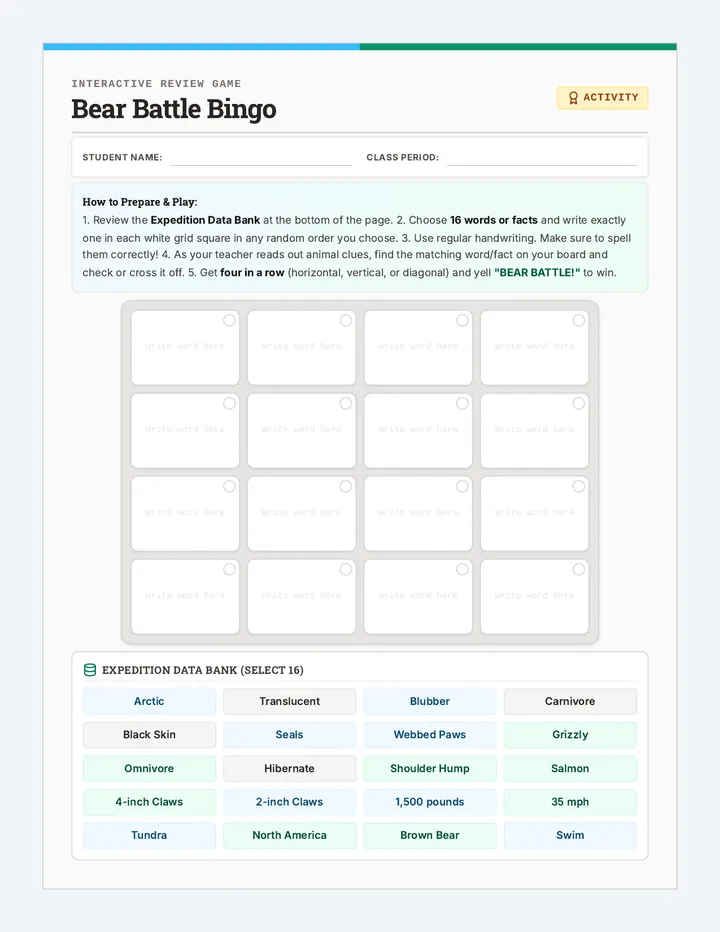
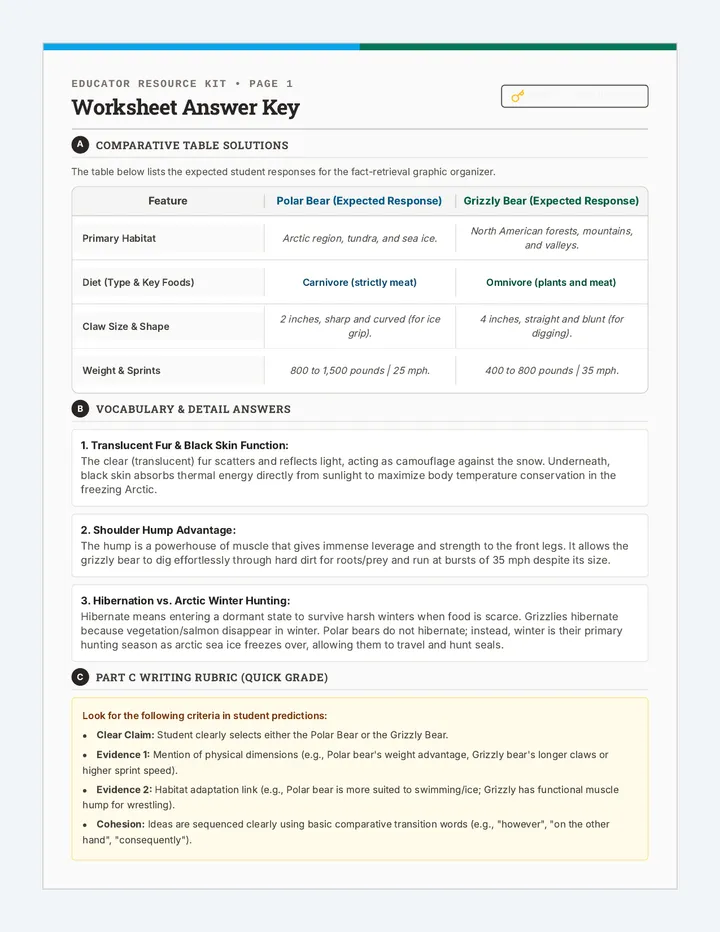
A thrilling comparison lesson focused on polar bears and grizzly bears. Students read a themed comparison passage, complete fact-retrieval questions, and play a write-in bingo review game based on the book 'Who Would Win? Polar Bear vs. Grizzly Bear'.
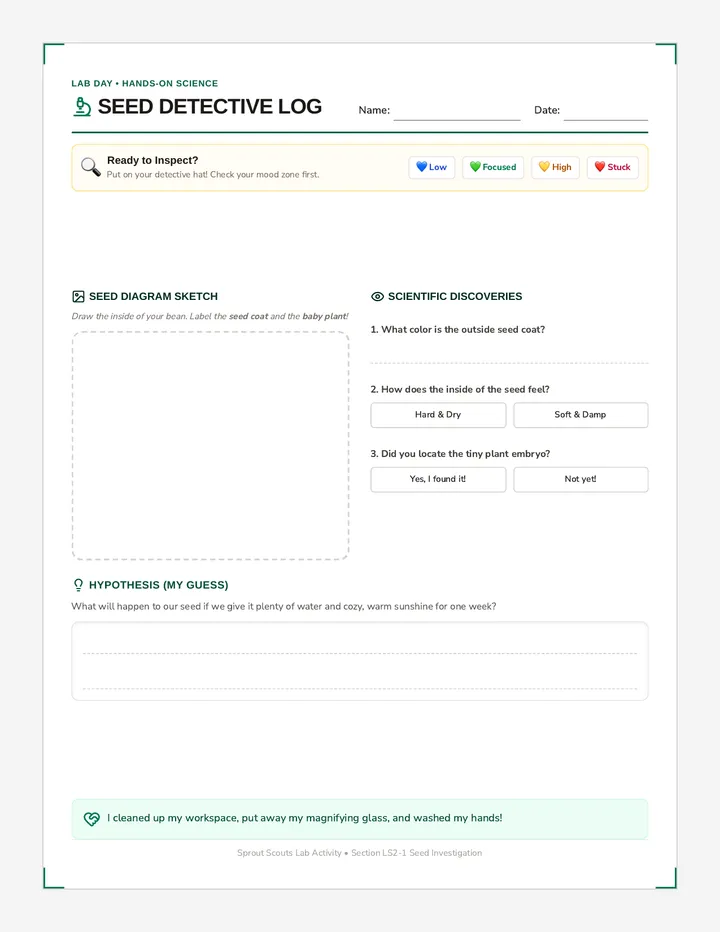
A 1-page hands-on Lab Observation Log designed for the lima bean dissection experiment. Provides dedicated drawing boxes, sensory observation prompts, and an interactive emotional Zone check-in to support self-regulation.