A drawing closure activity where students illustrate a shark using its electroreception superpower to find hidden prey, encouraging creative application of the lesson's core concept.
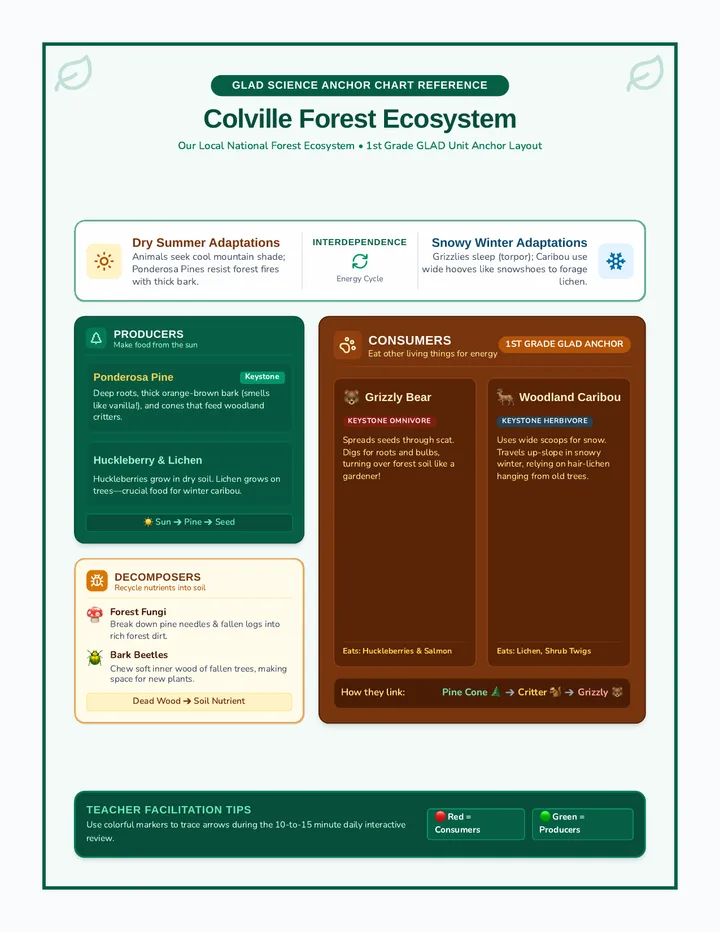
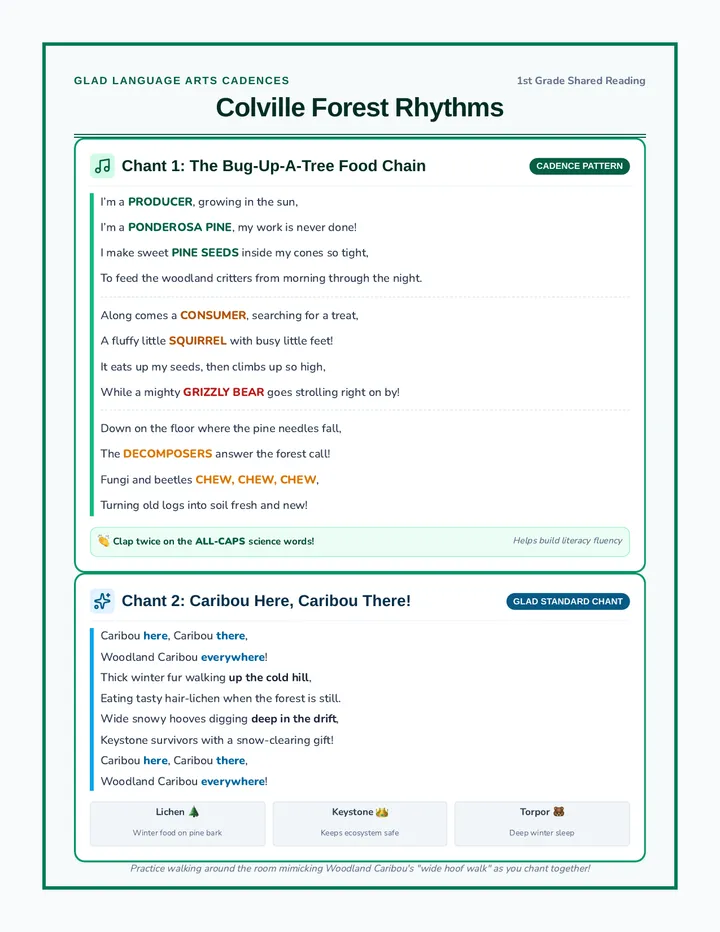
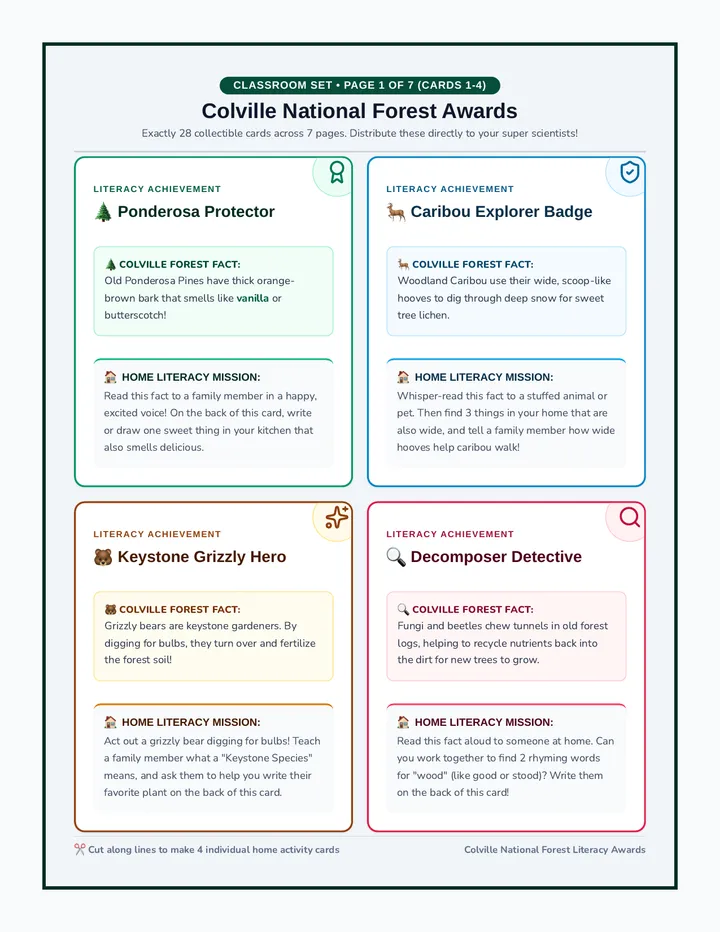
An immersive 1st-grade GLAD unit focused on the Colville National Forest ecosystem. Students explore food chains, interdependence, seasonal changes, and local keystone species through visual charts, rhythmic chants, and rewarding literacy achievements.
A 1st-grade science unit where students work in expert groups to explore Earth, the Moon, Jupiter, and Venus in relation to the Sun. Each group reads specialized text and sketches key observations to build collaborative knowledge.
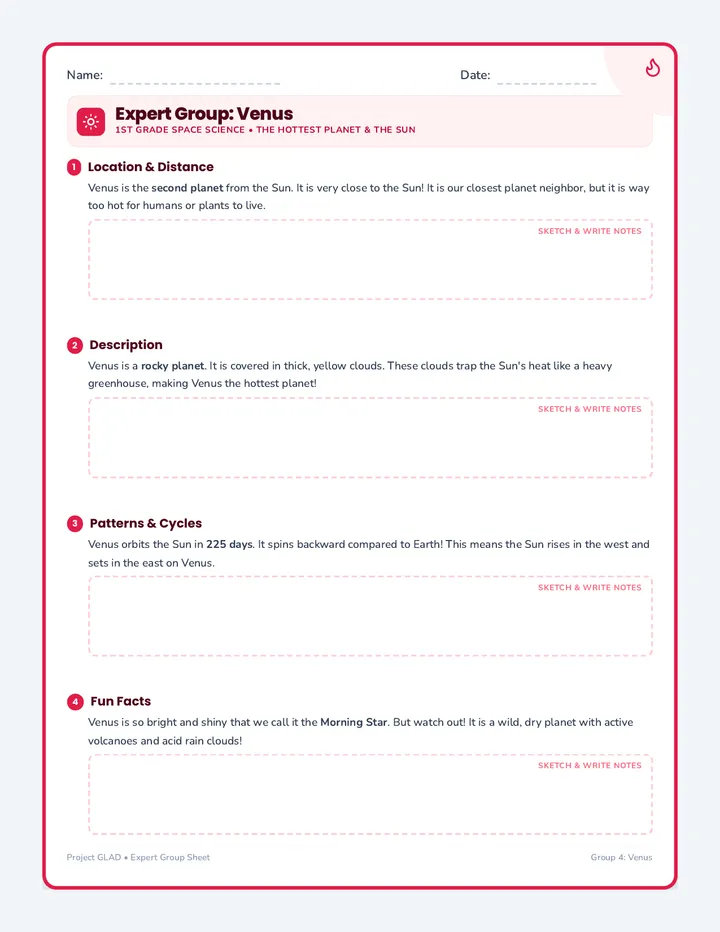
A 1st-grade GLAD style expert group worksheet for Venus. It includes four core categories (Location & Distance, Description, Patterns & Cycles, and Fun Facts) with simple, high-frequency text and blank boxes for student sketching and note-taking.
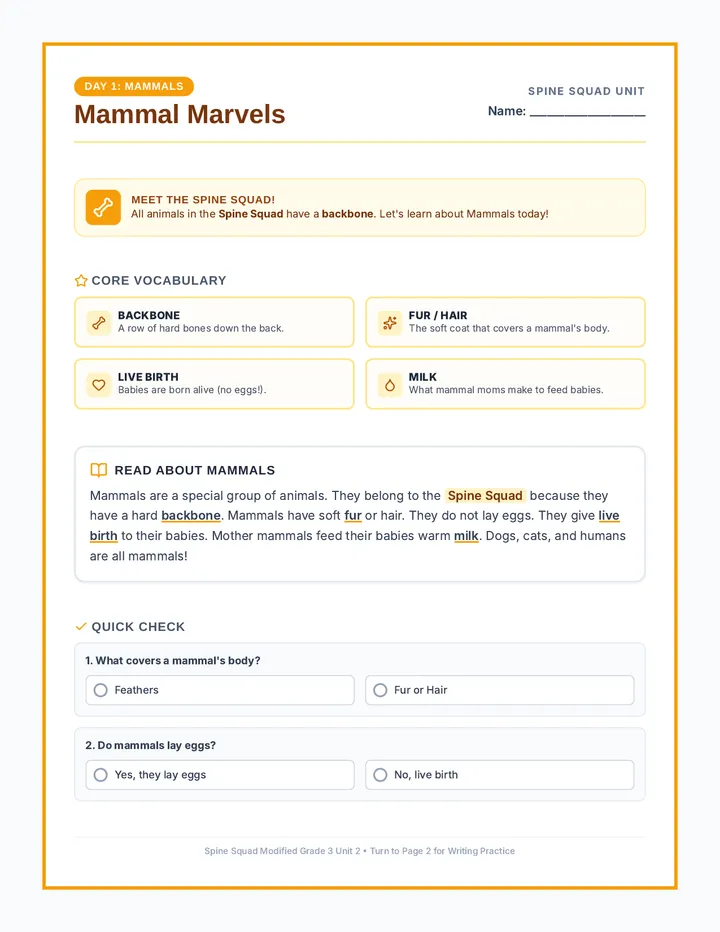
A five-day modified animal classification unit focusing on the five main vertebrate groups, designed with extensive visual support, sentence frames, and tracing options for modified learning.
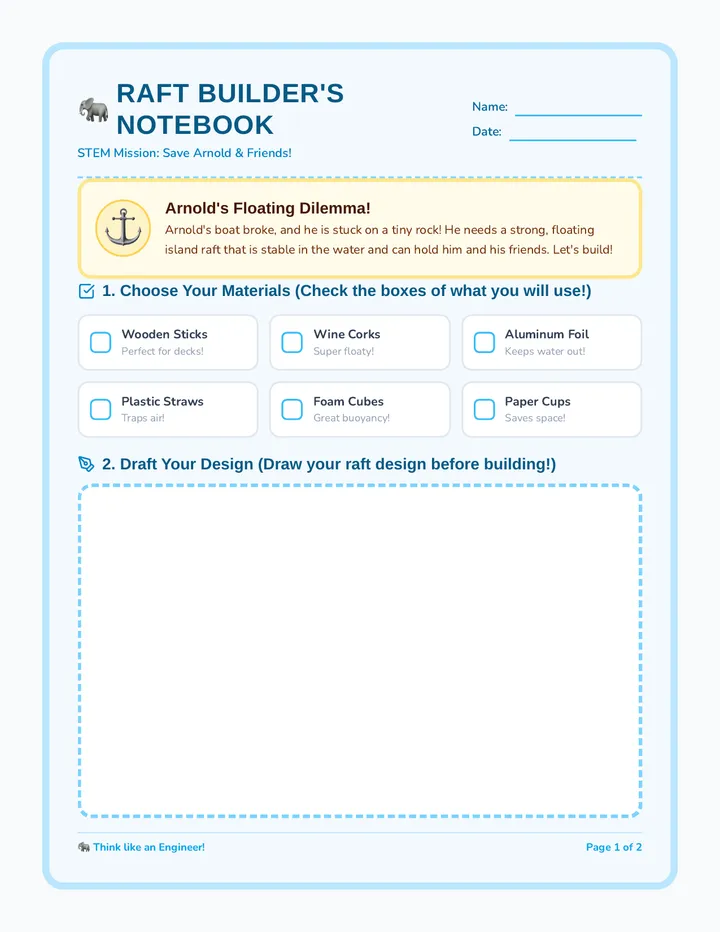
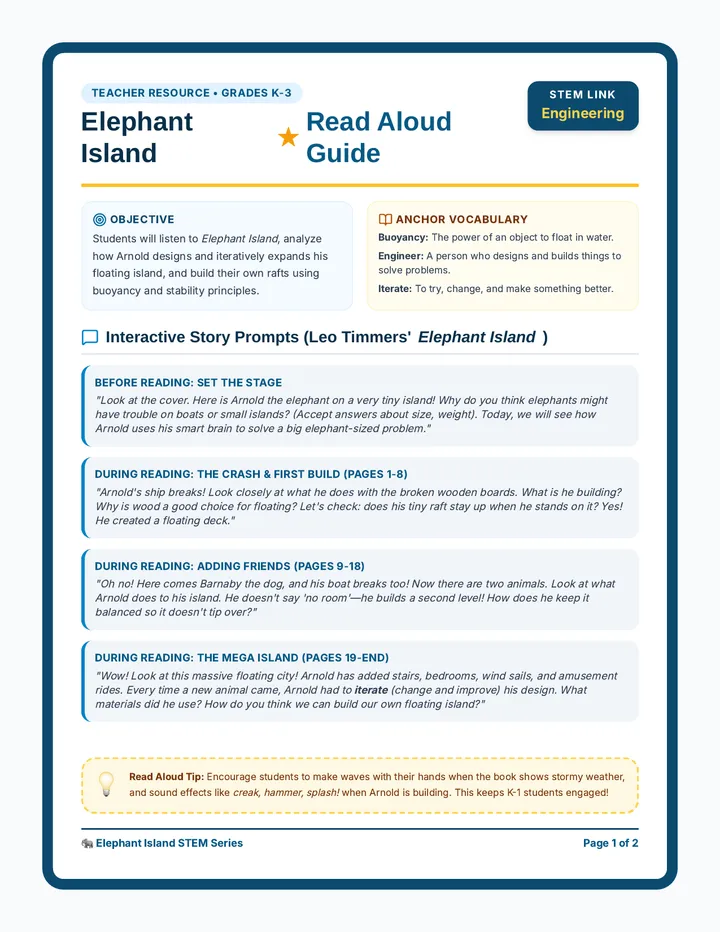
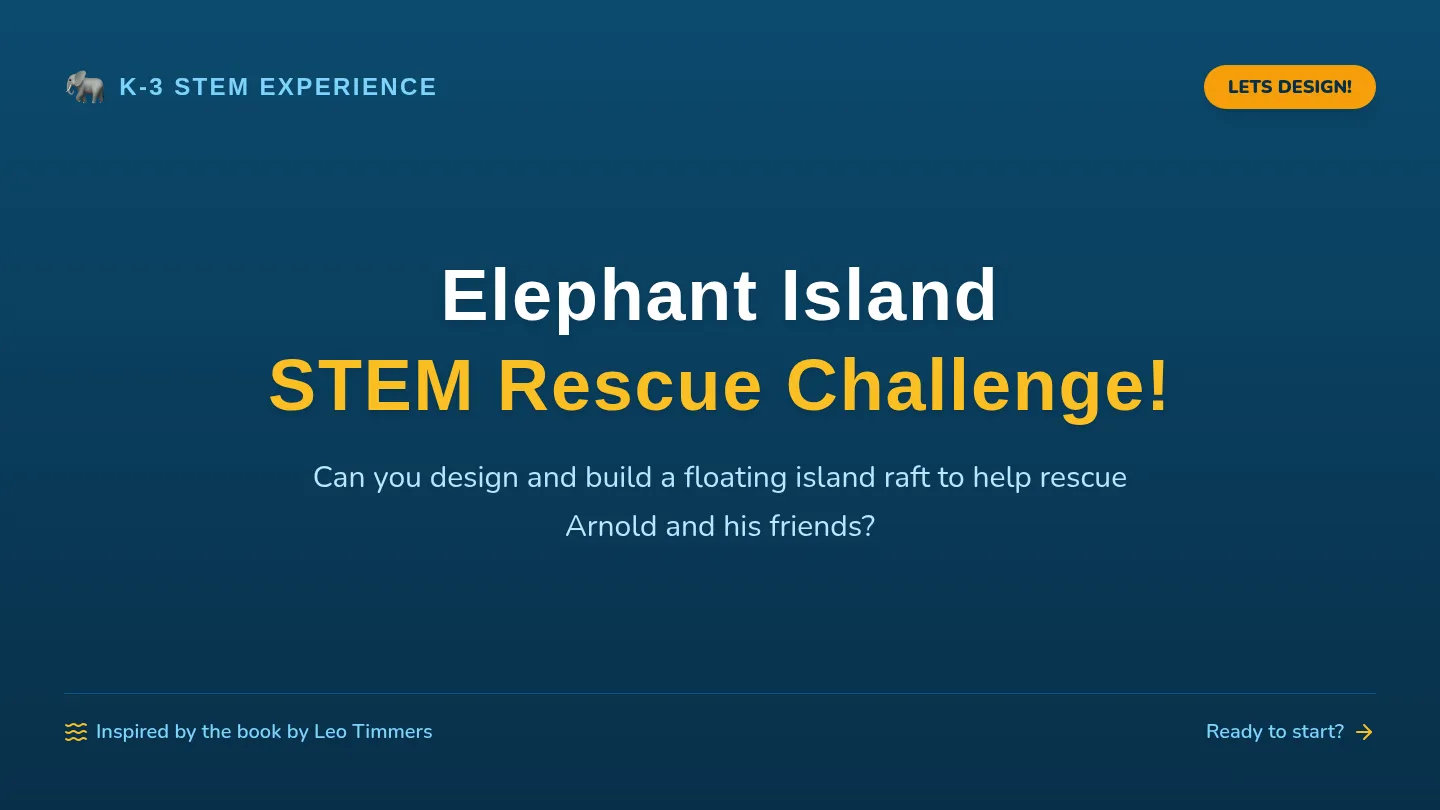
An interactive STEM challenge and read-aloud experience based on Leo Timmers' 'Elephant Island'. Students design and build floating island rafts to rescue Arnold and his friends.
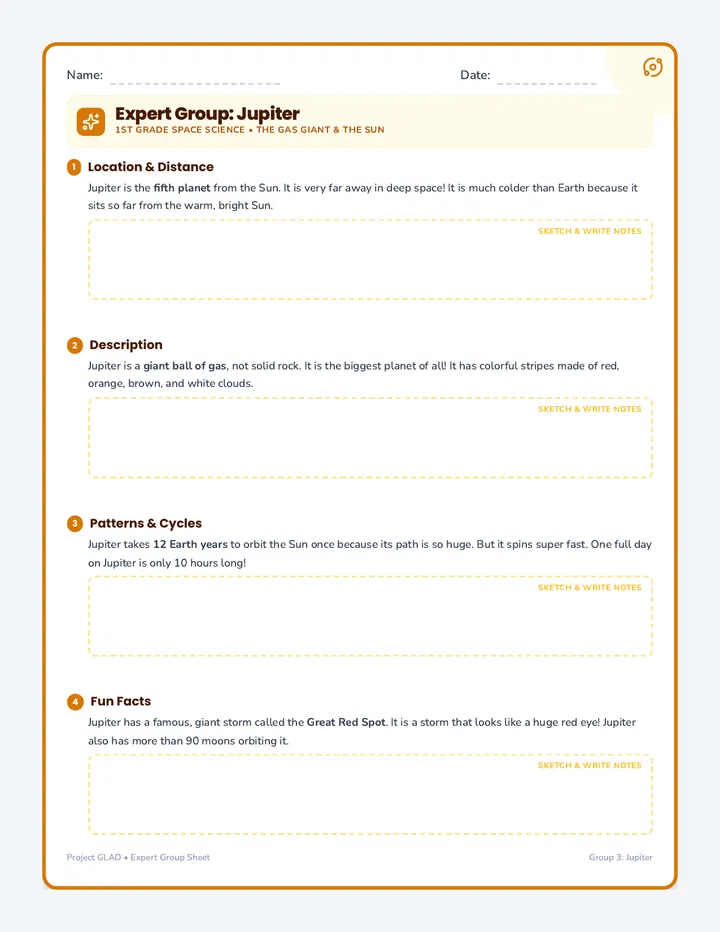
A 1st-grade GLAD style expert group worksheet for Jupiter. It includes four core categories (Location & Distance, Description, Patterns & Cycles, and Fun Facts) with simple, high-frequency text and blank boxes for student sketching and note-taking.
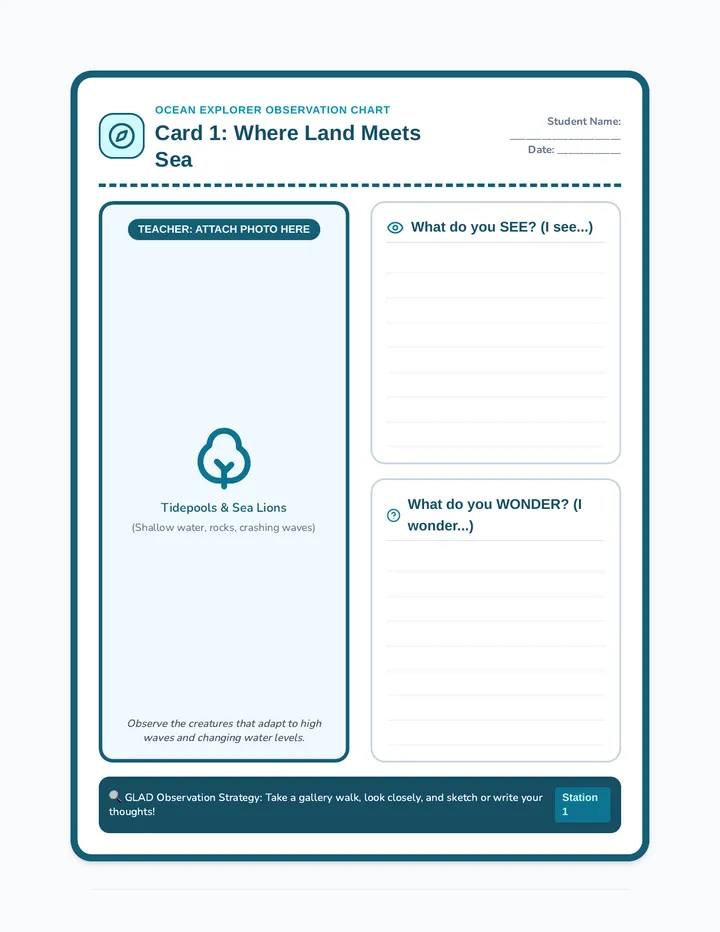
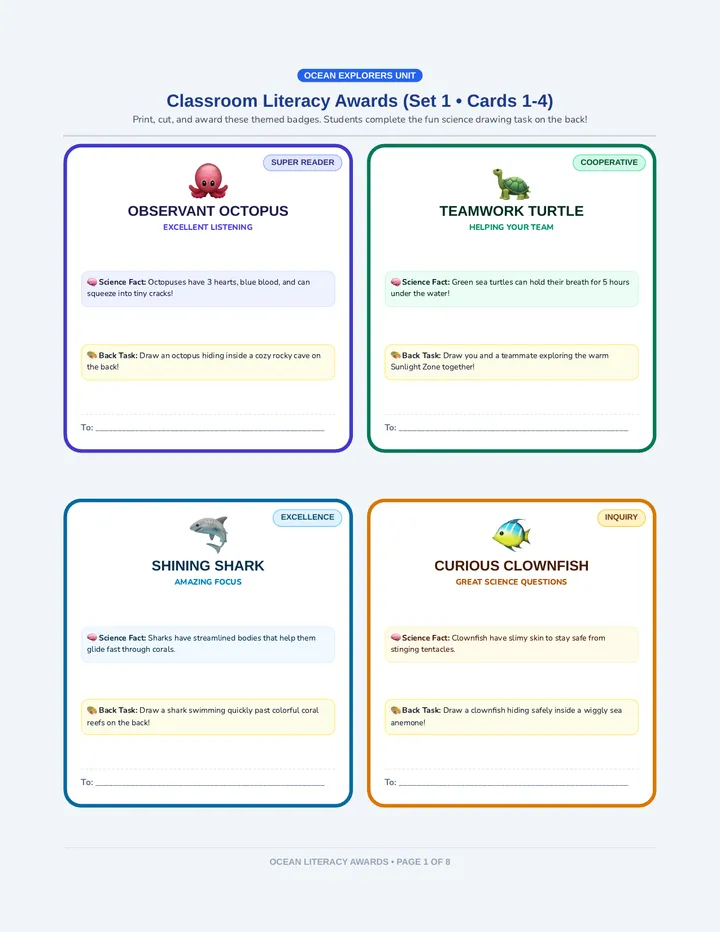
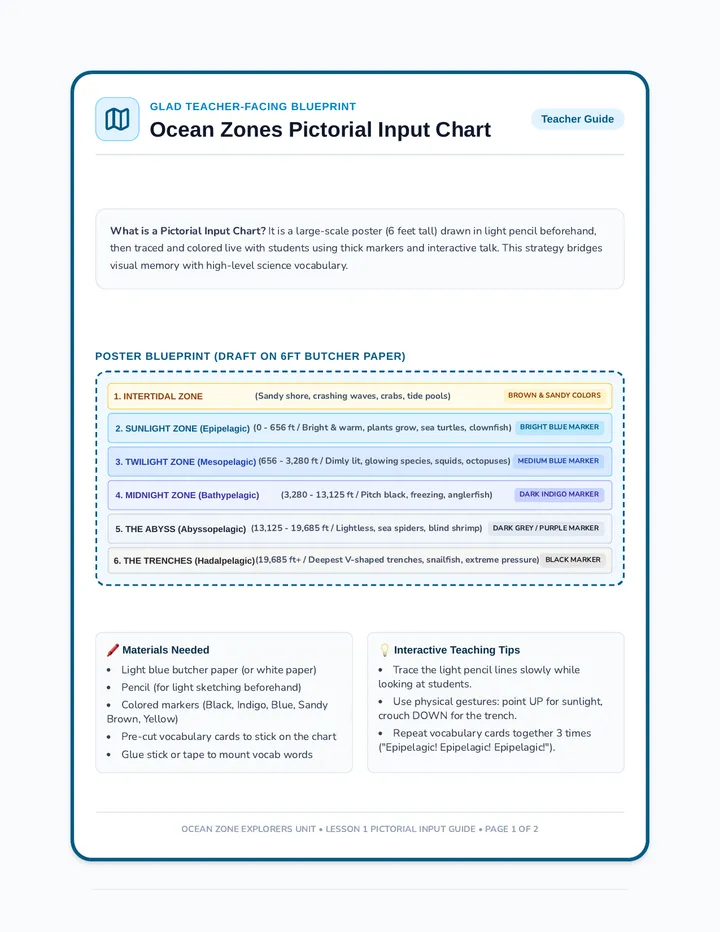
An immersive 1st-grade GLAD science and literacy sequence that guides young learners from the sunny surface to the deepest, darkest trenches, using cooperative learning, narrative inputs, and hands-on modeling.
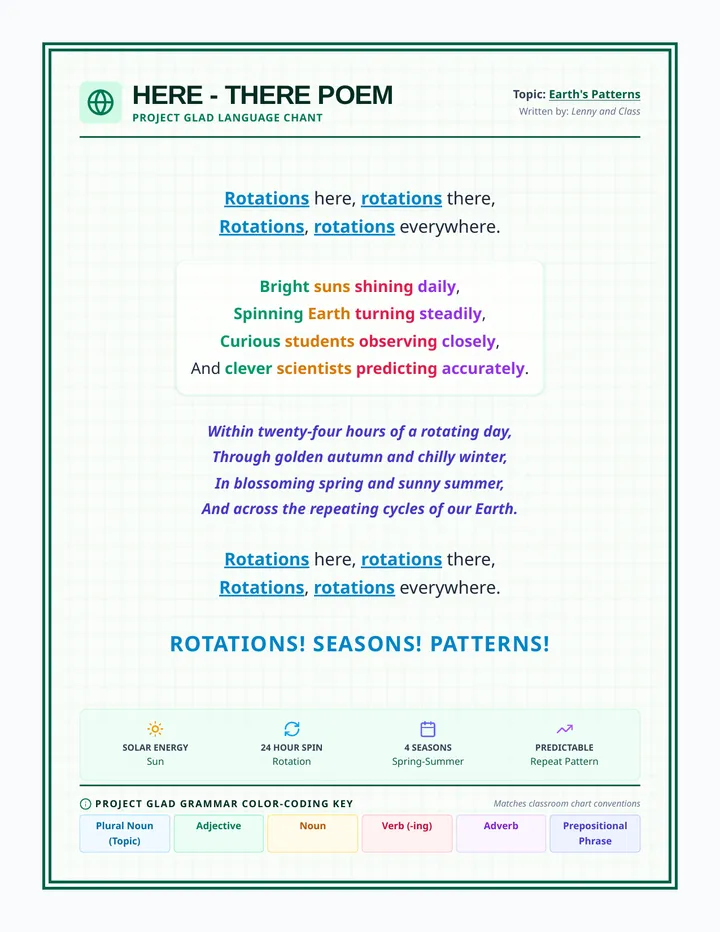
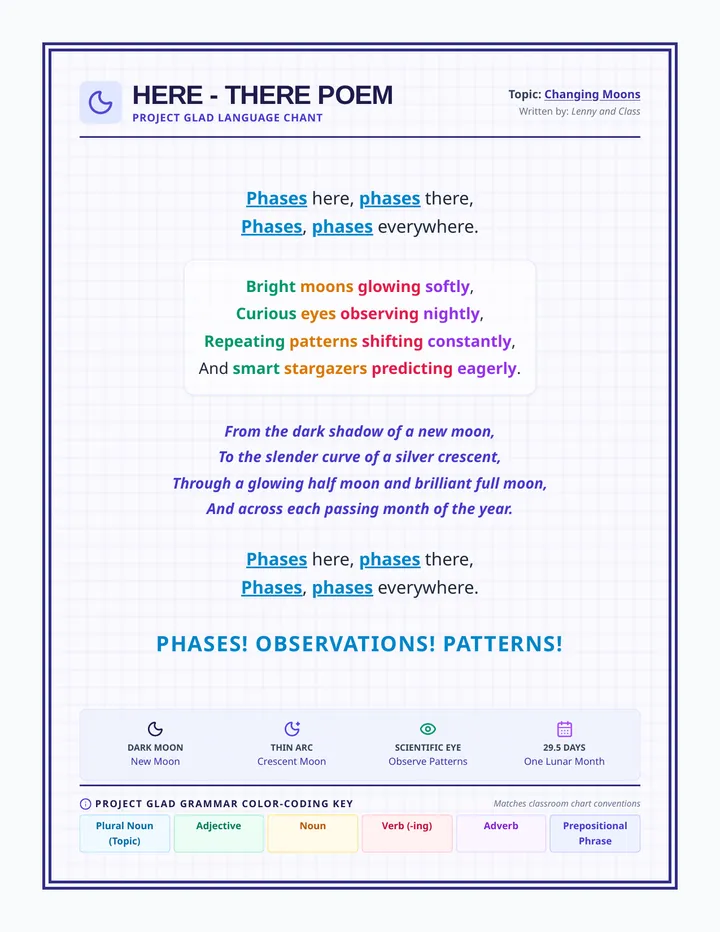
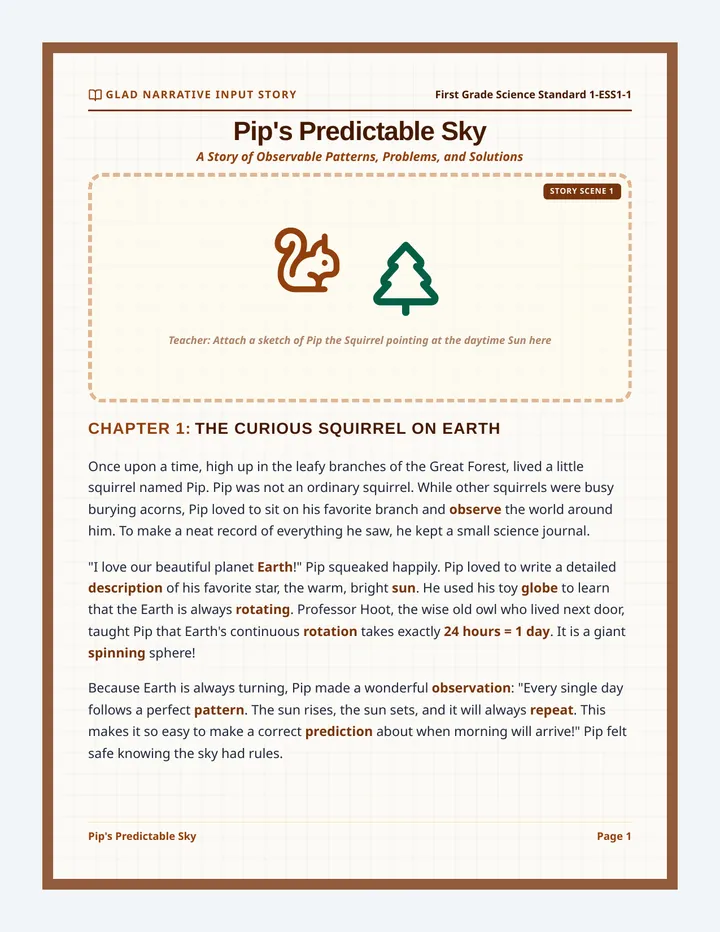
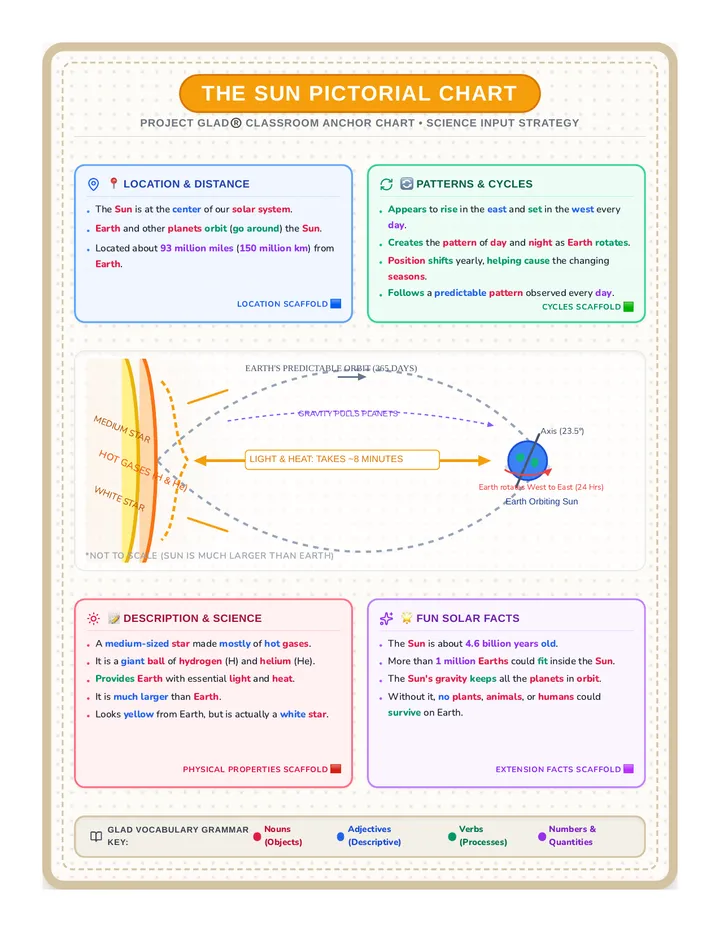
A set of beautifully color-coded GLAD (Guided Language Acquisition Design) Here/There chants that introduce students to repeating solar and lunar cycles. Includes classroom-ready anchor chart posters for rotating Earth patterns and changing moon phases.
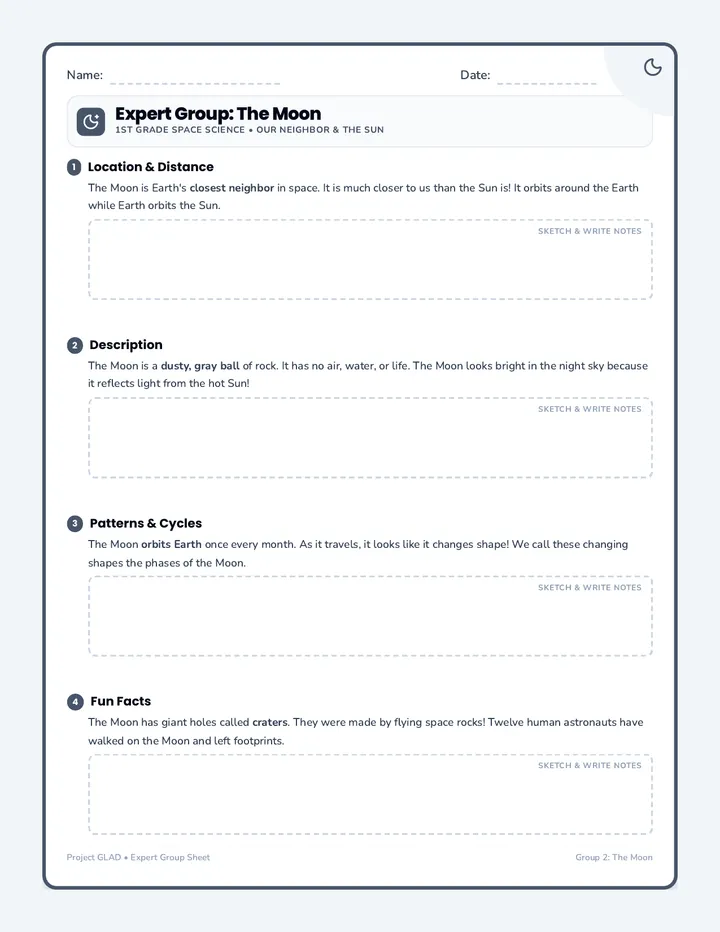
A 1st-grade GLAD style expert group worksheet for the Moon. It includes four core categories (Location & Distance, Description, Patterns & Cycles, and Fun Facts) with simple, high-frequency text and blank boxes for student sketching and note-taking.
An interactive unit lesson plan implementing Guided Language Acquisition Design (GLAD) strategies to teach 1st graders about the Colville National Forest ecosystem. Students interact with pictorial charts, chant high-frequency science vocabulary, and earn literacy awards detailing local keystone species, food webs, and seasonal changes.
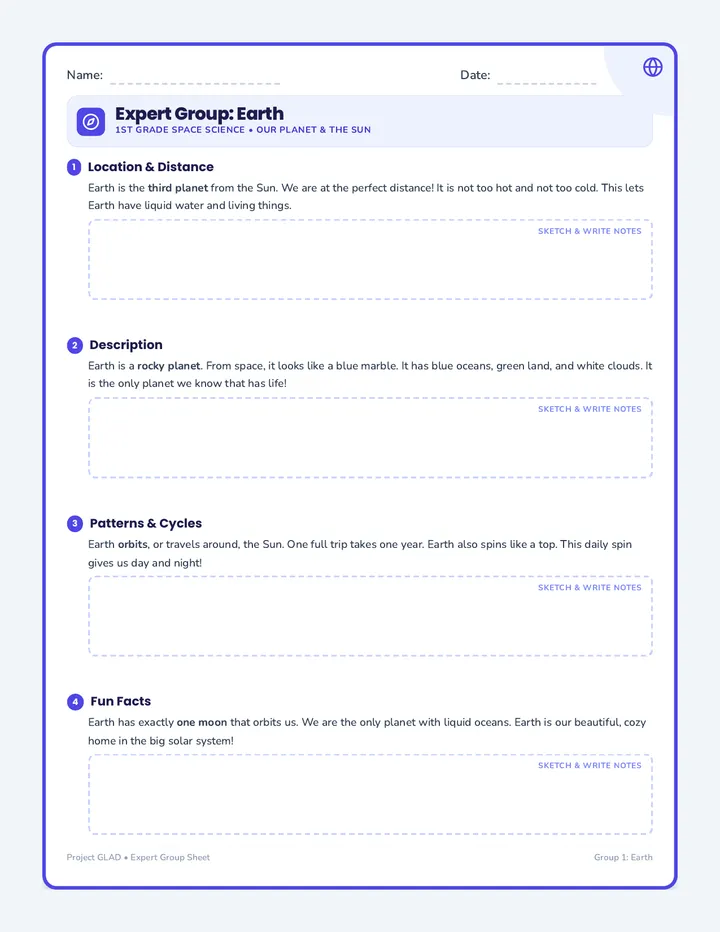
A 1st-grade GLAD style expert group worksheet for Earth. It includes four core categories (Location & Distance, Description, Patterns & Cycles, and Fun Facts) with simple, high-frequency text and blank boxes for student sketching and note-taking.
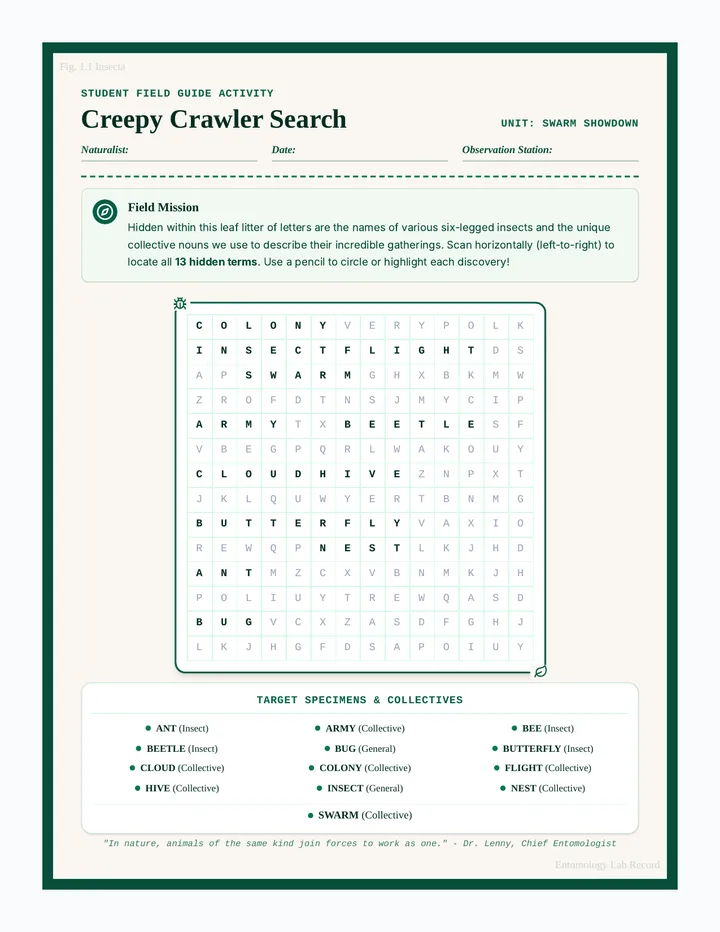
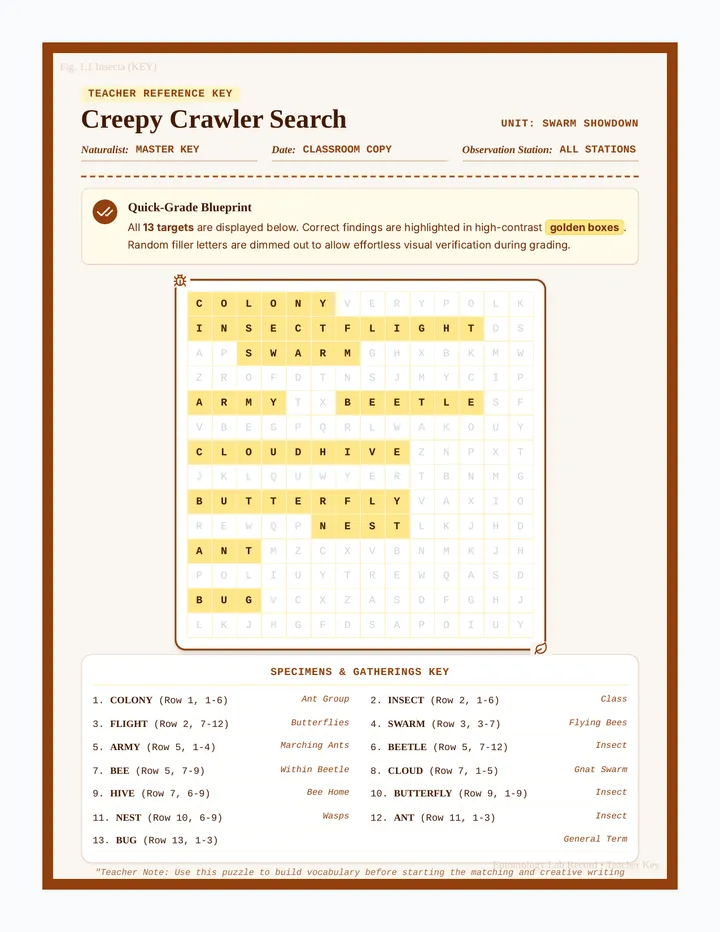
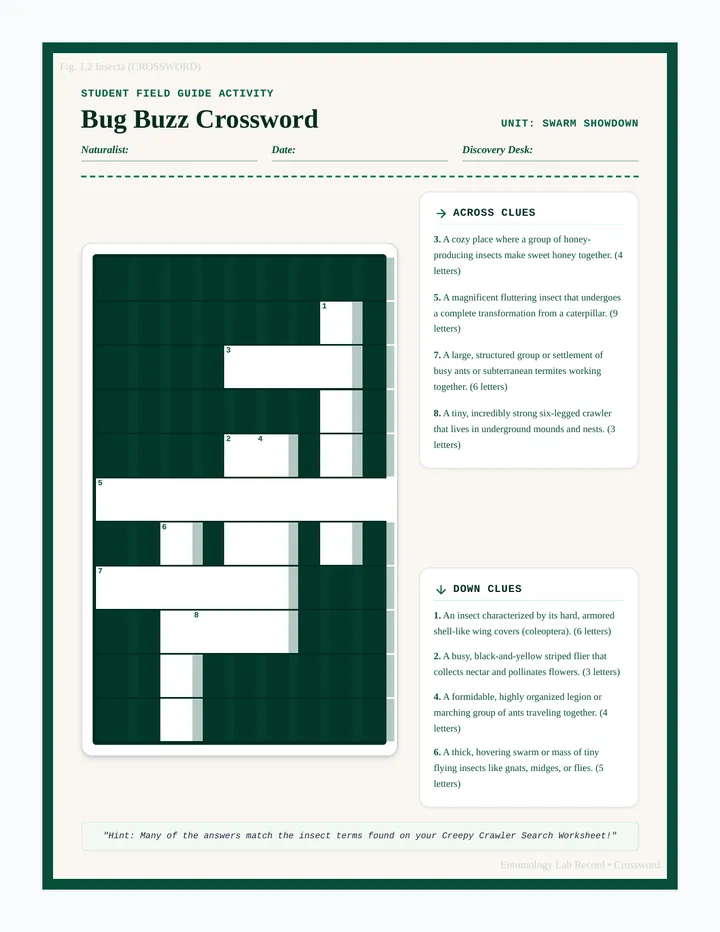
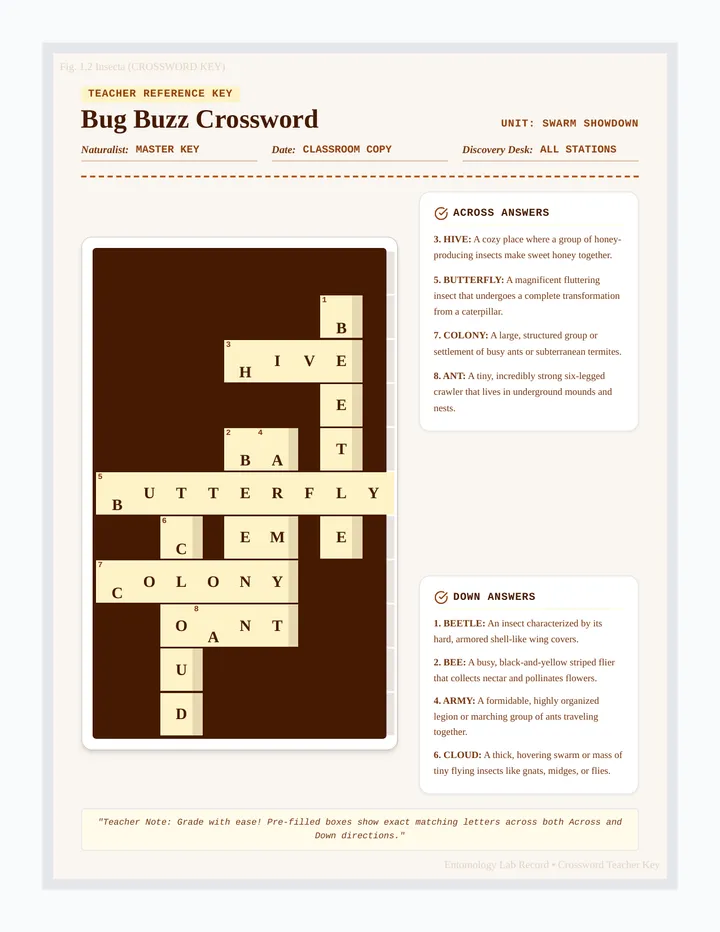
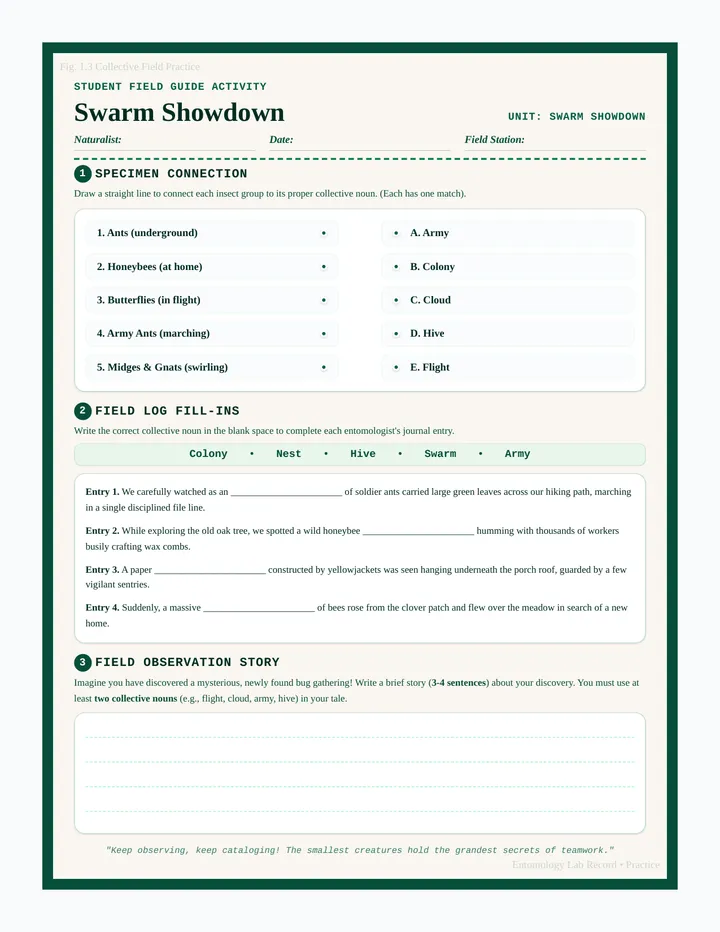
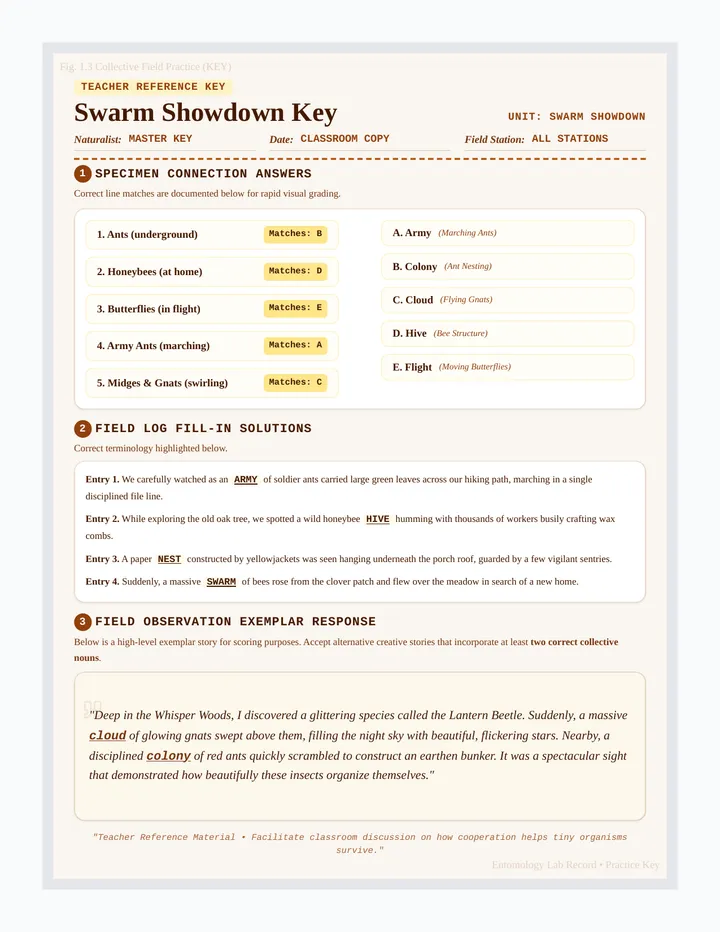
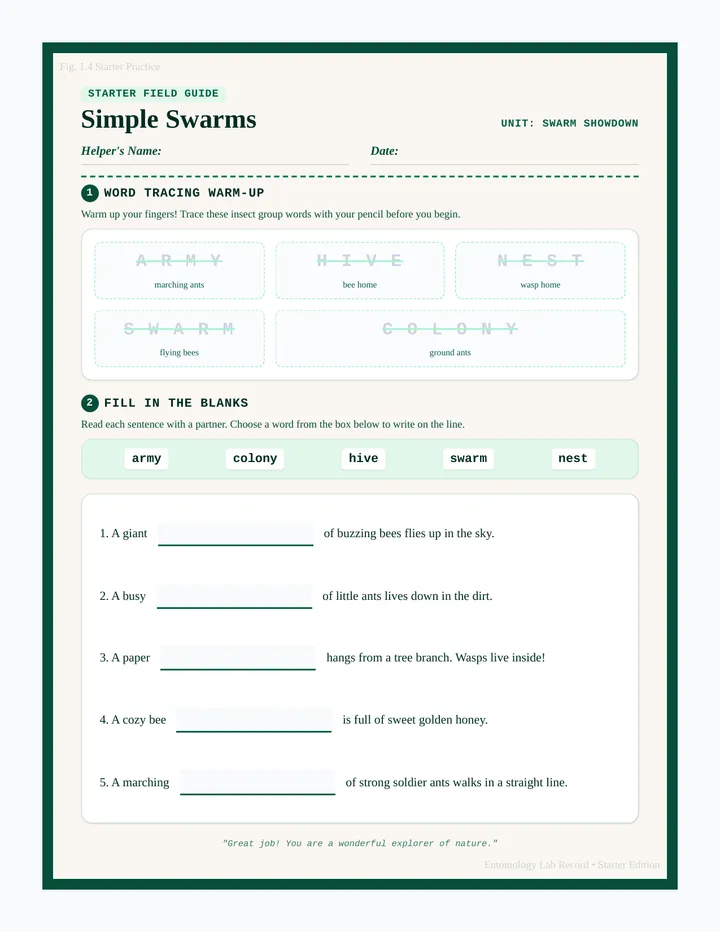
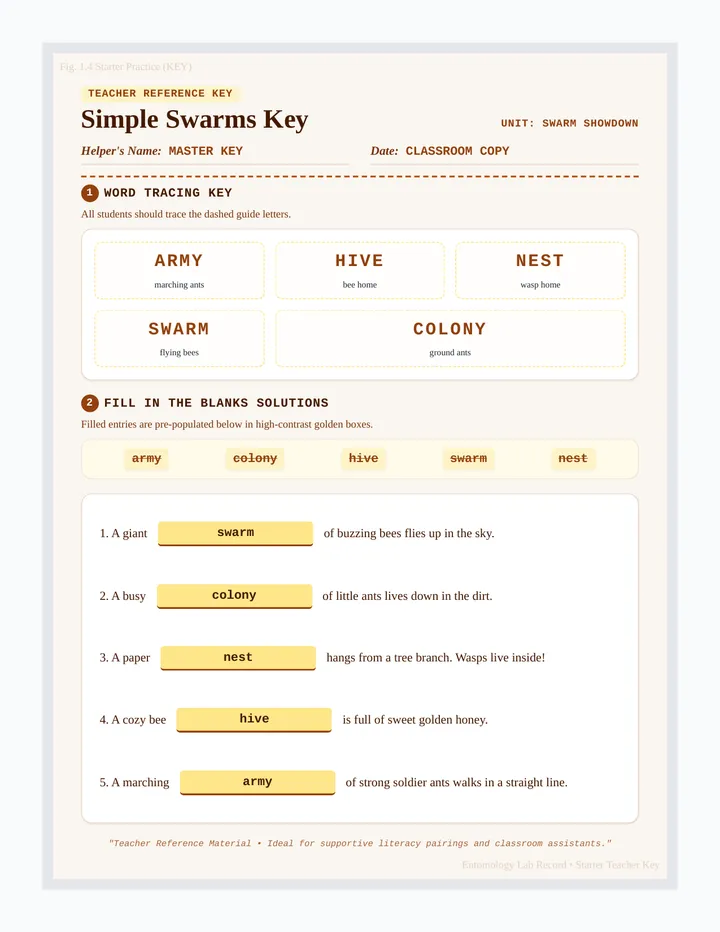
An engaging lesson on insect collective nouns and terminology, featuring a word search, crossword, and hands-on matching and writing activities exploring how bugs gather in groups.