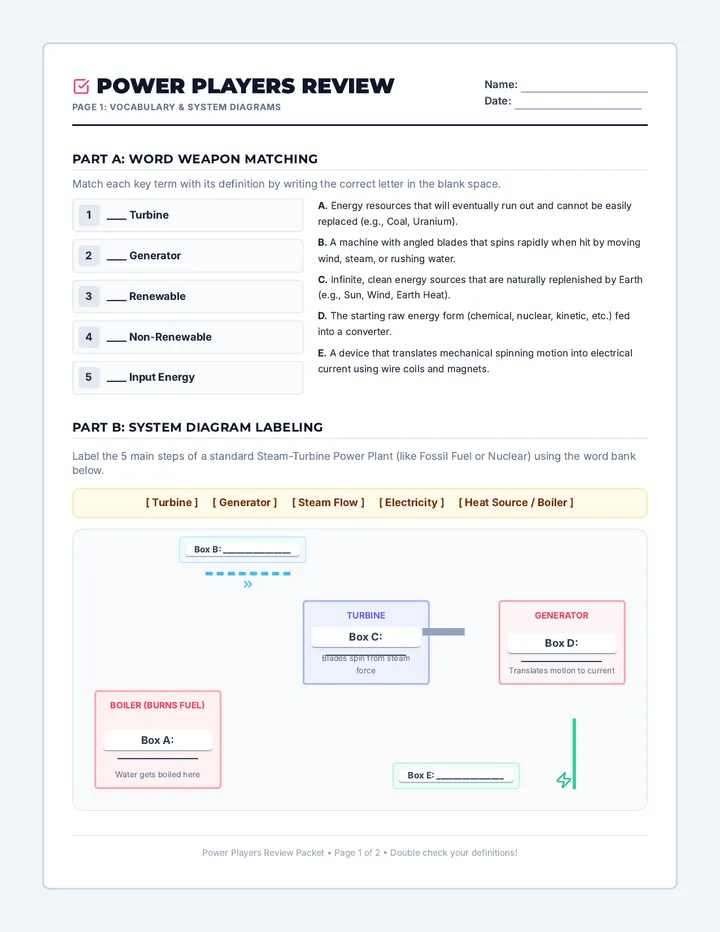
A comprehensive 2-page student review packet including key vocabulary matching, a steam-turbine power system labeling diagram, and situational short-answer analysis questions for real-world energy scenarios.
A multi-grade collection of scientific reading comprehension and response booklets designed to build disciplinary literacy in Earth, Life, and Physical sciences across elementary and middle school levels.
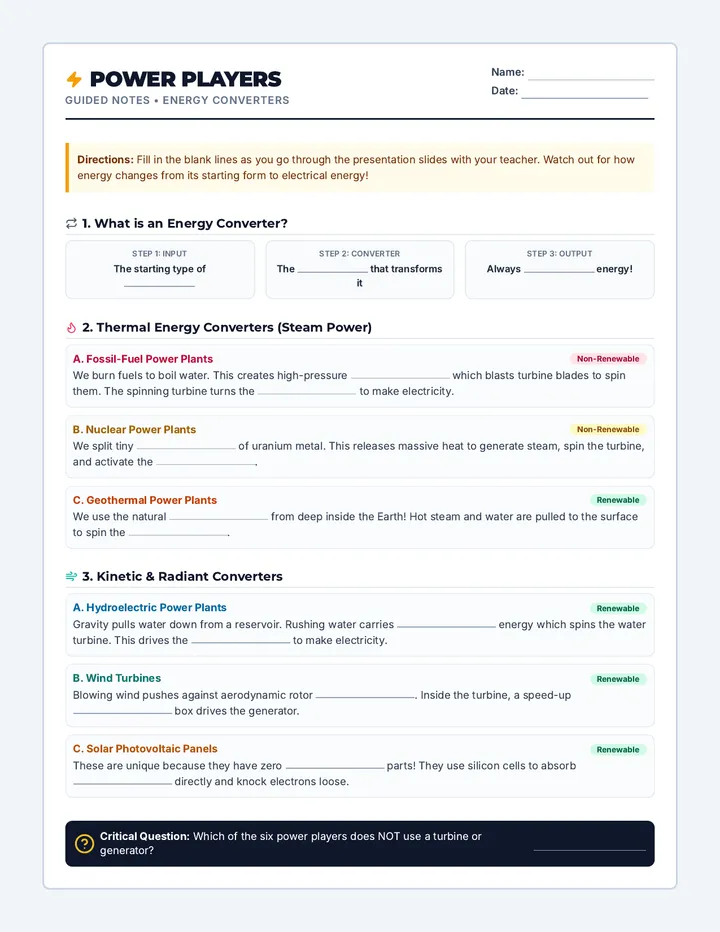
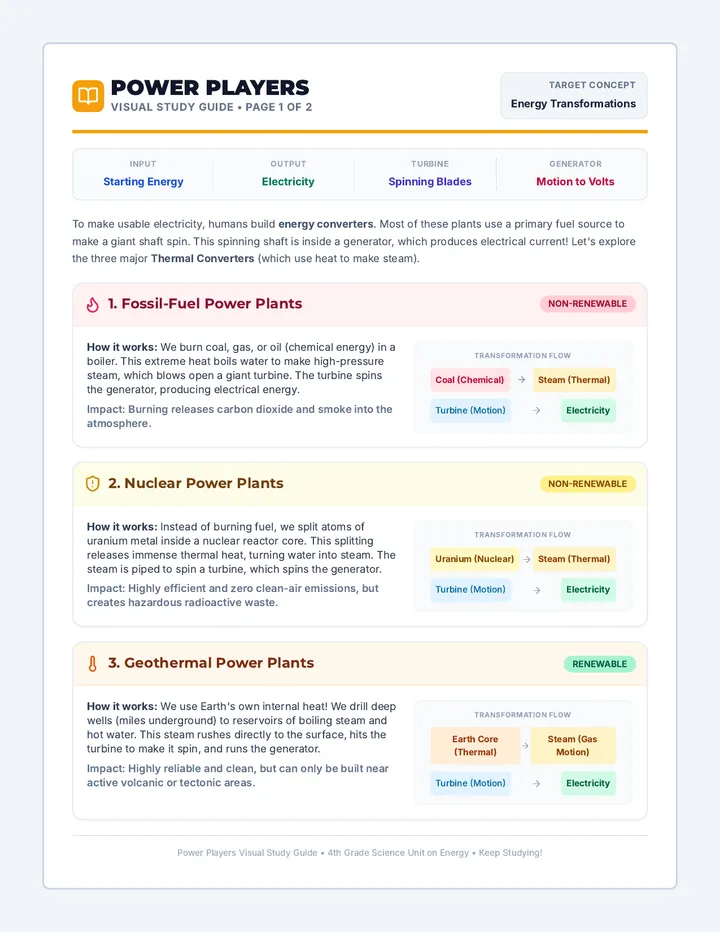
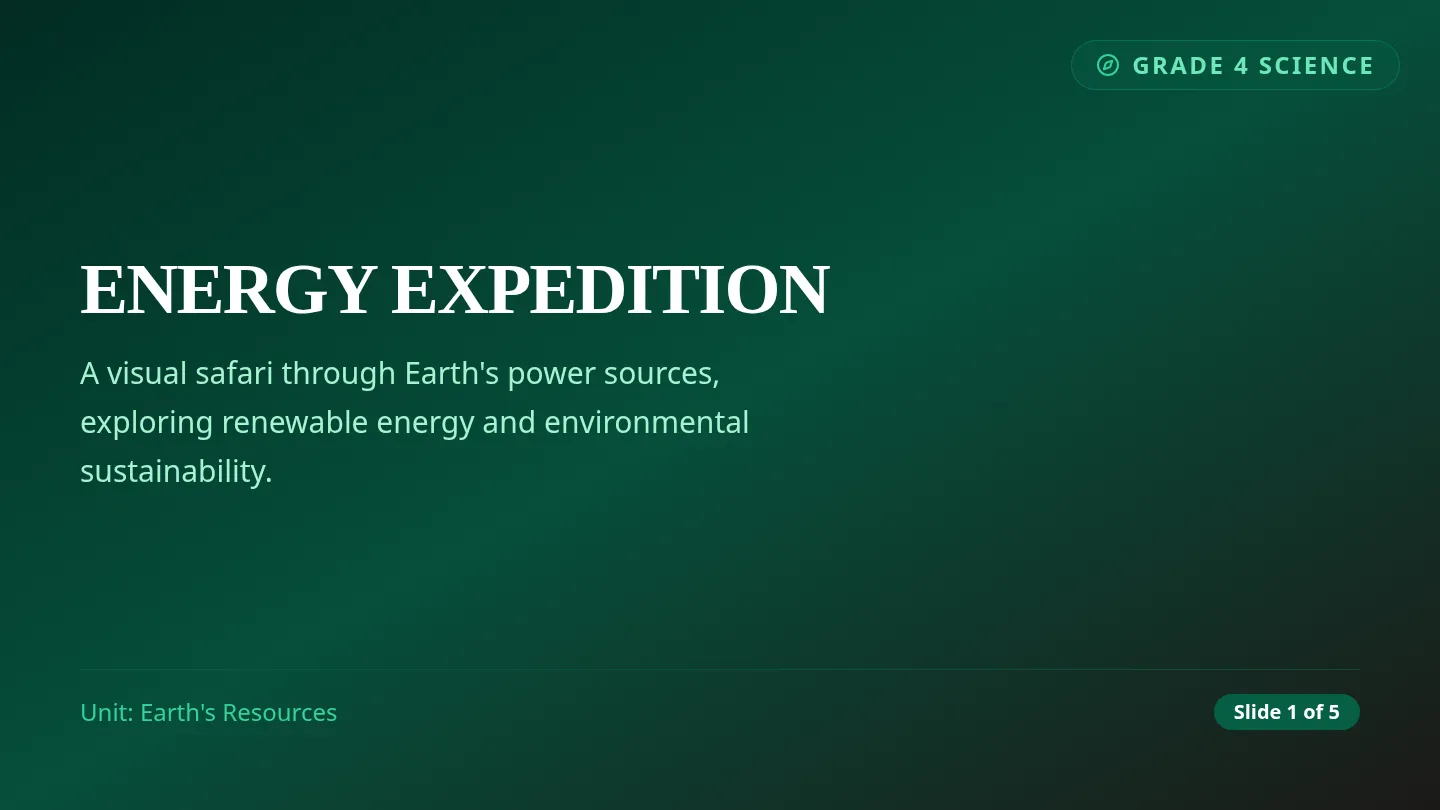
An interactive, visual lesson for 4th-grade students exploring how six major energy converters (fossil fuel, nuclear, geothermal, wind, solar, and hydro) transform energy inputs into electricity. Includes instructional slides, guided notes, a visual study guide, matching task cards, and a comprehensive review packet.
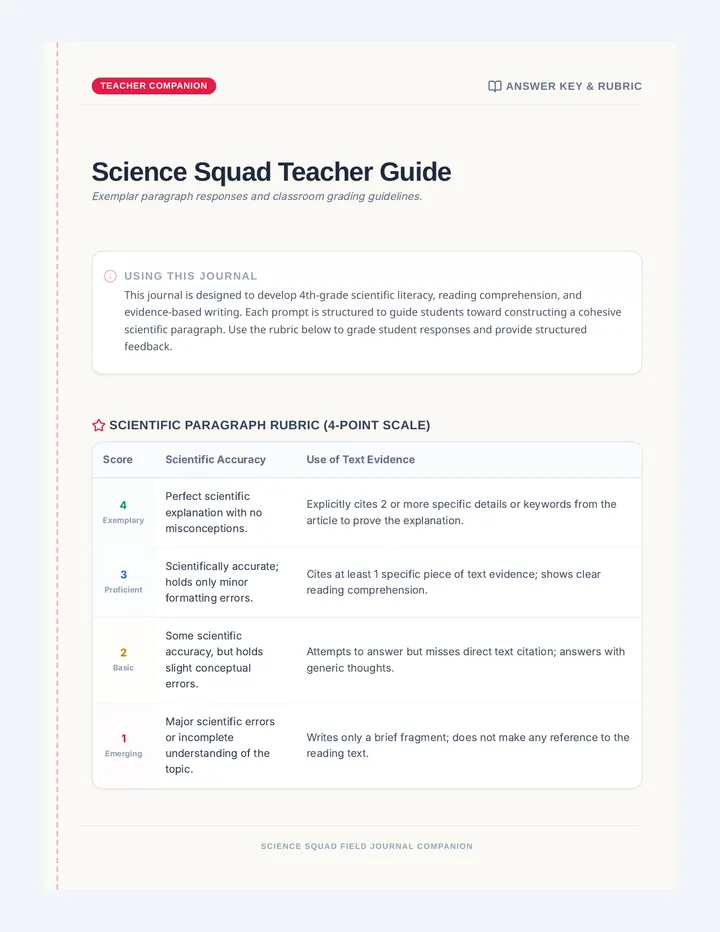
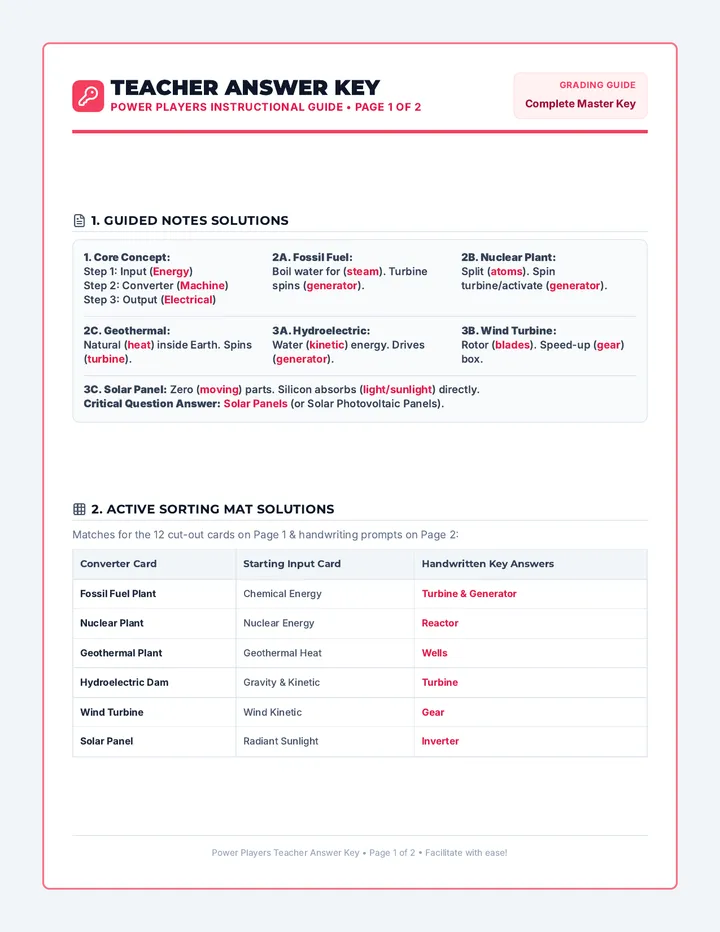
A comprehensive 2-page teacher-facing answer key and instructional grading rubric that provides precise solutions for the Guided Notes, Active Sorting Mat, and 2-page Review Packet.
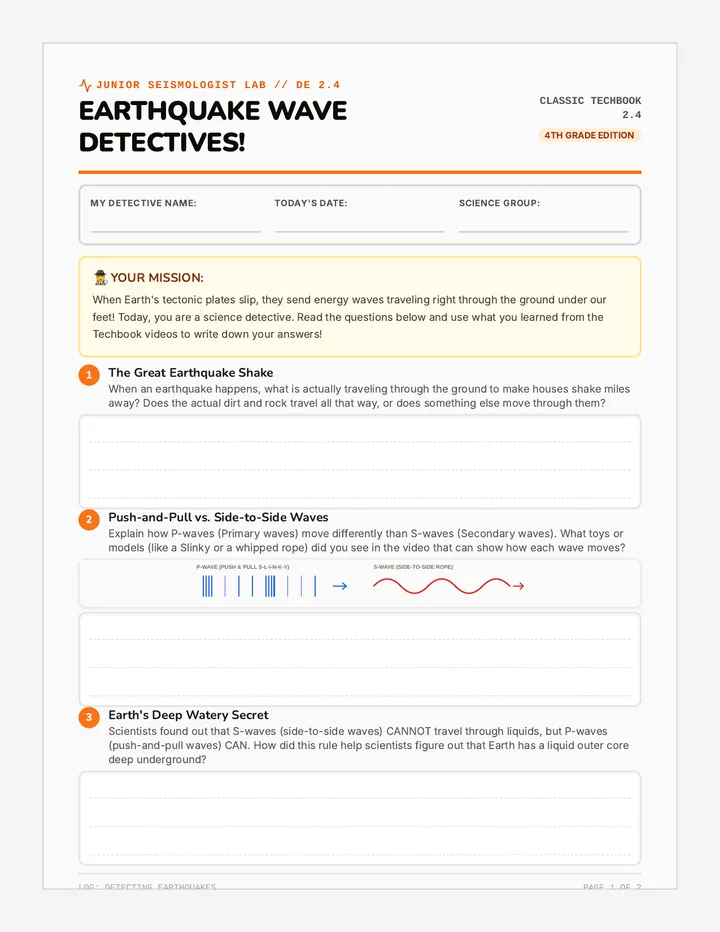
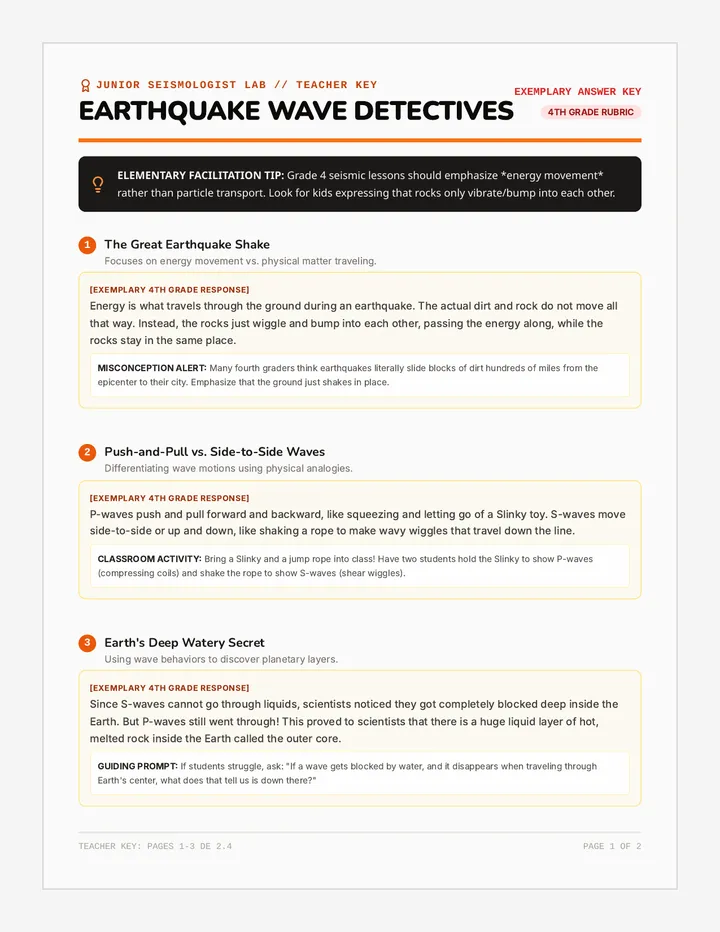
An earth and space science curriculum unit covering dynamic earth processes, earthquake wave mechanics, atmospheric pressure systems, and weather prediction techniques.
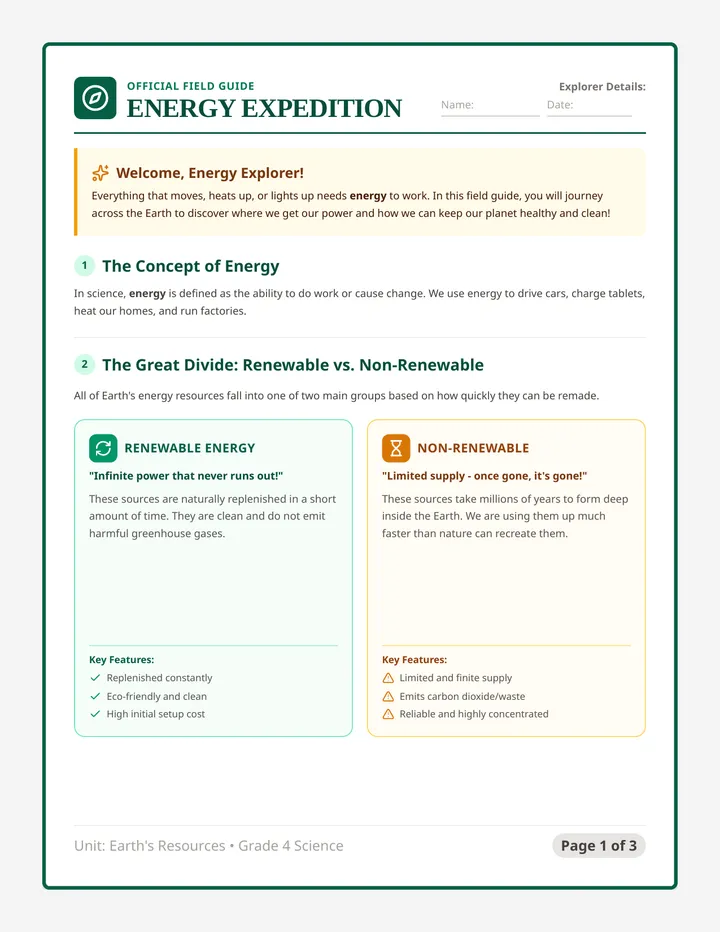
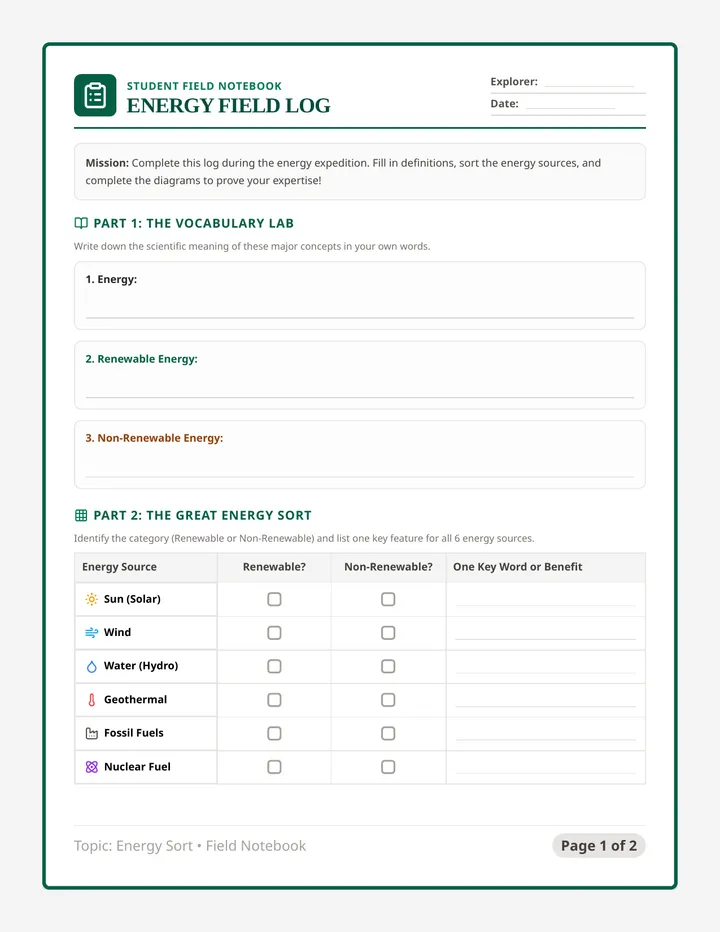
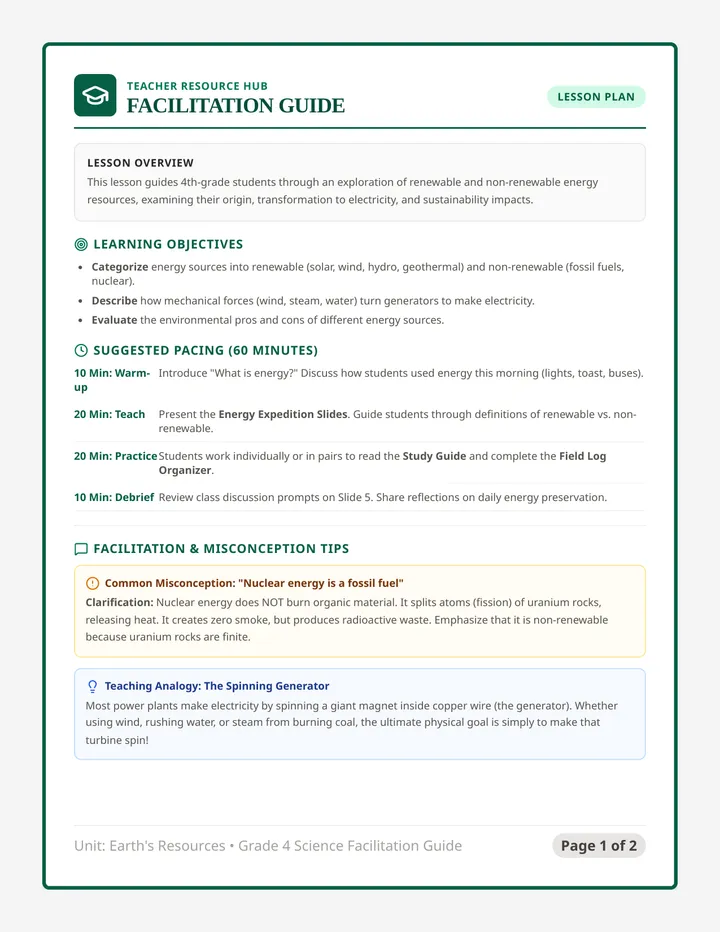
A comprehensive 4th-grade science lesson exploring renewable and non-renewable energy sources. Students learn to categorize and compare sun, wind, water, geothermal, fossil fuel, and nuclear energy through an illustrated field guide and interactive organizers.
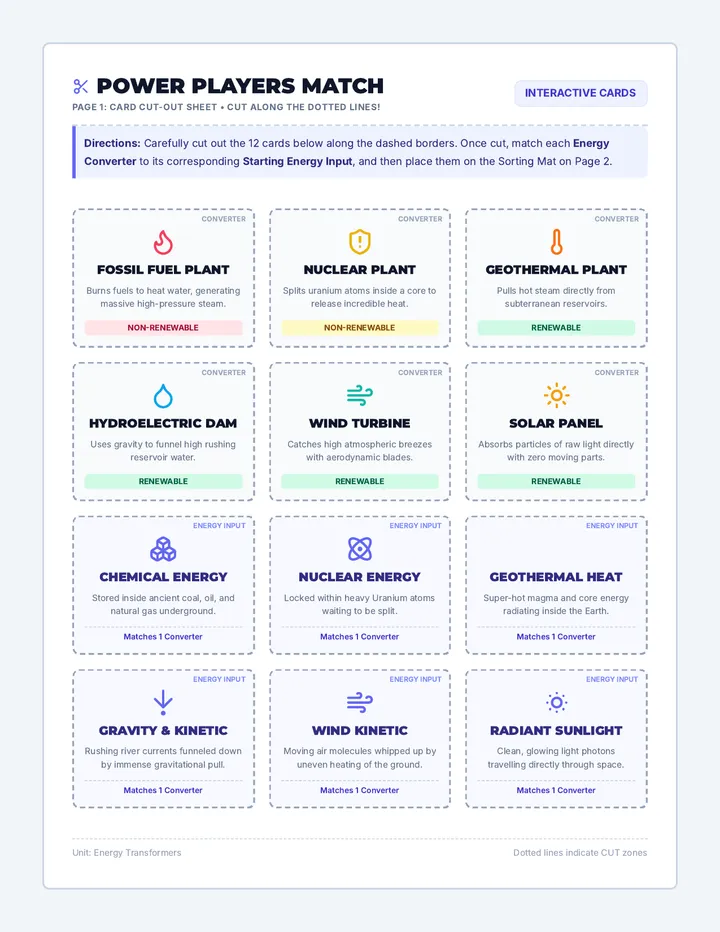
An interactive classroom activity featuring 12 printable matching cards on Page 1 (6 Converters and 6 Energy Inputs) and a highly structured Active Sorting Mat on Page 2 where students place and paste the matched elements.
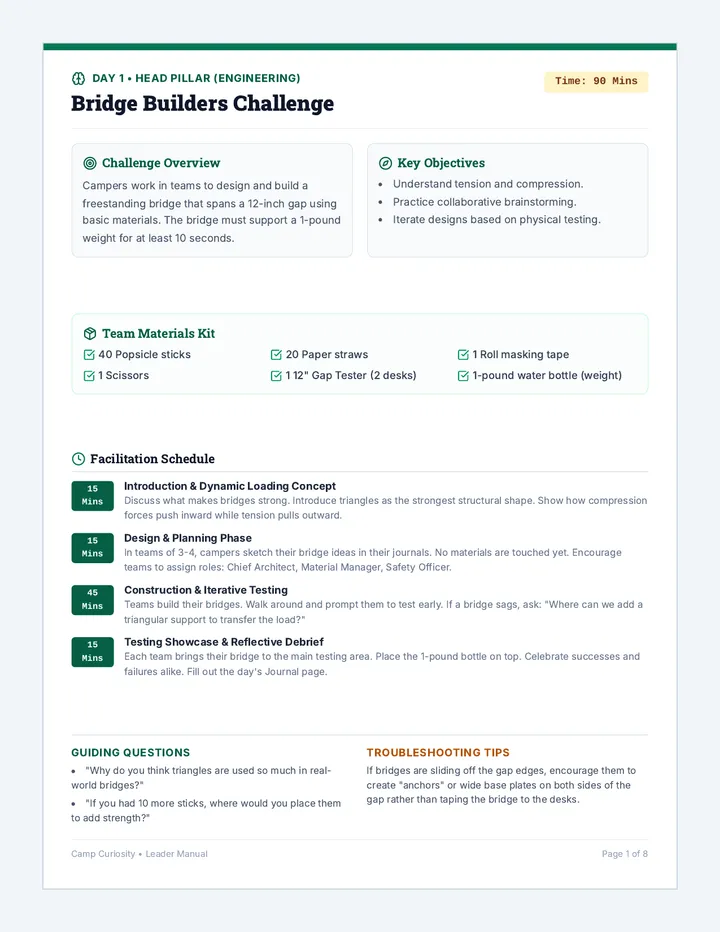
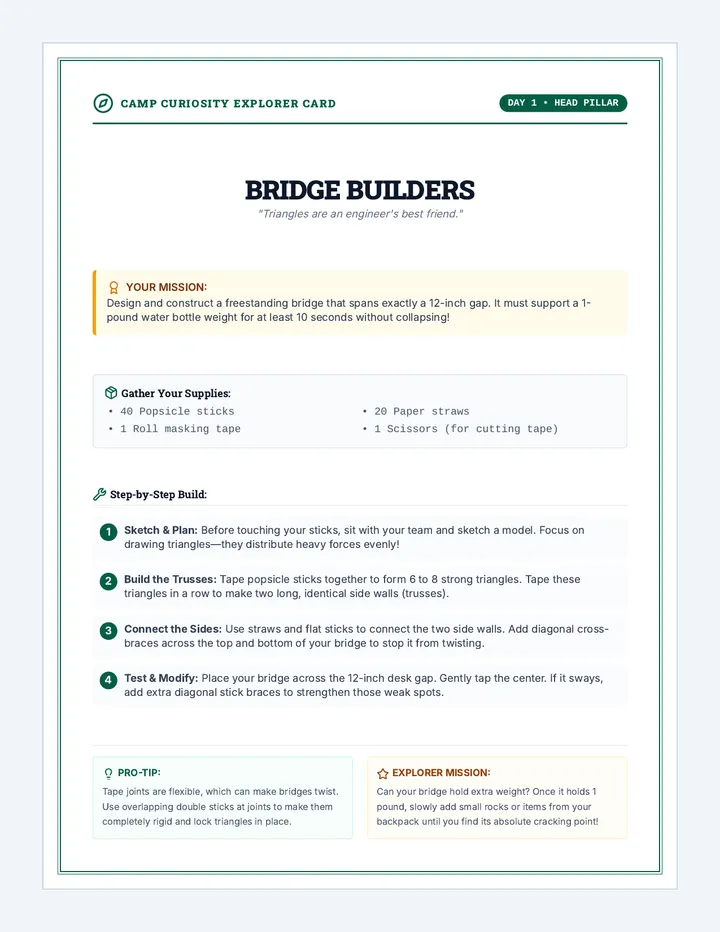
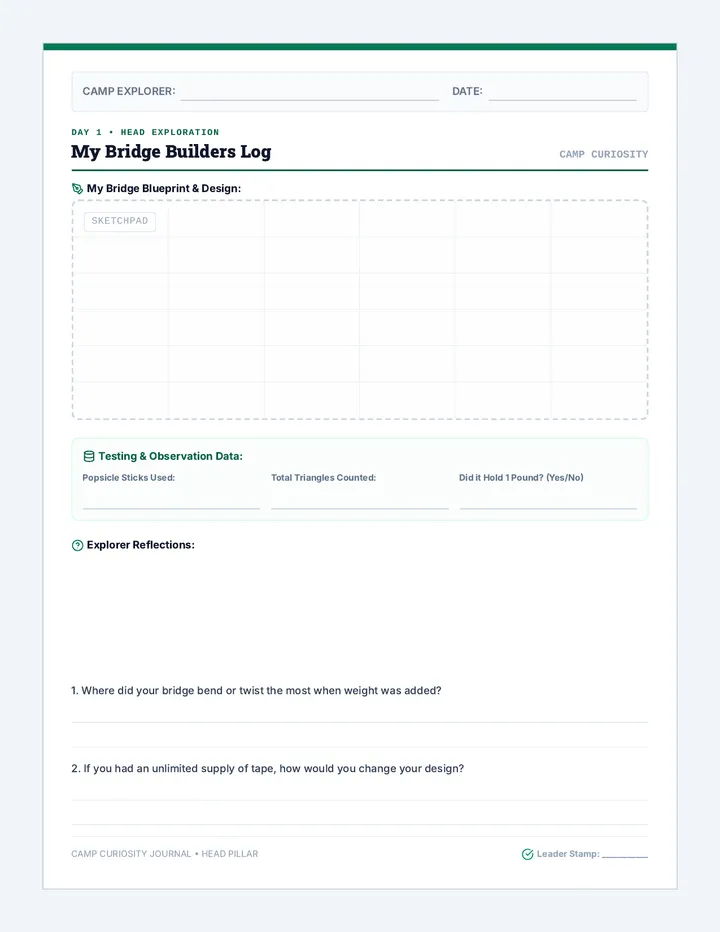
An action-packed, hands-on 8-day 4-H camp program focusing on Head, Heart, Hands, and Health. Students tackle engineering, teamwork, ecology, nutrition, and art challenges through daily active learning.
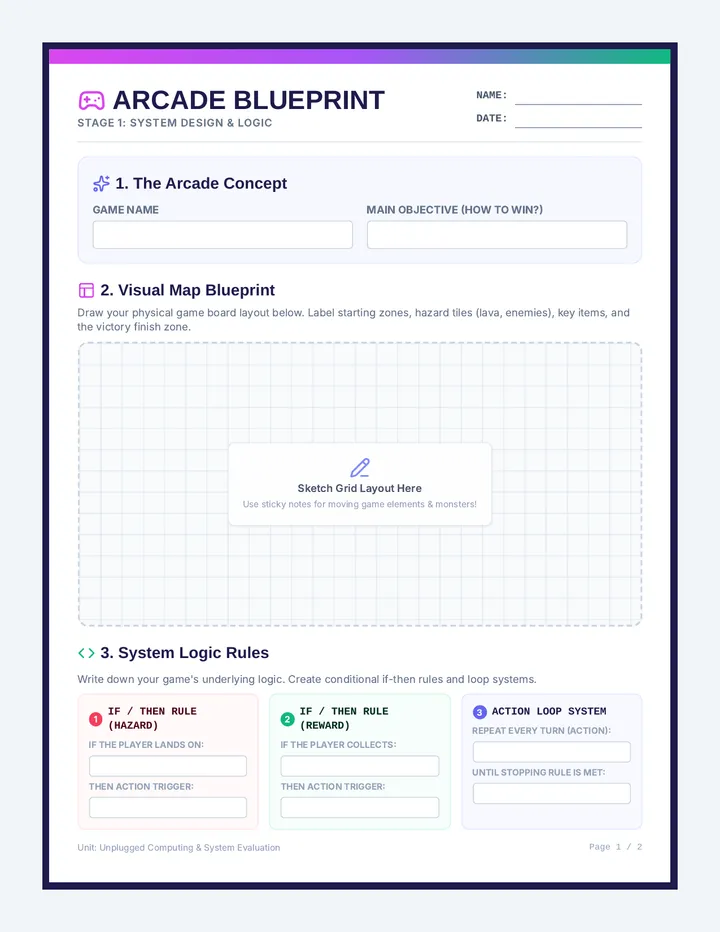
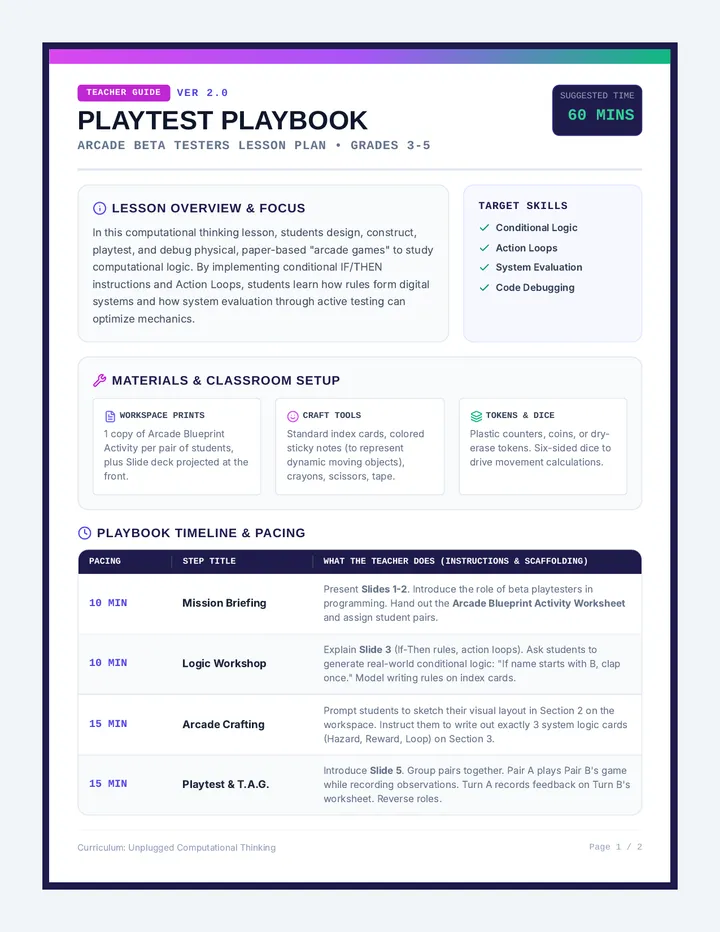
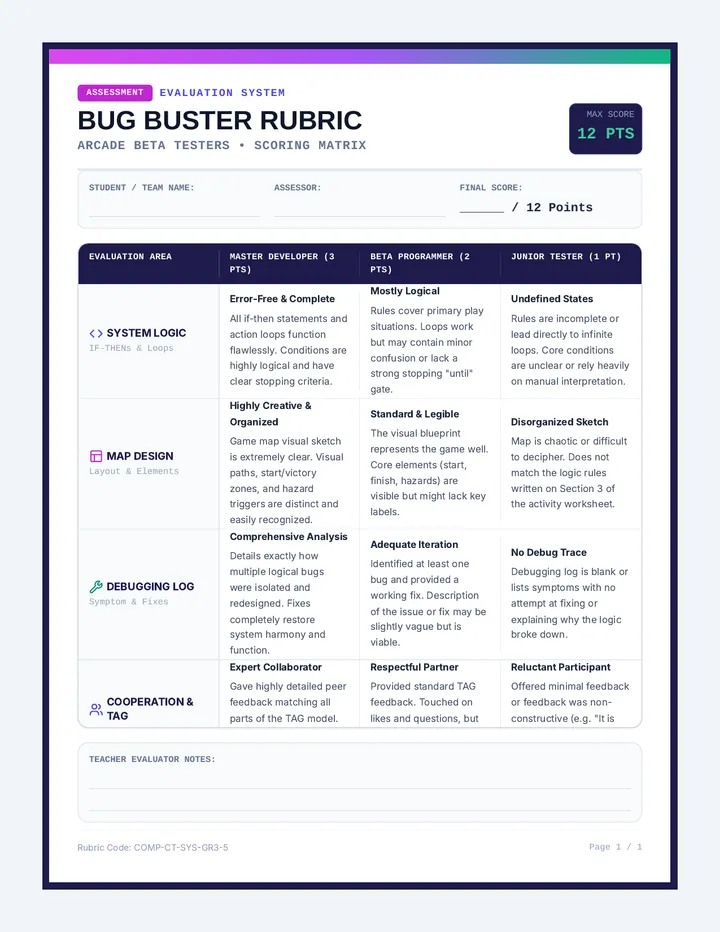
A lesson where students in grades 3 to 5 design paper-prototype arcade games, playtest them, and practice debugging loops and logic rules using constructive feedback.
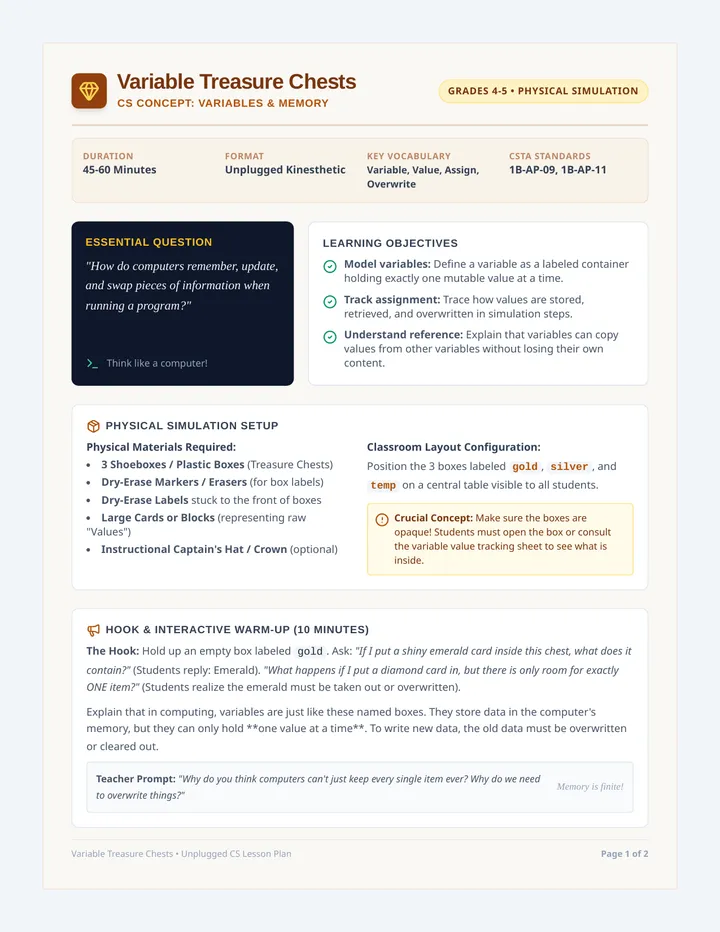
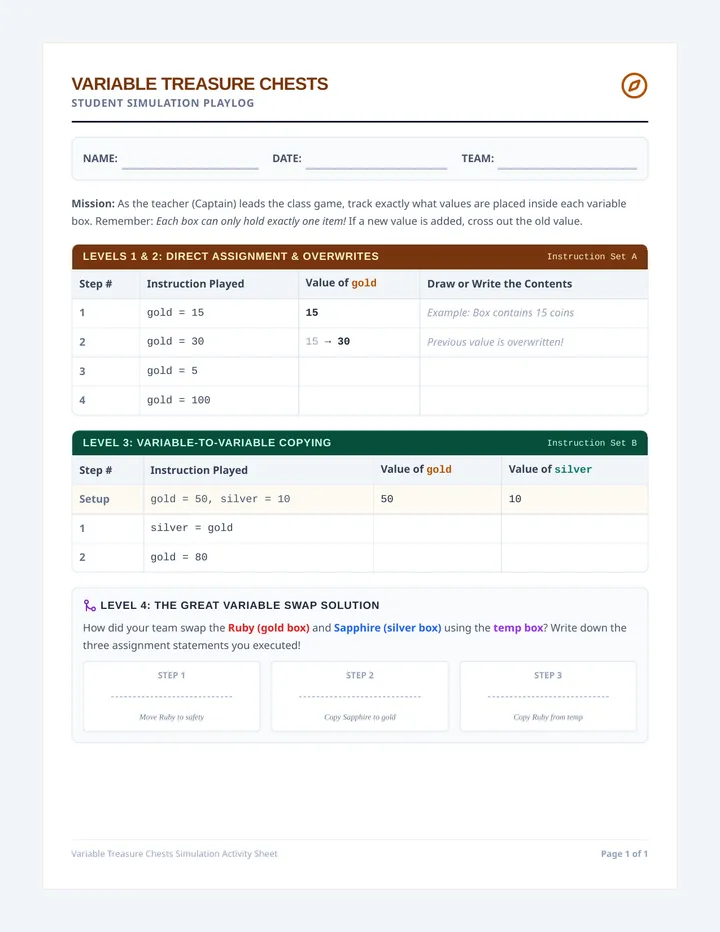
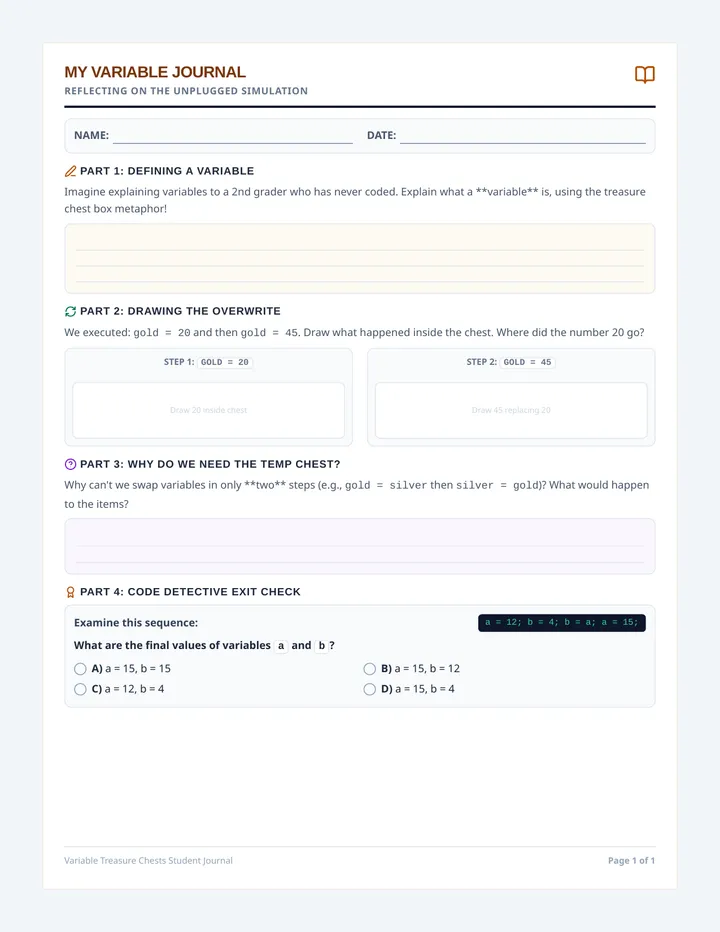
A hands-on physical simulation lesson where 4th and 5th graders act as computer processors and memory, using physical boxes as 'treasure chests' (variables) to learn how variables store, reference, and update values.