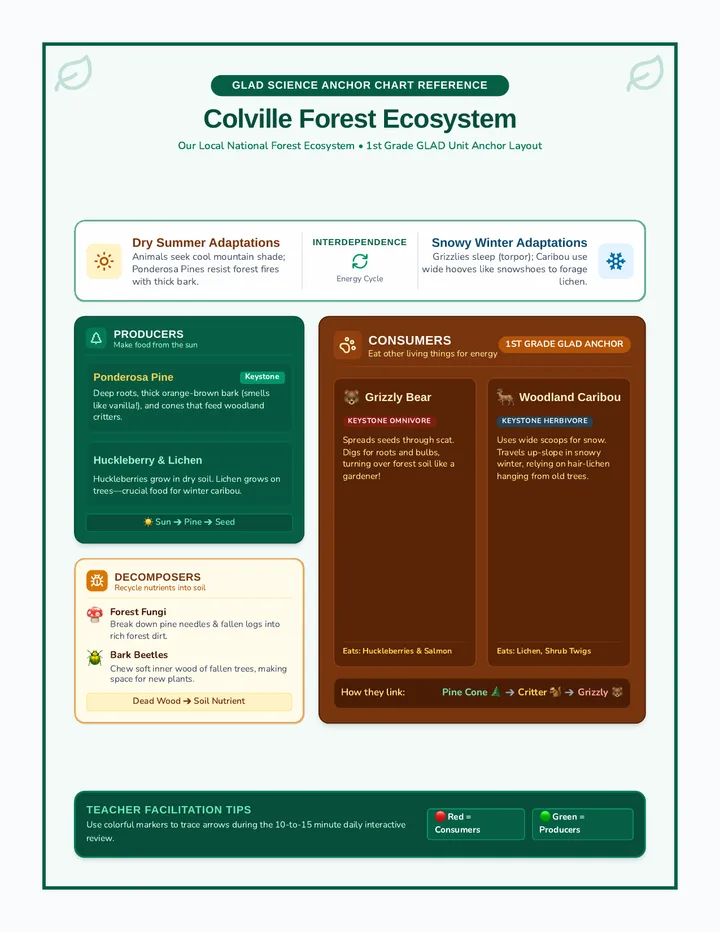
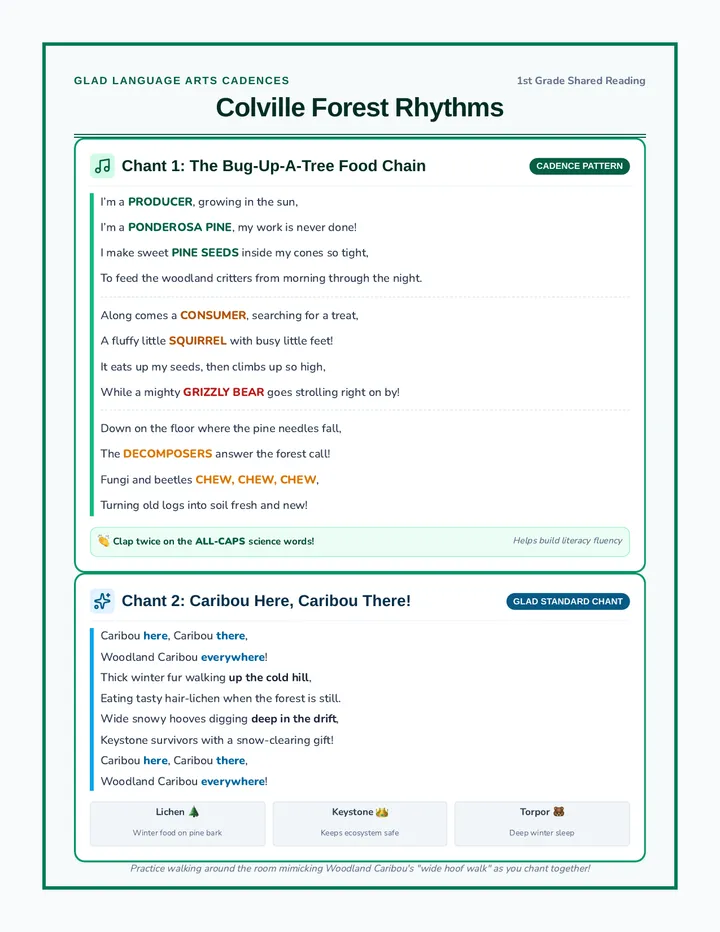
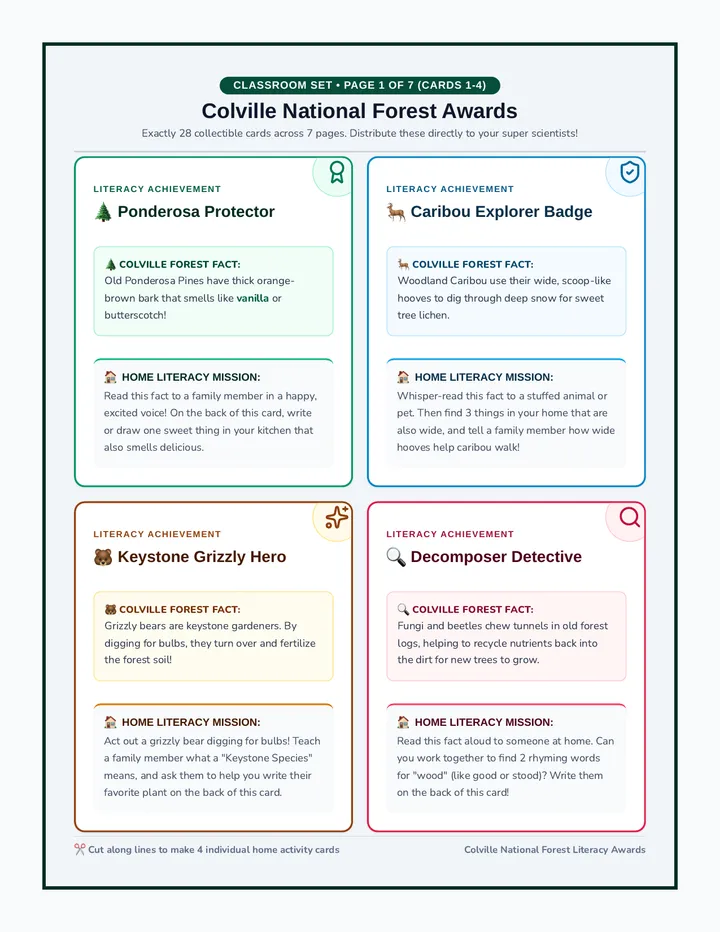
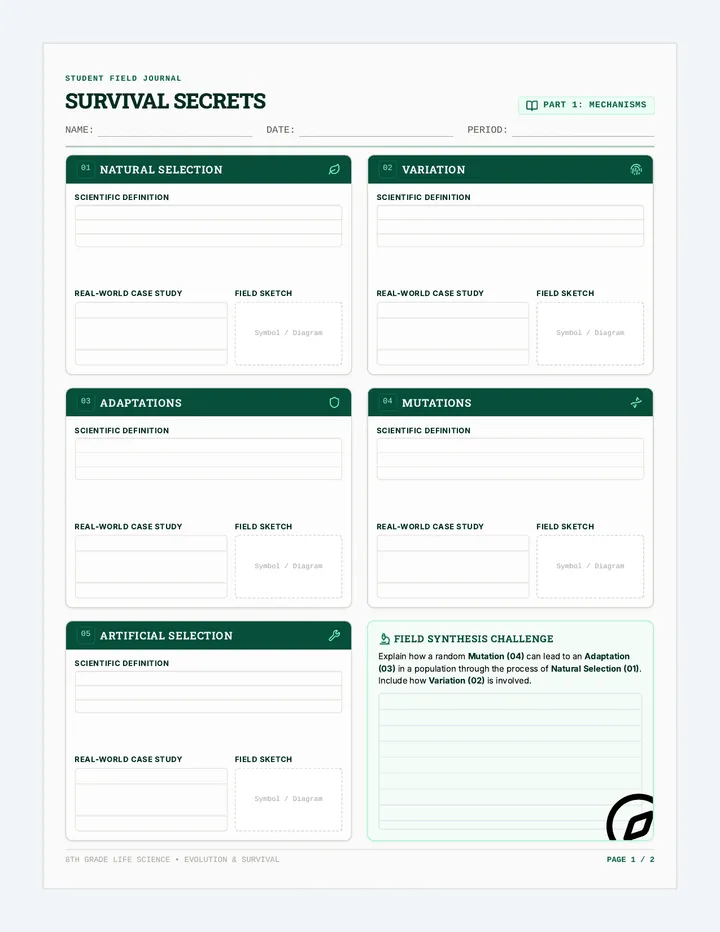
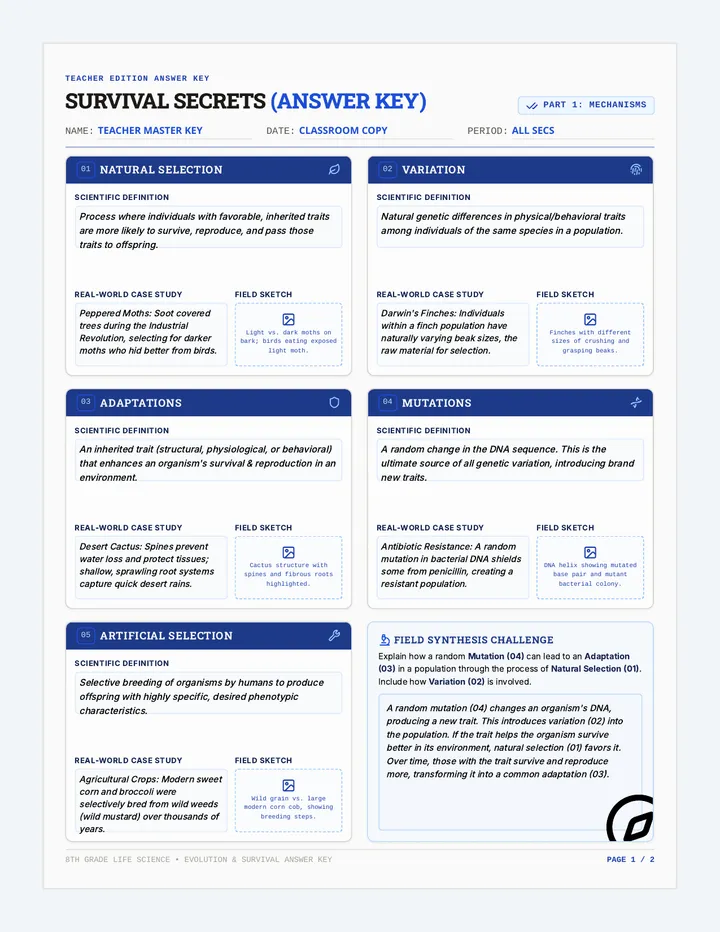
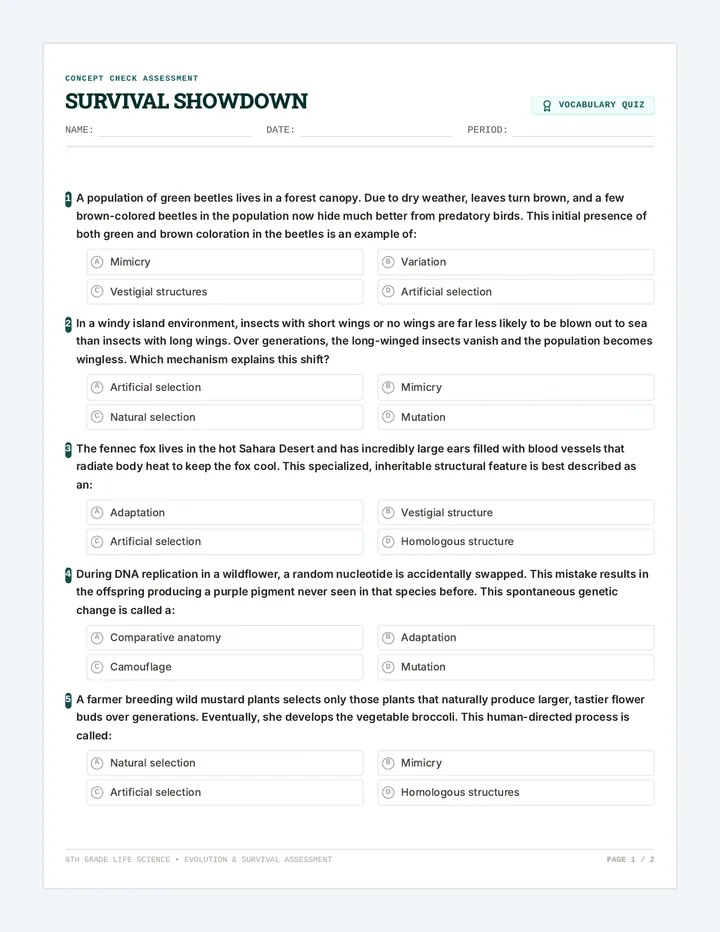
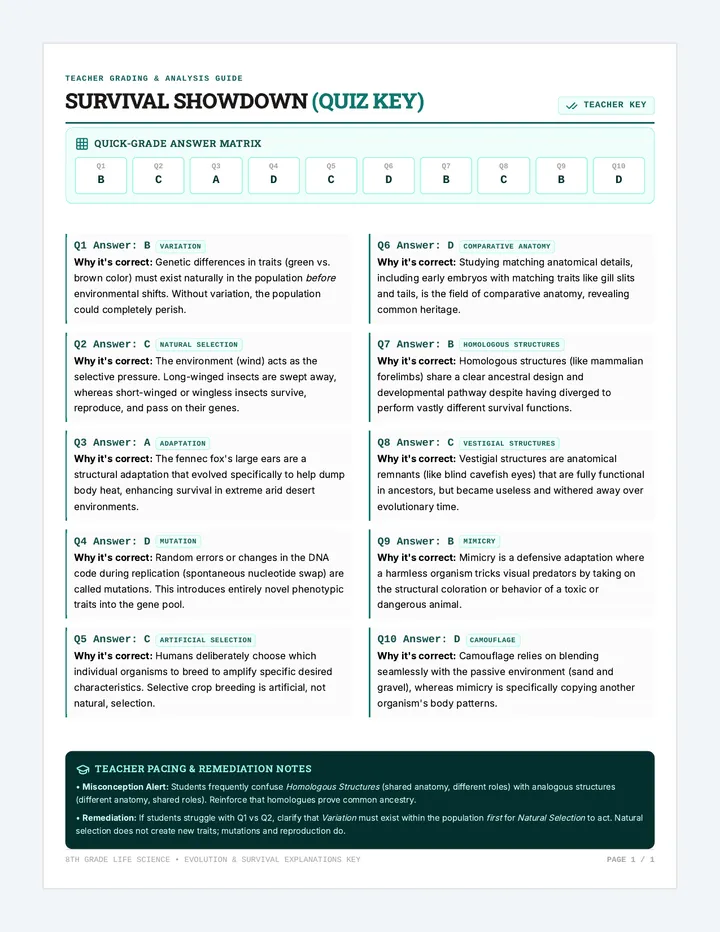
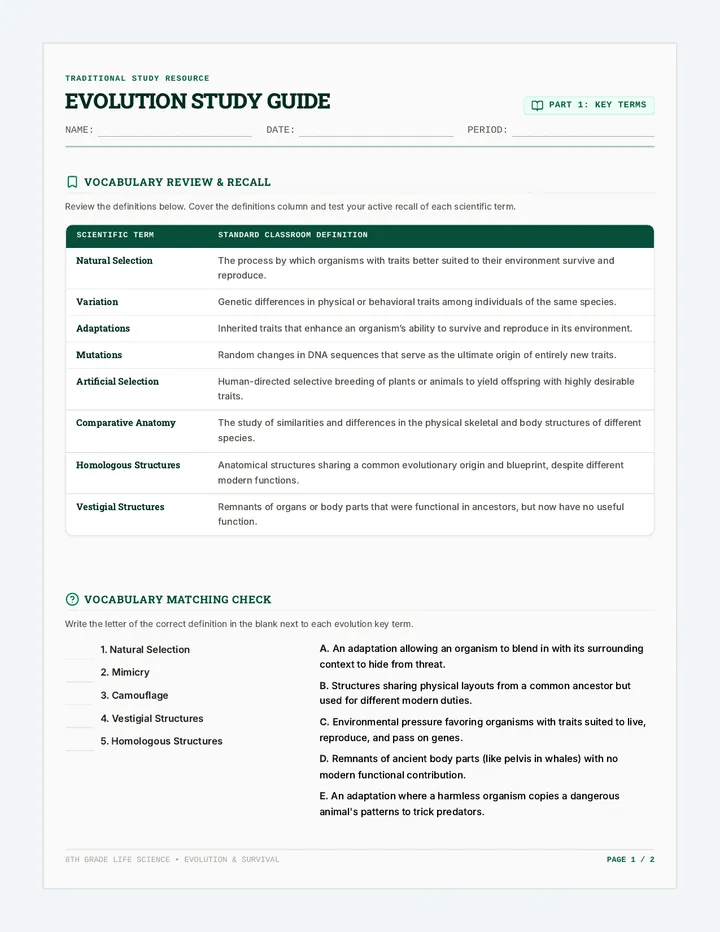
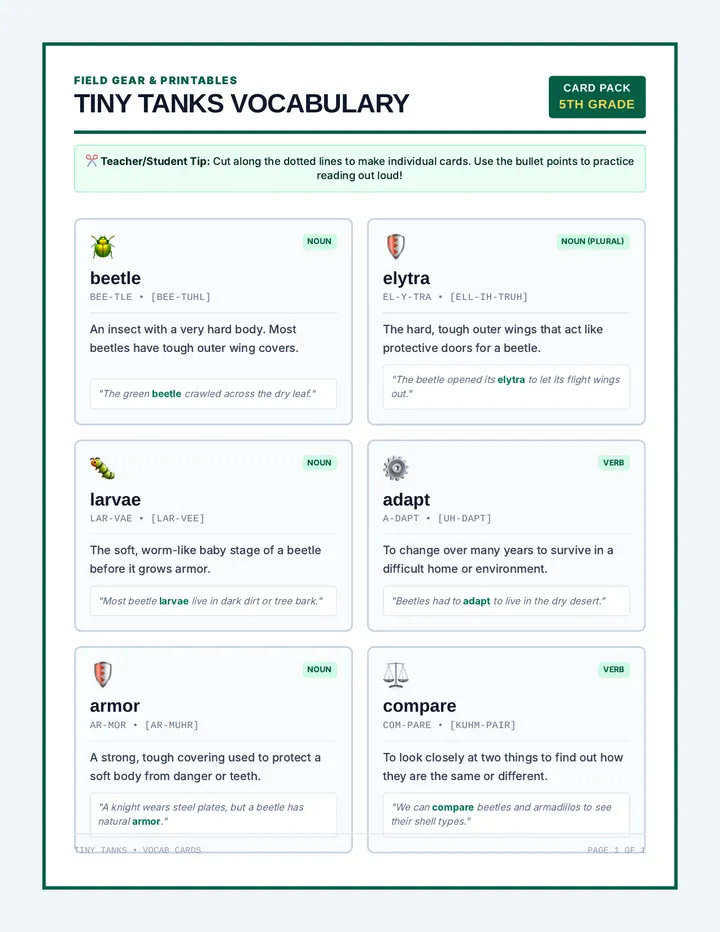
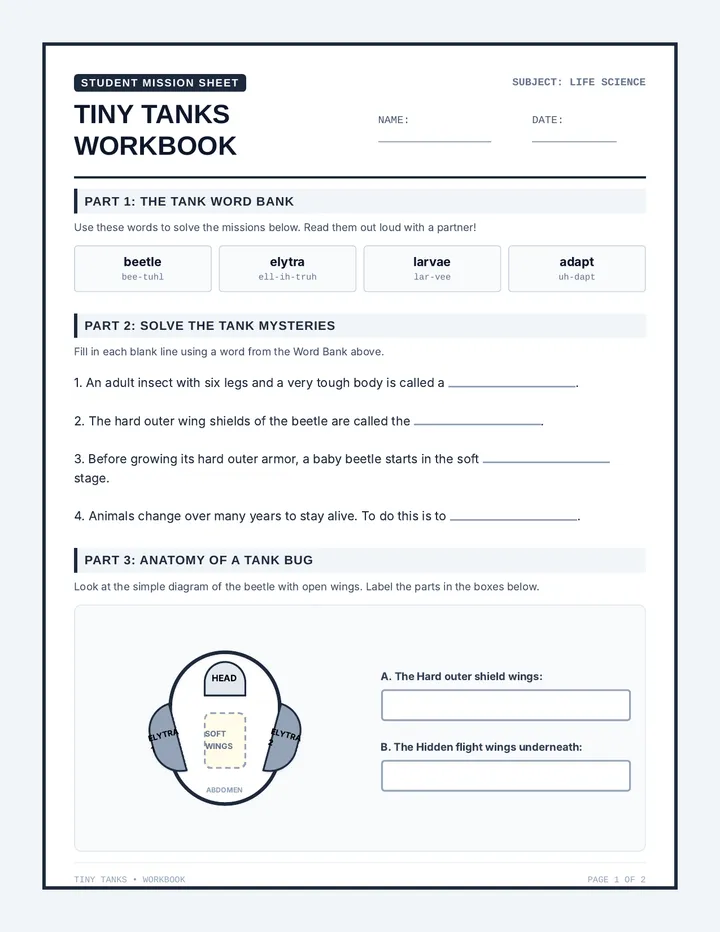
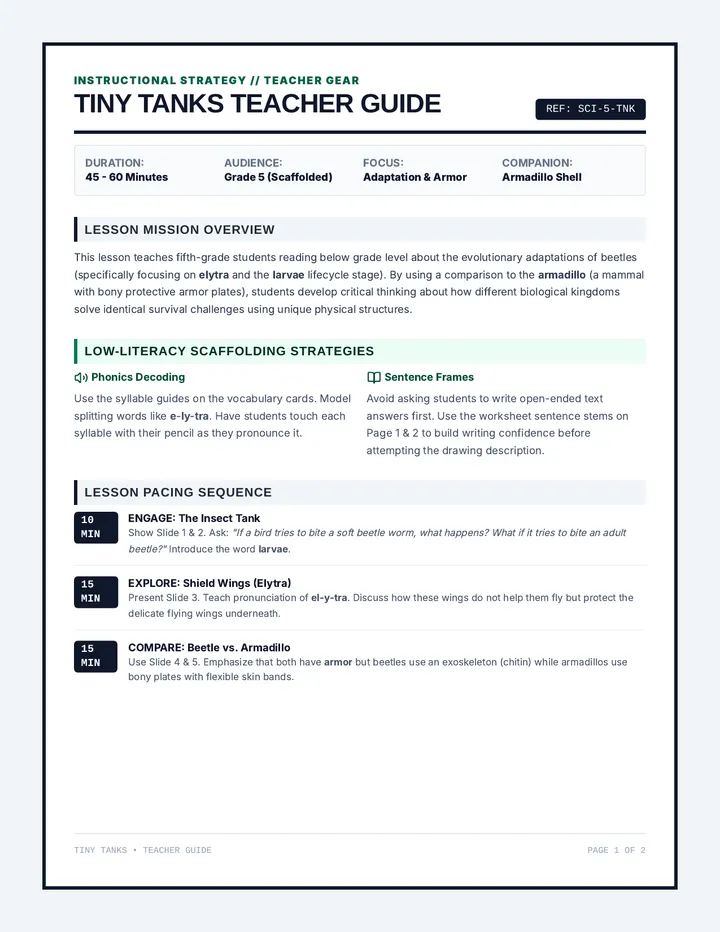
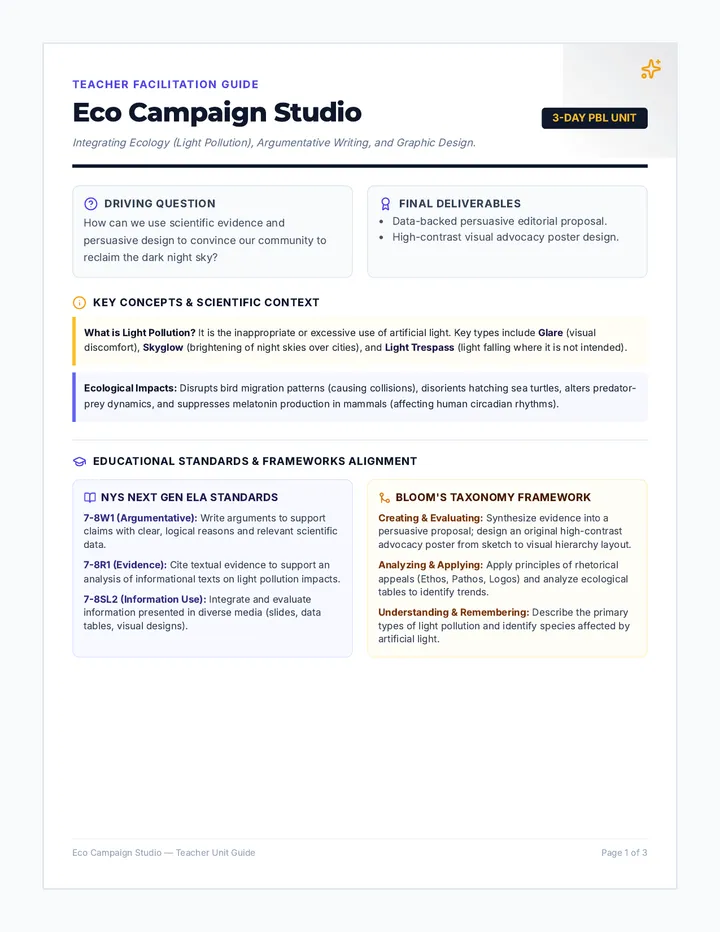
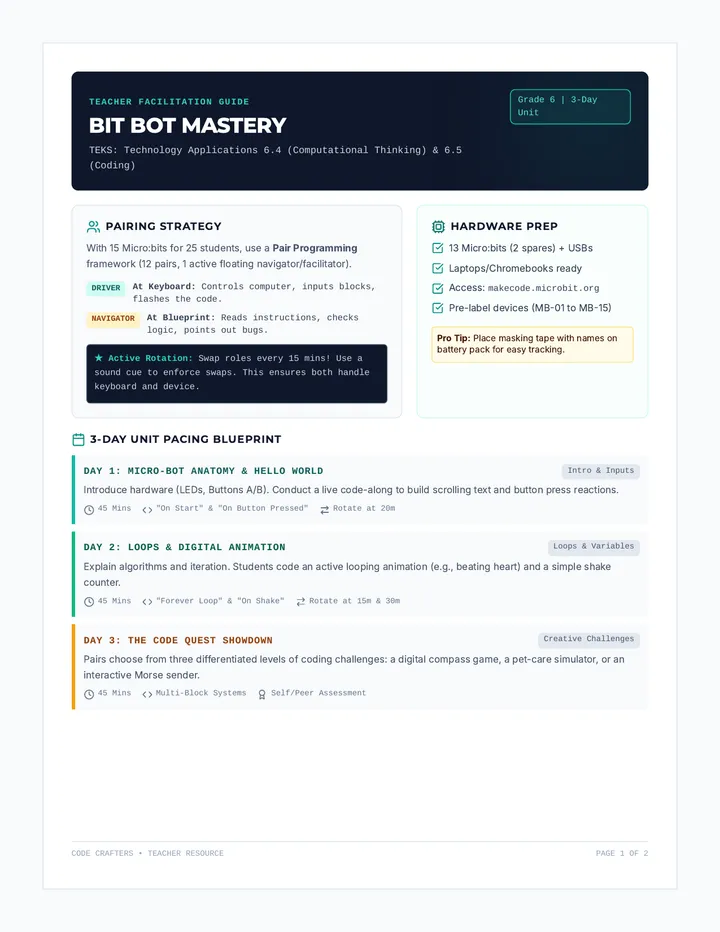
A comprehensive facilitator guide for teachers, including objective, pacing, materials list, and a step-by-step instructional script with answer keys for the Venn activity.
A teacher's answer key for the Lung Logistics reading comprehension worksheet, including standard alignment for each question and brief rationales for correct answers. Consolidated for single-page printing.
A reading comprehension worksheet on the respiratory system featuring a 3rd-grade level passage and 10 multiple-choice questions aligned to NC ELA standards for main idea, cause and effect, and academic vocabulary. Layout optimized for clean page breaks.
A comprehensive teacher answer key for the Thermochemisrty Study Guide. It provides detailed scaffolded logic for all 16 questions, including mathematical step-by-step breakdowns and pedagogical strategies for each section. All notation is simplified for clear, error-free printing. Layout condensed for 3-page efficiency.
A comprehensive 5-page student study guide for the thermochemistry unit. Features 16 distinct review tasks, standardized multiple-choice styling, and improved work areas for calculations. All chemical and mathematical notation uses ASCII text for perfect PDF rendering. Includes scaffolded "Guided Examples" for every section. Optimized for professional print and instructional clarity. Layout condensed for 5-page efficiency.
An instructional guide for setting up the 'Pollination Path' classroom game. Includes clear setup steps, game rules for students, and printable station labels with different flower names.
A student recording sheet for the 'Pollination Path' simulation. Includes space for tallying nectar collection, tracking pollen transfer, and a drawing section to visualize the symbiotic relationship between bees and flowers.
A high-visual instructional slide deck for the 'Pollination Path' lesson. Features large text (min 24px), bold graphics, and a clear step-by-step breakdown of the symbiotic relationship between bees and flowers.
A comprehensive teacher lesson plan for Grades K-4 detailing the 'Pollination Path' simulation. Includes NGSS alignment, supply lists, step-by-step procedures, and high-quality discussion prompts for exploring symbiosis.
A post-activity inspection report where students reflect on their engineering design, successes, and potential improvements after the bridge building challenge.
A blueprint-themed activity sheet for students to sketch their bridge designs, list materials, and record test results, now with a dedicated teacher guide page.
An engaging slide deck to guide students through the Beetle Bridge Builders engineering challenge, featuring the mission, rules, design tips, and the engineering design process.
A comprehensive teacher instruction guide for the Beetle Bridge Builders lesson, featuring objectives, material lists, and a step-by-step instructional procedure for a hands-on STEM challenge.
A teacher's facilitation guide for the Lunar Lookout lesson, providing discussion prompts, key facts, and an answer key for the student worksheet.
A student worksheet designed to reinforce moon phase identification through matching, short-answer questions, and a drawing exercise based on current observations.
An introductory 7-slide presentation covering the four primary moon phases (New, First Quarter, Full, and Third Quarter) with clear visual diagrams and key characteristics of each.
A student-facing 'Survival Guide' checklist for the 5-week Capstone project, summarizing weekly goals and the MVP mindset.
A comprehensive weekly milestone rubric for the 5-week Tech Capstone project, aligned with the Level 1-4 grading scale used in Nova Scotia schools.
Teacher-facing evaluation and pedagogical explanation of the 5-week Tech Capstone project, including curriculum alignment for Nova Scotia Exploring Technology 10.
A student-facing Field Observation Journal for recording scientific inquiries. Includes sections for sketching local Indiana pollinators with detailed labeling, analyzing the symbiotic relationship between plants and animals, and reflecting on conservation efforts.
A student-facing activity sheet for the pollination simulation. It guides students through a hands-on modeling exercise using cheese puffs to visualize pollen transfer, with designated spaces for drawing observations and reflecting on scientific results.
An engaging slide deck for the Pollinator Partners lesson, featuring high-contrast visuals, interactive mystery prompts, and clear explanations of the pollination process in the Indiana ecosystem.
A comprehensive teacher facilitation guide for the Pollinator Partners lesson, including lesson objectives, material checklists, a detailed instructional sequence, and differentiation strategies.
Guide d'évaluation final pour l'instructeur, contenant la grille de correction et les solutions détaillées du projet de synthèse.
Projet final de synthèse demandant aux étudiants d'appliquer l'ensemble des connaissances SQL (SELECT, JOIN, Aggregations, Calculs) sur un cas réel d'IA.
Slides avancés introduisant les sous-requêtes et les CTE (Common Table Expressions) pour structurer des analyses complexes.
Corrigé détaillé pour les exercices de la leçon 2, incluant des explications sur la différence entre WHERE et HAVING.
Aide-mémoire visuel récapitulant les différents types de jointures SQL avec leur syntaxe et des conseils d'optimisation pour l'analyse.
Présentation sur les jointures (Joins), expliquant la normalisation des données et la syntaxe INNER JOIN pour relier des tables.
Guide pédagogique complet pour l'enseignant, incluant le timing, les points clés et les erreurs communes pour la première leçon de SQL.
Slides sur les fonctions d'agrégation (COUNT, SUM, AVG) et l'utilisation cruciale de la clause GROUP BY pour l'analyse de données.
Fiche d'exercices pratique pour débutants sur la syntaxe de base MySQL (SELECT, FROM, WHERE).
Introduction visuelle aux concepts de base du SQL, des bases de données et de la syntaxe SELECT/FROM/WHERE pour MySQL.
A comprehensive worksheet for students to demonstrate their understanding of ear anatomy, sound wave physics, and noise safety. Revised for improved page flow and wave labeling clarity.
A hands-on activity log for students to record decibel levels in their environment and analyze noise risks. Revised for better page flow and expanded student work areas.
Visual slides for the Decibel Detectors lesson, covering sound waves, ear anatomy, the decibel scale, and protection strategies. Revised for better layout balance and visibility.
A comprehensive teacher guide for the Decibel Detectors lesson, including objectives, pacing, vocabulary, and differentiation strategies for 5th-grade science.
Teacher's answer key for the Great Heat Thief Resource. Includes correct answers, sample short-answer responses, and pedagogical tips for addressing common student misconceptions about thermal energy.
A comprehensive resource featuring a reading passage about heat transfer and a set of comprehension questions for 4th-5th graders. Covers the scientific process of how ice cools water by absorbing thermal energy.
Un guide complet pour l'enseignant incluant les objectifs pédagogiques, le déroulement de la séance étape par étape, des conseils techniques pour Vittascience et le corrigé de la fiche élève.
Une fiche d'activité structurée pour les élèves, les guidant à travers les étapes de collecte de données, d'entraînement de l'IA sur Vittascience et de conception de l'algorithme du distributeur.
Une présentation de 6 diapositives introduisant les concepts d'IA pour le projet de distributeur de croquettes intelligent, incluant le fonctionnement des pixels, l'apprentissage supervisé et le score de confiance.
Un guide complet pour l'enseignant incluant les corrigés des exercices, des pistes de différenciation pour les différents niveaux du collège et un barème de notation pour la rédaction.
Un guide de rédaction créative où les élèves conçoivent leur propre robot de sauvetage avant d'écrire le récit de sa première mission.
Un texte narratif sur un sauvetage effectué par un robot humanoïde, accompagné de questions de compréhension pour tester l'analyse et la lecture fine.