A 2-3 day project-based learning sequence where students explore the relationship between photosynthesis and cellular respiration, culminating in a creative project where they explain the cycling of matter and flow of energy in ecosystems.
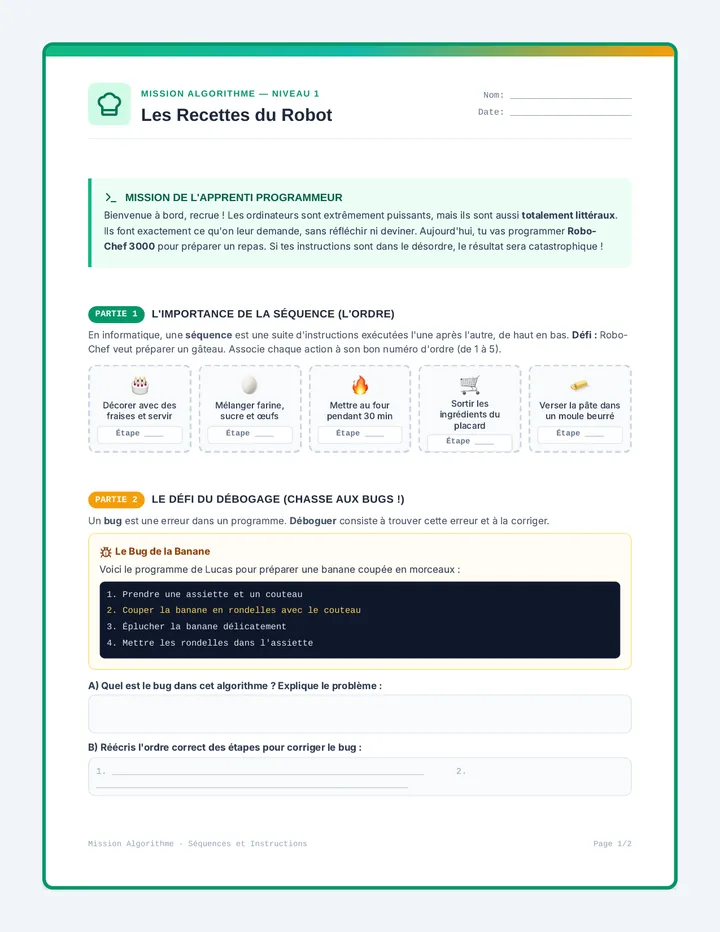
Une séquence d'initiation à l'algorithmique sans code pour débutants absolus. À travers des métaphores concrètes, les apprenants découvrent les trois piliers de la programmation : les séquences d'instructions, les conditions et les boucles.
A teacher-focused lesson exploring how multicellular organisms organize cells, tissues, and organ systems into interacting networks to sustain life and maintain homeostasis.
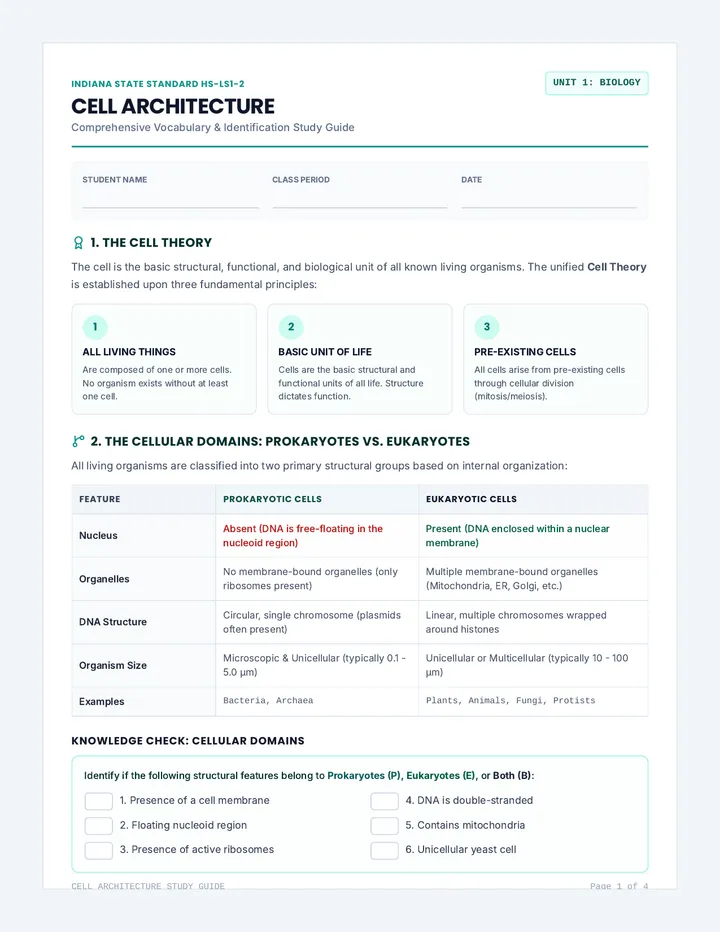
A comprehensive 4-page study guide focused on vocabulary and identification for Indiana State Standard HS-LS1-2 (Cell Theory, Prokaryotic vs. Eukaryotic cells, Organelles, Biomolecules, and Protein Synthesis). Designed in a beautiful 'Lab Notebook' style with clear diagrams, structured comparative tables, and print-ready student identification activities.
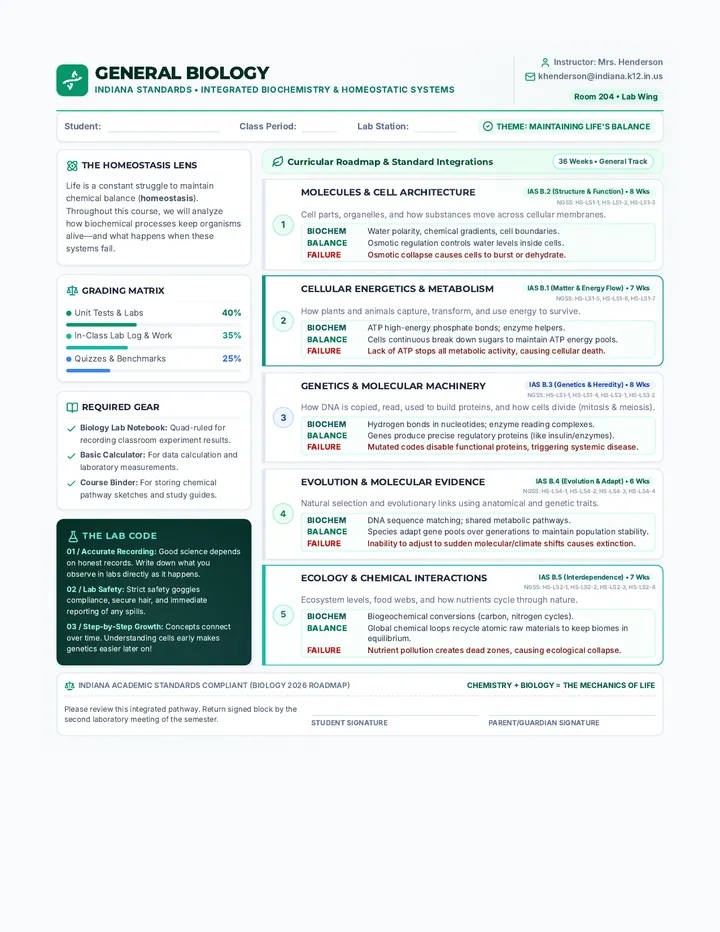
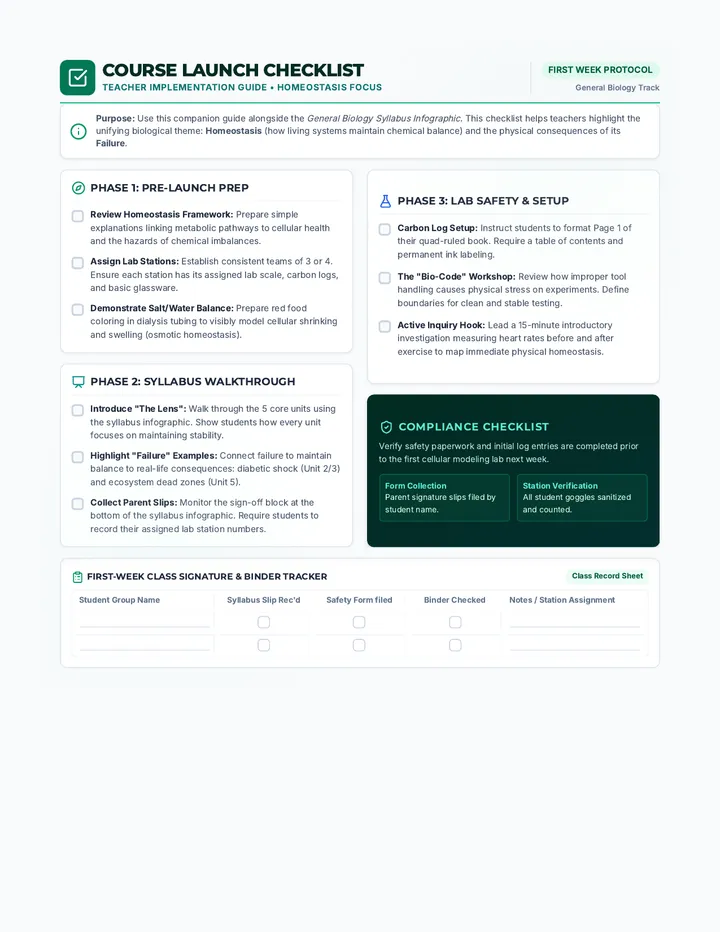
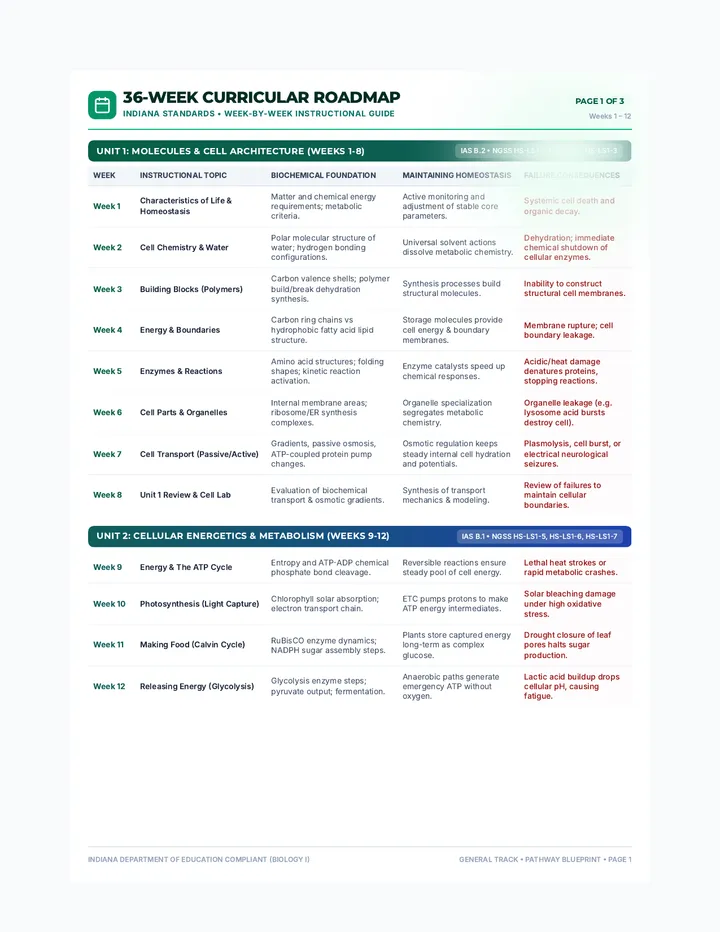
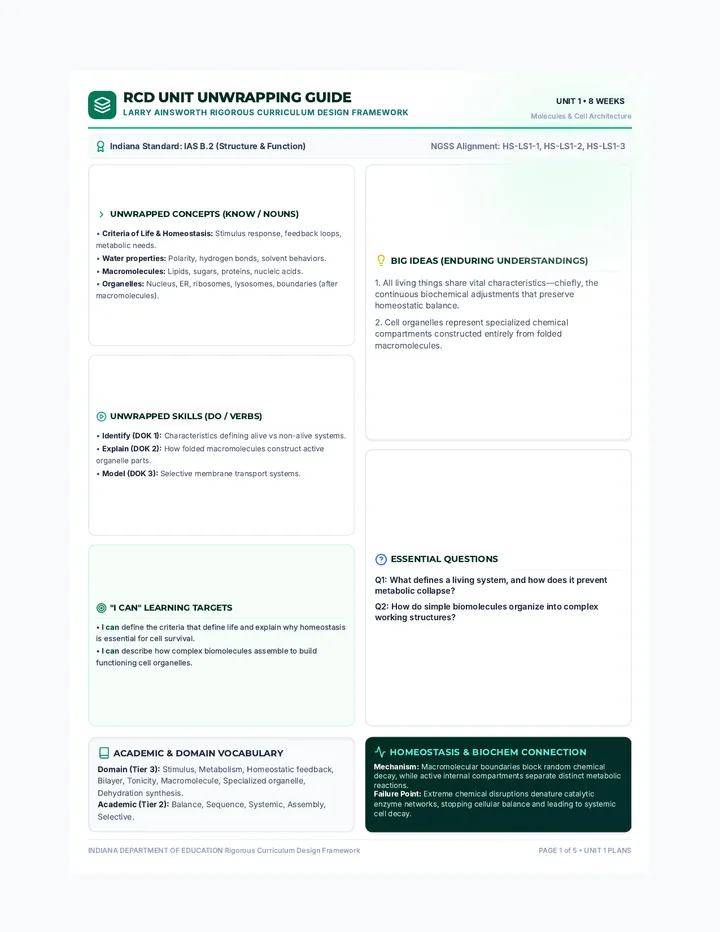
A comprehensive, 36-week General Biology curriculum aligned with Indiana Academic Standards, emphasizing the integration of biochemical foundations and metabolic homeostasis across all units.
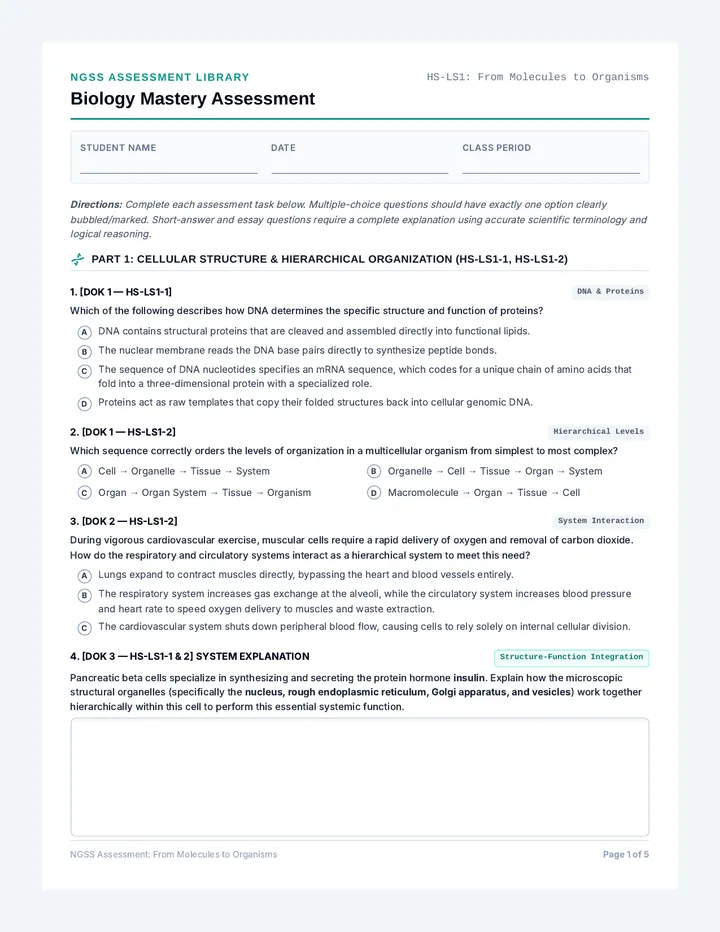
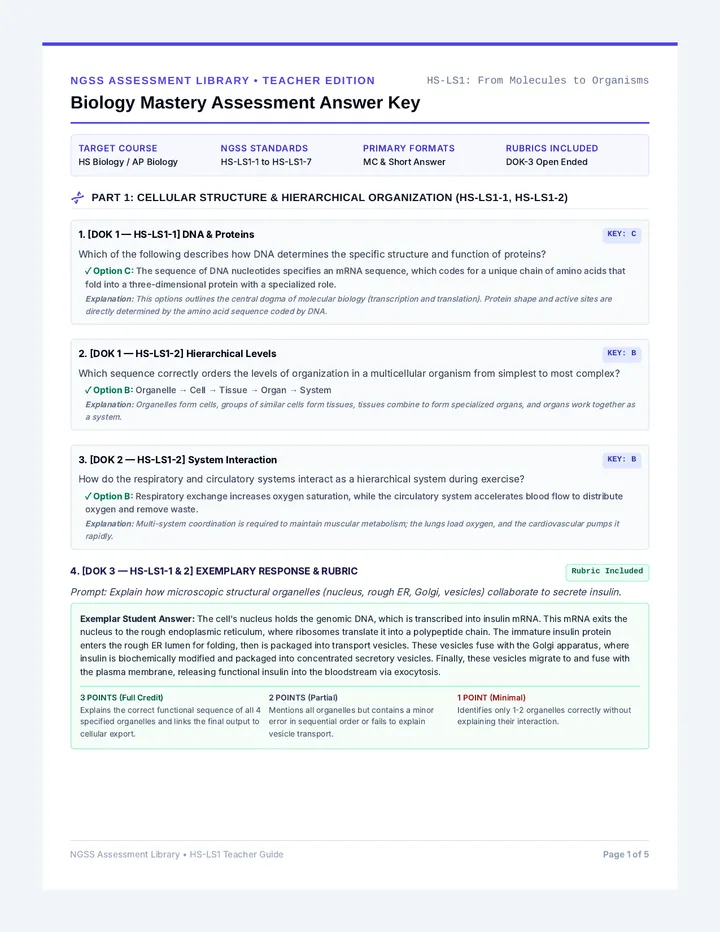
A comprehensive library of assessment questions for NGSS standard HS-LS1 (From Molecules to Organisms), categorized by DOK level (1, 2, and 3) and performance expectations. Includes both a printable student question bank and an in-depth teacher answer key with grading rubrics.
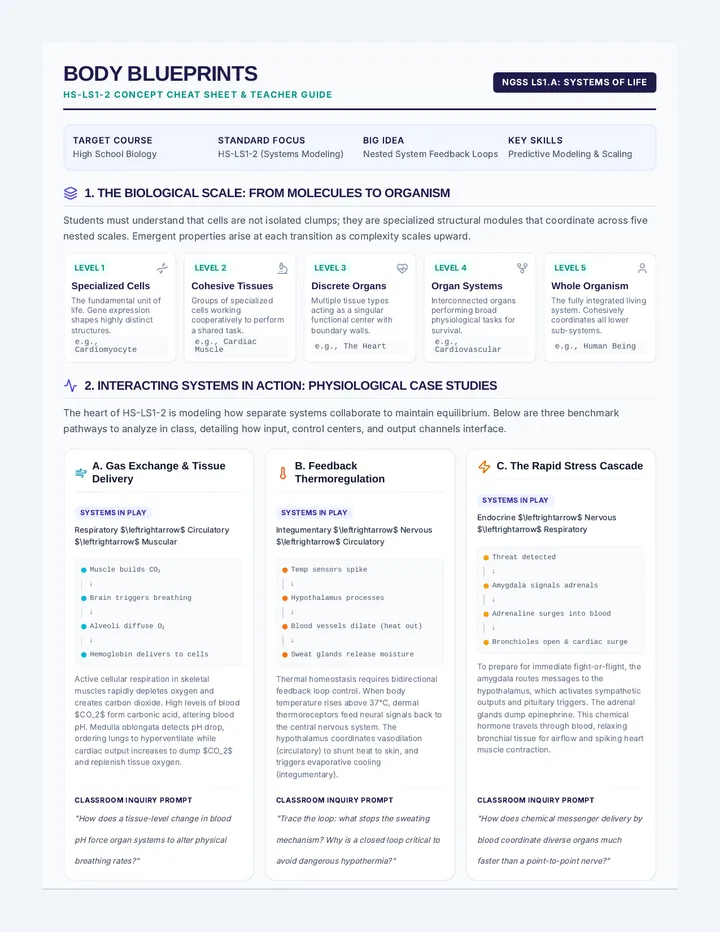
A highly structured, high-density 2-page Concept Cheat Sheet and Teacher Guide for NGSS HS-LS1-2. It outlines biological scales of life, three detailed system interaction case studies, anchoring phenomena, common misconceptions with reframe strategies, and a diagnostic model-building rubric.
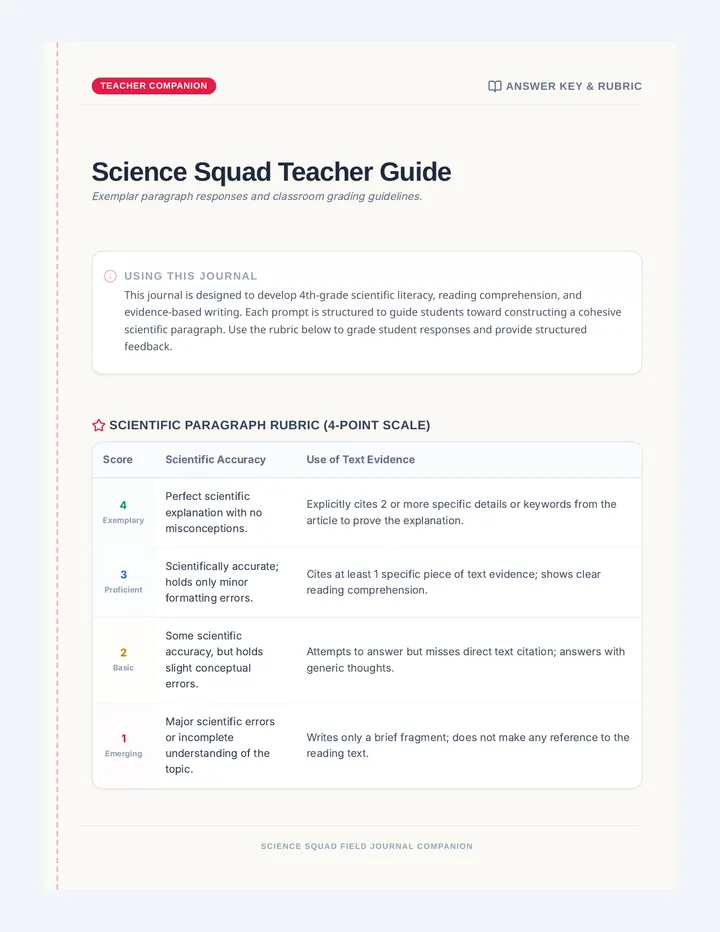
A multi-grade collection of scientific reading comprehension and response booklets designed to build disciplinary literacy in Earth, Life, and Physical sciences across elementary and middle school levels.
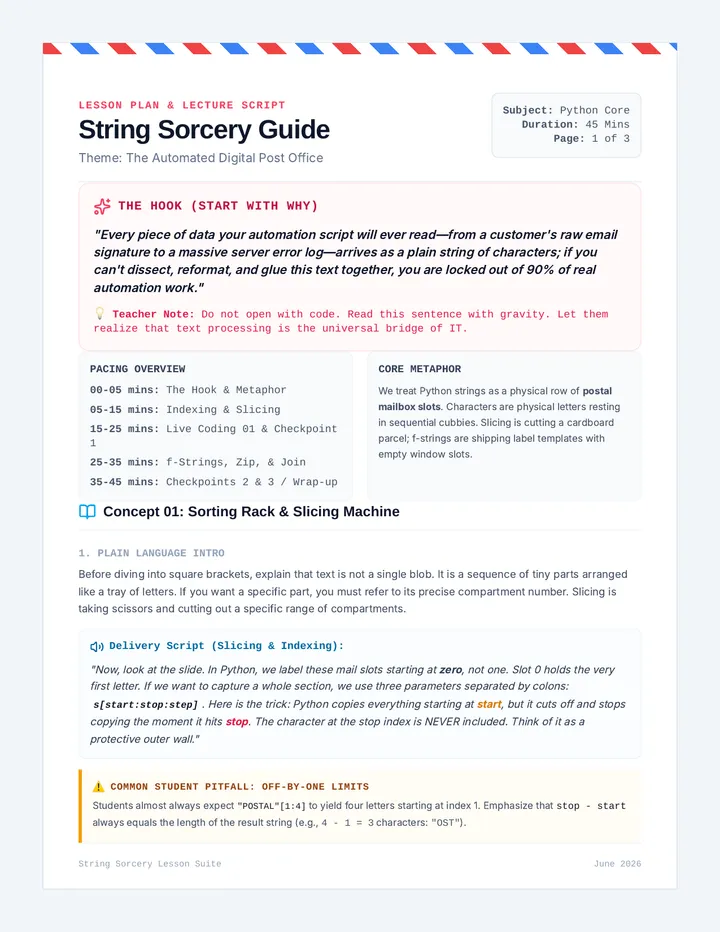
A beginner-friendly lesson introducing Python string operations like indexing, slicing, f-strings, zip(), and join() using real-world systems scripting and automation log scenarios.
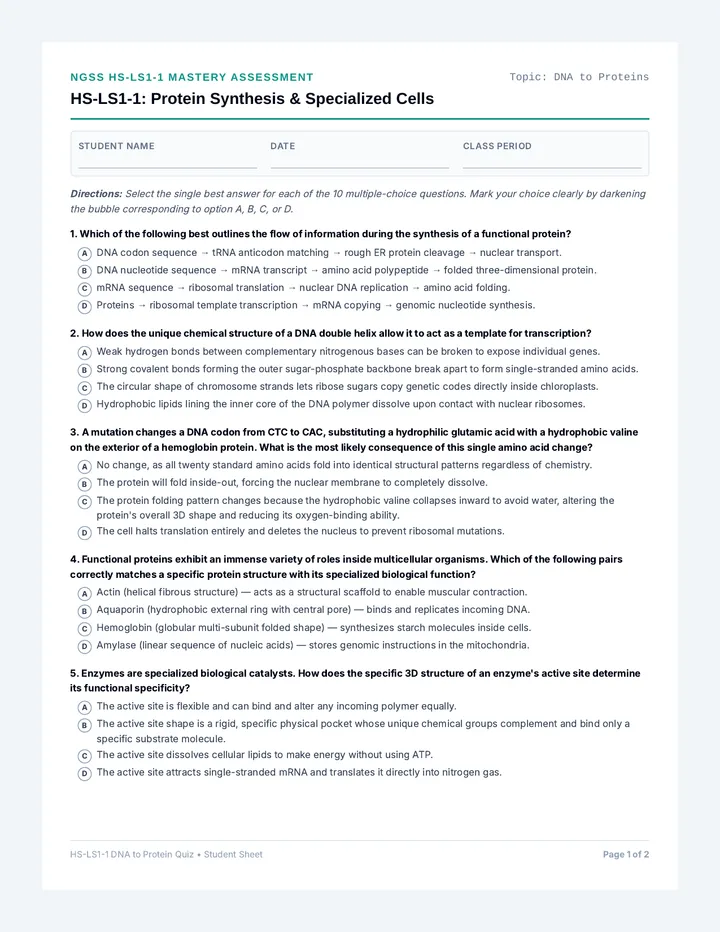
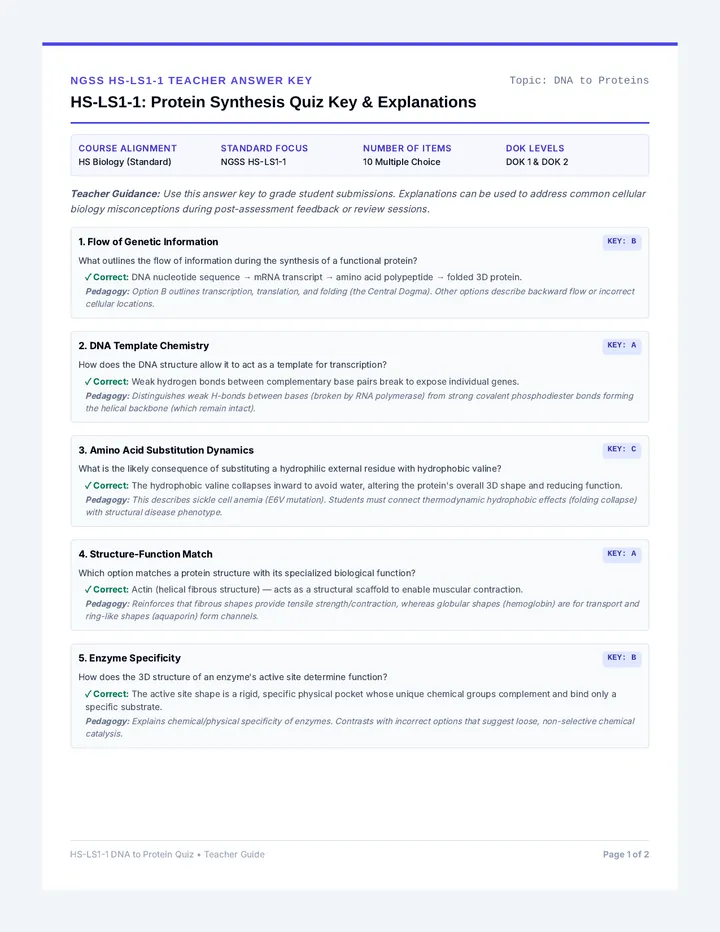
A matching 2-page Teacher Answer Key and pedagogical guide for the HS-LS1-1 multiple choice quiz. Highlights correct options and provides detailed biological explanations for each answer, highlighting common student misconceptions.
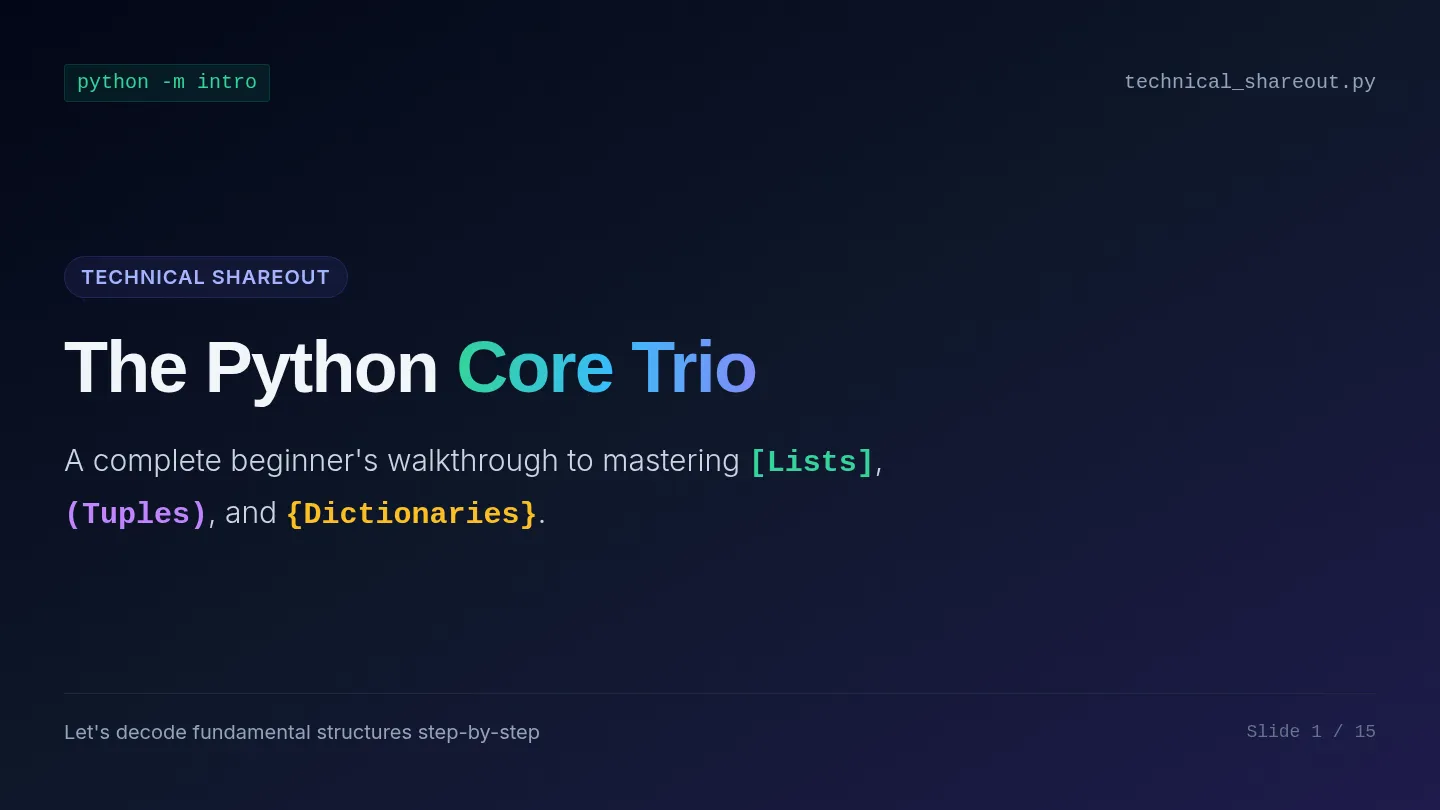
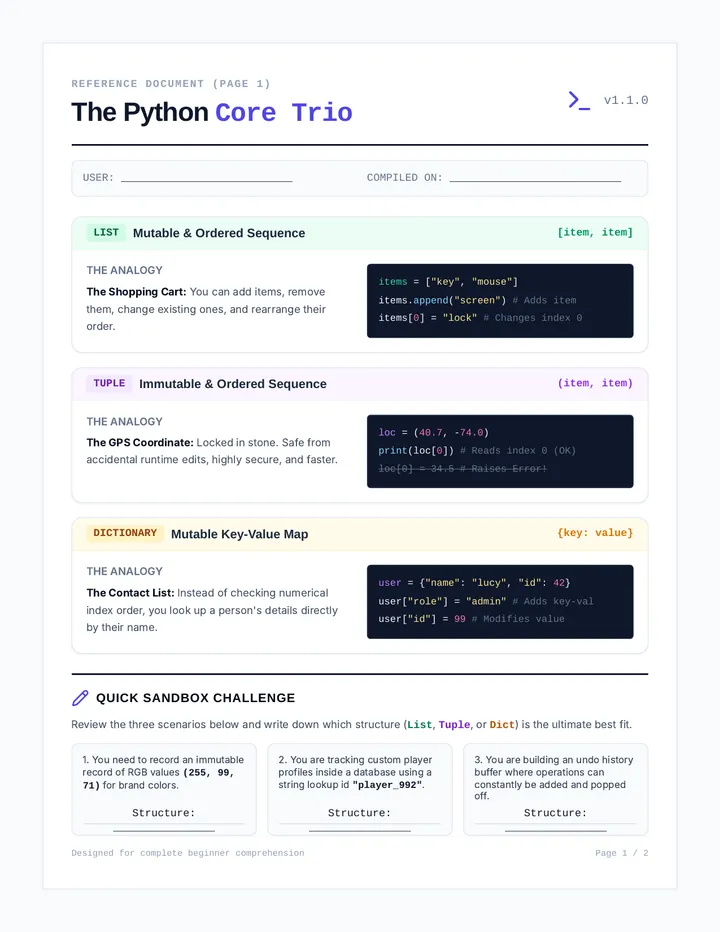
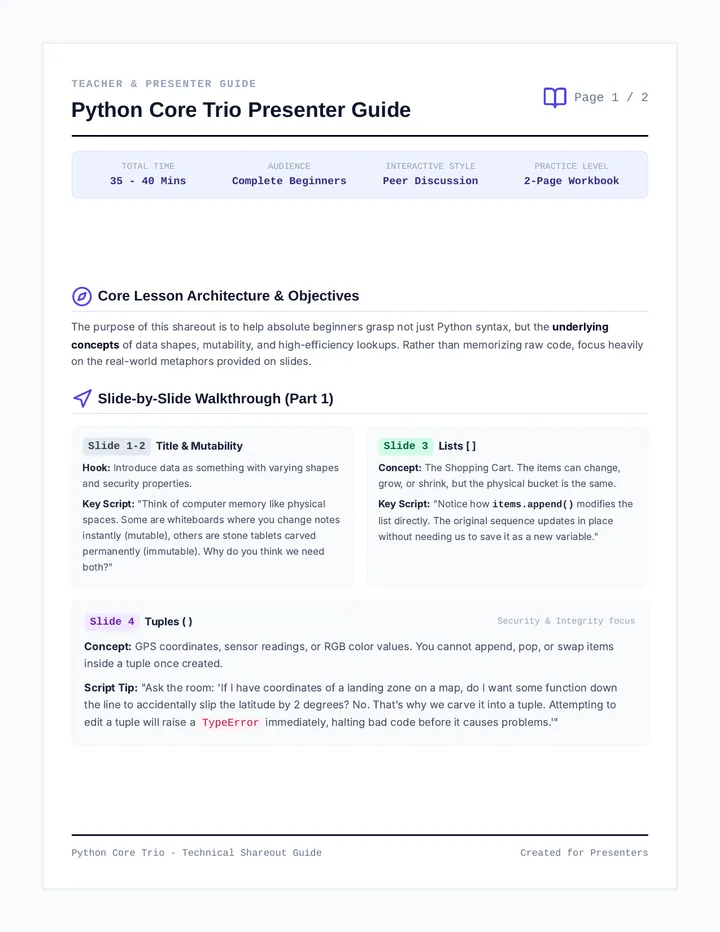
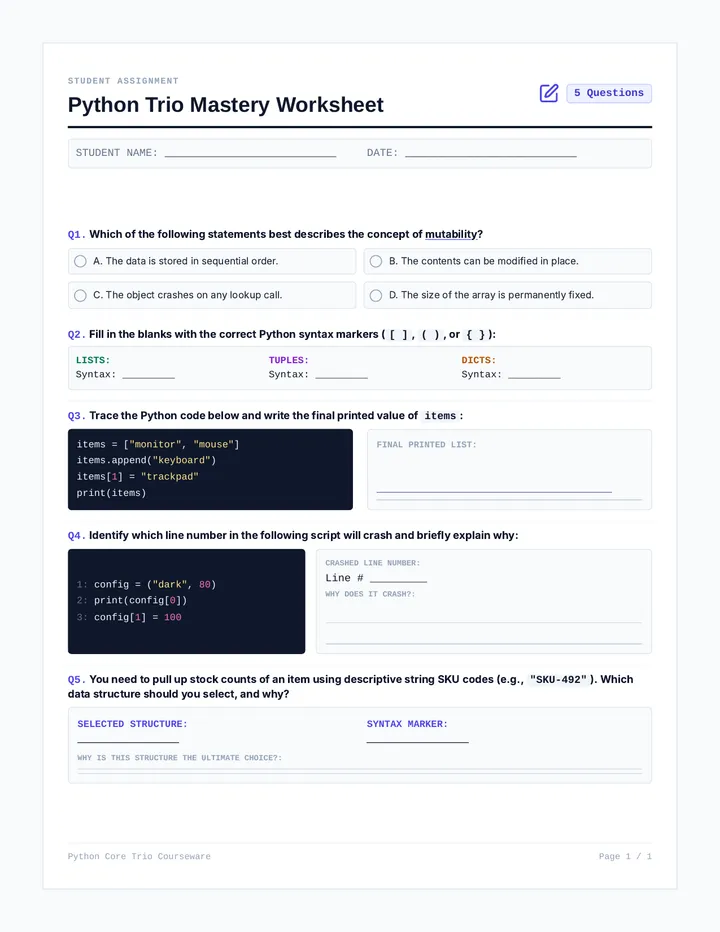
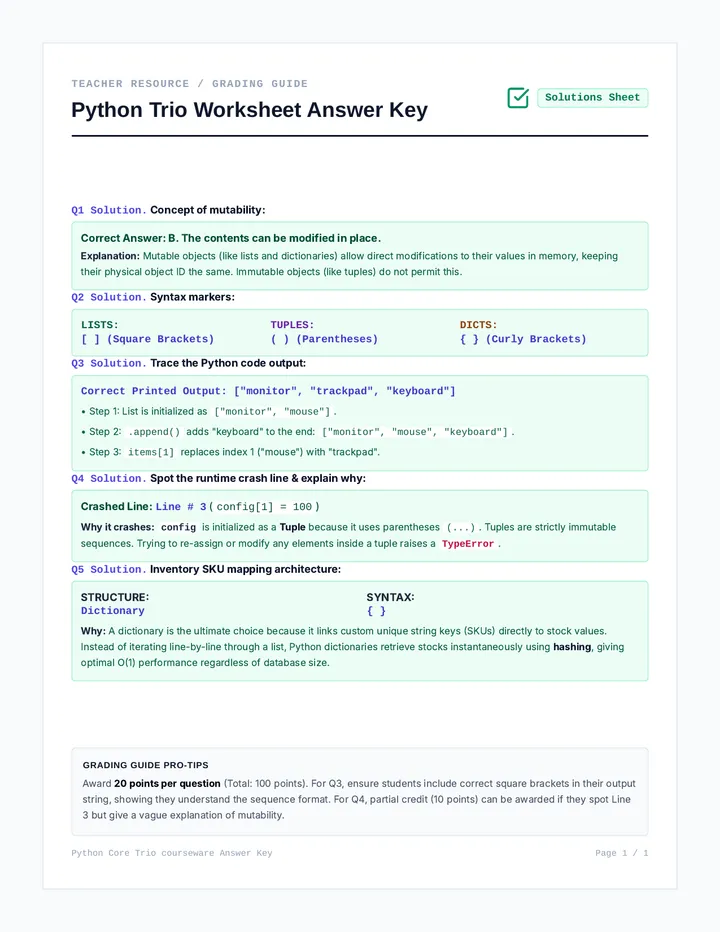
An introductory guide to Python's three fundamental data structures: lists, tuples, and dictionaries. This lesson covers their basic concepts, real-world analogies, syntax, and key differences for complete beginners.
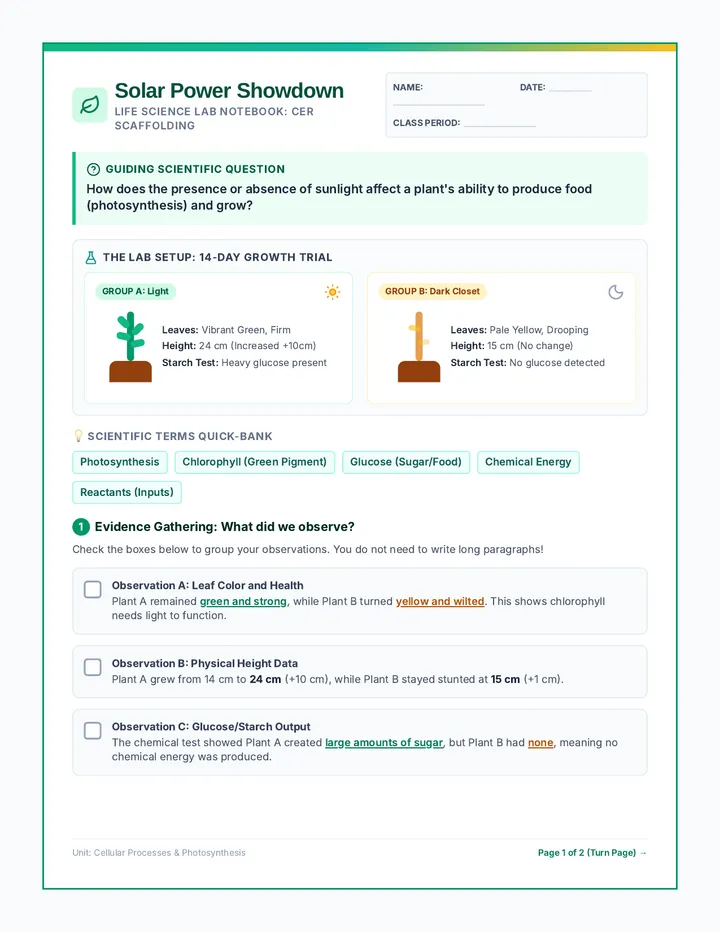
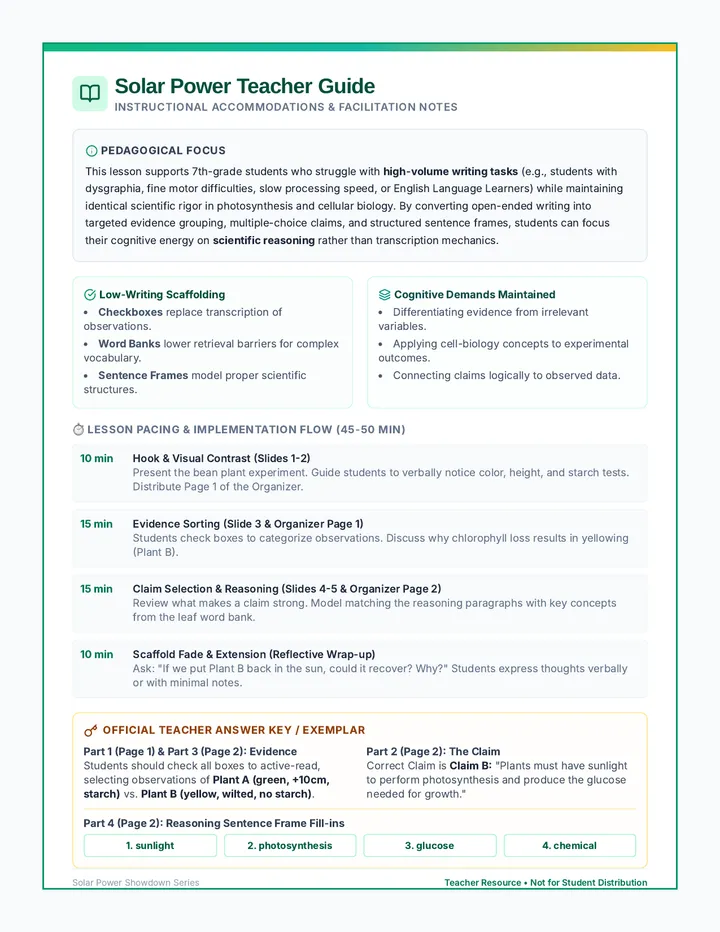
A differentiated Claim-Evidence-Reasoning (CER) lesson designed for 7th-grade life science, focusing on photosynthesis. It provides visual aids, word banks, and structured sentence frames to support students who need reduced writing demands.