Analysis of text features, main ideas, and supporting details in informational texts. Develops critical thinking through evidence-based questioning and summary skills.
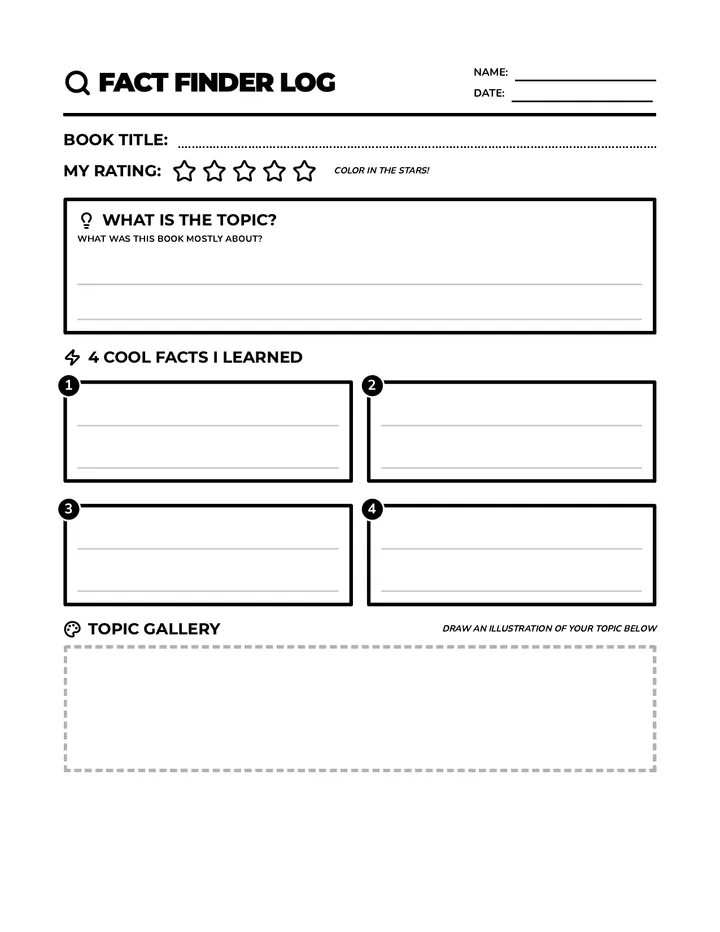
A high-contrast, black-and-white graphic organizer for students to log facts from a book, featuring sections for topic description, four key facts, and a drawing gallery, strictly formatted for a single-sided 8.5x11 page.
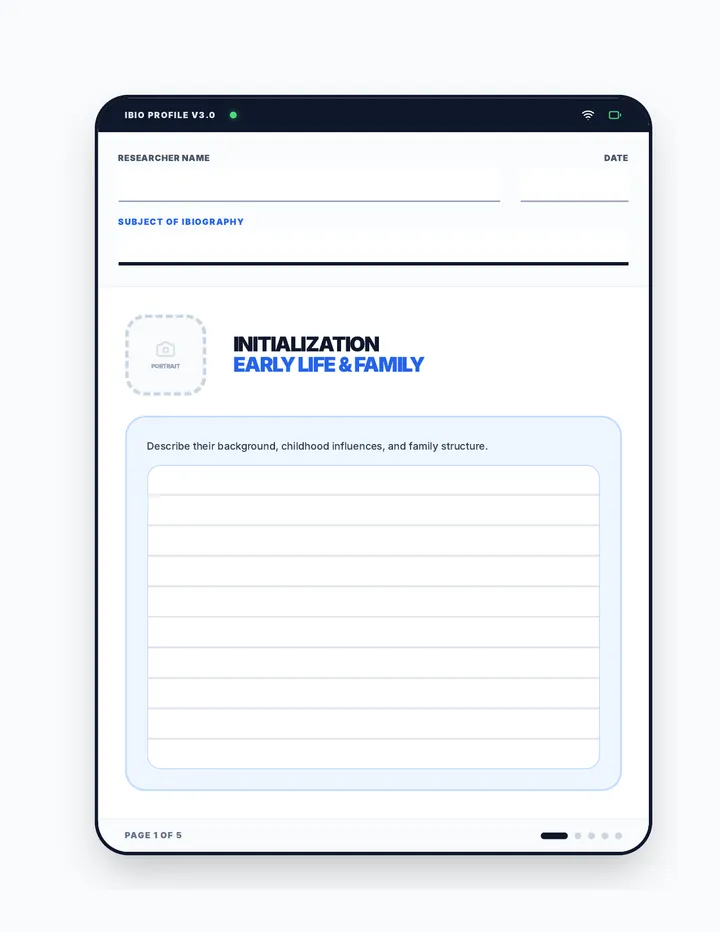
A comprehensive 5-page tech-themed 'iBio' digital-style profile organizer. Each category (Early Life, Accomplishments, Obstacles, Character Traits, and Legacy) has its own dedicated page with expanded writing areas and 36px lines for 6th-grade handwriting. Each page is designed as a standalone tablet interface.
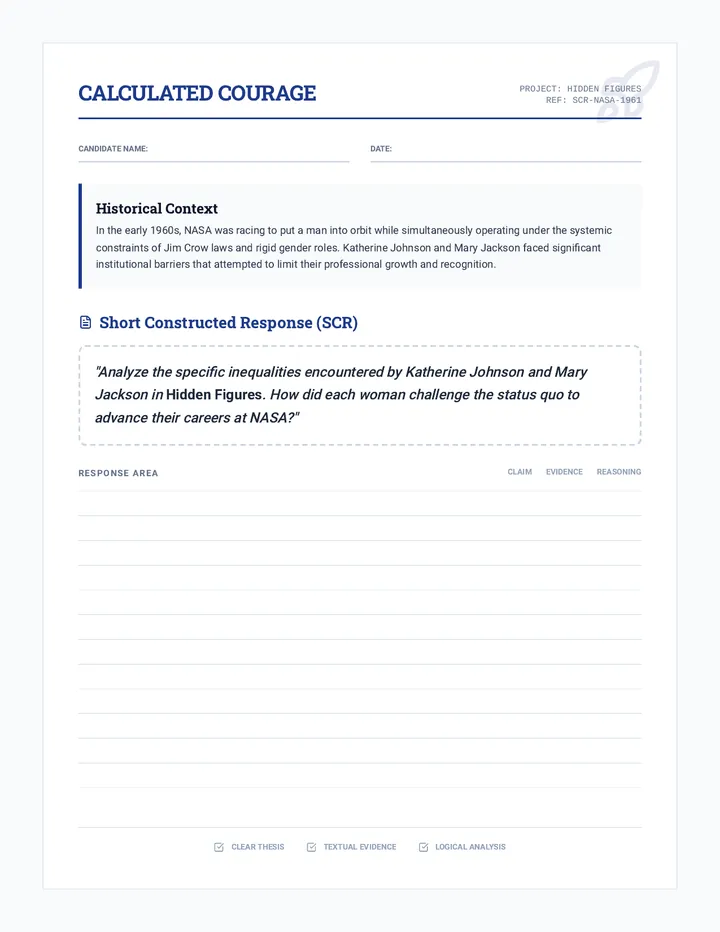
An SCR prompt document for 'Hidden Figures' focusing on the systemic inequalities faced by Katherine Johnson and Mary Jackson. Includes historical context, a clearly defined writing prompt, and a structured response area for student use.
A collection of 5th-grade ELA and Grammar resources focusing on biographical research, summary writing, and language mastery.
A comprehensive unit focused on informational reading and writing skills for elementary students. The sequence guides students through the process of researching high-interest topics, synthesizing information from multiple paragraphs, and drafting professional-quality informational reports.
A comprehensive collection of interactive activities and tools designed to help 4th graders master nonfiction text features, including headings, captions, diagrams, and navigation tools.
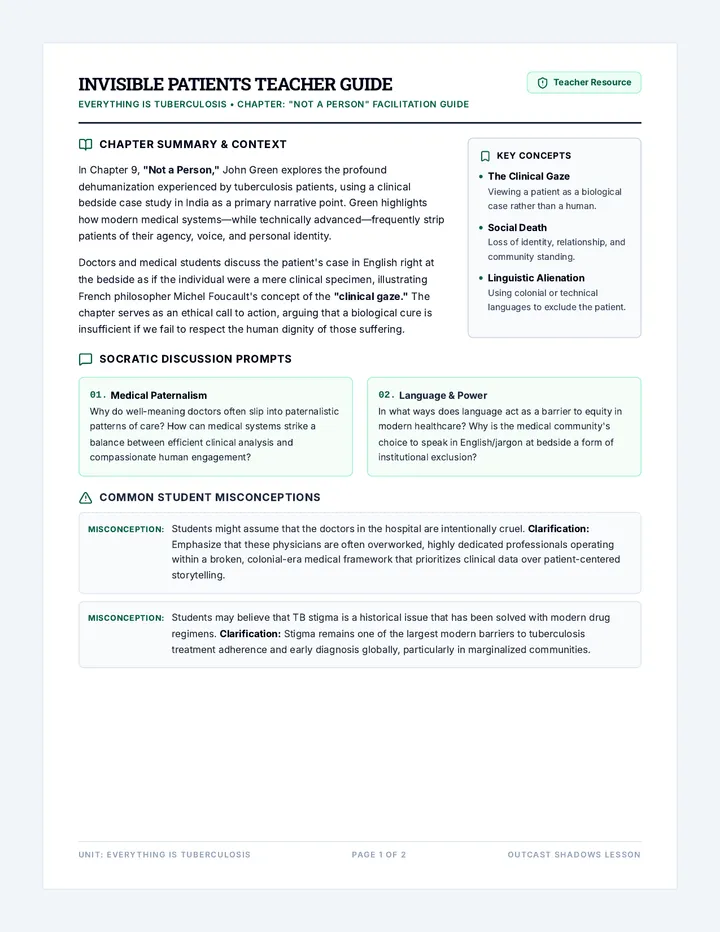
A rigorous high school unit exploring John Green's 'Everything is Tuberculosis', examining historical plague narratives, the biological science of the bacillus, medical ethics, global health policy, and the human side of patient advocacy.
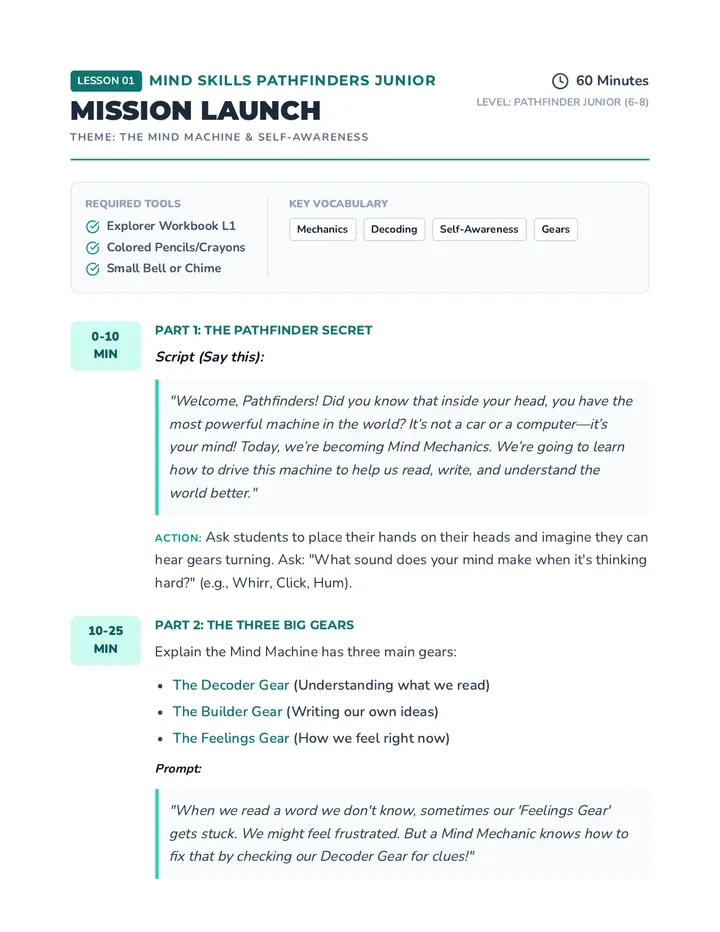
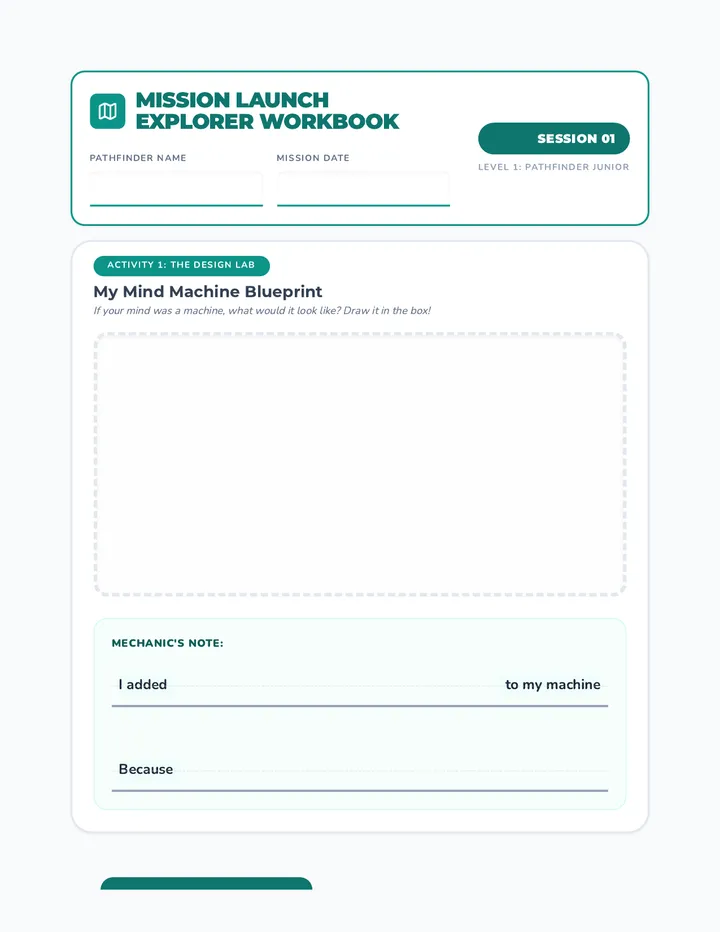
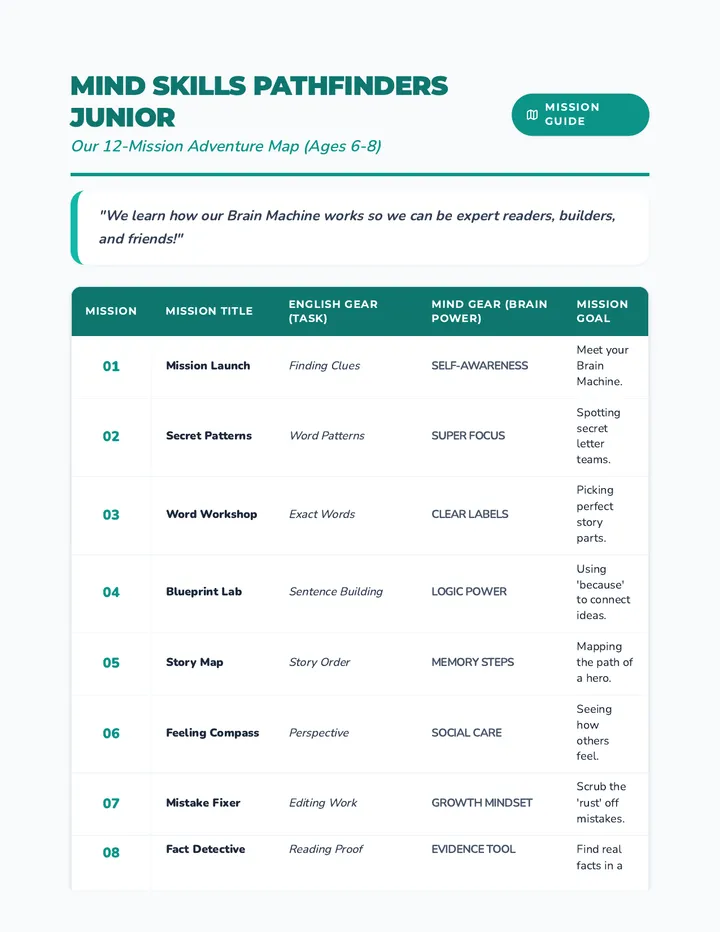
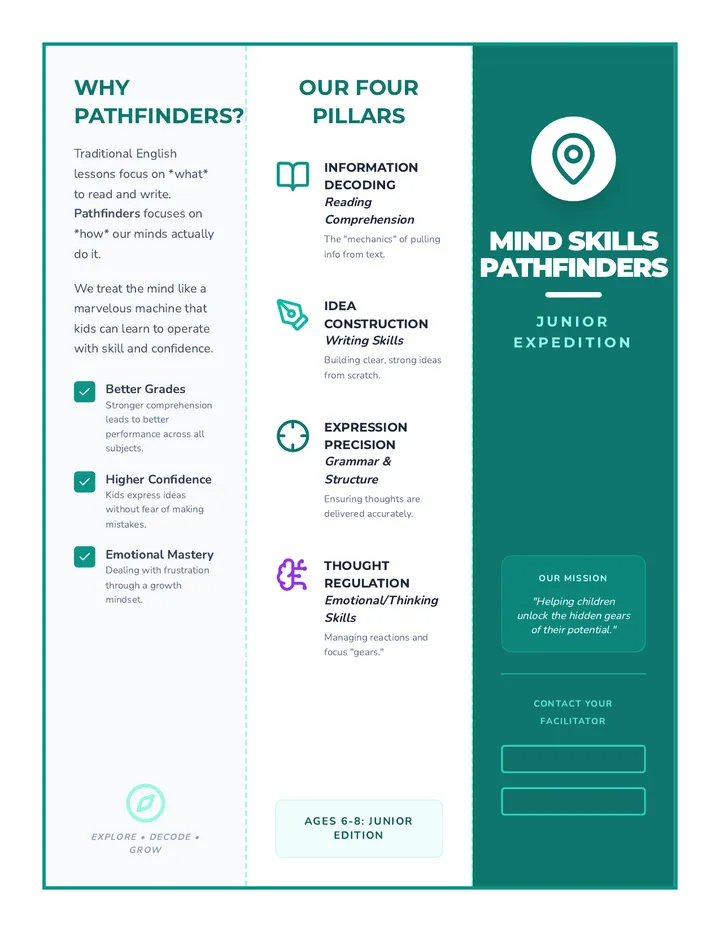
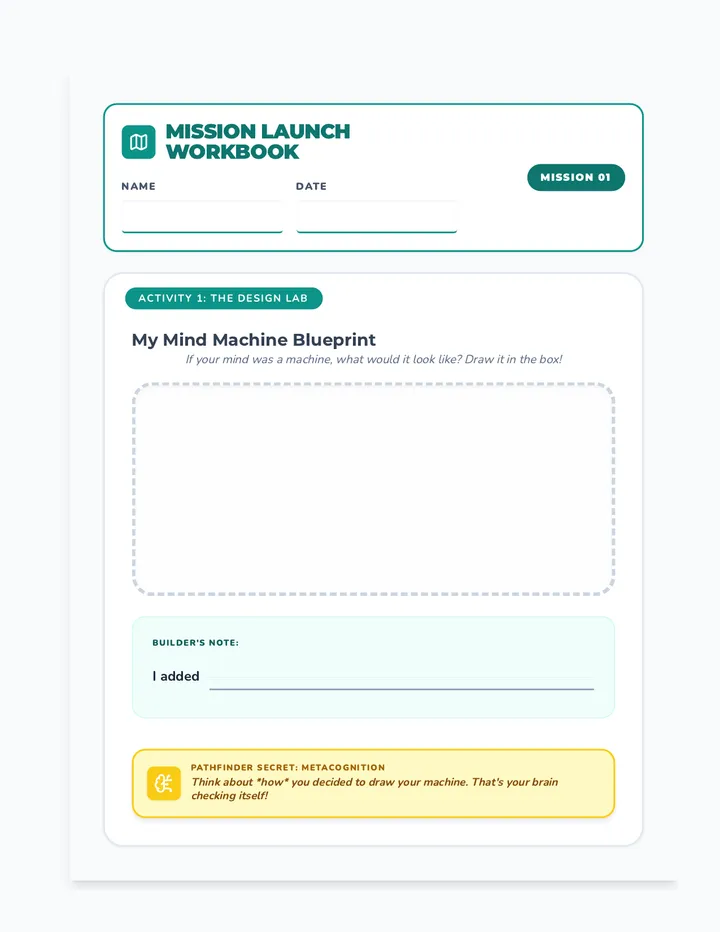
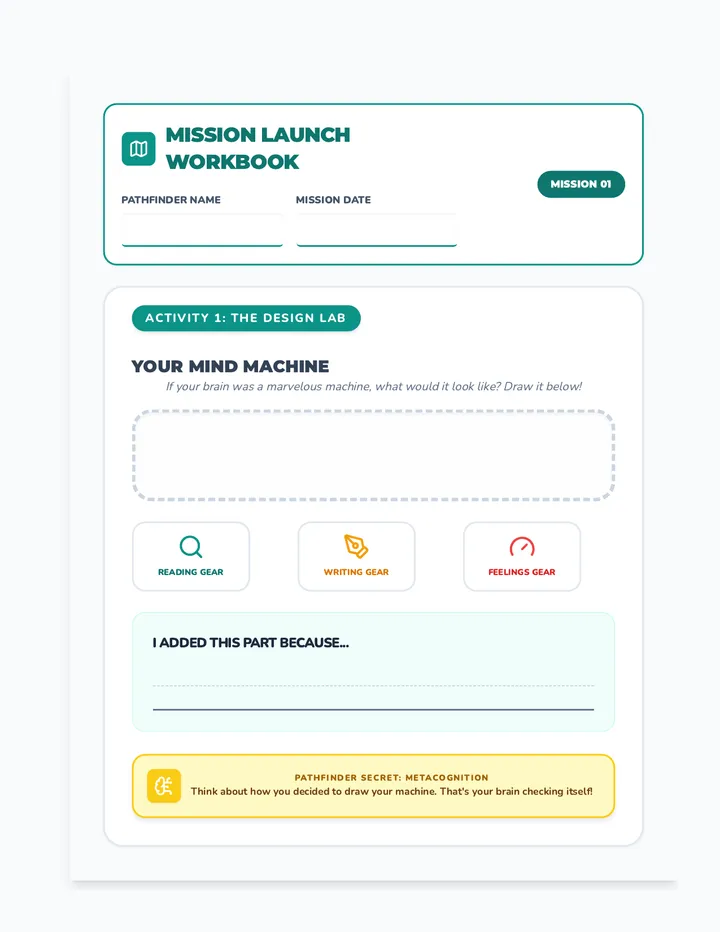
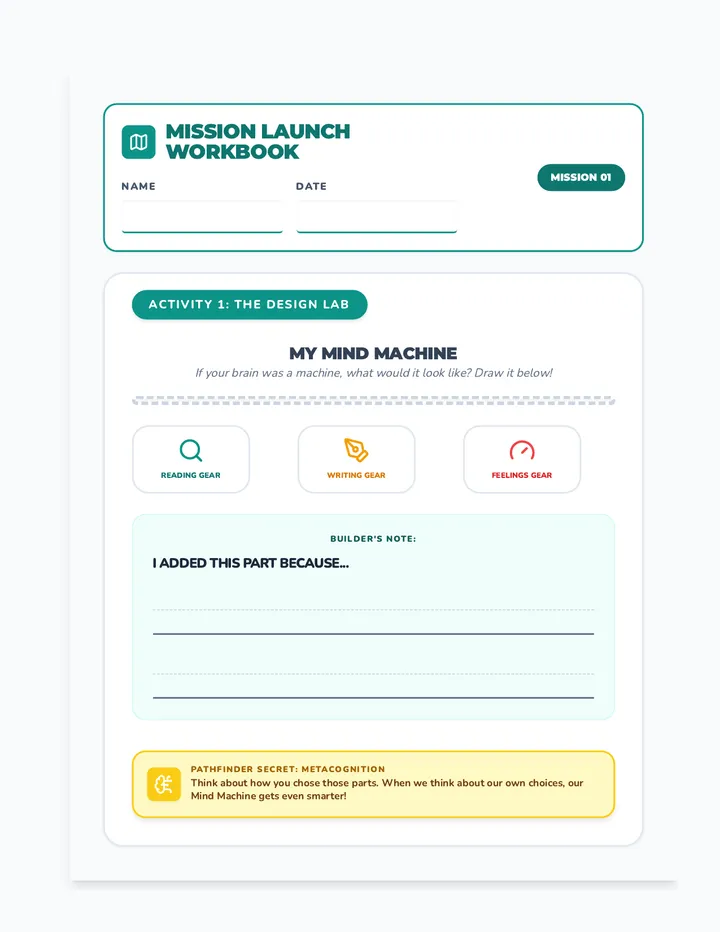
A 12-session journey for children aged 6-8 that integrates English literacy skills (comprehension, writing, grammar) with essential emotional and thinking skills using the 'Mind Mechanics' framework. Students learn to decode information, construct ideas precisely, and regulate their thoughts and responses for better school performance and well-being.
A 7th-grade ELA unit focused on synthesizing information from a nonfiction book with various media formats, including videos, articles, and primary sources, culminating in a multimedia project.
This sequence teaches 7th-grade students to analyze the structural framework of nonfiction texts. Students progress from identifying surface-level text features to evaluating complex organizational patterns and their impact on the author's central message.
An 8th-grade ELA sequence focused on the mastery of determining central ideas and writing objective summaries in nonfiction. Students move from distinguishing topics to distilling complex texts into concise, neutral summaries across various genres.
This undergraduate-level sequence explores the intersection of journalism and literary art, focusing on narrative techniques like scene construction, characterization, and pacing within nonfiction texts while addressing the ethical implications of these choices.
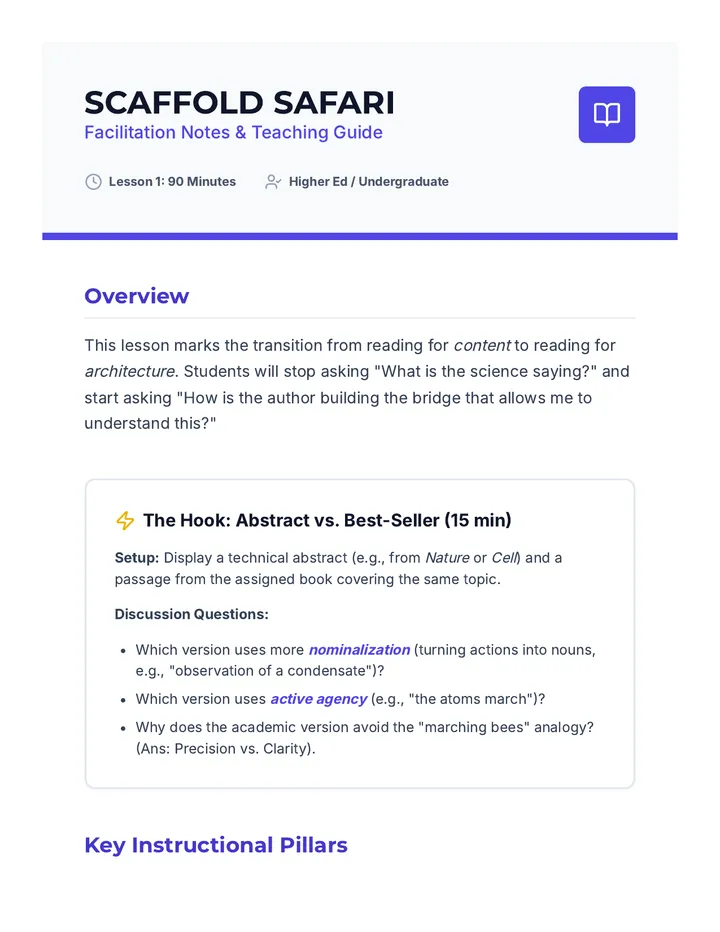
This sequence guides undergraduate students through the critical analysis of popular science nonfiction. It focuses on the translation of technical knowledge for public consumption, exploring audience scaffolding, metaphor usage, visual rhetoric, and the ethics of narrative in science writing.
A 9th-grade sequence focused on decoding complex informational texts by analyzing text features, visual data, metaphors, and specialized vocabulary. Students develop critical reading skills to understand how technical information is communicated to a general audience.
This sequence explores the technical and structural organization of nonfiction texts. Students act as professional editors, analyzing table of contents, paratextual features like footnotes, data visualizations, and syntactic complexity to understand how information architecture influences readability and impact.
An 8th-grade ELA lesson focused on central ideas and evidence through the CommonLit text 'Keeping Up with the Joneses'. Students analyze the origins, social impacts, and psychological pressures of status-seeking behavior through vocabulary challenges, media analysis, and collaborative activities.
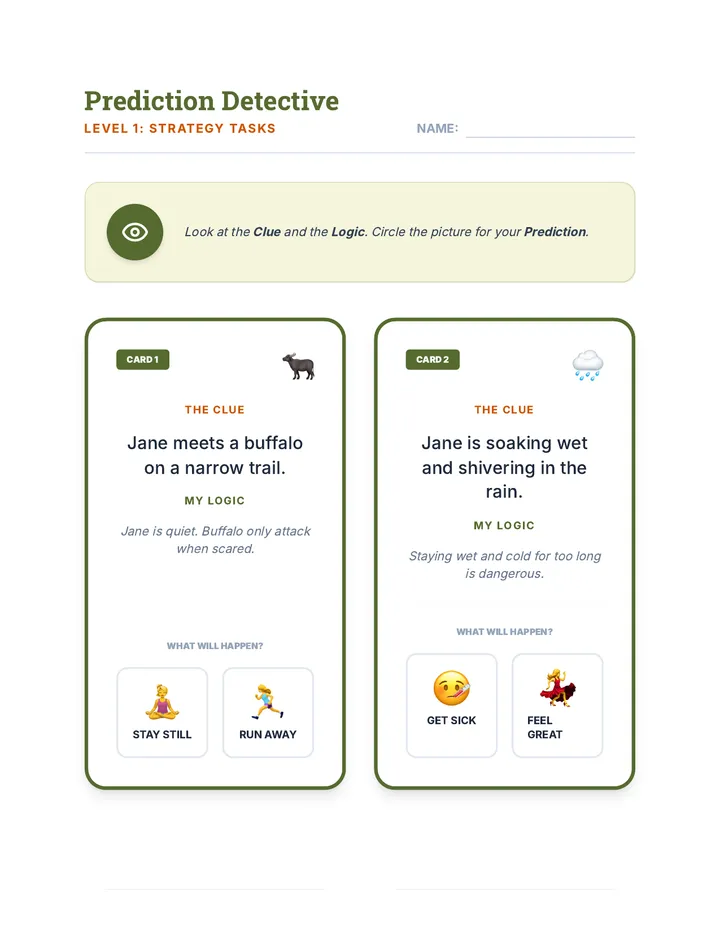
A leveled reading comprehension lesson based on Chapter 1 of 'Jane Goodall and the Chimpanzees of Gombe'. Students practice making predictions and identifying key details about Jane's arrival in the jungle across three different learning levels.
A comprehensive set of teacher resources for the NY Grade 8 ELA Interim Assessments, including complete answer keys for Book 1 and Book 2 and a detailed 165-minute pacing guide.
A biography research project focused on influential athletes who changed the world. Students use a sports-themed packet to document their subject's career milestones, social impact, and personal mindset.
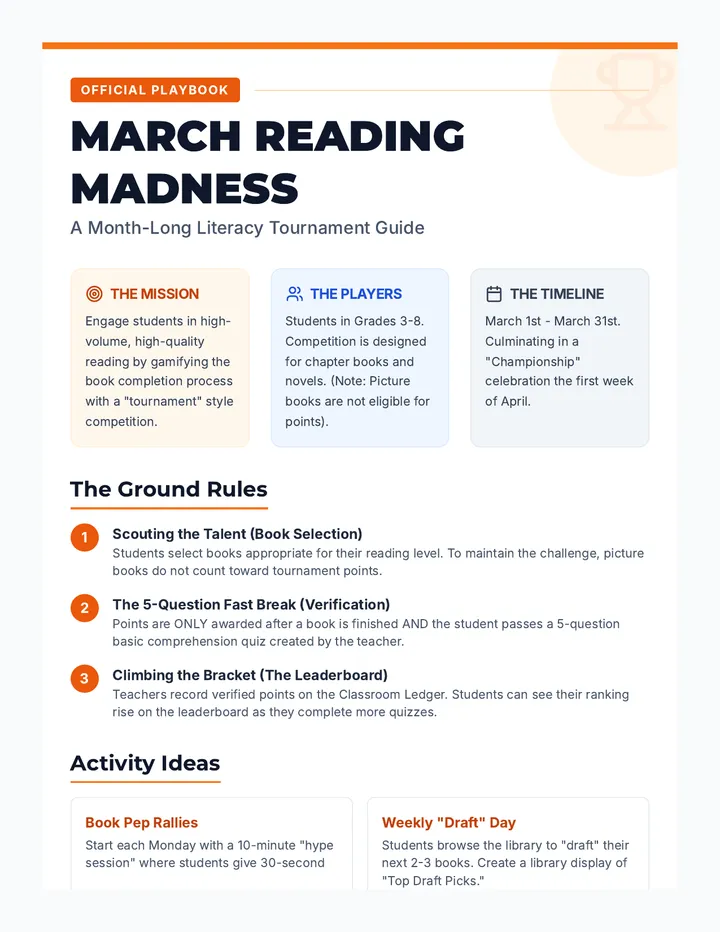
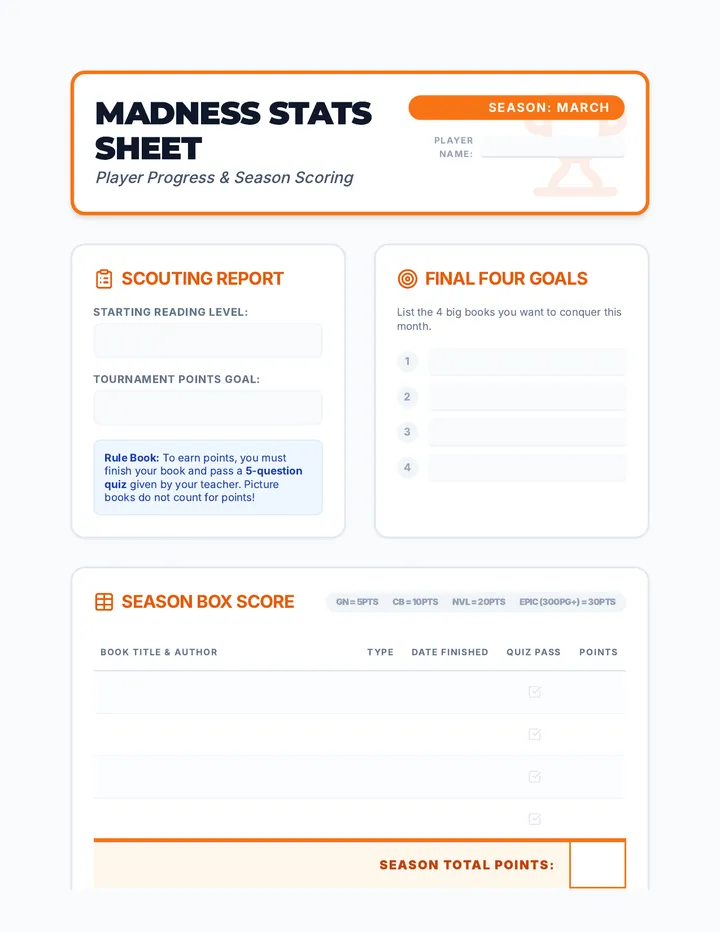
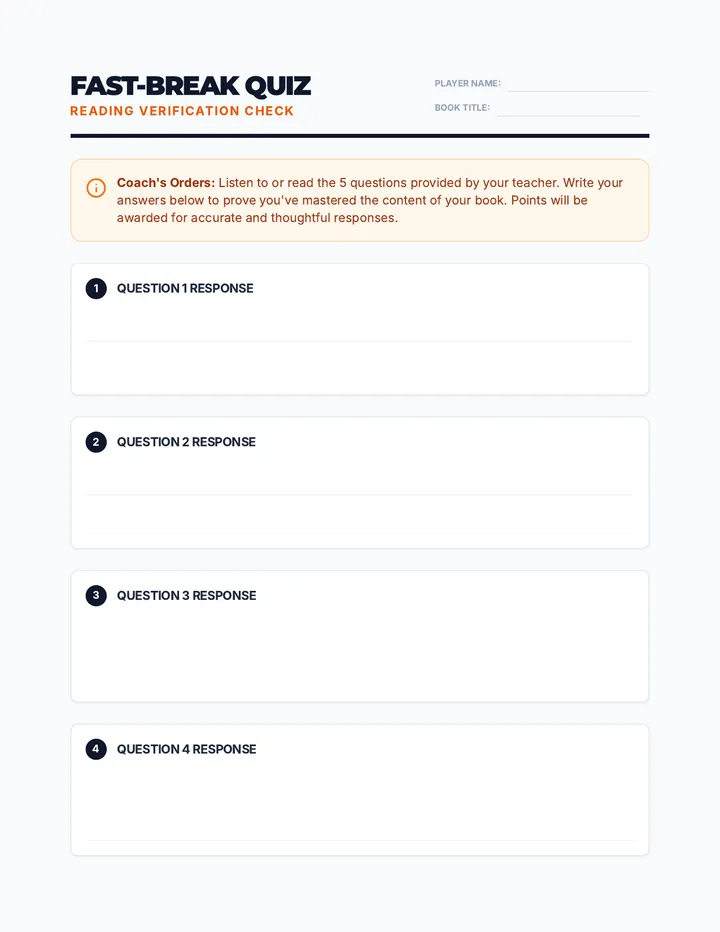
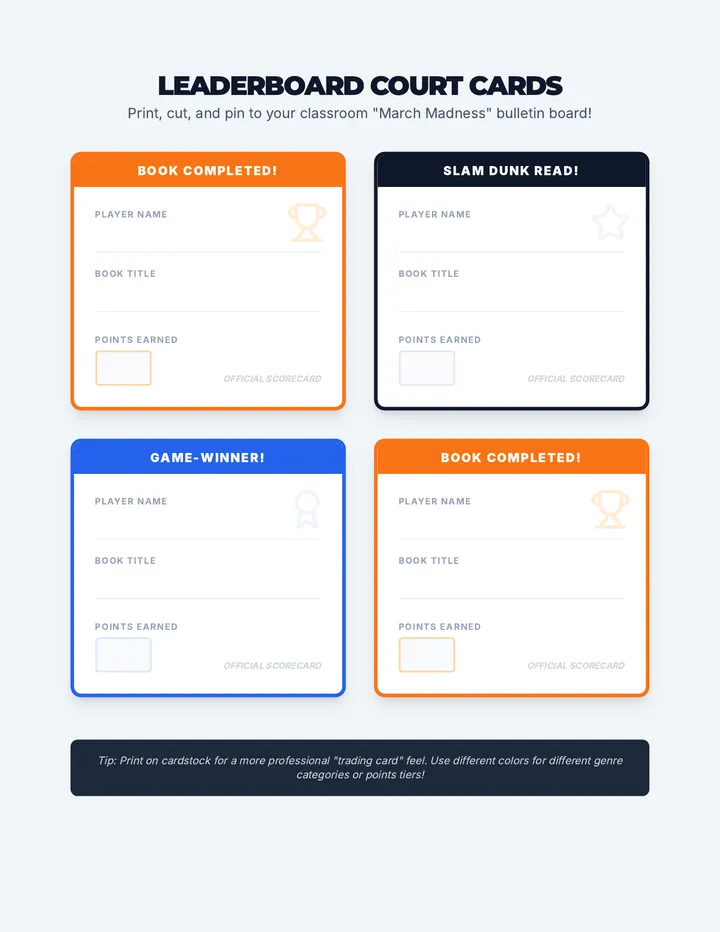
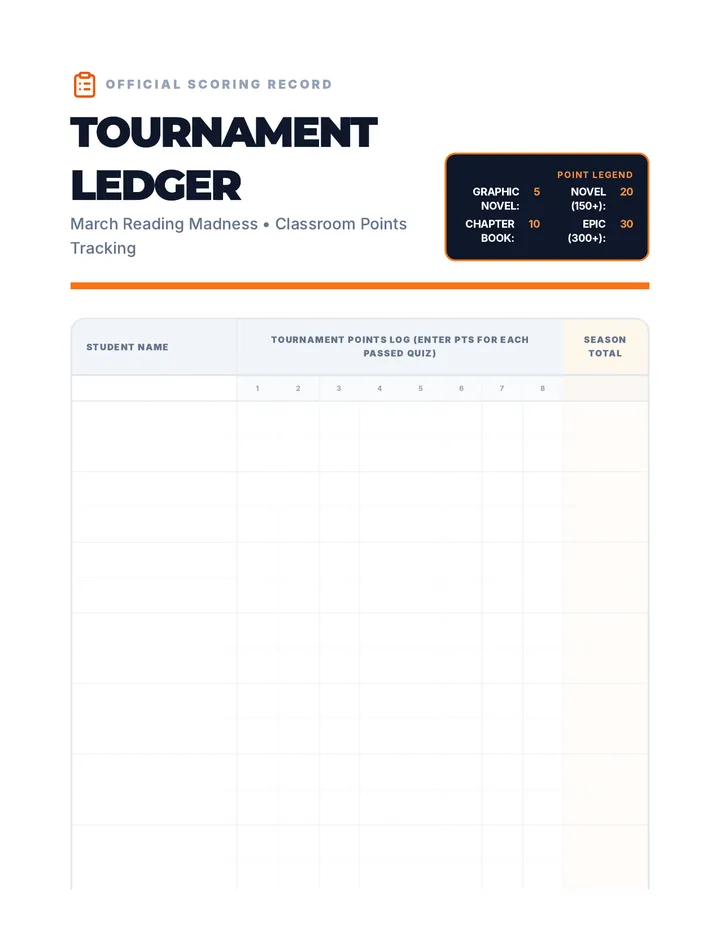
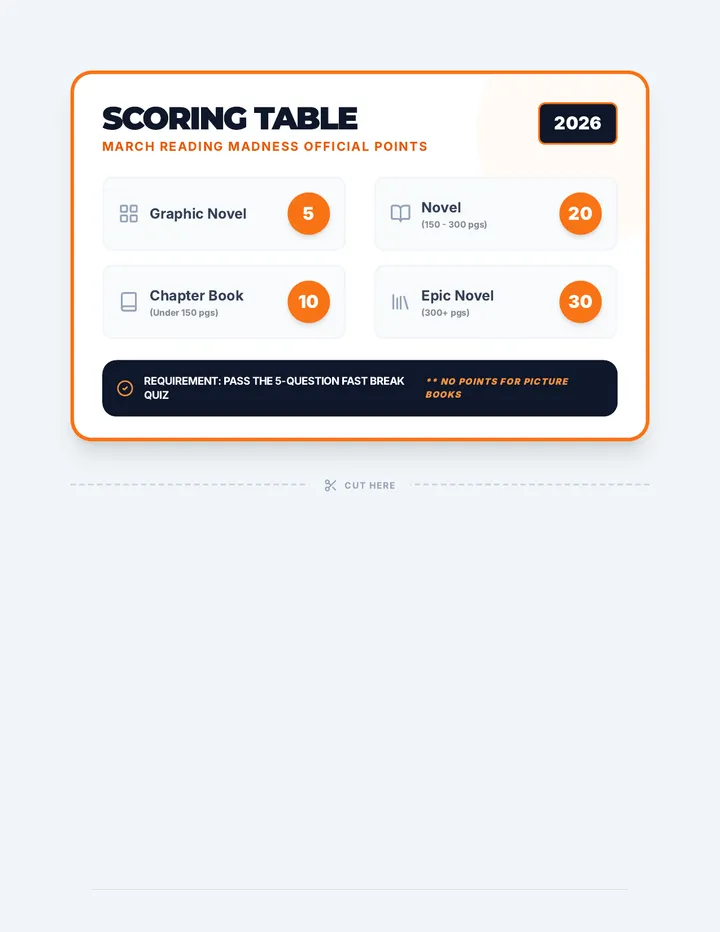
A month-long literacy initiative inspired by basketball tournaments, designed to boost reading volume and comprehension through a competitive, gamified classroom environment.
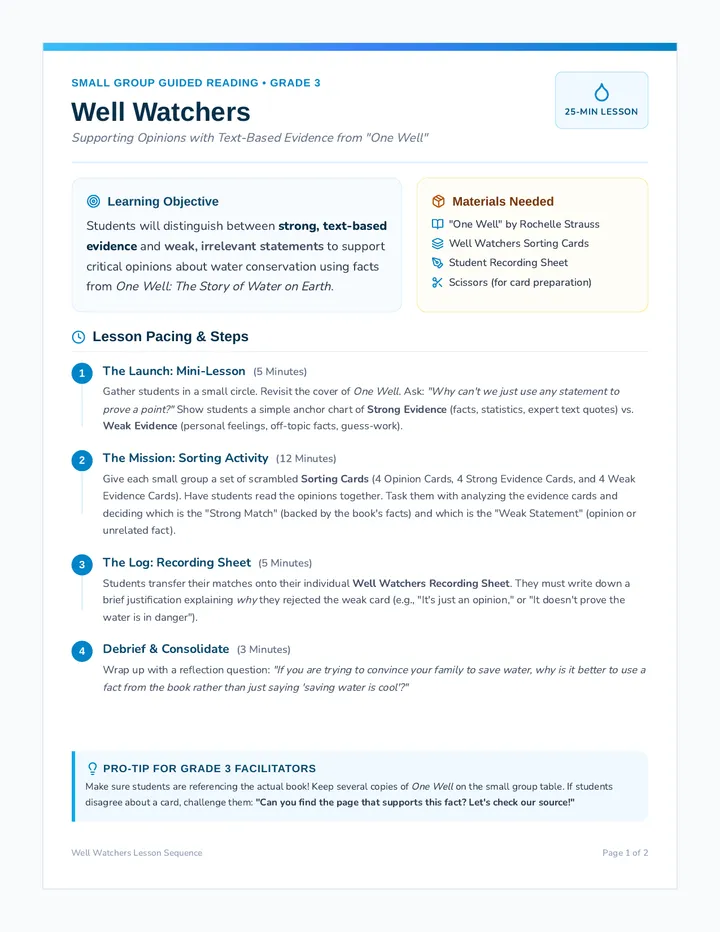
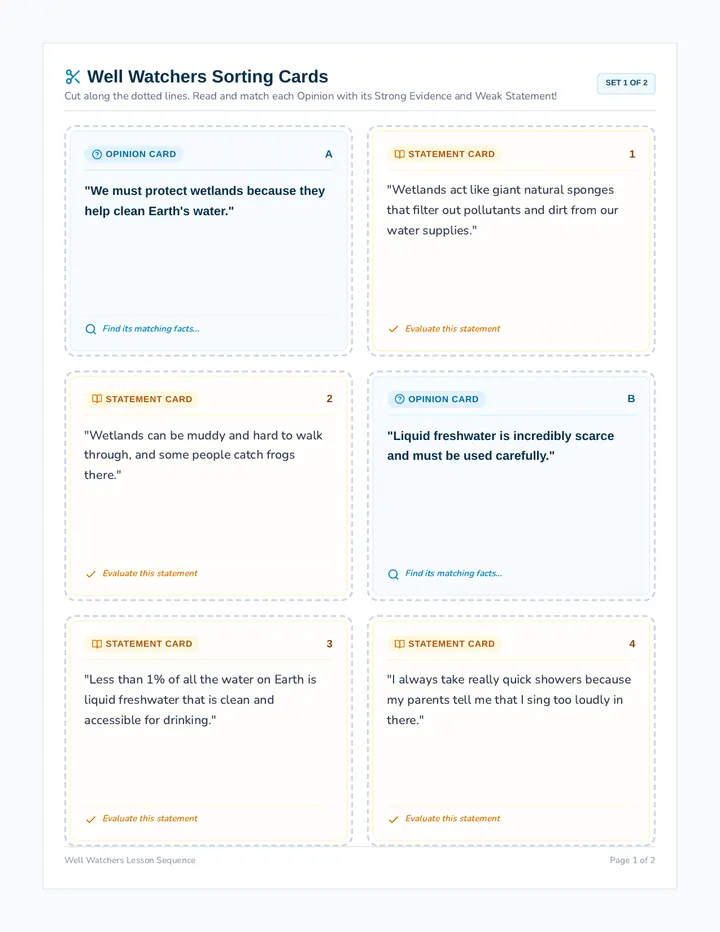
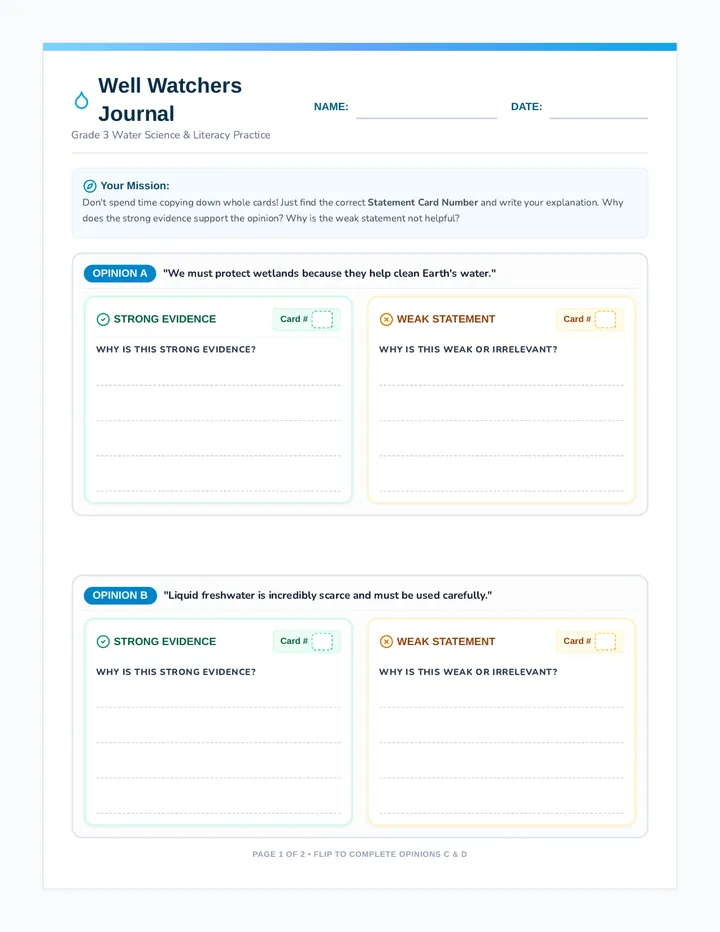
A hands-on Grade 3 small group activity based on *One Well: The Story of Water on Earth*. Students practice distinguishing between strong, text-based evidence and weak, irrelevant statements to support critical opinions about water conservation.
A comprehensive MCAS-style reading and writing assessment focused on an informational text about beavers, designed to build stamina and test-taking skills for 3rd graders.
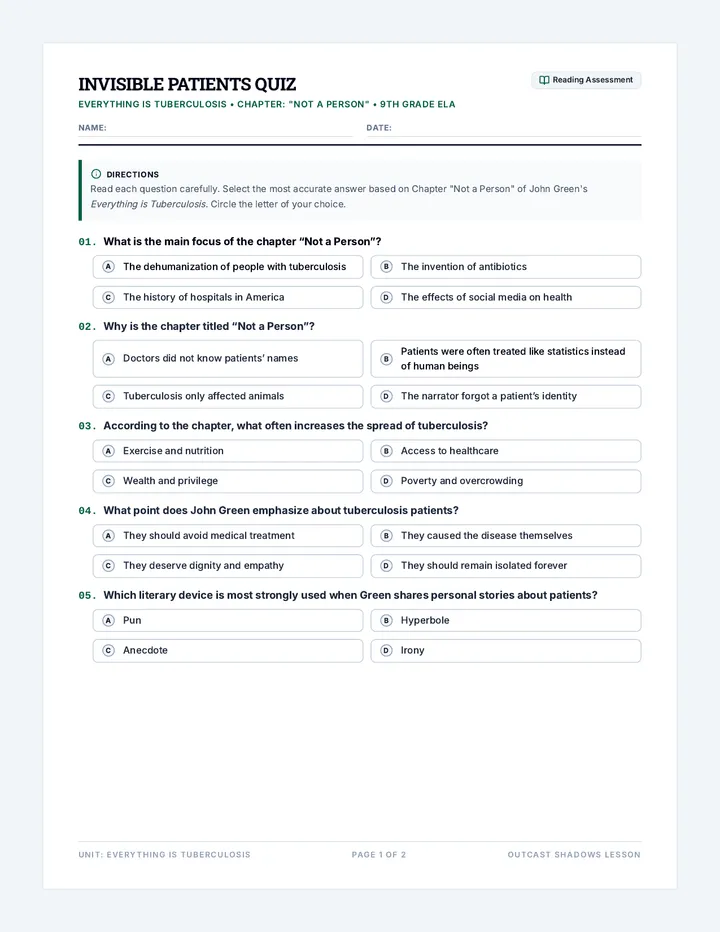
A assessment-focused lesson covering the historical impact of Tuberculosis as detailed in 'That Wealth Never Warded Off', focusing on the theme that disease transcends social class.
A lesson focused on identifying the structural parts of a book and applying that knowledge through a critical book review and vocabulary practice.
A comprehensive diagnostic toolset designed for a bright, disengaged 7th-grade reader to uncover hidden interests and media preferences that can be translated into book recommendations.
Students analyze the first third of their selected memoir using road-trip metaphors to track character development and plot progression. They create a visual roadmap that identifies key turning points, obstacles, and moments of growth.
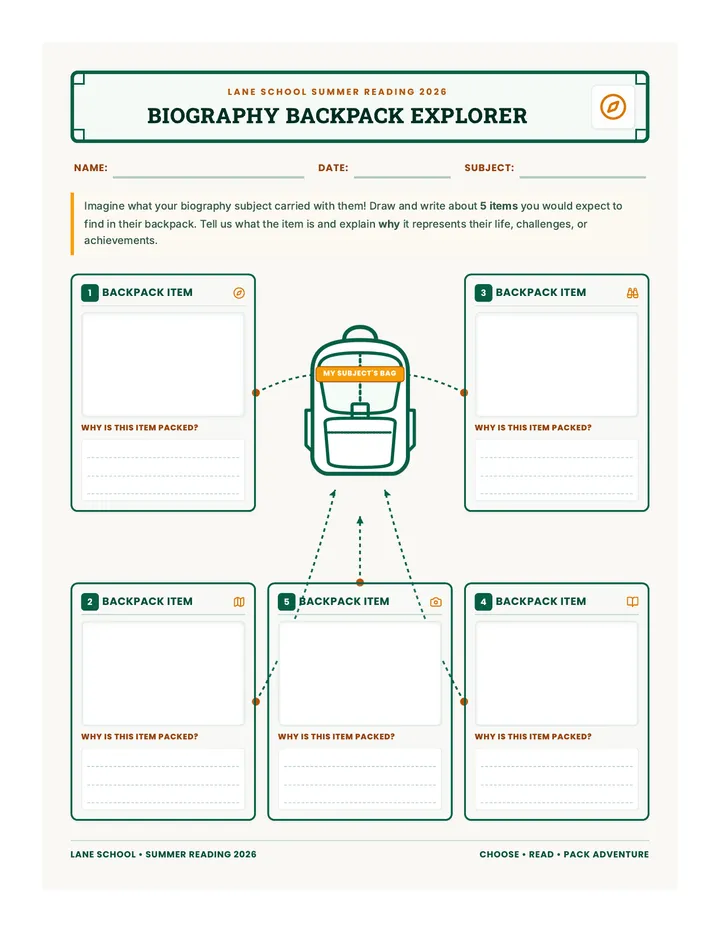
A creative summer reading lesson for 3rd through 5th graders. Students read a biography of their choice and analyze the subject's life, challenges, and accomplishments by designing a 'biography backpack' filled with five symbolic items that represent their historical or public figure.