A lesson focused on identifying the structural parts of a book and applying that knowledge through a critical book review and vocabulary practice.
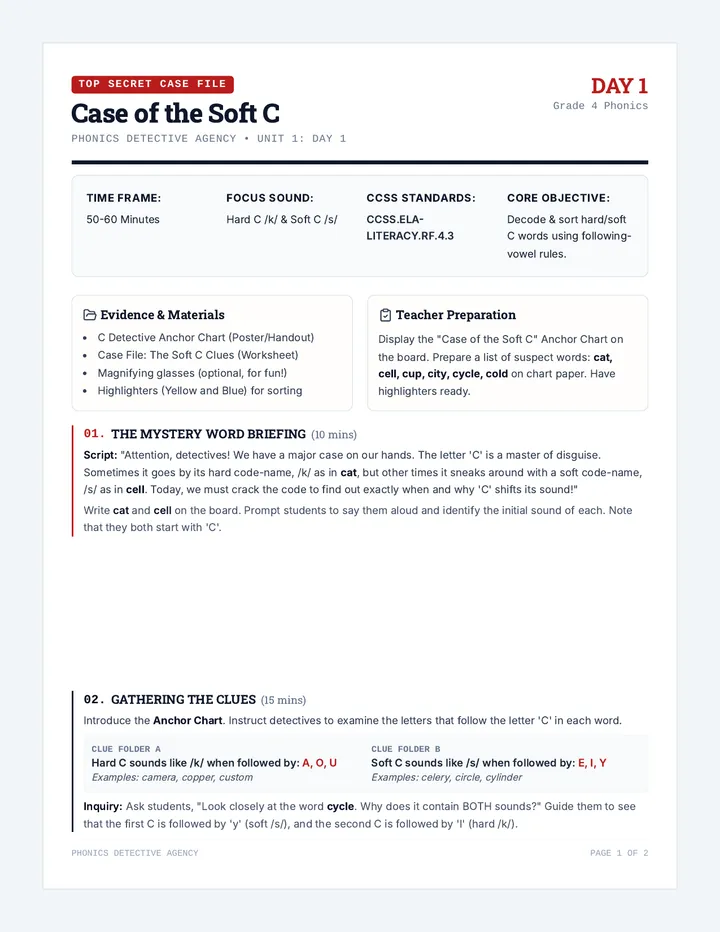
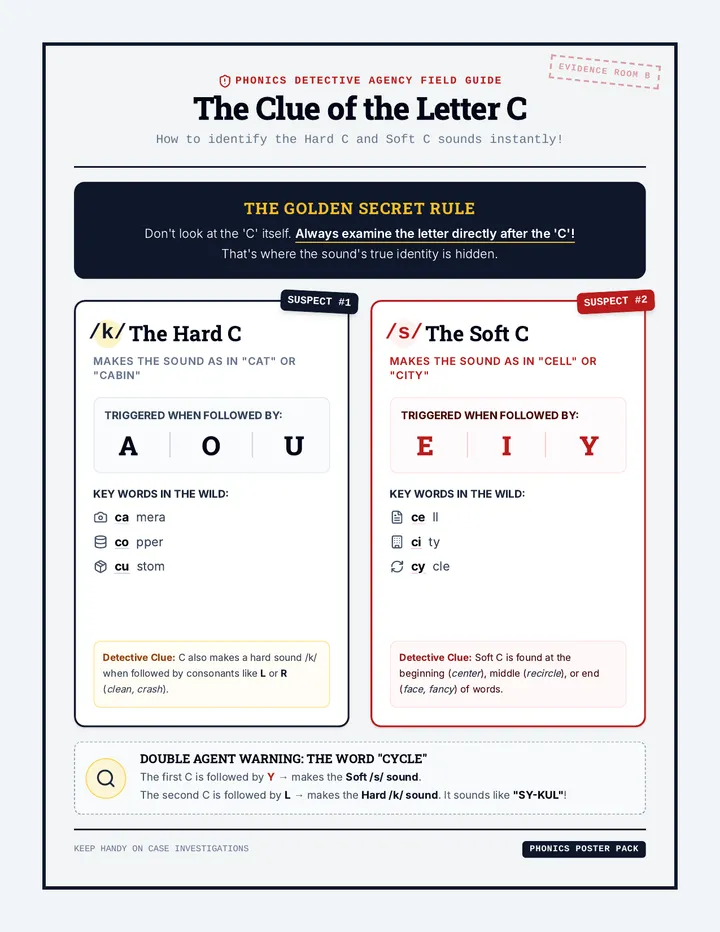
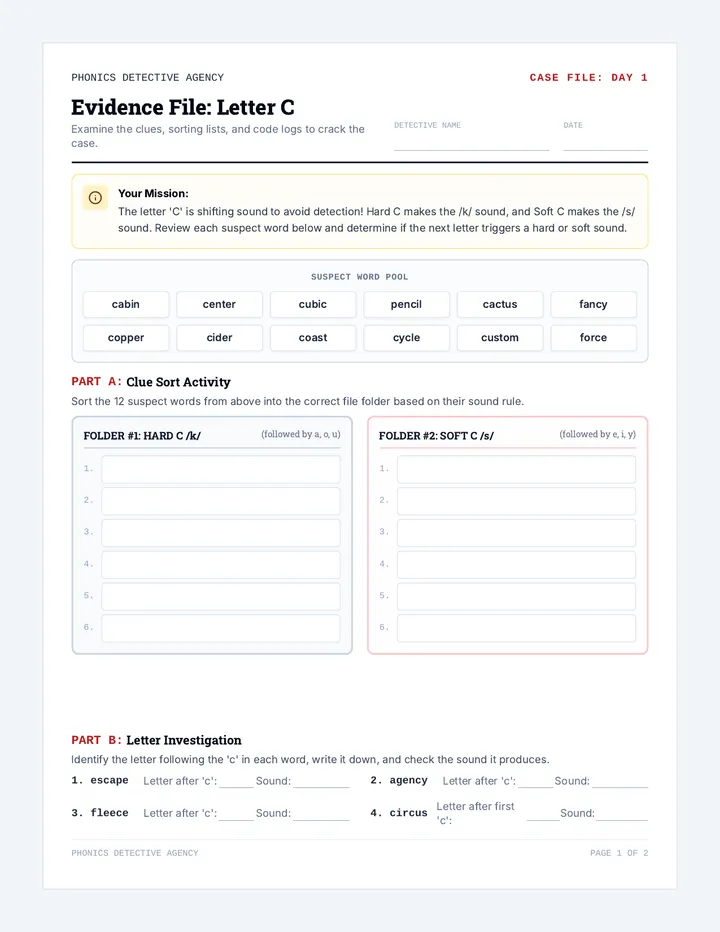
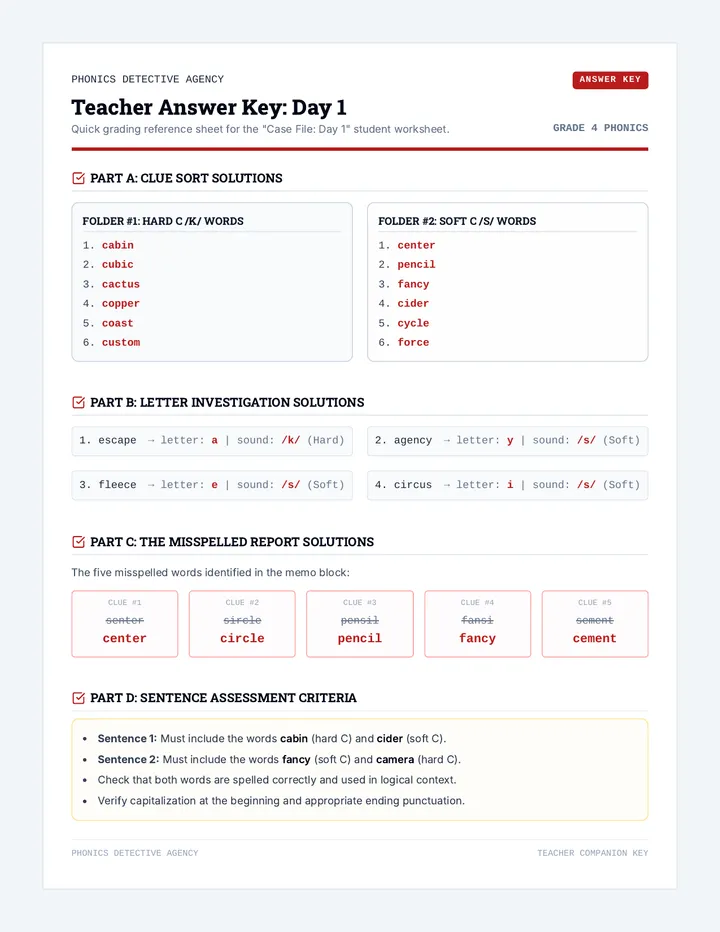
A comprehensive, detective-themed 2-day phonics unit for 4th graders to master the hard and soft sounds of 'c' and 'g' using structured inquiry, visual anchor charts, and scaffolded practice worksheets.
A five-day routine-based morning work set designed to teach foundational cursive strokes, individual letters (Aa to Ee), and high-frequency sight words. It includes five student practice sheets and a teacher classroom guide to facilitate a structured, daily 10-minute warm-up.
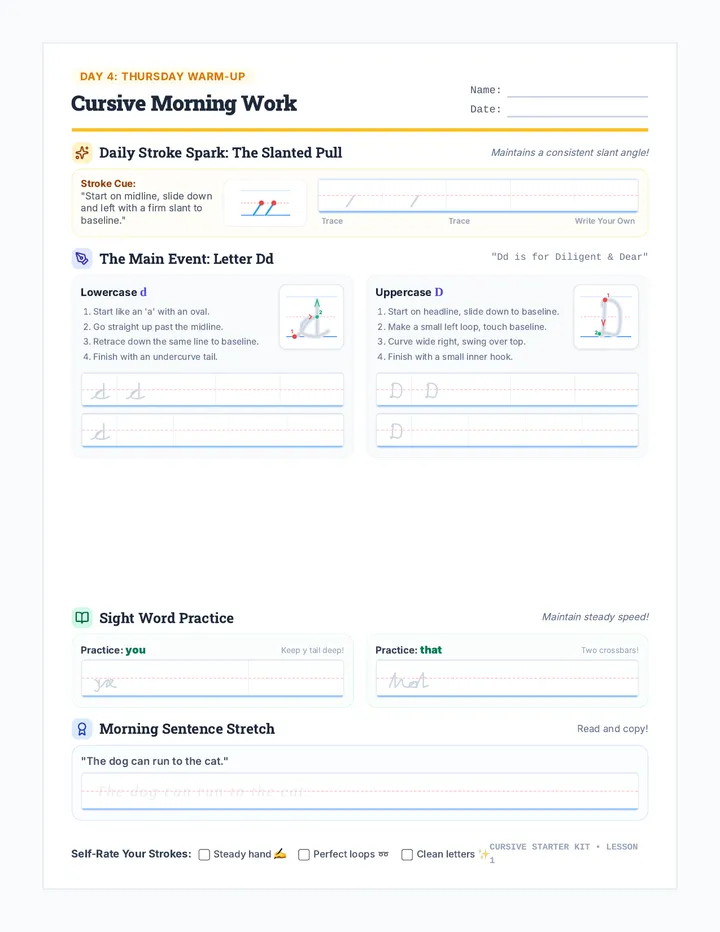
Day 4 Cursive Practice Sheet focusing on the foundational slant stroke, lowercase and uppercase Dd, and sight words 'you' and 'that'. Includes warm-ups and self-assessment.
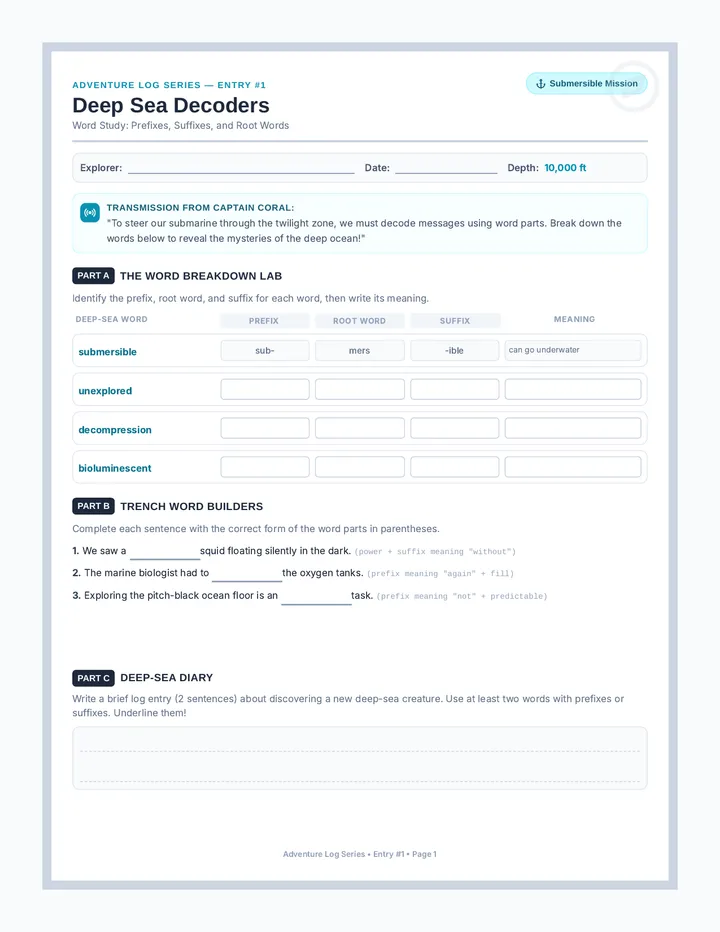
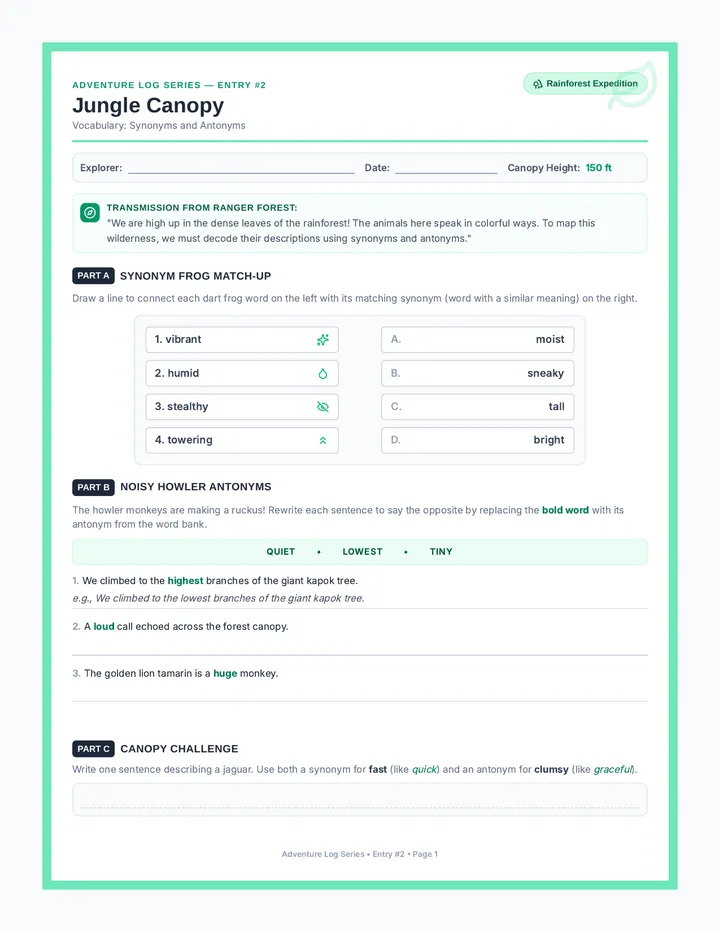
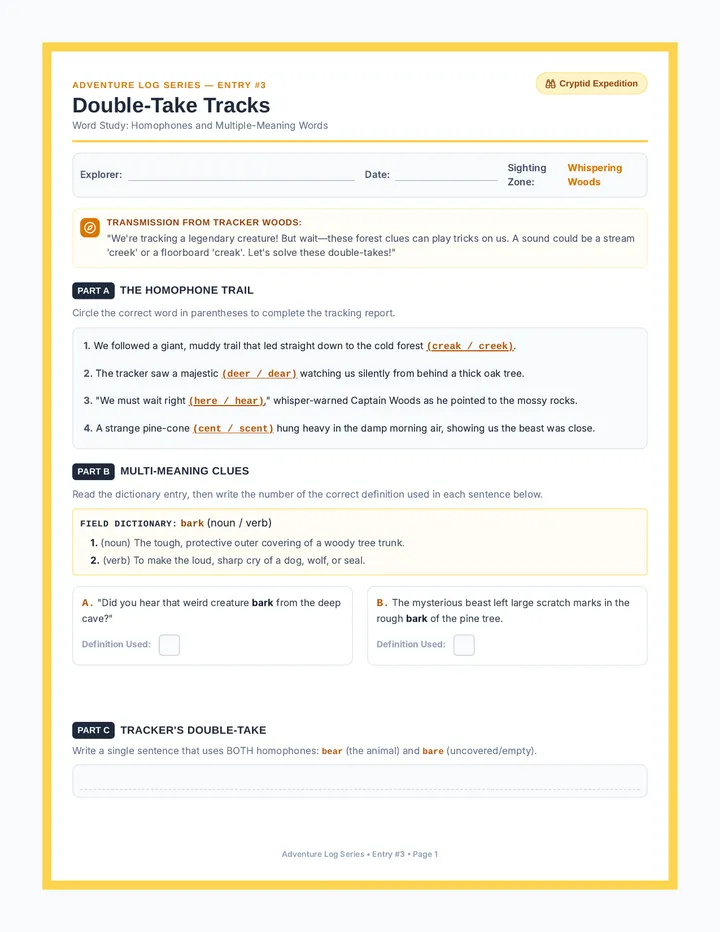
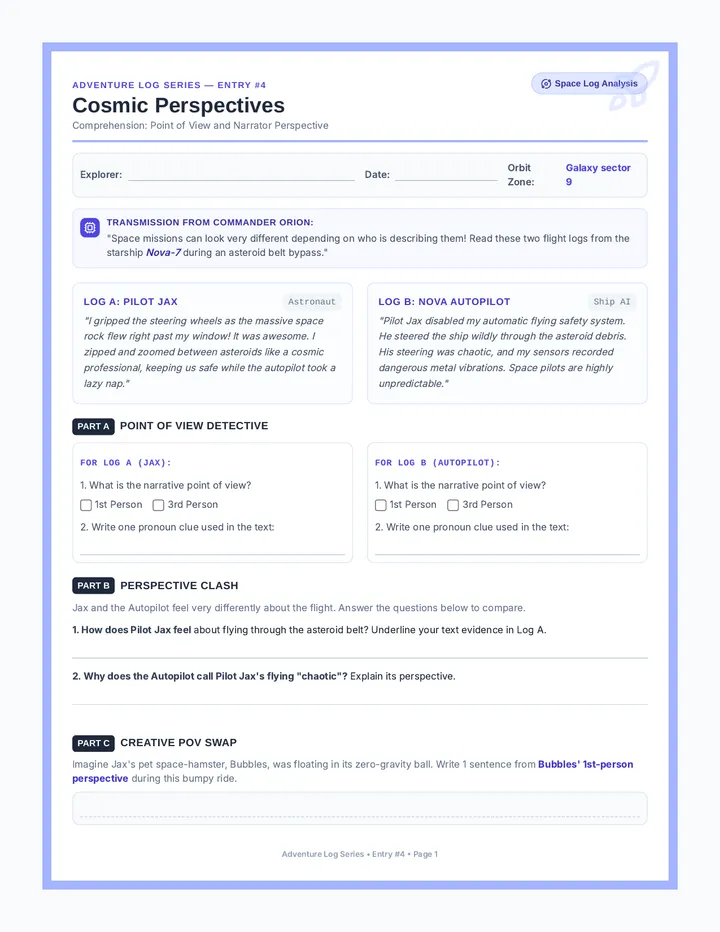
A comprehensive summer ELA bridge program for rising fourth graders, focusing on essential reading comprehension, vocabulary, and word study skills through engaging high-interest topics.
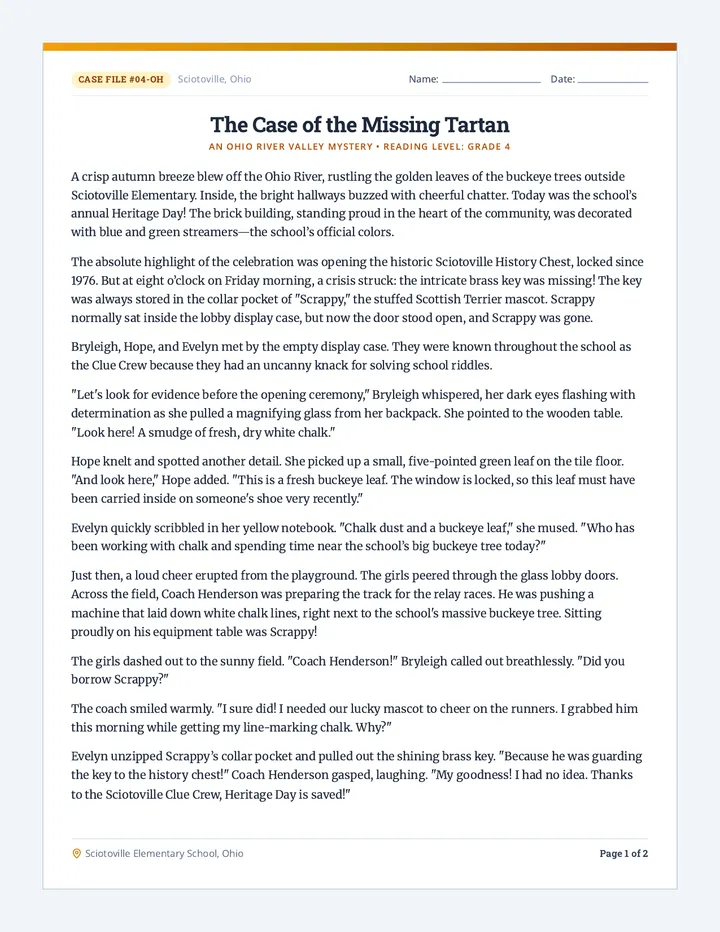
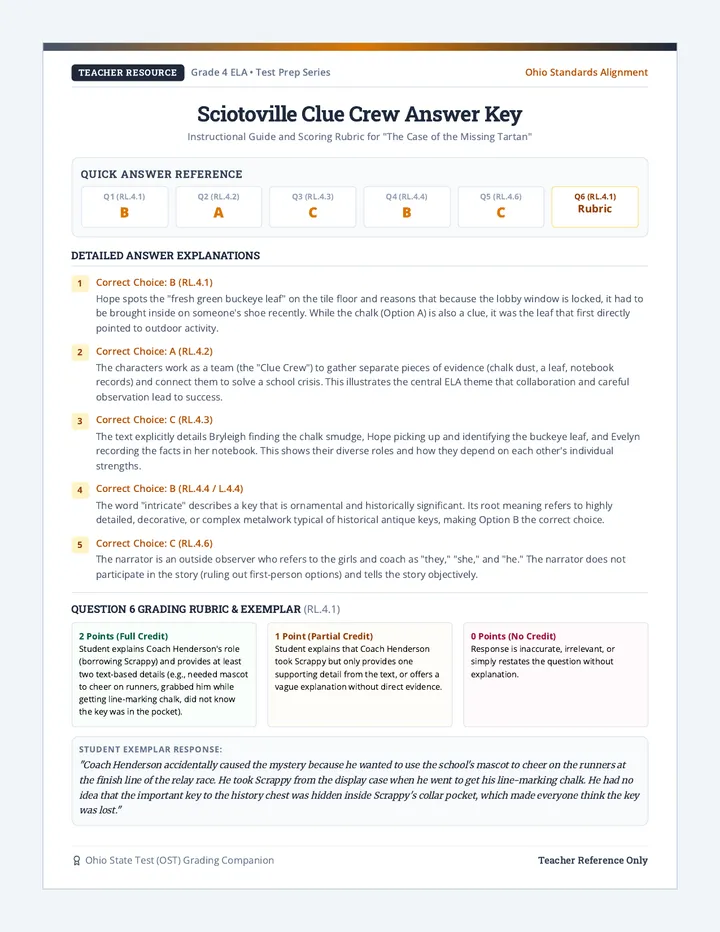
A fourth-grade ELA lesson centering on a fictional mystery reading passage set in Sciotoville, Ohio, with aligned Ohio test-prep comprehension questions and a detailed teacher answer key.
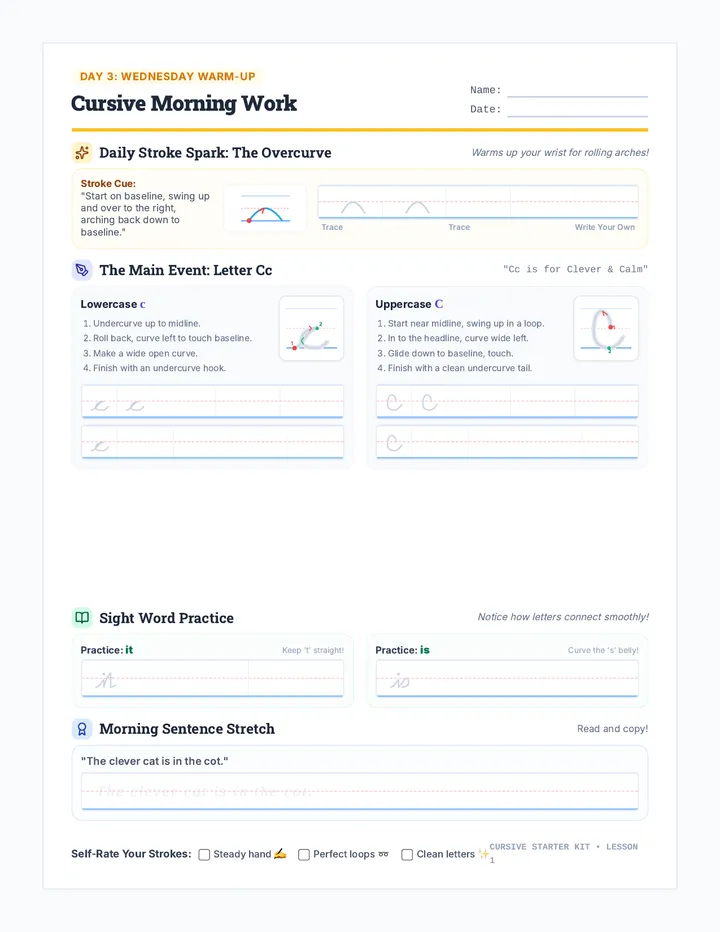
Day 3 Cursive Practice Sheet focusing on the foundational overcurve stroke, lowercase and uppercase Cc, and sight words 'it' and 'is'. Includes warm-ups and self-assessment.
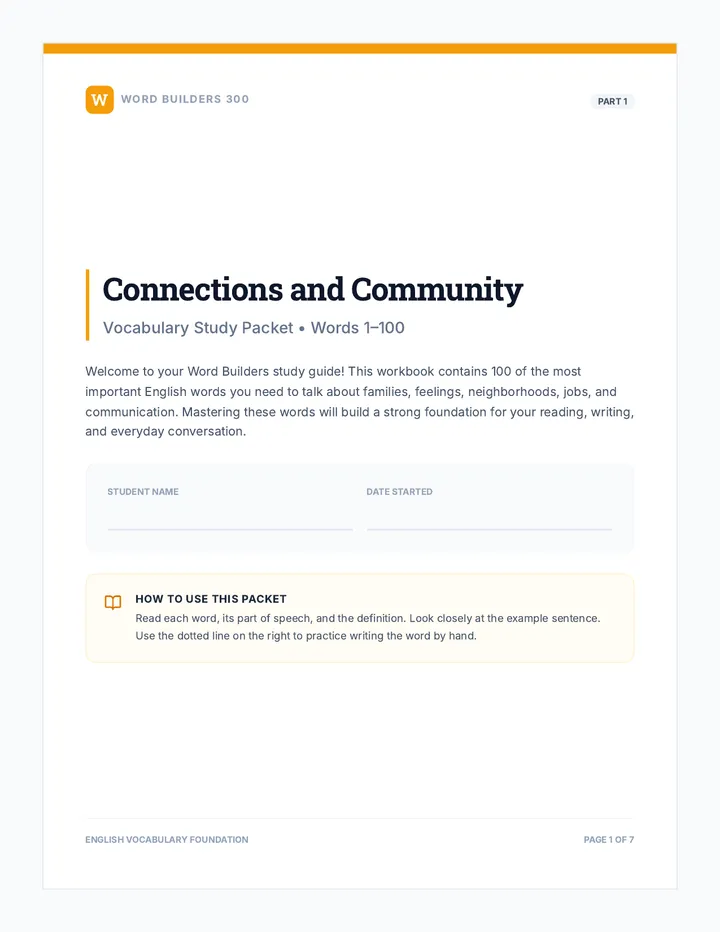
A comprehensive vocabulary mastery sequence designed to help English learners and early readers build a core foundation of 300 high-frequency words. Organized across three themed modules, each featuring a complete 100-word student study packet with definitions, contextual examples, and handwriting lines, paired with high-impact instructional presentation slides.
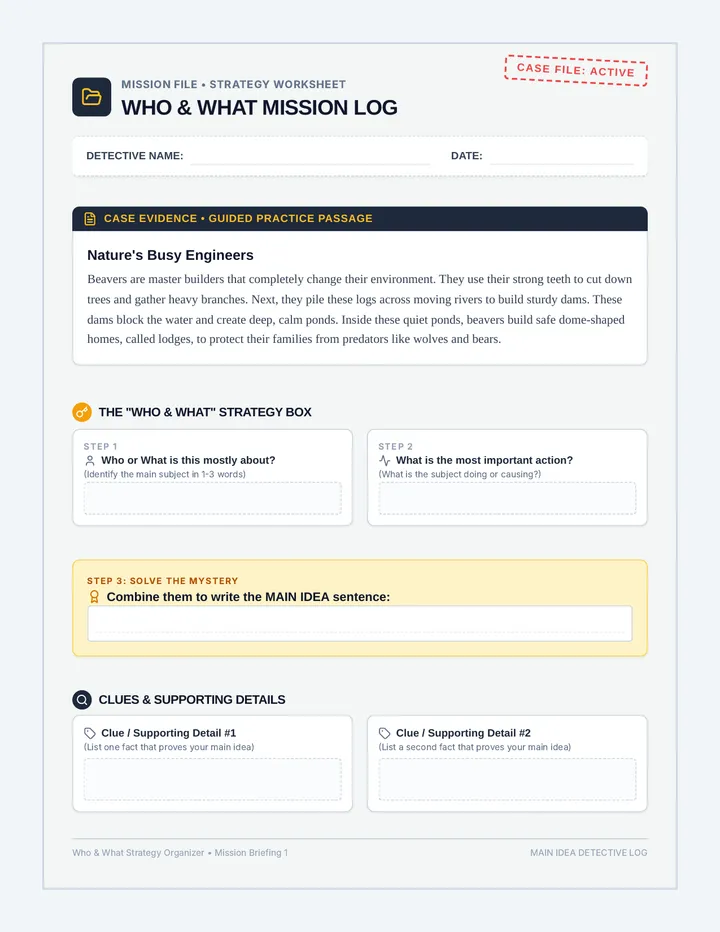
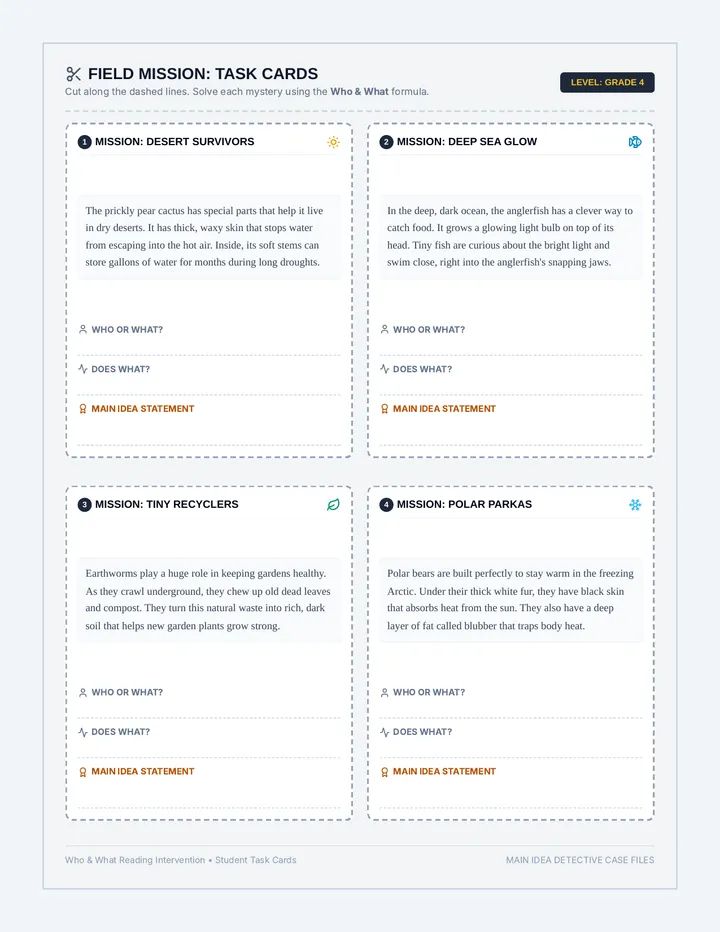
A targeted 20-minute reading intervention for 4th-grade students struggling with finding the main idea in nonfiction texts. Uses the "Who and What" strategy with a step-by-step script, graphic organizer, and hands-on task cards.
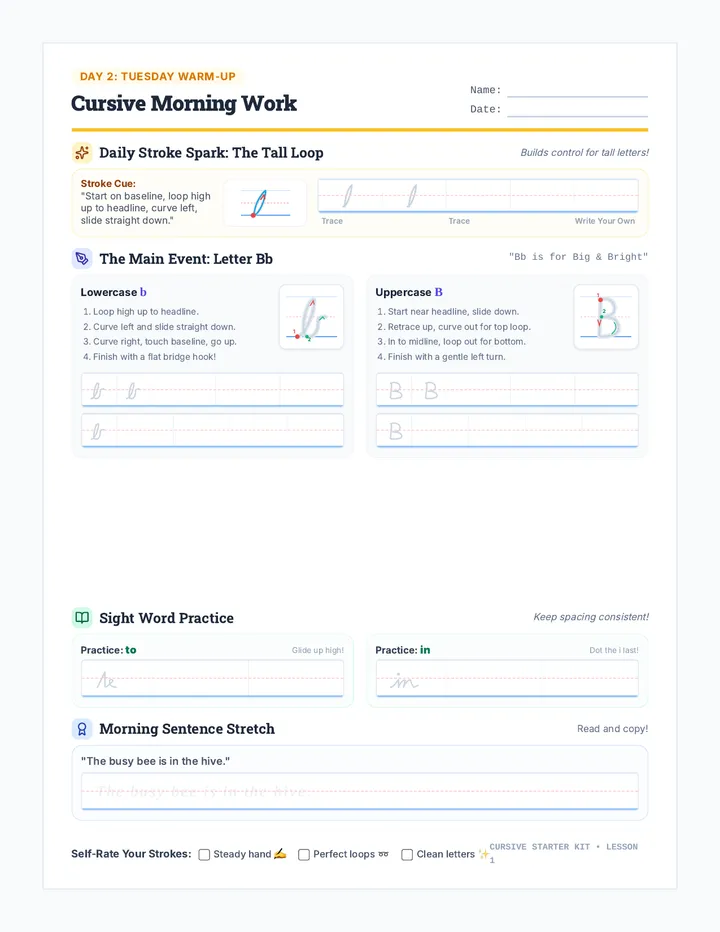
Day 2 Cursive Practice Sheet focusing on the foundational loop stroke, lowercase and uppercase Bb, and sight words 'to' and 'in'. Includes warm-ups and self-assessment.
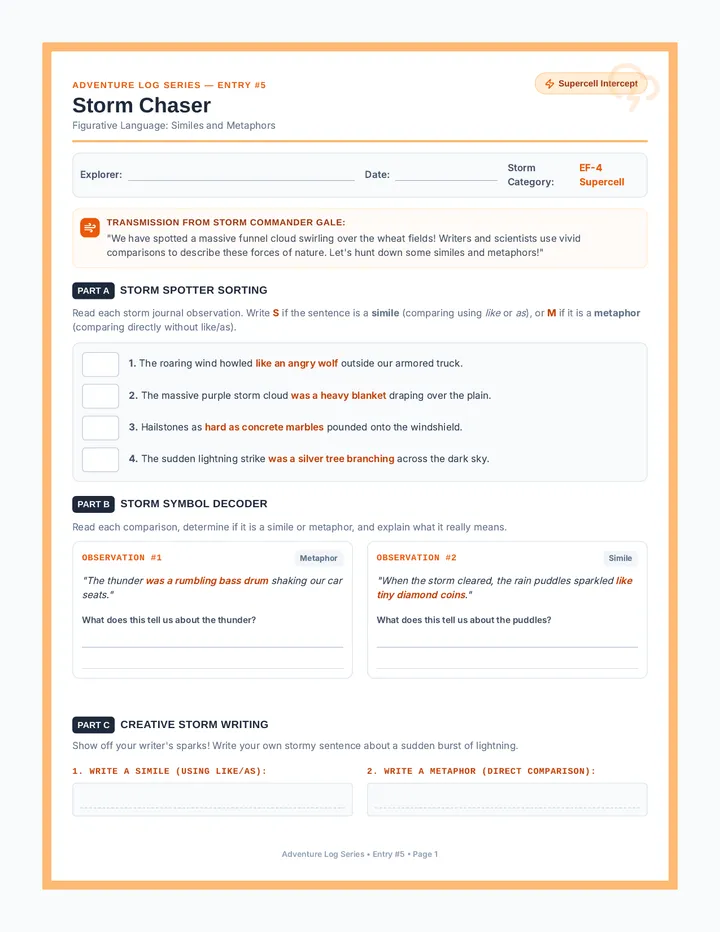
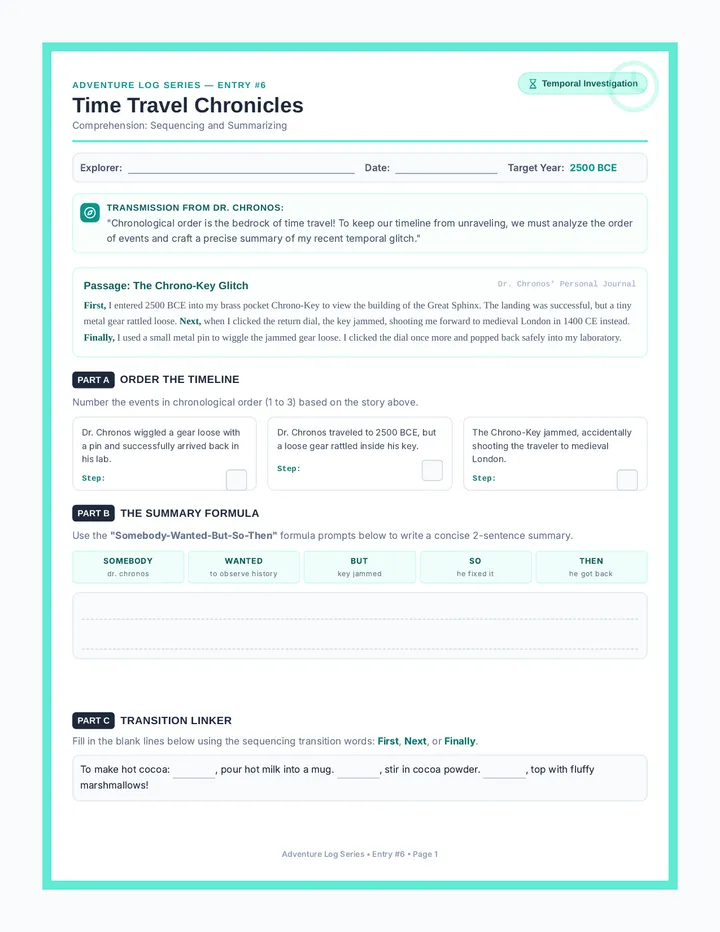
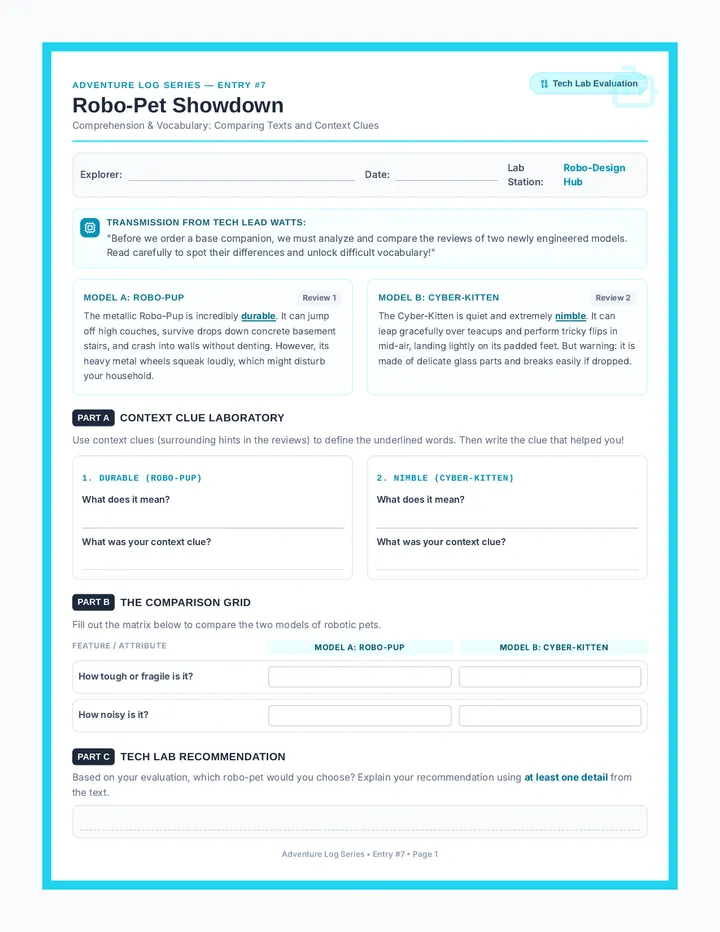
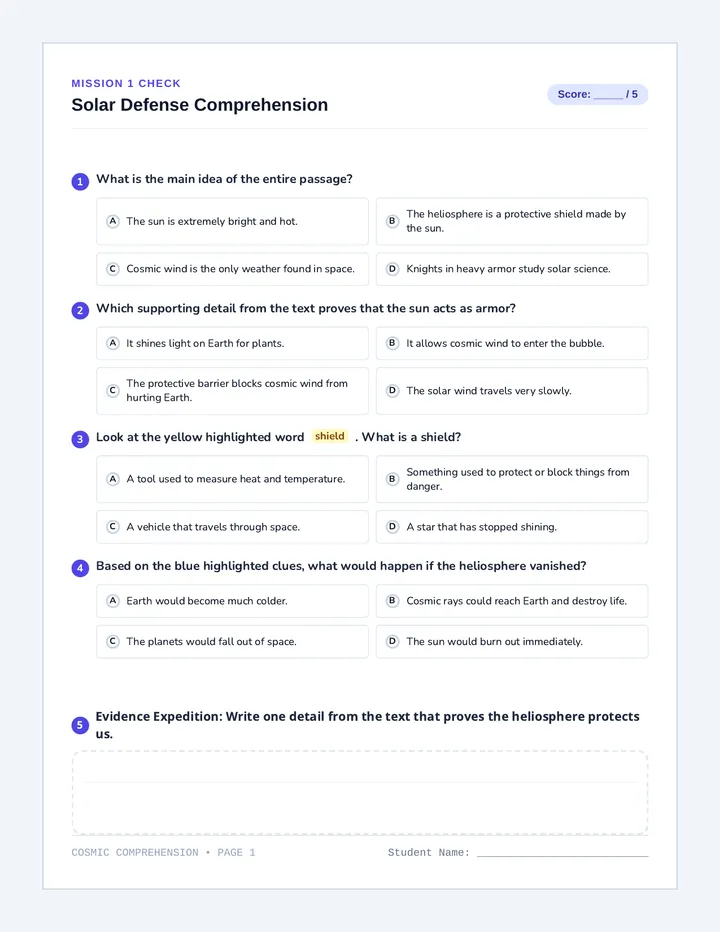
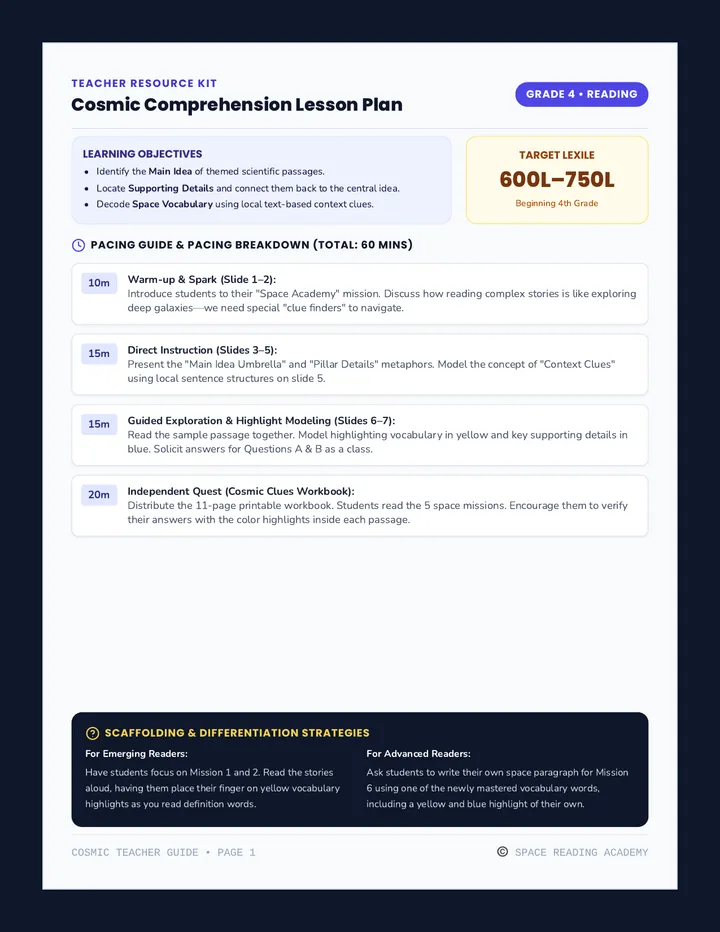
A series of immersive reading comprehension units for fourth graders. Students master key informational text skills, including main idea, supporting details, and context clues, across highly engaging scientific frontiers.
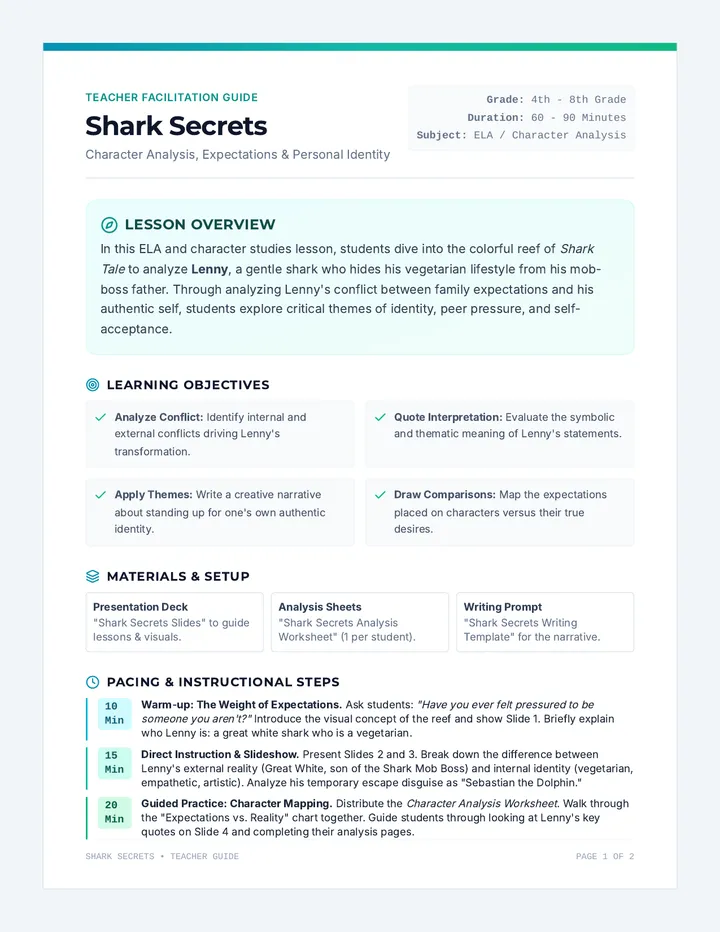
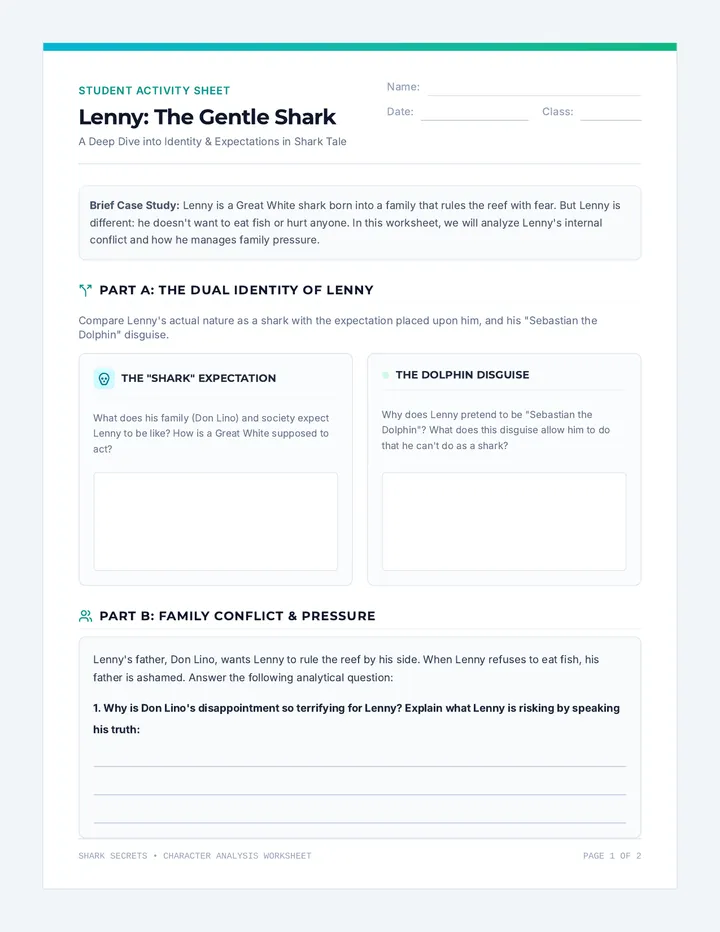
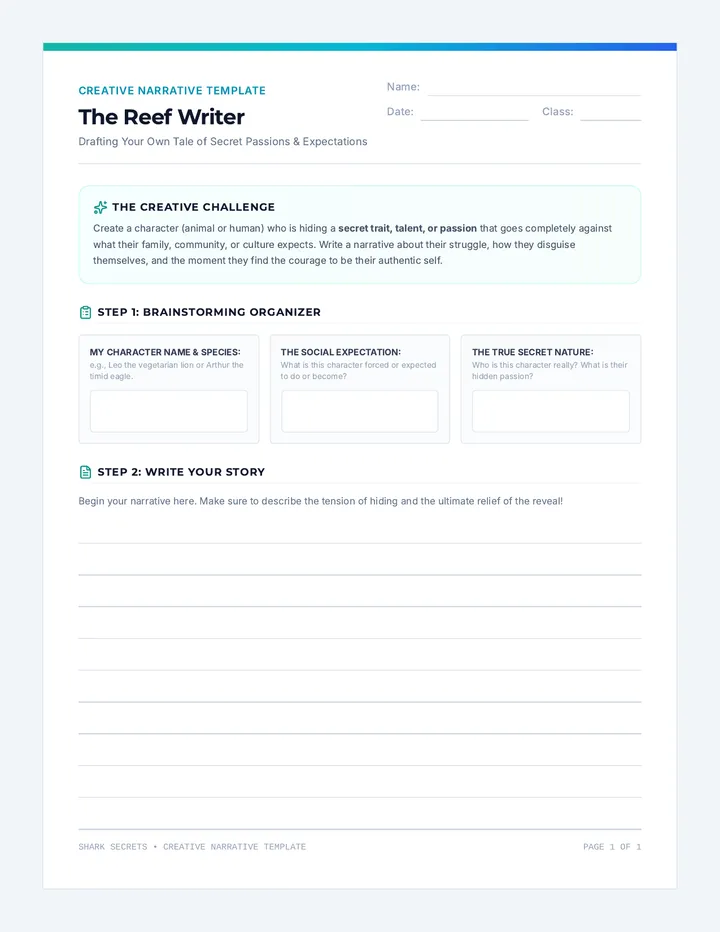
A complete lesson exploring identity, expectations, and self-acceptance through the character of Lenny from Shark Tale. Students analyze Lenny's traits and conflict, engage in guided discussion, and compose a creative story about staying true to oneself.
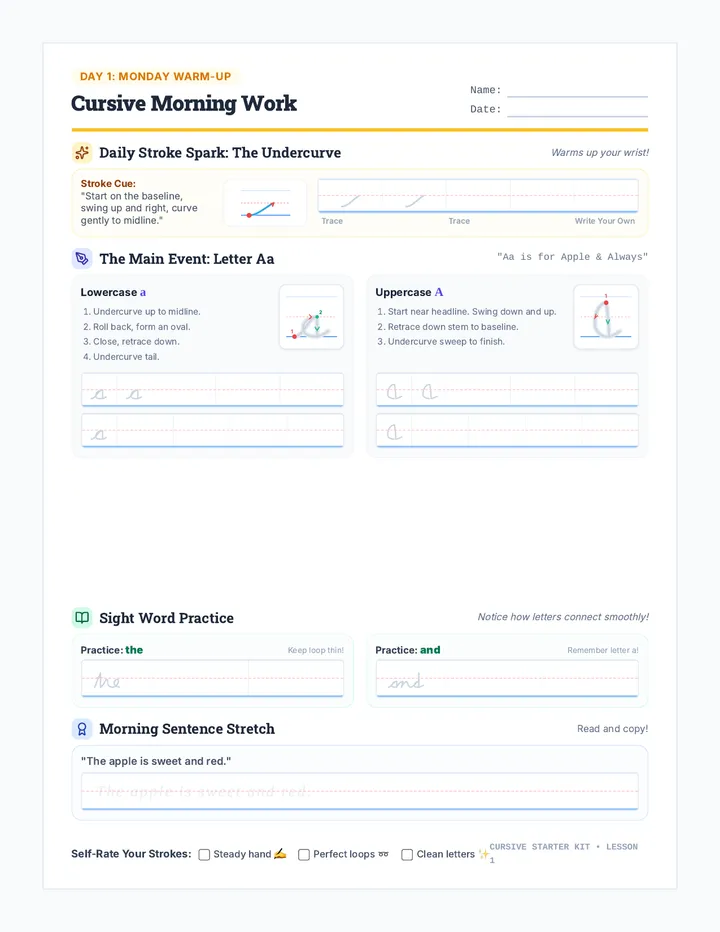
Day 1 Cursive Practice Sheet focusing on the foundational undercurve stroke, lowercase and uppercase Aa, and sight words 'the' and 'and'. Includes warm-ups and self-assessment.