Comparative analysis techniques used in competitive debate to weigh competing claims through magnitude, probability, and timeframe. Equips students with frameworks to prioritize arguments and evaluate net benefits or harms.
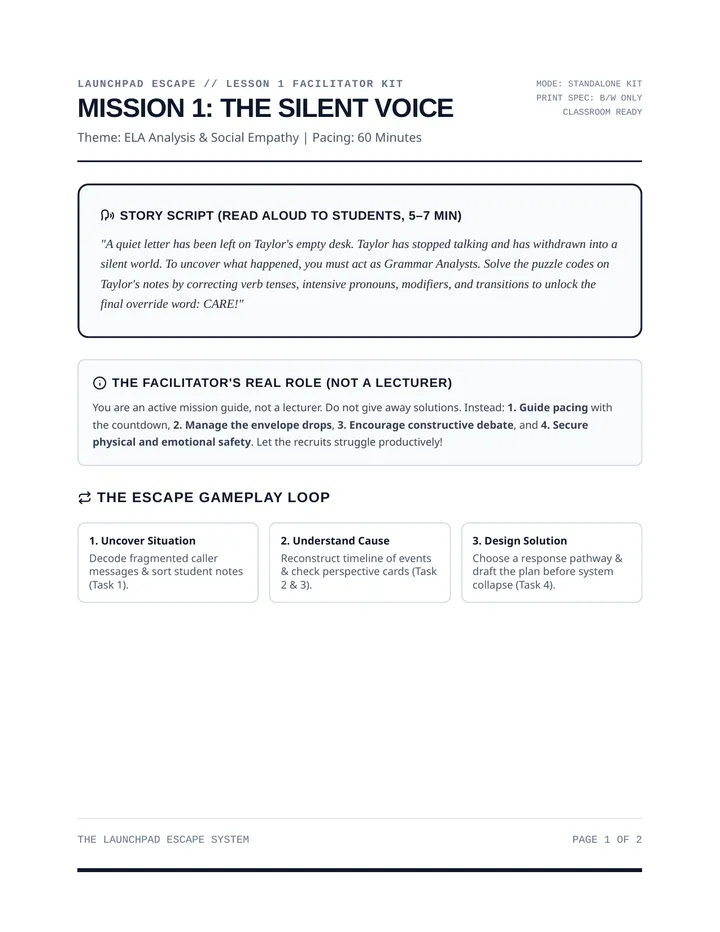
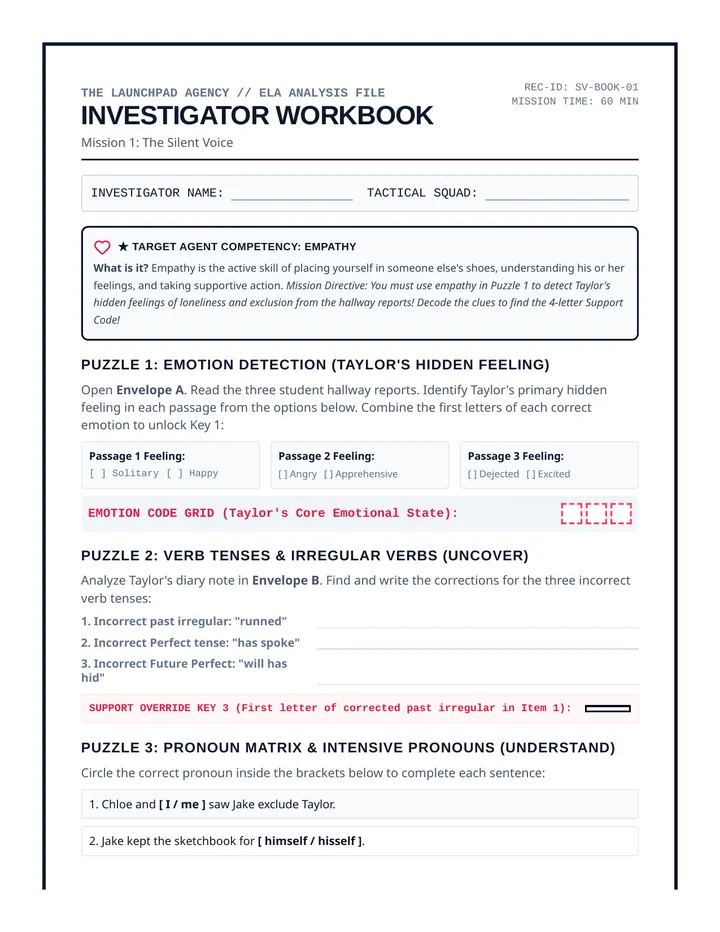
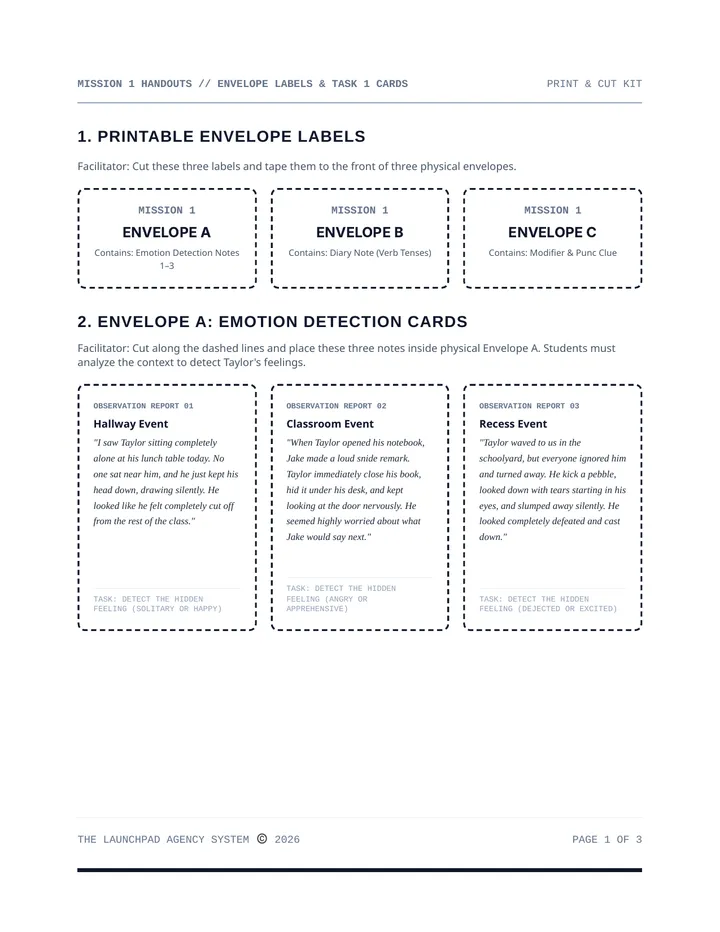
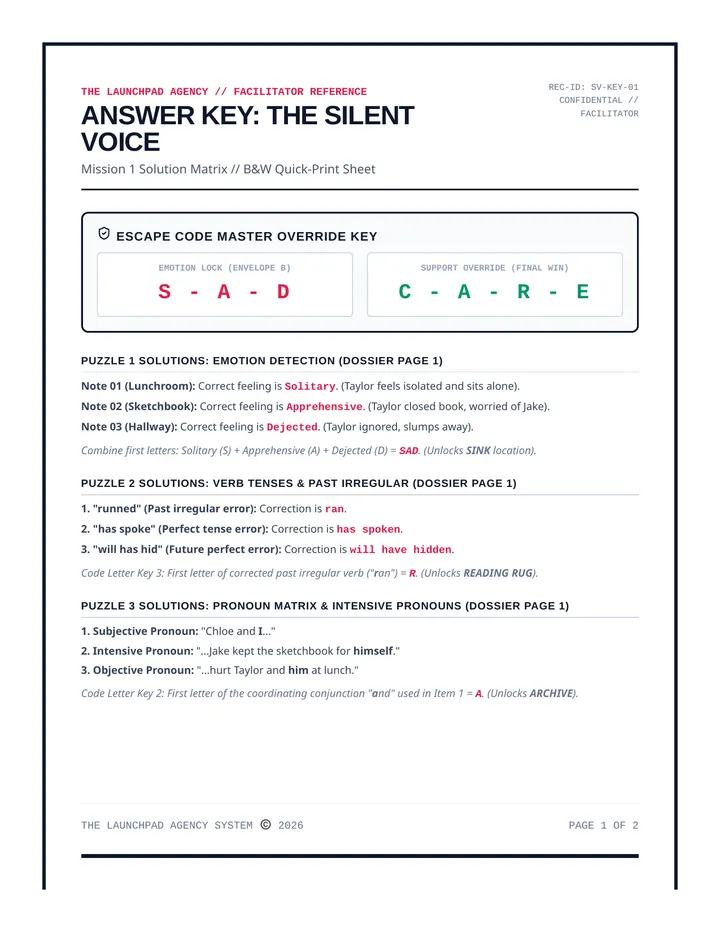
A high-stakes, collaborative tabletop escape curriculum. Missions are self-contained and fun, targeting academic anxiety, family duty, digital literacy, and friendship & peer pressure (e.g. someone left out, group conflict escalating, friend pressured to do wrong). Recruits build decision-making, social intelligence, and value systems.
A deep dive into the psychological and rhetorical strategies used to make debate impacts feel 'real' to audiences. This sequence moves beyond mathematical calculus to explore psychic numbing, narrative persuasion, and the availability heuristic.
This sequence guides graduate students through the technical and persuasive aspects of grant writing and research proposal formulation, focusing on problem definition, methodology, budgeting, and communication.
This high-level debate sequence teaches 11th-grade students the technical skills of impact calculus, strategic concessions, and narrative-driven final rebuttals to win complex rounds.
A high-level debate sequence for 12th graders focused on impact calculus, moving from rhetorical descriptive writing to efficient crystallization and the delivery of a persuasive Final Focus speech. Students learn to turn abstract data into urgent narratives while mastering the technical constraints of competitive debate.
A 9th-grade unit on Impact Calculus, focusing on evidence synthesis, strategic argument mapping using matrices, and the construction of meta-arguments to win high-stakes debates.
A comprehensive sequence for 9th-grade debate students focusing on impact calculus, comparative rebuttals, and closing arguments. Students move from analyzing weighing mechanisms to mastering advanced techniques like 'Even If' arguments and impact turns, culminating in the ability to write their own 'Reason for Decision' ballots.
A comprehensive unit on the three pillars of impact calculus (Magnitude, Probability, and Timeframe), teaching students how to prioritize competing consequences in competitive debate and public speaking.
A 10th-grade ELA sequence focused on identifying, naming, and refuting logical fallacies in live debate settings using formal 'flowing' techniques and the four-step refutation method.
A technical mastery sequence for undergraduate debaters focused on 'flowing'—the specialized note-taking method used to track arguments. Students progress from basic shorthand to advanced predictive flowing, learning how to use visual organization to exploit 'dropped' arguments and win debates on technical grounds.
An advanced debate sequence for undergraduate students focused on offensive refutation strategies. Students learn to master link turns, impact turns, and double binds to repurpose opponent logic into their own offensive gains.
This sequence explores advanced debate techniques for comparative impact analysis, teaching students how to weigh conflicting arguments and construct persuasive decision frameworks for adjudicators.
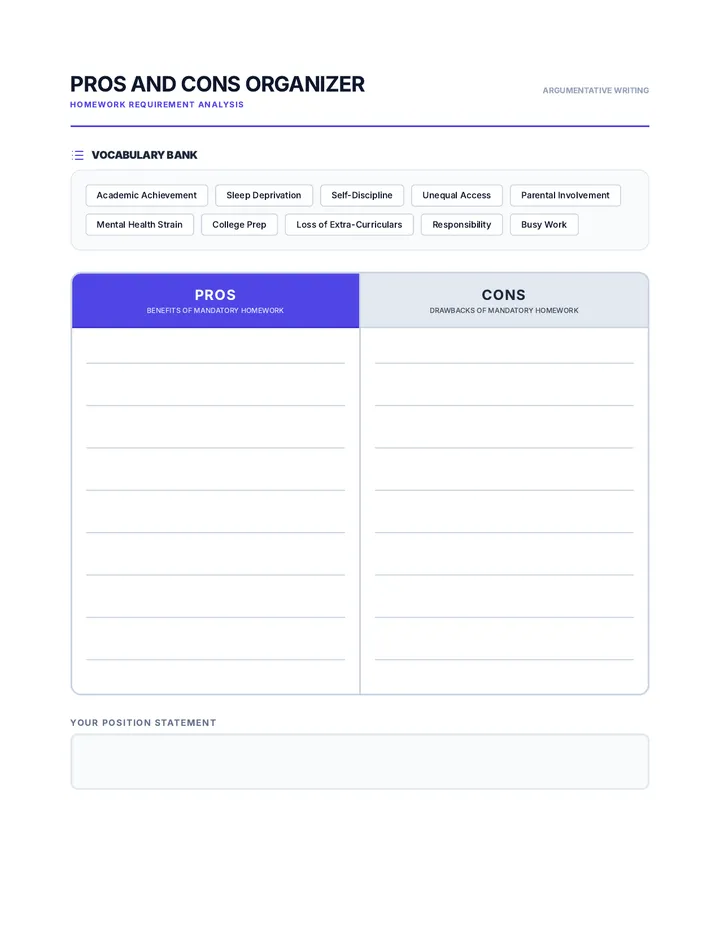
An 8th-grade analysis lesson where students evaluate the benefits and drawbacks of mandatory homework versus extra credit using visual prompts and structured evidence.