An advanced debate sequence for undergraduate students focused on offensive refutation strategies. Students learn to master link turns, impact turns, and double binds to repurpose opponent logic into their own offensive gains.
An intensive LSAT Reading Comprehension tutoring curriculum designed for second-year college students. It systemizes argument structure tracking, tone identification, law-related passages, and comparative reading through rigorous, step-by-step guides and analytical drills.
A comprehensive 15-day TSIA2 English test preparation unit featuring daily 2-question warm-ups and a printed tracking worksheet to measure student progress across key grammar standards.
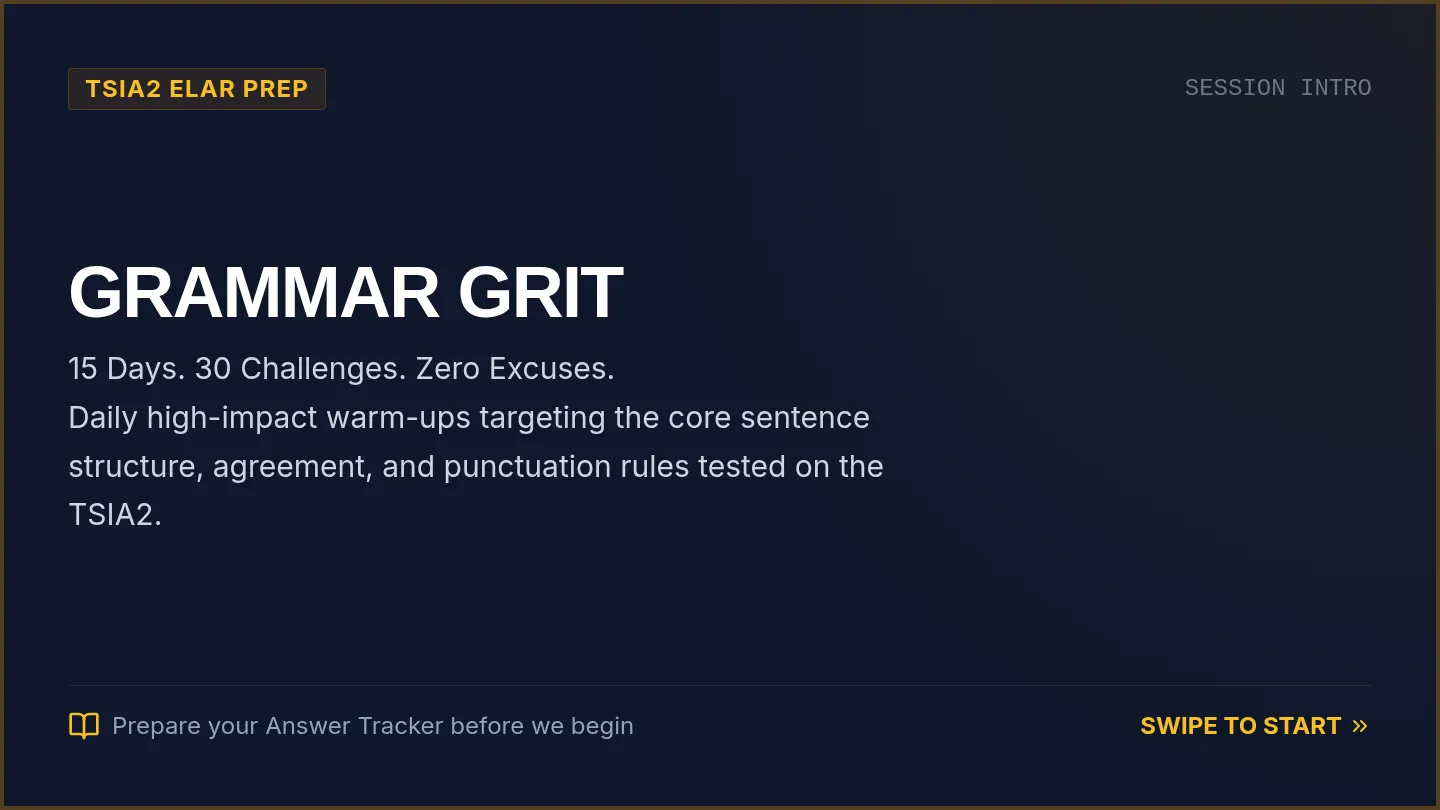
A comprehensive, high-impact 62-slide presentation containing 15 days of TSIA2 English warm-ups. Each day features 2 questions on individual slides followed by detailed answer, explanation, and grit-hint slides. Strictly styled with no text below 24px (text-2xl) to ensure maximum classroom visibility.
A unit exploring Just Mercy, focusing on the legal system, racial injustice, and restorative justice through literature.
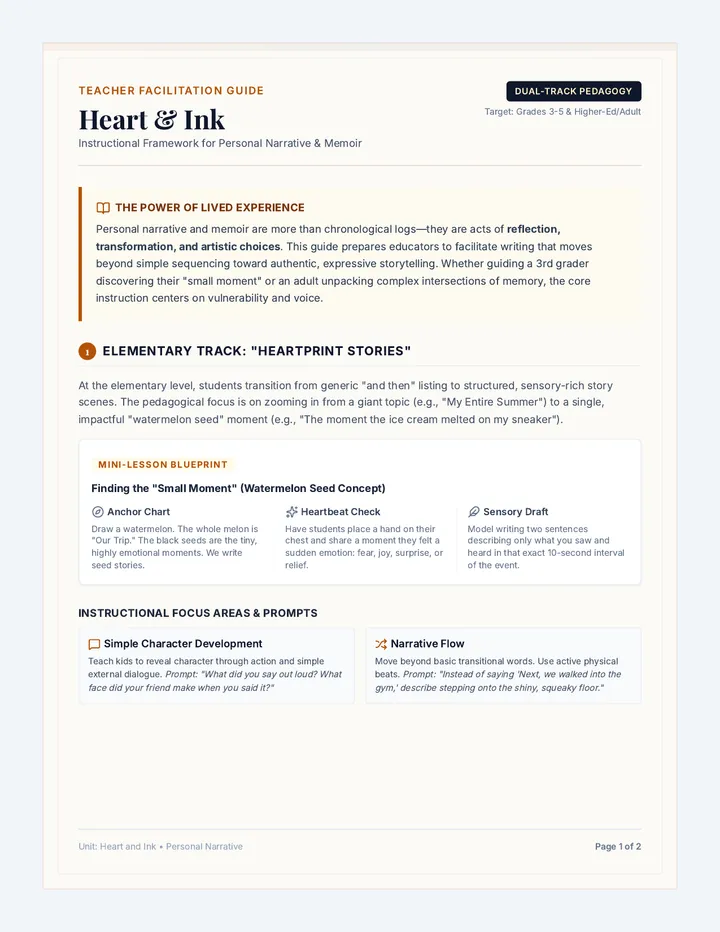
A creative writing unit focused on personal narrative and memoir writing. Features a dual-track assessment system designed for elementary narrative foundations and higher-education/adult reflective artistry, accompanied by a comprehensive teacher facilitation guide.
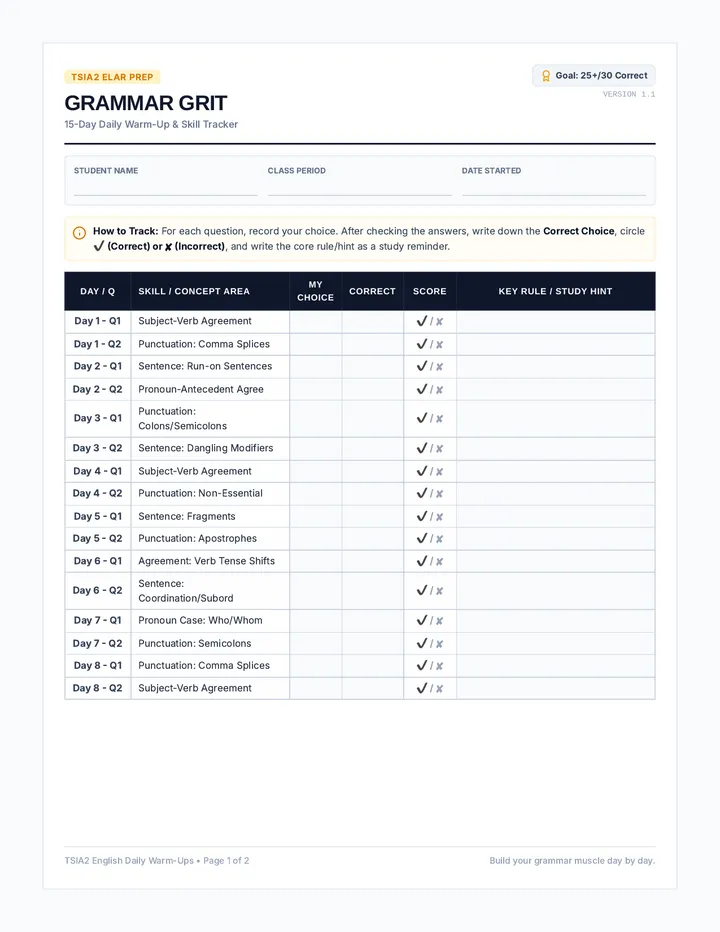
A compact, printable 2-page Student Answer Tracker handout designed for manual progress tracking during the 15-day TSIA2 English daily warm-up sequence. Features clean structured tables, designated spaces for answers, skill references, and student takeaways.
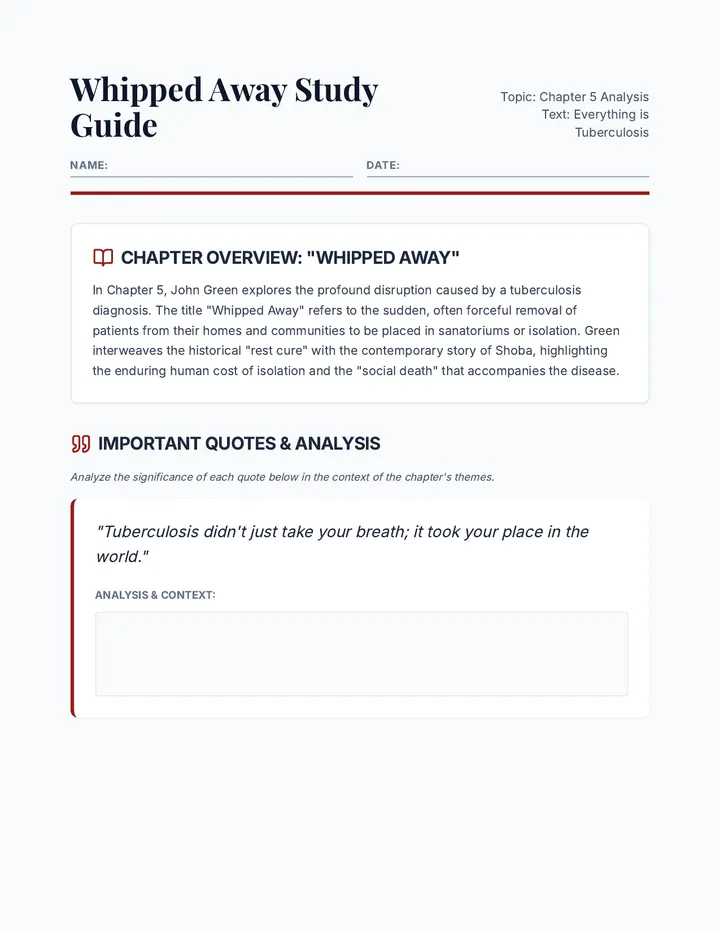
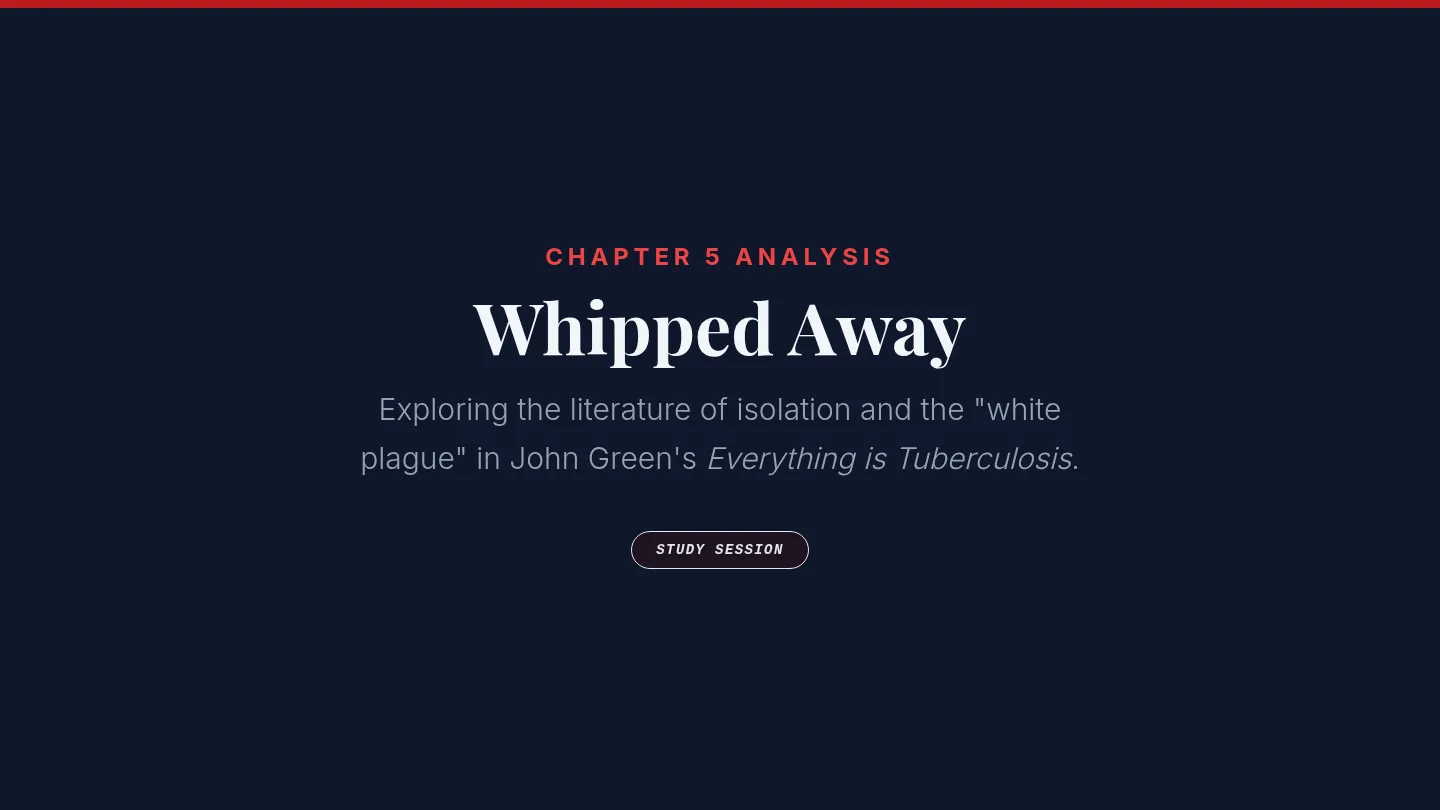
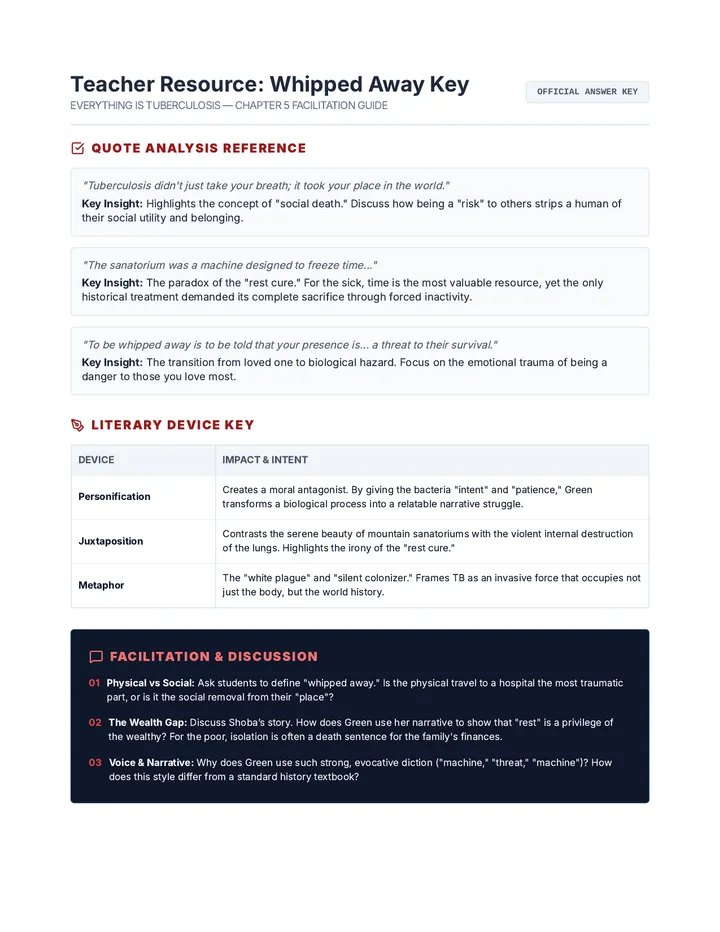
A comprehensive unit exploring the historical, social, and biological impact of tuberculosis as narrated in John Green's 'Everything is Tuberculosis'.
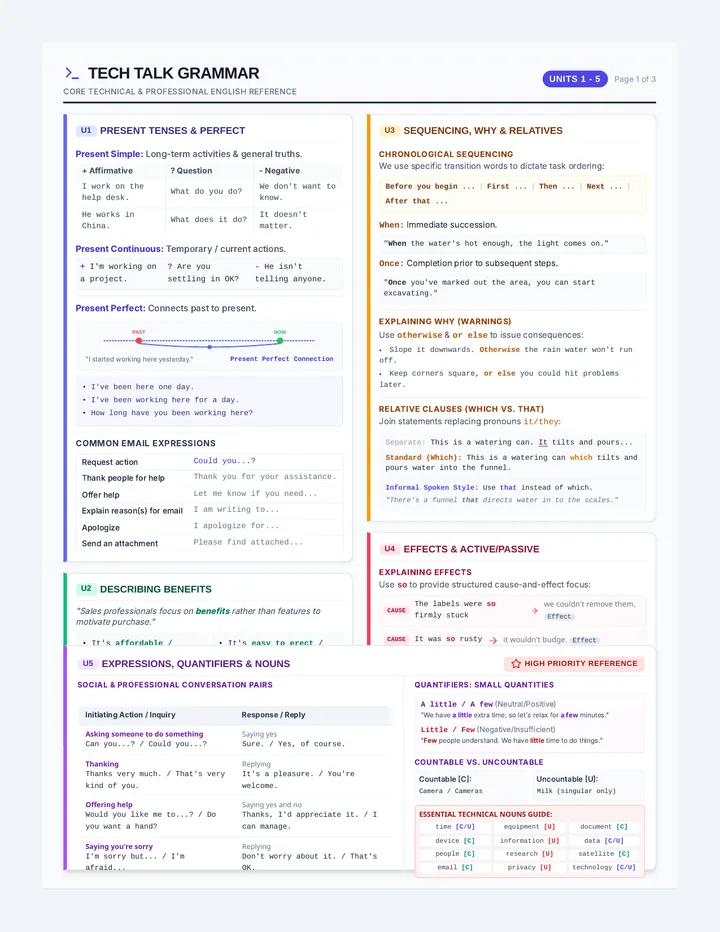
Tech Talk Grammar is a structured, comprehensive grammar study guide series spanning 15 units of core English skills for professional and technical communication. This lesson encapsulates the entire reference suite split into highly organized, beautifully themed cheat sheets.
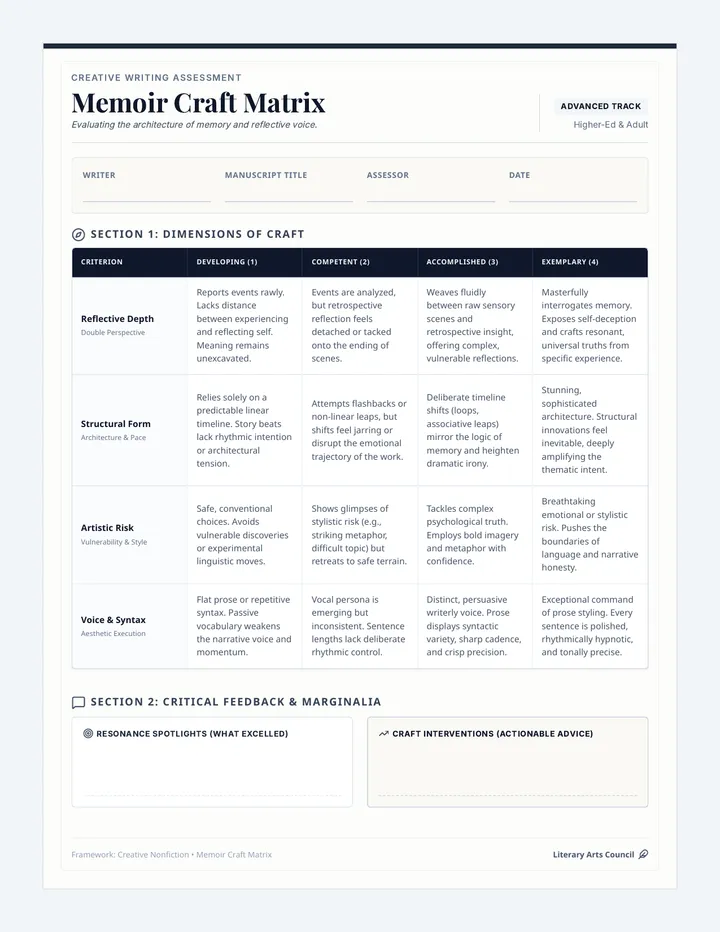
An elegant, high-contrast 1-page rubric for higher-education or adult creative writing. Focuses on structural experimentation, artistic risk-taking, reflective depth, voice, and professional execution.
A project-based unit exploring the narrative construction of heroes and villains in sports media through podcasting.
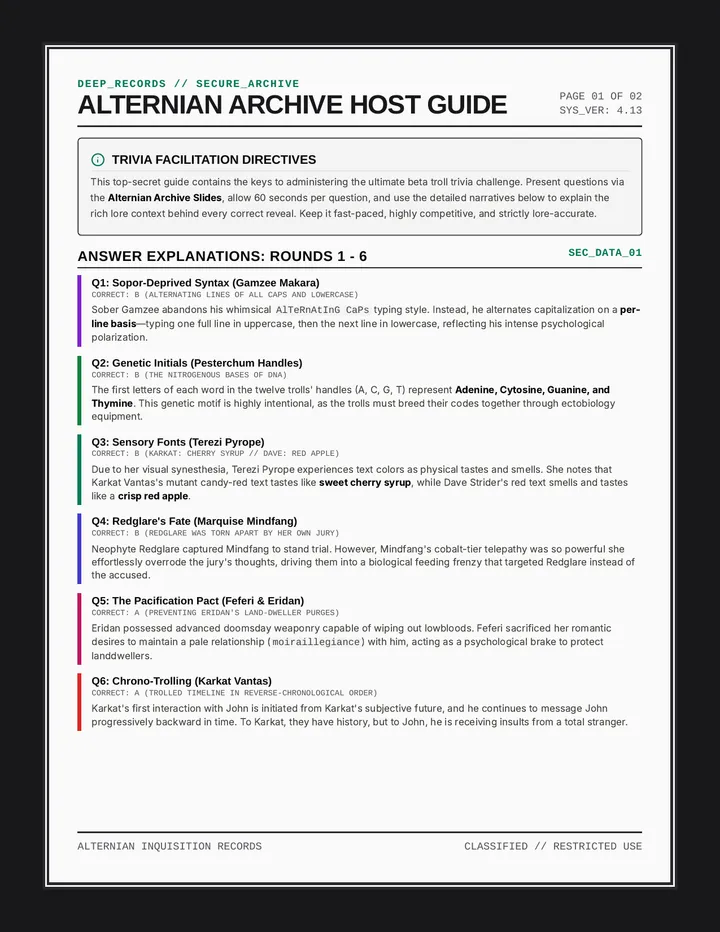
A high-intensity, visually striking trivia showdown centered on the deep-cut lore of the Homestuck Beta Trolls. Designed specifically for dedicated fans, this lesson challenges students with complex questions on relationships, quirks, and Alternian history.
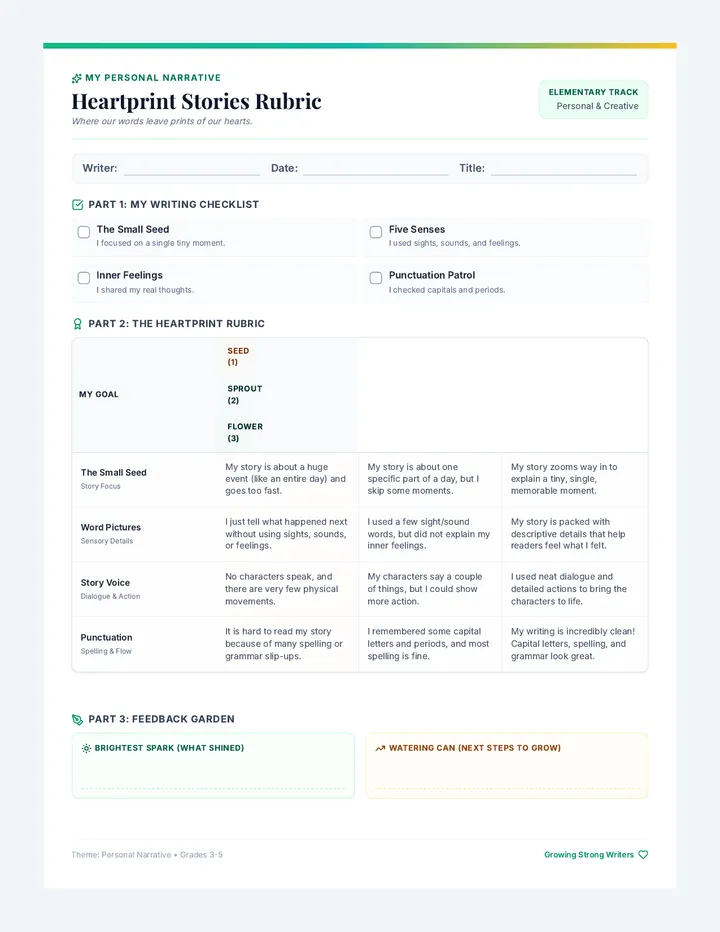
A student-friendly, 1-page personal narrative rubric and checklist for elementary school students. It uses a metaphorical 'Seed-Sprout-Flower' framework, visual icons, and self-assessment checkboxes.