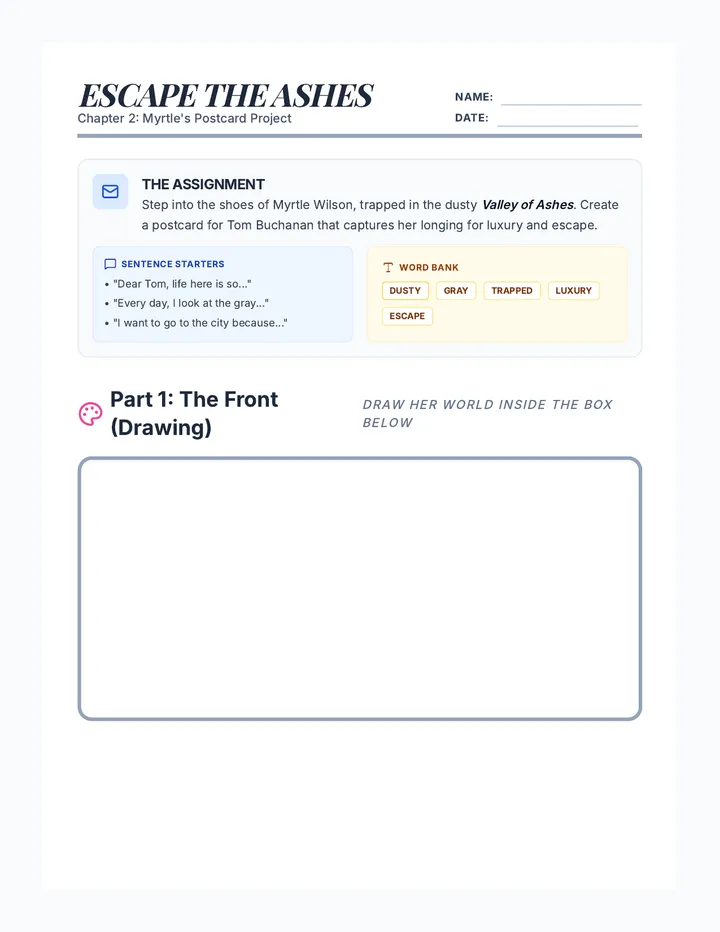
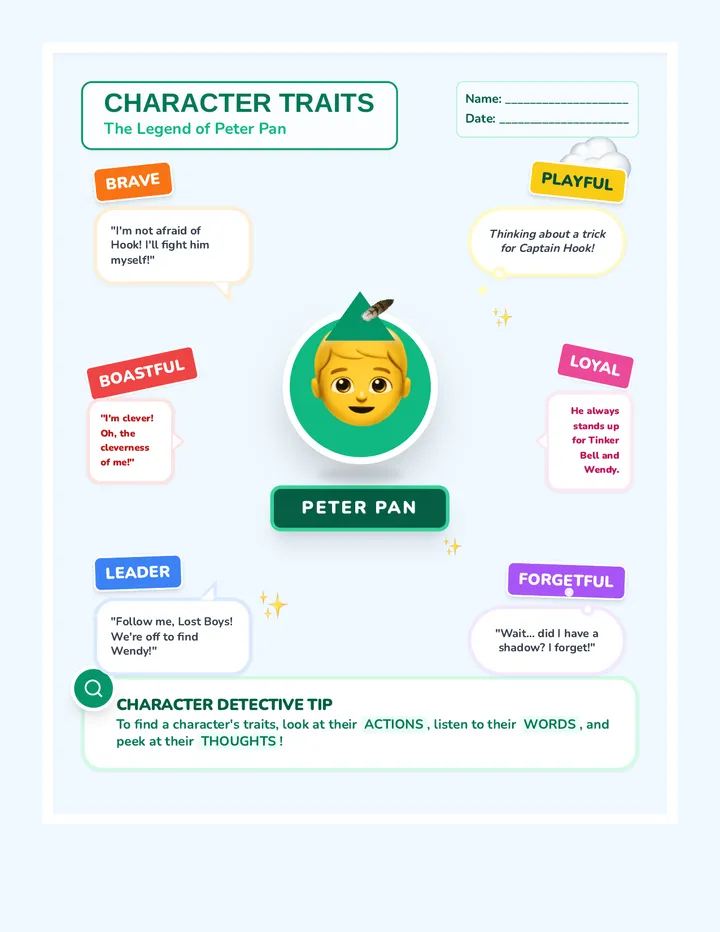
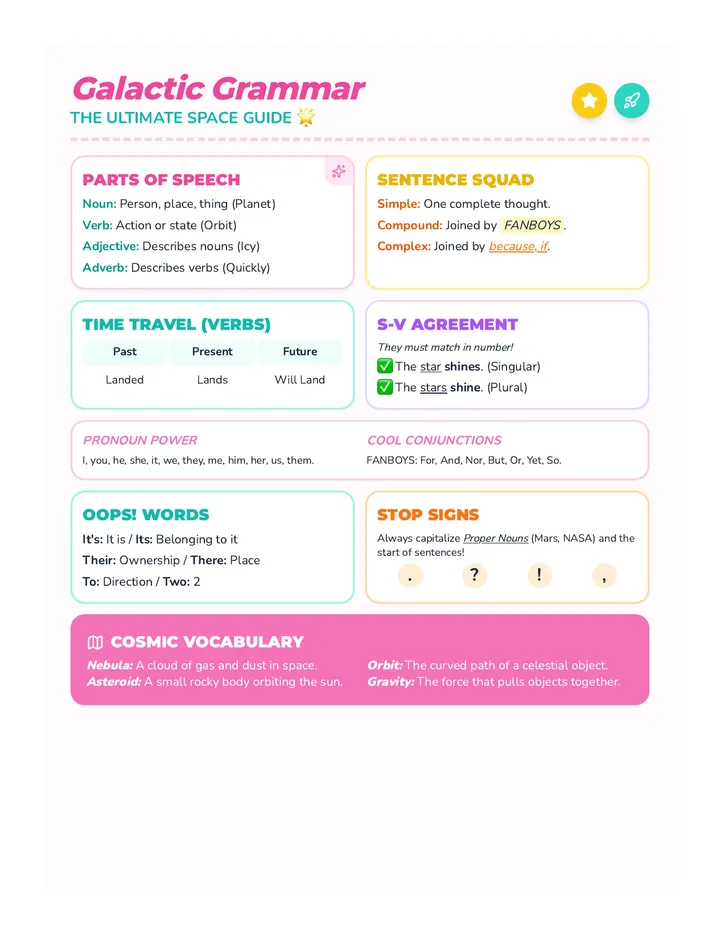
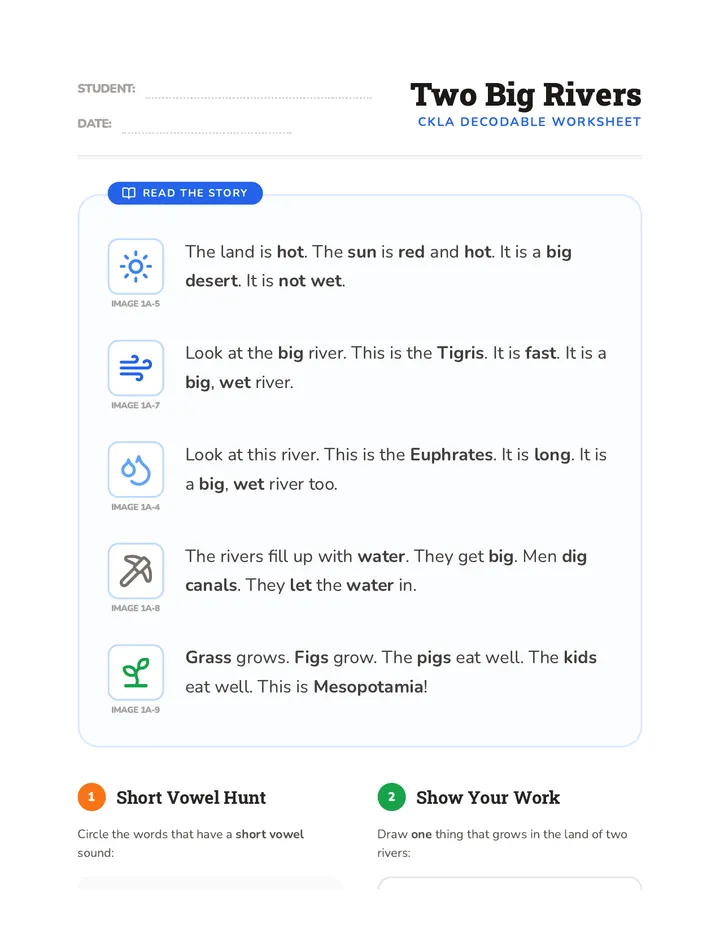
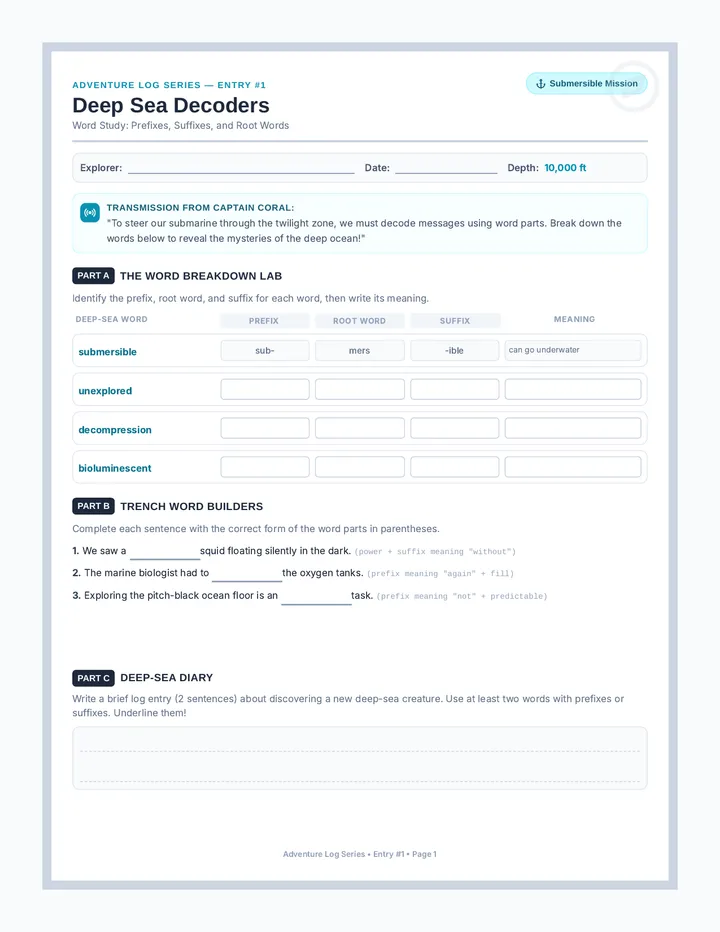
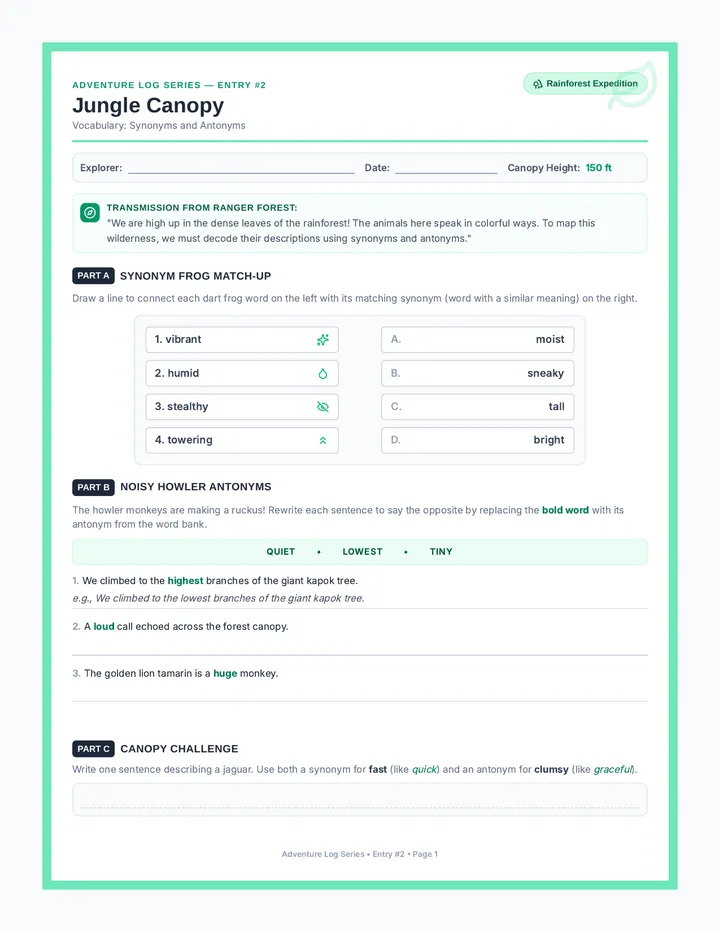
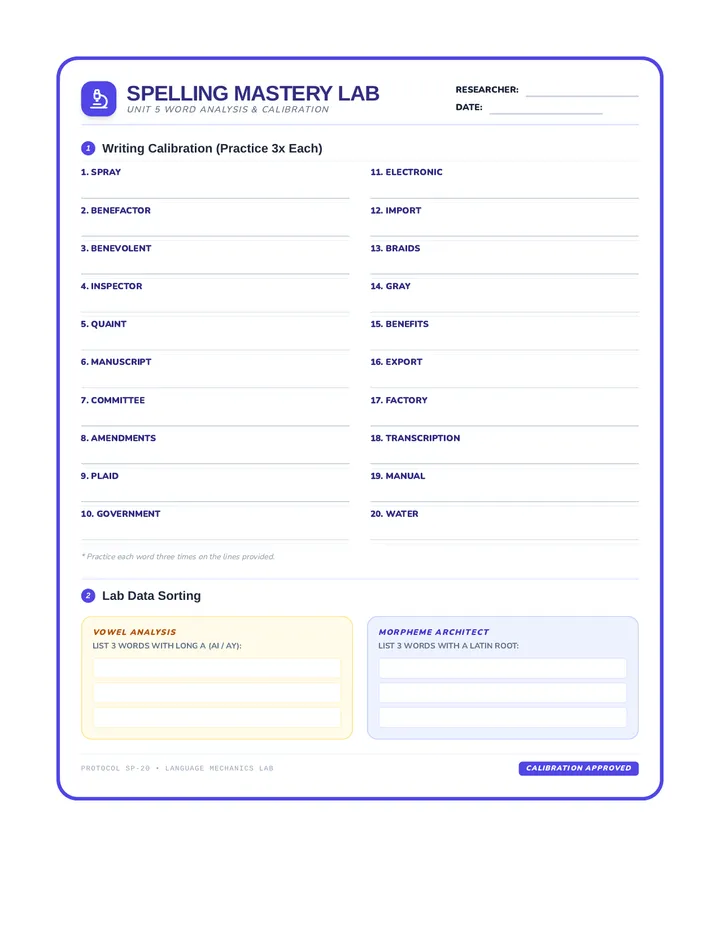
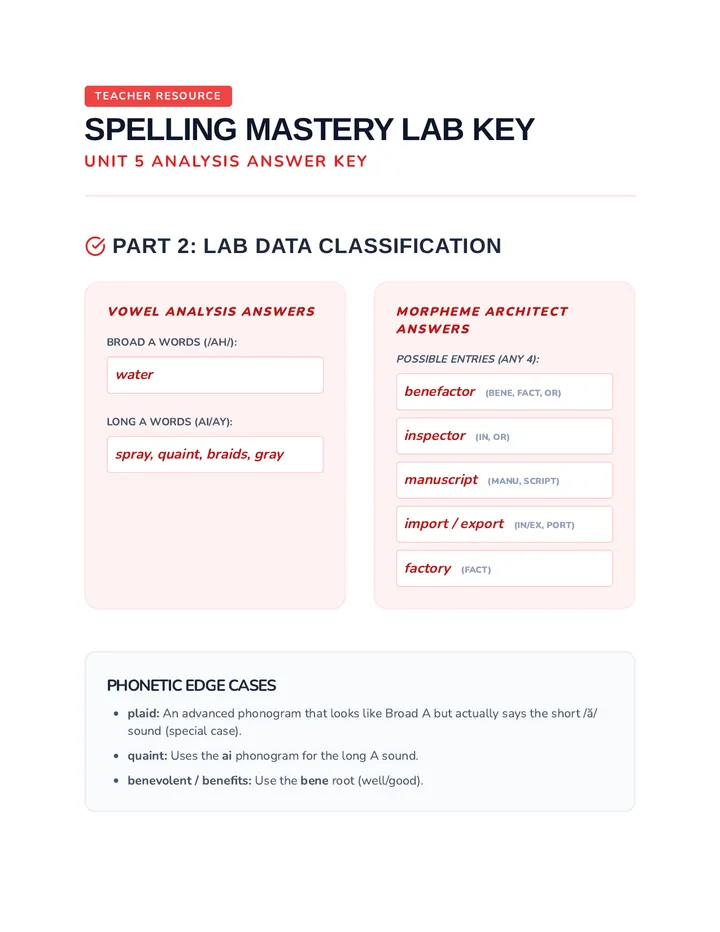
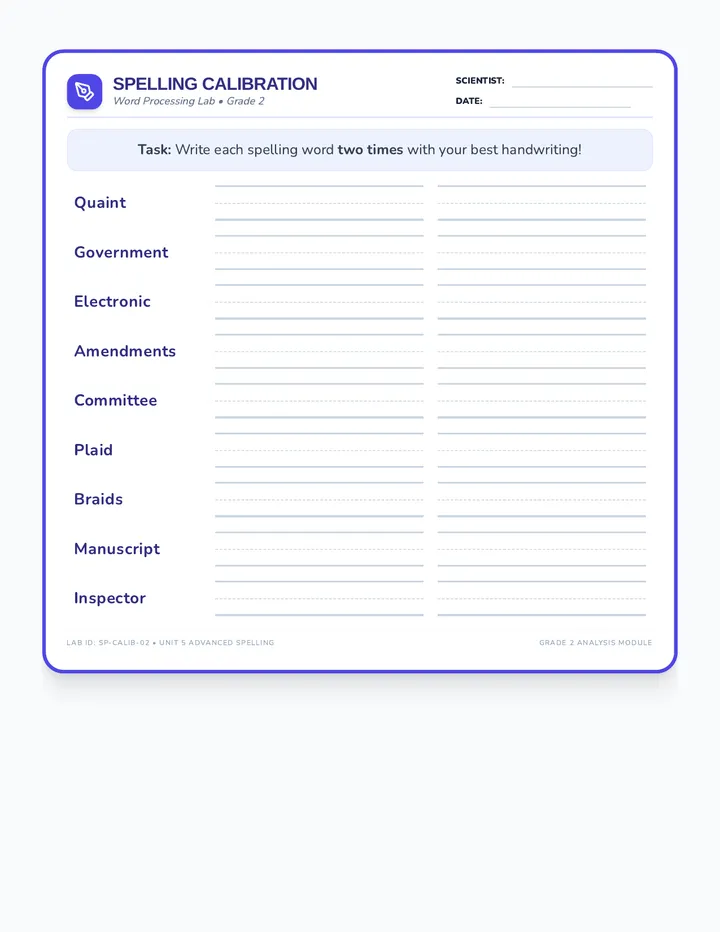
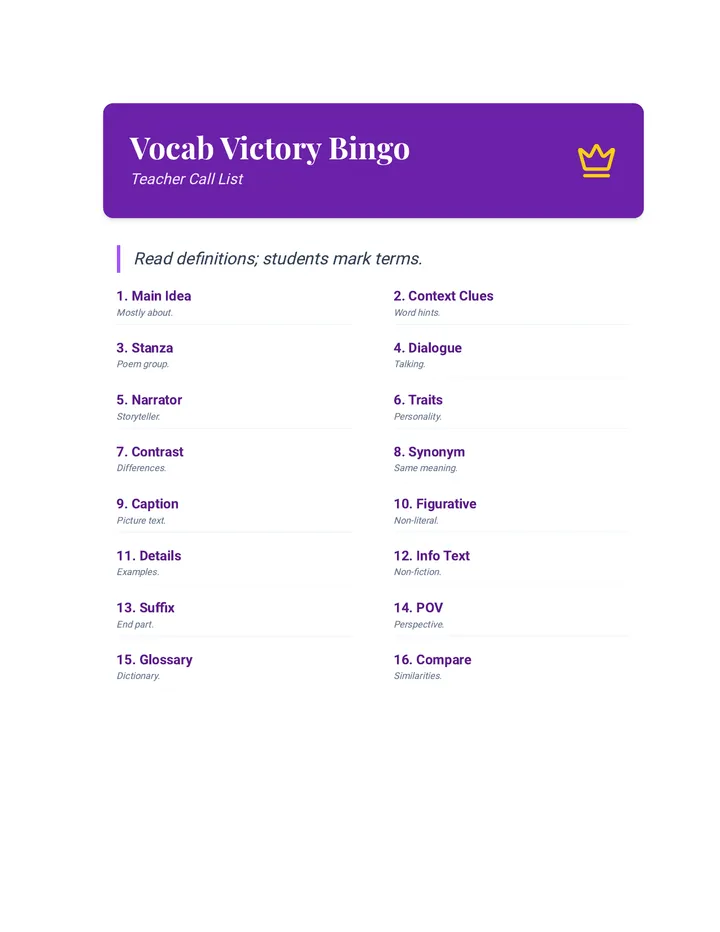
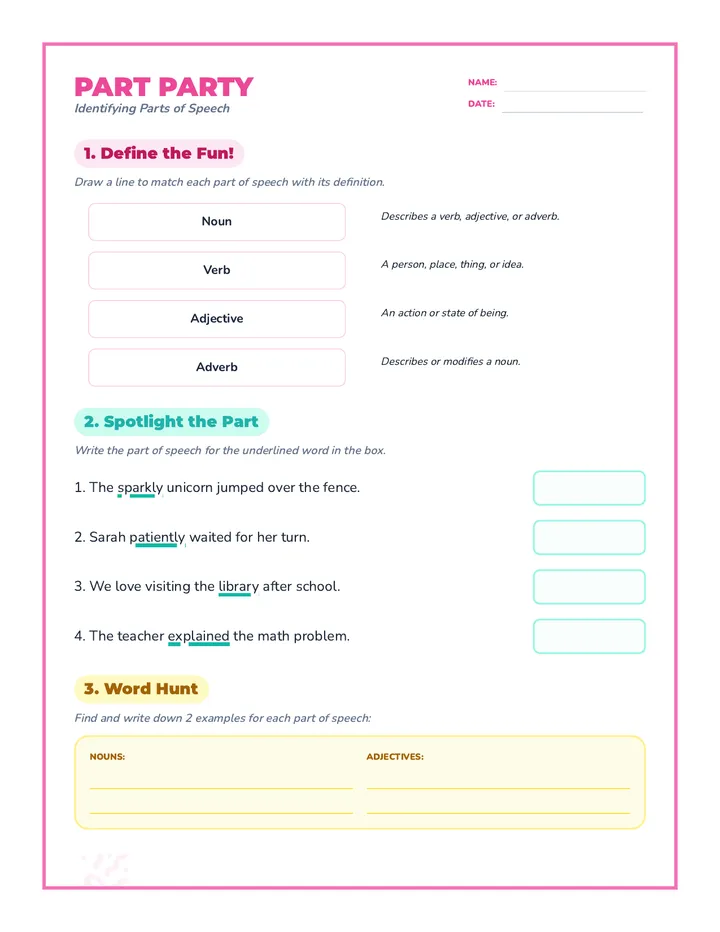
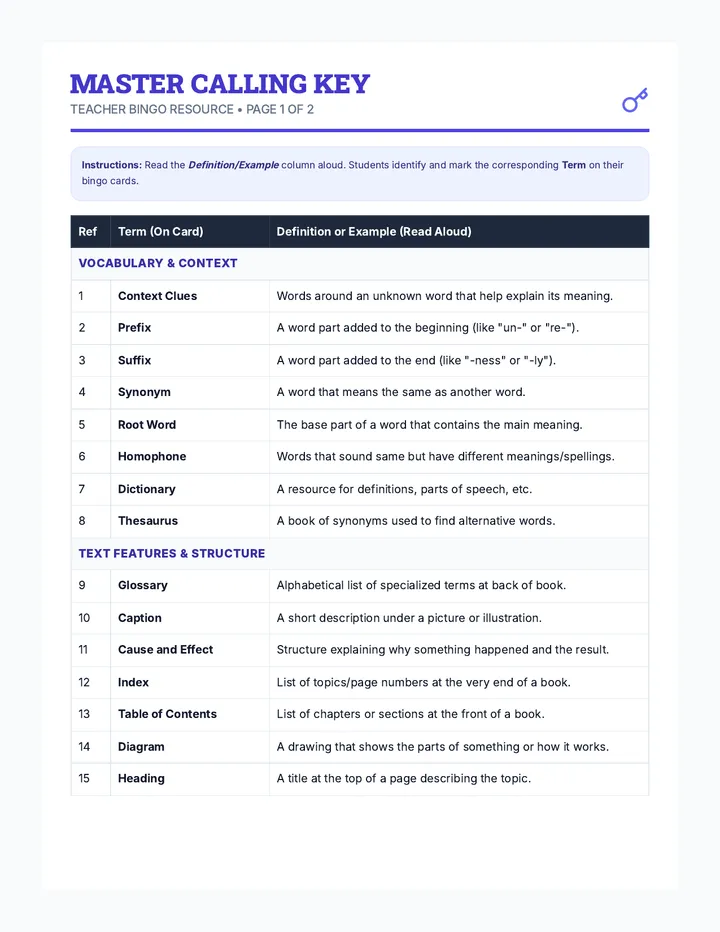
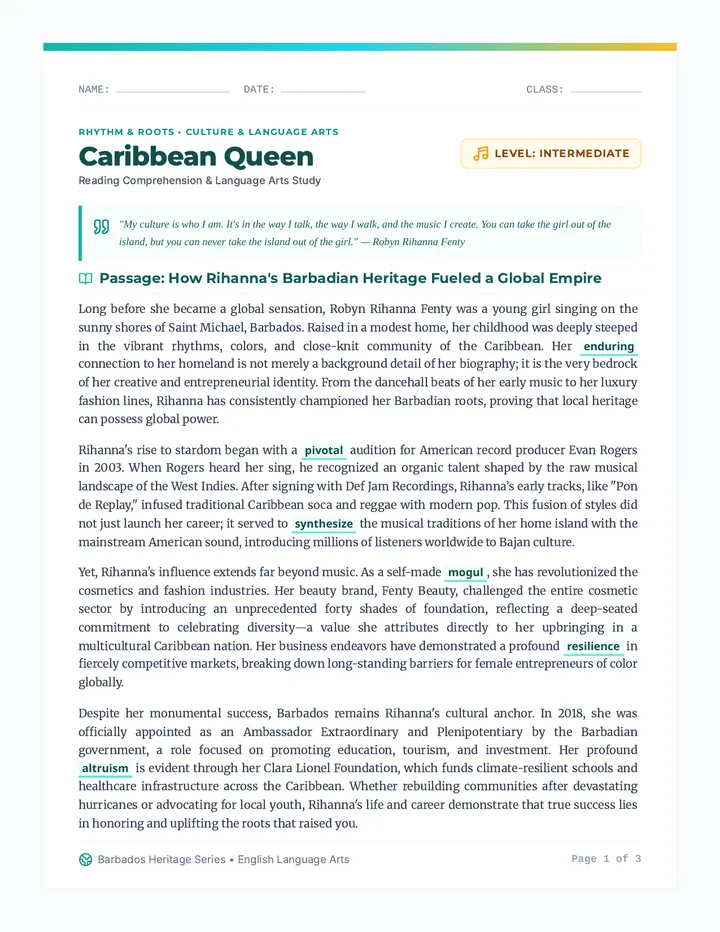
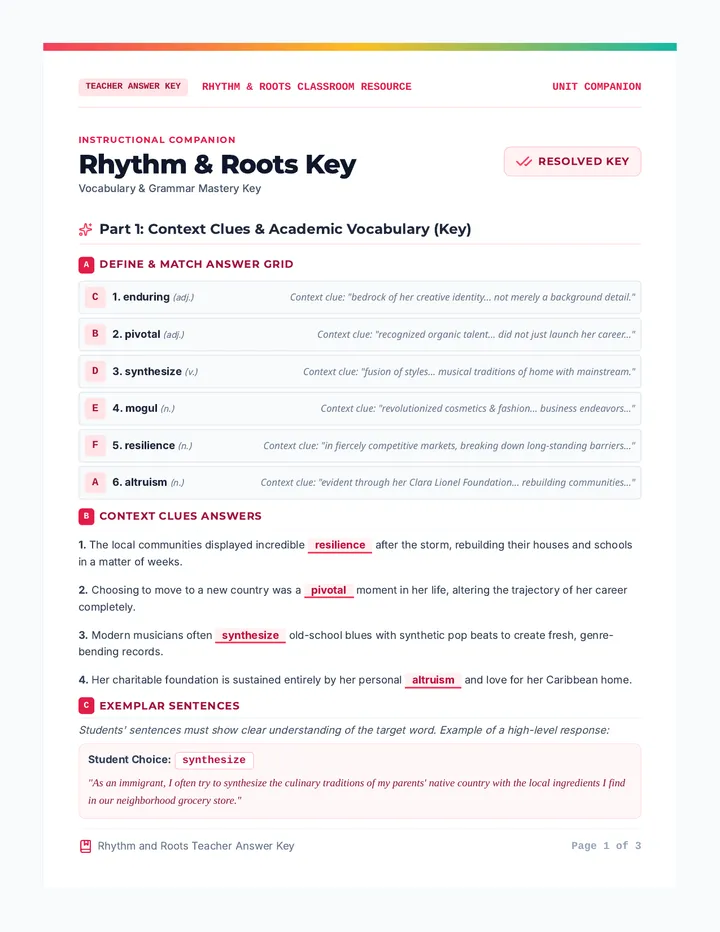
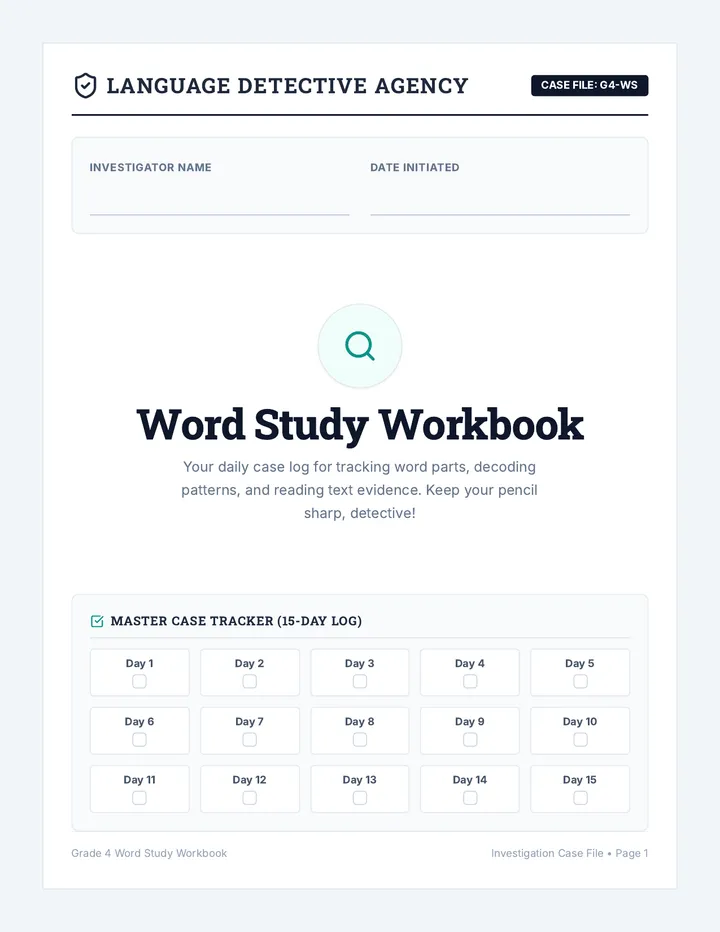
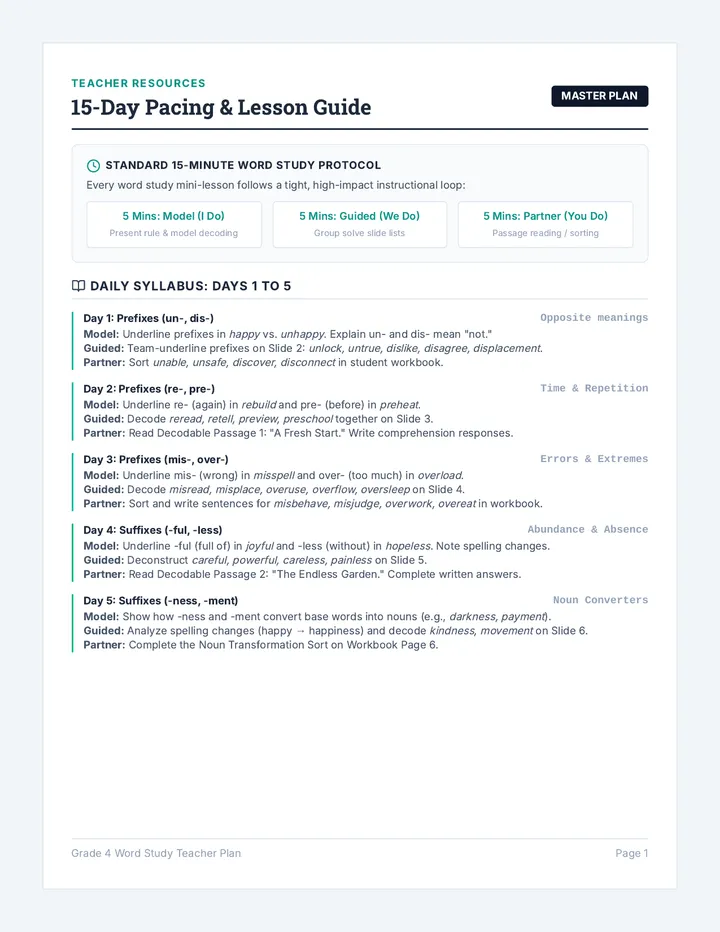
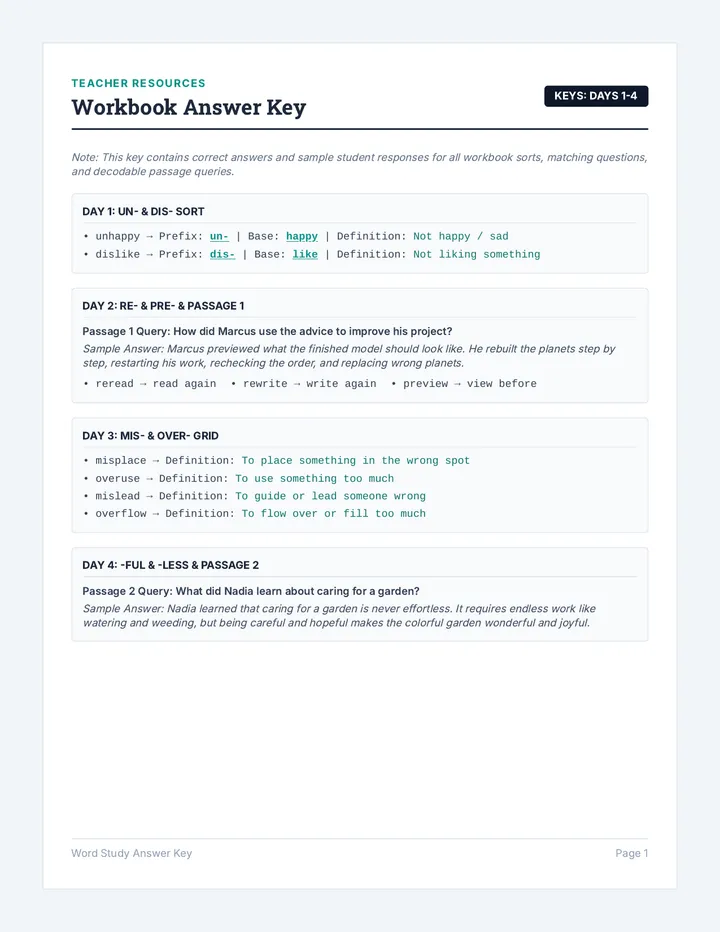
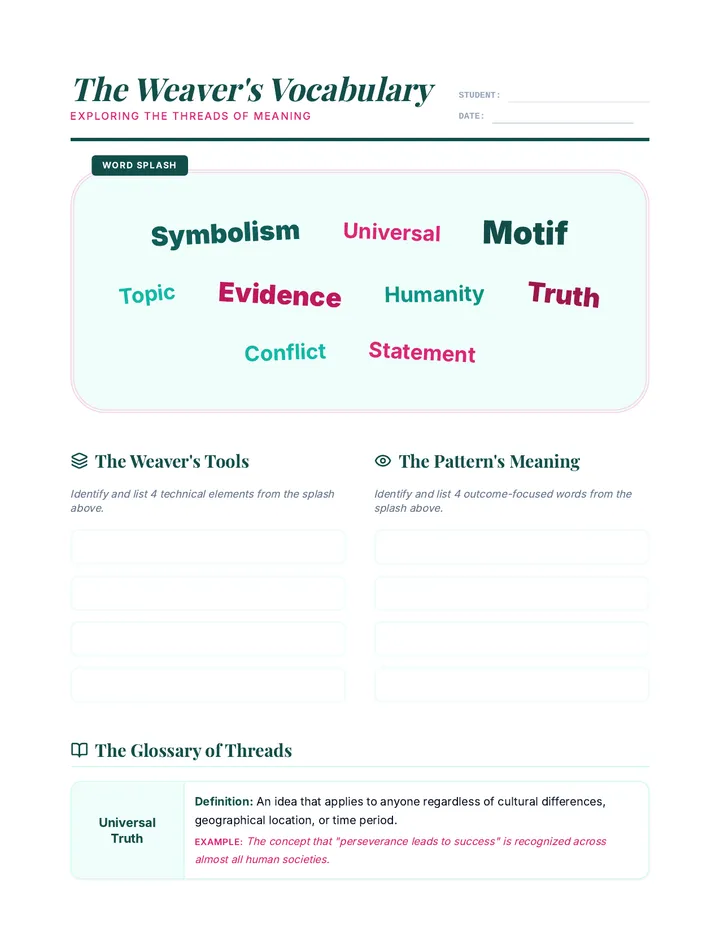
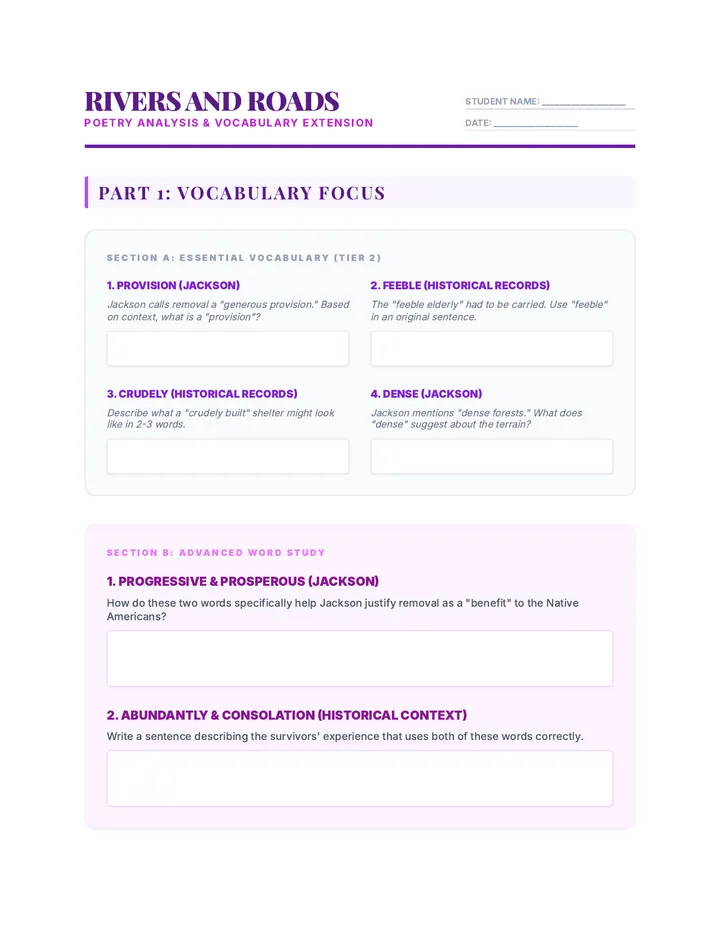
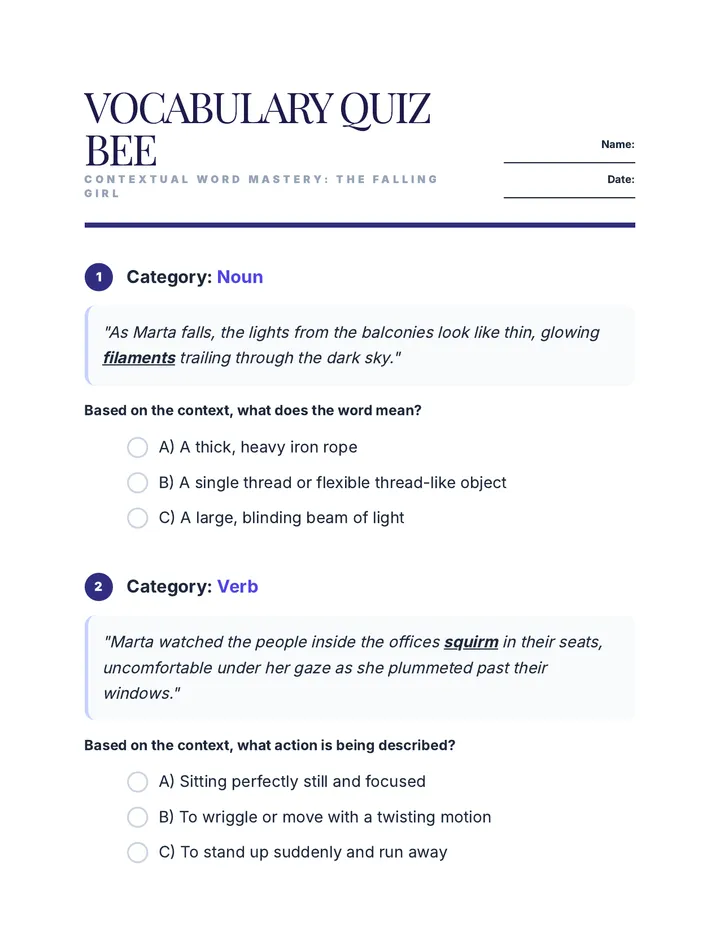
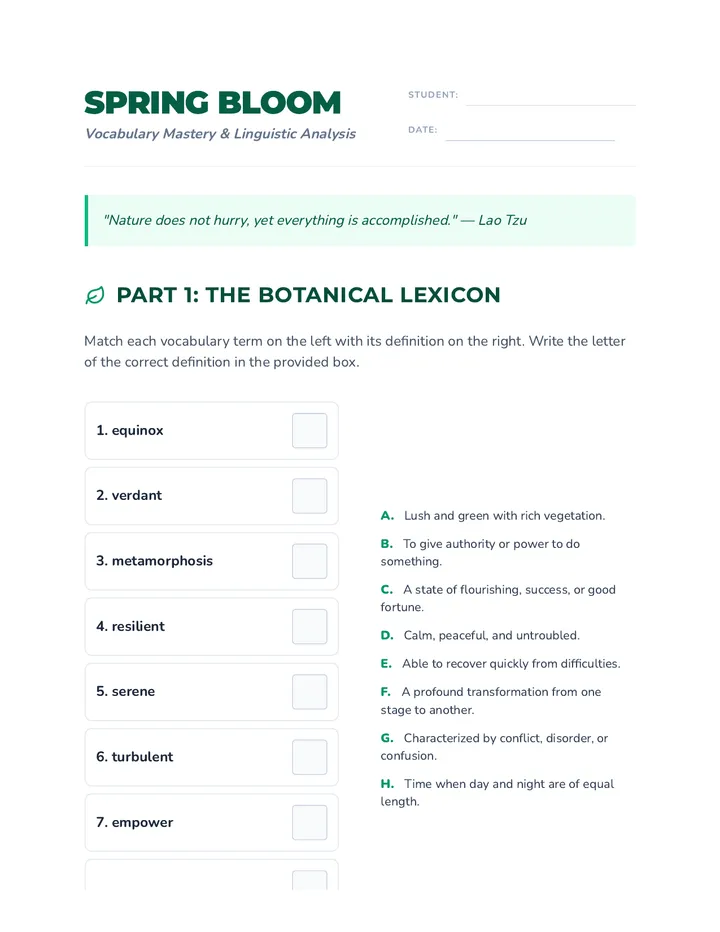
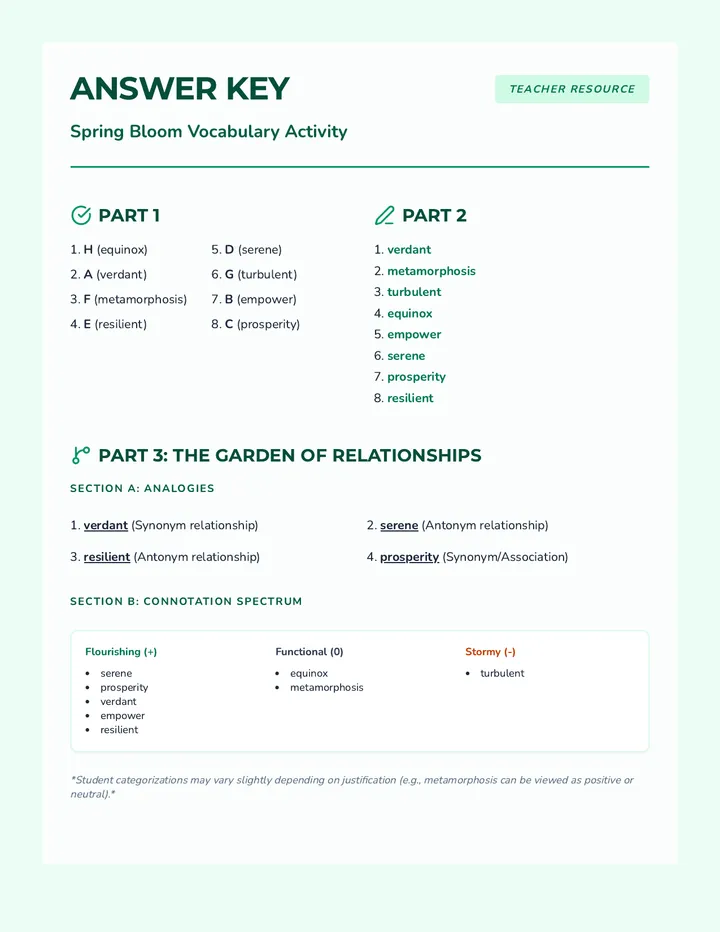
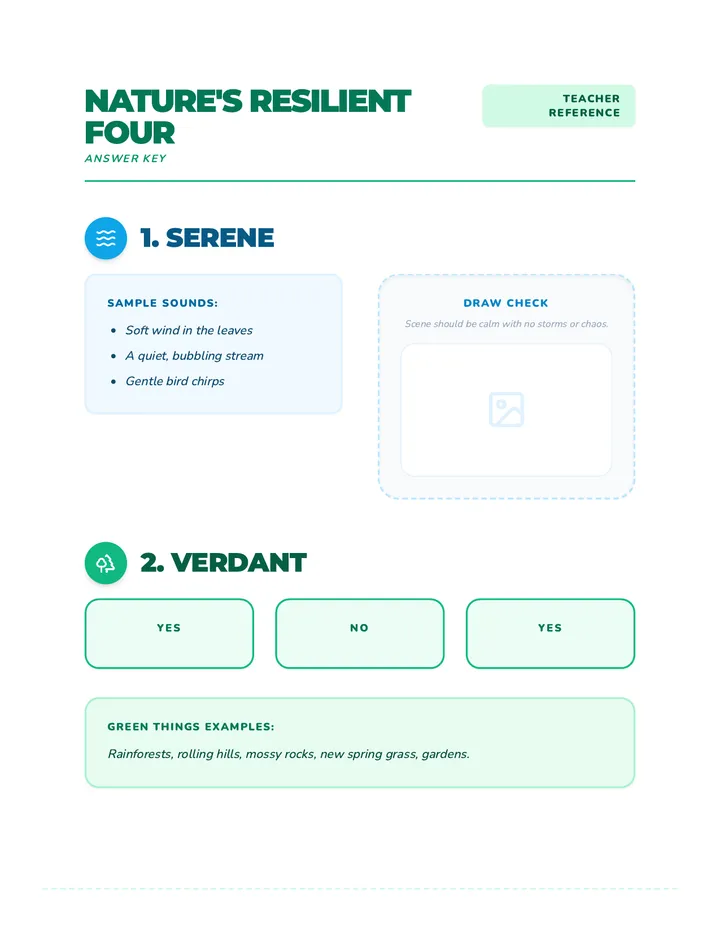
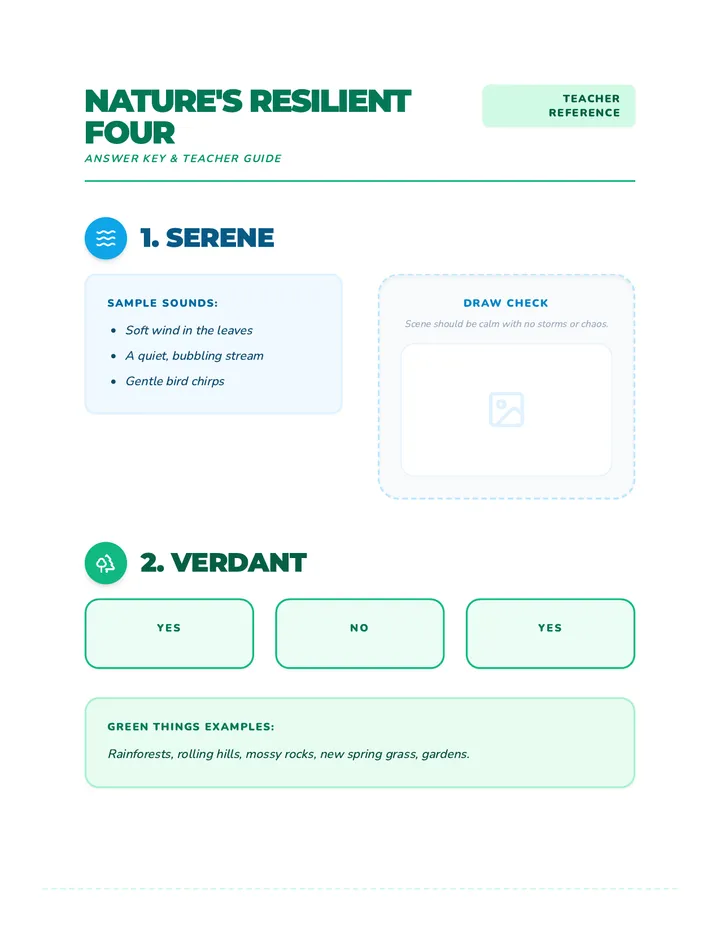
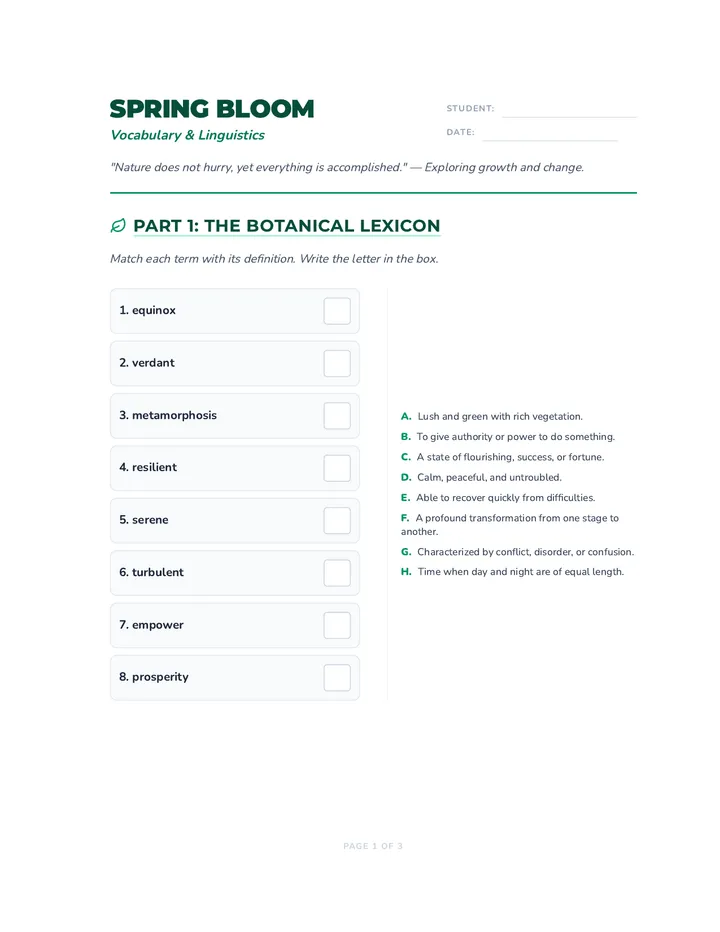
Builds word mastery through parts of speech, Greek and Latin roots, and morphological analysis of prefixes and suffixes. Develops nuanced comprehension using context clues, shades of meaning, and idiomatic expressions.
A 10th-grade academic support sequence that transforms students from passive readers to active analysts through the art of marginalia. Students master shorthand symbols, inquiry-based questioning, theme tracking, and summarization to prepare for a text-based Socratic seminar.
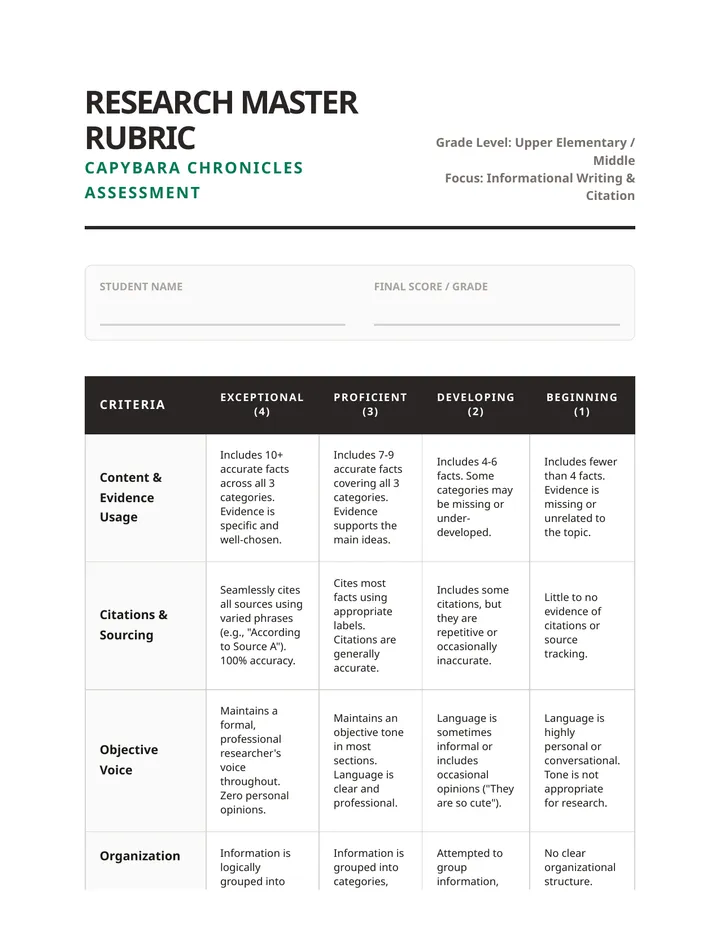
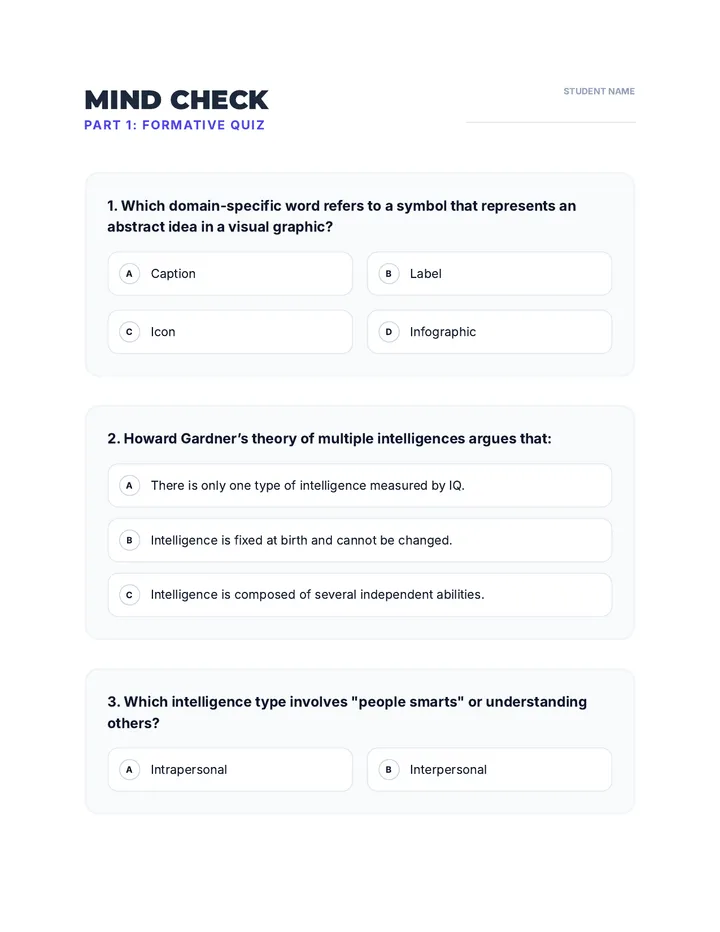
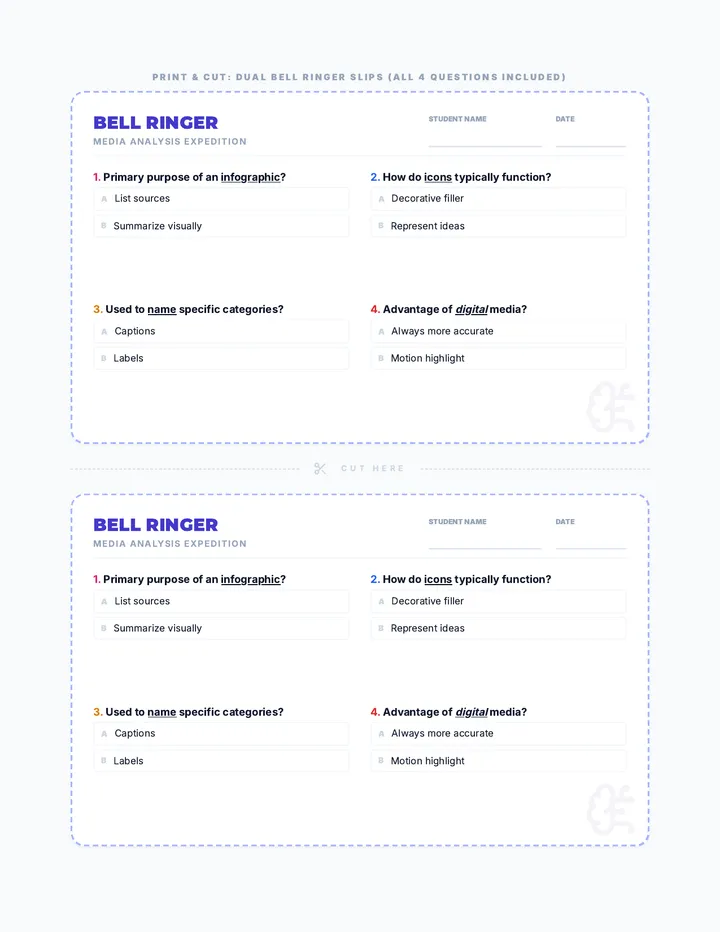
Students transform from readers to authors as they research a topic of interest and synthesize their findings into a professional-grade informational Zine. This project-based unit focuses on inquiry, organizational structures, domain-specific vocabulary, and the intentional use of text features to educate an audience.
A 4th-grade sequence that uses the Literature Circle model to teach collaborative reading comprehension. Students take on specific roles to analyze texts, use evidence to support arguments, and culminate in a group synthesis project.
A Pre-K sequence introducing characters and settings through dramatic play, sensory exploration, and interactive sorting. Students learn to identify 'who' and 'where' in stories using puppets, mirrors, and sensory bins.
A culminating Pre-K sequence where students become 'Community Reporters,' mastering the six question words (Who, What, Where, When, Why, How) through role-play, peer interviews, and a guest inquiry project to learn about their world.
A comprehensive Kindergarten ELA sequence focused on the abstract question words 'when', 'why', and 'how' to enhance narrative comprehension and causal reasoning through play, story analysis, and procedural tasks.
This Kindergarten ELA sequence introduces the question words 'who,' 'what,' and 'where' through a detective-themed investigative approach. Students will learn to distinguish between people, objects, and places, ultimately applying these skills to gather information as 'Classroom Reporters.'
A fun, inquiry-based ELA sequence for Pre-K students that uses a classroom mystery to teach the four primary question words: Who, What, Where, and When. Students act as detectives to find a missing class mascot while mastering interrogative vocabulary.
A Kindergarten ELA sequence focused on distinguishing between questions and statements, using question words (Who, What, Where, When, Why), and conducting peer interviews to build social-emotional and language skills.
A 5th-grade writing sequence focused on transforming bland topic sentences into engaging 'hooks' that guide the reader while maintaining structural integrity. Students analyze, revise, and peer-review topic sentences using architectural metaphors to understand paragraph construction.
A comprehensive introduction to the six primary question words (who, what, where, when, why, and how) for first-grade students. Through a 'Question Detective' theme, students learn to categorize information, match interrogatives to specific answer types, and conduct peer interviews to gather details.
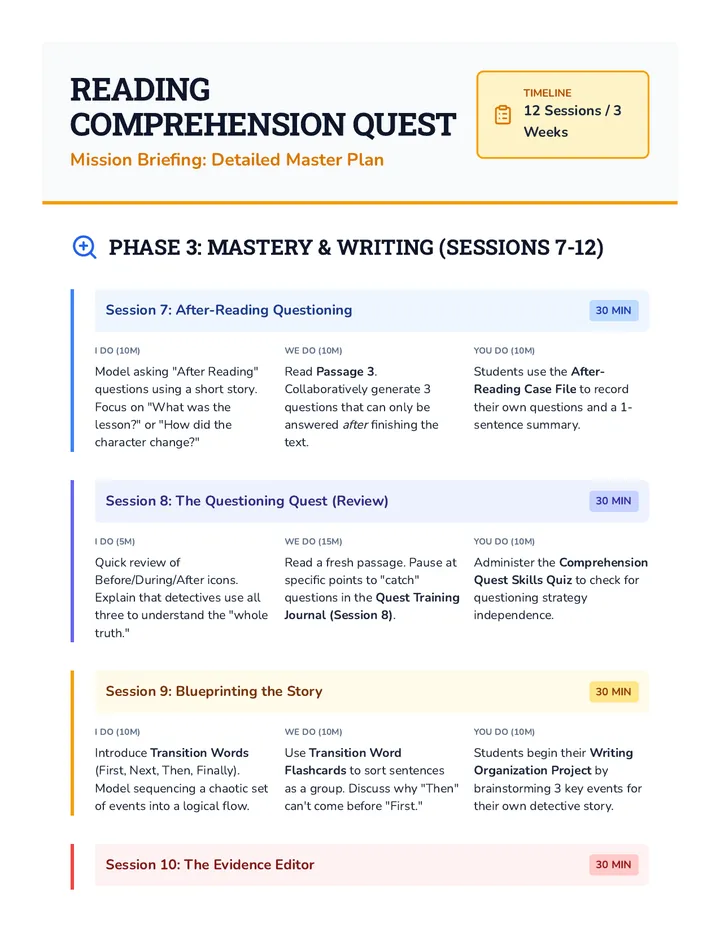
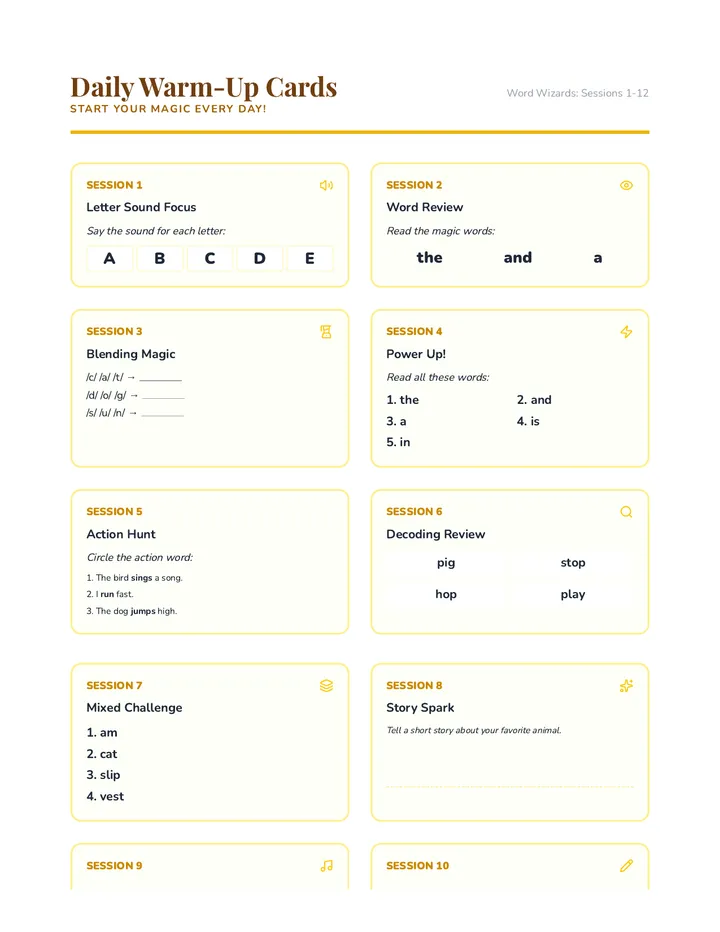
A 3-week, 12-session reading and writing curriculum designed for Tier 2 small groups, focusing on CVCe words, sequencing, questioning, and writing organization with a detective-themed 'Quest' aesthetic.
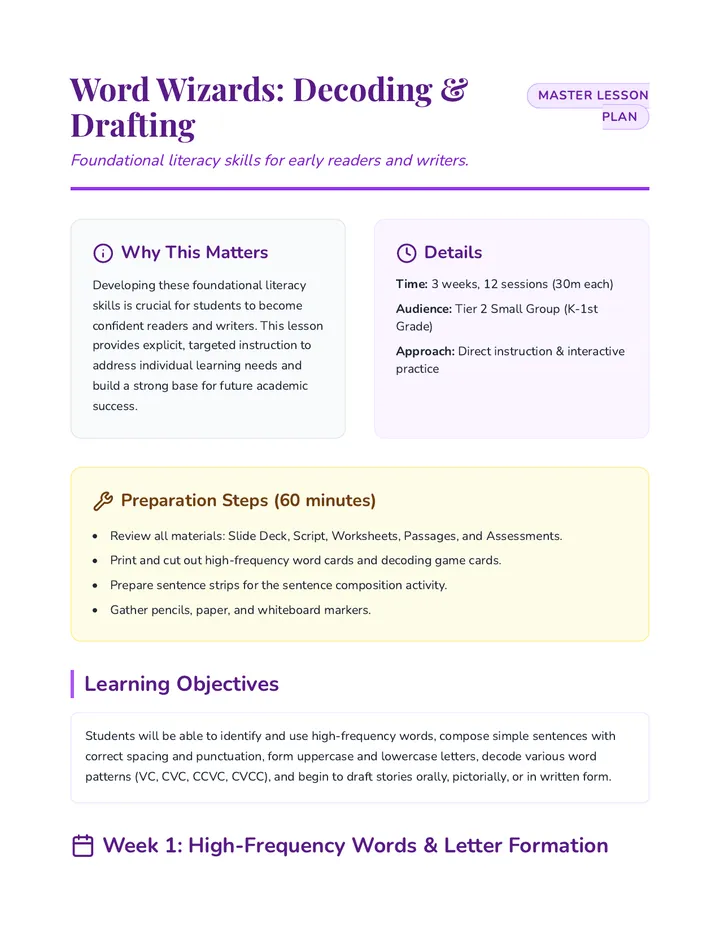
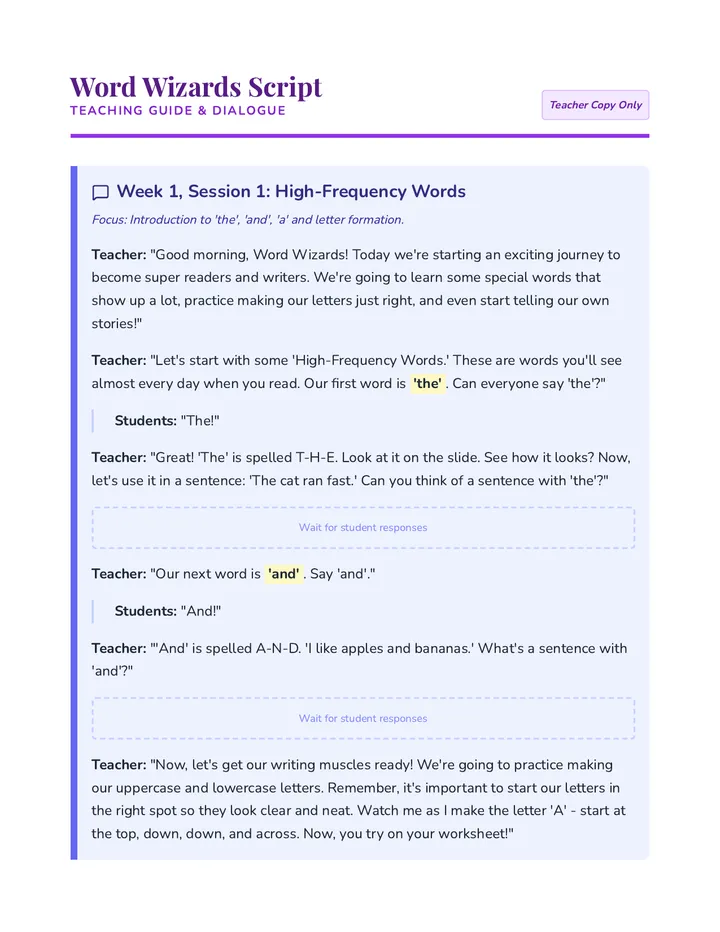
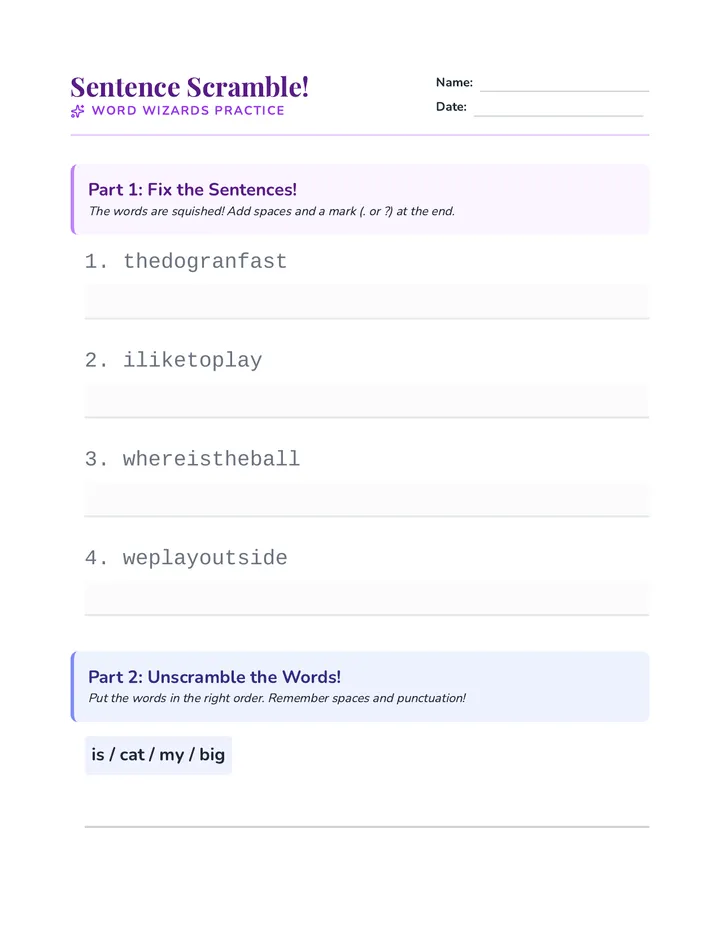
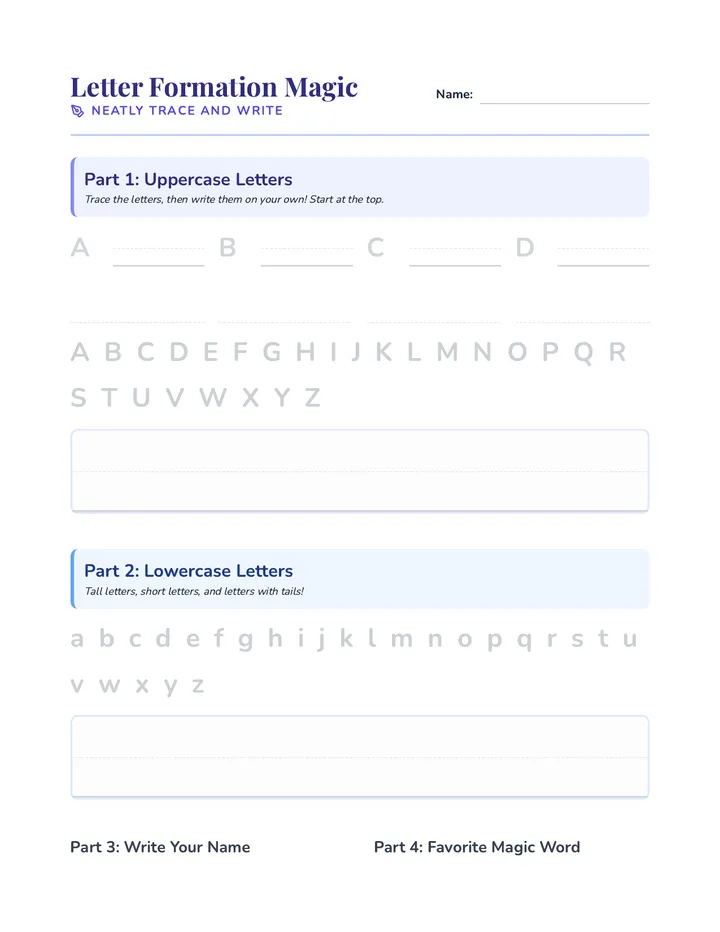
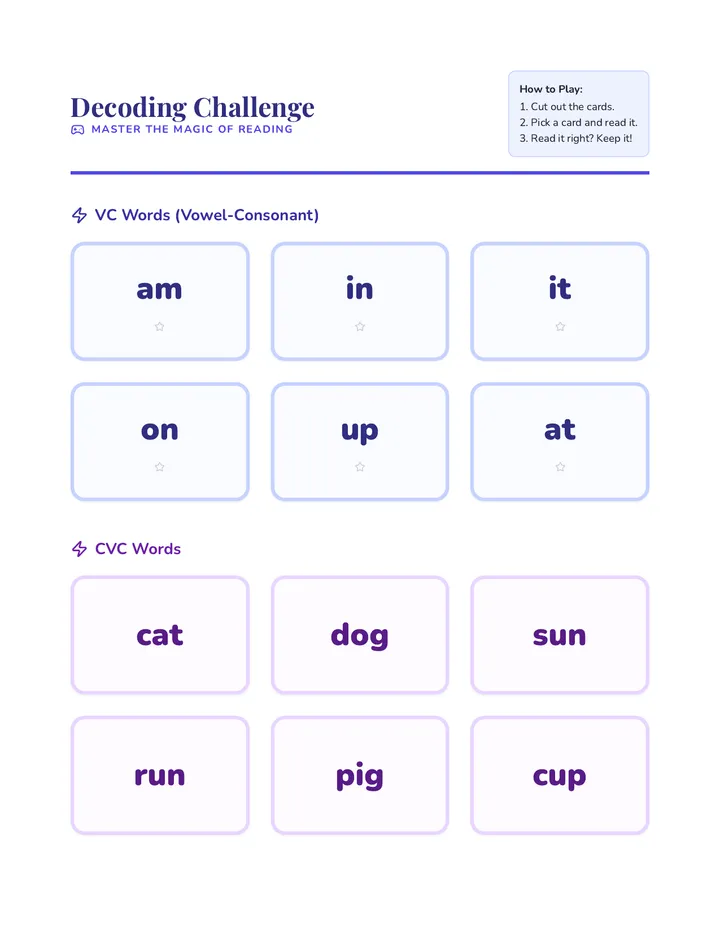
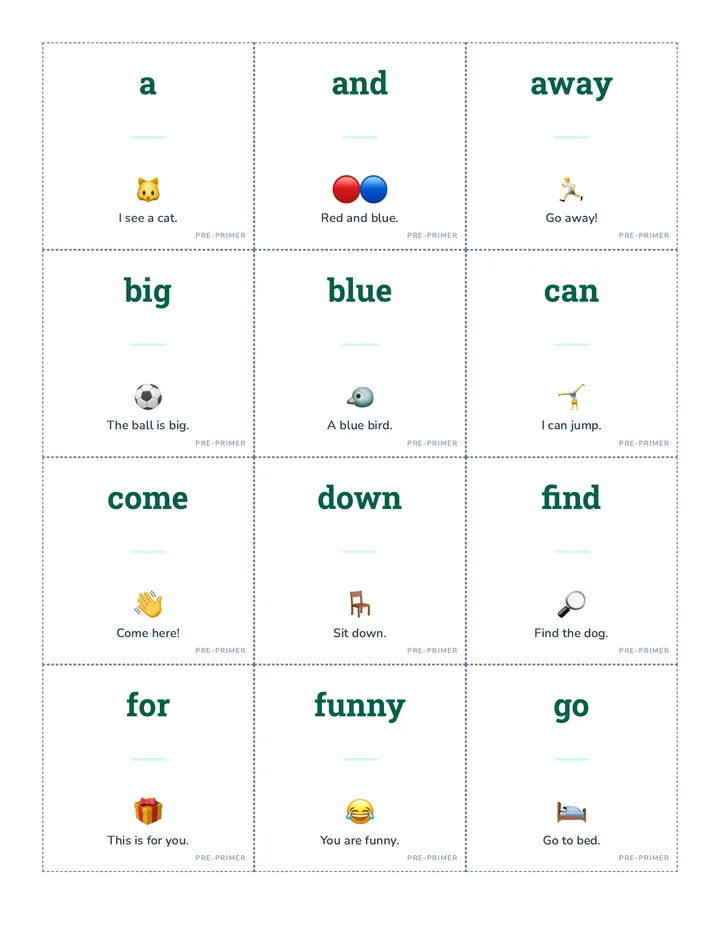
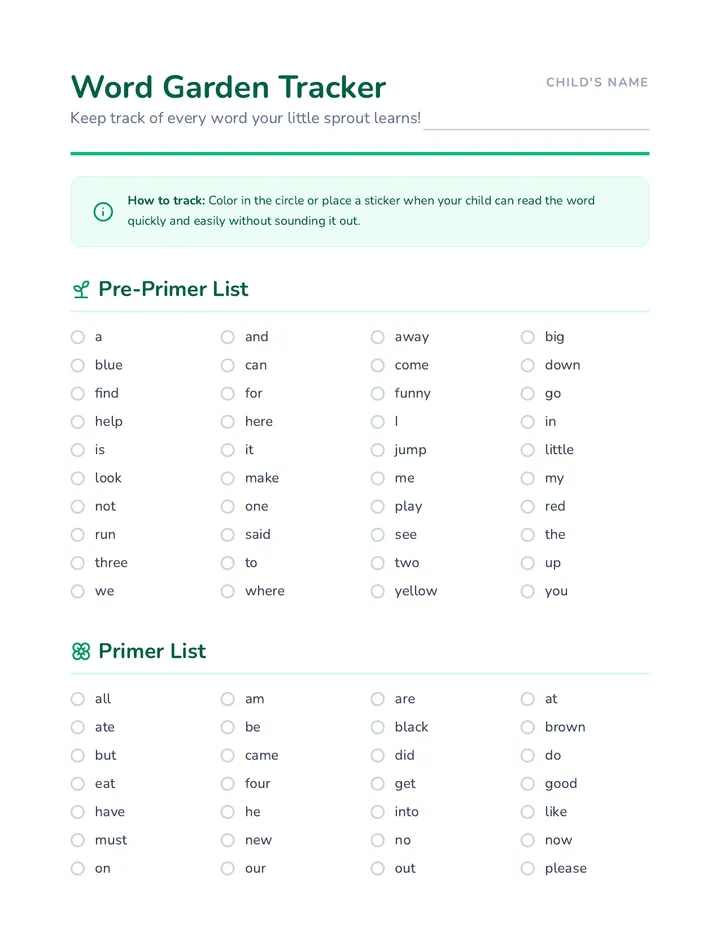
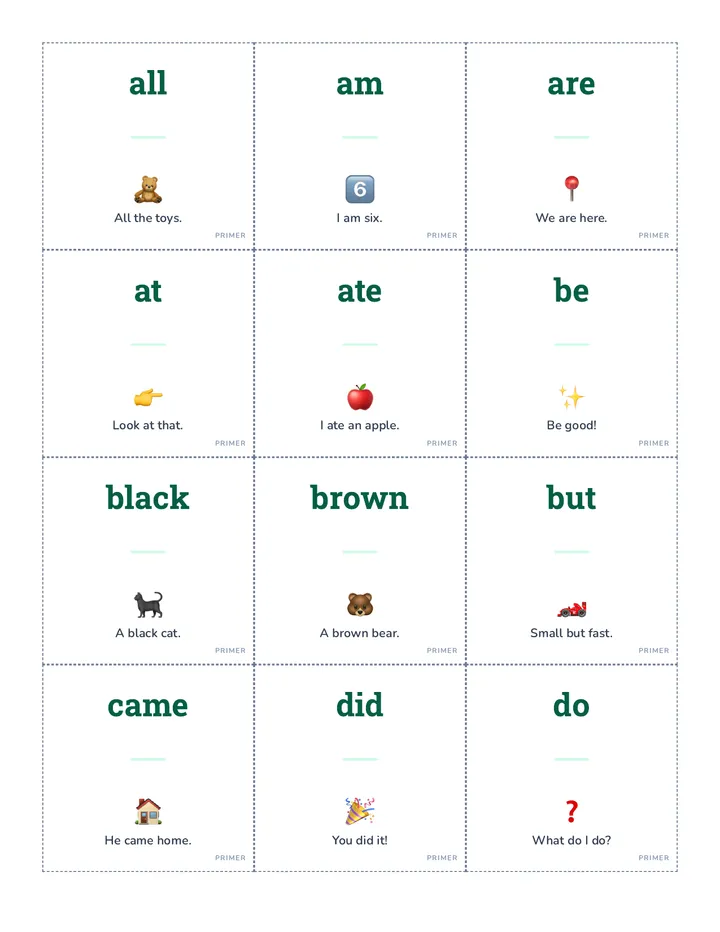
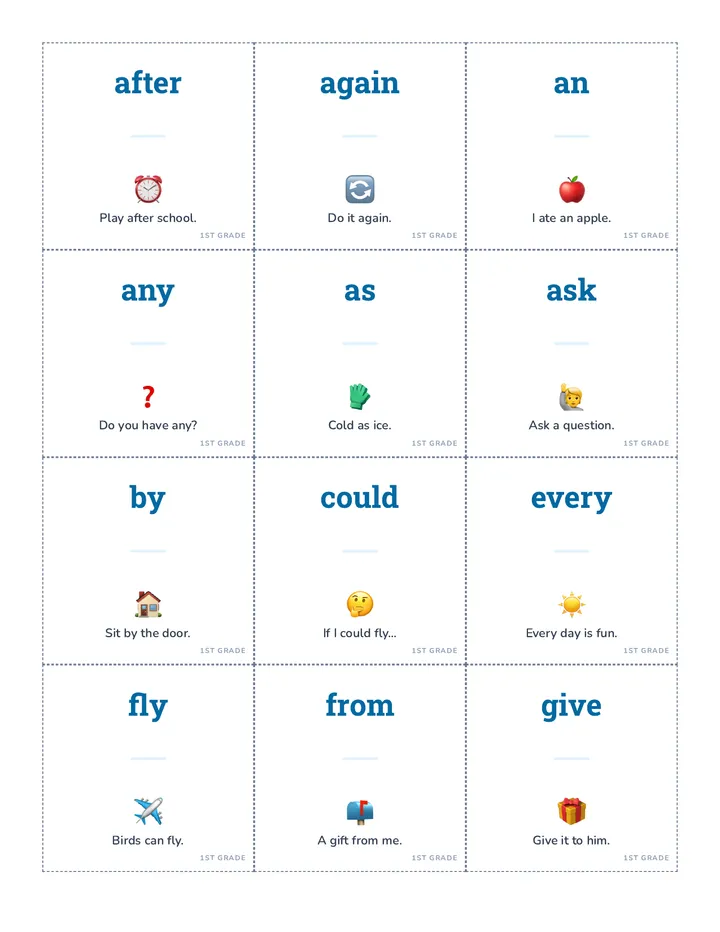
A 3-week foundational literacy sequence for Tier 2 Kindergarten and 1st-grade students, focusing on high-frequency words, decoding, and early drafting skills.
A week-long ELA homework series centered around a narrative about a squirrel's search for a rare acorn. The materials are differentiated for Kindergarten, 2nd Grade, and 4th Grade learners.
A 5-lesson sequence for 2nd-grade students exploring narrative writing through speech-to-text technology. Students learn oral rehearsal, dictation commands, and descriptive storytelling to bridge the gap between their imagination and the page.
This sequence teaches undergraduate students how to leverage dictation technology to draft academic papers. It moves from oral brainstorming and outlining to drafting body paragraphs with transitions, managing complex citations via voice, maintaining formal academic tone, and utilizing text-to-speech for final auditory polishing.
This sequence uses kinesthetic movement and role-play to help Kindergarten students develop visualization skills. By physically embodying actions, emotions, and sequences, students build a bridge between text and mental imagery.
A comprehensive 4th-grade sequence focused on the 'Sketch-to-Stretch' strategy. Students learn to visualize and draw literal descriptions, characters, settings, plot sequences, and figurative language to enhance reading comprehension and memory retention.
A 5-lesson workshop-style sequence for 11th grade ELA focusing on the precise use of adjectives and adverbs. Students move from replacing weak adverbs with strong verbs to mastering the nuances of cumulative vs. coordinate adjectives and eliminating redundancy.
A high school ELA sequence exploring how adjectives and adverbs function as rhetorical tools to shape tone, atmosphere, and narrator reliability. Students progress from analyzing simple connotations to writing full rhetorical analyses of modifier choices in classic and modern texts.
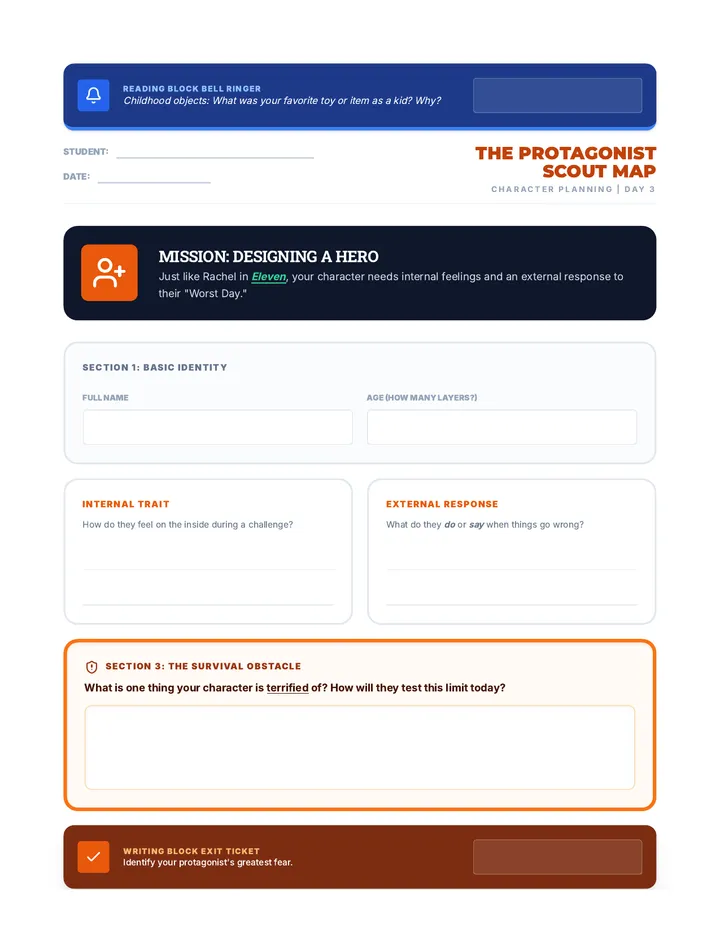
This 10th-grade ELA sequence explores the rhetorical power of adjectives and adverbs in narrative writing, moving from basic identification to the intentional manipulation of tone, clarity, and precision through modifier selection and placement.
An advanced 12th-grade sequence on the rhetorical application of modifiers. Students progress from correcting syntactical errors (misplaced/dangling modifiers) to mastering stylistic control, focusing on precision, economy of language, and the impact of modifiers on tone and pacing in professional writing.
A game-based vocabulary sequence for 5th graders focusing on functional and spatial analogies. Students analyze relationships between workers, tools, functions, and locations through interactive challenges and creative projects.
A comprehensive introduction to analogy mechanics for 9th graders, focusing on relationship types (synonyms, antonyms, degree, part-to-whole, function) and the 'bridge sentence' strategy for logical mapping.
A 4th Grade ELA sequence where students become 'Context Detectives' to master homophones. Instead of rote memorization, students use contextual evidence and grammatical clues to solve linguistic puzzles and create their own wordplay.
This sequence explores functional relationships in analogies, focusing on how workers, tools, objects, and actions connect logically. Students will develop career vocabulary and functional analysis skills through a 'Logic Workshop' theme.
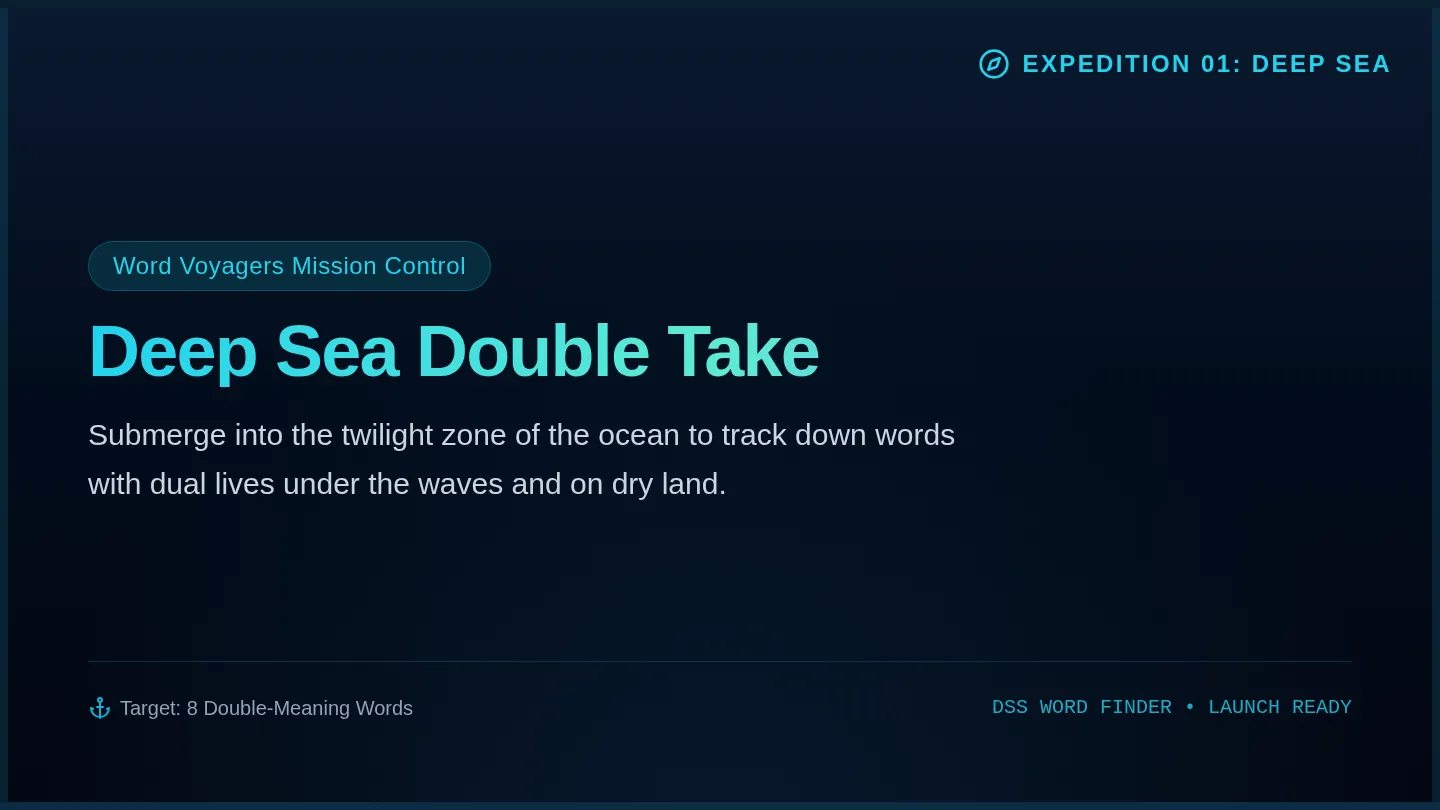
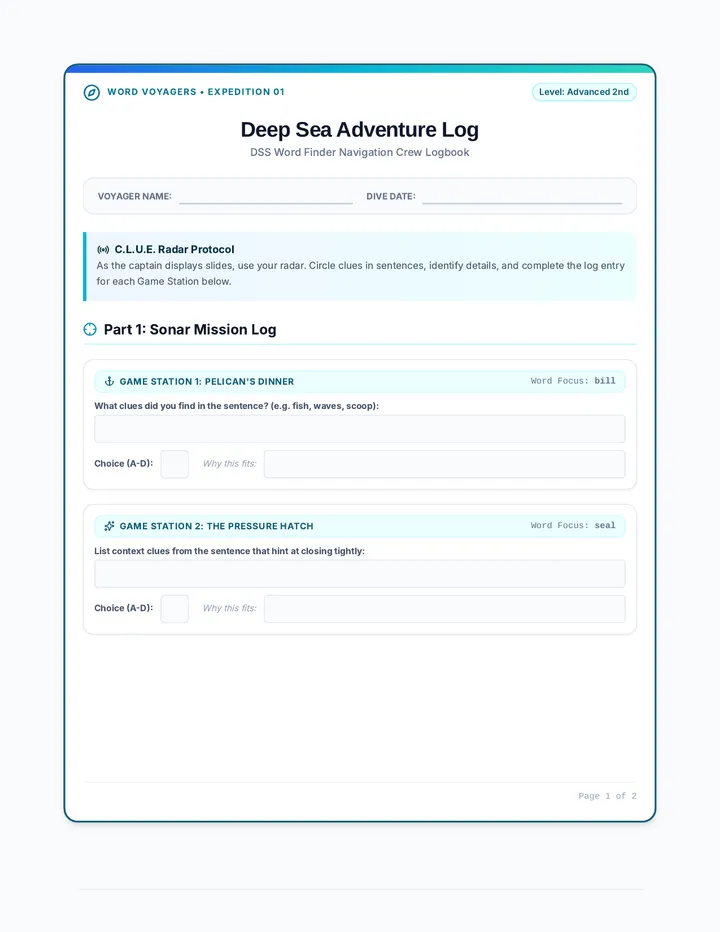
A 1st-grade sequence exploring homonyms (multiple-meaning words) through a detective and museum theme. Students transition from identifying double meanings in oral language to creating a 'Word Museum' of illustrated homonyms.
A creative ELA project where 3rd-grade students become 'Word Inventors.' Students analyze existing compound words, brainstorm base components, and synthesize brand-new compound terms to name imaginary inventions, culminating in a gallery showcase of their linguistic and creative designs.
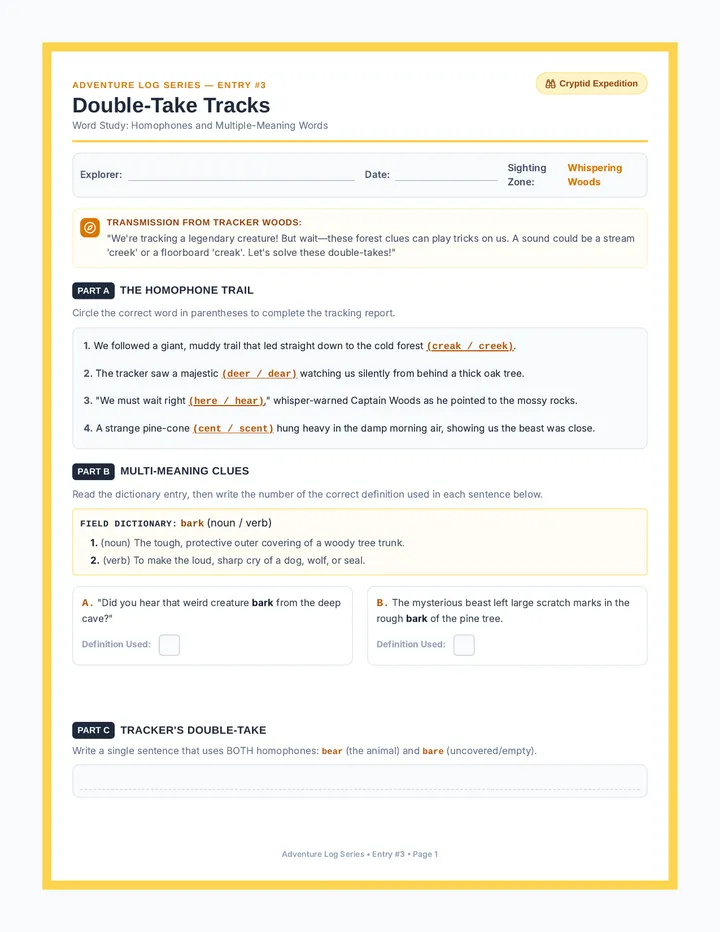
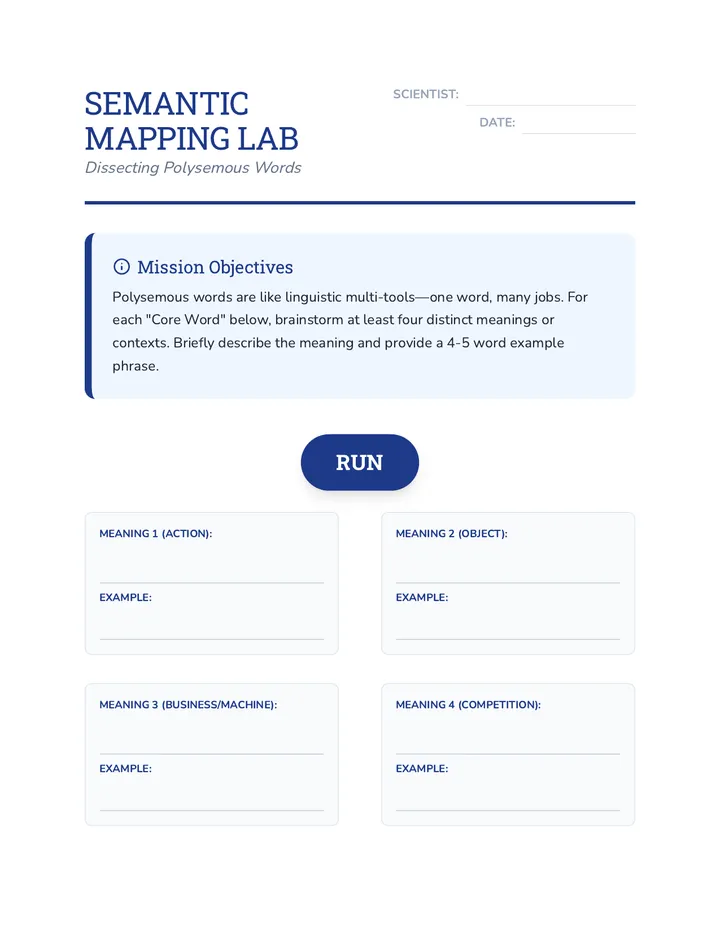
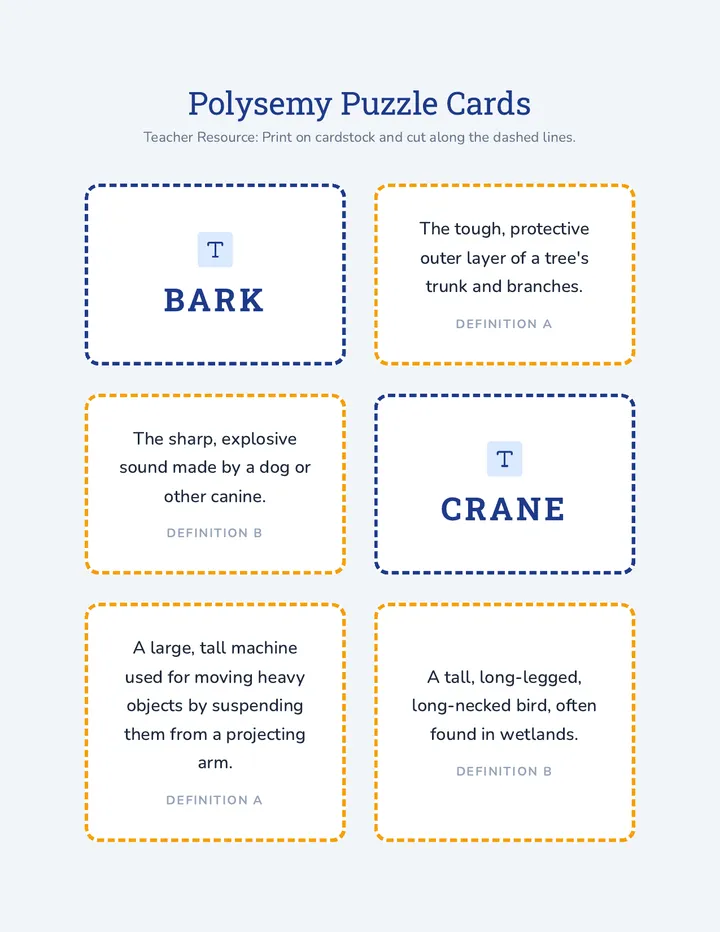
This sequence explores multiple-meaning words (homonyms) to strengthen reading comprehension and vocabulary flexibility. Students adopt the role of 'word detectives' to investigate how a single word like 'bat' or 'bark' can represent entirely different things depending on the sentence.
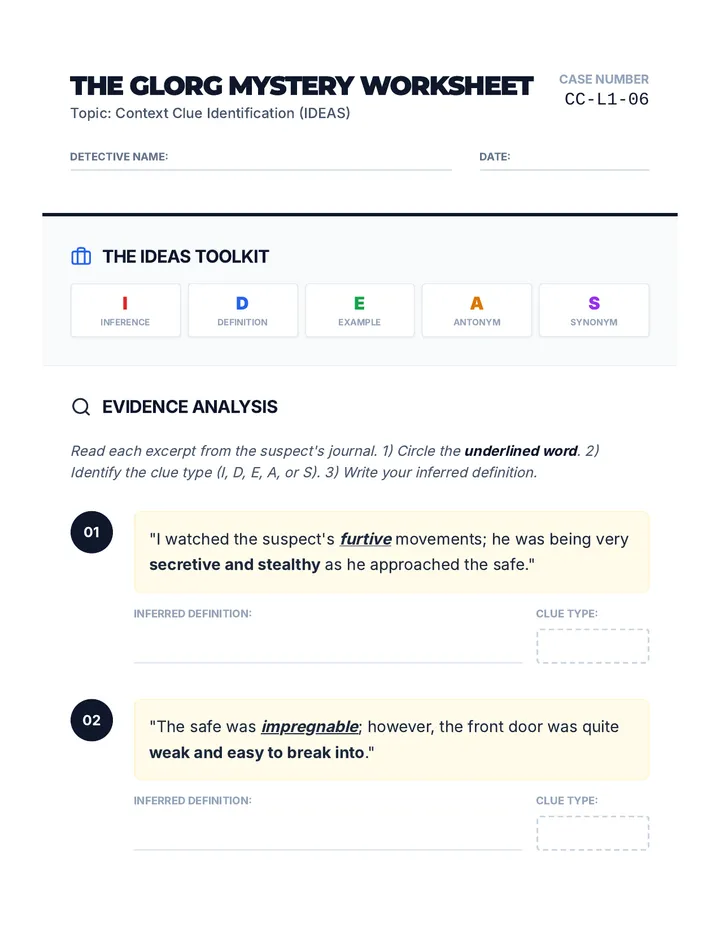
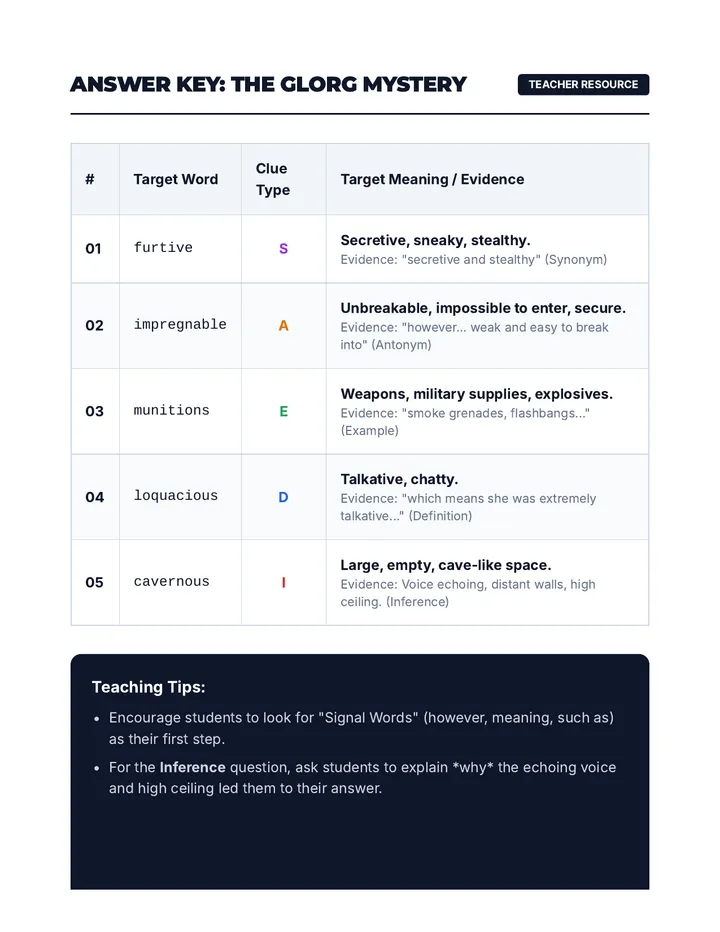
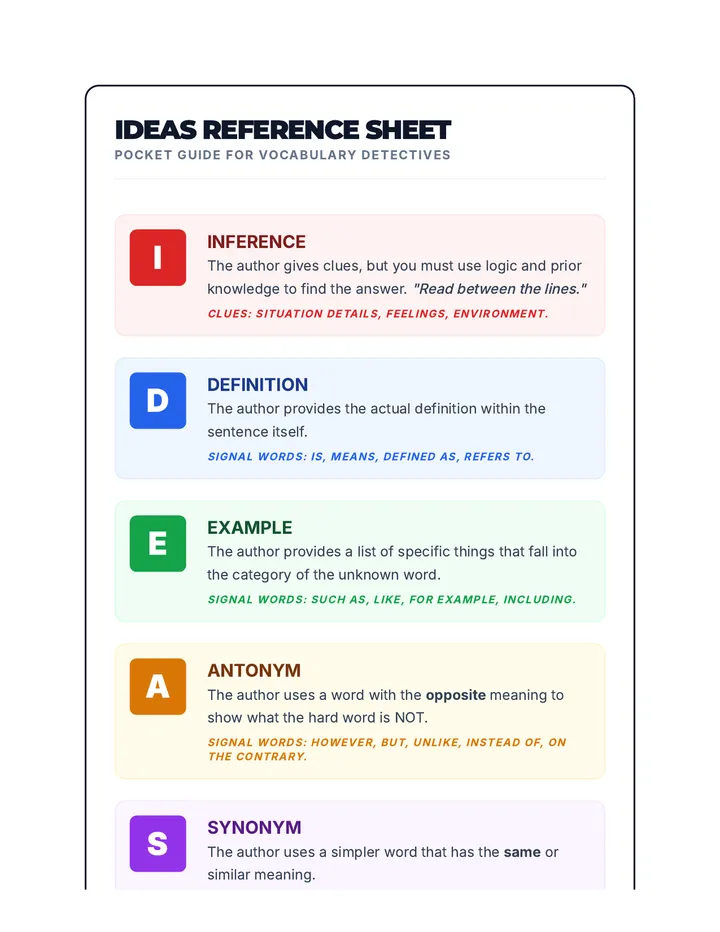
A comprehensive 10th-grade sequence that moves from basic synonym identification to advanced analytical strategies for decoding high-lexile vocabulary. Students use the IDEAS framework, syntactic analysis, and tonal inference to master the skill of determining word meaning in complex texts.
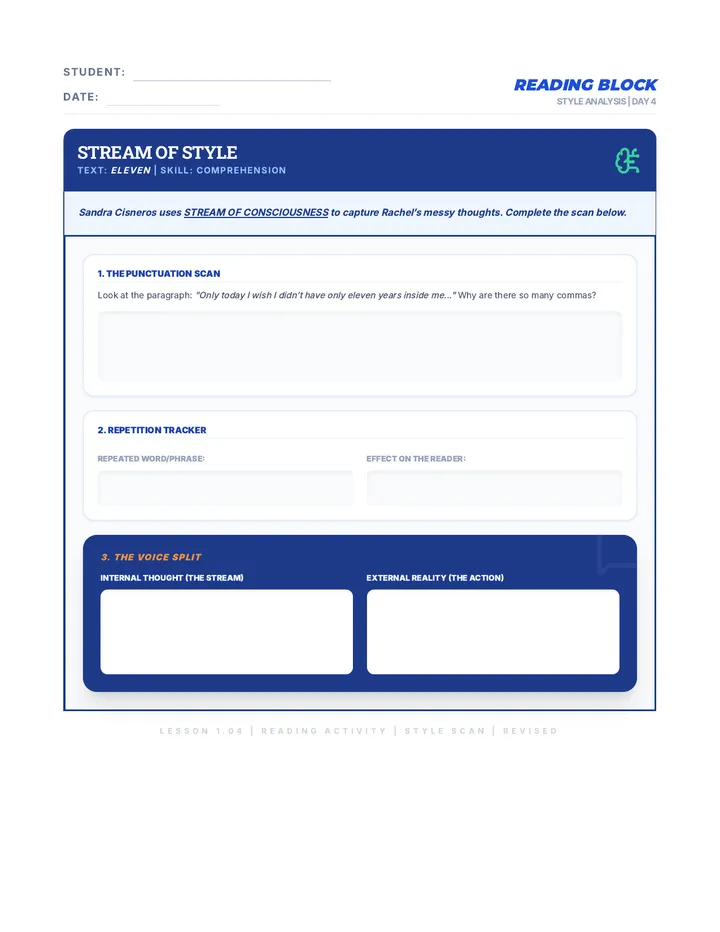
A project-based sequence for 8th-grade students focusing on the power of linguistic precision in persuasive writing and speaking. Students move from critiquing vague language to mastering advanced vocabulary, transitions, and rhetorical strategies to build compelling arguments.
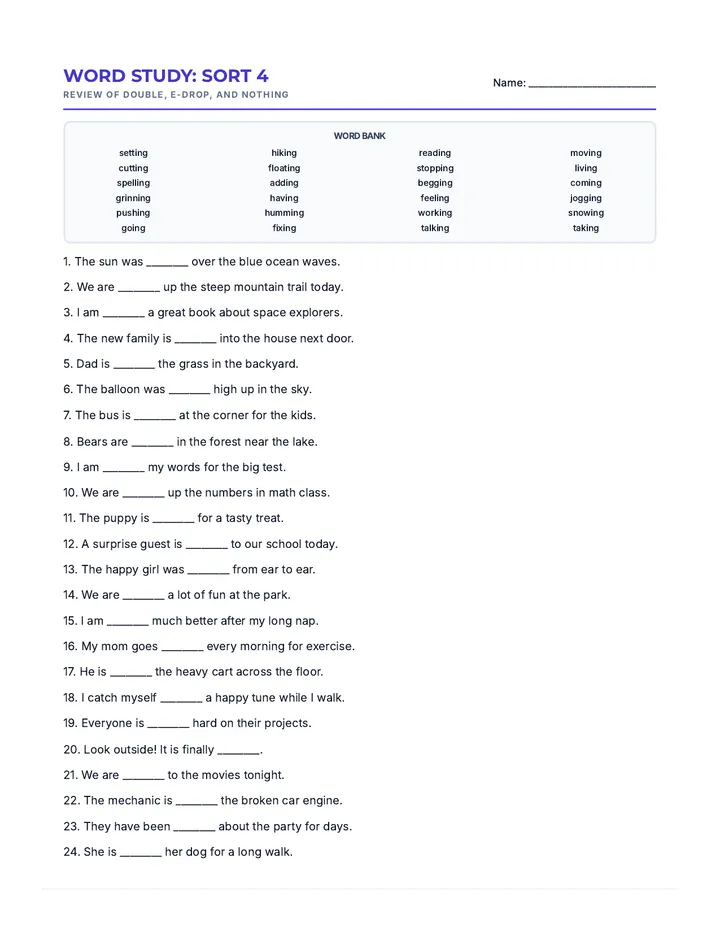
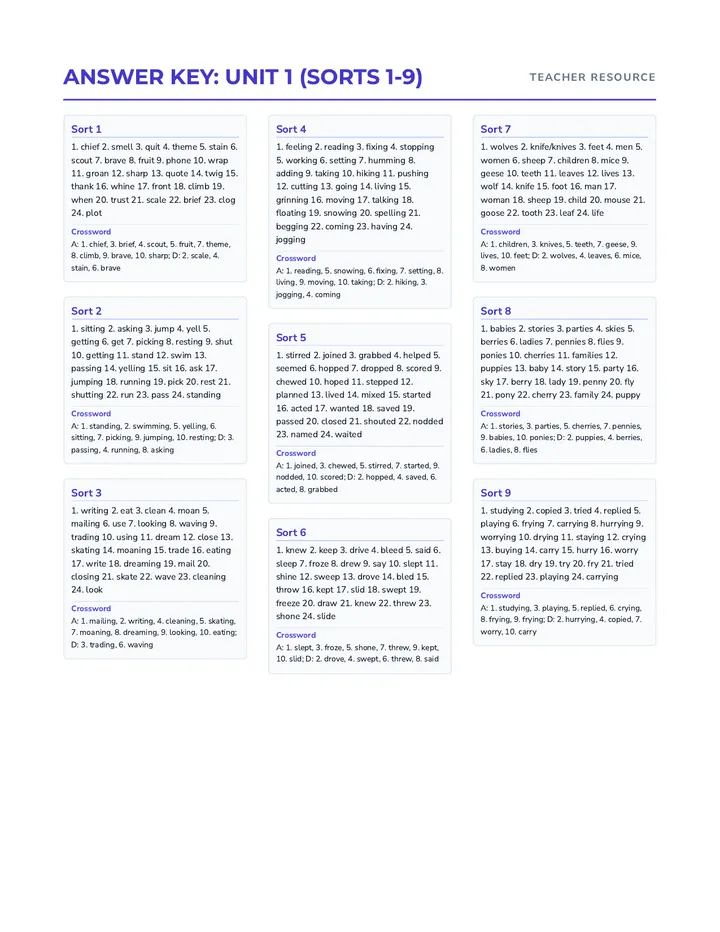
A comprehensive 1st-grade ELA sequence exploring how suffixes -ed and -ing change action words to show when they happen. Students use games, timelines, and narrative writing to master past and present continuous tenses.
A 4-day intensive study of Nathaniel Hawthorne's 'The Minister's Black Veil,' focusing on literary analysis, theme development, and argumentative writing through the lens of Dark Romanticism and Puritan values. Students explore the ambiguity of symbols and the complexities of human guilt while mastering appositive phrases and constructing high-quality academic responses.
A 4-lesson unit exploring the organizational structures and graphic elements of non-fiction through the lens of the Dachshund breed, featuring a complex 1200 Lexile informational text.
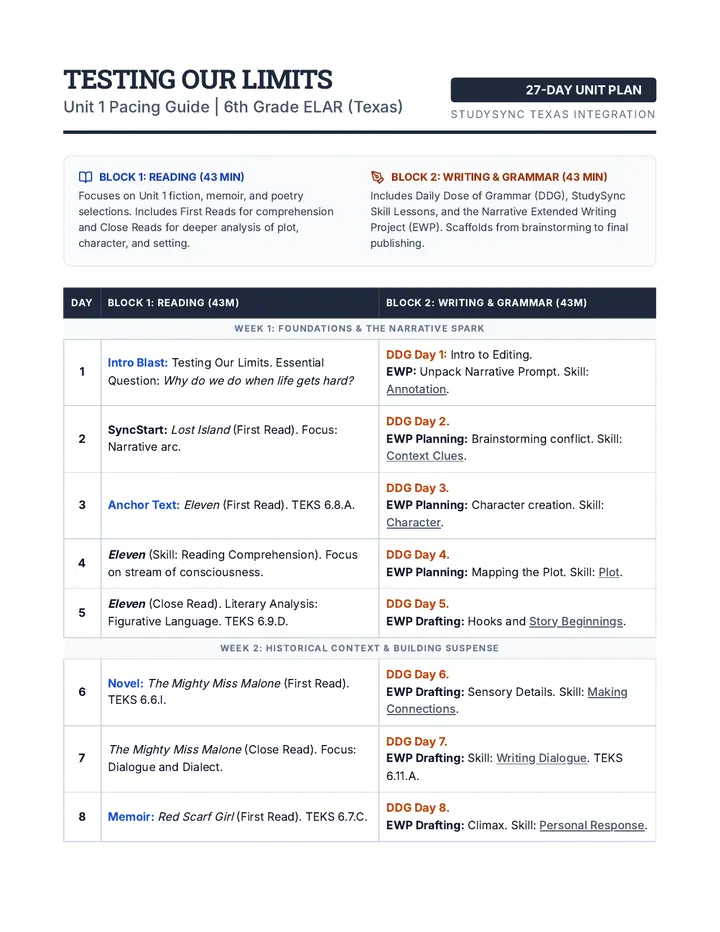
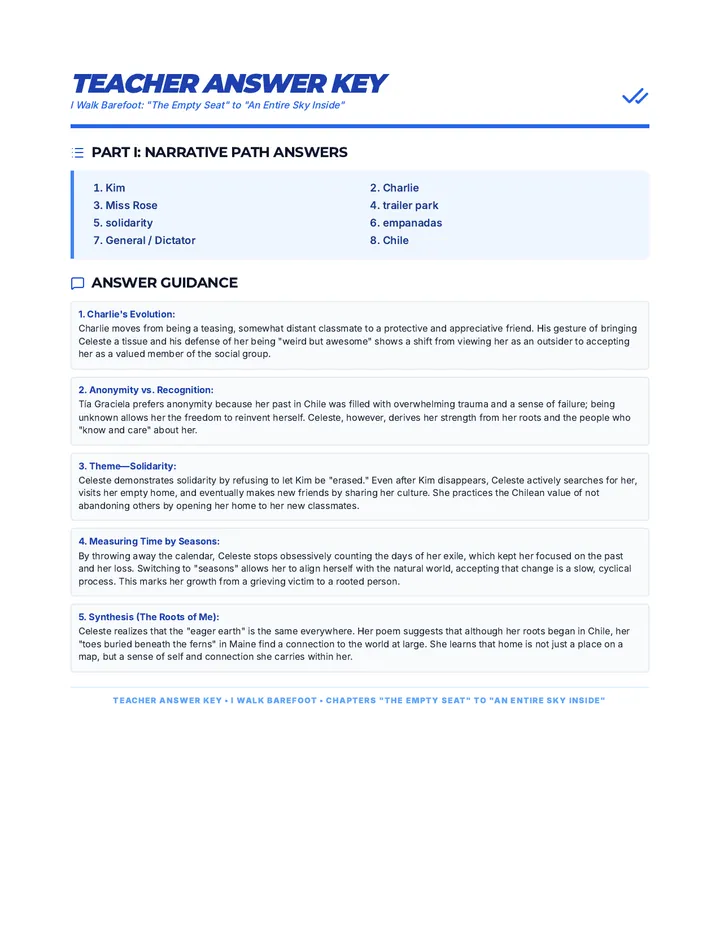
An ELA 8 unit exploring the theme of 'Pathways' through poetry, short stories, and narrative writing. Students analyze choices, consequences, and the symbolic nature of journeys in literature and life.
A punchy, superhero-themed lesson sequence focused on how the suffixes -ity and -ic transform base words into different parts of speech, inspired by Vocabulary Man.
A Kindergarten sequence focused on building visualization skills through descriptive vocabulary. Students learn how adjectives like size, shape, and condition change the mental images they form while reading and listening.
This sequence uses multisensory techniques to help Kindergarten students develop visualization skills. By isolating and then combining the five senses, students learn to create vivid, detailed mental images while reading or listening to stories.
A 5-lesson sequence for 3rd-grade students focused on building mental imagery skills through sensory language. Students progress from identifying sensory words to constructing and verbalizing full mental scenes.
This sequence introduces 2nd-grade students to visualization strategies by connecting sensory details in text to 'mental movies.' Students progress from simple visual imagery to multi-sensory mental pictures that support reading comprehension and recall.
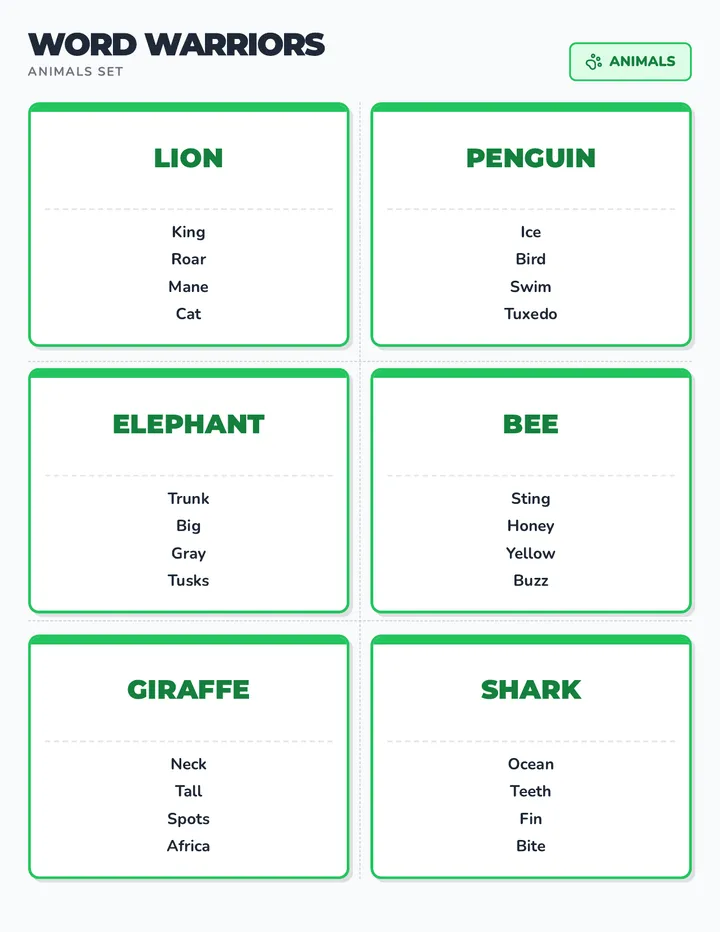
A foundational grammar sequence for first graders that uses a 'Word Detective' theme to explore adjectives through sensory exploration, sorting, and descriptive writing. Students learn to use their five senses to identify and apply adjectives to describe the world around them.
A 1st-grade sequence exploring how poets use sensory language to create mental images. Students progress from identifying sensory words to illustrating poems and writing their own descriptive riddles.
Students learn the art of persuasion by becoming 'Junior Critics.' This sequence guides Kindergarteners through the process of writing reviews for books, toys, and foods, using star ratings, descriptive adjectives, and target audience recommendations to influence their peers.
A Kindergarten ELA sequence introducing adjectives through the five senses. Students transition from simple visual observations to complex sensory descriptions through interactive games and hands-on exploration.
A Kindergarten ELA sequence where students learn to use descriptive adjectives through character analysis, monster design, and sensory exploration, culminating in a creative 'Lost Toy' poster project.
A sequence for 11th Grade students focusing on the rhetorical impact of adjectives in argumentative and non-fiction writing. Students learn to analyze connotation, identify bias in media, master hyphenation for clarity, and prune redundant modifiers to strengthen their own prose.
A 4-week book club sequence for Sharon Creech's 'Saving Winslow', focusing on character analysis, summarizing, synthesizing, and vocabulary through bi-weekly sessions.
A small-group literacy unit focused on mastering informational texts through text-based questioning, vocabulary development, and structured paragraph writing (Topic Sentence, Details, Concluding Sentence) centered on the theme of extreme weather.
A comprehensive book club unit for fourth grade students focused on "Out of My Mind" by Sharon Draper, structured for a 3-day weekly cadence over six weeks. The unit focuses on summarizing, synthesizing, and vocabulary development, culminating in an inclusion-focused school campaign project.
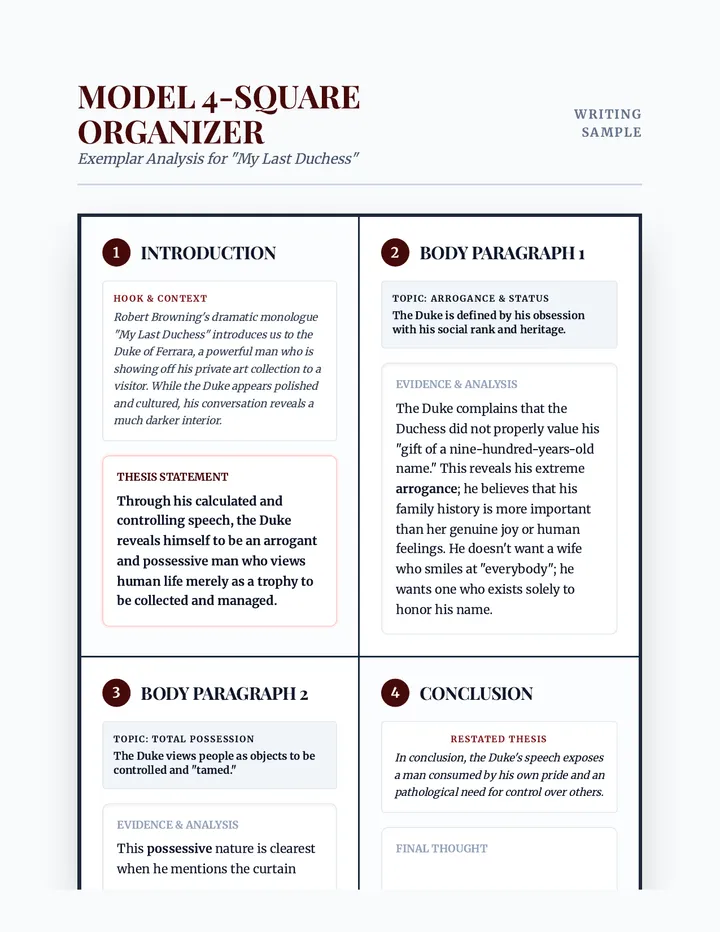
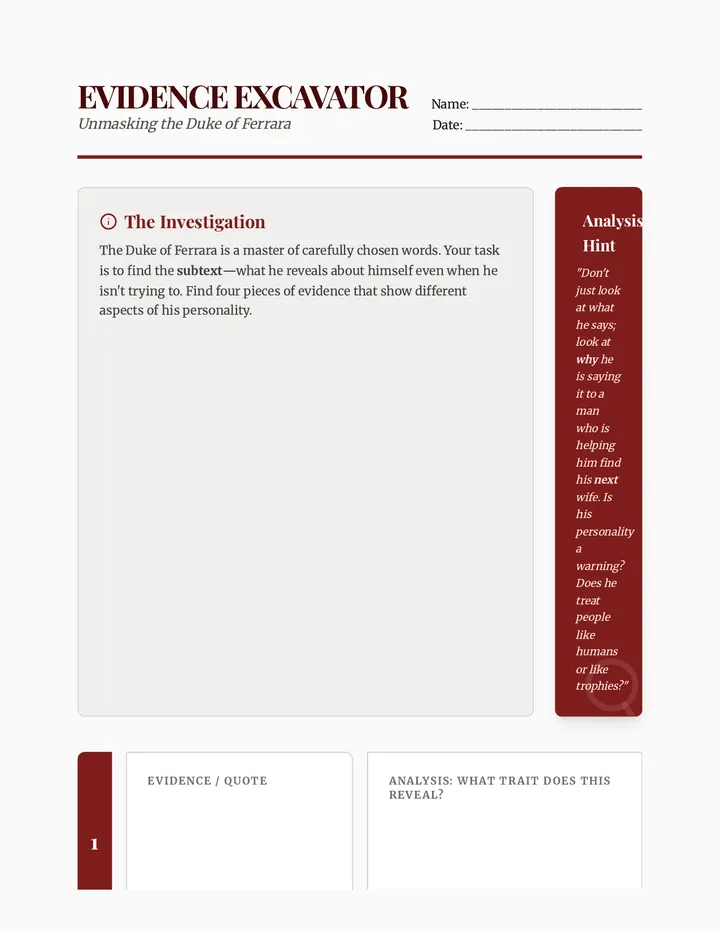
A four-day intensive study of Shakespeare's Macbeth, focusing on characterization and the development of ambition to prepare students for an argumentative essay on Macbeth's worthiness for the throne.
A comprehensive book study for Roscoe Riley Rules #1: Never Glue Your Friends to Chairs. Students will explore character traits, cause and effect, and story elements while building vocabulary and comprehension skills.
A 9th-grade English RLA unit exploring the physical and emotional intersection of love and pain through scientific analysis and poetic metaphor. Students synthesize Eric Jaffe's 'Why Love Literally Hurts' with Carol Ann Duffy's poem 'Valentine' to craft argumentative synthesis correspondence.
A 10-session unit for 5th graders focusing on the transition from paragraph to essay writing through the lens of biography. The unit covers sentence variety, chronological sequencing, paragraph structure, and grammar, tailored for small group instruction with differentiated support.
A comprehensive 10th-grade ELA unit on Marjane Satrapi's 'Persepolis', focusing on visual literacy, character development, and the historical context of the Iranian Revolution. Students will explore how the graphic novel medium conveys complex emotional and thematic depth.
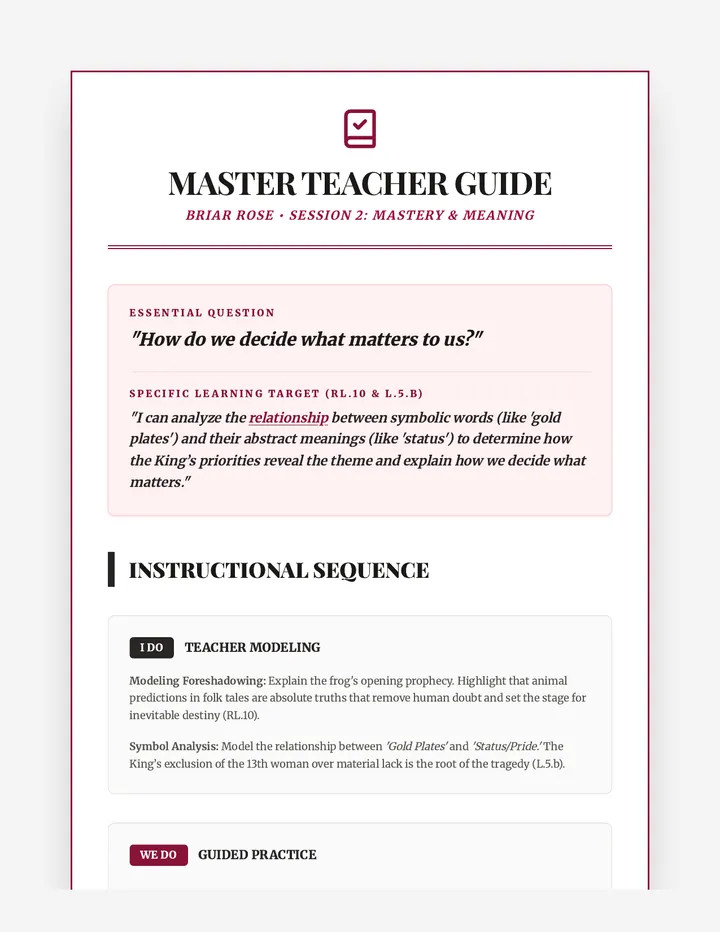
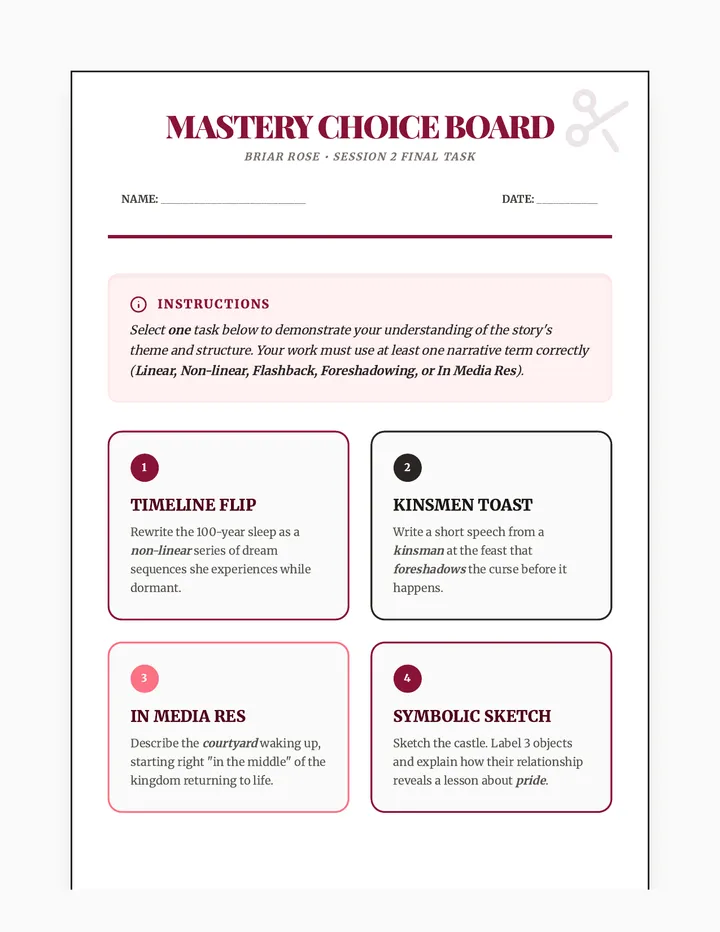
A 6-day RLA unit for 8th grade focusing on 'The Bass, the River, and Sheila Mant'. Students explore character complexity (8.9F) and non-linear plot elements (8.9A) through the lens of sacrifice and love.
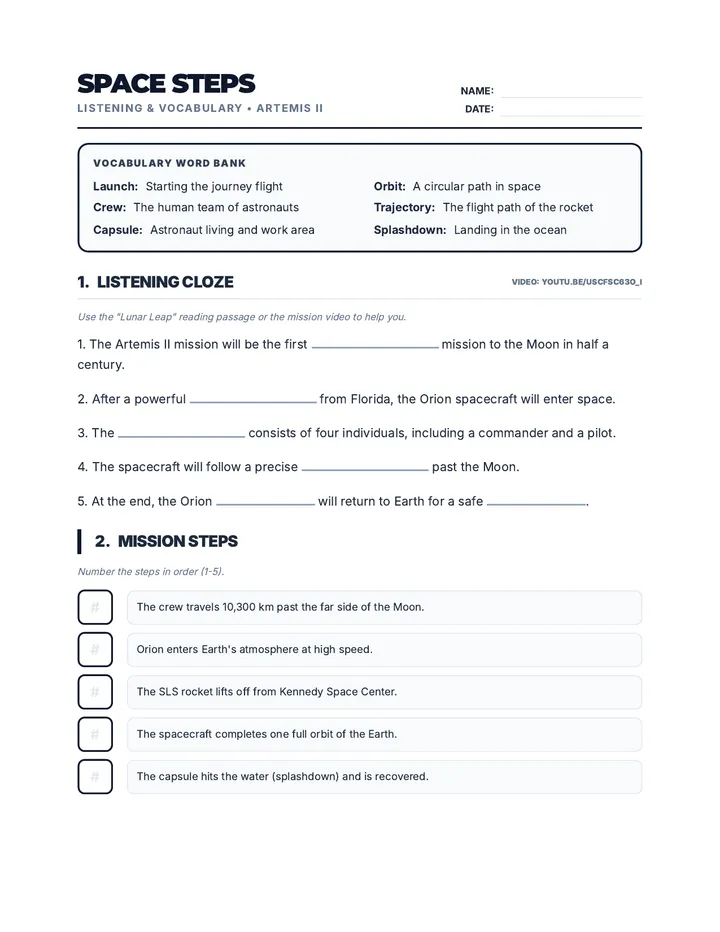
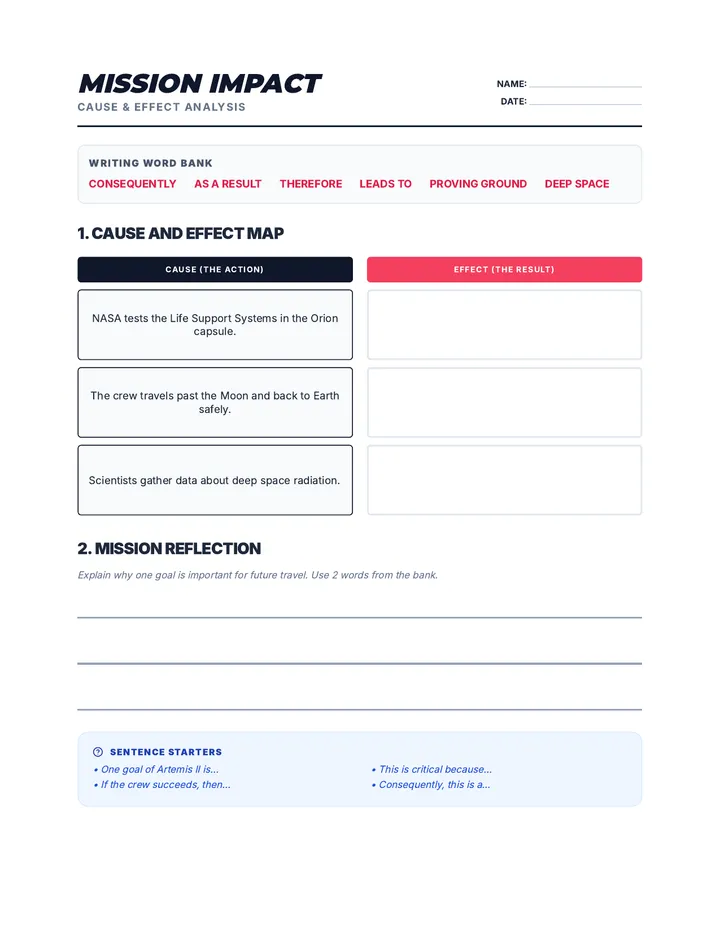
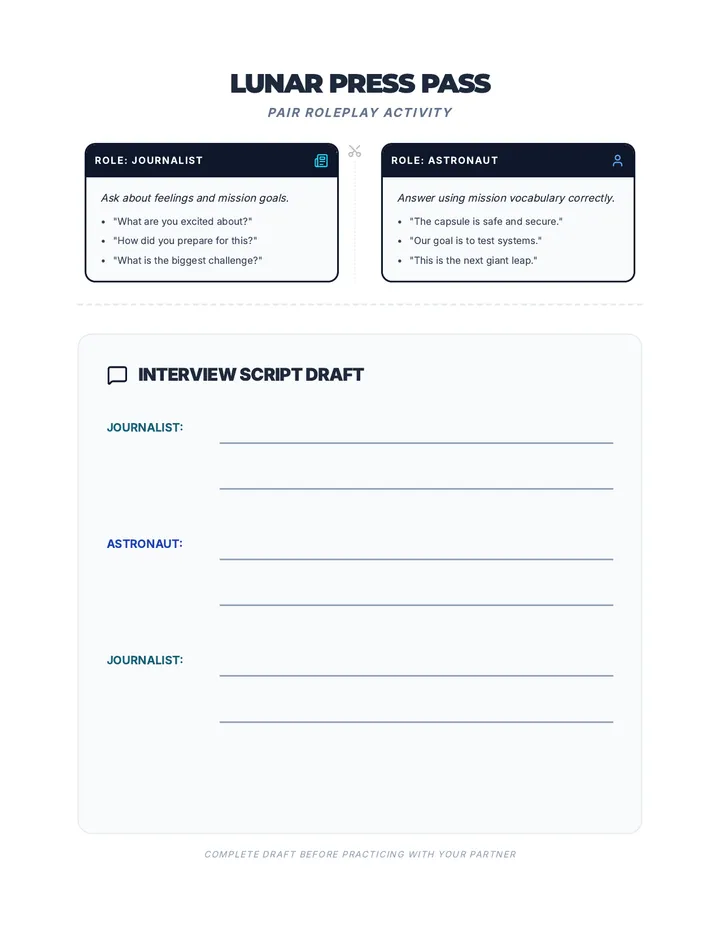
A 3-week literacy intervention program for grades K-5 focused on phonics, vocabulary, and comprehension with a space exploration theme. Each week features 30-minute daily sessions including interactive games and hands-on activities.
A series of lessons exploring Shakespeare's Macbeth, specifically designed for 10th-grade emergent bilingual students to master complex characterization and thematic elements.
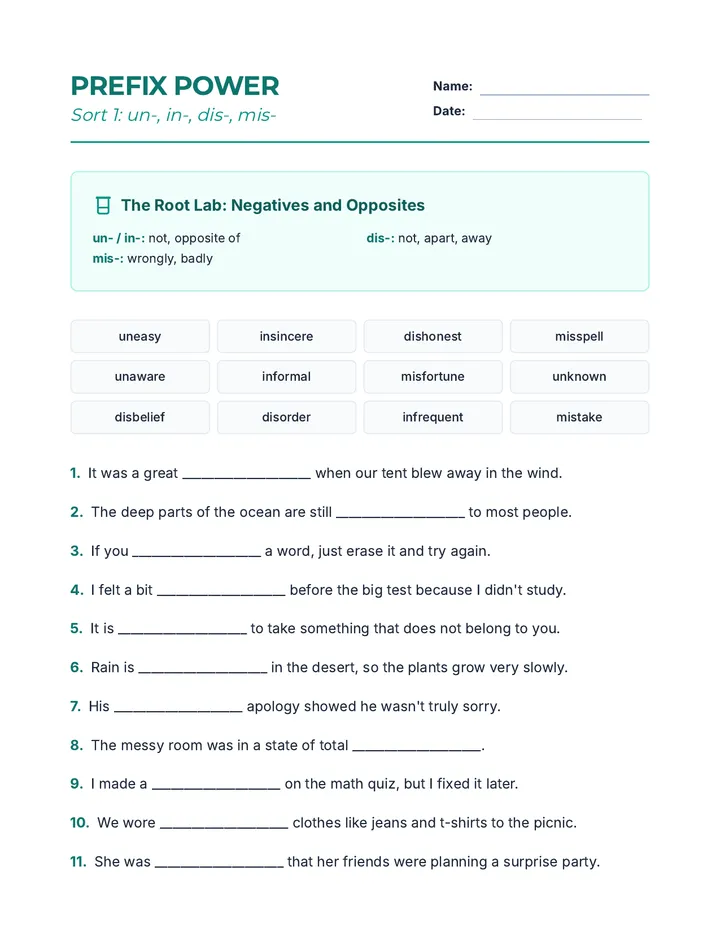
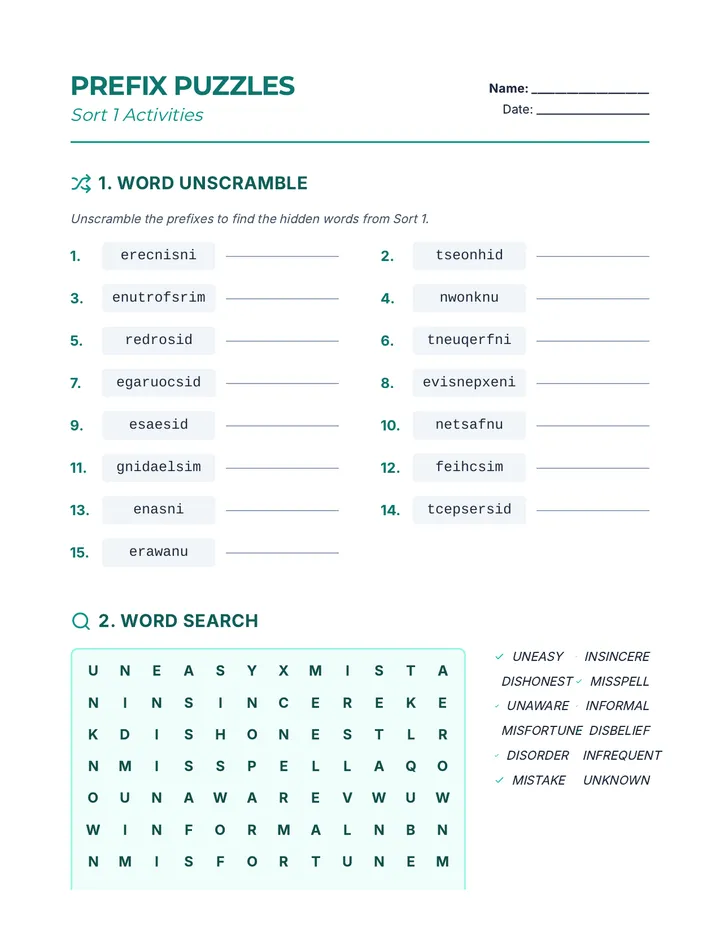
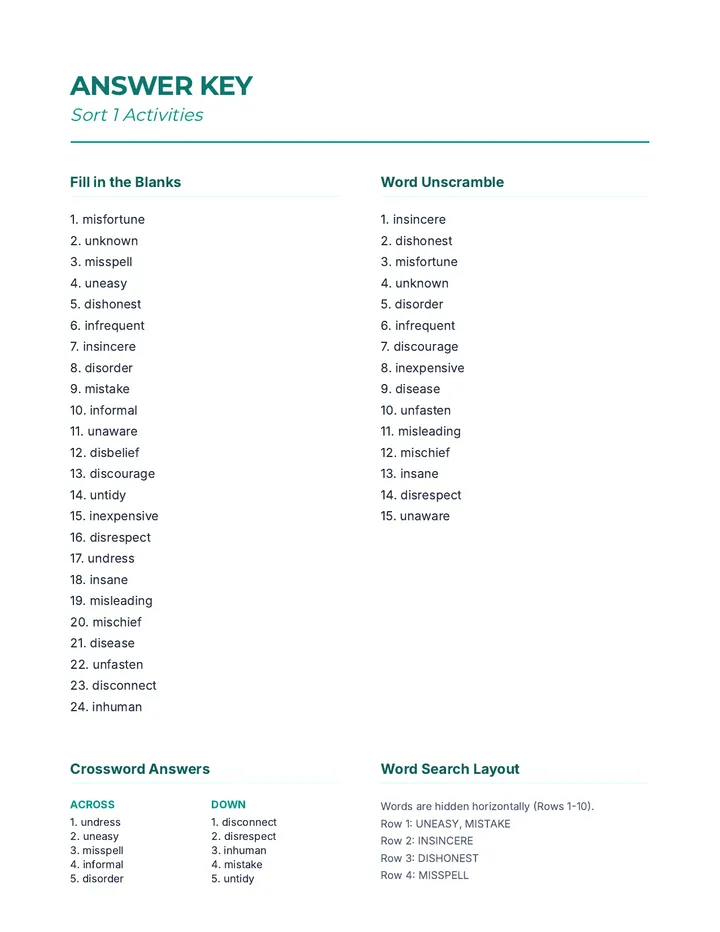
A sequence focused on the power of morphology, teaching students how to transform root words into various parts of speech using suffixes and prefixes.
A systematic sequence for 10th-grade students to master strategic color-coding for informational texts, moving from identifying highlighting pitfalls to independent application for summarization.
A systematic, color-coded approach for 6th-grade students to master text highlighting and annotation. Students learn to distinguish between main ideas, supporting details, and unknown vocabulary using a 'traffic light' system to reduce cognitive load and improve reading comprehension.
A 5-lesson sequence for 6th-grade students to master visualization skills. Students progress from identifying sensory language to synthesizing multiple sensory inputs to enhance reading comprehension.
A 5-lesson sequence for 3rd graders on editing and refining speech-to-text dictation. Students take on the role of 'Robot Editors' to detect errors, fix homophones, and apply punctuation to dictated drafts.
A sequence focused on the critical revision workflow for students using speech-to-text technology. Students learn to identify and fix common errors like homophone confusion, run-on sentences, and informal tone to turn raw dictation into polished academic writing.
A 5-lesson unit for 3rd graders on identifying and correcting speech-to-text recognition errors. Students learn to spot homophones, enunciation errors, missing words, and context-based mistakes to become expert editors of their own dictated work.
A high-level bridging of English Language Arts and formal logic, focusing on the structural patterns of reasoning through analogies. Students move from basic symbolic notation to complex deductive puzzles, treating language with mathematical precision.
This sequence explores the creative and literary side of homophones and homonyms through puns, riddles, and advertising. Students move from deconstructing humor to creating their own intentional wordplay, culminating in a showcase of their comedic and creative linguistic skills.
A high-energy, gamified series of lessons designed to build 4th graders' mastery of homophones and homonyms through relays, charades, and escape-room challenges. Students develop rapid recall and auditory discrimination skills while competing in team-based vocabulary games.
A 5-lesson 4th-grade ELA sequence where students become 'Word Detectives' to investigate homophones and homonyms through context clues, moving from identifying ambiguity to creating their own vocabulary riddles.
A project-based 4th Grade ELA unit where students create visual mnemonics to master homophones and homonyms through artistic representation and peer teaching.
A rigorous sequence for 11th-grade students focusing on high-level academic confusables, paronyms, and homophones commonly found in college-level writing and standardized tests. Students move from diagnostic assessment to deep usage analysis and competitive mastery.
An 11th-grade ELA unit focusing on visual learning and mnemonic design to master complex homophones through dual-coding theory and graphic communication.
This sequence explores the professional impact of homophone errors, teaching 11th-grade students that orthographic precision is a key component of rhetorical ethos and professional credibility. Students analyze corporate case studies, master advanced confusables, and simulate the work of senior copy editors using professional style guides.
A high-school level exploration of the historical and linguistic roots of English homophones. Students investigate the Great Vowel Shift, etymological origins, and phonetic evolution to understand why modern English spelling diverges from its pronunciation.
A project-based unit exploring the rhetorical and creative power of homophones. Students analyze puns, Shakespearean wit, and media headlines before crafting their own homophone-centric creative writing.
This mastery-based sequence for 9th-grade students focuses on advanced academic homophones (Tier 2 and 3) such as elicit/illicit, discrete/discreet, and affect/effect. Students progress from self-assessment to contextual analysis and final proficiency, bridging the gap between vocabulary acquisition and precise academic writing.
A simulation-based sequence where students act as communications professionals, exploring the real-world impact of homophone accuracy in business and digital environments. Students master common homophones while developing professional writing skills and audience awareness.
A 9th-grade English Language Arts sequence focused on using etymology and linguistic history to distinguish between homophones. Students move beyond rote memorization to understand the morphological logic behind English spelling.
A 9th-grade ELA sequence focused on mastering high-frequency homophones through a professional editing lens. Students move from diagnostic analysis to peer review and self-reflection, developing metacognitive strategies for grammatical precision in formal writing.
A 5-lesson sequence for 7th grade students focusing on advanced analogy relationships, specifically degrees of intensity and cause-effect logic. Students will learn to analyze nuances, distinguish between causal and sequential relationships, and debate the precision of word choices.
A 12th-grade sequence exploring the social, psychological, and linguistic implications of homophone errors in the digital age, focusing on credibility and the evolution of language.
A 2-week small group reading unit focused on realistic fiction. Students practice summarizing, identifying text evidence, synthesizing information, and writing structured paragraph responses using four urban-themed short stories.
A comprehensive 25-lesson book club unit for 'The Tiger Rising' by Kate DiCamillo, focusing on summarizing, synthesizing, and vocabulary development through the lens of a Florida woods field journal.
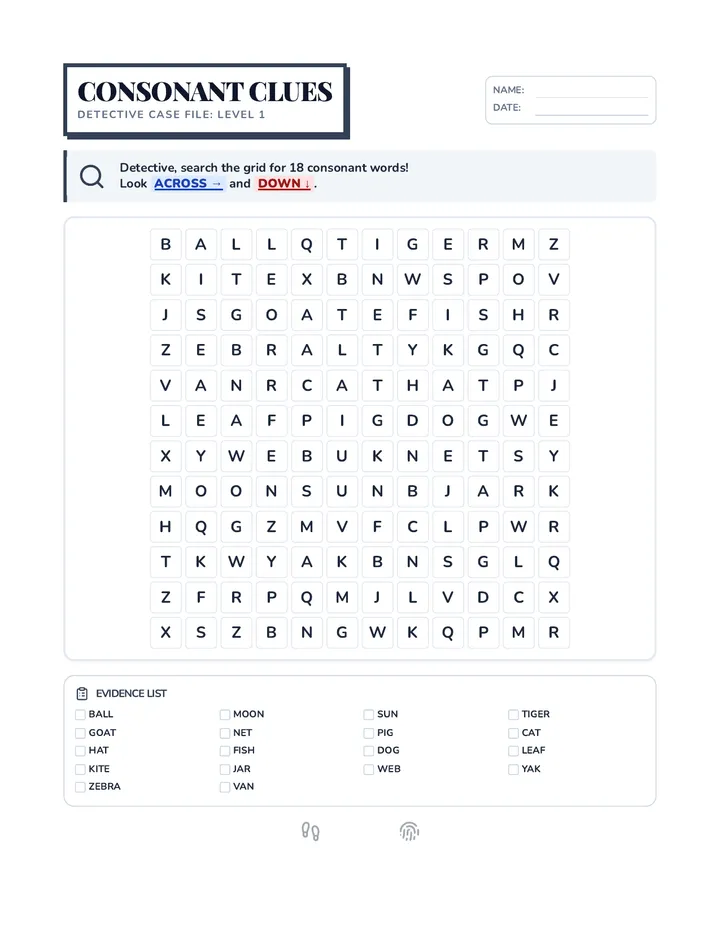
A comprehensive NYS ELA test preparation sequence for grades 6-8, focusing on main idea, text structure, and argumentative writing through a 'detective case file' theme.
A unit focused on mastering various parts of speech and word parts to build stronger, more descriptive sentences in 5th grade.
A two-lesson unit focused on analyzing argumentative structures and multimodal features in the text 'Why Everyone Must Get Ready for the Fourth Industrial Revolution.' Students will explore thesis development, evidence, counterarguments, and the impact of graphic features.
A collection of curriculum overview and alignment resources for 11th Grade English, focusing on societal change and civic rights.
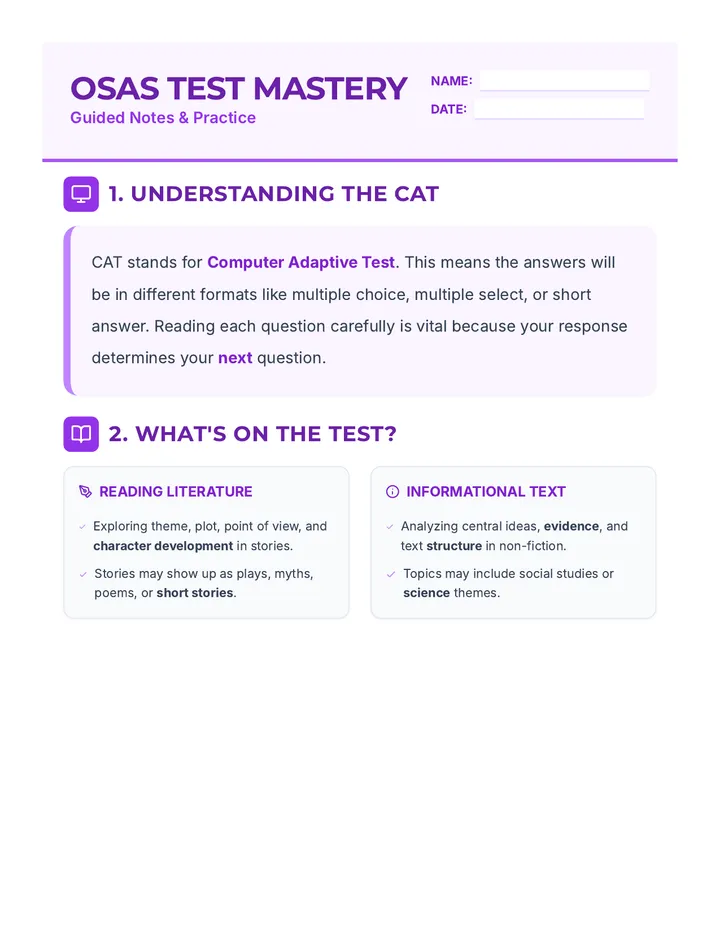
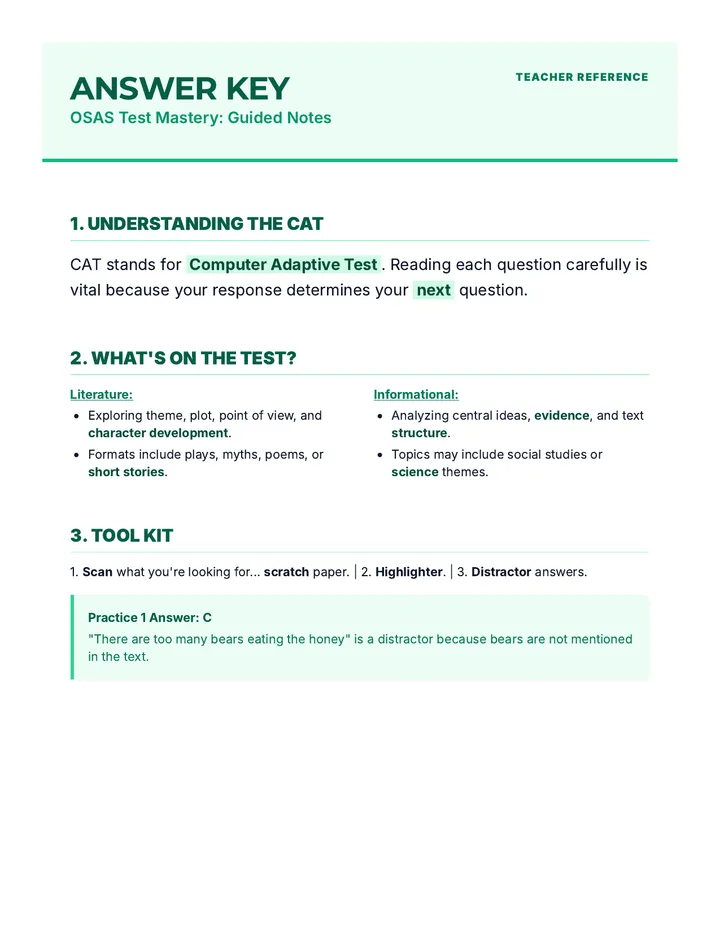
A comprehensive NYS ELA test preparation sequence for middle school students (Grades 5-8), focusing on non-fiction reading comprehension, text-dependent analysis, and evidence-based writing. Each lesson targets grade-specific standards and uses NYS-style question stems to build testing stamina and skills.
A 4-day intensive reteach sequence focusing on making inferences (5.6F) and evaluating key ideas (5.6G) through a detective-themed 'Investigation HQ' approach. Students will use evidence and critical details to solve textual mysteries and identify central themes.
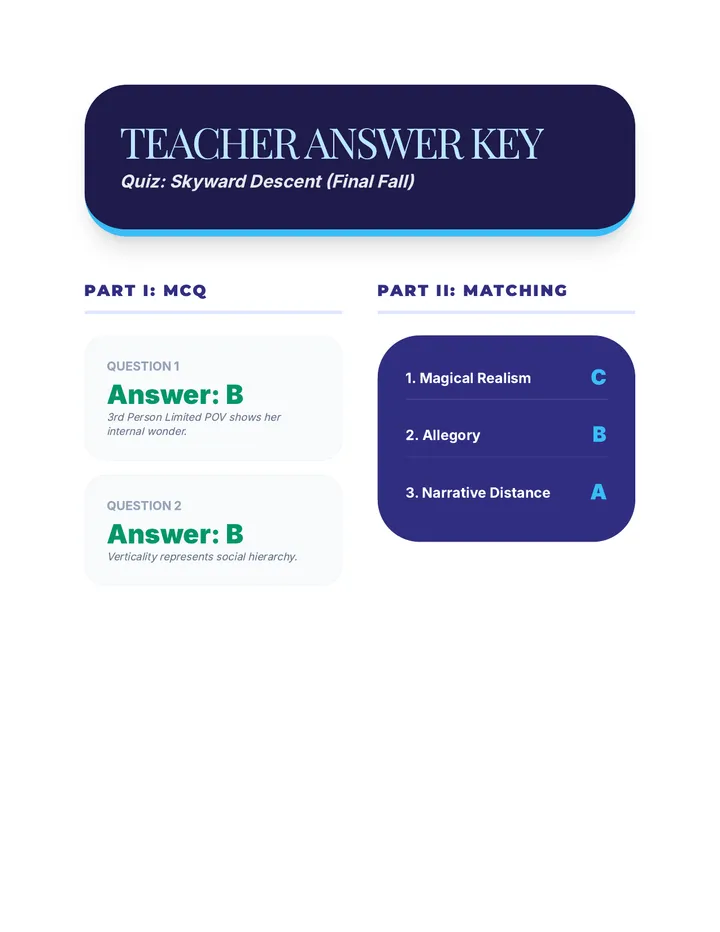
A comprehensive two-day exploration of Macbeth Act 1, focusing on the supernatural, ambition, and the psychological shift towards murder. Includes a teacher guide, student workbooks, slide decks, and answer keys.
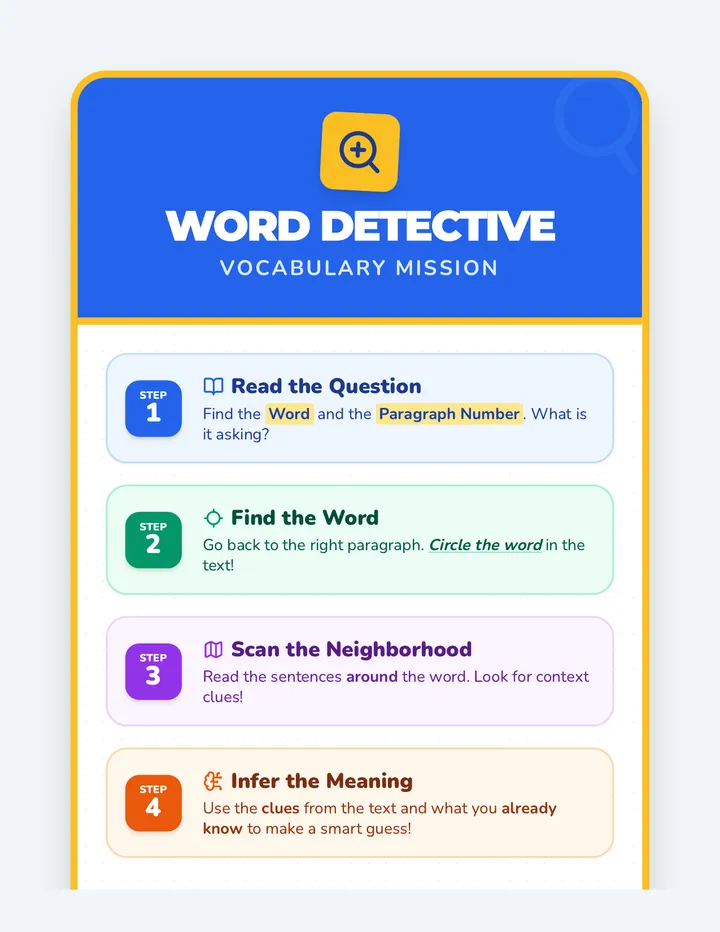
A specialized module for 5th-grade students to master the art of using context clues through observation, analysis, and creative writing.
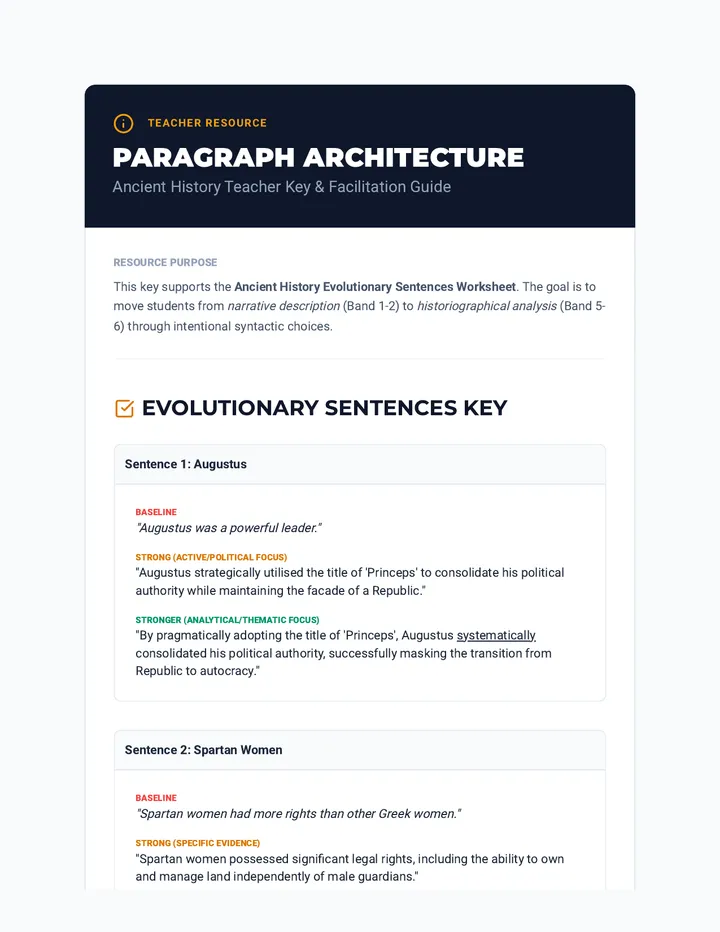
A curriculum development sequence focused on helping teachers bridge ELA and History through linguistics and etymology.
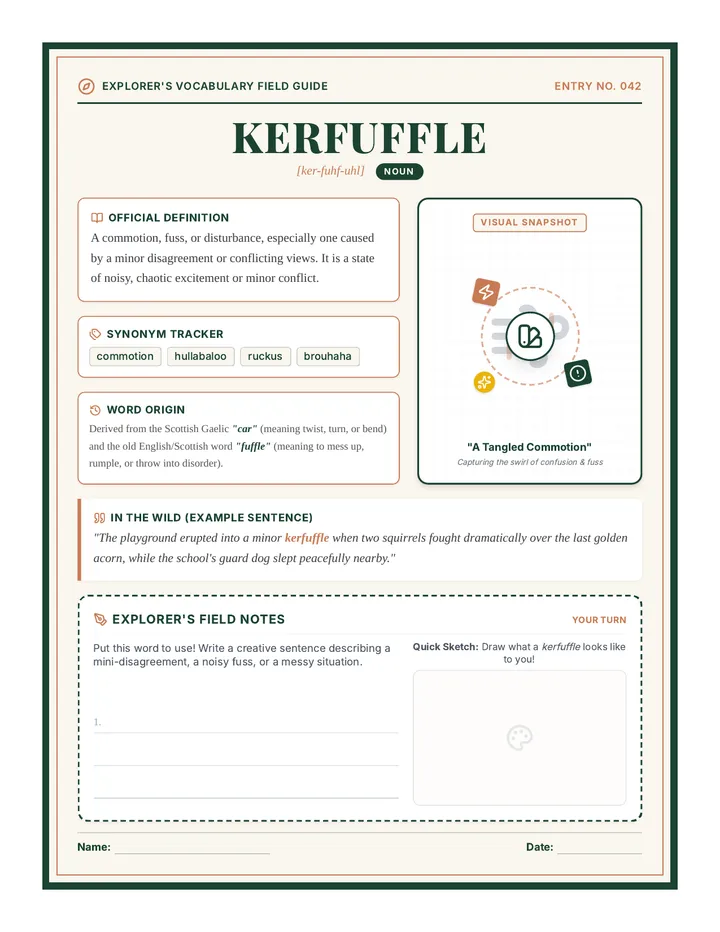
This inquiry-driven sequence focuses on etymology as a reference skill, teaching students to trace word origins to understand language evolution and historical context. Students move from decoding individual roots to analyzing how historical events shape the English lexicon, culminating in a 'word biography' project.
A comprehensive 7th-grade ELA sequence exploring the etymology and historical contexts of idioms and adages, from Shakespeare and Greek mythology to nautical history and global cultures.
An advanced rhetorical study of foreign words and expressions in professional and literary contexts, focusing on the tension between prestige and alienation. Students move from technical mechanics and common misuses to analyzing code-switching in literature and designing corporate style policies.
A comprehensive sequence for undergraduate students exploring the sociolinguistic, political, and artistic influence of French loanwords in English, focusing on rhetoric, prestige, and stylistic precision.
An 11th-grade ELA sequence exploring the sociological impact of foreign loanwords in modern media. Students analyze etymology, cultural context, and media usage of expressions from German, Spanish, Yiddish, and more to understand how language reflects societal moods.
A high-energy, grade 11 vocabulary sequence focused on the mastery of foreign loanwords and expressions common in academic and standardized testing contexts. Students move from morphological analysis to active usage through gamified challenges and systematic practice.
A high school ELA sequence exploring French loanwords and their impact on tone, mood, and sophistication. Students analyze historical, cultural, and literary contexts to expand their descriptive vocabulary.
This high school ELA sequence explores Latin terminology in rhetoric, law, and academia. Students move from identifying logical fallacies to applying legal concepts and scholarly abbreviations, culminating in a persuasive project that leverages classical authority for modern argumentation.
A sophisticated exploration of French loanwords in English, focusing on their use in art, literature, and social critique to provide students with the vocabulary of cultural criticism.
This sequence immerses students in the scholarly and rhetorical traditions that shape formal academic discourse, focusing on Latin and Greek expressions prevalent in university-level writing and debate. Students will analyze how terms like 'ad hominem,' 'non sequitur,' and 'status quo' function as shorthand for complex logical concepts, culminating in a Socratic seminar.
A gamified, mastery-based sequence exploring the etymology and pronunciation of foreign words in English. Students investigate loanwords from French, Spanish, Italian, and global sources to understand the flexible history of the English language.
A project-based unit for 10th-grade students exploring the use of foreign loanwords in journalism, politics, and media to communicate complex concepts.
This 10th-grade ELA sequence explores the profound influence of French loanwords on the English language, focusing on how these terms convey specific nuances of tone, social status, and artistic criticism. Students progress from historical etymological roots to sophisticated literary analysis and creative application.
A comprehensive 10th Grade ELA unit exploring the use of Latin terminology in formal writing, logic, and law. Students progress from basic abbreviations to complex logical fallacies and administrative terms, culminating in a persuasive writing project.
This sequence explores loanwords from German, Spanish, Italian, and Yiddish, focusing on their cultural origins, tricky orthography, and precise meanings. Students will engage in morphological analysis, categorization, and inquiry-based research to master these linguistic imports.
This sequence explores the heavy influence of the French language on English, specifically regarding words that describe tone, art, social etiquette, and nuance. Students will investigate why English speakers often revert to French loanwords to capture specific feelings or concepts that English lacks single words for (le mot juste). The learning journey moves from historical context to literary analysis, helping students appreciate connotation and cultural prestige in language.
Students act as linguistic detectives to explore how English has evolved through borrowing words from other languages. They will trace the etymological roots of common loanwords and understand the historical and cultural contexts that brought them into everyday use.
This sequence teaches 6th-grade students how to identify, understand, and use common foreign words and expressions in English. Through a mix of context clue analysis, tone comparison, pronunciation practice, and creative writing, students learn to enhance the sophistication and precision of their communication.
This sequence explores the literary techniques used by Frederick Douglass in his Narrative, focusing specifically on how he uses irony to dismantle Northern misconceptions about slavery. Students move from vocabulary acquisition to deep rhetorical analysis.
A structured ELA workshop sequence for 11th-grade academic support, focusing on the cognitive process of making inferences and predictions. Students move from visual analysis to complex text synthesis using the 'Evidence + Schema = Inference' equation.
A 5th-grade sequence focused on building empathy and perspective-taking through reading inferences. Students progress from decoding non-verbal cues to predicting character actions and writing creatively from a character's perspective.
A 9th-grade grammar and rhetoric unit focused on how adjectives and adverbs influence bias, connotation, and persuasion in media and non-fiction. Students move from understanding word nuance to analyzing news and advertising, culminating in writing a persuasive editorial.
This sequence explores how poetic elements like diction, imagery, and sound devices work together to create tone and mood. Students move from technical identification to emotional interpretation through a case study of Edgar Allan Poe and comparative analysis.
This 8th-grade sequence explores the depth of figurative language and imagery in poetry. Students move from understanding word connotations to deconstructing extended metaphors, analyzing personification, and interpreting complex symbols in a Socratic Seminar setting.
In this project-based sequence, Kindergarten students apply opinion writing skills to a real-world context by nominating a new class activity, book, or game. They move beyond simple preferences to persuasion, exploring how to convince an audience to agree with their choice through visual posters and oral pitches.
An advanced ELA sequence for 12th graders focused on the rhetorical and syntactic power of adjectives. Students progress from analyzing connotation and nuance to mastering complex structures like cumulative, coordinate, and compound adjectives, ultimately refining their own prose for economy and sensory precision in college-level writing.
A systematic sequence for 4th Grade students focusing on the standard English conventions of open, closed, and hyphenated compound words through a 'Word Mechanics' workshop theme.
A high-energy, gamified unit where 4th graders act as 'Master Builders' to master the identification, categorization, and formation of open, closed, and hyphenated compound words.
A 4th-grade ELA sequence focused on using compound words to enhance descriptive narrative writing. Students progress from sensory brainstorming to drafting and editing a descriptive paragraph using open, closed, and hyphenated compound words.
A 4th-grade ELA sequence where students become 'Word Detectives' to investigate the structure, types, and meanings of compound words using context clues and grammatical analysis.
A 4th-grade ELA unit that uses visual arts and morphology to help students deconstruct, categorize, and creatively illustrate compound words, moving from simple closed compounds to more complex figurative meanings.
A comprehensive 3rd-grade sequence that bridges the gap between isolated vocabulary practice and reading fluency through the study of compound words. Students progress from identifying compound words in passages to using them as tools for sentence expansion and narrative writing.
A 4th-grade ELA sequence where students act as 'Word Architects' to master multisyllabic words containing diphthongs, r-controlled vowels, and variant patterns. Students learn to divide syllables and use morphological clues to decode complex vocabulary.
A Kindergarten ELA project where students act as 'Word Detectives' and 'Encyclopedists' to create a class book about compound words. They hunt for words, visualize them through art, record definitions, and celebrate their work.
A project-based unit where 2nd-grade students create a 'Visual Glossary of Compound Words'. Students research, illustrate, and define compound terms to publish a collaborative book for their classroom library, focusing on word structure and visual communication.
A 2nd-grade writing sequence where students learn to use compound words to make their descriptive writing more specific and engaging. Students move from identifying compound nouns in settings to using compound adjectives and crafting narratives.
A comprehensive 2nd-grade English Language Arts sequence exploring the formation, identification, and deconstruction of compound words through visual aids, hands-on activities, and linguistic analysis.
A project-based ELA sequence where 1st Grade students explore compound words by creating a 'Class Encyclopedia.' Students master the concept by breaking words into their base components visually and linguistically, culminating in a gallery showcase of their illustrated work.
A 1st Grade ELA sequence focused on applying compound word meanings in context. Students explore literal vs. non-literal meanings, use context clues, perform 'sentence surgery', and write descriptive sentences to master compound words.
Students become linguistic historians, investigating the etymology, cultural origins, and evolution of advanced English vocabulary through research and creative projects.
This 8th-grade sequence transforms spelling from a rote activity into a professional skill. Students act as editors and professionals, exploring why spelling accuracy is a cornerstone of credibility in formal and academic writing, while mastering high-utility academic terms and navigating the pitfalls of digital tools.
A comprehensive book club unit for Kate DiCamillo's 'The Tiger Rising', exploring themes of emotional repression and friendship through three distinct chapter groups with a focus on synthesizing, vocabulary, and summarizing.
A week-long unit for 2nd graders to master procedural writing through the lens of being 'Master Makers'. Students learn transition words, sequencing, material lists, and detail-oriented instructions.
A foundational writing sequence for early learners focused on developing opinion writing skills. Students progress from stating simple preferences to supporting their opinions with reasons and descriptive details using 'I like' and 'because'.
Une formation immersive de 12 heures destinée aux professeurs-documentalistes pour maîtriser les codes de la littérature adolescente actuelle et concevoir des stratégies de médiation innovantes au CDI.
A specialized sequence for 8th-grade students to master reading comprehension through visualization techniques. By translating narrative text into sketches, storyboards, and character maps, students build working memory and deep understanding.
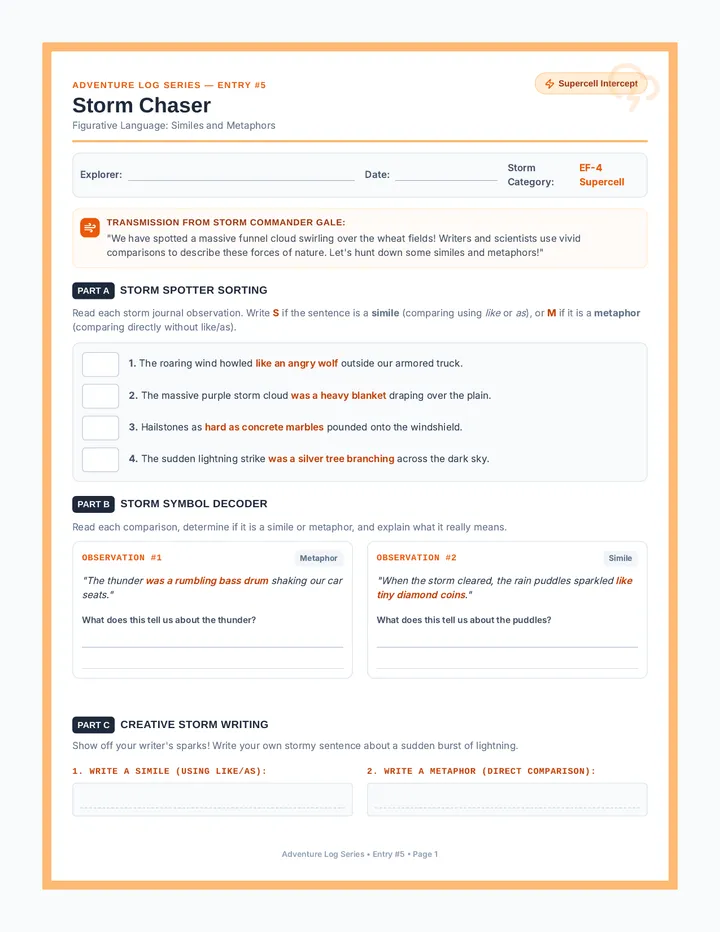
An inquiry-based exploration of figurative language and sensory imagery for 3rd graders. Students learn to decode similes, metaphors, and personification to unlock deeper meaning in poetry through visualization and analysis.
An advanced creative writing sequence for graduate students exploring the intersection of sensory perception, linguistic texture, and emotional resonance through the lens of literary theory and craft.
A 4th-grade ELA sequence focused on mastering idioms and adages through etymology, gamification, and interactive challenges. Students explore the history of common phrases and compete in team-based activities to build vocabulary fluency.
A 4th-grade writing sequence focused on using idioms and adages to enhance narrative voice, dialogue, and character development. Students move from sentence-level revision to drafting and publishing a complete narrative.
A 5-lesson 4th Grade ELA unit where students become 'Idiom Investigators,' using context clues to decipher figurative language in narrative texts through inquiry and writing workshops.
A game-based vocabulary sequence for 8th graders that treats idioms and adages as linguistic codes. Students develop context-clue strategies to decipher unfamiliar figurative language across various genres and historical periods.
A writer's workshop sequence for 8th-grade students to master the intentional use of idioms and adages in narrative writing. Students move from identifying clichés to using idioms for characterization, mood, and subverting reader expectations.
An 8th-grade ELA unit exploring idioms, adages, and proverbs through a global lens. Students compare American sayings with international wisdom to identify universal themes and the influence of culture on language.
Students investigate the historical origins of English idioms, acting as linguistic detectives to explore how Shakespeare, nautical history, and agriculture shaped modern figurative language.
A 5th-grade ELA unit where students become 'language detectives' to investigate idioms and adages, eventually using them to craft vivid narrative dialogue and character voices.
A two-day exploration of Edgar Allan Poe's 'The Raven', analyzing poetic craft, gothic elements, and the emotional descent of the narrator through creative performance tasks and analytical writing.
This sequence teaches 4th-grade students how to transition from 'speakers' to 'editors' when using voice recognition software. Students learn to identify common AI errors, navigate homophone confusion, and use text-to-speech tools for proofreading to create polished final drafts.
A comprehensive project-based sequence for 11th-grade students to master academic composition using speech recognition technology. Students learn to outline for oral delivery, manage the drafting process, and refine dictated text into professional academic essays.
This sequence addresses the critical role of linguistic precision in professional and technical writing, focusing on how homophone errors can undermine credibility. Students transition from identifying common errors to mastering complex, workplace-specific homophone pairs, culminating in a simulated editorial workshop.
A 1st-grade writing sequence that teaches homophones through functional writing tasks and the 'Think-Write-Check' strategy. Students move from simple sentence starters to writing short narrative reports and creative stories.
A 1st-grade ELA sequence where students become 'Word Detectives' to identify and correct homophones like no/know and right/write in context. Through inquiry and hands-on investigation, students learn why spelling matters for meaning.
This first-grade sequence introduces homophones through visual art and project-based learning. Students explore common word pairs like 'sun/son', 'flower/flour', and 'bear/bare', creating a 'Homophone Gallery' to solidify their understanding of how spelling and meaning differ despite identical sounds.
A gamified ELA sequence where 10th-grade students act as copy editors for 'The Blue Pencil Press,' mastering homophones and revision strategies through systematic inquiry and simulation.
A comprehensive sequence for 9th-grade students to master the use of dictionaries, thesauri, and specialized reference tools. Students will move from understanding the anatomy of a dictionary entry to analyzing the nuances of connotation and etymology, culminating in the creation of their own subject-specific glossaries.
This 6th-grade ELA sequence teaches students to master dictionary and thesaurus skills, moving from technical decoding of entries to analyzing connotation and etymology. Students will learn to navigate complex reference materials and eventually create their own specialized glossaries to demonstrate mastery of word-level reference skills.
This undergraduate-level sequence explores the academic field of lexicography, focusing on historical dictionary principles, etymological tracing of Indo-European roots, and the tension between descriptive and prescriptive linguistics. Students develop proficiency in using the OED and specialized disciplinary glossaries to produce a comprehensive 'word biography' as a final project.
This sequence explores the nuances of language through lexicography, etymology, and specialized reference materials, moving from historical word analysis to intentional stylistic choices in writing.
A high-level vocabulary sequence for 12th graders focusing on the semantic precision and logical reasoning required for complex analogies. Students progress from concrete semantic fields to abstract etymological decoding and timed mastery, culminating in a student-led design tournament.
A 5-lesson unit for 7th-grade students focused on mastering dictionary and thesaurus skills, exploring etymology, and refining writing through precise word choice and nuance. Students transition from simple lookups to sophisticated linguistic analysis.
A comprehensive unit for 9th-grade students on integrating Latin phrases into formal writing and argumentation. Students transition from understanding basic abbreviations to applying complex rhetorical and legal terms in a culminating persuasive editorial.
A high-level linguistics course for 12th-grade students focusing on the etymology and morphological structure of homophones to improve spelling and vocabulary acquisition. Students move from understanding historical sound shifts to using Latin and Greek roots to logically differentiate between words that sound identical.
A 10th-grade ELA sequence exploring the linguistic and etymological origins of homophones. Students investigate the historical evolution of the English language, the Great Vowel Shift, and cognitive processing errors to master spelling through understanding.
A rigorous unit for 8th-grade students focusing on homophones and homonyms in academic writing. Students transition from basic identification to mastering complex pairs like 'affect/effect' and 'elicit/illicit' through the lens of professional editing and etymology.
A project-based exploration of Greek and Latin roots where students act as 'Morpho Makers', synthesizing word parts to name scientific discoveries and futuristic inventions. Students move from analyzing scientific nomenclature to creating their own morphologically accurate terms for new concepts.
A 4th-grade ELA sequence where students become 'word detectives' to decode unfamiliar vocabulary using Greek and Latin roots, prefixes, and suffixes. Through a workshop-style approach, students learn to analyze morphological structures to unlock the meaning of academic text.
This high-school unit moves beyond rote memorization into the structural analysis of language through morphology and etymology, focusing on high-utility Greek and Latin roots found in rhetoric, science, and law.
A 9th-grade sequence focused on decoding complex informational texts by analyzing text features, visual data, metaphors, and specialized vocabulary. Students develop critical reading skills to understand how technical information is communicated to a general audience.
A high-intensity vocabulary sequence for 10th graders focusing on the logic of analogies. Students progress from basic pattern recognition to designing their own complex logic puzzles, treating language as a series of solvable equations.
A comprehensive sequence for 10th-grade students focused on mastering verbal analogies through logical bridge sentences and categorical relationship types. Students progress from basic relationship identification to analyzing degrees of intensity, structural hierarchies, and causal functions, culminating in high-level application and assessment.
This sequence connects 6th grade vocabulary standards with science, social studies, and math by using analogies as cognitive tools. Students analyze complex systems and historical events through structural comparisons, culminating in an original analogy-based concept map project.
A gamified ELA sequence for 6th grade students to master analogies through speed drills, simulations, and project-based learning. Students progress from basic pattern recognition to creating their own analogy-based games.
This sequence introduces 6th-grade students to the structure of analogies, focusing on identifying specific relationship types using the 'bridge sentence' strategy. Students progress from simple synonym/antonym pairs to complex structural and functional relationships.
An advanced 11th-grade ELA sequence exploring semantic nuance through analogies. Students analyze word intensity, connotation, taxonomy, and paradoxical relationships to master verbal precision and logical reasoning.
A high-level sequence for 11th-grade students focusing on the mechanics of solving verbal analogies through bridge sentences, degree analysis, abstract associations, and test-taking strategies. Students will develop the ability to decode complex vocabulary relationships using systematic logical frameworks.
A rigorous exploration of verbal analogies for 12th-grade students, focusing on the logical relationships between words, the precision of bridge sentences, and the nuances of degree and classification. This sequence prepares students for advanced verbal reasoning and standardized testing.
A 5th-grade English Language Arts sequence focused on the subtle nuances and varying degrees of intensity within verbal analogies. Students progress from basic word relationships to complex logical reasoning, culminating in the creation of their own analogy puzzles.
A 5th-grade ELA unit focused on mastering analogies through the bridge sentence strategy, covering synonyms, antonyms, part-to-whole, and category relationships.
An 8th-grade ELA sequence that transforms analogy instruction into a series of logical puzzles and games. Students move from visual pattern recognition to complex verbal reasoning, learning to identify relationship types and avoid common logical traps.
A comprehensive sequence for 8th-grade students focused on the mechanical reasoning and vocabulary skills required to solve and create analogies. Students progress from basic 'bridge sentences' to nuanced synonym/antonym pairs, structural relationships, and functional connections, concluding with a mastery project where they construct and validate their own logic-based analogies.
A comprehensive 7th-grade vocabulary sequence focusing on identifying and classifying logical relationships between words, specifically functional, categorical, and characteristic analogies, using a gamified 'Analogy Lab' theme.
A project-based unit where 7th-grade students master analogies by reverse-engineering them, designing plausible distractors, and creating a class-wide logic puzzle book. Students transition from solving analogies to constructing them using cross-curricular vocabulary.
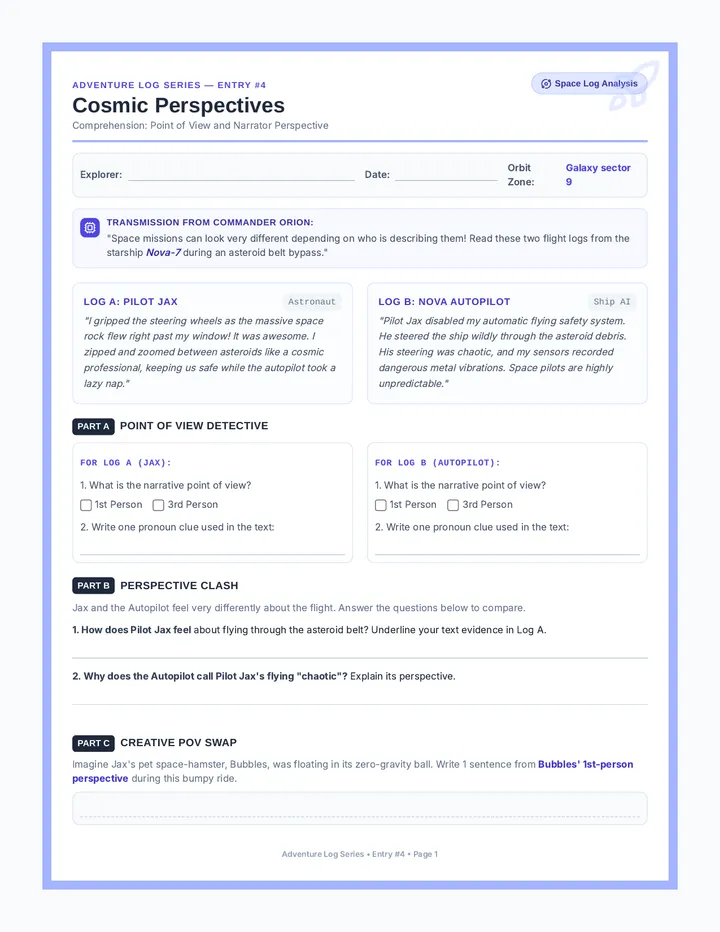
This sequence explores how different authors and mediums present the same event or topic, focusing on firsthand vs. secondhand accounts, conflicting information, multimedia integration, and tone analysis. Students will develop the ability to synthesize multiple sources to gain a comprehensive understanding of a subject.
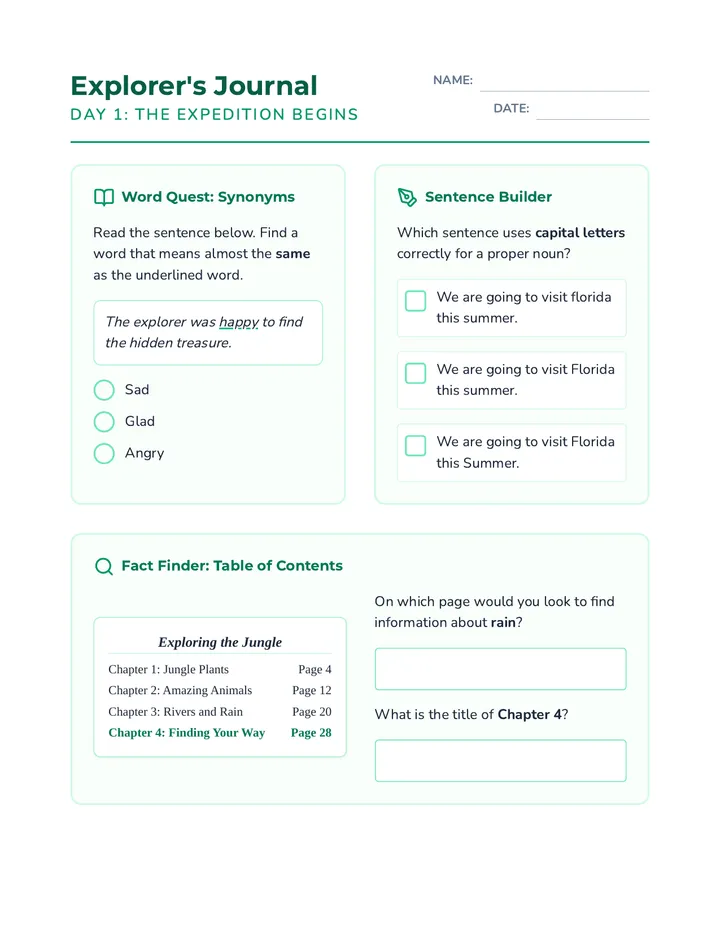
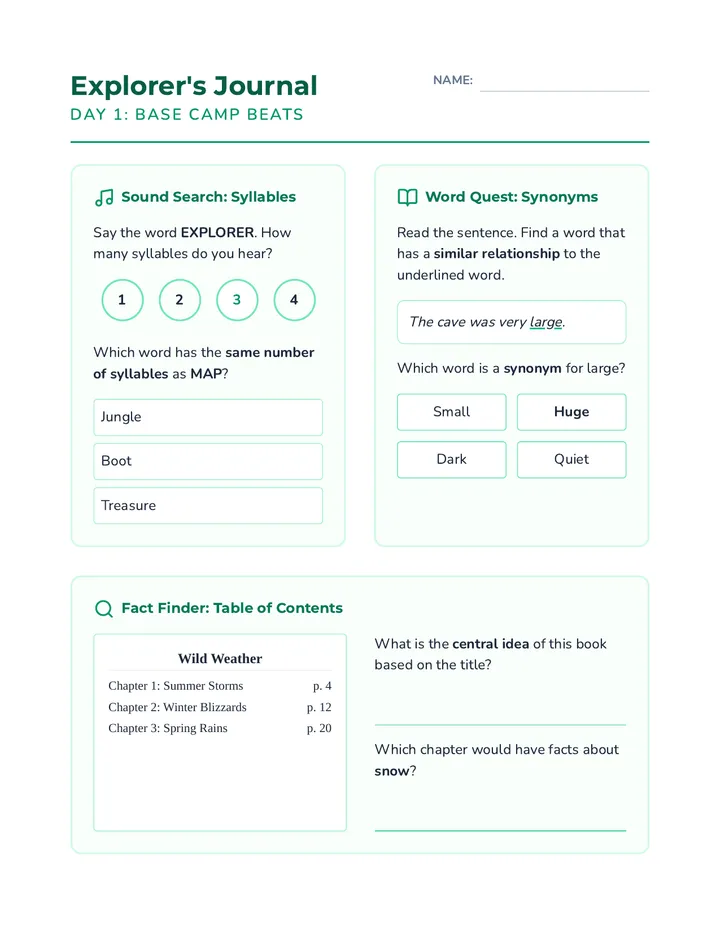
A 3rd-grade ELA sequence focused on identifying and using nonfiction text features to improve reading comprehension. Students progress from basic navigation (TOC, headings) to visual aids, vocabulary supports, and supplemental information, ending with a creative page design project.
Students become 'Text Detectives' to explore informational text features. They learn to identify and use headings, captions, glossaries, and visual aids to navigate nonfiction books and gather information efficiently.
A comprehensive 5-lesson unit where 4th-grade students explore and analyze nonfiction text features to build visual literacy and strategic reading skills. Students move from basic identification to critical evaluation of how features like diagrams, captions, and indices support comprehension.
A 10th-grade ELA sequence focused on advanced dictionary skills, moving from basic definitions to the nuances of connotation, register, and specialized terminology. Students analyze the 'code' of reference materials to improve their writing precision.