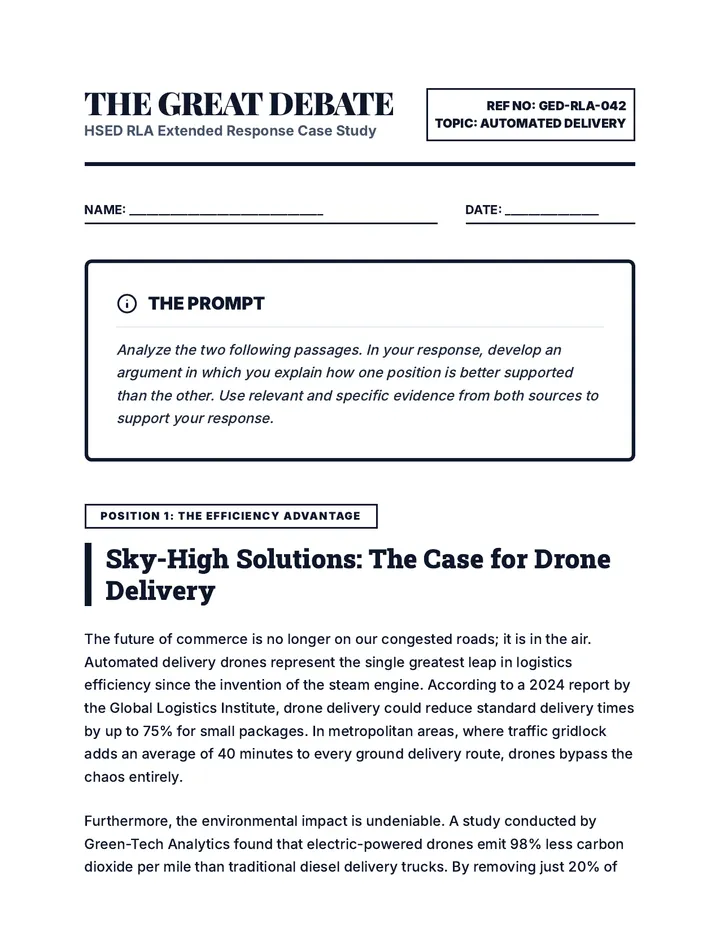
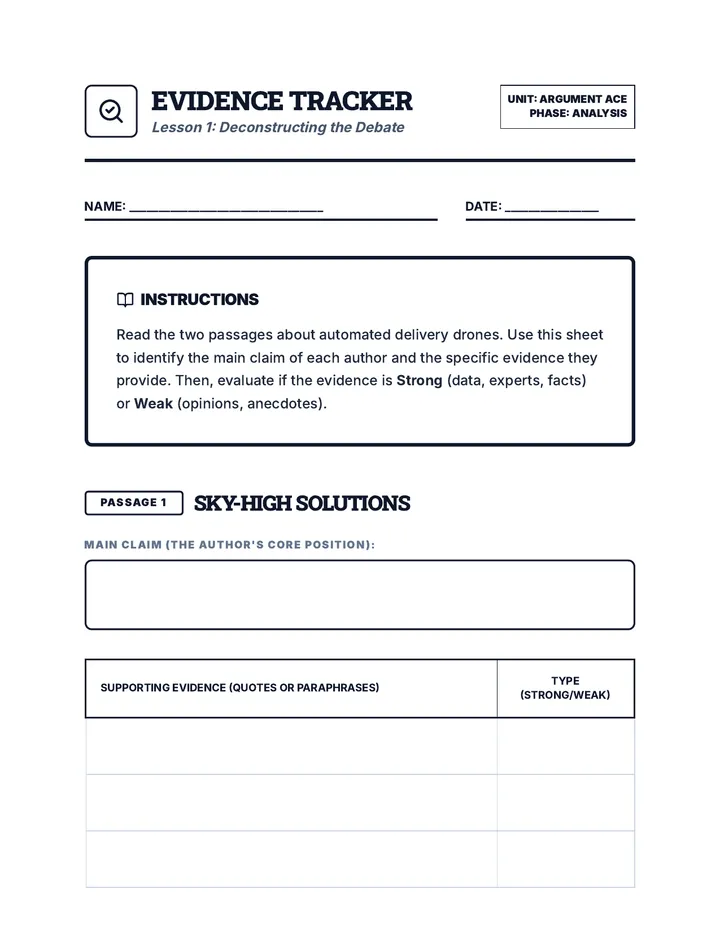
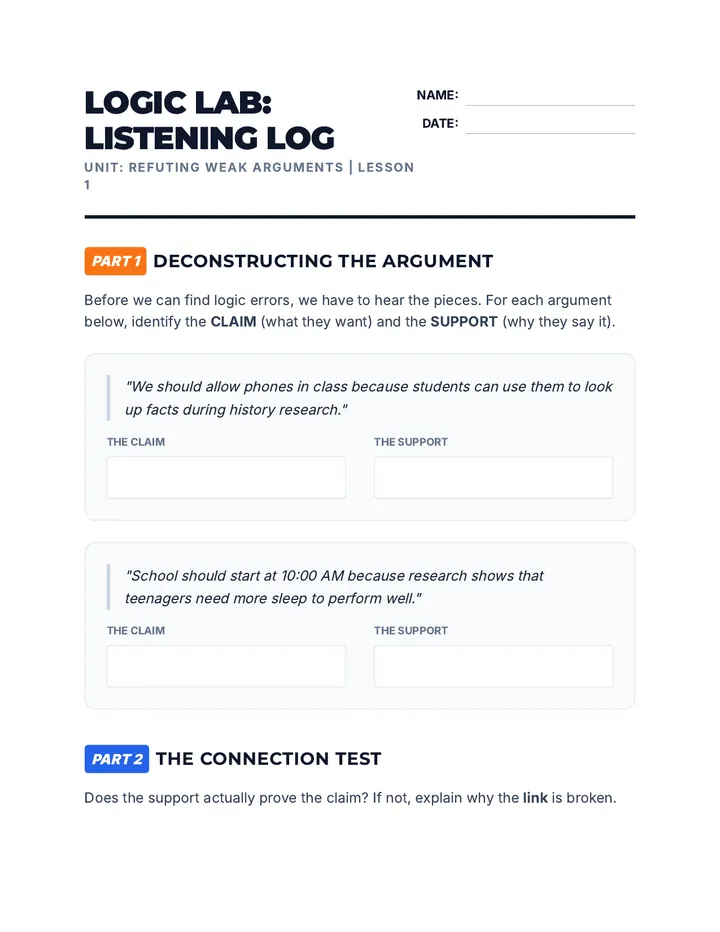
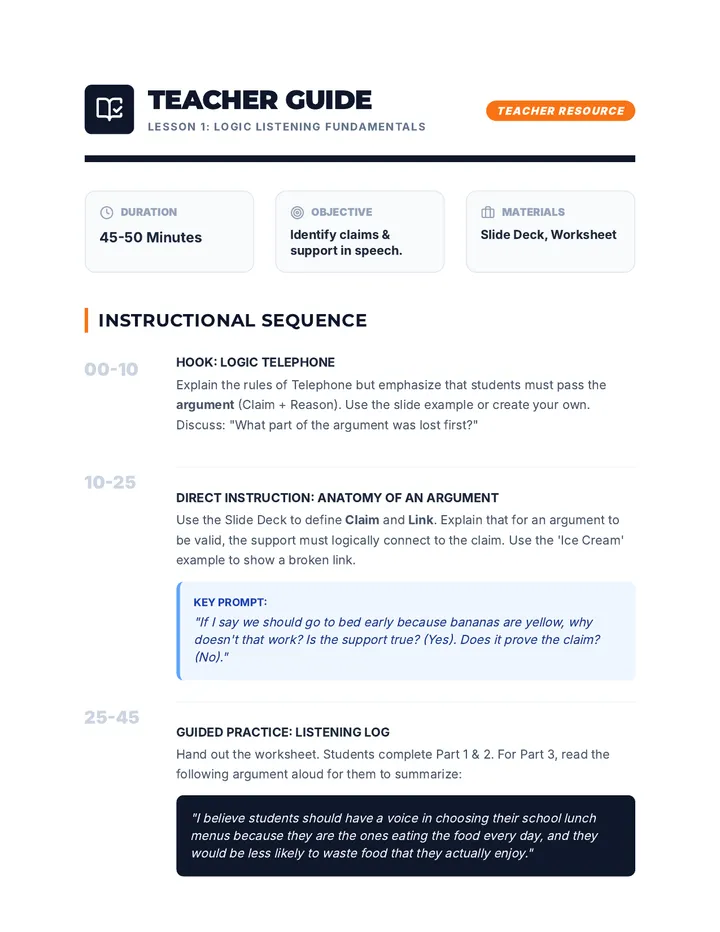
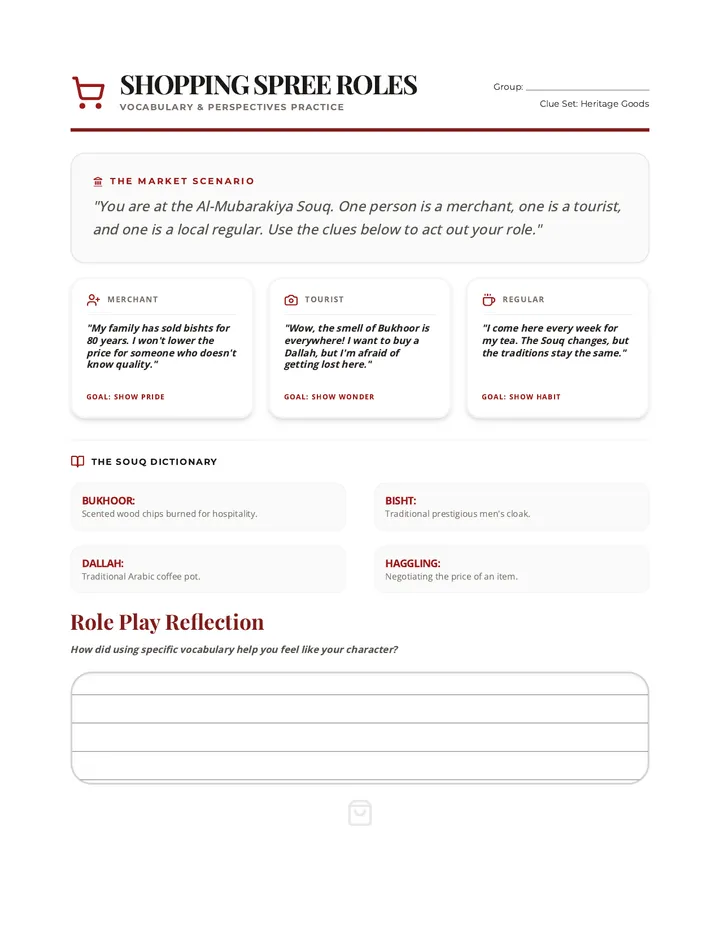
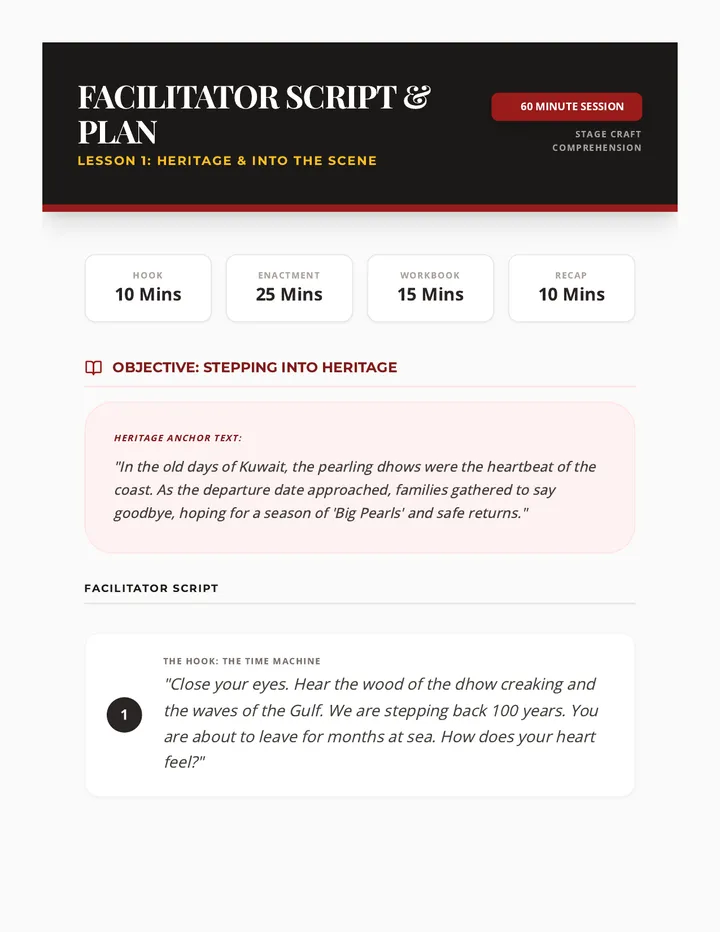
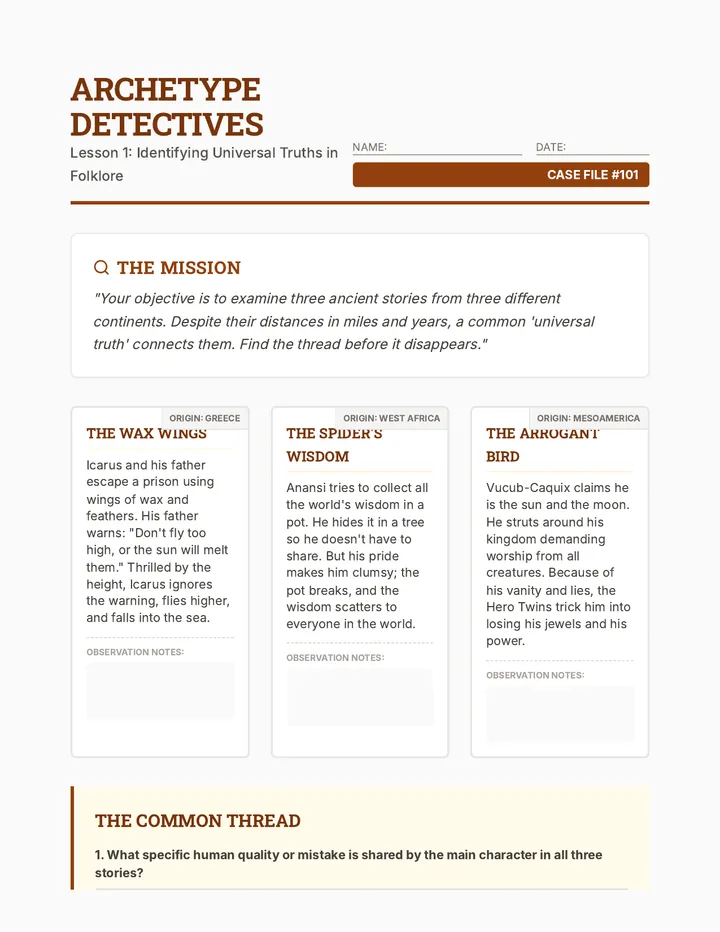
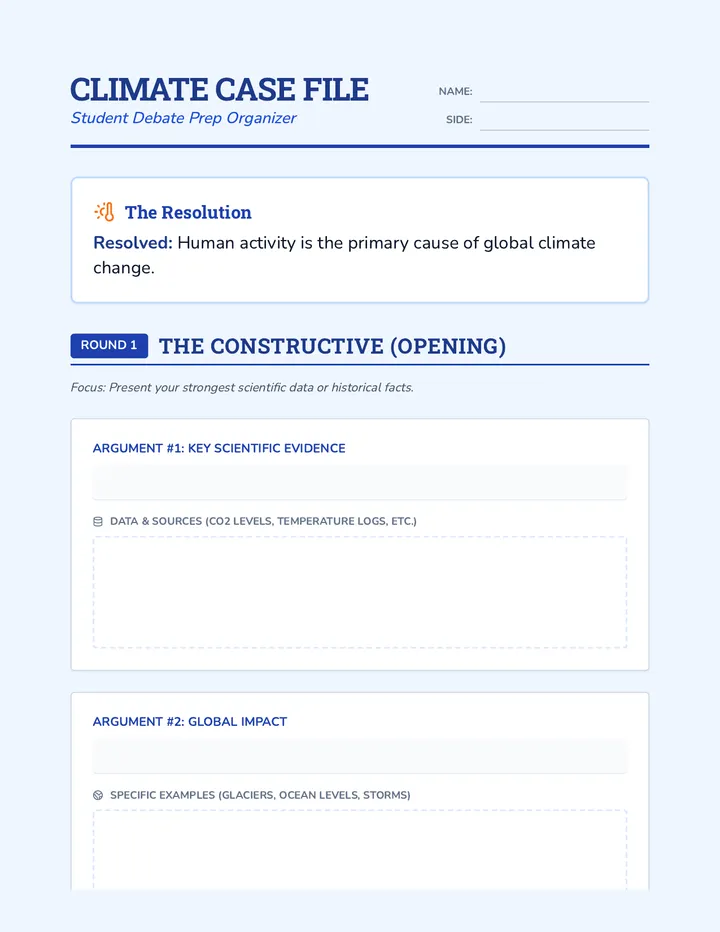
Systematic research, evidence evaluation, and logical reasoning skills for formal discourse. Equips speakers to organize persuasive arguments, identify fallacies, and execute strategic impact calculus during competitive engagement.
Une formation immersive de 12 heures destinée aux professeurs-documentalistes pour maîtriser les codes de la littérature adolescente actuelle et concevoir des stratégies de médiation innovantes au CDI.
A 15-day introductory unit for Kindergarten students focused on identifying, stating, and supporting opinions using the bridge word 'because'. The sequence includes a pre-assessment, mid-point check, and post-assessment, with daily visual slides and printable practice activities.
A 3-day research unit focused on the historical context of Night by Elie Wiesel, specifically covering liberation, concentration camps, and death marches, concluding with student presentations.
A lesson sequence exploring the concept of Standard American English as a versatile tool for communication, emphasizing that language varies by context and that all dialects are valid. Students analyze the 'car analogy' from Khan Academy to distinguish between fundamental grammar rules and social conventions.
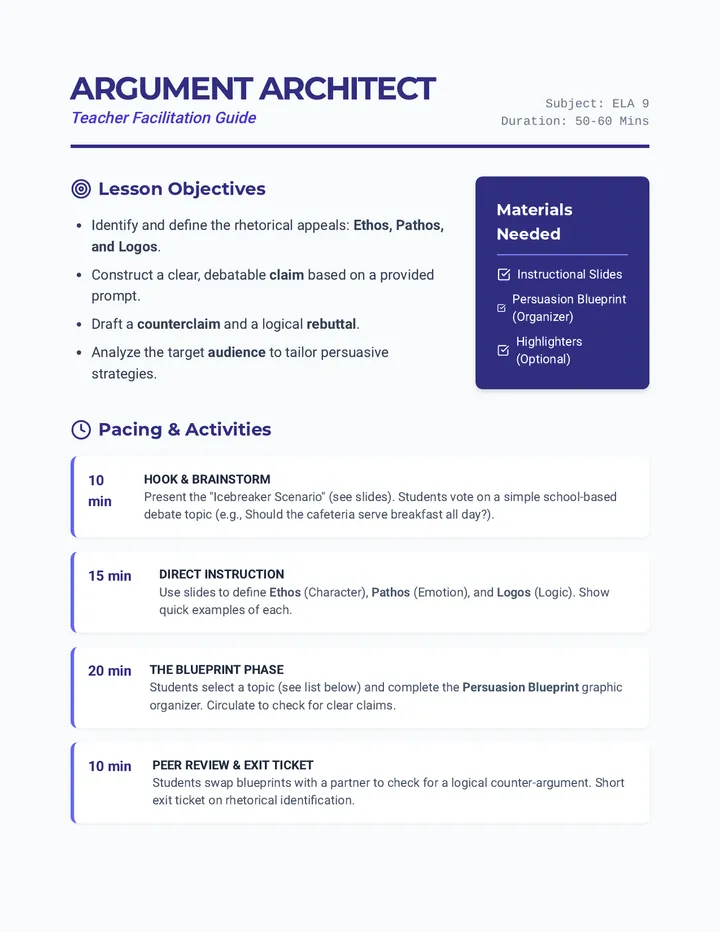
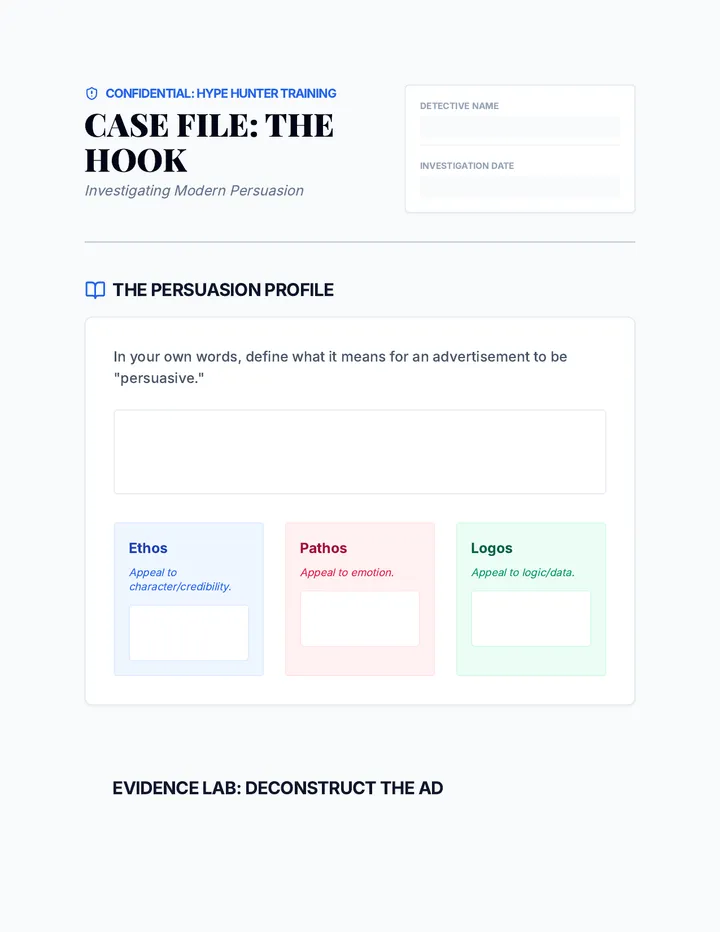
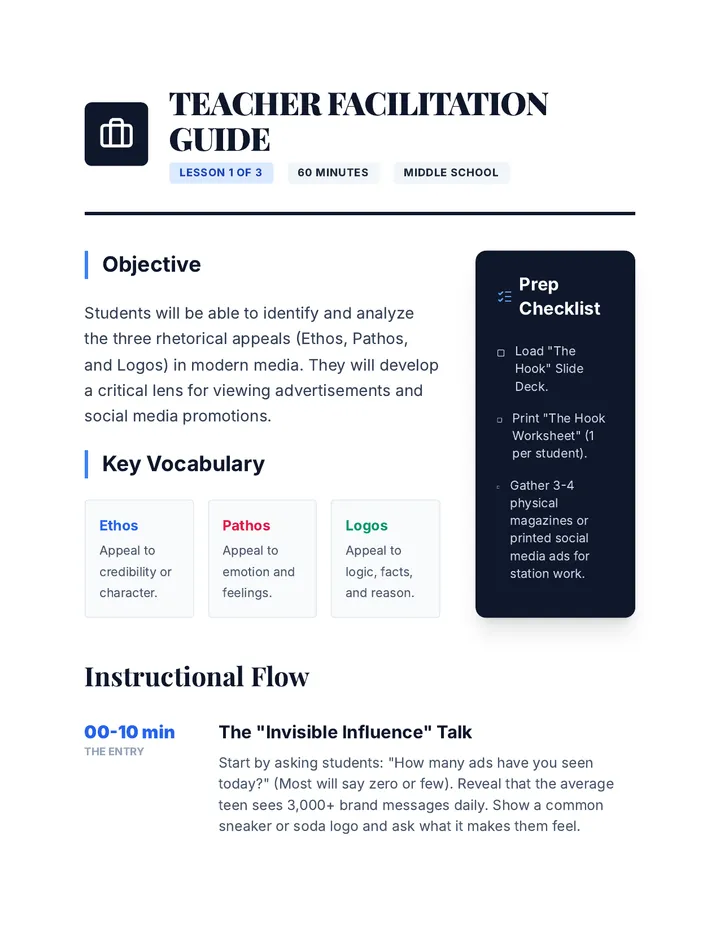
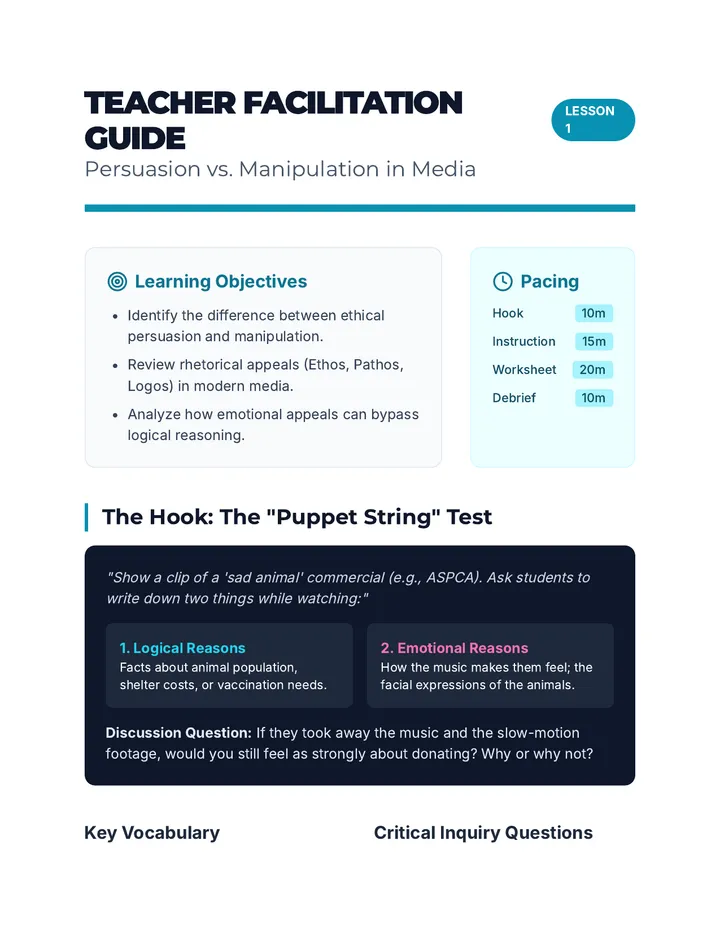
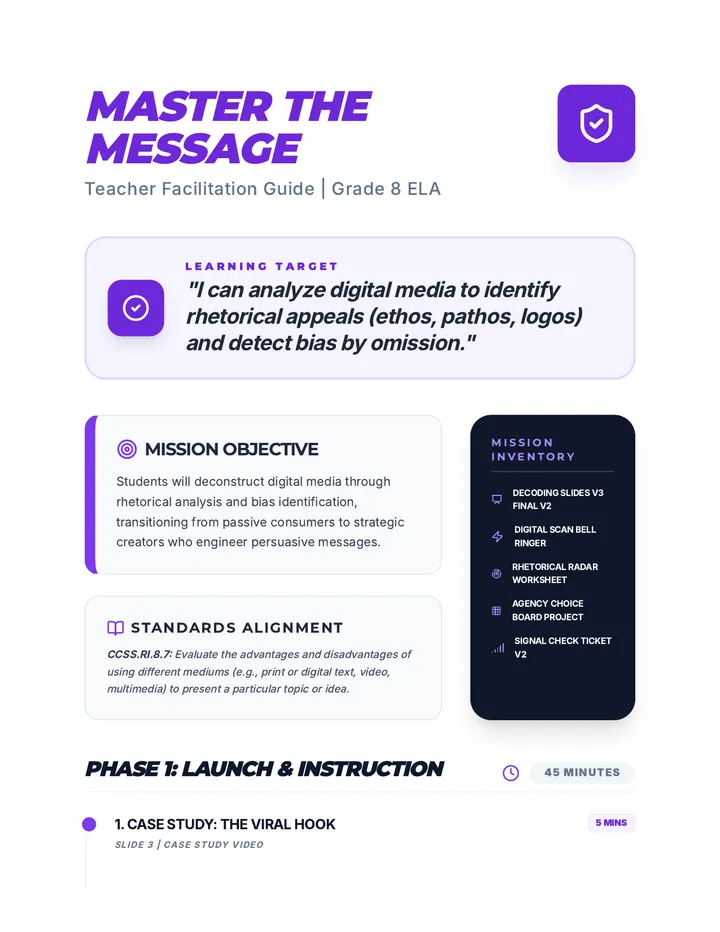
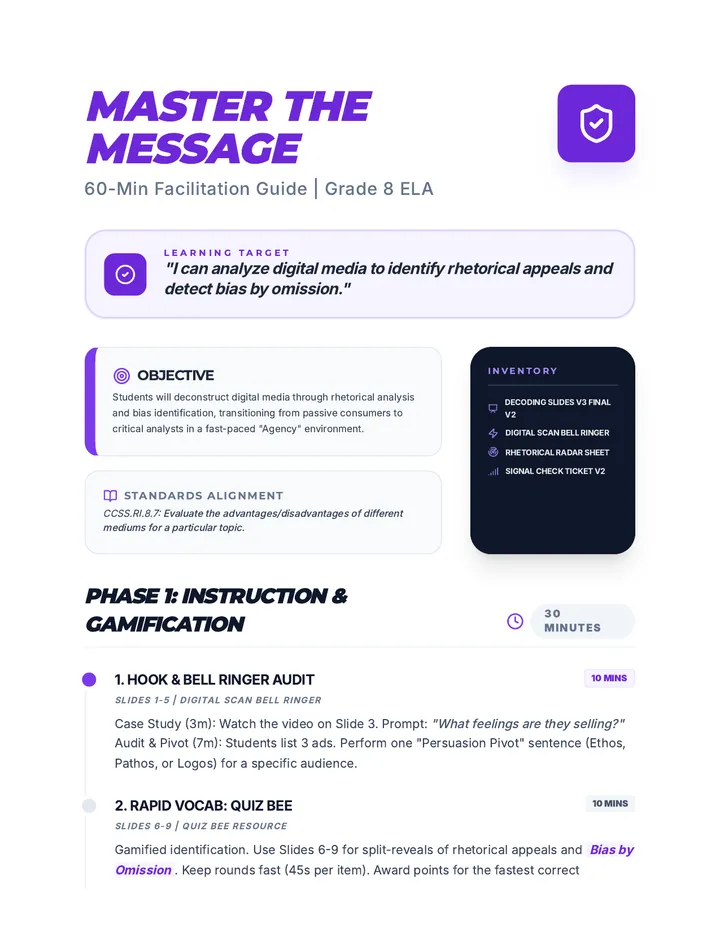
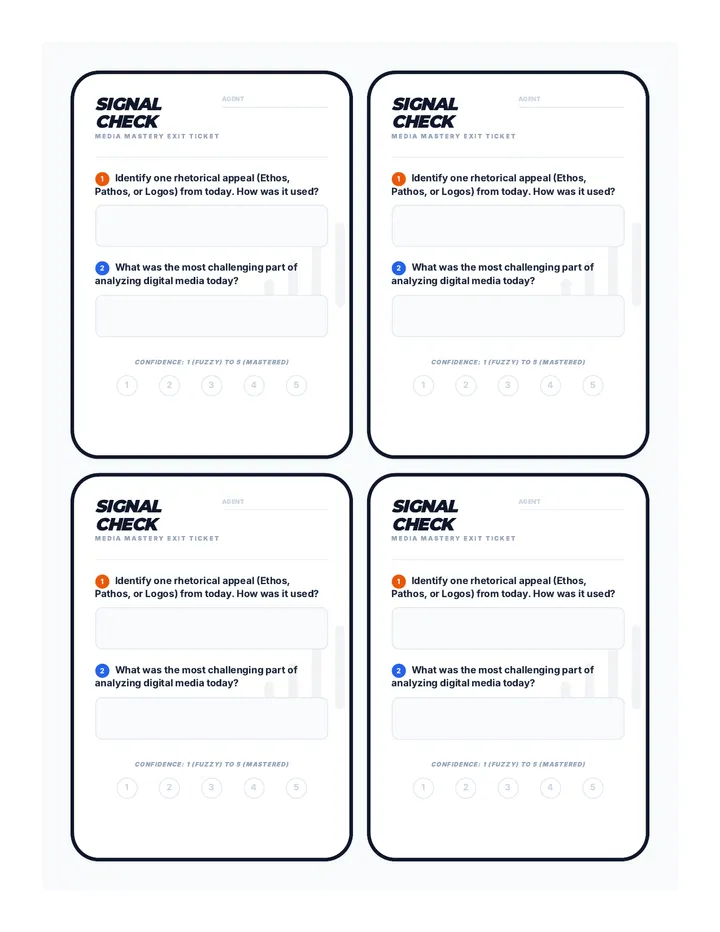
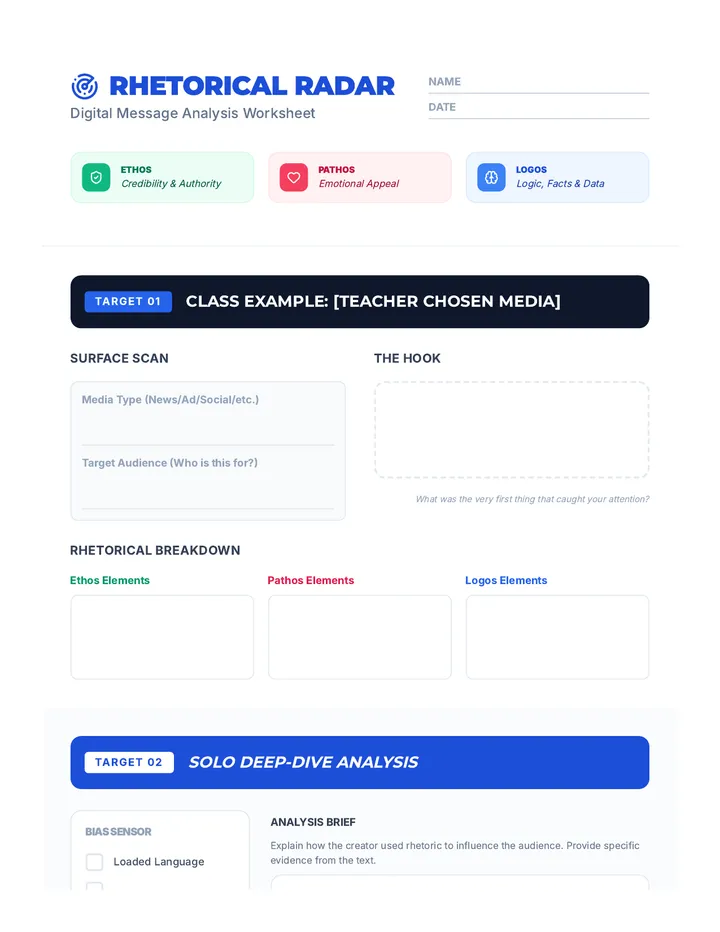
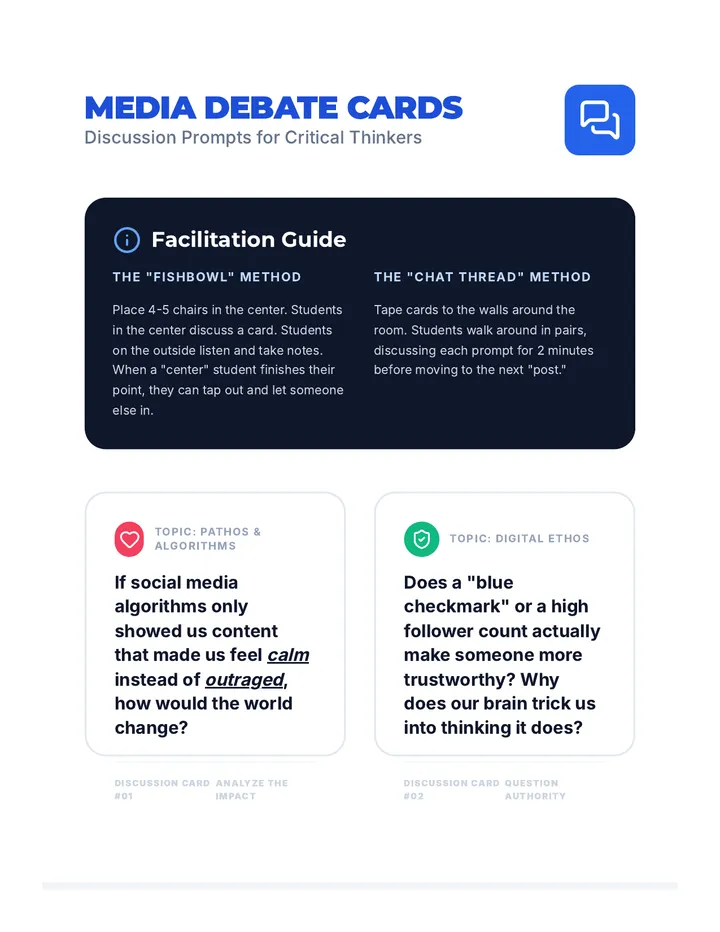
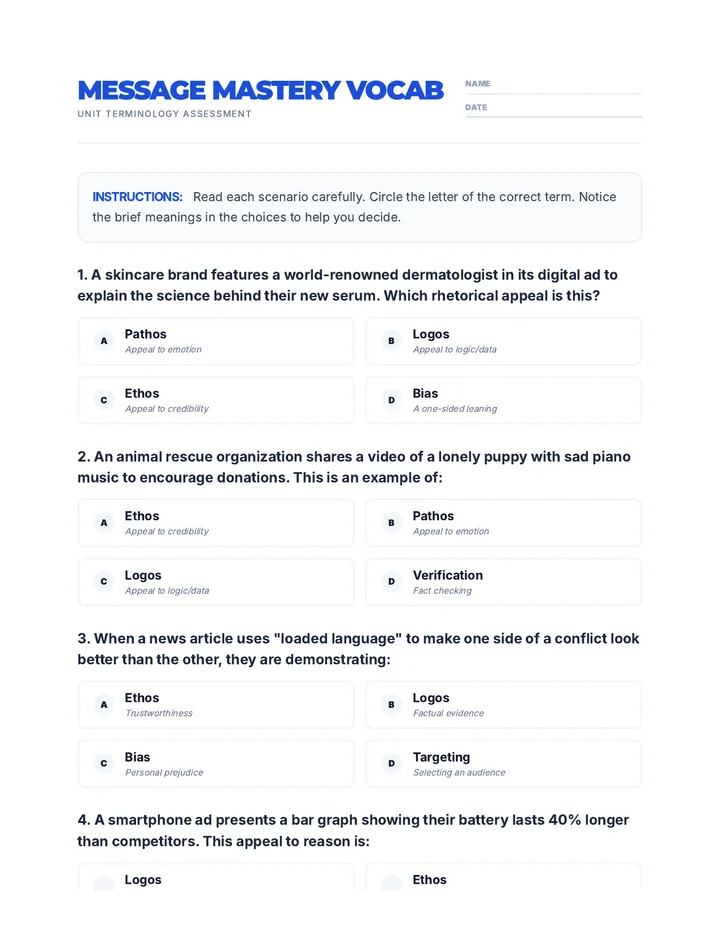
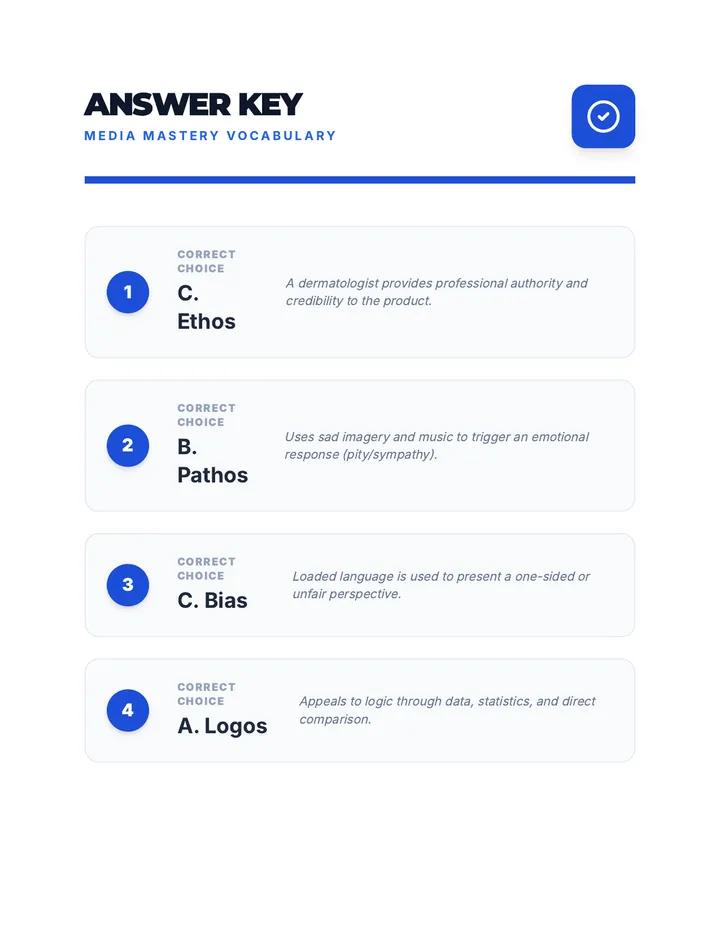
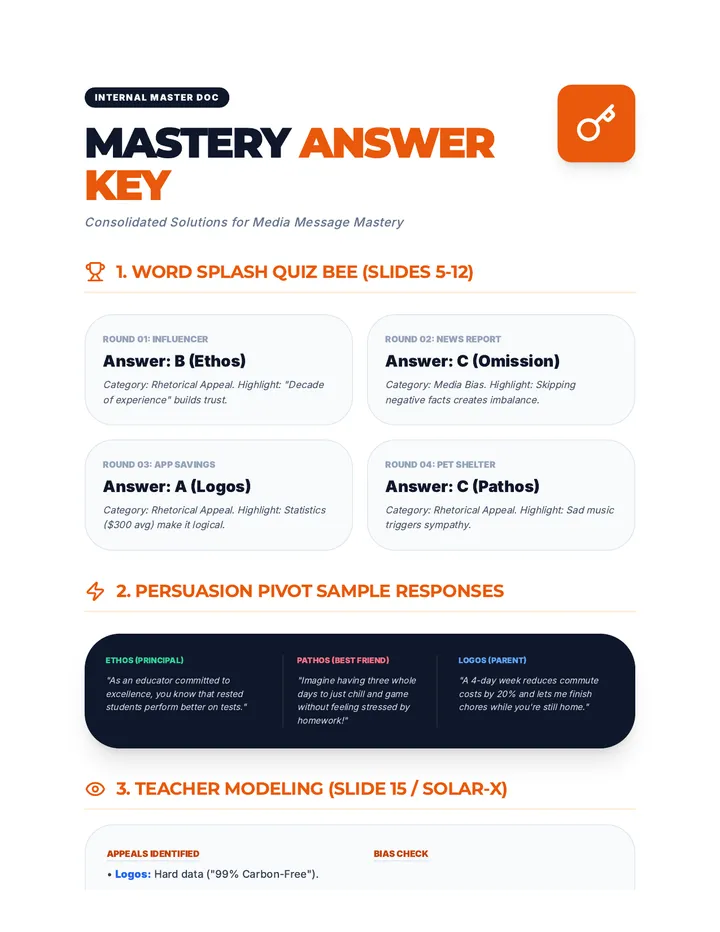
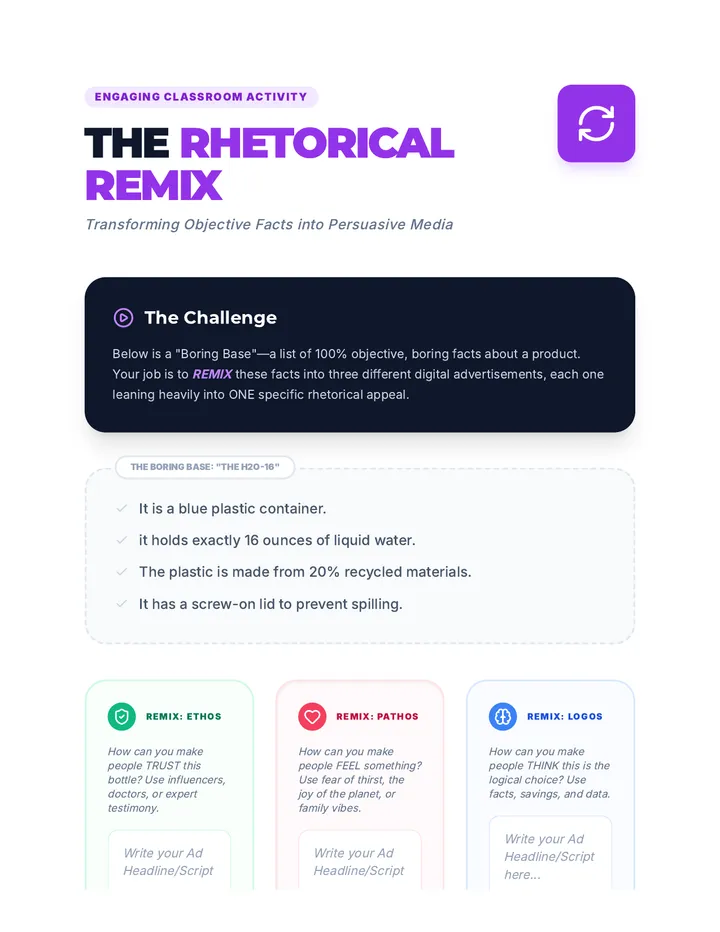
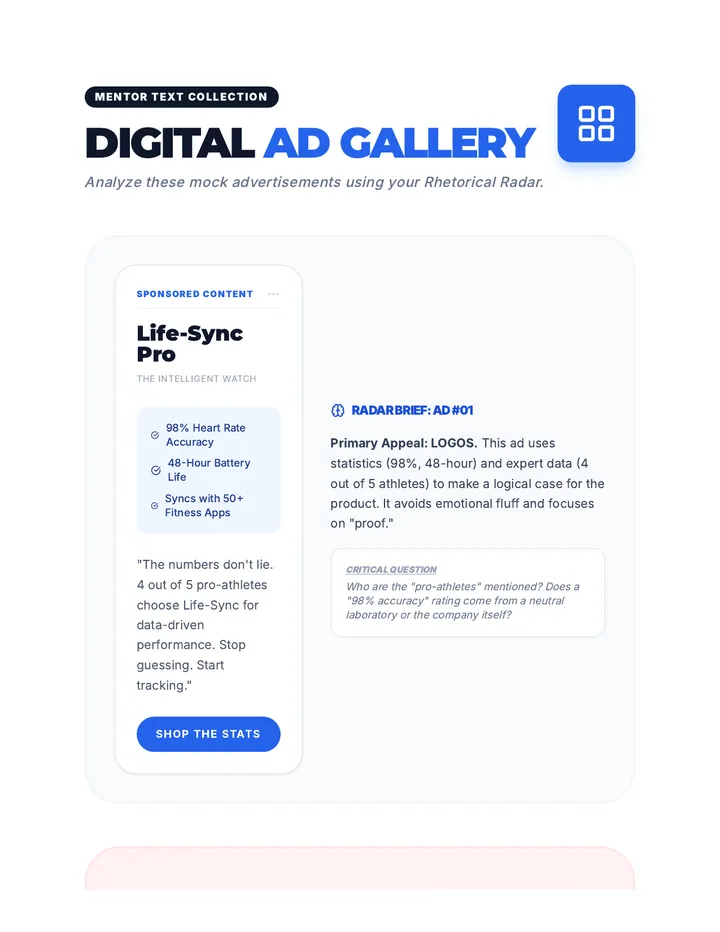
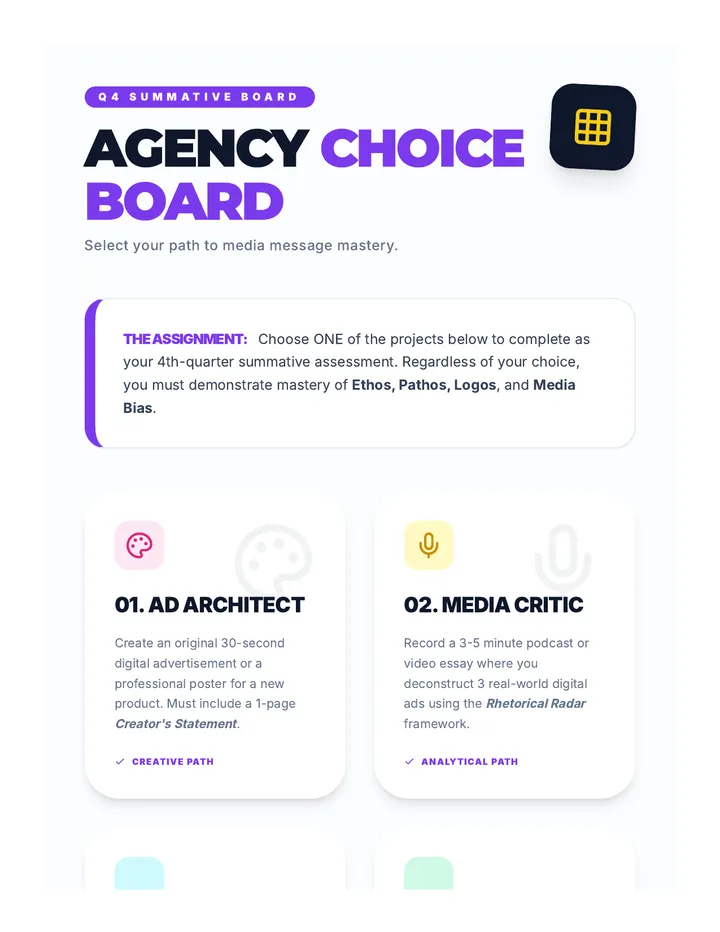
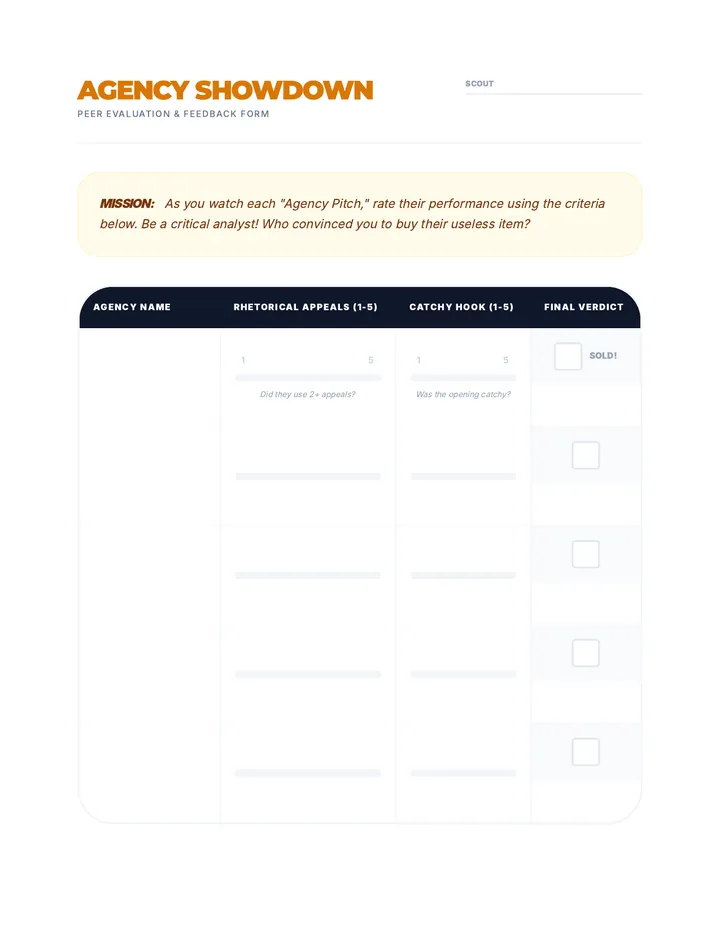
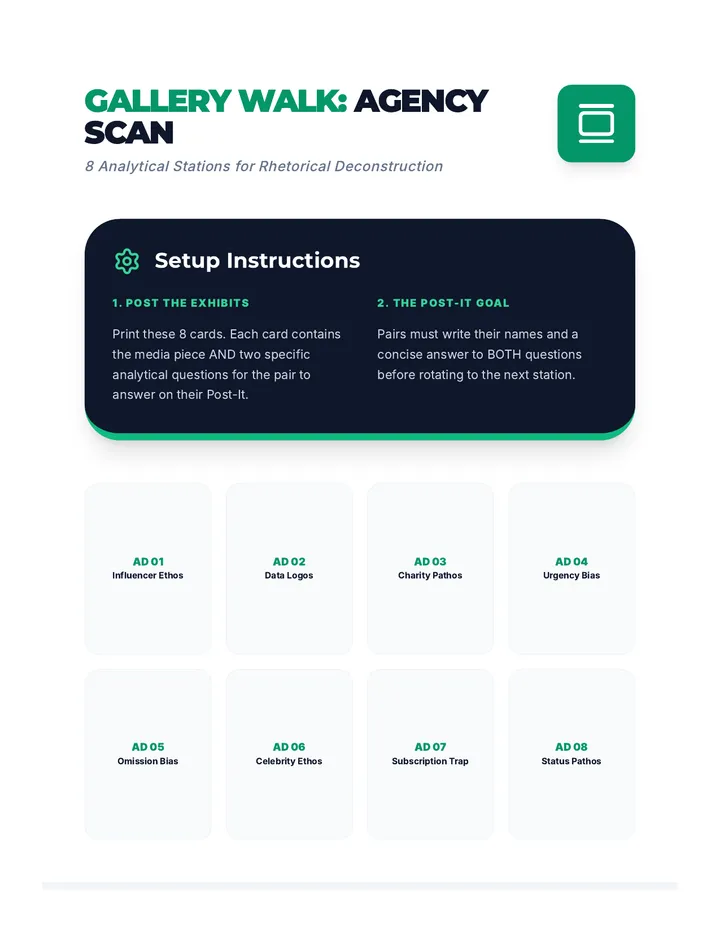
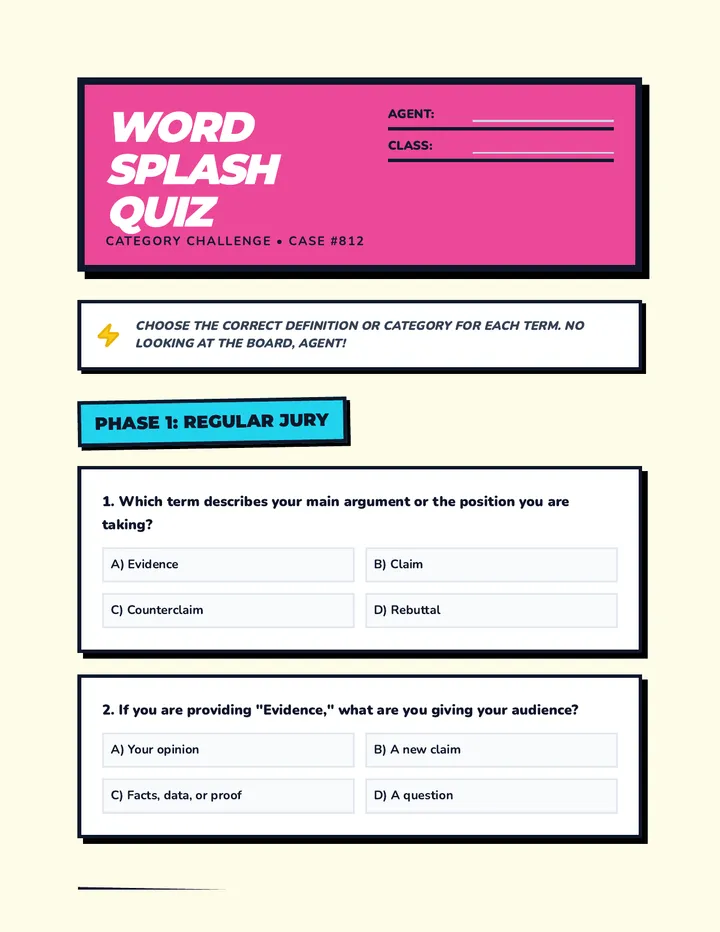
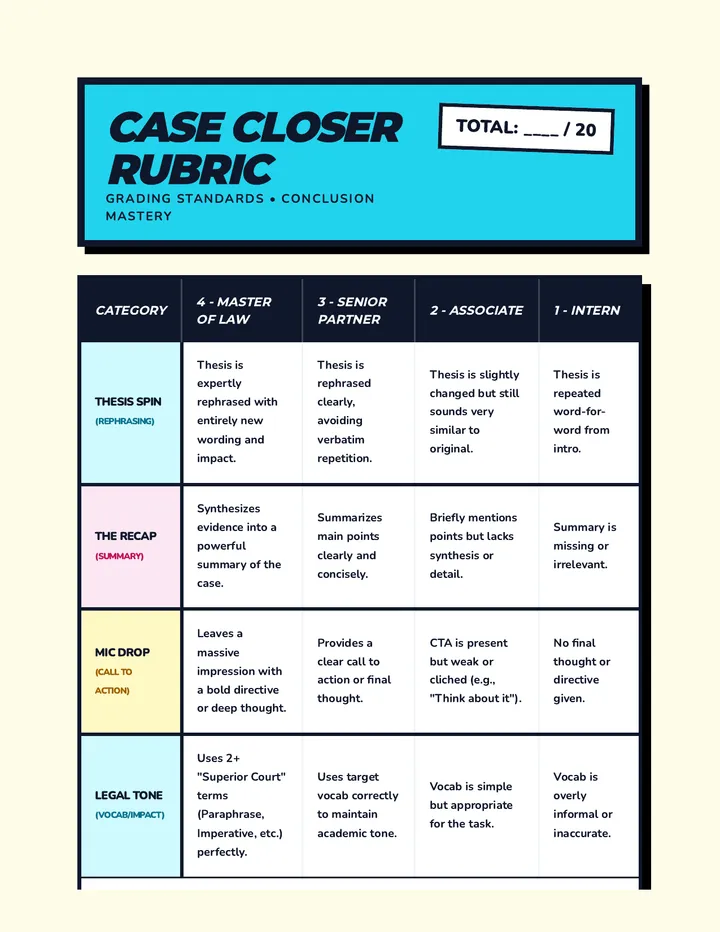
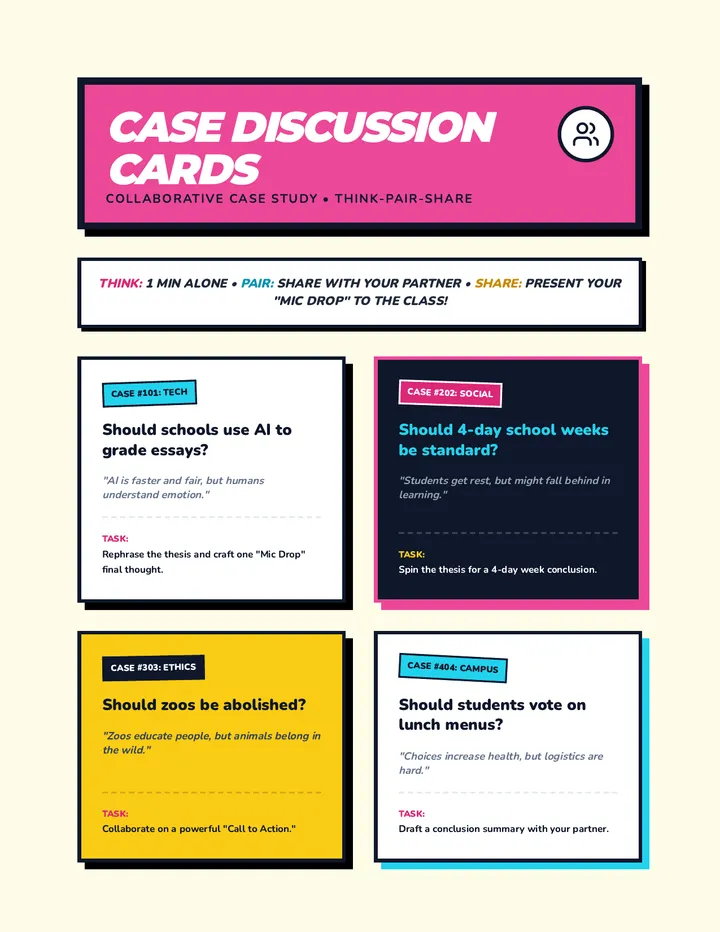
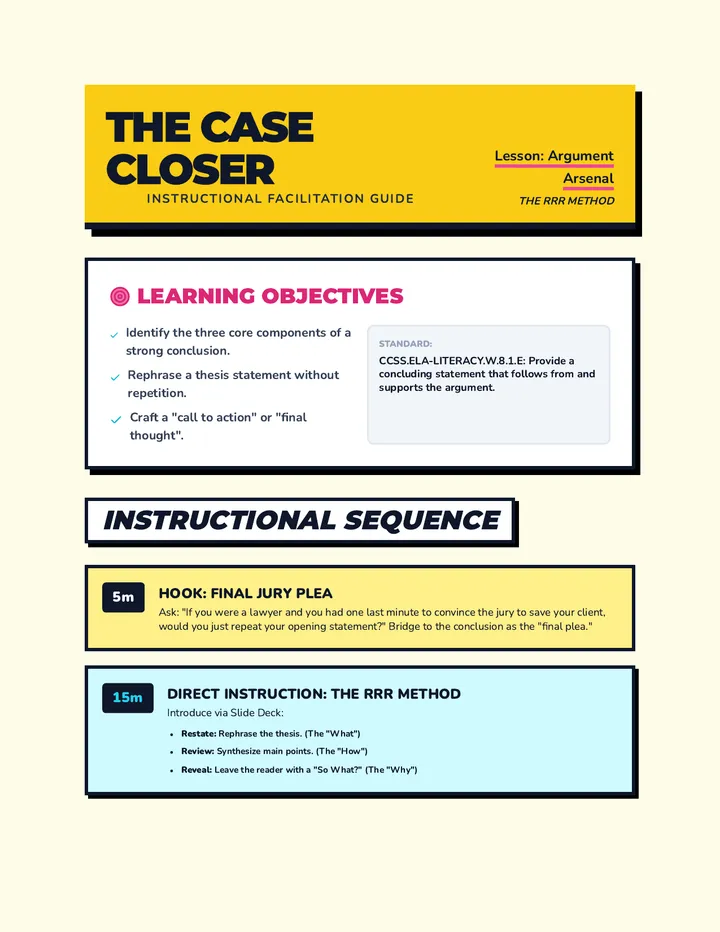
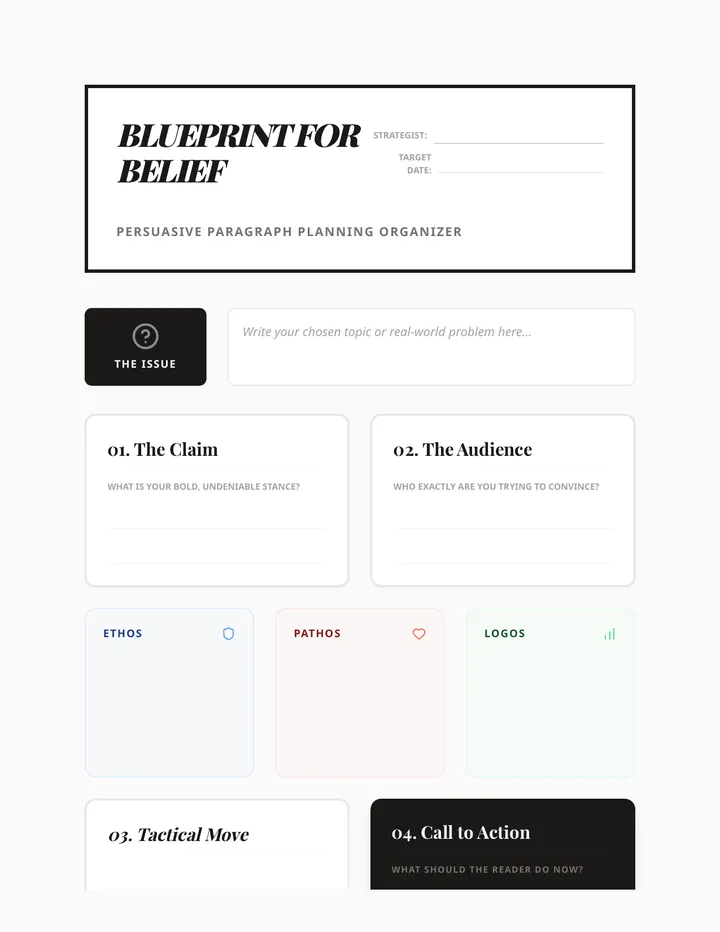
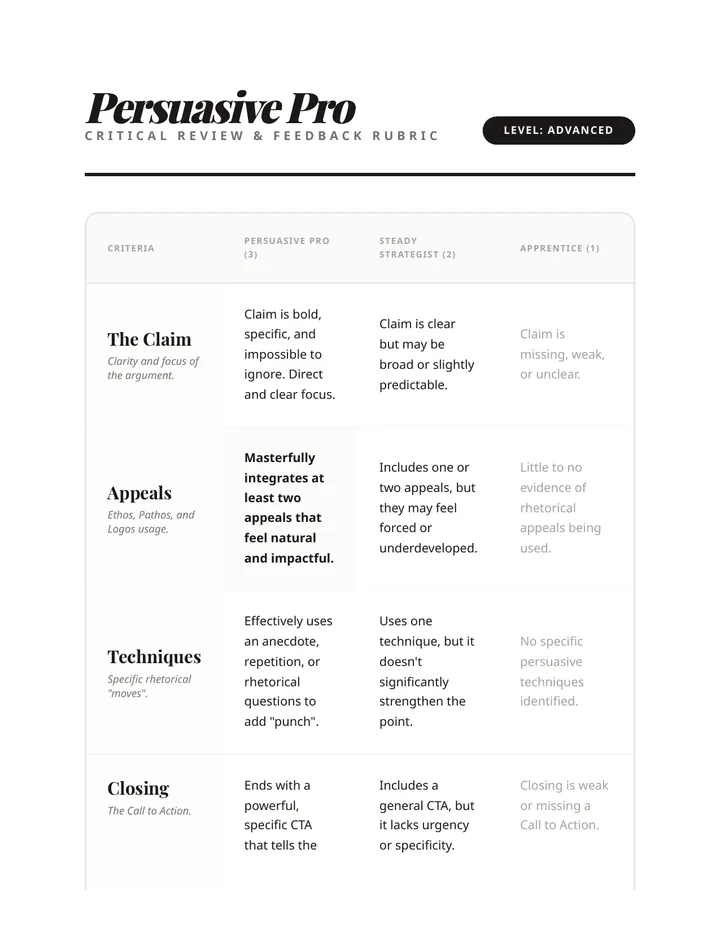
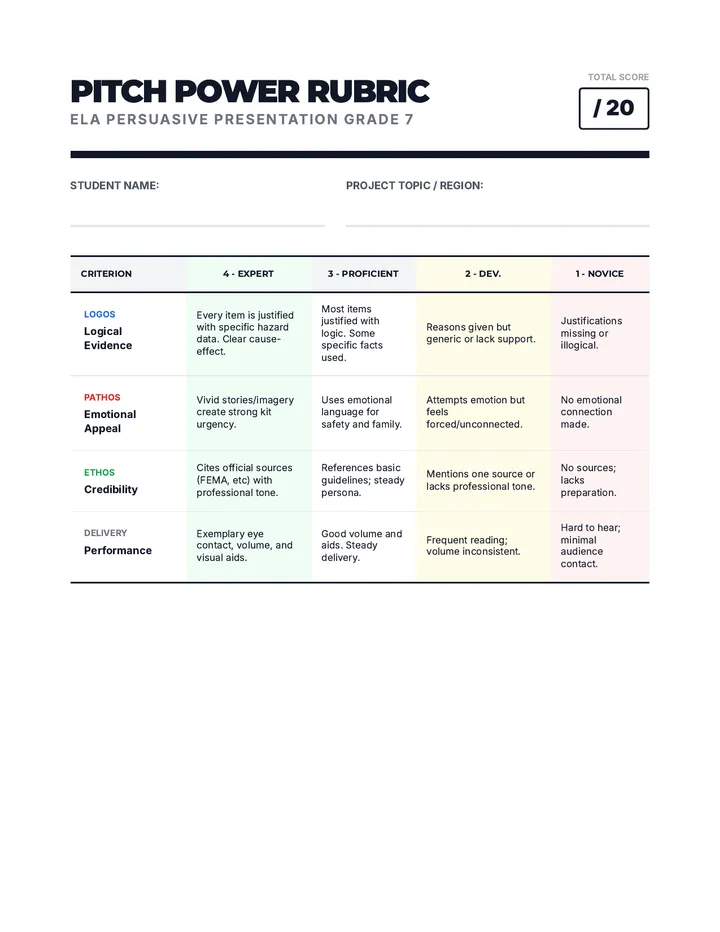
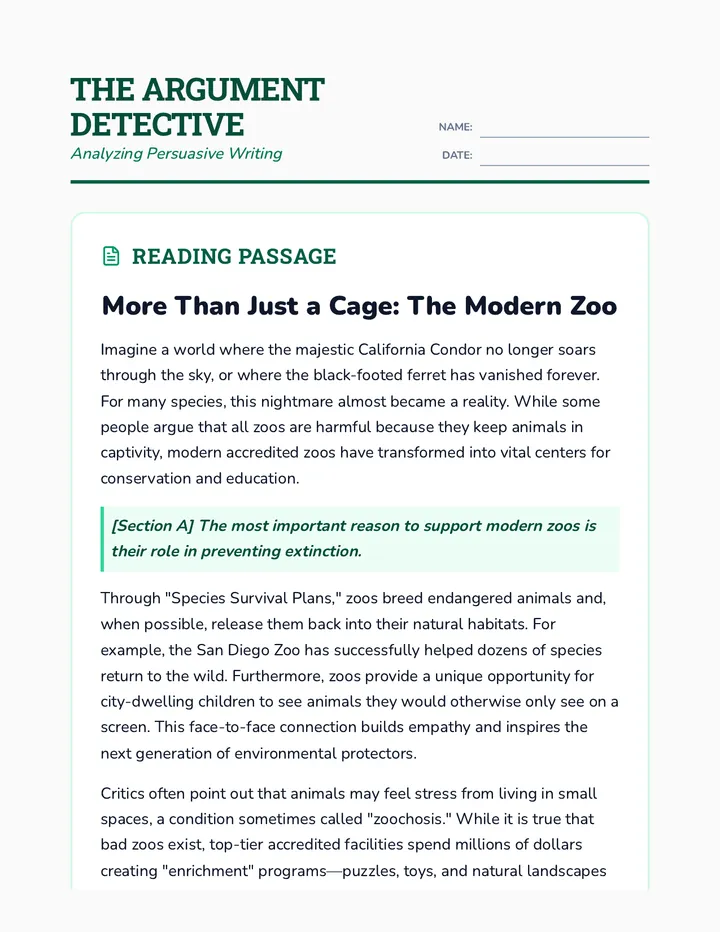
A lesson sequence focused on mastering the three rhetorical appeals (Ethos, Logos, and Pathos) through video analysis and a simulated school debate.
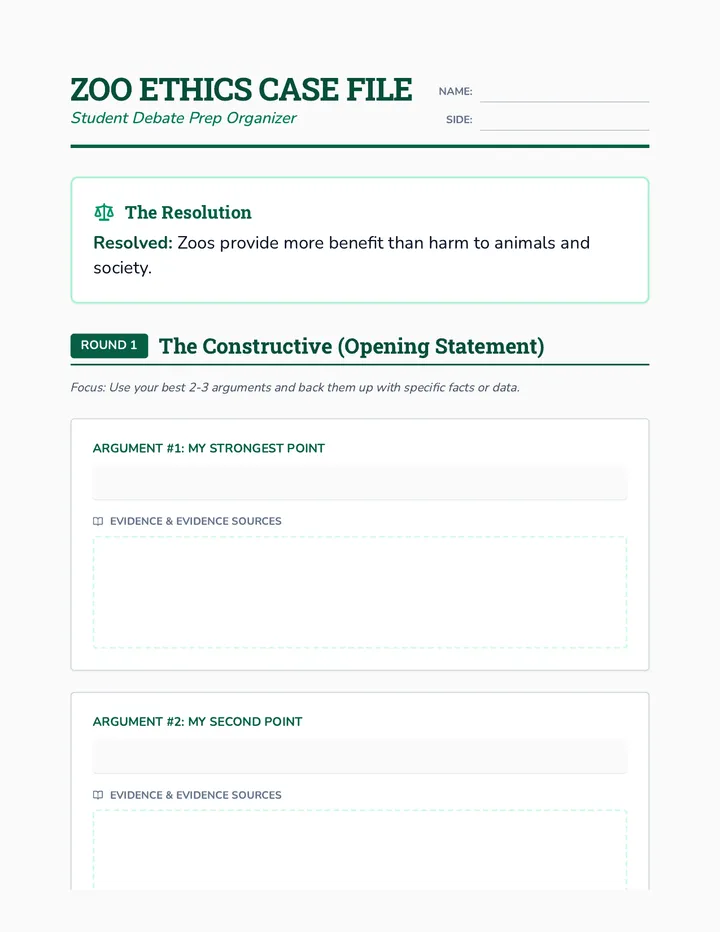
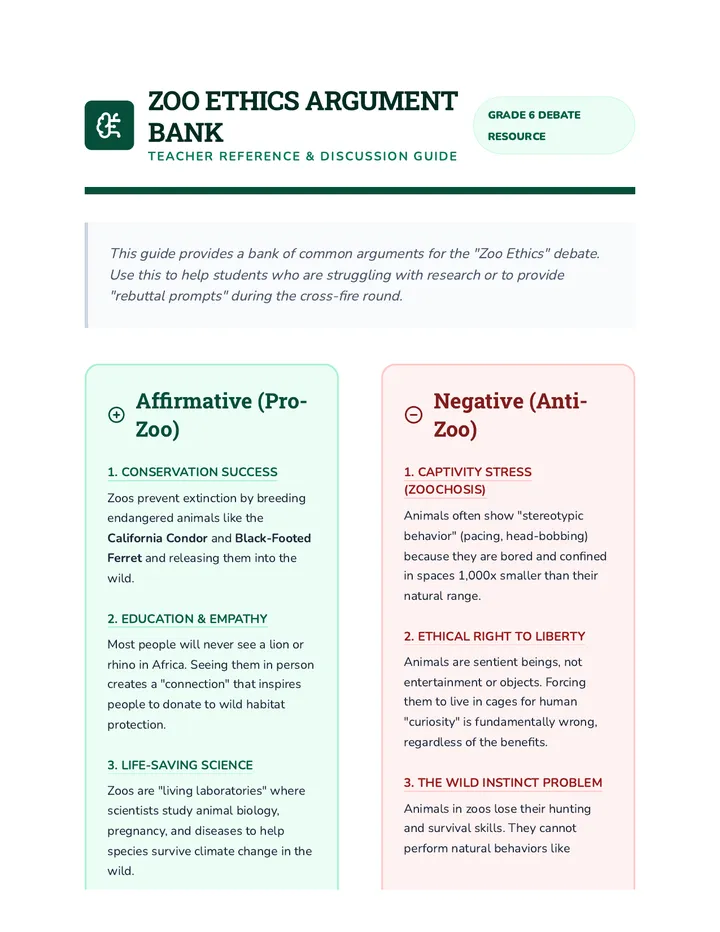
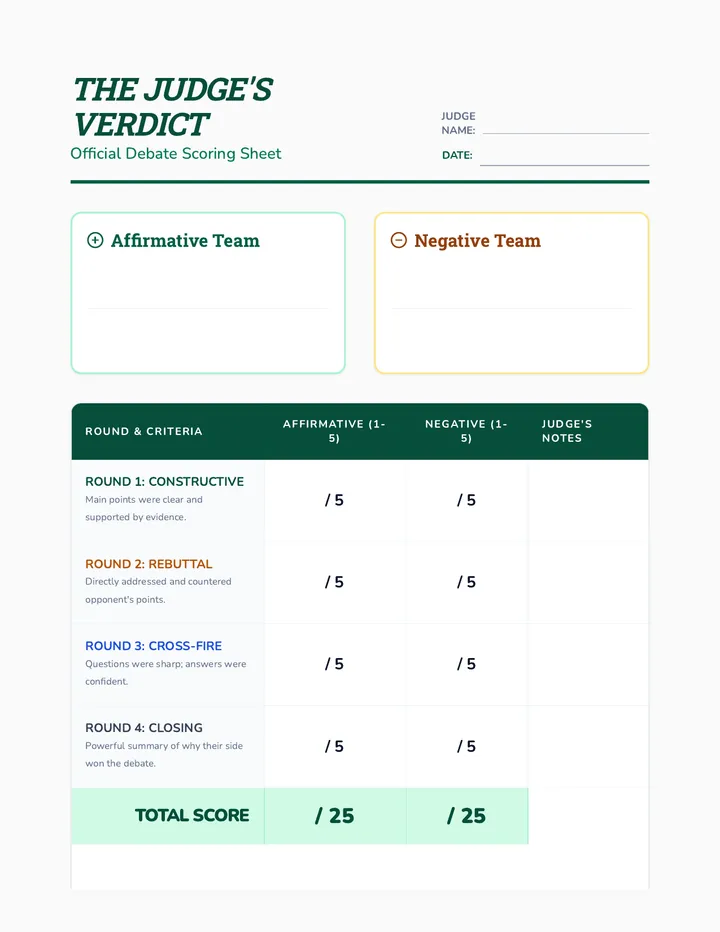
A debate and communication sequence focused on teaching middle schoolers how to build persuasive arguments through creative performance and structured analysis.
A lesson sequence exploring the intersection of civic duty, social contracts, and rhetorical analysis through the lens of the 'Shopping Cart Theory'. Students analyze a structured argument and participate in a Socratic Seminar.
This sequence focuses on the cognitive planning required before activating the microphone, bridging the gap between thought and oral expression. Students explore how to organize their ideas using graphic organizers and bullet points to prevent rambling during dictation.
This sequence uses kinesthetic movement and role-play to help Kindergarten students develop visualization skills. By physically embodying actions, emotions, and sequences, students build a bridge between text and mental imagery.
A Kindergarten sequence focused on building mental imagery skills through auditory descriptions. Students learn to 'make movies in their minds' to improve comprehension, progressing from single objects to full scenes with characters and settings.
A 5-lesson sequence for 3rd-grade students focused on building mental imagery skills through sensory language. Students progress from identifying sensory words to constructing and verbalizing full mental scenes.
This 2nd-grade sequence uses kinesthetic and oral strategies to support visualization. Students progress from partner description games to physically embodying text through freeze-frames and role-play, culminating in a Reader's Theater performance where they verbally construct the setting.
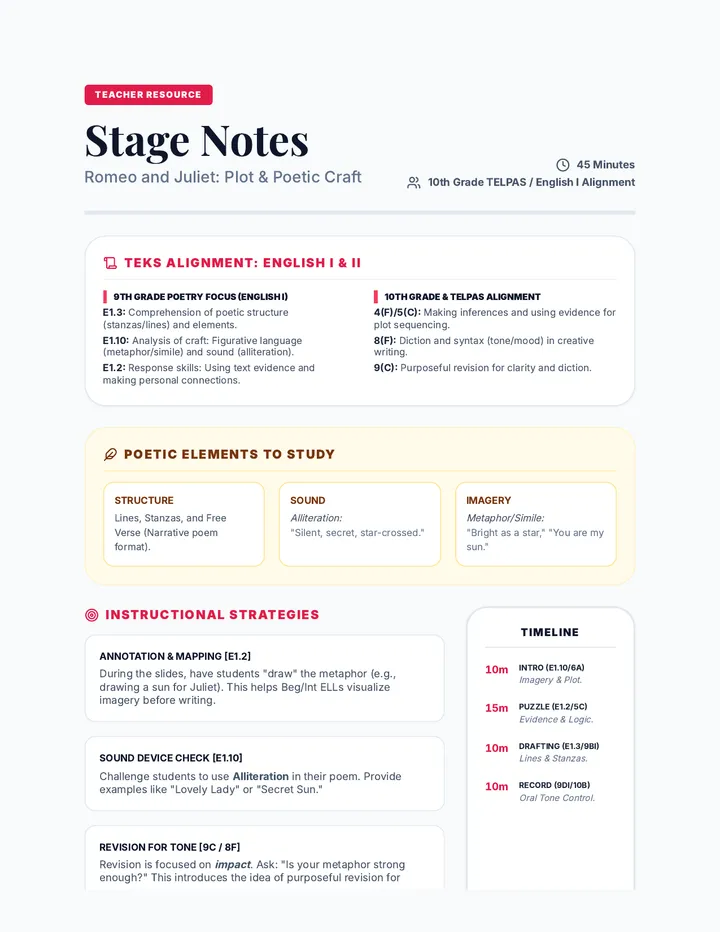
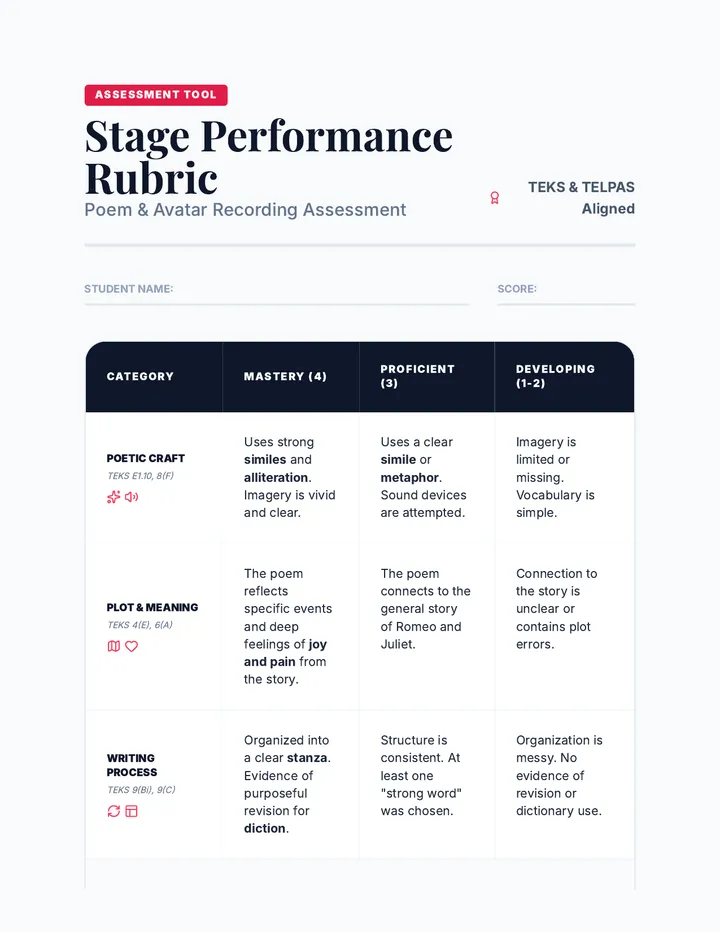
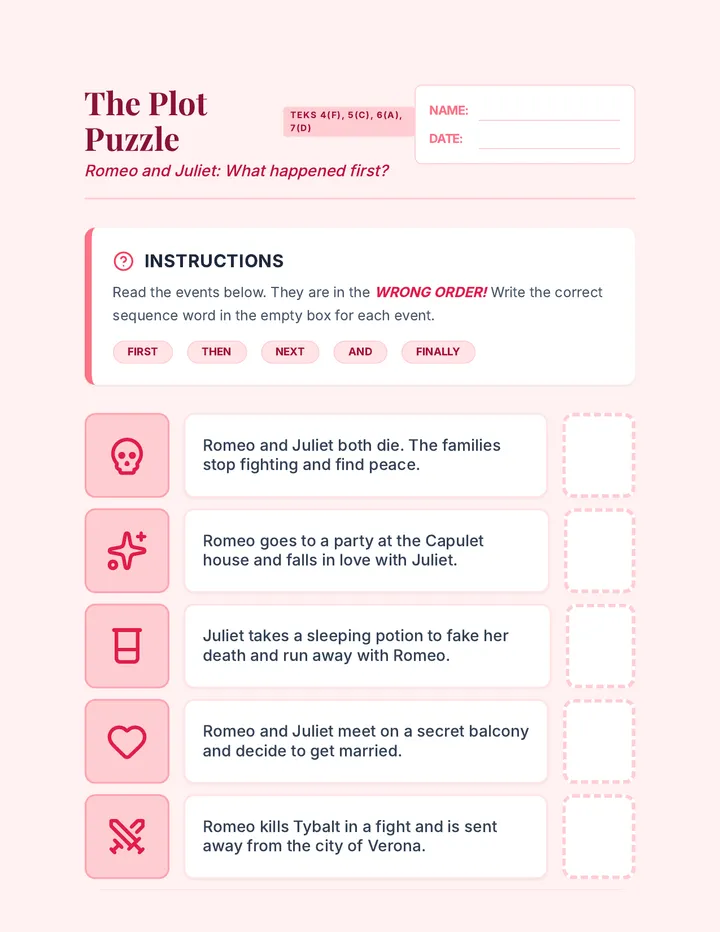
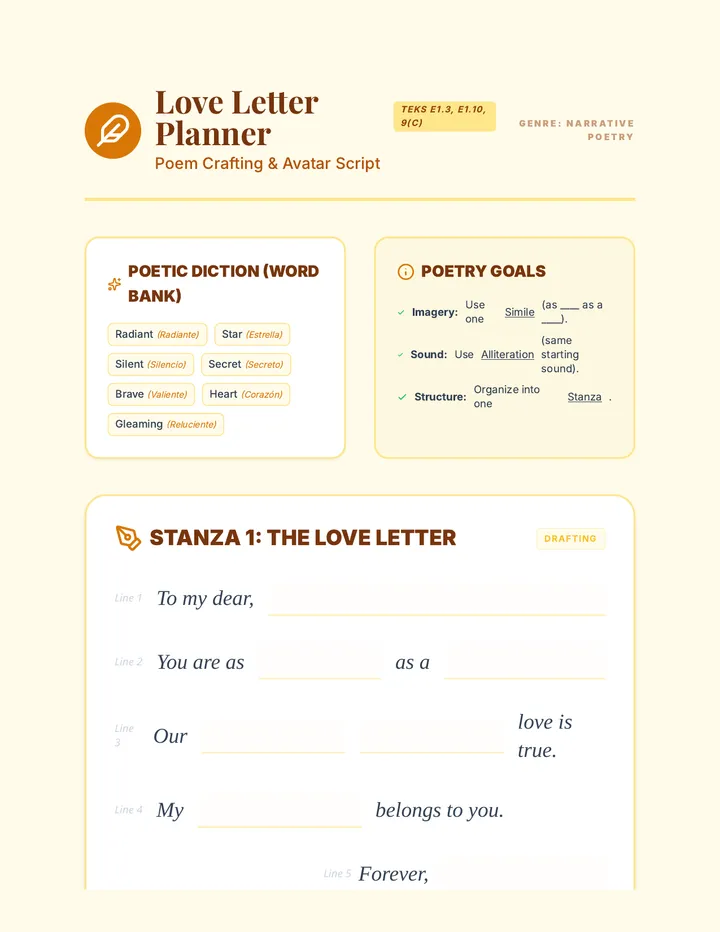
A 5-lesson sequence for 9th-grade students focusing on externalizing internal visualizations through verbal processing, 'Think Aloud' strategies, and peer-to-peer scene reconstruction. Students move from observing modeled verbalization to creating their own 'Director's Commentary' for descriptive texts.
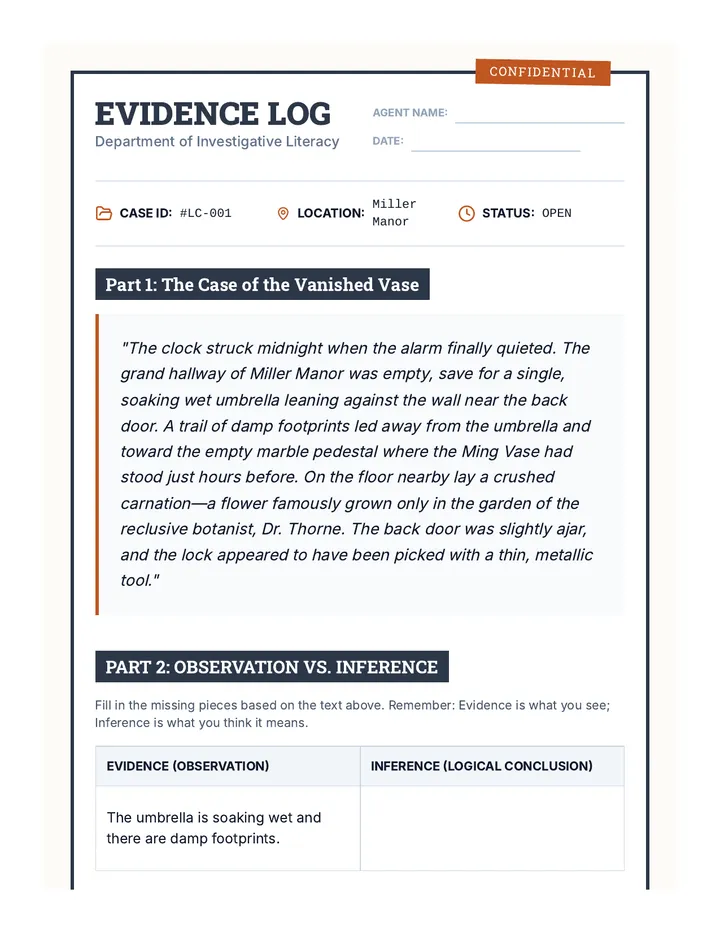
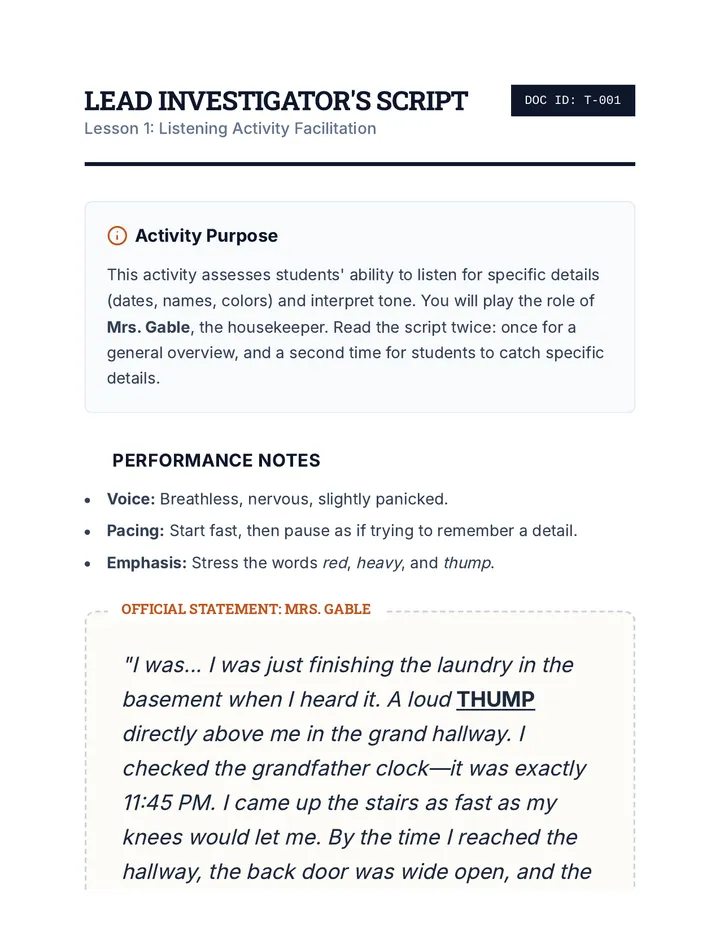
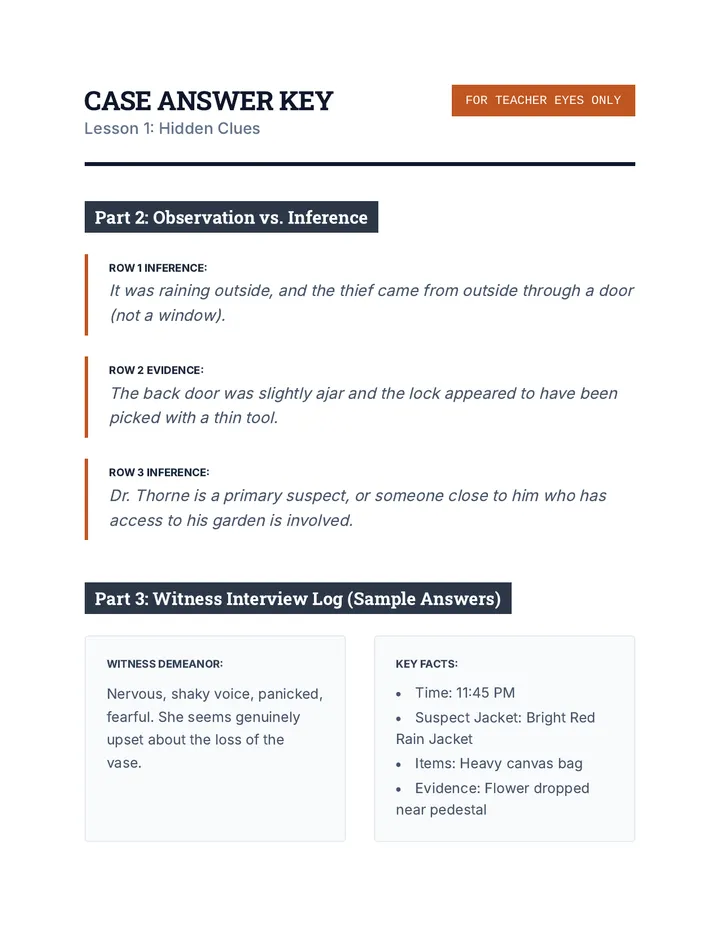
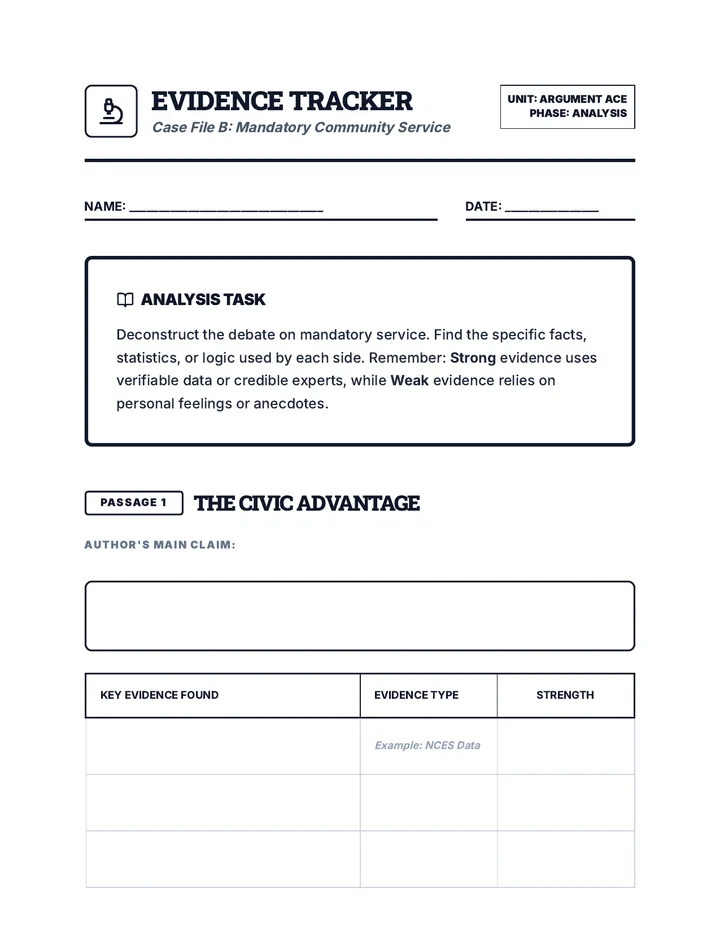
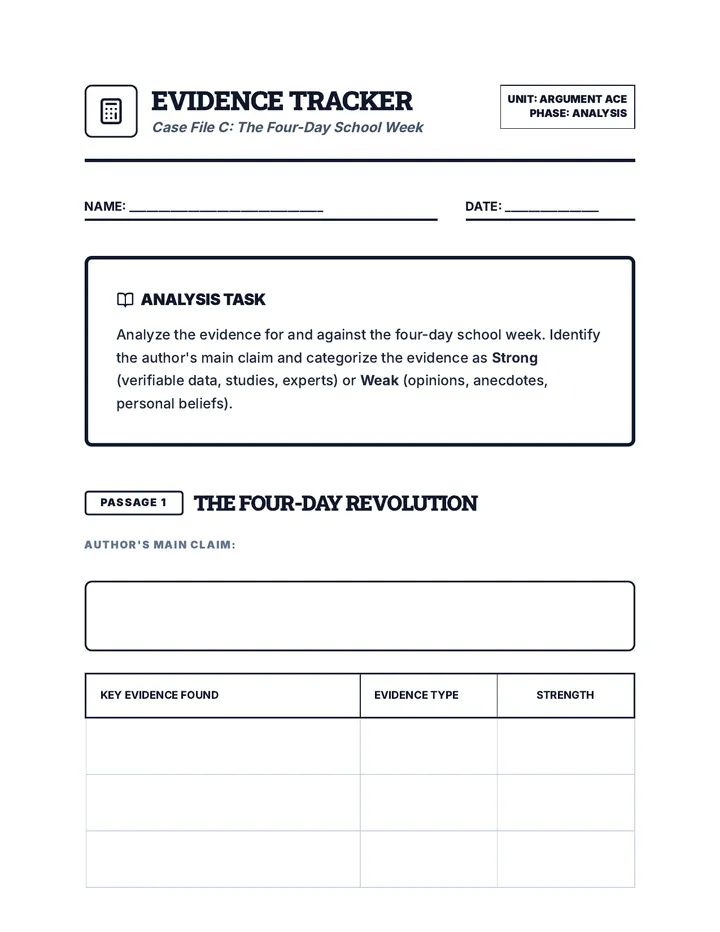
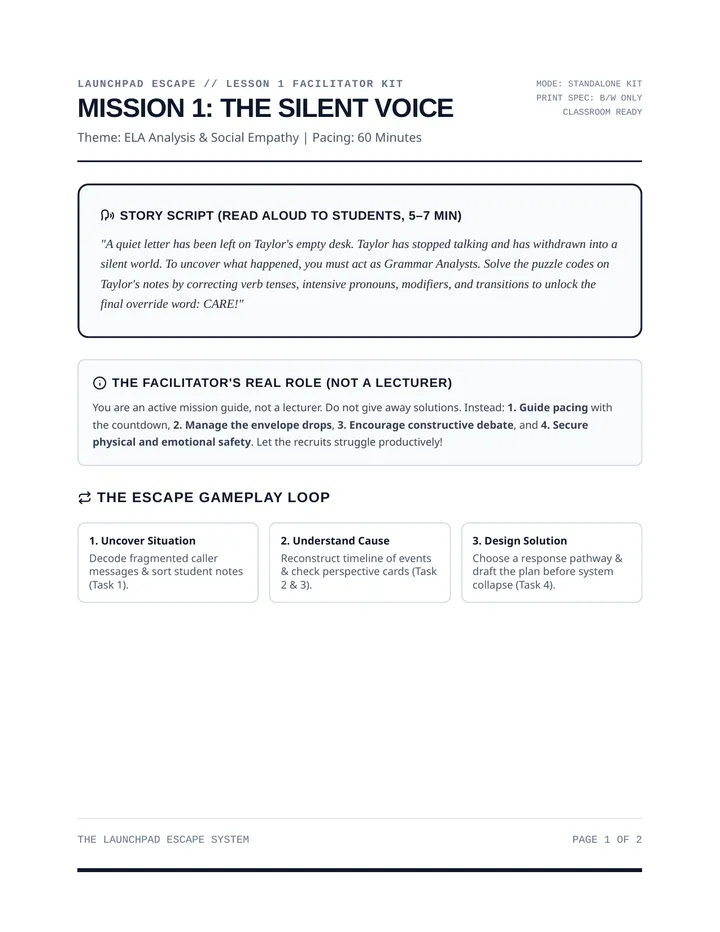
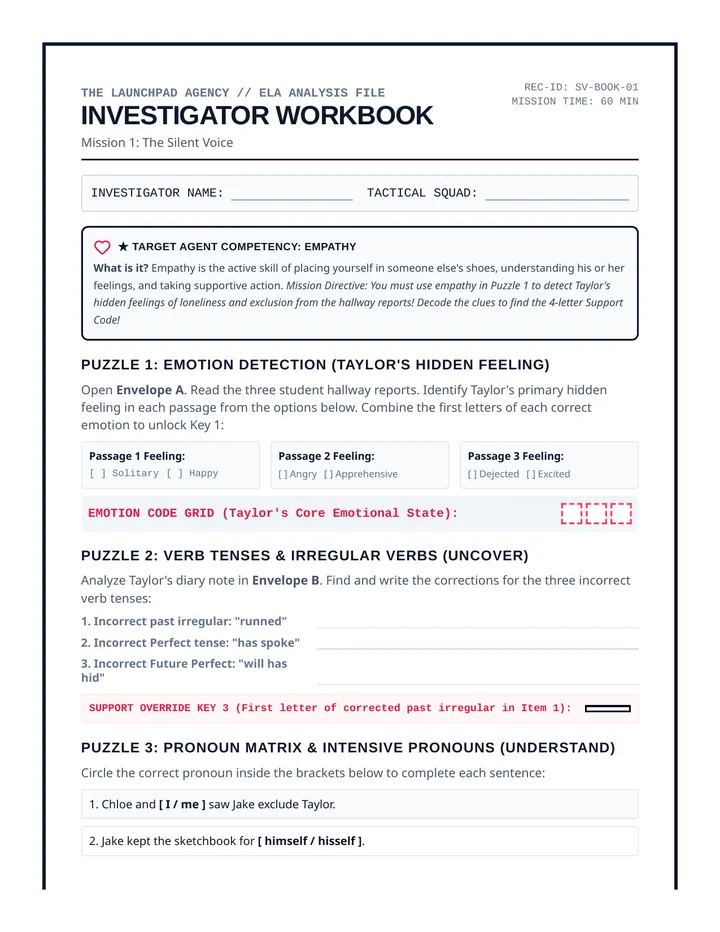
A forensic-themed reading comprehension unit where students act as investigators to master predictions and inferences. Through case studies and evidence tracking, students learn to bridge literal text with deep narrative meaning.
A project-based sequence for 5th-grade academic support focused on externalizing visualization through mapping, storyboarding, and mood analysis to deepen narrative comprehension.
This sequence teaches 2nd-grade students how to use concept maps to organize main ideas and supporting details, moving from tangible objects to informational texts. It uses a "Map Makers" theme to make the abstract concept of text structure more concrete and engaging.
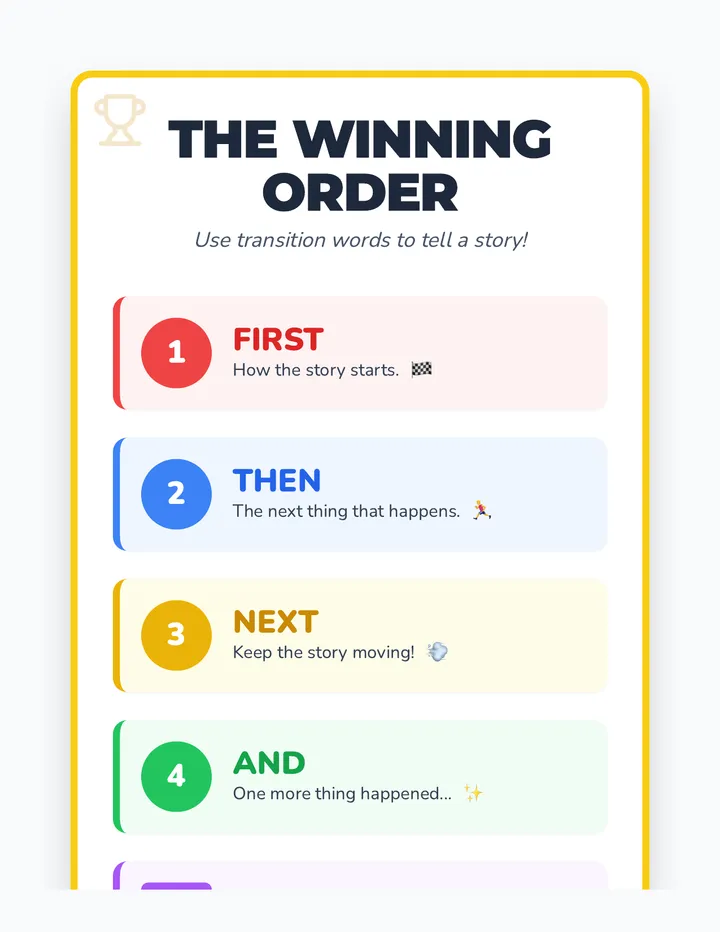
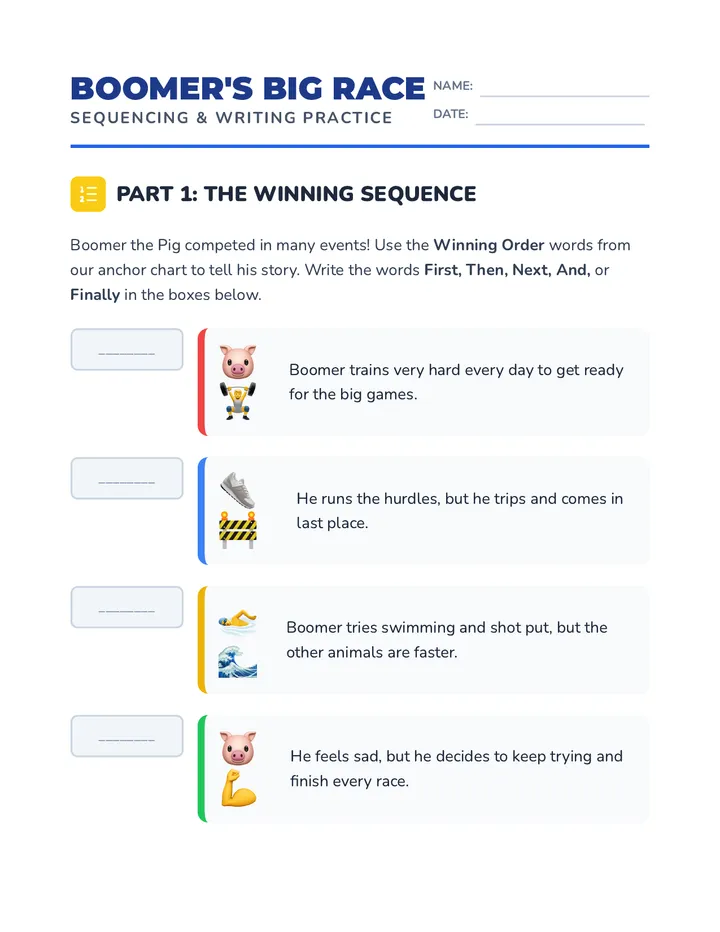
This sequence introduces 2nd-grade students to sequential text structure, moving from concrete physical routines to abstract text analysis using flow charts and signal words. Students will learn to identify 'first,' 'next,' and 'last' while using visual anchors to improve comprehension and oral retelling.
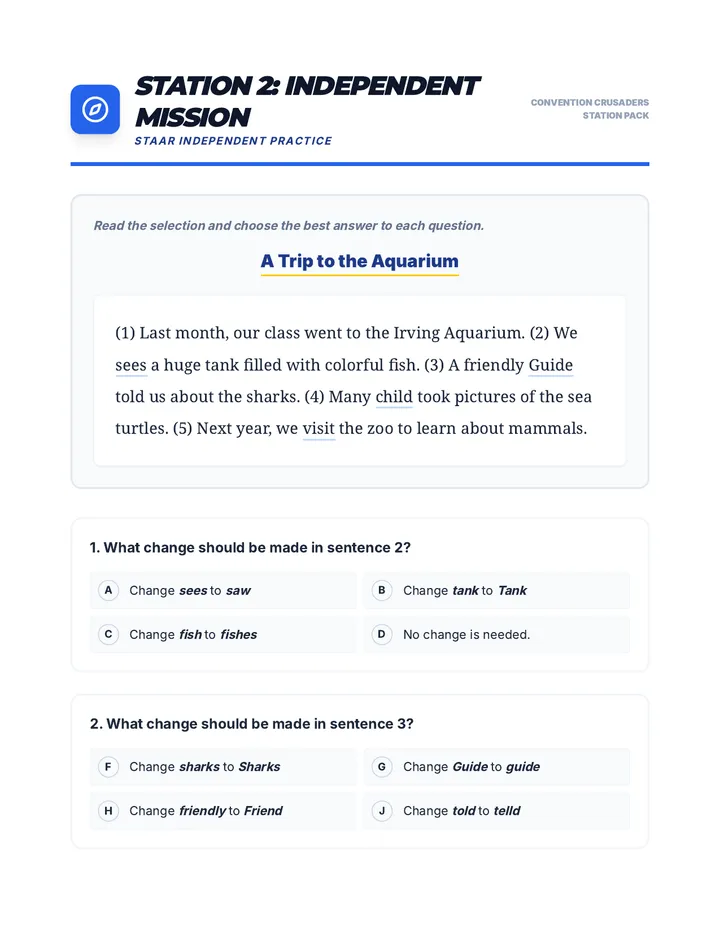
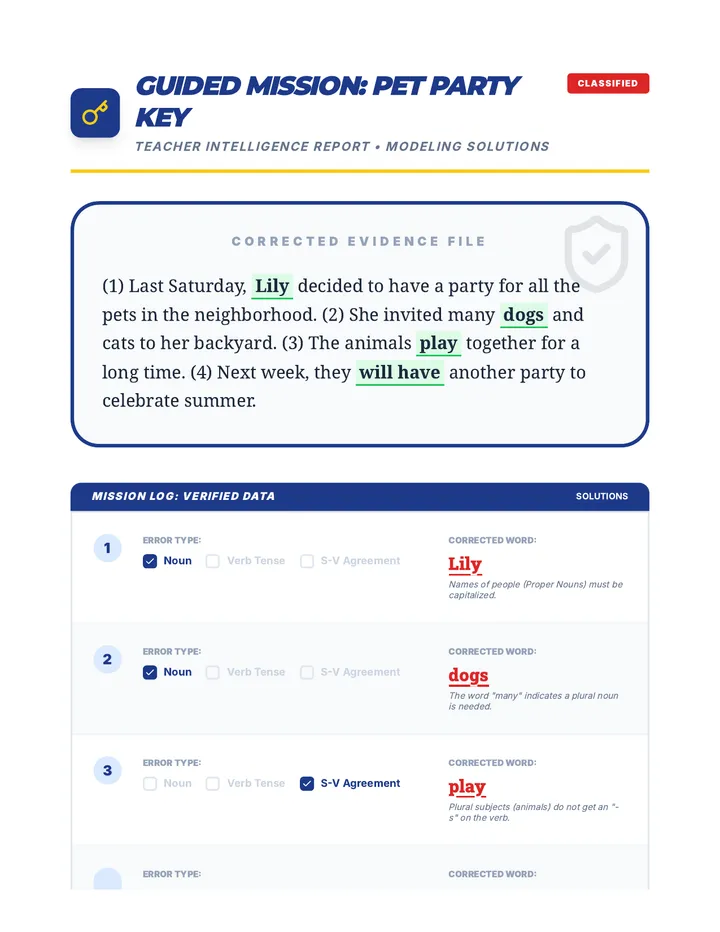
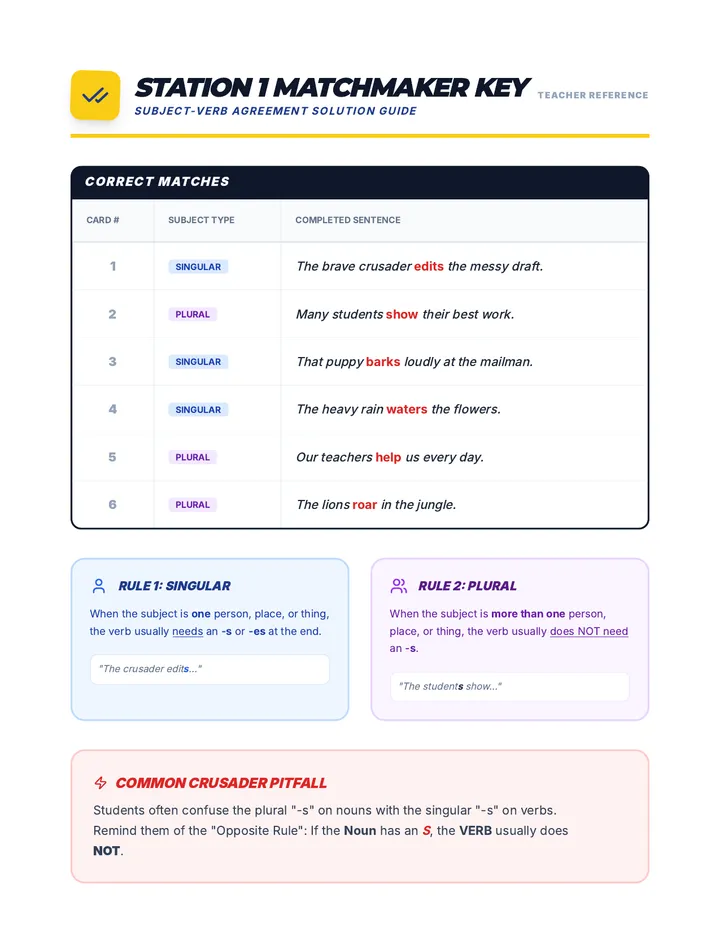
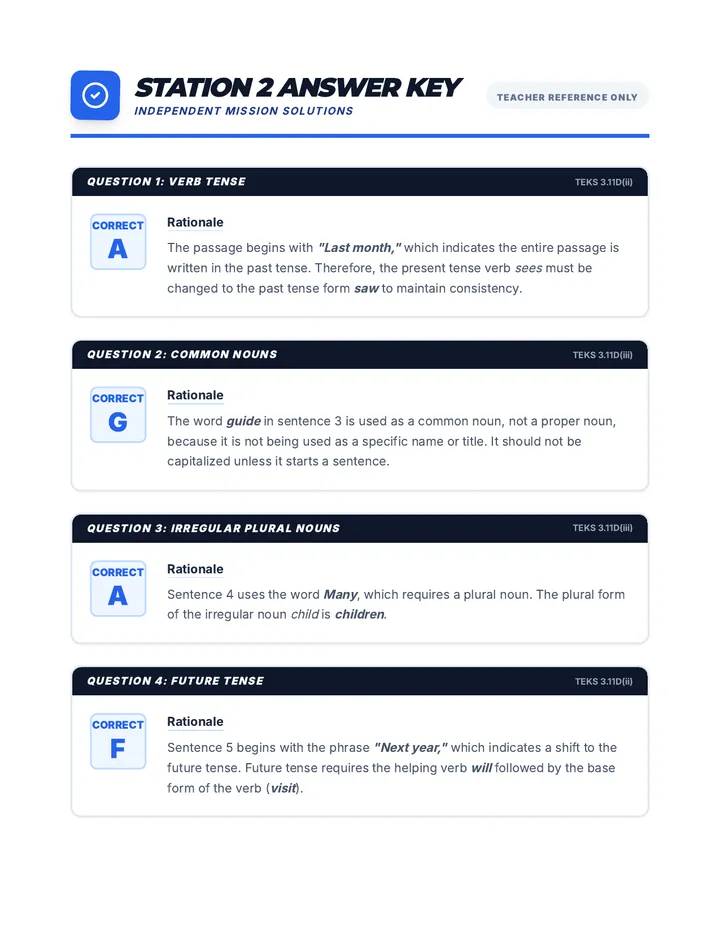
A 5-lesson sequence for 4th-grade students focused on mastering the Problem-Solution text structure through visual graphic organizers. Students move from simple matching to complex multi-solution analysis, culminating in an independent research mission and presentation.
A project-based sequence where 10th-grade students design a comprehensive media campaign for a local arts initiative, mastering rhetorical analysis, audience profiling, data visualization, and professional pitch techniques.
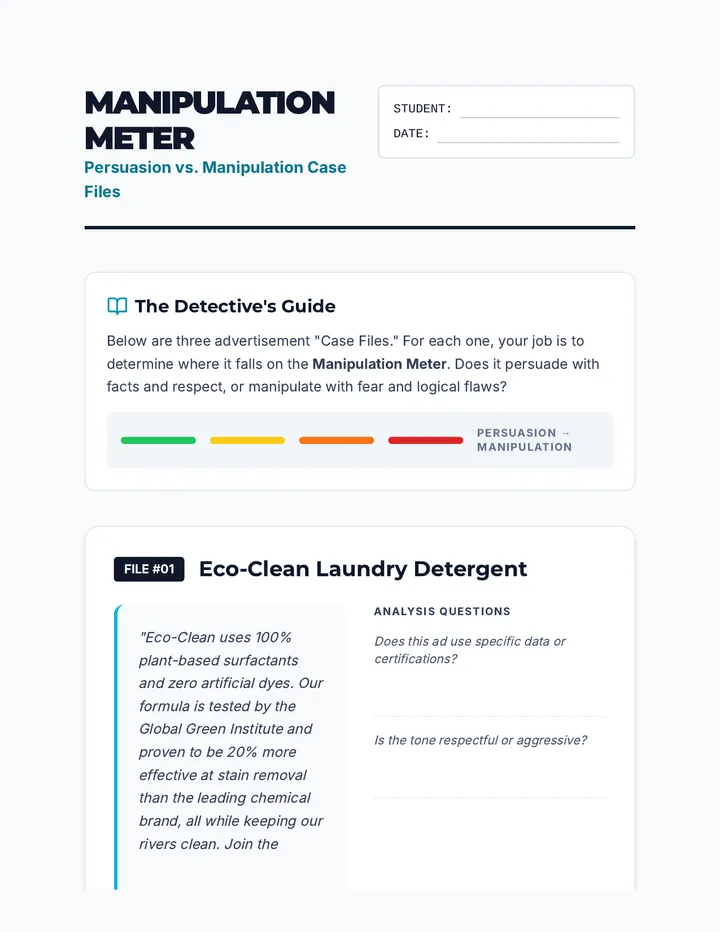
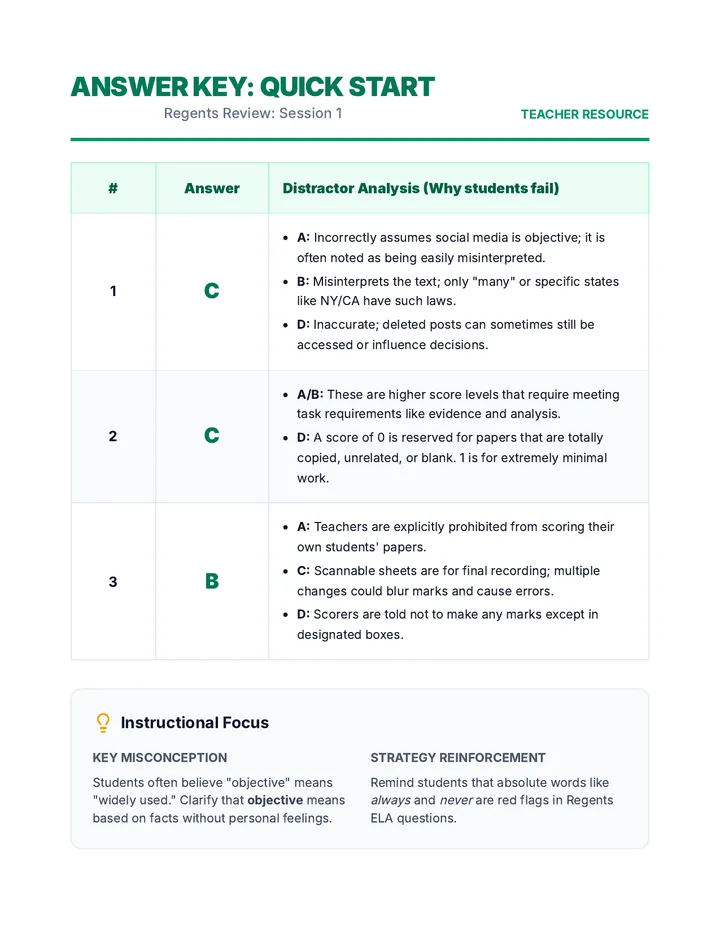
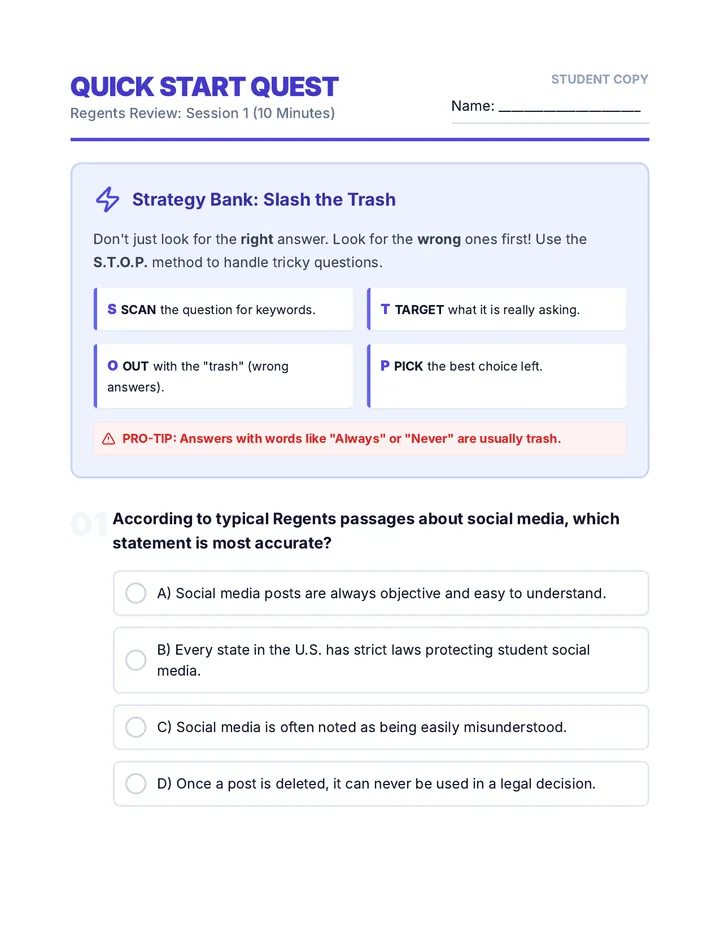
A middle school curriculum unit focused on critical thinking, information literacy, and strategic task management across digital and physical media.
A 3-lesson sequence designed to introduce Kindergarten students to opinion writing, moving from identifying favorites to providing reasons and reviewing books. Aligning with CA State Standard W.K.1, students use drawing and writing to express their voices.
A comprehensive kindergarten writing unit focused on stating opinions and supporting them with a reason using the word 'because'. Students explore personal preferences, compare options, and learn to communicate their thoughts clearly through drawing and writing.
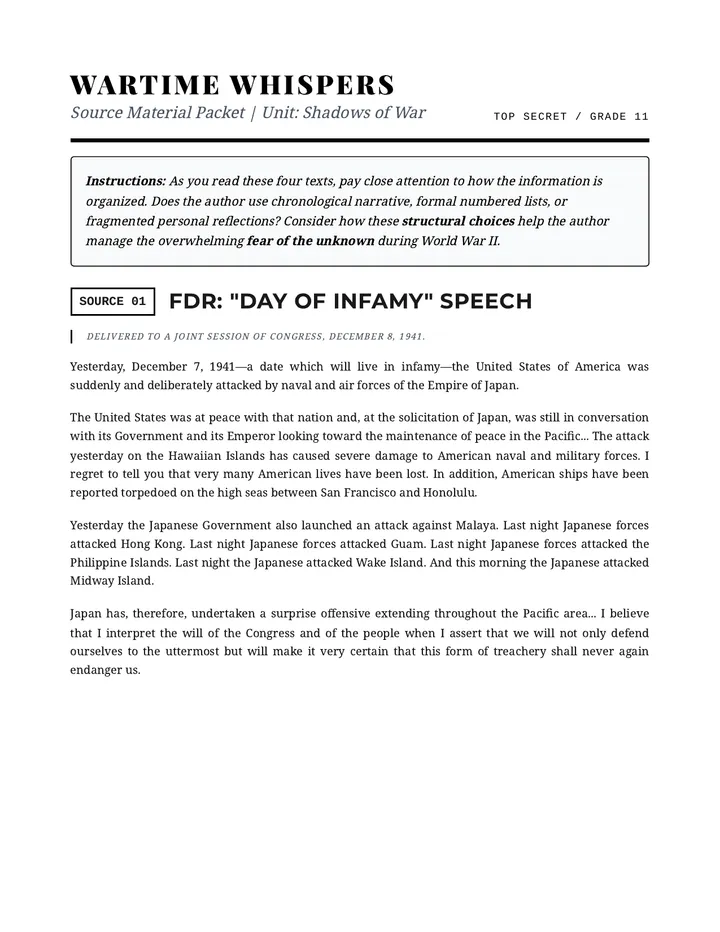
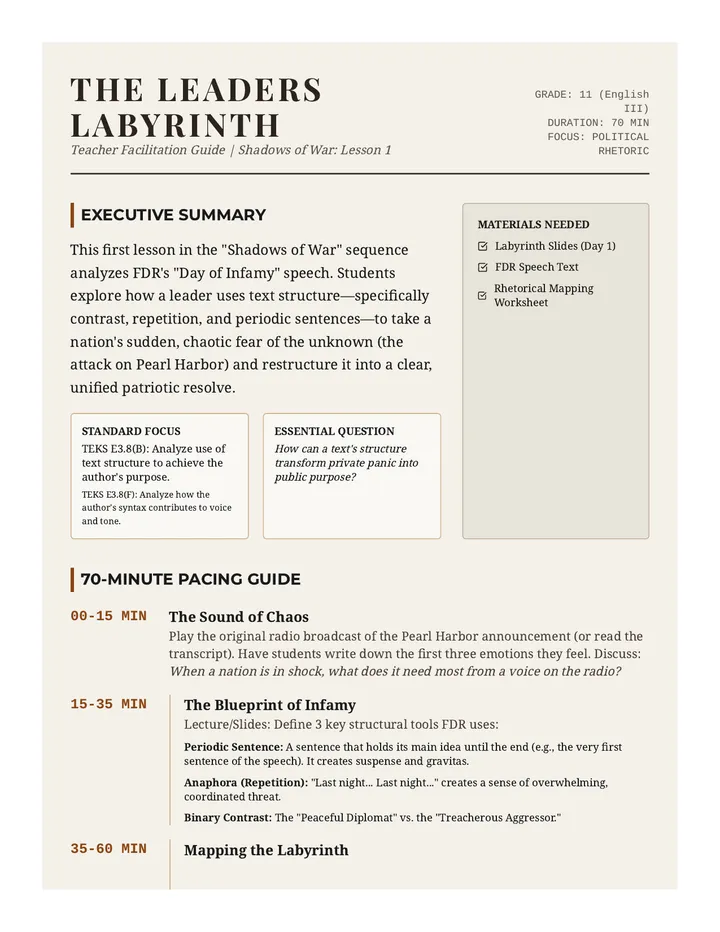
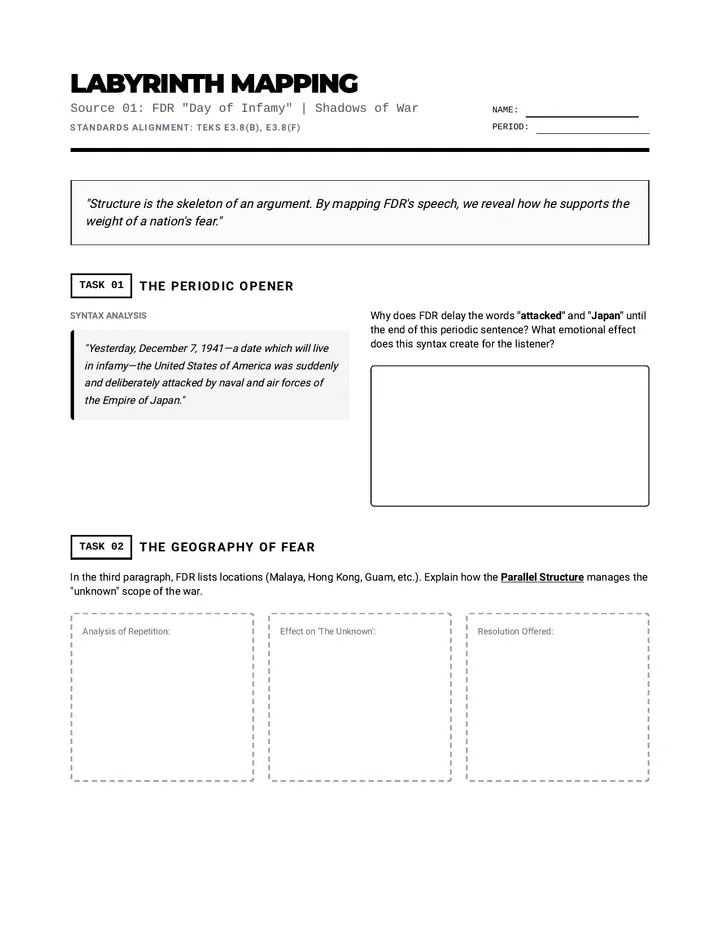
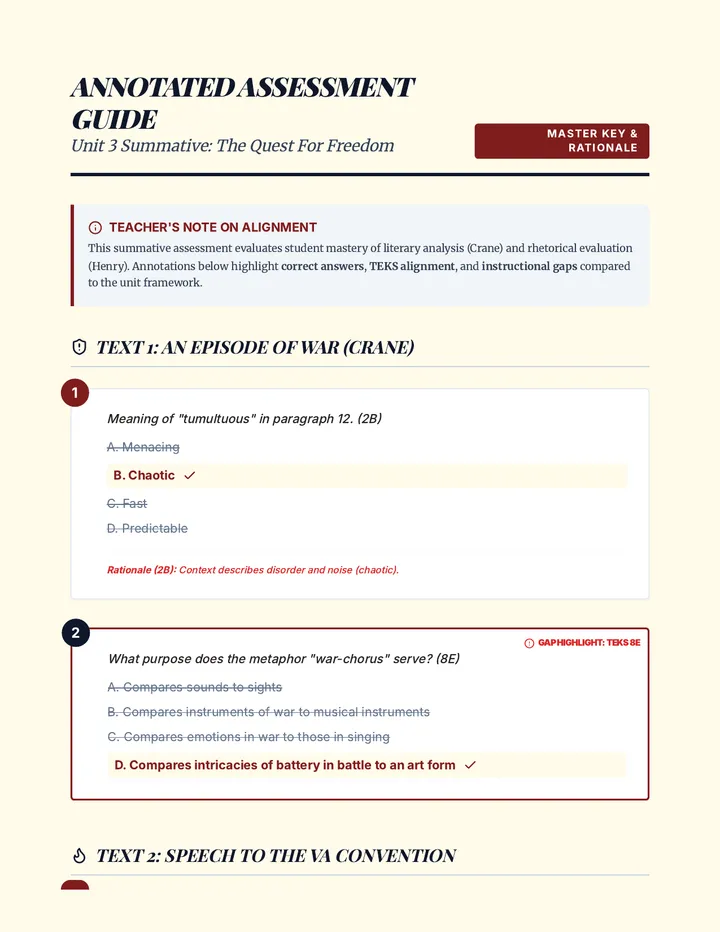
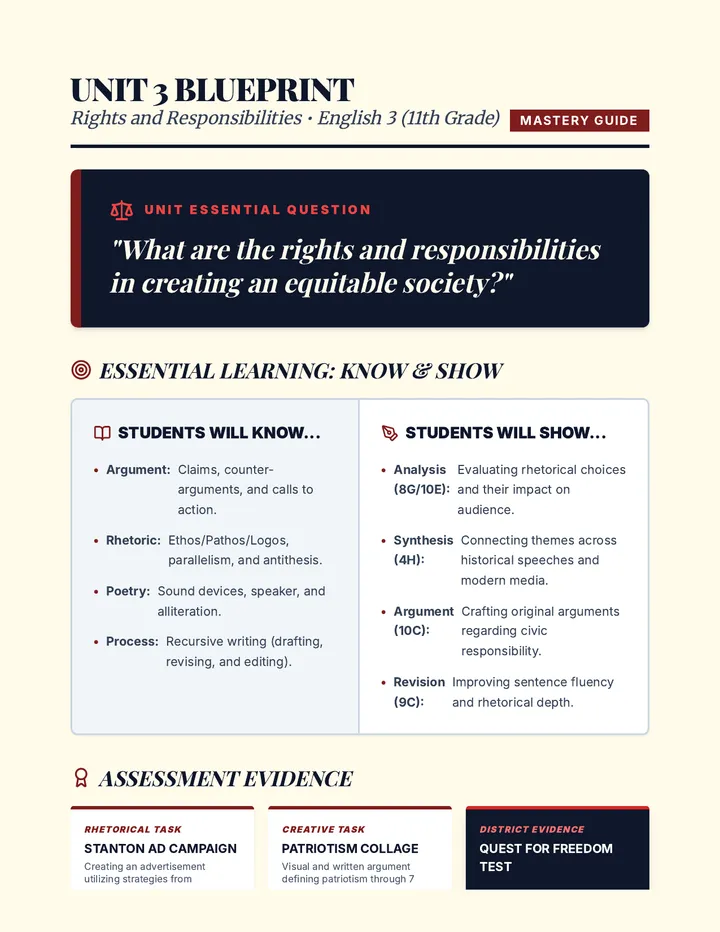
A collection of curriculum overview and alignment resources for 11th Grade English, focusing on societal change and civic rights.
A 10th-grade academic support sequence that transforms students from passive readers to active analysts through the art of marginalia. Students master shorthand symbols, inquiry-based questioning, theme tracking, and summarization to prepare for a text-based Socratic seminar.
A 12th-grade project-based sequence designed for students in academic support settings. It bridges the gap between text annotation and argumentative writing by teaching students how to purposefully code text based on a prompt, extract evidence into logical groupings, and synthesize multiple viewpoints into a structured outline.
This sequence teaches 11th-grade students how to use annotation not just for recall, but as a critical tool for inquiry and rhetorical analysis. Students progress from basic summary to deep interrogation, preparing them for high-level academic discourse in a Socratic Seminar.
This sequence guides graduate students through the technical and persuasive aspects of grant writing and research proposal formulation, focusing on problem definition, methodology, budgeting, and communication.
A comprehensive sequence designed to help 7th-grade students strengthen reading comprehension through visualization. Using a 'Director's Lens' metaphor, students learn to segment text, track character movement, analyze mood, and justify their mental imagery with text evidence.
An immersive sequence for undergraduate playwriting students focusing on the professional iterative process of drafting, hearing work aloud, and executing rigorous rewrites using structured feedback frameworks.
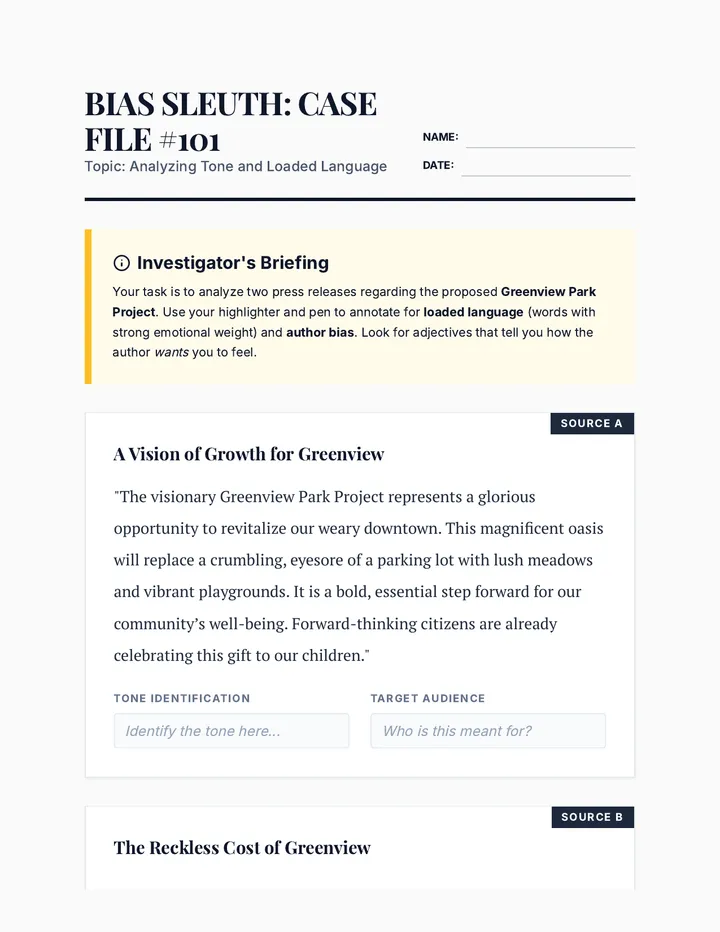
A high-engagement sequence for 11th-grade students that frames text analysis and inference-making as a forensic investigation. Students move from analyzing physical artifacts to evaluating unreliable narrators and complex rhetorical motives, culminating in a formal 'indictment' of a text's meaning.
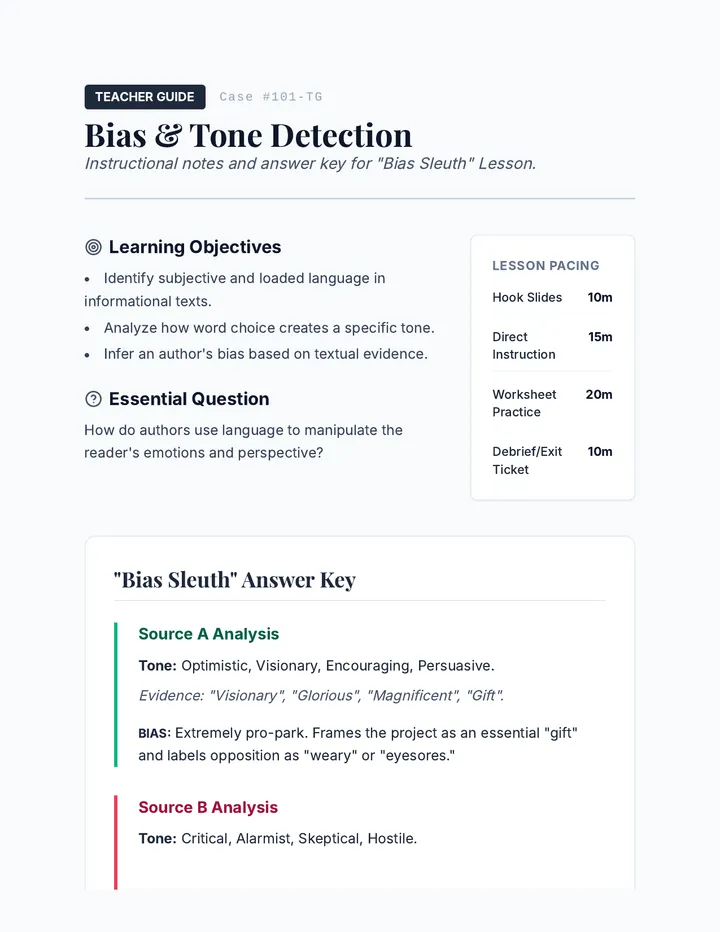
A 5-lesson sequence for 11th-grade students focused on using advanced graphic organizers (comparison matrices, double-bubble maps, multi-column charts) to analyze and synthesize conflicting information from multiple sources. This sequence builds from product comparisons to rhetorical analysis, media bias detection, and cross-genre thematic mapping, culminating in a Socratic Seminar.
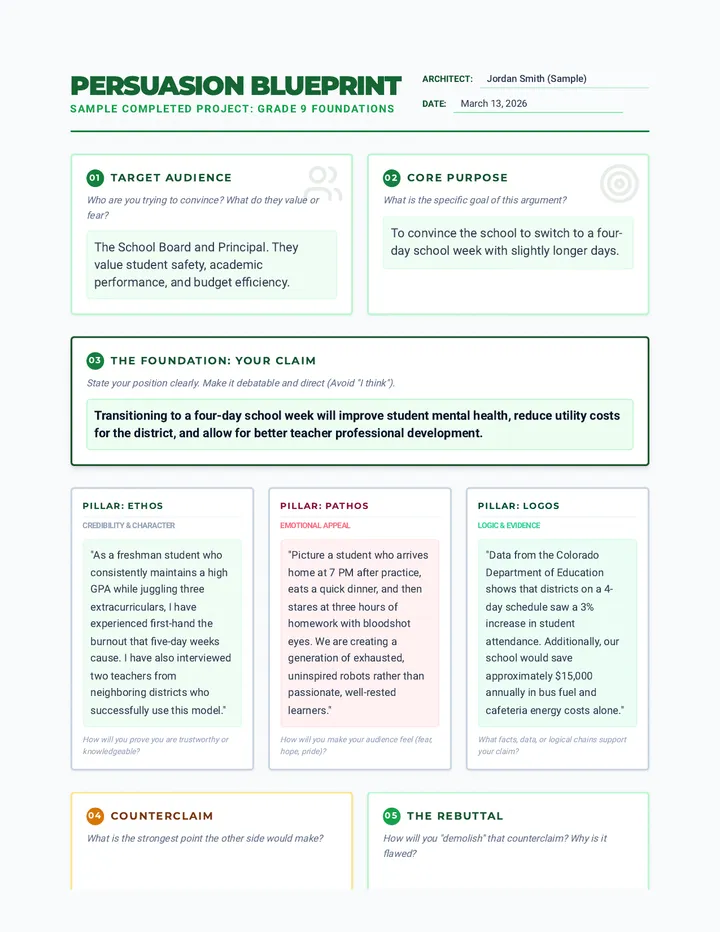
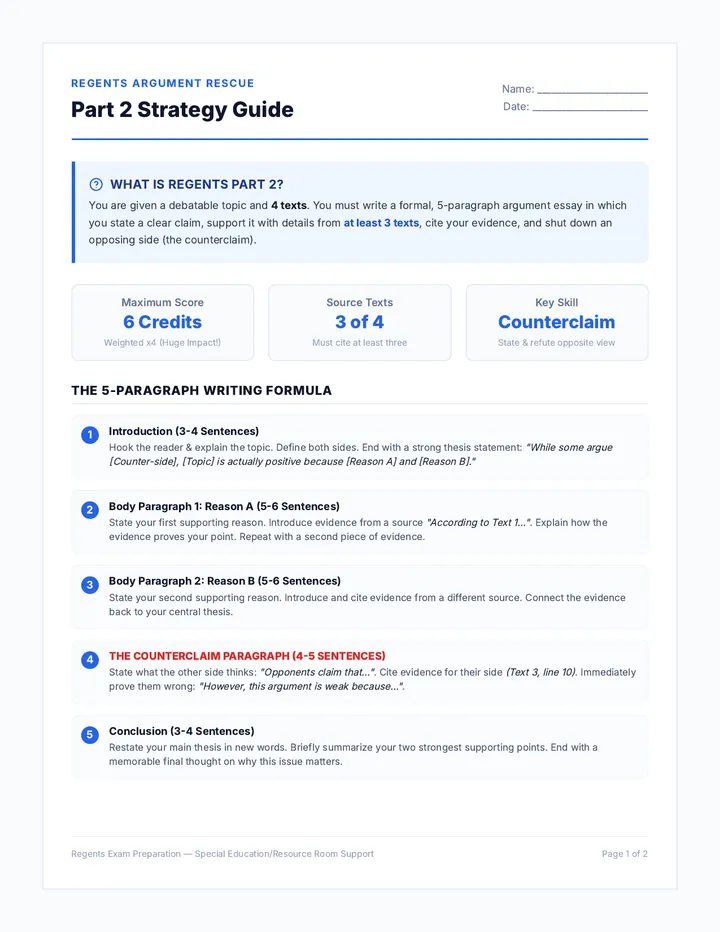
This sequence focuses on using text structure graphic organizers as blueprints for argumentative writing. Students transition from analyzing model essays to building their own logically structured arguments, including counter-claims and refutations, using visual tools.
A comprehensive 10th-grade ELA unit on Marjane Satrapi's 'Persepolis', focusing on visual literacy, character development, and the historical context of the Iranian Revolution. Students will explore how the graphic novel medium conveys complex emotional and thematic depth.
A 3rd-grade academic support sequence focused on metacognitive markers. Students learn to use symbols to track their thinking, identify confusion, and engage in evidence-based discussions.
This sequence teaches 10th-grade students with academic support needs how to master digital annotation tools. It covers highlighting, tagging, collaborative commenting, and synthesizing digital notes into a research portfolio.
This sequence bridges reading and writing for 10th-grade students by teaching them how to transform highlights and annotations into evidence-based arguments. Students progress from filtering highlights to categorizing evidence, synthesizing connections, and finally drafting an evidence-backed paragraph.
A 5-lesson unit for 9th-grade students focusing on transforming reading from a passive activity into an active dialogue through symbols, shorthand, marginal summaries, questioning, and argument tracking.
A 1st-grade writing sequence focused on opinion writing through structured graphic organizers. Students learn to distinguish facts from opinions, use a 'because' bridge to link ideas, and use sentence frames to draft complete opinion statements.
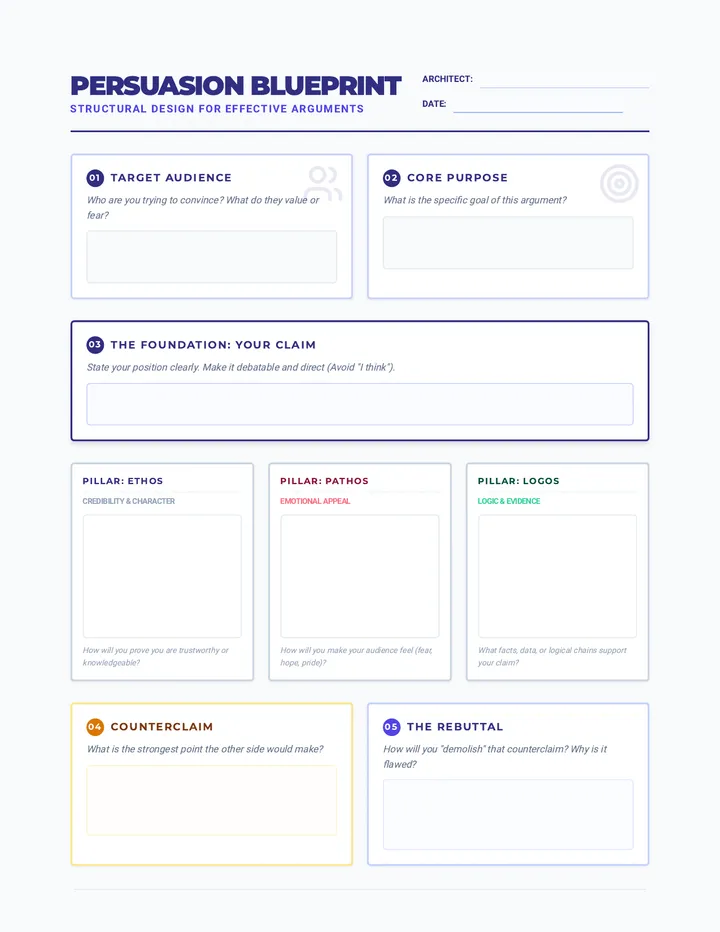
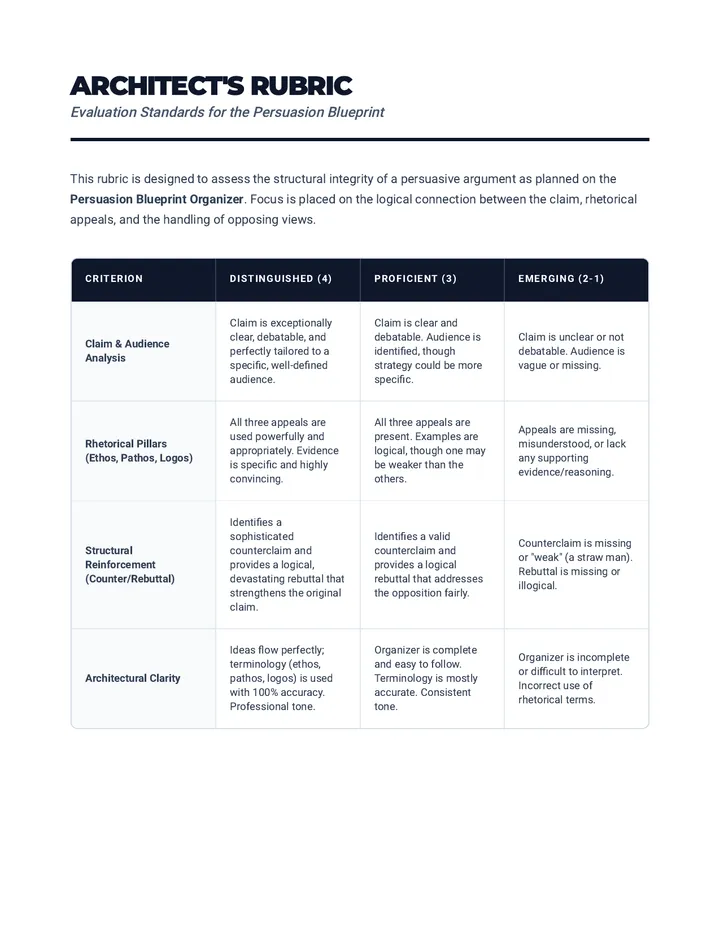
A specialized writing sequence for 12th-grade students focusing on the executive functioning of argumentative writing. Through the use of architectural-themed graphic organizers, students learn to plan, structure, and refine complex academic arguments and counterclaims.
This inquiry-based sequence explores how character development reveals an author's theme. Students track a protagonist's journey through conflicts and choices to formulate and debate universal truths.
A graduate-level sequence focused on integrating deductive, inductive, and analogical reasoning into a cohesive defensive strategy for academic and professional contexts.
An advanced 12th-grade sequence examining how universal themes are constructed through authorial choices in narrative structure and character development. Students move from basic topic identification to complex thematic argumentation across various literary eras.
A comprehensive unit for undergraduate students on analogical reasoning and comparative argumentation. The sequence moves from the structural mechanics of analogies to their critical application in law, policy, and ethics, culminating in a moot court simulation focused on case precedent.
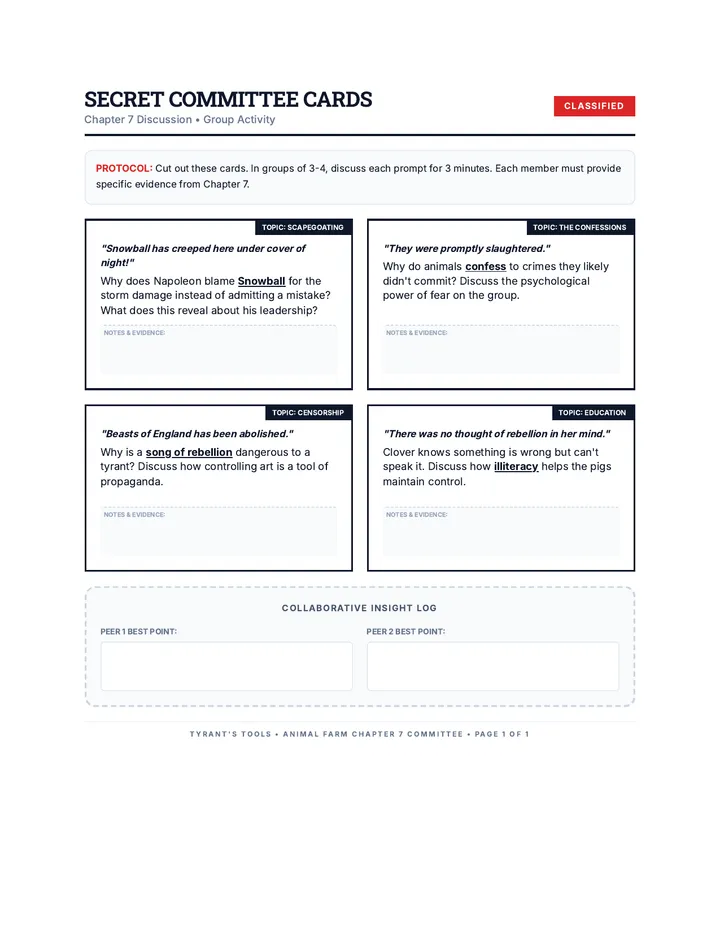
A 4th-grade ELA workshop focusing on inductive reasoning, teaching students to distinguish between strong evidence-based claims and weak overgeneralizations using a 'Pattern Detectives' theme.
This advanced sequence focuses on the deconstruction of complex academic and professional arguments using sophisticated rhetorical frameworks. Graduate students will engage in deep analysis of seminal texts across disciplines, examining how authors establish authority, select data, and navigate methodological limitations.
A 4th-grade ELA sequence focused on inductive reasoning, where students progress from making simple observations to constructing complex hypotheses based on evidence patterns. Through a detective-themed lens, students learn to differentiate between what they see and what they think, avoid hasty generalizations, and use probabilistic language to defend their conclusions.
A comprehensive 8th-grade ELA sequence where students act as fact-checkers and jurors to evaluate the validity of nonfiction claims and the strength of supporting evidence through a simulation-based approach.
This sequence guides undergraduate students through the critical analysis of popular science nonfiction. It focuses on the translation of technical knowledge for public consumption, exploring audience scaffolding, metaphor usage, visual rhetoric, and the ethics of narrative in science writing.
Students investigate how authors build persuasive arguments in nonfiction texts. They learn to trace claims, distinguish between facts and opinions, evaluate the sufficiency of evidence, and detect bias to determine the credibility of a text.
A 9th-grade ELA sequence focused on analyzing and evaluating investigative journalism. Students learn to dismantle complex arguments, categorize evidence, trace logical flow, and identify fallacies in nonfiction texts.
This sequence focuses on information literacy and the evaluation of source validity within the context of a nonfiction book study. Students act as investigative journalists, scrutinizing author credibility, source integration, fact-checking claims, and identifying logical fallacies, culminating in an editorial board simulation.
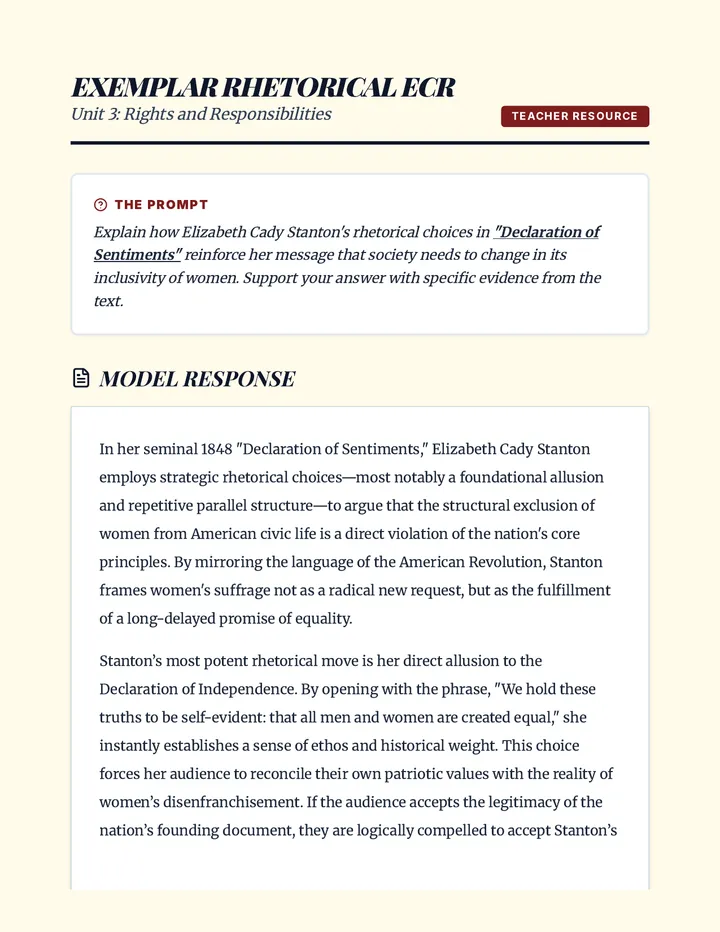
This 10th Grade ELA sequence guides students through the deconstruction of argumentative nonfiction. Students will move from identifying the core components of the rhetorical triangle to analyzing structural choices, tone, and logical integrity, culminating in a formal rhetorical analysis essay.
A high-level rhetoric and logic course for undergraduate students, focusing on the identification and dismantling of logical fallacies during cross-examination. Students move from theoretical understanding to real-time application in legal and political contexts.
A high-energy 9th Grade ELA sequence focused on identifying, refuting, and defending against logical fallacies in high-pressure debate scenarios. Students progress from theoretical knowledge to real-time application and defensive maneuvering.
This 9th-grade ELA sequence focuses on the mechanics of strategic questioning in debate. Students progress from basic question types to complex 'lines of questioning' designed to deconstruct arguments and expose evidentiary weaknesses through active listening and logical traps.
A comprehensive 12th-grade ELA sequence focused on narrative reliability and complex structures. Students explore unreliable narrators, non-linear timelines, stream of consciousness, and the power of omission to prepare for a final structural analysis essay.
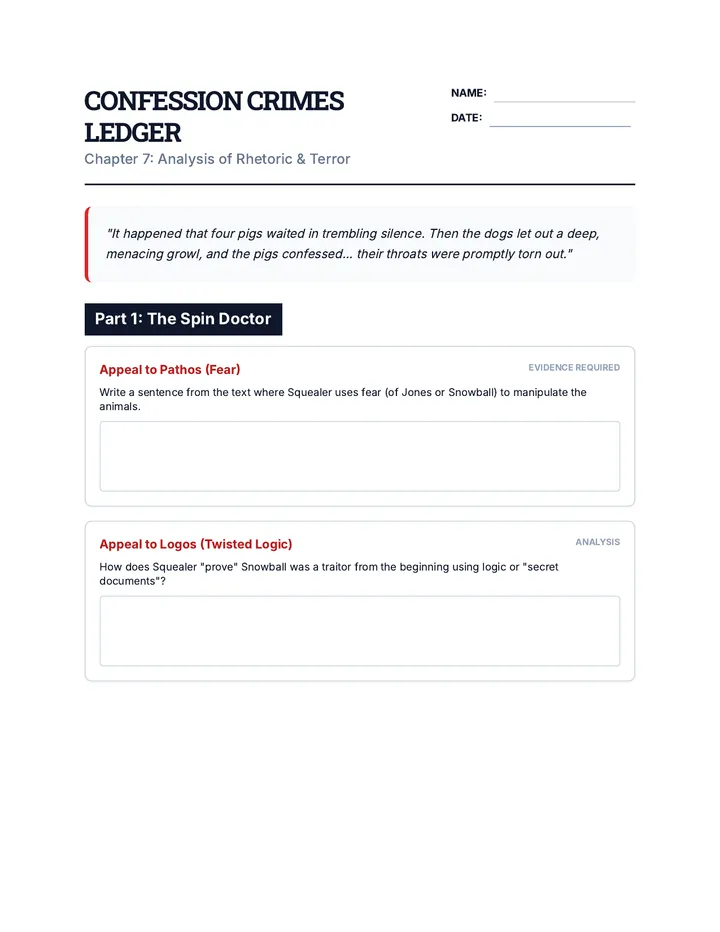
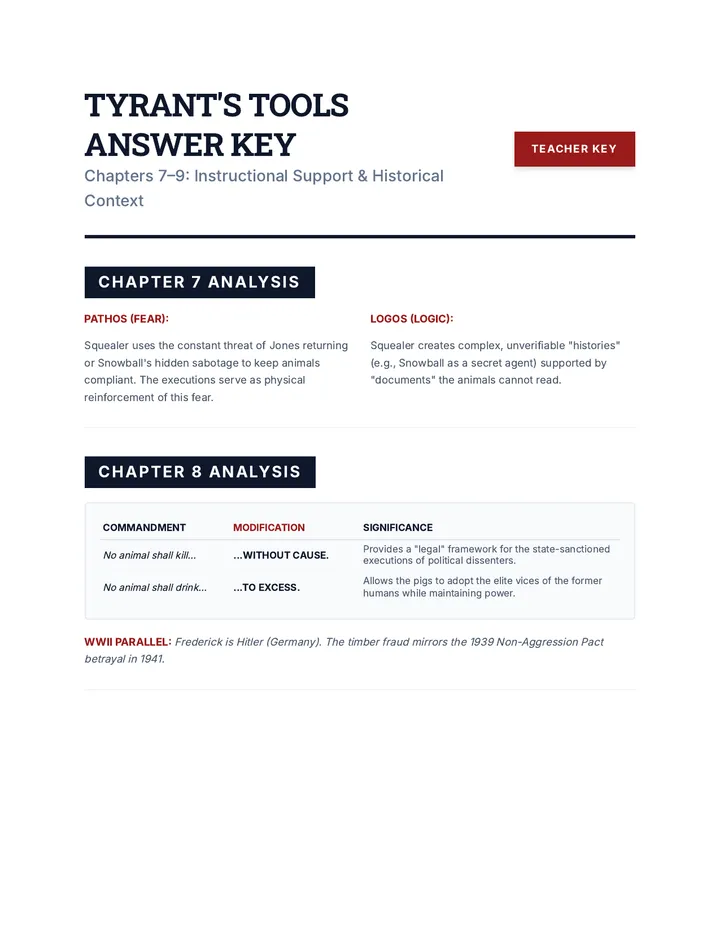
A 12th-grade novel study sequence that treats dystopian fiction as a sociological diagnostic tool. Students analyze mechanisms of control, rhetorical manipulation, and individual rebellion to understand how speculative worlds critique real-world political and social ailments.
A 10th-grade ELA sequence focused on the mechanics of cross-examination, evidence interrogation, and credibility assessment. Students progress from analyzing historical transcripts to conducting simulations that challenge the validity of sources and methodologies.
This sequence immerses students in the technical mechanics of cross-examination, moving from the fundamentals of question construction to advanced logical dismantling. Students learn to formulate tight, leading questions, identify logical fallacies, and maintain poise under pressure.
A high-stakes 12th-grade sequence on the art of strategic cross-examination. Students learn to architect questioning chains that trap opponents, expose logical flaws, and impeach evidence through disciplined, controlled inquiry.
A high-level rhetoric sequence for 12th-grade students focusing on the art of defending arguments during cross-examination. Students learn to maintain poise and logical integrity through techniques like bridging, pivoting, clarification, and fallacy identification.
A high-stakes sequence for 11th graders focusing on defensive rhetoric, fallacy detection, and strategic communication during cross-examination. Students learn to maintain credibility and logical consistency while under aggressive scrutiny.
This sequence helps 9th-grade students with academic support needs master argumentative writing through visual logic models. By using Claim-Evidence-Reasoning (CER) maps and balance-scale organizers, students learn to visualize the relationships between ideas, evaluate evidence strength, and address counter-arguments effectively.
A mastery-level sequence for 11th-grade students focusing on how poetic elements like sound, structure, and imagery synthesize to create speaker and tone. Students move from element analysis to a holistic comparative essay.
An intensive sequence for undergraduate students focused on the structural and rhetorical deconstruction of academic monographs. Students will master the Toulmin model, evaluate evidence types, and analyze how scholarly authority is constructed through language and methodology.
A high-level ELA sequence for 12th graders exploring the boundary between factual reporting and literary storytelling in narrative nonfiction. Students analyze the ethics of representation, the fallibility of memory in dialogue reconstruction, and the author's role in shaping 'truth'.
This sequence challenges 11th-grade students to synthesize a core nonfiction text with documentaries, podcasts, and data visualizations. Students explore how different mediums shape understanding and culminate in a curated multimedia project.
This graduate-level sequence explores the rhetorical strategies of crisis leadership, focusing on the concepts of Ethos, Pathos, and the four stances of Apologia. Students analyze historical crises and engage in simulations to master the art of reputation management under pressure.
This advanced seminar explores the foundational and contemporary theories of rhetoric, moving beyond basic definitions of ethos, pathos, and logos to analyze their complex interplay in public discourse. Students will critique seminal texts using the Toulmin Model and Aristotelian frameworks to deconstruct high-level arguments found in legal, political, and academic spheres.
A project-based unit where 6th-grade students deconstruct the architecture of storytelling. Students analyze how plot structure, pacing, and tension drive narrative engagement through the lens of a novel study.
This sequence teaches Kindergarten students to use visualization and sketching as mnemonic devices for narrative comprehension. Students move from capturing single 'snapshots' of key events to building a full three-part storyboard, supporting working memory and story recall.
A comprehensive graduate-level workshop series focused on transitioning from research topics to defensible academic contributions. Students will master thesis refinement, literature synthesis, counter-argument strengthening (steelmanning), and the oral defense of evidentiary choices.
A 10th-grade ELA sequence exploring the intersection of narrative techniques and factual reporting in literary nonfiction. Students analyze how authors use plot, characterization, setting, and dialogue to shape the 'truth' of real-world events.
A 4th-grade sequence that uses the Literature Circle model to teach collaborative reading comprehension. Students take on specific roles to analyze texts, use evidence to support arguments, and culminate in a group synthesis project.
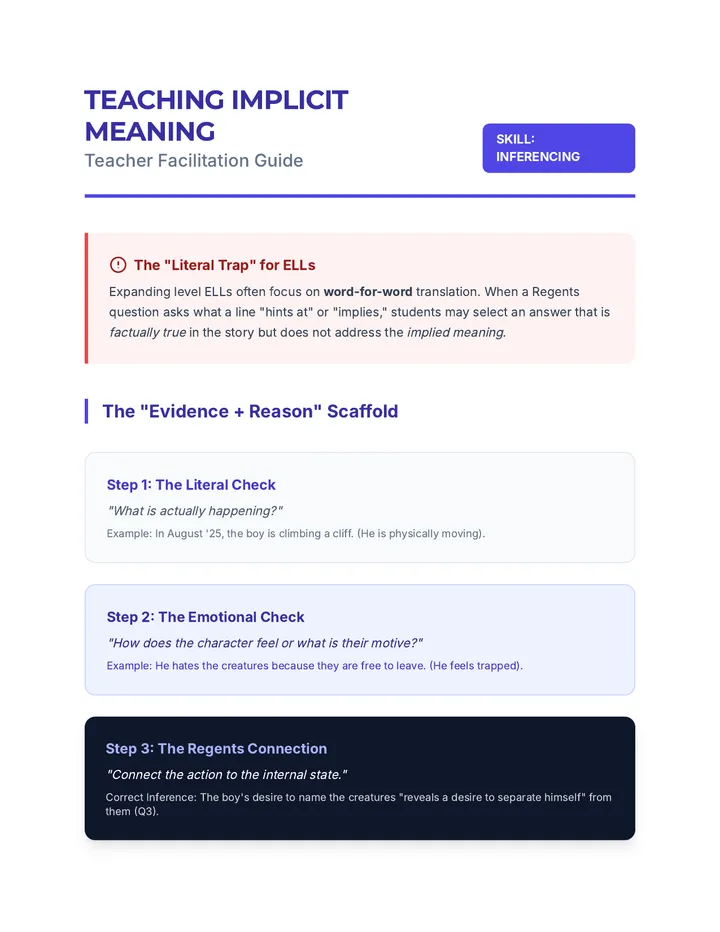
This sequence moves students beyond surface-level plot comprehension to rigorous literary analysis using critical theory frameworks. Students explore Feminist, Marxist, and Psychoanalytic lenses, applying them to 'The Great Gatsby' to uncover deeper layers of meaning and social commentary.
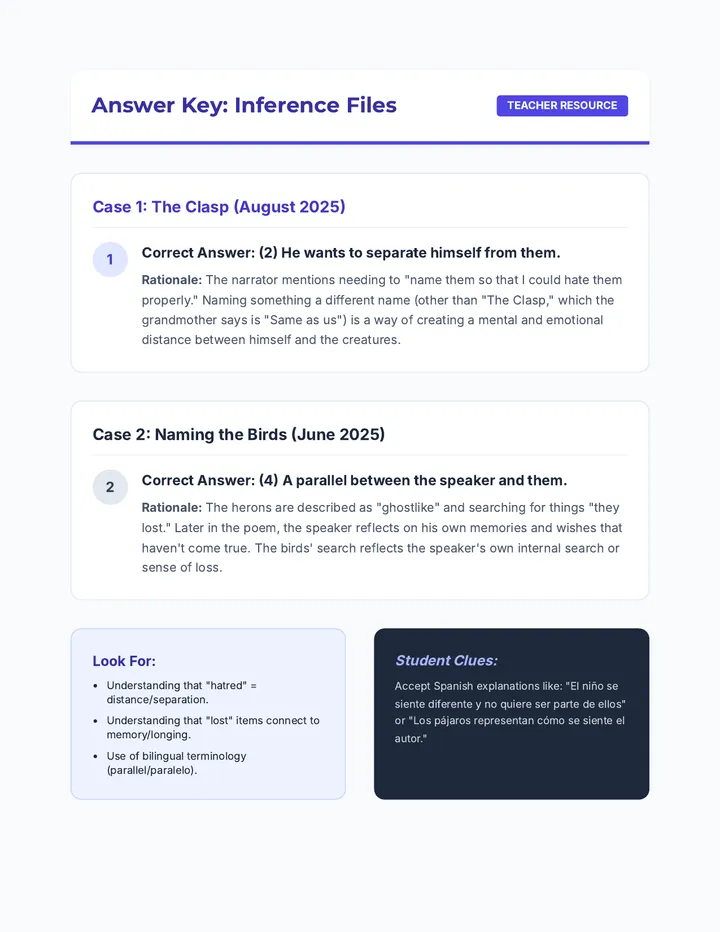
A comprehensive 3rd-grade sequence focused on deep character analysis during a novel study. Students learn to distinguish traits from feelings, cite textual evidence, analyze relationships, track growth, and participate in a formal Socratic Seminar.
An intensive 5-lesson sequence for 11th Grade ELA focusing on the strategic and offensive capabilities of cross-examination. Students move from basic question types to complex logical chains, evidence impeachment, and floor management, culminating in rapid-fire competitive drills.
A sequence focused on the defensive side of debate, teaching 6th-grade students how to maintain composure, identify rhetorical traps, and pivot back to evidence during cross-examination. Students will move from non-verbal techniques to full-scale rapid-fire defense simulations.
A 9th-grade novel study sequence focused on moving students from basic plot comprehension to critical analysis of themes, motifs, and social context. Students explore how literature critiques society through symbolic tracking, historical research, and a culminating Socratic Seminar.
An advanced 11th-grade ELA sequence exploring semantic nuance through analogies. Students analyze word intensity, connotation, taxonomy, and paradoxical relationships to master verbal precision and logical reasoning.
A 5th-grade English Language Arts sequence focused on the subtle nuances and varying degrees of intensity within verbal analogies. Students progress from basic word relationships to complex logical reasoning, culminating in the creation of their own analogy puzzles.
A 5-lesson sequence for 7th grade students focusing on advanced analogy relationships, specifically degrees of intensity and cause-effect logic. Students will learn to analyze nuances, distinguish between causal and sequential relationships, and debate the precision of word choices.
A challenge-level vocabulary unit for 2nd graders focusing on logical relationships, degree of intensity, and temporal sequences through analogy-based thinking.
This sequence guides 4th-grade students through the nuanced world of degree analogies. Students will learn to distinguish between words based on intensity, size, speed, and strength, moving beyond simple synonyms to understand how shades of meaning create logical relationships.
A graduate-level sequence focused on the construction of rigorous, fallacy-free arguments. Students move from thesis stress-testing to oral defense, learning to anticipate counter-attacks and use strategic concession to build unassailable academic positions.
A project-based sequence where 5th-grade students act as literary curators, exploring how universal themes manifest across different genres and cultures to create a thematic anthology.
An advanced 9th-grade sequence focused on comparative poetry analysis. Students explore themes across eras, tonal shifts, the tension between form and free verse, and master the TP-CASTT method, culminating in a Socratic Seminar.
A 1st Grade ELA sequence focused on the interrogative mood. Students learn to distinguish between statements and questions, use the 5 Ws, manipulate sentence structure to form questions, and conduct peer interviews.
A comparative literature sequence for 7th grade students exploring how universal themes are expressed across different genres and cultures, from folklore to modern multimedia.
A 7th-grade ELA sequence focused on mastering objective summarization and critical questioning through the lens of nonfiction texts. Students progress from identifying essential details to leading their own evidence-based discussions.
This foundational sequence introduces Kindergarten students to opinion writing by teaching them to distinguish facts from opinions and express their personal preferences using the word 'because'. Students move from oral practice and drawing to simple sentence construction, culminating in a shared presentation of their ideas.
A comprehensive unit for 7th-grade students focusing on the transition from concrete reading to abstract interpretation through theme and symbolism. Students will learn to distinguish between topics and thematic statements, identify recurring symbols and motifs, and analyze how character choices reflect an author's message, culminating in a student-led Socratic Seminar.
An inquiry-based exploration of rhetorical strategies in questioning. Students analyze historical models, experiment with vocal personas, and master techniques for handling hostile witnesses to prepare for a formal cross-examination showcase.
This high-level debate sequence teaches 11th-grade students the technical skills of impact calculus, strategic concessions, and narrative-driven final rebuttals to win complex rounds.
A deep dive into the psychological and rhetorical strategies used to make debate impacts feel 'real' to audiences. This sequence moves beyond mathematical calculus to explore psychic numbing, narrative persuasion, and the availability heuristic.
A high-level debate sequence for 12th graders focused on impact calculus, moving from rhetorical descriptive writing to efficient crystallization and the delivery of a persuasive Final Focus speech. Students learn to turn abstract data into urgent narratives while mastering the technical constraints of competitive debate.
A 9th-grade unit on Impact Calculus, focusing on evidence synthesis, strategic argument mapping using matrices, and the construction of meta-arguments to win high-stakes debates.
A comprehensive sequence for 9th-grade debate students focusing on impact calculus, comparative rebuttals, and closing arguments. Students move from analyzing weighing mechanisms to mastering advanced techniques like 'Even If' arguments and impact turns, culminating in the ability to write their own 'Reason for Decision' ballots.
A comprehensive unit on the three pillars of impact calculus (Magnitude, Probability, and Timeframe), teaching students how to prioritize competing consequences in competitive debate and public speaking.
A 10th-grade ELA sequence focused on identifying, naming, and refuting logical fallacies in live debate settings using formal 'flowing' techniques and the four-step refutation method.
A technical mastery sequence for undergraduate debaters focused on 'flowing'—the specialized note-taking method used to track arguments. Students progress from basic shorthand to advanced predictive flowing, learning how to use visual organization to exploit 'dropped' arguments and win debates on technical grounds.
An advanced debate sequence for undergraduate students focused on offensive refutation strategies. Students learn to master link turns, impact turns, and double binds to repurpose opponent logic into their own offensive gains.
This sequence explores advanced debate techniques for comparative impact analysis, teaching students how to weigh conflicting arguments and construct persuasive decision frameworks for adjudicators.
An advanced 12th-grade debate sequence focusing on the 'Layered Rebuttal' strategy, strategic concessions, and complex clash mechanics like 'Even If' argumentation and impact turning. Students transition from basic defense to high-level strategic decision-making and argument crystallization.
This advanced debate sequence teaches 12th-grade students how to navigate clash through impact calculus and comparative weighing. Students move beyond simple refutation to evaluate competing impacts using metrics like magnitude, probability, timeframe, and reversibility, culminating in the ability to deliver persuasive 'voter' speeches.
A comprehensive 8th-grade debate sequence focused on the art of 'impact calculus.' Students move from identifying terminal impacts to mastering advanced weighing mechanisms like Magnitude, Probability, Timeframe, and Reversibility, culminating in the ability to deliver powerful crystallization speeches.
This sequence synthesizes refutation, weighing, and listening into short-form 'Spar' debates. Students learn to prioritize arguments, extend logic, and judge peer performances to build adaptability and engagement skills under strict time constraints.
This sequence introduces 10th-grade students to the 'Four-Step Refutation' model, moving from identifying 'clash' in everyday disagreements to mastering advanced techniques like denial, mitigation, and turning arguments. Students develop the structural precision needed for competitive debate and academic discourse.
A comprehensive unit on the evaluative phase of debate, focusing on impact calculus, strategic concessions, and the synthesis of voting issues. Students learn to weigh competing arguments using magnitude, probability, and timeframe.
A comprehensive sequence for 9th-grade students on the mechanics of debate clash, focusing on the four-step refutation model, strategic mitigation, argument turning, and defensive reconstruction. Students will master the art of systematic rebuttal through drills, simulations, and sparring.
A 7th-grade ELA sequence on debate and public speaking, focusing on 'Impact Calculus' (Magnitude, Probability, and Timeframe) to weigh competing arguments and make comparative judgments.
A comprehensive sequence for 7th-grade students on the 'Four-Step Refutation' model. Students learn to active listen, summarize opposing claims, and construct structured counter-arguments using the 'They Say, But I Say, Because, Therefore' framework.
A Kindergarten ELA sequence that introduces students to the research cycle through animal studies. Students learn to ask questions, differentiate fact from fiction, record data through drawings and labels, and attribute information to sources.
A 9th-grade ELA sequence focused on analyzing historical nonfiction structures, causality, and synthesizing multiple sources through a project-based approach. Students investigate how authors organize historical narratives and eventually create their own multimedia timelines.
A project-based unit where 12th-grade students analyze theoretical concepts from complex nonfiction texts and apply them to solve real-world community issues through primary research and strategic proposals.