A 3rd-grade science lesson exploring the massive seasonal journeys of Humpback Whales, focusing on geography, climate zones, and animal adaptations.
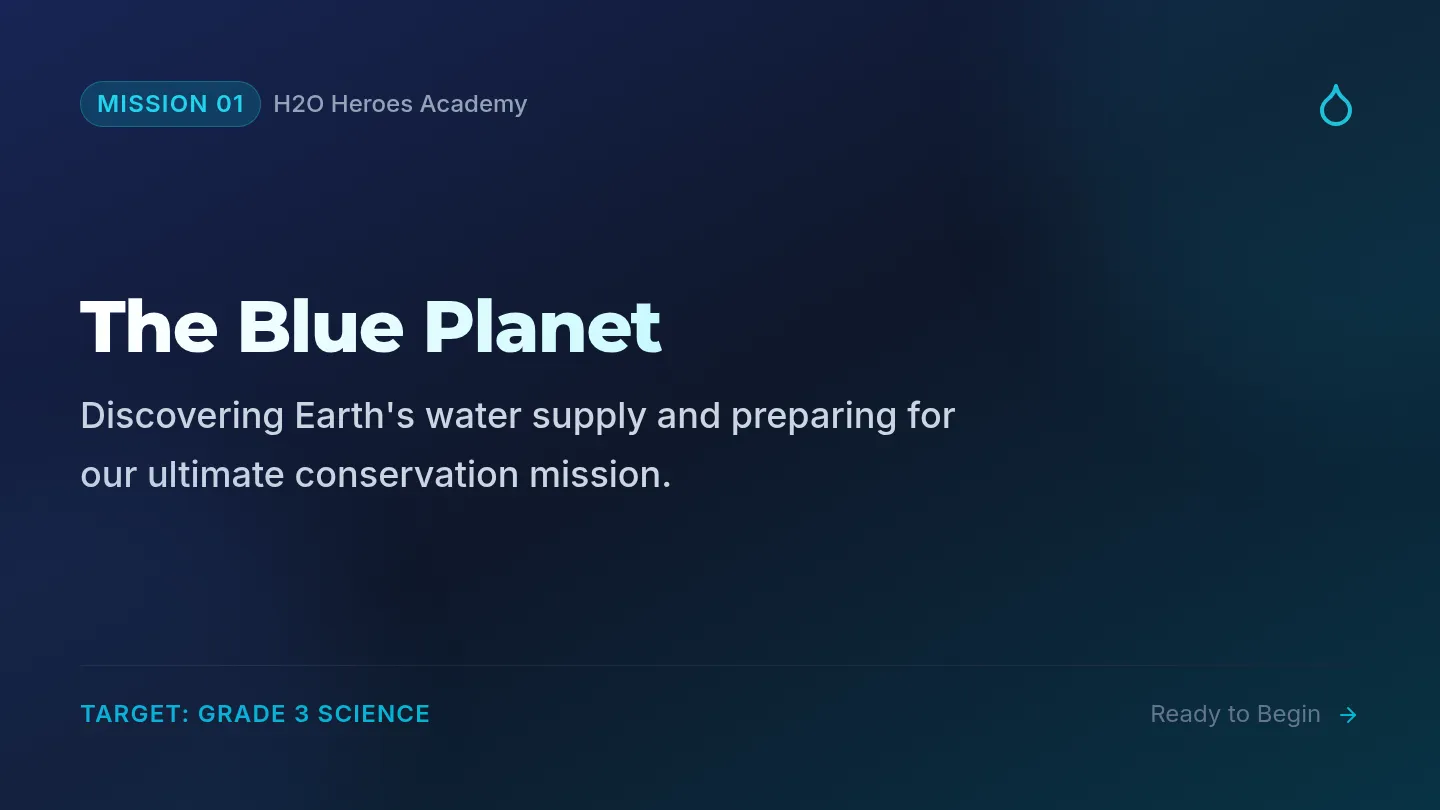
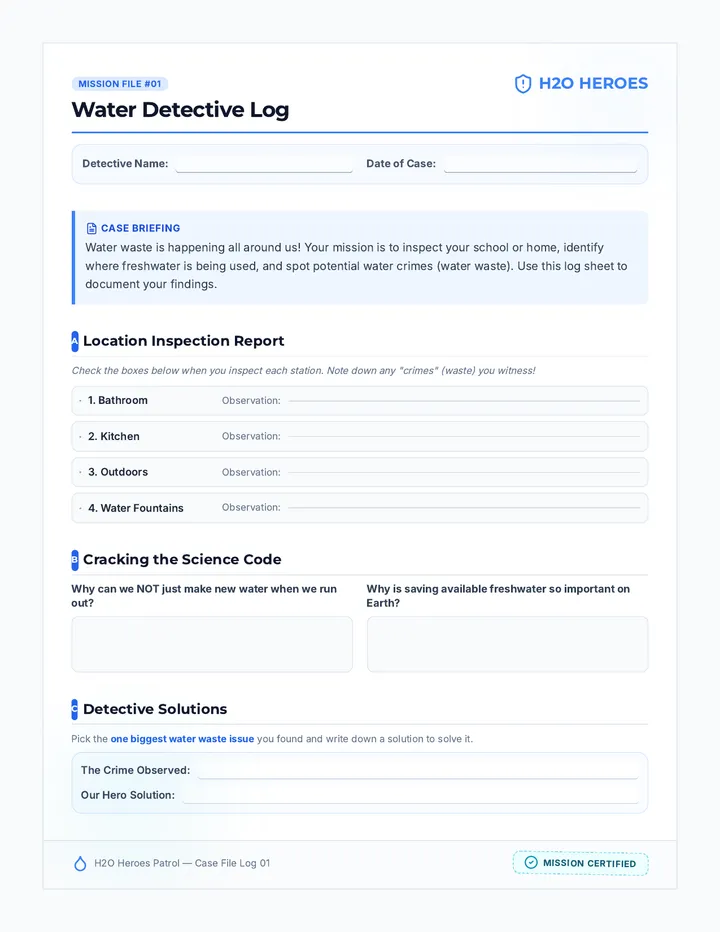
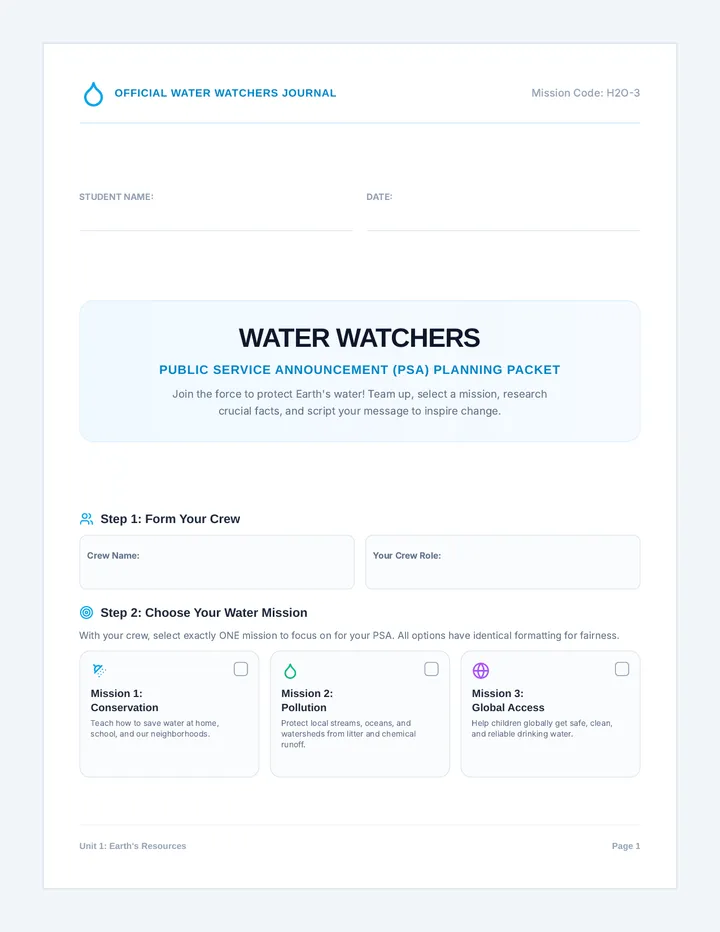
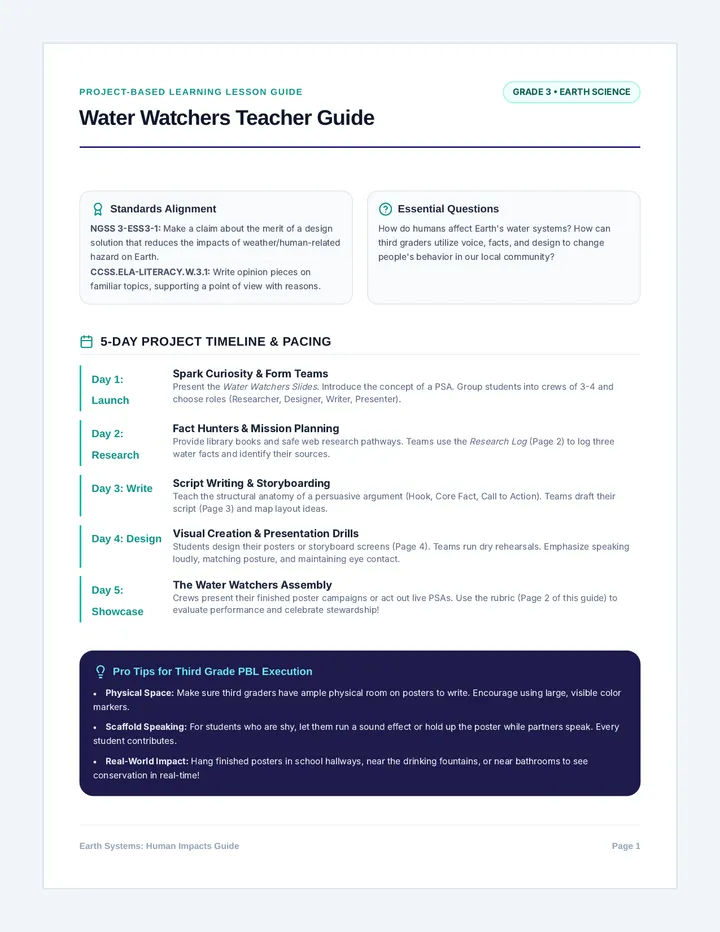
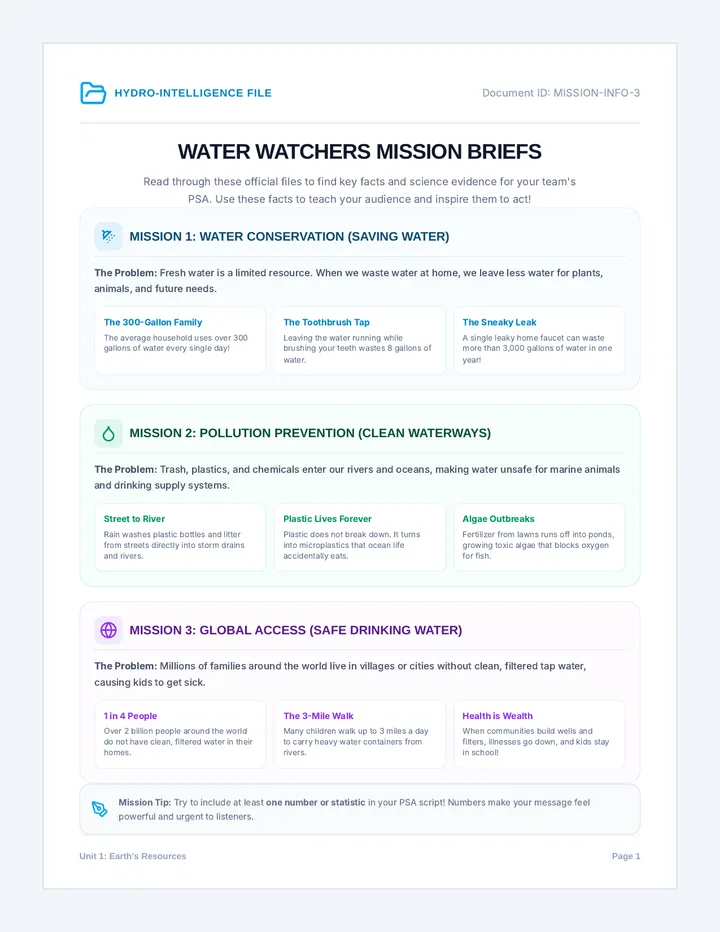
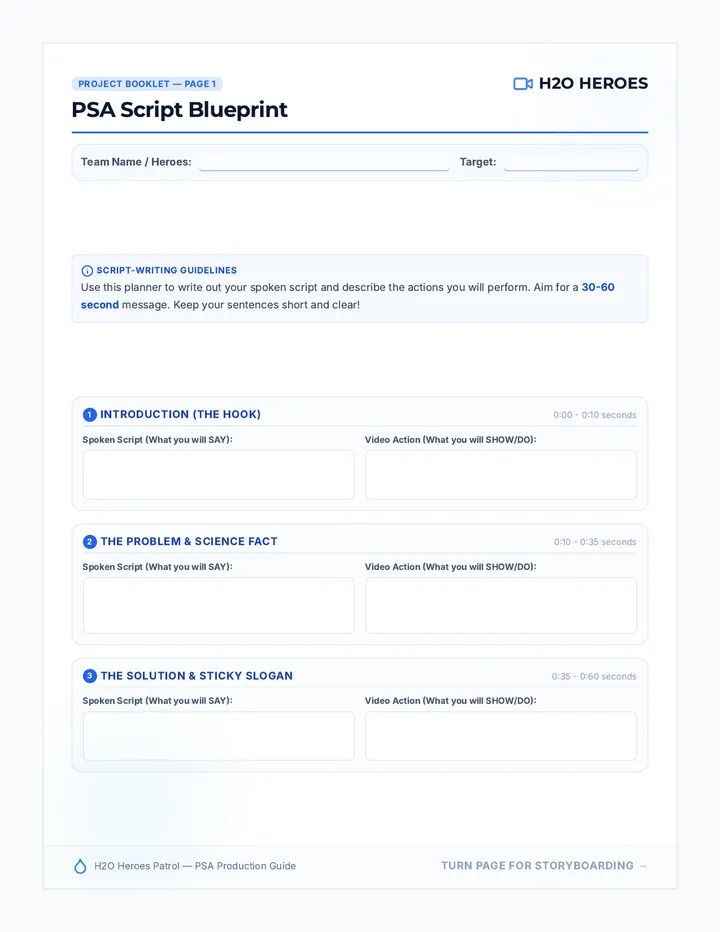
A comprehensive third-grade science and ELA unit focusing on freshwater distribution, conservation, and persuasive public service announcements. Students learn about global water resources and work in teams to design and produce a persuasive PSA to save water in their school or community.
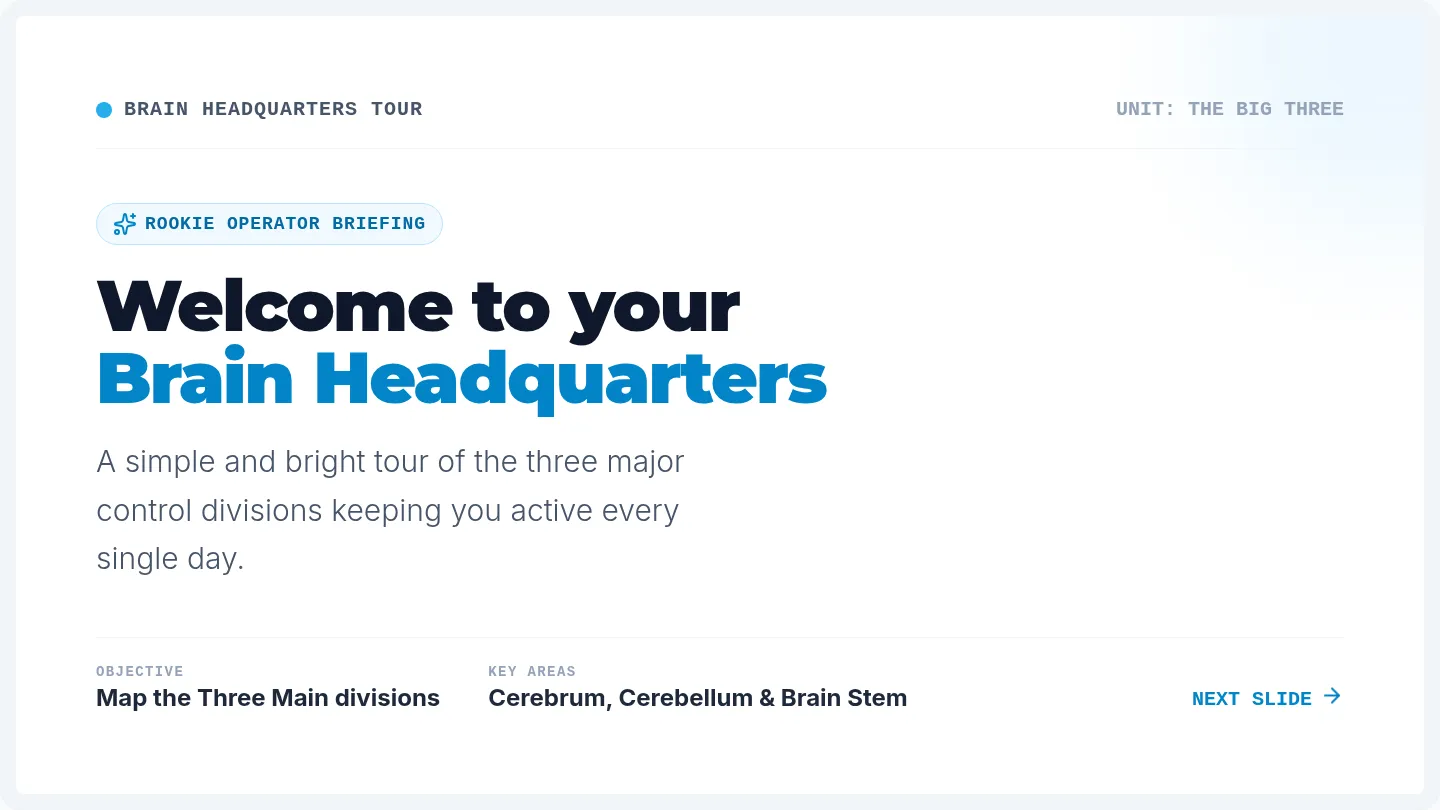
An interactive lesson introducing elementary or middle school students to the three major divisions of the brain: the Cerebrum, Cerebellum, and Brain Stem.
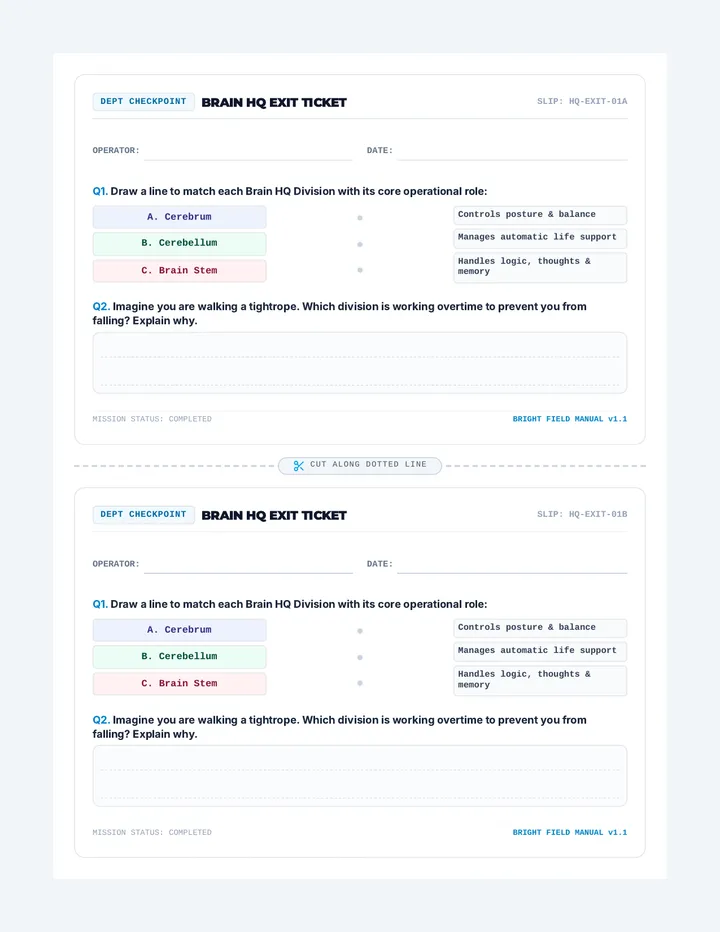
A practical, print-saving 2-up exit ticket containing two identical, clean-cut checkpoint slips to quickly assess students' mastery of the Cerebrum, Cerebellum, and Brain Stem.
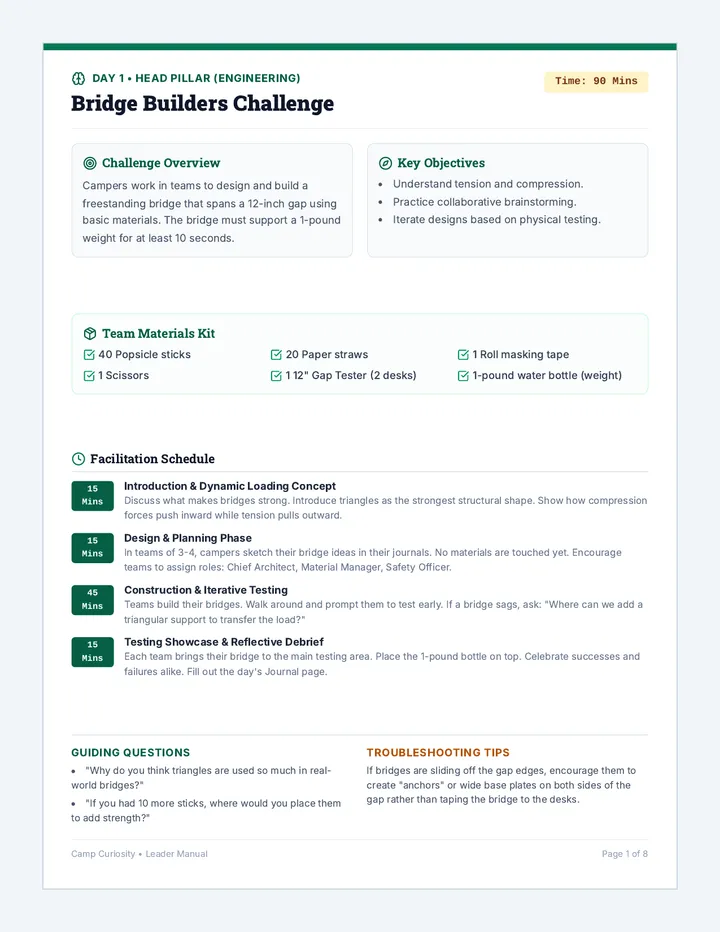
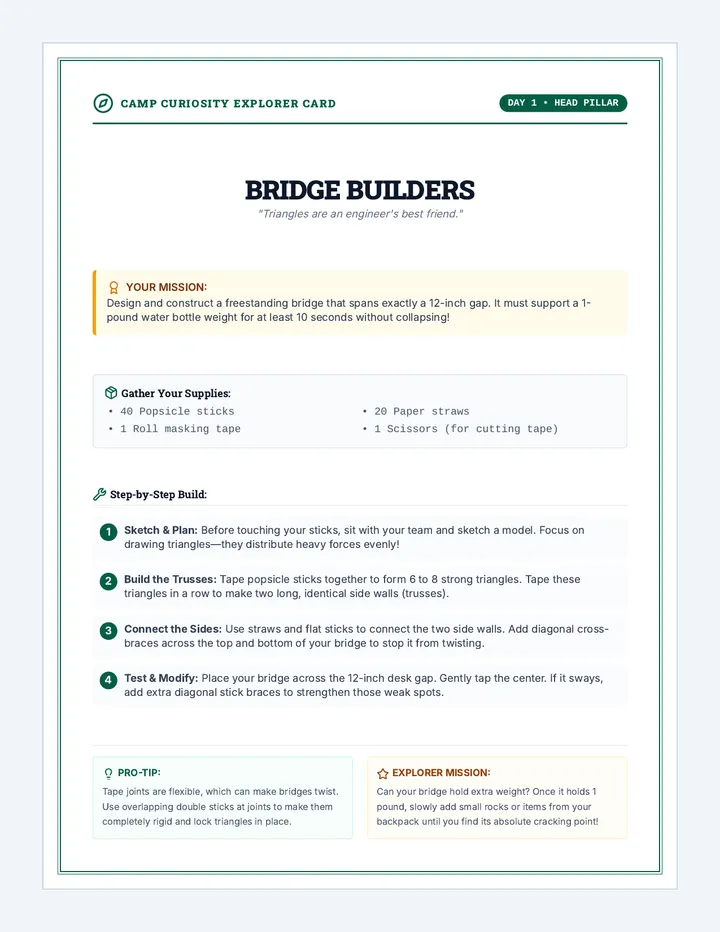
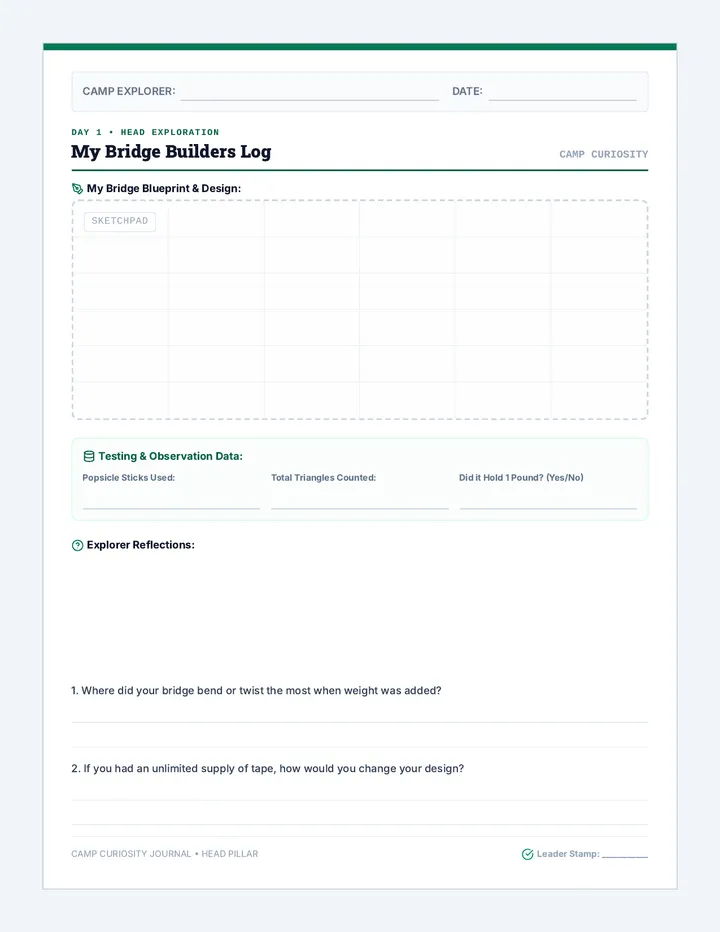
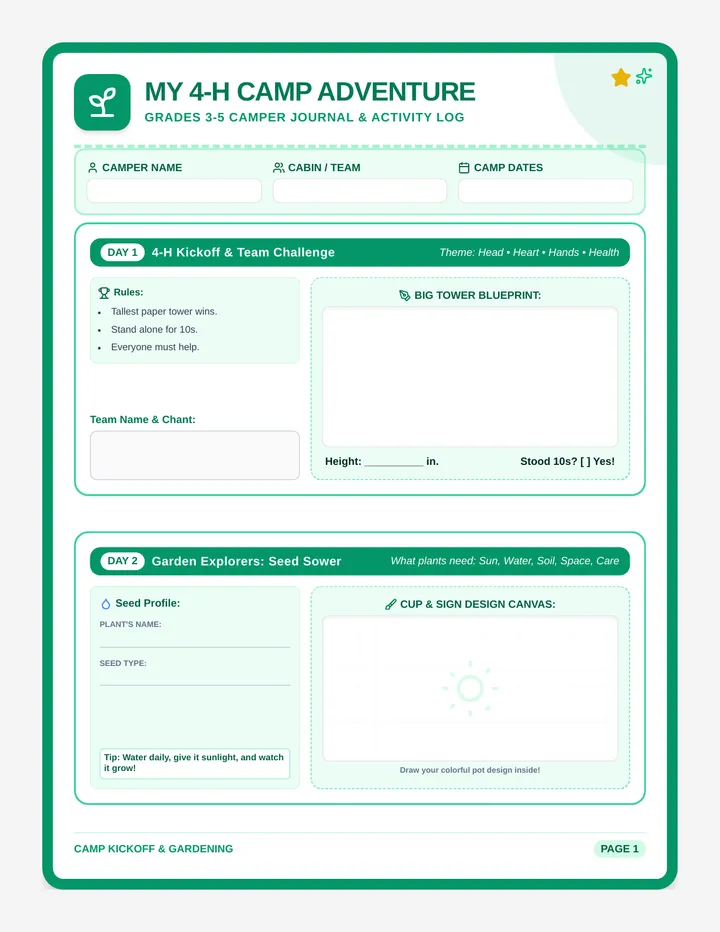
An action-packed, hands-on 8-day 4-H camp program focusing on Head, Heart, Hands, and Health. Students tackle engineering, teamwork, ecology, nutrition, and art challenges through daily active learning.
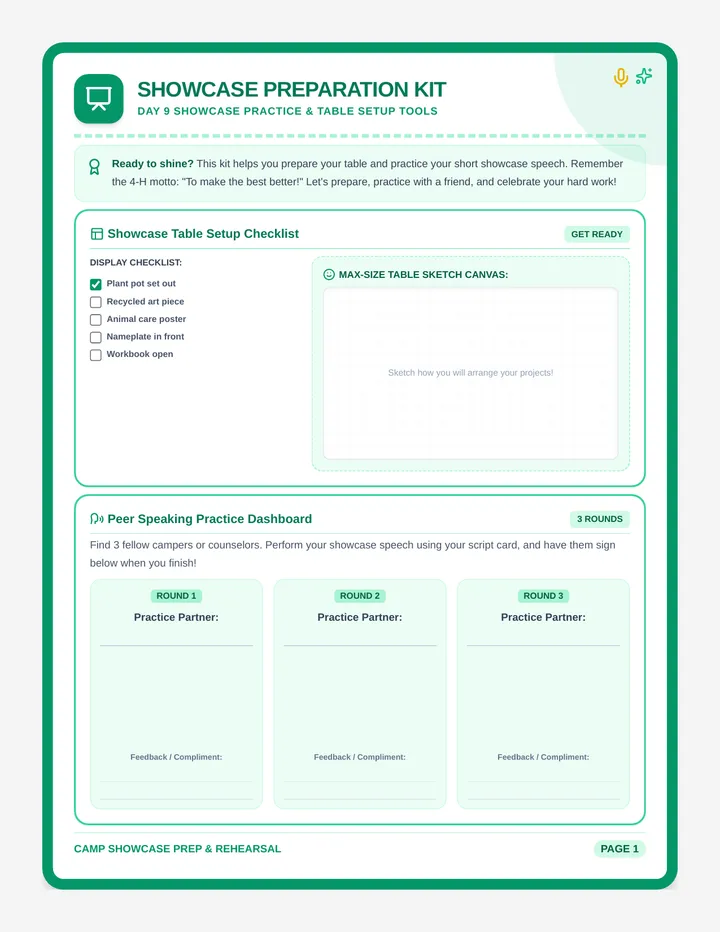
An engaging, hands-on summer camp series for grades 3-5 focusing on teamwork, STEM, gardening, healthy living, and creative problem-solving. This lesson includes a comprehensive multi-day student workbook and a showcase presentation preparation kit.
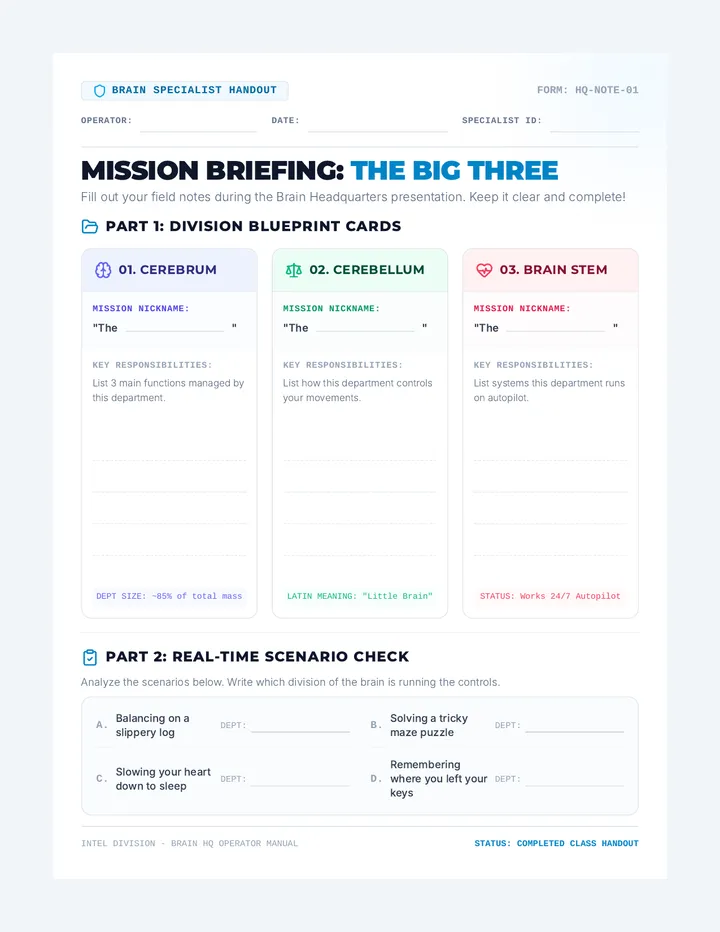
An engaging, print-ready guided note-catcher for students to map the three major brain divisions, complete with custom department blueprint cards, nickname fill-ins, and a scenario match-up check.
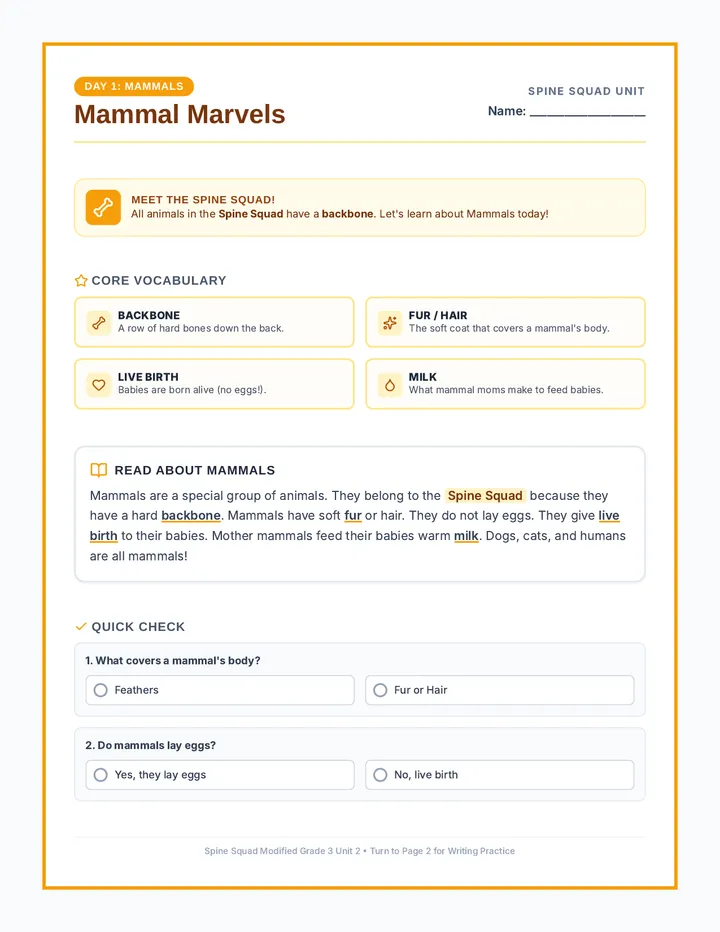
A five-day modified animal classification unit focusing on the five main vertebrate groups, designed with extensive visual support, sentence frames, and tracing options for modified learning.
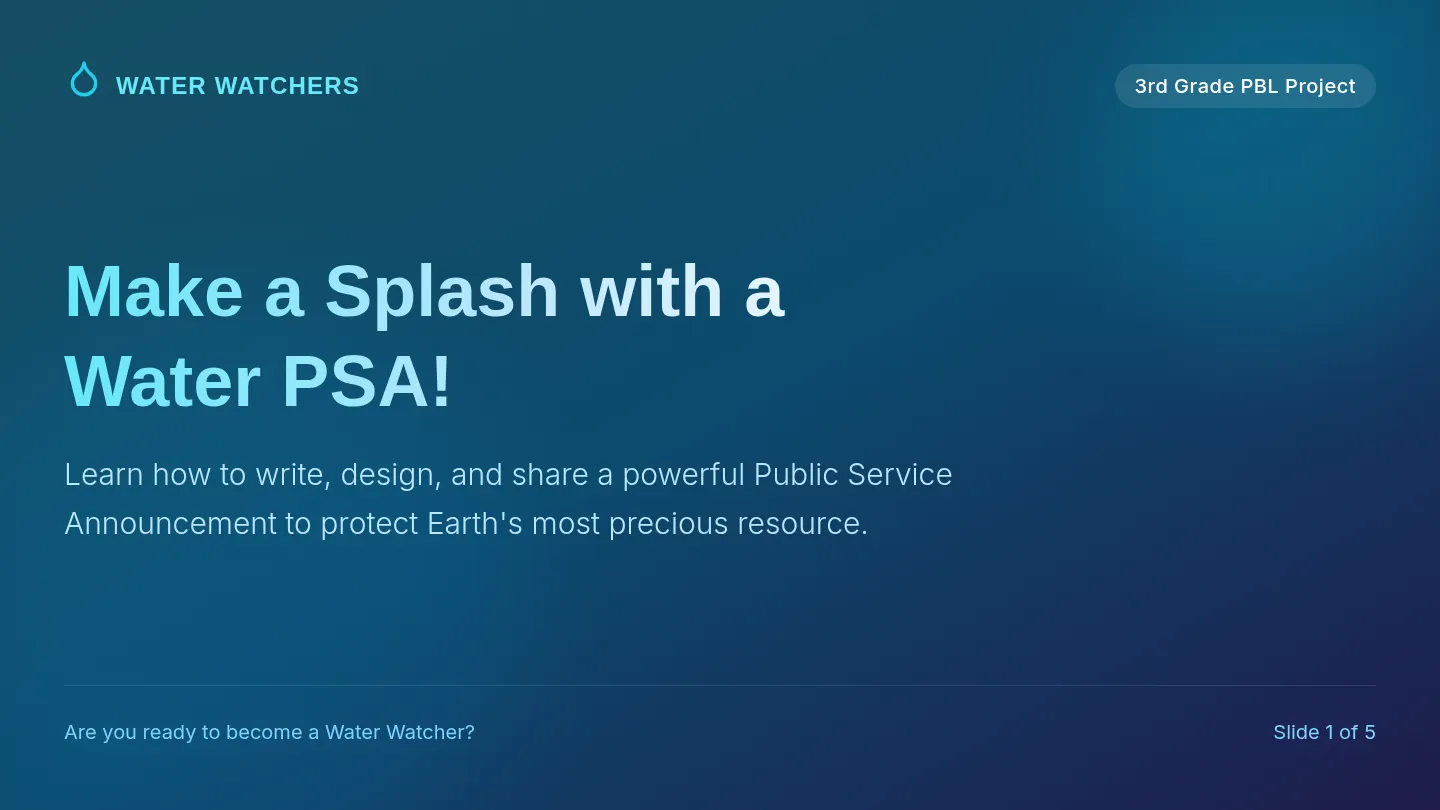
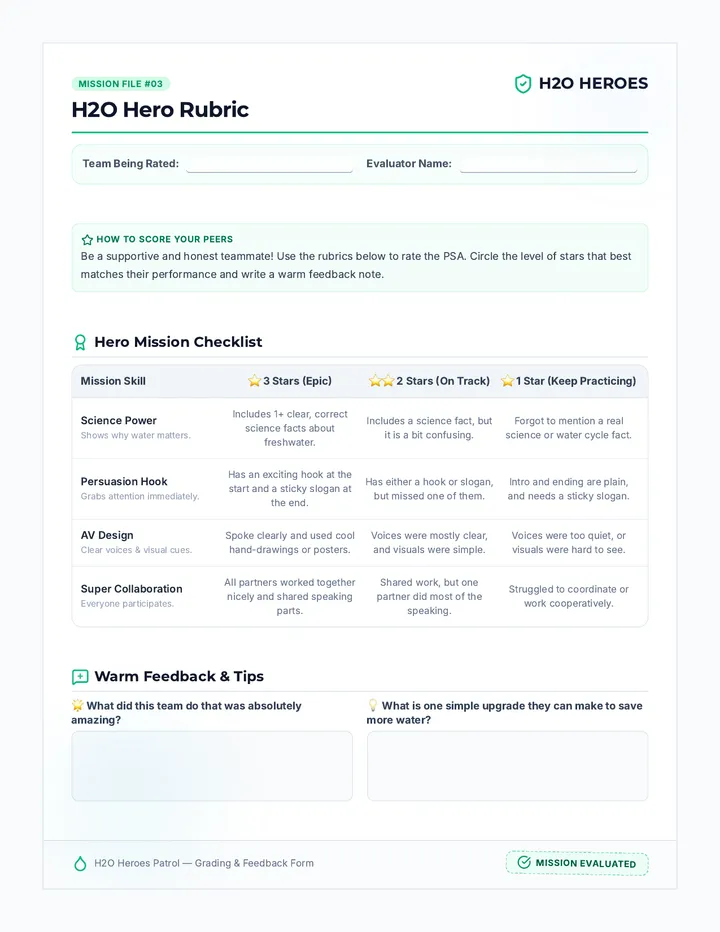
A third-grade project-based learning lesson where students learn about Public Service Announcements (PSAs) and collaborate to create their own media campaign focusing on water conservation, pollution prevention, or global clean water access. Includes an introductory slide deck, student planning packet, and a comprehensive teacher guide with rubrics.
A beautiful, bright, and simple 5-slide presentation introducing the Cerebrum, Cerebellum, and Brain Stem using a clean minimalist design with cheerful color accents. Fully aligned with the updated note-catcher.
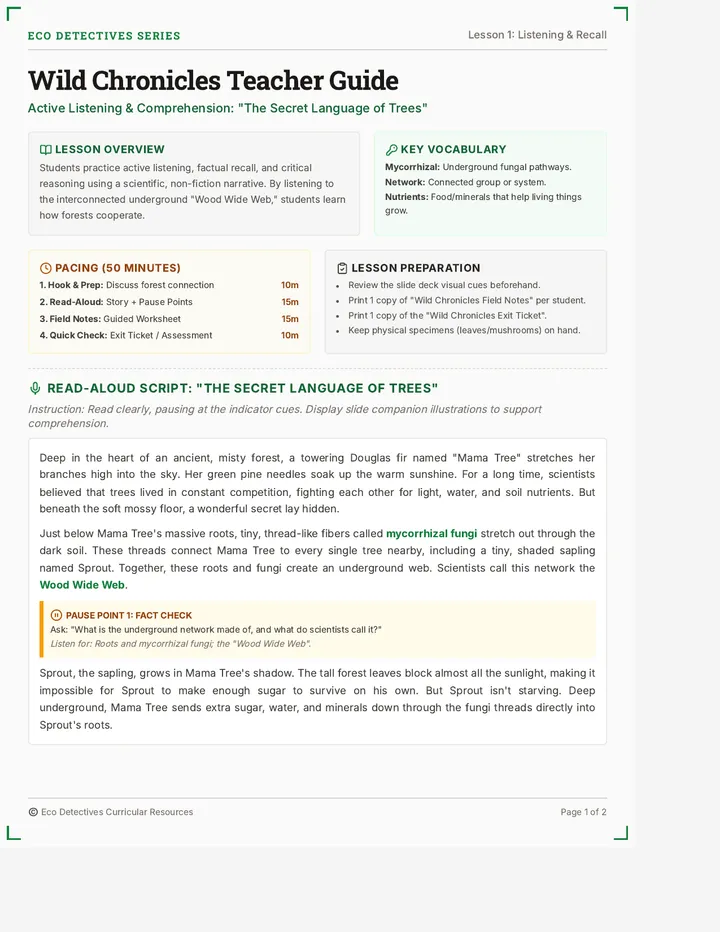
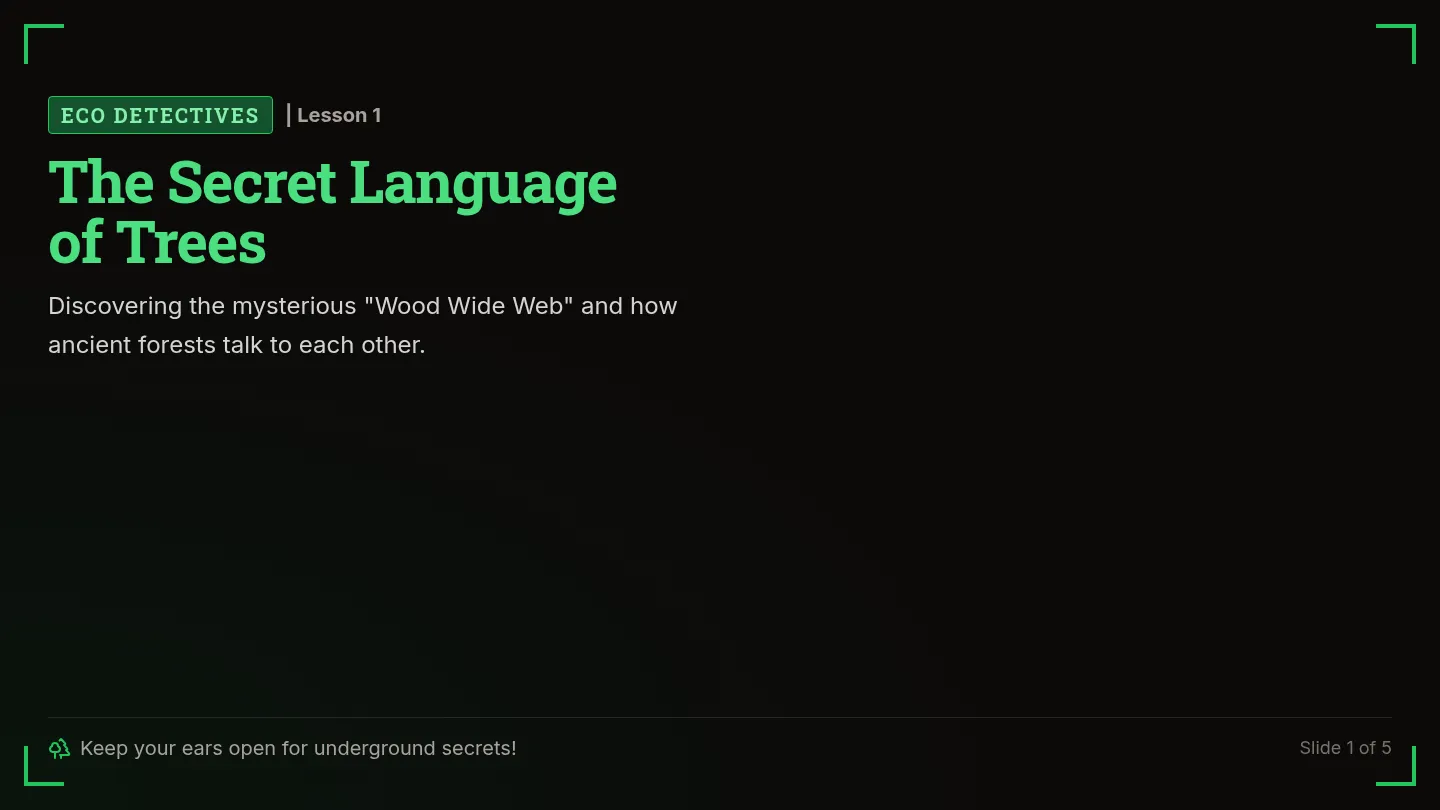
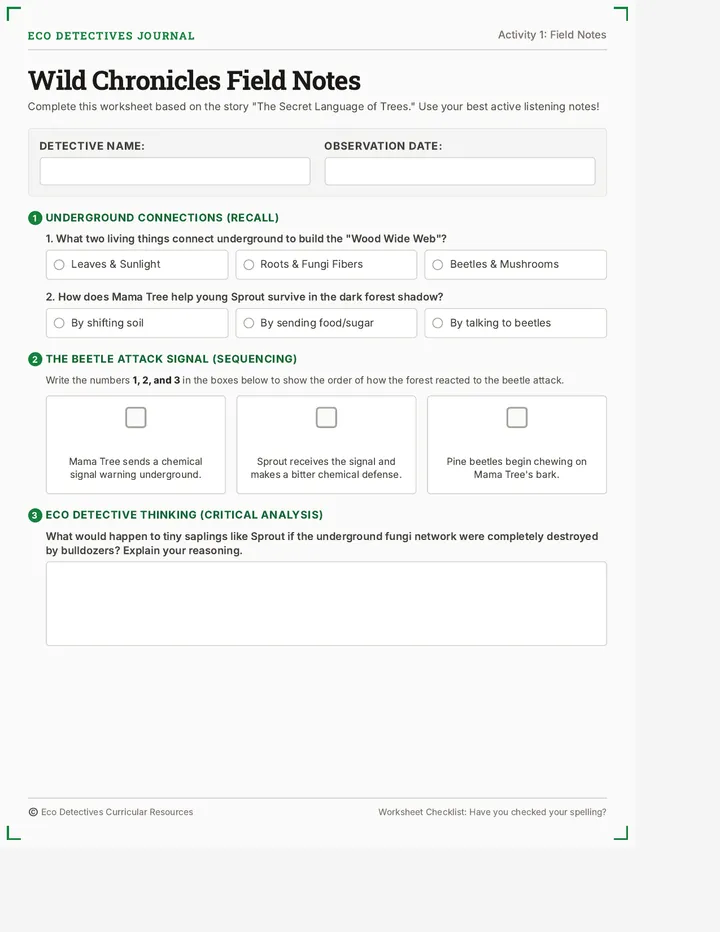
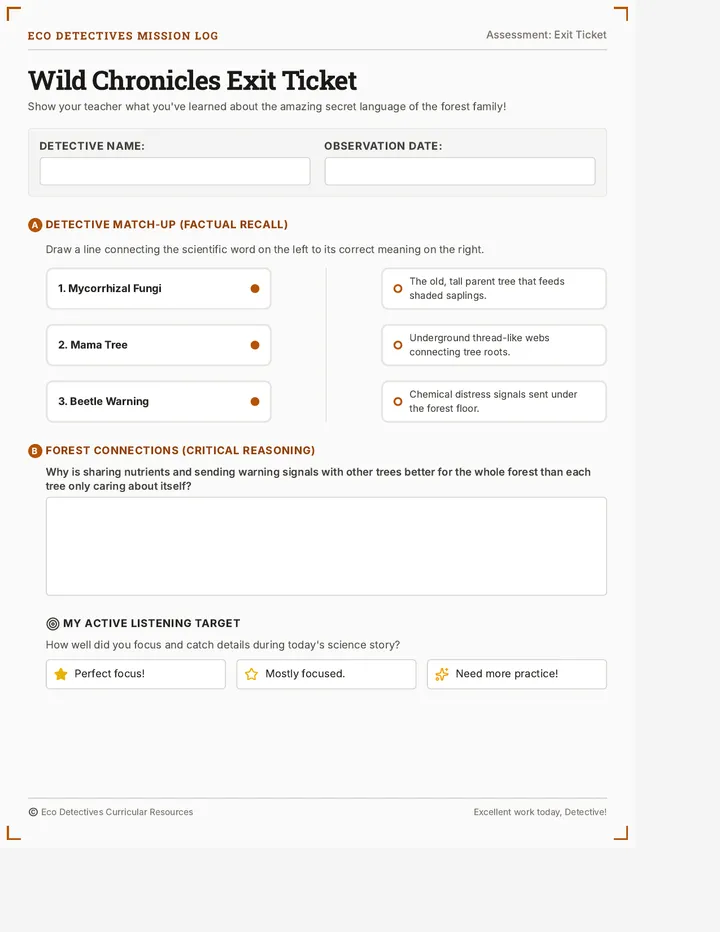
A short listening comprehension sequence for third graders focusing on non-fiction nature narratives. Students develop listening skills, factual recall, and critical thinking by exploring the interconnectedness of ecosystems.
Students collaborate in teams to script, storyboard, and edit their water conservation PSA, which they will then present to make a difference in their community.
A playful showcase preparation kit for Day 9. Includes a printable speaking practice dashboard, cut-out presentation rehearsal cards, a table setup checklist, a foldable nameplate, and a parent guest feedback collector.