Lenny.com
Explore
Create
ActivitiesNewMathEnglish Language ArtsScience & EngineeringSocial StudiesGlobal LanguagesHealth & Physical EducationSpecial EducationCounseling & Life SkillsArts & CreativityESL
Lenny.com
Lenny.com
Explore
Create
ActivitiesNewMathEnglish Language ArtsScience & EngineeringSocial StudiesGlobal LanguagesHealth & Physical EducationSpecial EducationCounseling & Life SkillsArts & CreativityESL
Lenny.com
Lenny.com

Solutions

Lenny for EducatorsLenny for SchoolsLenny for Districts

Product

ExploreSign inCreateSupportAbout

Resources

Getting startedMTSS Acceleration Program

Newsletters

School Funding Newsletter

© 2026 Lenny Learning Inc.

TermsPrivacyAccessibility
LinkedInInstagramX
Lenny
English Language ArtsPhonics & Reading FoundationsLetter IdentificationLearn Letters A-ZLowercase and Uppercase LettersConsonants and VowelsLetter-Sound AssociationsLetter-Sound Associations: LowercaseLetter-Sound Associations: UppercaseBeginning and Ending SoundsRhymingBlending And SegmentingShort VowelsShort Vowel SoundsConsonant BlendsConsonant DigraphsBlends, Digraphs, and TrigraphsDigraphs, Blends, and Silent LettersLong Vowel SoundsLong Vowel PatternsShort and Long VowelsShort and Long Vowel PatternsSilent EVowel SoundsVowel TeamsR-Controlled VowelsDiphthongs: Oi, Oy, Ou, OwVariant VowelsVariant, Diphthong, And R Vowel PatternsSoft G And CSight WordsIrregular WordsWord RecognitionSyllablesSyllable TypesTwo-Syllable WordsMultisyllabic WordsPhoneme ManipulationDecodable TextsVocabularyAction WordsQuestion WordsNouns and AdjectivesClassify WordsCompound WordsSynonyms and AntonymsHomophonesHomophones and HomonymsShades of MeaningContext CluesPrefixes and SuffixesGreek and Latin RootsAnalogiesIdioms and AdagesForeign Words and ExpressionsWord Choice and UsageReference SkillsReading ComprehensionRead-Along Literary TextsRead-Along Informational TextsReality vs. FictionStory ElementsCharacterSequenceMain IdeaCause And EffectCompare And ContrastReading StrategiesText StructureAuthor's PurposeAuthor's Purpose And ToneAuthor's PerspectivePoint Of ViewThemeInference And ThemeInference And AnalysisPoetry ElementsLiterary DevicesAnalyzing LiteratureAnalyzing Informational TextsComparing TextsAudience, Purpose, And ToneBusiness DocumentsNovel StudyNonfiction Book StudyGrammar & MechanicsSentencesNounsVerbsAdjectivesPronounsCapitalizationPunctuationContractionsConjunctionsPrepositionsArticlesAdjectives And AdverbsVerb TypesVerb TensePronouns And AntecedentsPronoun TypesSubject-Verb AgreementDirect And Indirect ObjectsSentences, Fragments, And Run-OnsPhrases And ClausesCommasSemicolons, Colons, And CommasDashes, Hyphens, And EllipsesSpellingAbbreviationsFormattingVerb Tense And MoodMisplaced ModifiersWritingDescriptive DetailsCreative WritingOpinion WritingTopic SentencesOrganizing WritingLinking WordsSentence VarietyIntroductions And ConclusionsPersuasive And Opinion WritingExpository WritingPersuasive StrategiesDeveloping And Supporting ArgumentsTopic Sentences And Thesis StatementsSummarizingResearch SkillsEditing And RevisingActive And Passive Voice=Writing Clearly And ConciselyDebate & Public SpeakingPublic Speaking BasicsPersuasive TechniquesClaims and EvidenceTypes of ArgumentsReasoning TypesLogical FallaciesTopic ResearchOrganizing EvidenceDebate Speech OrganizationAttacking and Defending ArgumentsClash and EngagementImpact CalculusQuestioning and Cross-ExaminationCritical ThinkingInformal LogicFormal LogicInductive Reasoning

Vowel Team Codebreakers

A comprehensive small-group word study lesson focused on mastering variable and diphthong vowel teams (ea, oi, ou, and oo). Students analyze sound-spelling patterns, decode complex multisyllabic words, and strengthen orthographic mapping through scaffolded small-group routines.

LBLisa Ball

Teacher Guide • Linguistic Rules, Scaffolds & Extension

Small-Group Word Study

Orthographic Rules & Sound Frequency Matrix

TeamSound OptionsLinguistic Rule / Frequency GuideExemplar Words
ea1. /ē/ (Long E)
2. /ĕ/ (Short E)
3. /ā/ (Long A)~65% of occurrences make /ē/ (season). ~30% make /ĕ/ (weather, threat). Rare /ā/ occurs in steak, break, great. Always try /ē/ first, then flex to /ĕ/.pleading, treasure, breaker
oo1. /ū/ (Smooth)
2. /ʊ/ (Book)Before /k/ (look, book) and /d/ (wood, hood), oo almost always says /ʊ/. Before /n, m, l, t/ (moon, room, cool, boot), it says /ū/.foolproof, childhood, mistook
ou1. /ow/ (Gliding)
2. /ō/ (Long O)
3. /ū/ (Smooth)Most common is /ow/ in middle of words. French-origin words shift to /ū/ (soup, routine). Words with silent 'l' or before 'r' shift to /ō/ (boulder, poultry).boundary, shoulder, routine
oi1. /oy/ (Diphthong)True diphthong (mouth glides from /o/ to /ē/). Position-based: used in the middle of syllables. If the sound is at the very end of a syllable or word, use oy (joyful, destroy).turmoil, poignant, disjointed

Targeted Support / Scaffolding

  • Color-Coded Syllable Scoops: Have students underline vowel teams in yellow and label syllable boundaries with a slash before reading aloud.
  • Two-Finger Sound Test: For oo, index finger points up for high/smooth /ū/ (moon), index points down for lower/slack /ʊ/ (book).
  • Mouth Articulation Mirror: Have students look in a hand mirror to see their lips round during /ū/ vs lax during /ʊ/.

Extension & Morphological Inquiry

  • Morphological Vowel Shift: Explore word families where the vowel sound shifts when suffixes are attached (please /ē/ → pleasant /ĕ/; heal /ē/ → health /ĕ/).
  • Etymology Connection: Explain why routine and soup say /ū/ (French origin words maintain French pronunciation of ou).
  • Rapid Timed Syllable Blitz: Have students read 12 multisyllabic target words in under 20 seconds with 100% pronunciation fidelity.

Small-Group Quick Observational Checklist

Student Name

Vowel Team Recognition

Flexing Strategy Used

Multisyllabic Accuracy

1. ___________________

[     ] Secure   [     ] Needs prompt

[     ] Autonomous   [     ] Guided

[     ] 4/4   [     ] 3/4   [     ] <3

2. ___________________

[     ] Secure   [     ] Needs prompt

[     ] Autonomous   [     ] Guided

[     ] 4/4   [     ] 3/4   [     ] <3

3. ___________________

[     ] Secure   [     ] Needs prompt

[     ] Autonomous   [     ] Guided

[     ] 4/4   [     ] 3/4   [     ] <3

4. ___________________

[     ] Secure   [     ] Needs prompt

[     ] Autonomous   [     ] Guided

[     ] 4/4   [     ] 3/4   [     ] <3

Formative Data: Review tracking notes to assign next targeted word-study rotation Teacher Guide • Page 2 of 2

OY

Say aloud: "tur • moil" vs. "boul • der" — Feel how your mouth changes shape!


Decoding Strategy Step-by-Step Attack

SLIDE 05

Multisyllabic Syllable Surgery

Break complex words down systematically in 3 quick moves.

1

Spot the Team

Scan the word and lock onto vowel pairs (ea, oi, ou, oo).

2

Peel Affixes

Detach prefixes (dis-, mis-, un-) and suffixes (-ment, -ing, -ful).

3

Blend & Flex

Pronounce each syllable chunk. If the word is unfamiliar, flex the vowel sound.

Example:

dis • ap • point • ment

Team: oi → Sound: /oy/ → 4 Syllables


Rapid Fire Check Table Team Challenge

SLIDE 06

Codebreaker Rapid Showdown

Read each word aloud at your table. Identify the vowel team and phonetic sound!

Word Alpha

treach • er • ous

Vowel Team ea /ĕ/ Short E

Word Beta

with • stood

Vowel Team oo /ʊ/ Book

Word Gamma

bound • a • ry

Vowel Team ou /ow/ Gliding

Word Delta

dis • join • ted

Vowel Team oi /oy/ Diphthong

Mission Complete: Return to your Codebreaker Activity Sheet for independent practice!
Teacher Resource • Key & Tracker

You might also like

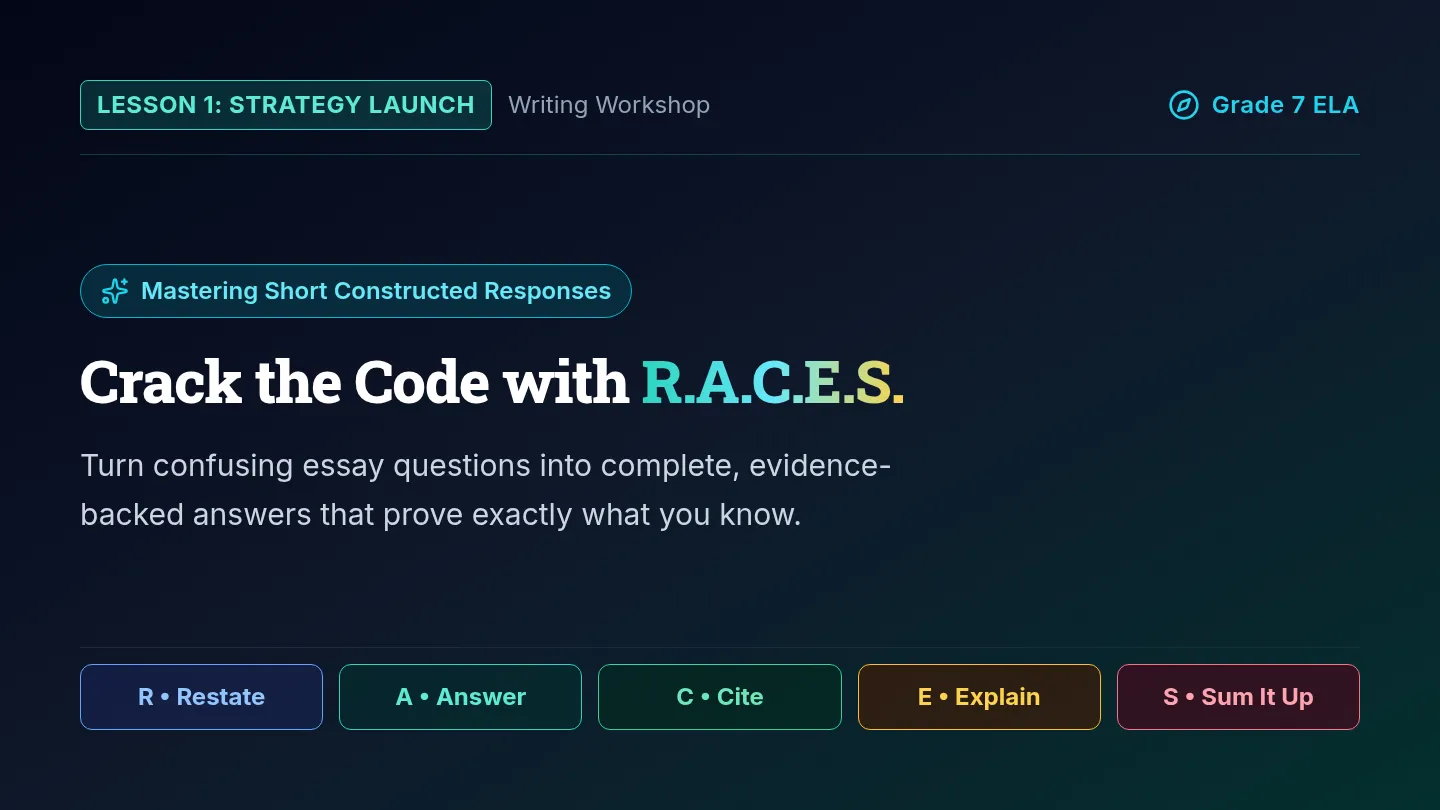
RACES Strategy Slides

Abyss Writers

A five-part constructed response sequence for struggling 7th-grade writers using the RACES strategy. Students analyze an engaging informational text on deep-sea bioluminescence and systematically master restating, answering, citing, explaining, and summarizing into an evidence-based paragraph.

KW

Kristin Warner

8
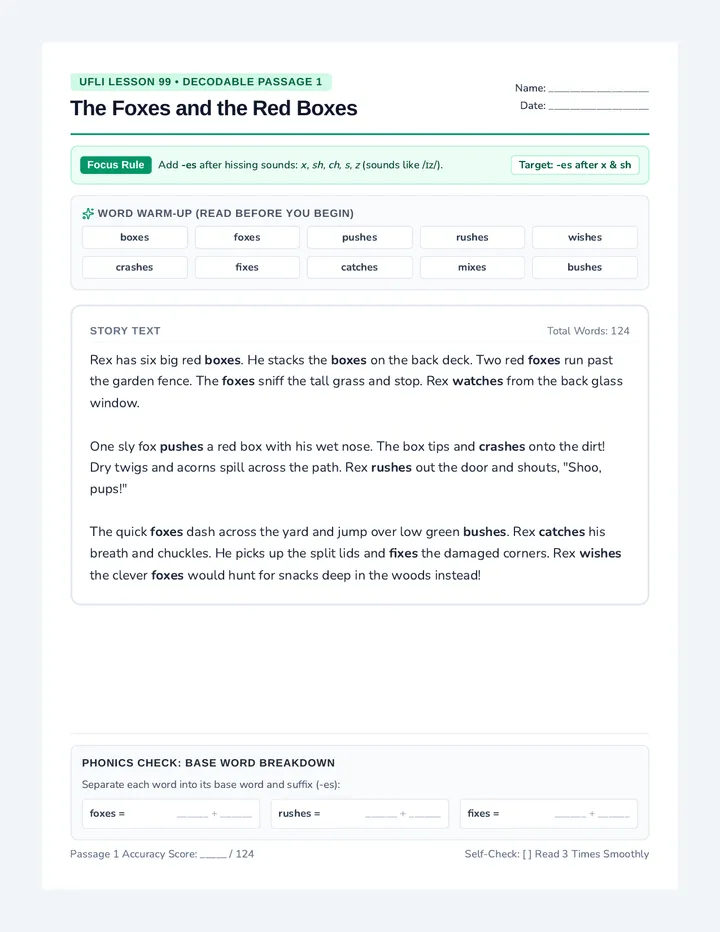
Silly Suffixes Decodables

Suffix Showdown

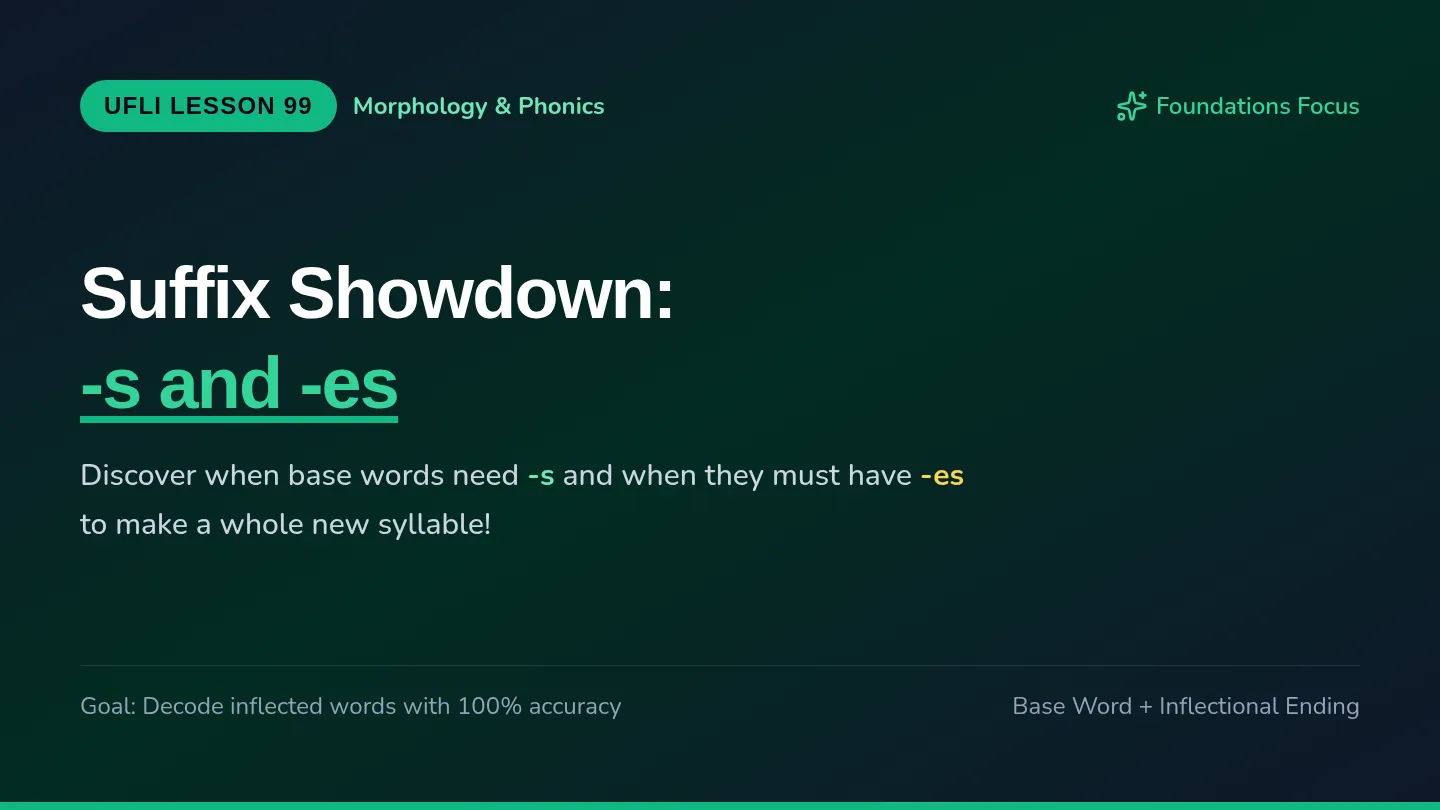
A targeted UFLI phonics and morphology lesson on inflectional endings -s and -es, covering rules for adding -es after sibilants, phonemic pronunciation differences (/s/, /z/, /ɪz/), extended decodable reading, and verbal assessment.

ML

Marti Lushin

4
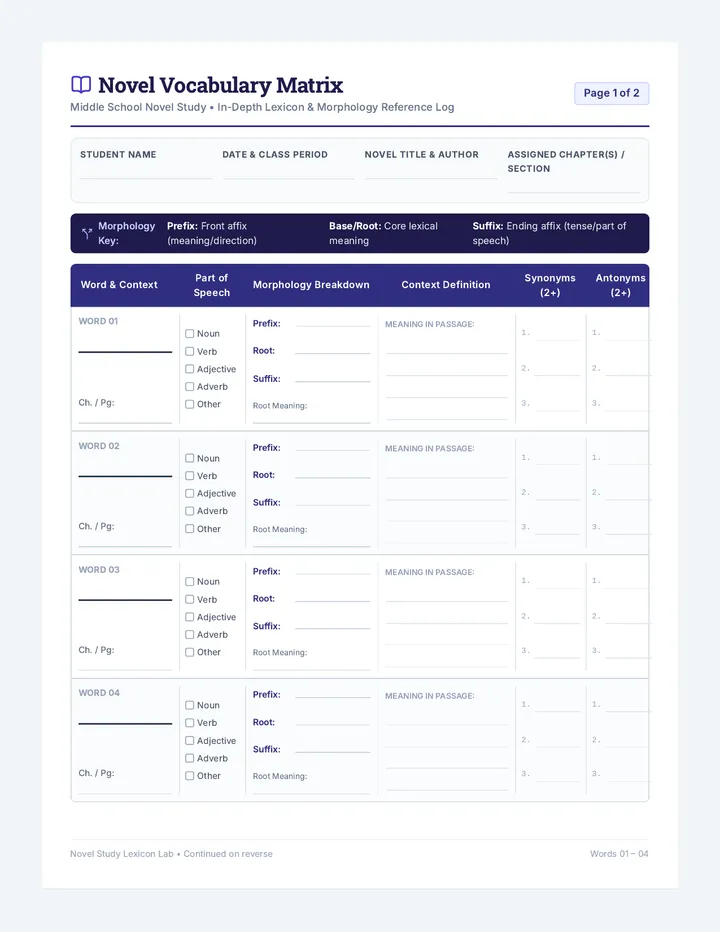
Novel Vocabulary Tracker Worksheet

Novel Vocabulary Tracker Worksheet

A comprehensive 2-page vocabulary study worksheet designed for middle school novel studies. Features an organized reference chart with dedicated columns for words, parts of speech, morphological breakdown (roots, prefixes, suffixes), contextual definitions, synonyms, and antonyms. Includes a morphology decoding toolkit and a vocabulary application challenge.

KD

kathy dale

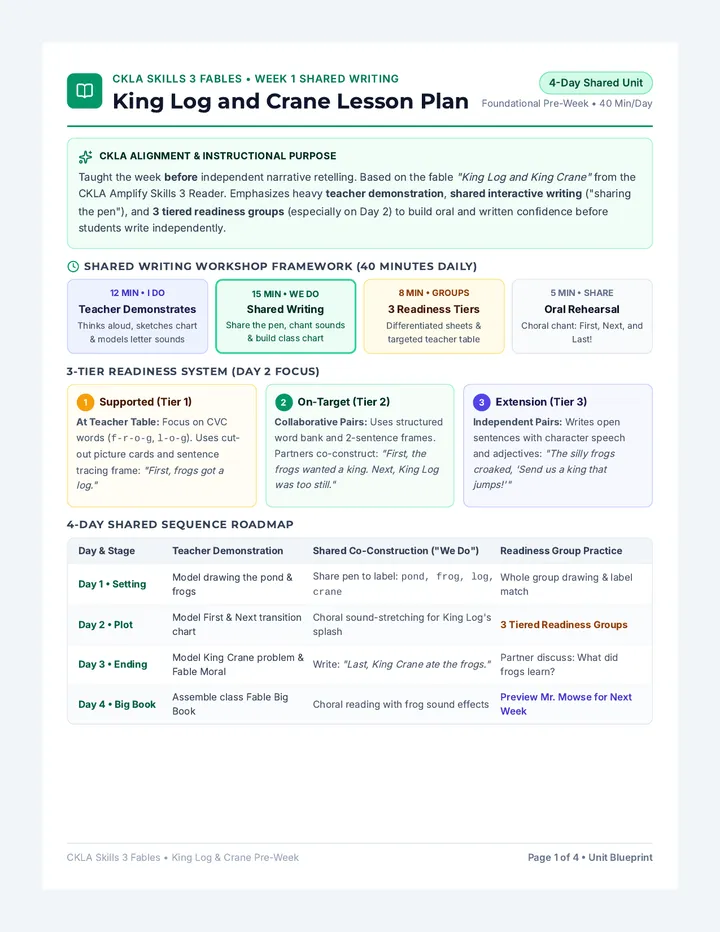
King Log Lesson Plan

Fable Writers

A two-part foundational early first-grade CKLA narrative writing sequence. Week 1 introduces shared and interactive fable retelling with King Log and King Crane and tiered readiness groups. Week 2 progresses to student-led retelling and opinion book reports with Mr. Mowse.

K

Katherine.Land

6
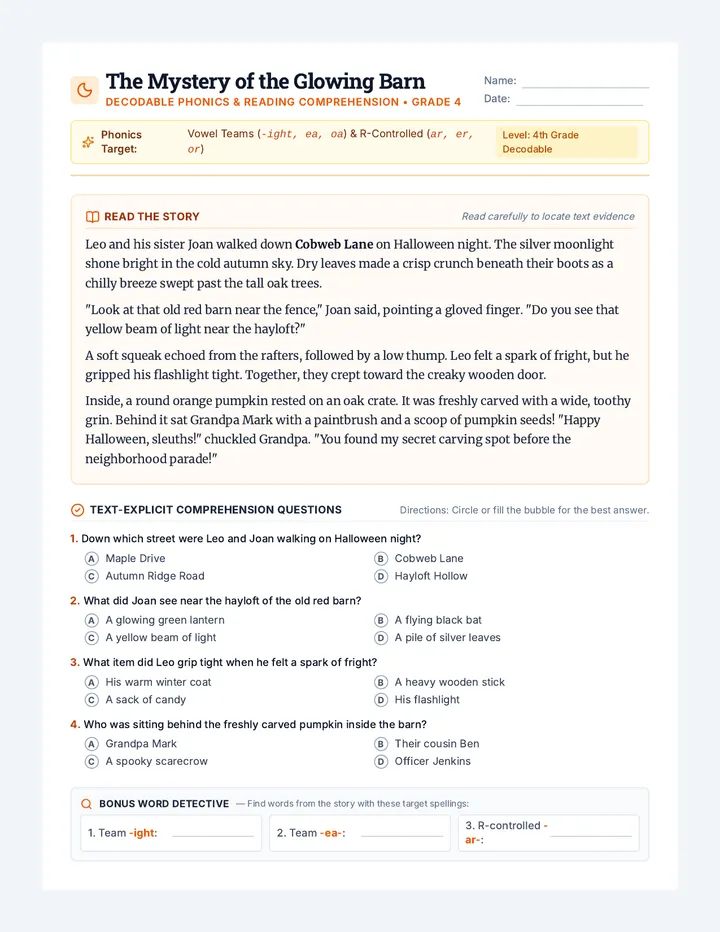
Cobweb Clues Reading Worksheet

Cobweb Clues

A 4th-grade decodable reading comprehension lesson featuring a spooky Halloween mystery passage focused on vowel teams and r-controlled words with text-explicit questions and an educator answer key.

CW

Carrie Worland

2
Suffix Showdown Slides

Suffix Showdown Slides

A dynamic visual presentation for UFLI Lesson 99 (-s/-es). Guides direct explicit instruction on the hissing sound rule for adding -es, auditory discrimination of /s/, /z/, and /ɪz/, syllable counting, and word blending with both real and nonsense words.

ML

Marti Lushin

Prompt Decoder Slides

Argument Architecture

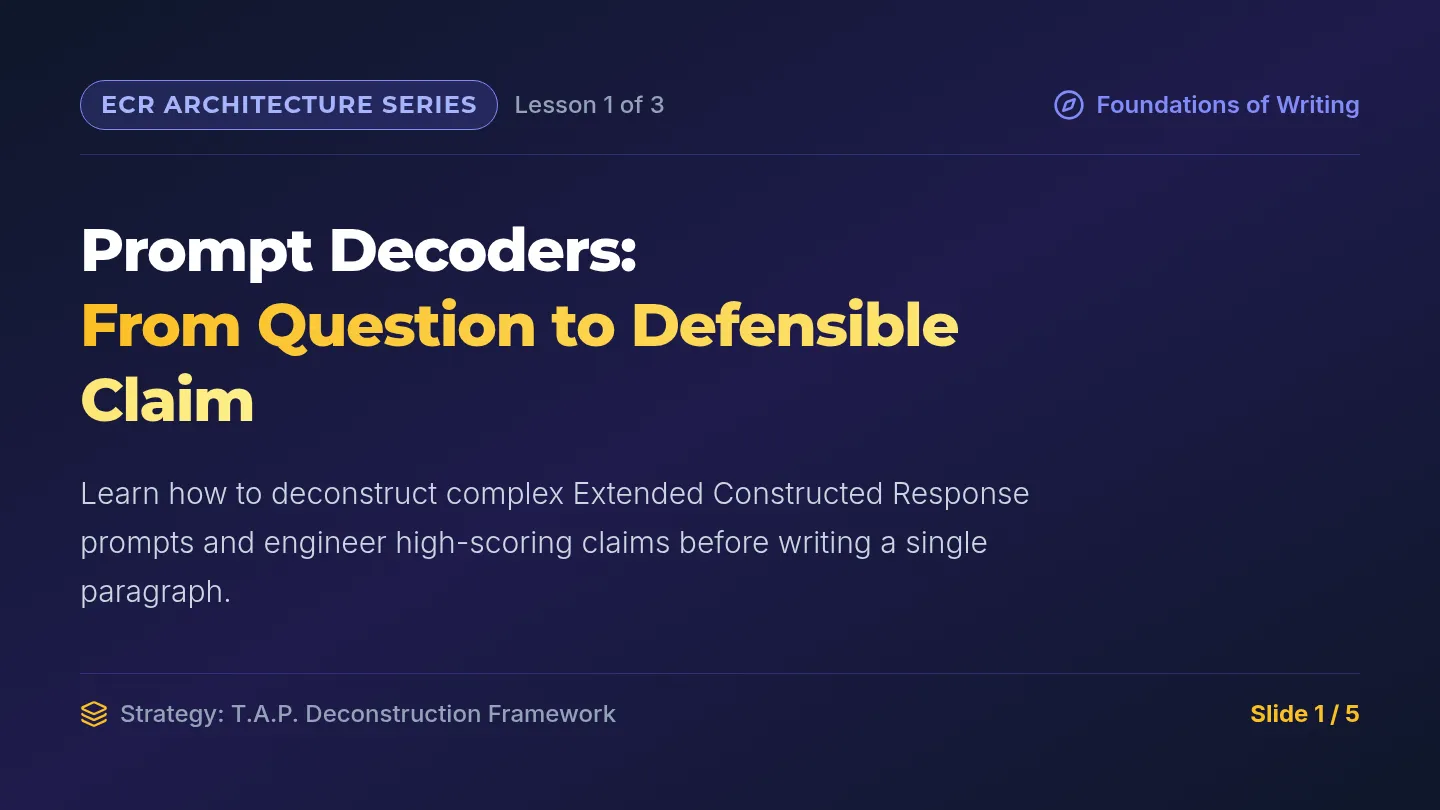
A comprehensive middle school writing sequence guiding students through the Extended Constructed Response process, from prompt deconstruction and claim generation to evidence integration and multi-paragraph synthesis.

Lenny Avatar
Lenny
6
Pumpkin Trail Decodable Worksheet

Pumpkin Trail Phonics

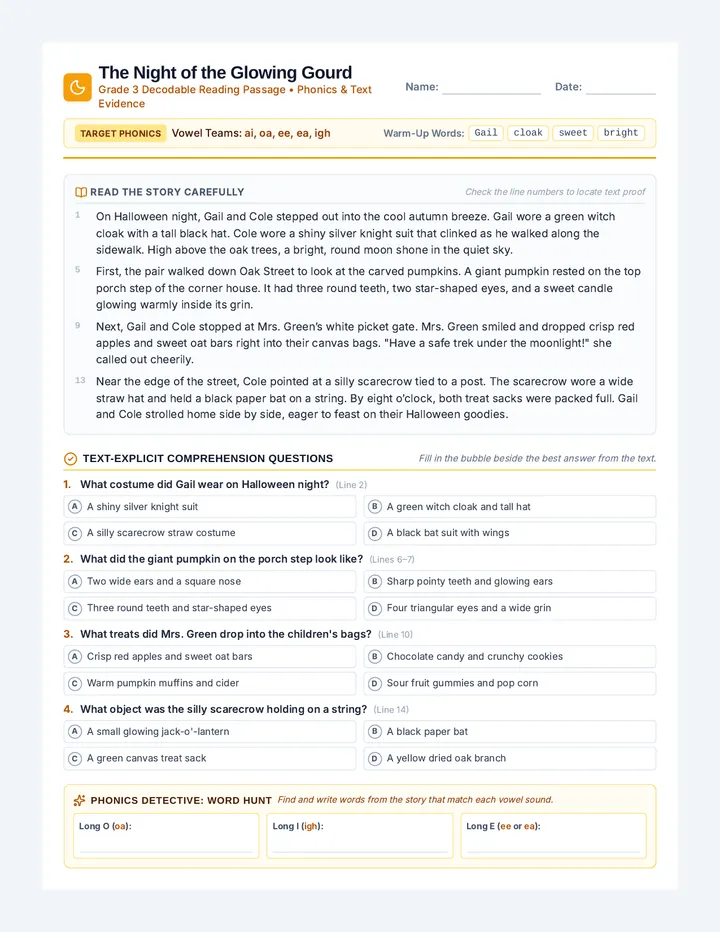
A grade 3 decodable reading comprehension lesson centered on a Halloween narrative that builds vowel team phonics mastery and text-explicit evidence skills.

CW

Carrie Worland

2
Suffix Squad Exit Ticket

Suffix Squad Exit Ticket

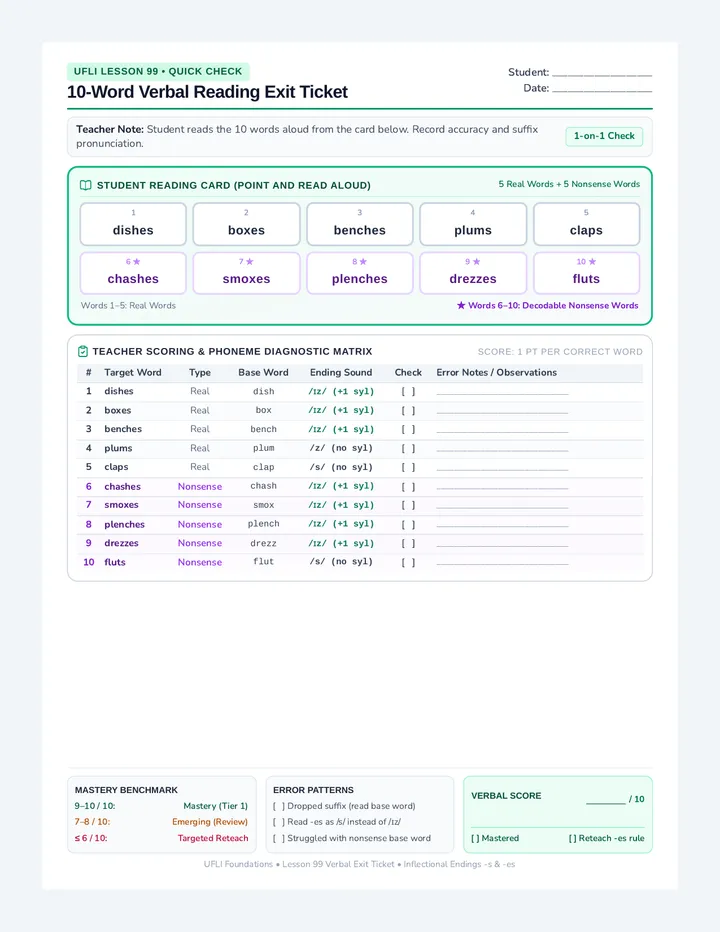
A compact one-page 1-on-1 verbal assessment exit ticket for UFLI Lesson 99. Features a student-facing reading card with 10 words (5 real and 5 nonsense words testing -s and -es rules) paired with a comprehensive teacher scoring matrix, pronunciation guide, error diagnostic tracker, and mastery benchmarks.

ML

Marti Lushin

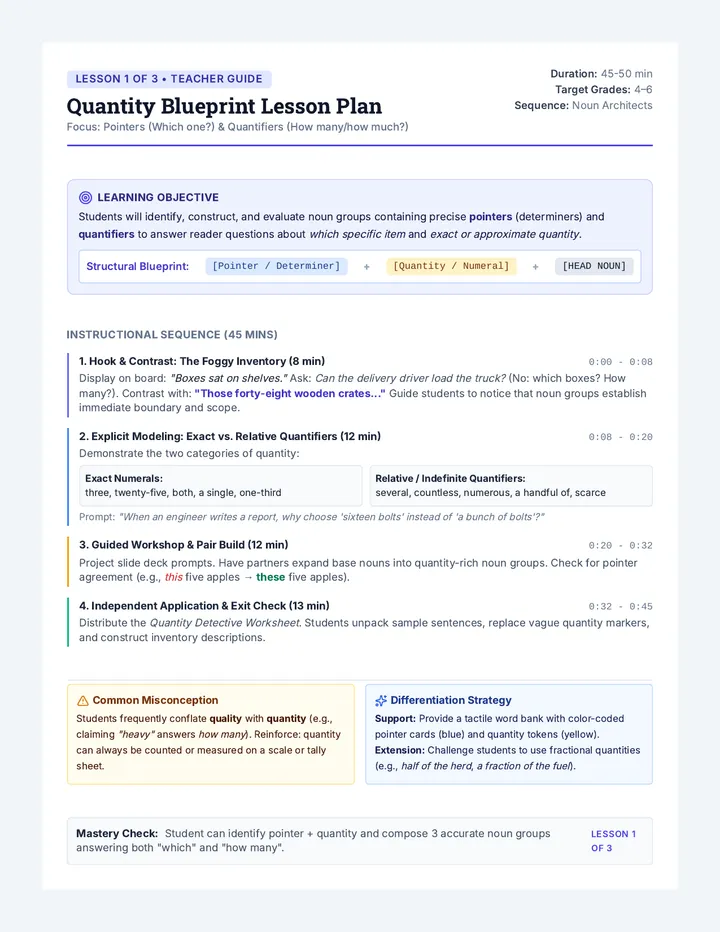
Quantity Blueprint Lesson Plan

Noun Group Architects

A three-part grammar and writing unit where students investigate, assemble, and refine precise noun groups. Learners progress from tracking quantity and pointer determiners to layering vivid qualities and specific classifiers for rich descriptive writing.

A

arlavoie-ridings

9
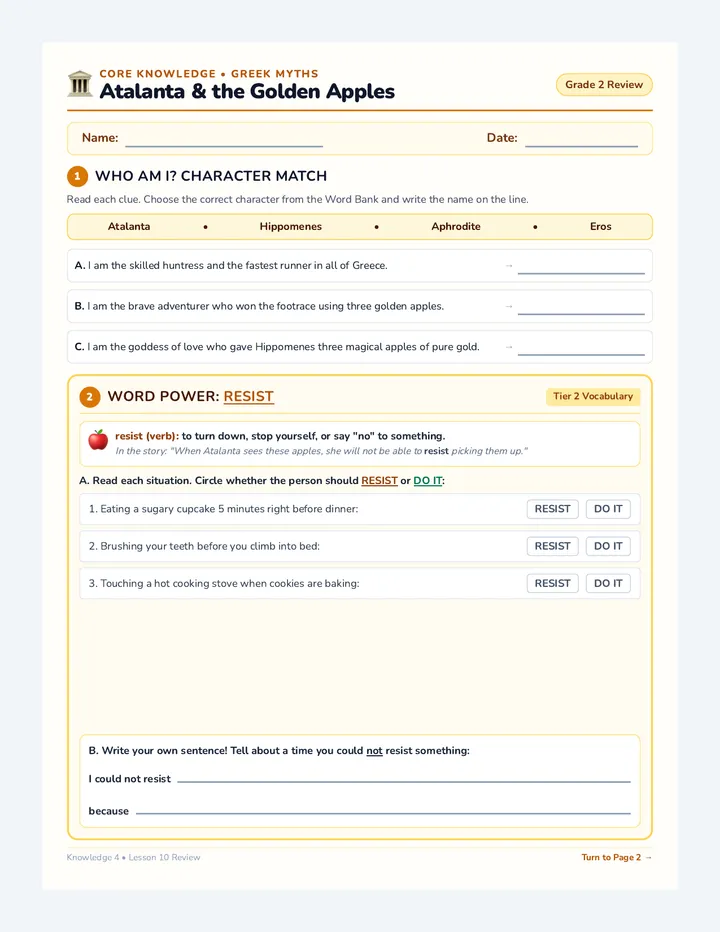
Golden Apples Review Worksheet

Golden Apple Dash

A 2nd grade lesson exploring the Greek myth of Atalanta and Hippomenes from CKLA Knowledge 4 Lesson 10. Students analyze character motivations and reactions to key events while exploring the Tier 2 vocabulary word resist.

FT

Faith Timberman

2
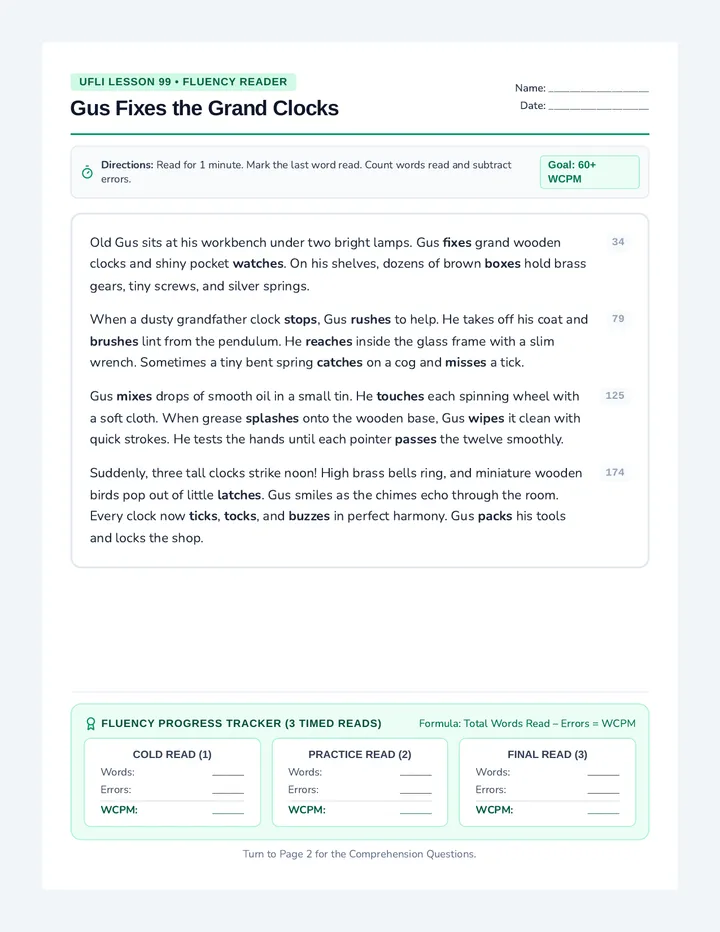
Clock Fixer Fluency Reader

Clock Fixer Fluency Reader

A two-page fluency decodable reader and assessment for UFLI Lesson 99 (-s/-es). Features an extended narrative with line-by-line running word counts, a three-trial fluency timing log, and five text-dependent multiple choice comprehension questions with standardized answer choices.

ML

Marti Lushin