In this engaging 30-minute session for Grades K-5, students explore the fascinating world of trees, their anatomy, and their vital role in the environment through interactive discussion, games, and a creative project.
A reading comprehension lesson for 4th-grade EL students focusing on sea turtles, using visual supports and leveled text to build vocabulary and understanding of life cycles.
In this 45-minute lesson, Grade 5 ESL students learn to gather information from a digital source by taking organized notes on insect life cycles. Students practice identifying keywords, using visual symbols, and summarizing stages of metamorphosis.
A 45-minute ESL lesson for grade 4 students at the Developing (Level 3) proficiency level. Students will explore life cycles, practice gathering information from texts, and learn to take notes and categorize data using graphic organizers.
A 45-minute ESL lesson focused on identifying and using precise domain-specific vocabulary to describe the solar system and its planets, culminating in a scaffolded writing task.
How and why organisms use light for social interactions, communication, and complex behaviors. Students explore strategies like counter-illumination and burglar alarms.
How is light made? Students break down the chemical reaction of bioluminescence, exploring the interaction between luciferin, luciferase, and oxygen.
Discover the mysterious world of the deep ocean's midnight zone. Students explore how creatures create light in total darkness and identify the physical adaptations of bioluminescent marine life.
A vocabulary-focused lesson exploring 6 narrative words (hastily, wandering, absentmindedly, persisted, gravely, reproved) to understand character behavior and emotion for 4th graders.
A foundational toolkit for setting up a physical engineering and maker space, covering physical layout, collaborative roles, and essential classroom routines.
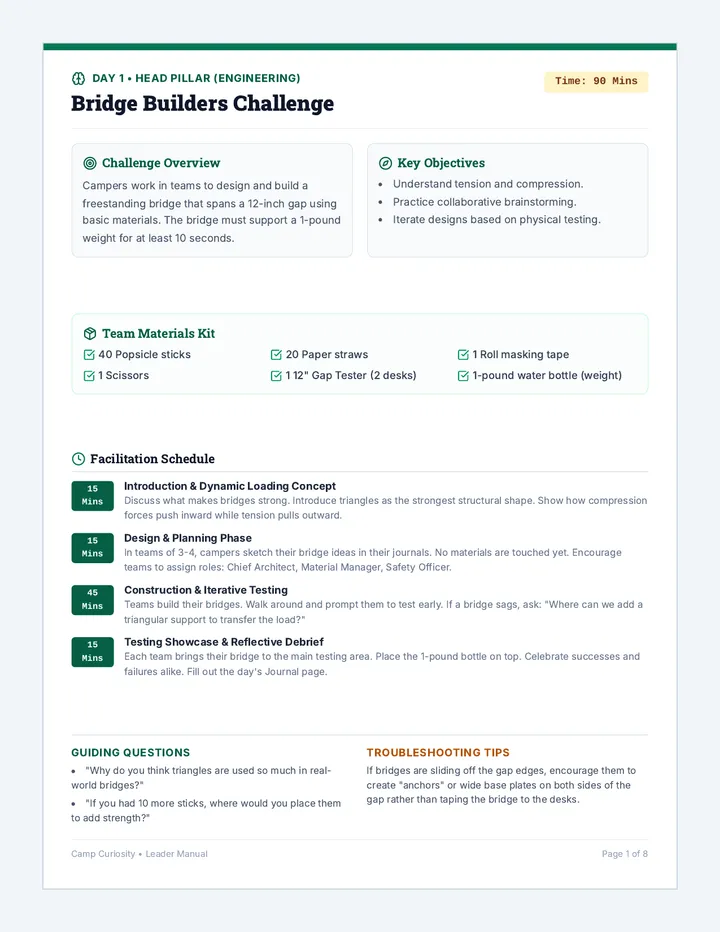
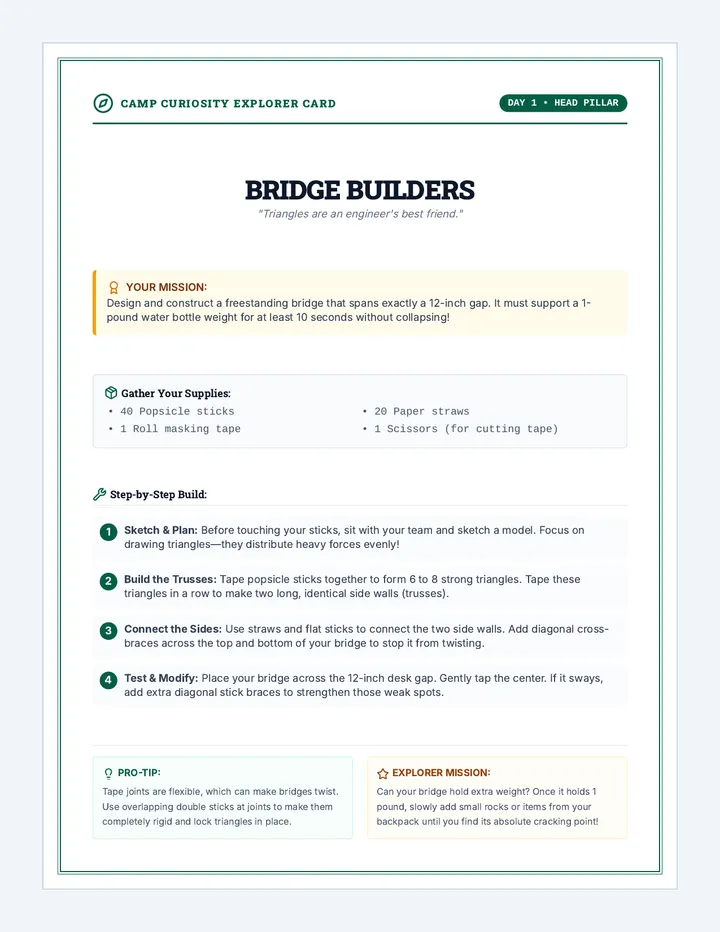
A high-stakes engineering challenge where students use the 4Cs and Computational Thinking to design, build, and document the ultimate cup tower structure.
A comprehensive lesson on invasive species prevention, featuring visual slides, a modified reading task for accessibility, and assessment tools. Students learn to identify pathways and implement global prevention strategies.
A lesson focused on how living things depend on trees for survival, utilizing visual sentence frames to support Kindergarten oral language development.