Students explore the unique reproductive methods of sponges, comparing the efficiency of asexual budding with the genetic diversity of sexual reproduction using video models and a Venn diagram.
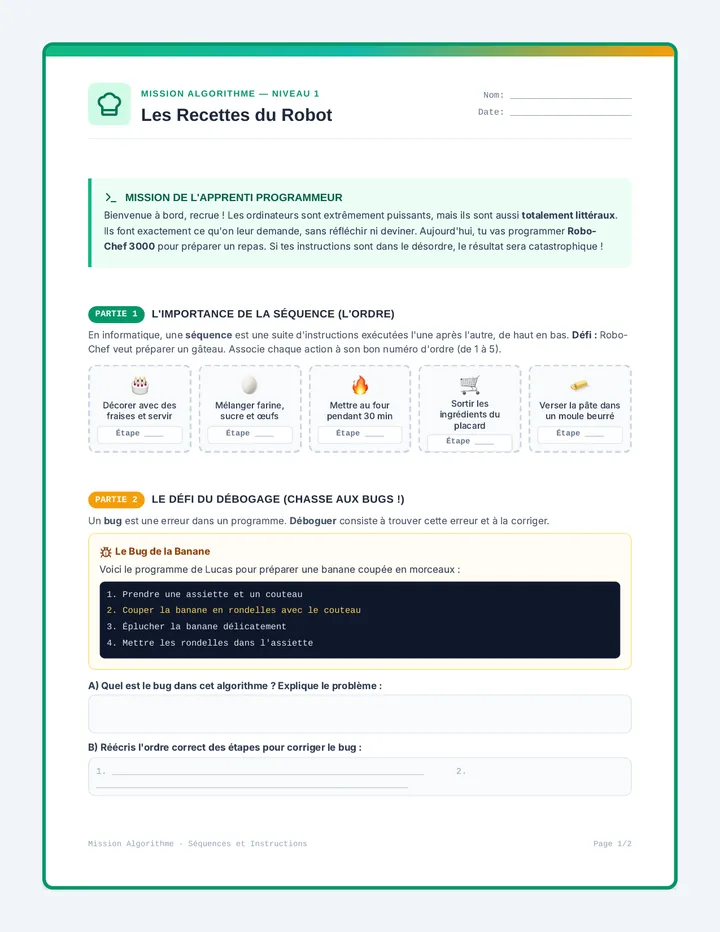
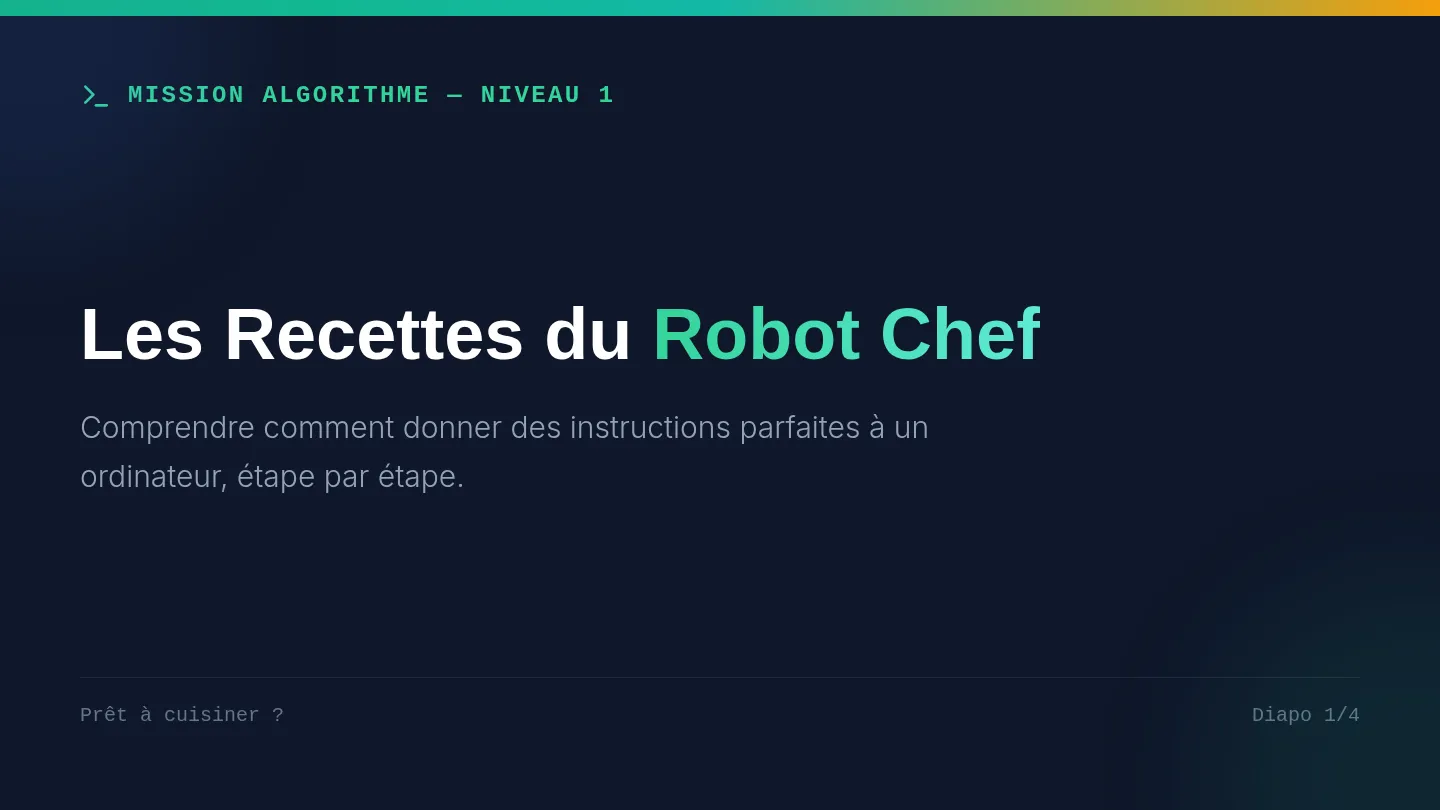
Une séquence d'initiation à l'algorithmique sans code pour débutants absolus. À travers des métaphores concrètes, les apprenants découvrent les trois piliers de la programmation : les séquences d'instructions, les conditions et les boucles.
A teacher-focused lesson exploring how multicellular organisms organize cells, tissues, and organ systems into interacting networks to sustain life and maintain homeostasis.
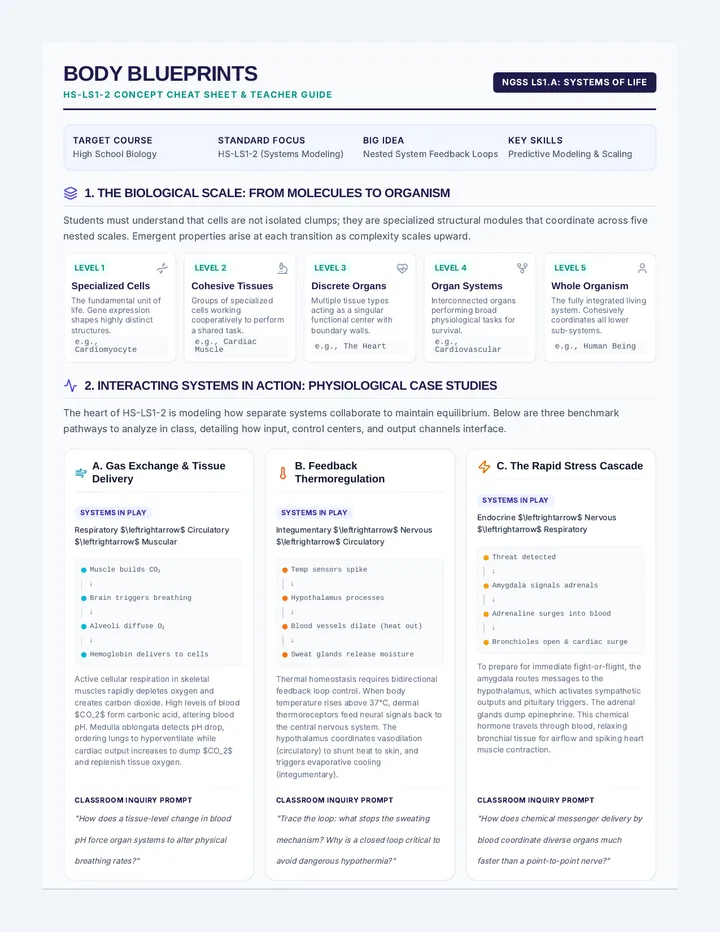
A highly structured, high-density 2-page Concept Cheat Sheet and Teacher Guide for NGSS HS-LS1-2. It outlines biological scales of life, three detailed system interaction case studies, anchoring phenomena, common misconceptions with reframe strategies, and a diagnostic model-building rubric.
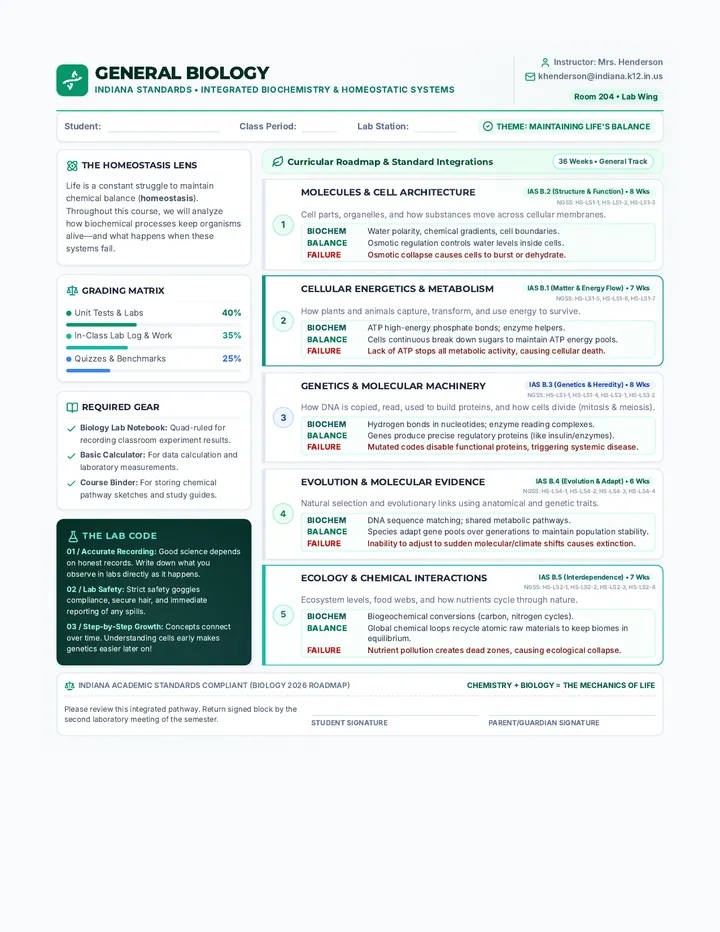
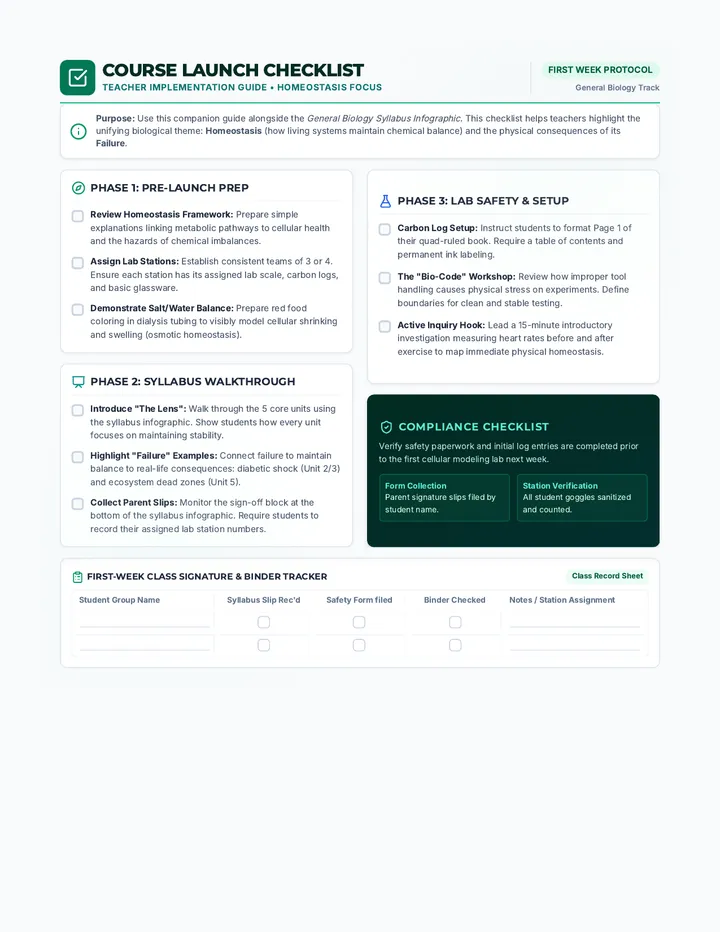
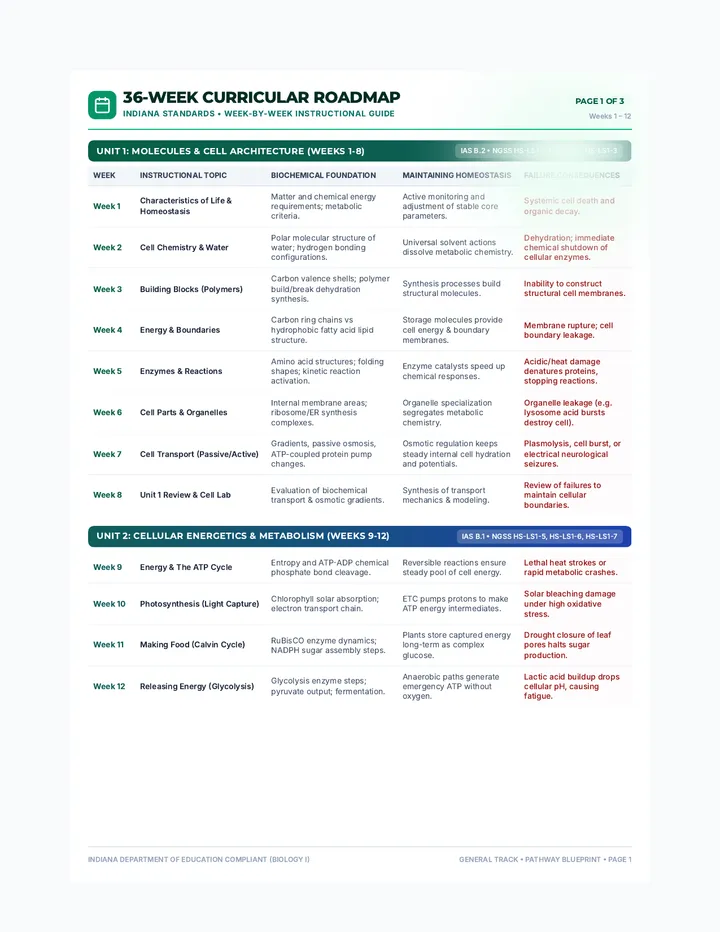
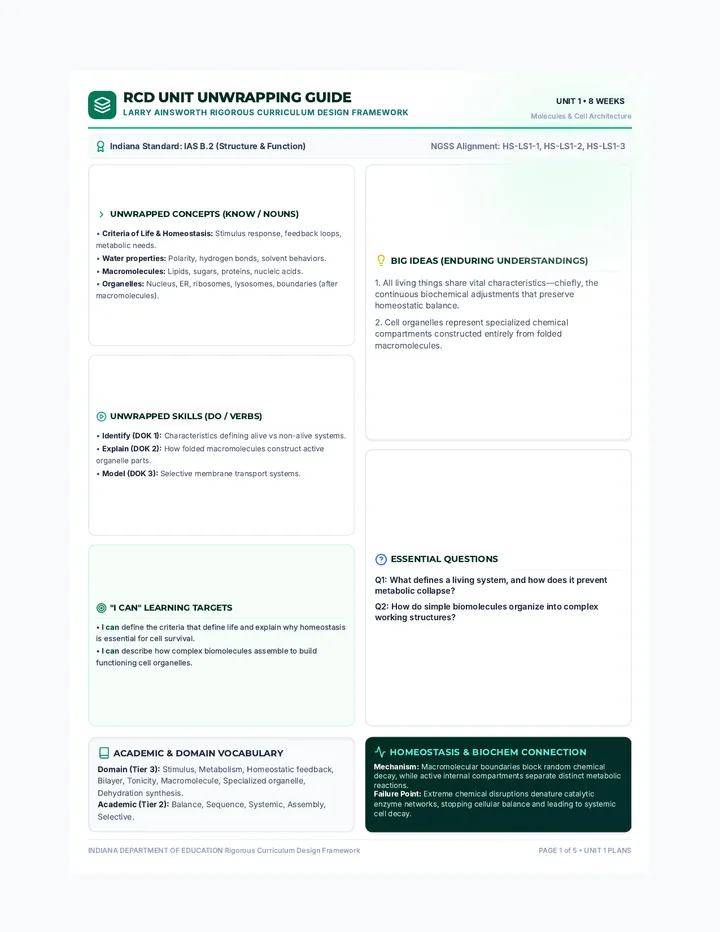
A comprehensive, 36-week General Biology curriculum aligned with Indiana Academic Standards, emphasizing the integration of biochemical foundations and metabolic homeostasis across all units.
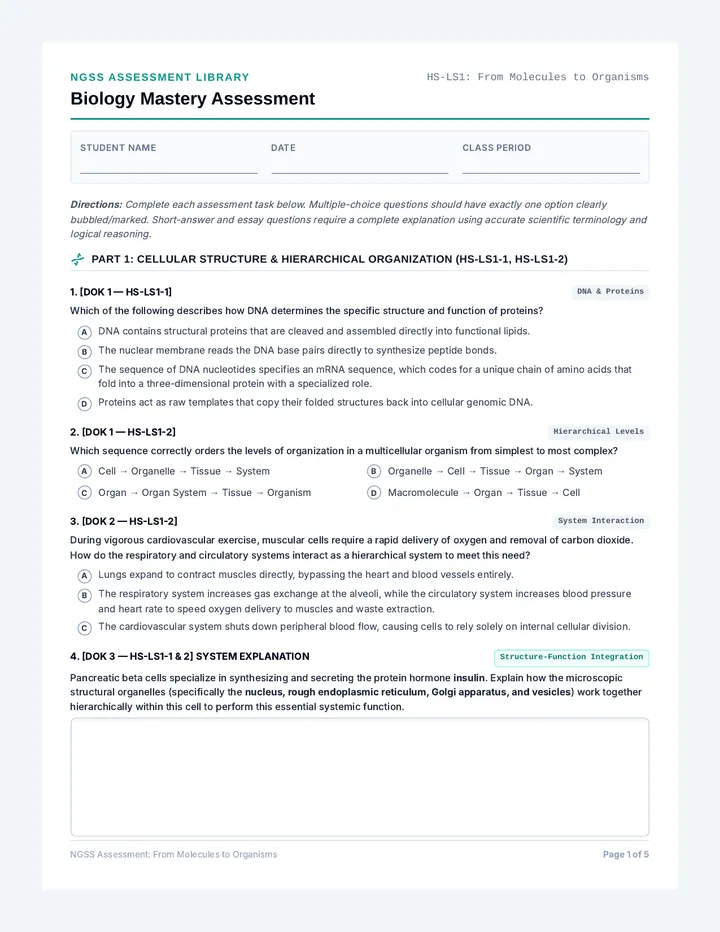
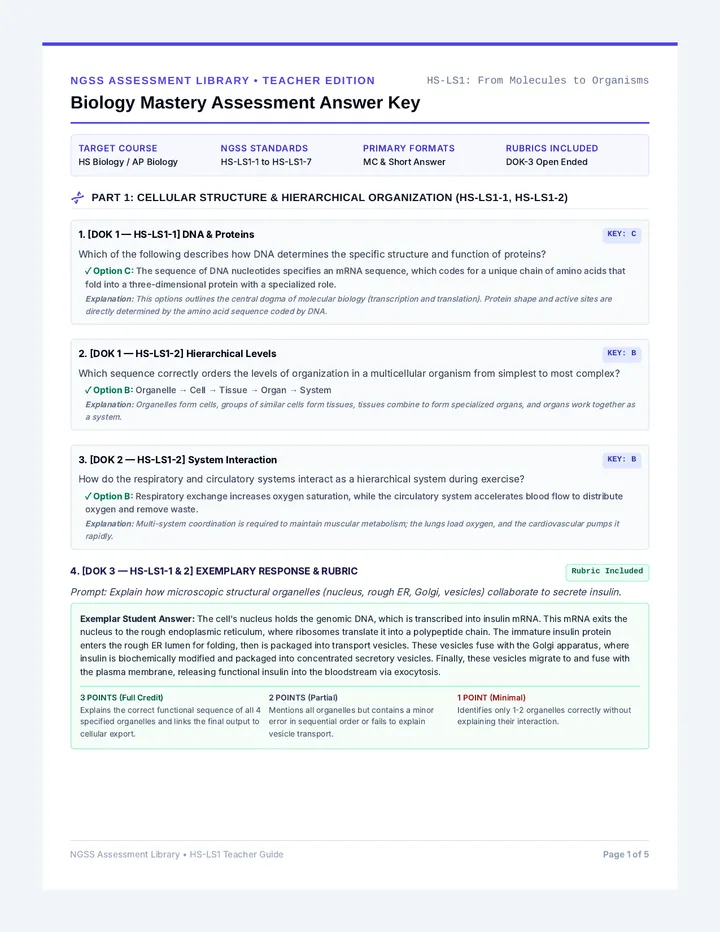
A comprehensive library of assessment questions for NGSS standard HS-LS1 (From Molecules to Organisms), categorized by DOK level (1, 2, and 3) and performance expectations. Includes both a printable student question bank and an in-depth teacher answer key with grading rubrics.
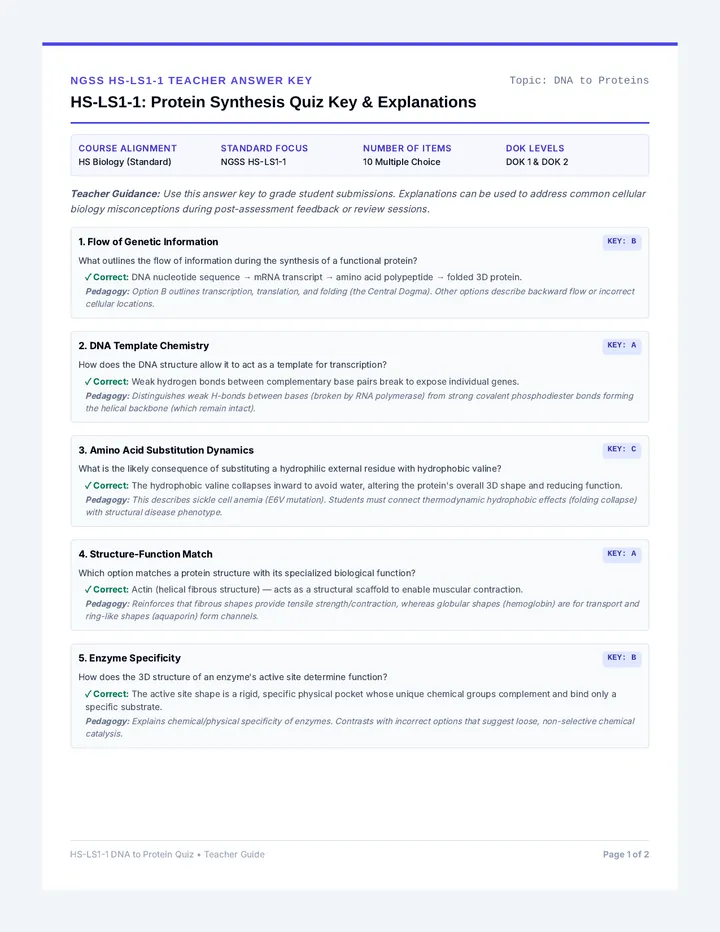
A matching 2-page Teacher Answer Key and pedagogical guide for the HS-LS1-1 multiple choice quiz. Highlights correct options and provides detailed biological explanations for each answer, highlighting common student misconceptions.
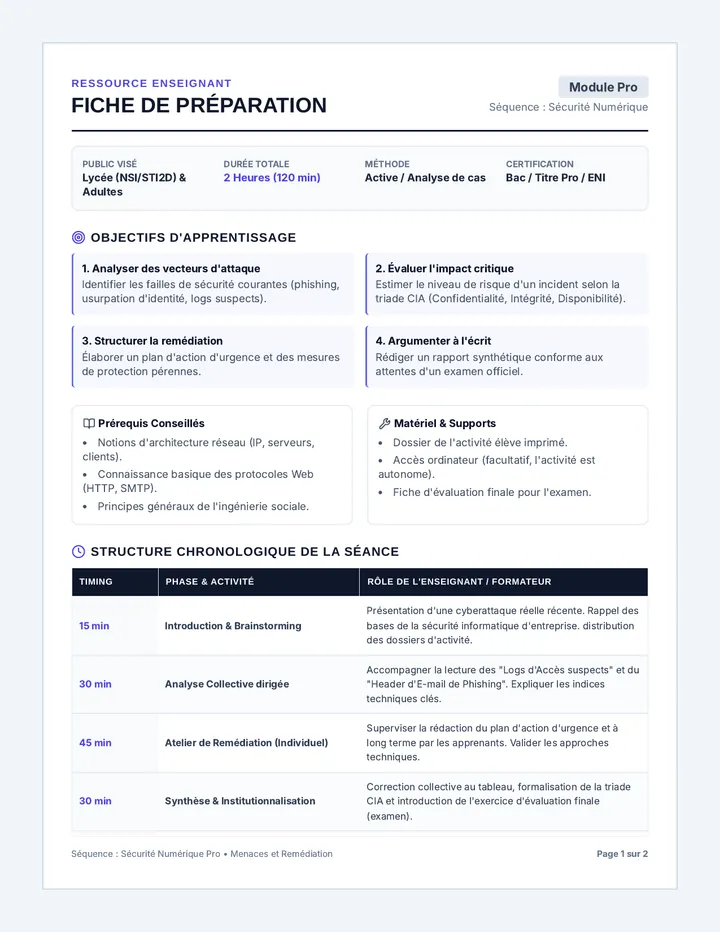
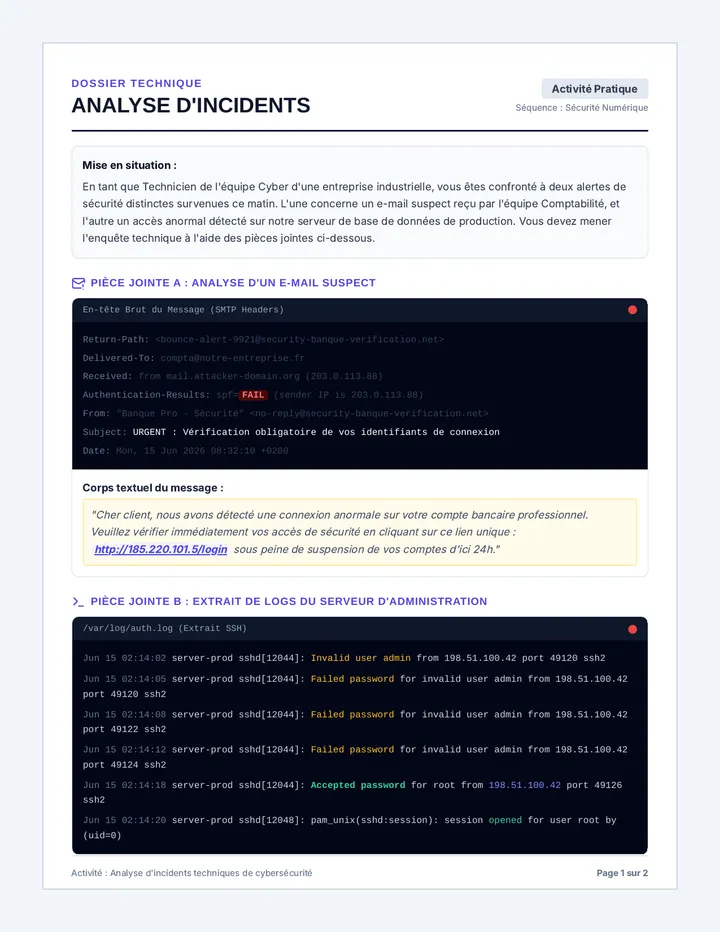
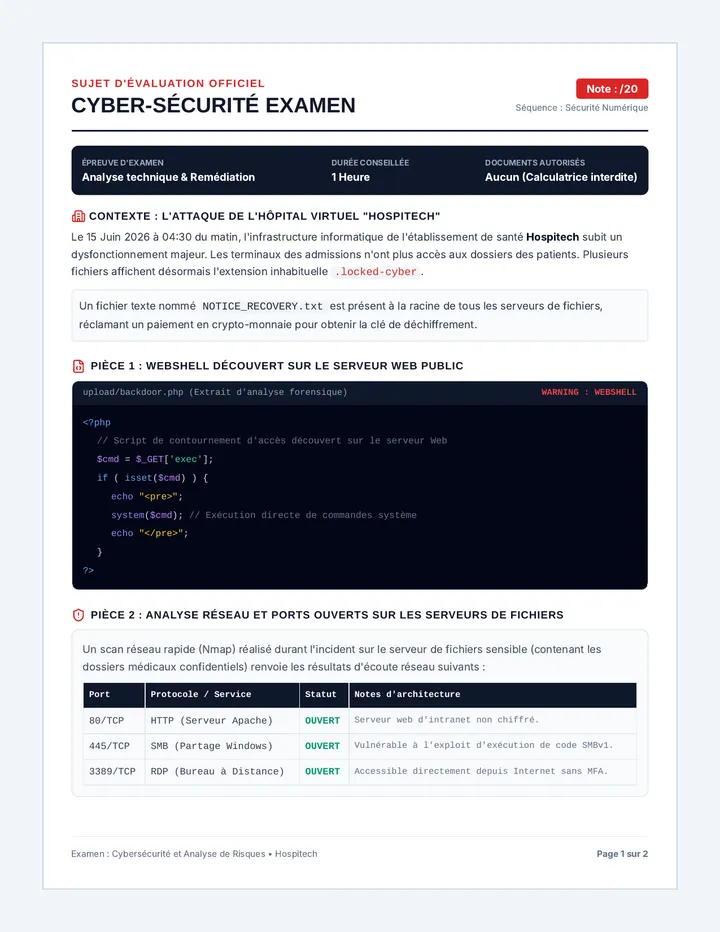
Séquence pédagogique complète sur la cybersécurité en entreprise, axée sur l'analyse technique des risques, la remédiation des failles de sécurité et la préparation aux épreuves d'examen ou de certification.
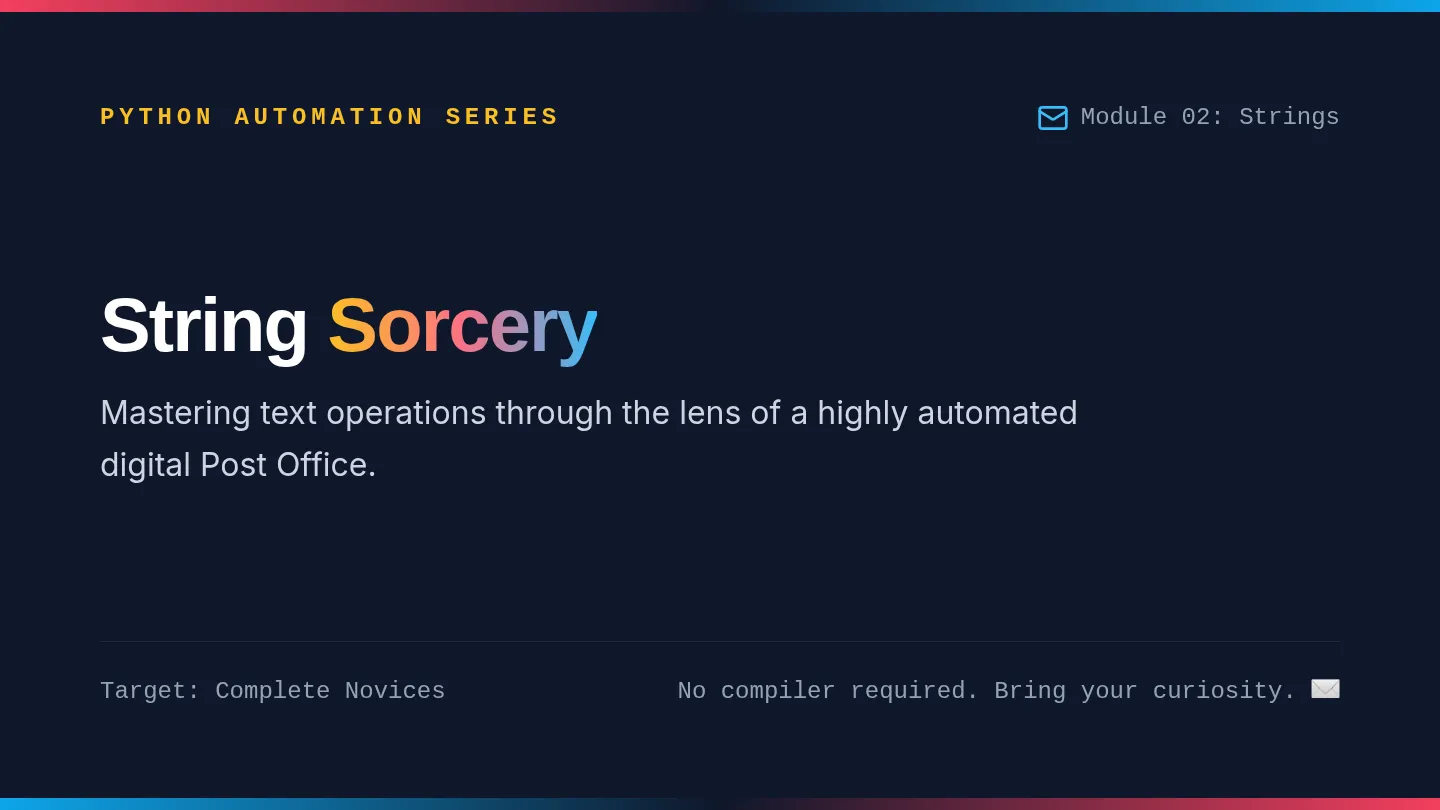
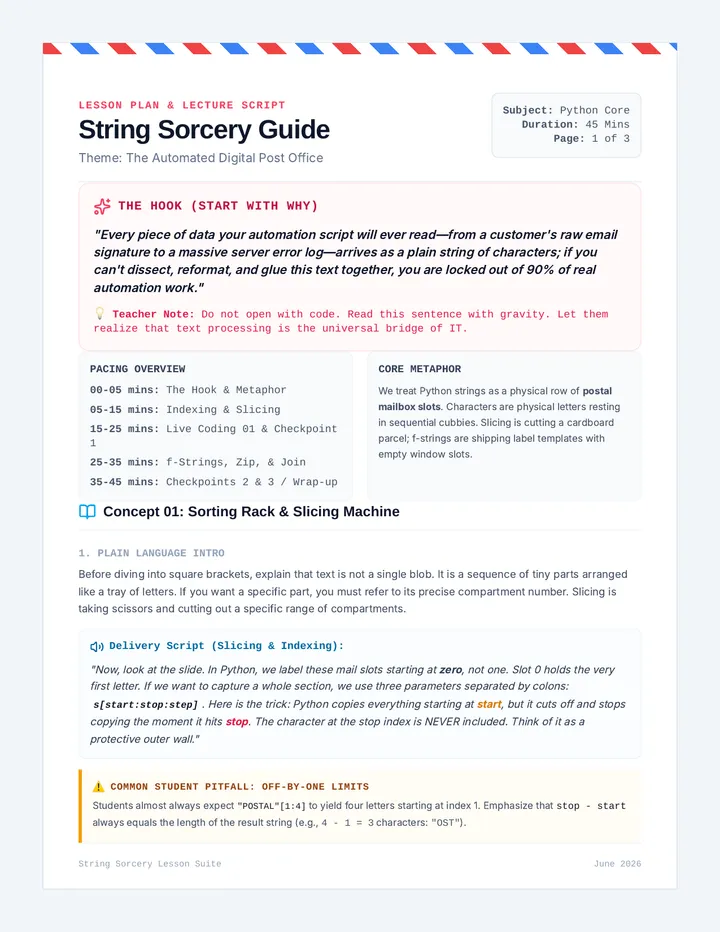
A beginner-friendly lesson introducing Python string operations like indexing, slicing, f-strings, zip(), and join() using a Post Office automation metaphor.
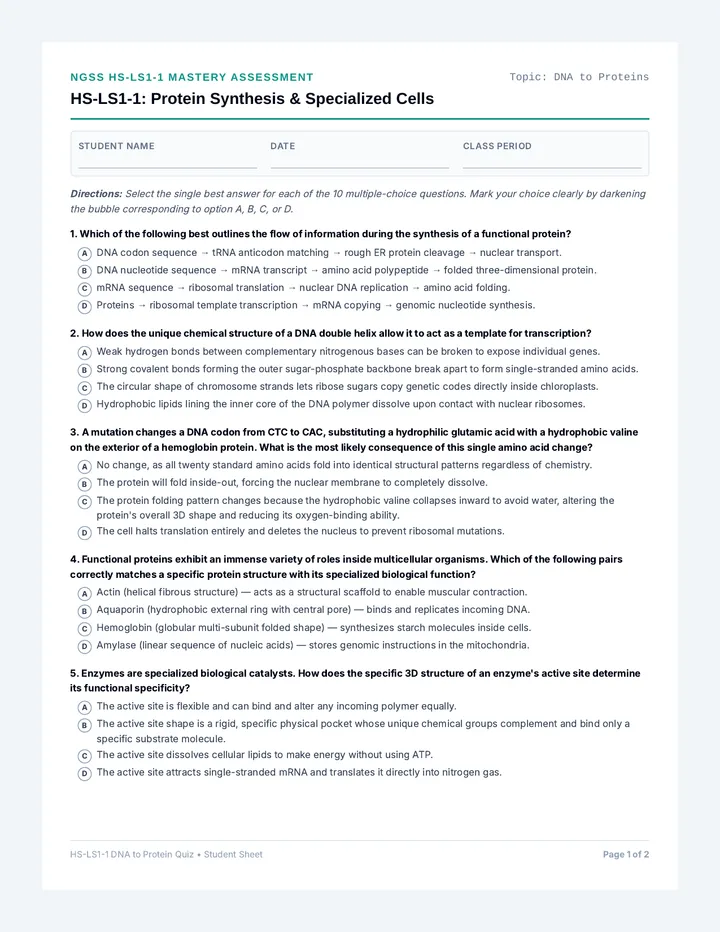
A highly rigorous, 2-page student assessment focused exclusively on NGSS standard HS-LS1-1. Contains 10 carefully scaffolded, high-quality multiple choice questions exploring the central dogma, transcription, translation, mutation effects, protein folding chemistry, and structure-function relationships in specialized cells.
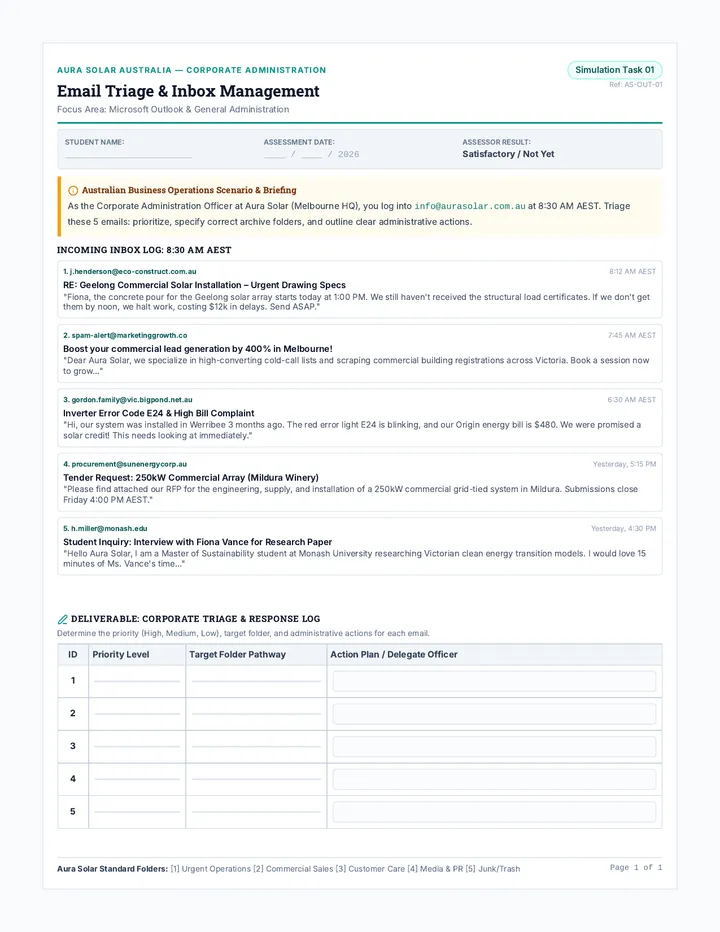
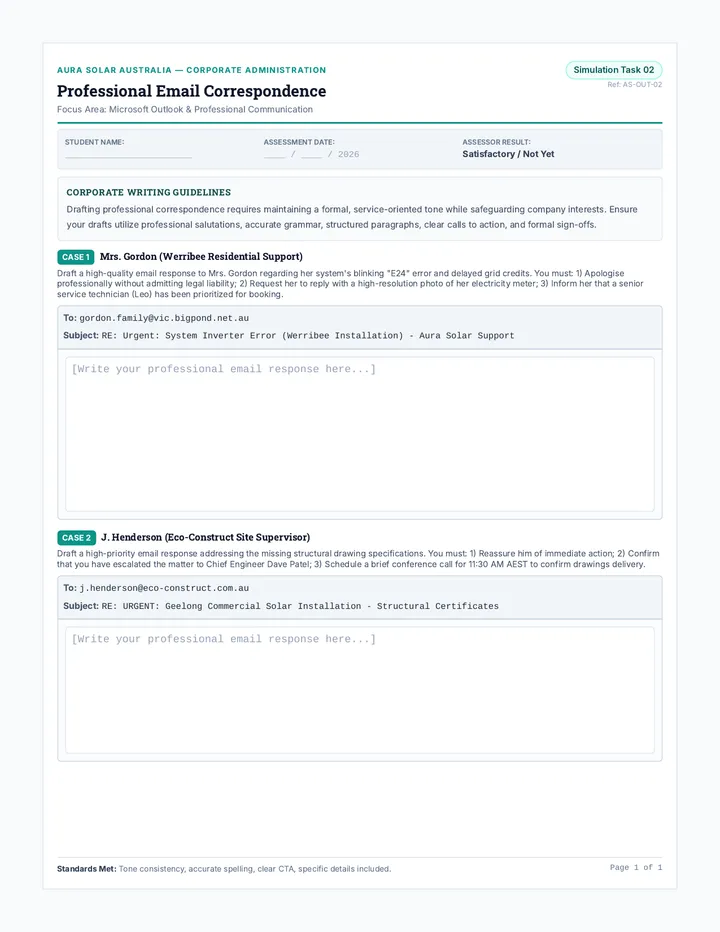
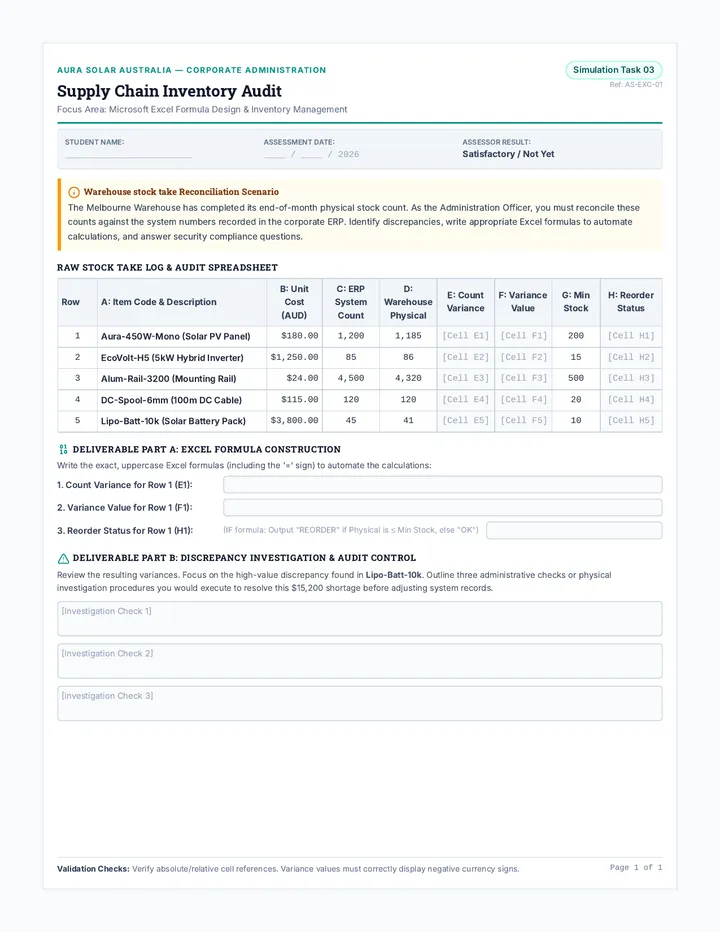
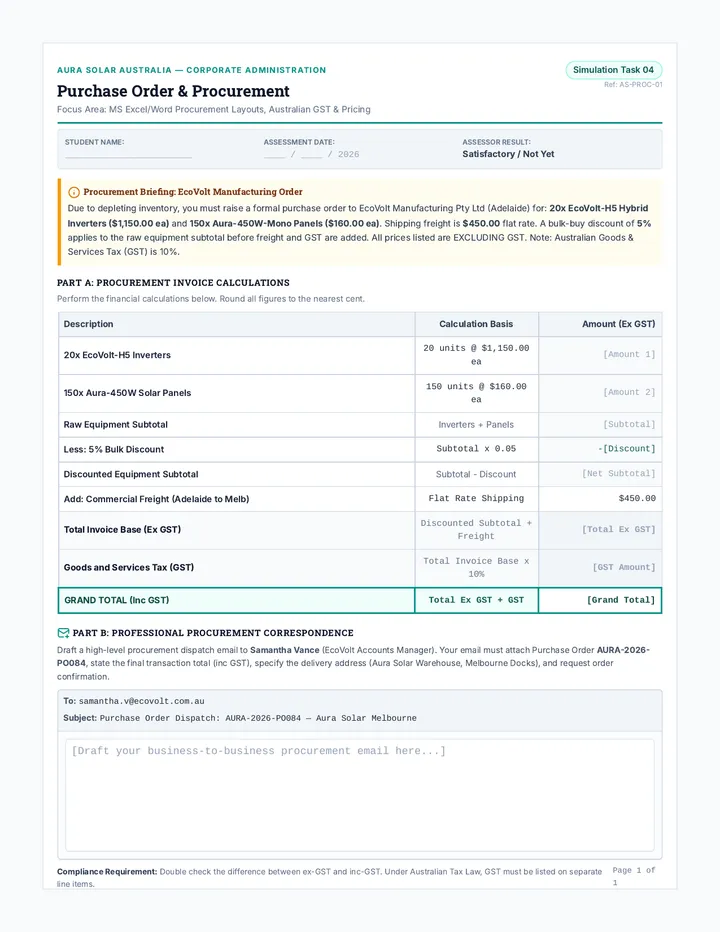
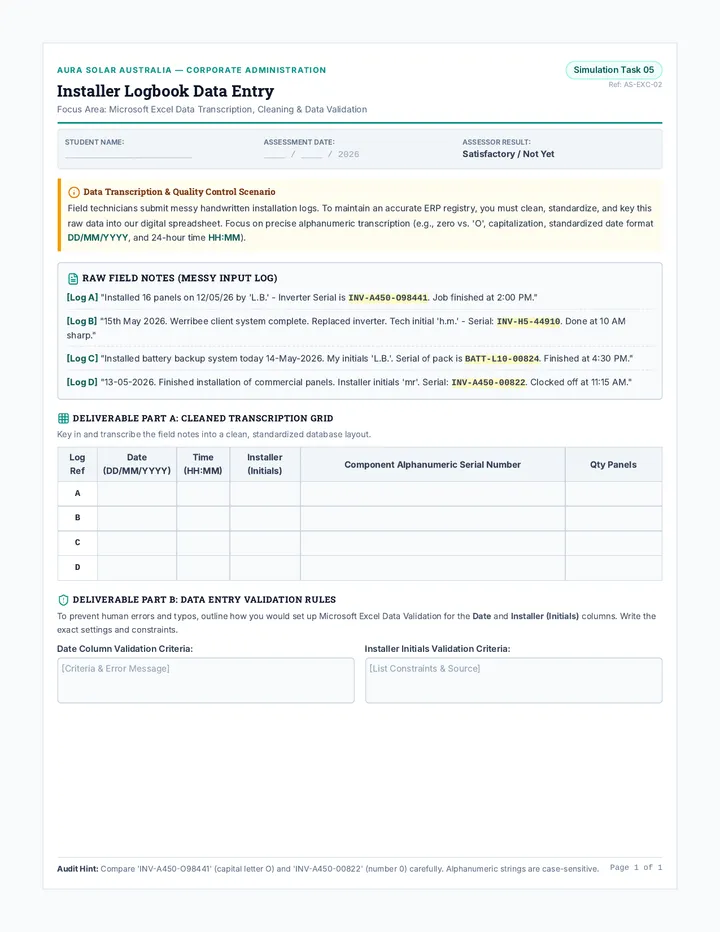
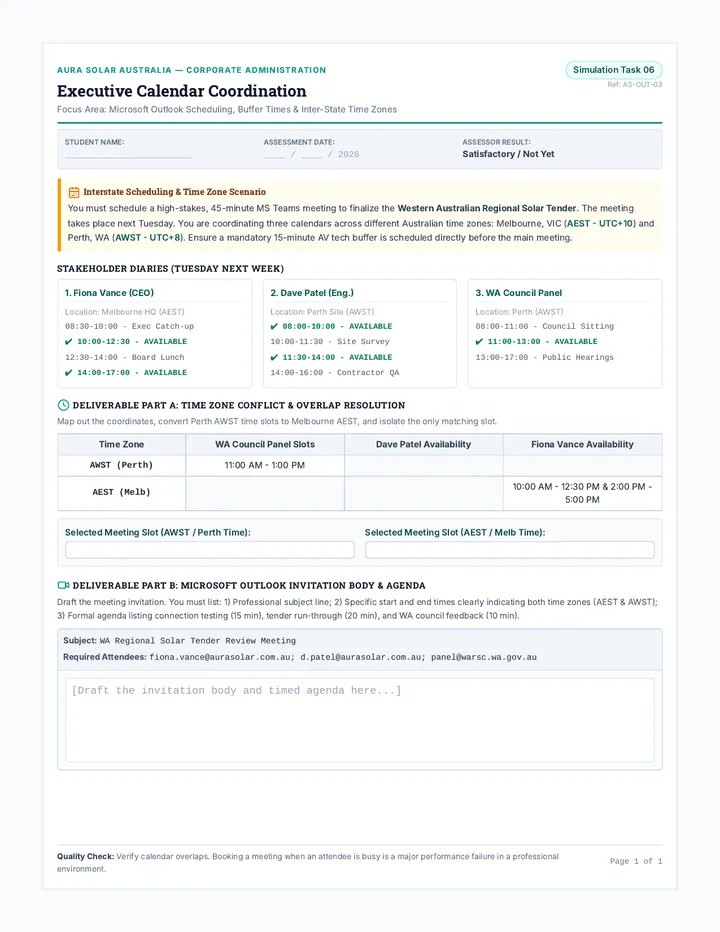
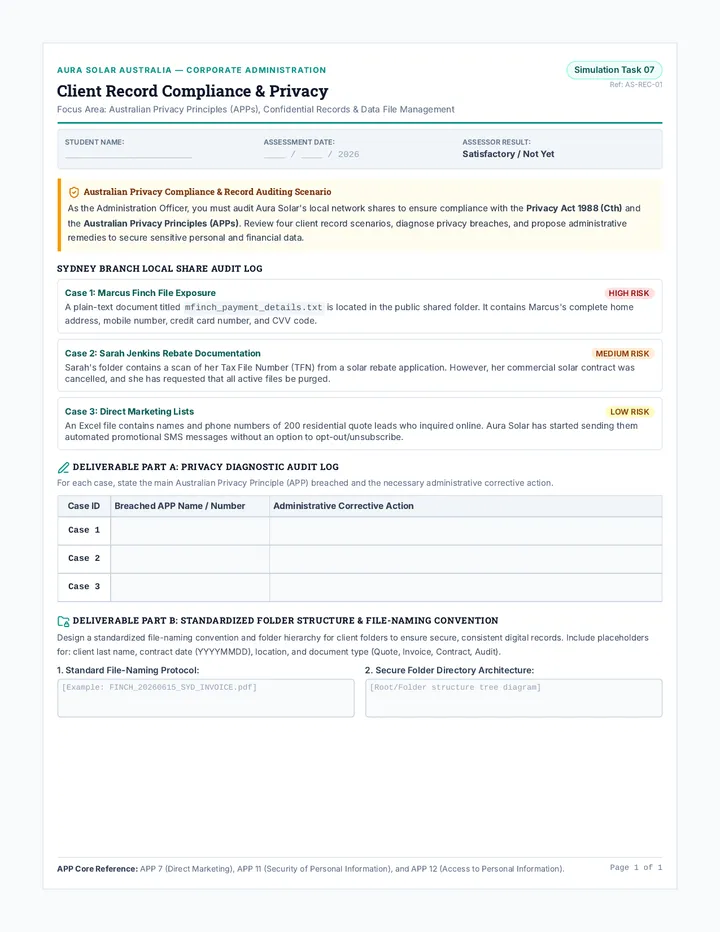
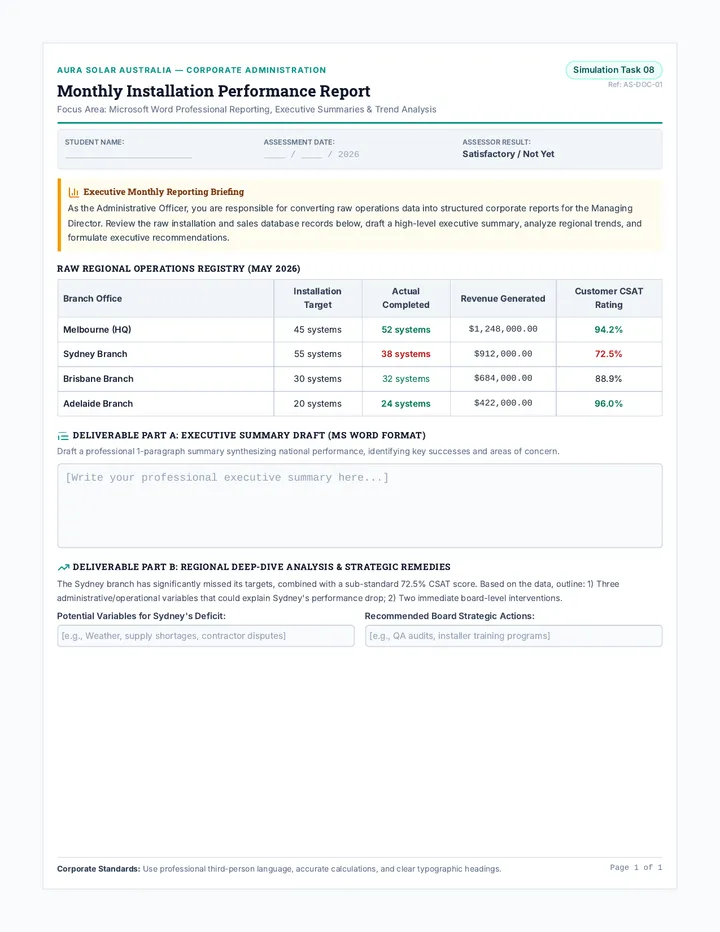
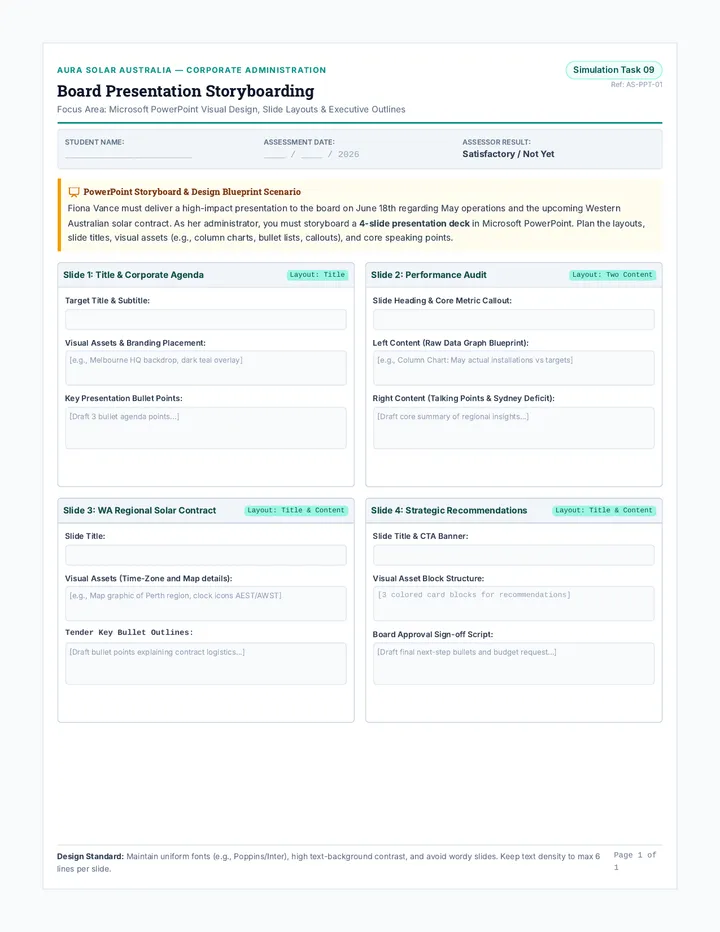
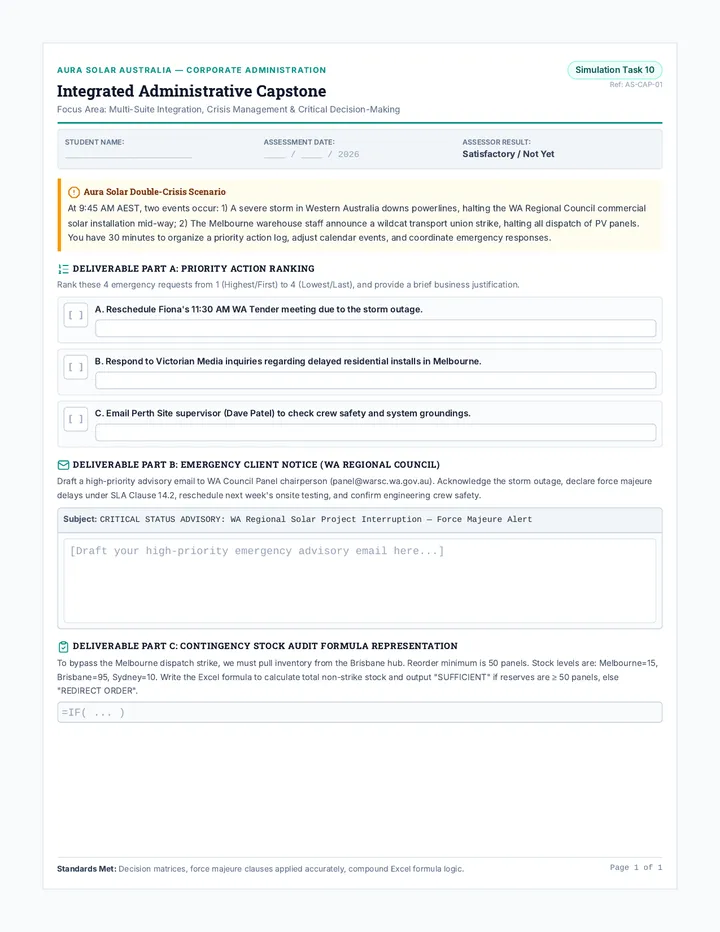
A comprehensive workplace simulation sequence following Aura Solar Australia, a major renewable energy provider based in Melbourne. Students act as Corporate Administration Officers, executing complex, realistic tasks across the Microsoft Office Suite that align with Australian business standards, GST calculations, time zones, and privacy regulations.
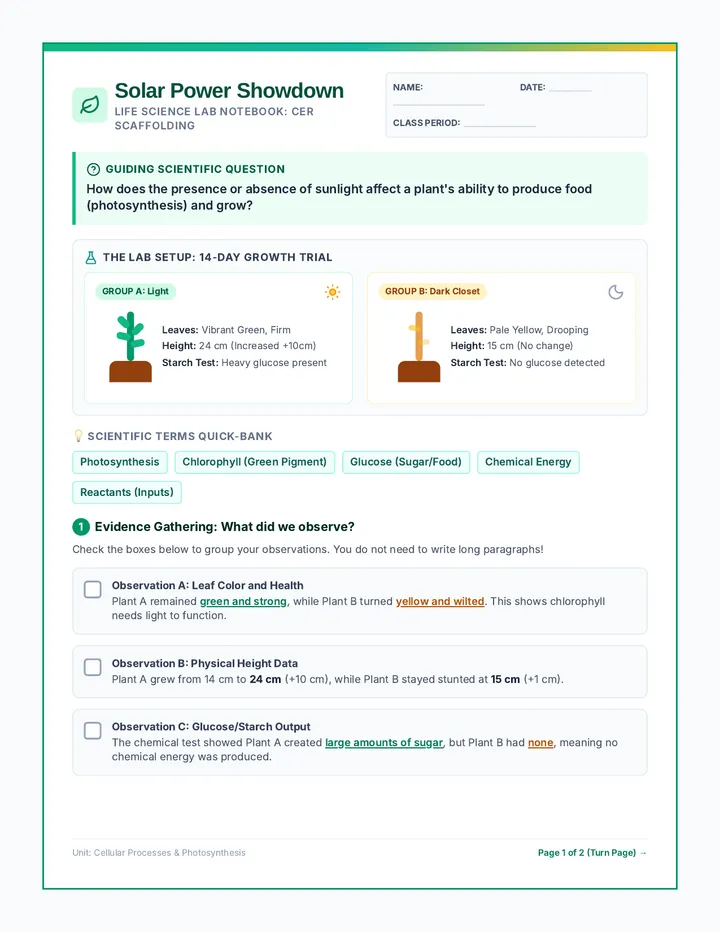
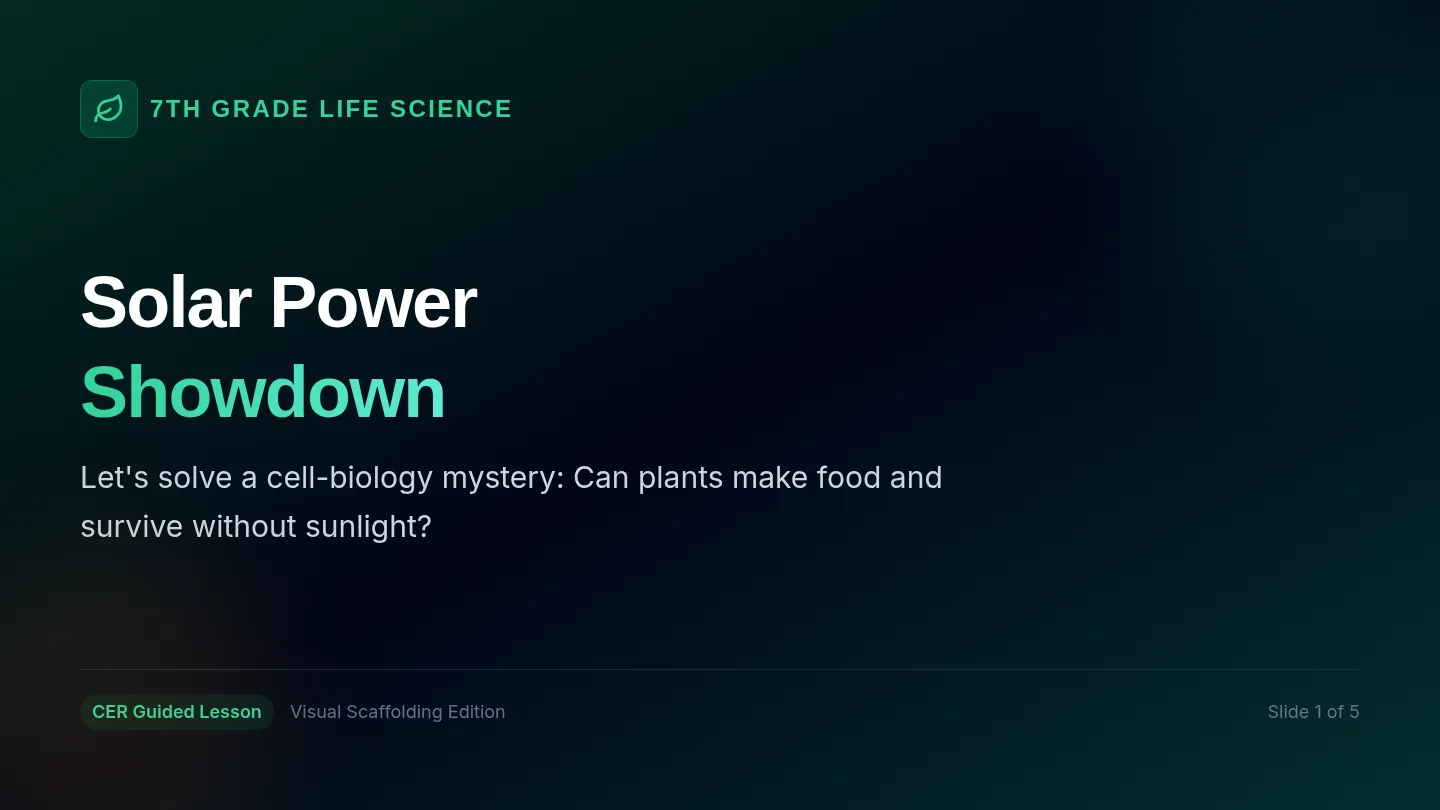
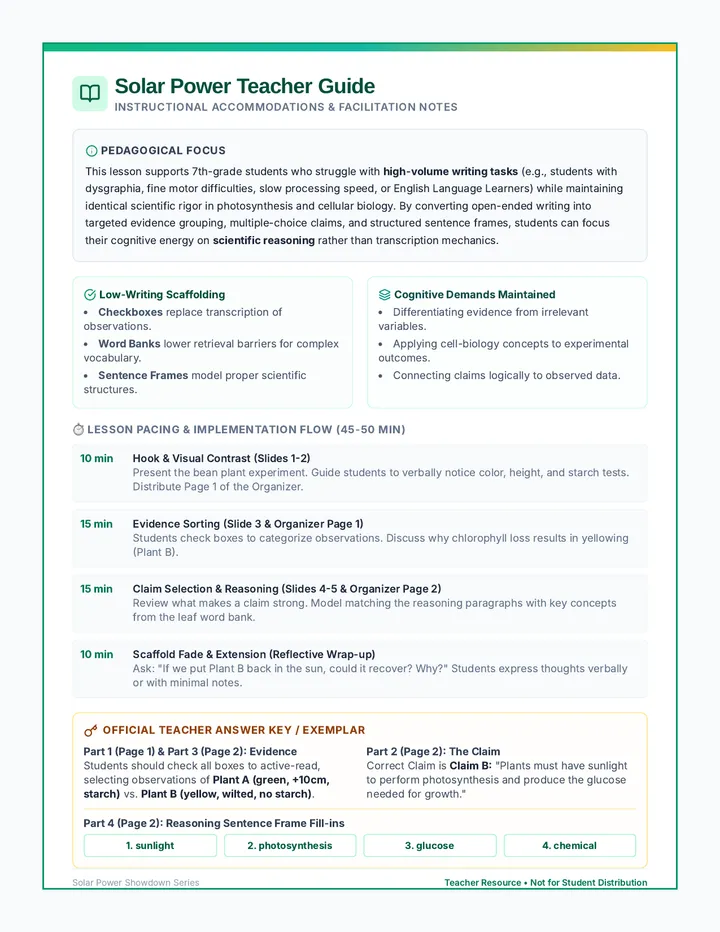
A differentiated Claim-Evidence-Reasoning (CER) lesson designed for 7th-grade life science, focusing on photosynthesis. It provides visual aids, word banks, and structured sentence frames to support students who need reduced writing demands.
A comprehensive, print-ready 5-page Teacher Answer Key and Grading Guide matching the student sheets page-for-page. Features highlighted correct answers, in-depth exemplary responses, multi-point grading rubrics, and direct NGSS standard alignments.