Shards of Truth Slides Forensic Science Unit 4
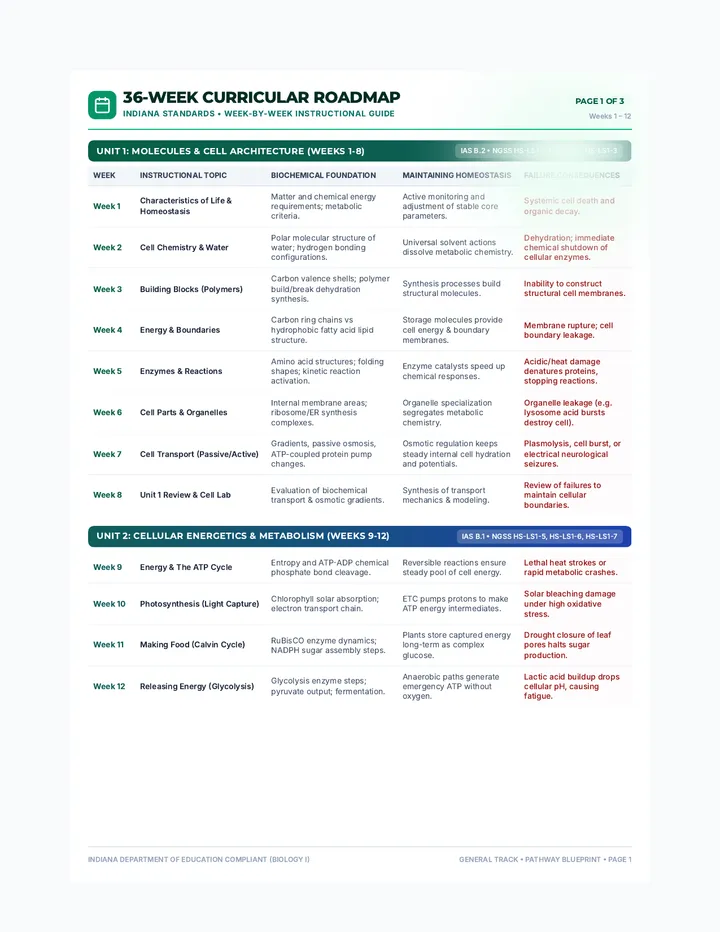
SHARDS OF TRUTH
Mastering Glass Evidence: From Fracture Patterns to Refractive Index
Investigation Goals
01
Classify Glass
Identify types of glass (tempered, laminated, soda-lime) based on physical properties.
02
Analyze Fractures
Determine direction of force and sequence of impact using radial/concentric patterns.
03
Lab Techniques
Apply density and refractive index testing (Becke Lines) to match evidence samples.
04
Evidence Handling
Demonstrate proper collection and preservation of fragile glass evidence.
The Physical Profile
Laminated
Two layers of glass with plastic between. Used in windshields. Does not shatter into pieces.
Tempered
Safety glass. Breaks into small "diced" cubes. Side windows and cell phone screens.
Soda-Lime
Most common. Found in bottles and windows. High iron content often gives it a green tint.
Reading the Damage
Radial vs. Concentric
Radial: Start at point of impact and radiate outward like spokes.
Concentric: Circular cracks around the impact point.
The 3R Rule
"Radial cracks form Right angles on the Reverse side of the force."
CONCENTRIC
RADIAL
Impact Mechanics
The Becke Line Test
When a glass fragment is submerged in a liquid with a different refractive index, a bright halo appears around the edges.
MATCH POINT
If the halo (Becke Line) disappears, the glass and liquid have the exact same refractive index.
Microscopic View
Mission: Glass Hunt
Visit all 6 Stations in the lab.
Complete tasks in your Evidence Log Sheet.
Wait for the rotation signal (5 mins per station).
Protocol Warning:
Handle station props with care. Use tweezers for microscopic evidence.
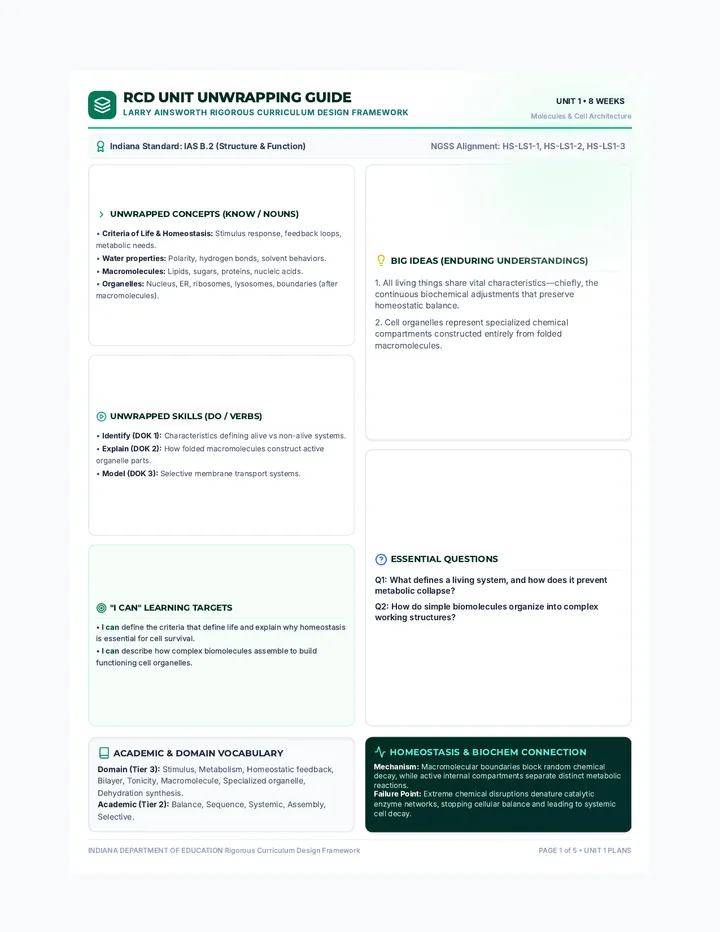
Shards of Truth Station Cards 01
The Basic Build
Lab Scenario:
Examine samples A, B, and C. These represent different manufacturing processes found at crime scenes.
1
Identify the sample with the green edge tint. This is the most common glass found at crime scenes. What type is it?
2
Identify the most clear, heat-resistant sample used in lab equipment. What chemical type is it?
Task: Record IDs on Log Sheet
02
Under Pressure
Fracture Analysis:
A window has two impact holes (labeled 1 and 2). Fractures from the second impact always stop at fractures from the first.
1
Examine the termination points. Which hole was made FIRST?
2
Where do the radial lines of Hole 2 dead-end?
Task: Sketch sequence on Log Sheet
03
The Index Search
Becke Line Test:
Observe slides under immersion oil (RI = 1.51). Watch the bright halo move as you adjust the microscope.
1
Slide 1: The halo moves inside the fragment. Does the glass have a higher or lower RI than the oil?
2
Slide 2: The glass is completely invisible. What is its RI value?
04
Floating Facts
Density Test:
Density = Mass (g) ÷ Volume (mL)
1
Calculate DENSITY for the Crime Fragment (Mass: 5.2g, Volume: 2.0mL).
2
Calculate DENSITY for the Suspect Sample (Mass: 7.5g, Volume: 3.0mL).
Workspace Area
05
Safe Handling
Evidence Protocol:
Select the correct packaging for microscopic shards versus a large pane with a fingerprint.
1
Why do we use rigid containers for large pieces instead of plastic bags?
2
How do you secure a shard to prevent shift during transport?
06
Glass Gallery
ID Challenge:
Identify the glass in Container X (granular cubes) and Container Y (sharp jagged shards).
Container X
Diced cubes, safety glass.
Container Y
Large sharp jagged fragments.
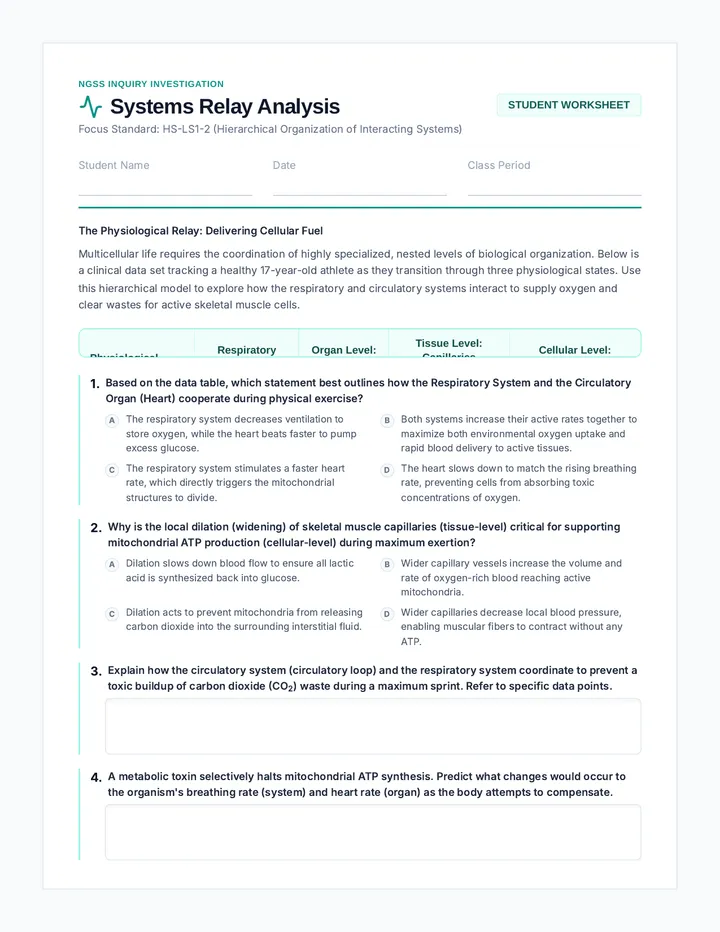
Shards of Truth Log Sheet Shards of Truth
Evidence Log Sheet
Investigator:
Date:
1
The Basic Build
Which sample is Soda-Lime?
Which sample is Borosilicate?
Observations:
2
Under Pressure
Analysis:
Identify the hole made FIRST:
Fracture Sketch Area
3
The Index Search
Slide 1 Findings:
Glass RI > Oil RI
Glass RI < Oil RI
Slide 2 Conclusion:
4
Floating Evidence (Density)
Crime Scene Sample
Mass: 5.2g
Volume: 2.0mL
Density =
Suspect Sample
Mass: 7.5g
Volume: 3.0mL
Density =
Final Verdict
IS IT A MATCH? (CIRCLE ONE): YES NO
5
Collection Protocol
Small Shards Method:
Large Shard Protection:
6
Glass Gallery
Container X
Type: ___________
Container Y
Type: ___________
Final Analysis
Is glass evidence considered individual or class evidence? Explain your reasoning based on today's investigation.
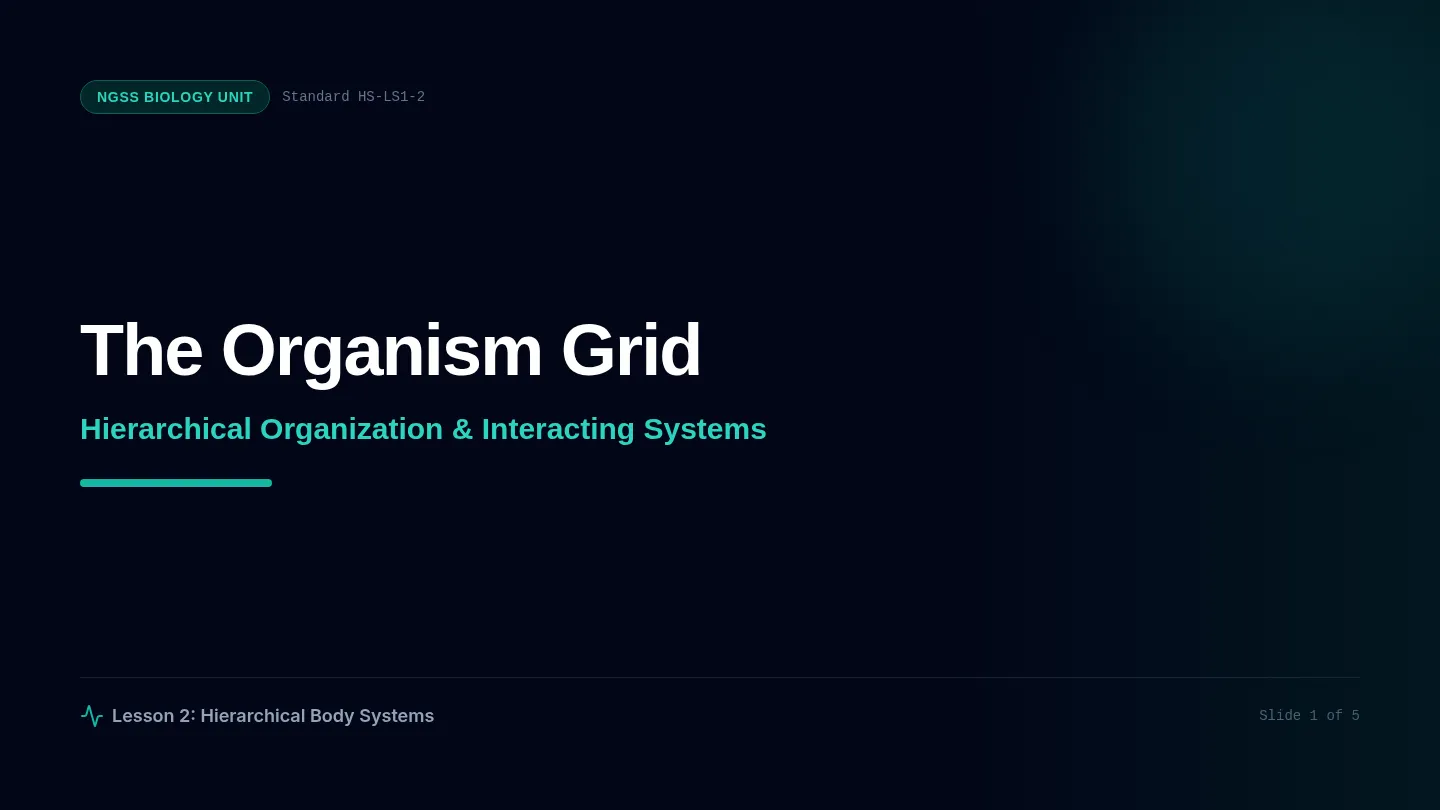
Shards of Truth Answer Key Confidential
Answer Key
Shards of Truth Investigation
Teacher Reference Only
Station 1: The Basic Build
Soda-Lime: Sample A (Look for green iron-oxide tint on edges).
Borosilicate: Sample B (Higher clarity, common in Pyrex/Lab glass).
Notes: Students should note that thickness alone doesn't identify type, but tint and fracture edges do.
Station 2: Under Pressure
First Hole: Hole #1.
Reasoning: Radial fractures from the second hole will always stop (terminate) when they hit an existing fracture line from the first hole.
Sketch: Radial lines from Hole #2 should be shown "dead-ending" into lines from Hole #1.
Station 3: The Index Search
Slide 1: Glass RI > Oil RI (Becke line moves into the higher RI medium when stage is lowered/working distance increased).
Slide 2: Glass RI = Oil RI (Match point: glass becomes invisible when indices are identical).
Station 4: Floating Evidence
Crime Scene Fragment: 5.2g / 2.0mL = 2.6 g/mL
Suspect Fragment: 7.5g / 3.0mL = 2.5 g/mL
Match? NO. (Close, but forensic matches require precise density alignment).
Station 5: Handle with Care
Small Shards: Use tweezers; place in a paper bindle (druggist fold); then place bindle in a secondary rigid container (vial or box).
Large Shard: Secure in a rigid cardboard box using zip-ties or tape at the edges only. Do not wrap in tissue as it smudges prints.
Station 6: Glass Gallery
Container X: Tempered Glass (Safety glass breaks into small dice-like cubes to prevent injury).
Container Y: Soda-Lime/Window Glass (Breaks into large, sharp, jagged shards).
Final Reflection Answer:
Usually CLASS EVIDENCE because mass-produced glass has similar properties. It only becomes INDIVIDUAL EVIDENCE if the pieces can be physically fit back together like a puzzle (physical match/fracture match).