Teaches students how to organize, visualize, and interpret the data they've gathered to identify key trends and contradictions.
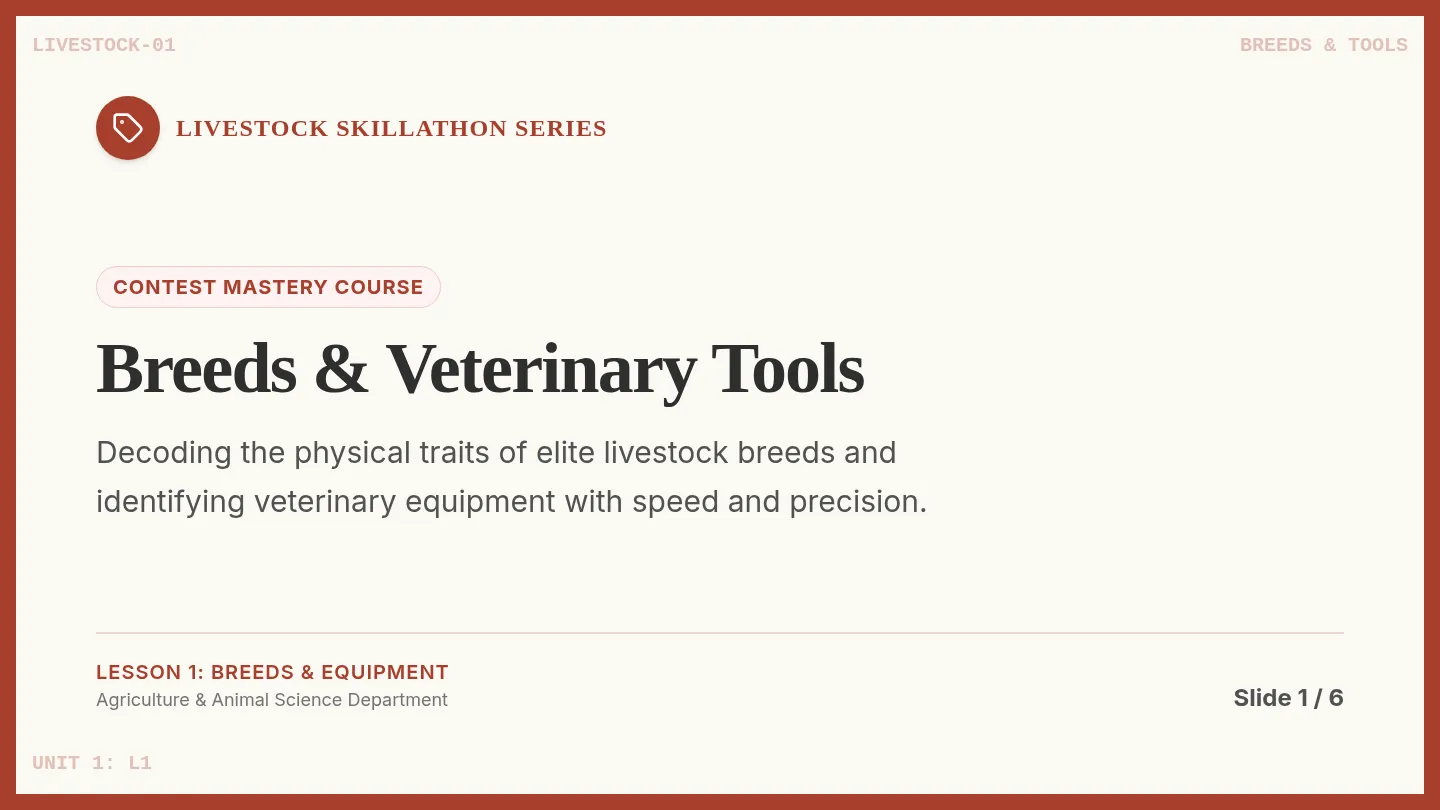
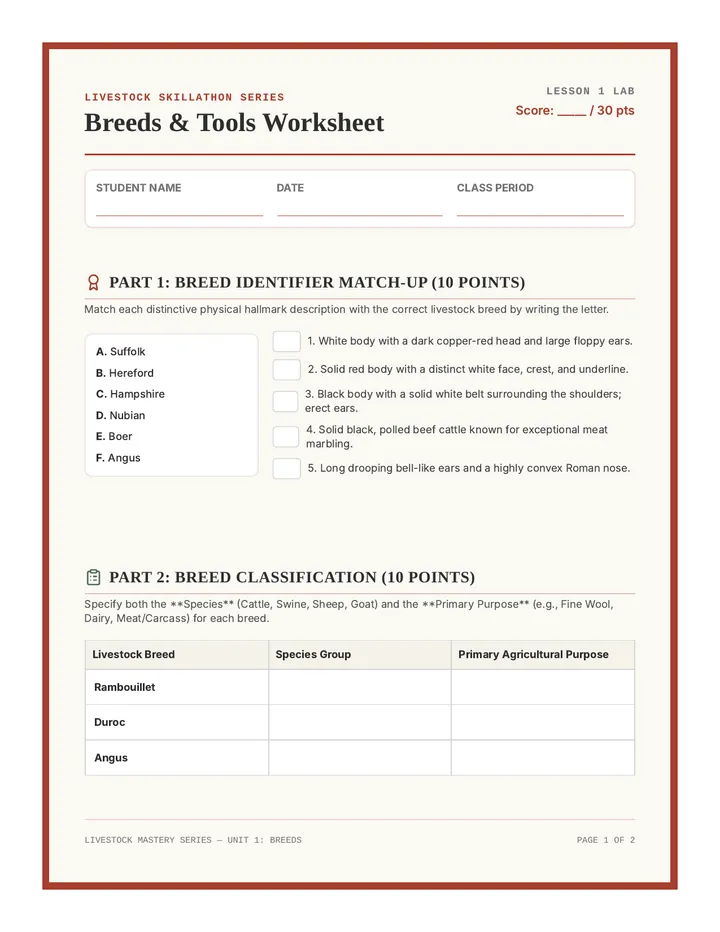
An immersive preparation program that equips agriculture students with the hands-on identification and evaluation skills needed to conquer competitive Livestock Skillathon contests.
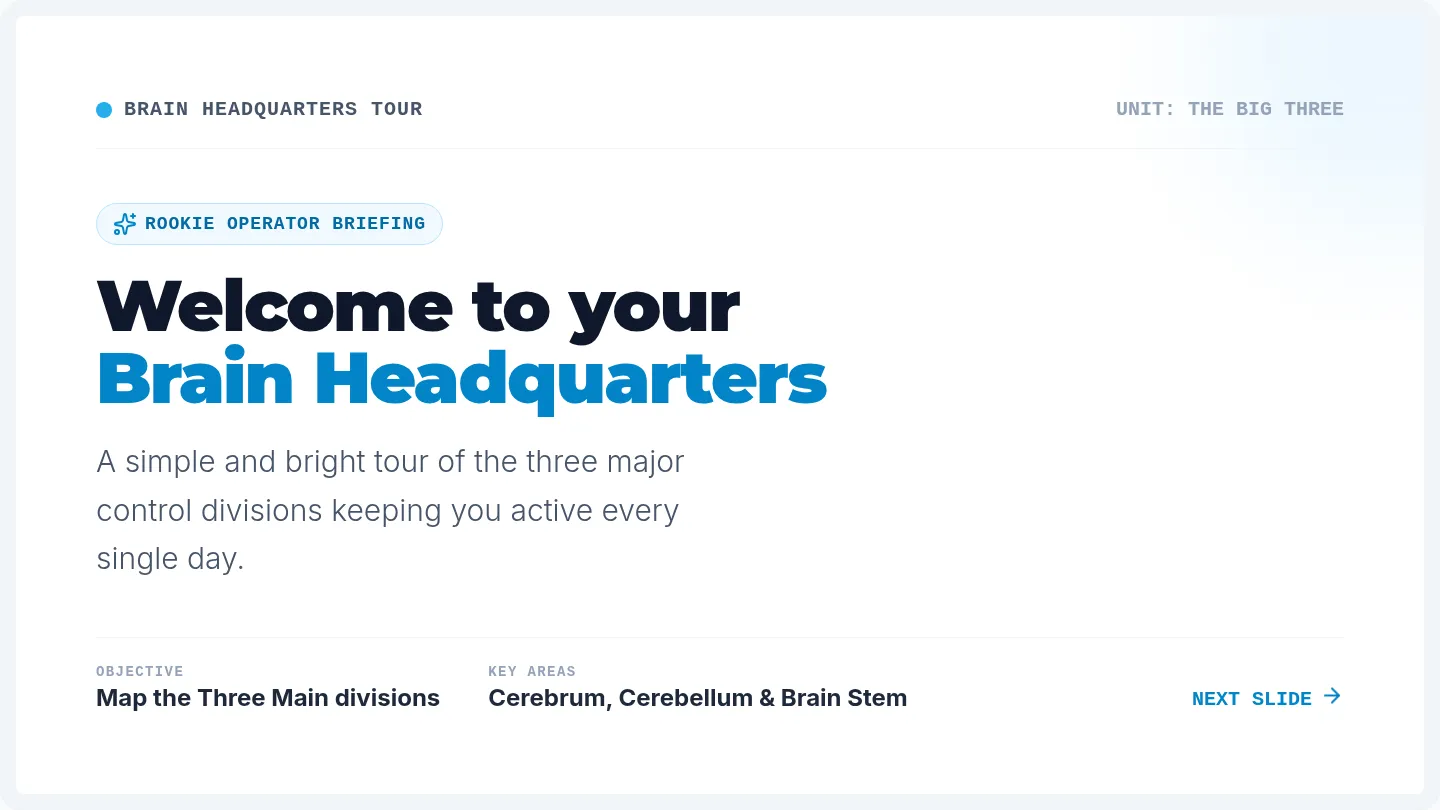
An interactive lesson introducing elementary or middle school students to the three major divisions of the brain: the Cerebrum, Cerebellum, and Brain Stem.
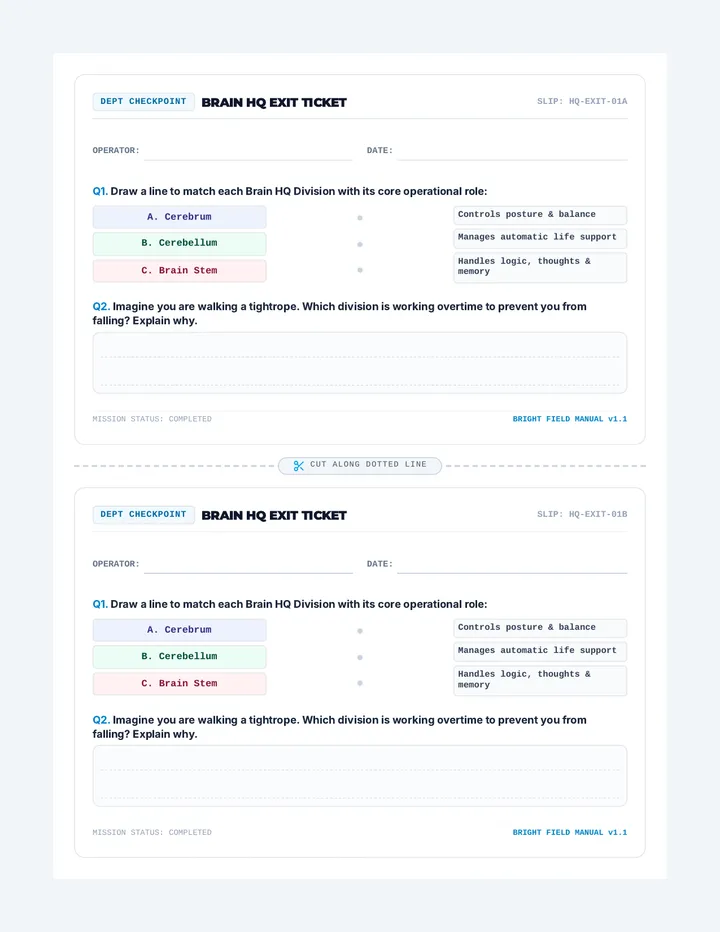
A practical, print-saving 2-up exit ticket containing two identical, clean-cut checkpoint slips to quickly assess students' mastery of the Cerebrum, Cerebellum, and Brain Stem.
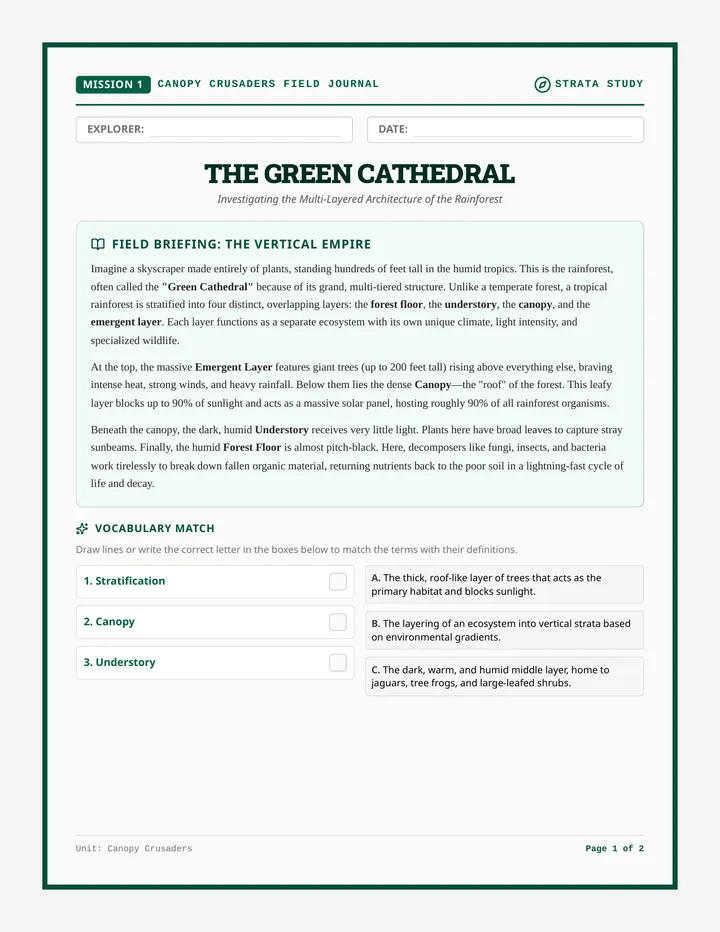
A comprehensive unit on rainforest ecology, climate regulation, and conservation. Students explore the structural layers of the rainforest, their roles as carbon sinks, the threats of deforestation, and collaborative solutions for preservation.
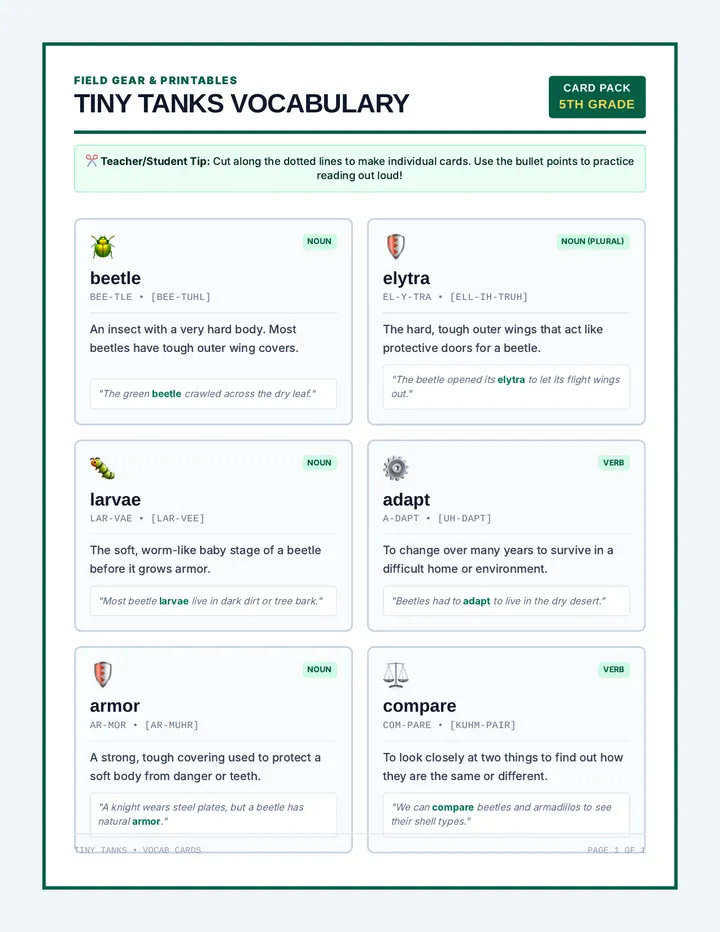
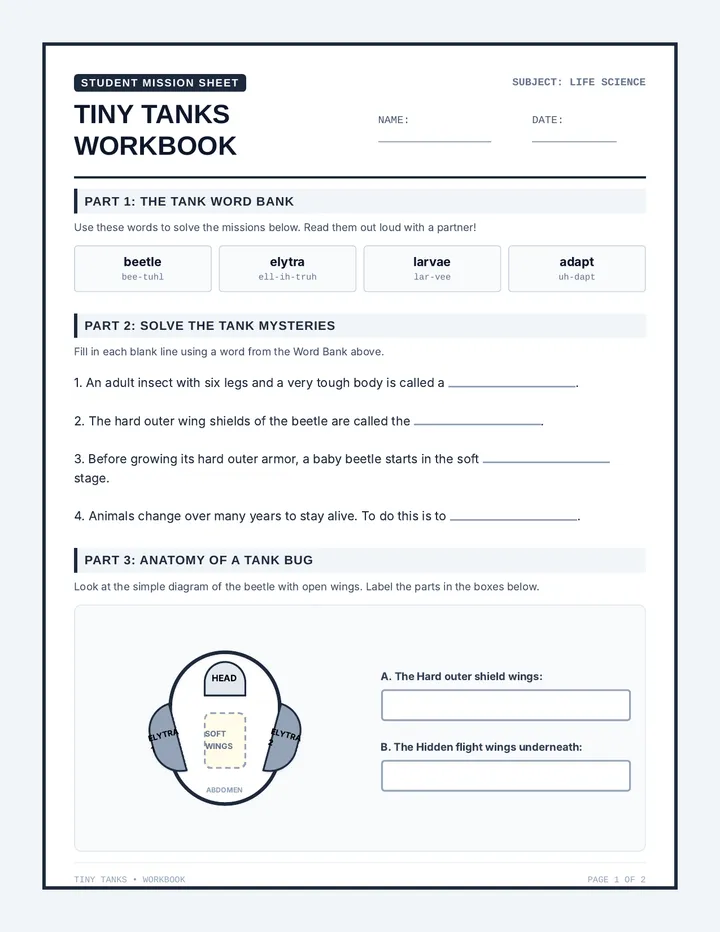
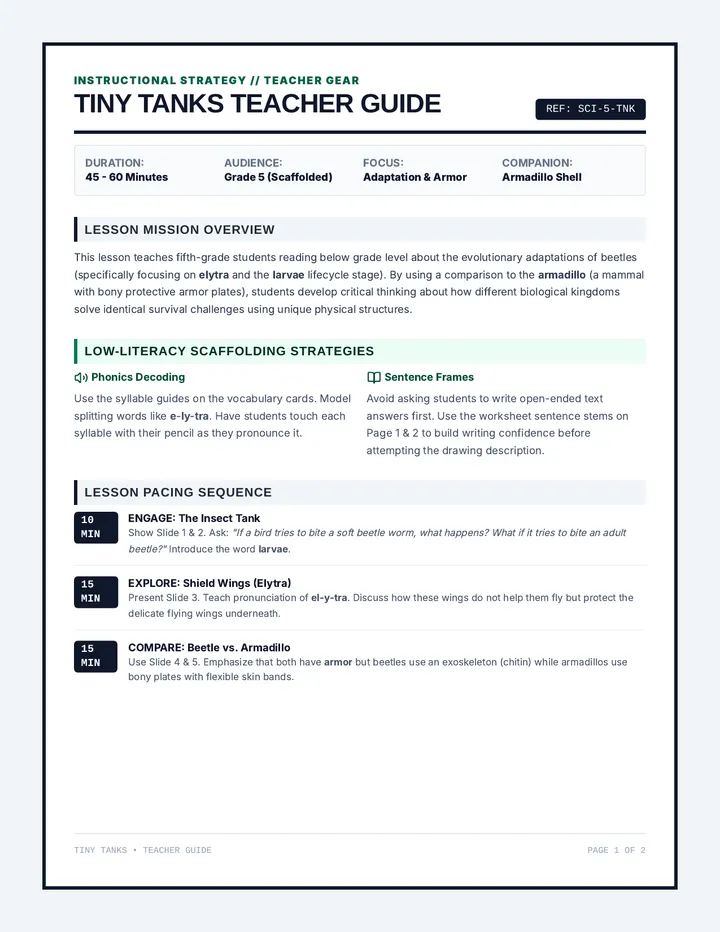
An engaging, highly visual science lesson exploring beetles as the armored tanks of the insect world, designed specifically for fifth-grade students reading below grade level. Students learn about elytra, beetle adaptation, and compare insect armor to that of the armadillo through scaffolded activities.
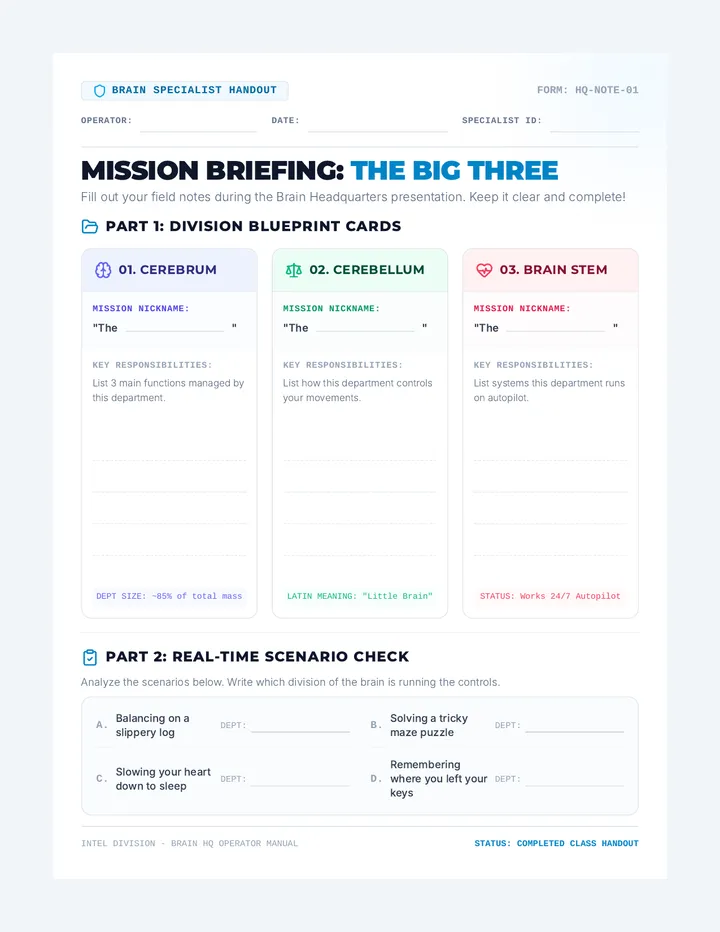
An engaging, print-ready guided note-catcher for students to map the three major brain divisions, complete with custom department blueprint cards, nickname fill-ins, and a scenario match-up check.
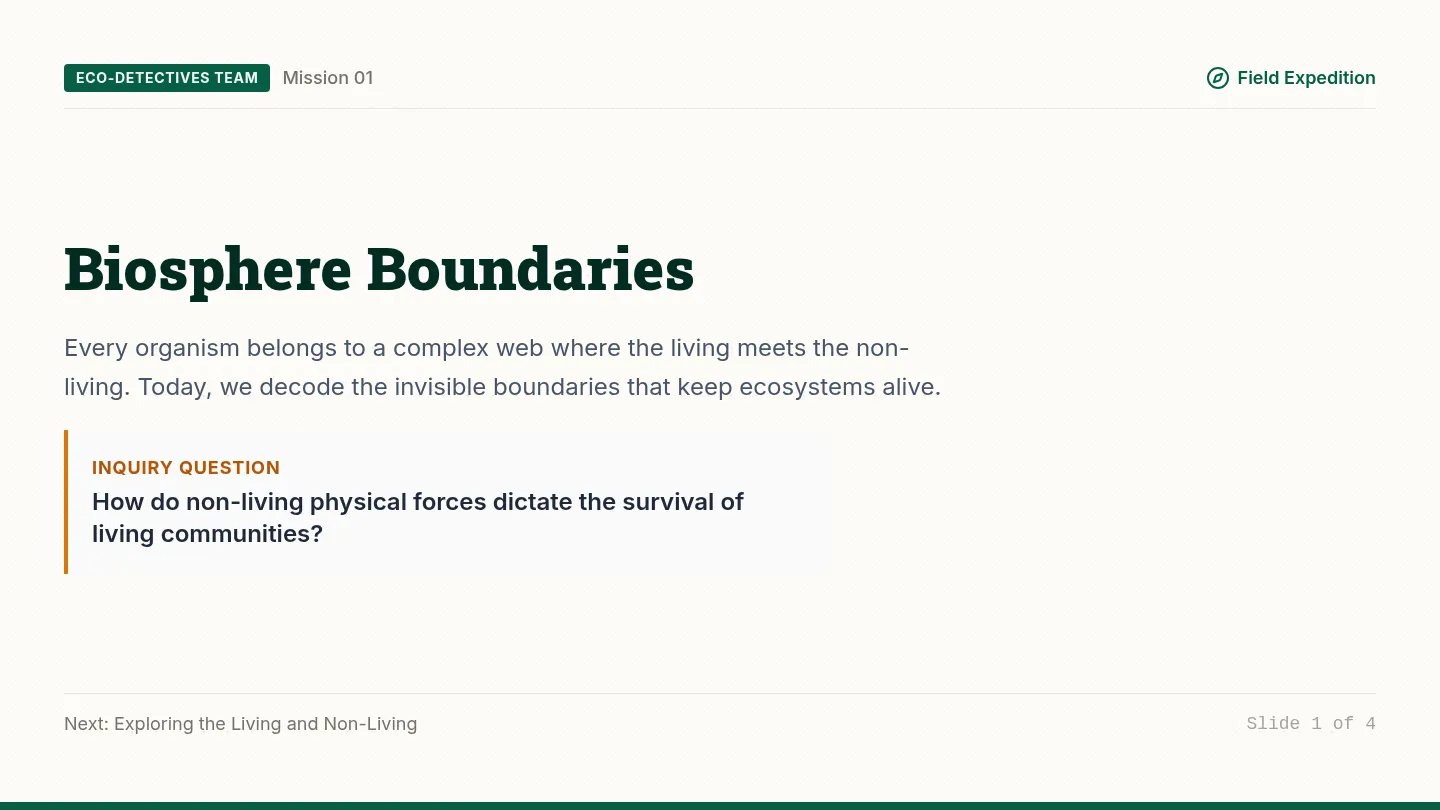
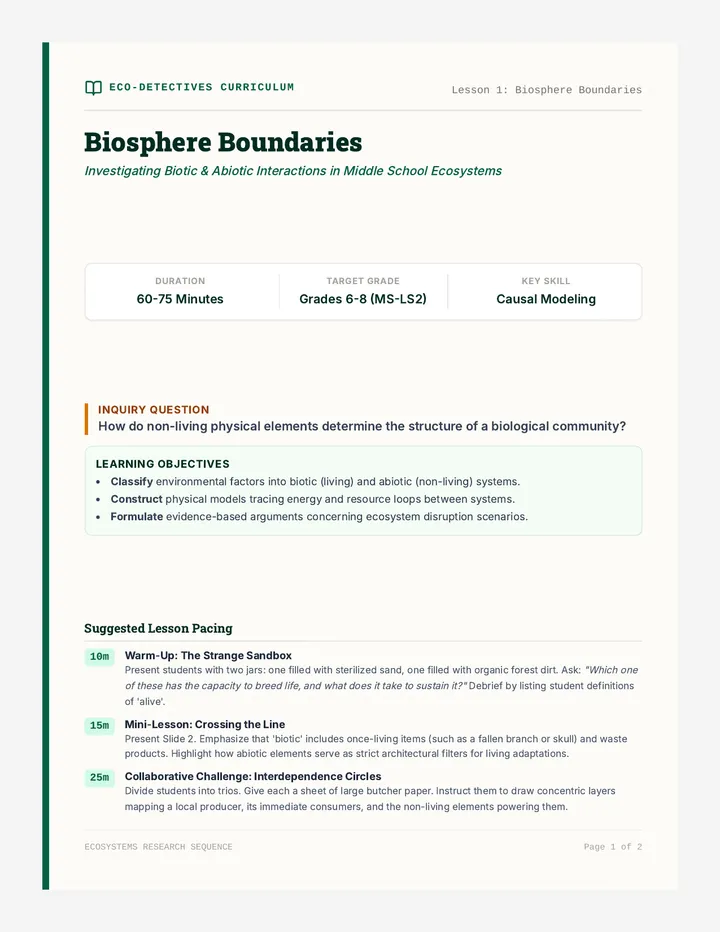
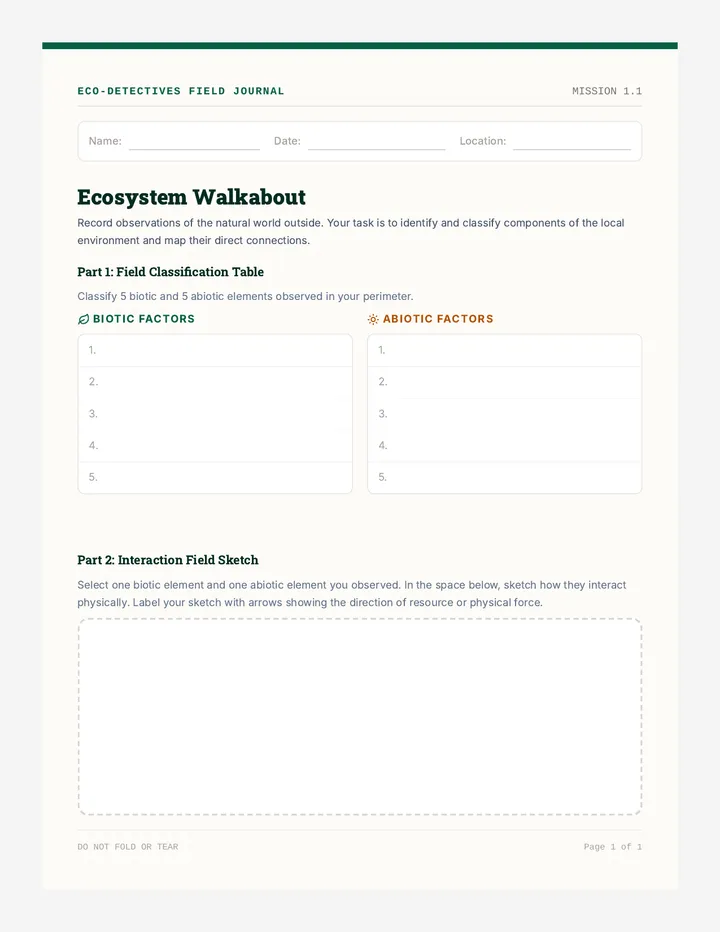
A middle school scientific inquiry sequence where students investigate abiotic and biotic components, trace trophic energy pyramids, and build critical media literacy by evaluating ecological research sources.
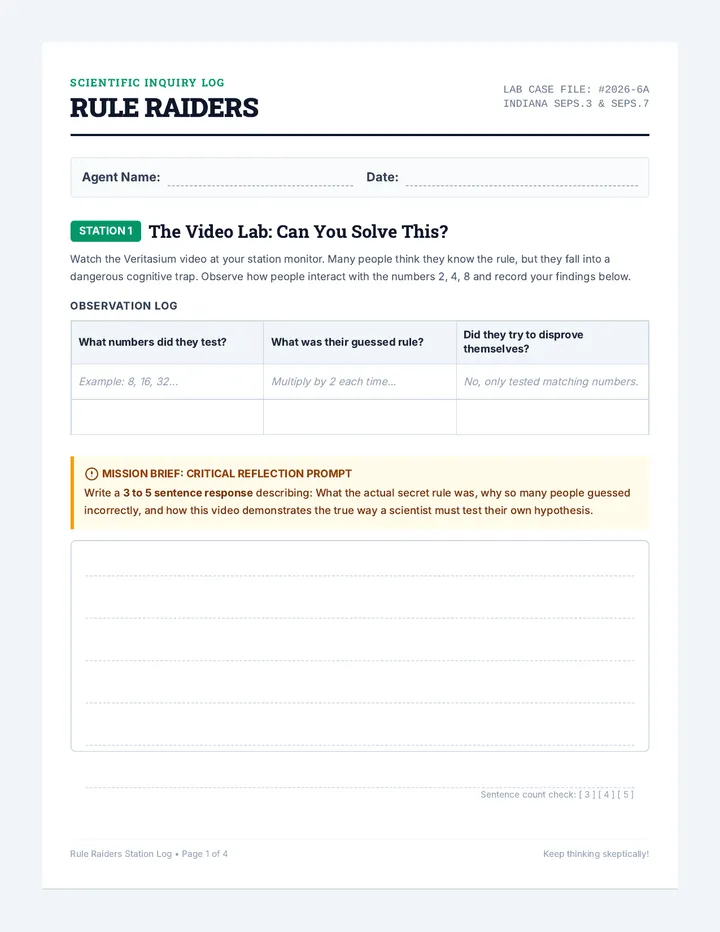
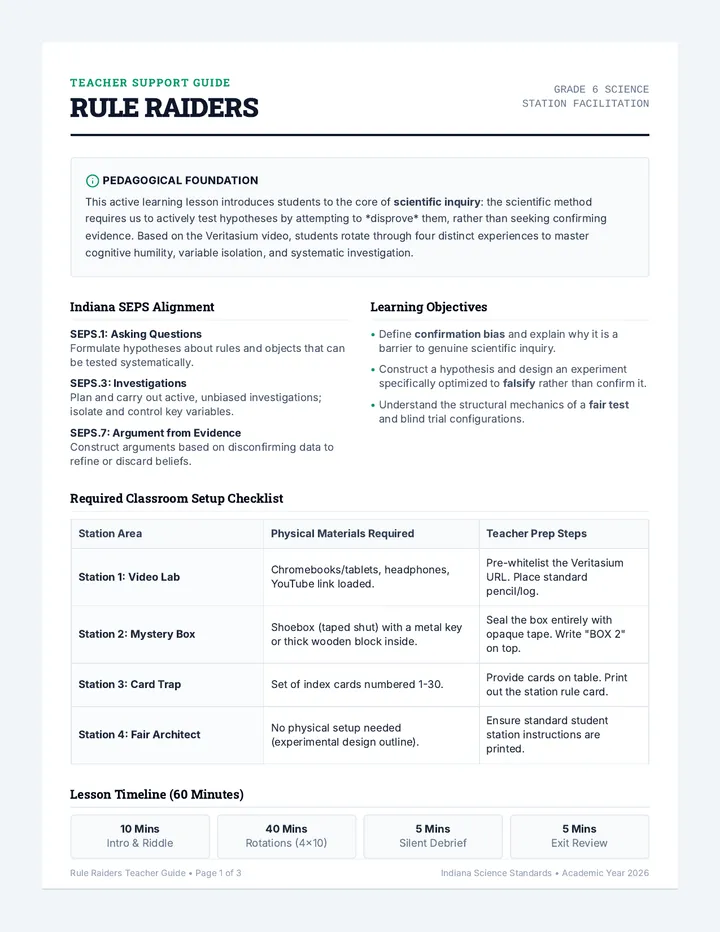
A active learning station rotation lesson where sixth-grade students discover the dangers of confirmation bias and learn the power of testing hypotheses by trying to disprove them. Based on the Veritasium 'Can You Solve This?' video, students rotate through digital and hands-on offline inquiry challenges to build robust scientific thinking skills aligned with Indiana SEPS.
A beautiful, bright, and simple 5-slide presentation introducing the Cerebrum, Cerebellum, and Brain Stem using a clean minimalist design with cheerful color accents. Fully aligned with the updated note-catcher.
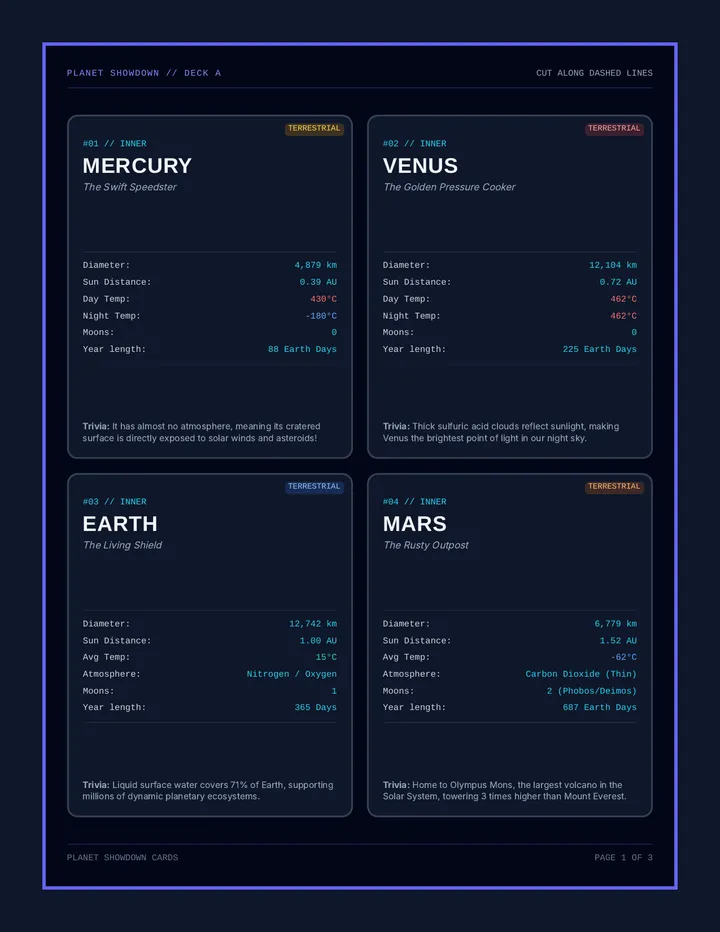
A comprehensive middle school space science unit exploring the physical properties of major planets along with the characteristics, orbits, and origins of other celestial objects like comets, asteroids, and dwarf planets.
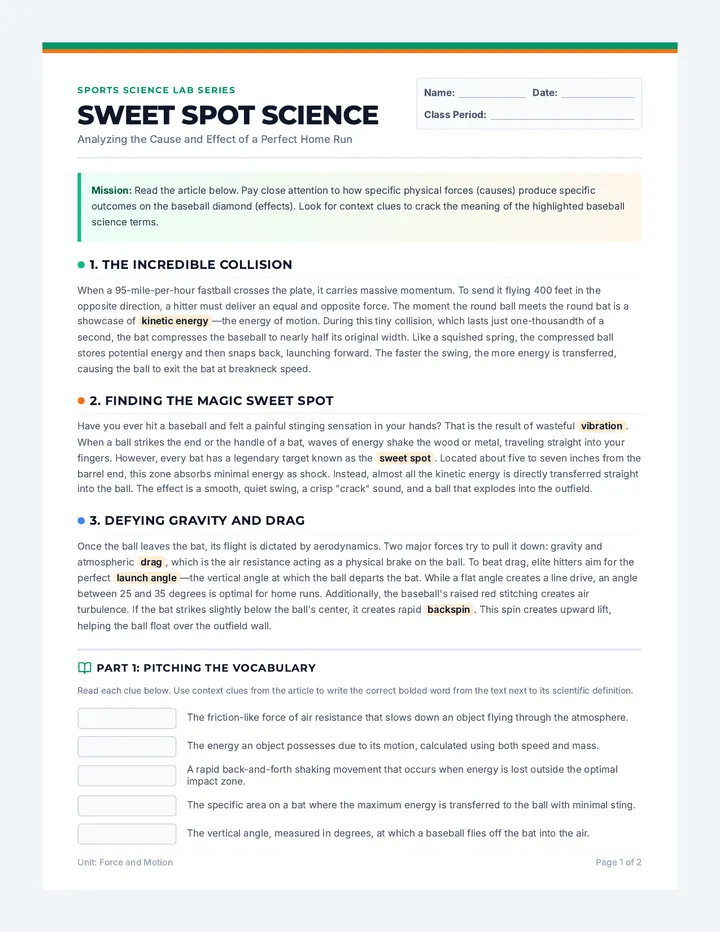
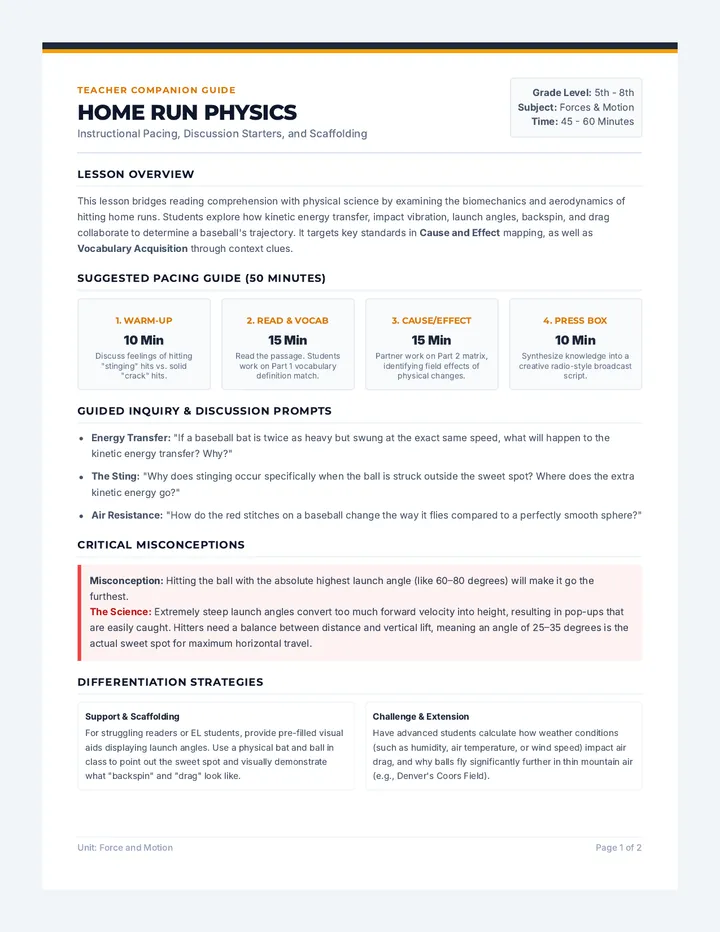
A lesson focused on the physics of hitting a home run in baseball. Students explore cause-and-effect relationships and vocabulary context clues through a reading passage, followed by comprehension questions and a creative writing prompt.
A comprehensive two-page teacher guide providing a lesson plan, pacing guide, scaffolded reading strategies for low-literacy students, and a complete worksheet answer key.