Atomic Newton Packet
Atomic Newton
Research Log: Nuclear Energy
Name: _________________________
Date: _________________________
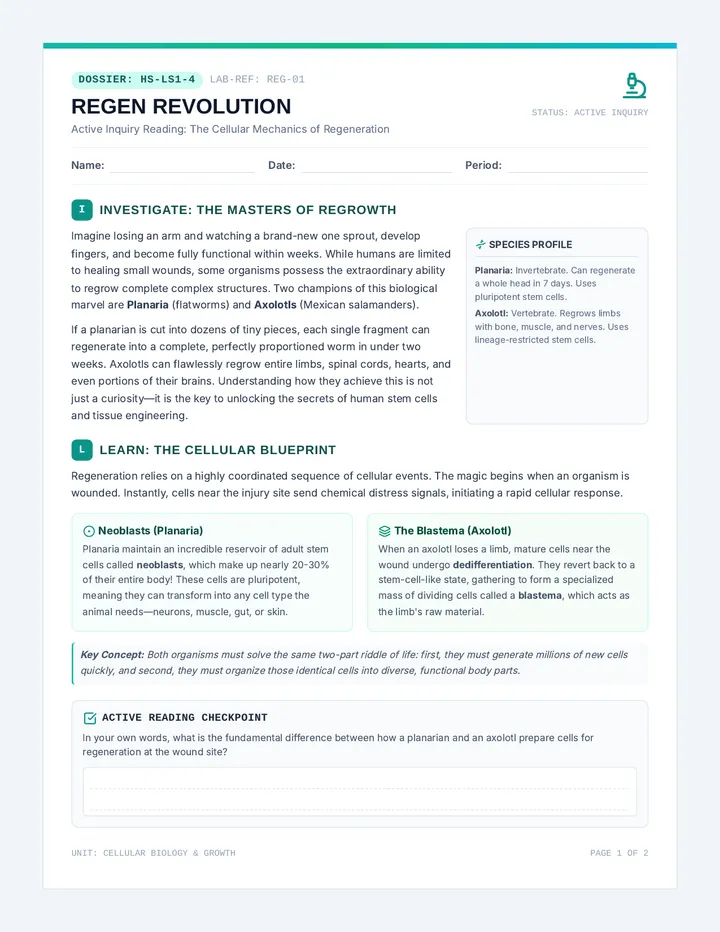
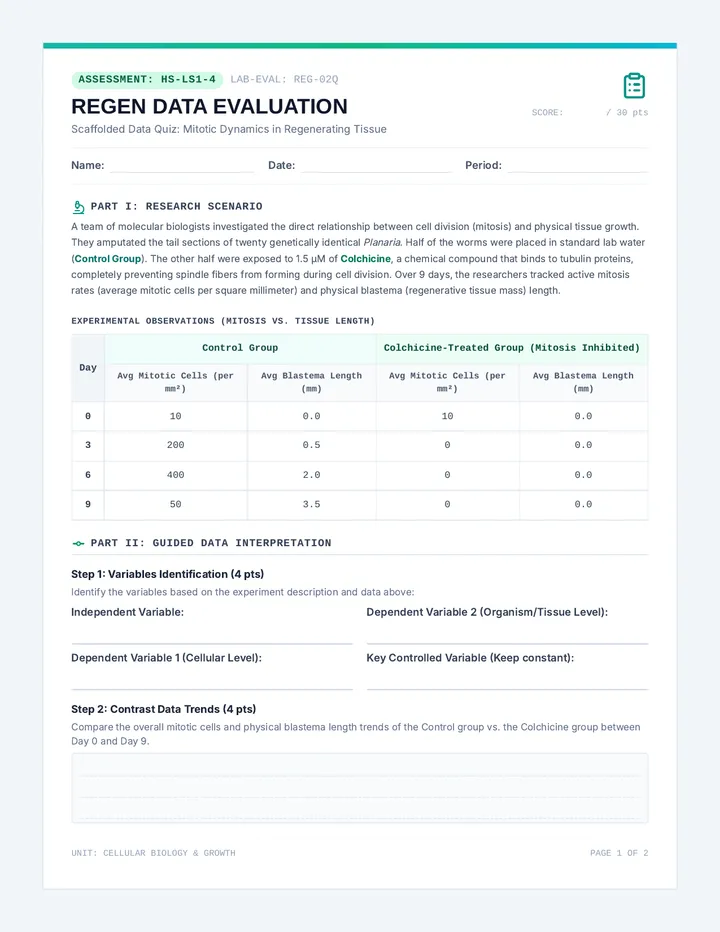
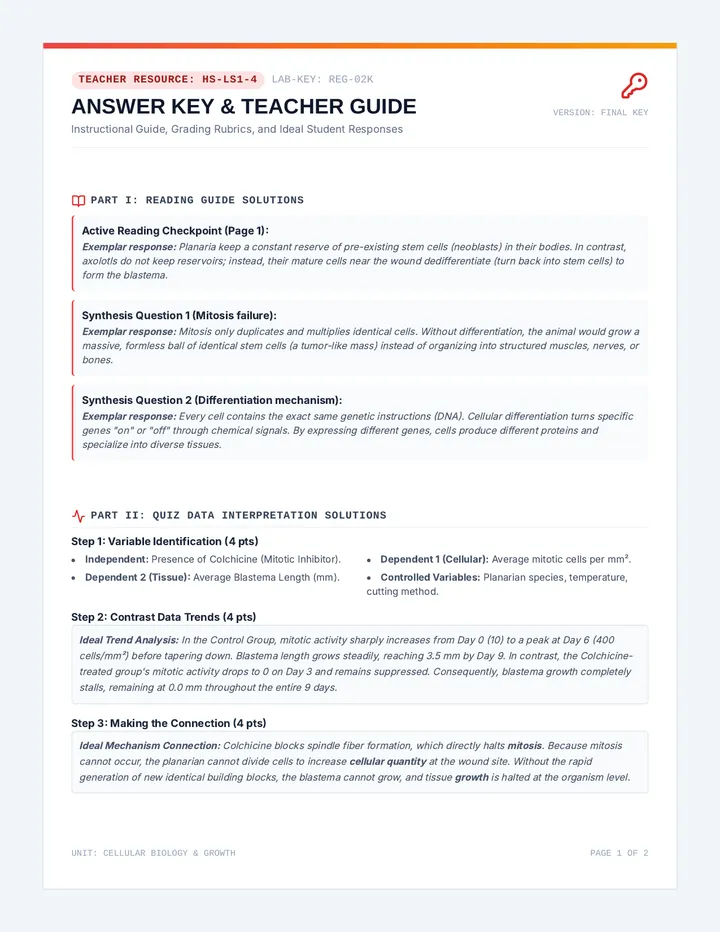
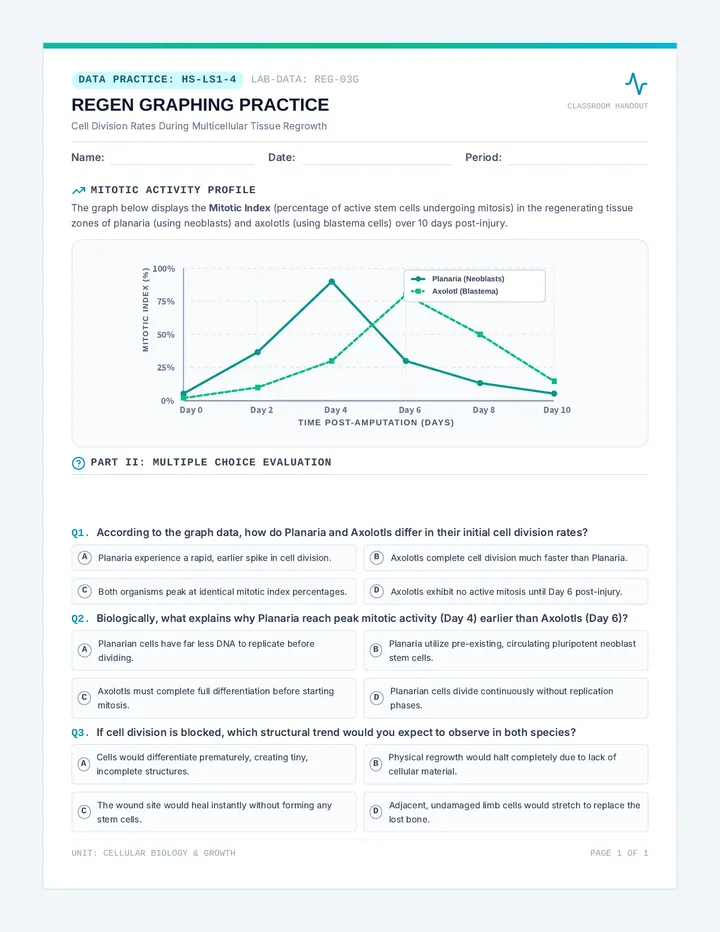
Newton was not a famous scientist—he was just a curious high school student sitting in science class one afternoon. As his teacher talked about atoms, Newton leaned forward and wondered, “Is there really energy inside something so small?”
That question led him on a journey of discovery. After class, Newton opened his textbook and learned about nuclear energy, a powerful form of energy stored in the nucleus (center) of an atom.
Nuclear Fission
Nuclear fission is the process of splitting a large atom into smaller atoms, which releases a huge amount of energy. When a uranium atom splits, it releases energy and particles that hit other atoms, causing them to split too. This is called a chain reaction.
Nuclear Fusion
Nuclear fusion is the process of combining two small atoms to form a larger atom. This is how the Sun produces energy. Hydrogen atoms combine to form helium, releasing even more energy than fission.
"Fission = splitting atoms | Fusion = combining atoms"
Next, Newton learned about half-life. This is the time it takes for half of a radioactive substance to decay (break down). If you have 100 atoms, after one half-life, only 50 remain. After another, only 25 remain.
He was surprised to learn nuclear science helps save lives. Radioisotopes are used in medicine. Doctors use them in PET scans to see inside the body and in radiation therapy to kill cancer cells.
Finally, Newton learned how nuclear energy powers cities. In power plants, fission creates heat to turn water into steam, which spins turbines to generate electricity. It produces less air pollution than fossil fuels but creates radioactive waste.
“Energy isn’t just around us,” Newton said. “It’s inside everything—even atoms.”
Phase 1: Short Answer Investigation
01. Who is the main character?
02. What was Newton curious about?
03. What is nuclear fission?
04. What is nuclear fusion?
05. Which process combines atoms?
06. Which process splits atoms?
07. What is a chain reaction?
08. What is half-life?
09. What happens after one half-life?
10. What is a radioactive substance?
Short Answer (Continued)
11. What are radioisotopes used for?
12. What is a PET scan?
13. What is radiation therapy?
14. Where does fusion occur naturally?
15. What element is commonly used in fission?
16. How do nuclear plants make electricity?
17. What is one benefit of nuclear energy?
18. What is one risk of nuclear energy?
19. How is fusion different from fission?
20. Why is nuclear energy important?
Matching
Splitting atoms
Combining atoms
Time for half to decay
Unstable atom (medicine)
Repeating reaction
Center of atom
Cancer treatment
Body imaging scan
Fuel for reactors
Ability to do work
A. Fission
F. Nucleus
B. Fusion
G. Radiation therapy
C. Half-life
H. PET scan
D. Radioisotope
I. Uranium
E. Chain reaction
J. Energy
Multiple Choice
1. Nuclear fission involves:
A. Combining atoms
B. Splitting atoms
C. Cooling atoms
D. Burning atoms
2. Fusion occurs in:
A. The Sun
B. Water
C. Soil
D. Air
3. Half-life measures:
A. Speed
B. Time of decay
C. Energy
D. Size
4. Radioisotopes are used in:
A. Cooking
B. Medicine
C. Driving
D. Painting
5. Nuclear plants use:
A. Wind
B. Fission
C. Solar
D. Water
Continue on next page...
Multiple Choice (Continued)
6. Chain reactions:
A. Stop quickly
B. Repeat continuously
C. Destroy energy
D. Do nothing
7. Fusion combines:
A. Small atoms
B. Large atoms
C. No atoms
D. Metals only
8. Nuclear energy benefit:
A. High pollution
B. Low emissions
C. No energy
D. No heat
9. Nuclear energy risk:
A. Waste
B. Light
C. Sound
D. Wind
10. The nucleus contains:
A. Electrons
B. Protons and neutrons
C. Water
D. Air
Structured Response
Analysis & Comparison
Fission and fusion are similar because
One important difference between fission and fusion is
Nuclear energy is used in medicine to
CER Prompt: Is Nuclear Energy Beneficial?
Claim:
Evidence (from the text):
Reasoning (why it matters):
Atomic Newton Key
Answer Key
Atomic Newton Packet
REF: NUCLEAR-PHYS-001
Short Answer Part 1
01. Main Character
Newton (a curious high school student)
02. Newton's Curiosity
If there is really energy inside something as small as an atom.
03. Nuclear Fission
Splitting a large atom into smaller atoms, releasing energy.
04. Nuclear Fusion
Combining two small atoms to form a larger atom, releasing energy.
05. Process that combines atoms
Nuclear Fusion
06. Process that splits atoms
Nuclear Fission
07. Chain Reaction
When particles released by a splitting atom hit other atoms, causing them to split too.
08. Half-Life
The time it takes for half of a radioactive substance to decay (break down).
09. After one half-life
50% of the substance remains (it is cut in half).
10. Radioactive substance
A substance that decays over time, releasing energy/particles.
Short Answer Part 2
11. Radioisotope use
Used in medicine (PET scans, radiation therapy).
12. PET Scan
A medical scan used to see inside the body.
13. Radiation Therapy
Using nuclear energy to kill cancer cells.
14. Natural Fusion
In the Sun (and stars).
15. Fission Fuel
Uranium
16. Generating Electricity
Heat from fission turns water to steam, which spins turbines.
17. Benefit
Less air pollution than fossil fuels.
18. Risk
Produces radioactive waste.
19. Difference
Fission splits atoms; Fusion joins them. Fusion creates more energy.
20. Importance
Powers cities cleanly and treats diseases like cancer.
Matching Key
A Splitting atoms
B Combining atoms
C Time for half to decay
D Unstable atom used in medicine
E Repeating reaction
F Center of atom
G Cancer treatment
H Body imaging
I Fuel for reactors
J Ability to do work
Multiple Choice Key
1. B
2. A
3. B
4. B
5. B
6. B
7. A
Atomic Newton Slides
Atomic Newton
The Power Within the Atom
Meet Newton
Newton wasn't a world-famous scientist. He was just a high school student like you, sitting in class, wondering:
"Is there really energy inside something so small?"
Nucleus
The Target
Nuclear Energy is the energy stored in the center of an atom—the Nucleus.
- Incredible power potential
- Found in every single atom
Process A
Nuclear Fission
Splitting a LARGE atom
When a large atom (like Uranium) is hit by a particle, it splits into smaller atoms and releases a MASSIVE amount of energy.
Large Atom → Small Atoms + Energy
Chain Reaction
One split causes particles to hit other atoms, causing them to split too, over and over!
Process B
Nuclear Fusion
Combining SMALL atoms
Two small atoms (like Hydrogen) join together to form a larger atom. This releases even MORE energy than fission!
This is how the Sun works!
Join Together
The Half-Life Timer
Start
100
Atoms
1 Half-Life
50
Remaining
2 Half-Lives
25
Remaining
Half-Life is the time it takes for half of a radioactive substance to decay (break down).
Nuclear Medicine
Energy from the atom can heal. Newton learned that nuclear science isn't just about bombs or power plants.
PET Scans
Using radioisotopes to see inside the body.
Radiation Therapy
Targeting and killing cancer cells with energy.
Powering the World
Less air pollution than fossil fuels
Radioactive waste issues
How it works:
Fission → Heat → Steam → Turbines → Electricity!
ENERGY OUTPUT: HIGH