Students learn algorithmic logic by writing pseudo-code (loops and if/then statements) to control manufacturing sequences and debug literal interpretations.
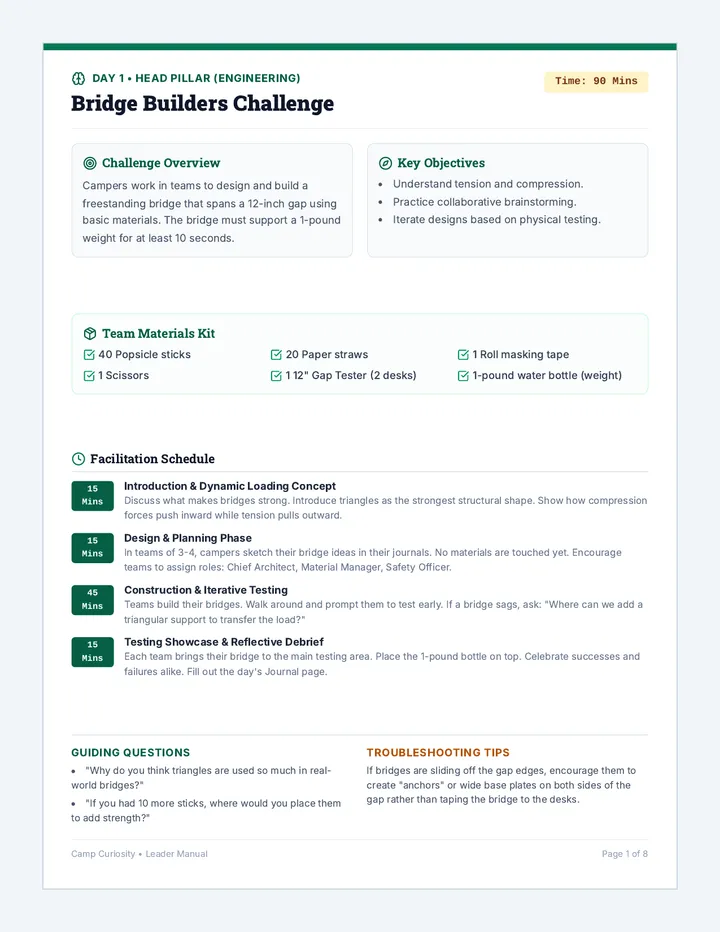
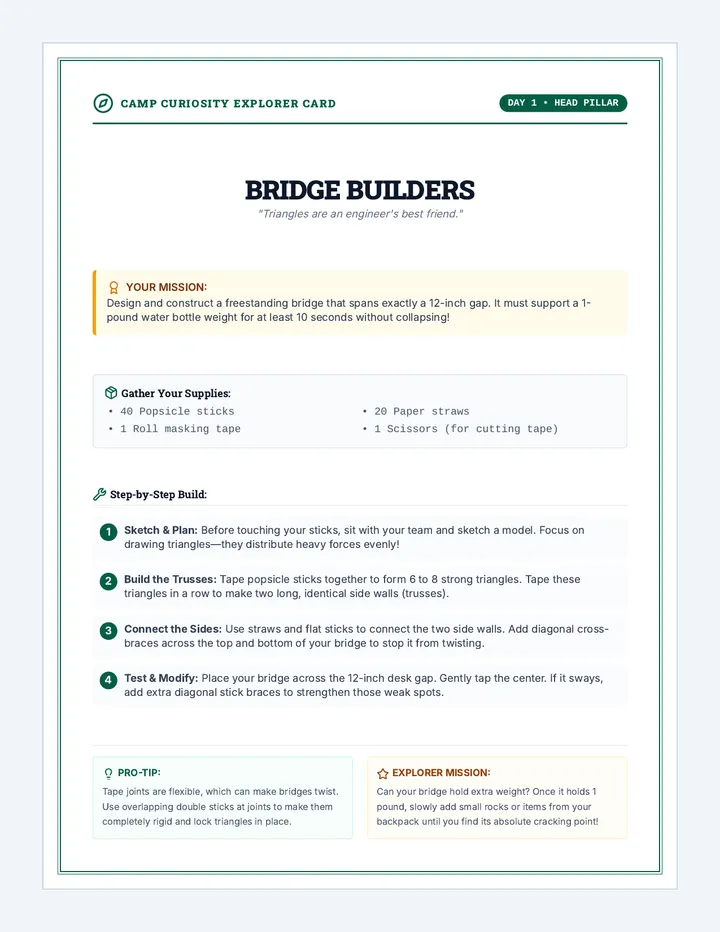
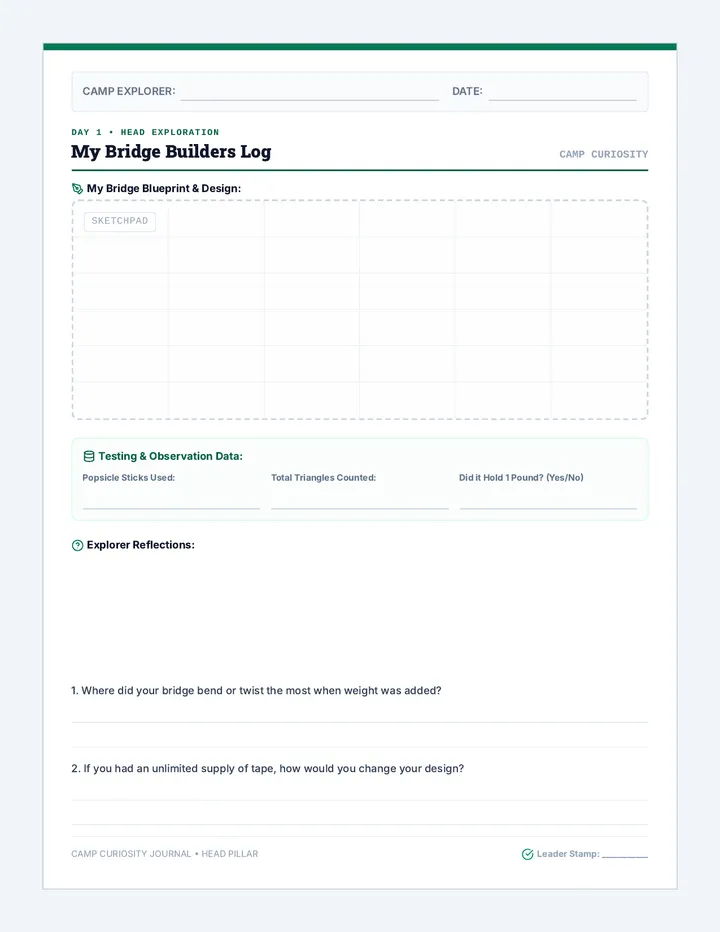
An action-packed, hands-on 8-day 4-H camp program focusing on Head, Heart, Hands, and Health. Students tackle engineering, teamwork, ecology, nutrition, and art challenges through daily active learning.
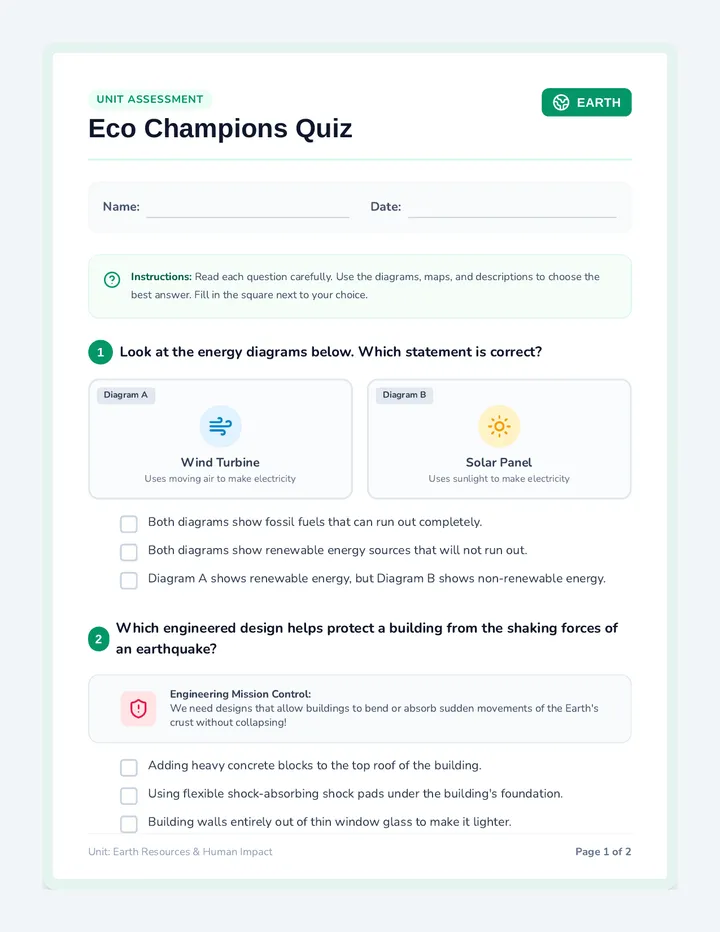
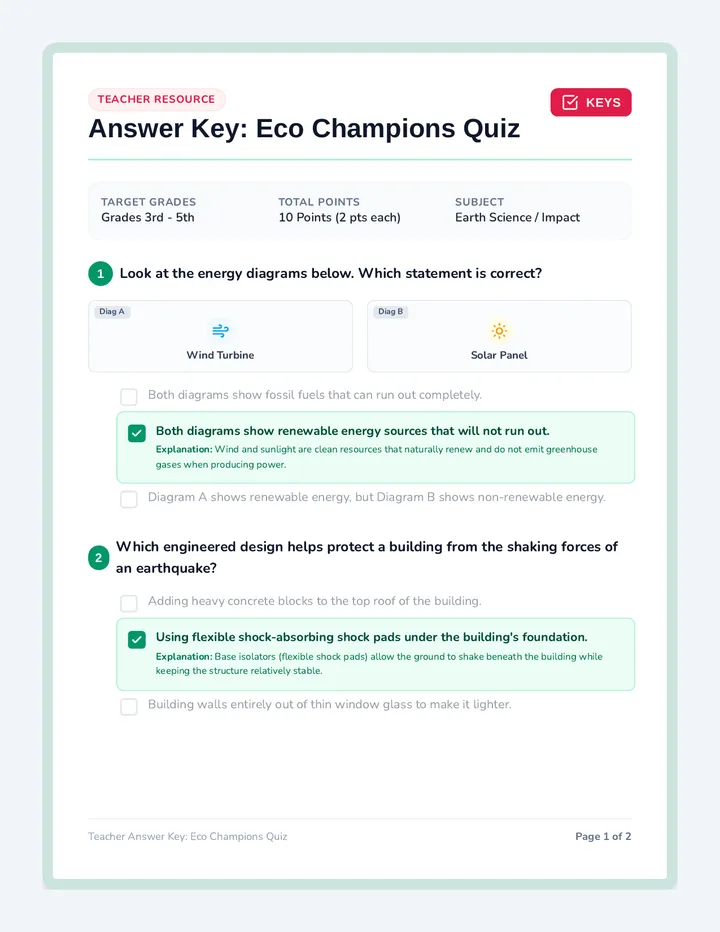
An elementary Earth Science lesson focusing on renewable energy, natural hazards, conservation, and human impact. Includes a highly visual student quiz and a corresponding teacher answer key.
A teacher-facing 2-page Answer Key for the Eco Champions Quiz, providing highlighted correct answers, explanations, and grading criteria for the open-ended action plan question.
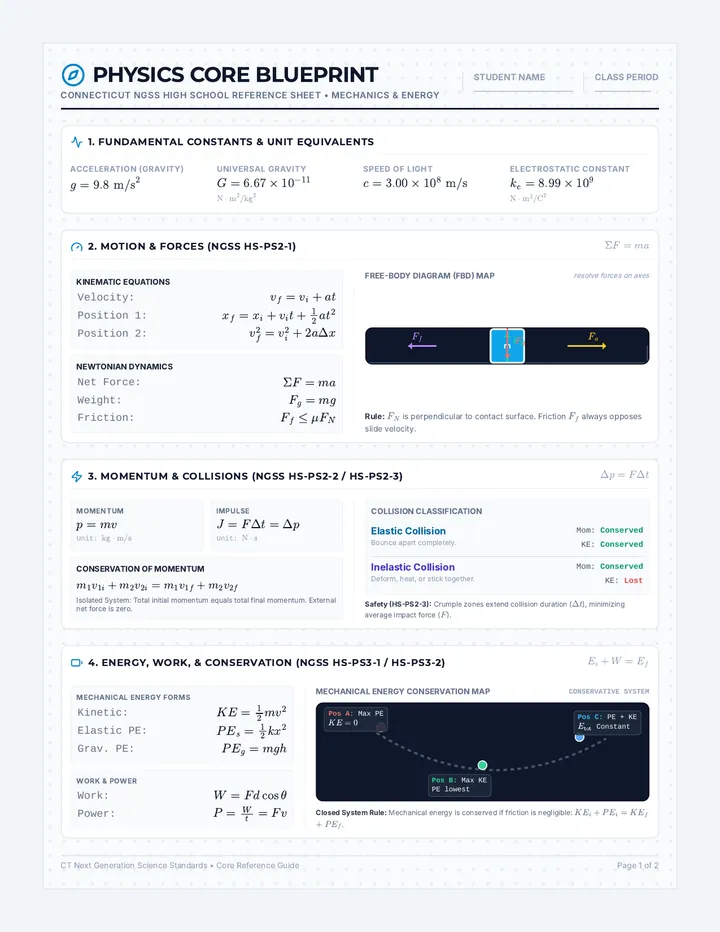
A comprehensive high school physics curriculum sequence aligned with the Connecticut Next Generation Science Standards (CT-NGSS), focusing on core concepts, quantitative problem-solving, and visual models.
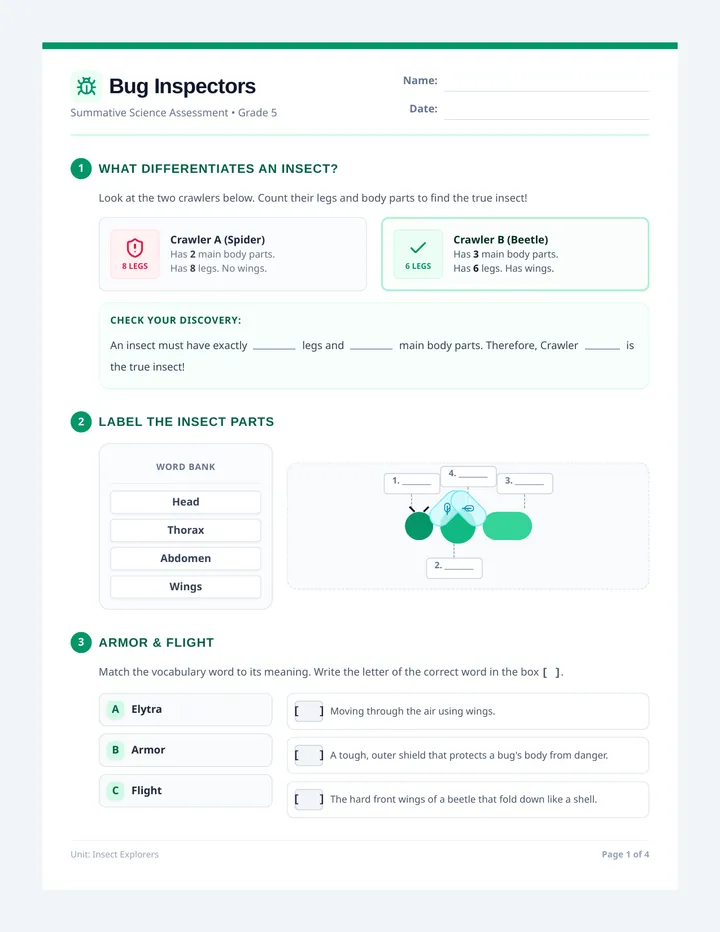
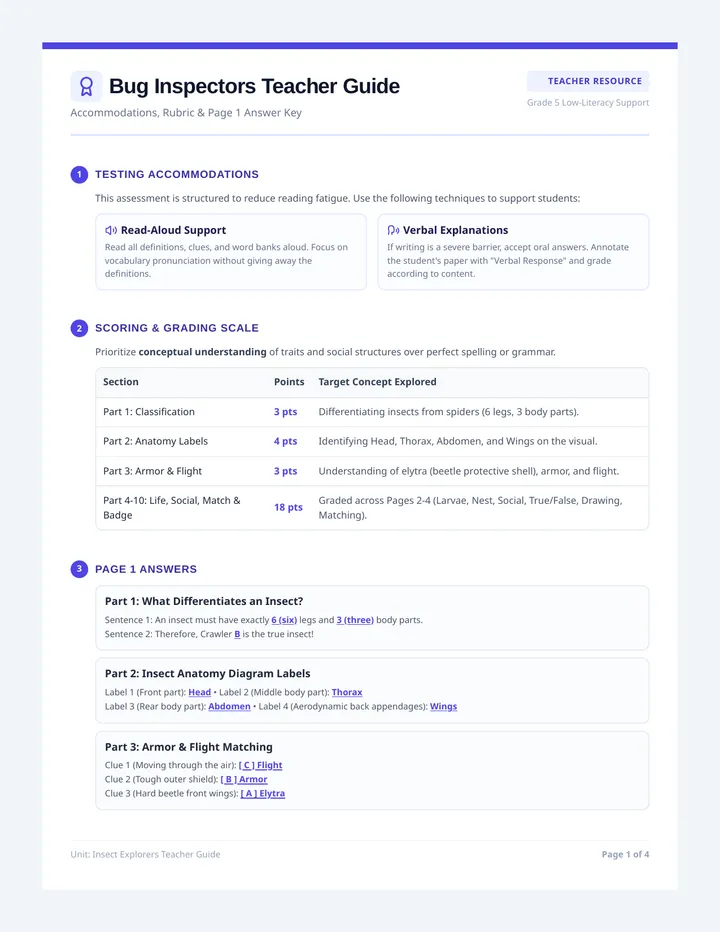
A tailored summative assessment lesson for 5th-grade students with low literacy, focused on insect anatomy, survival, and social behaviors. It includes a highly visual, scaffolded student worksheet and a comprehensive teacher answer key with accommodations.
A visually engaging, 2-page Earth Science quiz designed for grades 3-5, focusing on renewable energy, natural hazards, conservation, and climate change with clean diagram boxes and student writing space.
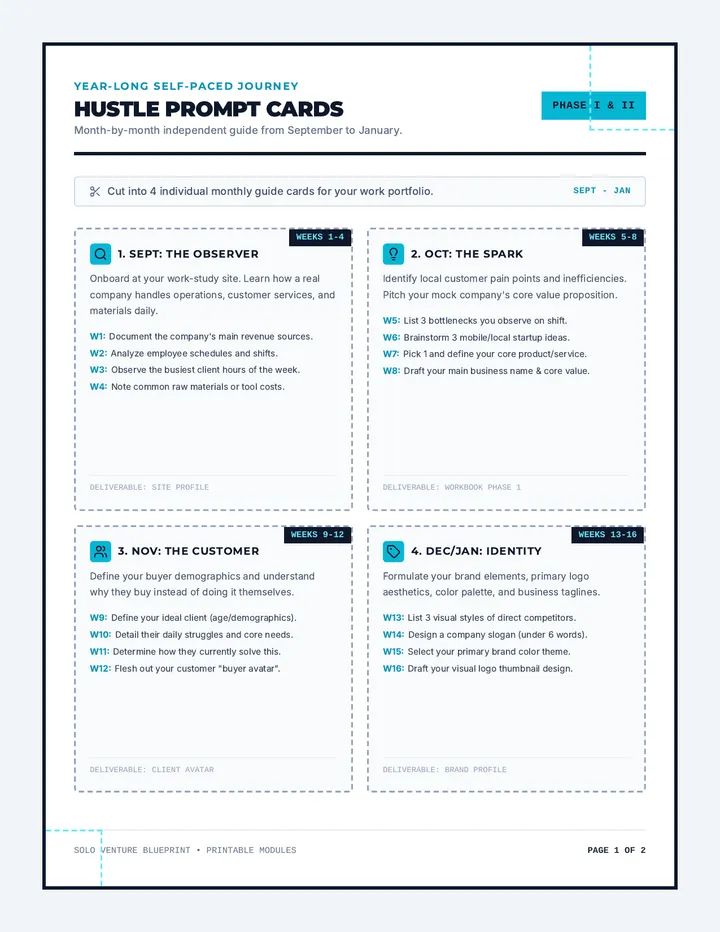
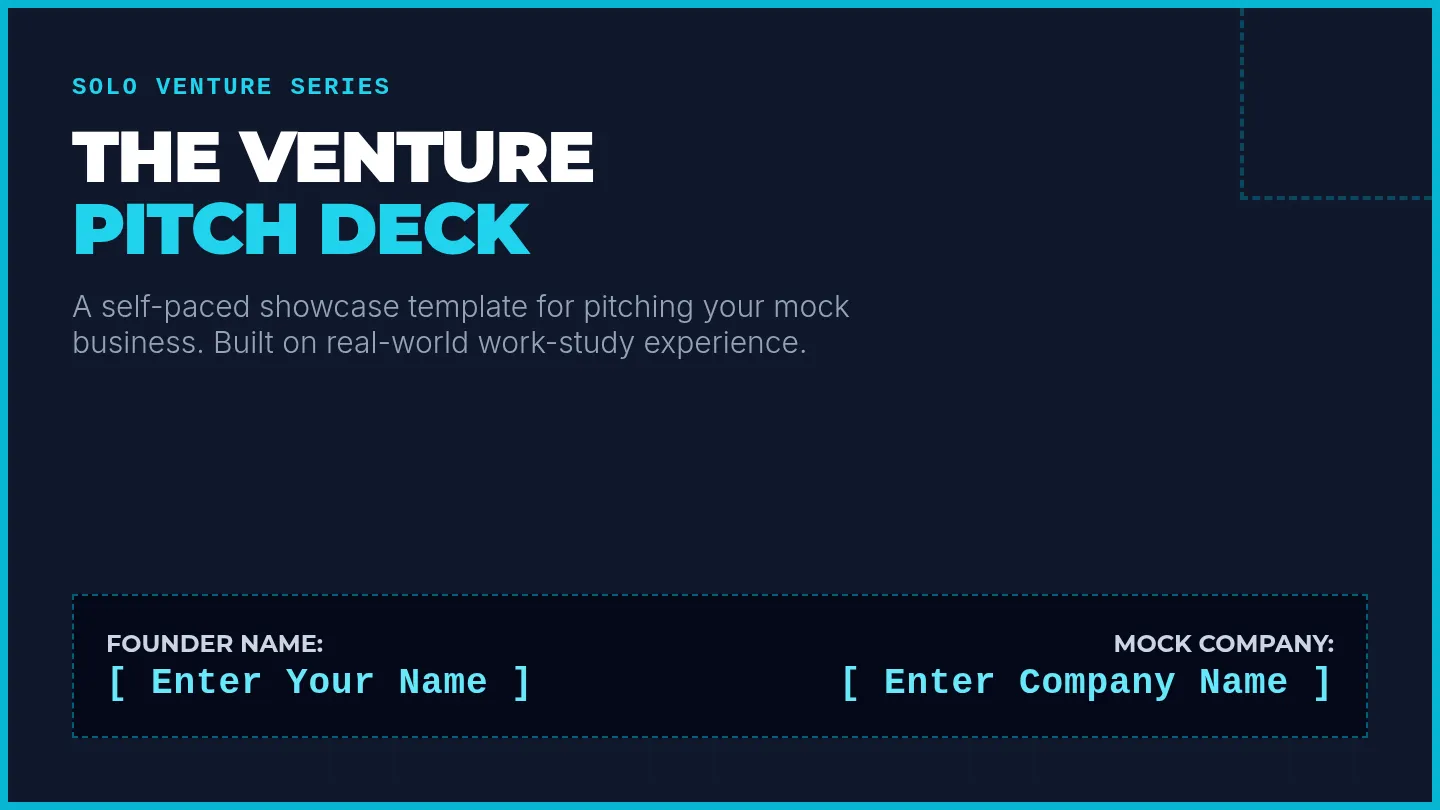
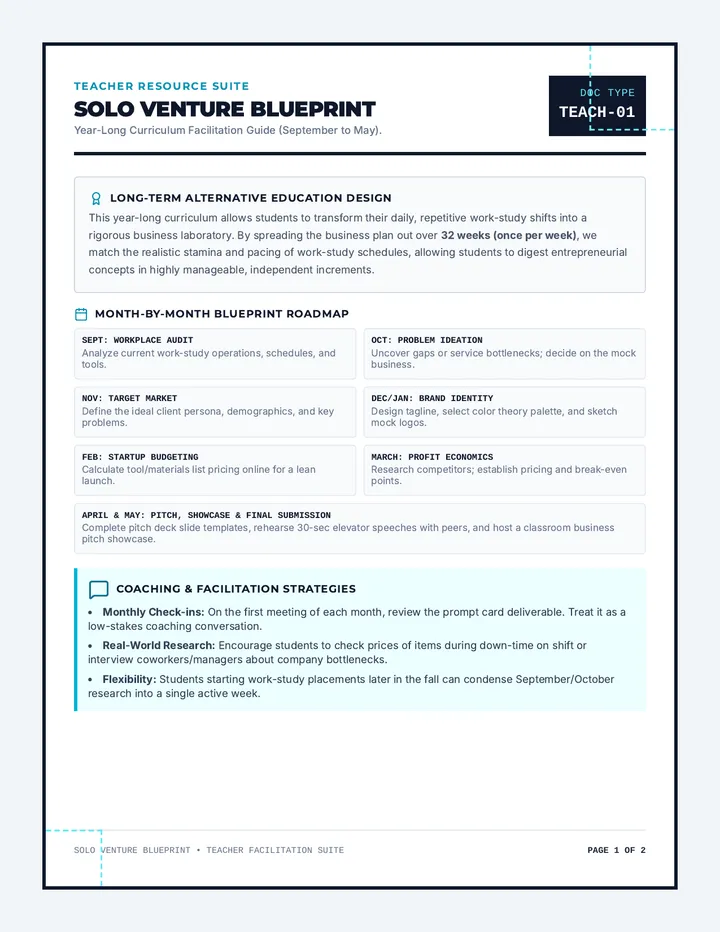
A year-long, self-paced entrepreneurship curriculum spanning September to May for alternative education students in work-study placements. Students transform real-world work experience into a modular business plan and slide presentation.
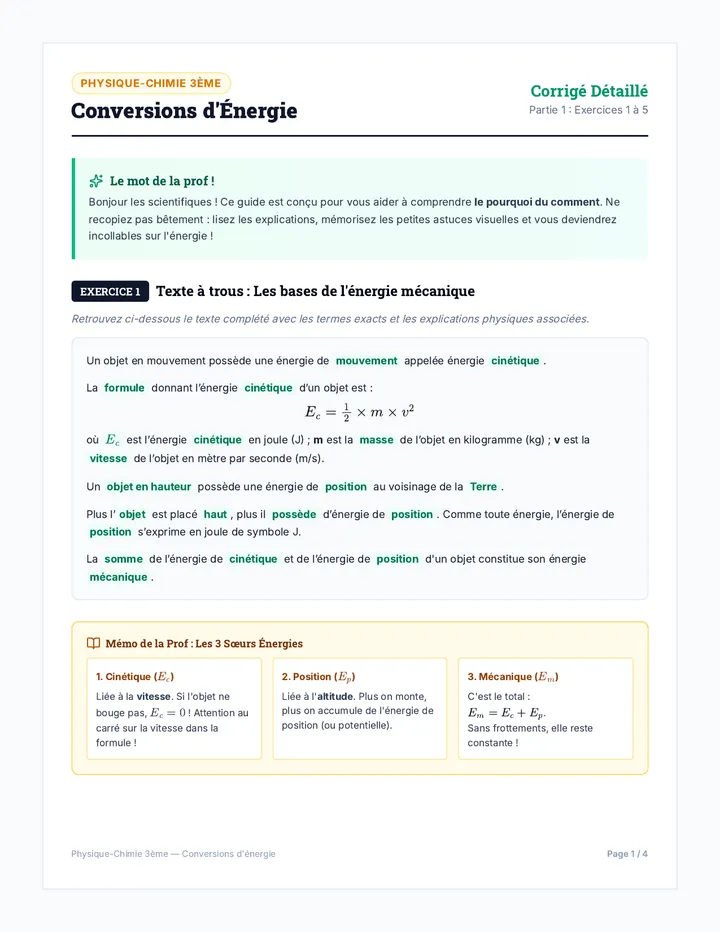
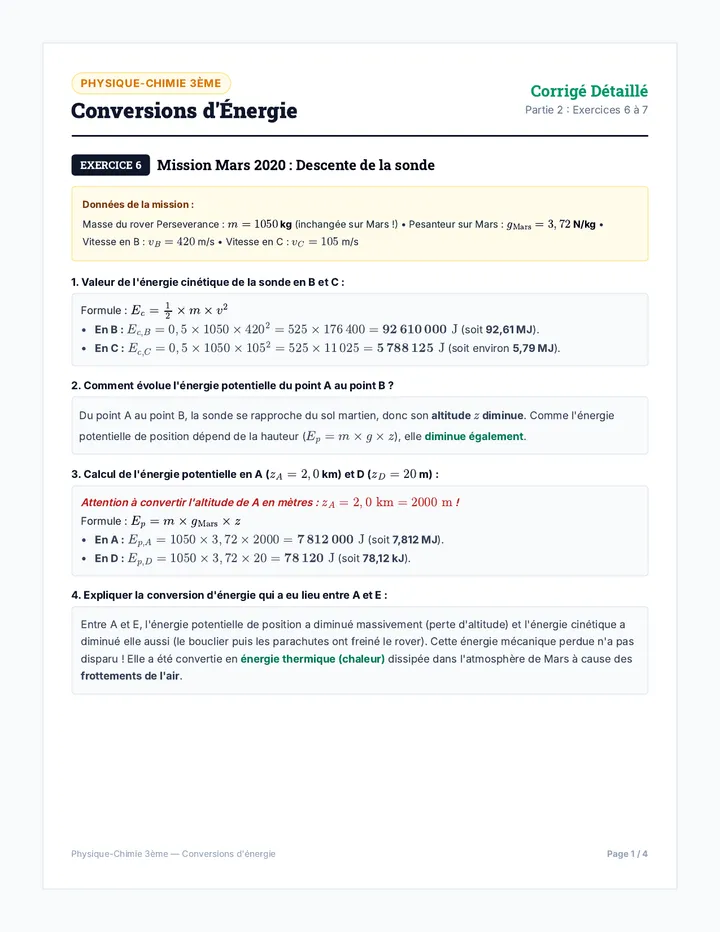
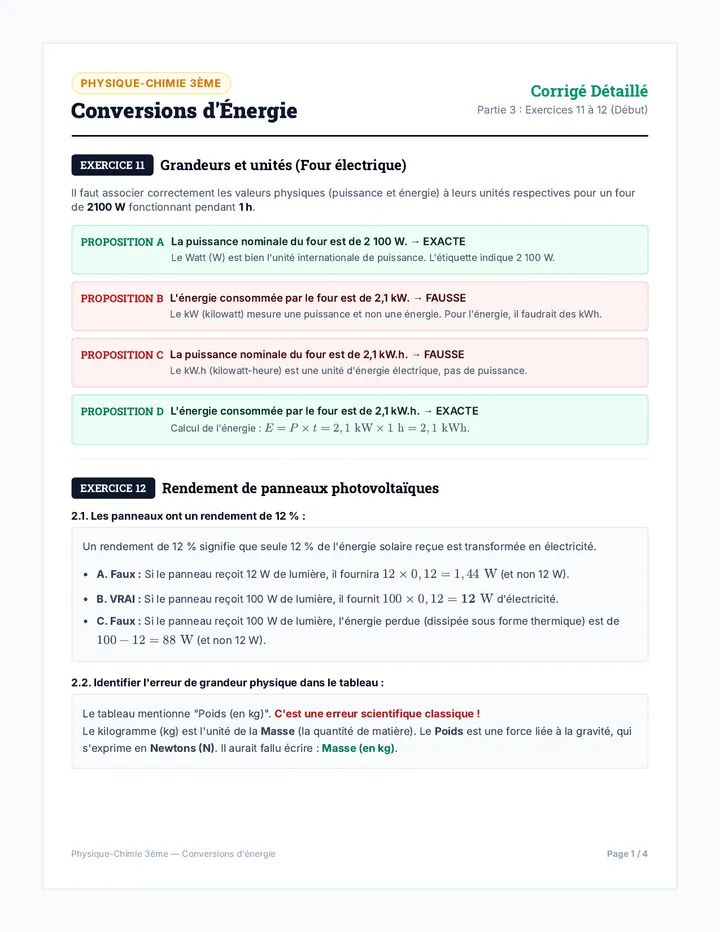
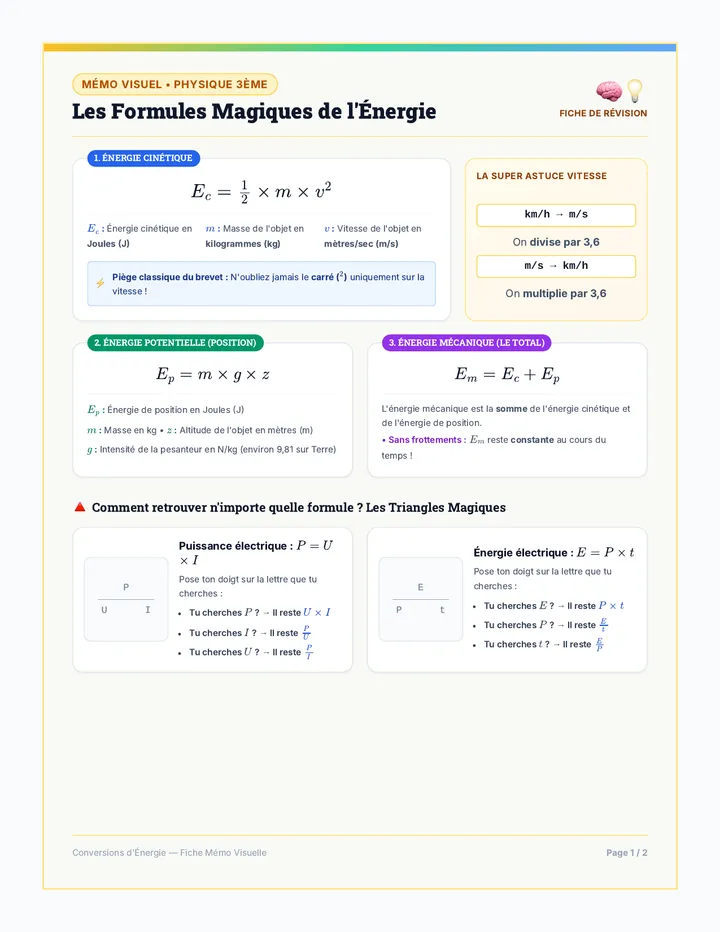
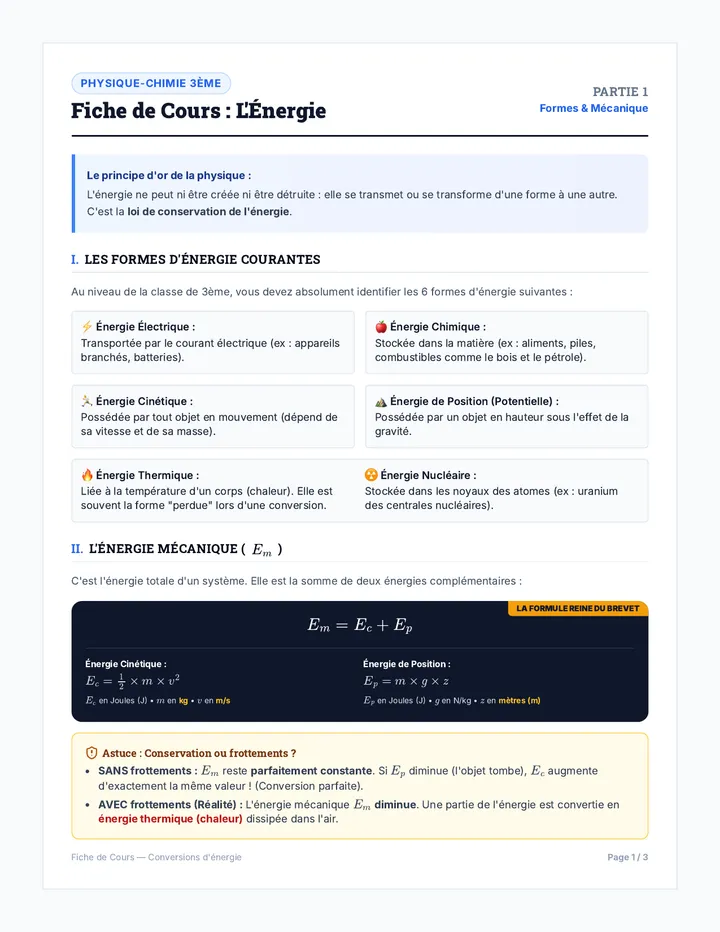
Corrigé ultra-pédagogique et complet des 15 exercices de physique-chimie de 3ème sur les conversions d'énergie. Conçu pour faciliter la compréhension profonde, avec des fiches mémo et des astuces visuelles pour mémoriser les formules clés.
A 4-page teacher resource featuring student accommodations, a low-literacy point rubric, a complete visual answer key, and structured verbal checkout prompts for students who struggle with written output.
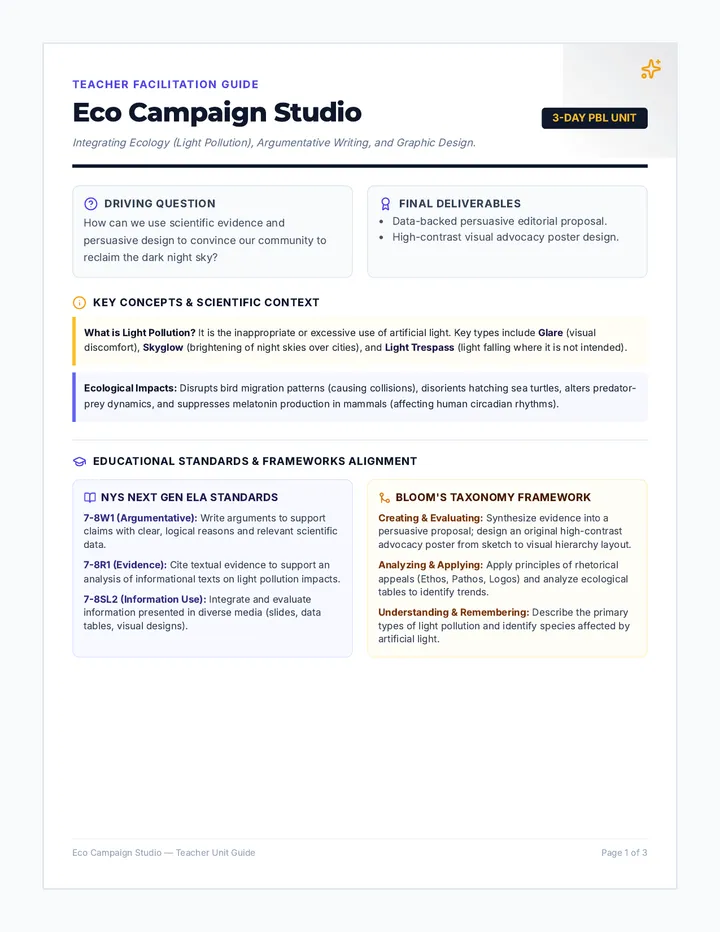
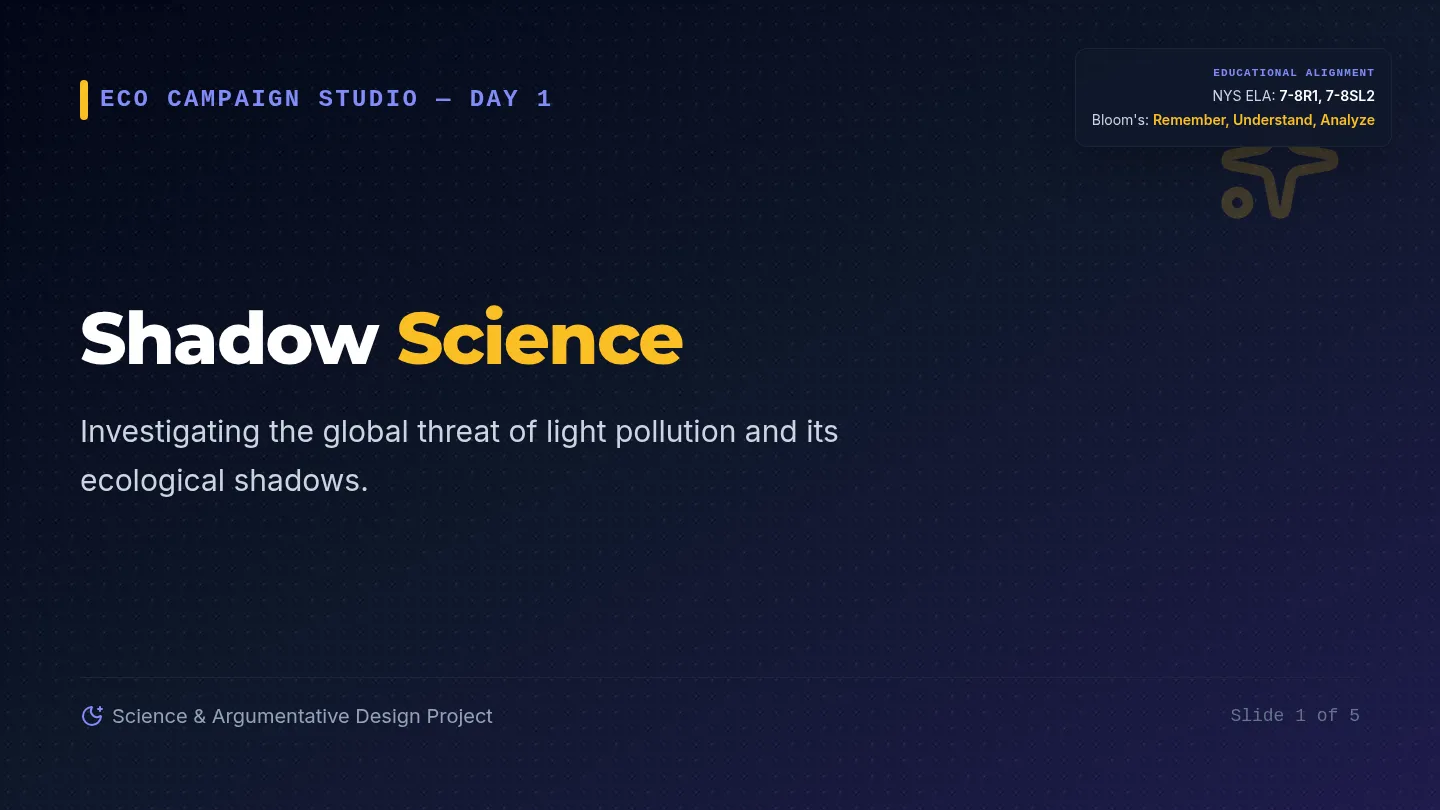
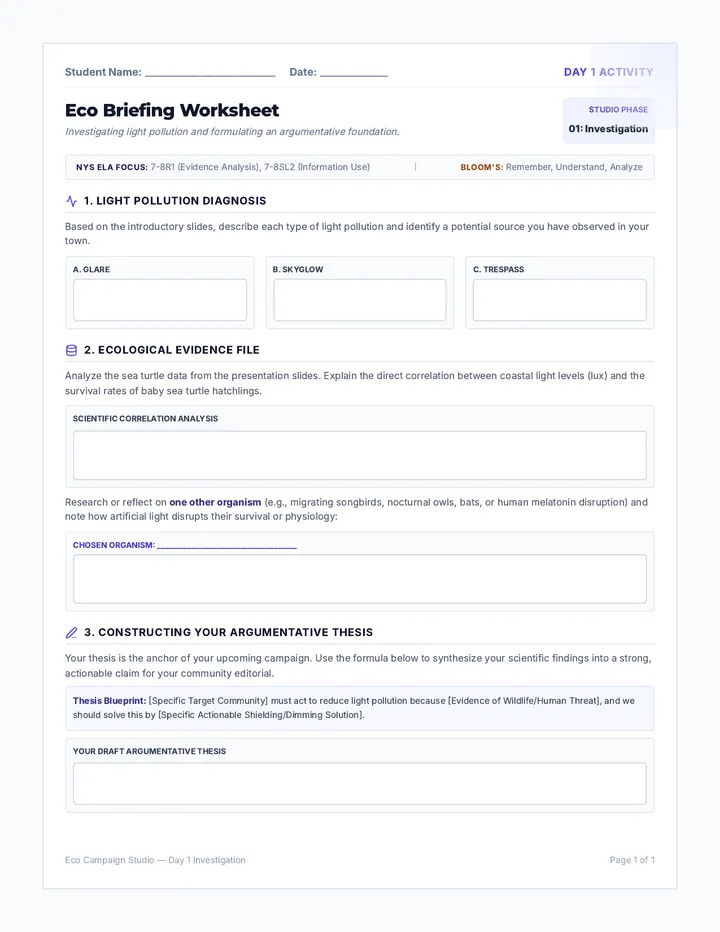
A cross-curricular, 3-day project-based unit combining science, argumentative writing, and graphic design. Students investigate the ecological impacts of light pollution, write a data-driven persuasive proposal, and design a community awareness campaign poster.
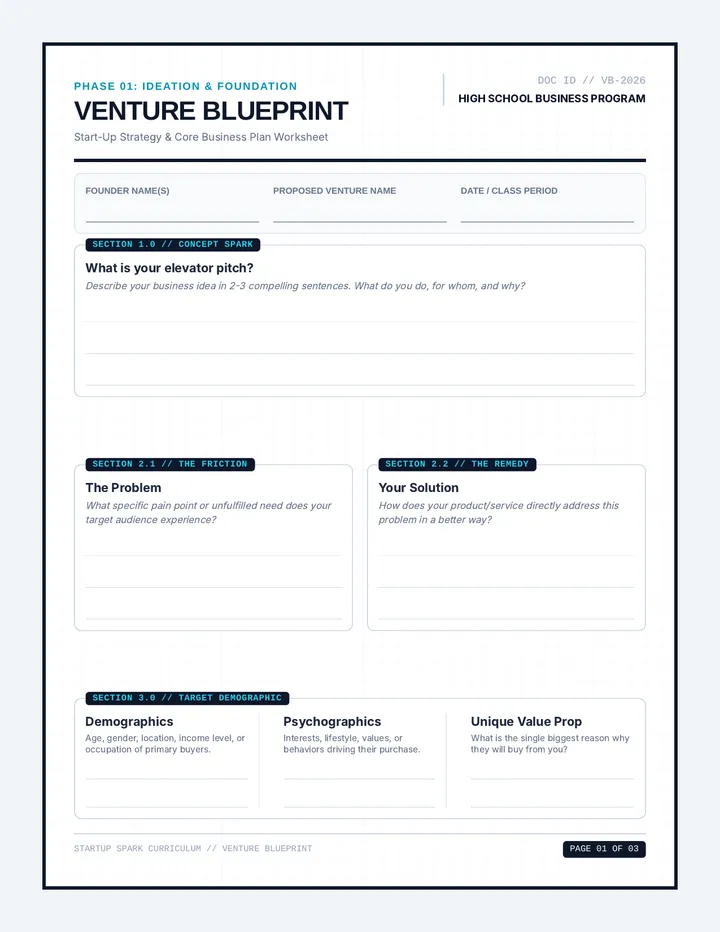
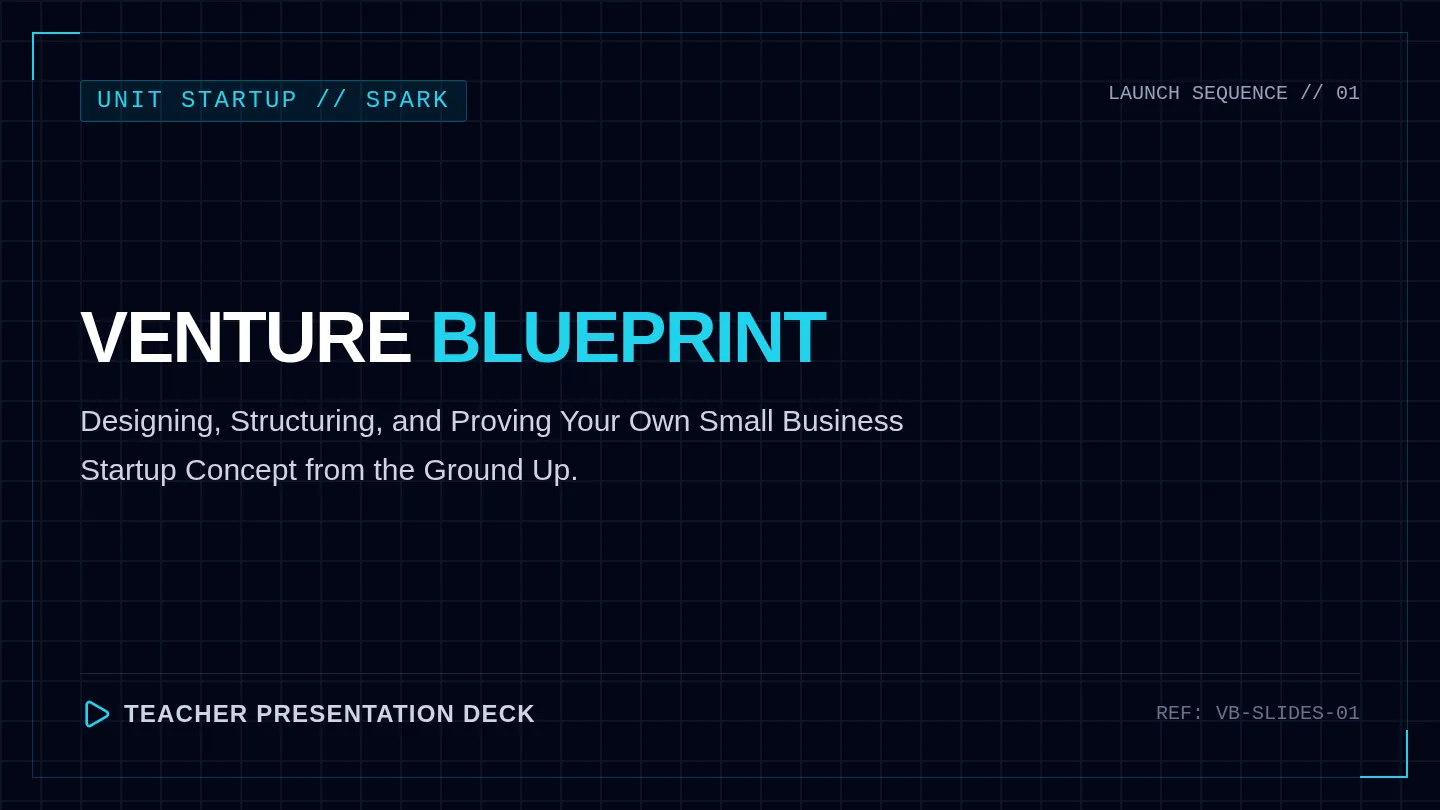
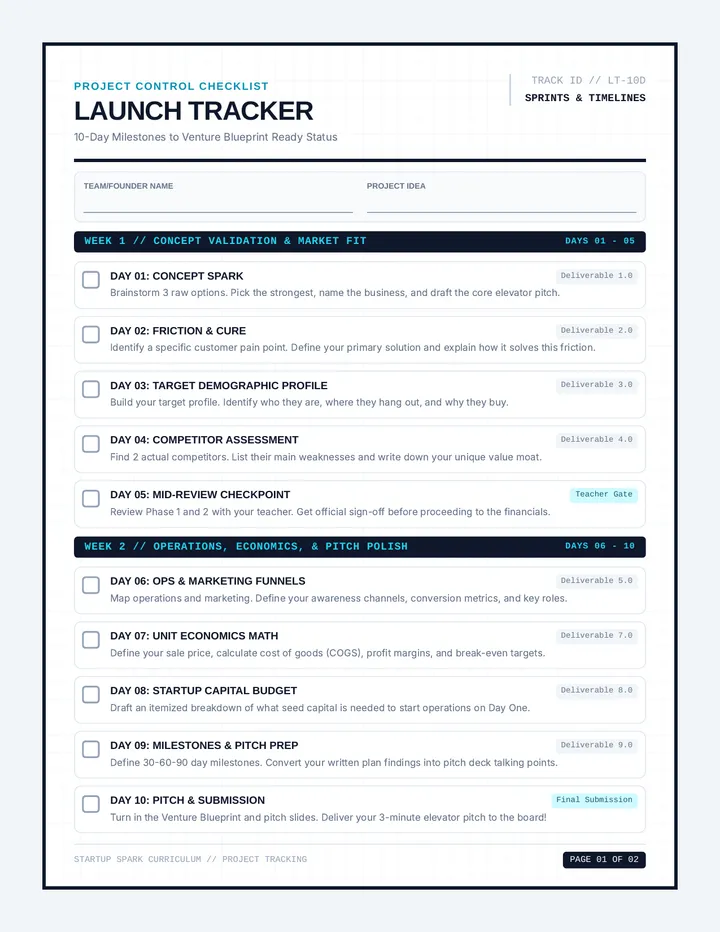
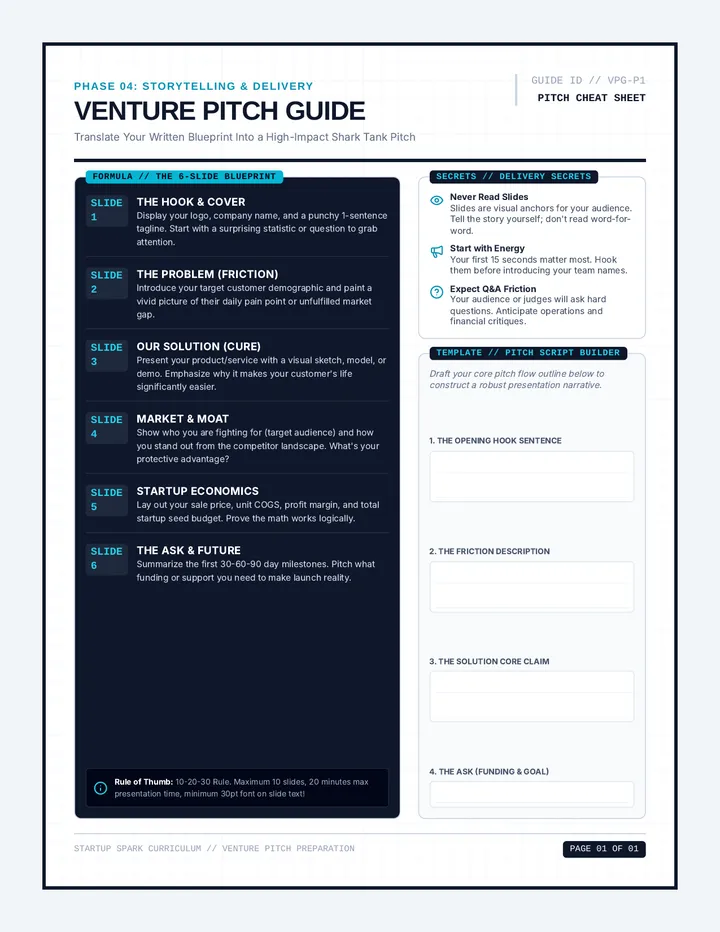
A comprehensive, step-by-step framework for high school students to design, structure, and refine a small business startup concept. Includes guided drafting templates, pacing checklists, and pitch preparation tools.
A highly visual, 4-page summative assessment for 5th-grade low-literacy students covering 14 key insect terms. Includes clear diagrams, structured word banks, letter-matching boxes, guided sentence frames, and a final Student Reflection & Detective Badge page.