An exploration of convex and concave lenses, focusing on convergence, divergence, and finding focal points through workshop inquiry.
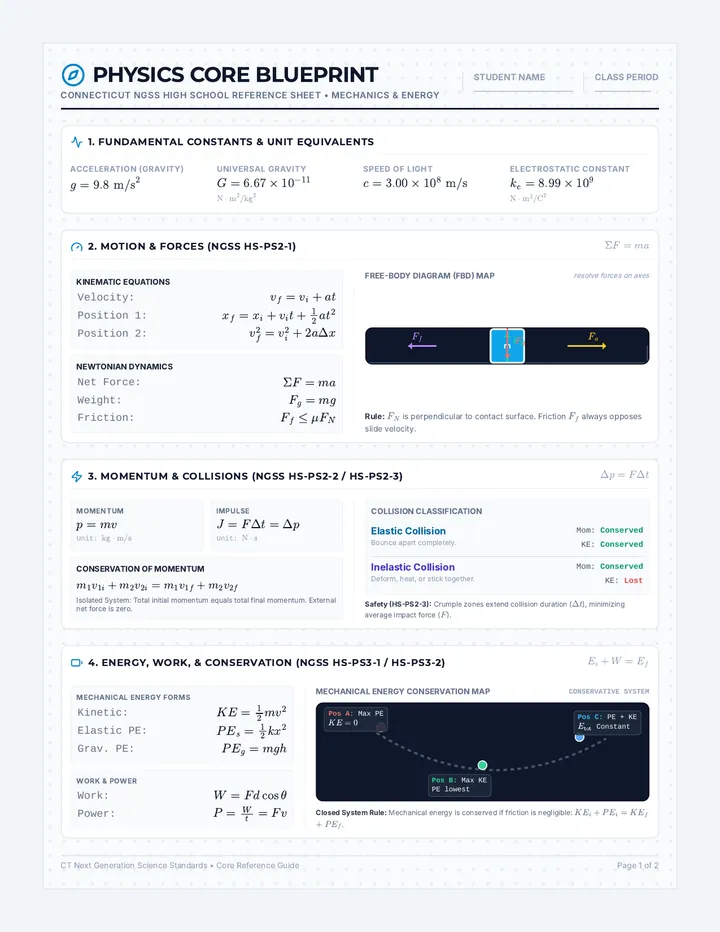
A comprehensive high school physics curriculum sequence aligned with the Connecticut Next Generation Science Standards (CT-NGSS), focusing on core concepts, quantitative problem-solving, and visual models.
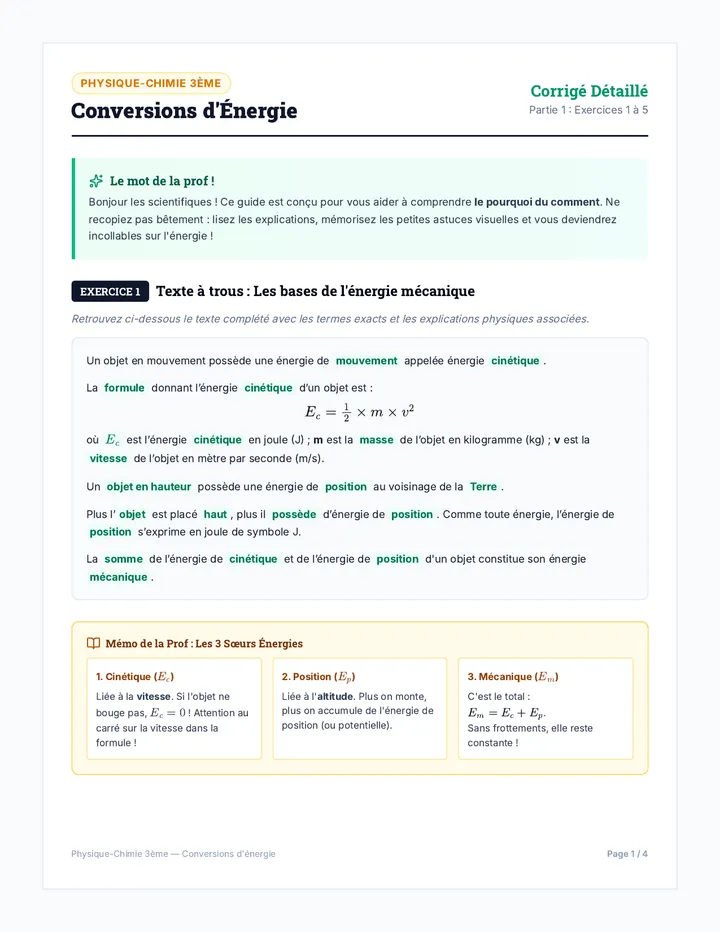
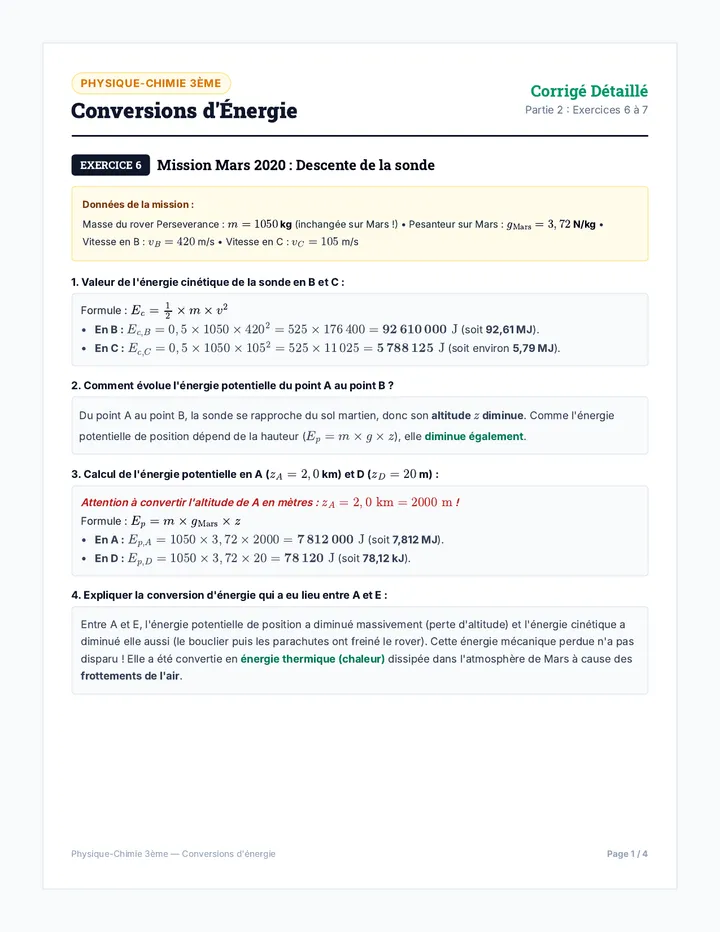
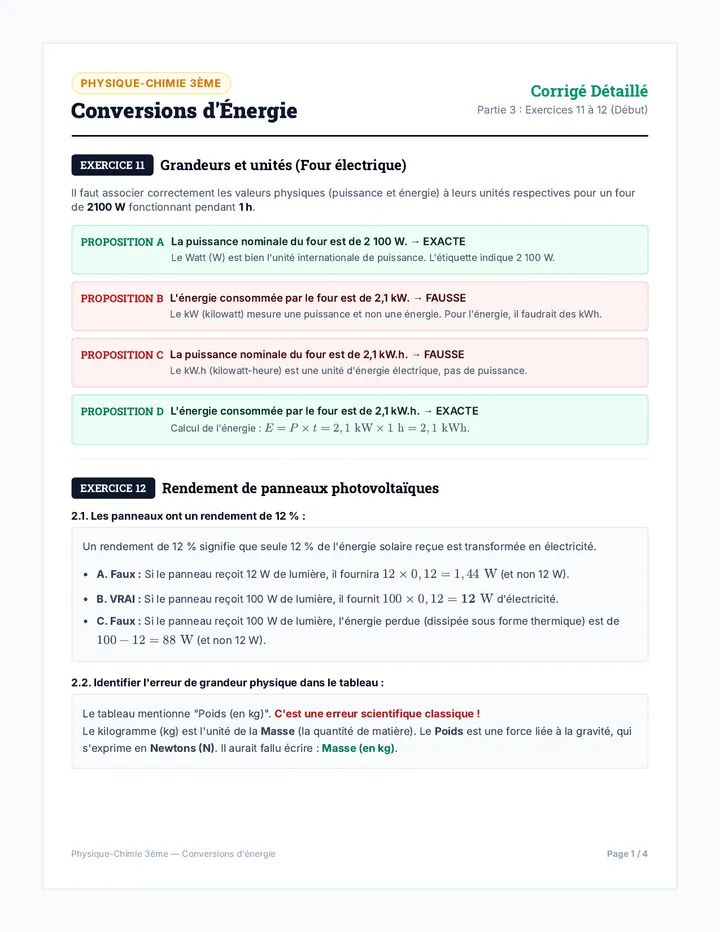
Corrigé ultra-pédagogique et complet des 15 exercices de physique-chimie de 3ème sur les conversions d'énergie. Conçu pour faciliter la compréhension profonde, avec des fiches mémo et des astuces visuelles pour mémoriser les formules clés.
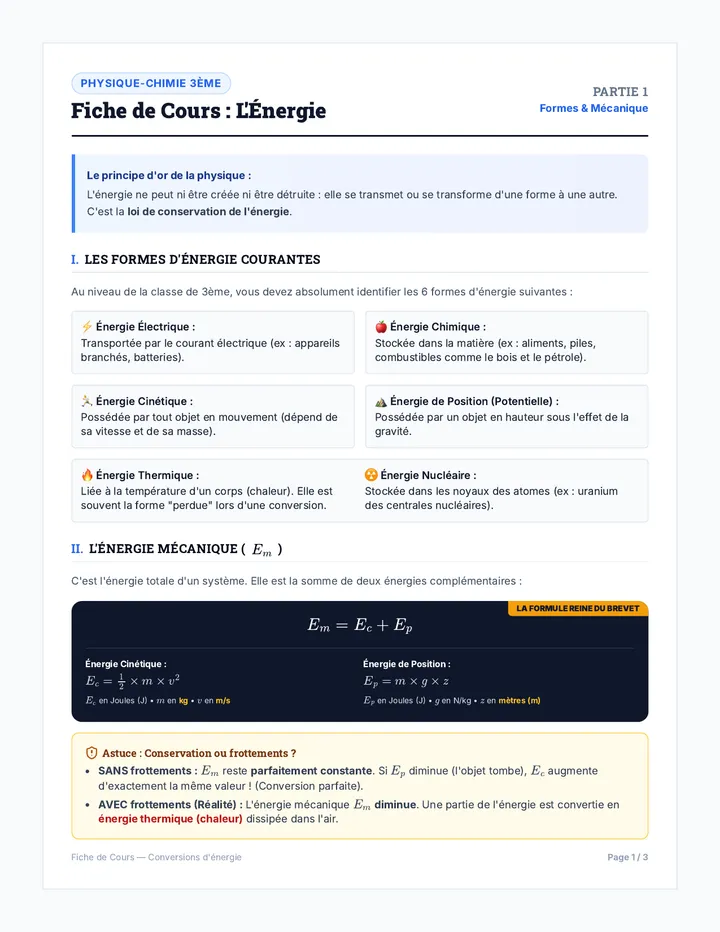
Cours complet, structuré et ultra-pédagogique sur les conversions d'énergie pour les élèves de 3ème. Contient des explications claires, des exemples concrets et des astuces indispensables pour réussir le brevet.
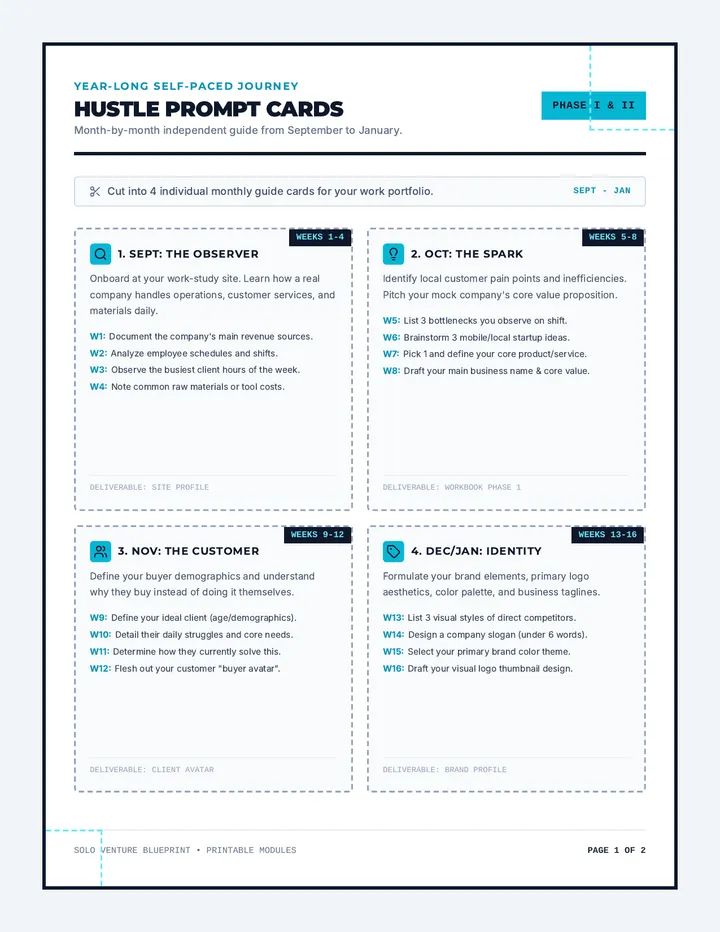
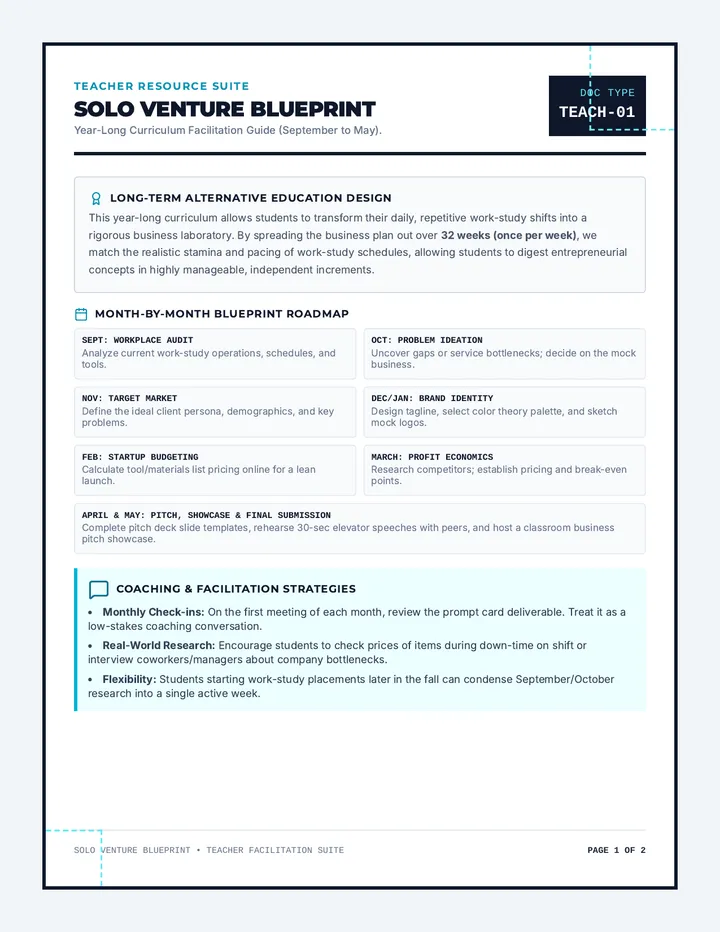
A year-long, self-paced entrepreneurship curriculum spanning September to May for alternative education students in work-study placements. Students transform real-world work experience into a modular business plan and slide presentation.
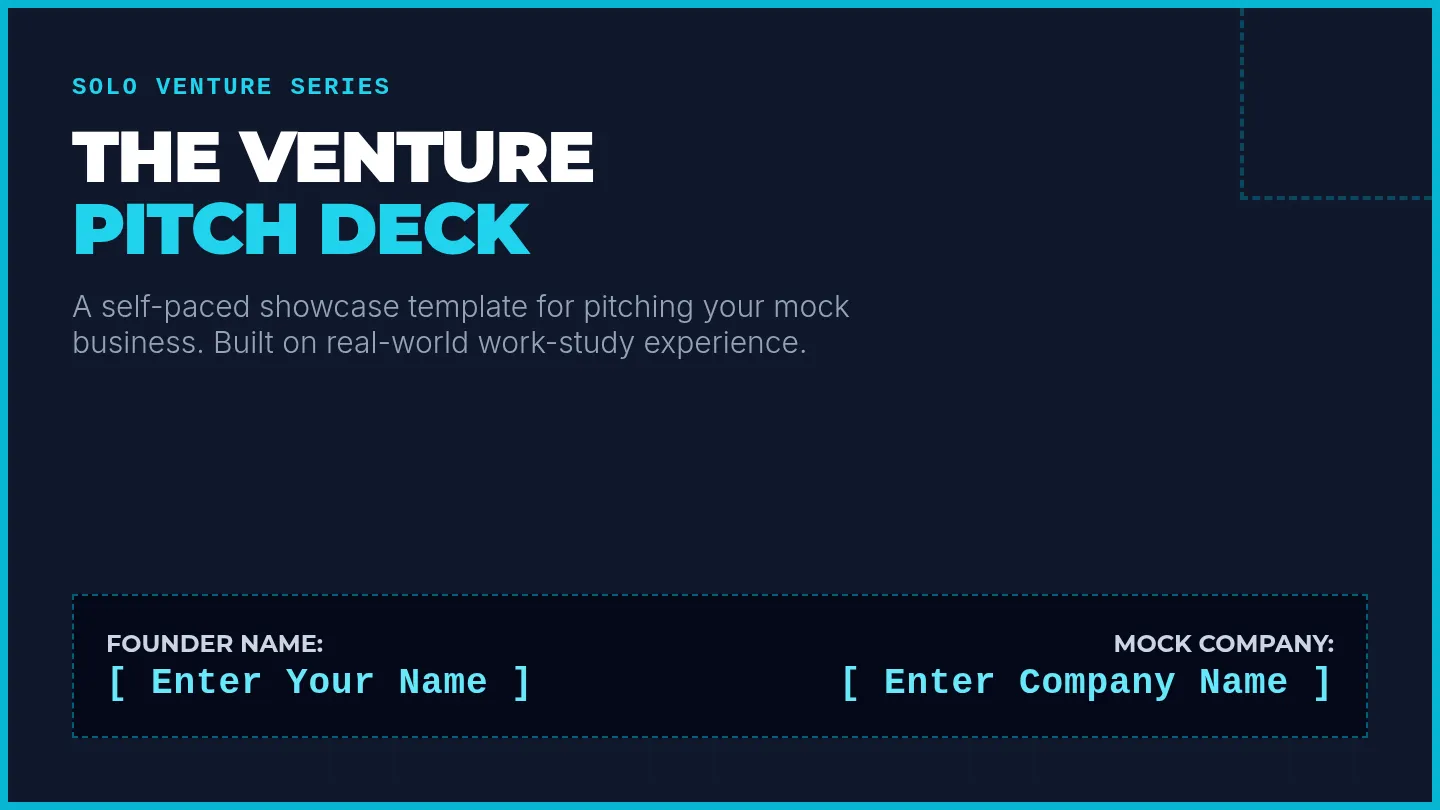
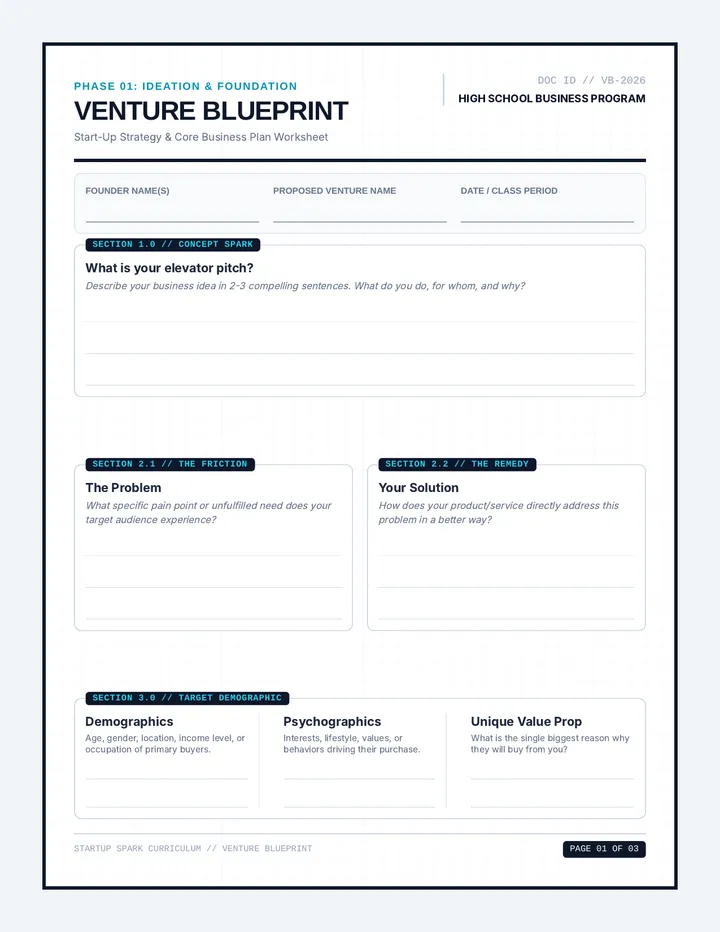
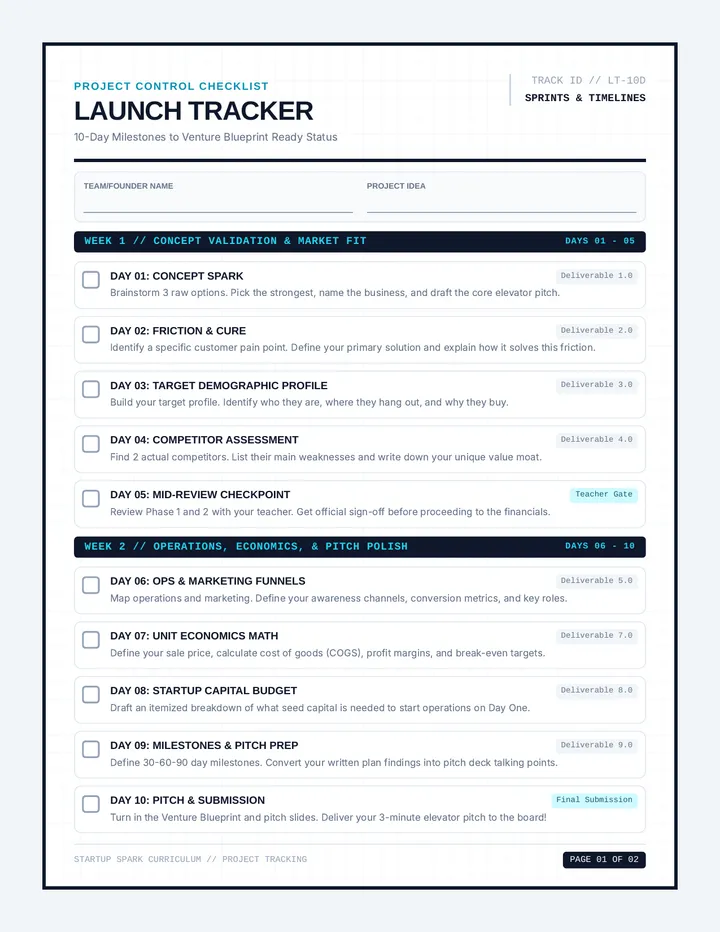
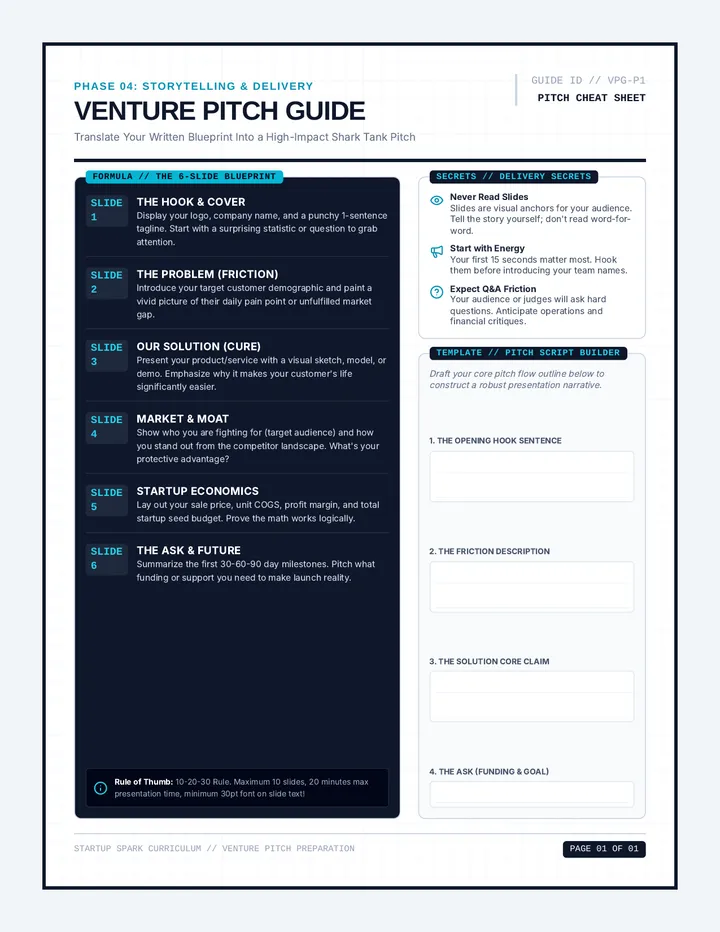
A comprehensive, step-by-step framework for high school students to design, structure, and refine a small business startup concept. Includes guided drafting templates, pacing checklists, and pitch preparation tools.
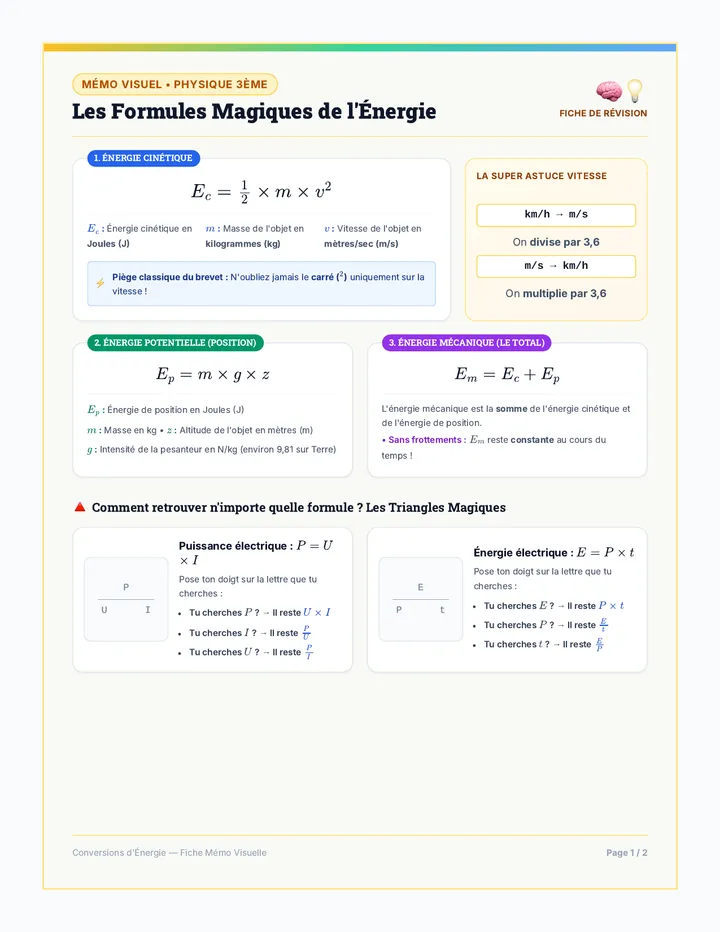
Fiches mémo synthétiques contenant des cartes mentales, des triangles magiques de formules et des astuces visuelles indispensables pour retenir les formules clés de physique-chimie de 3ème sur l'énergie.
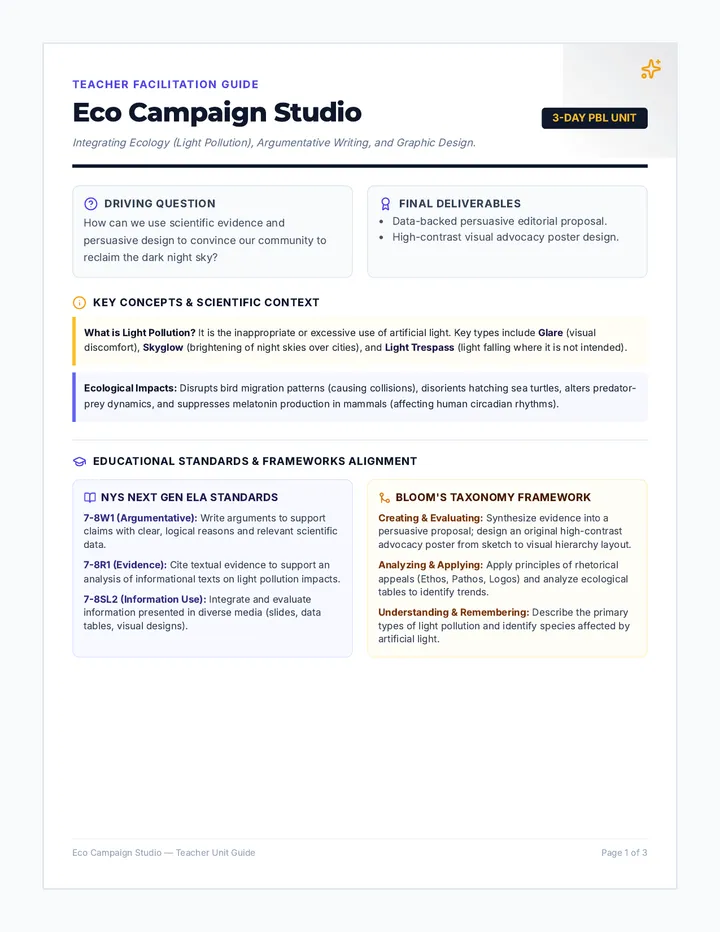
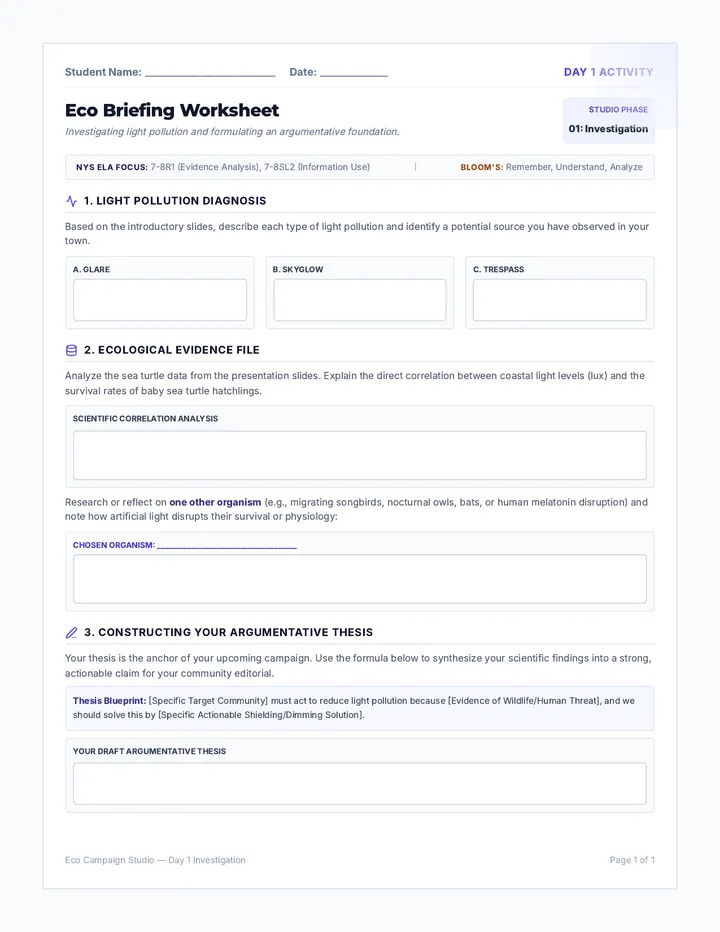
A cross-curricular, 3-day project-based unit combining science, argumentative writing, and graphic design. Students investigate the ecological impacts of light pollution, write a data-driven persuasive proposal, and design a community awareness campaign poster.
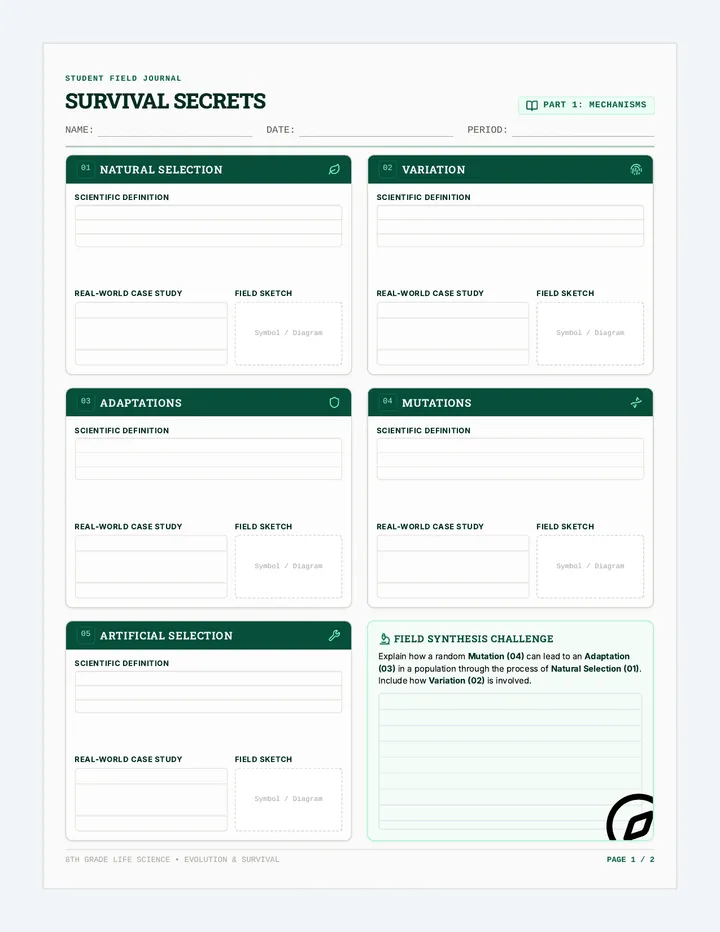
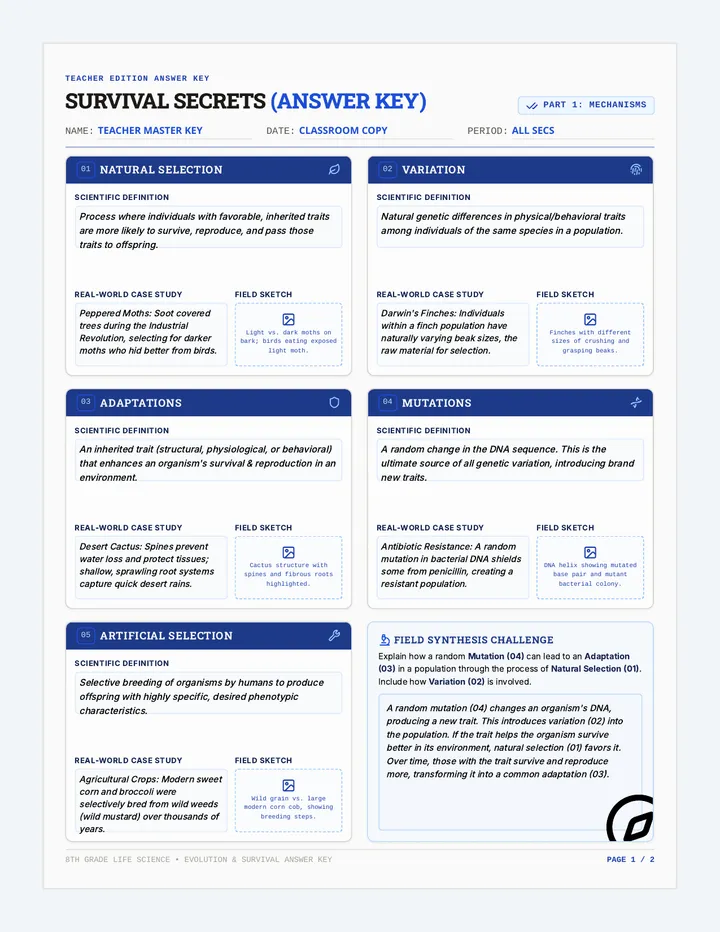
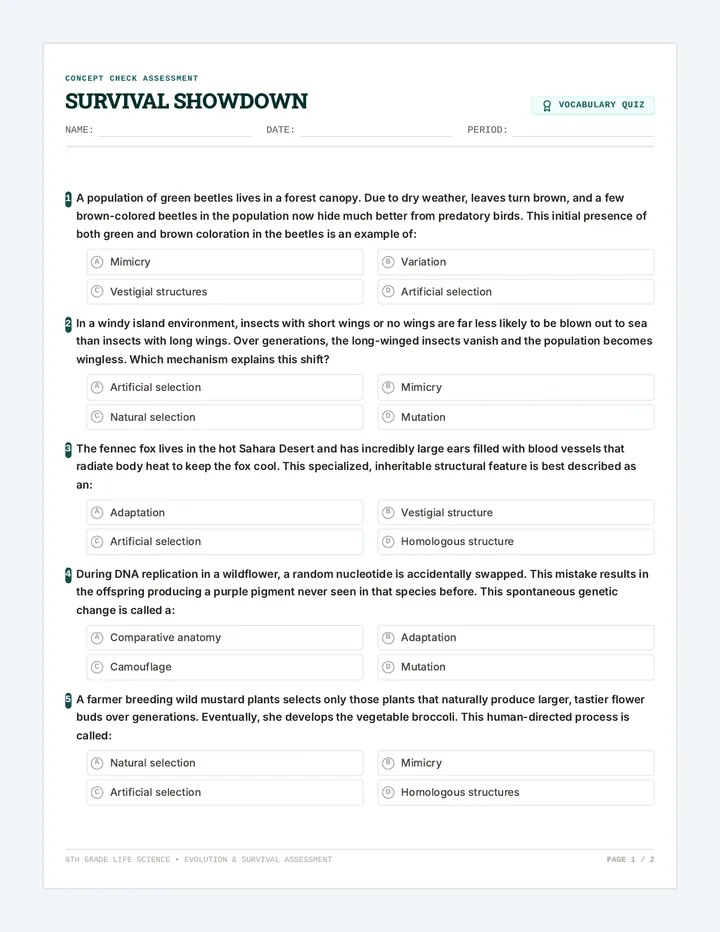
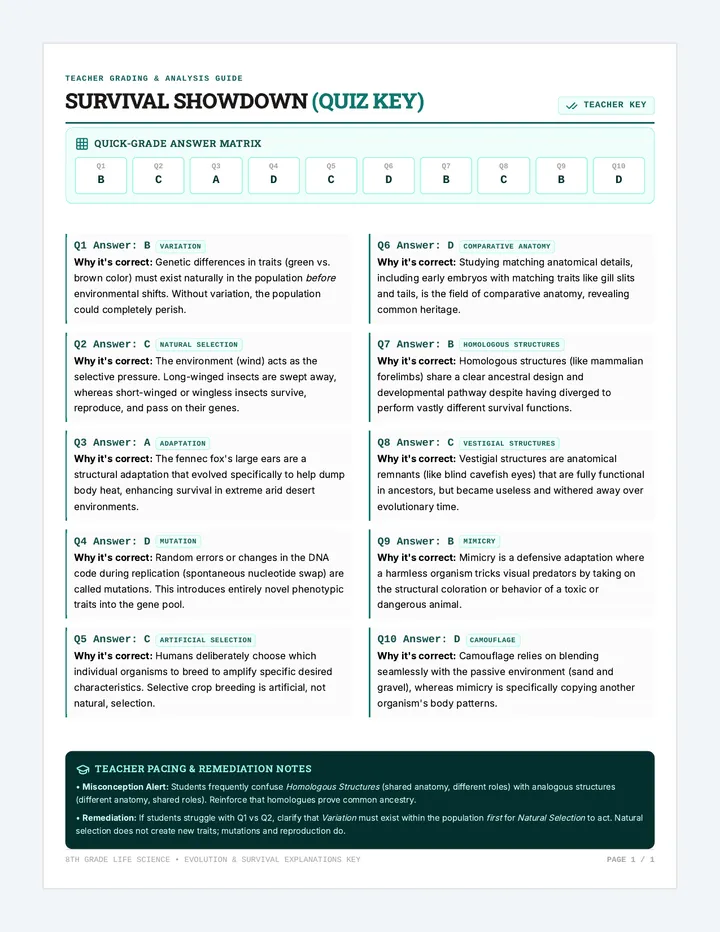
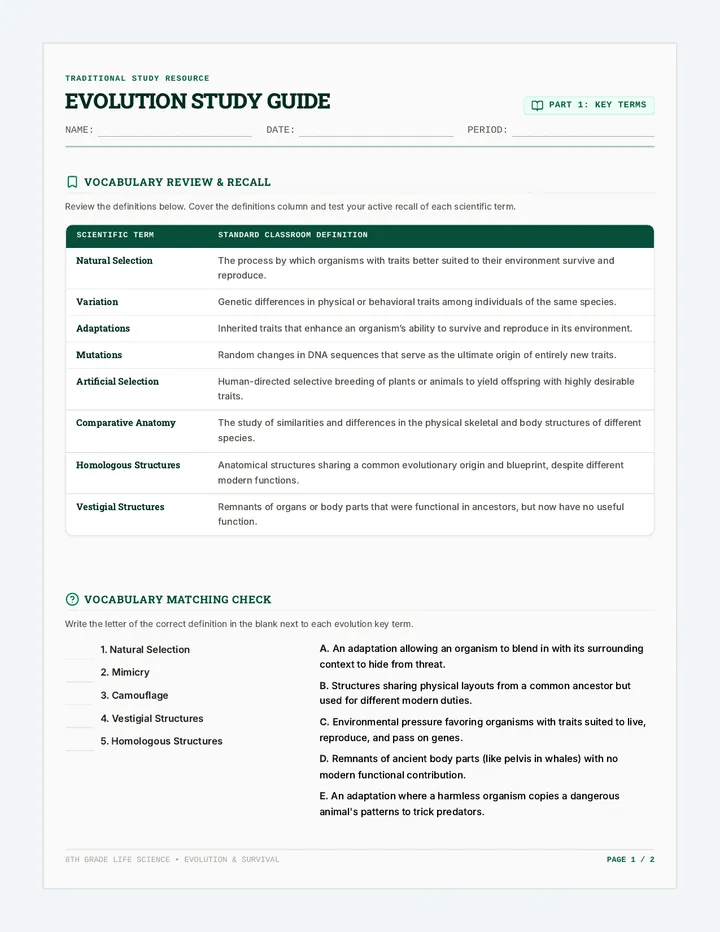
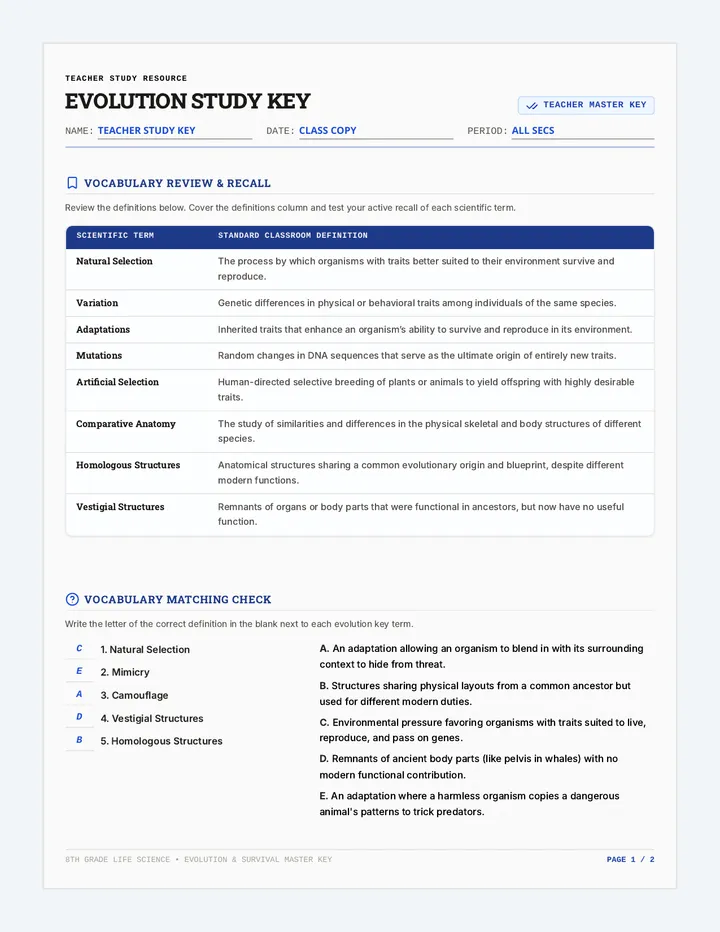
An active-recall study unit on natural selection and evolutionary evidence, featuring graphic organizers, application activities, and a practice quiz.
Troisième partie du corrigé ultra-pédagogique sur les conversions d'énergie (Exercices 11 à 15). Traite du fonctionnement des fours, des panneaux solaires, des thermoplongeurs d'aquarium, du navire écologique MANTA et des véhicules électriques.
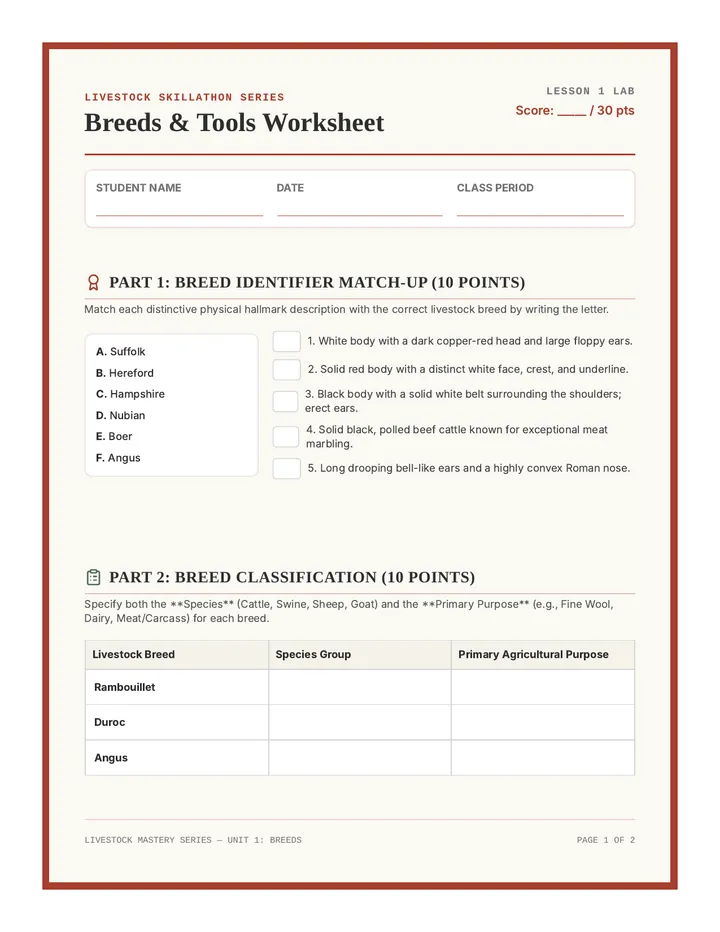
An immersive preparation program that equips agriculture students with the hands-on identification and evaluation skills needed to conquer competitive Livestock Skillathon contests.
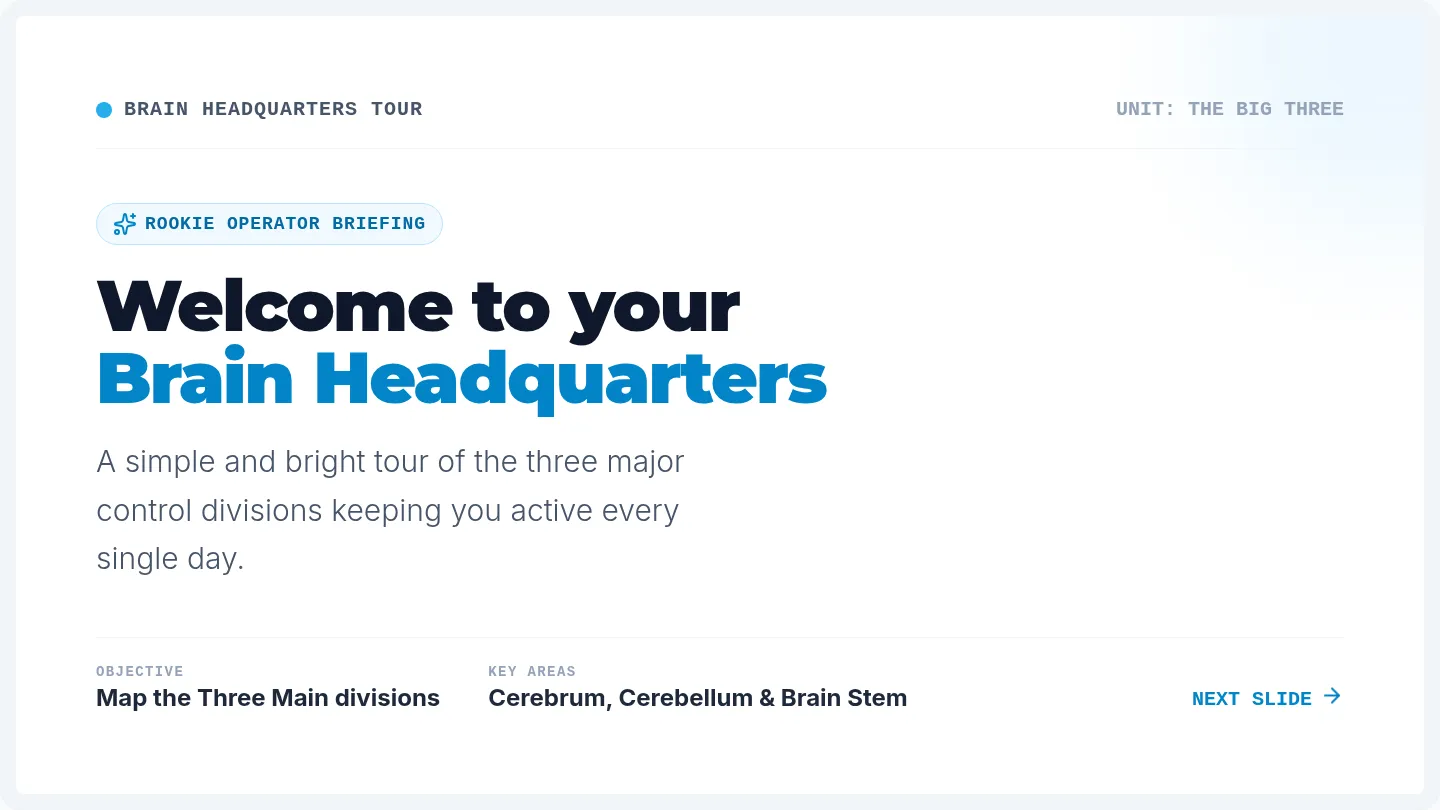
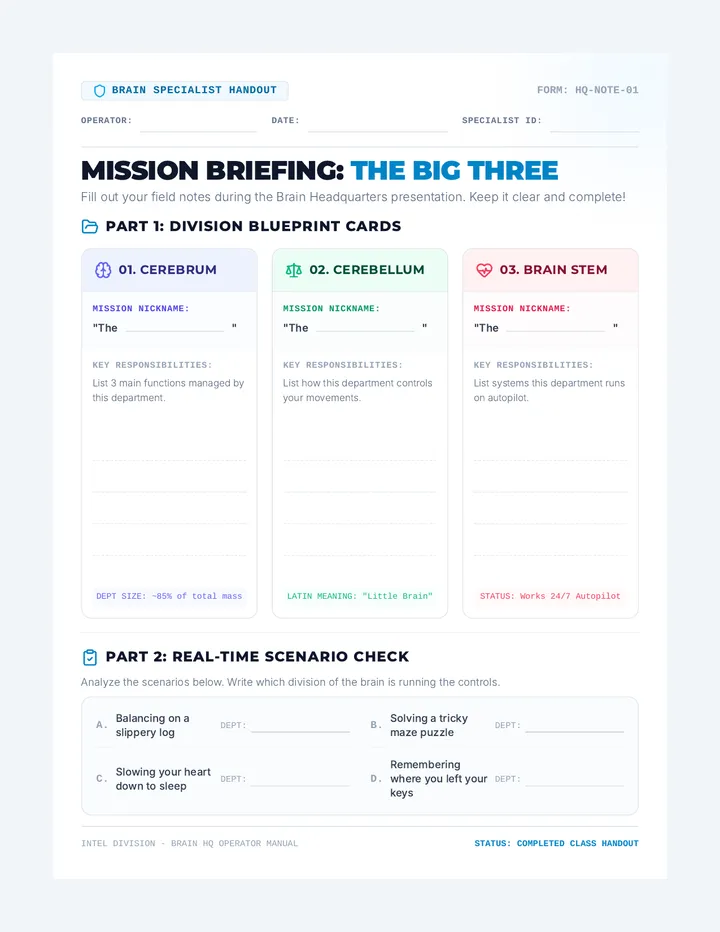
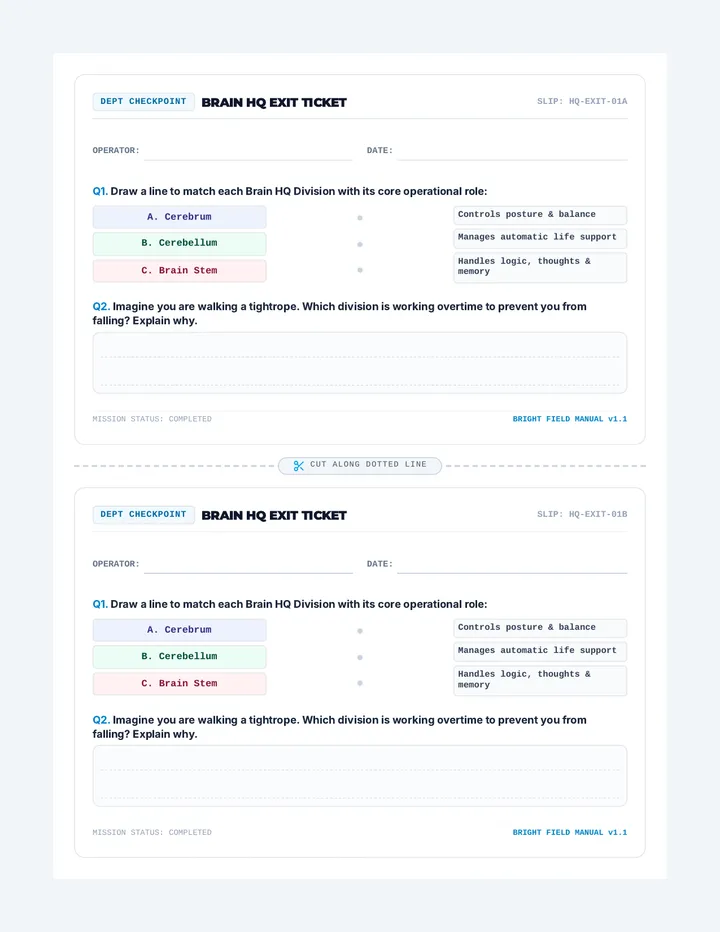
An interactive lesson introducing elementary or middle school students to the three major divisions of the brain: the Cerebrum, Cerebellum, and Brain Stem.
Deuxième partie du corrigé ultra-pédagogique sur les conversions d'énergie (Exercices 6 à 10). Comprend des explications de physique spatiale, de thermique du bâtiment, d'énergétique musculaire et industrielle.