Ad Agency Facilitator Guide Ad Agency Facilitator Guide
Lesson: The Art of Persuasia
Grade Level 7th Grade
Learning Objective
Students will distinguish between **ethos** (credibility), **logos** (logic), and **pathos** (emotion) in advertising and apply these appeals to create original persuasive content.
Materials Needed
Influence Academy Slide Deck
Persuasion Power Packet (Student)
11x17 Poster Paper or Blank Sheets
Markers & Art Supplies
Mundane Objects (see list below)
Pacing Guide
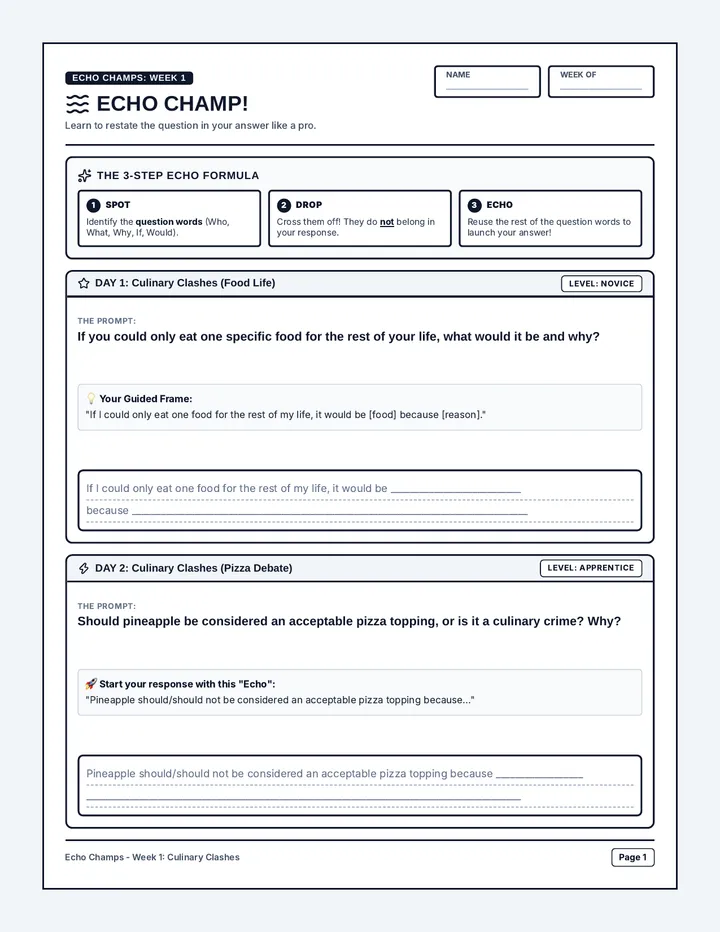
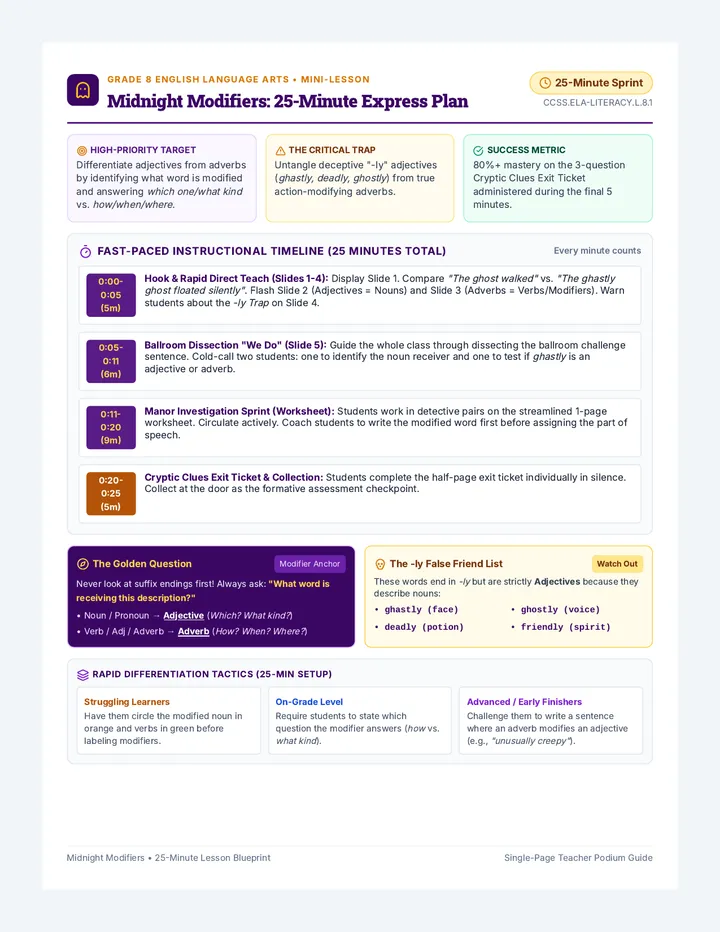
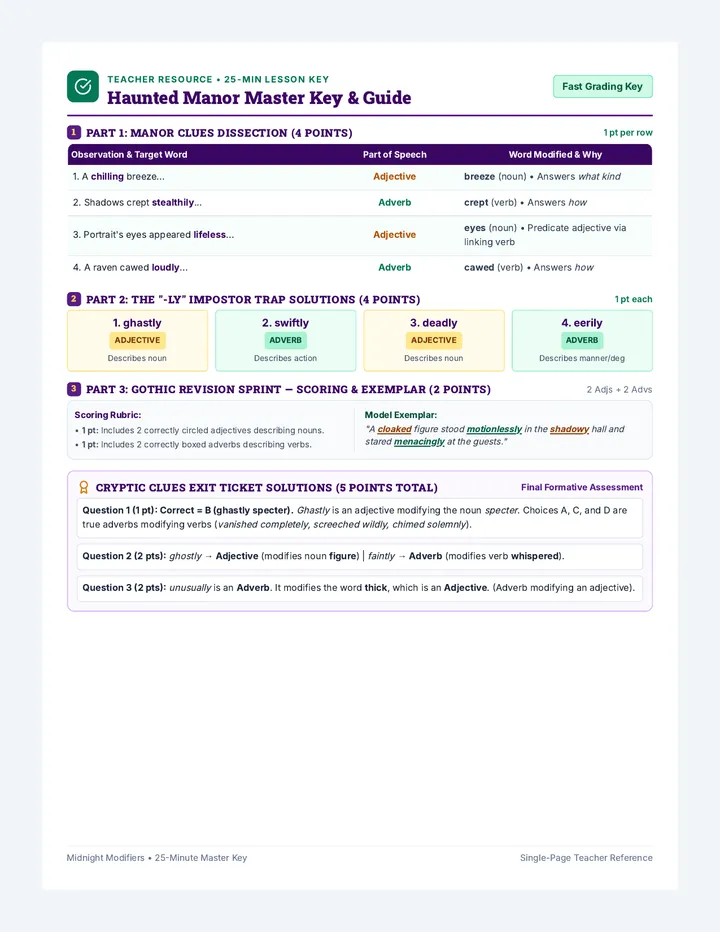
Warm-up: Ad Hook 5 Min
Video: Intro to Influence 15 Min
Main Activity: Ad Agency 20 Min
Reflection & Gallery Walk 5 Min
Instructional Steps
1
Warm-up: The Power of Three
Display the three sample ads in the slide deck.
Pathos Ad: Ask, "Which ad makes you feel a specific emotion (sadness, joy, fear)?"Logos Ad: Ask, "Which ad relies on facts, numbers, or logic to convince you?"Ethos Ad: Ask, "Which ad uses a famous person or expert to gain your trust?"
2
Video Viewing: Persuasia Town Hall
Watch the video "Intro to Influence." Note that the core definitions start at 3:41 . Have students follow along in their Persuasion Power Packet to record definitions and complete the "Stance" activity.
Pro-Tip
Pause at 4:35 to let students try to match the Greek roots before the narrator reveals the answers!
3
Main Activity: Ad Agency Challenge
Divide students into small groups (3-4). Assign each group a Mundane Object . Their mission: create three mini-posters for their product, each utilizing one specific appeal.
Suggested Objects
• A rusted stapler
• A single paperclip
• A worn-out pencil
• A plain cardboard box
• A plastic spoon
• A brick
4
Reflection: The Great Reveal
Groups display their posters. Classmates rotate or "view" the posters and try to guess which appeal is being used for each one. Discuss: Which appeal was the hardest to create for a mundane object?
Answer Key & Quick Reference
Logos
Logic/Reason
Uses statistics, facts, evidence, and clear reasoning. Focuses on the "brain."
Pathos
Emotion/Feelings
Uses stories, vivid imagery, or emotional language. Focuses on the "heart."
Ethos
Credibility/Trust
Uses expert authority, celebrity endorsement, or character. Focuses on the "gut."
Video Activity Key
Greek Roots: Ethos (Ethics), Logos (Logic), Pathos (Sympathy).
Team Stance (For Mascot Change): 1, 2, 4
Team Stance (Against Mascot Change): 3, 5
Influence Academy Slides Mastering Influence
The Art of Persuasia
Decoding Ethos, Logos, and Pathos in the World of Advertising
Warm-up: The Ad Gallery
Time: 5:00
THEY DESERVE A HOME TOO.
Every puppy without a family is a story without a happy ending.
Sample Ad A
VOLT CHARGE
Lasts 48% longer than the leading competitor.
Lab Tested. Data Verified.
Sample Ad B
THE CAPTAIN'S CHOICE
"I've played 500 pro games, and these are the only shoes I trust."
— Alex Legend, All-Star MVP
Sample Ad C
Intro to Influence
Watch the town of Persuasia decode the art of persuasion.
Embedded media
Watch For:
• Stance: For or Against?
• Greek Roots of the appeals
• The Twin Debaters' Experts
Focus on the definitions starting at timestamp 3:41.
The Expert Appeal
ETHOS
An appeal to **credibility** or **trustworthiness**.
Ask: "Why should I trust you?"
Look for: Professionals, celebrities, influencers, or people with shared values.
The Logical Appeal
LOGOS
An appeal to **logic** or **reason**.
Ask: "Does this make sense?"
Look for: Statistics, charts, facts, features, and logical "if-then" arguments.
The Emotional Appeal
PATHOS
An appeal to **emotion** and feelings.
Ask: "How does this make me feel?"
Look for: Heartwarming stories, exciting music, fear, or visual metaphors.
Ad Agency Mission
1
Receive your **Mundane Object** from the warehouse (Teacher).
2
Plan your strategies in your **Persuasion Power Packet**.
3
Create **3 Mini-Posters**: one Ethos, one Logos, one Pathos.
Sample Object:
A Rusted Stapler
How will YOU sell it?
The Gallery Walk
Display your work. As you tour the other agencies, use your "influence eyes" to guess:
Who used Heart? (Pathos)
Persuasion Power Packet Persuasion Power Packet
Decoding the Art of Influence
Name:
Date:
Part 1: Video Analysis
Stance Check:
Based on the video, which arguments were FOR and which were AGAINST replacing the mascot?
FOR the Change
AGAINST the Change
Ethos
Root: Ethics (Trust)
Logos
Root: Logic (Brain)
Pathos
Root: Sympathy (Heart)
Part 2: Ad Agency Brainstorm
Assigned Object:
Strategy 1: Ethos (Credibility)
Who is the expert or celebrity that would trust this object? Why should we believe them?
Strategy 2: Logos (Logic)
What are 2-3 facts, stats, or logical reasons why someone MUST buy this object right now?
Strategy 3: Pathos (Emotion)
What emotion will you target? Describe a story or visual that would make an audience feel something.
Part 3: Extension — The TV Scout
Your Mission:
Watch a TV commercial (on TV, YouTube, or streaming). Fill out the scout report below based on what you find.
Product Name
Target Audience
Primary Appeal Used
Ethos
Logos
Pathos
Evidence
Explain what you saw or heard that matches the appeal you checked above.
Effectiveness
Did it work on you? Why or why not?