A comprehensive 4th-grade lesson on marine food chains featuring the Great White Shark as an apex predator. Students explore energy flow, diet adaptations, and ecosystem balance through video analysis and a hands-on 'Chain Reaction' activity.
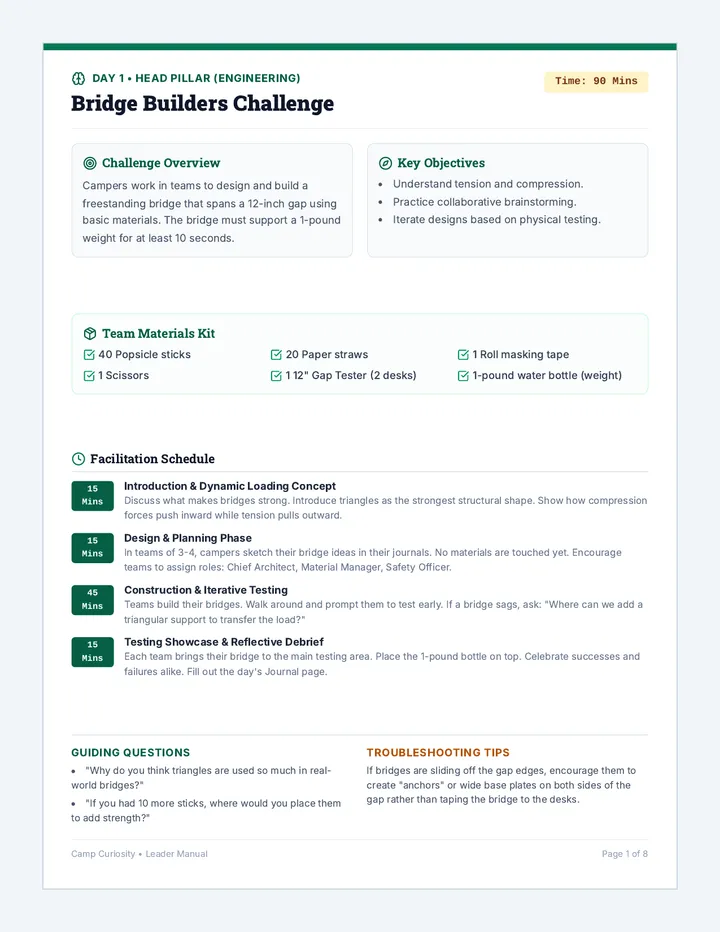
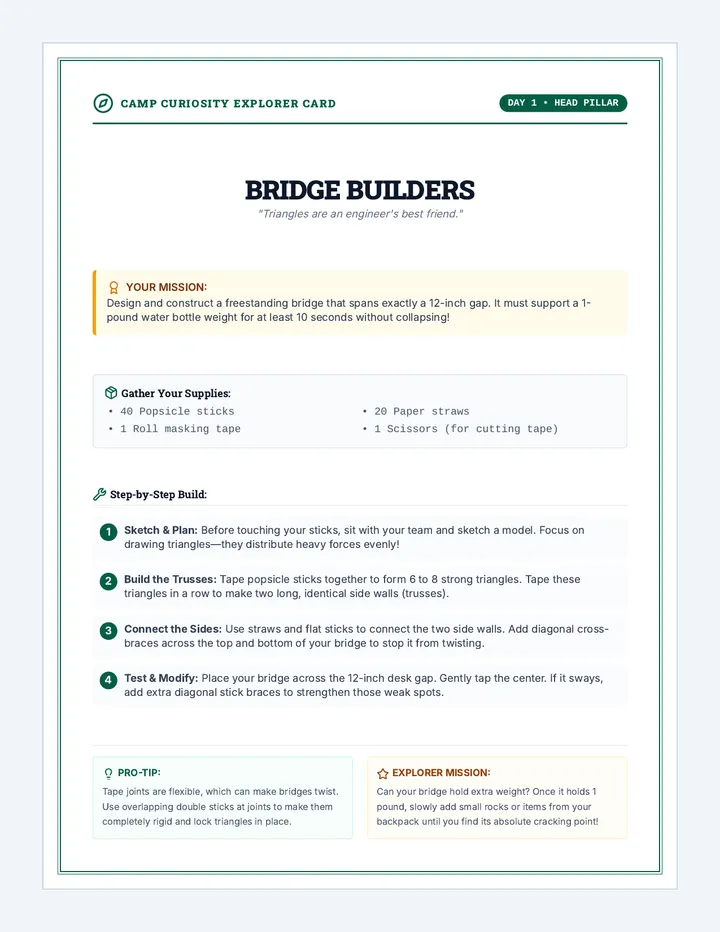
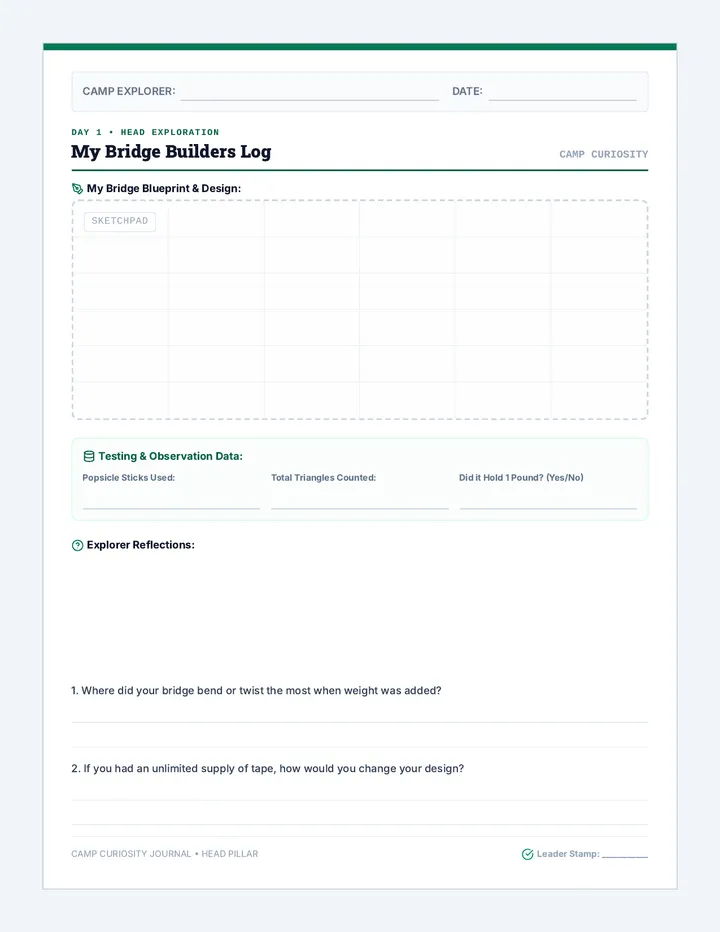
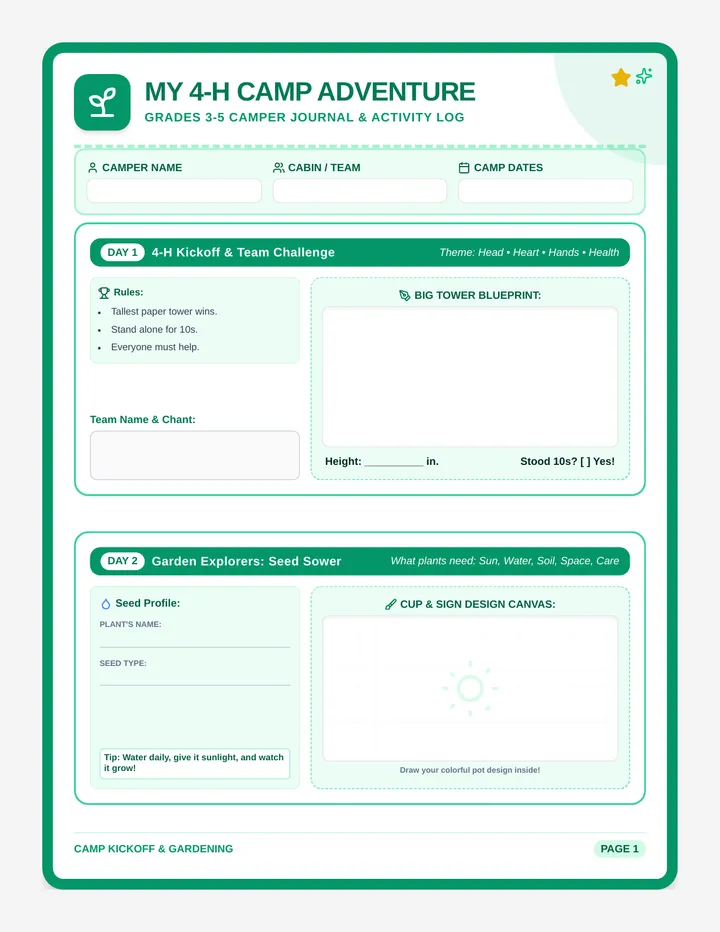
An action-packed, hands-on 8-day 4-H camp program focusing on Head, Heart, Hands, and Health. Students tackle engineering, teamwork, ecology, nutrition, and art challenges through daily active learning.
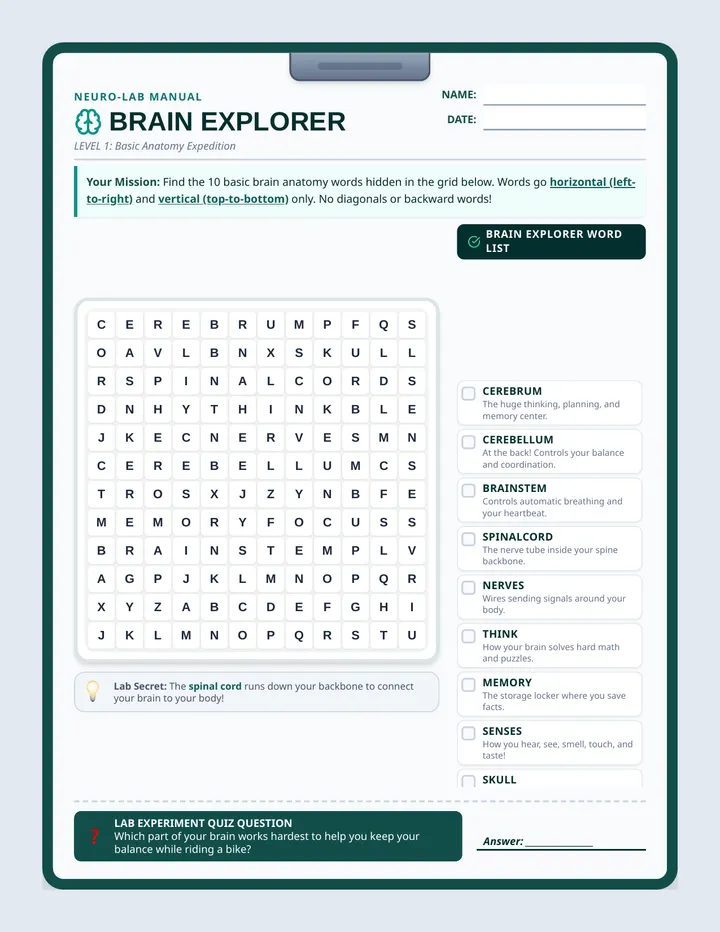
A collection of differentiated word search puzzles focusing on basic brain anatomy, vocabulary, and functions for fourth-grade students. Includes beginner and advanced levels with matching answer keys.
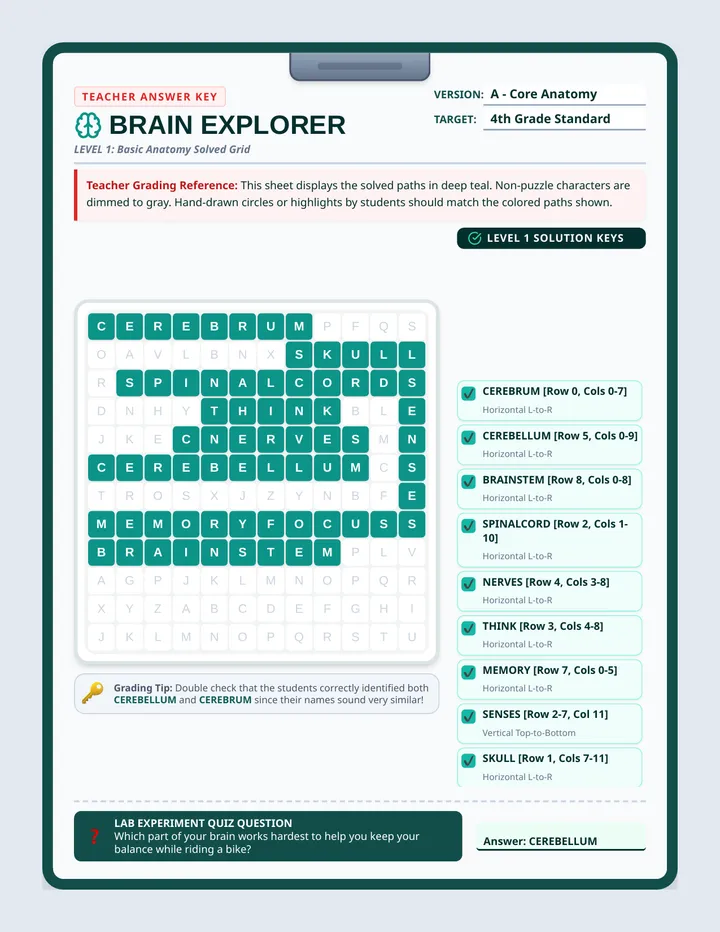
Matching teacher answer keys for the Level 1 and Level 2 brain anatomy word search puzzles. Highly visual with found words clearly highlighted and color-coded.
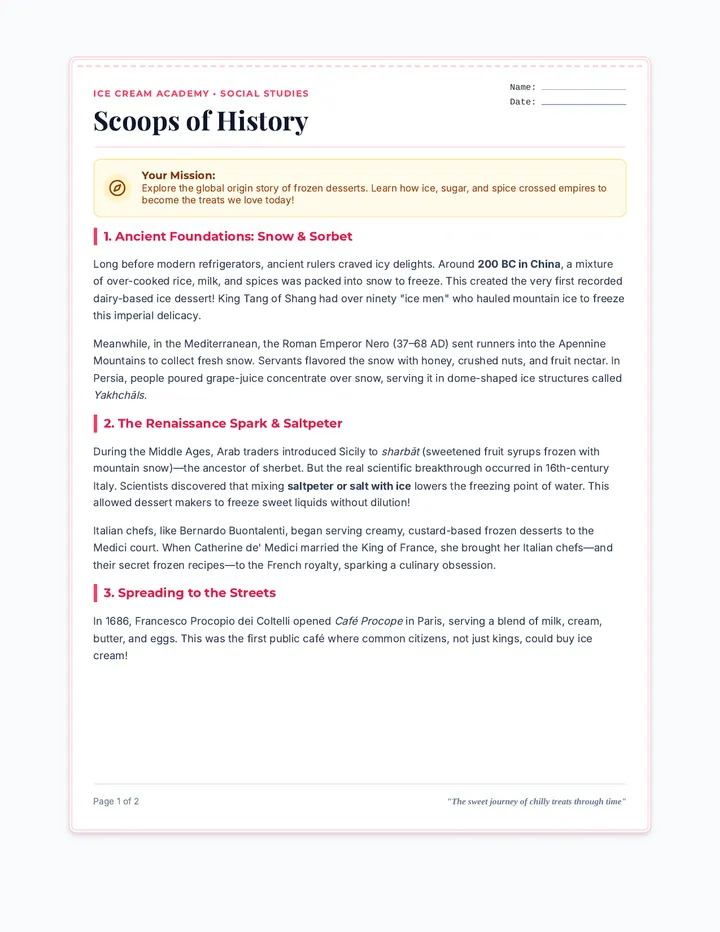
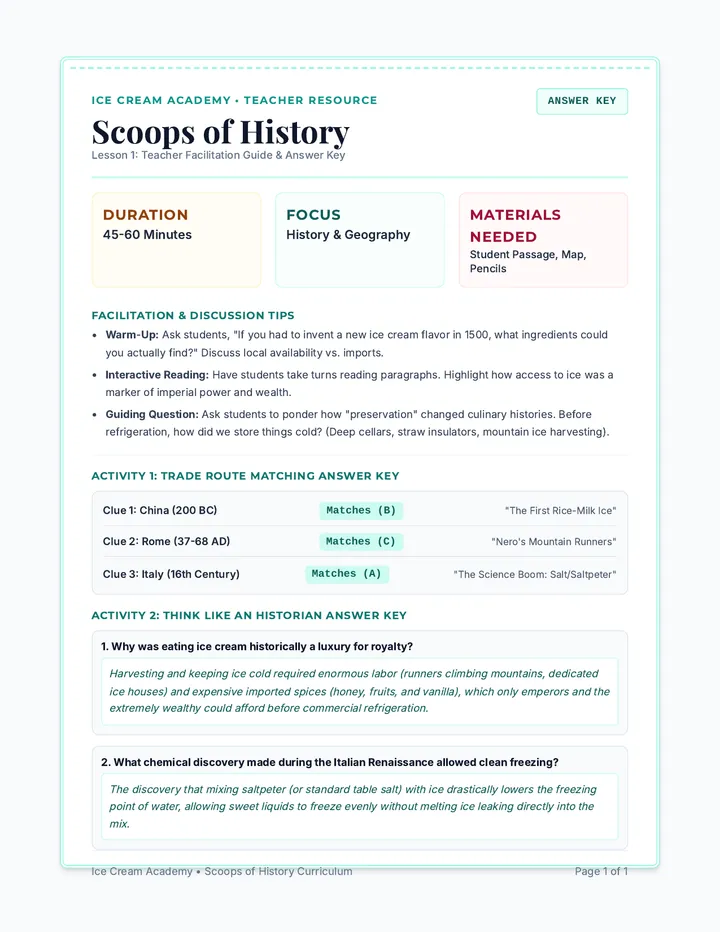
A multi-subject summer school unit exploring the history, science, math, and language arts of ice cream. Students scale recipes, conduct freezing-point experiments, trace historical origins, and design sensory marketing campaigns.
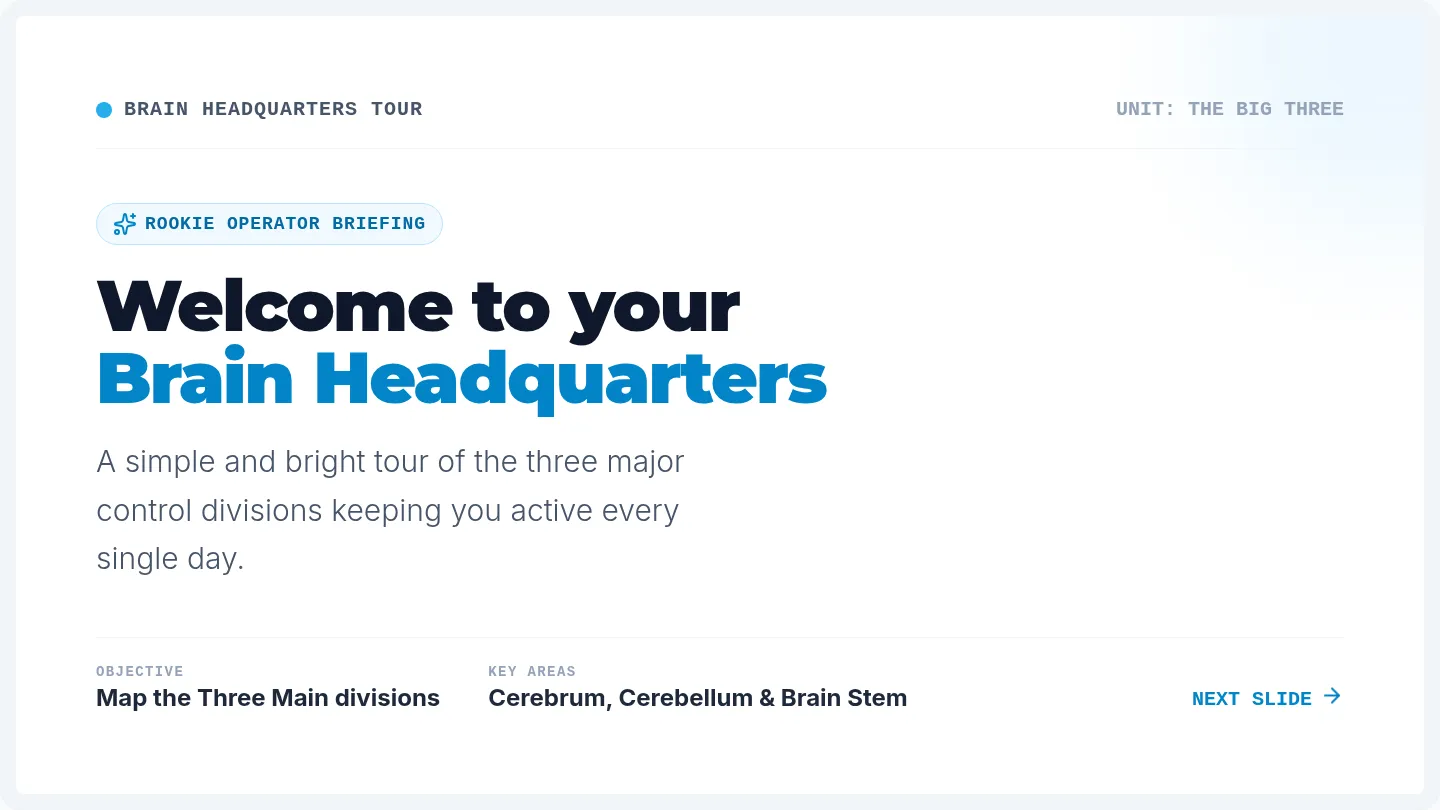
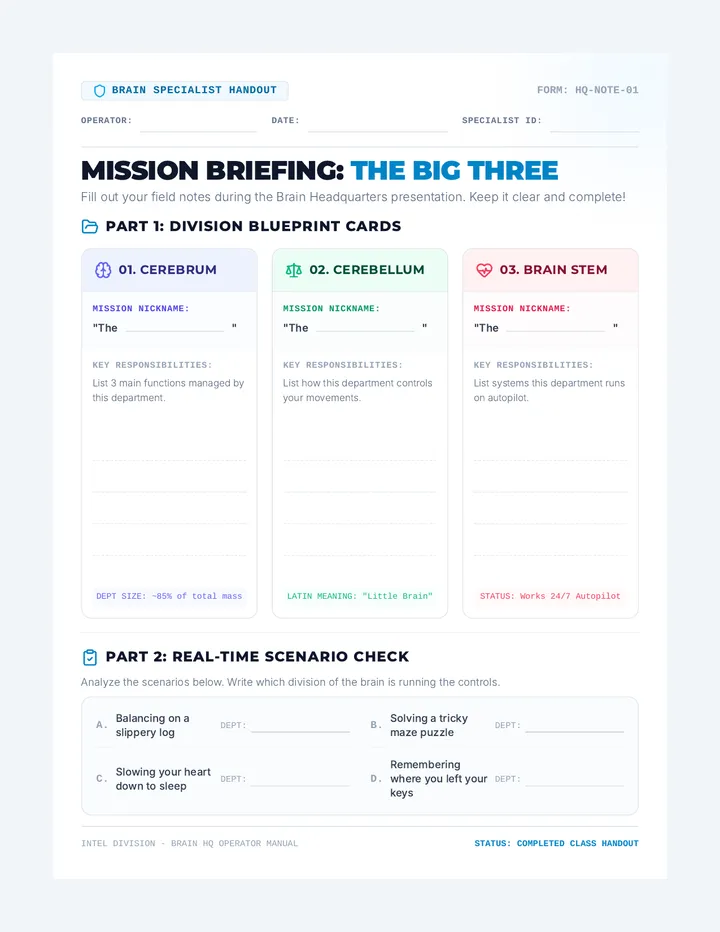
An interactive lesson introducing elementary or middle school students to the three major divisions of the brain: the Cerebrum, Cerebellum, and Brain Stem.
Differentiated brain anatomy word search puzzles for 4th graders. Includes Level 1 (Brain Explorer) and Level 2 (Neuro-Detective) with key terms, checkboxes, and friendly definitions.
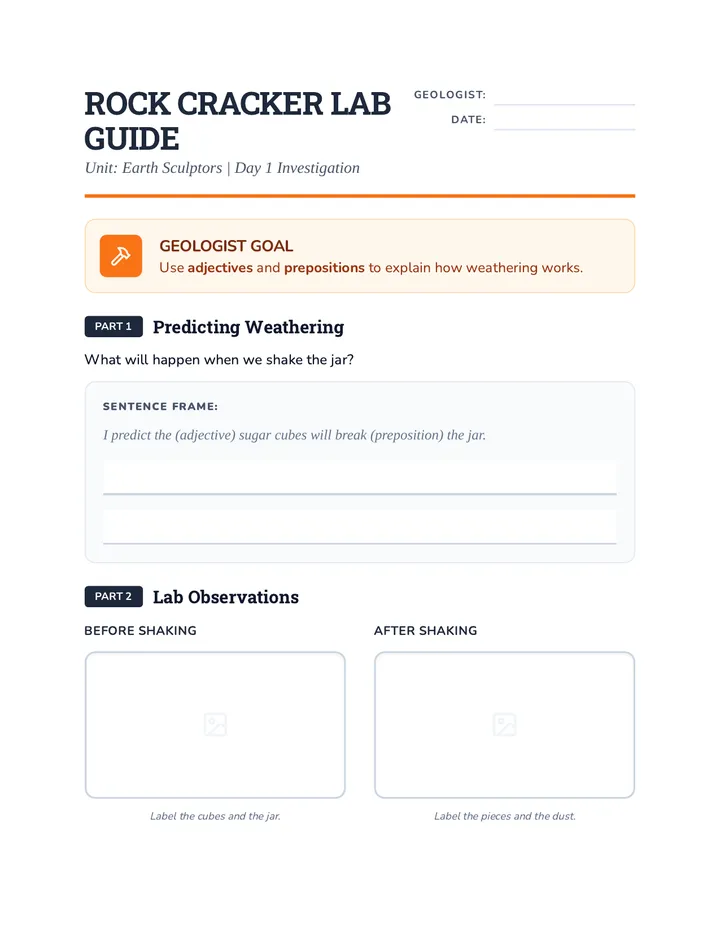
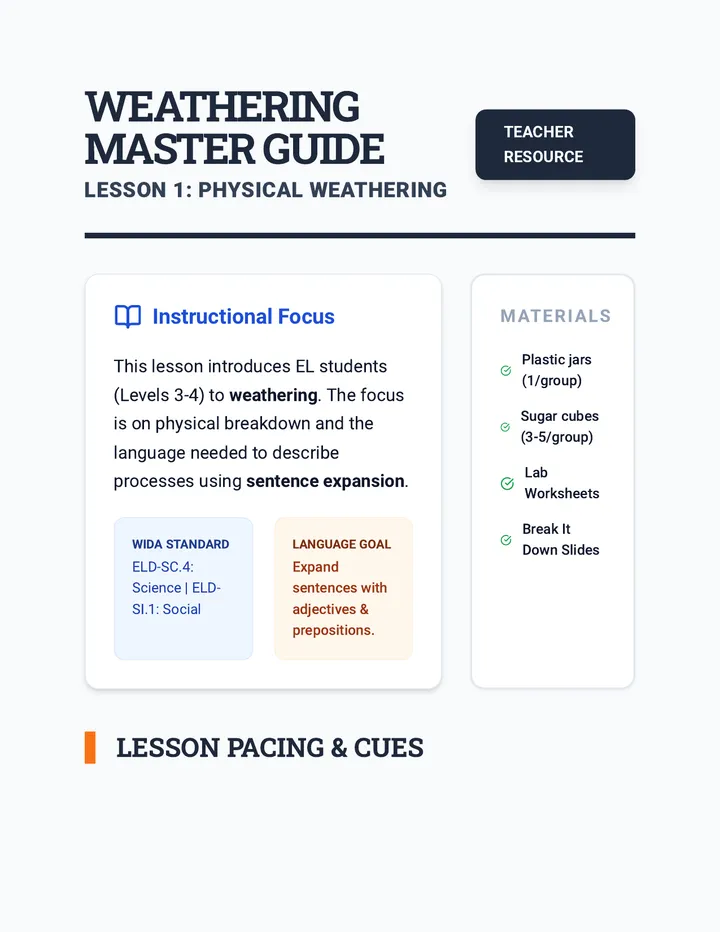
A two-day science unit for 4th-grade English Learners focusing on the processes of weathering and erosion. Students act as 'Earth Sculptors' to investigate how natural forces break down and move Earth's materials using WIDA-aligned language supports.
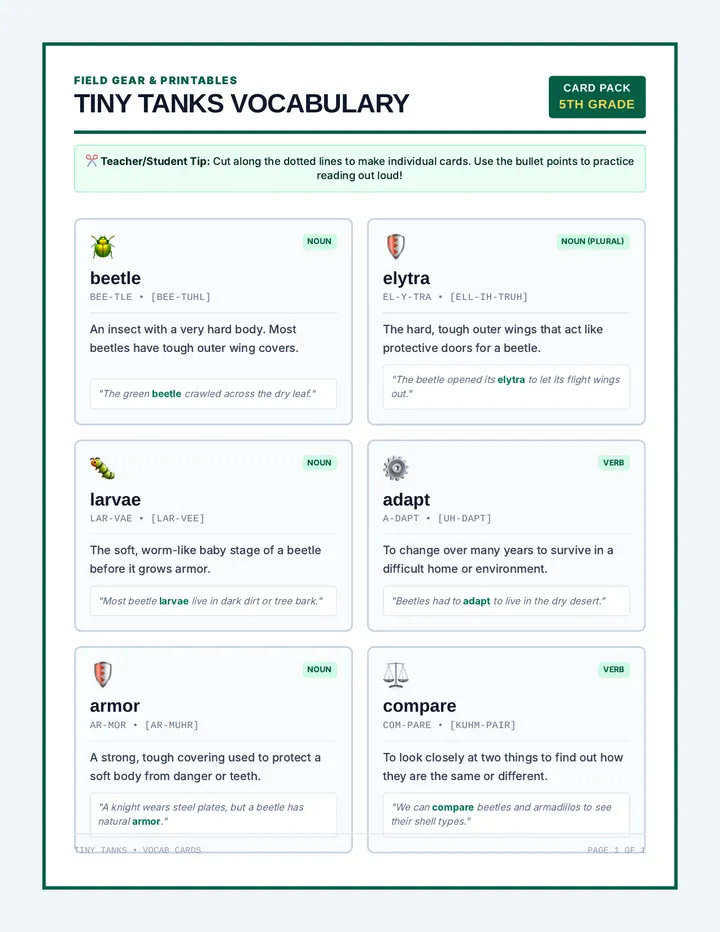
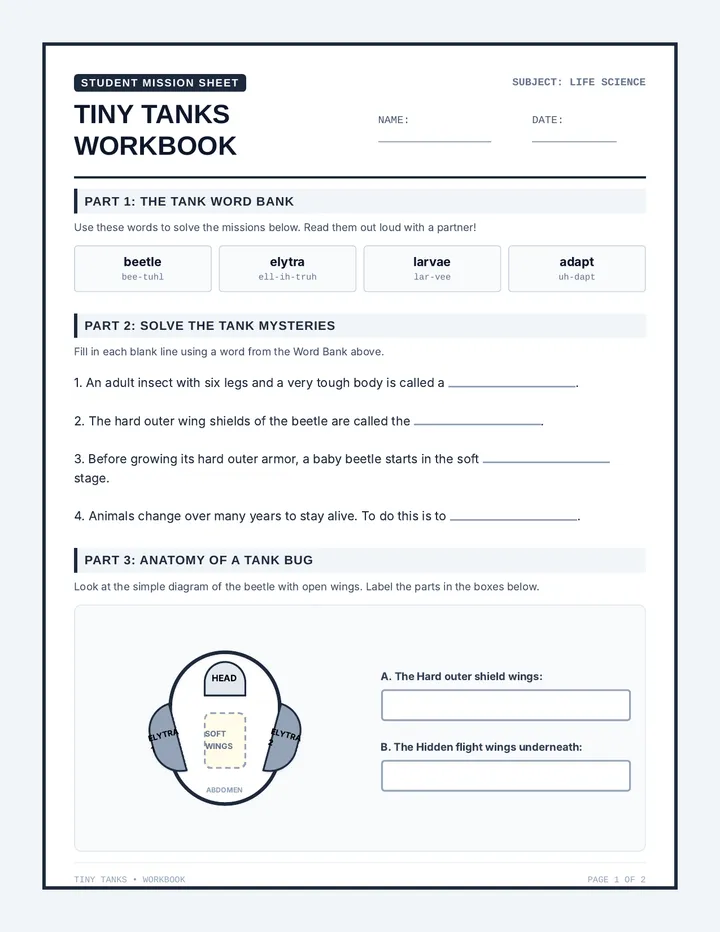
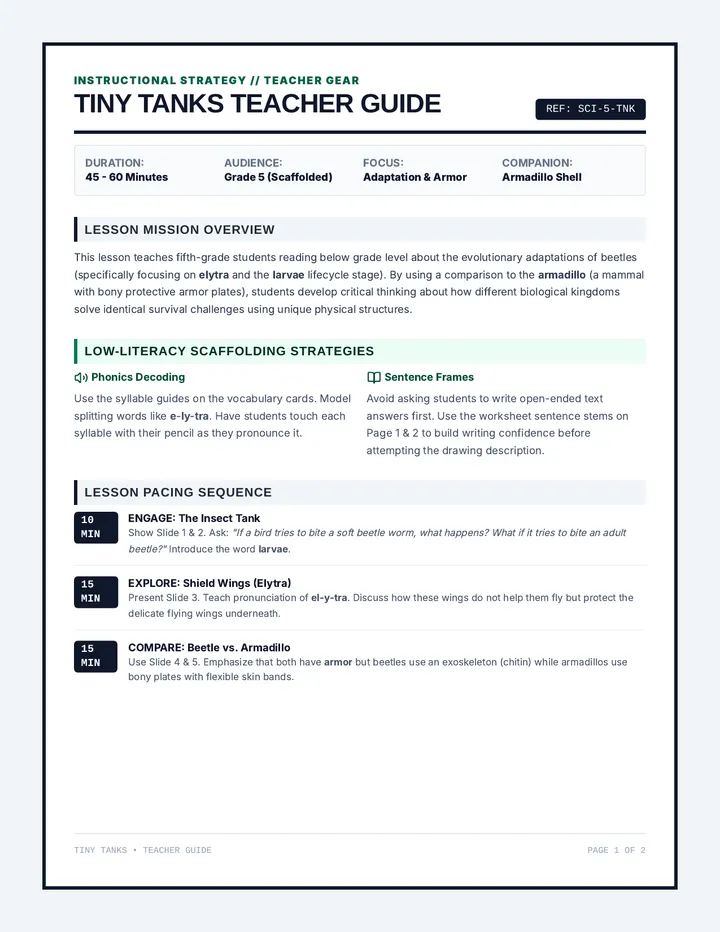
An engaging, highly visual science lesson exploring beetles as the armored tanks of the insect world, designed specifically for fifth-grade students reading below grade level. Students learn about elytra, beetle adaptation, and compare insect armor to that of the armadillo through scaffolded activities.
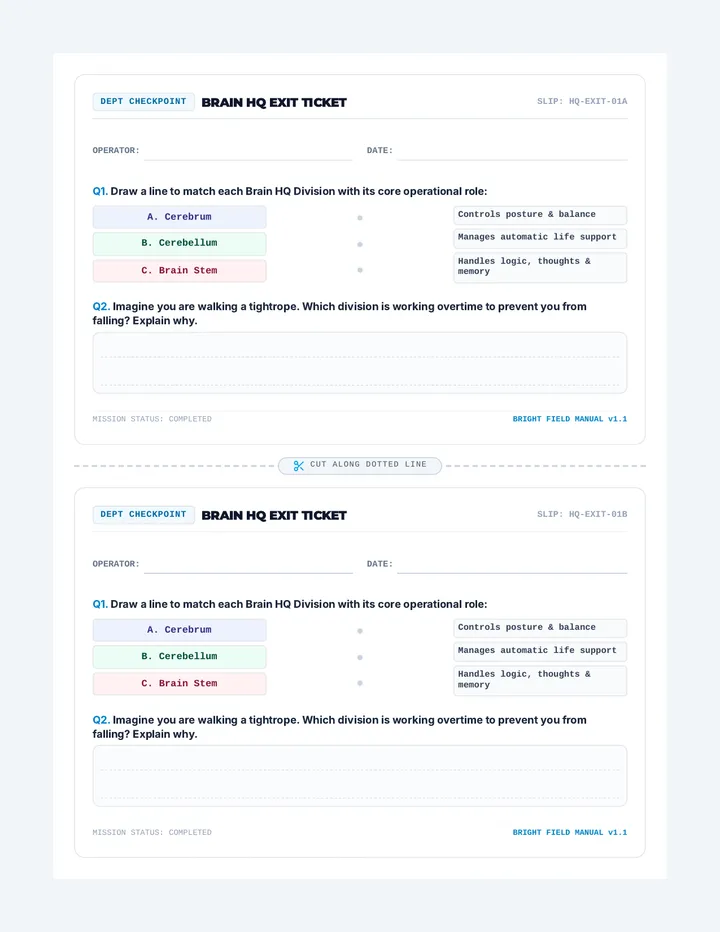
A practical, print-saving 2-up exit ticket containing two identical, clean-cut checkpoint slips to quickly assess students' mastery of the Cerebrum, Cerebellum, and Brain Stem.
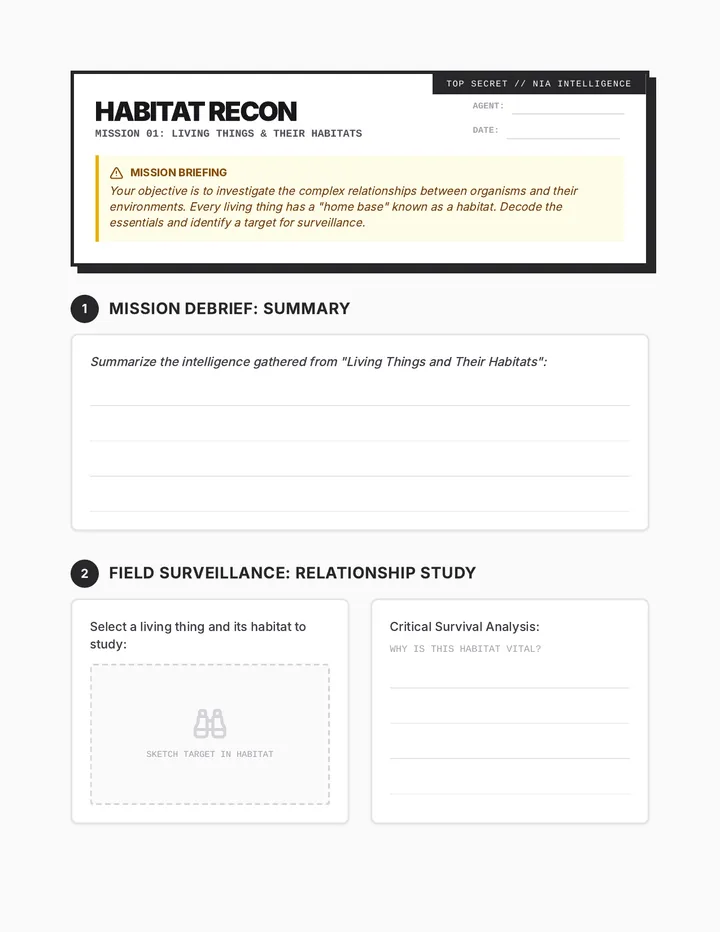
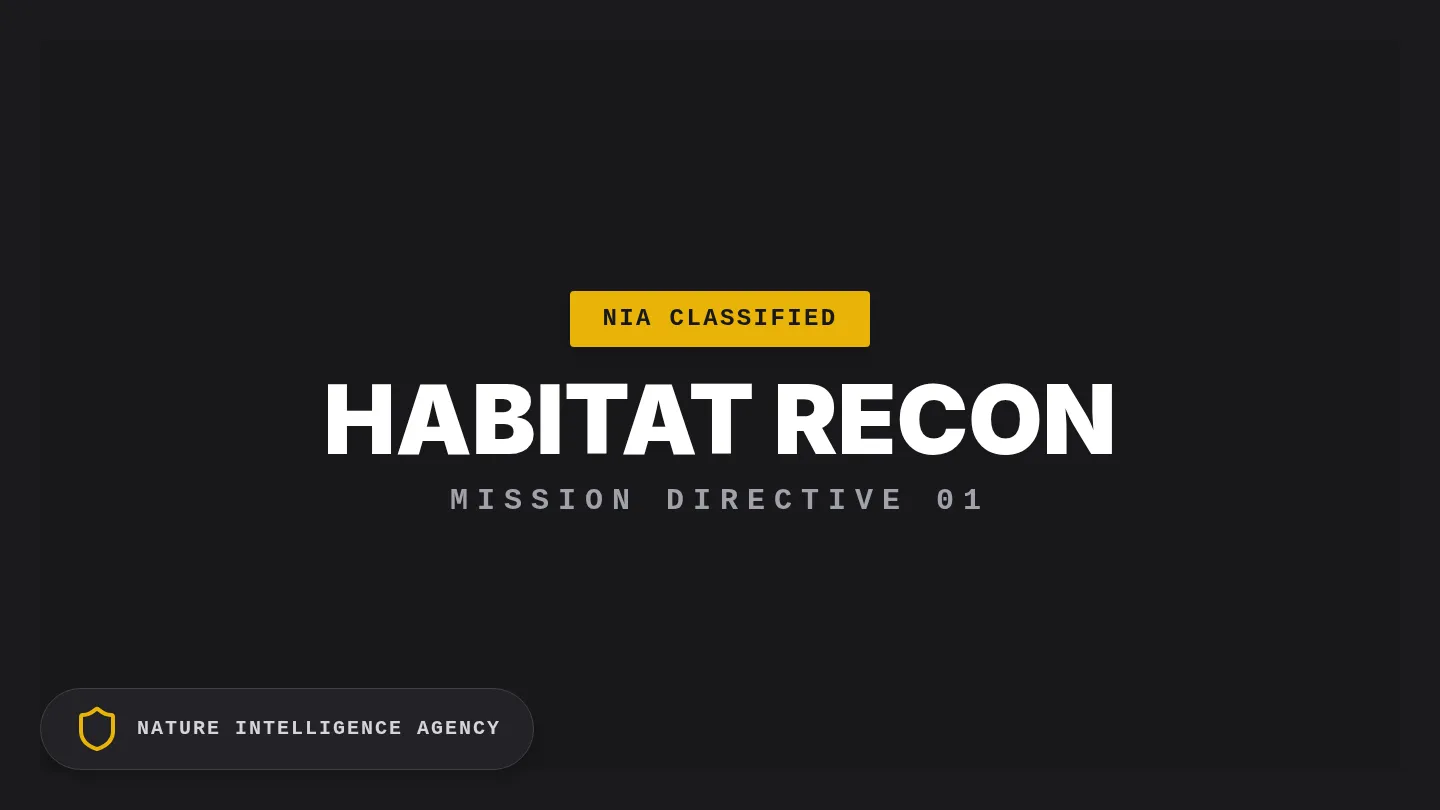
A series of secret agent-themed ecology missions where students act as Eco-Detectives for the Nature Intelligence Agency (NIA) to study habitats, food chains, and environmental impacts.
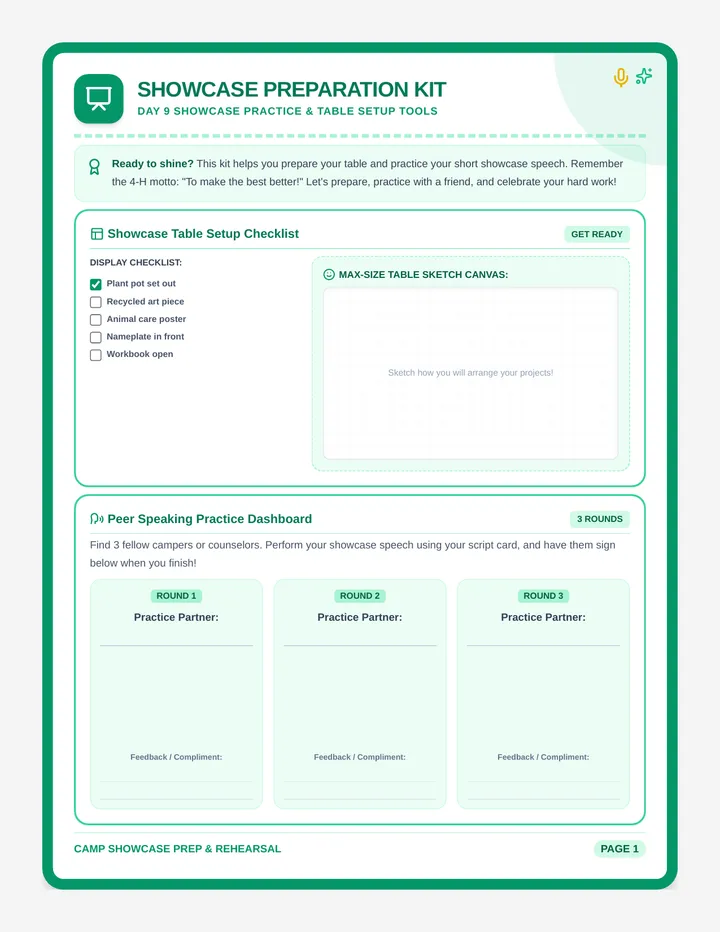
An engaging, hands-on summer camp series for grades 3-5 focusing on teamwork, STEM, gardening, healthy living, and creative problem-solving. This lesson includes a comprehensive multi-day student workbook and a showcase presentation preparation kit.
An engaging, print-ready guided note-catcher for students to map the three major brain divisions, complete with custom department blueprint cards, nickname fill-ins, and a scenario match-up check.