An introductory lesson focused on the fundamental principles of circuits, including component identification and the application of Ohm's Law.
A science lesson for 2nd graders exploring the life cycle of a frog through reading, identifying main ideas, and interactive discussion. Students will learn the four key stages from egg to adult frog.
A hands-on science lesson exploring density and chemical reactions through the creation of a DIY lava lamp. Students will learn why oil and water don't mix and how gas bubbles transport liquids.
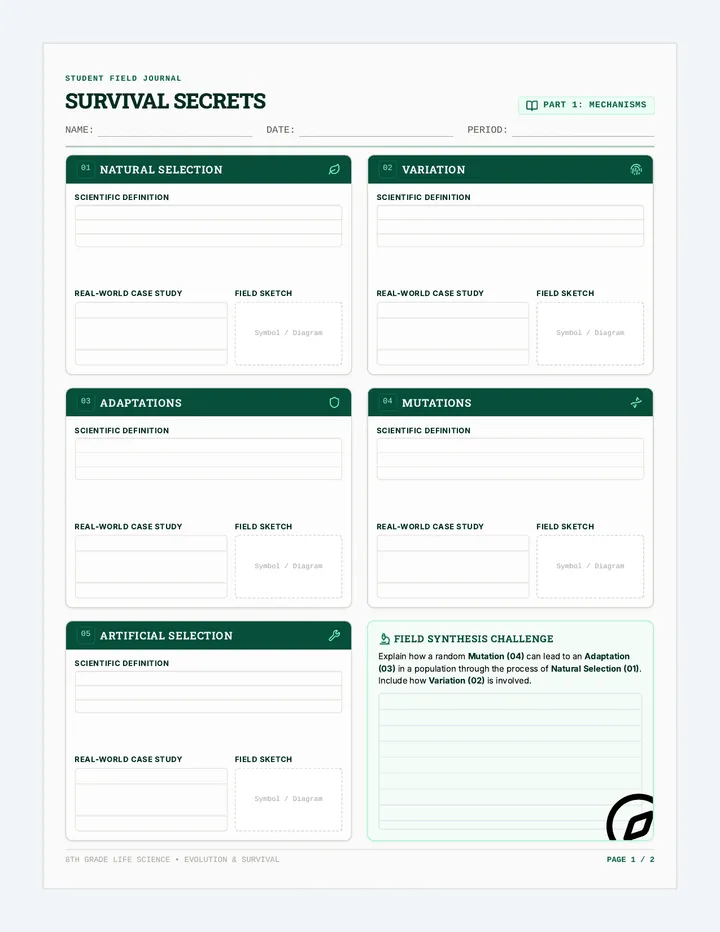
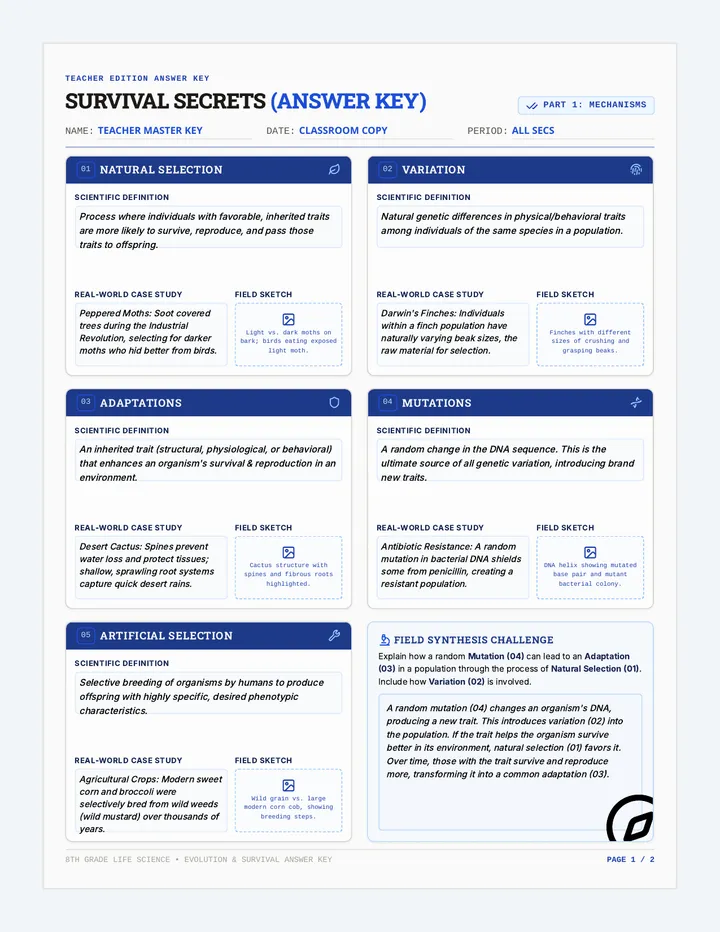
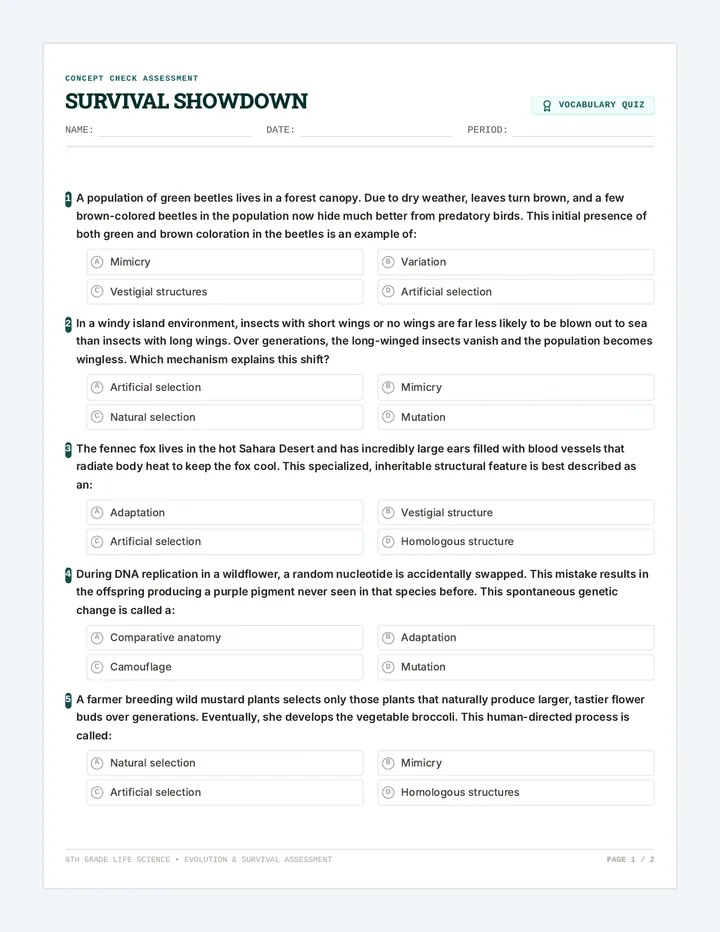
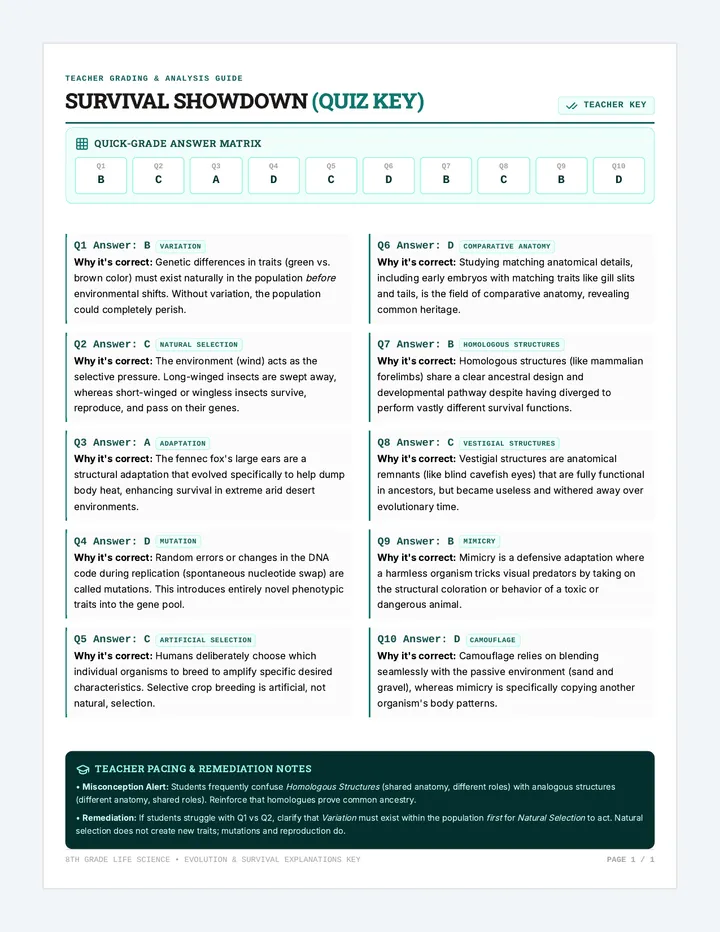
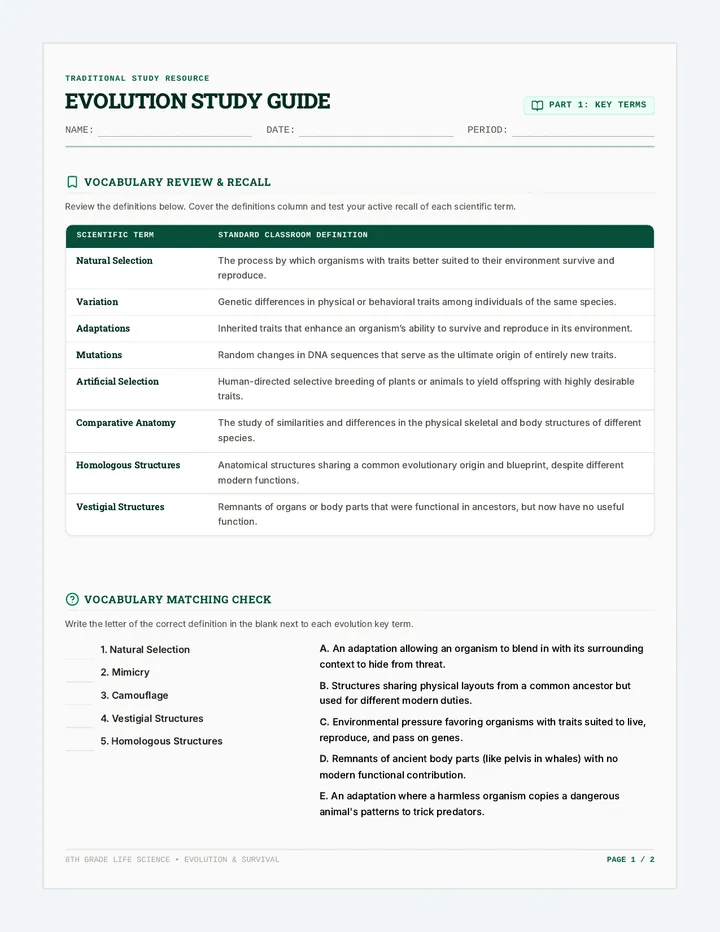
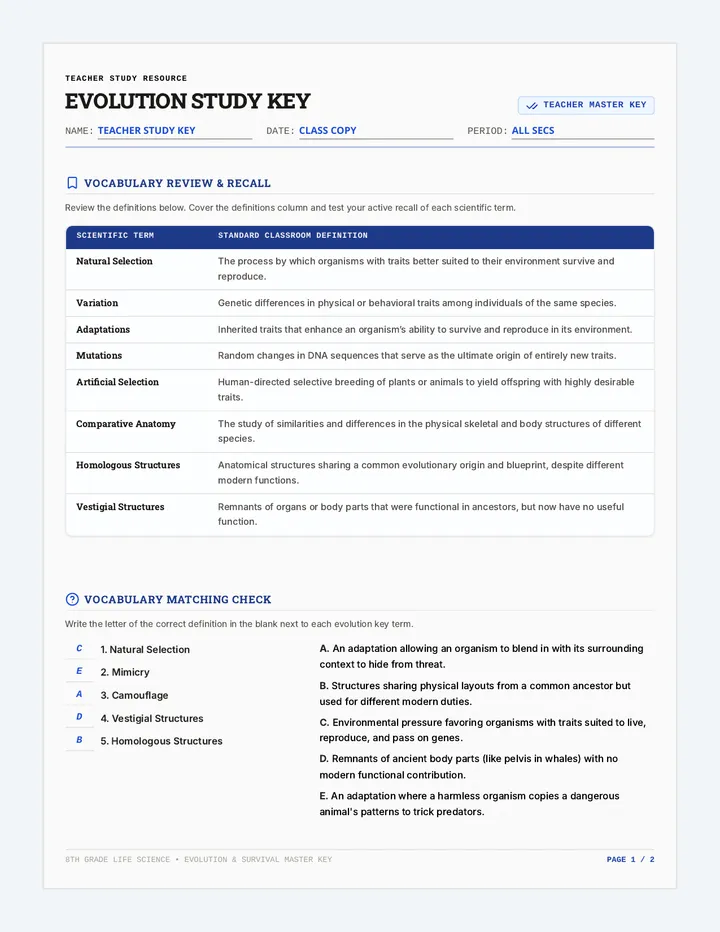
A high-impact review of evolutionary mechanisms, evidences, plant and animal systems interactions, and ecological stability. This lesson follows the Blitz format with maximum-depth content on succession, feedback loops, and biogeochemical cycles.
A comprehensive lesson exploring the concept of sustainable cities, focusing on urban planning strategies, resource management, and global case studies based on The Economist's sustainability analysis.
A comprehensive lesson covering the Central Dogma of biology, from the structure of DNA and its replication to the process of protein synthesis through transcription and translation.
A hands-on science experiment exploring heat conduction using hot and cold chocolate milk with metal and plastic spoons. Designed specifically for high school students with intellectual disabilities with visual supports and simplified response formats.
Students discover the additive nature of enthalpy through a hands-on chemical puzzle, using Hess's Law to calculate enthalpy changes for complex reactions using multiple intermediate steps.
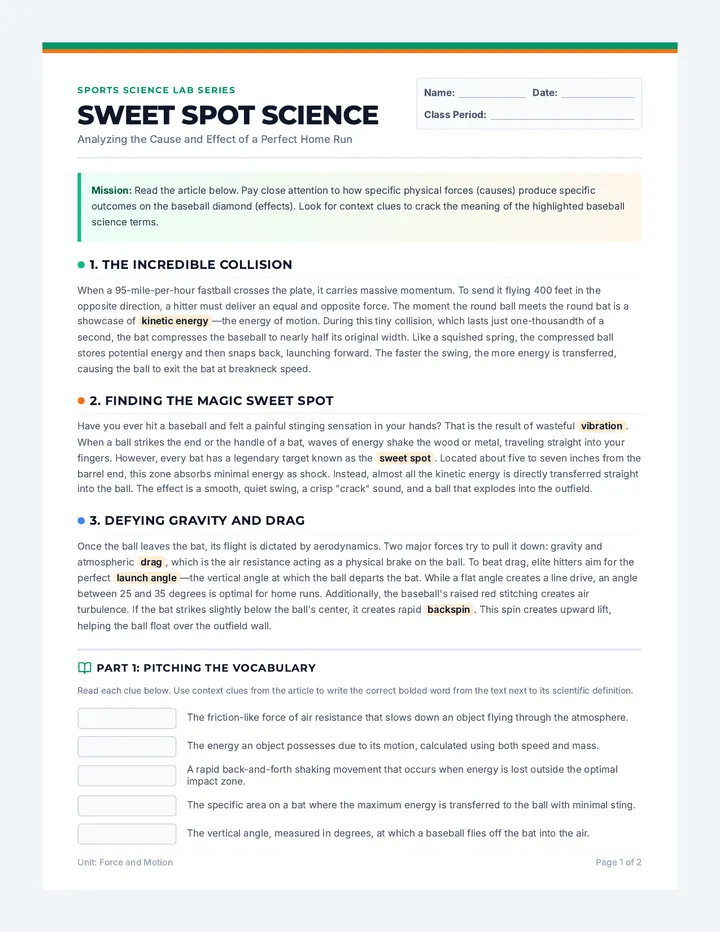
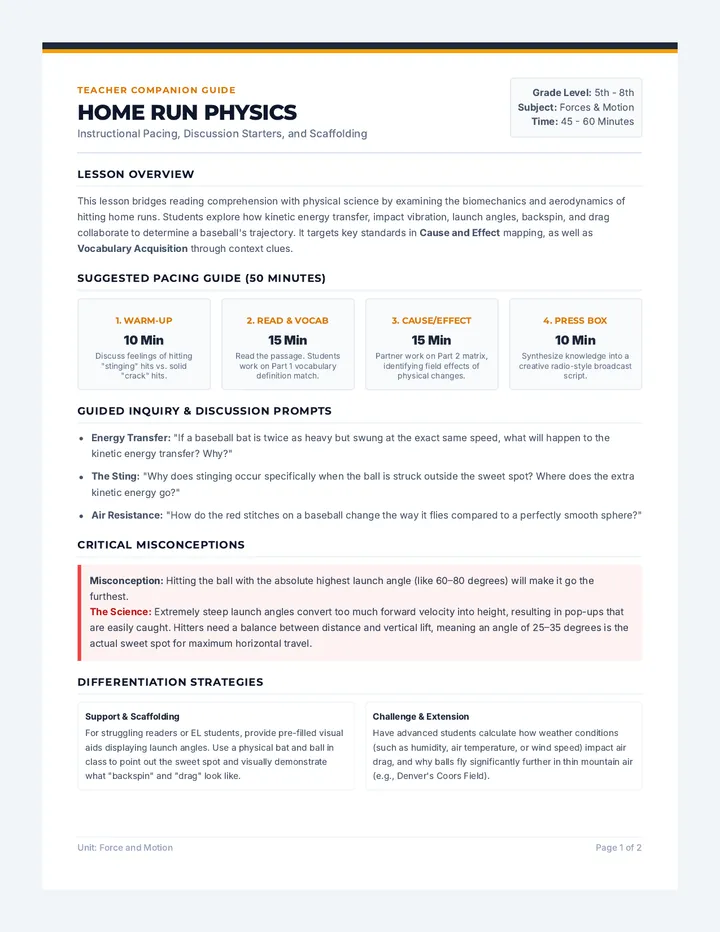
A collection of resources exploring the physics and mechanics of softball, focusing on force, energy, and the science of a perfect hit.
A comprehensive review of physical and chemical properties, as well as the behavior and characteristics of solids, liquids, and gases.
A comprehensive introduction to the properties and states of matter for 9th-grade chemistry, focusing on physical vs. chemical properties and particle behavior in solids, liquids, and gases.
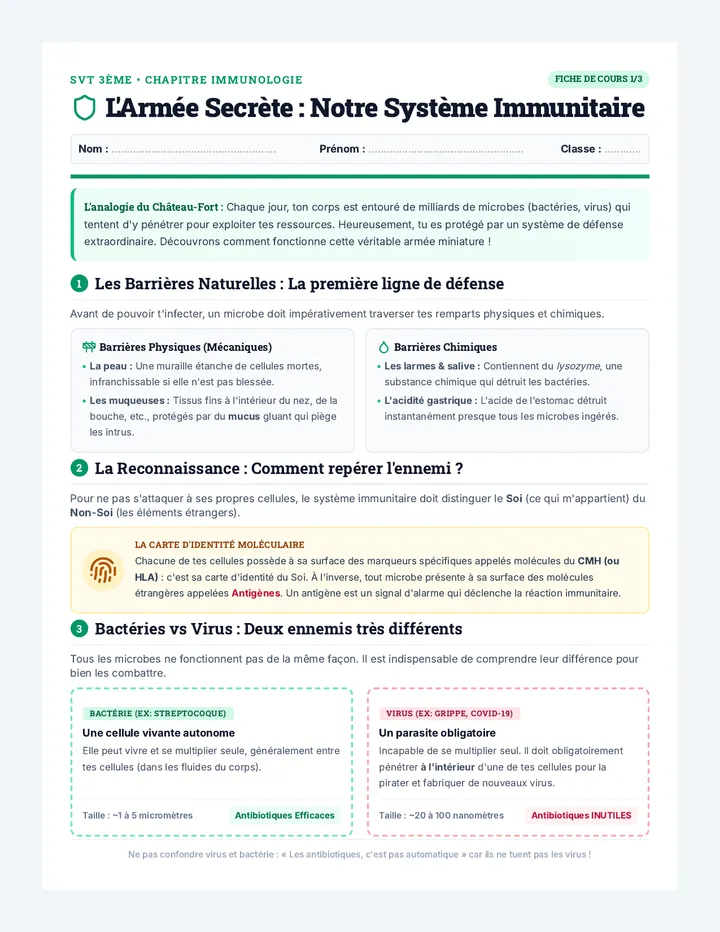
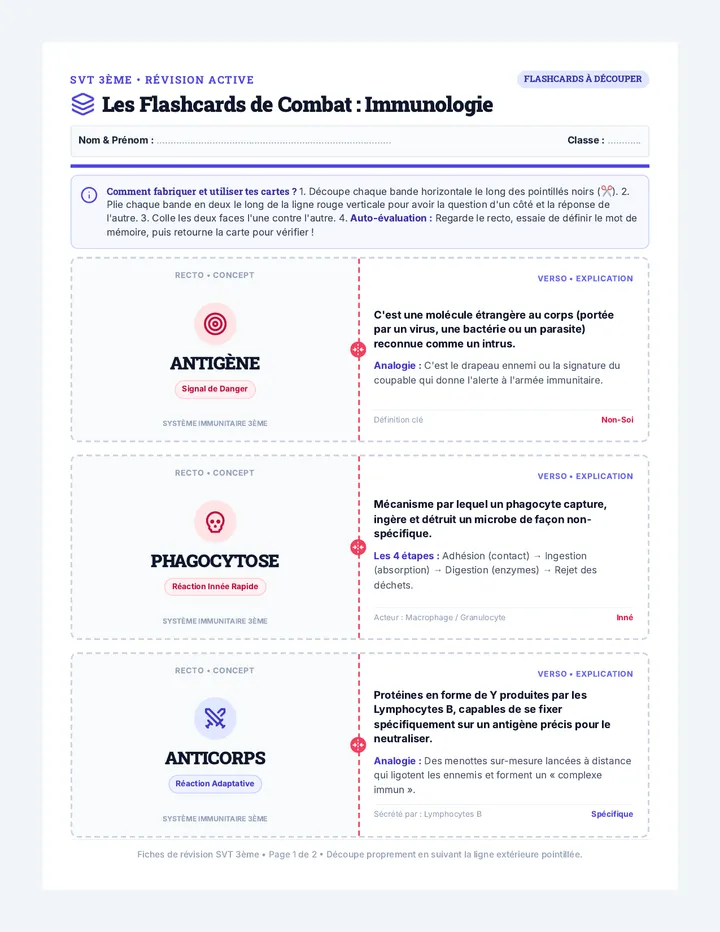
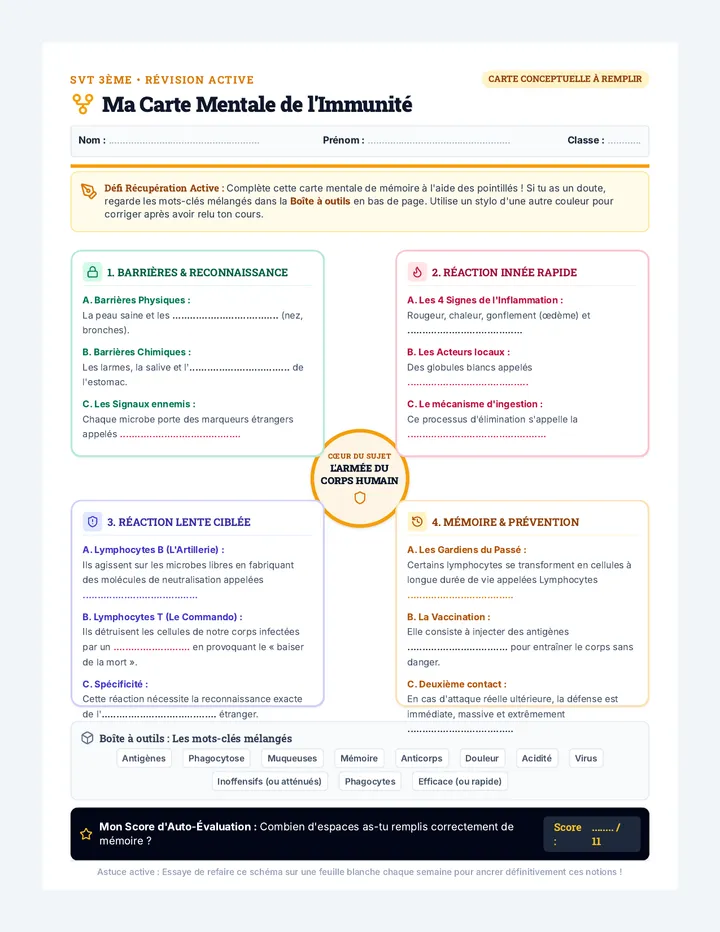
A biology-focused exploration of the human body through the lens of the movie Osmosis Jones, focusing on the immune system, pathogens, and homeostasis.
A vocabulary-building memory game featuring diverse terms from science, history, and wellness. Students match words with their definitions and symbolic representations to reinforce retention.
A comprehensive research project where students investigate a specific disease or disorder, exploring its history, transmission, medical treatments, and evolutionary changes.
A reading comprehension lesson about the fascinating Costasiella kuroshimae, exploring its unique ability to photosynthesize and its specific coral reef habitat.
Analyzing consumer behavior, destination branding, and digital marketing strategies used to attract global travelers.
A deep dive into the logistics, budgeting, and coordination required to execute high-stakes professional events and galas.
Exploring the professional kitchen environment, food safety standards, and the business of menu engineering and service.
An introduction to the operations, departments, and financial management strategies of modern hotels and resorts.
Students compile their work into a professional presentation and pitch their hospitality concept to potential 'investors' using a structured rubric.
Students develop a comprehensive marketing strategy, including social media tactics and the layout for a professional promotional brochure.
Students define their hospitality niche (Lodging, Food Service, or Event Planning) and establish their brand's identity, target audience, and unique value proposition.
A comprehensive guide to soldering copper pipe with a focus on neatness, precision, and the professional 'wiped' finish. Students learn the step-by-step process from preparation to the final clean joint.
An introductory lesson exploring the three types of symbiotic relationships (mutualism, commensalism, and parasitism) through matching and reflection activities.
A quick 10-minute bell ringer activity focusing on the core concepts of population biology: carrying capacity, limiting factors, and growth curves.
A foundational technology lesson for Primary 4 that challenges the misconception that technology is only electronic. Students identify, sort, and explain the purpose of various tools, machines, and systems.
A focused lesson on valence electrons, ion formation, and ionization energy trends for high school chemistry students. Includes a visual presentation and a guided practice worksheet to master subatomic blueprints.
A lesson focused on the spatial trends of the periodic table, specifically atomic and ionic radius, using a technical blueprint theme to help students visualize atomic structure.
A comprehensive project guide and planning packet for ECE students to design and deliver a 3rd-grade science demonstration. Includes project requirements, a step-by-step planning workspace, and a grading rubric.
A fun, interactive Jeopardy-style review game for the 2nd Grade CKLA Unit 10 on Human Body Systems, covering the skeletal, muscular, digestive, excretory, and circulatory systems.
A fun and engaging lesson on ecology terms, focusing on the interactions between biotic and abiotic factors, energy flow through food webs and pyramids, and the organization of life.
The foundational planning materials for the full-year Biology curriculum, providing a high-level roadmap and detailed unit breakdowns.
A culinary and mathematical exploration of Mexico's most famous sauce, focusing on the cultural significance of the kilogram in large-scale traditional cooking.
A problem-based learning (PBL) investigation where students act as forensic chemists to save a deteriorating bronze statue. They will analyze reaction types, signs of chemical change, and conservation of mass to solve the mystery.
An exploration of how atoms become charged particles. Students learn about valence electrons, the octet rule, cation and anion formation, and the energy required to remove electrons.
A journey through the organization of matter. Students explore atomic structure, periodic trends, and the unique properties of chemical families.
An investigation into the building blocks of life. Students compare plant and animal cells, identify organelle functions, and understand how cells maintain homeostasis.