A comprehensive lesson focused on mastering chemical equations, reaction types, and stoichiometry calculations through guided scaffolding and structured review.
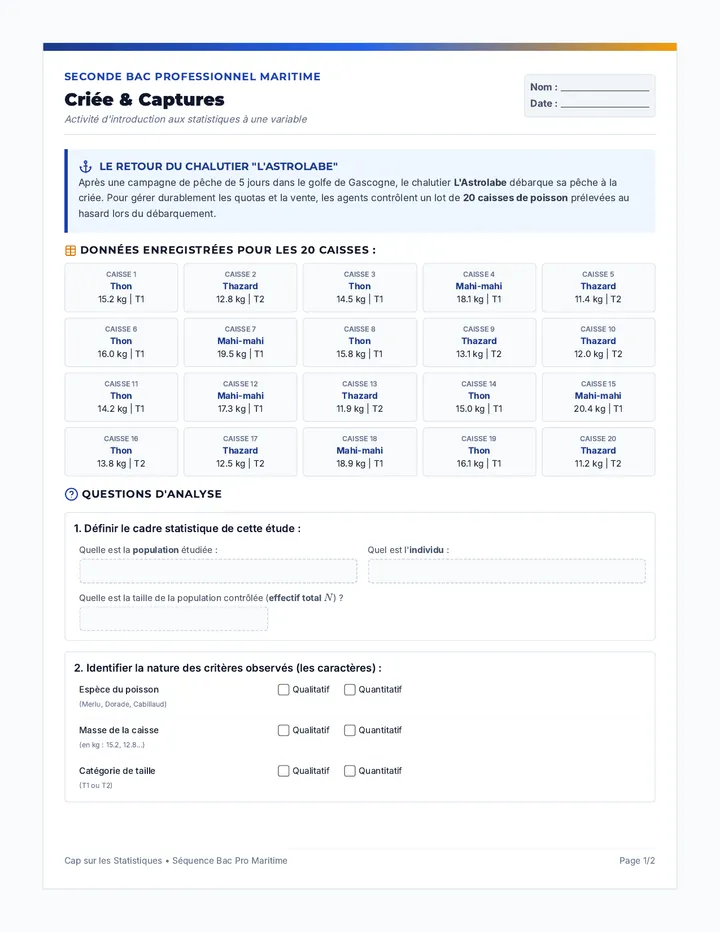
Séquence clé en main sur le module de chimie « Comment caractériser une solution ? » du programme de Seconde Bac Pro, contextualisée dans l'univers de la marine et de l'analyse des eaux.
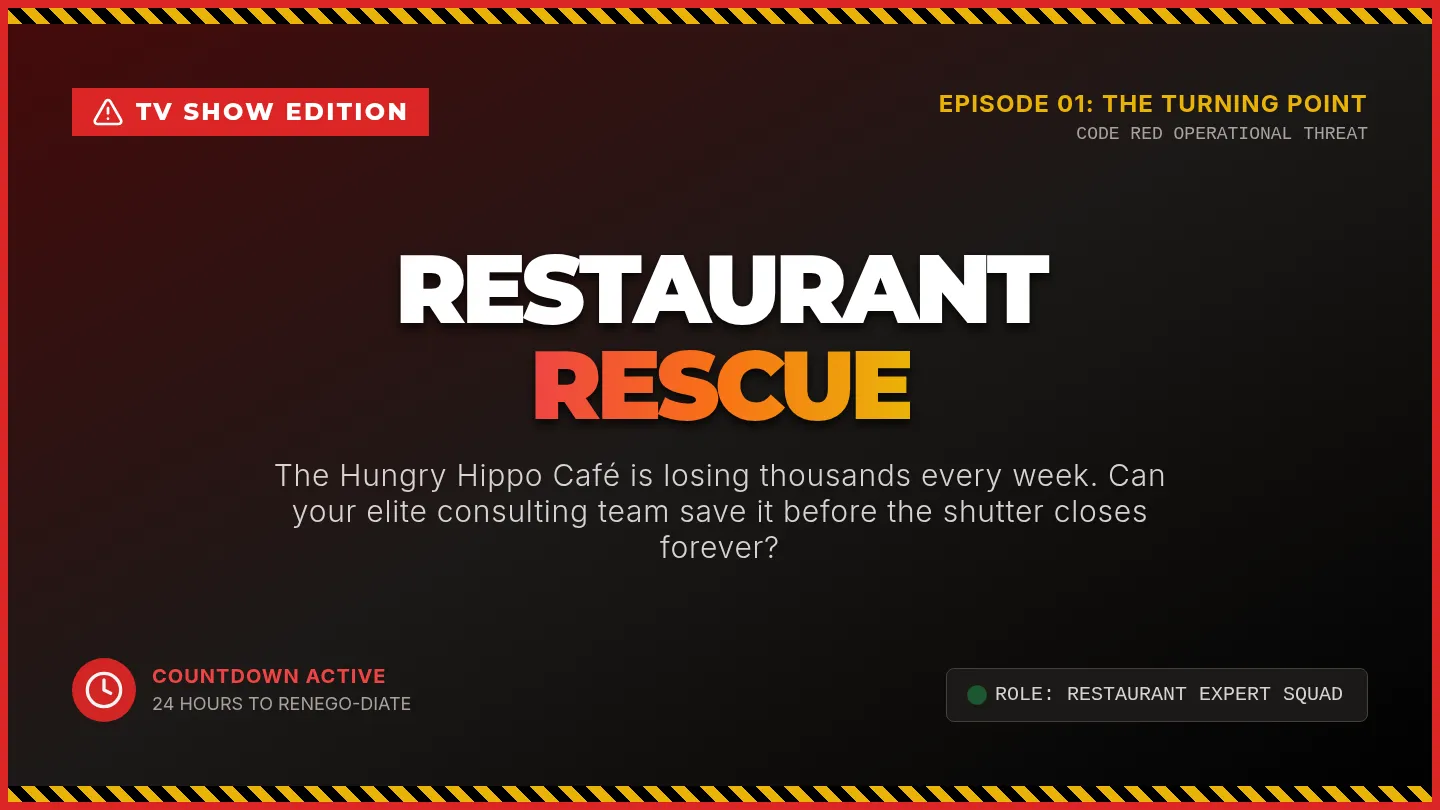
A dramatic, interactive problem-solving game disguised as a restaurant makeover reality TV show. Students act as Restaurant Rescue Experts investigating "The Hungry Hippo Café" to uncover and solve issues in restaurant operations, food safety, customer service, and budget.
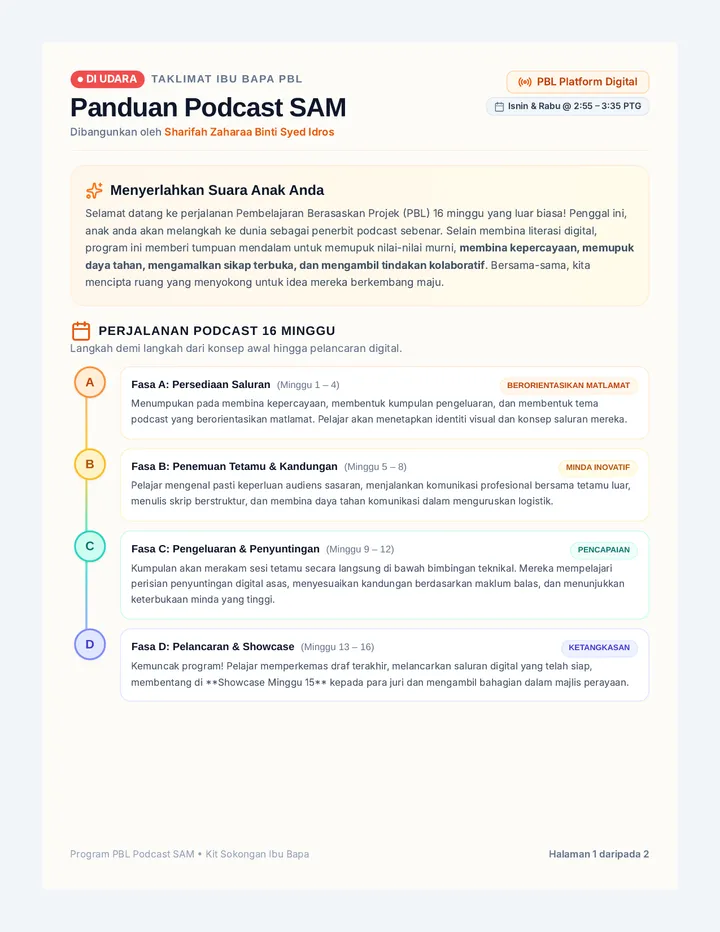
Satu Panduan Taklimat Ibu Bapa dan Kit WhatsApp Sedia-Salin 2 halaman yang komprehensif, mesra, dan penuh inspirasi dalam Bahasa Melayu untuk program Pembelajaran Berasaskan Projek (PBL) Projek Podcast SAM. Merangkumi peta jalan visual 16 minggu, butiran jadual kelas (Isnin & Rabu jam 2:55-3:35 petang), panduan sokongan rumah, dan templat mesej siaran mudah alih yang dioptimumkan.
An intensive High School Biology sequence that dives deep into the biophysics and biochemistry of photosynthesis. Students explore the molecular machinery of the light-dependent reactions and the enzymatic steps of the Calvin cycle.
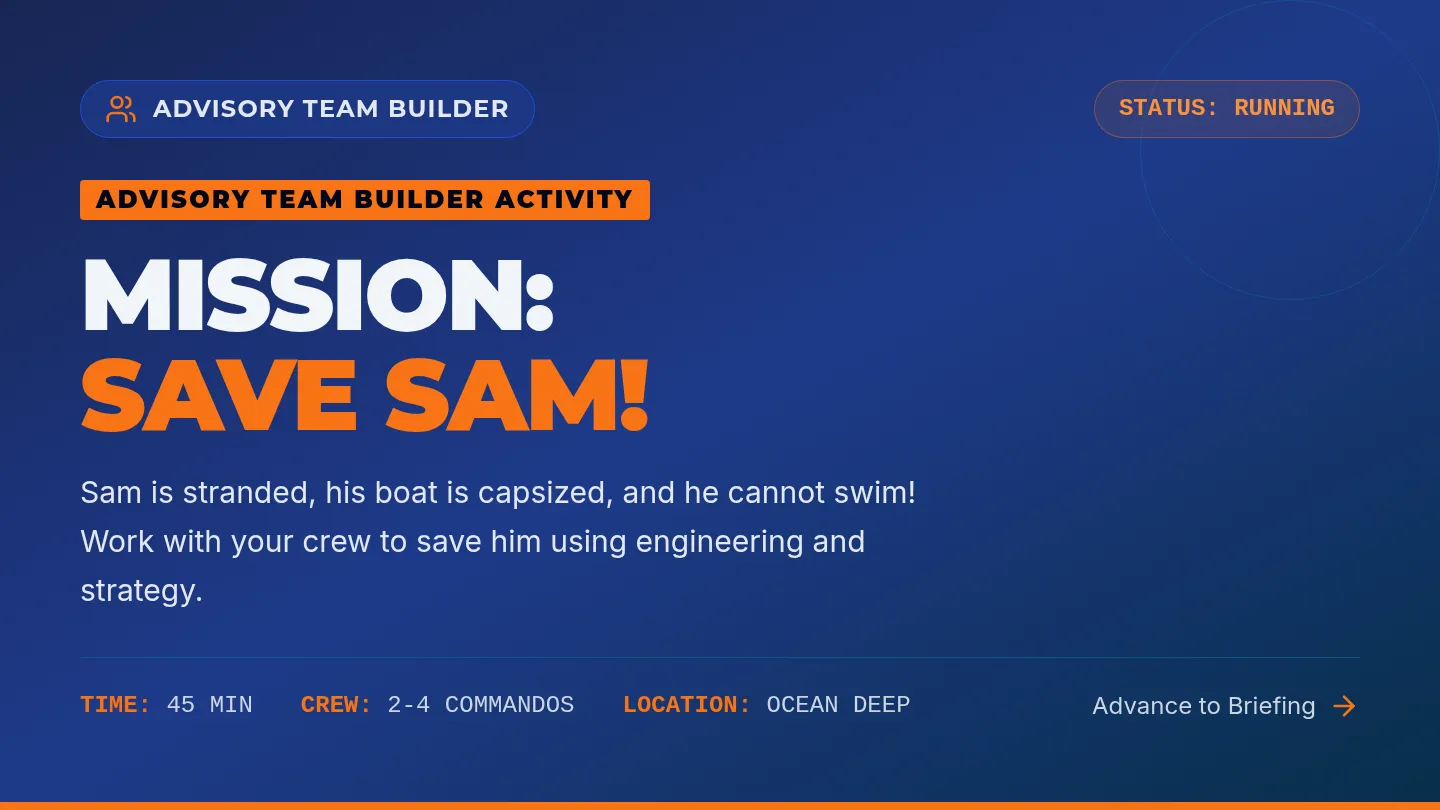
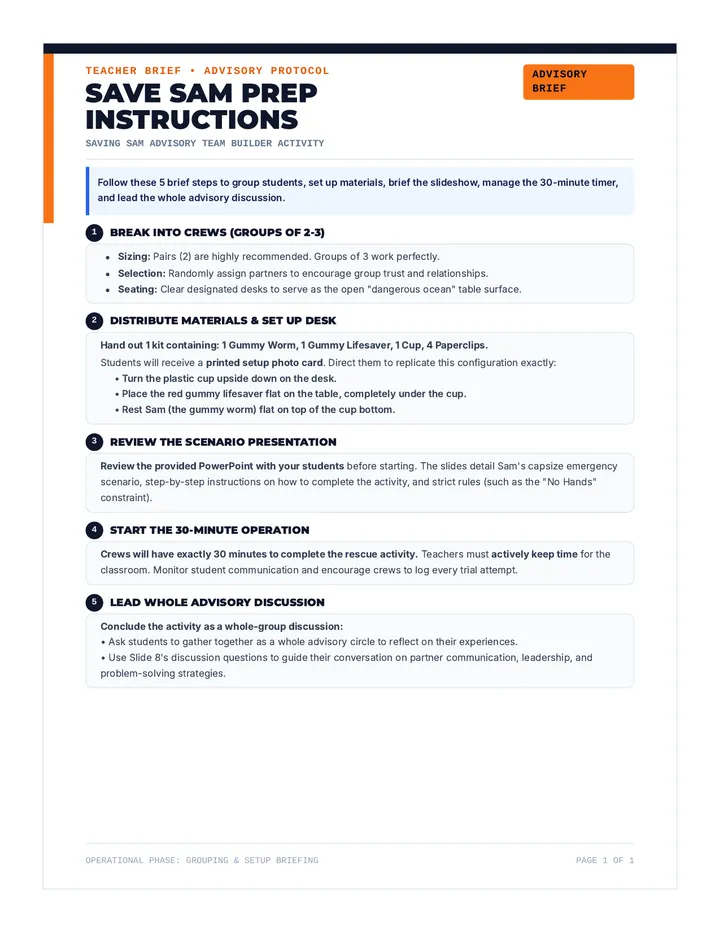
An introductory STEM and cooperative learning lesson where students work in teams to save Sam, a gummy worm stranded on a capsized boat, using only paperclips to retrieve and equip his life preserver.
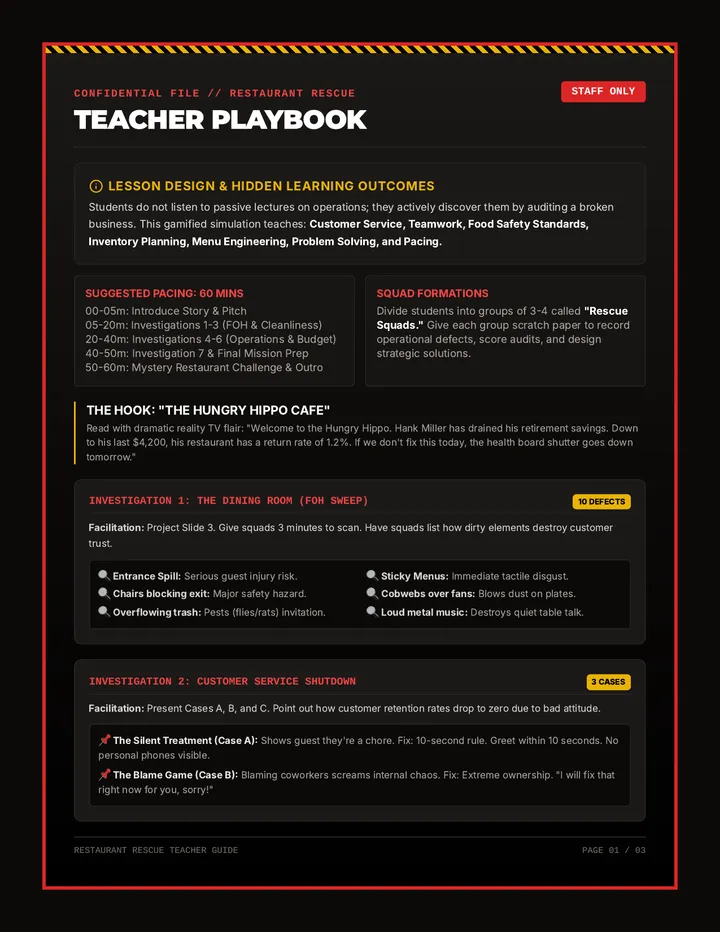
An essential, high-impact facilitation manual and lesson plan for teachers. Designed in a confidential reality-TV style playbook, containing step-by-step investigation guides, discussion scripts, complete answer keys, scoring rubrics, and the Mystery Restaurant reveal.
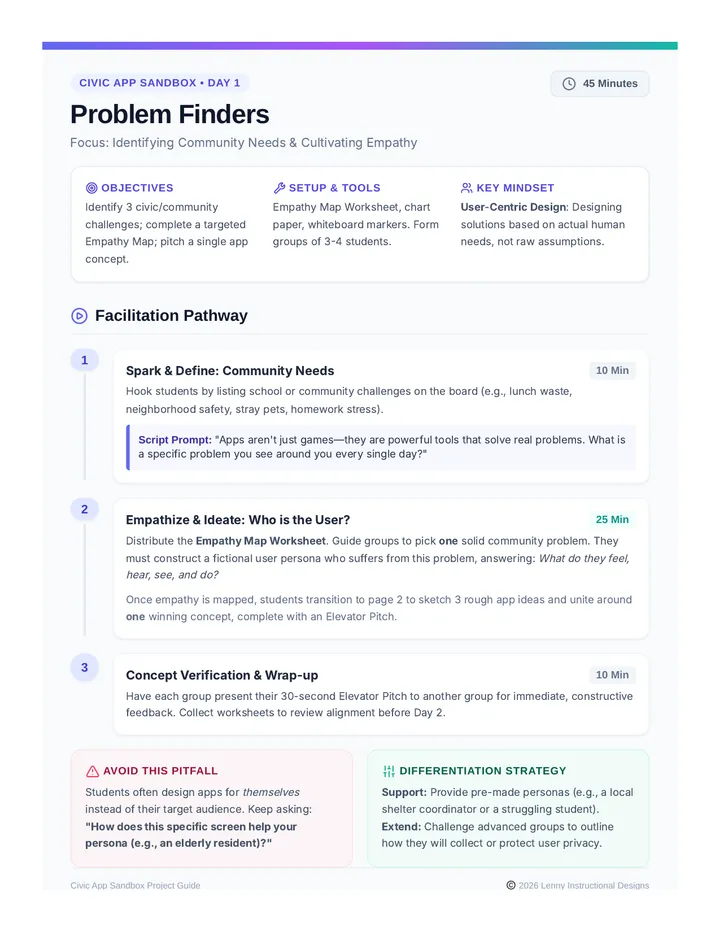
A three-day project-based learning unit where students design and pitch interactive paper prototypes of apps that address real-world community challenges.
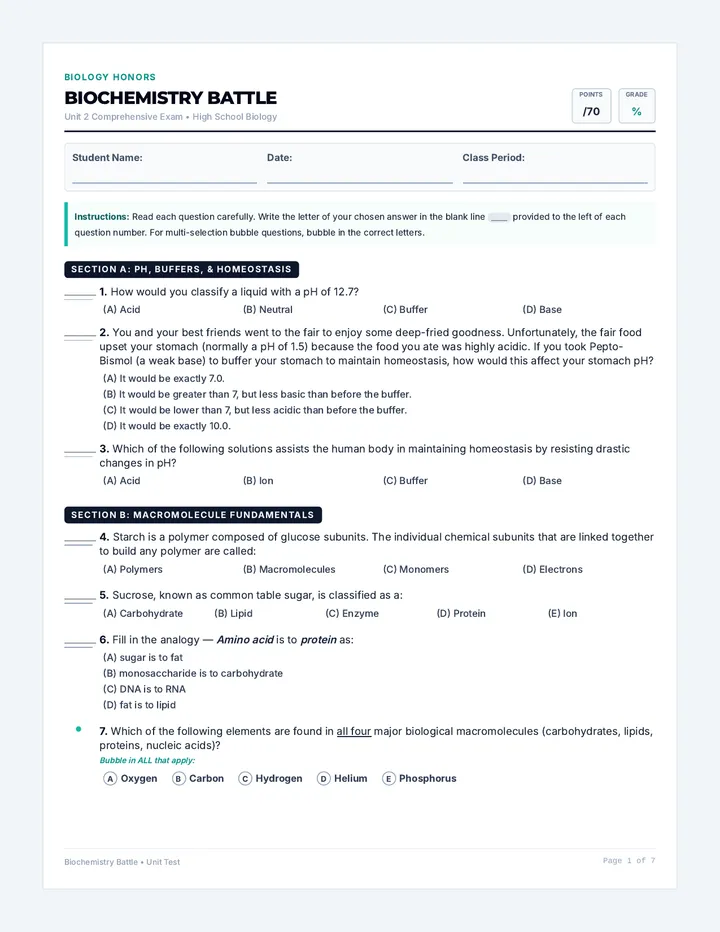
A comprehensive biology unit exam and matching teacher key assessing students' understanding of pH, buffers, macromolecule structures, lab identification, and enzyme kinetics.
An interactive, highly dramatic slide presentation with a reality TV style. Features 18 beautifully styled 16:9 slides for the Restaurant Rescue challenge, featuring all 7 investigations, visual text-puzzles, custom-designed check-lists, and the final Mystery Restaurant challenge.
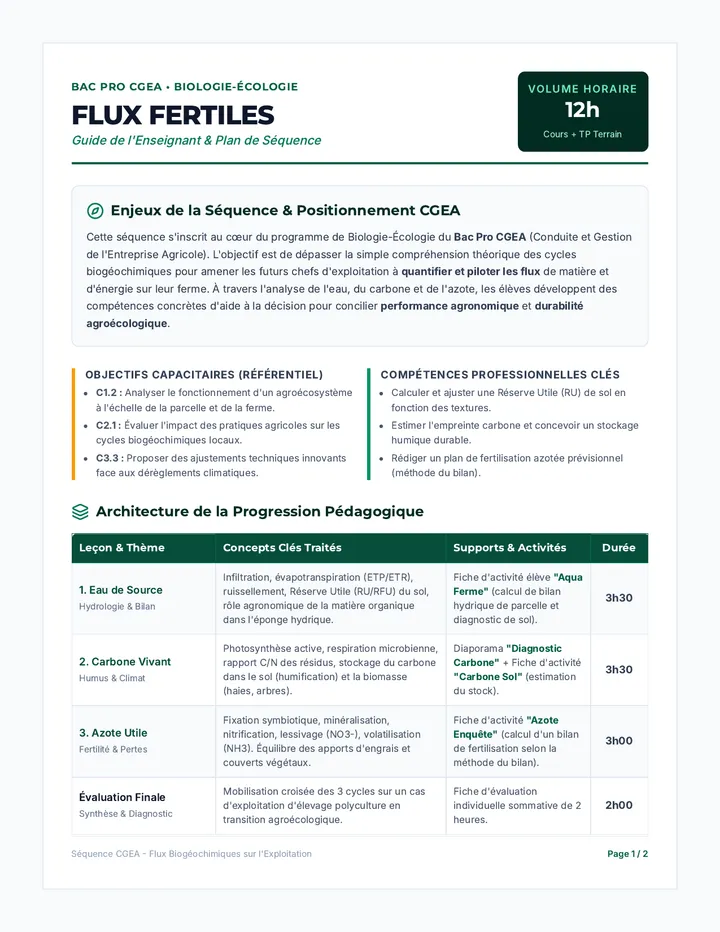
Une séquence pédagogique complète en Biologie-Écologie pour la classe de Bac Pro CGEA, centrée sur l'analyse et la quantification des cycles de l'eau, du carbone et de l'azote à l'échelle d'une exploitation agricole. Cette séquence articule approche agronomique pratique, fiches d'activités de diagnostic d'exploitation, diaporamas d'instruction et évaluations pour former les futurs chefs d'exploitation aux enjeux de la transition agroécologique.
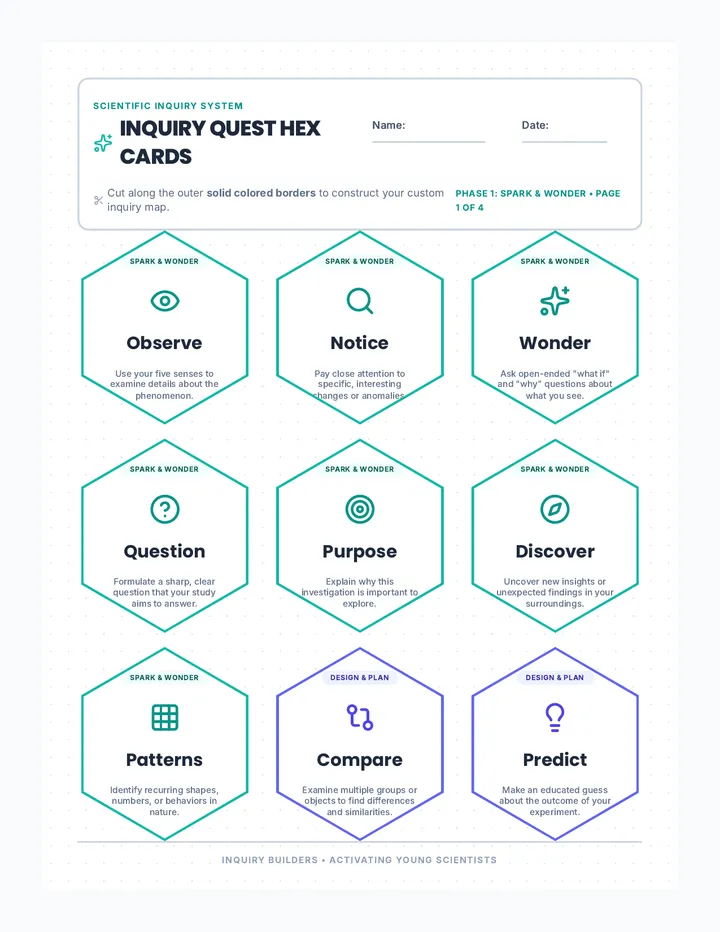
A lesson designed to guide students through the fundamental stages of scientific inquiry using tactile, color-coded hex cards to map, sort, and collaborate on scientific investigations.
A brief, step-by-step instructional guide for teachers on breaking students into groups of 2-3, distributing materials, briefing the scenario via slides, and managing the 30-minute timer.