A hands-on engineering lesson for 1st graders focused on the strength of triangles. Students explore why triangles are used in bridges and buildings through a 'squish test,' a video, and a local shape hunt.
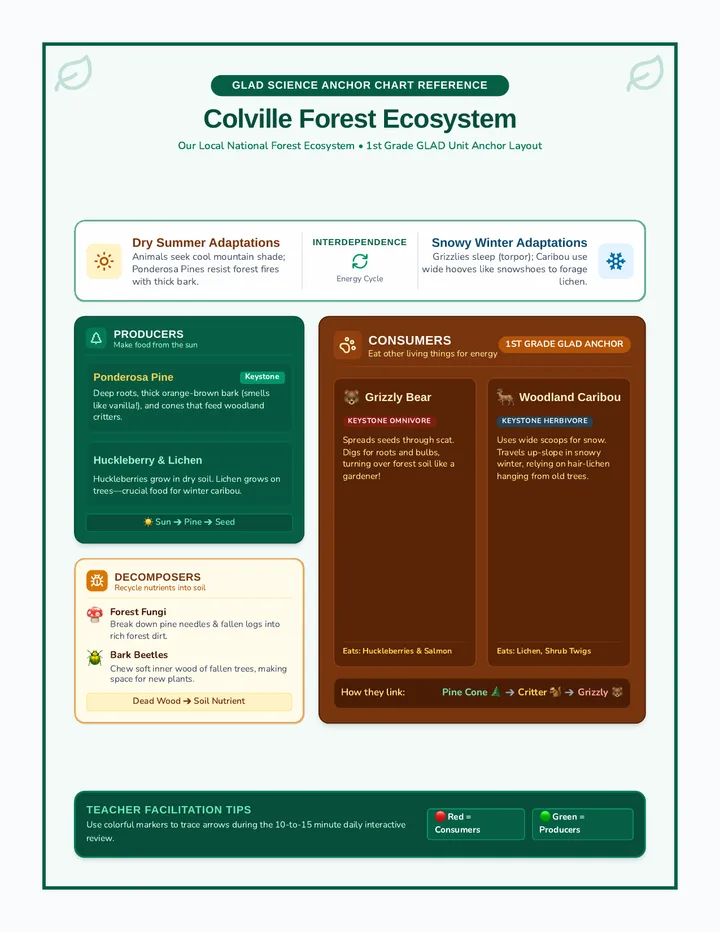
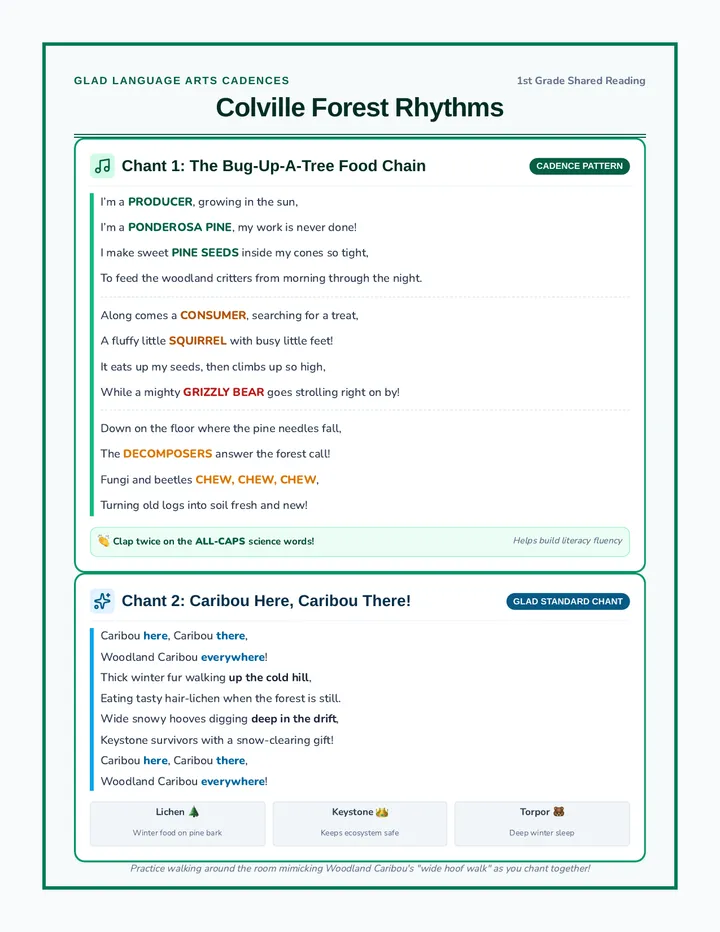
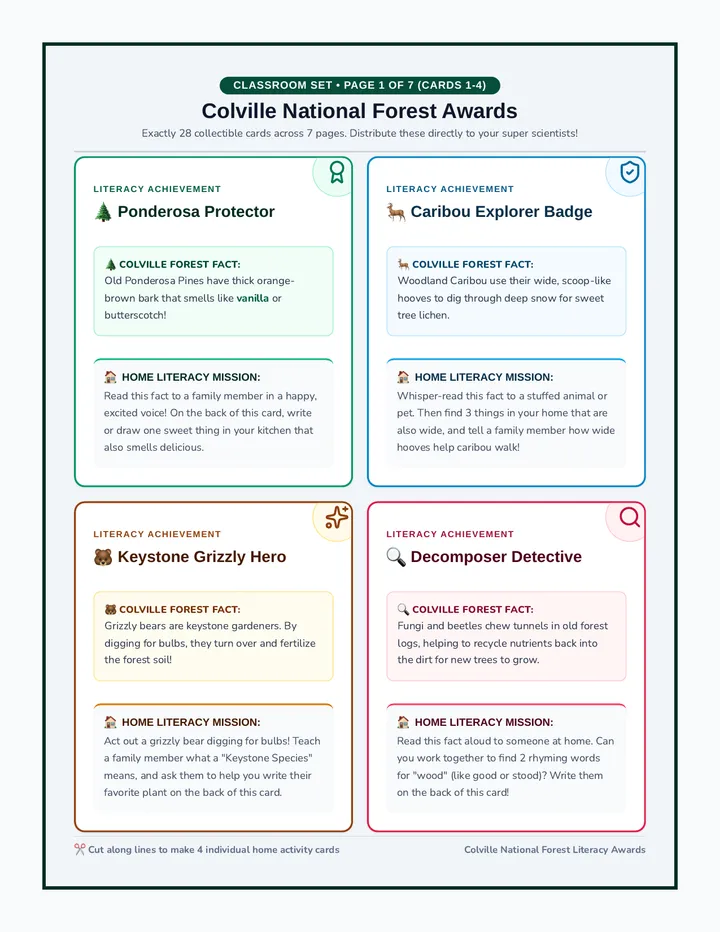
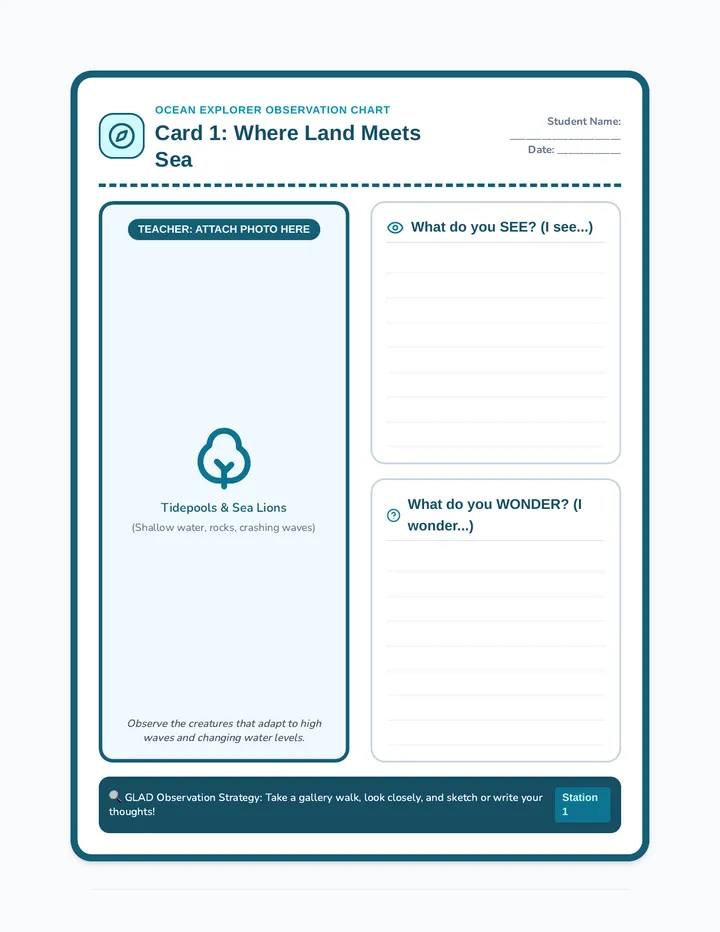
An immersive 1st-grade GLAD unit focused on the Colville National Forest ecosystem. Students explore food chains, interdependence, seasonal changes, and local keystone species through visual charts, rhythmic chants, and rewarding literacy achievements.
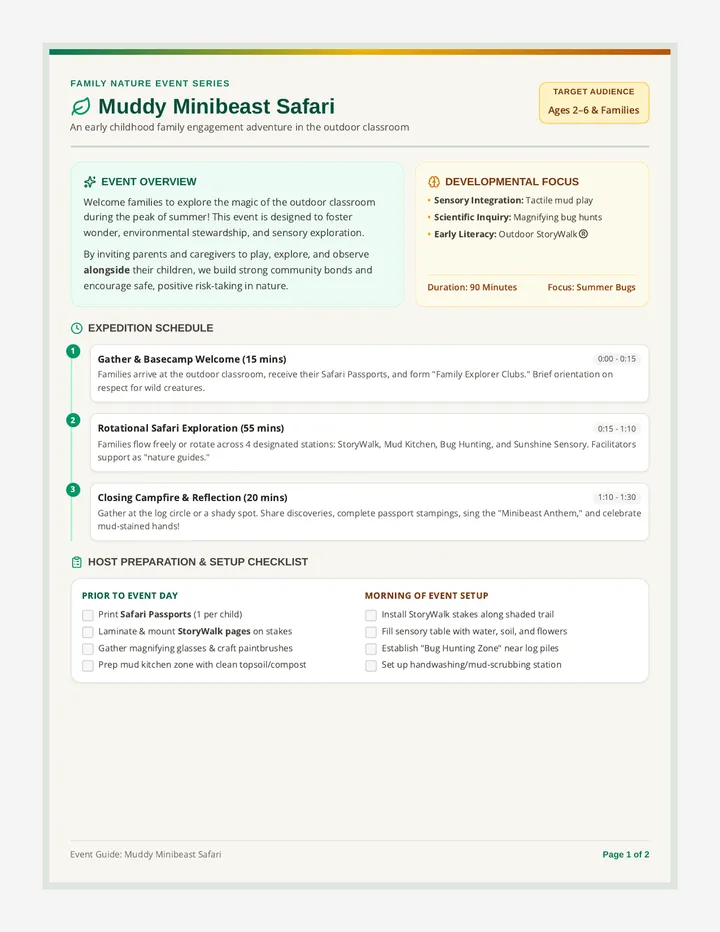
A nature-based family event in the outdoor classroom designed for early childhood participants and their families. This event features a storywalk, bug hunting adventures, mud kitchen play, and sunshine sensory exploration to celebrate summer bugs and dirt.
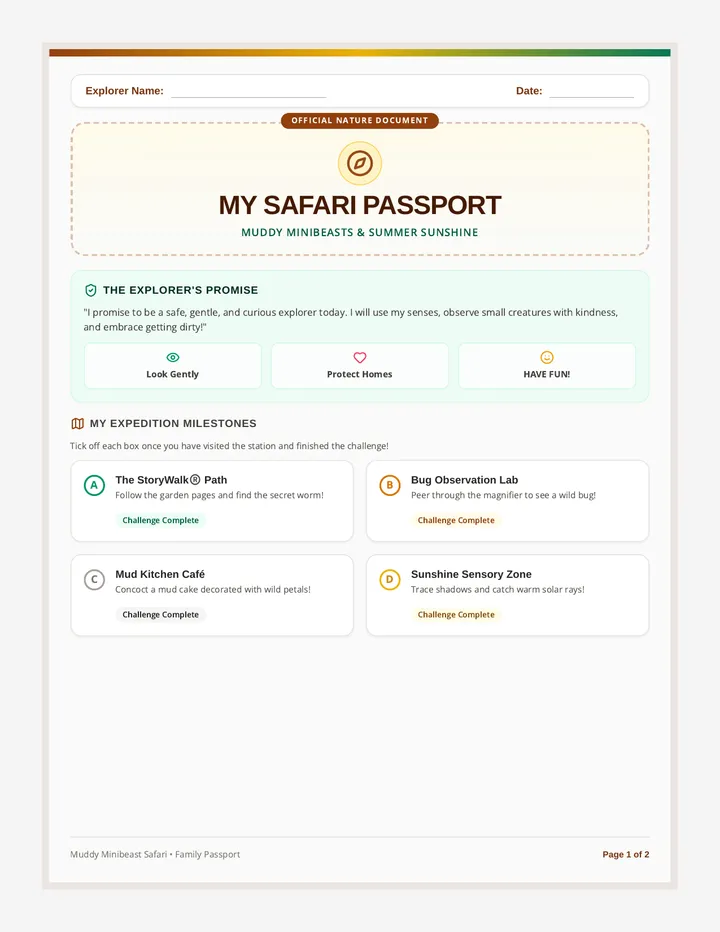
A child-friendly, printable safari passport that families use to track their progress, record sensory discoveries, and complete hands-on nature challenges.
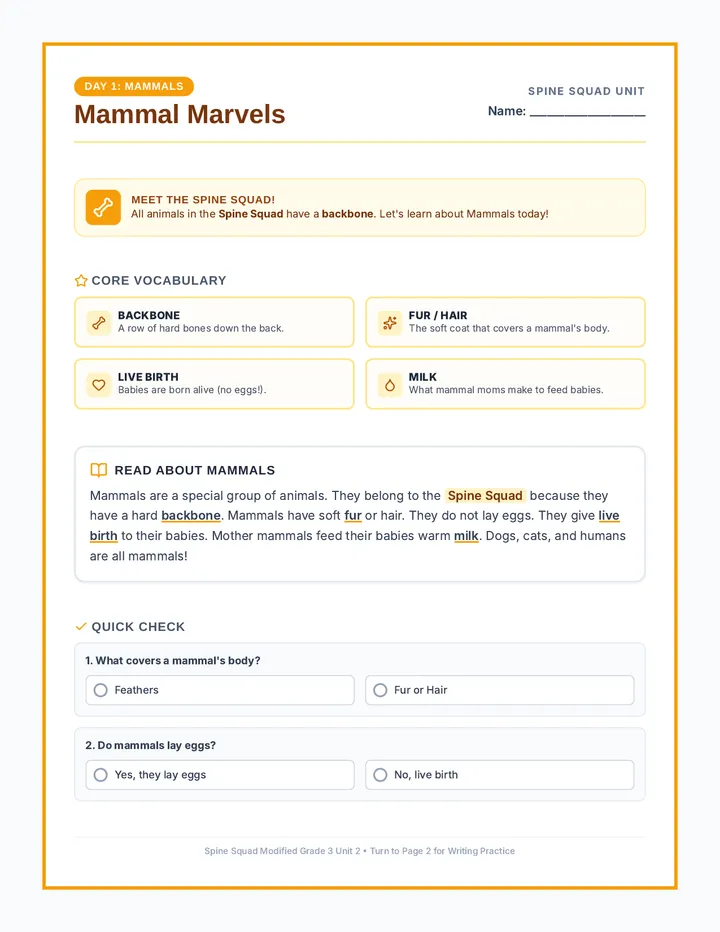
A five-day modified animal classification unit focusing on the five main vertebrate groups, designed with extensive visual support, sentence frames, and tracing options for modified learning.
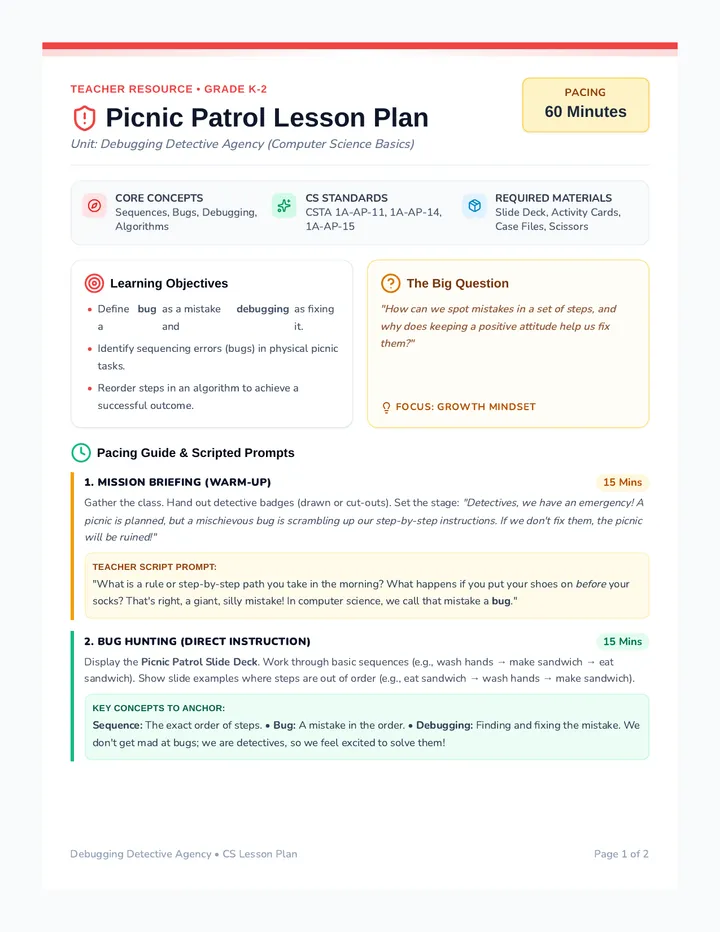
An interactive computer science lesson for K-2 students where they roleplay as 'Debugging Detectives' to identify and fix logical sequencing errors in physical algorithms to save a summer picnic.
A comprehensive educator facilitation and setup guide for hosting the Muddy Minibeast Safari, complete with station blueprints, preparation checklists, schedules, and reflection prompts.
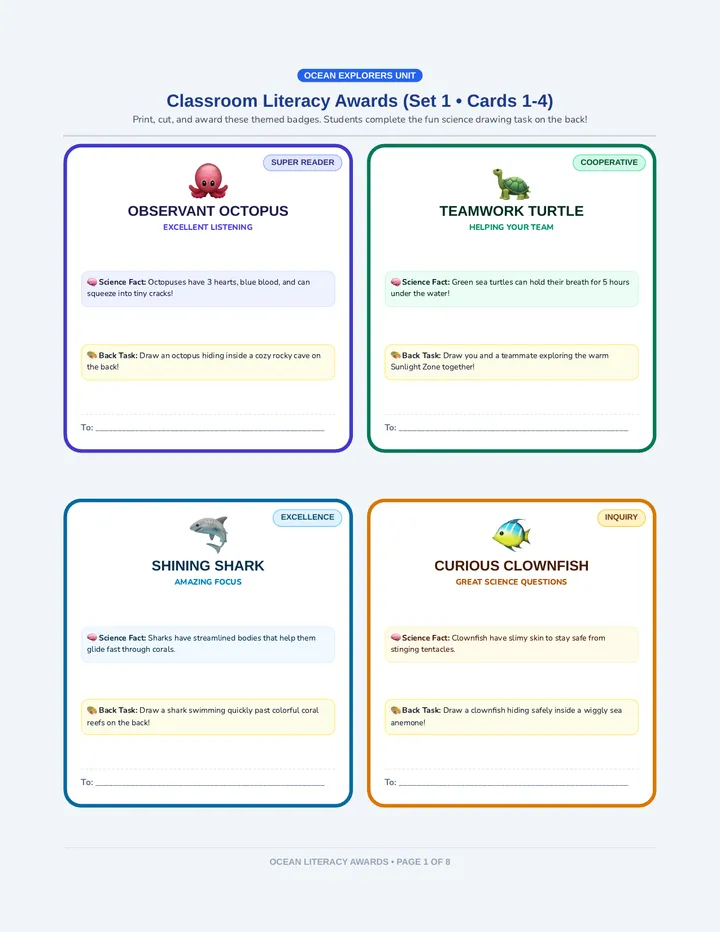
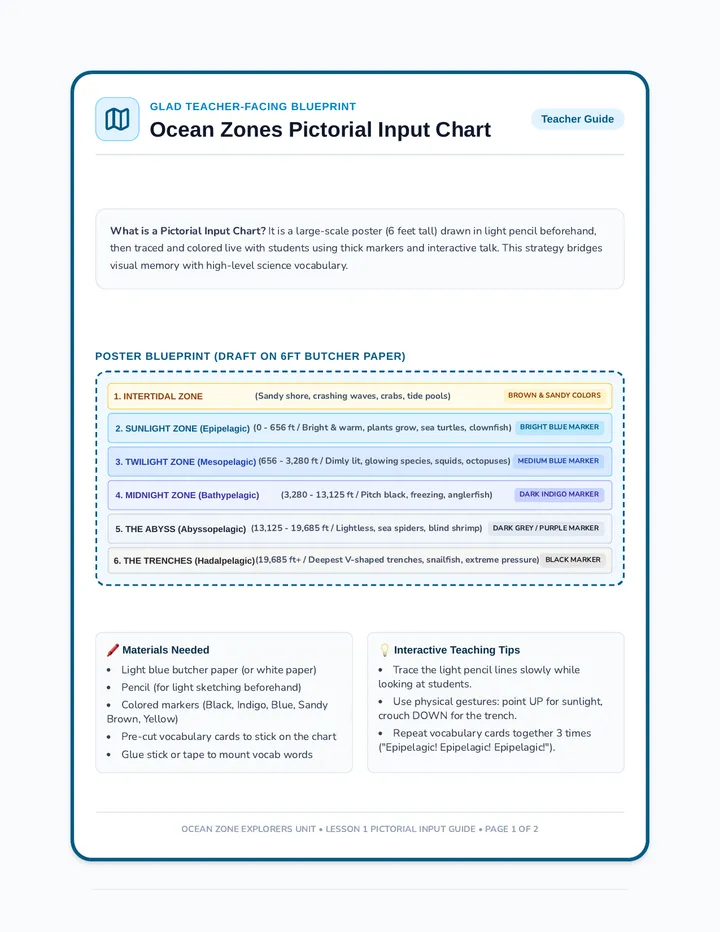
An immersive 1st-grade GLAD science and literacy sequence that guides young learners from the sunny surface to the deepest, darkest trenches, using cooperative learning, narrative inputs, and hands-on modeling.
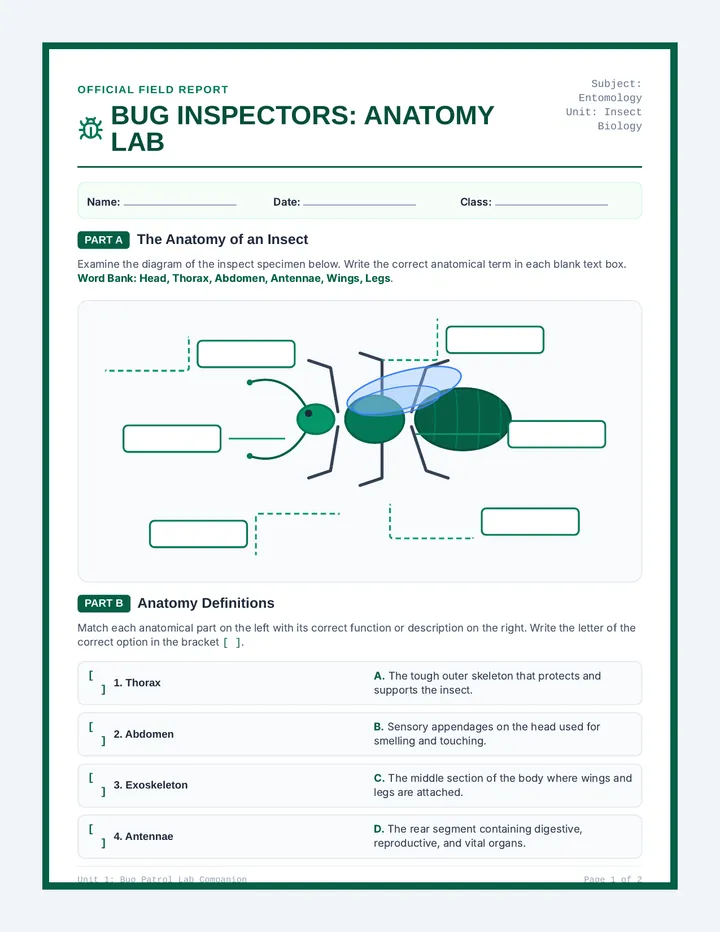
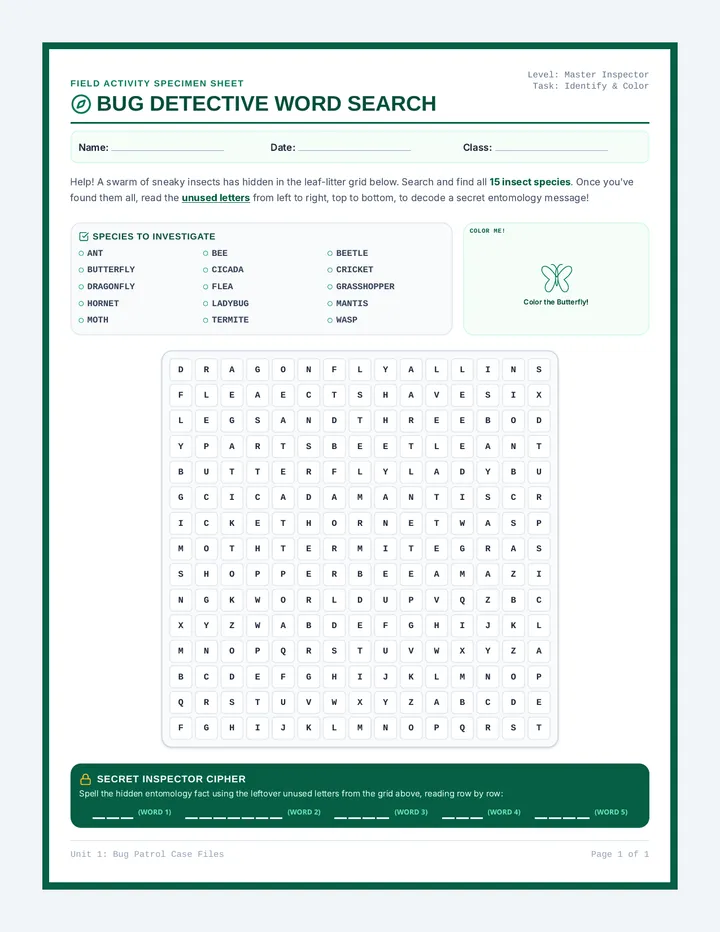
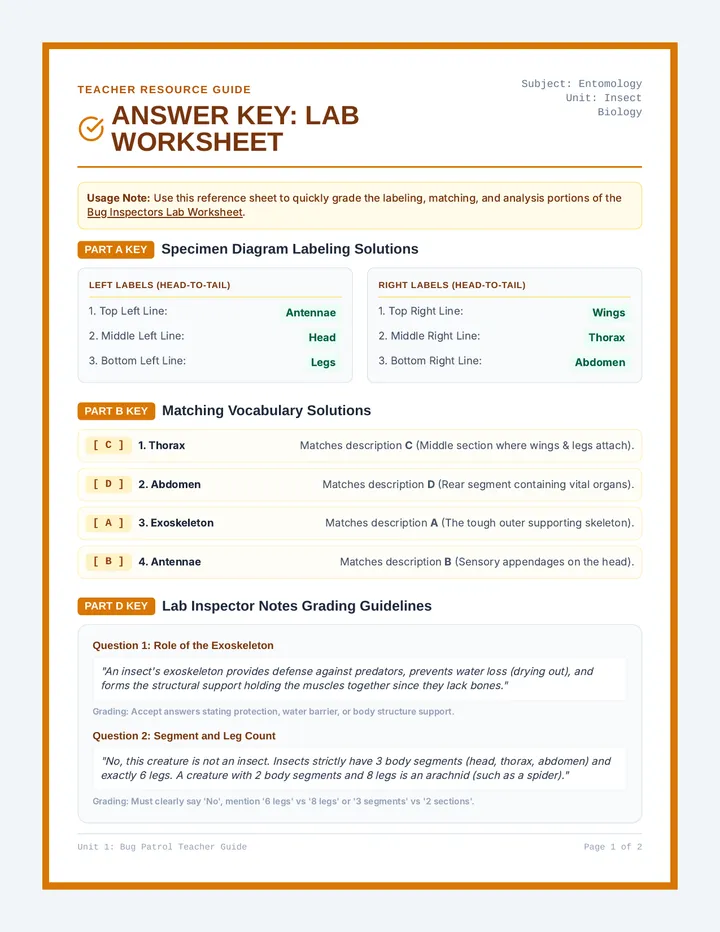
An insect-themed science and vocabulary lesson where students inspect insect anatomy, identify bug types, and complete highly engaging puzzles including a labeling lab sheet and a comprehensive word search.
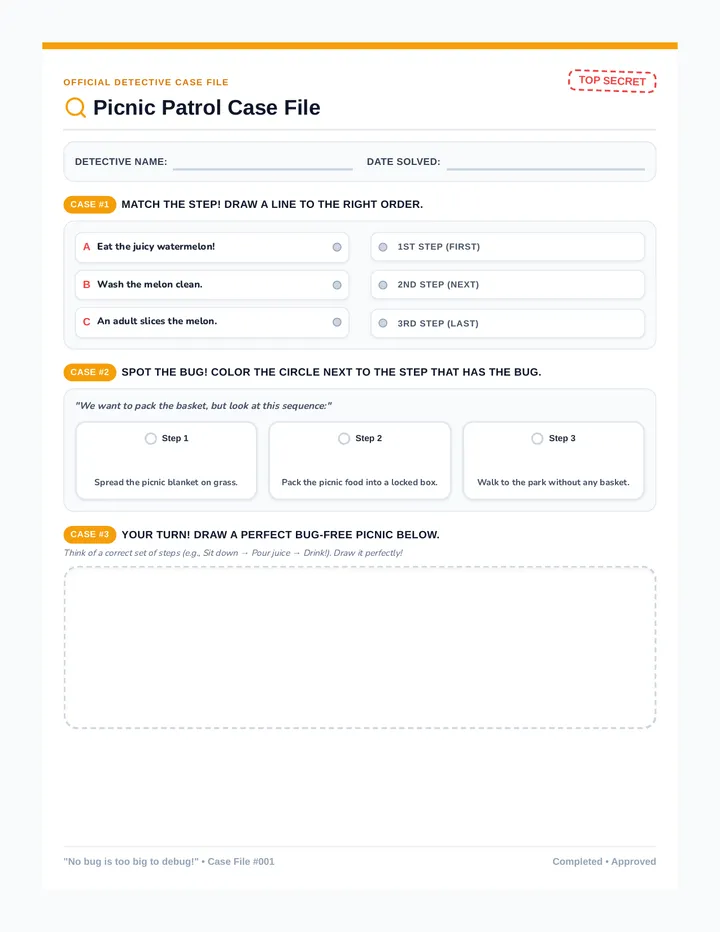
A student-friendly printout where students write down answers, match correct algorithms, and document their completed cases as Debugging Detectives.
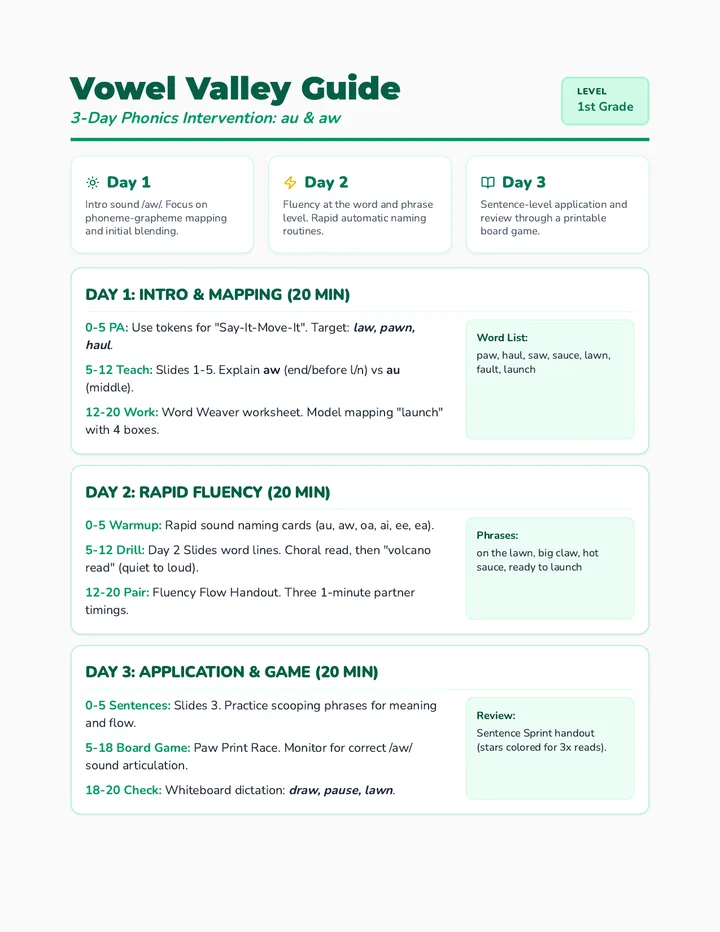
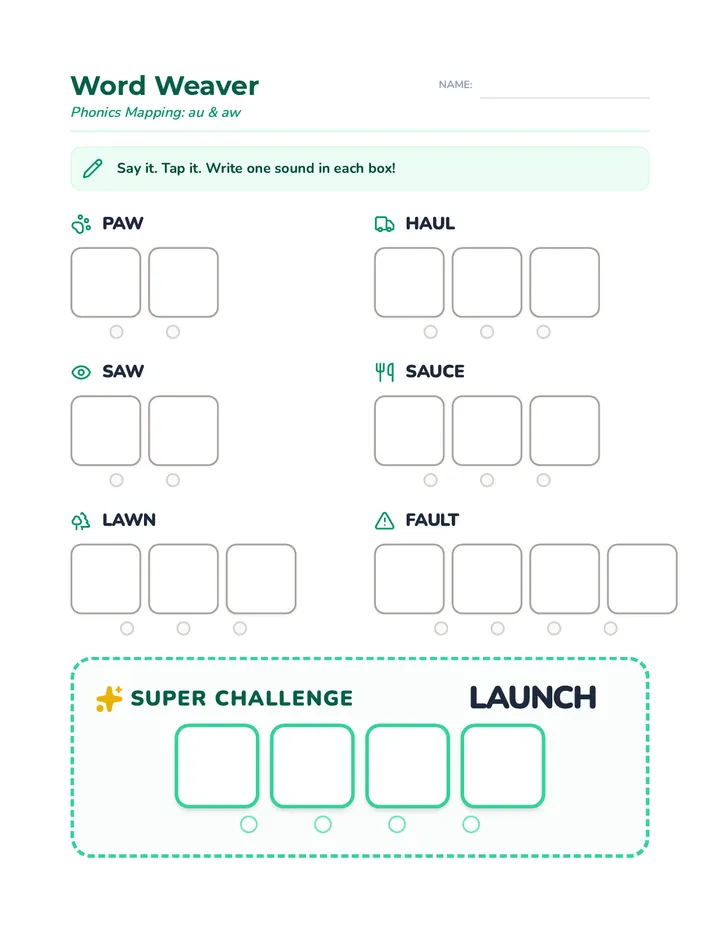
A 3-day phonics intervention sequence for first graders focusing on the 'au' and 'aw' diphthongs through direct instruction, fluency building, and game-based learning.
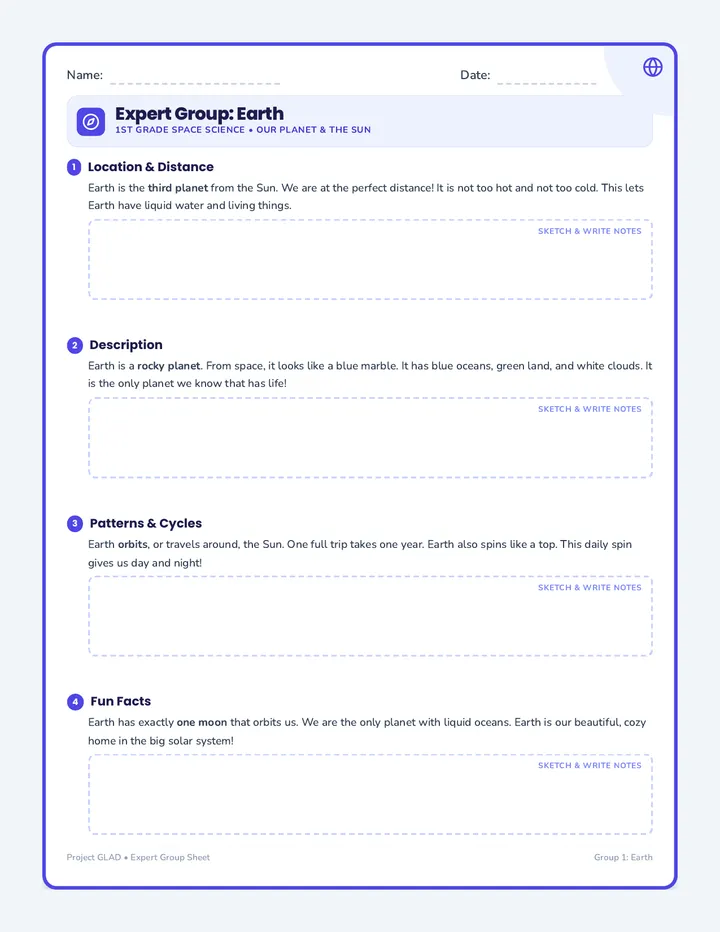
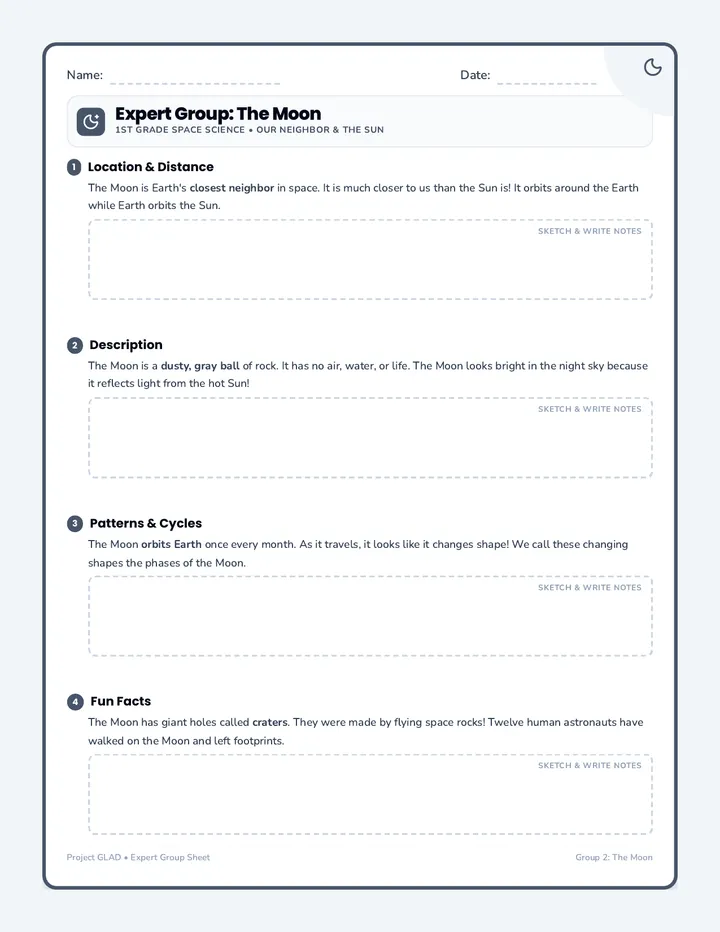
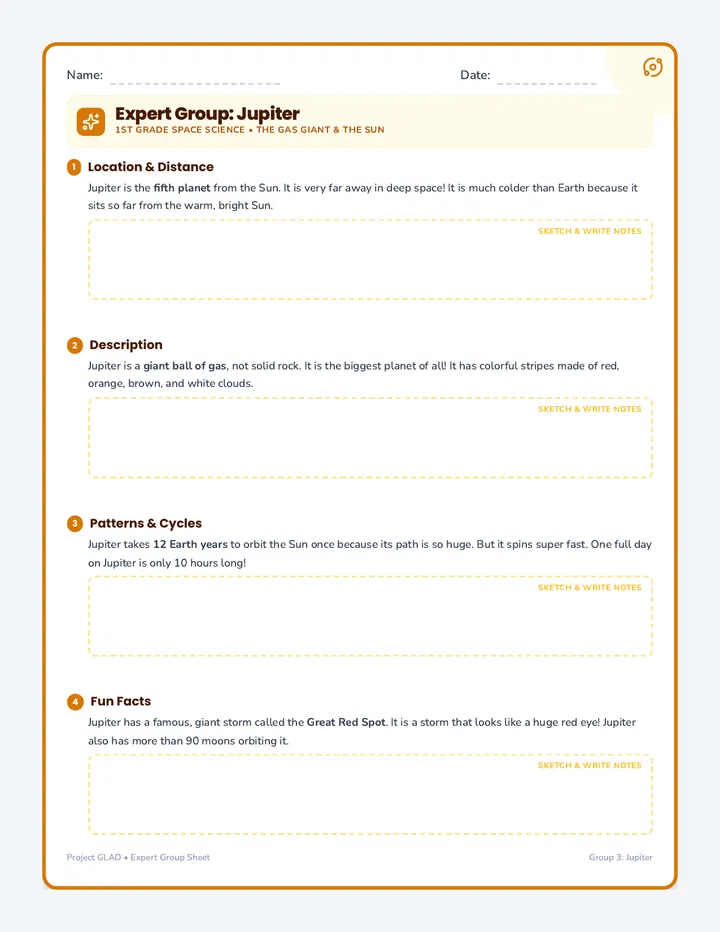
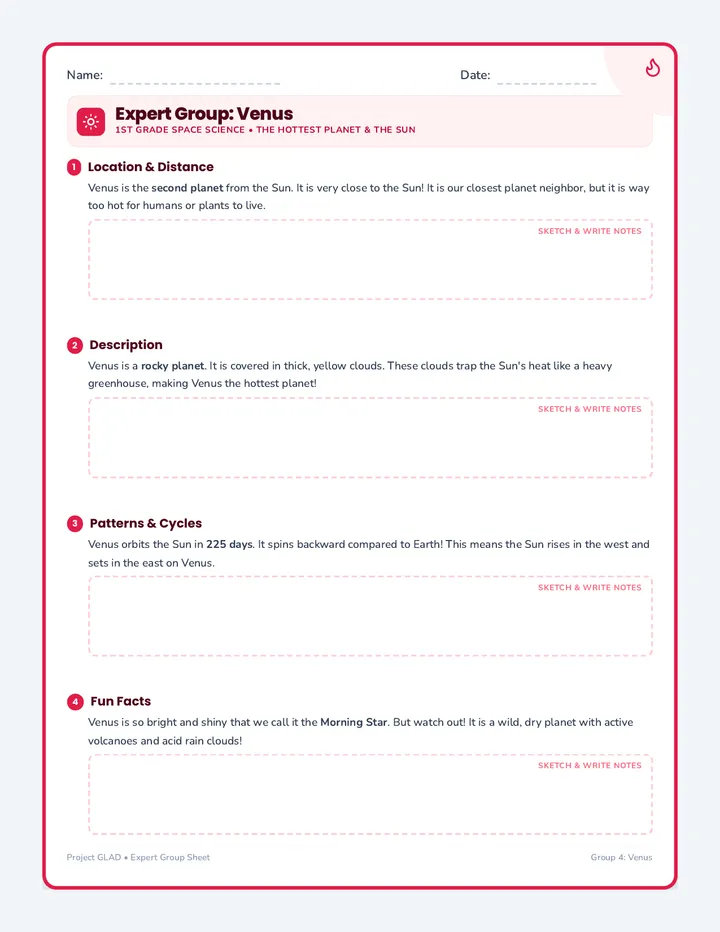
A 1st-grade science unit where students work in expert groups to explore Earth, the Moon, Jupiter, and Venus in relation to the Sun. Each group reads specialized text and sketches key observations to build collaborative knowledge.
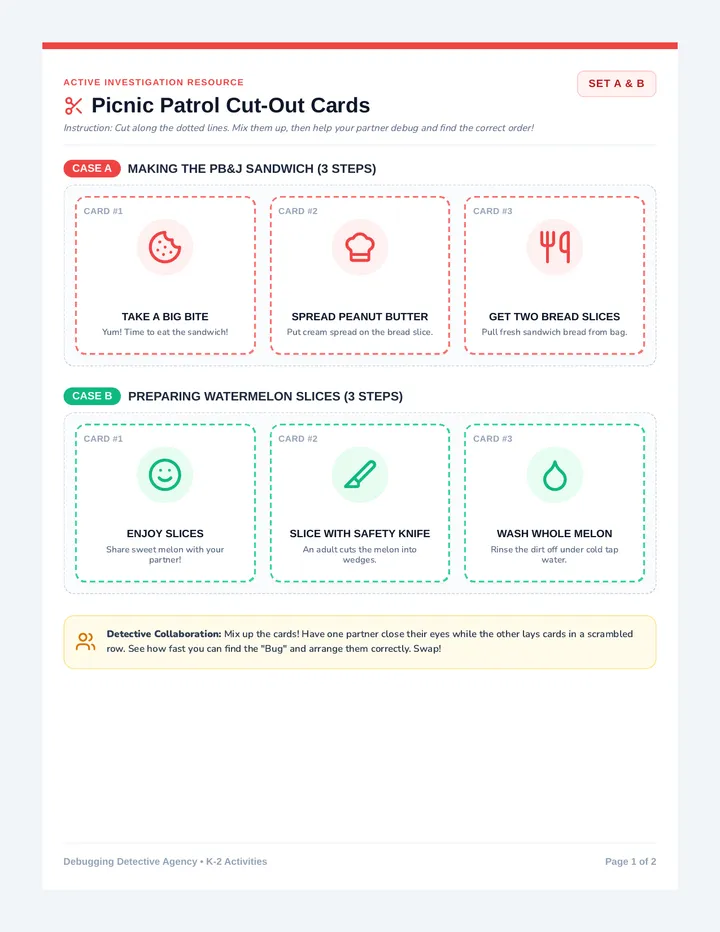
Hands-on debugging task cards featuring broken picnic sequences (e.g., packing a basket, making a sandwich) for students to reorder and correct.