A modified-text lesson covering why elements react, the formation of cations and anions, and how ionic bonds are formed. Designed for lower reading levels with clear visuals and simplified language.
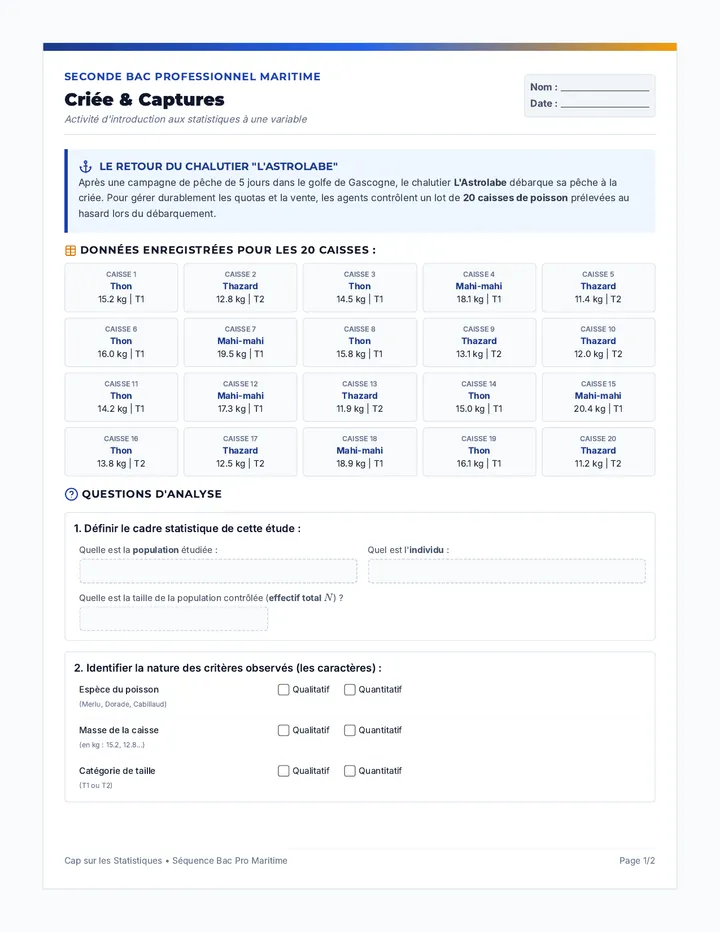
Séquence clé en main sur le module de chimie « Comment caractériser une solution ? » du programme de Seconde Bac Pro, contextualisée dans l'univers de la marine et de l'analyse des eaux.
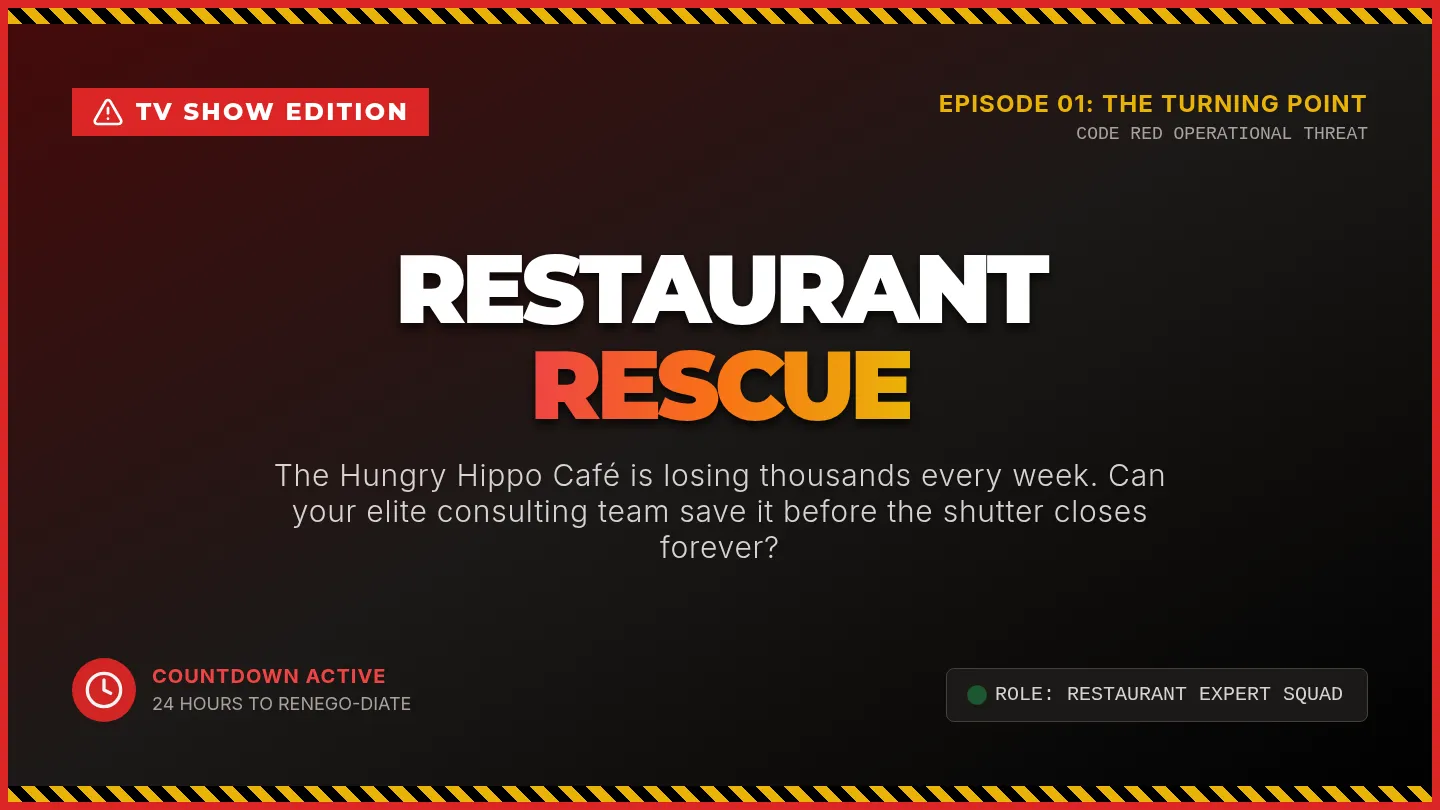
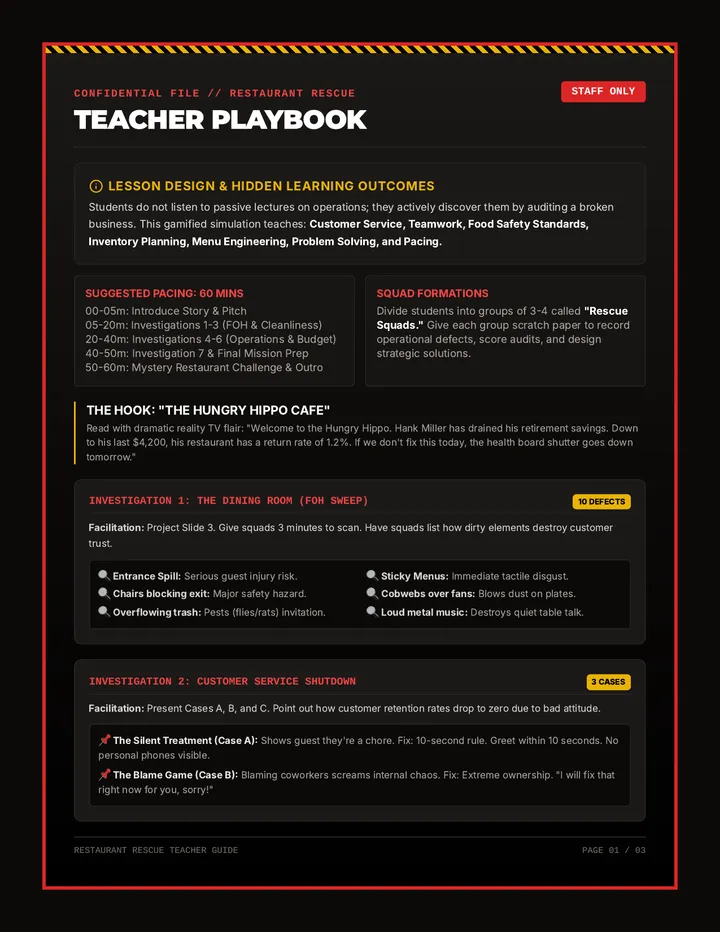
A dramatic, interactive problem-solving game disguised as a restaurant makeover reality TV show. Students act as Restaurant Rescue Experts investigating "The Hungry Hippo Café" to uncover and solve issues in restaurant operations, food safety, customer service, and budget.
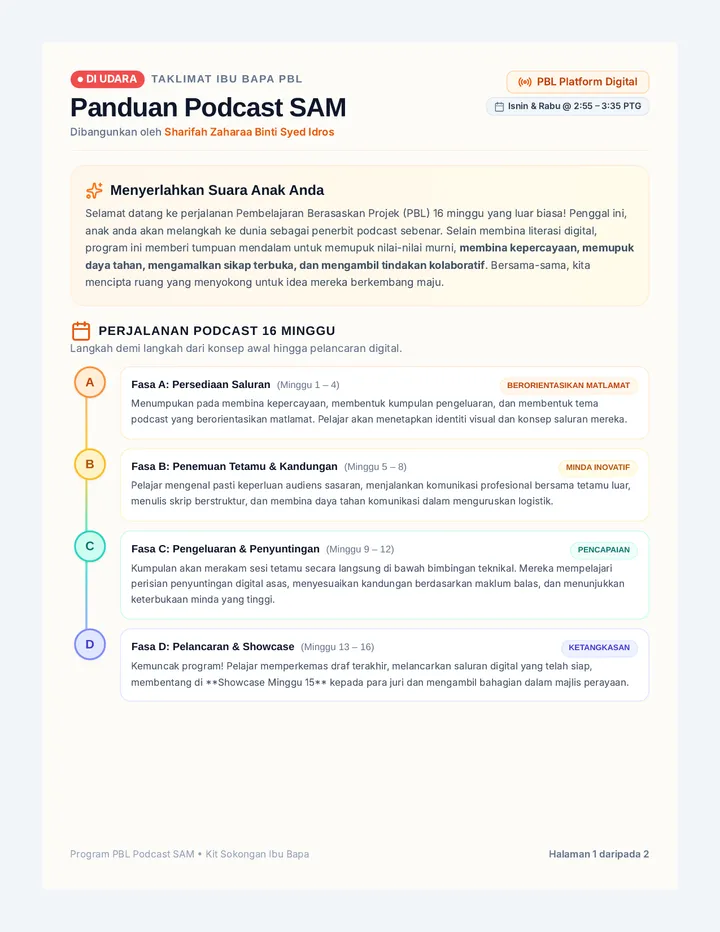
Satu Panduan Taklimat Ibu Bapa dan Kit WhatsApp Sedia-Salin 2 halaman yang komprehensif, mesra, dan penuh inspirasi dalam Bahasa Melayu untuk program Pembelajaran Berasaskan Projek (PBL) Projek Podcast SAM. Merangkumi peta jalan visual 16 minggu, butiran jadual kelas (Isnin & Rabu jam 2:55-3:35 petang), panduan sokongan rumah, dan templat mesej siaran mudah alih yang dioptimumkan.
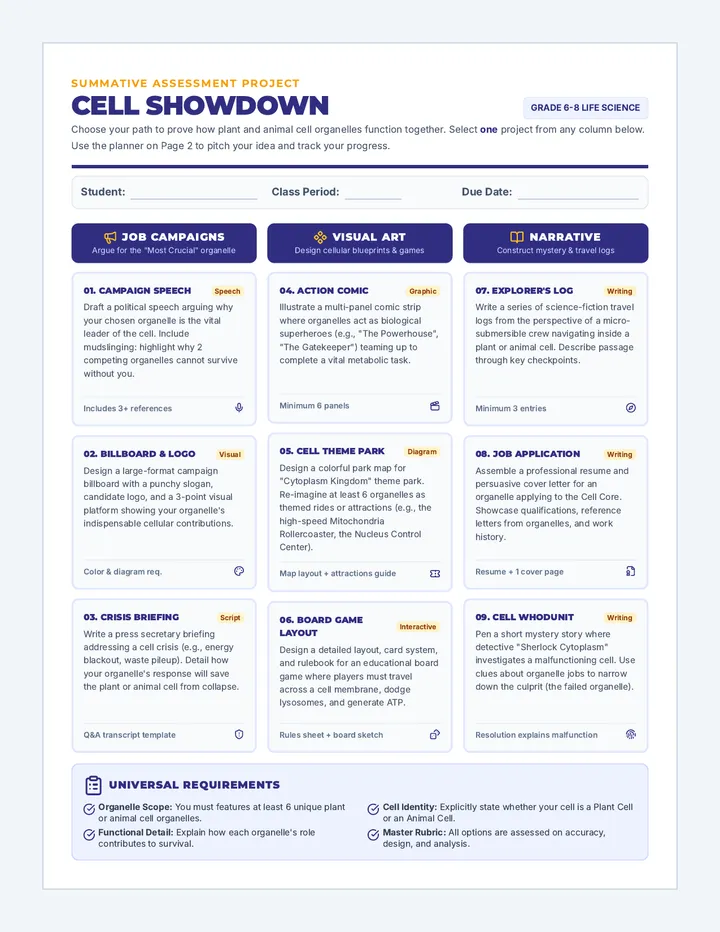
An ecology and life science curriculum sequence exploring the microscopic and macroscopic systems of our planet, from cellular organelles and biological organization to Earth's interconnected spheres.
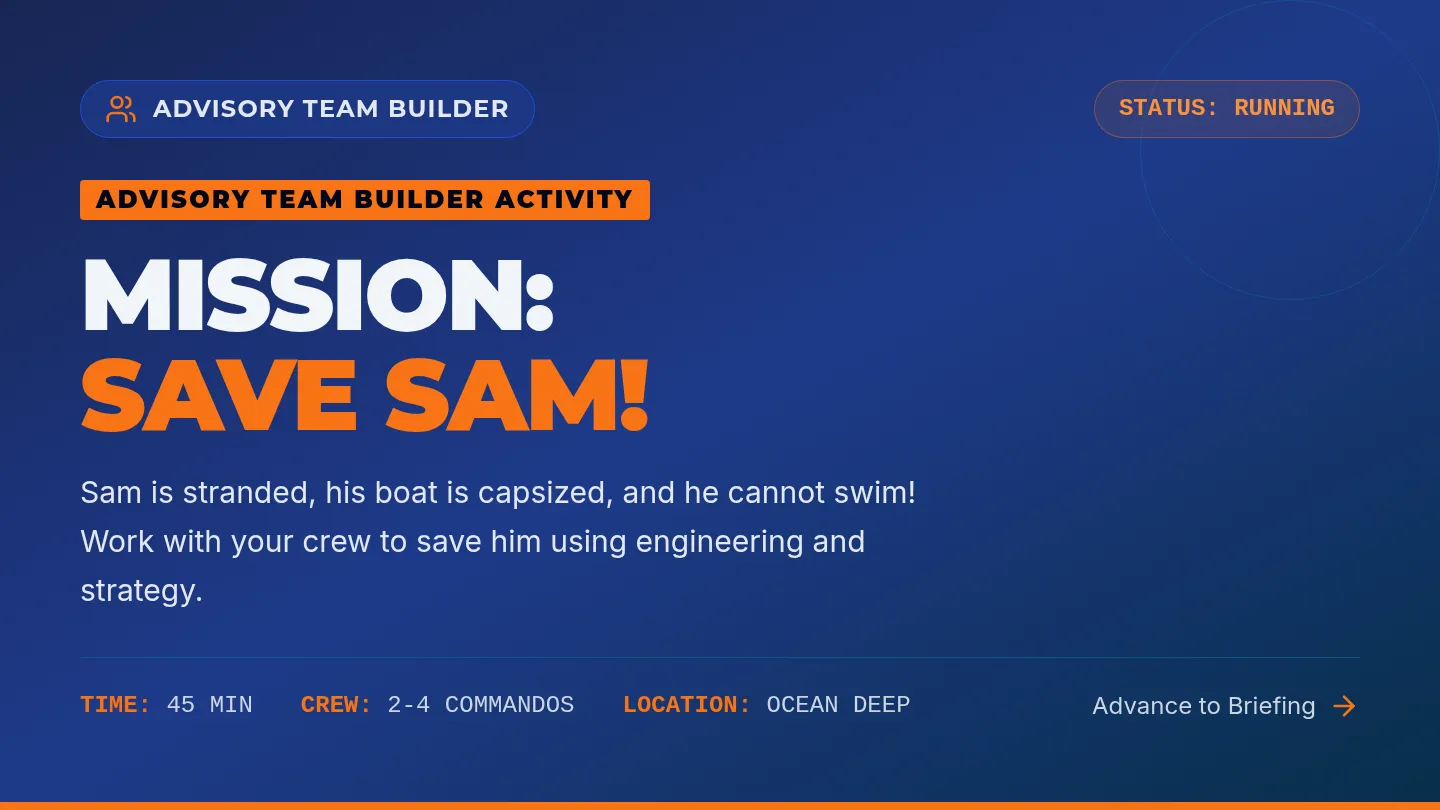
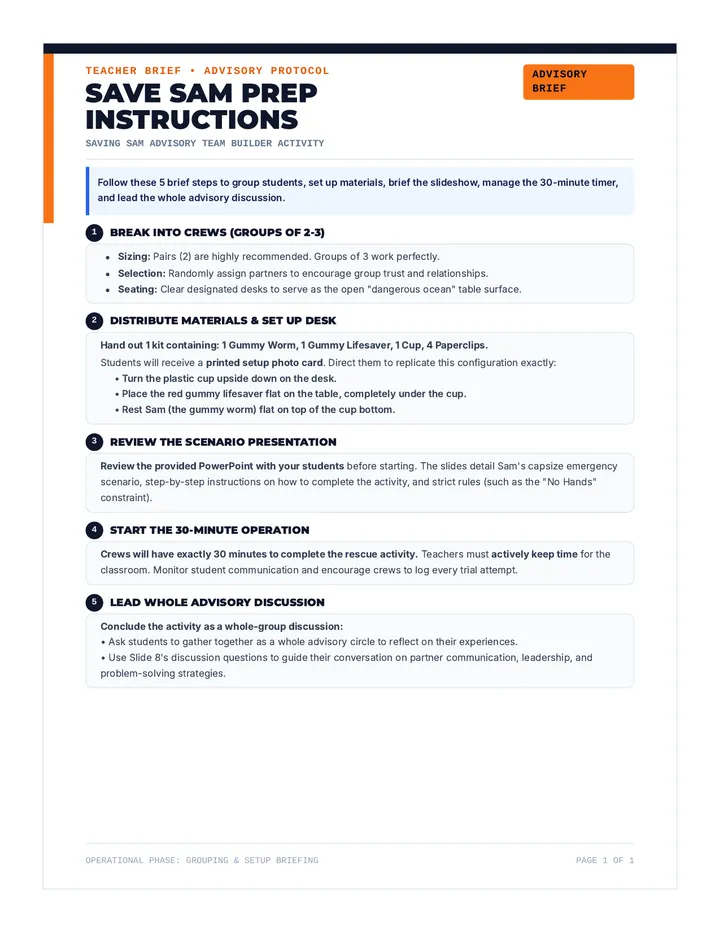
An introductory STEM and cooperative learning lesson where students work in teams to save Sam, a gummy worm stranded on a capsized boat, using only paperclips to retrieve and equip his life preserver.
An essential, high-impact facilitation manual and lesson plan for teachers. Designed in a confidential reality-TV style playbook, containing step-by-step investigation guides, discussion scripts, complete answer keys, scoring rubrics, and the Mystery Restaurant reveal.
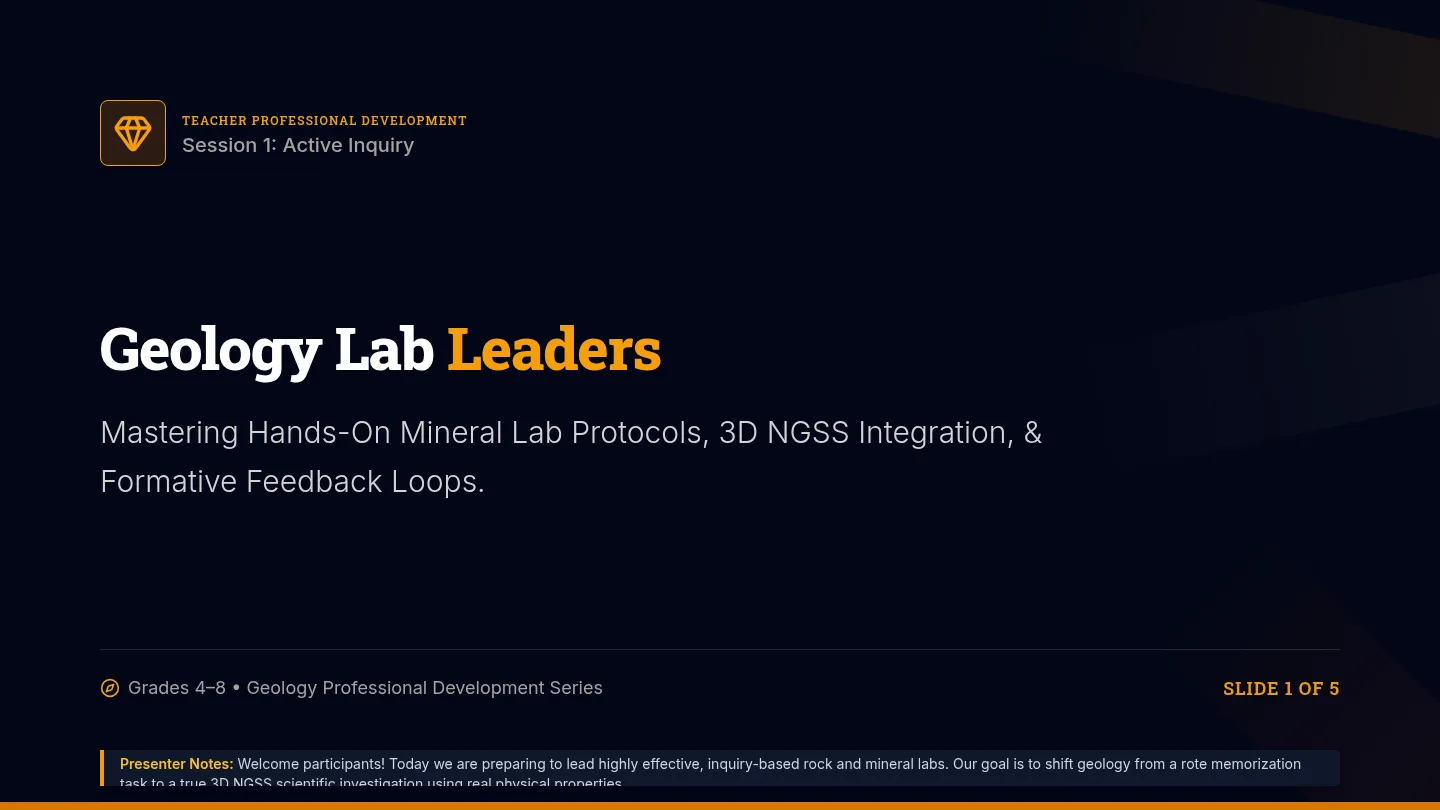
A comprehensive teacher professional development and model lesson plan sequence. It equips educators with hands-on mineral testing protocols, inquiry-based (3D) NGSS teaching strategies, geological vocabulary support, and formative assessment tools for grades 4-8.
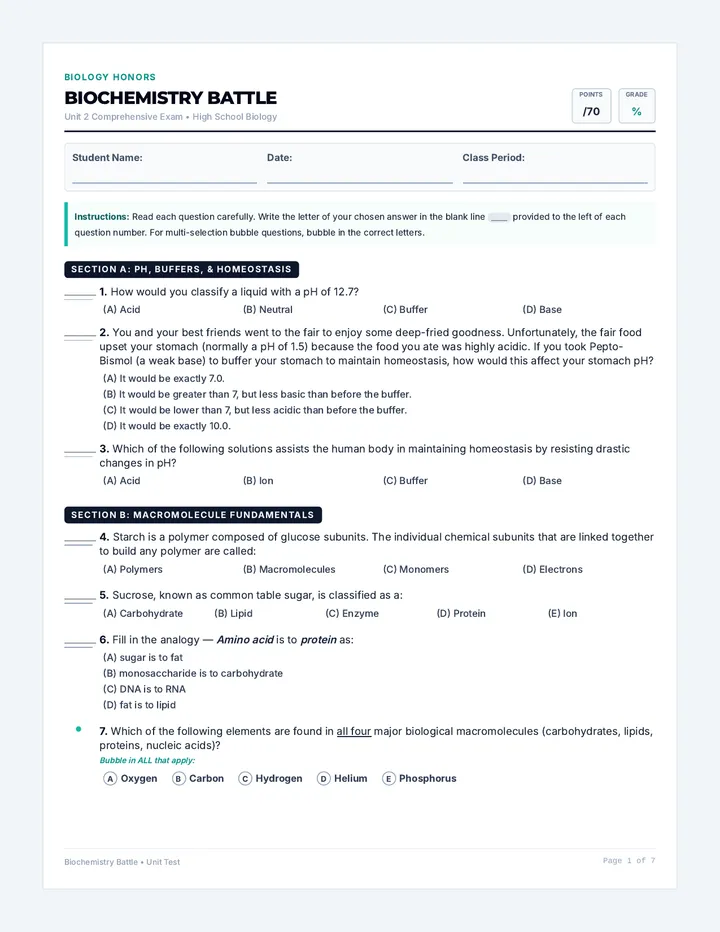
A comprehensive biology unit exam and matching teacher key assessing students' understanding of pH, buffers, macromolecule structures, lab identification, and enzyme kinetics.
An interactive, highly dramatic slide presentation with a reality TV style. Features 18 beautifully styled 16:9 slides for the Restaurant Rescue challenge, featuring all 7 investigations, visual text-puzzles, custom-designed check-lists, and the final Mystery Restaurant challenge.
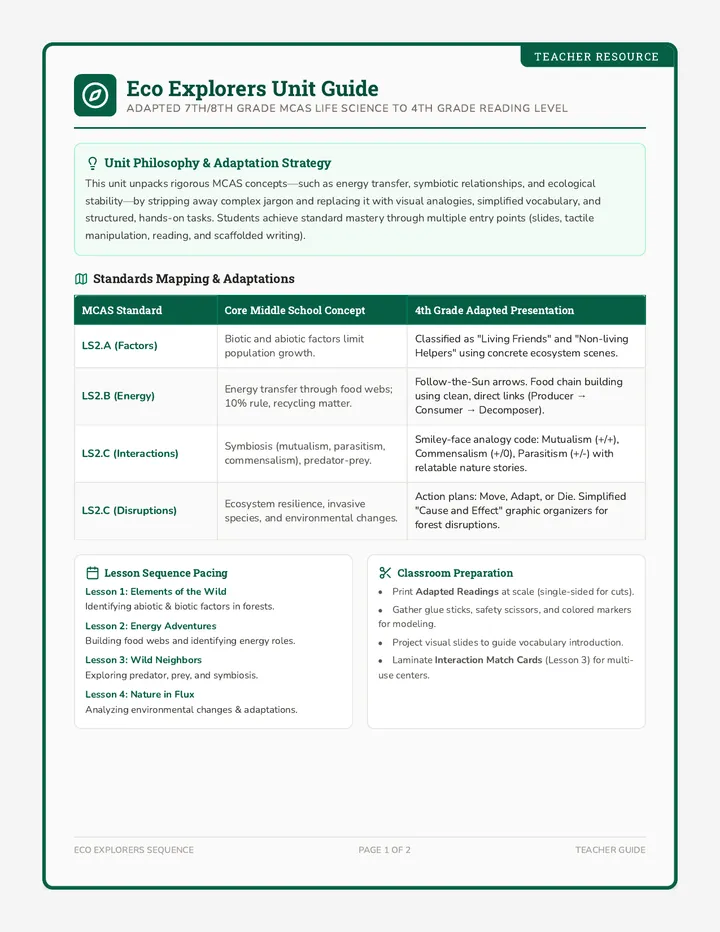
An interactive, highly visual ecosystem unit designed for 7th/8th grade MCAS standards but adapted to a 4th-grade reading and comprehension level. The unit explores abiotic/biotic factors, energy flow, interactions, and disruptions through hands-on activities, adapted readings, visual slides, and scaffolded assessments.
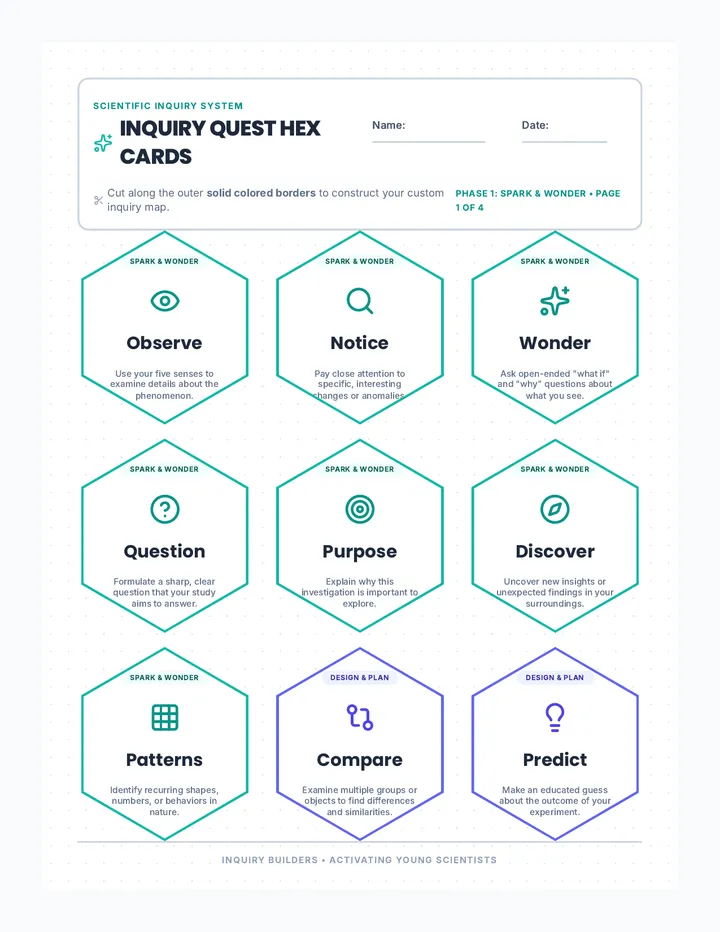
A lesson designed to guide students through the fundamental stages of scientific inquiry using tactile, color-coded hex cards to map, sort, and collaborate on scientific investigations.
A brief, step-by-step instructional guide for teachers on breaking students into groups of 2-3, distributing materials, briefing the scenario via slides, and managing the 30-minute timer.