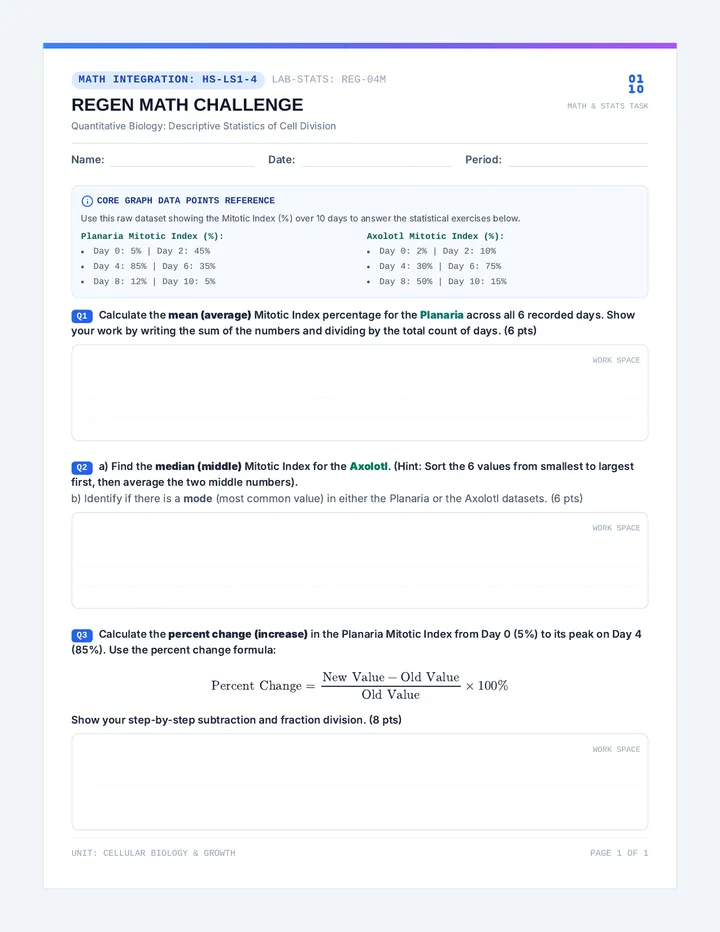
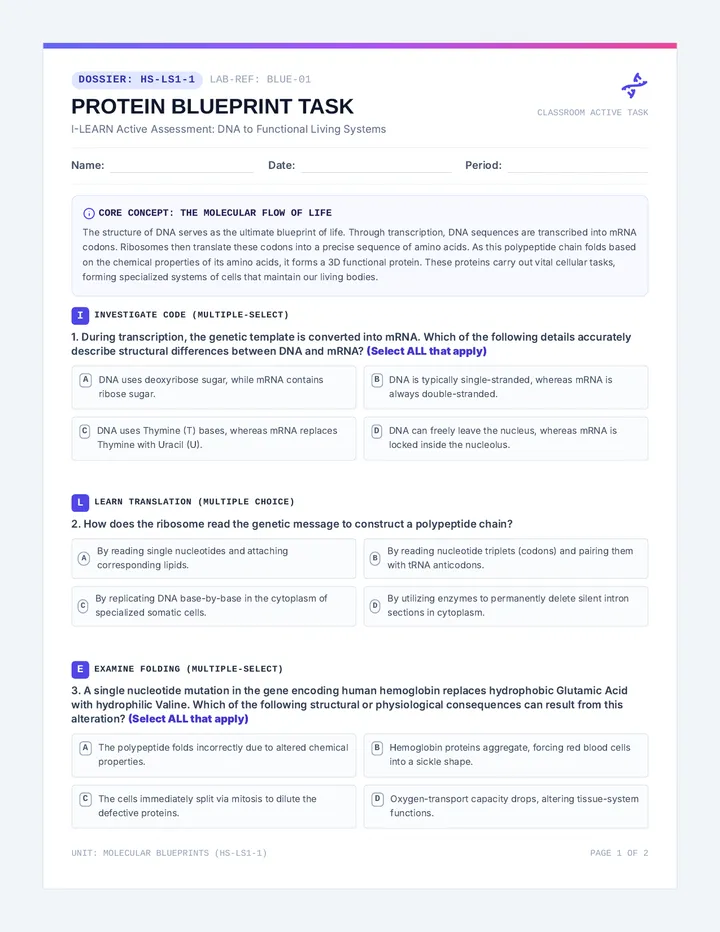
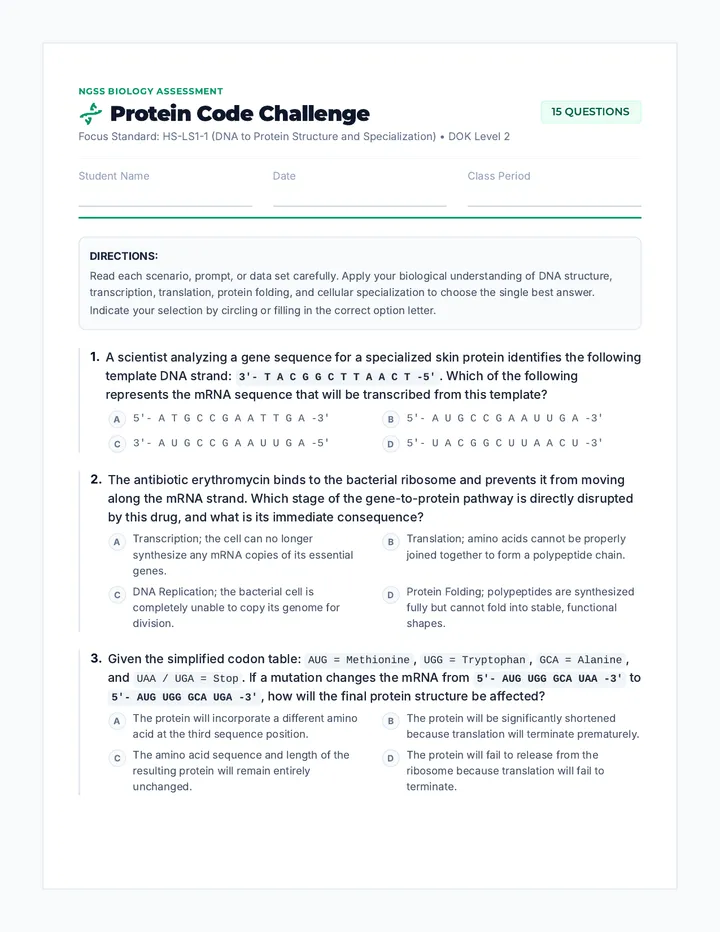
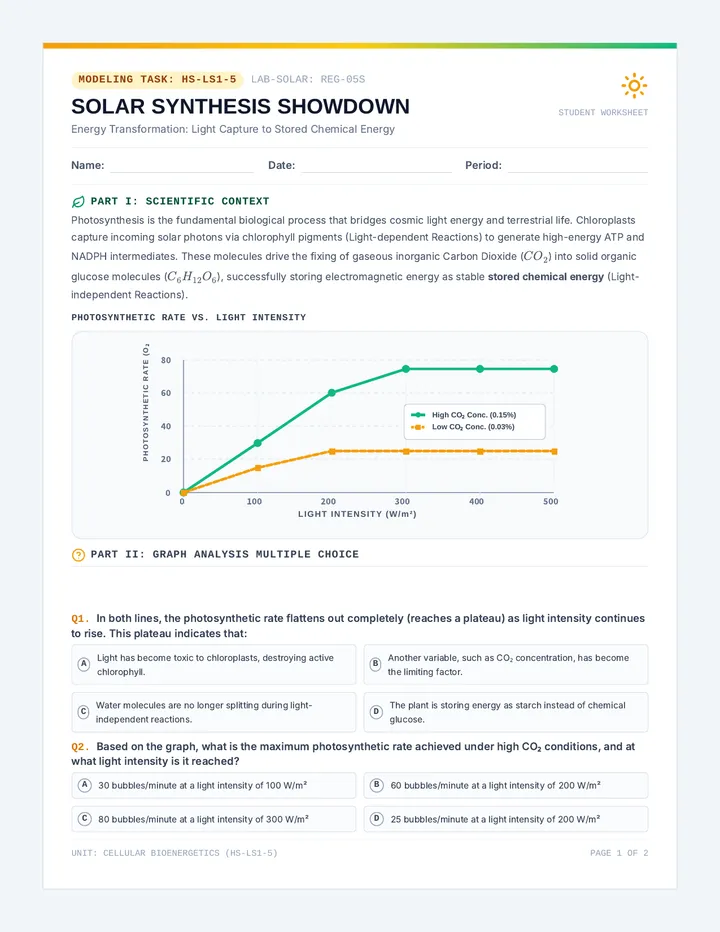
Aqua Audit Lesson Plan Aqua Audit
Teacher Lesson Plan
Grade Level: 8th Grade Science
Duration: 90-120 Minutes
Lesson Mission
Students will act as environmental auditors to assess the health of North Carolina river basins. They will analyze primary water quality indicators (pH, turbidity, dissolved oxygen, temperature) and evaluate how bio-indicators serve as a long-term "report card" for aquatic ecosystems.
Essential Questions
1 How do specific chemical and physical indicators tell the story of a river's health?
2 Why are macroinvertebrates considered the most reliable long-term "witnesses" to water quality?
3 How do human activities in North Carolina river basins impact the downstream hydrosphere?
Standards Alignment
NC Essential Standards: 8.E.1.3
Predict the safety and health of water systems based on pH, turbidity, dissolved oxygen, temperature, phosphates, nitrates, and bio-indicators.
Material Checklist
Aqua Audit Slide Deck
River Recon Reading
Stream Scout Activity Pack
Quality Quest Worksheet
Simulated Water Samples
Instructional Procedure
Hook
10 MINS
The Mystery Sample
Compare clear and polluted water jars. Discuss why visuals can be misleading for auditing hydrosphere health.
Direct
25 MINS
River Recon Slides
Introduce the 17 NC river basins and indicators. Students define indicators on the Quality Quest Worksheet .
pH: 6.5 - 8.5 range.
Turbidity: Lower is clearer.
DO: High oxygen = high life.
Guided
20 MINS
River Recon Reading
Read "Blue Blood" case study. Discuss macroinvertebrates as long-term witness indicators.
Lab
30 MINS
Stream Scout Activity
Rotate through stations. Identify bugs and perform chemical tests to audit health.
Station 1: Pristine
Clear, Neutral pH, High DO, Sensitive bugs.
Station 2: Impacted
Turbid, Low pH, Low DO, Tolerant bugs.
Teacher Preparation Guide
DIY Water Samples
Sample A: Pristine Creek
Distilled water + pinch of baking soda (pH 7.5). Keep in a cooler with ice.
Sample B: Urban Runoff
Tap water + 1 tbsp white vinegar (pH 5.5) + small amount of silt/soil (turbidity).
Sample C: Agricultural Drain
Tap water + strong dark tea + 2 tbsp vinegar (pH 4.5). Warm to room temp or above.
Bio-Indicator Setup
Print "Organism Cards" for stations:
Pristine: Mayflies, Caddisflies.
Stressed: Dragonflies, Crayfish.
Critical: Leeches, Midges.
Extension Activity
Use the NC DEQ "Know Your Basin" interactive map. Have students find the nearest river basin to their own home address.
Debrief Question:
"How does urban construction in the headwaters of a basin affect life at the coast?"
Differentiation
Support: Provide a reference sheet with target indicator values for chemical tests.
Enrichment: Research specific fish species (like Brook Trout) that act as indicators.
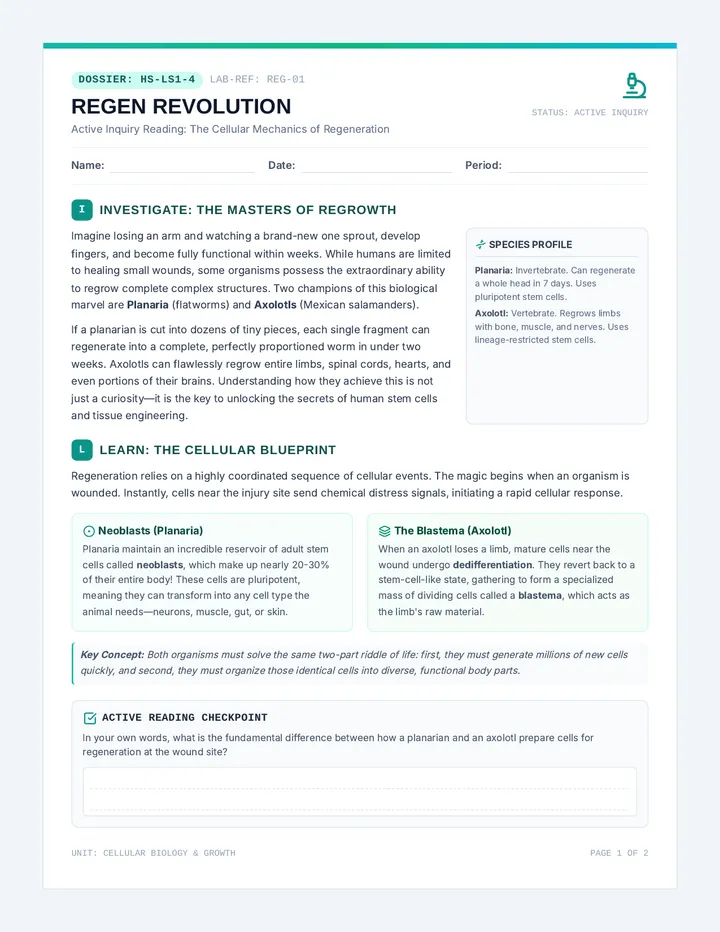
Aqua Audit Slides Environmental Intelligence Agency
Aqua Quest
Audit 8.E.1.3: The Health of our Hydrosphere
Basin ID: NC-17
The NC Audit Map
North Carolina is divided into 17 distinct river basins. These are the drainage units of our state.
What is a River Basin?
"The land that water flows across or under on its way to a river, lake, or ocean."
Think of it as a giant bathtub where all the water drains to one hole.
17 Basins. 1 Hydrosphere.
CAPE FEAR
NEUSE
YADKIN-PEE DEE
Indicator 01:
pH Levels
Measures how acidic or basic the water is on a scale of 0 to 14.
Target Range:
6.5 — 8.5
Why it matters?
Too Acidic (Low)
Commonly caused by acid rain. It can dissolve fish shells and damage gills.
Too Basic (High)
Often caused by detergent runoff or specific mineral deposits. Stresses aquatic life.
Indicator 02: Turbidity
Turbidity is the cloudiness or haziness of a fluid caused by large numbers of individual particles.
LOW
Clear water. Sunlight reaches bottom. Photosynthesis happens!
MID
Cloudy. Sediment from construction or runoff. Sight-feeders struggle.
HIGH
Murky. Particles absorb heat, raising temperature. Gills get clogged.
"The clearer the water, the deeper the sun can go!"
Indicator 03:
Dissolved Oxygen
This is the underwater air that fish and bugs breathe.
Higher is Better: High DO levels mean a healthy, active ecosystem.
Temperature Link: Cold water holds more oxygen than warm water!
5-9 mg/L
Healthy Range
Bio-Indicators
These are the living report cards of the river.
Chemical tests show us a "snapshot" (right now). Bio-indicators show us the "history" (over time).
Sensitive Species
Mayflies, Stoneflies. If they are there, the water is GREAT.
Tolerant Species
Leeches, Blackfly larvae. They can live anywhere (even in poor water).
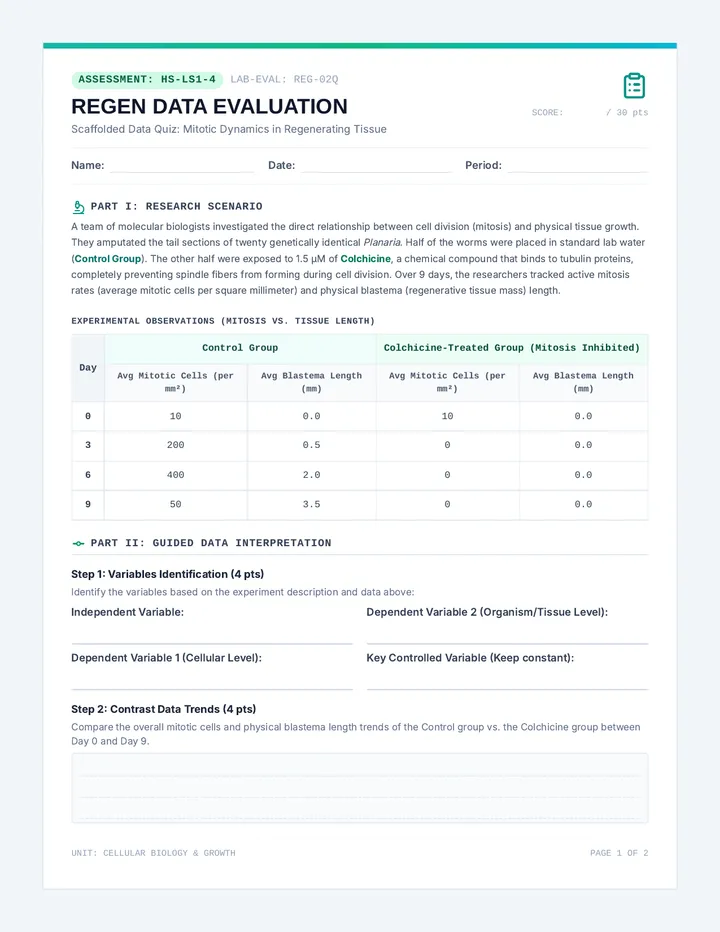
River Recon Reading River Recon
Investigation Briefing: NC River Basins
REF: 8.E.1.3-H2O
LOC: North Carolina
NAME: ________________________________________________
DATE: _______________
The Arteries of the State
Imagine North Carolina as a living organism. If the mountains are the head and the coast is the feet, the river basins are the circulatory system. A river basin is an area of land that drains all the water—from raindrops to melting snow—into a specific river. North Carolina is divided into 17 of these basins. Every square inch of land in our state belongs to one of them. Whether you are standing in a school parking lot or a dense forest, any drop of water that falls at your feet is on a one-way journey to a specific destination.
The Chemical Audit
To understand if our water "veins" are healthy, scientists conduct audits using specific indicators. pH measures the acidity; most aquatic life thrives in a neutral range between 6.5 and 8.5. Turbidity measures clarity. High turbidity acts like a thick fog for fish, making it hard to find food and clogging their gills with sediment. Dissolved Oxygen (DO) is perhaps the most critical. It is the microscopic oxygen gas mixed into the water. Fast-moving, cold water usually has higher DO, while slow, warm, or polluted water can become "hypoxic"—meaning it has too little oxygen for life to survive.
Fast Facts
01 The Cape Fear is the only basin in NC that flows directly into the Atlantic Ocean.
02 NC has 17 river basins, ranging from the tiny Savannah to the massive Cape Fear .
03 Point source pollution comes from one spot, while non-point comes from many.
Your Basin ID
Research or ask your teacher to find your local basin.
_________________
Living Witnesses
While chemical tests provide a snapshot of the water right now , bio-indicators tell the long-term story. Macroinvertebrates (water bugs) like Mayflies and Stoneflies are extremely sensitive to pollution. If a river has a "bad day" and toxic runoff flows through, these sensitive bugs will die off. Even if the water tests "clean" a week later, the absence of these bugs proves the river has been stressed. They are the permanent record-keepers of our hydrosphere.
Check for Understanding
1. Explain why a bio-indicator (like a Mayfly) is sometimes more useful than a single chemical pH test for an auditor.
2. Predict what happens to the level of Dissolved Oxygen if a factory releases warm cooling-water into a cold mountain stream. Why?
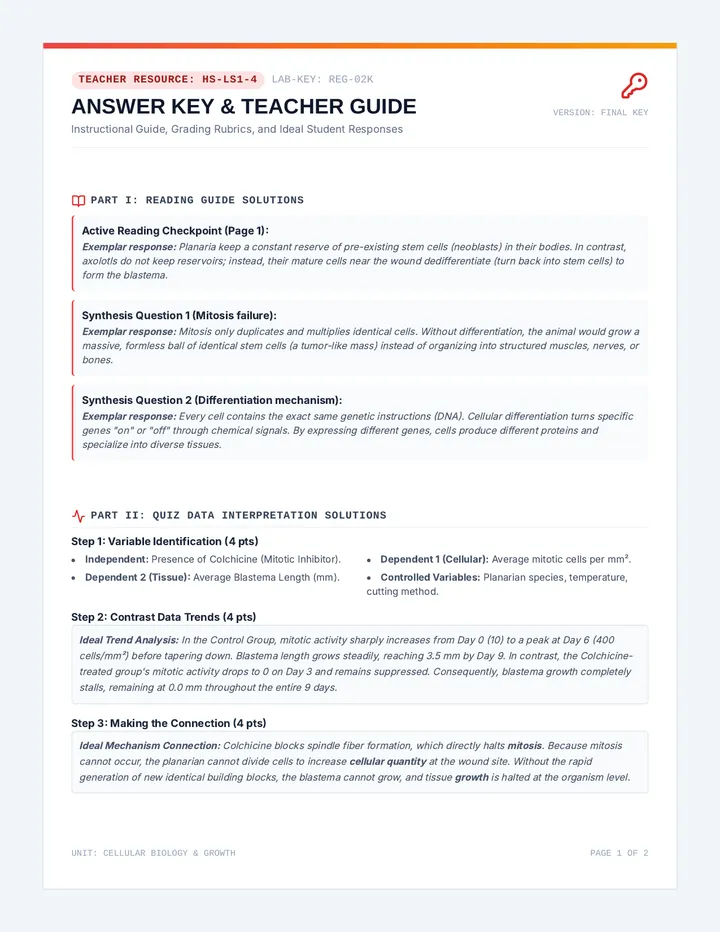
Quality Quest Worksheet Quality Quest
Official Hydrosphere Audit Log
AGENT:
BASIN:
Part 1: Indicator Intelligence
Complete the technical specs below.
pH Level
Chemical
Definition:
TARGET RANGE:
STRESSOR:
Turbidity
Physical
Definition:
DESIRED: (Circle one)
High Low
SUNLIGHT IMPACT:
Part 2: Basin Analysis
Scenario: Fertilizer Runoff
Rain washes nitrates into the river, causing an algal bloom.
Impact on DO:
Impact on Life:
Scenario: Thermal Pollution
Power plant releases warm water into a cold stream.
Oxygen Solubility Change:
Bio-Indicator Shift:
Auditor Certification
Why must we monitor chemical, physical, and biological indicators together for a complete audit? Justify your answer with evidence from today's lesson.
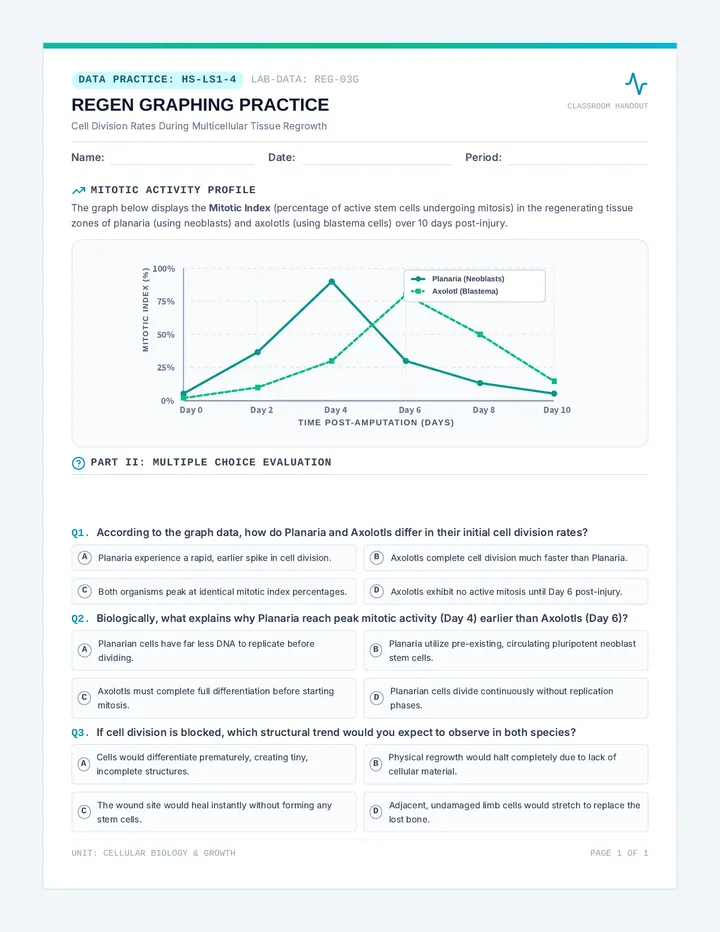
Stream Scout Activity Pack Stream Scout
Field Audit Protocol
Team ____
Lab Objectives
Chemical testing.
Physical testing.
Biological census.
Sample ID pH Turbidity Temp (°C) DO (mg/L) Sample A Sample B Sample C
Bug Census
Identify cards and sort into groups. Count the total per group.
Group 1: Sensitive
Caddisflies / Stoneflies
Group 2: Tolerant
Dragonflies / Scuds
Group 3: Critical
Leeches / Snails
Audit Rank
Rank samples 1 (Best) to 3 (Poor).
1
2
3
Audit Verdict
Which single biological indicator confirmed your #3 ranking? Justify.