English Language Arts Phonics & Reading Foundations Letter Identification Learn Letters A-Z Lowercase and Uppercase Letters Consonants and Vowels Letter-Sound Associations Letter-Sound Associations: Lowercase Letter-Sound Associations: Uppercase Beginning and Ending Sounds Rhyming Blending And Segmenting Short Vowels Short Vowel Sounds Consonant Blends Consonant Digraphs Blends, Digraphs, and Trigraphs Digraphs, Blends, and Silent Letters Long Vowel Sounds Long Vowel Patterns Short and Long Vowels Short and Long Vowel Patterns Silent E Vowel Sounds Vowel Teams R-Controlled Vowels Diphthongs: Oi, Oy, Ou, Ow Variant Vowels Variant, Diphthong, And R Vowel Patterns Soft G And C Sight Words Irregular Words Word Recognition Syllables Syllable Types Two-Syllable Words Multisyllabic Words Phoneme Manipulation Decodable Texts Vocabulary Action Words Question Words Nouns and Adjectives Classify Words Compound Words Synonyms and Antonyms Homophones Homophones and Homonyms Shades of Meaning Context Clues Prefixes and Suffixes Greek and Latin Roots Analogies Idioms and Adages Foreign Words and Expressions Word Choice and Usage Reference Skills Reading Comprehension Read-Along Literary Texts Read-Along Informational Texts Reality vs. Fiction Story Elements Character Sequence Main Idea Cause And Effect Compare And Contrast Reading Strategies Text Structure Author's Purpose Author's Purpose And Tone Author's Perspective Point Of View Theme Inference And Theme Inference And Analysis Poetry Elements Literary Devices Analyzing Literature Analyzing Informational Texts Comparing Texts Audience, Purpose, And Tone Business Documents Novel Study Nonfiction Book Study Grammar & Mechanics Sentences Nouns Verbs Adjectives Pronouns Capitalization Punctuation Contractions Conjunctions Prepositions Articles Adjectives And Adverbs Verb Types Verb Tense Pronouns And Antecedents Pronoun Types Subject-Verb Agreement Direct And Indirect Objects Sentences, Fragments, And Run-Ons Phrases And Clauses Commas Semicolons, Colons, And Commas Dashes, Hyphens, And Ellipses Spelling Abbreviations Formatting Verb Tense And Mood Misplaced Modifiers Writing Descriptive Details Creative Writing Opinion Writing Topic Sentences Organizing Writing Linking Words Sentence Variety Introductions And Conclusions Persuasive And Opinion Writing Expository Writing Persuasive Strategies Developing And Supporting Arguments Topic Sentences And Thesis Statements Summarizing Research Skills Editing And Revising Active And Passive Voice= Writing Clearly And Concisely Debate & Public Speaking Public Speaking Basics Persuasive Techniques Claims and Evidence Types of Arguments Reasoning Types Logical Fallacies Topic Research Organizing Evidence Debate Speech Organization Attacking and Defending Arguments Clash and Engagement Impact Calculus Questioning and Cross-Examination Critical Thinking Informal Logic Formal Logic Inductive Reasoning
Dysart ELA Assessments A collection of ELA assessment materials for 3rd grade, following the Dysart Schools template and AASA alignment.
EA Eun Ae Sung Module 2 Week 1 Assessment
Assessment for 'Fort Friends' focusing on Arizona 3rd grade standards RL.1 and RL.9 through AASA-aligned multiple-choice questions.
Module 2 Week 1 CFU Assessment
Assessment for 'Fort Friends' updated to include a chart-based RL.9 question comparing the characters' experiences. Includes Page 1 - Story; Page 2 - 6 AASA-aligned questions; Page 3 - Justified Answer Key.
Module 2 Week 1 CFU Answer Key
Updated answer key for the 'Fort Friends' assessment, reflecting the new chart-based RL.9 question and justified reasoning. Title reflects 'Module 2 Week 1 CFU'.
Module 1 Week 2 Assessment
A comprehension-focused CFU using the story 'Something New' to assess Arizona 3rd grade standard RL.2, specifically the learning target 'I can figure out the central message, lesson, or moral that the author teaches.' through AASA-aligned questions.
Module 2 Week 1 CFU Assessment
Assessment for 'Fort Friends' following the school's specific template. Includes Page 1 - Story; Page 2 - 6 AASA-aligned questions; Page 3 - Justified Answer Key. Title reflects 'Module 2 Week 1 CFU'.
Module 2 Week 1 CFU Answer Key
Detailed answer key for the 'Fort Friends' assessment, following the Dysart Schools template. Includes evidence-based justifications for each answer choice. Title reflects 'Module 2 Week 1 CFU'.
Module 1 Week 2 CFU Assessment
Assessment for 'Something New' focusing on Arizona 3rd grade standard RL.2, specifically the learning target 'I can figure out the central message, lesson, or moral that the author teaches.' Following the Dysart Schools template, it includes Page 1 - Story with HMH Source credit; Page 2 - 5 AASA-aligned questions (featuring a character attitude change chart); Page 3 - Justified Answer Key.
Module 1 Week 2 CFU Answer Key
Answer key for the 'Something New' assessment, matching the school's template style and including the Dysart Schools logo. Provides detailed justifications and textual evidence for each of the 5 correct answers. Focuses on Arizona 3rd grade standard RL.2, specifically the learning target 'I can figure out the central message, lesson, or moral that the author teaches.'
Module 5 Week 1 Assessment
Assessment for 'Ling’s First Day' focusing on Arizona 3rd grade standard RL.1 through AASA-aligned varied questions.
Module 5 Week 1 CFU Assessment
Assessment for 'Ling’s First Day' following the exact Dysart Schools template. Includes Page 1 - Story; Page 2 - 6 AASA-aligned RL.1 questions; Page 3 - Justified Answer Key. Updated to remove excessive paragraph references in the questions.
Module 5 Week 1 CFU Answer Key
Standalone justified answer key for 'Ling’s First Day', following the exact Dysart Schools template with blue/green branding, standard mapping, and evidence-based rationales.
Module 4 Week 1 Assessment
Assessment for 'Bouki Rents a Horse' focusing on Arizona 3rd grade standards RL.2, RL.4, and RL.5 through AASA-aligned varied questions, including Part A/Part B and hot text formats.
Module 4 Week 1 CFU Assessment
Verbatim restoration of 'Bouki Rents a Horse' assessment using provided screenshots. Includes exact character lists, dialogue, and stage directions. Maintains Dysart Schools template with annotation ruling and standards mapping.
Module 4 Week 1 CFU Answer Key
Standalone justified answer key for 'Bouki Rents a Horse', updated with a redesigned 'Assessment Standards Mapping' table and prominent standard labels (RL.2, RL.4, RL.5) for each question rationale. Follows the exact Dysart Schools branding.
Module 4 Week 1 CFU Assessment
Verbatim restoration of 'Bouki Rents a Horse' assessment using provided screenshots. Includes exact character lists, dialogue, and stage directions. Maintains Dysart Schools template with annotation ruling and standards mapping. Revised for verbatim accuracy and layout fit.
Module 2 Week 2 Assessment
Assessment for 'Sammy’s Supersonic Sneeze' focusing on Arizona 3rd grade standards RL.1 and RL.4 through AASA-aligned multiple-choice questions.
Module 2 Week 2 CFU Assessment
Assessment for 'Sammy’s Supersonic Sneeze' following the school's template. Includes Page 1 - Story with HMH SOURCE credit and improved poem formatting; Page 2 - 6 AASA-aligned questions; Page 3 - Justified Answer Key. Title reflects 'Module 2 Week 2 CFU'. Revised for layout and alignment.
Module 2 Week 2 CFU Answer Key
Detailed answer key for the 'Sammy’s Supersonic Sneeze' assessment, following the Dysart Schools template. Includes evidence-based justifications and standard alignment for each question. Title reflects 'Module 2 Week 2 CFU'. Revised for layout fit.
Sneeze Skills Assessment Variation
Variation assessment for 'Sammy’s Supersonic Sneeze' with varied question types including multi-select and evidence identification. Aligned to RL.1 and RL.4 standards. Revised for layout and alignment.
Mysterious Egg Assessment
Assessment for 'The Mysterious Egg' focusing on Arizona 3rd grade standards RL.1 and RL.9 through AASA-aligned varied questions.
The Mysterious Egg CFU Assessment
Assessment for 'The Mysterious Egg' updated to Module 2 Week 3. Includes Page 1 - Story; Page 2 - 6 AASA-aligned varied questions (including a comparison chart); Page 3 - Justified Answer Key. Title reflects 'The Mysterious Egg CFU'. Revised for accuracy and legibility.
Module 5 Week 2 Assessment
Assessment for 'Hunting for a Letterbox' focusing on Arizona 3rd grade standards RL.1 and RL.7 through AASA-aligned varied questions, including a character comparison chart.
Module 5 Week 2 CFU Assessment
Assessment for 'Hunting for a Letterbox' following the exact Dysart Schools template. Includes Page 1 - Story with explicit HMH Source credit; Page 2 - 6 AASA-aligned questions (featuring a character comparison chart); Page 3 - Justified Answer Key with standards mapping. Updated to fix layout text clipping on Page 1.
Module 5 Week 2 CFU Answer Key
Standalone justified answer key for 'Hunting for a Letterbox', following the exact Dysart Schools template with blue/green branding, standard connections, and evidence-based rationales.
Module 4 Week 2 Assessment
Assessment for 'How Animals Got Their Beautiful Coats' focusing on Arizona 3rd grade standards RL.2, RL.4, and RL.5 through AASA-aligned varied questions, including Part A/Part B and hot text formats.
Module 4 Week 2 CFU Assessment
Verbatim restoration of 'How Animals Got Their Beautiful Coats' assessment. Includes exact character lists, dialogue, and stage directions. Maintains Dysart Schools template with annotation ruling and standards mapping. Revised for verbatim accuracy and layout fit.
Module 4 Week 2 CFU Answer Key
Standalone justified answer key for 'How Animals Got Their Beautiful Coats', following the exact Dysart Schools template with blue/green branding and evidence-based rationales. Includes a standard mapping table at the top.
Module 4 Week 2 CFU Assessment Revised
Revised assessment for 'How Animals Got Their Beautiful Coats' with corrected dialogue formatting and aligned annotations ruling. Includes standard mapping (RL.2, RL.4, RL.5) and explicitly stated answers in the key.
Module 4 Week 2 CFU Answer Key Revised
Standalone justified answer key for 'How Animals Got Their Beautiful Coats', updated with standard labels and specific rationales for each question. Follows the exact Dysart Schools branding.
Module 4 Week 2 CFU Assessment v3
Assessment for 'How Animals Got Their Beautiful Coats' with larger text (12.5px) for the passage while maintaining a single-page layout. Includes Page 1 - Story; Page 2 - 6 Questions; Page 3 - Justified Answer Key with standard mapping. Revised for readability.
Module 4 Week 2 CFU Assessment
Verbatim restoration of 'How Animals Got Their Beautiful Coats' assessment. Includes exact character lists, dialogue, and stage directions. Maintains Dysart Schools template with annotation ruling and standards mapping. Revised for verbatim accuracy and layout fit.
Module 5 Week 3 Assessment
Assessment for 'My Adventure with Clyde' focusing on Arizona 3rd grade standard RL.4 (RL.3.4) through AASA-aligned varied questions, including nonliteral language and context clues.
Module 5 Week 3 CFU Assessment
Assessment for 'My Adventure with Clyde' following the exact Dysart Schools template. Includes Page 1 - Story; Page 2 - 6 AASA-aligned RL.4 vocabulary and nonliteral language questions; Page 3 - Justified Answer Key. Updated to enlarge text sizes and adjust spacing to prevent page breaks/clipping on Page 2.
Module 5 Week 3 CFU Answer Key
Standalone justified answer key for 'My Adventure with Clyde', following the exact Dysart Schools template with blue/green branding, standard connections, and evidence-based rationales.
Module 4 Week 3 Assessment
Assessment for 'The Three Brothers' focusing on Arizona 3rd grade standards RL.2, RL.4, and RL.5. Includes AASA-aligned question variations: Multi-select (Pick Two), Part A/Part B, and Hot Text.
Module 4 Week 3 CFU Assessment
Restored and complete assessment for 'The Three Brothers' following the Dysart Schools template. Includes Page 1 - Full story with restored character dynamics ('baby brother', 'little sprout') and restored contest details; Page 2 - 6 Assessment Questions (Multi-select, Part A/B, and Hot Text); Page 3 - Justified Answer Key with standard mapping. Revised for completeness and layout fit.
Module 4 Week 3 CFU Assessment
Verbatim restoration of 'The Three Brothers' assessment. Includes exact character lists, dialogue, and stage directions. Maintains Dysart Schools template with annotation ruling and standards mapping. Revised for verbatim accuracy and layout fit. Includes 'Pick Two' question.
Module 7 Week 3 Assessment
Assessment for 'Pull Your Own Weight' paired with 'Prairie Chores' focusing on Arizona 3rd grade standards RI.4 and RI.9 through AASA-aligned comparative questions.
Module 7 Week 3 CFU Assessment
Assessment for 'Pull Your Own Weight' following the exact Dysart Schools template. Includes Page 1 - Verbatim story with perfectly sized text (10.5px) fitting all 15 paragraphs with zero clipping; Page 2 - 6 AASA-aligned questions (featuring a character comparison chart); Page 3 - Justified Answer Key. No Text 2. Corrected Q1 option letter.
Module 7 Week 3 CFU Answer Key
Standalone justified answer key for 'Pull Your Own Weight' assessment, following the exact Dysart Schools template with blue/green branding, standard connections, and evidence-based rationales. No Text 2.
Module 7 Week 1 Assessment
Assessment for 'Rocks and Bones' focusing on Arizona 3rd grade informational text standards RI.1, RI.3, and RI.4 through AASA-aligned varied questions.
Module 7 Week 1 CFU Assessment
Assessment for 'Rocks and Bones' following the exact Dysart Schools template. Includes Page 1 - Verbatim Passage; Page 2 - 6 AASA-aligned varied questions (including Part A/Part B and Hot Text); Page 3 - Justified Answer Key with standard mapping. Revised for spacing fit on Page 2.
Module 7 Week 1 CFU Answer Key
Standalone justified answer key for 'Rocks and Bones', following the exact Dysart Schools template with blue/green branding, standard connections, and evidence-based rationales. Revised to fit on a single page.
Module 7 Week 2 Assessment
Assessment for 'Living with Lizards' focusing on Arizona 3rd grade informational text standards RI.1, RI.2, RI.4, and RI.9 through AASA-aligned varied questions.
Module 7 Week 2 CFU Assessment
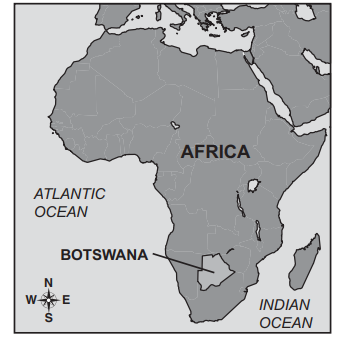
Assessment for 'Living with Lizards' following the exact Dysart Schools template. Includes Page 1 - Verbatim Passage with integrated Map of Africa (Botswana); Page 2 - 6 AASA-aligned varied questions (including Part A/Part B and Hot Text); Page 3 - Justified Answer Key with standard mapping. Revised for smaller map height (h-24).
Module 7 Week 2 CFU Answer Key
Standalone justified answer key for 'Living with Lizards', following the exact Dysart Schools template with blue/green branding, standard connections, and evidence-based rationales. Revised to fit on a single page.
Dysart ELA Assessments A collection of ELA assessment materials for 3rd grade, following the Dysart Schools template and AASA alignment.
EA Eun Ae Sung
Module 2 Week 1 CFU Assessment
Grade 3 ELA | Module 2 | Week 1
Module 2 Week 1 CFU
Student Passage | RL.1, 9
RL.1, 9
Name:
Reading Prompt: Look for details that help you answer questions and compare the characters' experiences.
Fort Friends
Annotations
Monday
1 Dear Maddie, I stopped by the fort hoping to find you, but you’re not here! It’s a good thing I prepared and brought a notebook and pen. I’ll leave them in the fort. Now we can write each other notes. I had to get out of my house. It was so noisy in there! My dad is working on a new piano piece in the living room. He just keeps playing the same notes, over and over again. I couldn’t stand listening to it again. Love, Kayla
2 Dear Kayla, I’m sorry I missed you. What a smart idea to leave a notebook in the fort. A noisy house sounds nice. My house is too quiet. Lila is studying for a test and Mom’s working on her computer. Whenever I make a sound, they both say, “Shhhh!” They both have a lot of thinking to do. Their work is difficult. I came outside so I could sing and hum, and hopefully talk to you. Maybe we’ll see each other tomorrow. Love, Maddie
Tuesday
3 Dear Maddie, My house is even noisier today. My brother is playing his drums and the whole house is shaking! I have homework, but I can’t think inside. I’m going to do my work in the fort, but I’d rather be doing it at my desk. When can we play together? I miss seeing you. Love, Kayla
4 Dear Kayla, It sounds like your family is working as hard as mine. Today my grandpa is trying to learn his lines for the town play. He told me he needs TOTAL SILENCE. He really wants to do well, so I came outside again. You should ask your family to be quiet when you need to do homework. Can you meet Thursday after dinner? Love, Maddie
Wednesday
5 Dear Maddie, When I was walking home from school today, I heard a loud BANG, BANG, BANG! It got louder and louder as I got closer and closer to my house. When I walked in the door, I saw my mother hammering a bookcase she’s building. My stomach dropped. I could not face another noisy afternoon! Then, I thought of what you wrote in your last letter. I took a big breath and yelled, “MOM!” She stopped and looked at me. I was worried about how she would react. I asked if she could stop so I could do my homework, and she did. I was able to finish my work, in silence, at my desk. What a relief. Now I’m out here, missing you, and my mom is inside, hammering away. And yes, I’ll come out tomorrow after dinner. Love, Kayla
6 Dear Kayla, When you read this, we’ll be hanging out together! We can be as noisy, or as quiet, as we want to be. Love, Maddie
HMH Source
Dysart Schools | Module 2 Week 1 CFU | Student Passage Page 1
Grade 3 ELA | Module 2 | Week 1
Assessment Questions
CFU
Directions: Circle the best answer based explicitly on the text.
1. Why does Kayla decide to leave a notebook and pen in the fort on Monday?
A. To practice her handwriting for school.
B. So she and Maddie can write notes to each other.
C. Because her house was too quiet for her to use them.
D. So her father would not hear her while he played piano.
2. Use the chart below to compare the experiences of the two characters.
Character Reason for Leaving House Goal at the Fort Kayla House is too noisy Wants to write notes or do work Maddie ? Wants to sing and hum
Based on the story, which detail belongs in the empty box?
A. House is too quiet
B. House is full of piano notes
C. House is shaking from drums
D. House is being hammered
3. How is the setting of Kayla’s home environment different from the setting of Maddie’s home environment?
A. Kayla’s house is full of noise, while Maddie’s house is strictly quiet.
B. Kayla’s house is a place to study, while Maddie’s house is a place to play.
C. Kayla’s house is always calm, while Maddie’s house is always chaotic.
D. Kayla’s house is in the town, while Maddie’s house is near the fort.
4. In her Tuesday letter, why is Kayla unable to think inside her house?
A. Her brother is playing the drums and making the house shake.
B. She is too busy wondering when she can play with Maddie again.
C. Her father is still playing the same piano notes over and over.
D. She is worried about her homework being too difficult to finish.
5. Compare the characters' situations. What problem do both Kayla and Maddie share?
A. Both characters are struggling to finish their homework on time.
B. Both characters feel they must leave their houses to find what they need.
C. Both characters are annoyed that their mothers are building bookcases.
D. Both characters are worried about their families' reactions to their feelings.
6. What causes Kayla’s mother to stop hammering on Wednesday?
A. Kayla decides to go to the fort instead of her desk.
B. Maddie’s grandfather asks for total silence for his play.
C. Kayla speaks up and asks her mother if she can stop.
D. Kayla’s stomach drops when she hears the loud banging.
Dysart Schools | Module 2 Week 1 CFU | Assessment Questions Page 2
Teacher Answer Key
Evidence-Based Rationale
Key
Q1 (B): Para 1 explicitly states, "Now we can write each other notes," explaining the purpose of the notebook and pen.
Q2 (A): Maddie states in Para 2, "My house is too quiet," which contrasts with Kayla's noisy environment, completing the comparison chart (RL.9).
Q3 (A): The passage contrasts Kayla's "noisy" house (Para 1) with Maddie's "too quiet" house where she is shushed (Para 2).
Q4 (A): Para 3 states, "My brother is playing his drums and the whole house is shaking! ... I can't think inside."
Q5 (B): Both characters go "outside" or to the "fort" because their current home environments do not meet their needs (Para 1, 2, 4).
Q6 (C): Para 5 describes Kayla speaking up to ask her mother to stop hammering, and her mother complies.
Dysart Schools | Answer Key | Teacher Resource Page 3
Module 2 Week 1 CFU Answer Key
Teacher Answer Key
Module 2 Week 1 CFU
Fort Friends | Evidence-Based Key
RL.1, 9
Question 1 (RL.1) Key: B
Justification: In the first letter, Kayla explicitly mentions leaving the notebook so they can "write each other notes" while she is at the fort.
Question 2 (RL.9) Key: A
Justification: Maddie states in Para 2, "My house is too quiet," which directly completes the contrast with Kayla's "too noisy" environment in the chart.
Question 3 (RL.9) Key: A
Justification: This question compares the home settings established in the characters' initial letters—one being noisy and the other being forced-quiet.
Question 4 (RL.1) Key: A
Justification: Kayla's Tuesday letter highlights the physical noise of the drums making the whole house "shake," preventing her from concentrating.
Question 5 (RL.9) Key: B
Justification: Comparing the characters' reactions to their different home environments, both characters share the common problem of needing to leave their homes to find peace or space.
Question 6 (RL.1) Key: C
Justification: On Wednesday, Kayla describes a change in behavior: she speaks up and asks her mother to stop hammering, which leads to her mother complying.
Grade 3 ELA Module 2 Week 1 CFU | Teacher Key | Dysart Schools
HMH Source
Module 2 Week 1 CFU Assessment
Grade 3 ELA | Module 2 | Week 1
Module 2 Week 1 CFU
Student Passage | RL.1, 9
RL.1, 9
Name:
Reading Prompt: Look for details that help you answer questions and compare the characters' experiences.
Fort Friends
Annotations
Monday
1 Dear Maddie, I stopped by the fort hoping to find you, but you’re not here! It’s a good thing I prepared and brought a notebook and pen. I’ll leave them in the fort. Now we can write each other notes. I had to get out of my house. It was so noisy in there! My dad is working on a new piano piece in the living room. He just keeps playing the same notes, over and over again. I couldn’t stand listening to it again. Love, Kayla
2 Dear Kayla, I’m sorry I missed you. What a smart idea to leave a notebook in the fort. A noisy house sounds nice. My house is too quiet. Lila is studying for a test and Mom’s working on her computer. Whenever I make a sound, they both say, “Shhhh!” They both have a lot of thinking to do. Their work is difficult. I came outside so I could sing and hum, and hopefully talk to you. Maybe we’ll see each other tomorrow. Love, Maddie
Tuesday
3 Dear Maddie, My house is even noisier today. My brother is playing his drums and the whole house is shaking! I have homework, but I can’t think inside. I’m going to do my work in the fort, but I’d rather be doing it at my desk. When can we play together? I miss seeing you. Love, Kayla
4 Dear Kayla, It sounds like your family is working as hard as mine. Today my grandpa is trying to learn his lines for the town play. He told me he needs TOTAL SILENCE. He really wants to do well, so I came outside again. You should ask your family to be quiet when you need to do homework. Can you meet Thursday after dinner? Love, Maddie
Wednesday
5 Dear Maddie, When I was walking home from school today, I heard a loud BANG, BANG, BANG! It got louder and louder as I got closer and closer to my house. When I walked in the door, I saw my mother hammering a bookcase she’s building. My stomach dropped. I could not face another noisy afternoon! Then, I thought of what you wrote in your last letter. I took a big breath and yelled, “MOM!” She stopped and looked at me. I was worried about how she would react. I asked if she could stop so I could do my homework, and she did. I was able to finish my work, in silence, at my desk. What a relief. Now I’m out here, missing you, and my mom is inside, hammering away. And yes, I’ll come out tomorrow after dinner. Love, Kayla
6 Dear Kayla, When you read this, we’ll be hanging out together! We can be as noisy, or as quiet, as we want to be. Love, Maddie
Module 2 Week 1 CFU Answer Key
Teacher Answer Key
Module 2 Week 1 CFU
Fort Friends | Evidence-Based Key
RL.1, 9
Question 1 (RL.1) Key: B
Justification: In the first letter, Kayla explicitly mentions leaving the notebook so they can "write each other notes" while she is at the fort.
Question 2 (RL.1) Key: C
Justification: Maddie explains that her house is quiet because Lila is studying and her mom is working on her computer, noting that "their work is difficult."
Question 3 (RL.9) Key: A
Justification: This question compares the home settings established in the characters' initial letters—one being noisy and the other being forced-quiet.
Question 4 (RL.1) Key: A
Justification: Kayla's Tuesday letter highlights the physical noise of the drums making the whole house "shake," preventing her from concentrating.
Question 5 (RL.9) Key: B
Justification: Comparing the characters' reactions to their different home environments, both characters share the common problem of needing to leave their homes to find peace or space.
Question 6 (RL.1) Key: C
Justification: On Wednesday, Kayla describes a change in behavior: she speaks up and asks her mother to stop hammering, which leads to her mother complying.
Grade 3 ELA Module 2 Week 1 CFU | Teacher Key | Dysart Schools
HMH Source
Module 1 Week 2 CFU Assessment
Grade 3 ELA | Module 1 | Week 2
Module 1 Week 2 CFU
Student Passage | RL.2 Focus
RL.2
Name:
Learning Target: I can figure out the central message, lesson, or moral that the author teaches.
Something New
Annotations
1 Amy’s mom tapped on her door. “Time to get up,” she said. “It’s a beautiful day for planting.”
2 Amy sighed. She had almost forgotten. The neighborhood had been planning this event for months. Her mom and their neighbors had decided to clean up the empty lot on the corner. Everyone who lived on Amy’s block was going to spend the day planting a vegetable garden for the community. The garden would be open to all the people in the neighborhood.
3 Amy ate breakfast slowly. “Mom, why do I have to help? I want to stay at home and do something fun.”
4 “Amy, we’ve gone over this,” her mom said. “Everyone on the block is going to be there. Besides,” she added, “the people who help get to have some of the vegetables that grow.”
5 “That lot is huge!” said Amy. “We don’t need that many vegetables.”
6 “If the garden has extra vegetables,” answered Mom, “we will set up a stand where people can buy them. The money can be used to get more garden tools and seeds for planting next year.”
7 When Amy and her mom arrived at the garden, a big crowd had already gathered. Amy saw her neighbor Miss Alma dividing people into groups. One group had the job of spreading the dirt around. Another group was measuring and marking rows in the dirt where the seeds would go. Even with all those people, Amy didn’t see how the garden would ever be finished. There seemed to be a nonending amount of work. Amy sat at the edge of the lot. Sam was standing next to her.
8 Miss Alma spotted Amy and laughed. “I have a job for you two!” she said excitedly. “Can you and Sam please plant these bean seeds? First, make two rows of small holes. Then drop a few seeds in each one. As you go, cover up the seeds with some dirt.”
9 Amy had gotten to know Sam this year at school. He lived right across the street, and they rode their bikes together during summer break. He and Amy got down on their knees in the soft dirt. The sun was bright, and it was already getting hot. Amy peeked into the bag Miss Alma had given them.
10 “There must be a million seeds in here,” complained Amy.
11 “I have an idea, Amy. You make one row, and I’ll make another,” said Sam. “We can race!” His eyes sparkled.
12 Amy forgot about the hot sun on her neck as she made her way down the row. She dug little holes and carefully placed the seeds. She was surprised at how eager she was to do something she had never done before. When she reached the end of her row, she looked up and laughed. Sam’s row was like a snake. It went up and down, zigzagging its way to the end. Sam was covered with dirt.
Module 1 Week 2 CFU Answer Key
Grade 3 ELA | Module 1 | Week 2
Module 1 Week 2 CFU Answer Key
Something New | Evidence-Based Key (5 Questions)
RL.2 Focus
Target Standard RL.2: I can figure out the central message, lesson, or moral that the author teaches.
Question
Standard / Learning Target
Correct Key
Depth of Knowledge (DOK)
1
RL.2 | Central Message & Lesson
C
DOK 2 (Basic Application)
2
RL.2 | Supporting Evidence
B
DOK 2 (Evidence Selection)
3
RL.2 / RL.3 | Conveying Lesson through Plot
B
DOK 2 (Analyze Influence)
4
RL.2 | Author's Structural Purpose
C
DOK 3 (Analyze Purpose)
5
RL.2 | Chart Matching (Character Change)
Initial: A, C | Lesson: B, D
DOK 3 (Compare and Categorize)
Question 1 (RL.2 - Central Message) Key: C
Justification: Amy is initially reluctant to help with the garden and wishes to stay home (Paragraph 3), but after trying planting, she is surprised at her own eagerness (Paragraph 12) and eagerly seeks another job (Paragraph 14). This transformation illustrates that trying new things can bring unexpected joy.
Question 2 (RL.2 - Supporting Evidence) Key: B
Justification: Paragraph 12 explicitly captures Amy's realization of the central lesson—that trying something she had never done before (planting seeds) made her feel eager and excited, which she didn't expect.
Question 3 (RL.2 / RL.3 - Plot Influence) Key: B
Justification: Sam's suggestion to race (Paragraph 11) is the specific action that transforms Amy's reluctance into engagement and fun, helping her learn the central lesson of finding joy in new activities.
Question 4 (RL.2 - Structural Purpose) Key: C
Justification: The author uses this sentence to highlight Amy's internal state shift, which is the exact moment she learns the central lesson of the story about finding surprise joy in new chores.
Question 5 (RL.2 - Chart Matching) Key: Initial: A, C | Lesson: B, D
Justification: Amy's initial reluctance is shown through wanting to stay home (A) and complaining about seed quantities (C). Her shift to the lesson learned is shown by forgetting the hot sun (D) and wanting another task (B).
Module 5 Week 1 CFU Assessment
Grade 3 ELA | Module 5 | Week 1
Module 5 Week 1 CFU
Student Passage | RL.1
RL.1
Name:
Reading Prompt: Look for explicit details about why Ling feels nervous and how he finds a connection to his new school.
Ling’s First Day
Annotations
1 Ling looked out his bedroom window at the city outside. All he could see were buildings, crowded streets, and sidewalks packed with people. Life here was faster and busier than he was used to.
2 Ling looked down at his basketball on the floor and then at the picture on his desk. It was a picture of him with his best friend, Mateo. In the picture, they had just finished playing basketball at the park. He missed the small town where he lived before his dad got a new job. He missed the quiet streets, the trees, and the fields of endless green. He sighed as he remembered the fresh air and bright sun.
3 “Good morning, Ling,” Dad said as Ling walked into the kitchen for breakfast.
4 “Morning, Dad,” replied Ling. He pulled his chair out slowly and sat down.
5 “Are you excited about your first day of school?” asked Dad.
6 “I won’t know anyone at school,” Ling mumbled.
7 “Not yet, but you will get to know them,” Dad said, patting Ling on the back.
8 Ling just stared at his breakfast. He did not think he would have a fun day or make another friend like Mateo.
9 “Is something bothering you?” Dad asked.
10 “Mateo and I like to play basketball together. I don’t know if I will get to play anymore. I haven’t seen a basketball court here,” Ling said.
11 “I’m sure you will find new friends,” Dad said. “And I’m sure there are courts where you can play basketball; we just have to find them.”
12 At school that morning, Ling stood outside his classroom door, took a deep breath, and walked inside. “Welcome, Ling,” the teacher said. “I’m Miss Aguilera.” She showed him to his desk.
13 Ling liked that she had a warm smile. “Everyone, please welcome Ling,” she told the class. “He just moved to the city this week. We are excited to have you in our class, Ling.”
14 The girl sitting next to him leaned over and said quietly. “Hi, I’m Ana.”
15 “Hi, Ana,” Ling replied, trying not to seem too nervous.
16 At lunchtime, Ling walked to the cafeteria with his class. Ling paused at the door as he looked at the long white tables filled with people talking and laughing together. Then Ana said, “You can sit with me, Ling.”
17 Ling smiled and followed Ana to a table. As they sat down, Ling put his lunchbox on the table. Ling’s lunchbox was covered with pictures of famous basketball players.
Module 5 Week 1 CFU Answer Key
Teacher Answer Key
Evidence-Based Rationale
Module 5 Week 1 | Question-Standard Mapping
Key
Assessment Standards Mapping
RL.3.1
Key Ideas & Details (Refer to Explicit Details & Inferences)
Questions 1, 2, 3, 4, 5, 6
Question 1 (C)
Explicit Details RL.3.1
Rationale: Paragraph 2 explicitly states that Ling missed the "quiet streets, the trees, and the fields of endless green" as well as his friend Mateo, making C the only factually correct answer supported directly by the text.
Question 2 (B)
Explicit Details RL.3.1
Rationale: In paragraph 6, Ling says "I won’t know anyone at school" and in paragraph 10 he states "I don't know if I will get to play anymore. I haven't seen a basketball court here." These explicit statements combine to confirm his worries about making friends and playing basketball.
Question 3 (Part A: B | Part B: B)
Inference & Evidence RL.3.1
Rationale: Part A: Ling is nervous about starting his first day. Part B: The physical action of standing outside the door and taking a "deep breath" in paragraph 12 is a classic textual clue showing his anxiety and nervous state before entering.
Question 4 (A, D)
Multi-Select Details RL.3.1
Rationale: Paragraph 16 explicitly documents Ana offering "You can sit with me, Ling," and paragraph 17 shows Ling smiling and following Ana to the table, both of which are events during lunch that help him feel welcomed.
Question 5 (Second Bullet)
Hot Text Selector RL.3.1
Rationale: The second sentence explicitly names "my mom," "my brother, Juan," and "some of my friends" as the individuals Ana plays basketball with, satisfying the exact demand of the question.
Question 6 (B)
Inference/Outcome RL.3.1
Rationale: Paragraph 25 explicitly describes Ling's changed emotional state: he "raced over, excited to tell his dad all about his first day," demonstrating a major transition from his earlier anxiety to joyful excitement.
Dysart Schools | Answer Key | Teacher Resource Grade 3 Assessment
Module 4 Week 1 CFU Assessment
Grade 3 ELA | Module 4 | Week 1
Module 4 Week 1 CFU
Student Passage | RL.2, 4, 5
RL.2, 4, 5
Name:
Reading Prompt: Look for structural elements of a play and details that help you identify the lesson learned by characters.
Bouki Rents a Horse
Annotations
This play tells a story about Bouki and Ti Malice. These characters appear in many folktales from the country of Haiti. Ti Malice often tricks other characters to teach them a lesson and to help his friends.
Characters
BOUKI, a farmer | MOUSSA, Bouki’s friend | TOUSSAINT, a rich man | TI MALICE, Bouki’s friend
ACT 1, SCENE 1
Outside Moussa’s house
(It is early in the morning. Bouki is talking with Moussa.)
BOUKI: Moussa, may I borrow your donkey? I need to take the vegetables I grew to the market.
MOUSSA: I’m sorry, Bouki. My donkey ran away yesterday, and I can’t find him anywhere. Why don’t you rent a horse from Toussaint?
BOUKI: Toussaint will charge me a fortune to use one of his horses!
MOUSSA: What else can you do?
BOUKI: You’re right. I will go see Toussaint.
(Bouki walks offstage, and Moussa goes into his house.)
ACT 1, SCENE 2
Outside Toussaint’s house
(It is later the same day. Bouki walks up to Toussaint, who is standing outside.)
BOUKI: Toussaint, do you have a horse I can rent?
TOUSSAINT: I do. He’s as big as a house and as strong as iron. I’ll let you rent him for one day for the bargain price of fifteen pumpkins.
BOUKI: Fifteen pumpkins! But I only have five!
TOUSSAINT: That’s okay. You can give me five now and the other ten tomorrow when you come to get the horse.
(Bouki frowns, but he shakes Toussaint’s hand.)
ACT 2, SCENE 1
Outside Bouki’s house
(It is the next day. Moussa and Ti Malice are standing outside with a donkey. Bouki comes out of his house.)
MOUSSA: We found my donkey! Do you still need him?
BOUKI: (disappointed) No. I already gave Toussaint five pumpkins to rent his horse.
Module 4 Week 1 CFU Answer Key
Teacher Answer Key
Evidence-Based Rationale
Module 4 Week 1 | Question-Standard Mapping
Key
Assessment Standards Mapping
RL.2
Theme & Summary
Questions 3, 6
RL.4
Vocabulary & Context
Questions 1, 5
RL.5
Drama Structure
Questions 2, 4
Question 1 (B)
Vocabulary RL.4
Rationale: The context of Act 1 establishing that Bouki is a farmer with limited pumpkins, combined with his complaint about a "fortune," indicates that the word refers to a high cost or a large sum of money.
Question 2 (A)
Structure RL.5
Rationale: Text inside parentheses and italics within a play consists of stage directions. These provide instruction to actors on physical actions and character emotions during a performance.
Question 3 (C, C)
Theme RL.2
Rationale: The play centers on a "trick" (clever thinking) to solve a problem. Ti Malice's elaborate measuring trick in Act 2, Scene 2 serves as the primary evidence for this theme.
Question 4 (B)
Structure RL.5
Rationale: Dramatic texts are defined by unique structural elements like scenes and stage directions, which differ from prose narrative structures like chapters.
Question 5 (Text)
Vocabulary RL.4
Rationale: Toussaint's exclamation "Forget it. The deal is off!" provides the immediate context for cancelling an agreement, illustrating the idiom "back out of a deal."
Question 6 (B)
Summary RL.2
Rationale: A complete summary of Act 2 must account for Ti Malice's intervention and the ultimate resolution of the pumpkin conflict through his successful trickery.
Dysart Schools | Answer Key | Teacher Resource Grade 3 Assessment
Module 4 Week 1 CFU Assessment
Grade 3 ELA | Module 4 | Week 1
Module 4 Week 1 CFU
Student Passage | RL.2, 4, 5
RL.2, 4, 5
Name:
Reading Prompt: Look for structural elements of a play and details that help you identify the lesson learned by characters.
Bouki Rents a Horse
Annotations
This play tells a story about Bouki and Ti Malice. These characters appear in many folktales from the country of Haiti. Ti Malice often tricks other characters to teach them a lesson and to help his friends.
Characters
BOUKI, a farmer | MOUSSA, Bouki’s friend | TOUSSAINT, a rich man | TI MALICE, Bouki’s friend
ACT 1, SCENE 1
Outside Moussa’s house
(It is early in the morning. Bouki is talking with Moussa.)
BOUKI: Moussa, may I borrow your donkey? I need to take the vegetables I grew to the market.
MOUSSA: I’m sorry, Bouki. My donkey ran away yesterday, and I can’t find him anywhere. Why don’t you rent a horse from Toussaint?
BOUKI: Toussaint will charge me a fortune to use one of his horses!
MOUSSA: What else can you do?
BOUKI: You’re right. I will go see Toussaint.
(Bouki walks offstage, and Moussa goes into his house.)
ACT 1, SCENE 2
Outside Toussaint’s house
(It is later the same day. Bouki walks up to Toussaint, who is standing outside.)
BOUKI: Toussaint, do you have a horse I can rent?
TOUSSAINT: I do. He’s as big as a house and as strong as iron. I’ll let you rent him for one day for the bargain price of fifteen pumpkins.
BOUKI: Fifteen pumpkins! But I only have five!
TOUSSAINT: That’s okay. You can give me five now and the other ten tomorrow when you come to get the horse.
(Bouki frowns, but he shakes Toussaint’s hand.)
ACT 2, SCENE 1
Outside Bouki’s house
(It is the next day. Moussa and Ti Malice are standing outside with a donkey. Bouki comes out of his house.)
MOUSSA: We found my donkey! Do you still need him?
BOUKI: (disappointed) No. I already gave Toussaint five pumpkins to rent his horse.
Module 2 Week 2 CFU Assessment
Grade 3 ELA | Module 2 | Week 2
Module 2 Week 2 CFU
Student Passage | RL.1, 4
RL.1, 4
Name:
Reading Prompt: As you read the poem, pay attention to the details and look for examples of words used in a non-literal way.
Sammy’s Supersonic Sneeze
Annotations
5
10
15
20
25
30
35
40
Sammy, who was six years old,
caught himself a common cold.
Nothing special, nothing new,
sniffles and a cough or two,
teary eyes, nose bright red,
chicken soup served hot in bed,
cozy blankets piled up high,
a sleepy naptime lullaby.
Sammy’s mom and Sammy’s dad
and Sammy’s little brother, Brad,
went about their business humming,
never dreaming what was coming.
Not expecting, if you please,
Sammy’s . . . super . . . sonic . . .
SNEEZE!
A sneeze so like a hurricane
it shattered every windowpane.
It spun the saucers, scrambled socks;
it swept the brooms and tossed the clocks.
It turned the sofa upside down
and blew the bathtub into town.
“Oh no!” Mom cried with dismay
as the table flew away.
“Look out!” cried Brad, alas, too late,
as Mom and Dad flew out the gate.
Then Brad himself sailed through the air
followed by a rocking chair.
The sneeze set Sammy’s orange cat
atop the startled postman’s hat.
Why, Sammy even bounced himself
against the shaking bedroom shelf,
where cars and books and paints all flew
until at last his sneeze was through.
After dark, the cat came back.
(The postman brought it in his sack.)
Mom returned, and so did Dad,
and right behind them—brother Brad.
Sammy giggled from his bed.
“I think my cold is gone,” he said.
But then Brad coughed. He sniffled, too.
He cried: “I caught the cold from you!”
AAAAAAAAA
AAAAAAAAAAA
Module 2 Week 2 CFU Answer Key
Teacher Answer Key
Evidence-Based Rationale | Module 2 Week 2
Key
Question 1 Standard: RL.1
Correct Answer (C): Lines 6-8 describe Sammy in bed with chicken soup and blankets *before* the sneeze is mentioned in line 15. This establishes the initial setting and Sammy's condition.
Question 2 Standard: RL.4
Correct Answer (B): The comparison to a hurricane in the context of shattering windows and tossing items shows the sneeze's extreme power. This simile creates a vivid image of force and damage.
Question 3 Standard: RL.1
Correct Answer (D): Socks (18), the bathtub (21), and clocks (19) are all mentioned as being moved by the sneeze. The "sack" is only mentioned in line 35 *after* the sneeze has ended.
Question 4 Standard: RL.4
Correct Answer (C): Blowing a bathtub into town is an example of hyperbole (non-literal exaggeration). It is used to emphasize the supernatural strength of the sneeze to the reader.
Question 5 Standard: RL.4
Correct Answer (B): Context clues in line 29 suggest that having a cat land on one's hat unexpectedly would cause surprise. "Startled" means suddenly surprised or shocked.
Question 6 Standard: RL.1
Correct Answer (C): Lines 40-41 show that Brad has developed symptoms (coughing, sniffling) and says he caught the cold, indicating the illness has passed to him.
Dysart Schools | Module 2 Week 2 Answer Key | Teacher Resource Page 1
Sneeze Skills Assessment Variation
Grade 3 ELA | Module 2 | Week 2
Module 2 Week 2 Variation CFU
Student Passage | RL.1, 4
RL.1, 4
Name:
Reading Prompt: As you read, look for specific items that are moved by the sneeze and identify words that are not used literally.
Sammy’s Supersonic Sneeze
Annotations
5
10
15
20
25
30
35
40
Sammy, who was six years old,
caught himself a common cold.
Nothing special, nothing new,
sniffles and a cough or two,
teary eyes, nose bright red,
chicken soup served hot in bed,
cozy blankets piled up high,
a sleepy naptime lullaby.
Sammy’s mom and Sammy’s dad
and Sammy’s little brother, Brad,
went about their business humming,
never dreaming what was coming.
Not expecting, if you please,
Sammy’s . . . super . . . sonic . . .
SNEEZE!
A sneeze so like a hurricane
it shattered every windowpane.
It spun the saucers, scrambled socks;
it swept the brooms and tossed the clocks.
It turned the sofa upside down
and blew the bathtub into town.
“Oh no!” Mom cried with dismay
as the table flew away.
“Look out!” cried Brad, alas, too late,
as Mom and Dad flew out the gate.
Then Brad himself sailed through the air
followed by a rocking chair.
The sneeze set Sammy’s orange cat
atop the startled postman’s hat.
Why, Sammy even bounced himself
against the shaking bedroom shelf,
where cars and books and paints all flew
until at last his sneeze was through.
After dark, the cat came back.
(The postman brought it in his sack.)
Mom returned, and so did Dad,
and right behind them—brother Brad.
Sammy giggled from his bed.
“I think my cold is gone,” he said.
But then Brad coughed. He sniffled, too.
He cried: “I caught the cold from you!”
AAAAAAAAA
The Mysterious Egg CFU Assessment
Grade 3 ELA | Module 2 | Week 3
Module 2 Week 3
Student Passage | RL.1, 9
RL.1, 9
Name:
Reading Prompt: As you read the poem, think about how the different animals respond to the egg and compare their actions.
The Mysterious Egg
Annotations
5
10
15
20
25
30
35
40
45
50
The farm slept through the windy storm
all tucked away inside and warm,
while the roof shook and floorboards squeaked,
shutters banged and branches creaked.
The night was dark. The wind blew strong.
A little egg was blown along.
Small and silent, round and white,
it rolled up to the barn that night.
Bright sky, pink clouds, the rising sun,
Rooster called, “The morning’s come.”
But then he noticed things amiss.
He crowed, surprised, “Whose egg is this?”
The chickens cackled from their pens,
“If there’s an egg, it’s from us hens.”
“Don’t be so quick,” said Goose and Duck.
“Perhaps that egg is mine,” they clucked.
Cow yawned and stretched and rolled from bed.
“I might have lost an egg,” she said.
Then Rooster crowed, “Whose egg are you?”
The little egg gave not a clue.
The chickens ran to clean the roost.
“I’ll dig up tasty slugs,” said Goose,
while Duck fixed up a bed of reeds.
Cow polished, vacuumed, dusted, sneezed.
Then all raced back to wait and see,
each wondering, “Will it look like me?”
Small and silent, round and white,
the egg held to its secret tight.
“I think the egg looks very goosey,”
Goose declared. “I’ll name it Lucy.”
But Duck believed the shape so neat
was just the space for two webbed feet.
The chickens fluttered in a snit.
“That egg says hen all over it.”
Cow, unsure of what to do,
said she thought she heard it moo.
They huddled up all close together.
No one moved beak, hoof, or feather.
Module 5 Week 2 CFU Assessment
Grade 3 ELA | Module 5 | Week 2
Module 5 Week 2 CFU
Student Passage | RL.1, RL.7
RL.1, RL.7
Name:
Reading Prompt: Look for details that show how Suzy's feelings about letterboxing change, and examine how the video instructions on Uncle Jim's phone help you understand the setting.
Hunting for a Letterbox
Annotations
1 “Wake up,” yelled Uncle Jim. “We have a big day of letterboxing ahead of us!”
2 Suzy rubbed her eyes. “What’s letterboxing?” she asked.
3 “I’ll tell you and your sister about it at breakfast,” Uncle Jim said.
4 Suzy and her sister Kayla were staying with their aunt and uncle while their mom was away. They sleepily walked into the kitchen and sat at the table with Uncle Jim and Aunt Jessie. “So, what exactly is letterboxing?” asked Suzy.
5 “A letterbox is a small box hidden somewhere outside,” Aunt Jessie said. “The box holds a notebook, an ink pad, and a rubber stamp. Letterboxers—people like us—post hints about where they have hidden their boxes and hunt for boxes left by other letterboxers. When we find a box, we use our own stamp to mark the notebook in the box. Then we use the stamp from the box we found to mark our own notebook. Finally, we put the box back in its hiding place.”
6 “It sounds like a treasure hunt!” said Kayla.
7 “I’d rather shoot baskets,” Suzy said, grabbing her basketball.
8 “What do we do first?” Kayla asked, looking at Uncle Jim and Aunt Jessie.
9 “We have to make a special stamp just for you,” said Aunt Jessie.
10 Uncle Jim helped Kayla draw a little rose on a pink eraser and cut around the lines of the drawing. The eraser was now a stamp.
11 Aunt Jessie showed Kayla how to press the stamp onto an ink pad and then onto the page. When Kayla lifted the stamp, there was a perfect print of her rose.
12 “It works!” Kayla cried.
13 Uncle Jim smiled and handed Kayla a new notebook. “This will be your letterboxing notebook,” he said. “Ready to go, Suzy?”
14 “Can’t I please stay here?” Suzy begged, still holding her basketball.
15 “Sorry, but you’re coming with us,” laughed Uncle Jim.
16 Suzy sighed, but she put the ball down and got in the car.
17 At the park, they watched a video together on Uncle Jim’s phone. “Go to Pinetree Pass. Find a large cracked rock by the waterfall,” the woman in the video explained.
18 Uncle Jim pointed. “Pinetree Pass is at the top of the hill. We’ve got some climbing to do!”
Module 5 Week 2 CFU Answer Key
Teacher Answer Key
Evidence-Based Rationale
Module 5 Week 2 | Question-Standard Mapping
Key
Assessment Standards Mapping
RL.3.1
Key Ideas & Details (Explicit Details & Inferences)
Questions 1, 2, 3, 4, 6
RL.3.7
Integration of Knowledge & Illustration
Question 5
Question 1 (C)
Explicit Details RL.3.1
Rationale: Paragraph 5 explicitly states that a hidden letterbox holds "a notebook, an ink pad, and a rubber stamp," which directly supports choice C.
Question 2 (A)
Explicit Details RL.3.1
Rationale: In paragraph 14, Suzy explicitly begs to stay home while "still holding her basketball." This follows her statement in paragraph 7: "I'd rather shoot baskets."
Question 3 (Part A: B | Part B: A)
Inference & Evidence RL.3.1
Rationale: Part A: Suzy undergoes a character change, transitioning from being uninterested in the treasure hunt to asking to design her own stamp at the end. Part B: The quotes in option A directly provide evidence of this starting state ("I’d rather shoot baskets") and ending transformation ("When we get home, would you help me make my own stamp?").
Question 4 (Comparison Chart)
Character Analysis RL.3.1
Rationale: 1. "Walked sleepily into the kitchen" → Both (Par. 4: "They sleepily walked into the kitchen..."); 2. "Drew a little rose on a pink eraser" → Kayla (Par. 10: "Uncle Jim helped Kayla draw..."); 3. "Wants her stamp to look like a basketball" → Suzy (Par. 25-27); 4. "Found the cracked rock split down the middle" → Kayla (Par. 20: "I think I found it! Kayla shouted...").
Question 5 (C)
Integration of Knowledge RL.3.7
Rationale: The Trail Clues map (Figure 1) allows the reader to visually trace the exact physical trail described in paragraphs 17-20 (hiking up the hill, finding the waterfall, and locating the rock), contributing to comprehension of setting and plot.
Question 6 (B)
Explicit Details RL.3.1
Rationale: Paragraph 21 states that immediately after finding the box, they cheered, "marked the notebook with their stamps," and "used the stamp in the box to mark their own notebooks."
Module 4 Week 2 CFU Assessment
Grade 3 ELA | Module 4 | Week 2
Module 4 Week 2 CFU
Student Passage | RL.2, 4, 5
RL.2, 4, 5
Name:
Reading Prompt: Look for structural elements of a play and details that help you identify how characters' actions change the story.
How Animals Got Their Beautiful Coats
Annotations
Characters: NARRATOR, TORTOISE, LEOPARD, ZEBRA, GIRAFFE, HYENA
ACT 1, SCENE 1: A forest in Africa
(We see a forest with a dirt path. There is a tiny hut at the left. Narrator walks out.)
1 NARRATOR: Sakubona. Long ago, all the animals were a dull brown color. Hyena was mean and liked to play tricks. Tortoise was a dreamer, and Hyena was often able to catch him by surprise.
2 HYENA: (Sneaks up on Tortoise and pushes him onto his shell. His feet wave in the air. Hyena runs off laughing.)
3 TORTOISE: Oh no! I am stuck! LEOPARD: Calm down, little one. I’ll help you. (Leopard quickly lifts him up.)
4 TORTOISE: Thank you! Please let me do something for you in return. I can make you beautiful. LEOPARD: Very well. I accept your offer.
5 NARRATOR: Tortoise used flowers to make silver-yellow paint and covered Leopard’s coat with it. Then he added black rose-like spots from the top of Leopard’s head to the tip of his tail. LEOPARD: What lovely colors! Thank you!
SCENE 2: Later that day
6 ZEBRA: My, that is the most handsome coat in the forest! Where did you get it? LEOPARD: Tortoise made it for me. ZEBRA: I must find him.
7 ZEBRA: Tortoise, please paint my fur, too. TORTOISE: As you wish. (Tortoise paints black and white stripes. He finished by painting Zebra’s hooves a shiny black.)
8 ZEBRA: These stripes will be perfect for hiding in the tall grass! (Zebra meets Giraffe.)
9 GIRAFFE: Oh, my! I have never seen such a wonderful coat. Zebra, where did you get it? ZEBRA: From Tortoise. If you ask him, he may paint your fur, too.
10 GIRAFFE: Zebra’s coat is amazing. Won’t you please do the same for me? TORTOISE: Of course! (Tortoise paints cream colored fur with rich brown squares.)
Module 4 Week 2 CFU Answer Key
Teacher Answer Key
Evidence-Based Rationale
Module 4 Week 2 | Question-Standard Mapping
Key
Assessment Standards Mapping
RL.2
Theme & Summary
Questions 3, 6
RL.4
Vocabulary & Context
Questions 1, 5
RL.5
Drama Structure
Questions 2, 4
Question 1 (B)
Vocabulary RL.4
Rationale: The text introduces "dull brown" as the starting color of all animals before they became "beautiful." Contextual clues in Scene 1 contrast "dull" with the new, vibrant patterns Tortoise creates.
Question 2 (B)
Structure RL.5
Rationale: In a play, the narrator provides necessary background information and summarizes events that occur between scenes (like the passage of time or offstage actions) to ensure the audience understands the plot.
Question 3 (A: C | B: A)
Theme RL.2
Rationale: The play centers on a moral lesson: Leopard is kind and is rewarded with a beautiful coat, while Hyena is mean and is punished with a messy, dull coat.
Question 4 (B)
Structure RL.5
Rationale: Stage directions (italicized text in parentheses) are the primary structural element used to provide non-verbal instructions to the cast and crew about movement and staging.
Question 5 (Sentence 2)
Vocabulary RL.4
Rationale: The sentence "He threw the paint all over Hyena in big messy drops" provides a clear descriptive context for the action of "splattering," which involves scattering liquid in drops.
Question 6 (A)
Summary RL.2
Rationale: An effective summary of the whole play must capture the initial state (dull brown coats), the primary action (Tortoise painting the animals), and the diverse results (different patterns/colors).
Dysart Schools | Answer Key | Teacher Resource Grade 3 Assessment
Module 4 Week 2 CFU Assessment Revised
Grade 3 ELA | Module 4 | Week 2
Module 4 Week 2 CFU
Student Passage | RL.2, 4, 5
RL.2, 4, 5
Name:
Reading Prompt: Look for structural elements of a play and details that help you identify how characters' actions change the story.
How Animals Got Their Beautiful Coats
Annotations
Characters
NARRATOR | TORTOISE | LEOPARD | ZEBRA | GIRAFFE | HYENA
ACT 1, SCENE 1
(Africa forest path. Tiny hut left. Narrator enters.)
1 NARRATOR: Sakubona. Welcome. Long ago, all animals were a dull brown color. Hyena was mean. Tortoise was a dreamer, and Hyena often caught him by surprise.
2 HYENA: (Sneaks up, pushes Tortoise onto his shell, and runs off laughing.)
3 TORTOISE: Oh no! I am stuck!
4 LEOPARD: (Lifts Tortoise) Calm down, little one. I’ll help you.
5 TORTOISE: Thank you! Please let me do something for you in return. I can make you beautiful.
6 LEOPARD: Very well. I accept your offer.
7 NARRATOR: Tortoise used flowers to make silver-yellow paint. He covered Leopard's coat with spots. LEOPARD: What lovely colors! Thank you!
SCENE 2
8 ZEBRA: Leopard, that is a handsome coat! Where did you get it? LEOPARD: Tortoise made it.
9 ZEBRA: Tortoise, please paint my fur, too. TORTOISE: As you wish.
10 NARRATOR: Tortoise painted black and white stripes. Zebra's hooves became shiny black.
11 ZEBRA: These stripes are perfect for hiding! GIRAFFE: I have never seen such a coat.
12 ZEBRA: From Tortoise. If you ask him, he may paint your fur, too.
13 GIRAFFE: Giraffe runs over. Zebra’s coat is amazing. Won’t you please do the same for me?
14 TORTOISE: Of course!
SCENE 3
15 HYENA: (Angrily) Giraffe, where did you get that? I’d never wear it, I suppose.
16 HYENA: Give me beautiful fur or I’ll tip you over again.
Module 4 Week 2 CFU Answer Key Revised
Teacher Answer Key
Evidence-Based Rationale
Module 4 Week 2 | Question-Standard Mapping
Key
Assessment Standards Mapping
RL.2
Theme & Summary
Questions 3, 6
RL.4
Vocabulary & Context
Questions 1, 5
RL.5
Drama Structure
Questions 2, 4
Question 1 (B)
Vocabulary RL.4
Rationale: In Scene 1, "dull" describes the animals' original brown color before they were made "beautiful." The context contrasts the plain, uninteresting color with the later patterns of spots and stripes.
Question 2 (B)
Structure RL.5
Rationale: The Narrator's lines provide information that is not spoken in character dialogue, such as the passage of time, offstage actions (like Tortoise painting), and the ultimate outcome of the story.
Question 3 (A: C | B: A)
Theme RL.2
Rationale: The central message is a moral one: kindness (Leopard) is rewarded with beauty, while cruelty and threats (Hyena) result in a messy, unpleasant appearance.
Question 4 (B)
Structure RL.5
Rationale: Plays are distinct from prose because they are organized into scenes and utilize stage directions (often in parentheses) to instruct actors on movement and emotion.
Question 5 (Text)
Vocabulary RL.4
Correct Sentence: "Then he threw many colors all over Hyena in big messy drops." Rationale: This sentence provides a visual description of the action of splattering, which involves scattering liquid in irregular drops.
Question 6 (C)
Summary RL.2
Rationale: A complete summary covers the whole story arc: the starting condition (brown animals) and the primary conflict/resolution (Tortoise painting them all).
Dysart Schools | Answer Key | Teacher Resource Grade 3 Assessment
Module 4 Week 2 CFU Assessment v3
Grade 3 ELA | Module 4 | Week 2
Module 4 Week 2 CFU
Student Passage | RL.2, 4, 5
RL.2, 4, 5
Name:
Reading Prompt: Look for structural elements of a play and details that help you identify how the characters' actions change the story.
How Animals Got Their Beautiful Coats
Annotations
Characters: NARRATOR | TORTOISE | LEOPARD | ZEBRA | GIRAFFE | HYENA
ACT 1, SCENE 1
1 NARRATOR: Sakubona. Long ago, all animals were a dull brown color. Hyena was mean and liked to play tricks. Tortoise was a dreamer, and Hyena caught him by surprise.
2 HYENA: (Sneaks up, pushes Tortoise onto his shell, and runs off laughing.)
3 TORTOISE: Oh no! I am stuck! LEOPARD: Calm down. I’ll help you. (Lifts him up)
4 TORTOISE: Thank you! Please let me make you beautiful in return.
5 NARRATOR: Tortoise painted Leopard's coat silver-yellow with black spots. LEOPARD: Lovely colors! Thank you!
SCENE 2
6 ZEBRA: Leopard, where did you get that handsome coat? LEOPARD: Tortoise made it.
7 ZEBRA: Tortoise, please paint my fur, too. TORTOISE: As you wish.
8 NARRATOR: Tortoise painted black and white stripes. Zebra's hooves became shiny black.
9 ZEBRA: These stripes are perfect for hiding in tall grass! (Meets Giraffe)
10 GIRAFFE: Zebra’s coat is amazing. Tortoise, won’t you please do the same for me? TORTOISE: Of course!
SCENE 3
11 HYENA: (Angrily) Giraffe, where did you get that? Tortoise! Give me beautiful fur or I’ll tip you over again!
12 TORTOISE: I see what is best for you.
13 NARRATOR: Tortoise cut Hyena's fur into different lengths. Then he mixed colors and splattered them all over him. Hyena's fur became messy and brown. He is still that way today.
HMH Source
Dysart Schools | Module 4 Week 2 CFU | Student Passage Page 1
Module 4 Week 2 CFU Assessment
Grade 3 ELA | Module 4 | Week 2
Module 4 Week 2 CFU
Student Passage | RL.2, 4, 5
RL.2, 4, 5
Name:
Reading Prompt: Look for details that help you identify how character actions and dialogue contribute to the lesson of the story.
How Animals Got Their Beautiful Coats
Annotations
Characters
NARRATOR | TORTOISE | LEOPARD | ZEBRA | GIRAFFE | HYENA
ACT 1, SCENE 1: A forest in Africa
(We see a forest with a dirt path. There is a tiny hut. Narrator walks out.)
1 NARRATOR: (to audience) Sakubona. Long ago, all the animals were a dull brown color. Hyena was mean. He liked to play tricks on smaller animals. But Tortoise was a dreamer, and Hyena was often able to catch him by surprise.
2 (Tortoise stops to look at a flower. Hyena enters, sneaks up, and pushes him. Tortoise lands on his shell. His feet wave in the air. Hyena runs off laughing.)
3 TORTOISE: (frightened) Oh no! I am stuck! LEOPARD: Calm down, little one. I’ll help you. (Leopard quickly lifts up Tortoise and puts him back on his feet.)
4 TORTOISE: Thank you for saving me! Please let me do something for you in return. I can make you beautiful. LEOPARD: (chuckling) I accept your offer.
5 NARRATOR: Tortoise used flowers to make a silver-yellow paint and covered Leopard’s coat with it. Then he added a pattern of black rose-like spots. LEOPARD: (offstage) What lovely colors. Thank you, Tortoise!
ACT 1, SCENE 2: Later that day
6 ZEBRA: My, that is the most handsome coat in the forest! Leopard, where did you get it? LEOPARD: Tortoise made it for me. ZEBRA: I must find him.
7 (Tortoise enters.) ZEBRA: Tortoise, please paint my fur, too. TORTOISE: As you wish. (Tortoise painted black and white stripes all over Zebra. He finished by painting Zebra’s hooves a shiny black.)
8 ZEBRA: (happily) These stripes will be perfect for hiding in the tall grass! (Giraffe enters coming the other way.)
9 GIRAFFE: Oh, my! I have never seen such a wonderful coat. Zebra, where did you get it? ZEBRA: From Tortoise. If you ask him, he may paint your fur, too.
Module 5 Week 3 CFU Assessment
Grade 3 ELA | Module 5 | Week 3
Module 5 Week 3 CFU
Student Passage | RL.4 (RL.3.4)
RL.4
Name:
Reading Prompt: Focus on nonliteral language and descriptive phrases that help you picture Clyde the camel and understand his desert adaptations.
My Adventure with Clyde
Annotations
1 Riding a camel is very tricky. I found this out when I took a trip to the Sahara Desert in northern Africa and got to ride on one.
2 My camel, whom I named Clyde, was tall with short brown fur. He had large banana-colored teeth and breath that smelled like old wet leaves. But he was friendly and seemed to look at me with amusement.
3 I got onto the saddle on Clyde’s back when he was resting on the ground. I thought it would be easy to hang on while he stood up. I was wrong!
4 Camels make three moves to stand. First, Clyde got up on his front knees while his back legs were still resting on the ground. This made my body jerk backward. I thought I was going to fall off! Then, with his front knees still on the ground, Clyde straightened his back legs. I flew forward. Finally, Clyde straightened his front legs, which tossed me backward again. It was like taking a roller coaster ride!
5 Camels are able to slowly walk for many miles, even on sand. Clyde was so slow that I wanted to get off his back and walk on my own. But the desert sun was too hot. If I walked, I’d soon get tired and thirsty. But Clyde wouldn’t. His body was made for desert life.
6 All camels have humps. A camel’s humps aren’t just for looks. They store fat. When camels can’t find food, their bodies use this stored fat. If too much of the fat is used, a camel’s hump gets soft and falls over. After the camel gets food and rest, its hump becomes straight and hard again.
7 Unlike most animals, camels can go without water for about a week. When they find water, camels can drink about a bathtubful in ten minutes! The extra water that a camel drinks stays in its body until it is needed.
8 Camels’ feet are also built for life in the sand. While most heavy animals would sink into the sand, the camels’ wide, padded feet help them stay on top of it.
9 Desert storms can be another problem for some animals. Whoosh! Powerful winds blow sand into animals’ eyes, ears, and noses. But, even camels’ faces are made for the sand. Clyde’s heavy eyelashes keep his eyes safe from blowing sand. His ears are protected by fur linings, and he can even close his nostrils so sand won’t get in his nose!
10 When I traveled in the desert with Clyde, I had to carry my food and water with me. I also had to cover my head with a scarf to block the sun and sand. Clyde didn’t have to do any of these things. His body is perfect for his desert home.
Module 5 Week 3 CFU Answer Key
Teacher Answer Key
Evidence-Based Rationale
Module 5 Week 3 | Question-Standard Mapping
Key
Assessment Standards Mapping
RL.3.4 (RL.4)
Vocabulary, Context Clues, & Nonliteral Language
Questions 1, 2, 3, 4, 5, 6
Question 1 (A)
Context Clues RL.3.4
Rationale: The descriptive phrase "banana-colored" serves as a vivid descriptive comparison, allowing the reader to visualize a bright yellow color when describing Clyde's teeth.
Question 2 (B)
Nonliteral Language RL.3.4
Rationale: Comparing the camel's three-part standing movement to a "roller coaster ride" is a nonliteral comparison showing that the motion is extremely sudden, bumpy, and jerks the rider backward and forward.
Question 3 (Part A: B | Part B: B)
Context Clues RL.3.4
Rationale: Part A: Humps are rounded parts that store fat. Part B: The text explicitly defines humps' function ("They store fat. When camels can't find food, their bodies use this stored fat"), which provides the direct context clue for the definition.
Question 4 (A)
Sound Words RL.3.4
Rationale: The word "Whoosh!" is an onomatopoeia mimicking the sound of strong desert winds, helping the reader hear the speed and power of the wind blowing sand.
Question 5 (B)
Nonliteral Language RL.3.4
Rationale: Describing a camel drinking a "bathtubful" of water is a nonliteral hyperbolic expression helping the reader visualize an incredibly massive volume of water being consumed very rapidly.
Question 6 (C)
Context Clues RL.3.4
Rationale: Paragraph 1 introduces riding a camel as "tricky" and the text quickly details how difficult it is to stay balanced as Clyde stands up, indicating "tricky" means difficult and requiring careful skill.
Dysart Schools | Answer Key | Teacher Resource Grade 3 Assessment
Module 4 Week 3 CFU Assessment
Grade 3 ELA | Module 4 | Week 3
Module 4 Week 3 CFU
Student Passage | RL.2, 4, 5
RL.2, 4, 5
Name:
Reading Prompt: Look for details that help you understand the contest and the characters' differing points of view.
The Three Brothers
Annotations
Characters: NARRATOR, OTTO, HANS (Oldest), FRITZ (Middle), KURT (Youngest)
ACT 1, SCENE 1: Otto’s farm
(Early morning. Otto is on stage. Narrator enters.)
1 NARRATOR: An old farmer had three sons. They worked beside each other doing different jobs. HANS: I’m off to milk cows and feed pigs. FRITZ: I’m off to plow the fields. KURT: I will churn the butter and wash the clothes.
2 NARRATOR: Kurt longed to help his older brothers. KURT: Hans, can I help you? HANS: Milking cows is hard work, baby brother. I cannot have you in the way.
3 KURT: Fritz, do you need a hand? FRITZ: Not today, little sprout. You may get hurt. Besides, who will do the churn and washing?
4 OTTO: I am ready to stop working. But who will run the farm? I want one of you to take over. In three days, you will each have a turn to fill up the barn. Whoever can do this task the best will have the farm.
SCENE 2: The day of the contest
5 NARRATOR: Everyone was up at dawn. Hans and Fritz had a clear vision, but Kurt still did not have a plan. HANS: I am oldest, I will go first. (Hans leads animals into the barn until it is packed tight.)
6 FRITZ: We shall see. First, I will lead the animals out. Kurt, hand me a pitchfork. (Fritz fills the barn almost to the ceiling with hay.) Now who do you think will win?
7 OTTO: Fritz, you filled the barn more than Hans, but your younger brother still has a chance. NARRATOR: They cleared the hay. Night had fallen. HANS: Your turn, baby brother.
8 NARRATOR: Kurt simply pulled a candle out of his pocket and lit it. Immediately, light filled the barn. Light spilled out the windows and doors. HANS: (Surprised) Incredible! FRITZ: (Amazed) You did it!
Module 4 Week 3 CFU Assessment
Grade 3 ELA | Module 4 | Week 3
Module 4 Week 3 CFU
Student Passage | RL.2, 4, 5
RL.2, 4, 5
Name:
Reading Prompt: Look for details about the contest and the way each brother chooses to fill the barn.
The Three Brothers
Annotations
Characters: NARRATOR, OTTO (Farmer), HANS (Oldest), FRITZ (Middle), KURT (Youngest)
ACT 1, SCENE 1: Otto’s farm
(Large farm early morning. Barn, field, pig pen. Otto stands in middle. Narrator enters.)
1 NARRATOR: There once was an old farmer who had three sons. They worked beside each other every day doing different jobs on the farm.
2 HANS: (Enters) Good morning, Father. I’m off to milk the cows, brush the horses, and feed the pigs. (He walks into the barn.)
3 FRITZ: (Enters) Good morning, Father. I’m off to plow the fields, plant the seeds, and pick the vegetables. (He walks to the field.)
4 KURT: (Enters) Good morning, Father. I will take care of the jobs that are left. I will churn the butter, wash the clothes, and make the candles.
5 NARRATOR: Kurt longed to help his older brothers. KURT: Hans, can I help you milk the cows today?
6 HANS: Milking cows is hard work, and I cannot have you getting in the way, baby brother.
7 KURT: Fritz, do you need a hand in the fields? FRITZ: Not today, little sprout. You may get hurt. Besides, who will do the churn and washing?
8 OTTO: I am ready to stop working. But who will run the farm? Boys, I want one of you to take over. In three days, you will each fill up the barn. Whoever does this task the best will have the farm.
SCENE 2: The day of the contest
9 NARRATOR: Everyone was up at dawn. Hans and Fritz had a clear vision, but Kurt still did not have a plan. HANS: I am oldest, I will go first.
10 NARRATOR: Hans led all of the farm’s animals into the barn. There was not enough room for even one more chicken. HANS: It looks like the farm will be mine.
11 FRITZ: We shall see. First, I will lead the animals out. Hand me a pitchfork, Kurt. (Fritz fills the barn to the ceiling with hay.) Now who do you think will win?
Module 4 Week 3 CFU Assessment
Grade 3 ELA | Module 4 | Week 3
Module 4 Week 3 CFU
Student Passage | RL.2, 4, 5
RL.2, 4, 5
Name:
Reading Prompt: Look for details about the contest and the way each brother chooses to fill the barn.
The Three Brothers
Annotations
Characters: NARRATOR, OTTO (Farmer), HANS (Oldest), FRITZ (Middle), KURT (Youngest)
ACT 1, SCENE 1: Otto’s farm
(Large farm. Barn, field, pig pen. Otto stands in middle. Narrator enters.)
1 NARRATOR: There once was an old farmer who had three sons. They worked beside each other every day doing different jobs on the farm.
2 HANS: (enters) Good morning, Father. I’m off to milk the cows, brush the horses, and feed the pigs. (He walks into the barn.)
3 FRITZ: (enters) Good morning, Father. I’m off to plow the fields, plant the seeds, and pick the vegetables. (He walks to the field.)
4 KURT: (enters) Good morning, Father. I will take care of the jobs that are left. I will churn the butter, wash the clothes, and make the candles.
5 NARRATOR: Kurt longed to help his older brothers. KURT: Hans, can I help you milk the cows today?
6 HANS: Milking cows is hard work, and I cannot have you getting in the way, baby brother.
7 KURT: Fritz, do you need a hand in the fields? FRITZ: Not today, little sprout. You may get hurt. Besides, who will do the churn and washing?
8 OTTO: I am indeed a lucky man. I have three hard-working sons. I am older now and ready to stop working. But who will run the farm?
9 OTTO: Boys, I want one of you to take over the farm. In three days, you will each fill up the barn. Whoever does this task the best will have the farm.
ACT 1, SCENE 2: The farm, day of the contest
10 NARRATOR: Hans and Fritz had a clear vision, but Kurt still did not have a plan. HANS: I am oldest, I will go first.
11 NARRATOR: Hans led all of the farm’s animals into the barn. Horses, cows, pigs, and chickens packed the floor. HANS: It looks like the farm will be mine.
12 FRITZ: We shall see. First, I will lead the animals out. Hand me a pitchfork, Kurt. (Fritz fills the barn almost to the ceiling with hay.) Now who do you think will win?
Module 7 Week 3 CFU Assessment
Grade 3 ELA | Module 7 | Week 3
Module 7 Week 3 CFU
Student Passage | RI.1, RI.4
RI.1, RI.4
Name:
Reading Prompt: Look for key details that show what it means to pull your own weight on the prairie, and trace how Peter acts during the storm.
Pull Your Own Weight
Annotations
1 Peter watched as the first snow began to fall outside the window. Winter had come and Peter’s parents would be heading to town soon to pick up some supplies for the long, cold days ahead.
2 “Remember to keep the stove going,” Mother said. “There are leftovers on the table for you to eat later.”
3 “And check on Bertha now and then. Her calf may come at any time,” Father said.
4 Father often said they all had to pull their own weight in their new home on the prairie. It was not always easy, but Peter hoped he could do that today.
5 The morning passed quickly as Peter worked on the sled he was making. After eating lunch, he took melted-snow water to Bertha. When Peter walked into the barn, Bertha was not waiting by the door like usual. The cow was curled up in the far corner of the barn, with one hoof tucked under her body. “She must want to be alone,” Peter thought, as he set down the water and walked back home.
6 Later that afternoon, Peter heard the winds blowing outside. He thought about how Bertha had behaved earlier. He decided he’d better check on the cow again.
7 Peter bundled up in his heavy coat and wrapped a scarf around his head and neck. The wind whipped snow into his face when he stepped out the door. Even though the barn was just a short way from the house, Peter’s breath froze into a patch of ice on his scarf on his way there.
8 Peter gasped when he stepped into the barn. Lying on the dirt floor was a newborn calf. Ice had already begun forming on its wet coat. Bertha gave a low moo and licked her newborn.
9 Peter knew this calf was important to his family. They’d need it and many more to build up their herd. But the calf looked weak and helpless as it shivered on the ground. “I have to get the calf to the house so it can warm up,” Peter thought. He tried to lift it, but it was too heavy.
10 Peter looked around the barn. He saw nothing he could use to lift the calf. Then Peter thought. He knew what he had to do. Peter quickly took off his coat, placed it on the ground beside the calf, and gently slid the calf onto it. As carefully as he could, Peter pulled the calf out of the barn and closed the door behind him.
11 The cold wind bit into his arms as he made his way back to the house. He pulled the calf near the stove and hurried to close the door. Peter grabbed the blanket off his bed and rubbed the calf dry. The calf was trembling and unable to lift its head. “There, there,” Peter whispered as he wrapped the little animal in his blanket.
Module 7 Week 3 CFU Answer Key
Teacher Answer Key
Evidence-Based Rationale
Module 7 Week 3 | Question-Standard Mapping
Key
Assessment Standards Mapping
RI.3.4 (RI.4)
Key Ideas & Vocabulary (Context Clues)
Questions 1, 2, 5
RI.3.1 (RI.1)
Key Ideas & Details (Explicit Details & Inferences)
Questions 3, 4, 6
Question 1 (C)
Vocabulary RI.3.4
Rationale: Peter's father describes "pull their own weight" as a standard of behavior for everyone to work hard and perform their fair share of difficult tasks on the prairie.
Question 2 (B)
Vocabulary RI.3.4
Rationale: The verb "whipped" explicitly captures the action of strong, sudden winds blowing snow onto Peter's face with rapid force during the prairie storm.
Question 3 (Part A: B | Part B: B)
Inferences RI.3.1
Rationale: Part A: The calf is essential to build up their herd. Part B: Paragraph 9 states: "Peter knew this calf was important to his family. They’d need it and many more to build up their herd."
Question 4 (Comparison Chart)
Character Analysis RI.3.1
Rationale: 1. Curled far corner → Bertha (Par. 5); 2. Bundled heavy coat → Peter (Par. 7); 3. Moo & licked calf → Bertha (Par. 8); 4. Faced freezing winter storm → Both (Peter in Paragraph 7, Bertha in the barn).
Question 5 (A)
Vocabulary RI.3.4
Rationale: A "herd" represents a group of farm animals kept together, in this case, the family's cows on their prairie farm.
Question 6 (B)
Problem Solving RI.3.1
Rationale: Paragraph 10 explains that Peter solved the heavy weight problem by sliding the calf onto his heavy coat and pulling it to the house.
Dysart Schools | Answer Key | Teacher Resource Grade 3 Assessment
Module 7 Week 1 CFU Assessment
Grade 3 ELA | Module 7 | Week 1
Module 7 Week 1 CFU
Student Passage | RI.1, 3, 4
RI.1, 3, 4
Name:
Reading Prompt: Look for details about Mary Anning's discoveries and how her environment contributed to her fossil hunting.
Rocks and Bones
Annotations
1 Mary Anning was born in 1799 in Lyme Regis, England. All along the seashores of Lyme Regis there are cliffs that tower over the beaches. These beaches are different from other beaches. Many beaches have sand. But the beaches in Lyme Regis are filled with seashells and rocks.
2 As a young girl, Anning helped her family collect unusual rocks and shells in Lyme Regis. Anning’s family did not have a lot of money. They would sell the rocks and shells to people passing through the town or visiting the beaches. Anning loved selling the special rocks and shells to help her family.
3 Many of the rocks in Lyme Regis in the 1700s and 1800s were not ordinary rocks. They were different from the rocks most of us find at the beach. They were fossils! When plants or animals that lived long ago died, they were covered with pebbles and sand and mud. Over thousands and thousands of years the pebbles and sand and mud would harden to stone with the plants or animals inside it. These stones became fossils. Scientists study fossils so that they can learn about the plants and animals that lived in the past.
4 Anning lived in the right place to become a fossil hunter. The cliffs next to the beaches near her home had been crumbling for many years. This happened because of the wind and waves. As the cliffs broke apart, thousands of fossils were uncovered. Many fossils washed out to sea. Others ended up on the beaches of Lyme Regis. These fossils gave clues about the animals and plants that lived in that part of the world millions of years before.
5 When Anning was about 12 years old, she and her brother made an amazing discovery. At a cliff near their home, Anning’s brother spotted what he thought might be the bones of an animal. Anning and her brother carefully dug around the bones. They found the fossils of a whole skeleton. A skeleton is all of the bones of one animal.
6 The skeleton Anning and her brother found was seven feet long. It was the skeleton of an ichthyosaurus. An ichthyosaurus was an animal that looked a little like a crocodile and lived in the sea long ago. Soon, scientists heard about the Annings’ exciting find. They went to Lyme Regis to see it for themselves.
7 Over the years, Mary Anning continued to discover and learn about fossils. She did not have the chance to learn about science and fossils in school. Instead she taught herself and learned a lot. She became an expert on fossils. She gave explanations of her findings to teach others and helped many scientists. Anning even opened her own shop where she sold her treasures. People who collected fossils would visit her shop. Sometimes scientists would buy her fossils to show at museums.
Module 7 Week 1 CFU Answer Key
Teacher Answer Key
Evidence-Based Rationale
Module 7 Week 1 | Question-Standard Mapping
Key
Assessment Standards Mapping
RI.3.1
Key Ideas & Details
Questions 3, 6
RI.3.4
Vocabulary & Context
Questions 1, 5
RI.3.3
Historical/Scientific Connections
Questions 2, 4
Question 1 (B)
Vocabulary RI.3.4
Rationale: Paragraph 3 explains the fossilization process where mud and sand cover ancient organisms and turn into solid stone over thousands of years. This direct context explains that "harden" means turning into a solid shape.
Question 2 (B)
Connections RI.3.3
Rationale: Paragraph 4 explicitly links the crumbling of the cliffs due to wind and waves to the uncovering of thousands of fossils, which would then end up on the beaches for Anning to collect.
Question 3 (Part A: B | Part B: B)
Key Ideas RI.3.1
Rationale: Paragraph 2 states that Anning's family collected and sold rocks and shells because they "did not have a lot of money" and wanted to "help her family."
Question 4 (A, C)
Connections RI.3.3
Rationale: Paragraph 7 notes that she taught herself and spent years discovering and learning about fossils, rather than formal school training, which directly maps to choices A and C.
Question 5 (Third Bullet)
Vocabulary RI.3.4
Rationale: The sentence "A skeleton is all of the bones of one animal" explicitly defines the term, making it the correct sentence to circle in the hot text task.
Question 6 (C)
Key Ideas RI.3.1
Rationale: Paragraph 6 outlines that scientists traveled to Lyme Regis specifically to see the seven-foot skeleton of the ichthyosaurus they discovered.
Dysart Schools | Answer Key | Teacher Resource Grade 3 Assessment
Module 7 Week 2 CFU Assessment
Grade 3 ELA | Module 7 | Week 2
Module 7 Week 2 CFU
Student Passage | RI.1, 2, 4, 9
RI.1, 2, 4, 9
Name:
Reading Prompt: Look for details that help you contrast skinks in Zimbabwe with skinks in Botswana, and identify why they are useful roommates.
Living with Lizards
Annotations
1 My name is Cecil. I used to live with skinks. I didn’t want to, but there they were.
New Roommates
2 I had moved from my home in Zimbabwe to Botswana to work as a teacher for a year. When I saw my house there, I was surprised at how big and empty it was. I was used to a smaller, busier home, so I wondered how I would live alone in such a big house. But I was not alone. One night, I was awakened by squeaking sounds. They came from inside the sofa, under the bed, and near the roof. At first I didn’t try to find out what was making the noises. But I wondered . . .
3 Were they snakes? 4 Squeak! 5 Were they rats? 6 Squeak! 7 Were they scary creatures from my grandmother’s stories? 8 Squeak! 9 I wrapped my blankets around me and tried to sleep. 10 Squeak! Squeak! Squeak!
11 I switched on the lights and lifted one side of the bed. There they were—three striped skinks. In a blink, they disappeared into cracks in the floor and walls.
12 These harmless lizards were no strangers to me. They can be found all over the world. In Zimbabwe, they live in the forests. They stay away from people, but sometimes they come near homes to search for scraps of bread and tiny insects. But here in Botswana, these skinks were roaming my house!
13 The next day, I told the other teachers about my roommates. They all laughed. One teacher said the lizards would leave soon. “Those skinks have been living in that house for some time,” he said. “You just have to be patient.”
Chasing Skinks
14 I was not patient. I decided to get rid of the skinks. I didn’t want to hurt them, so whenever I spotted one, I used a small stick to try to chase it out. Instead of leaving, they hid under the bed or in the cracks in the walls or in the space between the roof and walls.
15 One day, I spotted a big one under the kitchen table. When I tried to catch it, I slipped, twisted my ankle, and broke two teacups. In my pain and sadness, I had no one to turn to but the lizards.
16 I gave up and decided to live with the skinks. Soon they saw that they were free to roam. They ran around the house, making all sorts of noises. Sometimes they ran right between my feet.
Module 7 Week 2 CFU Answer Key
Teacher Answer Key
Evidence-Based Rationale
Module 7 Week 2 | Question-Standard Mapping
Key
Assessment Standards Mapping
RI.3.1 / RI.3.2
Key Ideas, Summary, Main Idea
Questions 2, 3, 6
RI.3.4
Vocabulary & Context
Questions 1, 5
RI.3.9
Comparing Behaviors / Texts
Question 4
Question 1 (B)
Vocabulary RI.3.4
Rationale: "You just have to be patient" in the context of the story means having the ability to wait calmly and allow skinks to act like skinks without becoming upset or reactive.
Question 2 (A)
Key Ideas RI.3.1
Rationale: Paragraph 15 details Cecil's accident under the kitchen table where he twisted his ankle and broke cups, leading him to conclude that chasing them is not worth the pain and damage.
Question 3 (Part A: C | Part B: C)
Main Idea RI.3.2
Rationale: Part A: The utility of skinks as pest control makes them useful roommates. Part B: Paragraph 18 explicitly supports this by stating "my bedroom was soon ant-free."
Question 4 (B)
Comparing RI.3.9
Rationale: Paragraph 12 contrasts Zimbabwe skinks (forest-dwellers staying away) with Botswana skinks, who roam Cecil's house freely, establishing different behavioral patterns in different environments.
Question 5 (Third Bullet)
Vocabulary RI.3.4
Rationale: The third sentence ("In many countries... mosquitoes can carry a serious illness") provides the key contextual link explaining why they are dangerous.
Question 6 (B, D)
Summary RI.3.2
Rationale: Standard summaries must capture the initial state (discovering skinks in the home) and the central resolution/lesson learned (realizing they are harmless and useful roommates).
Dysart Schools | Answer Key | Teacher Resource Grade 3 Assessment
Dysart Schools | Module 2 Week 1 CFU | Student Passage Page 1
Grade 3 ELA | Module 2 | Week 1
Assessment Questions Directions: Circle the best answer based explicitly on the text.
1. Why does Kayla decide to leave a notebook and pen in the fort on Monday?
A. To practice her handwriting for school.
B. So she and Maddie can write notes to each other.
C. Because her house was too quiet for her to use them.
D. So her father would not hear her while he played piano.
2. According to Maddie’s letter on Monday, why is her house "too quiet"?
A. Her sister Lila is sleeping after a long test.
B. Her mom is not at home because she is working.
C. Her sister and mom are working on difficult tasks.
D. Everyone is listening to Kayla’s father play the piano.
3. How is the setting of Kayla’s home environment different from the setting of Maddie’s home environment?
A. Kayla’s house is full of noise, while Maddie’s house is strictly quiet.
B. Kayla’s house is a place to study, while Maddie’s house is a place to play.
C. Kayla’s house is always calm, while Maddie’s house is always chaotic.
D. Kayla’s house is in the town, while Maddie’s house is near the fort.
4. In her Tuesday letter, why is Kayla unable to think inside her house?
A. Her brother is playing the drums and making the house shake.
B. She is too busy wondering when she can play with Maddie again.
C. Her father is still playing the same piano notes over and over.
D. She is worried about her homework being too difficult to finish.
5. Compare the characters' situations. What problem do both Kayla and Maddie share?
A. Both characters are struggling to finish their homework on time.
B. Both characters feel they must leave their houses to find what they need.
C. Both characters are annoyed that their mothers are building bookcases.
D. Both characters are worried about their families' reactions to their feelings.
6. What causes Kayla’s mother to stop hammering on Wednesday?
A. Kayla decides to go to the fort instead of her desk.
B. Maddie’s grandfather asks for total silence for his play.
C. Kayla speaks up and asks her mother if she can stop.
D. Kayla’s stomach drops when she hears the loud banging.
Dysart Schools | Module 2 Week 1 CFU | Assessment Questions Page 2
Evidence-Based Rationale Q1 (B): Para 1 explicitly states, "Now we can write each other notes," explaining the purpose of the notebook and pen.
Q2 (C): Para 2 explains Lila is studying and Mom is working on her computer, noting "Their work is difficult," which creates the quiet environment.
Q3 (A): The passage contrasts Kayla's "noisy" house (Para 1) with Maddie's "too quiet" house where she is shushed (Para 2).
Q4 (A): Para 3 states, "My brother is playing his drums and the whole house is shaking! ... I can't think inside."
Q5 (B): Both characters go "outside" or to the "fort" because their current home environments do not meet their needs (Para 1, 2, 4).
Q6 (C): Para 5 describes Kayla speaking up to ask her mother to stop hammering, and her mother complies.
Dysart Schools | Answer Key | Teacher Resource Page 3
13 Sam looked up excitedly. “I won! I finished my row first!”
14 “Well, you won’t win any prizes for being neat!” Amy joked. She hopped up and brushed the dirt from her knees. “Come on! Let’s see if Miss Alma has another job for us!”
Dysart Schools | Module 1 Week 2 CFU | Student Passage Page 1
Grade 3 ELA | Module 1 | Week 2
Assessment Questions Target: Central Message (RL.2)
Directions: Circle the best answer based explicitly on the text.
1. What is the central message, lesson, or moral of the story "Something New"?
A. Teamwork is only helpful when you want to win a race against a friend.
B. A community vegetable garden is too large for neighbors to complete.
C. Trying a new activity can be much more enjoyable than you expect.
D. People who help plant seeds should get to keep the best garden tools.
2. Which detail from the story best shows how this central message is conveyed?
A. "The neighborhood had been planning this event for months." (Paragraph 2)
B. "She was surprised at how eager she was to do something she had never done before." (Paragraph 12)
C. "Sam’s row was like a snake. It went up and down..." (Paragraph 12)
D. "“Come on! Let’s see if Miss Alma has another job for us!”" (Paragraph 14)
3. How do Sam's actions help Amy learn the central lesson of the story?
A. He teaches her the correct way to plant seeds in straight lines.
B. He makes the chore fun and engaging by turning it into a race.
C. He helps her realize that she should have stayed home.
D. He shows her how to use garden tools to finish the work faster.
4. Read the sentence from Paragraph 12 of the story:
"She was surprised at how eager she was to do something she had never done before."
Why does the author include this sentence in the text?
A. To show that Amy is tired of planting seeds with Sam.
B. To explain that Amy is unhappy about working on a hot day.
C. To highlight the moment Amy begins to learn the central message.
D. To prove that Amy is better at planting seeds than her neighbor Sam.
5. The author teaches a lesson by showing how Amy's feelings change from the beginning to the end of the story. Write the letter of each statement in the correct column of the chart below.
A. Wishing to stay home instead of joining the community.
B. Feeling excited to ask Miss Alma for another task.
C. Complaining that there are too many seeds to plant.
D. Forgetting about the hot sun because she is having fun.
Initial Attitude (Reluctant)
Dysart Schools | Module 1 Week 2 CFU | Assessment Questions Page 2
Module 1 Week 2 CFU Evidence-Based Rationale | RL.2 Focus
Standard / Learning Target
RL.2 | Central Message & Lesson
DOK 2 (Basic Application)
RL.2 | Supporting Evidence
DOK 2 (Evidence Selection)
RL.2 / RL.3 | Conveying Lesson through Plot
DOK 2 (Analyze Influence)
RL.2 | Author's Structural Purpose
RL.2 | Chart Matching (Character Change)
Initial: A, C | Lesson: B, D
DOK 3 (Compare and Categorize)
Q1 (C): Amy's shift from reluctance (Paragraph 3) to feeling "surprised at how eager she was" (Paragraph 12) supports the lesson that trying new things can be rewarding and fun.
Q2 (B): Paragraph 12 explicitly captures Amy's realization of the central lesson—that trying something she had never done before (planting seeds) made her feel eager and excited, which she didn't expect.
Q3 (B): Sam's suggestion to race (Paragraph 11) is the specific action that transforms Amy's reluctance into engagement and fun, helping her learn the central lesson of finding joy in new activities.
Q4 (C): The author uses this sentence to highlight Amy's internal state shift, which is the exact moment she learns the central lesson of the story about finding surprise joy in new chores.
Q5 (Initial: A, C | Lesson: B, D): Amy's initial reluctance is shown through wanting to stay home (A) and complaining about seed quantities (C). Her shift to the lesson learned is shown by forgetting the hot sun (D) and wanting another task (B).
Dysart Schools | Answer Key | Teacher Resource Page 3
Dysart Schools | Answer Key | Teacher Resource Page 1
18 “You must like basketball. Do you play?” Ana asked, looking at the lunchbox.
19 “I do. I mean, I did before we moved here,” Ling said.
20 “I play, too,” Ana said.
21 Surprised, Ling asked, “Where do you play?”
22 “There is a basketball court behind the school. I go there every weekend with my mom, and I play with my brother, Juan, and some of my friends. If you want to, you could come play with us this Saturday.”
23 “Really?” Ling’s eyes brightened. “I would like that!”
24 Ana smiled and said, “Yes, it’ll be fun! You can meet my brother and my friends.”
25 After school, Dad was waiting to walk Ling home. Ling raced over, excited to tell his dad all about his first day.
Dysart Schools | Module 5 Week 1 CFU | Student Passage Page 1
Grade 3 ELA | Module 5 | Week 1
Assessment Questions Directions: Circle the best answer based explicitly on the text.
1. What explicit detail explains why Ling misses his old town?
A. He misses his large school building and warm teachers.
B. He misses the busy, crowded city streets filled with people.
C. He misses the quiet streets, trees, green fields, and playing with Mateo.
D. He misses having a quiet place to eat breakfast with his dad.
2. What is bothering Ling on his first morning in the city?
A. He does not want to walk to school with his father.
B. He is worried he won't know anyone at school and won't find a place to play basketball.
C. He does not like the warm smile of his new teacher, Miss Aguilera.
D. He is upset that his lunchbox is covered with pictures of famous basketball players.
3. Part A: How does Ling feel when he first stands outside his new classroom door?
A. He feels excited to make new friends right away.
B. He feels nervous about starting at his new school.
C. He feels proud of his basketball pictures.
D. He feels angry that he had to leave his old house.
Part B: Which detail from the text best supports the answer to Part A?
A. "He pulled his chair out slowly and sat down."
B. "...took a deep breath, and walked inside."
C. "Everyone, please welcome Ling..."
D. "Ling smiled and followed Ana to a table."
4. Which TWO events occur during lunch that help Ling feel more welcome? (Pick Two)
A. Ana invites Ling to sit with her at a cafeteria table.
B. Ling meets Ana's brother, Juan, in the cafeteria.
C. Miss Aguilera sits next to Ling and shows him around.
D. Ling smiles and follows Ana to sit down together.
E. Ling's father surprises him with a brand new basketball.
5. Look at the box below. Circle the sentence that explicitly names WHO Ana plays basketball with on weekends.
• "There is a basketball court behind the school."
• "I go there every weekend with my mom, and I play with my brother, Juan, and some of my friends."
• "If you want to, you could come play with us this Saturday."
6. How does Ling's attitude explicitly change by the end of his first day?
A. He is still unhappy and begs his father to take him back to his old town.
B. He is excited and races over to tell his dad all about his first day.
C. He is upset because he could not find a basketball court after school.
D. He is quiet and mumbled when his father asks him how school went.
Dysart Schools | Module 5 Week 1 CFU | Assessment Questions Page 2
Evidence-Based Rationale Module 5 Week 1 | Question-Standard Mapping
Assessment Standards Mapping
Key Ideas & Details (Refer to Explicit Details & Inferences)
Questions 1, 2, 3, 4, 5, 6
Q1 (C): RL.3.1 Paragraph 2 explicitly states: "He missed the quiet streets, the trees, and the fields of endless green."
Q2 (B): RL.3.1 In paragraph 6, Ling says, "I won’t know anyone at school," and in paragraph 10, he worries because "I haven’t seen a basketball court here."
Q3 (Part A: B | Part B: B): RL.3.1 Standing outside his classroom door, Ling "took a deep breath" before entering, indicating nervousness (corroborated by paragraph 15, "trying not to seem too nervous").
Q4 (A, D): RL.3.1 Paragraph 16 shows Ana inviting him: "You can sit with me, Ling," and paragraph 17 shows Ling smiling and following her to the table.
Q5 (Second Bullet): RL.3.1 The second bullet explicitly states: "I go there every weekend with my mom, and I play with my brother, Juan, and some of my friends."
Q6 (B): RL.3.1 Paragraph 25 explicitly describes him racing over, "excited to tell his dad all about his first day," showing a positive transformation from his morning anxiety.
Dysart Schools | Answer Key | Teacher Resource Page 3
MOUSSA: Just tell him you don’t need the horse anymore.
BOUKI: Toussaint will never give me my five pumpkins back.
TI MALICE: Bouki, I have an idea. I will get your pumpkins back for you.
(Bouki and Ti Malice walk offstage.)
Outside Toussaint’s house
(Later that day, Toussaint is out front with a horse when Bouki and Ti Malice walk up.)
TOUSSAINT: Here is the horse. Do you have the ten pumpkins?
TI MALICE: Just a minute. First, we will see if the horse is big enough. (Takes out a tape measure and begins measuring the horse’s back.) We’ll need 18 inches for you, Bouki. I’ll sit behind you. That’s another 15 inches. Then each of our wives will need 18 inches.
TOUSSAINT: Four people can’t fit on a horse! That’s impossible!
TI MALICE: (still measuring) And we will need a spot for Bouki’s three children.
TOUSSAINT: Seven people? No way! I’m not renting my horse to you.
TI MALICE: Incorrect, my dear man. Bouki paid for him already. Now, Bouki, where shall we put the baby?
BOUKI: (not understanding Ti Malice’s plan) What baby?
TI MALICE: Right here should be fine. That leaves just enough room for the vegetables to hang here.
TOUSSAINT: Forget it. The deal is off!
TI MALICE: Are you trying to back out of this deal? Bouki has already paid you.
TOUSSAINT: Here, take your five pumpkins back.
TI MALICE: But you rented him to us for fifteen. You’re only giving us five back? What kind of fools do you think we are?
BOUKI: (finally understanding) Oh, no! We forgot Grandmother! Where will she sit?
TOUSSAINT: Enough! Take the fifteen pumpkins and leave me alone. (Toussaint throws the pumpkins at Bouki, jumps on his horse, and rides away. Bouki and Ti Malice fall to the ground, laughing.)
Dysart Schools | Module 4 Week 1 CFU | Student Passage Page 1
Grade 3 ELA | Module 4 | Week 1
Assessment Questions Directions: Circle the best answer based explicitly on the text.
1. What does the word fortune most likely mean in Act 1, Scene 1?
A. A lucky event that happens to a character.
B. A large amount of money or high cost.
C. A prediction of what will happen in the future.
D. A small piece of wood used to build a fort.
2. In Act 1, Scene 2, the text says: (Bouki frowns, but he shakes Toussaint’s hand.) What is the main purpose of this part of the play?
A. To tell the actors how to move and feel on stage.
B. To show the reader what the setting looks like.
C. To introduce a new character to the audience.
D. To give the actors lines to speak out loud.
3. Part A: What is the central message or lesson of the play?
A. It is always better to buy a horse than to rent one.
B. Greed will always be rewarded in the end.
C. Clever thinking can help you solve a difficult problem.
D. Donkeys are more helpful to farmers than horses.
Part B: Which detail from the play best supports the answer to Part A?
A. Bouki asks to borrow Moussa’s donkey to take vegetables to market.
B. Toussaint tells Bouki the horse is as big as a house and strong as iron.
C. Ti Malice measures the horse and lists many people who will ride it.
D. Moussa finds his donkey outside Bouki’s house the next morning.
4. How is this play structured differently from a story written in chapters?
A. It uses characters to tell a story about friends.
B. It is divided into scenes and includes stage directions.
C. It takes place in more than one location in Haiti.
D. It has a beginning, a middle, and an ending.
5. Look at the box below. Circle the sentence that helps you understand what the phrase back out of this deal means.
• "TOUSSAINT: Seven people? No way! I’m not renting my horse to you."
• "TI MALICE: Incorrect, my dear man. Bouki paid for him already."
• "TOUSSAINT: Forget it. The deal is off!"
• "TI MALICE: Are you trying to back out of this deal?"
6. Which of the following would be the best summary of the events in Act 2?
A. Moussa finds his donkey, so Bouki decides he no longer needs a horse.
B. Ti Malice tricks Toussaint into cancelling the deal to get Bouki’s pumpkins back.
C. Toussaint realizes his horse is too small to carry seven people and a baby.
D. Bouki and Ti Malice get into a fight with Toussaint over fifteen pumpkins.
Dysart Schools | Module 4 Week 1 CFU | Assessment Questions Page 2
Evidence-Based Rationale Q1 (B): RL.4 The phrase "charge me a fortune" in Act 1 and the context of the pumpkin trade indicate a high financial cost.
Q2 (A): RL.5 Stage directions (italicized text in parentheses) tell actors about their actions (shaking hands) and feelings (frowning).
Q3 (Part A: C | Part B: C): RL.2 The theme centers on trickery for good. Ti Malice's passenger list is the clever solution that resolves the conflict.
Q4 (B): RL.5 Plays use scenes and stage directions to organize content for performance, unlike prose fiction which uses chapters.
Q5: RL.4 Toussaint's line "Forget it. The deal is off!" directly explains the meaning of withdrawing from or "backing out" of an agreement.
Q6 (B): RL.2 Summarizes the conflict resolution where Ti Malice's successful trick results in the pumpkins being returned to Bouki.
Dysart Schools | Answer Key | Teacher Resource Page 3
MOUSSA: Just tell him you don’t need the horse anymore.
BOUKI: Toussaint will never give me my five pumpkins back.
TI MALICE: Bouki, I have an idea. I will get your pumpkins back for you.
(Bouki and Ti Malice walk offstage.)
Outside Toussaint’s house
(Later that day, Toussaint is out front with a horse when Bouki and Ti Malice walk up.)
TOUSSAINT: Here is the horse. Do you have the ten pumpkins?
TI MALICE: Just a minute. First, we will see if the horse is big enough. (Takes out a tape measure and begins measuring the horse’s back.) We’ll need 18 inches for you, Bouki. I’ll sit behind you. That’s another 15 inches. Then each of our wives will need 18 inches.
TOUSSAINT: Four people can’t fit on a horse! That’s impossible!
TI MALICE: (still measuring) And we will need a spot for Bouki’s three children.
TOUSSAINT: Seven people? No way! I’m not renting my horse to you.
TI MALICE: Incorrect, my dear man. Bouki paid for him already. Now, Bouki, where shall we put the baby?
BOUKI: (not understanding Ti Malice’s plan) What baby?
TI MALICE: Right here should be fine. That leaves just enough room for the vegetables to hang here.
TOUSSAINT: Forget it. The deal is off!
TI MALICE: Are you trying to back out of this deal? Bouki has already paid you.
TOUSSAINT: Here, take your five pumpkins back.
TI MALICE: But you rented him to us for fifteen. You’re only giving us five back? What kind of fools do you think we are?
BOUKI: (finally understanding) Oh, no! We forgot Grandmother! Where will she sit?
TOUSSAINT: Enough! Take the fifteen pumpkins and leave me alone. (Toussaint throws the pumpkins at Bouki, jumps on his horse, and rides away. Bouki and Ti Malice fall to the ground, laughing.)
Dysart Schools | Module 4 Week 1 CFU | Student Passage Page 1
Grade 3 ELA | Module 4 | Week 1
Assessment Questions Directions: Circle the best answer based explicitly on the text.
1. What does the word fortune most likely mean in Act 1, Scene 1?
A. A lucky event that happens to a character.
B. A large amount of money or high cost.
C. A prediction of what will happen in the future.
D. A small piece of wood used to build a fort.
2. In Act 1, Scene 2, the text says: (Bouki frowns, but he shakes Toussaint’s hand.) What is the main purpose of this part of the play?
A. To tell the actors how to move and feel on stage.
B. To show the reader what the setting looks like.
C. To introduce a new character to the audience.
D. To give the actors lines to speak out loud.
3. Part A: What is the central message or lesson of the play?
A. It is always better to buy a horse than to rent one.
B. Greed will always be rewarded in the end.
C. Clever thinking can help you solve a difficult problem.
D. Donkeys are more helpful to farmers than horses.
Part B: Which detail from the play best supports the answer to Part A?
A. Bouki asks to borrow Moussa’s donkey to take vegetables to market.
B. Toussaint tells Bouki the horse is as big as a house and strong as iron.
C. Ti Malice measures the horse and lists many people who will ride it.
D. Moussa finds his donkey outside Bouki’s house the next morning.
4. How is this play structured differently from a story written in chapters?
A. It uses characters to tell a story about friends.
B. It is divided into scenes and includes stage directions.
C. It takes place in more than one location in Haiti.
D. It has a beginning, a middle, and an ending.
5. Look at the box below. Circle the sentence that helps you understand what the phrase back out of this deal means.
• "TOUSSAINT: Seven people? No way! I’m not renting my horse to you."
• "TI MALICE: Incorrect, my dear man. Bouki paid for him already."
• "TOUSSAINT: Forget it. The deal is off!"
• "TI MALICE: Are you trying to back out of this deal? Bouki has already paid you."
6. Which of the following would be the best summary of the events in Act 2?
A. Moussa finds his donkey, so Bouki decides he no longer needs a horse.
B. Ti Malice tricks Toussaint into cancelling the deal to get Bouki’s pumpkins back.
C. Toussaint realizes his horse is too small to carry seven people and a baby.
D. Bouki and Ti Malice get into a fight with Toussaint over fifteen pumpkins.
Dysart Schools | Module 4 Week 1 CFU | Assessment Questions Page 2
Evidence-Based Rationale Module 4 Week 1 | Question-Standard Mapping
Assessment Standards Mapping
Q1 (B): RL.4 The phrase "charge me a fortune" in Act 1 and the context of the pumpkin trade indicate a high financial cost.
Q2 (A): RL.5 Stage directions (italicized text in parentheses) tell actors about their actions (shaking hands) and feelings (frowning).
Q3 (Part A: C | Part B: C): RL.2 The theme centers on trickery for good. Ti Malice's passenger list is the clever solution that resolves the conflict.
Q4 (B): RL.5 Plays use scenes and stage directions to organize content for performance, unlike prose fiction which uses chapters.
Q5: RL.4 Toussaint's line "Forget it. The deal is off!" directly explains the meaning of withdrawing from or "backing out" of an agreement.
Q6 (B): RL.2 Summarizes the conflict resolution where Ti Malice's successful trick results in the pumpkins being returned to Bouki.
Dysart Schools | Answer Key | Teacher Resource Page 3
Dysart Schools | Module 2 Week 2 CFU | Student Passage Page 1
Grade 3 ELA | Module 2 | Week 2
Assessment Questions Directions: Circle the best answer based explicitly on the text.
1. What happens first in the poem, before Sammy sneezes?
A. Brad catches a cold from Sammy.
B. Sammy’s parents fly out of the gate.
C. Sammy is served chicken soup in bed.
D. A rocking chair sails through the air.
2. In line 16, the poet says Sammy's sneeze was "so like a hurricane." This phrase is used to show that the sneeze was —
B. powerful and caused damage.
D. happening during a storm.
3. According to lines 18-21, which of the following was NOT affected by the sneeze?
4. In line 21, the poet says the sneeze "blew the bathtub into town." This is an example of non-literal language used to —
A. explain where the bathroom was located.
B. describe how much water was in the tub.
C. emphasize how strong the sneeze was.
D. show that Sammy lived far away from town.
5. What does the word startled mean as it is used in line 29?
6. How does the poem end?
A. Sammy goes to the doctor to get medicine.
B. The family decides to move to a new town.
C. Sammy feels better, but Brad starts to get sick.
D. The postman takes the orange cat away in a sack.
Dysart Schools | Module 2 Week 2 CFU | Assessment Questions Page 2
Evidence-Based Rationale Q1 (C): Lines 6-8 describe Sammy in bed with chicken soup and blankets *before* the sneeze is mentioned in line 15.
Q2 (B): The comparison to a hurricane (a powerful storm) in the context of shattering windows and tossing items shows the sneeze's extreme power.
Q3 (D): Socks (18), the bathtub (21), and clocks (19) are all tossed by the sneeze. The "sack" is mentioned in line 35 *after* the sneeze, as how the cat returned.
Q4 (C): Blowing a bathtub into town is an exaggeration (hyperbole) intended to emphasize the supernatural strength of the sneeze.
Q5 (B): Context clues in line 29: the postman's hat having a cat set on it would cause surprise or shock, making "surprised" the best fit.
Q6 (C): Lines 40-41 explicitly state that Brad caught the cold from Sammy and began sniffling, showing the cold has moved to him.
Dysart Schools | Answer Key | Teacher Resource Page 3
Dysart Schools | Module 2 Week 2 Variation | Student Passage Page 1
Grade 3 ELA | Module 2 | Week 2
Assessment Questions Directions: Select the best response for each question.
1. According to the poem, which two things happened to Sammy's family because of the sneeze?
A. Brad hid under the bed to stay safe.
B. Mom and Dad flew out the gate.
C. Brad sailed through the air.
D. The cat sat on Brad’s hat.
E. Sammy's little brother laughed at the mess.
2. What does the word cozy mean as it is used in line 7?
3. In line 18, the poet says the sneeze "scrambled socks." What does the word scrambled mean in this sentence?
A. Mixed up and thrown around
B. Cooked in a pan with butter
C. Washed with soap and water
D. Folded neatly in a drawer
4. Which three lines from the poem support the idea that the sneeze was powerful enough to move things inside the house?
A. "Nothing special, nothing new" (Line 3)
B. "it shattered every windowpane" (Line 17)
C. "It spun the saucers" (Line 18)
D. "never dreaming what was coming" (Line 12)
E. "It turned the sofa upside down" (Line 20)
5. The poet describes the sneeze as "super . . . sonic." Based on the effects described in the poem, this phrase suggests the sneeze was —
A. extremely quiet and gentle.
B. faster than sound and very loud.
C. a normal sneeze that everyone gets.
D. only heard by people outside.
6. Based on the end of the poem, what will most likely happen next?
A. Sammy will have another large sneeze.
B. The cat will decide to leave again.
C. Brad will begin to have a cold like Sammy had.
D. Mom and Dad will buy new windowpanes.
Dysart Schools | Module 2 Week 2 Variation | Assessment Questions Page 2
Evidence-Based Rationale | Variation B Q1 (B, C): RL.1 - Line 25 states Mom and Dad flew out the gate; Line 26 states Brad sailed through the air.
Q2 (C): RL.4 - "Cozy" (Line 7) is paired with blankets in bed, suggesting warmth and comfort.
Q3 (A): RL.4 - In the context of a hurricane-like sneeze (Line 16), "scrambled" refers to movement and mess, not literal cooking.
Q4 (B, C, E): RL.1 - Windowpanes (17), saucers (18), and sofas (20) are all household objects moved or broken by the sneeze.
Q5 (B): RL.4 - Supersonic implies speed and volume, supported by the shattering of windows and extreme movement.
Q6 (C): RL.1 - Lines 40-41 explicitly show Brad coughing and sniffling, catching the cold from Sammy.
Dysart Schools | Answer Key | Teacher Resource Page 3
Small and silent, round and white,
that egg was watched all through the night.
Then clunk, then crunch, then crackle-crack.
Then wiggle, waggle, woggle, whack.
And then a snap—the eggshell spread.
Out popped a baby turtle’s head.
They clapped and hugged and named her Sue.
She loved her roost, and learned to moo.
She found those slugs the best to eat,
and thought her bed of reeds a treat.
The mystery’s solved; the story’s done.
The egg belonged to everyone!
Dysart Schools | The Mysterious Egg | Student Passage Module 2 Week 3
Grade 3 ELA | Module 2 | Week 3
Module 2 Week 3 Directions: Select the best response for each question.
1. According to the poem, how does the egg arrive at the barn?
A. The chickens found it in their pens and moved it.
B. The rising sun warmed it until it rolled to the door.
C. The wind from a dark storm blew it along the ground.
D. A baby turtle carried it to the barn for protection.
2. How are the reactions of Goose and Duck similar after the egg is discovered?
A. Both characters hope the egg belongs to someone else.
B. Both characters immediately claim the egg belongs to them.
C. Both characters are afraid of what might hatch from the egg.
D. Both characters agree that the egg is too small to be theirs.
3. Based on lines 21-24, which four animals prepared for the egg by cleaning or finding food?
4. Complete the chart to show how each character compares the egg to themselves.
Thinks the egg looks "goosey"
5. Which lines show that the animals all worked together to watch over the egg at night?
A. "The chickens cackled from their pens," (Line 13)
B. "Cow polished, vacuumed, dusted, sneezed." (Line 24)
C. "They huddled up all close together. / No one moved beak, hoof, or feather." (Lines 37-38)
D. "Then clunk, then crunch, then crackle-crack." (Line 41)
6. How does the baby turtle's life at the end of the poem show that she learned from the different animals?
A. She ignores the other animals and stays in the eggshell.
B. She only eats slugs like the goose and refuses to learn to moo.
C. She uses the bed of reeds, eats slugs, and even tries to moo like the cow.
D. She leaves the farm to find other turtles in the windy storm.
Dysart Schools | Module 2 Week 3 | Assessment Questions Module 2 Week 3
Module 2 Week 3 Answer Key Q1 (C): RL.1 - Lines 5-6 explicitly state: "The wind blew strong. / A little egg was blown along."
Q2 (B): RL.9 - Both Duck and Goose say, "Perhaps that egg is mine" (Line 16), showing they both claim ownership.
Q3 (B, C, D, E): RL.1 - Line 21 (Chickens clean roost), Line 22 (Goose digging slugs), Line 23 (Duck fixing reeds), Line 24 (Cow polishing/vacuuming).
Q4 Chart: RL.9 - Duck: Space for two webbed feet (32); Cow: Thought she heard it moo (36).
Q5 (C): RL.1 - Lines 37-40 describe them huddling together and watching all through the night.
Q6 (C): RL.9 - Lines 46-48 list the specific things Sue learned from the other characters (mooing, slugs, reeds), showing their combined influence.
Dysart Schools | Answer Key | Teacher Resource Module 2 Week 3
19 When they finally reached the top, Suzy noted, “There’s the waterfall, but I don’t see the cracked rock.”
20 Everyone spread out and began searching. “I think I found it!” Kayla shouted, pointing to a rock split down the middle. Everyone came running. Aunt Jessie reached into the crack and pulled out a small box.
21 They all cheered as they opened the letterbox. Kayla, Uncle Jim, and Aunt Jessie marked the notebook with their stamps. Then they used the stamp in the box to mark their own notebooks.
22 “Can I put the letterbox back?” asked Suzy.
23 Aunt Jessie handed Suzy the box. Suzy carefully placed the box back where they had found it. She turned to Aunt Jessie and Uncle Jim. “When we get home, would you help me make my own stamp?” Suzy asked.
24 “That sounds like a plan,” said Uncle Jim. “We’ll even have time to go letterboxing again before you and Kayla leave.”
25 “I hope so. I already know what I want my stamp to look like,” said Suzy.
26 “A basketball?” asked Kayla.
27 “How did you know?” said Suzy.
28 “Just a lucky guess,” Kayla laughed.
Dysart Schools | Module 5 Week 2 CFU | Student Passage Page 1
Grade 3 ELA | Module 5 | Week 2
Assessment Questions Directions: Circle or fill in the correct answer based on the text.
1. What three items does a hidden letterbox always contain?
A. A map, a compass, and a key
B. A basketball, a rose eraser, and a phone
C. A notebook, an ink pad, and a rubber stamp
D. A letter, a postcard, and a book
2. Why does Suzy ask to stay home?
A. She would rather stay home and shoot baskets.
B. She is still sleepy and wants to rest in bed.
C. She wants to make a rose eraser stamp with Aunt Jessie.
D. She is afraid of climbing the waterfall hill.
3. Part A: How do Suzy's feelings about letterboxing change from the beginning to the end of the story?
A. She is excited at first, but gets tired and bored during the hike.
B. She starts out bored and unwilling to go, but ends up excited to design her own stamp.
C. She is interested in stamps at first, but is angry that she could not find the cracked rock.
D. She remains completely uninterested and only wants to play basketball.
Part B: Which two details from the text best support the answer to Part A?
A. "“I’d rather shoot baskets,” Suzy said..." and "“...would you help me make my own stamp?” Suzy asked."
B. "Suzy rubbed her eyes." and "Suzy sighed, but she put the ball down..."
C. "“What’s letterboxing?” she asked." and "Everyone spread out and began searching."
D. "“Ready to go, Suzy?”" and "“A basketball?” asked Kayla."
4. Put a checkmark (✓) in the correct column of the chart below to show if each detail from the passage describes Suzy, Kayla, or Both sisters.
Character Detail Suzy Kayla Both Walked sleepily into the kitchen for breakfast Drew a little rose on a pink eraser Wants her stamp to look like a basketball Found the cracked rock split down the middle
5. How does watching the video instructions on Uncle Jim's phone contribute to the story?
A. It explains how many minutes the hike up Pinetree Pass takes.
B. It provides a visual set of clues that help the characters and reader know what specific landmarks to look for.
C. It shows Suzy how to design her eraser stamp before making it.
D. It explains why Suzy prefers playing basketball to letterboxing.
6. What do Kayla, Uncle Jim, and Aunt Jessie do immediately after the box is pulled from the rock?
A. They pack up and head straight back to the car to go home.
B. They mark the hidden notebook and their own notebooks with their stamps.
C. They sit down and eat a lunch of sandwiches by the waterfall.
D. They help Suzy design a basketball stamp on an eraser.
Dysart Schools | Module 5 Week 2 CFU | Assessment Questions Page 2
Evidence-Based Rationale Module 5 Week 2 | Question-Standard Mapping
Assessment Standards Mapping
Key Ideas & Details (Explicit Details & Inferences)
Integration of Knowledge & Media
Q1 (C): RL.3.1 Paragraph 5 explicitly states: "The box holds a notebook, an ink pad, and a rubber stamp."
Q2 (A): RL.3.1 Paragraph 14 explicitly details Suzy begging to stay home because she wants to stay and play basketball ("still holding her basketball").
Q3 (Part A: B | Part B: A): RL.3.1 Part A: Suzy is initially uninterested but becomes excited to make her stamp. Part B: The quotes in option A explicitly show her starting preference ("I’d rather shoot baskets") and her end-of-story excitement ("When we get home, would you help me make my own stamp?").
Q4 (Chart Answers): RL.3.1 1. Kitchen breakfast → Both ; 2. Rose stamp → Kayla ; 3. Basketball stamp → Suzy ; 4. Found cracked rock → Kayla .
Q5 (B): RL.3.7 Watching the video instructions on Uncle Jim's phone provides a visual set of clues (the cracked rock and waterfall landmarks) that helps the reader and the characters navigate the path and locate the hidden box.
Q6 (B): RL.3.1 Paragraph 21 notes: "They all cheered as they opened the letterbox. Kayla, Uncle Jim, and Aunt Jessie marked the notebook with their stamps. Then they used the stamp in the box to mark their own notebooks."
Dysart Schools | Answer Key | Teacher Resource Page 3
Dysart Schools | Answer Key | Teacher Resource Grade 3 Assessment
SCENE 3: The next morning
11 HYENA: (Angrily) Where did you get that coat? I’d never wear it, but it fits you I suppose. Give me beautiful fur or I’ll tip you over again. TORTOISE: I think I see what will be best for you.
12 NARRATOR: Tortoise cut Hyena’s fur into different lengths. Then he mixed colors and splattered them all over Hyena. His fur was a mix of dirty white, sad gray, and dull brown. He was the dullest-looking animal in Africa, and he is still that way today.
Dysart Schools | Module 4 Week 2 CFU | Student Passage Page 1
Grade 3 ELA | Module 4 | Week 2
Assessment Questions Directions: Circle the best answer based explicitly on the text.
1. In Scene 1, the Narrator says all animals were once a dull brown color. What does the word dull most likely mean in this sentence?
A. Interesting and exciting to see.
B. Plain and lacking brightness.
C. Very sharp and dangerous.
D. Extremely loud and noisy.
2. What is the primary job of the Narrator in this play?
A. To tell the other characters where to go on stage.
B. To describe the action and help tell the story to the audience.
C. To play a trick on Tortoise at the beginning of the play.
D. To help Leopard and Zebra find Tortoise in the forest.
3. Part A: What is the central message or lesson of the play?
A. Animals are more beautiful when they all look exactly the same.
B. It is important to dream about the future while you are stuck.
C. Kindness to others is rewarded, while being mean is not.
D. The best way to get a new coat is to demand it from a friend.
Part B: Which detail from the play best supports the answer to Part A?
A. Leopard helps Tortoise and is given a beautiful silver-yellow coat.
B. Zebra wants to have a handsome coat just like Leopard's coat.
C. Tortoise is a dreamer who often gets caught by surprise by Hyena.
D. Giraffe eats leaves under a tree in the forest the next morning.
4. How is this play structured differently from a story written in chapters?
A. It uses characters to tell a story about animals in Africa.
B. It is divided into scenes and includes stage directions.
C. It tells a story that has a clear beginning and a clear middle.
D. It describes what the animals look like to the reader.
5. Look at the box below. Circle the sentence that helps you understand the meaning of the word splattered .
• "Tortoise mixed many colors together."
• "Then he threw the paint all over Hyena in big messy drops."
• "His fur was a mix of dirty white and sad gray."
• "He was the dullest-looking animal in Africa."
6. Which is the best summary of how the animals got their coats in the play?
A. Tortoise was stuck on his shell until Leopard helped him up.
B. Leopard, Zebra, and Giraffe were kind to Tortoise and received beautiful coats.
C. All animals were brown until Tortoise used flowers to paint patterns on them.
D. Hyena pushed Tortoise and was eventually given a very messy coat.
Dysart Schools | Module 4 Week 2 CFU | Assessment Questions Page 2
Evidence-Based Rationale Module 4 Week 2 | Question-Standard Mapping
Assessment Standards Mapping
Q1 (B): RL.4 "Dull" contrasts with the later vibrant colors, suggested by the context of "all brown" vs "beautiful."
Q2 (B): RL.5 The Narrator summarizes offstage events and provides background context not found in character dialogue.
Q3 (Part A: C | Part B: A): RL.2 Kindness results in beauty (Leopard), while Hyena's cruelty leads to a messy coat.
Q4 (B): RL.5 Structural differences include scenes and italicized stage directions in parentheses.
Q5: RL.4 "Threw paint... in big messy drops" provides the direct definition for the action of splattering.
Q6 (C): RL.2 Covers the transformation from brown animals to painted patterns throughout the play.
Dysart Schools | Answer Key | Teacher Resource Page 3
TORTOISE:
17 NARRATOR: Tortoise cut Hyena's fur into different lengths. Then he mixed colors and splattered them all over Hyena.
18 NARRATOR: Hyena's fur became messy. He is still that way today. His coat lets everyone know he is mean and unpleasant.
Dysart Schools | Module 4 Week 2 CFU | Student Passage Page 1
Grade 3 ELA | Module 4 | Week 2
Assessment Questions Directions: Circle the best answer based explicitly on the text.
1. In Scene 1, the Narrator says all animals were once a dull brown color. What does the word dull most likely mean in this sentence?
A. Interesting and exciting to see.
B. Plain and lacking brightness.
C. Very sharp and dangerous.
D. Extremely loud and noisy.
2. What is the primary job of the Narrator in this play?
A. To tell the other characters where to go on stage.
B. To describe the action and help tell the story to the audience.
C. To play a trick on Tortoise at the beginning of the play.
D. To help Leopard and Zebra find Tortoise in the forest.
3. Part A: What is the central message or lesson of the play?
A. Animals are more beautiful when they all look exactly the same.
B. It is important to dream about the future while you are stuck.
C. Kindness to others is rewarded, while being mean is not.
D. The best way to get a new coat is to demand it from a friend.
Part B: Which detail from the play best supports the answer to Part A?
A. Leopard helps Tortoise and is given a beautiful silver-yellow coat.
B. Zebra wants to have a handsome coat just like Leopard's coat.
C. Tortoise is a dreamer who often gets caught by surprise by Hyena.
D. Giraffe eats leaves under a tree in the forest the next morning.
4. How is this play structured differently from a story written in chapters?
A. It uses characters to tell a story about animals in Africa.
B. It is divided into scenes and includes stage directions.
C. It tells a story that has a clear beginning and a clear middle.
D. It describes what the animals look like to the reader.
5. Look at the box below. Circle the sentence that helps you understand the meaning of the word splattered .
• "Tortoise cut Hyena's fur into different lengths."
• "Then he threw many colors all over Hyena in big messy drops."
• "His fur was a mix of dirty white and sad gray."
• "He was the dullest-looking animal in Africa."
6. Which is the best summary of how the animals got their coats in the play?
A. Tortoise was stuck on his shell until Leopard helped him up.
B. Leopard, Zebra, and Giraffe were kind to Tortoise and received beautiful coats.
C. All animals were brown until Tortoise used flowers to paint patterns on them.
D. Hyena pushed Tortoise and was eventually given a very messy coat.
Dysart Schools | Module 4 Week 2 CFU | Assessment Questions Page 2
Evidence-Based Rationale Module 4 Week 2 | Question-Standard Mapping
Assessment Standards Mapping
Q1 (B): RL.4 The text contrasts "dull brown" with the later vibrant patterns, suggesting "plain" or "not bright."
Q2 (B): RL.5 The Narrator summarizes offstage events and provides background context, a key role in dramatic scripts.
Q3 (Part A: C | Part B: A): RL.2 The play illustrates that Leopard's kindness leads to beauty, while Hyena's cruelty leads to a messy coat.
Q4 (B): RL.5 Scenes and stage directions (parentheses) are the primary structural differences between plays and standard prose.
Q5 (Second Bullet): RL.4 "Threw paint... in big messy drops" describes the physical action of splattering liquid.
Q6 (C): RL.2 A summary must cover the initial state (dull brown) and the transformation caused by Tortoise's actions.
Dysart Schools | Answer Key | Teacher Resource Page 3
Grade 3 ELA | Module 4 | Week 2
Assessment Questions Directions: Circle the best answer based explicitly on the text.
1. In Scene 1, the Narrator says all animals were once a dull brown color. What does the word dull most likely mean in this sentence?
A. Interesting and exciting to see.
B. Plain and lacking brightness.
C. Very sharp and dangerous.
D. Extremely loud and noisy.
2. What is the primary job of the Narrator in this play?
A. To tell the other characters where to go on stage.
B. To describe the action and help tell the story to the audience.
C. To play a trick on Tortoise at the beginning of the play.
D. To help Leopard and Zebra find Tortoise in the forest.
3. Part A: What is the central message or lesson of the play?
A. Animals are more beautiful when they all look exactly the same.
B. It is important to dream about the future while you are stuck.
C. Kindness to others is rewarded, while being mean is not.
D. The best way to get a new coat is to demand it from a friend.
Part B: Which detail from the play best supports the answer to Part A?
A. Leopard helps Tortoise and is given a beautiful silver-yellow coat.
B. Zebra wants to have a handsome coat just like Leopard's coat.
C. Tortoise is a dreamer who often gets caught by surprise by Hyena.
D. Giraffe eats leaves under a tree in the forest the next morning.
4. How is this play structured differently from a story written in chapters?
A. It uses characters to tell a story about animals in Africa.
B. It is divided into scenes and includes stage directions.
C. It tells a story that has a clear beginning and a clear middle.
D. It describes what the animals look like to the reader.
5. Look at the box below. Circle the sentence that helps you understand the meaning of the word splattered .
• "Tortoise cut Hyena's fur into different lengths."
• "Then he threw many colors all over Hyena in big messy drops."
• "His fur was a mix of dirty white and sad gray."
• "He was the dullest-looking animal in Africa."
6. Which is the best summary of how the animals got their coats in the play?
A. Tortoise was stuck on his shell until Leopard helped him up.
B. Leopard, Zebra, and Giraffe were kind to Tortoise and received beautiful coats.
C. All animals were brown until Tortoise used flowers to paint patterns on them.
D. Hyena pushed Tortoise and was eventually given a very messy coat.
Dysart Schools | Module 4 Week 2 CFU | Assessment Questions Page 2
Evidence-Based Rationale Module 4 Week 2 | Question-Standard Mapping
Assessment Standards Mapping
Q1 (B): RL.4 "Dull" contrasts with the vibrant colors later mentioned, defining it as plain or lacking brightness.
Q2 (B): RL.5 The Narrator summarizes offstage events and provides background context not found in character dialogue.
Q3 (Part A: C | Part B: A): RL.2 Kindness leads to beauty (Leopard), while cruelty leads to a messy appearance (Hyena).
Q4 (B): RL.5 Structural differences between plays and prose include scenes and italicized stage directions in parentheses.
Q5 (Second Bullet): RL.4 "Threw paint... in big messy drops" provides the direct definition for the action of splattering.
Q6 (C): RL.2 Covers the whole arc: the initial state (all brown) and the transformation caused by Tortoise's painting patterns.
Dysart Schools | Answer Key | Teacher Resource Page 3
10 GIRAFFE: Zebra’s coat is amazing. Won’t you please do the same for me? TORTOISE: (smiling) Of course! (Tortoise paints cream colored fur with rich brown squares.)
ACT 1, SCENE 3: The next morning
11 HYENA: (angrily) Where did you get that coat? GIRAFFE: From Tortoise. HYENA: (rudely) I’d never wear it, but it fits you I suppose. Give me beautiful fur or I’ll tip you over again.
12 TORTOISE: (looking him over carefully) I think I see what will be best for you.
13 NARRATOR: Tortoise cut Hyena’s fur into different lengths. Some stood straight up, some lay down flat, and some went the wrong way. Then Tortoise mixed many colors together and splattered them all over Hyena.
14 NARRATOR: It was a good thing Hyena could not see himself. His fur was a mix of dirty white, sad gray, and dull brown. He was the dullest-looking animal in Africa, and he is still that way today.
Dysart Schools | Module 4 Week 2 CFU | Student Passage Page 1
Grade 3 ELA | Module 4 | Week 2
Assessment Questions Directions: Circle the best answer based explicitly on the text.
1. In Scene 1, the Narrator says all animals were once a dull brown color. What does the word dull most likely mean in this sentence?
A. Interesting and exciting to see.
B. Plain and lacking brightness.
C. Very sharp and dangerous.
D. Extremely loud and noisy.
2. What is the primary job of the Narrator in this play?
A. To tell the other characters where to go on stage.
B. To describe the action and help tell the story to the audience.
C. To play a trick on Tortoise at the beginning of the play.
D. To help Leopard and Zebra find Tortoise in the forest.
3. Part A: What is the central message or lesson of the play?
A. Animals are more beautiful when they all look exactly the same.
B. It is important to dream about the future while you are stuck.
C. Kindness to others is rewarded, while being mean is not.
D. The best way to get a new coat is to demand it from a friend.
Part B: Which detail from the play best supports the answer to Part A?
A. Leopard helps Tortoise and is given a beautiful silver-yellow coat.
B. Zebra wants to have a handsome coat just like Leopard's coat.
C. Tortoise is a dreamer who often gets caught by surprise by Hyena.
D. Giraffe eats leaves under a tree in the forest the next morning.
4. How is this play structured differently from a story written in chapters?
A. It uses characters to tell a story about animals in Africa.
B. It is divided into scenes and includes stage directions.
C. It tells a story that has a clear beginning and a clear middle.
D. It describes what the animals look like to the reader.
5. Look at the box below. Circle the sentence that helps you understand the meaning of the word splattered .
• "Tortoise mixed many colors together."
• "Then he threw many colors all over Hyena in big messy drops."
• "His fur was a mix of dirty white and sad gray."
• "He was the dullest-looking animal in Africa."
6. Which is the best summary of how the animals got their coats in the play?
A. Tortoise was stuck on his shell until Leopard helped him up.
B. Leopard, Zebra, and Giraffe were kind to Tortoise and received beautiful coats.
C. All animals were brown until Tortoise used flowers to paint patterns on them.
D. Hyena pushed Tortoise and was eventually given a very messy coat.
Dysart Schools | Module 4 Week 2 CFU | Assessment Questions Page 2
Evidence-Based Rationale Module 4 Week 2 | Question-Standard Mapping
Assessment Standards Mapping
Q1 (B): RL.4 "Dull" is used to describe the original brown color, which is later replaced by vibrant patterns.
Q2 (B): RL.5 The Narrator's role is to provide context and summarize character actions that aren't depicted in dialogue.
Q3 (Part A: C | Part B: A): RL.2 Kindness results in beauty (Leopard), while Hyena's cruelty leads to a messy coat.
Q4 (B): RL.5 Unlike standard stories, plays are specifically organized into scenes and use stage directions.
Q5 (Second Bullet): RL.4 "Threw paint... in big messy drops" describes the physical action of splattering liquid.
Q6 (C): RL.2 A complete summary covers the starting state and the transformation caused by Tortoise's patterns.
Dysart Schools | Answer Key | Teacher Resource Page 3
Dysart Schools | Module 5 Week 3 CFU | Student Passage Page 1
Grade 3 ELA | Module 5 | Week 3
Assessment Questions Directions: Circle or fill in the best answer based on the word meanings and context clues in the text.
1. The author writes that Clyde had "banana-colored" teeth. What does this descriptive phrase most likely help the reader understand about Clyde's teeth?
A. They were bright yellow and shaped like fruit.
B. They were extremely clean, small, and white.
C. They were very sweet and smelled like leaves.
D. They were missing from the front of his mouth.
2. The author states that riding a camel as he stands up is "like taking a roller coaster ride." What does this comparison help explain about the camel's movements?
A. The moves are very slow, peaceful, and straight.
B. The moves are sudden, bumpy, and throw the rider back and forth.
C. The camel runs extremely fast around a circular track.
D. The camel stands up in a single, smooth motion.
3. Part A: What is the meaning of the word humps as it is described in the passage?
A. Water containers that keep a camel cool in hot weather.
B. Rounded parts on a camel's back that store fat for energy.
C. Thick pads on a camel's feet that prevent sinking in sand.
D. Heavy eyelashes that keep blowing sand out of a camel's eyes.
Part B: Which detail from the text provides the best context clue for the definition in Part A?
A. "A camel’s humps aren’t just for looks."
B. "They store fat. When camels can’t find food, their bodies use this stored fat."
C. "If too much of the fat is used, a camel’s hump gets soft and falls over."
D. "After the camel gets food and rest, its hump becomes straight and hard again."
4. The author describes the wind in a desert storm as saying "Whoosh!" What does this word contribute to the reader's understanding of desert storms?
A. It helps the reader hear the loud, fast sound of powerful blowing winds.
B. It shows that desert storms are very quiet and peaceful.
C. It explains why camels close their ears during a storm.
D. It describes the physical shape of the sand dunes.
5. The author says a camel can drink about a "bathtubful" of water in ten minutes. What does this word help the reader understand about how camels drink?
A. Camels prefer to take baths in warm water rather than drink it.
B. Camels drink an extremely large amount of water very quickly.
C. Camels can only find water in places where people live.
D. Camels drink water in tiny, slow sips over several days.
6. Based on context clues throughout the passage, what is the meaning of the word tricky ?
A. Easy and fun to learn right away.
B. Dangerous and illegal for children to try.
C. Difficult and requiring careful effort or skill.
D. Boring and slow compared to other rides.
Dysart Schools | Module 5 Week 3 CFU | Assessment Questions Page 2
Evidence-Based Rationale Module 5 Week 3 | Question-Standard Mapping
Assessment Standards Mapping
Vocabulary, Context Clues, & Nonliteral Language
Questions 1, 2, 3, 4, 5, 6
Q1 (A): RL.3.4 The descriptive term "banana-colored" acts as a colorful adjective to help the reader visualize a distinct shade of bright yellow.
Q2 (B): RL.3.4 Comparing Clyde's standing motion to a "roller coaster ride" highlights the sudden jerk and forward/backward shifting movements described in Paragraph 4.
Q3 (Part A: B | Part B: B): RL.3.4 Part A: Humps store fat for energy. Part B: The text explicitly states "They store fat. When camels can't find food, their bodies use this stored fat" as a direct context definition clue.
Q4 (A): RL.3.4 The onomatopoeia "Whoosh!" mimics the audible quality of powerful, gusty winds blowing through a desert environment.
Q5 (B): RL.3.4 Using "bathtubful" is a nonliteral comparison to help the reader visualize an incredibly large quantity of water (around 30-50 gallons) being drank very quickly.
Q6 (C): RL.3.4 The text's context shows the narrator finding out that riding Clyde was "very tricky" because he stood up in multiple jarring stages, making it a word that denotes difficulty and requiring careful effort.
Dysart Schools | Answer Key | Teacher Resource Page 3
9 OTTO: It is clear, Kurt. You have won the farm! KURT: Thank you, Father. But I don’t want to live here alone. I want to work with my brothers. I want us to share all the farm and housework together. Agreed?
10 NARRATOR: The three brothers agreed to share all the work, and they lived happily together for the rest of their lives.
Dysart Schools | Module 4 Week 3 CFU | Student Passage Page 1
Grade 3 ELA | Module 4 | Week 3
Assessment Questions Directions: Circle the best answer based explicitly on the text.
1. In Scene 1, Paragraph 2 says Kurt longed to help his older brothers. What does longed mean?
A. Wanted very much to do something.
B. Took a very long time to finish a job.
C. Felt afraid to speak to his family.
D. Forgot how to milk the farm cows.
2. What is the primary job of the Narrator in this play?
A. To fill the barn with hay using a pitchfork.
B. To explain actions that are not described in dialogue.
C. To win the farm by lighting a small candle.
D. To judge which brother fills the barn the best.
3. Which TWO details from Act 1 show that Hans and Fritz treat Kurt like he is too young for difficult work? (Pick Two)
A. Hans calls Kurt "baby brother" and says he'll get in the way.
B. Fritz asks Kurt to hand him a pitchfork during the contest.
C. Fritz calls Kurt "little sprout" and says he might get hurt.
D. Hans leads all of the farm animals into the barn floor.
E. Kurt pulls a candle out of his pocket and lights it.
4. Which structural element helps the actors know what to do in Paragraph 5?
A. The character names in bold text.
B. The lines of dialogue the characters say.
C. The italicized text in parentheses.
D. The list of characters at the beginning.
5. Circle the sentence in the box that shows Hans and Fritz had a plan for the contest.
• "The boys had spent the last few days thinking about the barn."
• "Hans and Fritz had a clear vision of what they would do."
• "But Kurt still did not have a plan."
• "Hans led all of the farm’s animals into the barn."
6. Part A: What is the central message or lesson of the play?
A. It is better to use brute force than to use your mind.
B. Families should never let the youngest brother run a farm.
C. Clever thinking can solve a problem more easily than hard labor.
D. Hay is the most important thing to keep inside a barn.
Part B: Which detail best supports the answer to Part A?
A. Hans fills the barn with horses, cows, pigs, and chickens.
B. Fritz fills the barn with heavy hay almost to the ceiling.
C. Kurt fills the entire barn using only the light from one candle.
D. Otto tells his sons he is ready to stop working on the farm.
Dysart Schools | Module 4 Week 3 CFU | Assessment Questions Page 2
Evidence-Based Rationale Module 4 Week 3 | Question-Standard Mapping
Assessment Standards Mapping
Q1 (A): RL.4 Kurt asks to help multiple times, showing he has a strong desire or "longing" to join his brothers.
Q2 (B): RL.5 The Narrator summarizes offstage events (animals moving, hay filling) that aren't depicted in character lines.
Q3 (A, C): RL.2 Option A (Hans's dismissal) and C (Fritz's "little sprout") show the older brothers' view of Kurt as young and helpless.
Q4 (C): RL.5 Stage directions in parentheses provide instructions for actions (leading animals) not spoken in the lines.
Q5 (Second Bullet): RL.4 "Clear vision" indicates they knew exactly what they wanted to do and felt confident in their plans.
Q6 (Part A: C | Part B: C): RL.2 Theme: Cleverness (Light) vs. Physical Labor. Part B provides the evidence of Kurt's clever solution.
Dysart Schools | Answer Key | Teacher Resource Page 3
12 OTTO: Fritz, you filled the barn more than Hans, but your younger brother still has a chance. NARRATOR: They cleared the hay. Night had fallen.
13 NARRATOR: Kurt simply pulled a candle out of his pocket and lit it. Immediately, light filled the barn. Light spilled out the windows and doors. HANS: Incredible! FRITZ: You did it!
14 OTTO: It is clear, Kurt. You have won! KURT: Thank you, Father. But I don’t want to live here all by myself. I want to work with my brothers. Agreed?
15 NARRATOR: The three brothers agreed to share all the work, and they lived happily together for the rest of their lives.
Dysart Schools | Module 4 Week 3 CFU | Student Passage Page 1
Grade 3 ELA | Module 4 | Week 3
Assessment Questions Directions: Circle the best answer based explicitly on the text.
1. In Scene 1, the Narrator says Kurt longed to help his older brothers. What does longed mean?
A. Wanted very much to do something.
B. Took a very long time to finish a job.
C. Felt afraid to speak to his family.
D. Forgot how to milk the farm cows.
2. What is the primary job of the Narrator in this play?
A. To fill the barn with hay using a pitchfork.
B. To explain actions that are not described in dialogue.
C. To win the farm by lighting a small candle.
D. To judge which brother fills the barn the best.
3. Which TWO details from Act 1 show that Hans and Fritz treat Kurt like he is too young for difficult work? (Pick Two)
A. Hans calls Kurt "baby brother" and says he'll get in the way.
B. Fritz asks Kurt to hand him a pitchfork during the contest.
C. Fritz calls Kurt "little sprout" and says he might get hurt.
D. Hans leads all of the farm animals into the barn floor.
E. Kurt pulls a candle out of his pocket and lights it.
4. Which structural element helps the actors know what to do in Paragraph 11?
A. The character names in bold text.
B. The lines of dialogue the characters say.
C. The italicized text in parentheses.
D. The list of characters at the beginning.
5. Circle the sentence in the box that shows Hans and Fritz had a plan for the contest.
• "The boys had spent the last few days thinking about the barn."
• "Hans and Fritz had a clear vision of what they would do."
• "But Kurt still did not have a plan."
• "Hans led all of the farm’s animals into the barn."
6. Part A: What is the central message or lesson of the play?
A. It is better to use brute force than to use your mind.
B. Families should never let the youngest brother run a farm.
C. Clever thinking can solve a problem more easily than hard labor.
D. Hay is the most important thing to keep inside a barn.
Part B: Which detail best supports the answer to Part A?
A. Hans fills the barn with horses, cows, pigs, and chickens.
B. Fritz fills the barn with heavy hay almost to the ceiling.
C. Kurt fills the entire barn using only the light from one candle.
D. Otto tells his sons he is ready to stop working on the farm.
Dysart Schools | Module 4 Week 3 CFU | Assessment Questions Page 2
Evidence-Based Rationale Module 4 Week 3 | Question-Standard Mapping
Assessment Standards Mapping
Q1 (A): RL.4 Kurt asks to help multiple times, showing he has a strong desire or "longing" to join his brothers.
Q2 (B): RL.5 The Narrator summarizes offstage events (animals moving, hay filling) that aren't depicted in character lines.
Q3 (A, C): RL.2 Option A (Hans's dismissal) and C (Fritz's "little sprout") show the older brothers' view of Kurt as young and helpless.
Q4 (C): RL.5 Stage directions in parentheses provide instructions for actions (leading animals) not spoken in the lines.
Q5: RL.4 "Clear vision" (Second Bullet) indicates they knew exactly what they wanted to do and felt confident in their plans.
Q6 (Part A: C | Part B: C): RL.2 Theme: Cleverness (Light) vs. Physical Labor. Part B provides the evidence of Kurt's clever solution.
Dysart Schools | Answer Key | Teacher Resource Page 3
13 OTTO: Fritz, you filled the barn more than Hans, but your younger brother still has a chance. NARRATOR: They cleared the hay. Night had fallen. HANS: Your turn, baby brother.
14 NARRATOR: Kurt pulled a candle out of his pocket and lit it. Immediately, light filled the barn. Light spilled out the windows and doors. HANS: Incredible! FRITZ: You did it!
15 OTTO: Kurt, you have won! KURT: Thank you, Father. But I don’t want to live here all by myself. I want to work with my brothers. Agreed?
16 NARRATOR: The three brothers agreed to share all the work, and they lived happily together for the rest of their lives.
Dysart Schools | Module 4 Week 3 CFU | Student Passage Page 1
Grade 3 ELA | Module 4 | Week 3
Assessment Questions Directions: Circle the best answer based explicitly on the text.
1. In Scene 1, the Narrator says Kurt longed to help his older brothers. What does longed mean?
A. Wanted very much to do something.
B. Took a very long time to finish a job.
C. Felt afraid to speak to his family.
D. Forgot how to milk the farm cows.
2. What is the primary job of the Narrator in this play?
A. To fill the barn with hay using a pitchfork.
B. To explain actions that are not described in dialogue.
C. To win the farm by lighting a small candle.
D. To judge which brother fills the barn the best.
3. Which TWO details from Act 1 show that Hans and Fritz treat Kurt like he is too young for difficult work? (Pick Two)
A. Hans calls Kurt "baby brother" and says he'll get in the way.
B. Fritz asks Kurt to hand him a pitchfork during the contest.
C. Fritz calls Kurt "little sprout" and says he might get hurt.
D. Hans leads all of the farm animals into the barn floor.
E. Kurt pulls a candle out of his pocket and lights it.
4. Which structural element helps the actors know what to do in Paragraph 12?
A. The character names in bold text.
B. The lines of dialogue the characters say.
C. The italicized text in parentheses.
D. The list of characters at the beginning.
5. Circle the sentence in the box that shows Hans and Fritz had a plan for the contest.
• "The boys had spent the last few days thinking about the barn."
• "Hans and Fritz had a clear vision of what they would do."
• "But Kurt still did not have a plan."
• "Hans led all of the farm’s animals into the barn."
6. Part A: What is the central message or lesson of the play?
A. It is better to use brute force than to use your mind.
B. Families should never let the youngest brother run a farm.
C. Clever thinking can solve a problem more easily than hard labor.
D. Hay is the most important thing to keep inside a barn.
Part B: Which detail best supports the answer to Part A?
A. Hans fills the barn with horses, cows, pigs, and chickens.
B. Fritz fills the barn with heavy hay almost to the ceiling.
C. Kurt fills the entire barn using only the light from one candle.
D. Otto tells his sons he is ready to stop working on the farm.
Dysart Schools | Module 4 Week 3 CFU | Assessment Questions Page 2
Evidence-Based Rationale Module 4 Week 3 | Question-Standard Mapping
Assessment Standards Mapping
Q1 (A): RL.4 Kurt asks to help multiple times, showing he has a strong desire or "longing" to join his brothers.
Q2 (B): RL.5 The Narrator summarizes offstage events (animals moving, hay filling) that aren't depicted in character lines.
Q3 (A, C): RL.2 Option A (Hans's dismissal) and C (Fritz's "little sprout") show the older brothers' view of Kurt as young and helpless.
Q4 (C): RL.5 Stage directions in parentheses provide instructions for actions (leading animals) not spoken in the dialogue lines.
Q5: RL.4 "Clear vision" (Second Bullet) indicates they knew exactly what they wanted to do and felt confident in their plans.
Q6 (Part A: C | Part B: C): RL.2 Theme: Cleverness (Light) vs. Physical Labor. Part B provides the evidence of Kurt's clever solution.
Dysart Schools | Answer Key | Teacher Resource Page 3
12 Peter put another piece of wood on the stove. Slowly, the calf began to warm up. Just as the calf began to fall asleep, Father and Mother burst into the house. Peter put his finger to his lips. “Shhh . . . he’s resting,” Peter said.
13 “How did you get this calf in here?” Father asked. Peter explained how he had pulled the calf on his coat.
14 “That was some good thinking, Son,” Father said.
15 Peter smiled. “Just pulling my own weight,” he said.
Dysart Schools | Module 7 Week 3 CFU | Student Passage Page 1
Grade 3 ELA | Module 7 | Week 3
Assessment Questions Directions: Circle or fill in the correct answer based on the story.
1. Peter's father says that they all had to pull their own weight in their new home. What does this phrase mean?
A. Work hard to do their fair share of the tasks.
B. Weigh themselves regularly on a scale.
C. Lift and carry heavy sleds across the snow.
D. Head to town to pick up supplies before a storm.
2. The text states that the wind whipped snow into Peter's face. What is the meaning of the word whipped in this sentence?
A. Stirred the snow like cream.
B. Blew with sudden, sharp force.
C. Painted white lines on the scarf.
D. Melted the snow into ice.
3. Part A: Why is the newborn calf so important to Peter's family?
A. They want to use its coat to make a warm winter sled.
B. They need the calf to help build up their herd of cattle.
C. The calf is a pet that Peter plays with inside the house.
D. They want to sell the calf to the neighbors in town.
Part B: Which detail from the story best supports the answer to Part A?
A. "...Bertha gave a low moo and licked her newborn."
B. "Peter knew this calf was important to his family. They’d need it and many more to build up their herd."
C. "Peter grabbed the blanket off his bed and rubbed the calf dry."
D. "Peter explained how he had pulled the calf on his coat."
4. Put a checkmark (✓) in the correct column of the chart below to show if each action or detail describes Peter, Bertha, or Both.
Story Detail Peter Bertha Both Curled up in the far corner of the barn Bundled up in a heavy coat and wrapped a scarf around his head Gave a low moo and licked the newborn calf Faced the freezing prairie winter storm
5. In 'Pull Your Own Weight,' Peter knows the calf is important to help 'build up their herd .' What does the word herd mean in this context?
A. A group of farm animals kept together
B. A warm shelter built for newborn calves
C. A heavy wooden sled used to carry supplies
D. A pile of firewood kept near the kitchen stove
6. How does Peter solve the problem of the newborn calf being too heavy to lift?
A. He runs back to the house to get a wheelbarrow from the kitchen.
B. He slides the calf onto his heavy coat and carefully pulls it to the house.
C. He builds a wooden sled to carry the calf through the snow.
D. He wraps the calf in Bertha's blanket and carries it on his shoulders.
Dysart Schools | Module 7 Week 3 CFU | Assessment Questions Page 2
Evidence-Based Rationale Module 7 Week 3 | Question-Standard Mapping
Assessment Standards Mapping
Key Ideas & Vocabulary (Context Clues)
Key Ideas & Details (Explicit Details & Inferences)
Q1 (A): RI.3.4 The idiom "pull their own weight" is nonliteral and denotes doing one's fair share of tasks and working hard to help, directly supported by context clues of everyone performing chores to keep the prairie farm running.
Q2 (B): RI.3.4 The word "whipped" in this context refers to the wind blowing snow into Peter's face with sudden, sharp force, establishing the freezing storm's harshness.
Q3 (Part A: B | Part B: B): RI.3.1 Part A: The calf is essential to build up their herd. Part B: Paragraph 9 states: "Peter knew this calf was important to his family. They’d need it and many more to build up their herd."
Q4 (Chart Answers): RI.3.1 1. Curled far corner → Bertha (Par. 5); 2. Bundled heavy coat → Peter (Par. 7); 3. Moo & licked calf → Bertha (Par. 8); 4. Faced freezing winter storm → Both (Peter in Paragraph 7, Bertha in the barn).
Q5 (A): RI.3.4 A "herd" represents a group of farm animals kept together, in this case, the family's cows on their prairie farm.
Q6 (B): RI.3.1 Paragraph 10 explains that Peter solved the heavy weight problem by sliding the calf onto his heavy coat and pulling it to the house.
Dysart Schools | Answer Key | Teacher Resource Grade 3 Assessment
8 In her lifetime Anning left Lyme Regis just once to visit London. Yet in her small town by the sea, she was able to find a whole world of discoveries. Mary Anning changed our view of the past forever.
Dysart Schools | Module 7 Week 1 CFU | Student Passage Page 1
Grade 3 ELA | Module 7 | Week 1
Assessment Questions Directions: Circle the best answer based explicitly on the text.
1. In paragraph 3, the text describes how mud would harden to stone with plants or animals inside. What does the word harden most likely mean in this sentence?
A. To become very soft and easy to break.
B. To turn into a firm, solid shape.
C. To grow much larger over time.
D. To wash away with the sea waves.
2. Based on paragraph 4, what is the relationship between the wind and waves and the fossil discoveries in Lyme Regis?
A. The wind and waves buried the fossils deeper beneath the beaches.
B. The wind and waves broke the cliffs apart to uncover thousands of fossils.
C. The wind and waves carried scientists across the ocean to find fossils.
D. The wind and waves turned ordinary seashells into stone fossils.
3. Part A: Why did Mary Anning's family collect and sell rocks and shells?
A. They wanted to show their discoveries to scientists in London.
B. They did not have a lot of money and wanted to help support themselves.
C. They were required to clean the beaches of Lyme Regis.
D. They wanted to decorate their newly opened museum.
Part B: Which detail from paragraph 2 best supports the answer to Part A?
A. "As a young girl, Anning helped her family collect unusual rocks and shells..."
B. "Anning’s family did not have a lot of money."
C. "They would sell the rocks and shells to people passing through the town..."
D. "Anning loved selling the special rocks and shells to help her family."
4. According to paragraph 7, in what TWO ways did Mary Anning become an expert on fossils without learning about them in school? (Pick Two)
A. She spent years discovering and learning about fossils on her own.
B. She traveled to London many times to study with expert scientists.
C. She taught herself and learned a lot through experience.
D. She visited museums all over the country to read about scientific discoveries.
E. She studied the bones of crocodiles she found in the sea.
5. Look at the box below. Circle the sentence that explicitly defines what a skeleton is.
• "Anning and her brother carefully dug around the bones."
• "They found the fossils of a whole skeleton."
• "A skeleton is all of the bones of one animal."
• "The skeleton Anning and her brother found was seven feet long."
6. Why did scientists travel to Lyme Regis to see the Annings' fossil discovery?
A. They wanted to buy ordinary rocks and seashells from their shop.
B. They wanted to help them dig around the cliffs near their home.
C. They were excited to see the seven-foot skeleton of an ichthyosaurus.
D. They wanted to teach Mary and her brother about science in school.
Dysart Schools | Module 7 Week 1 CFU | Assessment Questions Page 2
Evidence-Based Rationale Module 7 Week 1 | Question-Standard Mapping
Assessment Standards Mapping
Historical/Scientific Connections
Q1 (B): RI.3.4 The text describes how soft substances (mud, sand) would harden to stone over time, indicating a transformation to a solid shape.
Q2 (B): RI.3.3 Paragraph 4 explains the cause-and-effect relationship: "wind and waves" caused the cliffs to break apart, which "uncovered" the fossils.
Q3 (Part A: B | Part B: B): RI.3.1 Part A: The family was poor and sold fossils to get by. Part B: Paragraph 2 states "family did not have a lot of money."
Q4 (A, C): RI.3.3 Paragraph 7 states she taught herself through experience and continued to discover fossils, making A and C the correct choices.
Q5 (Third Bullet): RI.3.4 The third sentence directly defines the word skeleton: "A skeleton is all of the bones of one animal."
Q6 (C): RI.3.1 Paragraph 6 states that scientists went to Lyme Regis after hearing about the exciting "seven feet long" ichthyosaurus skeleton.
Dysart Schools | Answer Key | Teacher Resource Page 3
17 One day, my friend Morgan was sitting on my sofa when a skink crawled onto his lap. Morgan jumped up. “What kind of pets do you keep here, Cecil?” he cried out.
18 To me, the skinks were more than pets. I had realized they were harmless and even useful. Brown ants snuck into my house, giving me painful bites as I slept. One day, I saw three young skinks in a corner, gobbling up ants. Thanks to the skinks, my bedroom was soon ant-free. Skinks like mosquitoes, too. In many countries, including Zimbabwe and Botswana, mosquitoes can carry a serious illness. I enjoyed watching the skinks munch on these dangerous insects.
19 One morning, I heard a soft sound near the doorway. A large skink was stuck under the door, trying to squeeze its way outside. I let it go. I soon realized where it was going. Like most lizards, skinks need sunshine in the morning to warm up their bodies. The skinks became my alarm clock. Each morning, when I heard them squeezing under the door, I knew it was time to get up.
20 Since I had changed my thinking about skinks, I was not so lonely. I often sat and watched them. Sometimes they seemed to play and sometimes they seemed to fight, chasing one another around the house.
21 At the end of the school year, I went back to Zimbabwe. I was glad to go, because I missed my family. But now I would miss my scaly roommates. I hoped that the next person who lived there would also learn to be patient and to let skinks be skinks.
Map of Africa showing the location of Botswana.
Dysart Schools | Module 7 Week 2 CFU | Student Passage Page 1
Grade 3 ELA | Module 7 | Week 2
Assessment Questions Directions: Circle the best answer based explicitly on the text.
1. In paragraph 13, the text describes how Cecil's colleague said: "You just have to be patient ." What does the word patient most likely mean?
A. Quick to complain when something is wrong.
B. Able to wait calmly without getting upset.
C. Eager to catch animals with a small stick.
D. Afraid of keeping harmless roommates.
2. Why did Cecil eventually stop trying to chase the skinks out of his house?
A. He slipped, twisted his ankle, and broke two teacups while trying to catch one.
B. His friend Morgan convinced him that the skinks made wonderful house pets.
C. The skinks began playing and fighting happily with one another.
D. He realized they only wanted to sit on the sofa and keep him company.
3. Part A: What is the main idea of the section "More Than Pets"?
A. Brown ants and mosquitoes can carry dangerous illnesses in Botswana.
B. Friends visiting Cecil's house were often frightened by his roommate lizards.
C. Skinks are useful to live with because they eat harmful insects like ants and mosquitoes.
D. Young skinks enjoy playing and running between Cecil's feet as he walks.
Part B: Which detail from paragraph 18 best supports the answer to Part A?
A. "To me, the skinks were more than pets. I had realized they were harmless..."
B. "Brown ants snuck into my house, giving me painful bites as I slept."
C. "Thanks to the skinks, my bedroom was soon ant-free."
D. "In many countries, including Zimbabwe and Botswana, mosquitoes can carry a serious illness."
4. Cecil compares how skinks behave in Zimbabwe versus Botswana. Use the chart to answer the question.
Skinks in Zimbabwe Skinks in Botswana They live in the forests and stay away from people. ?
Based on the text, which detail belongs in the empty box?
A. They live strictly in the deep forests and never enter homes.
B. They roam freely inside people's houses and live with them.
C. They act as alarm clocks and squeeze under doors to play outside.
D. They prefer to eat breadcrumbs rather than tiny insects.
5. Look at the box below. Circle the sentence from paragraph 18 that explains how mosquitoes can be dangerous to humans.
• "Brown ants snuck into my house, giving me painful bites as I slept."
• "Thanks to the skinks, my bedroom was soon ant-free."
• "In many countries, including Zimbabwe and Botswana, mosquitoes can carry a serious illness."
• "I enjoyed watching the skinks munch on these dangerous insects."
6. Which TWO sentences would be most important to include in a summary of "Living with Lizards"? (Pick Two)
A. Cecil is surprised by how big and empty his new house in Botswana is.
B. Cecil moves to Botswana and finds three skinks living in his bedroom.
C. Cecil decides to chase the skinks with a stick and slips under the kitchen table.
D. Cecil realizes that skinks are harmless and useful roommates because they eat ants and mosquitoes.
E. Cecil's friend Morgan is sitting on the sofa when a skink crawls on his lap.
Dysart Schools | Module 7 Week 2 CFU | Assessment Questions Page 2
Evidence-Based Rationale Module 7 Week 2 | Question-Standard Mapping
Assessment Standards Mapping
Key Ideas, Summary, Main Idea
Comparing Behaviors / Texts
Q1 (B): RI.3.4 "You just have to be patient" in the context of the story means having the ability to wait calmly and allow skinks to act like skinks.
Q2 (A): RI.3.1 Paragraph 15 explicitly details his accident under the kitchen table where he twisted his ankle and broke cups, leading him to give up.
Q3 (Part A: C | Part B: C): RI.3.2 Part A: The usefulness of skinks as pest control. Part B: Paragraph 18 states "my bedroom was soon ant-free," confirming their utility.
Q4 (B): RI.3.9 Paragraph 12 contrasts Zimbabwe skinks (forest-dwellers staying away) with Botswana skinks, who roam Cecil's house freely.
Q5 (Third Bullet): RI.3.4 The third sentence directly connects mosquitoes with serious illness, demonstrating the danger to human health.
Q6 (B, D): RI.3.2 Standard summaries must capture initial state (B) and central resolution/lesson learned (D).
Dysart Schools | Answer Key | Teacher Resource Page 3