Lenny.com
Explore
Create
ActivitiesNewCurriculumNewMathEnglish Language ArtsScience & EngineeringSocial StudiesGlobal LanguagesHealth & Physical EducationSpecial EducationCounseling & Life SkillsArts & CreativityESL
Lenny.com
Lenny.com
Explore
Create
ActivitiesNewCurriculumNewMathEnglish Language ArtsScience & EngineeringSocial StudiesGlobal LanguagesHealth & Physical EducationSpecial EducationCounseling & Life SkillsArts & CreativityESL
Lenny.com
Lenny.com

Solutions

Lenny for EducatorsLenny for SchoolsLenny for Districts

Product

ExploreSign inCreateSupportAbout

Resources

Getting startedMTSS Acceleration Program

Newsletters

School Funding Newsletter

© 2026 Lenny Learning Inc.

TermsPrivacyAccessibility
LinkedInInstagramX
Lenny
English Language ArtsPhonics & Reading FoundationsLetter IdentificationLearn Letters A-ZLowercase and Uppercase LettersConsonants and VowelsLetter-Sound AssociationsLetter-Sound Associations: LowercaseLetter-Sound Associations: UppercaseBeginning and Ending SoundsRhymingBlending And SegmentingShort VowelsShort Vowel SoundsConsonant BlendsConsonant DigraphsBlends, Digraphs, and TrigraphsDigraphs, Blends, and Silent LettersLong Vowel SoundsLong Vowel PatternsShort and Long VowelsShort and Long Vowel PatternsSilent EVowel SoundsVowel TeamsR-Controlled VowelsDiphthongs: Oi, Oy, Ou, OwVariant VowelsVariant, Diphthong, And R Vowel PatternsSoft G And CSight WordsIrregular WordsWord RecognitionSyllablesSyllable TypesTwo-Syllable WordsMultisyllabic WordsPhoneme ManipulationDecodable TextsVocabularyAction WordsQuestion WordsNouns and AdjectivesClassify WordsCompound WordsSynonyms and AntonymsHomophonesHomophones and HomonymsShades of MeaningContext CluesPrefixes and SuffixesGreek and Latin RootsAnalogiesIdioms and AdagesForeign Words and ExpressionsWord Choice and UsageReference SkillsReading ComprehensionRead-Along Literary TextsRead-Along Informational TextsReality vs. FictionStory ElementsCharacterSequenceMain IdeaCause And EffectCompare And ContrastReading StrategiesText StructureAuthor's PurposeAuthor's Purpose And ToneAuthor's PerspectivePoint Of ViewThemeInference And ThemeInference And AnalysisPoetry ElementsLiterary DevicesAnalyzing LiteratureAnalyzing Informational TextsComparing TextsAudience, Purpose, And ToneBusiness DocumentsNovel StudyNonfiction Book StudyGrammar & MechanicsSentencesNounsVerbsAdjectivesPronounsCapitalizationPunctuationContractionsConjunctionsPrepositionsArticlesAdjectives And AdverbsVerb TypesVerb TensePronouns And AntecedentsPronoun TypesSubject-Verb AgreementDirect And Indirect ObjectsSentences, Fragments, And Run-OnsPhrases And ClausesCommasSemicolons, Colons, And CommasDashes, Hyphens, And EllipsesSpellingAbbreviationsFormattingVerb Tense And MoodMisplaced ModifiersWritingDescriptive DetailsCreative WritingOpinion WritingTopic SentencesOrganizing WritingLinking WordsSentence VarietyIntroductions And ConclusionsPersuasive And Opinion WritingExpository WritingPersuasive StrategiesDeveloping And Supporting ArgumentsTopic Sentences And Thesis StatementsSummarizingResearch SkillsEditing And RevisingActive And Passive Voice=Writing Clearly And ConciselyDebate & Public SpeakingPublic Speaking BasicsPersuasive TechniquesClaims and EvidenceTypes of ArgumentsReasoning TypesLogical FallaciesTopic ResearchOrganizing EvidenceDebate Speech OrganizationAttacking and Defending ArgumentsClash and EngagementImpact CalculusQuestioning and Cross-ExaminationCritical ThinkingInformal LogicFormal LogicInductive Reasoning

Story Blueprint Slides

A 9-slide visual presentation that explains and models core story elements, five-part plot structure, and broader literary analysis including character traits, point of view, and theme. Includes two flexible, open-ended graphic organizer template slides that students can adapt to any story.

CSCourtney Scherer

You might also like

Magic E Teacher Guide

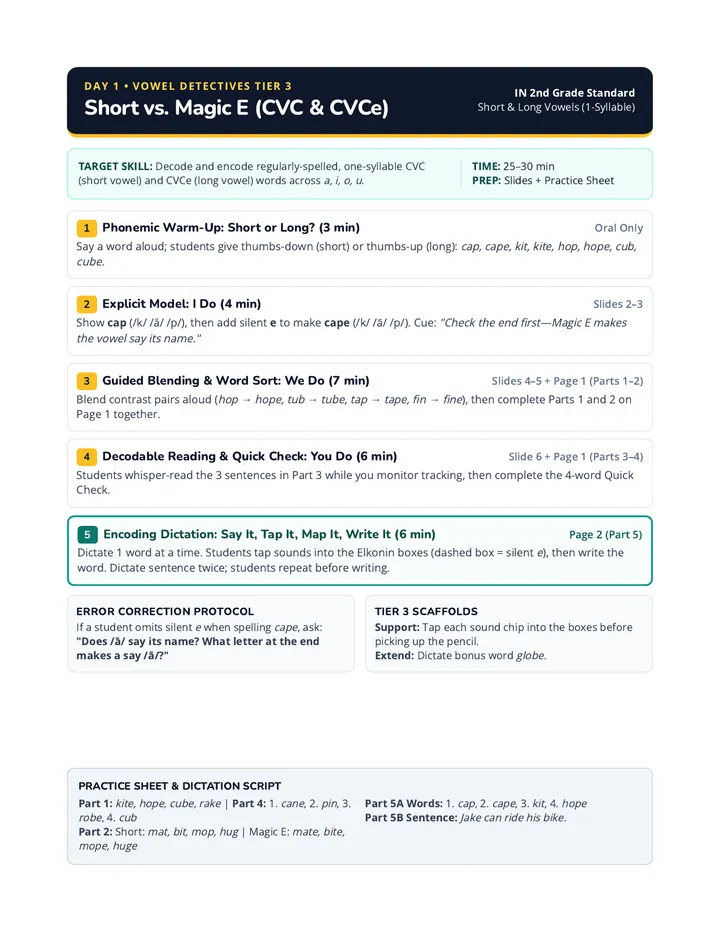
Vowel Detectives Intervention

A 5-day Tier 3 phonics intervention sequence for 2nd grade students targeting the Indiana standard on applying short and long vowel knowledge (including vowel teams) to regularly-spelled, one-syllable words. Uses explicit, systematic, and cumulative instruction with multisensory blending, word sorting, and decodable reading practice.

JR

Joani Robinson

15
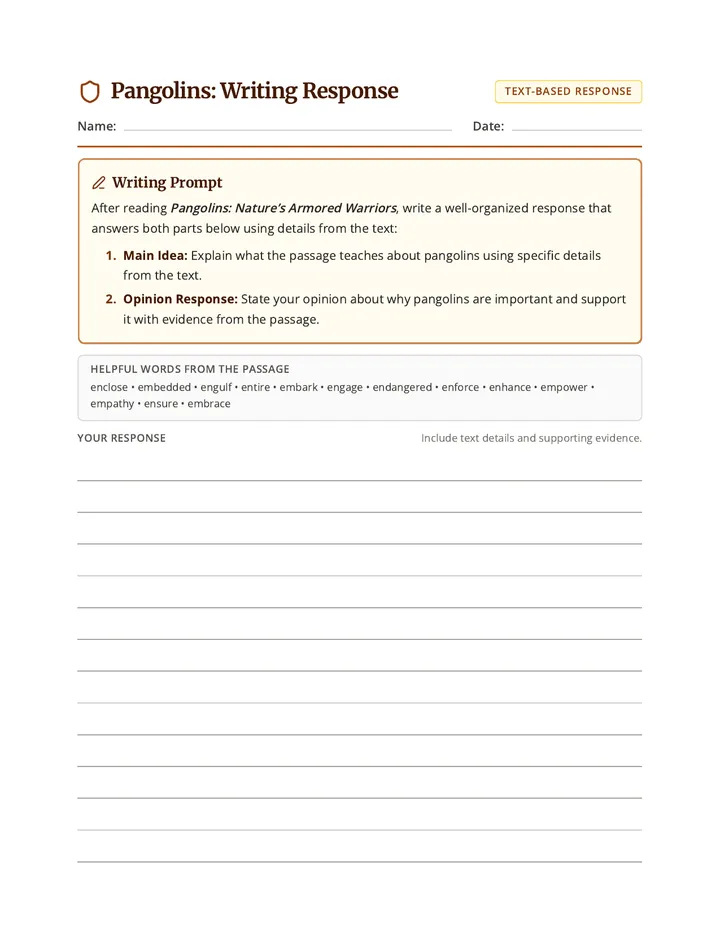
Armored Warriors Writing Response

Pangolin Defenders

A lesson centered on reading Pangolins: Nature's Armored Warriors and crafting a text-based main idea and opinion writing response.

DH

Danielle Healy

2
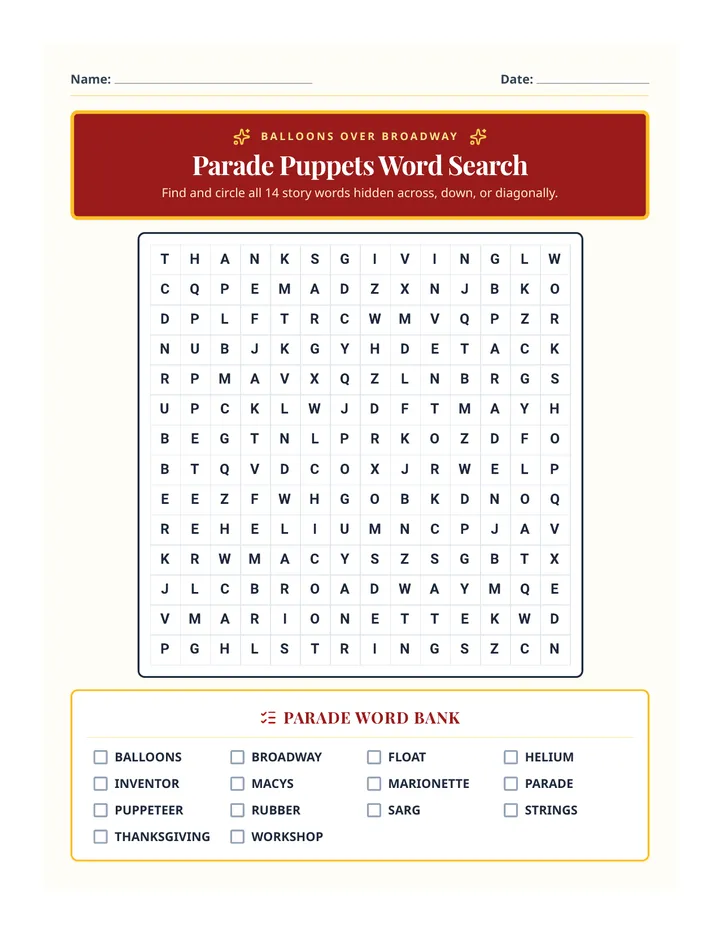
Parade Puppets Word Search

Parade Puppets Word Search

A printable one-page word search worksheet featuring 14 key vocabulary words from the story *Balloons Over Broadway* by Melissa Sweet, styled with a classic Broadway marquee and parade theme. Includes student name and date fields, a 14x14 letter grid, and a checkable word bank.

LB

Lauren Bacheller

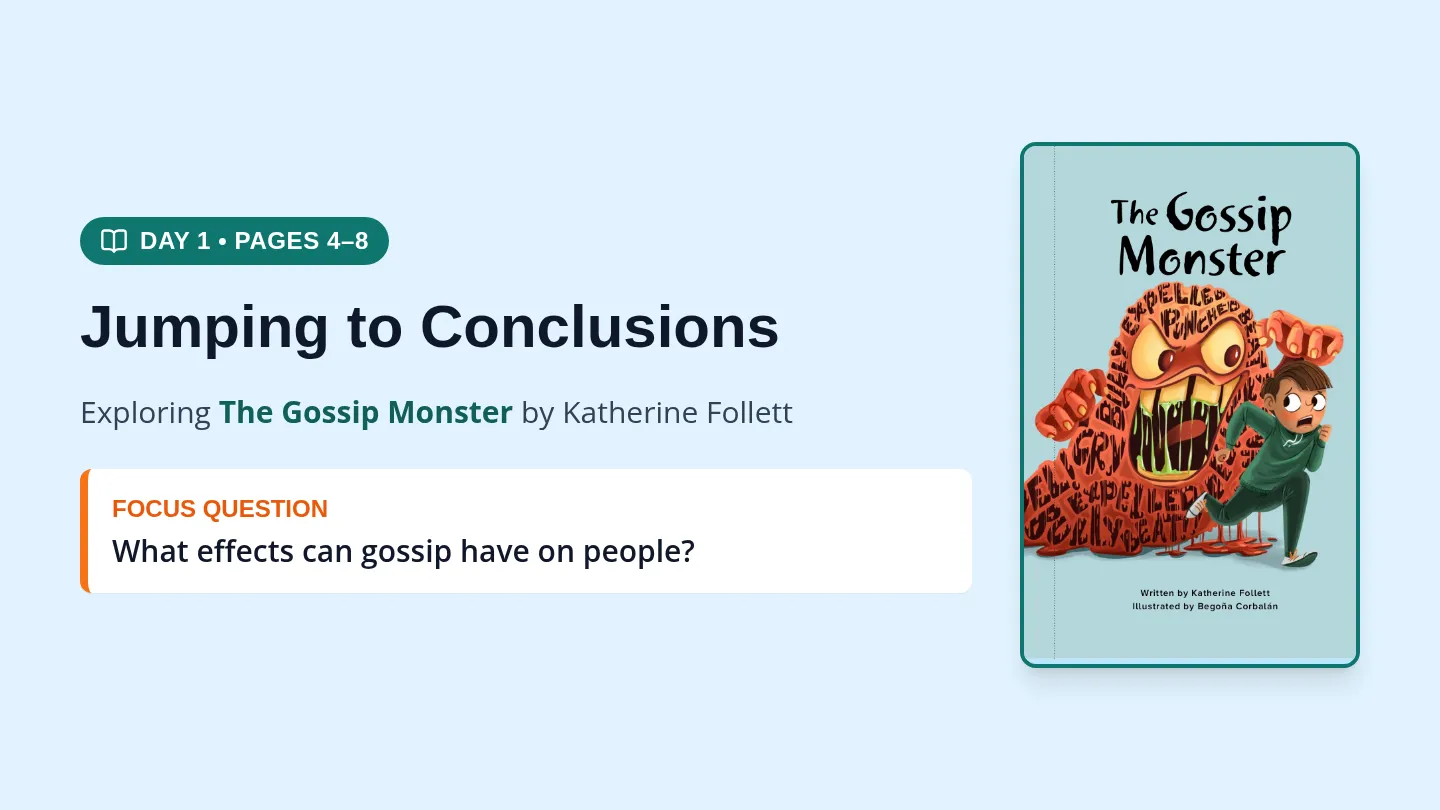
Gossip Spark Slides

Taming Gossip Monsters

A four-day fourth-grade reading comprehension sequence centered on *The Gossip Monster* by Katherine Follett (Lexile 810L). Students build critical and inferential comprehension skills by analyzing character motivations, tracking how rumors mutate, evaluating empathy and accountability, and completing a culminating comprehension quiz.

F

fsaccente

12
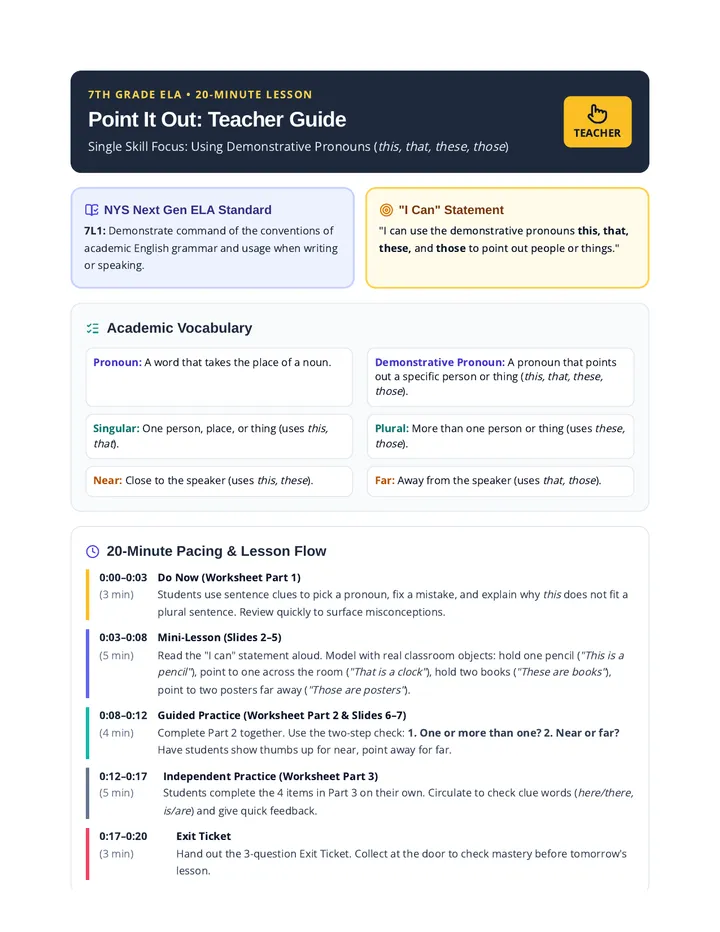
Point It Out Teacher Guide

Demonstrative Pronouns 12/11/26

A 20-minute 7th grade ELA lesson focused on using demonstrative pronouns (this, that, these, those) aligned to NYS Next Generation ELA Standards. Includes a teacher guide with academic vocabulary, an "I can" statement, and differentiation, plus slides and a student worksheet with a Do Now.

GL

Grace Lisberg

3
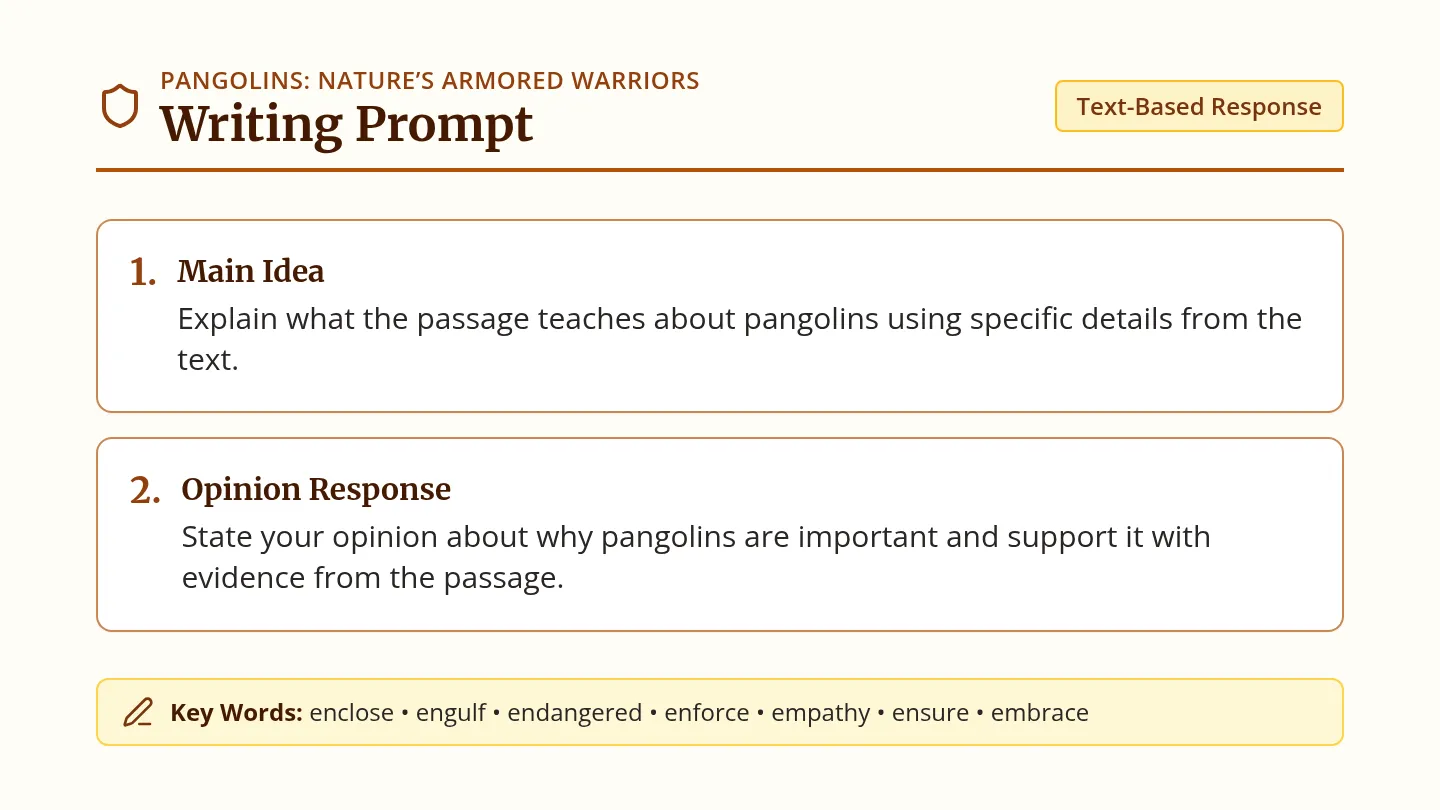
Armored Warriors Prompt Slides

Armored Warriors Prompt Slides

A single-slide presentation displaying the two-part writing prompt for "Pangolins: Nature's Armored Warriors," guiding students to explain the main idea with text details and state an opinion supported by evidence.

DH

Danielle Healy

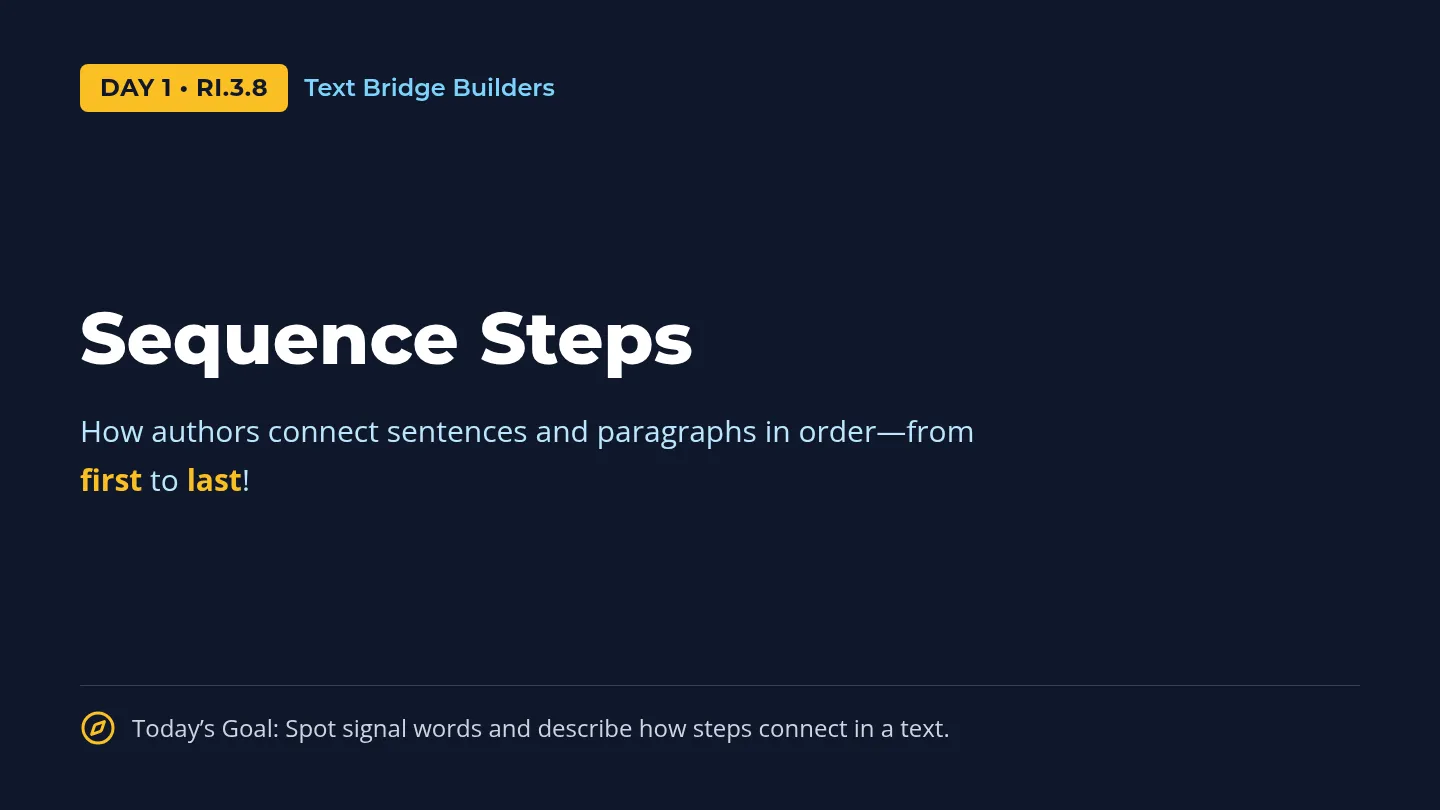
Sequence Steps Slides

Text Bridge Builders

A three-day third-grade ELA mini-lesson sequence introducing CCSS RI.3.8 (describing logical connections between sentences and paragraphs). Students act as Idea Bridge Builders to master sequence, cause and effect, and compare and contrast connections through interactive slides, guided reading, and scaffolded practice.

TB

Tabitha Brewer

12
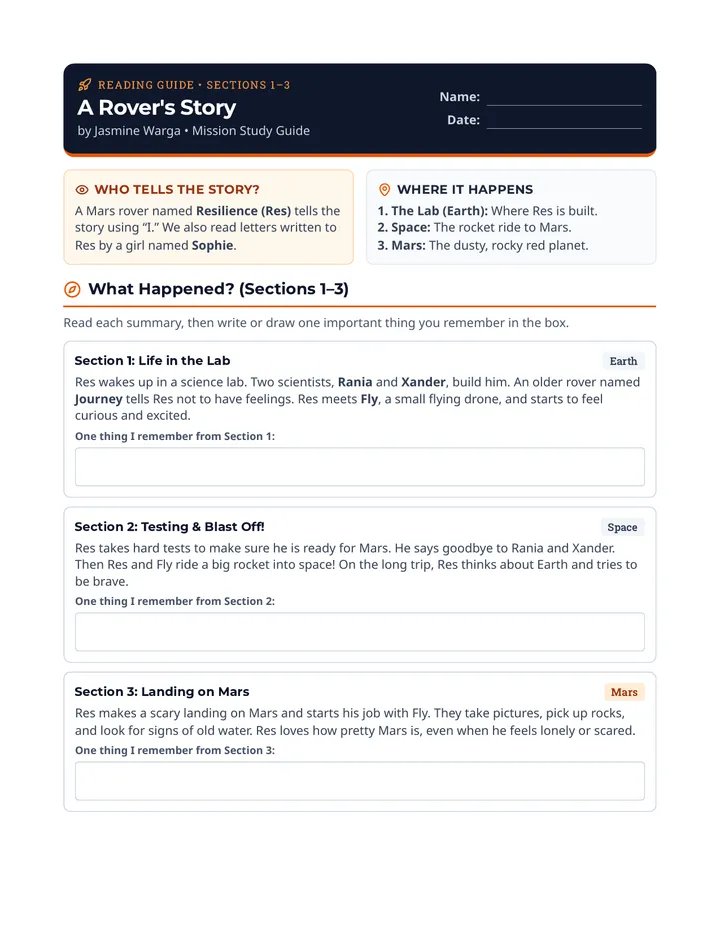
Mars Mission Study Guide

Mars Mission Novel Study

A 3rd-grade novel study lesson for Sections 1-3 of *A Rover's Story* by Jasmine Warga, including a Mars-themed study guide, a printable assessment, and an answer key.

JJ

Julie Johns

3
Armored Warriors Writing Response

Armored Warriors Writing Response

A printable 1-page writing response worksheet based on the reading passage "Pangolins: Nature's Armored Warriors." Students respond to a two-part prompt explaining the passage's main idea with text details and stating an opinion about why pangolins are important with supporting evidence.

DH

Danielle Healy

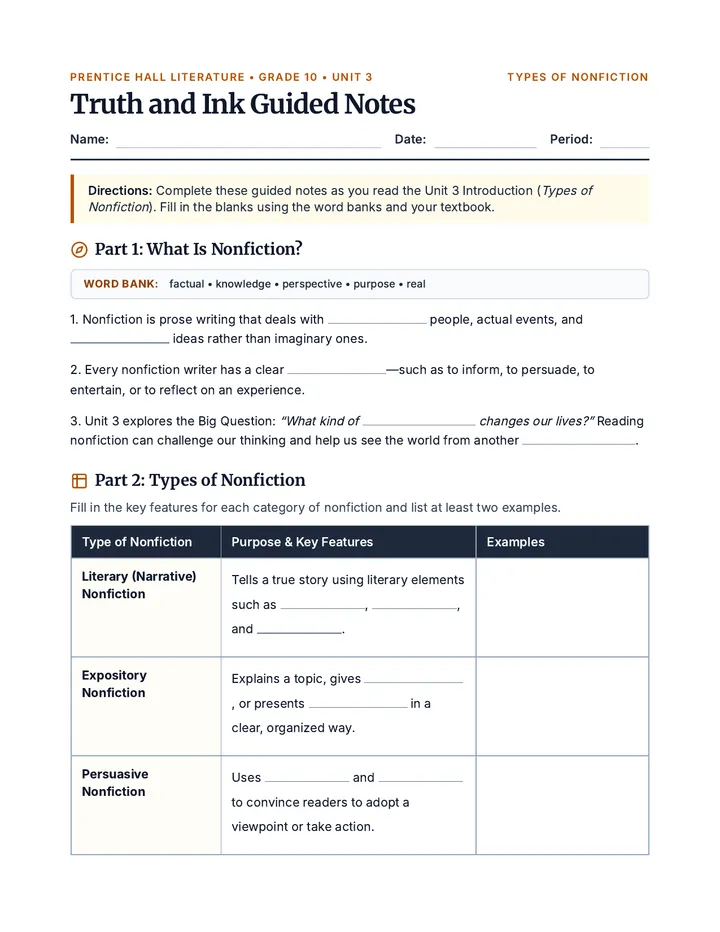
Truth and Ink Guided Notes

Nonfiction Foundations

A three-lesson sequence of Unit 3: Types of Nonfiction introductory guided notes and answer keys for Grade 10, Grade 9, and Grade 8 Prentice Hall Literature Common Core Edition.

PR

Paula Rein

6
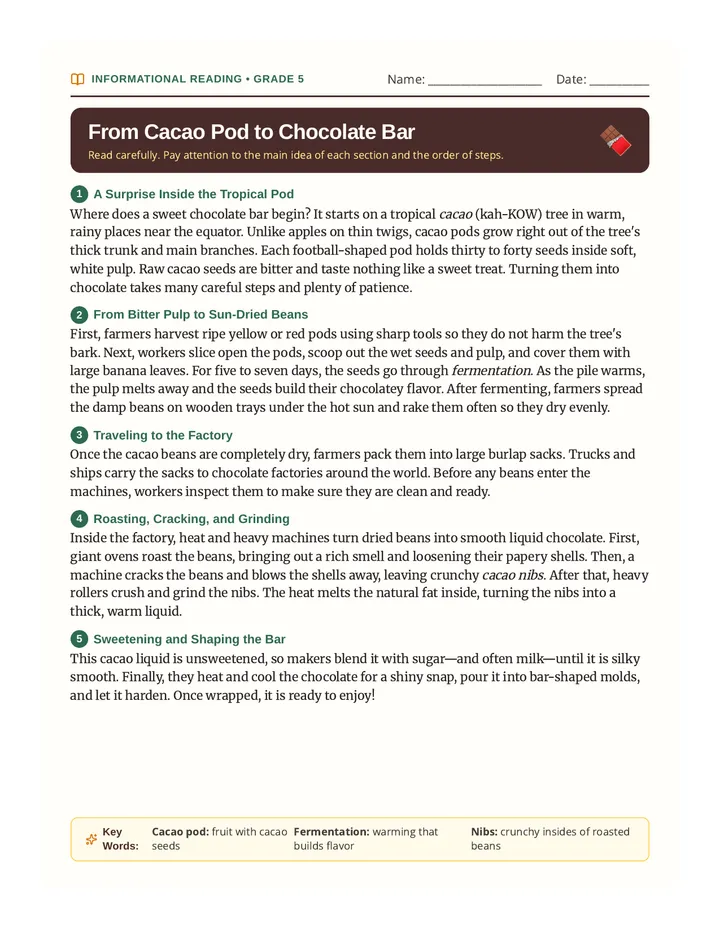
Cacao Quest Reading Worksheet

Bean to Bar

An early 5th grade informational reading lesson exploring how cacao beans are transformed into chocolate bars, with a focus on identifying main ideas and sequencing steps in a process.

EP

Elizabeth Pate

2
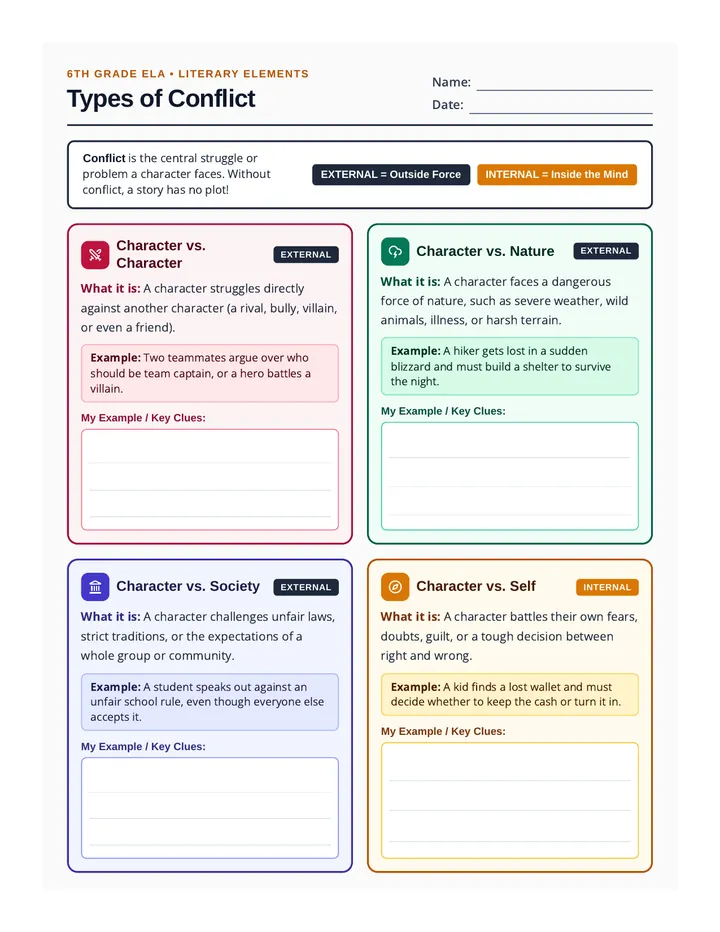
Story Conflict Notes

Story Conflict Notes

A one-page 6th-grade ELA guided notes sheet covering the four main types of literary conflict: Character vs. Character, Character vs. Nature, Character vs. Society, and Character vs. Self. Includes clear definitions, relatable examples, external vs. internal distinctions, and blank handwriting boxes for student examples and clues.

KW

Kristin Warner