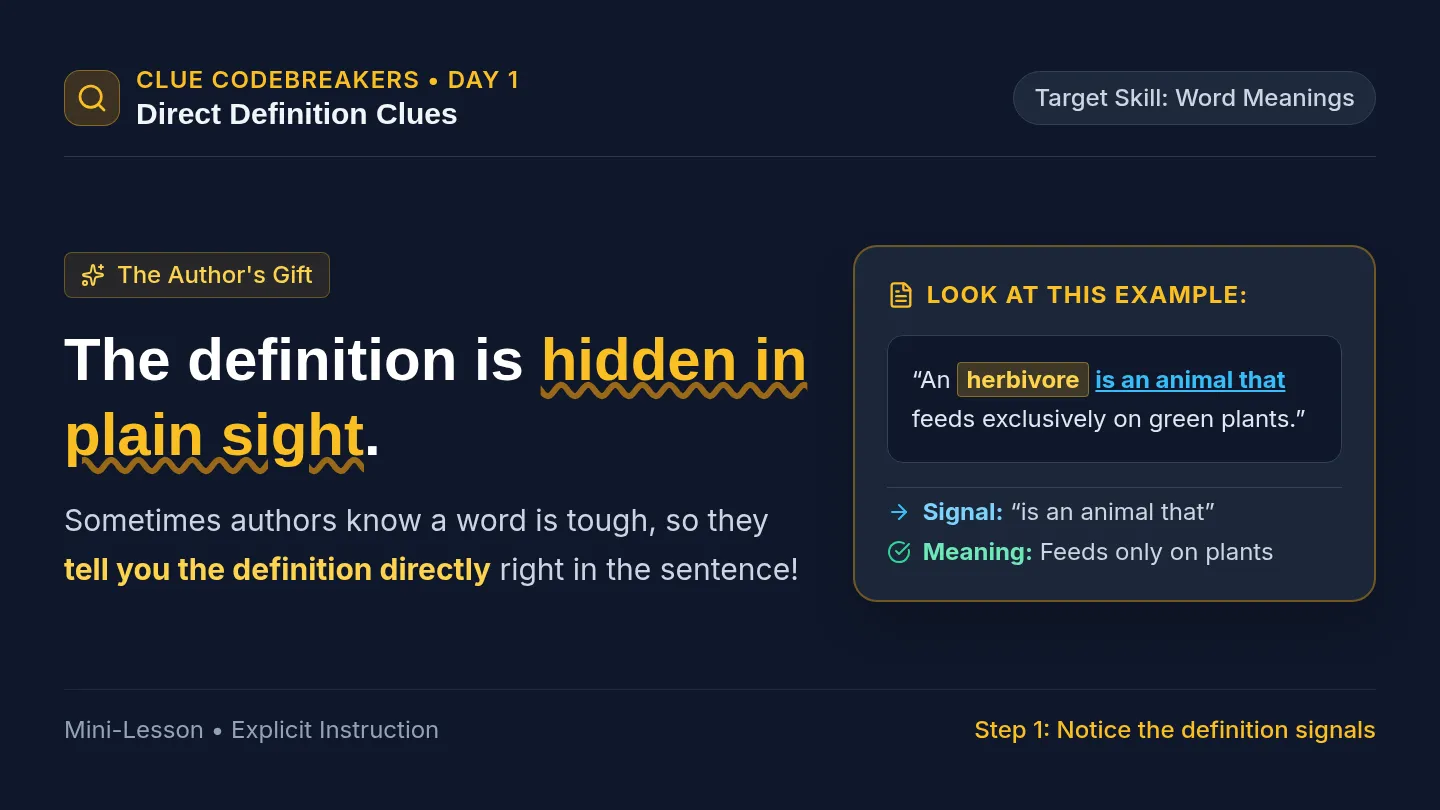
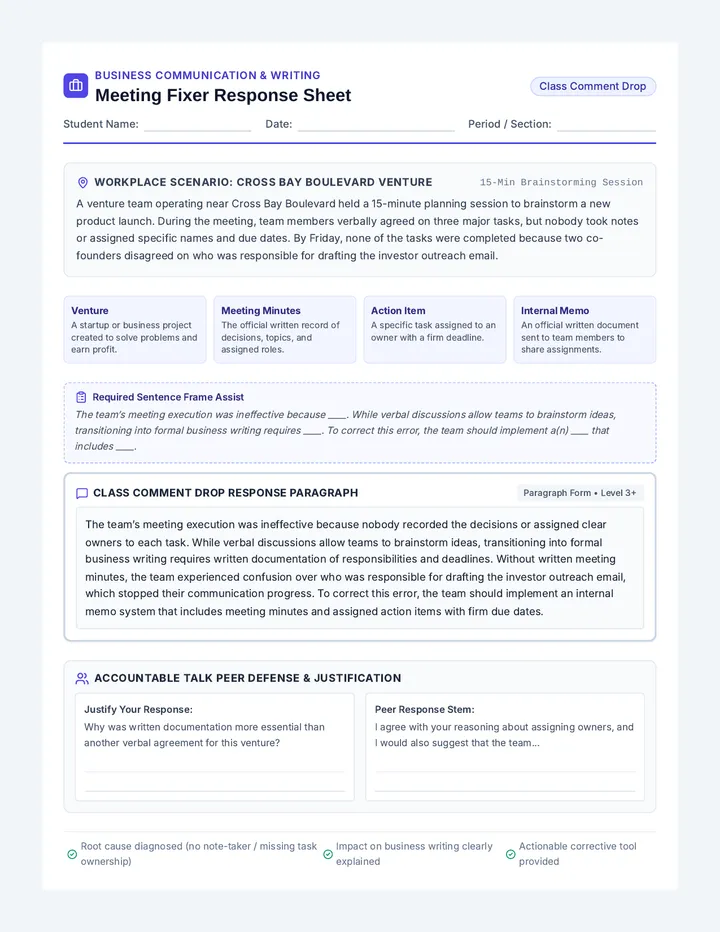
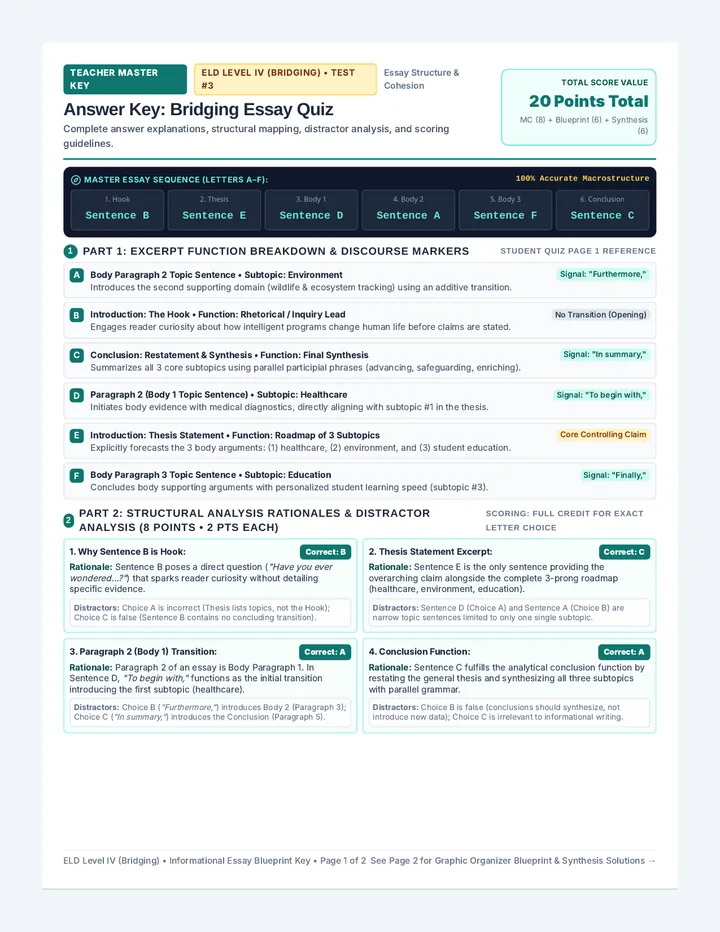
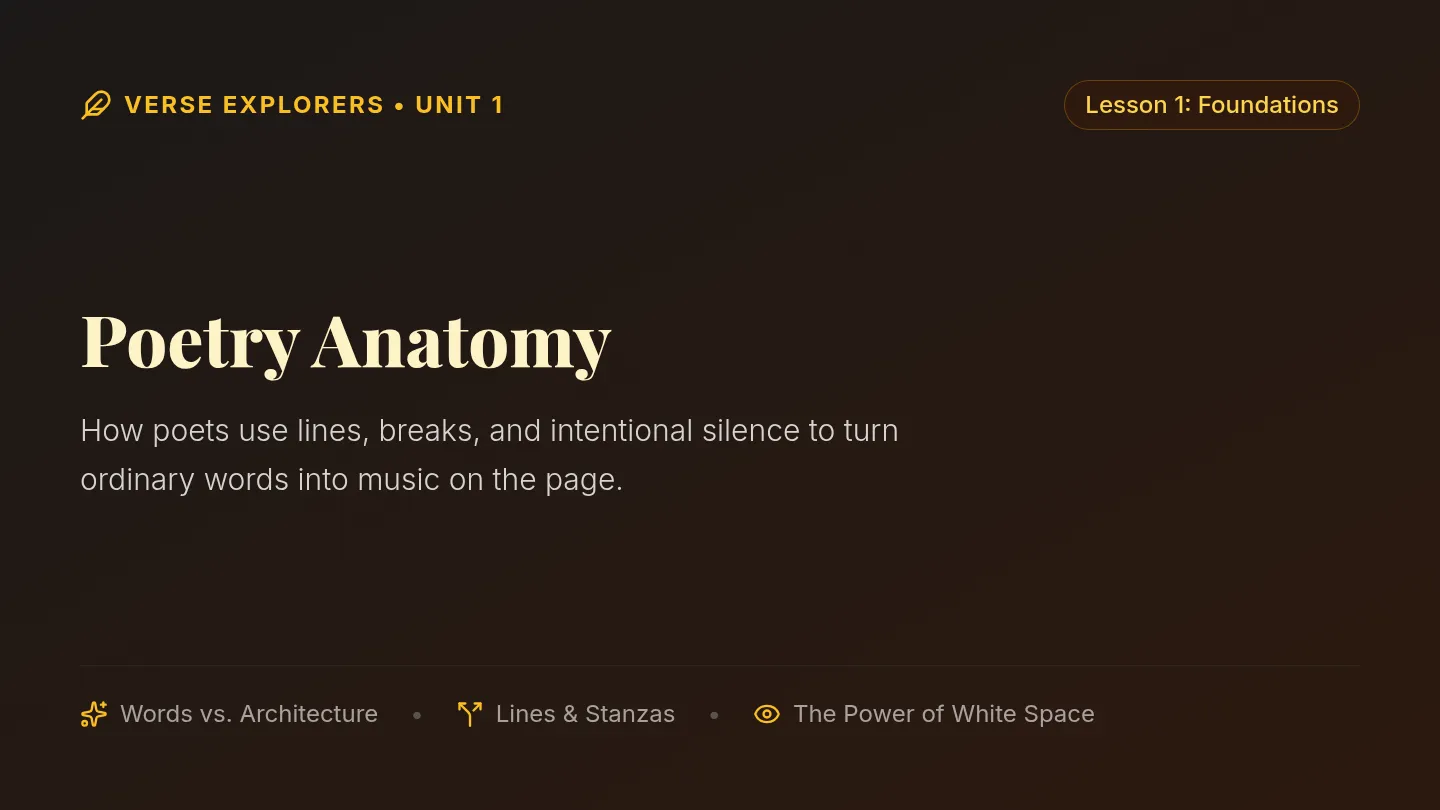
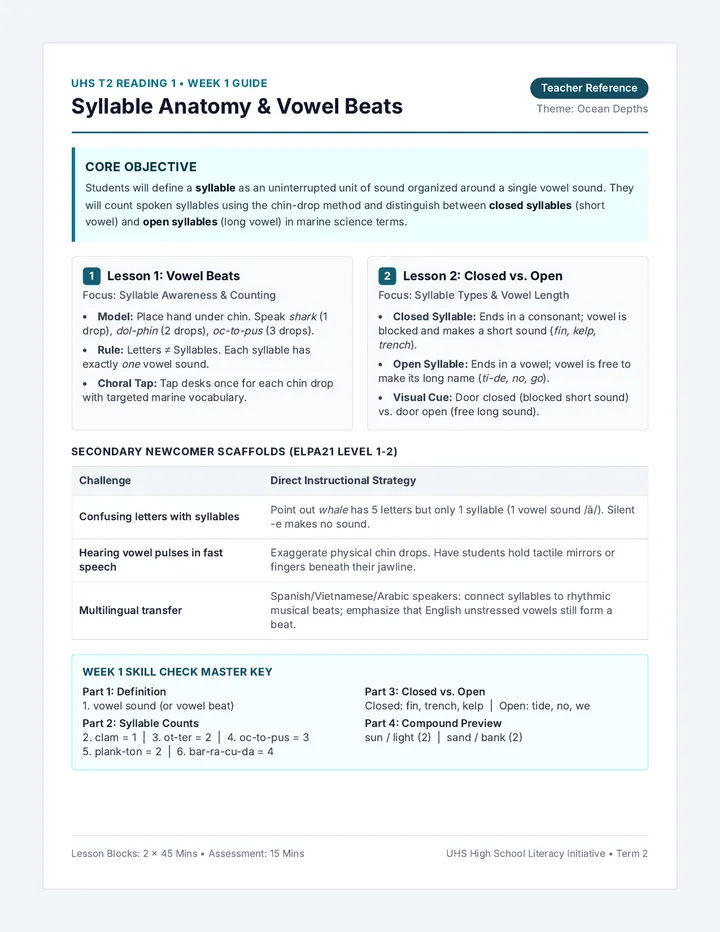
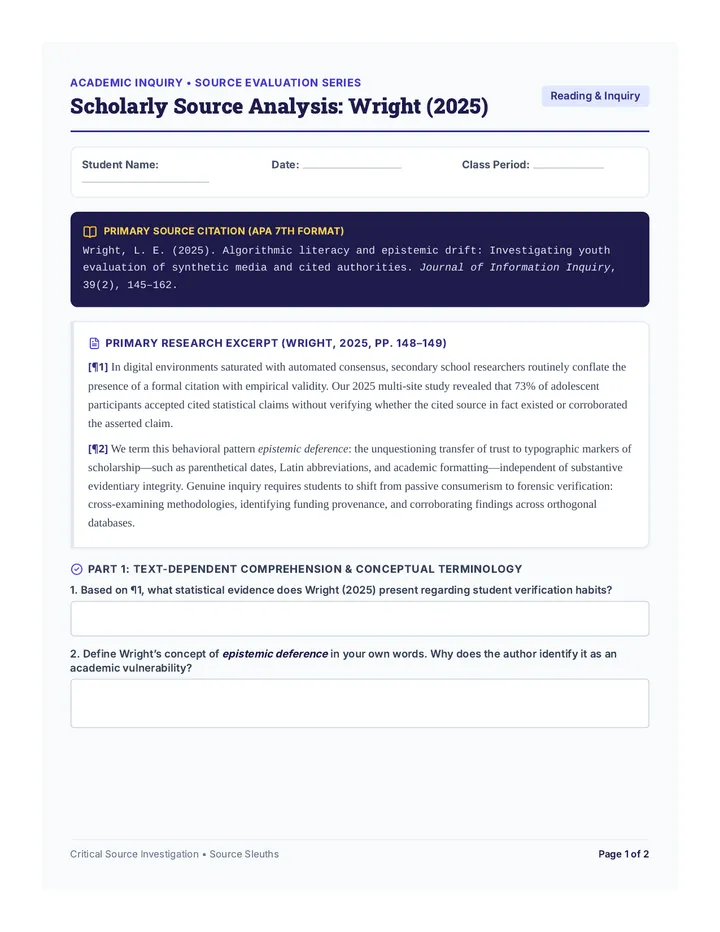
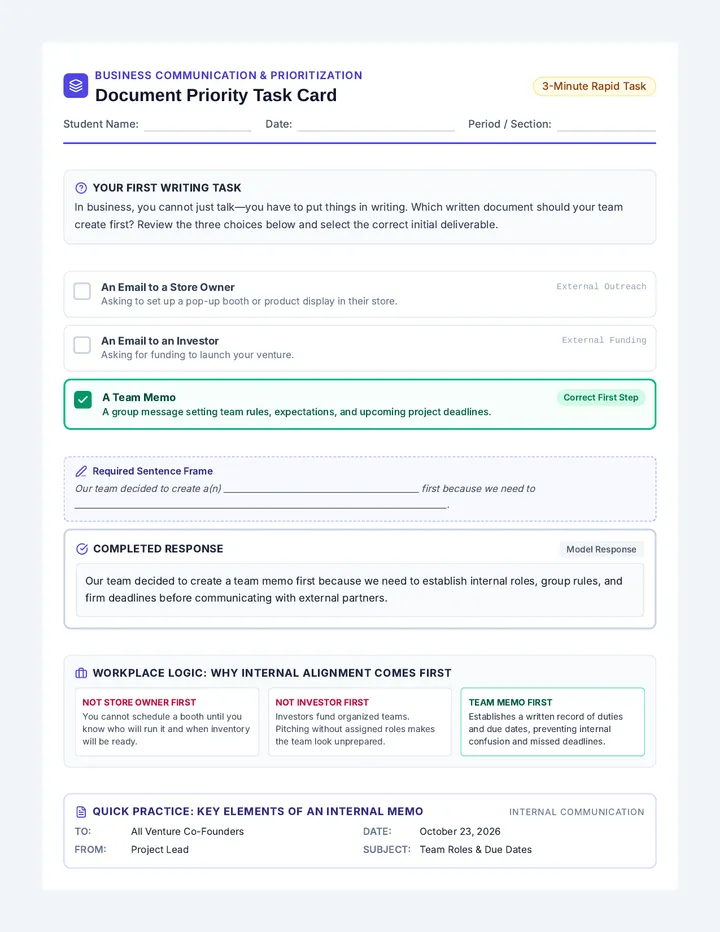
Term Revision Slides
Year 11 English Studies Masterclass
Linguistic Style Guide
Mastering
Writing Styles & Genres
A step-by-step revision of creative narrative prose, reflective commentaries, formal emails, resumes, free verse poetry, informative reporting, and analytical essays.
Instructors: Mrs. Panes & Ms. Li
Complete Semester Style Review
The Revision Blueprint: Stylistic Pillars
Slide 2 of 34
Creative & Reflective
Honing the mechanics of **Showing vs. Telling**, multi-sensory landscape descriptions, and structured **reflective commentaries**.
Term 1 Styles
Workplace Transactional
Revising professional email etiquette syntax, ATS-friendly resumes with strong **action verbs**, and cover letter templates.
Term 2 Styles
Verse, Report & Essay
Deconstructing free-verse poetry styles, third-person informative reporting, and analytical **TEEEL body essays**.
Term 3 Styles
Style Tip: Your portfolio is graded on your ability to swap between these distinct stylistic voices. Keep this deck as a reference!
Stylistic Focus: "Show, Don't Tell" Mechanics
Slide 3 of 34
Telling Style (Abstract & Passive)
Telling states emotions and setting traits directly using generic adjectives. This distances the reader from the physical reality of the scene.
"The classroom was incredibly boring and the students were tired."
Showing Style (Sensory & Concrete)
Showing relies on physical symptoms, specific actions, spatial cues, and setting textures to let the reader infer the underlying mood.
"Three heads rested flat against laminate desks as the clock's second hand echoed like a lead weight."
Linguistic Rule: Ban abstract emotional labels (nervous, scared, happy, sad). Write the concrete physical reaction instead.
Active Practice: Style Overhaul
Slide 4 of 34
5-Minute Style Challenge
Focus: Eliminating Telling Language
Overhaul this generic sentence: "The dentist waiting room was extremely scary and the patient was very anxious."
Linguistic Constraints for Success:
- Do not use these words: scary, anxious, white, cold, chair, doctor, teeth.
- Weave in **one specific smell** (olfactory) and **one background sound** (auditory).
Draft your shown paragraph inside your notebook Writing Portfolio Alignment: Narrative Skills Entry
Stylistic Focus: Sensory Detail Integration
Slide 5 of 34
Visual (Sight)
Light angle, shadows, colors, physical actions.
"Gleaming gold necklace"
Auditory (Sound)
Muffled echoes, metallic rattles, silences.
"Laughter thundering"
Tactile (Touch)
Textures, humidity, sweat, air currents.
"Coarse golden sand"
Olfactory (Smell)
Chemical sting, sweet decay, damp wood.
"Stench of soiled mattress"
Gustatory (Taste)
Copper tang of fear, lingering stale salt.
"Sweet sugarcane juice"
Stylistic Rule: Great scene openings combine at least three senses to trigger spatial immersion.
Active Practice: Narrative Scene Opening
Slide 6 of 34
10-Minute Sprint
Inspired by Vivian Pham's Gritty Style
Write a 100-word scene opening depicting a character returning to a childhood place after a long absence.
Mandatory Stylistic Criteria:
- Set a distinct, complex emotional atmosphere (e.g. mixture of intense joy and subtle regret).
- Incorporate **three different sensory fields** directly in the text.
Draft directly in your companion booklet under Section 5 Writing Portfolio Alignment: Core Creative Piece
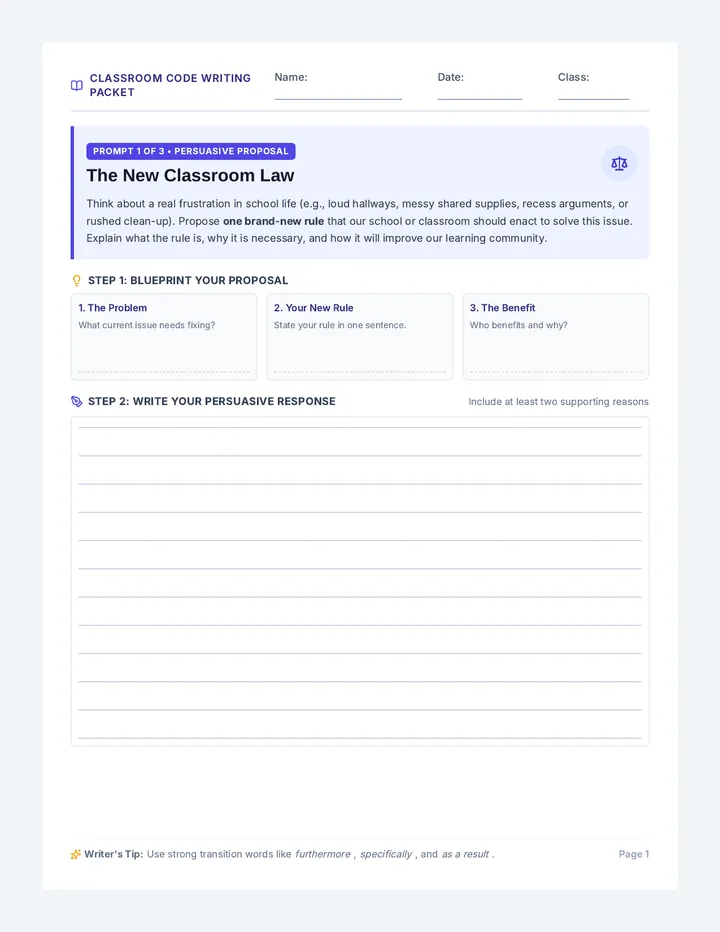
Stylistic Focus: Persuasive Speech Rhetoric
Slide 7 of 34
Syntactic Repetition
Adichie utilizes parallel sentence structures to highlight how stereotypes flat-line human complexity. Repeating clauses builds cumulative momentum.
"If all I knew about Africa were from popular images, I too would think... If I had not grown up in Nigeria, I too would think..."
Anecdotal Appeals (Pathos & Logos)
- • Anecdote: Weaving in personal childhood stories to disarm listeners before introducing heavy political/power critiques.
- • Logos: Connecting personal narratives directly to systemic power dynamics (*Nkali*).
Style Tip: Use sentence parallelisms to add weight and formal authority to your persuasive writings.
Active Practice: Persuasive Rhetoric Hook
Slide 8 of 34
5-Minute Sprint
Focus: Persuasive Myth Deconstruction
Draft a persuasive opening hook dismantling a popular myth (e.g. "sitting close to the TV makes you blind" or "sugar makes kids hyperactive").
Required Stylistic Tools:
- Must begin with a **conditional clause parallel structure** (e.g. "If we believe..., then we fail to see...").
- Do not name the myth directly in your first sentence. Let the hook hint at it.
Consolidate your opening paragraph inside your notebook Writing Portfolio Alignment: Persuasive Paragraph Draft
Stylistic Focus: Reflective Commentaries
Slide 9 of 34
The Reflective Formula
Reflective writing is analytical and meta-cognitive. You are explaining your choices. The perfect reflection contains three steps:
- 1. Name the original model text & technique you copied.
- 2. Supply a direct quote from your own creative work.
- 3. Analyze the intended effect of that technique on your audience.
Lined Sentence Starters
"My text drew stylistic inspiration from Vivian Pham's..."
"Specifically, in my writing I aimed to use..."
"For example, when I write, '...', I am evoking the sense of..."
Rule of Reflection: Keep it formal, critical, and direct. Avoid rambling diaries; write like a technician of language.
Active Practice: Reflection Paragraph Scaffold
Slide 10 of 34
5-Minute Reflection Sprint
Focus: Metacognitive Commentary
Write a 3-sentence reflective paragraph explaining the creative return paragraph you drafted in Slide 6.
Linguistic Framework Requirements:
- Sentence 1 must explicitly use the word "inspired" and reference **Vivian Pham** or *The Coconut Children*.
- Sentence 2 must contain a **quote from your own Slide 6 draft** to illustrate a specific sensory technique.
Draft inside Section 5/6 of your companion revision booklet Writing Portfolio Alignment: Journal Writing Task Part 2
Core Text: Chimamanda Ngozi Adichie
Slide 11 of 34
Master Quote to Analyze
"If all I knew about Africa were from popular images, I too would think that Africa was a place of beautiful landscapes, beautiful animals, and incomprehensible people... waiting to be saved by a kind, white foreigner."
Speaker: Chimamanda Ngozi Adichie (TED Global, 2009)
Genre & Form: Persuasive Oral Presentation / Speech
Critical Takeaways
- ✦ Reducing Complexity: Stereotypes are not necessarily untrue, but they are incomplete narratives.
- ✦ Power (Nkali): The ability to control not just the story, but to make it the definitive narrative of others.
- ✦ Writers' Context: The stories we read shape how we view the world, limiting or expanding our horizons.
Concept: Cultural Representation & Voice
Portfolio Connection: How did you adapt Adichie's persuasive logic in your "Writing for a Purpose" paragraph on myths?
Core Text: Ken Liu
Slide 12 of 34
Critical Takeaways
- ✦ Origami Animals: Symbolize the mother's love, Chinese cultural heritage, and magic.
- ✦ Cultural Assimilation: Jack's shame and rejection of the animals mirror his struggle to fit in.
- ✦ Perspective Shifts: Contrast of Jack's childhood perspective vs. adulthood realization.
Concept: Cultural Isolation & Identity
Key Sentences to Study
“The eyes of a calm child…”
“Her eyes halfway between scared and hopeful.”
Author: Ken Liu (2011)
Genre & Style: Speculative Fiction / Magical Realism
Portfolio Connection: Review your story of someone entering a new environment utilizing Liu's stylistic techniques.
Core Text: Vivian Pham
Slide 13 of 34
Visceral Sensory Landscape
Vince "smelled the cooking that seeped from the houses and the stench of soiled mattresses on the curb.
'Nah,' he said finally. 'Smells like home.'"
Author: Vivian Pham (2020)
Setting: Cabramatta, Western Sydney, late 1990s
Critical Takeaways
- ✦ Character: Vince, returning after 2 years in prison, represents change and community.
- ✦ Contrast: Gritty realities (soiled mattresses) paired with warm belonging (sugarcane juice, laughter).
- ✦ Technique: Deep sensory imagery establishes complex emotional bonds with settings.
Concept: Coming of Age & Belonging
Portfolio Connection: Review your 1-page return narrative based on the visceral atmosphere of *The Coconut Children*.
Term 1 Portfolio: Style Checklist
Slide 14 of 34
Creative & Sensory Tasks
Ensure these creative drafts employ a highly visual, active Showing Style:
- • **Letter to Teachers:** Highly detailed background and contextual style.
- • **Memory Task Narrative:** At least 3 different senses built smoothly inside a first-person prose frame.
- • **Paper Menagerie Story:** Speculative environment details reflecting Ken Liu's magical realism setup.
Analytical & Persuasive Tasks
Verify these academic drafts use formal syntactic repetition and rhetorical structures:
- • **Persuasive Myth Paragraph:** Parallel sentence lines built like Adichie's logical frameworks.
- • **Reflective Commentaries:** Clean 3-step formula linking techniques to target reader effects.
Active Action: Use these criteria to review and edit your Term 1 drafts before submission.
Year 11 English Studies
Module K Revision
Module K:
Workplace Transactional Style
Practical writing styles: drafting resumes, professional emails, cover letters, and short-story sizzling starts.
Focus: The Grammar of Business Communication
Slide 15 of 34
Stylistic Focus: Professional Email Etiquette
Slide 16 of 34
1. Hook & Greeting
Every business email needs a descriptive, high-contrast subject line. Avoid general subjects like "Question" or "Hi." Use a formal salutation block.
"Subject: Extension Request: Task 2 — Jack Smith"
2. Body Pacing
Keep body copy concise, brief, and objective. Avoid personal stories, excessive details, emotional punctuation (!), or informal emojis.
"I am writing to formally request an extension..."
3. Formal Sign-Off
Always sign off with formal closes (e.g. Sincerely, Kind regards) followed by a clean signature block detailing your role and contact details.
"Sincerely,
Jack Smith — Year 11"
Linguistic Rule: Professional email language is dry, respectful, and direct. Omit all passive or emotional padding.
Active Practice: Professional Email Draft
Slide 17 of 34
5-Minute Sprint
Focus: Transactional Etiquette
Write an email to your teacher (Mrs. Panes) requesting an extension on your portfolio task using proper etiquette.
Linguistic Checklist for Success:
- Includes a professional subject line (e.g. Extension Request: Jack Smith)
- Clearly states the specific task, valid reasons for request, and a proposed new date.
Draft inside Section 8 of your companion revision workbook Writing Portfolio Alignment: Homework Extension Task
Stylistic Focus: Resumes & Cover Letters
Slide 18 of 34
Tailoring Your Resume
- • Summary & Actions: Lead bullet points with powerful action words (Managed, Developed, Optimised).
- • Omit Personal Details: Do not include age, photos, or marital status. Focus on skills and credentials.
- • Avoid Clichés: Ban generic phrases like "hardworking team player." Show exact value instead.
Cover Letter Structure
- • Introduction: State your target position at the company and where you saw the listing.
- • Body Paragraphs: Connect your achievements with company values. Quantify accomplishments.
- • Formal Finish: Conclude professionally, refer to your attached resume, and request an interview.
Source reference: Review Victoria Youth Central guidelines (resumes and cover letters) in your class notebook.
Active Practice: Spot the Resume Errors
Slide 19 of 34
5-Minute Audit
Audit Challenge: Spot and Fix 3 major issues
JACK SMITH - RESUME
Email: jackyboy_99@hotmail.com | Date of Birth: 12/04/2009 (Age 17)
Professional Profile:
"I am a highly motivated, detail-oriented, and hardworking team player who works super well under pressure to achieve targets. I got a medal for sports too!"
1. Email Audit:
Identify why Jack's email is unprofessional and draft a replacement.
2. Personal Profile Audit:
Which clichés must be deleted immediately? Rewrite it with action words.
3. Personal Details Audit:
Explain why age/date of birth must be removed completely from Jack's page.
Write your audited fixes inside your revision notebook Writing Portfolio Alignment: Canva Resume Task Refinement
Stylistic Focus: Creative Writing Sizzles
Slide 20 of 34
Starting in Media Res
Never start narrative drafts with boring setups (e.g. "My alarm rang. It was Monday and I had to go to my first day of work.").
Start mid-action or at a major moment of change. Let details unfold around active movement.
Managing Backfill Context
- • Weave background context seamlessly *into* active verbs rather than writing raw info dumps.
- • Return to active scene pacing immediately. Keep tension high (Pebble -> Rock -> Boulder).
Style Tip: Mimic the gritty setting focus of Vivian Pham or the high-action opening style of Ken Liu.
Active Practice: Sizzling Work Narrative
Slide 21 of 34
10-Minute Challenge
The Writing Prompt
Write the sizzling opening paragraph describing a character's absolute first day on a new job.
Your Action Steps & Criteria:
- Begin mid-action (e.g. stepping onto a noisy factory floor or a silent corporate office).
- Weave backfill context seamlessly into the action. No boring information dumps.
- Incorporate at least **two distinct senses** (e.g. sound of heavy machinery, the thick smell of ozone).
Write down your paragraph inside your revision folder Writing Portfolio Alignment: First Day Narrative Task
Workplace Rights, Laws & Behaviours
Slide 22 of 34
Rights and Obligations
Your Worker Rights:
• Appropriate safety equipment
• Say no to unsafe workplace tasks
• Speak up about work conditions
• Fair pay and conditions
Your Responsibilities:
• Take reasonable care of yourself
• Never endanger co-workers
• Follow reasonable instructions
• Report hazards immediately
Reference source: Fair Work Ombudsman Legislation
The Good & The Bad
Good Traits:
• On time
• Resilience
• Time management
• Supportive lead
Bad Traits:
• Bad listener
• Shows up late
• Lazy work ethic
• Last-minute cancel
Concept: Professional Accountability
Workplace Basics: Understanding these elements is essential for your mock interview preparation in Week 11.
Social Enterprise & Workplace Values
Slide 23 of 34
Case Study: Orange Sky
- • Target Audience: Helps homeless and vulnerable citizens in local communities.
- • Service Provided: Free mobile laundry facilities and hot showers.
- • Core Purpose: Generating meaningful, non-judgmental connections through conversation.
Defining "High-Value" Work
- • Intrinsic Satisfaction: How low-paying or volunteer-focused roles bring deep mental fulfillment.
- • Social Responsibility: Aligning personal job aspirations with civic-focused enterprises.
- • Workplace Culture: How corporate values impact employee motivation and retention.
Remember: A social enterprise must address a specific, researched community need (e.g. food trucks, elder care).
Active Practice: 90-Second Service Pitch
Slide 24 of 34
10-Minute Activity
Shark Tank Style: Local Service Enterprise
Pitch your group's community service business idea using professional, confident verbal cues.
Your Pitch Outline must address:
- ✓ 1. Business Name: Memorable and service-oriented
- ✓ 2. Targeted Need: The specific Western Sydney local gap
- ✓ 3. Target Client: Who you are directly supporting
- ✓ 4. Volunteer Recruitment: Strategy to attract supporters
Stand up and deliver your pitch confidently to your peers Writing Portfolio Alignment: Service Pitch Assignment
Term 2 Portfolio: Style Checklist
Slide 25 of 34
Transactional & Business Styles
Ensure these business submissions maintain dry, concise, and structured formats:
- • **Extension Email:** Strict greeting protocol, no emojis, professional sign-offs.
- • **Resume & Cover Letter:** Direct active verbs, zero clichés, tailored keywords.
- • **10 Planning Questions:** Open-ended question syntax (avoiding simple yes/no questions).
Creative & Oratorical Styles
Verify these drafts employ active, lively, and engaging narrative or public voices:
- • **First Day Narrative:** Sizzling starts commencing mid-action; woven background details.
- • **Social Enterprise Pitch:** Multi-modal pitch design using confident oral delivery techniques.
Review Goal: Confirm that no personal informal styles slip into your formal transactional submissions.
Year 11 English Studies
Module H Revision
Module H:
Verse, Report & Essay Styles
Exploring representation of family in diverse cultures, societal statistics, and key texts: *The Simple Gift* and *Billy Elliot*.
Focus: Representing Family Dynamics
Slide 26 of 34
Stylistic Focus: Verse Novel Poetry
Slide 27 of 34
Herrick's Free Verse Style
Free verse is poetry that does not follow a strict rhyme scheme or regular rhythmic beat. Instead, it relies on natural speech patterns, line breaks, and intense imagery.
"I tip my books, pens, jumper
out on my bed,
shake yesterday’s sandwich, squashed...
I'll be long gone."
Why Use Free Verse?
- • Character Interiority: It allows direct entry into the character's direct thoughts, raw insecurities, and private language.
- • Rhythmic Pacing: Short, broken lines mirror the hesitation, isolation, or fast movements of runaway characters (like Billy).
Linguistic Rule: In verse novel styles, each line contains only a few, highly precise, sensory words. Omit all passive fluff.
Active Practice: Free Verse Writing
Slide 28 of 34
5-Minute Creative Sprint
Focus: Free Verse Interiority
Compose a 4-line free verse poem from the perspective of Billy or Old Bill arriving at a cold, abandoned train yard.
Linguistic Constraints for Success:
- No rhyming words allowed. Focus entirely on irregular cadence and rhythm.
- Incorporate **one strong tactile texture** (e.g. rusting steel, freezing mist).
Draft your free verse lines inside Section 11 of your companion workbook Writing Portfolio Alignment: Core Creative Essay Prep
Stylistic Focus: Informative Reports
Slide 29 of 34
Informative Report Traits
An informative report aims to educate a general public audience objectively. Unlike essays, reports are structured with formal headings and subheadings.
- • **Objective Tone:** Avoid personal pronouns (I, me, my, we) and personal feelings.
- • **Linguistic Clarity:** Rely on clear definitions, statistics, and formal cultural examples.
Required Structure
-
- Introduction: Define "Rites of Passage" globally.
-
- Cross-Cultural: Describe milestones in another culture (e.g. Indigenous, Samoan).
-
- Personal/Western: Detail a modern milestone (e.g. 18th/21st birthday, school formal).
Linguistic Rule: Informative writing is completely neutral and explanatory. Write like a detached sociological reporter.
Active Practice: Informative Report Outline
Slide 30 of 34
5-Minute Planning Sprint
Focus: Structuring Objectivity
Map the subheadings and core points for your 500-word Information Report on Rites of Passage.
Your Outline Requirements:
- Establish **three objective subheadings** (e.g. 1. Definition, 2. Indigenous Samoan Traditions, 3. Modern Milestones).
- Write **one completely objective sentence** defining "Rite of Passage" without using the word "I" or "we."
Draft your informative outline directly inside your notebook Writing Portfolio Alignment: 500-Word Information Report Task
Stylistic Focus: TEEEL Analytical Essays
Slide 31 of 34
T
Topic Sentence: Clearly state how the chosen theme (e.g. Family shapes our character) is represented in the text.
E1
Explanation: Elaborate on *why* this theme is significant in the characters' lives. Define the core conflict.
E2
Evidence: Supply a direct, contextual quote from the text (using correct punctuation and citation).
E3
Evaluation & Effect: Analyze the specific *techniques* used (e.g. alliteration, repetition) and explain their impact on the reader.
L
Link: Tie your paragraph's final argument directly back to the original essay question.
This precise structural pacing is critical to scoring high bands in your HSC trials and final essays.
Active Practice: TEEEL Paragraph Drafting
Slide 32 of 34
10-Minute Essay Challenge
Focus: Technique & Effect
Draft the "Evaluation & Effect" sentence for your body paragraph, analyzing how Billy's departure impacts Old Bill.
Your Sentence must incorporate:
- Reference to the quote: "This kid’s going to turn me into a health freak!" (Page 77).
- Explicit analysis of how Herrick uses a **humorous/playful tone** to show therapeutic healing within a chosen family.
Draft inside Section 12 of your revision workbook booklet Writing Portfolio Alignment: 600-800 Word Analytical Essay
Stylistic Focus: Film Analysis Language
Slide 33 of 34
Cinematic Term Vocabulary
When writing essays about film, you must translate visual elements into technical, active language features. Avoid lazy descriptors like "the movie shows."
- • **Mise-en-scene:** Placement of objects/actors in frame.
- • **Mid-shot / Close-up:** Specific camera distance to capture body language or facial micro-expressions.
- • **Diegetic Sound:** Sound occurring within the characters' world (e.g. clatter of boxing gloves).
Analysis Example
"Daldry employs a low-angle tracking shot as Billy moves backwards, putting his back towards boxing and facing ballet, symbolically conveying his rejection of hyper-masculine expectations."
Analyst Tip: Always couple a visual camera technique directly with a thematic human experience explanation.
Module H Portfolio: Style Checklist
TERM 3 REQUIREMENT
Academic & Explanatory task styles
Verify these drafts employ formal, logical, and structured analytical registers:
- • **Information Report:** 100% objective third-person tone, clear subheadings, global Rites of Passage context.
- • **Analytical Text Essay:** Direct 5-step TEEEL paragraphs, literary technique verbs (*illustrates, reinforces*).
- • **Billy Elliot Analysis:** Specific visual terminology used for cinematic evidence.
Creative & Graphic task styles
Ensure these elements maintain appropriate, concise artistic registers:
- • **Free Verse Poetry:** Broken line pacing, lack of rhyme, direct interiority.
- • **ABS Canva Pie Chart:** Accurate sociological labels connected with a visual graphic design.
Failure to complete draft revisions triggers an N-Determination Warning!
Mrs. Panes & Ms. Li
Slide 34 of 34