Cursive Flow Slides
D'Nealian Cursive Mini-Lesson Masterclass
Stroke & Flow
The Art of the Continuous Glide
Unlock fluid handwriting through rhythmic undercurves, consistent slant, and uninterrupted word connections.
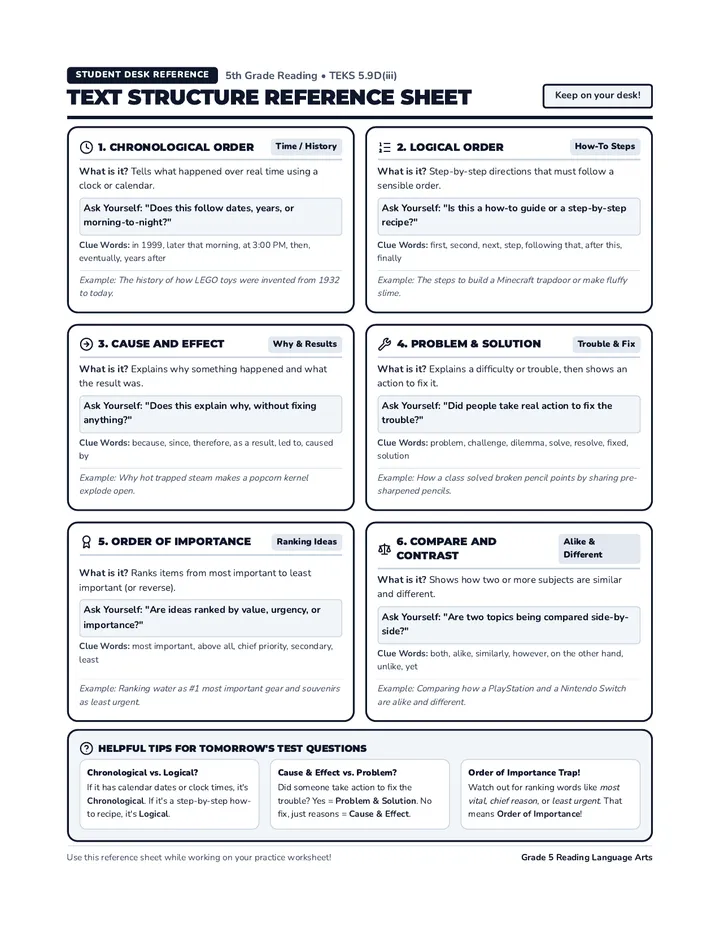
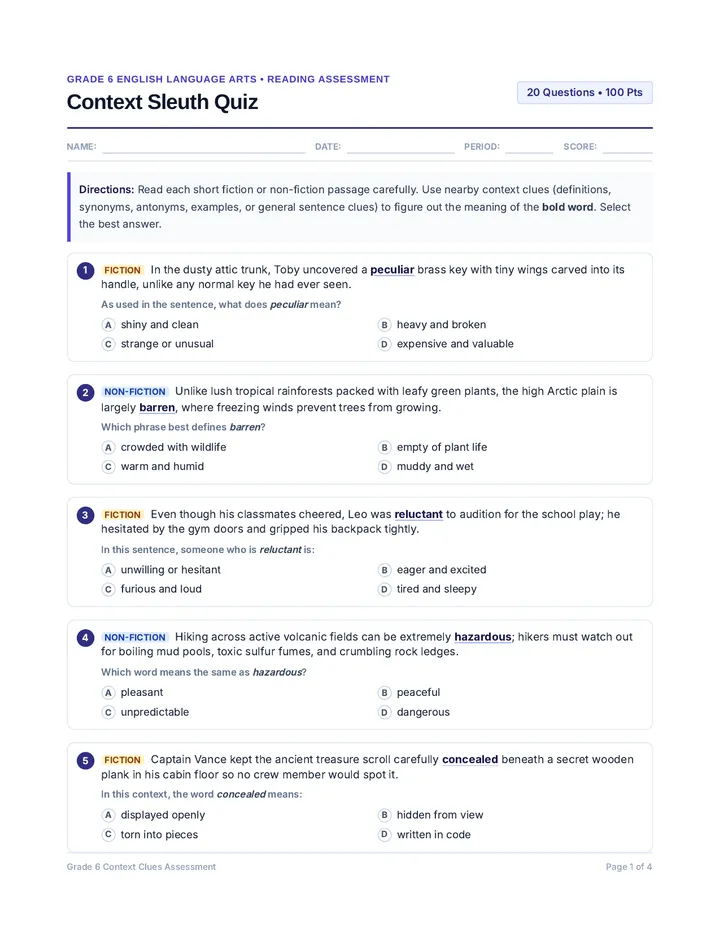
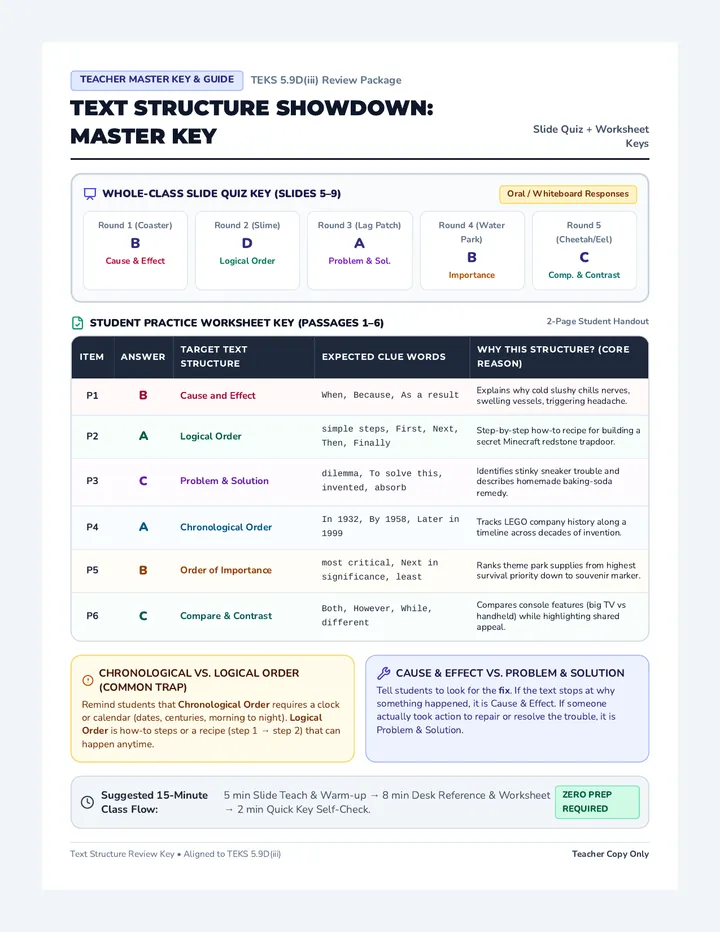
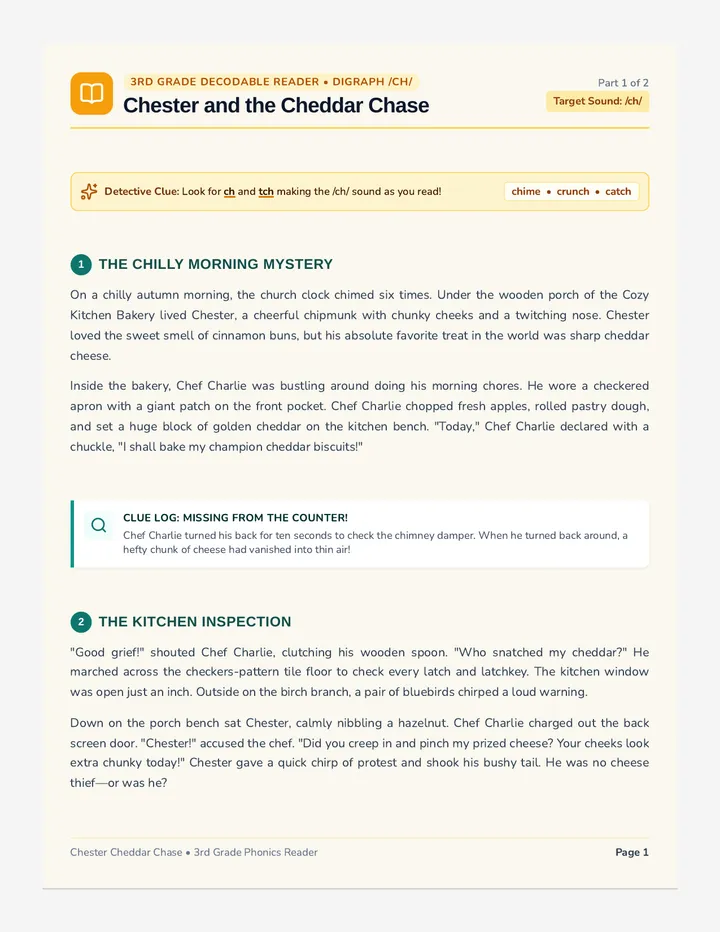
1. Slant the Page
Tilt paper 30°: right hand tilts left, left hand tilts right.
2. Relax the Grip
Hold pencil with a relaxed tripod pinch. No white knuckles!
3. Forearm Glide
Glide across the page using your forearm, not just fingertips.
The Handwriting Grid & The 15° Slant
D'Nealian Guidelines
Headline (Top Line) Ascenders reach here (t, d, l)
Midline (Dashed Line) Small letters stop here (i, u, c, a)
Baseline (Solid Ground) All letters rest their feet here!
Descender Line (Basement) Tails loop down here (g, y, p)
In D'Nealian, letters sit snugly on the Baseline and never float in the air.
The 15° Rhythm
D'Nealian cursive has a natural forward slant. Downstrokes lean parallel to each other like falling rain.
/ / / / /
Keep all stems on the exact same slant!
Quick Check: Are your feet flat on the floor and your elbows resting comfortably?
Stroke Family 1
The Undercurve Climbers: i, t, u
Rhythm: Swing • Slant • Glide
i Midline Height
1 Swing undercurve up to midline.
2 Retrace down with a 15° slant.
3 Smile curve release at baseline.
Dot the 'i' LAST!
t Headline Height
1 Swing high up to the headline.
2 Retrace straight down to baseline.
3 Glide up and cross at the midline.
Cross the 't' at the end!
u Double Swing
1 Swing undercurve up to midline.
2 Pull down, curve, climb back up!
3 Retrace down and smile glide.
Two valleys, one motion!
Multisensory Skywrite:
Extend your arm, lock elbow, and trace each letter in large air strokes!
Stroke Family 2
The Wave Rollers: c, a, d
Secret: The "Magic C" Turnaround
c The Base Wave
1 Swing up to 2 o'clock at midline.
2 Pause, reverse around the crest.
3 Touch baseline and kick out.
The mother of all wave letters!
a Closed Wave
1 Make a 'c' shape up to midline.
2 Snap straight up to close circle.
3 Retrace down to baseline & glide!
Close tightly before pulling down!
d Sky Climber
1 Make the 'a' oval base.
2 Rocket all the way up to headline!
3 Retrace straight down and release.
Retrace the stem smoothly!
Key Insight: If you master the 'c' wave, you master c, a, d, g, o, and q!
Guided Practice
Connecting Letters Into Words
Golden Rule: Keep Pencil Down!
it
2 Letters • 1 Stroke Flow
Swing i, glide straight up into tall t.
Kick out on baseline.
Lift pencil: dot i, cross t!
cat
3 Letters • Wave → Undercurve
Wave c releases into wave a.
Close a, rocket up to headline for t.
Cross the t at the very end!
dad
3 Letters • Double Tall Stem
Form first d, release smoothly into a.
Close a, swing right up into final d.
Zero pencil lifts required!
Desk Air-Trace Challenge: Trace "cat" on your desk with your index finger without picking it up once!
Independent Action
Cursive Quality Check
Worksheet Ready
1. Grounded Baseline
Do your letters sit firmly on the bottom baseline without floating into the sky or sinking into the basement?
2. Unified 15° Slant
Do all downstrokes lean forward at the same angle? Check that stems don't stand upright like manuscript printing.
3. Continuous Connections
Did you write each word in one uninterrupted glide before returning to cross 't' and dot 'i'?
4. Relaxed Pencil Pressure
Are your lines smooth and fluid? If you see paper tears or finger dents, ease your grip!
Your Mission: Cursive Flow Worksheet
Warm up your undercurves, trace the models, then write smoothly on your own.
Let It Flow!
Cursive Flow Worksheet
D'Nealian Handwriting • Lesson 1
Cursive Flow Practice
Student Name
Date
D'Nealian Slant Rule: Tilt paper 30° • Relax tripod grip • Downstrokes lean at 15° forward
1 Rhythm Warm-Up: Continuous Glides
Trace dashed lines without lifting pencil
Undercurve Swing (Midline height) Rhythm: swing-glide
Wave Roll-Back (The Magic 'c') Rhythm: swing-curve
2 Undercurve Climbers: Trace & Solo Write
Dot 'i' and Cross 't' LAST!
Letter i (Swing up to midline → slant down → smile curve → dot) Model • Trace • Write
Letter t (Swing up tall to headline → retrace down → cross at midline) Model • Trace • Write
Letter u (Swing up → pull down → undercurve climb → down → kick out) Model • Trace • Write
3 Wave Rollers: Trace & Solo Write
Secret: Roll back over the 2 o'clock bump!
Letter c (Swing up to 2 o'clock → retrace around → kick out) Model • Trace • Write
Letter a (Wave 'c' → snap up to close oval → retrace down → kick out) Model • Trace • Write
Letter d (Wave oval → rocket up to headline → retrace down → release) Model • Trace • Write
Turn over to Page 2 for Word Connections & Sentence Mastery Page 1 of 2
D'Nealian Connections • Applied Fluency
Joining Letters Into Words
Connection Protocol 1 Continuous Pencil Stroke
The Cursive Connection Secret: The release kick of one letter becomes the starting swing of the very next letter. Keep your pencil touching the paper until the whole word is finished, then lift to dot your i and cross your t!
4 Word Connections: Trace Twice, Then Write Twice
Notice how letters seamlessly bridge together
Word: it (i → t) Trace • Write
Word: cut (c → u → t) Trace • Write
Word: cat (c → a → t) Trace • Write
Word: dad (d → a → d) Trace • Write
5 Sentence Fluency: Connect Words Across the Line
Leave a finger space between each word
Model & Trace Sentence: "Dad can act." Trace smoothly
Dad can act.
Your Turn: Write "Dad can act." on your own Start at green dot
Challenge: Write "A cat can cut it." Focus on steady rhythm
Handwriting Detective: Self-Check Badge
Cursive Coaching Teacher Guide
Teacher Facilitation Guide • Grades 2–4
Cursive Flow Coaching Guide
Instructional Model Explicit • Guided • Independent
Total Time 35–40 Minutes
Core Method D'Nealian Continuous
Letter Focus i, t, u • c, a, d
Key Skill 15° Slant & Joinings
Mini-Lesson Architecture (35–40 Min)
1. Setup & Posture (5m)
Paper slant (30°), tripod grip, arm glide checks. Review Slide 1 & 2.
2. Stroke Modeling (10m)
Chant verbal pathways. Skywriting for climbers (i,t,u) & wave letters (c,a,d). Slides 3 & 4.
3. Guided Practice (10m)
Slide 5 connections. Desk finger-tracing. Complete Worksheet Section 1 & 2 together.
4. Solo & Debrief (10m)
Worksheet Page 2. Self-evaluation badge checklist. Teacher spot-checks grip.
Verbal Pathway Scripts (Have Students Chant in Unison)
Rhythm Builds Muscle Memory
Letter i
"Swing up to midline, slant straight down to baseline, smile and glide! Lift... and dot!"
Teacher note: Ensure the dot is directly above the stem at headline height, not a giant circle or donut.
Letter t
"Swing tall to headline, retrace down to baseline, smile glide! Lift... and cross the bridge!"
Teacher note: The cross stroke sits right on the dashed midline, never slanting downward.
Letter c
"Swing up to two o'clock, pause on the wave crest, roll back to baseline, kick out!"
Teacher note: Emphasize the micro-pause at 2 o'clock so students don't create sharp angled peaks.
Letters a & d
"Make the 'c' wave, snap up to seal the oval, (for 'd': rocket to headline!), retrace down, release!"
Teacher note: The downstroke must retrace flush against the oval so no teardrop gaps appear.
The 3 Non-Negotiable Connection Commandments
1. Never Pick Up the Pen Pencil stays glued to paper from the first undercurve of letter 1 to the exit kick of the last letter.
2. Cross & Dot at the Finish Do not interrupt a word midway to dot an 'i' or cross a 't'. Finish the whole word, then fly back to dot/cross.
3. Parallel Slant Stems All descending stems in a word must share identical 15° angles. Check with a pencil-tilt test.
Turn over to Page 2 for Diagnostic Matrix & Differentiation Protocol Page 1 of 2
Diagnostic & Differentiation
Handwriting Clinic & Rubric
Focus Rapid Formative Assessment
Diagnostic Error Correction Matrix