Lenny.com
Explore
Create
ActivitiesNewMathEnglish Language ArtsScience & EngineeringSocial StudiesGlobal LanguagesHealth & Physical EducationSpecial EducationCounseling & Life SkillsArts & CreativityESL
Lenny.com
Lenny.com
Explore
Create
ActivitiesNewMathEnglish Language ArtsScience & EngineeringSocial StudiesGlobal LanguagesHealth & Physical EducationSpecial EducationCounseling & Life SkillsArts & CreativityESL
Lenny.com
Lenny.com

Solutions

Lenny for EducatorsLenny for SchoolsLenny for Districts

Product

ExploreSign inCreateSupportAbout

Resources

Getting startedMTSS Acceleration Program

© 2026 Lenny Learning Inc.

TermsPrivacyAccessibility
LinkedInInstagramX
Lenny

Opinion Writing

Argument structure, point-of-view development, and evidence-based reasoning. Develops skills in crafting clear claims, supporting opinions with logical details, and using persuasive transitions.

English Language ArtsPhonics & Reading FoundationsLetter IdentificationLearn Letters A-ZLowercase and Uppercase LettersConsonants and VowelsLetter-Sound AssociationsLetter-Sound Associations: LowercaseLetter-Sound Associations: UppercaseBeginning and Ending SoundsRhymingBlending And SegmentingShort VowelsShort Vowel SoundsConsonant BlendsConsonant DigraphsBlends, Digraphs, and TrigraphsDigraphs, Blends, and Silent LettersLong Vowel SoundsLong Vowel PatternsShort and Long VowelsShort and Long Vowel PatternsSilent EVowel SoundsVowel TeamsR-Controlled VowelsDiphthongs: Oi, Oy, Ou, OwVariant VowelsVariant, Diphthong, And R Vowel PatternsSoft G And CSight WordsIrregular WordsWord RecognitionSyllablesSyllable TypesTwo-Syllable WordsMultisyllabic WordsPhoneme ManipulationDecodable TextsVocabularyAction WordsQuestion WordsNouns and AdjectivesClassify WordsCompound WordsSynonyms and AntonymsHomophonesHomophones and HomonymsShades of MeaningContext CluesPrefixes and SuffixesGreek and Latin RootsAnalogiesIdioms and AdagesForeign Words and ExpressionsWord Choice and UsageReference SkillsReading ComprehensionRead-Along Literary TextsRead-Along Informational TextsReality vs. FictionStory ElementsCharacterSequenceMain IdeaCause And EffectCompare And ContrastReading StrategiesText StructureAuthor's PurposeAuthor's Purpose And ToneAuthor's PerspectivePoint Of ViewThemeInference And ThemeInference And AnalysisPoetry ElementsLiterary DevicesAnalyzing LiteratureAnalyzing Informational TextsComparing TextsAudience, Purpose, And ToneBusiness DocumentsNovel StudyNonfiction Book StudyGrammar & MechanicsSentencesNounsVerbsAdjectivesPronounsCapitalizationPunctuationContractionsConjunctionsPrepositionsArticlesAdjectives And AdverbsVerb TypesVerb TensePronouns And AntecedentsPronoun TypesSubject-Verb AgreementDirect And Indirect ObjectsSentences, Fragments, And Run-OnsPhrases And ClausesCommasSemicolons, Colons, And CommasDashes, Hyphens, And EllipsesSpellingAbbreviationsFormattingVerb Tense And MoodMisplaced ModifiersWritingDescriptive DetailsCreative WritingOpinion WritingTopic SentencesOrganizing WritingLinking WordsSentence VarietyIntroductions And ConclusionsPersuasive And Opinion WritingExpository WritingPersuasive StrategiesDeveloping And Supporting ArgumentsTopic Sentences And Thesis StatementsSummarizingResearch SkillsEditing And RevisingActive And Passive Voice=Writing Clearly And ConciselyDebate & Public SpeakingPublic Speaking BasicsPersuasive TechniquesClaims and EvidenceTypes of ArgumentsReasoning TypesLogical FallaciesTopic ResearchOrganizing EvidenceDebate Speech OrganizationAttacking and Defending ArgumentsClash and EngagementImpact CalculusQuestioning and Cross-ExaminationCritical ThinkingInformal LogicFormal LogicInductive Reasoning

Videos

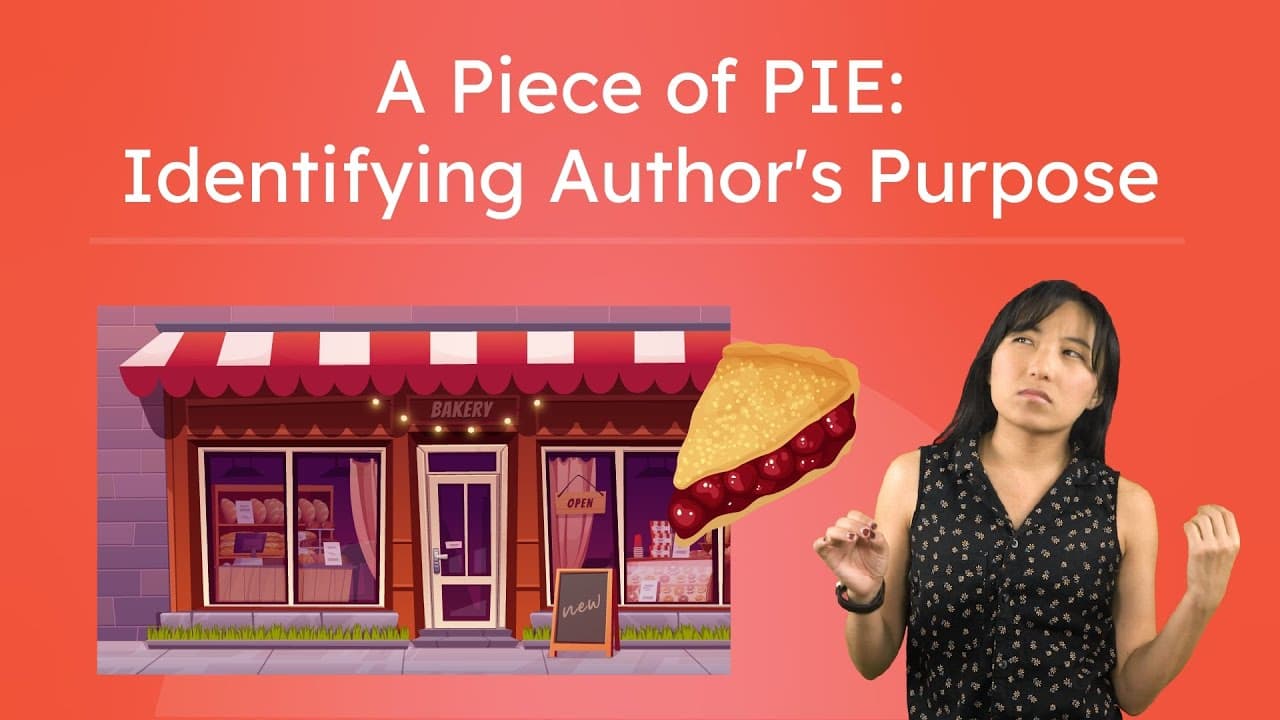
Easy as PIE: Identifying Author's Purpose in Nonfiction

Easy as PIE: Identifying Author's Purpose in Nonfiction

This engaging educational video introduces students to the concept of "Author's Purpose" using the popular "PIE" acronym (Persuade, Inform, Entertain). Set against a bakery backdrop, the host and her robot companion, Mia, guide viewers through analyzing nonfiction texts. They demonstrate how different texts about the same subject—pie—can have vastly different goals, helping students distinguish between opinions, facts, and narratives. The video breaks down the specific characteristics of each purpose, focusing on identifying the central idea, analyzing language choices (emotional vs. objective vs. descriptive), and recognizing text structures. It uses three distinct reading passages—"Pie for All" (persuasive), "Pie History" (informative), and "Pie Town" (entertaining)—as concrete examples for students to practice their analysis skills alongside the narrator. For educators, this video serves as an excellent introduction or review of nonfiction reading comprehension skills. It includes built-in pause points for students to read passages and complete accompanying activities (referenced as a PDF but easily replicable on paper). The content encourages critical thinking by asking students not just *what* a text says, but *why* the author wrote it, a crucial skill for media literacy and advanced reading comprehension.
Miacademy & MiaPrep Learning ChannelMiacademy & MiaPrep Learning Channel

10mins 30s

How to Write a Powerful Persuasive Essay

How to Write a Powerful Persuasive Essay

This engaging instructional video guides students through the complete process of outlining and writing a persuasive essay. Using a fun narrative framework about choosing a new mascot for the fictional land of "Persuasia," the narrator demonstrates how to move from a general topic to a structured argument. The video contrasts persuasive writing with informative text, highlighting key differences like substituting a "claim" for a "central idea" and "arguments" for general body paragraphs. The content covers essential components of argumentative writing, including crafting strong, confident claims by removing weak language like "I think." It introduces students to the three modes of persuasion—Ethos, Logos, and Pathos—and demonstrates how to organize brainstormed notes into coherent thematic arguments. Additionally, the video defines and provides examples for advanced rhetorical devices, specifically rhetorical questions, anaphora, and tricolon, showing how these tools add power to writing. Ideal for upper elementary and middle school Language Arts classrooms, this video serves as both an introduction to persuasive structure and a deep dive into stylistic devices. It features interactive segments that ask viewers to revise claims, group research notes, and identify rhetorical devices in a text, making it a perfect anchor for a writer's workshop or a unit on opinion writing.

Miacademy & MiaPrep Learning ChannelMiacademy & MiaPrep Learning Channel

11mins 34s

Materials

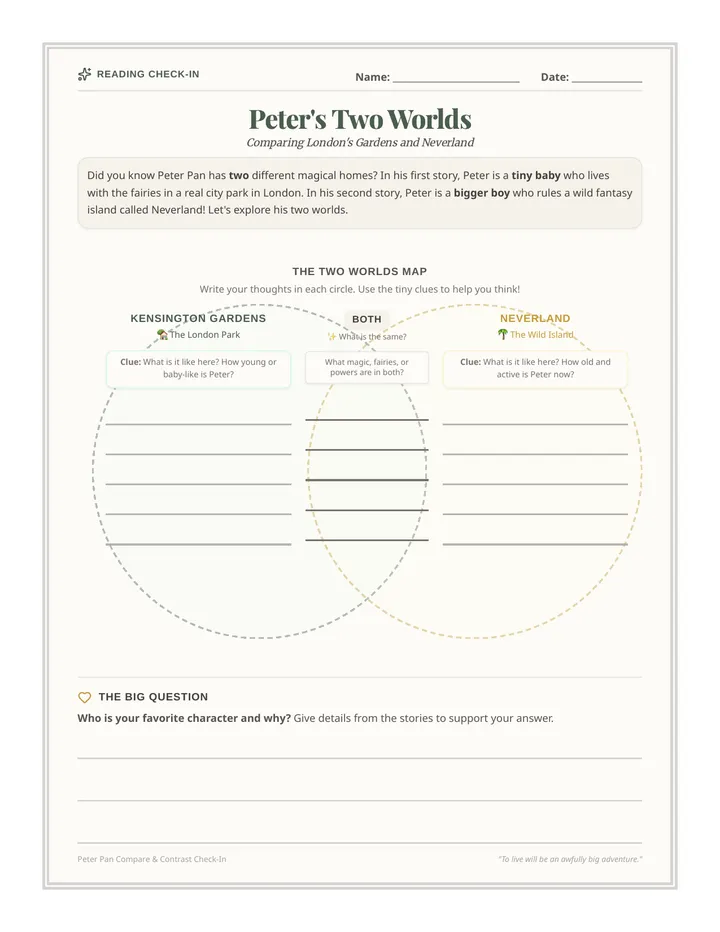
Peter Pan Paradox Exit Ticket

Peter Pan Paradox Exit Ticket

An updated 3rd-grade friendly exit ticket with a large, beautifully aligned Venn diagram where the text and writing lines are positioned in non-overlapping columns. Writing lines are now darker, wider, and increased to 5 lines per column.

SW

Shelley Waller

Magic Relics Writing Prompt

Magic Relics Writing Prompt

A 2-page 3rd grade opinion writing packet featuring a guided graphic organizer with text evidence sentence frames, a story vocabulary word bank (palace, genie, monstrous, obey, sultan, gems, gold platters), and a lined draft writing sheet with a student-friendly self-check rubric.

BA

Becky Arkins

Birthday Wishes Worksheet Final

Birthday Wishes Worksheet Final

A revised version of the Birthday Wishes Worksheet where sentence starters and word bank items are placed in boxes, requiring students to choose and write them on primary-style handwriting lines. Optimized for a single-page layout.

J

jielmeus

Teacher Summer Mission Organizer

Teacher Summer Mission Organizer

A structured 2-page writing organizer designed for Grade 1 students. Page 1 provides a summer-themed activity word bank and guided sentence starters (including Topic with teacher name blank, Detail 1, Detail 2, and Why) to scaffold paragraph drafting. Page 2 provides an illustration space with a personalized teacher name heading and primary guidelines for writing the final paragraph.

DB

Daimyn Badzic

Mom Magic Worksheet

Mom Magic Worksheet

A heartwarming Mother's Day worksheet for lower elementary students featuring a portrait drawing space, primary-ruled handwriting lines for prompts about their mom, and cut-out gift coupons.

OK

Olivia Knight

Writing Roots Tracker

Writing Roots Tracker

A 3-page student-friendly writing progress tracker for 1st grade ELLs, with dedicated pages for Narrative, Informative, and Opinion writing. Each page features 3 benchmark reflection areas (Fall, Winter, Spring) with 4 primary-ruled lines per entry area and increased line contrast for clarity. All California-specific institution references remain removed.

W

wohlfordc

Sequences

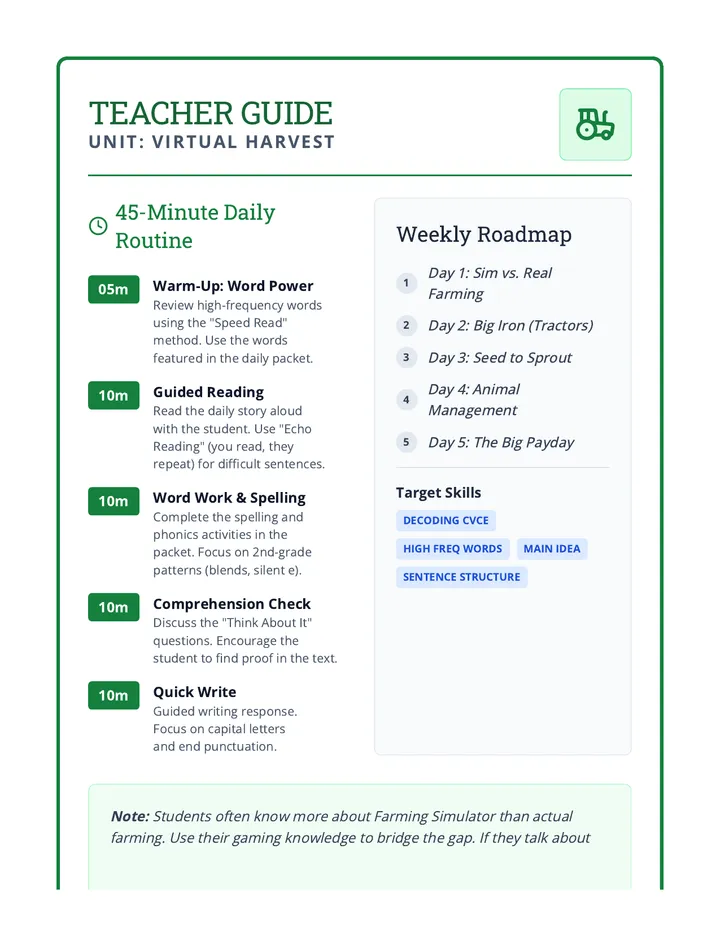
Virtual Harvest Teacher Guide

Digital Dirt

A 5-day reading comprehension and writing unit for struggling readers, blending the world of Farming Simulator with real-world agriculture. Focuses on 2nd-grade level literacy skills within a high-interest 5th-grade context.

CM

carley Martin

30
Question Anatomy Slides

Insight Investigators

A 6-week reading intervention unit for 5th graders focused on making inferences, analyzing questions, and using text evidence. Themes include mysteries, sports (baseball and basketball), and dragons to engage high-interest readers.

MK

Meg Keene

48
Burger Builder Slides

Paragraph Foundations

A foundational paragraph writing unit designed for early writers and SpEd students to master core paragraph structures through narrative, opinion, and informational writing with heavy visual scaffolding.

E

ecreamer

23
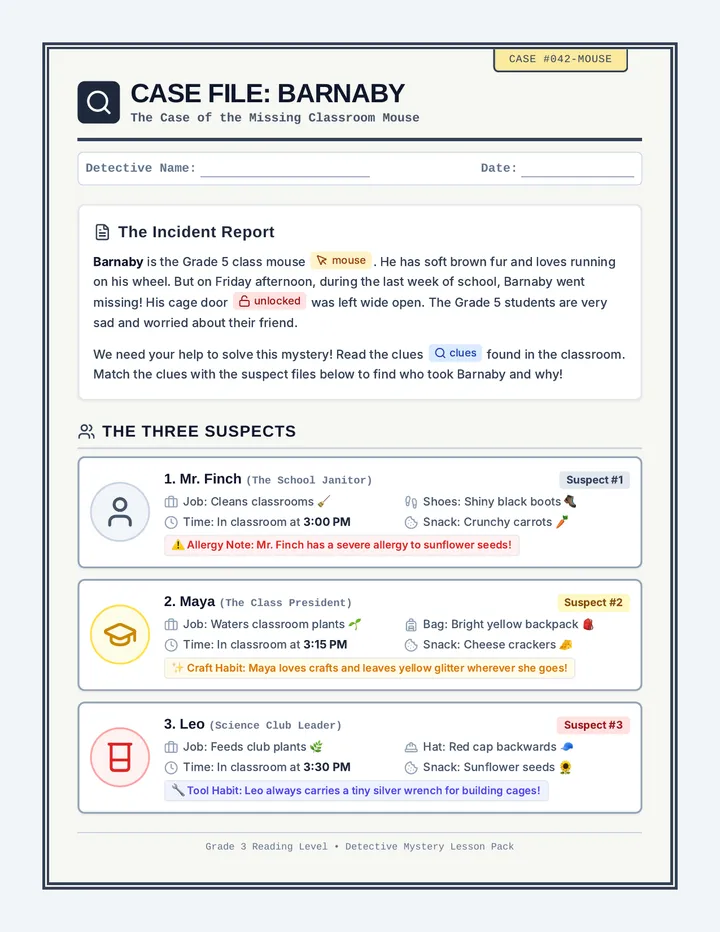
Case File Passage

Classroom Mystery Files

A collection of engaging, highly scaffolded reading comprehension classroom mysteries designed for elementary students to practice evidence analysis and persuasive writing.

C

cedaniels

15
Rules and Rights Slides

Academic Word Detectives

A multi-lesson unit for 4th-grade students with limited literacy, focusing on mastering and applying foundational academic vocabulary words like fact, information, alike, difference, and topic.

A

amy_oshea

34
Life Legacy Organizer

Curators Quest

A collection of 5th-grade ELA and Grammar resources focusing on biographical research, summary writing, and language mastery.

CO

Catherine Onessimo

30

Lessons

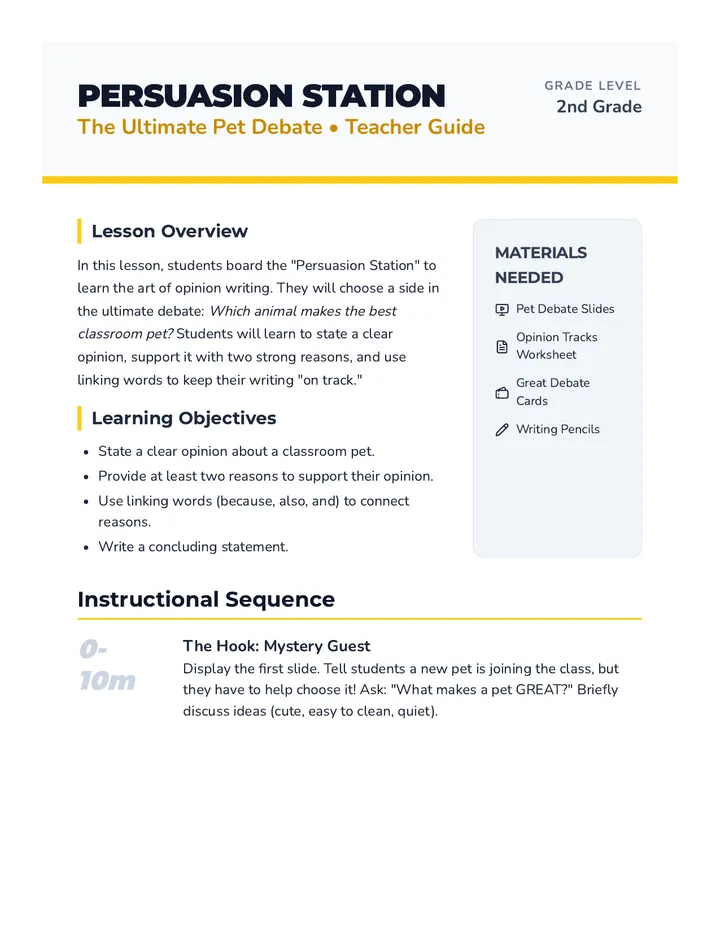
Persuasion Station Lesson Plan

Persuasion Station

A second-grade literacy lesson where students learn to craft compelling opinion pieces by debating the best classroom pet, focusing on stances, reasons, and linking words.

AM

Amy Mathews

5
Structure Studio Slides

RACE Intro Blueprints

A structured writing lesson focused on drafting cohesive introductory paragraphs using the RACE strategy. Features a clear gradual release model (I Do, We Do, You Do) to guide students through introducing the question, linking context, and drafting a solid Restate & Answer claim.

BD

Brittani Diamond

6
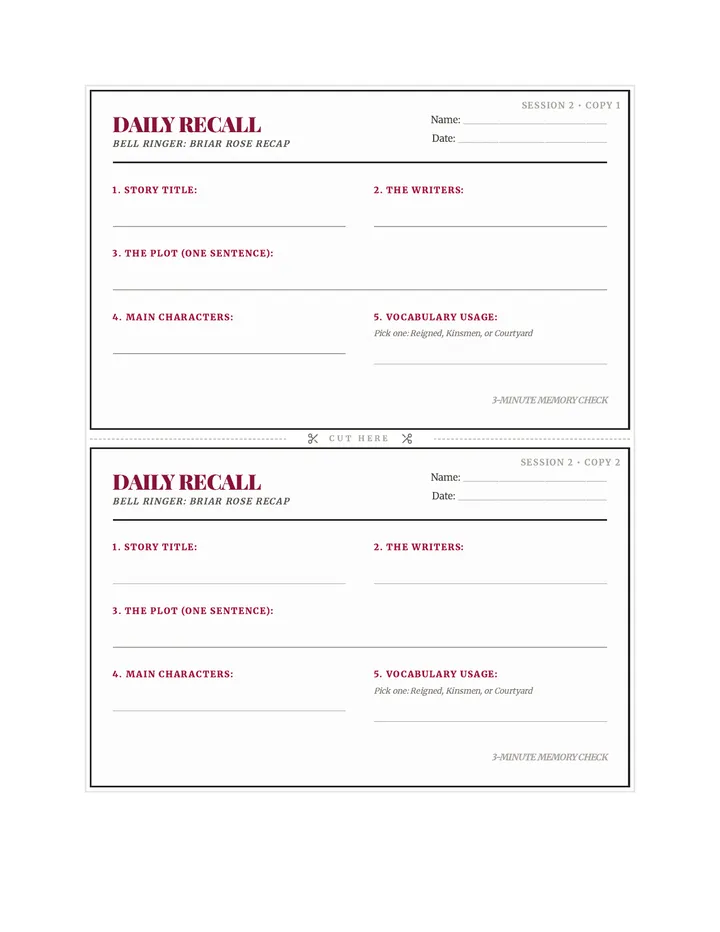
Briar Thorns Session 2 Recall Handout Final

Briar Thorns

A quick exploration of theme and moral within the classic Brothers Grimm tale 'Briar Rose', featuring a focused bell ringer and exit ticket.

V

vivianbelarmino

45
Truth Trackers Slides

Truth Trackers

A foundational lesson for 1st graders to distinguish between facts (proven truths) and opinions (personal feelings) using familiar themes like animals, food, and weather.

MC

Milena Criniti

5
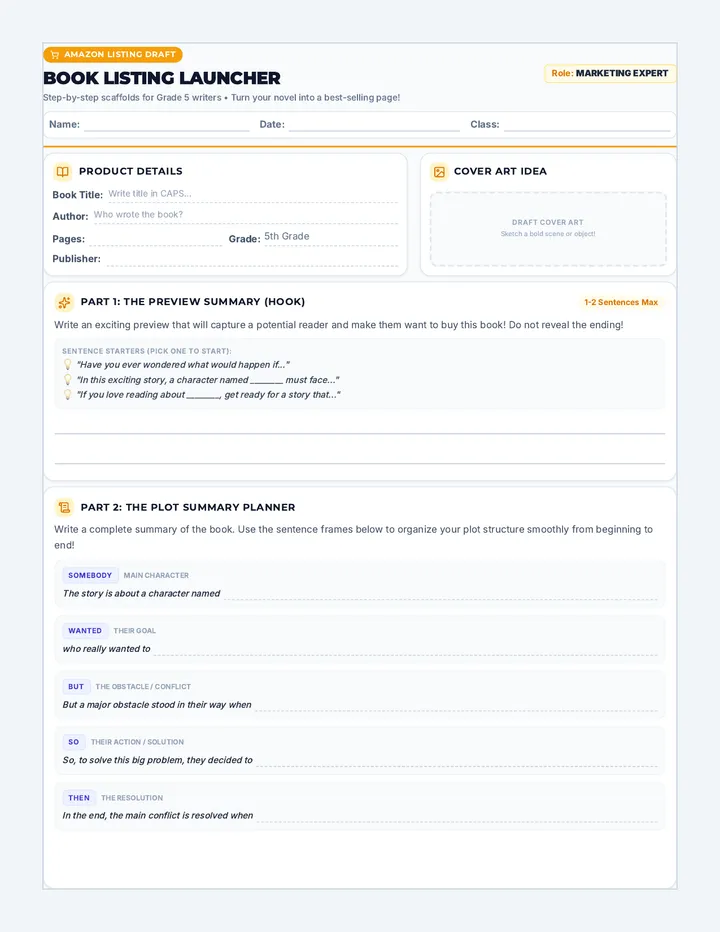
Listing Launcher Worksheet

Novel Promo Blueprint

A scaffolded unit designed to help 5th-grade developing and emerging students create a mock e-commerce book listing for a novel they have read. This lesson breaks down complex writing tasks like summaries, quotes, and editorial reviews into structured, bite-sized templates with built-in sentence frames.

CO

Catherine Onessimo

4
Prompt Blueprint Anchor Chart

Prompt Blueprinting

A focused lesson on the first step of the EmPOWER writing method, teaching students how to analyze writing prompts to determine the required number of parts for their response.

CH

Corey Hayes

21