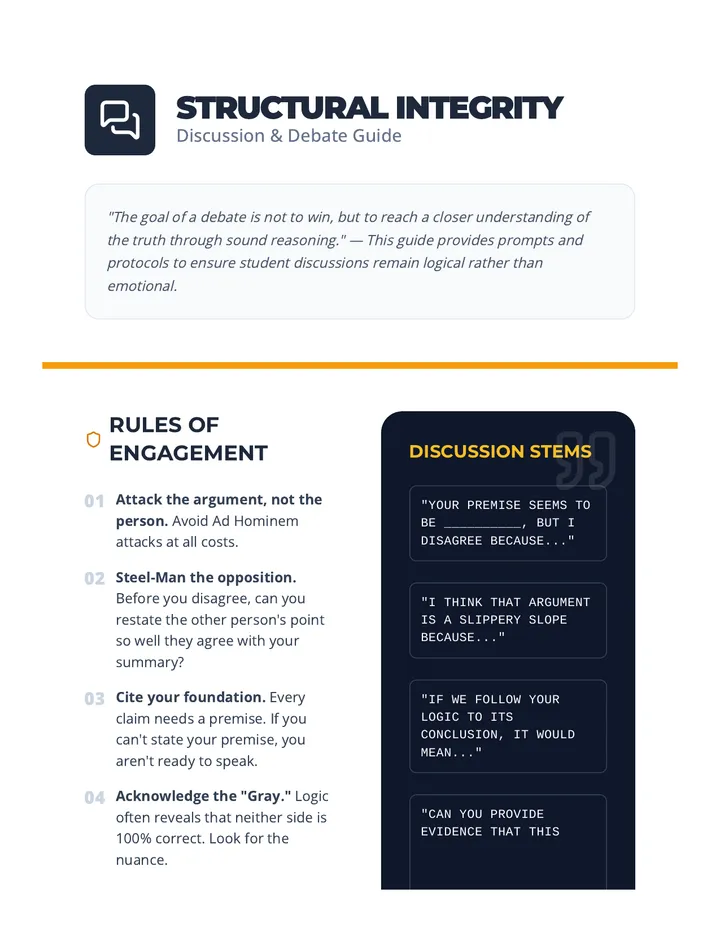
Deductive, inductive, and analogical frameworks for constructing logical arguments. Identifies common fallacies and evaluates the structural integrity of persuasive claims.
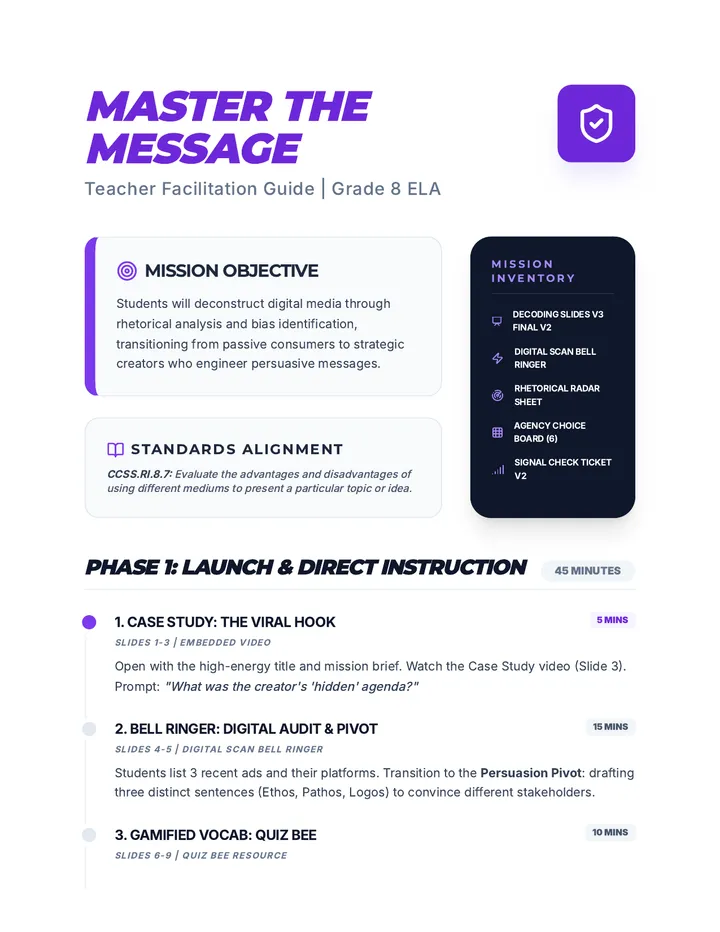
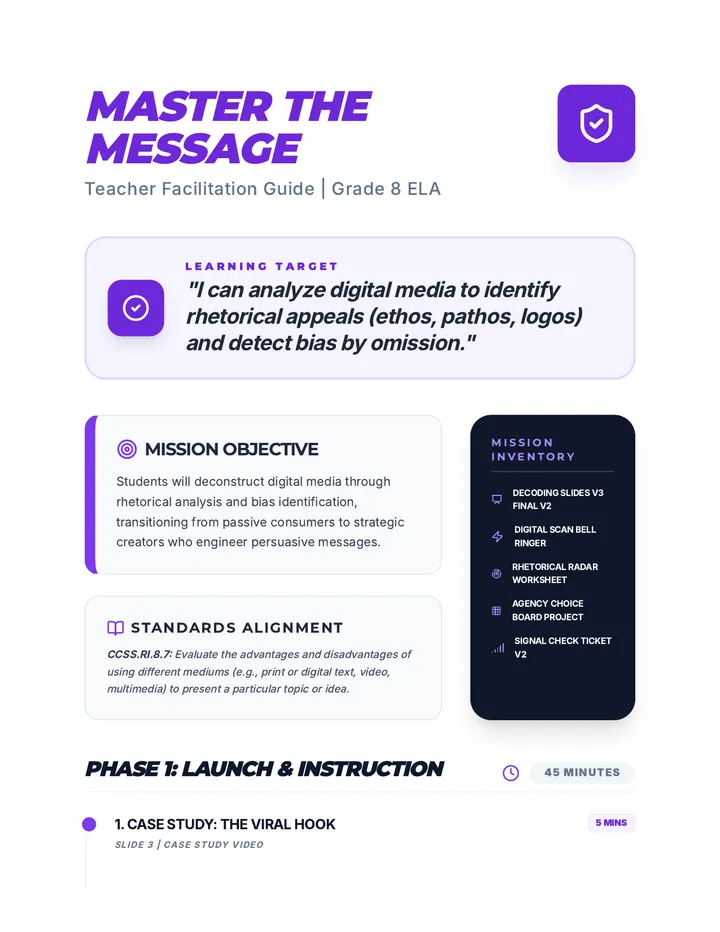
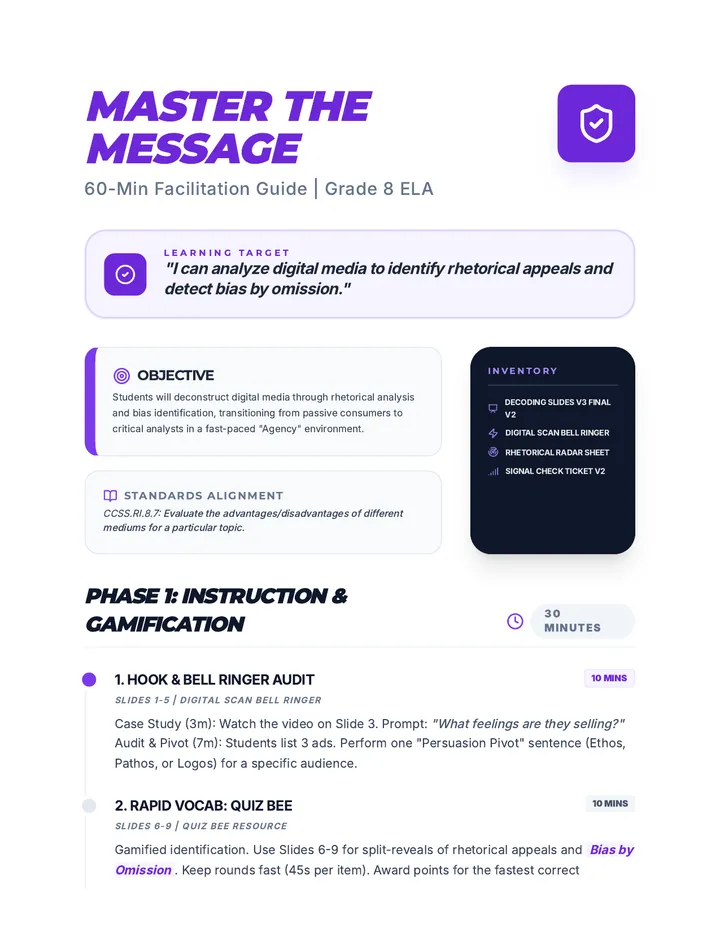
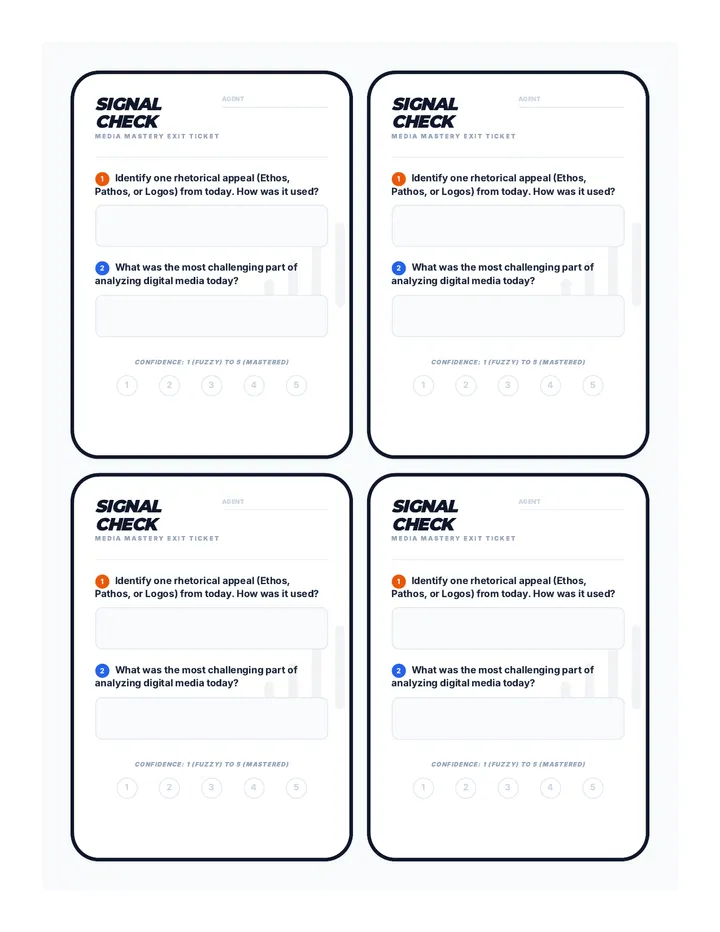
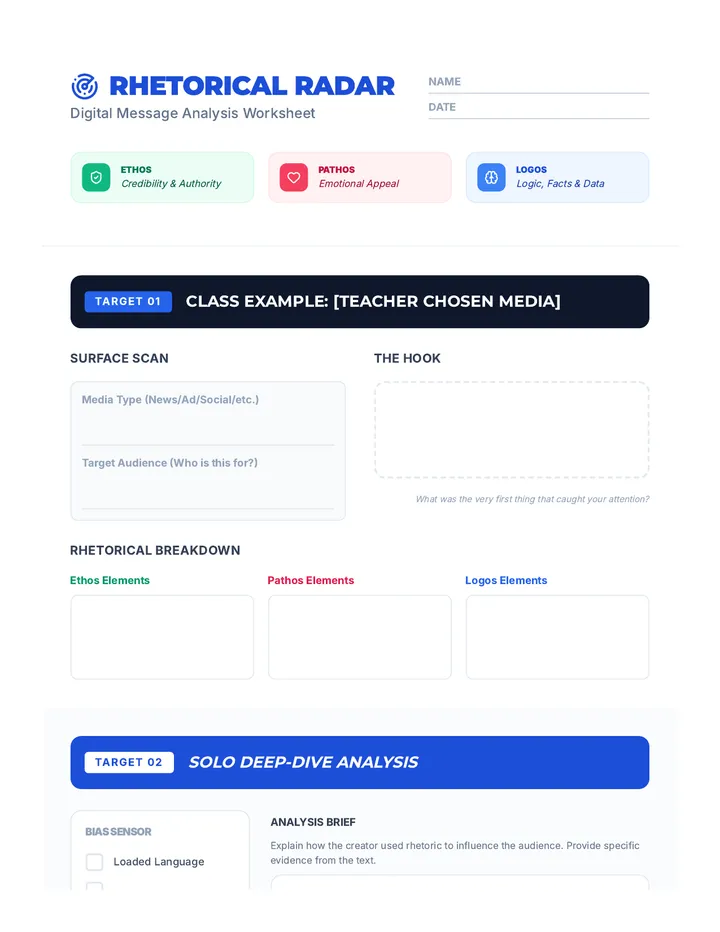
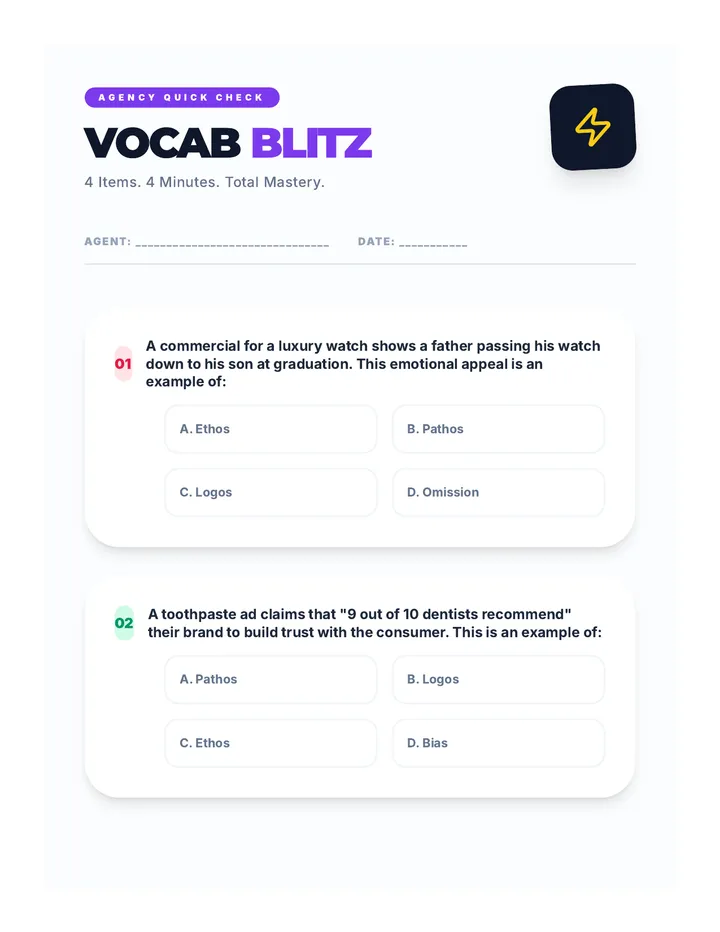
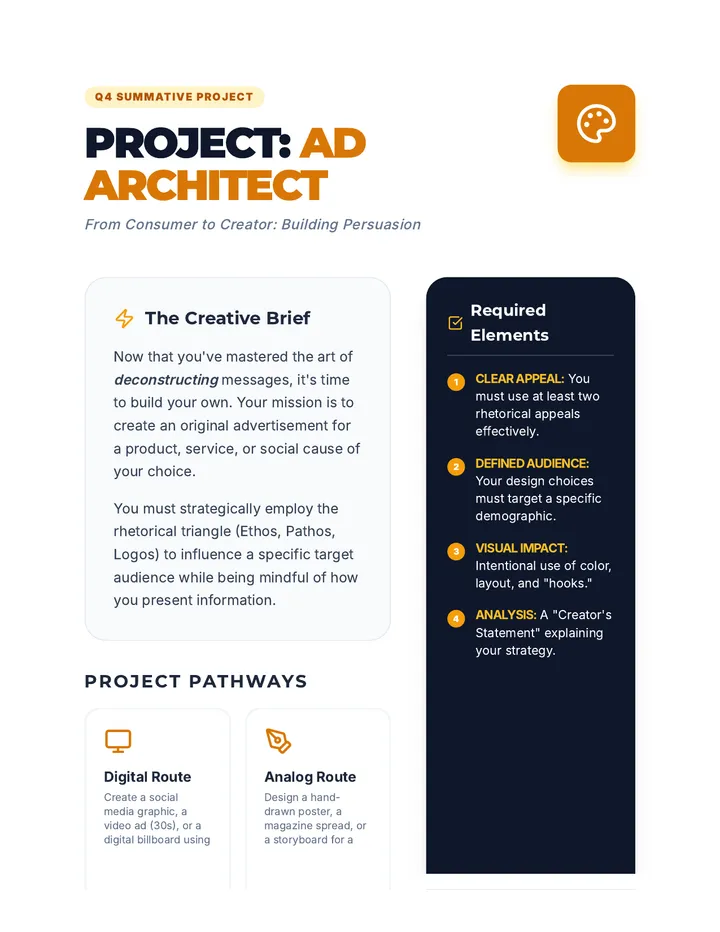
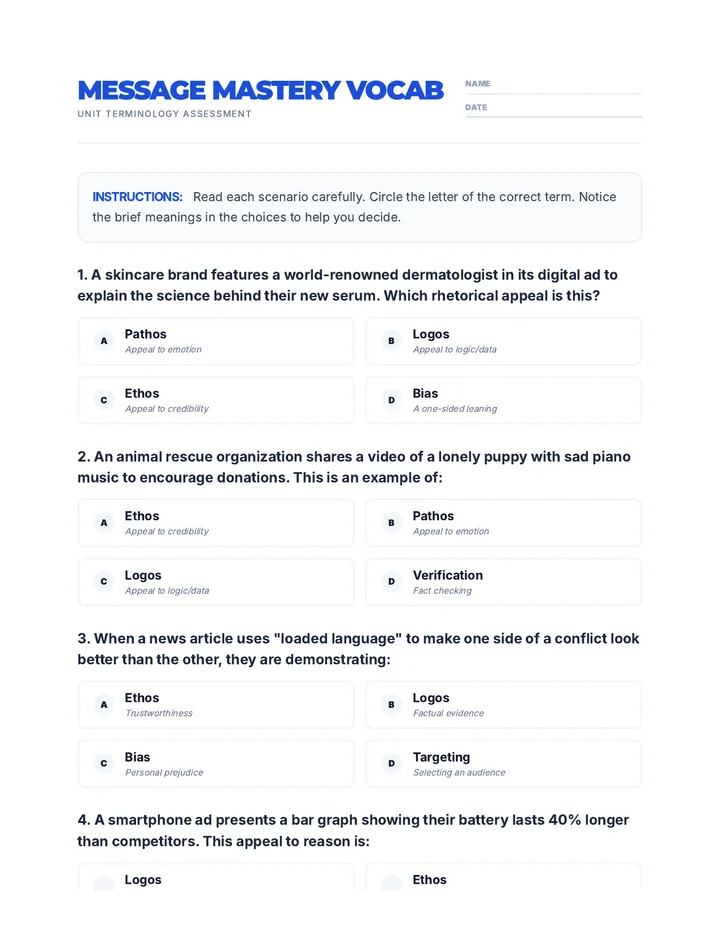
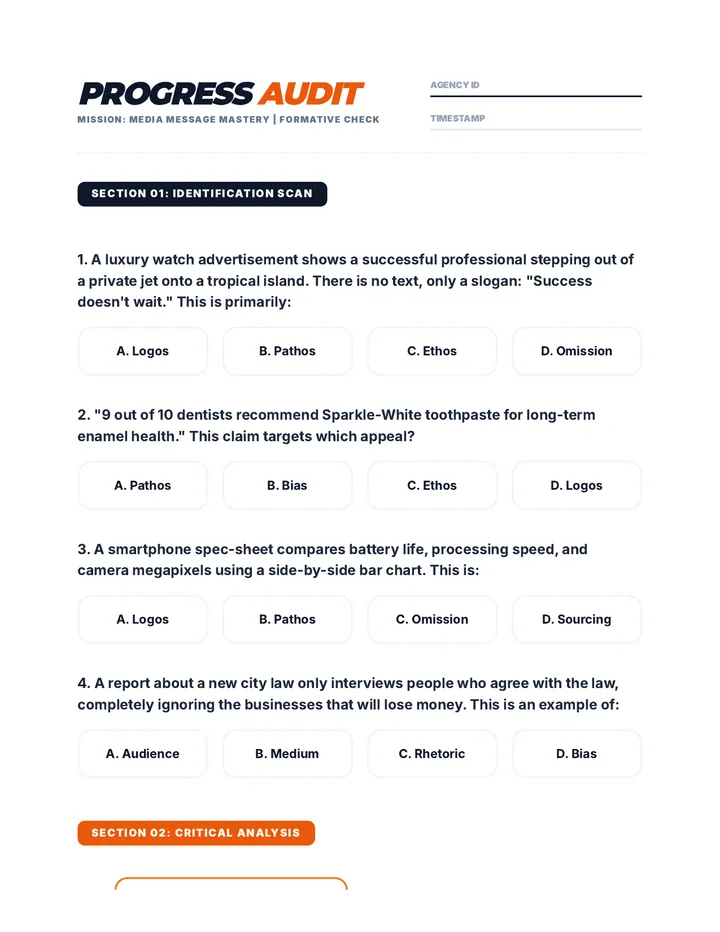
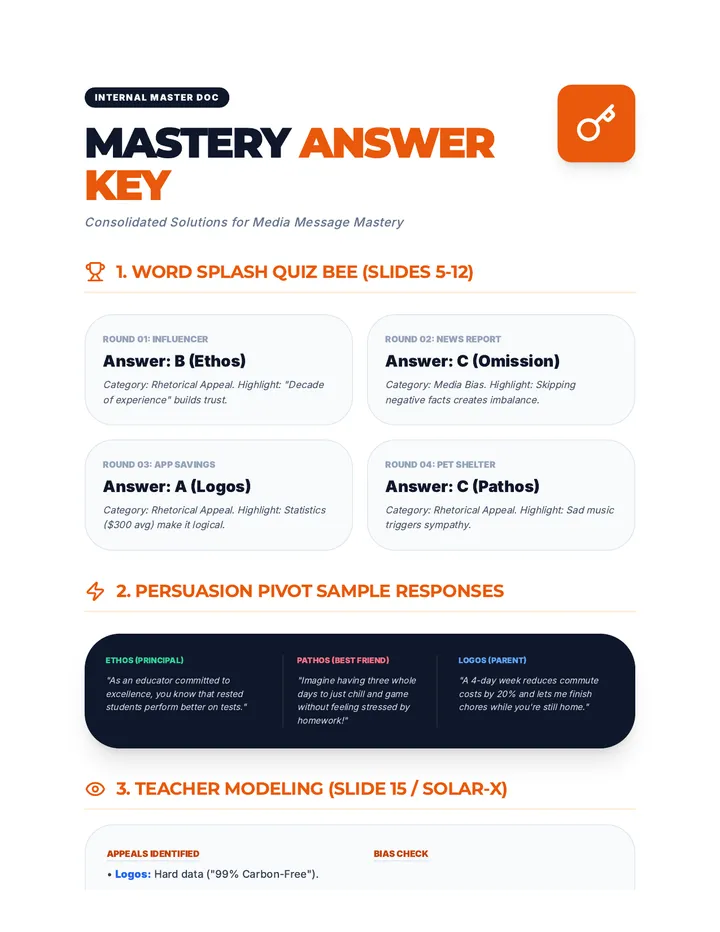
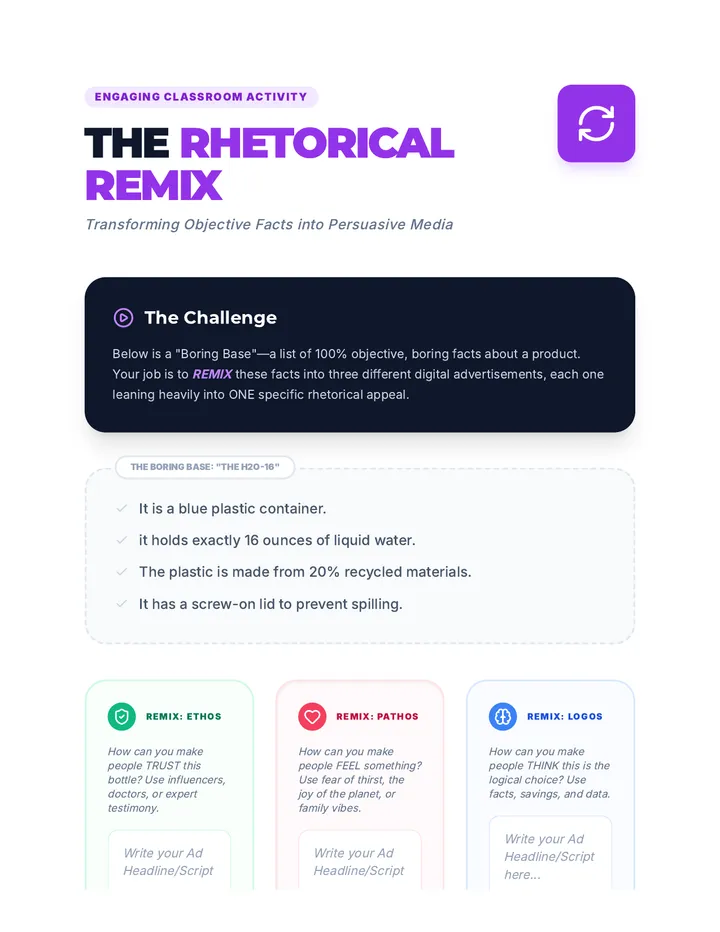
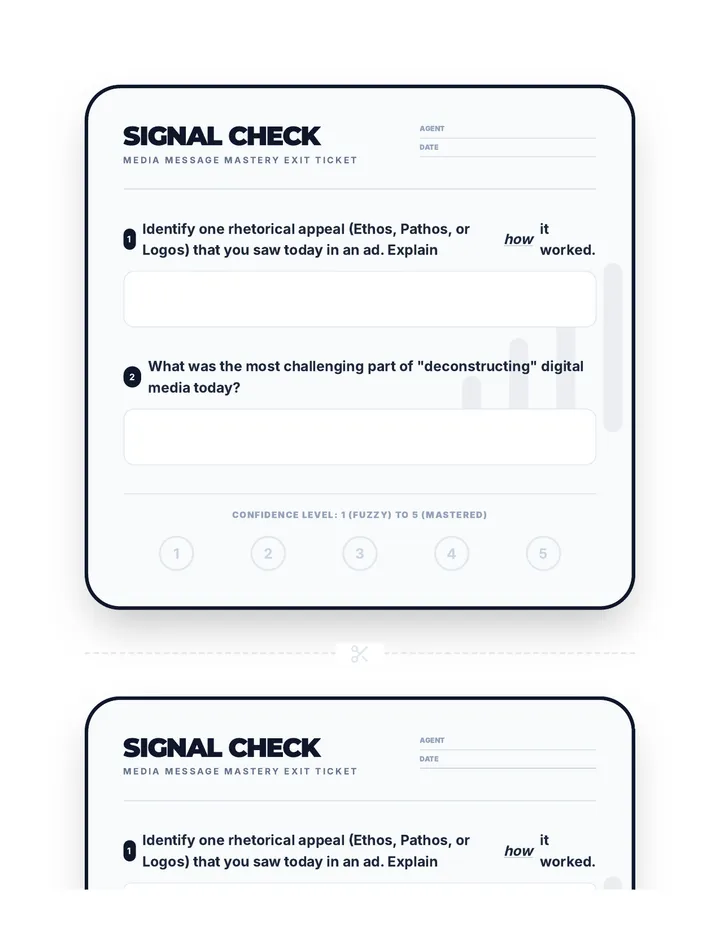
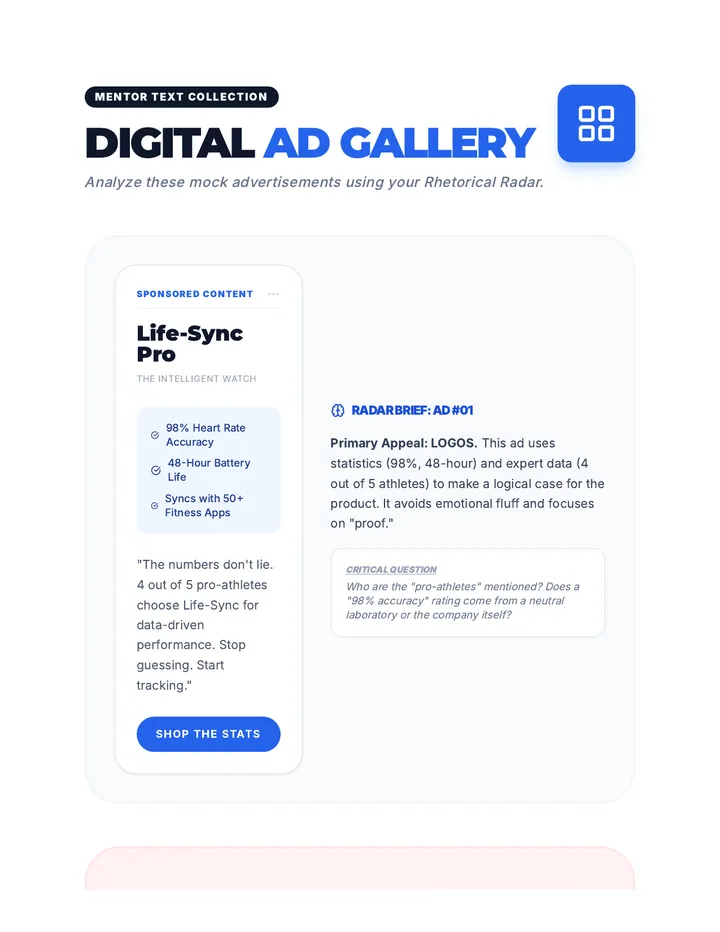
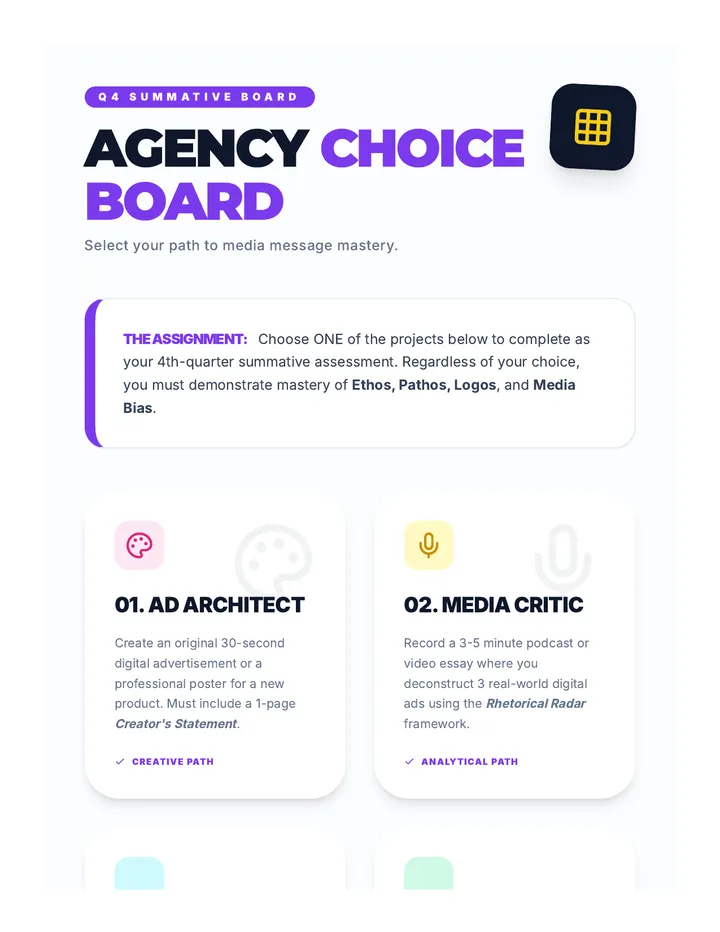
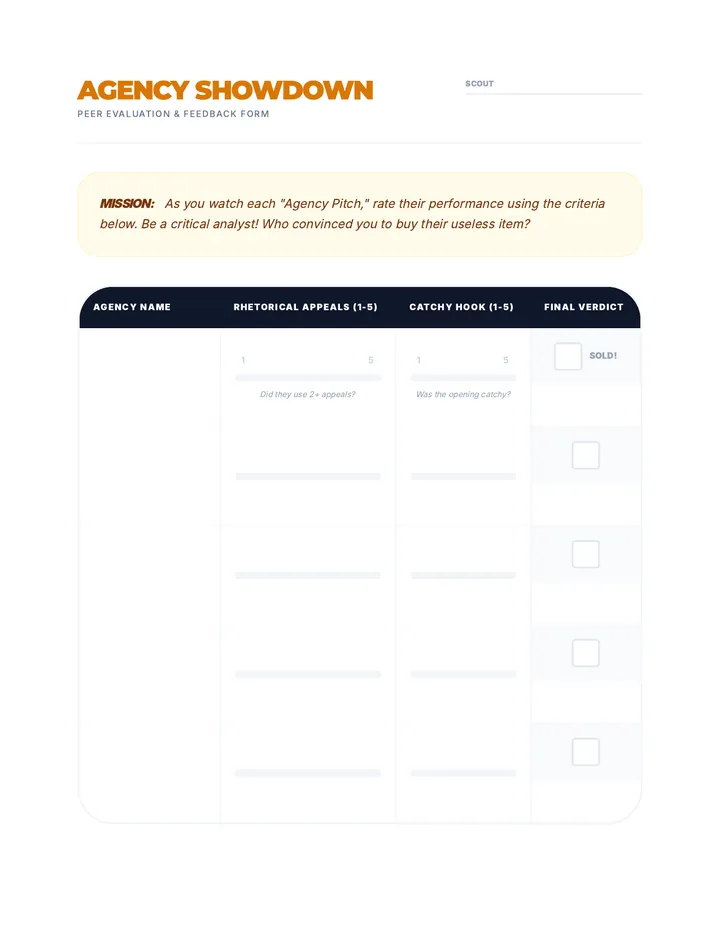
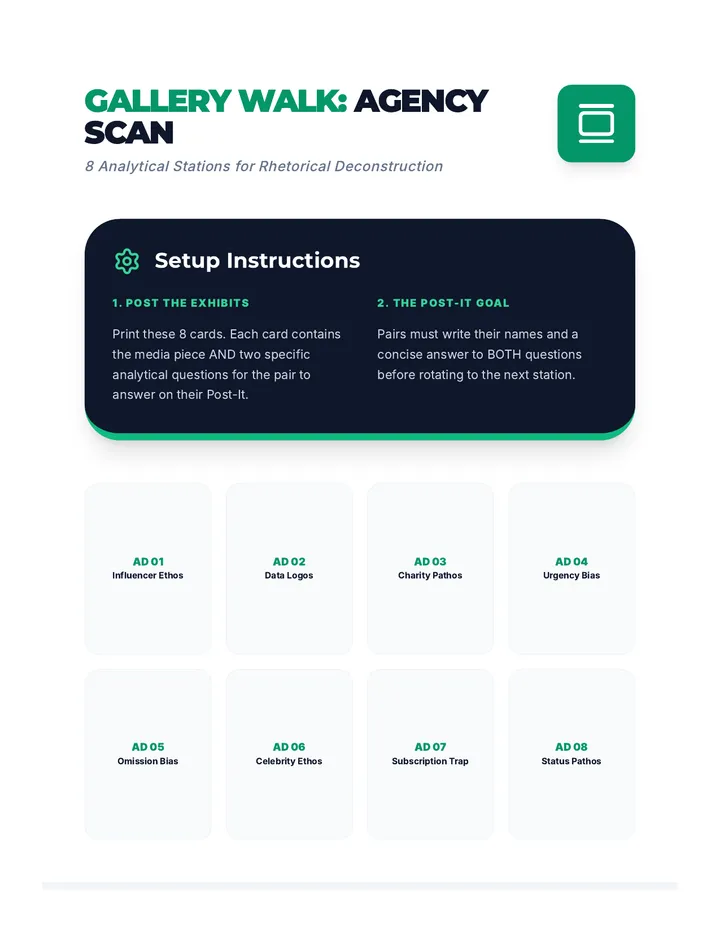
An 8th-grade ELA lesson focused on deconstructing digital media messages through the lens of rhetorical appeals (ethos, pathos, logos) and identifying bias in various online formats. Students transition from passive consumers to critical analysts of news clips, social media, and advertisements.
A comprehensive two-day introduction to advertising persuasion techniques, teaching students to identify and analyze slogans, repetition, bandwagoning, testimonials, emotional appeals, and expert opinions.
A 50-minute lesson focused on synthesizing Sylvia Plath's poem 'Mirror' with a modern article on the benefits of aging, emphasizing the contrast between subjective perception and objective reality.
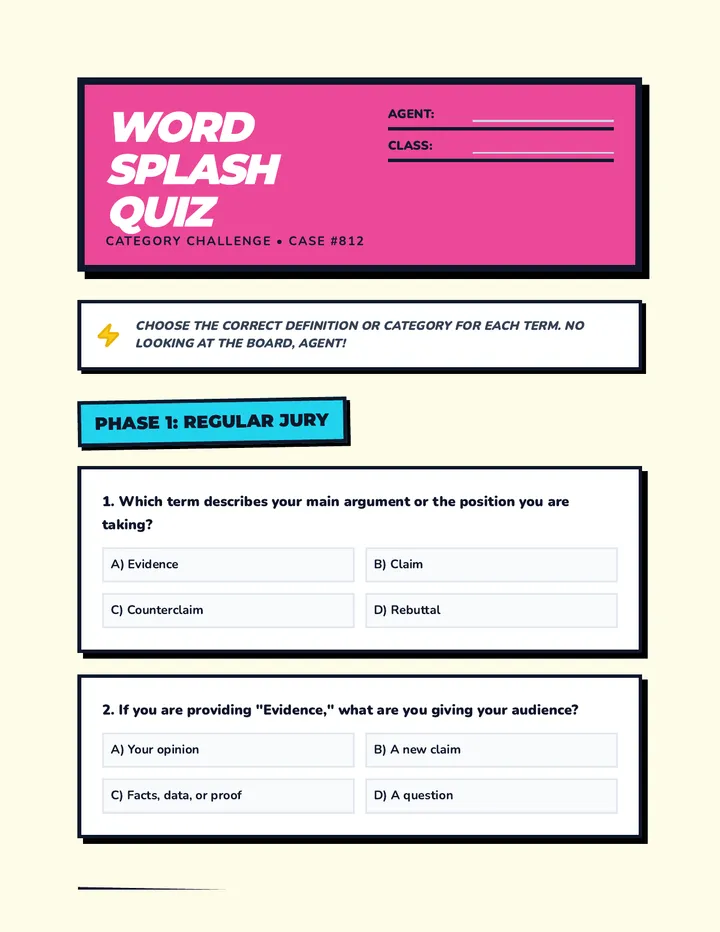
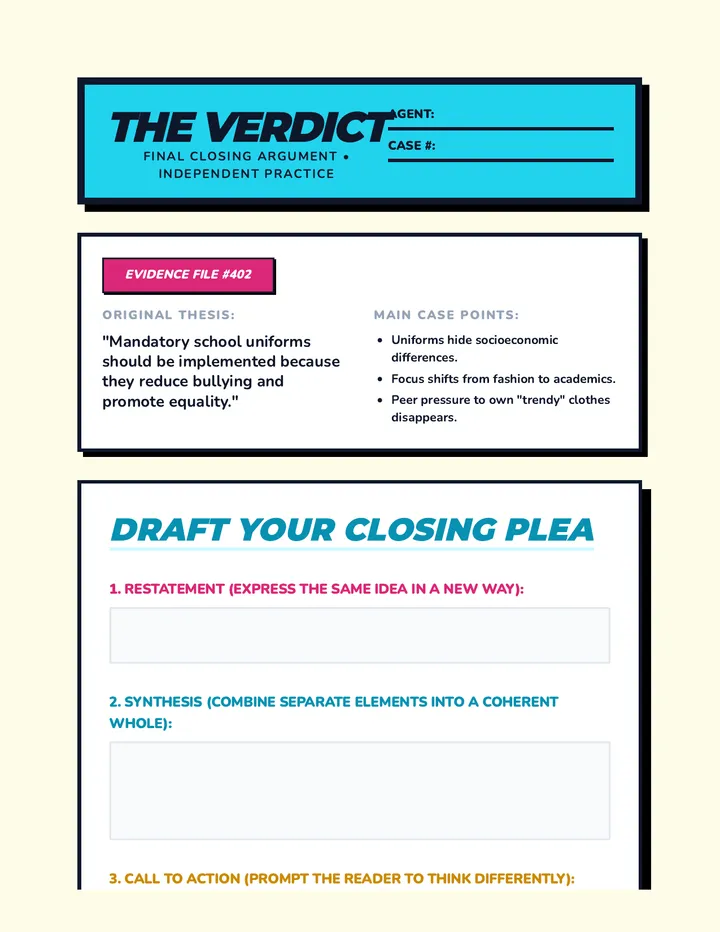
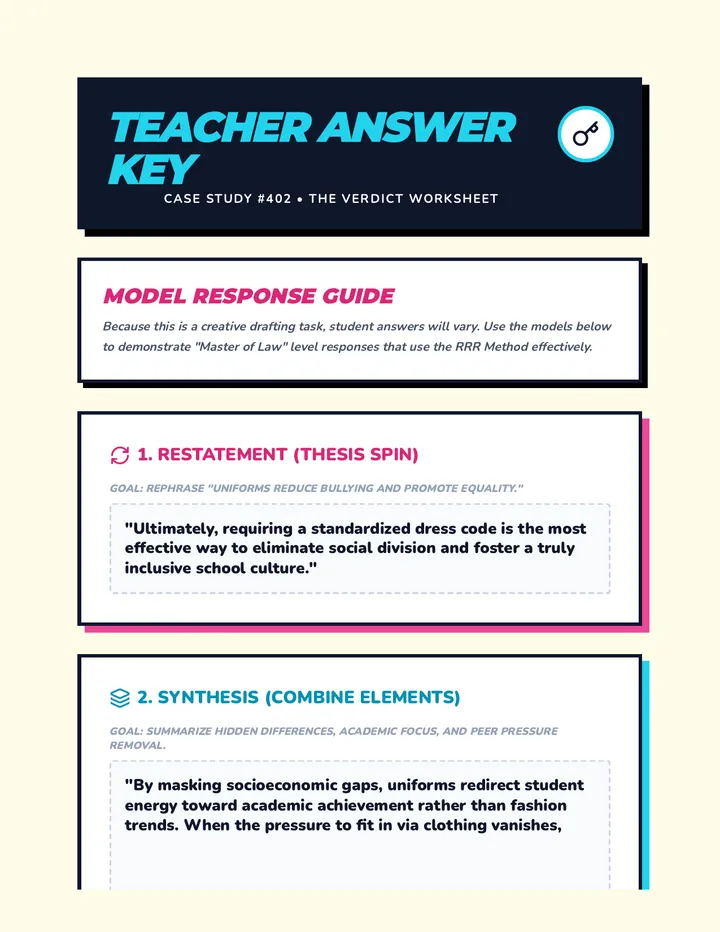
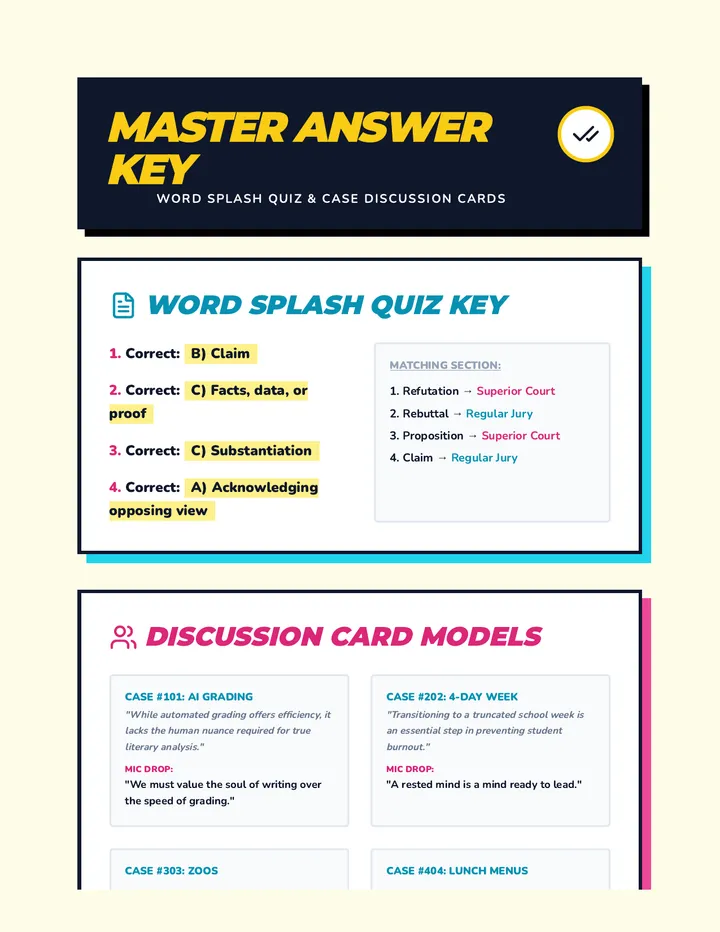
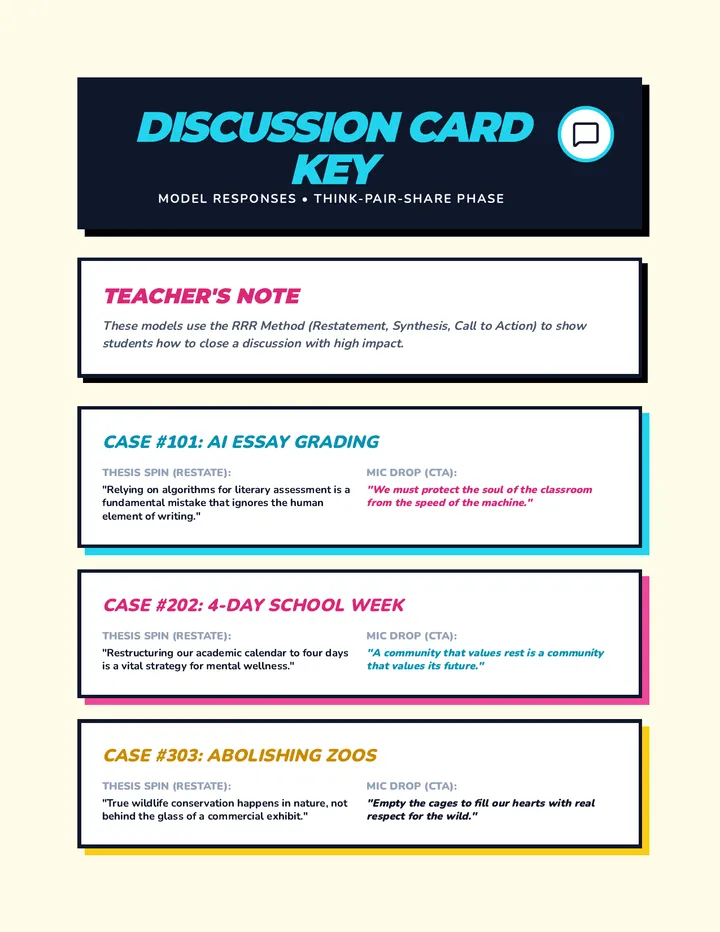
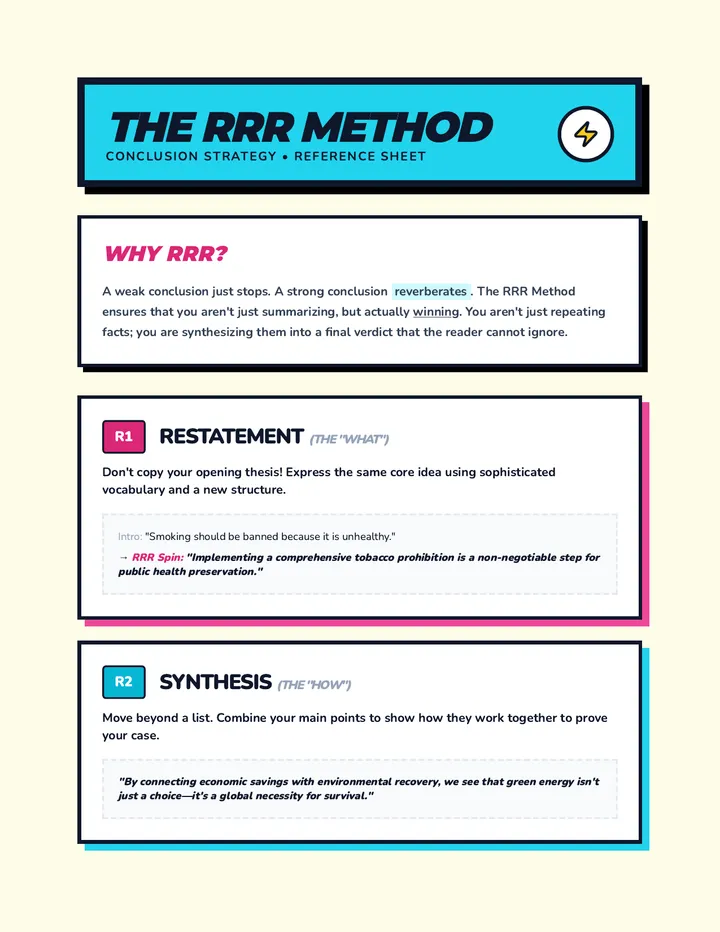
A comprehensive lesson on the structural pillars of argumentative writing, using a courtroom theme to master claims, evidence, and counter-arguments through fast-paced, high-impact activities.
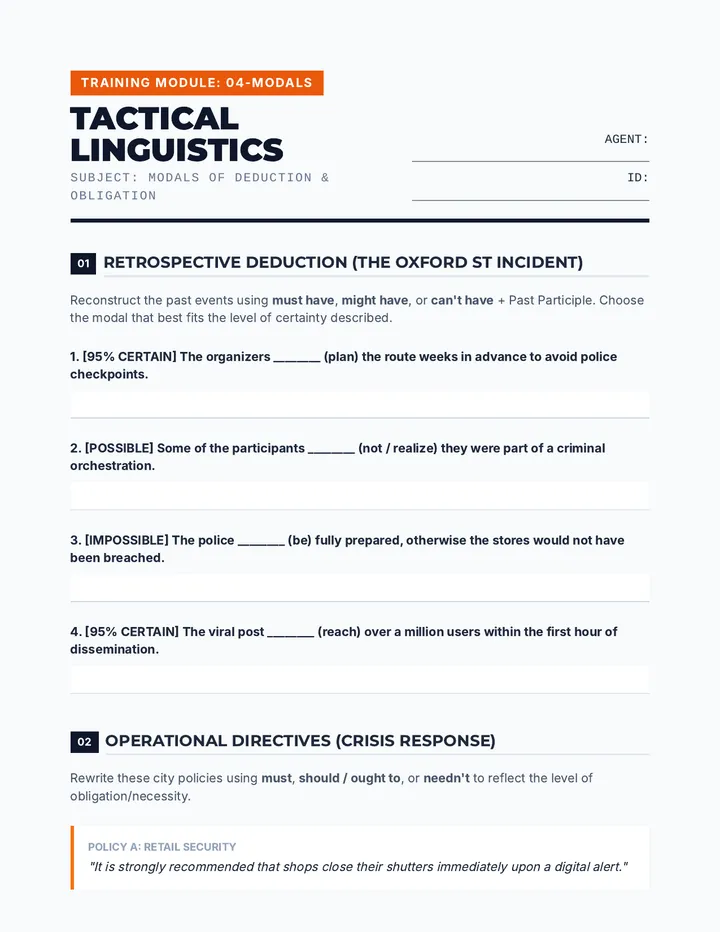
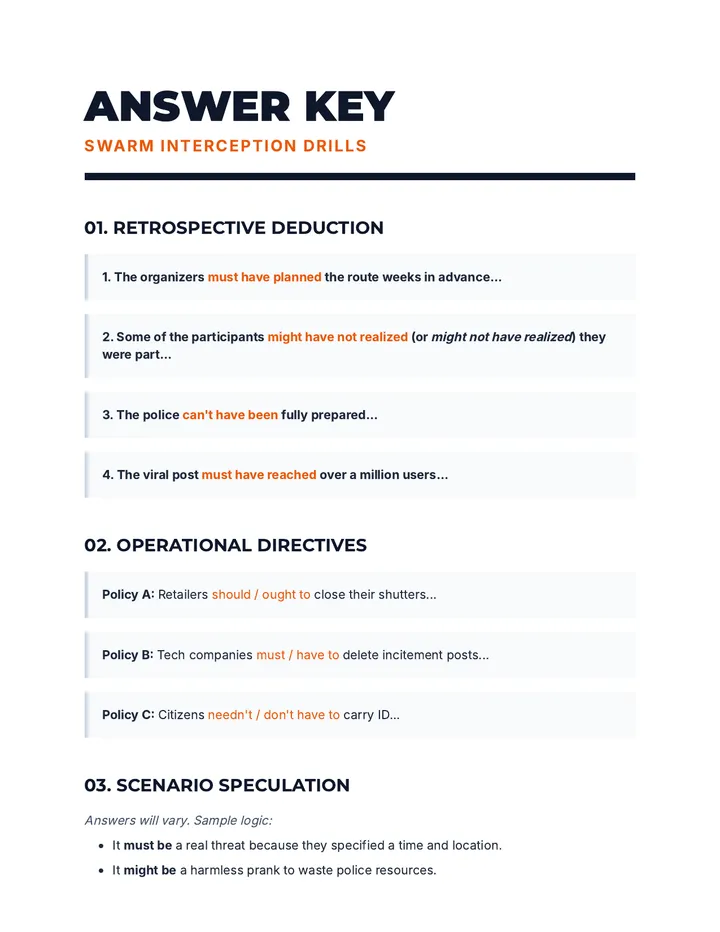
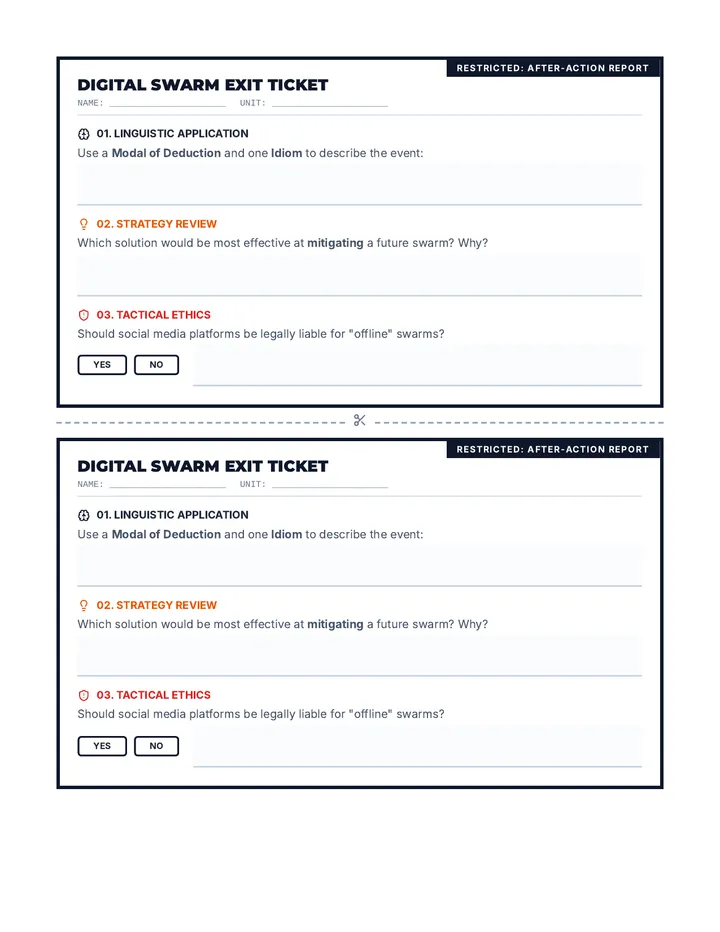
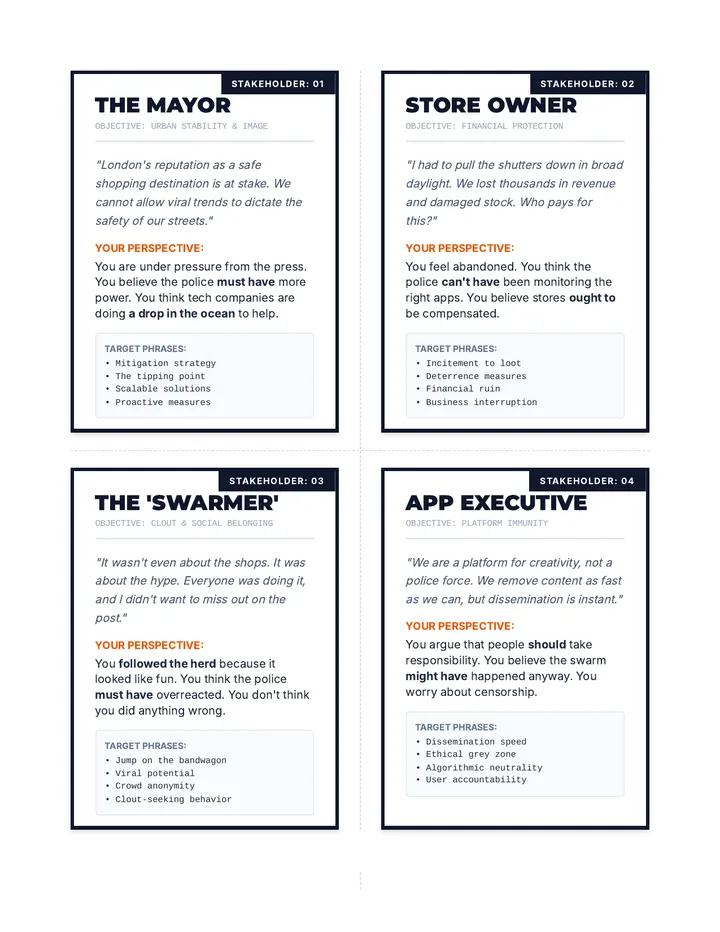
A problem-solving workshop for B2+ students based on social media flash mobs. Students act as a city's 'Digital Response Team' to design innovative solutions for urban chaos triggered by viral trends.
A 45-minute lesson exploring the origins of superstitions surrounding the number 13 and Friday the 13th, focusing on TELPAS speaking, listening, reading, and writing skills for 9th and 10th grade ELLs.
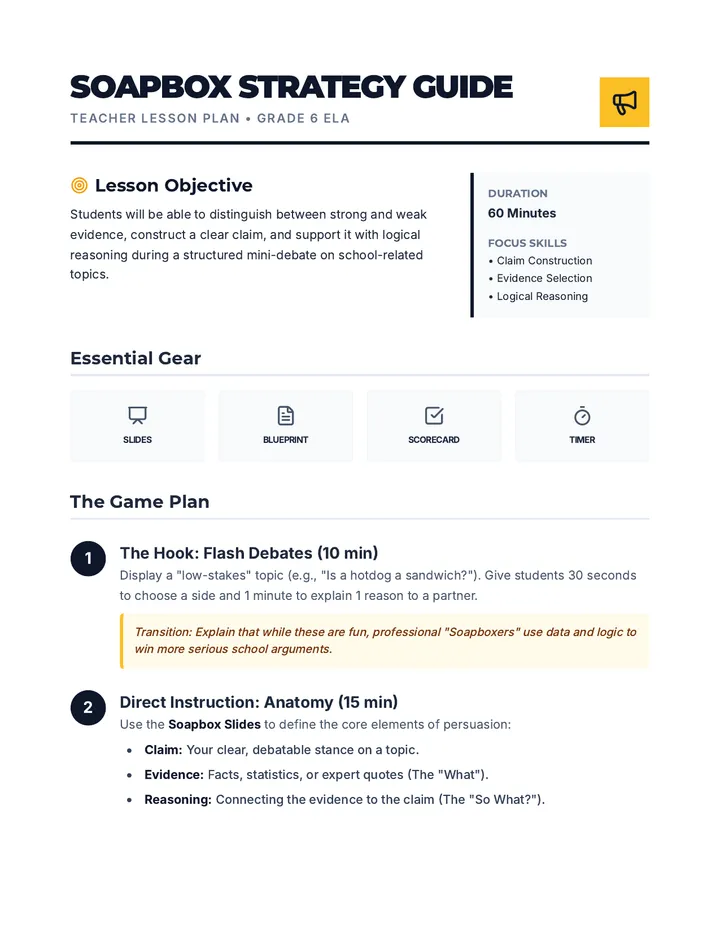
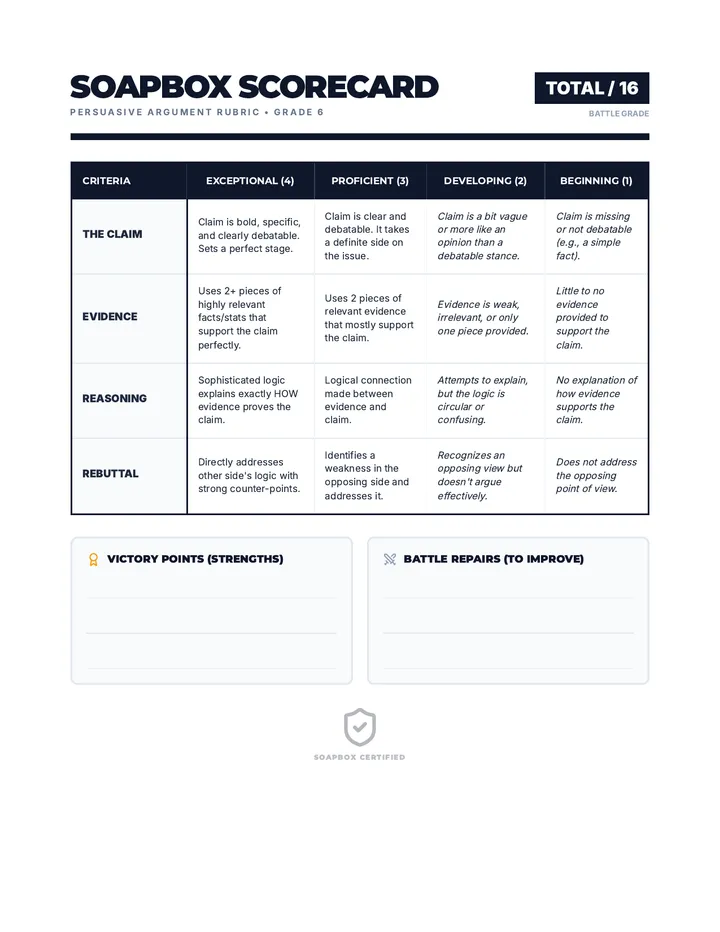
A 6th-grade lesson on claim and evidence where students master persuasive techniques through mini-debates on high-interest school topics. Students will learn to construct logical arguments and select the most relevant evidence to support their positions.
A comprehensive guide to teaching structured debate, focusing on argument construction, rebuttal strategies, and persuasive delivery for middle and high school students.
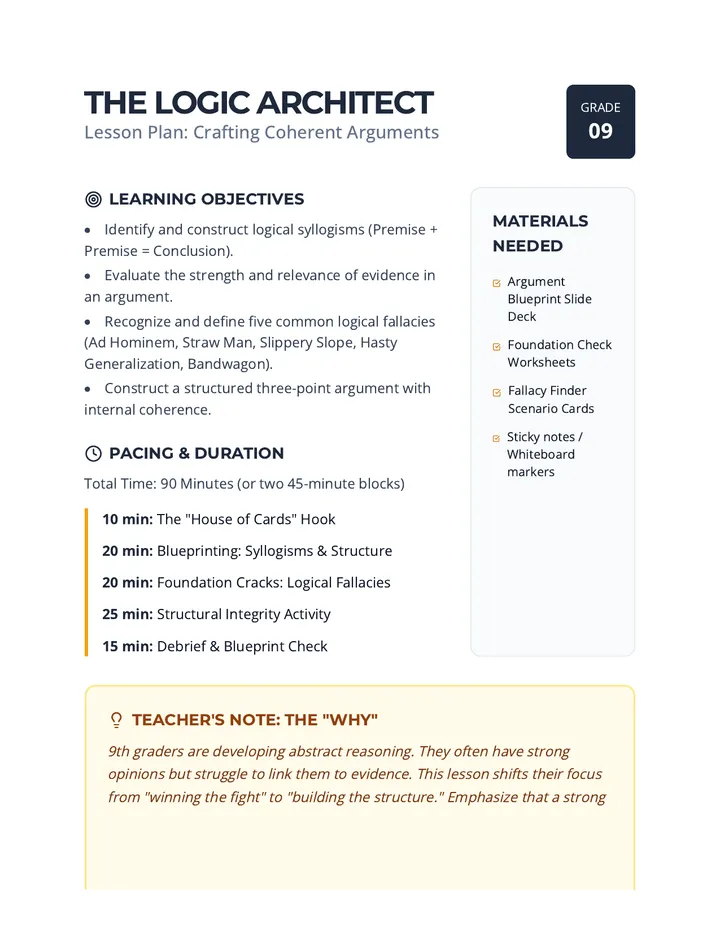
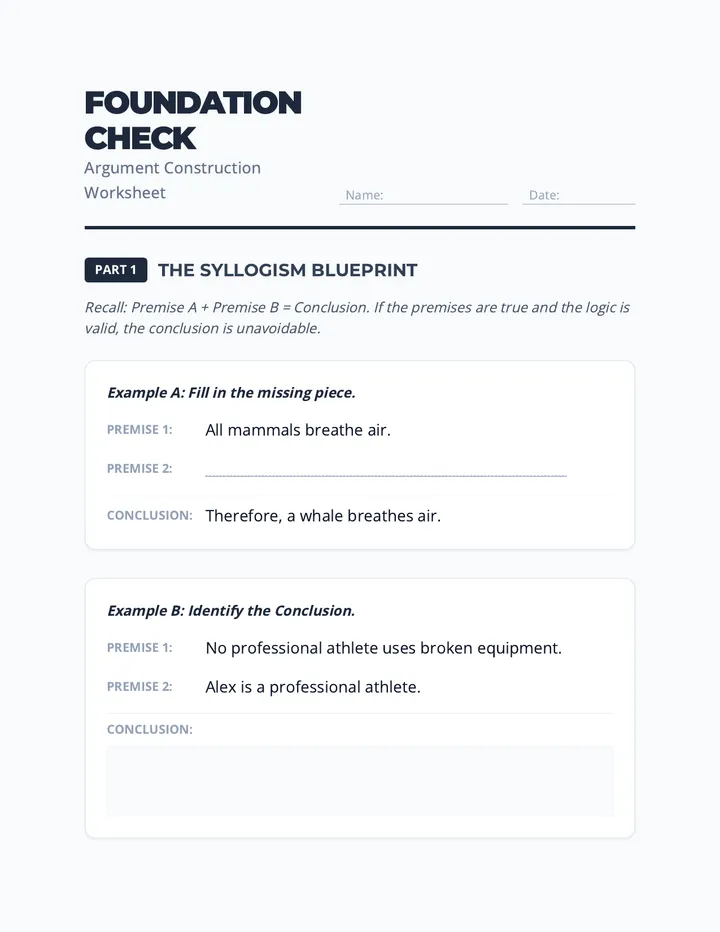
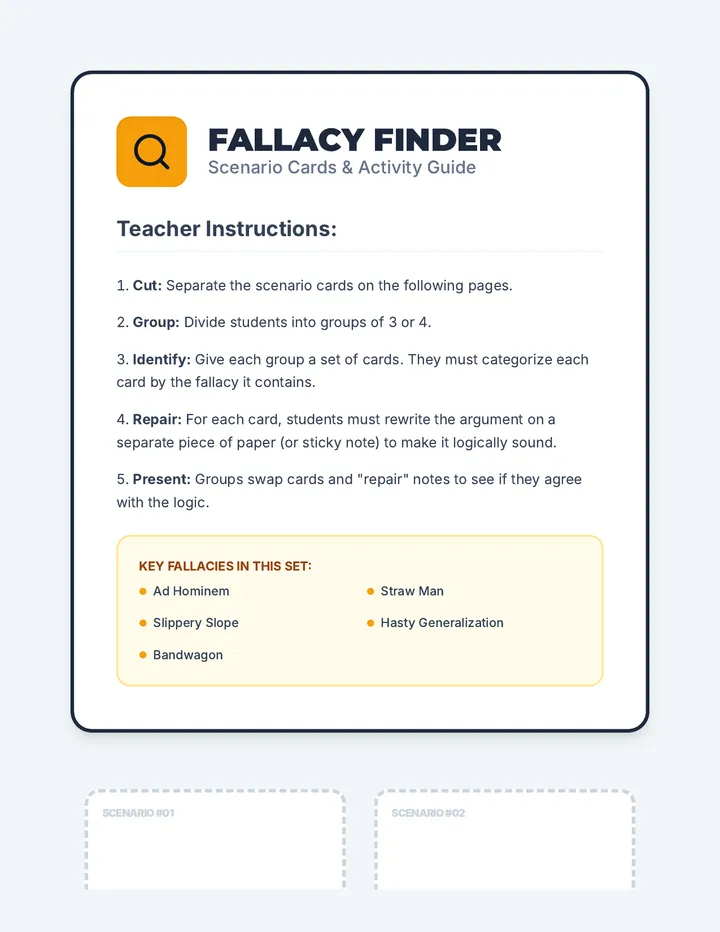
A comprehensive 9th-grade lesson on logical reasoning and argumentation. Students learn to build sound arguments using premises and conclusions while identifying common logical fallacies to strengthen their persuasive writing and speaking skills.
An introductory lesson for B2 adult students on Black History Month, focusing on counterfactual history using 2nd, 3rd, and mixed conditionals, alongside idioms for change and justice.
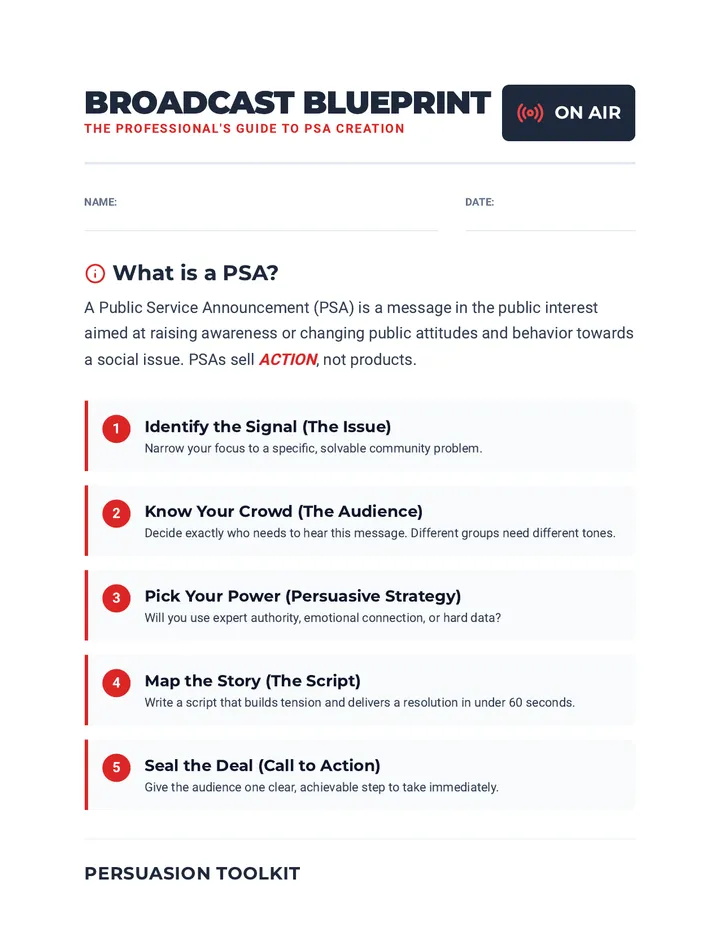
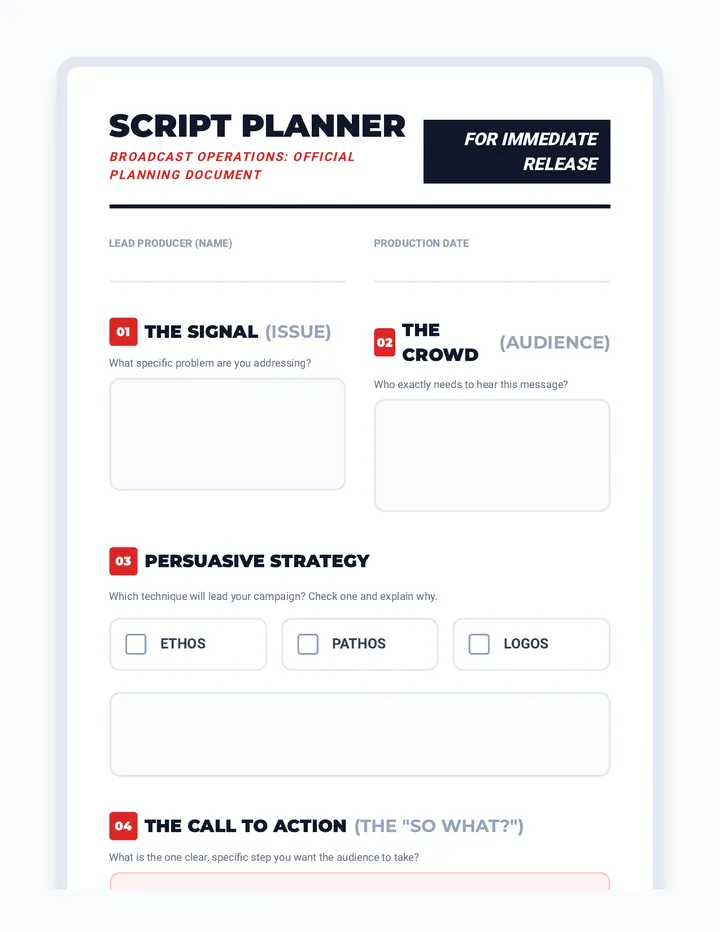
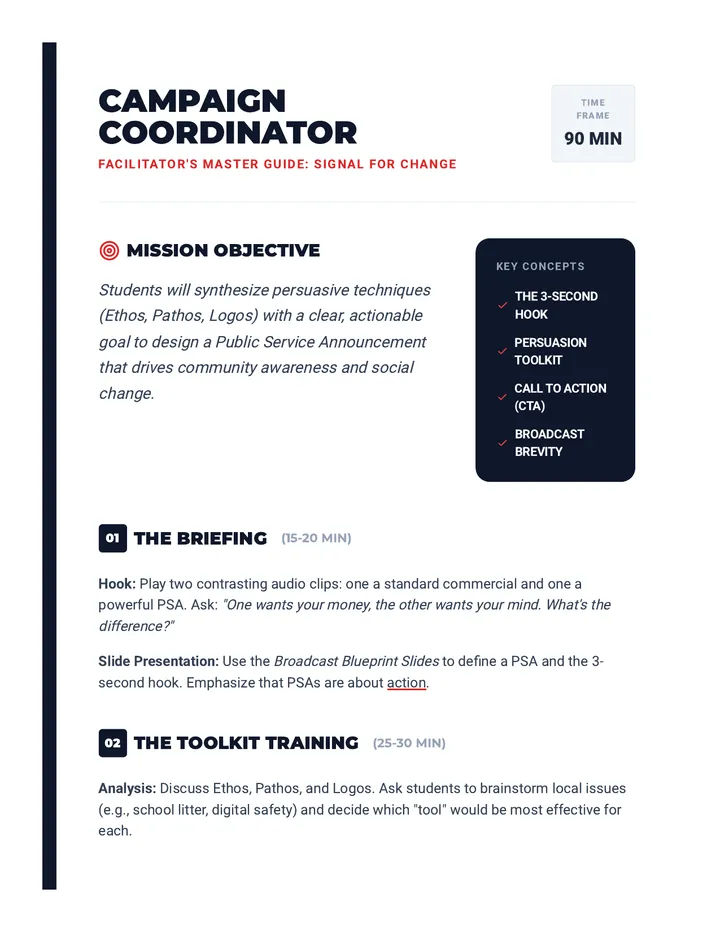
Students will learn the essential components of a Public Service Announcement, focusing on persuasive techniques and crafting a compelling call to action to drive social change.
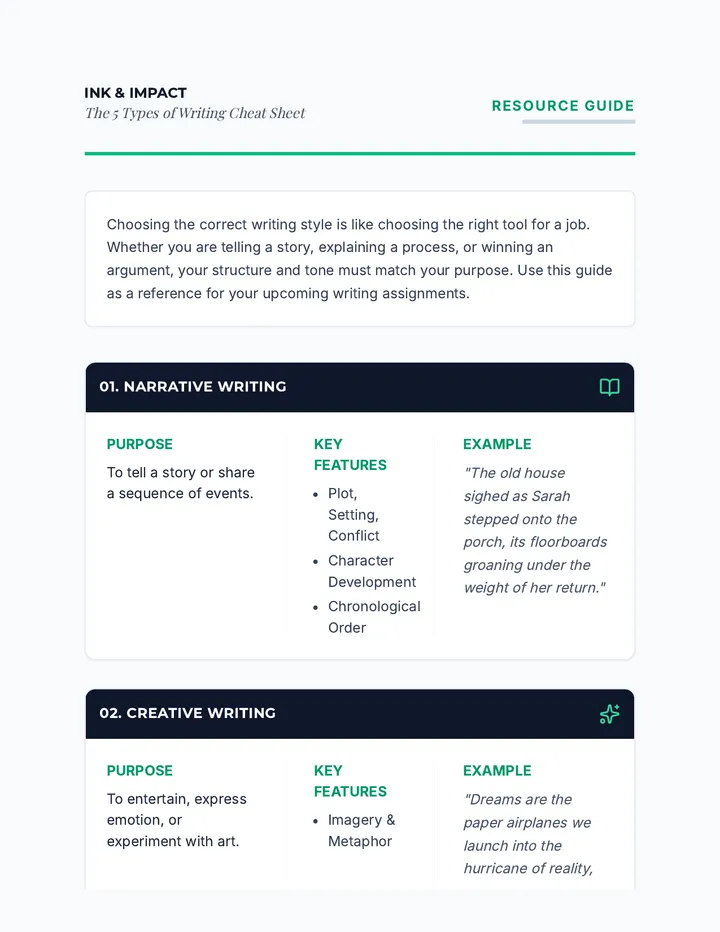
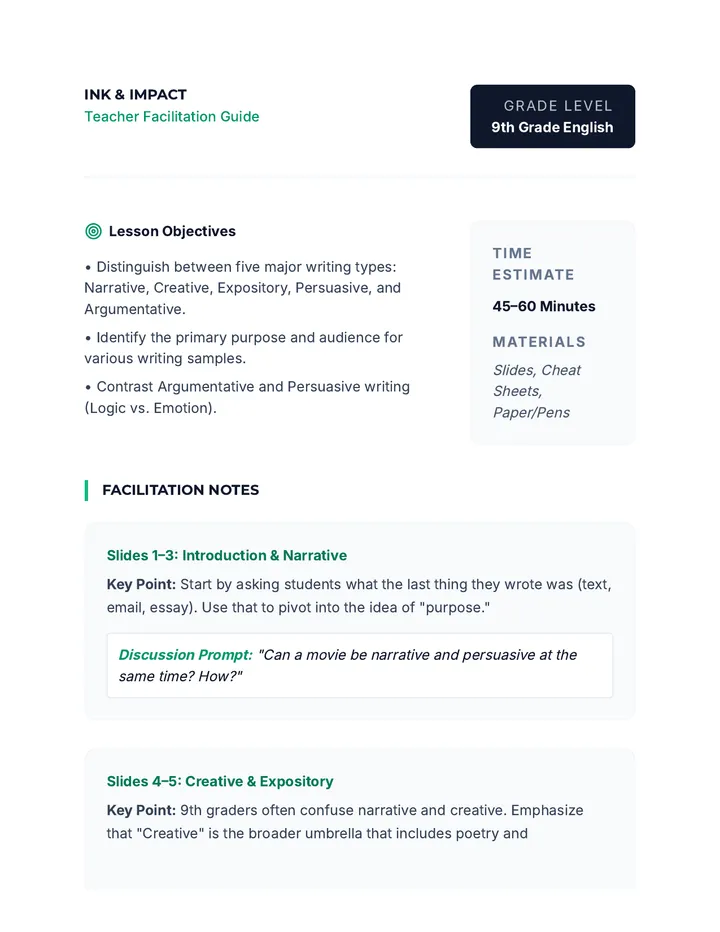
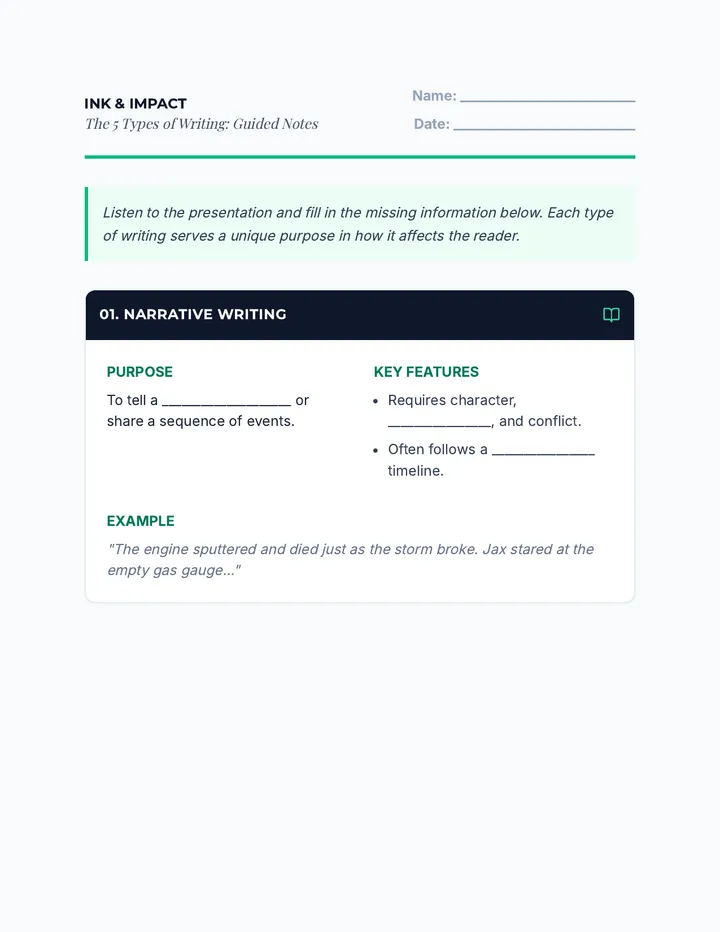
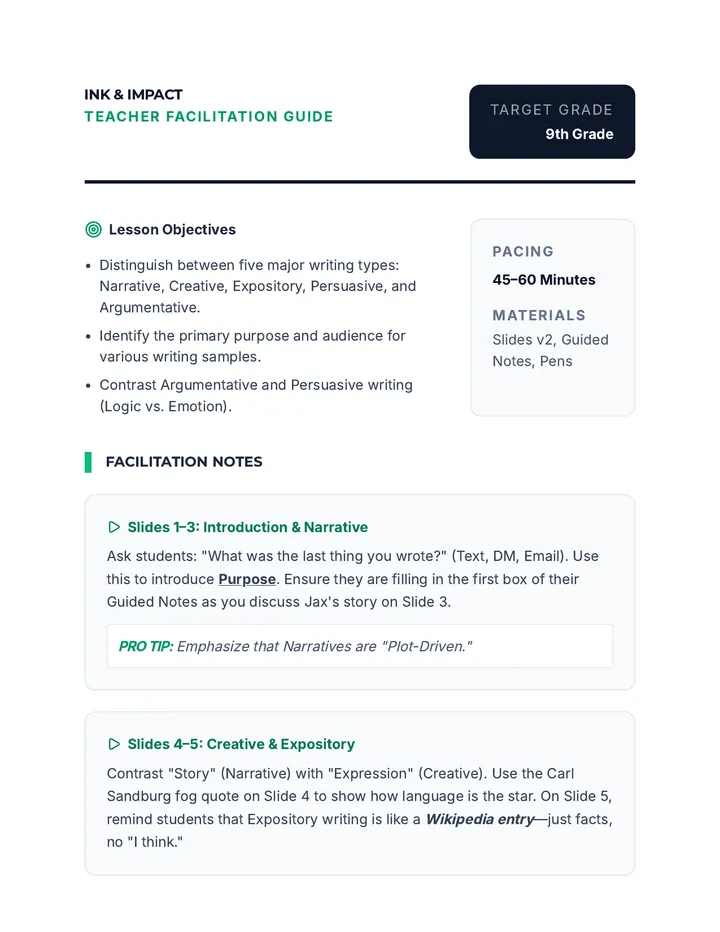
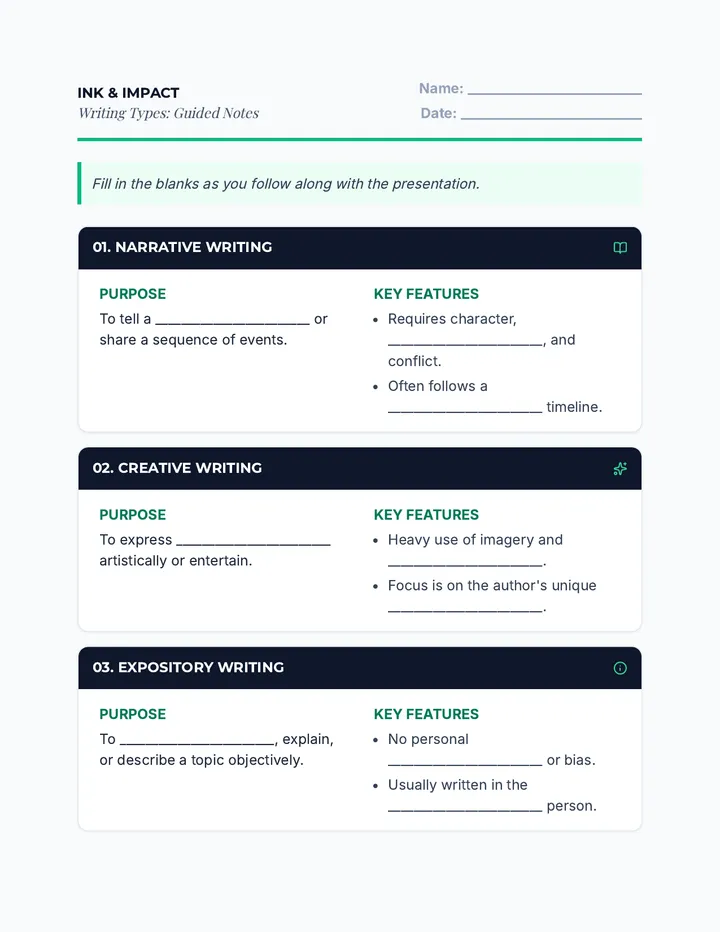
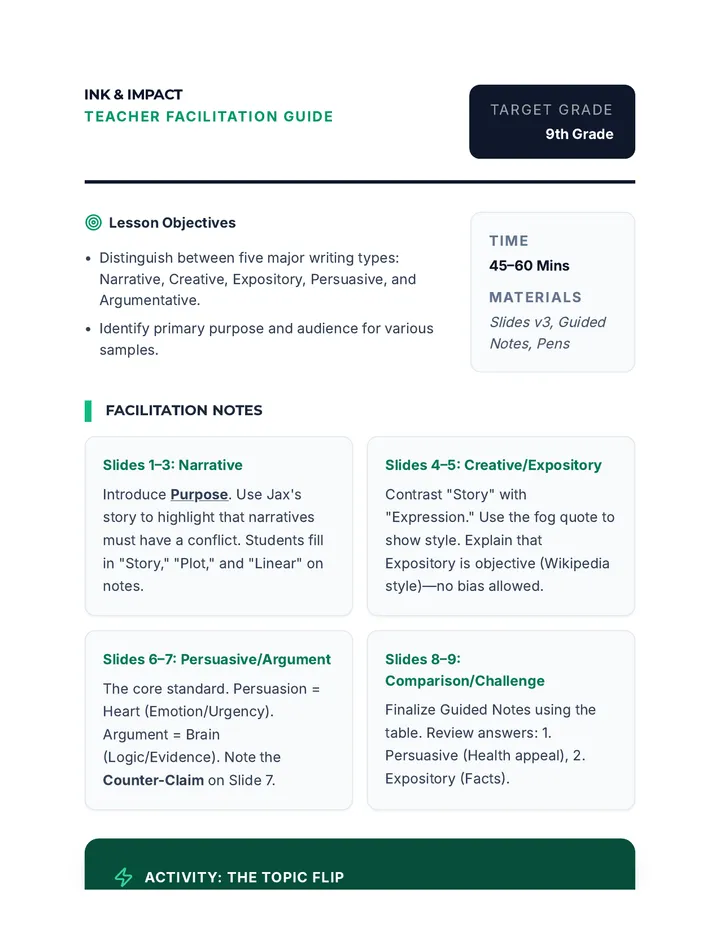
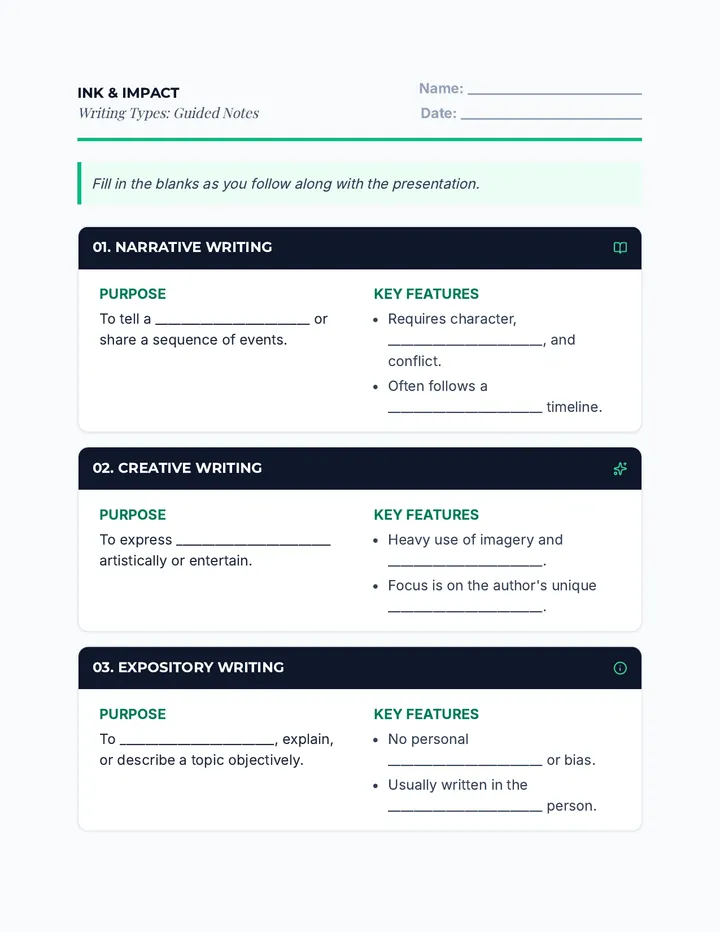
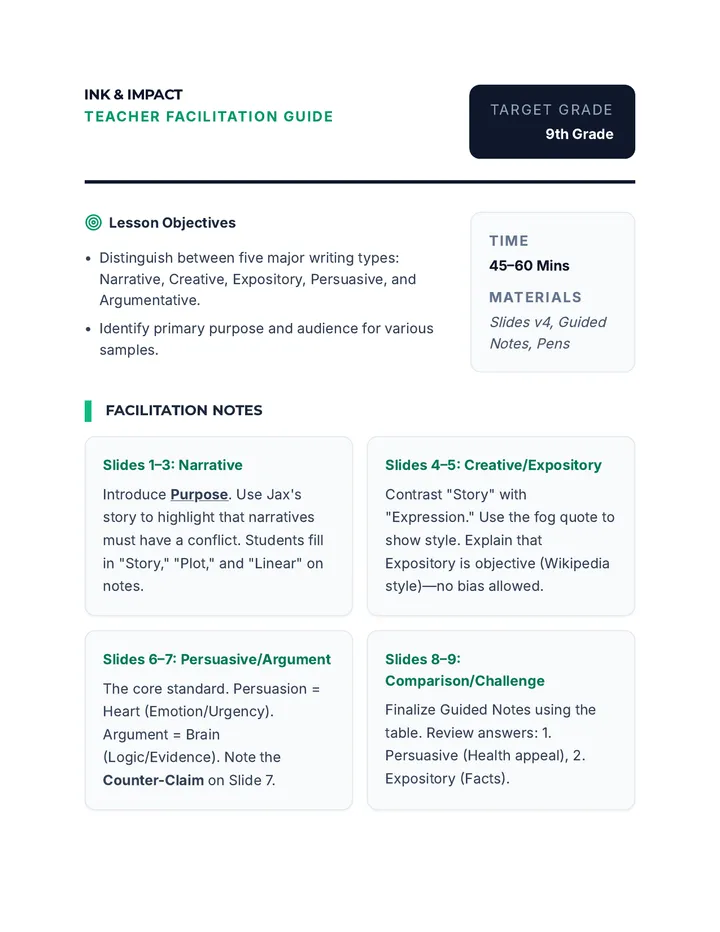
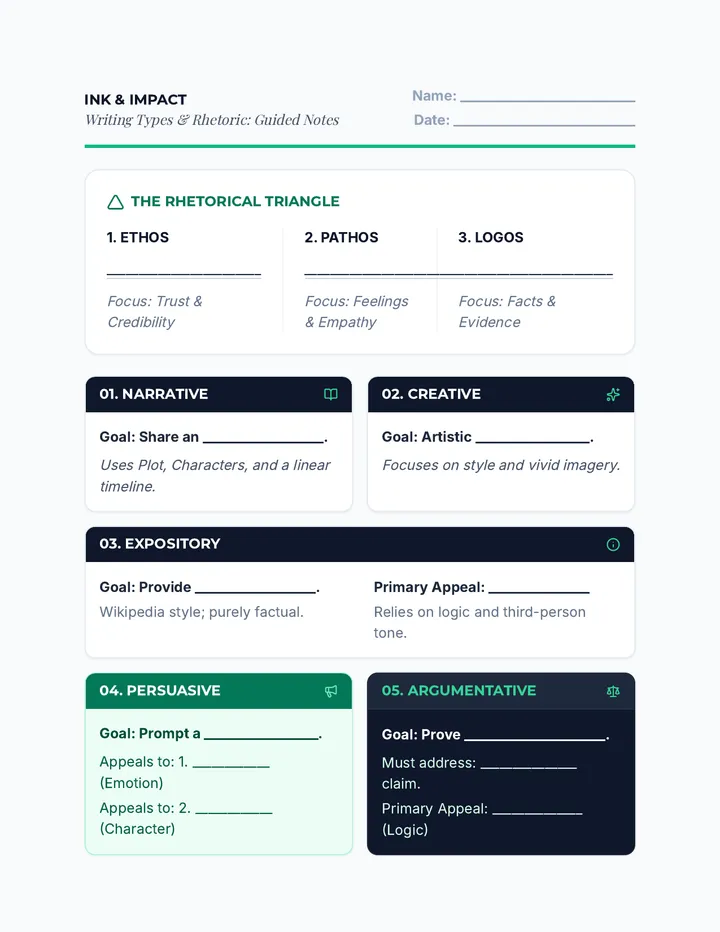
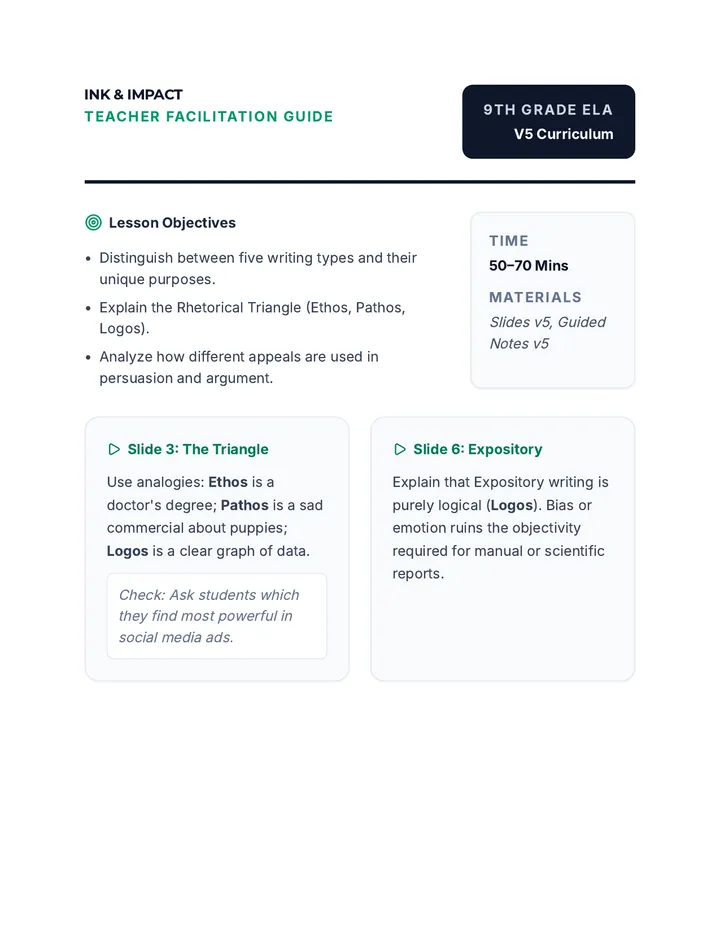
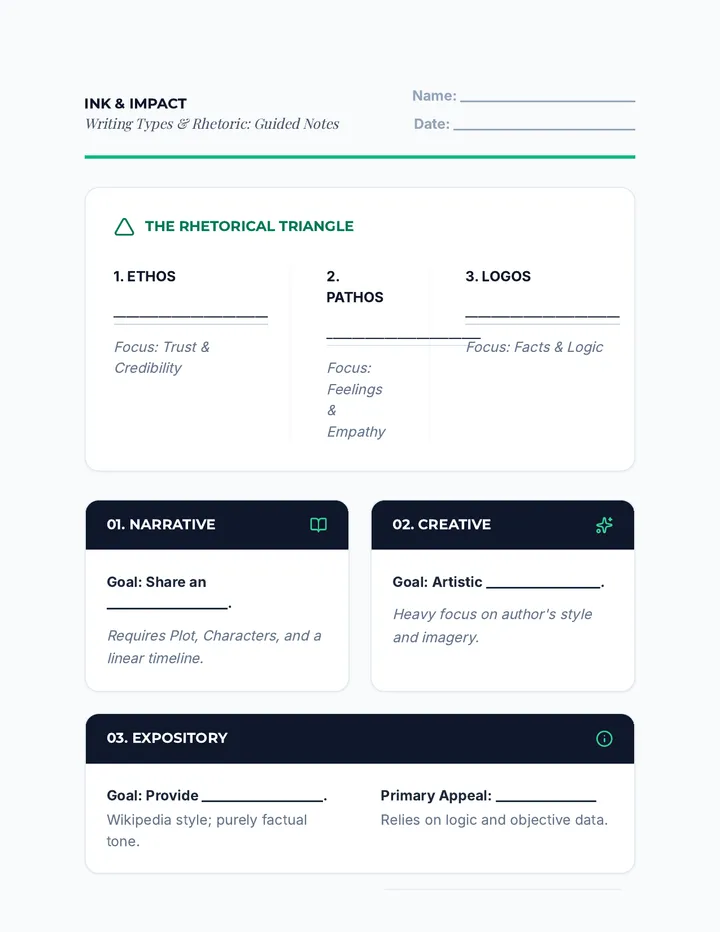
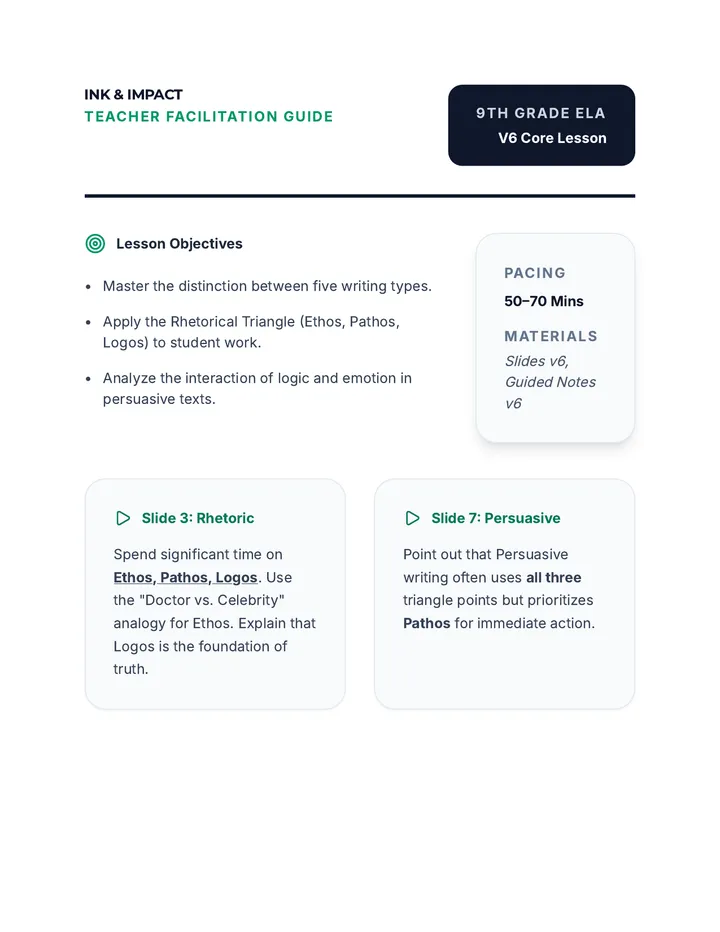
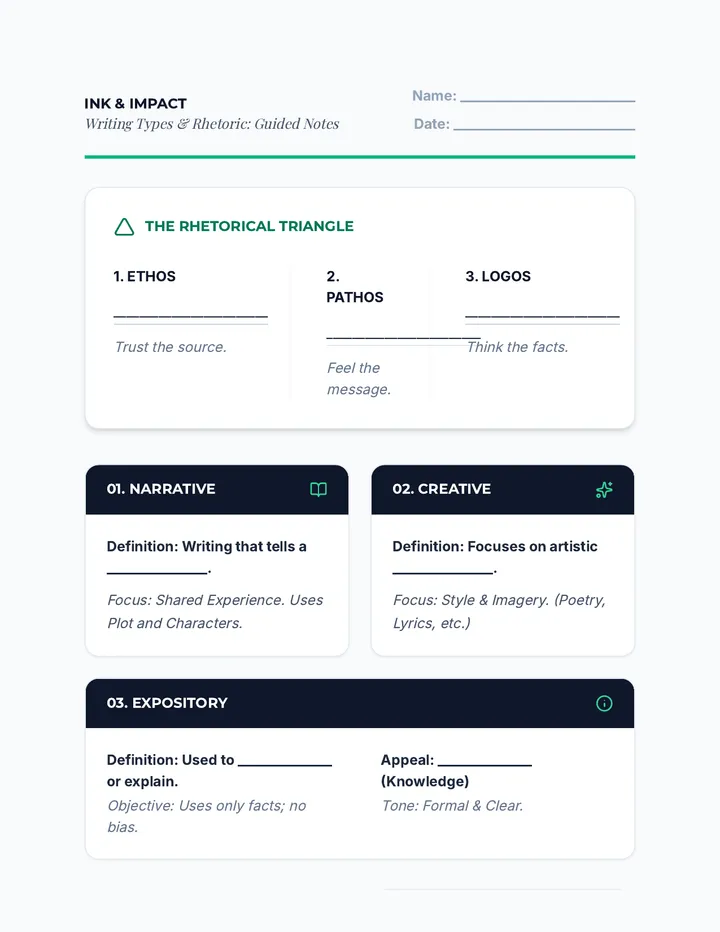
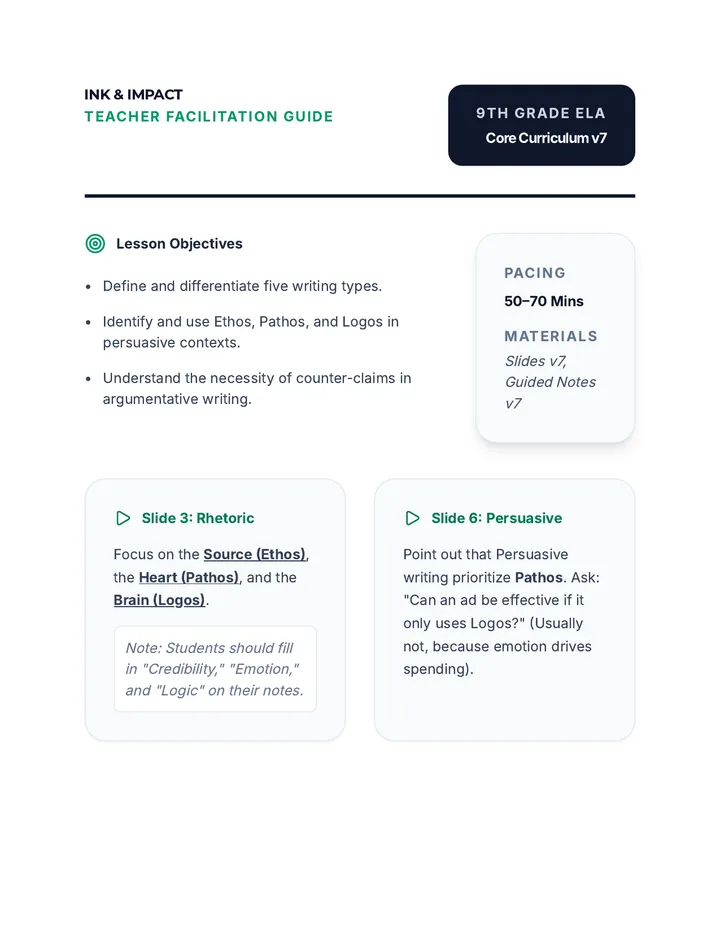
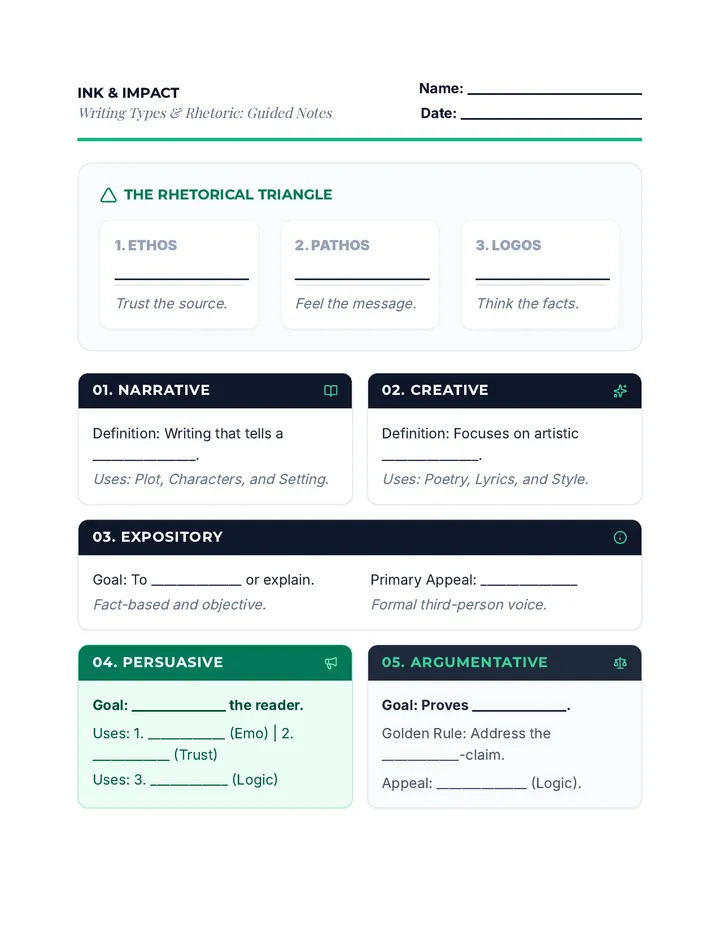
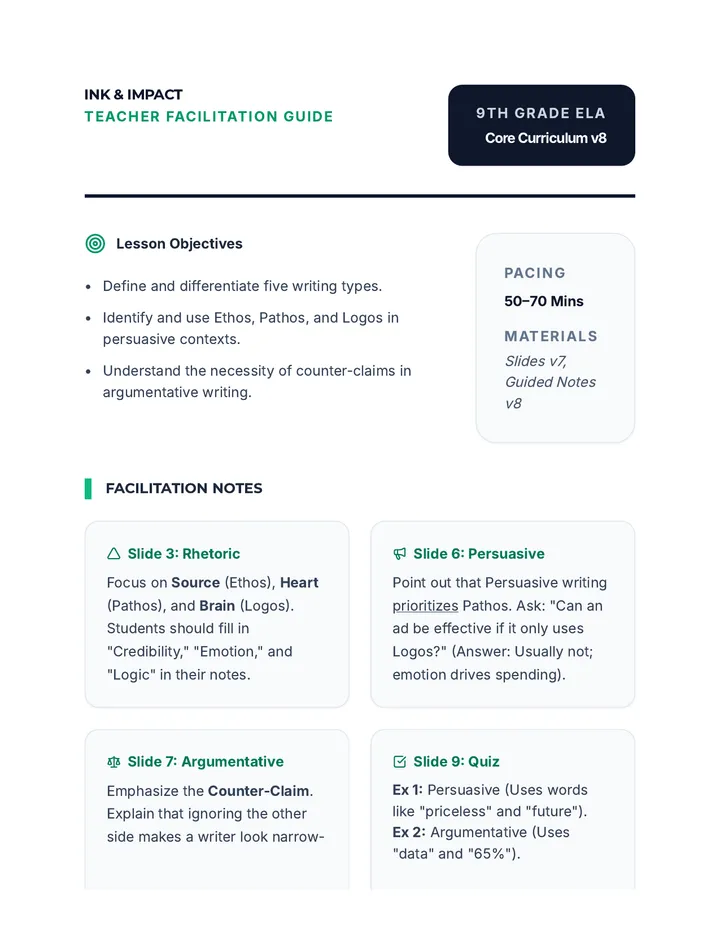
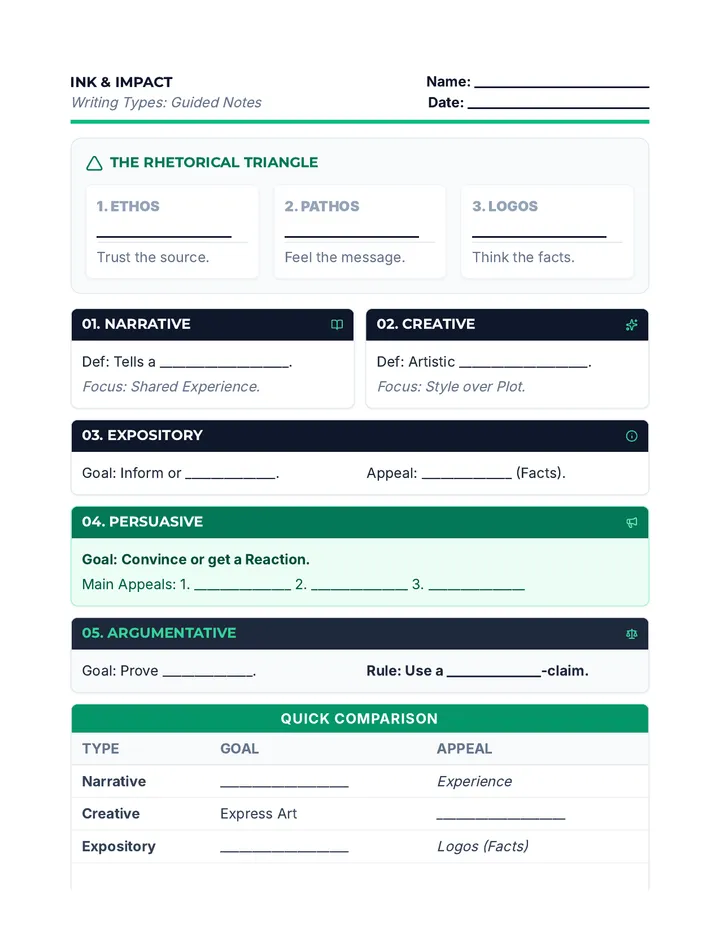
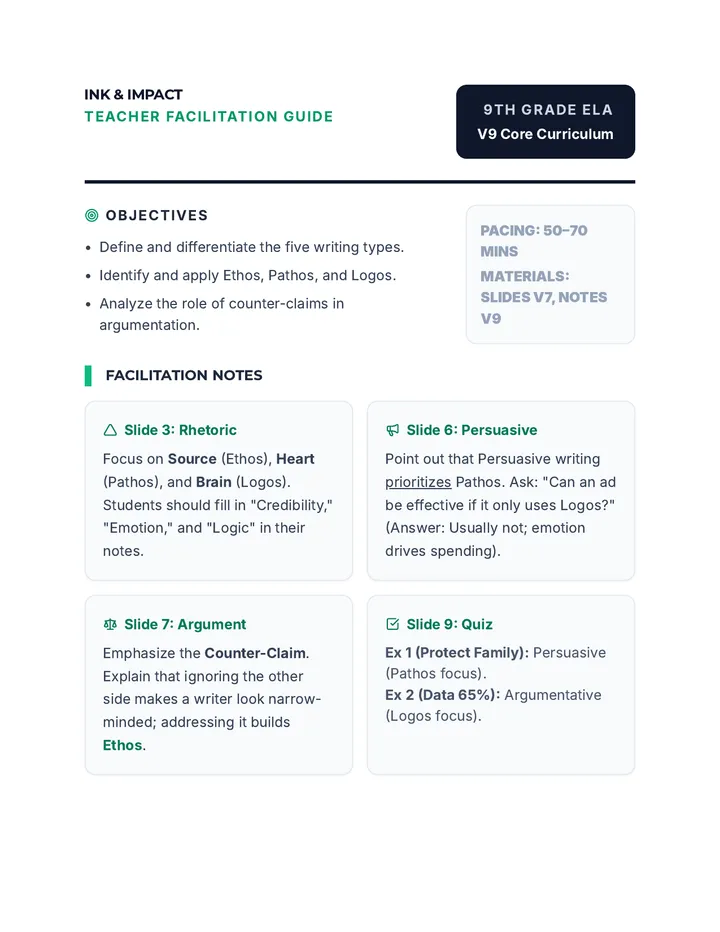
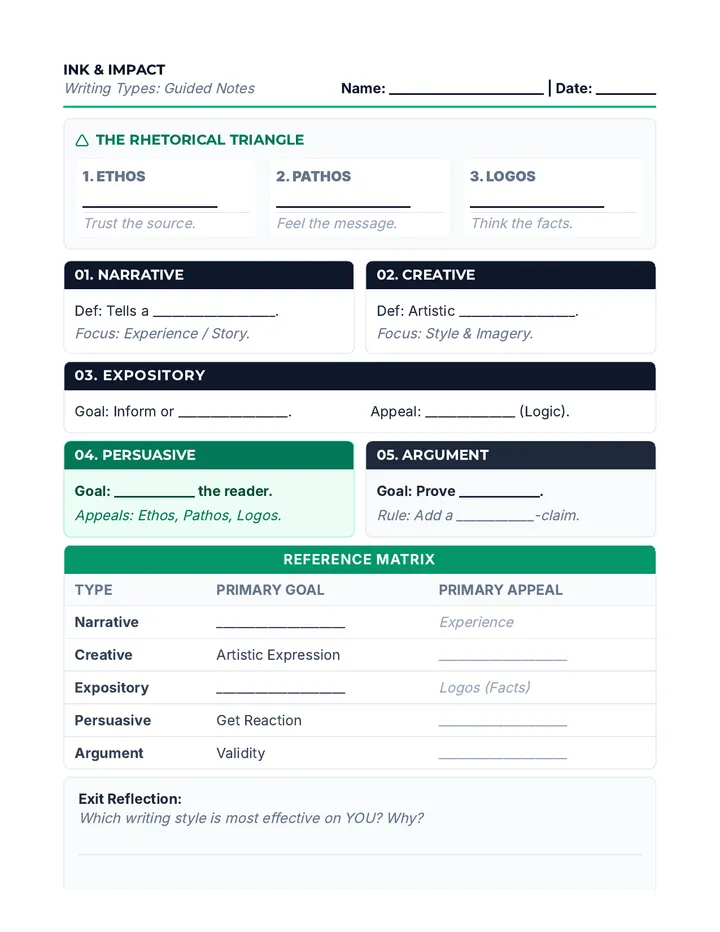
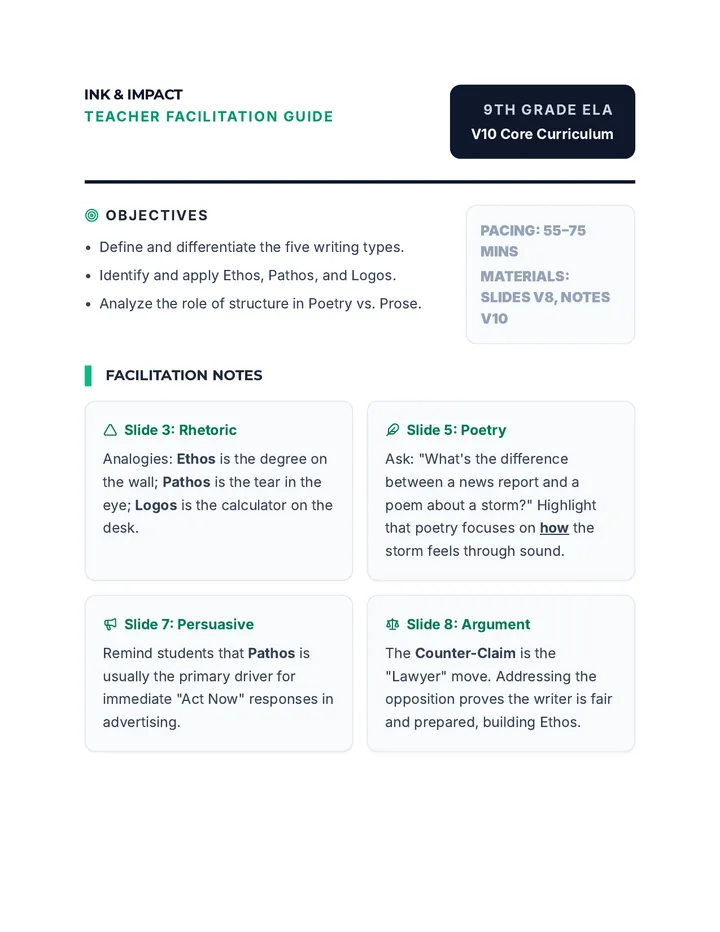
An introductory exploration of five major writing types: Narrative, Creative, Expository, Persuasive, and Argumentative. Students learn to distinguish between these forms based on purpose, structure, and audience impact.