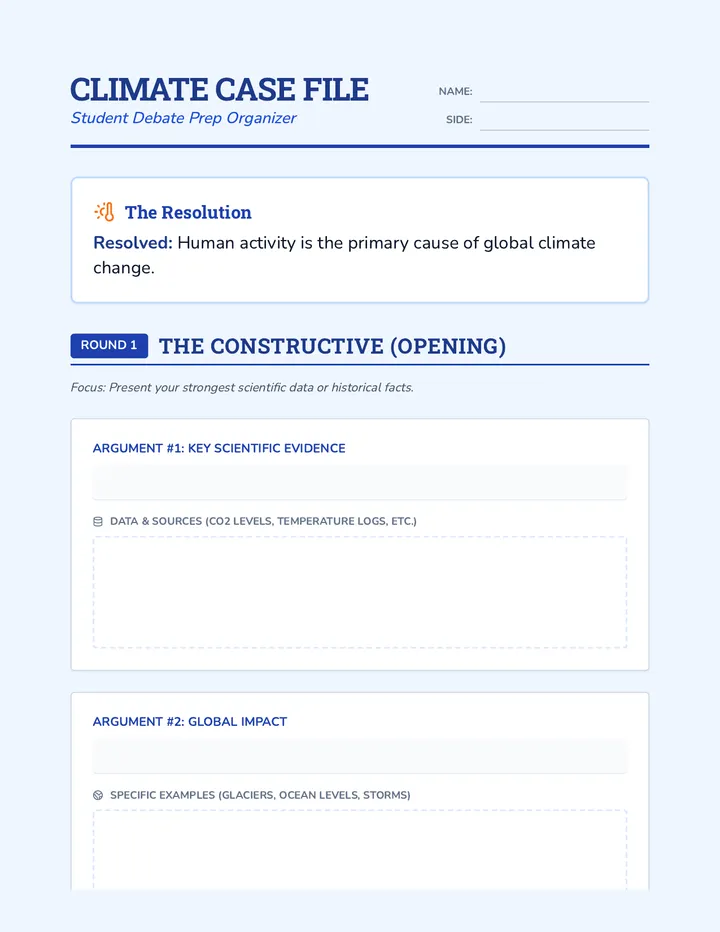
Structural frameworks for formal arguments including claim, warrant, and impact models. Equips speakers to organize constructive speeches, rebuttals, and summaries for logical flow and persuasive clarity.
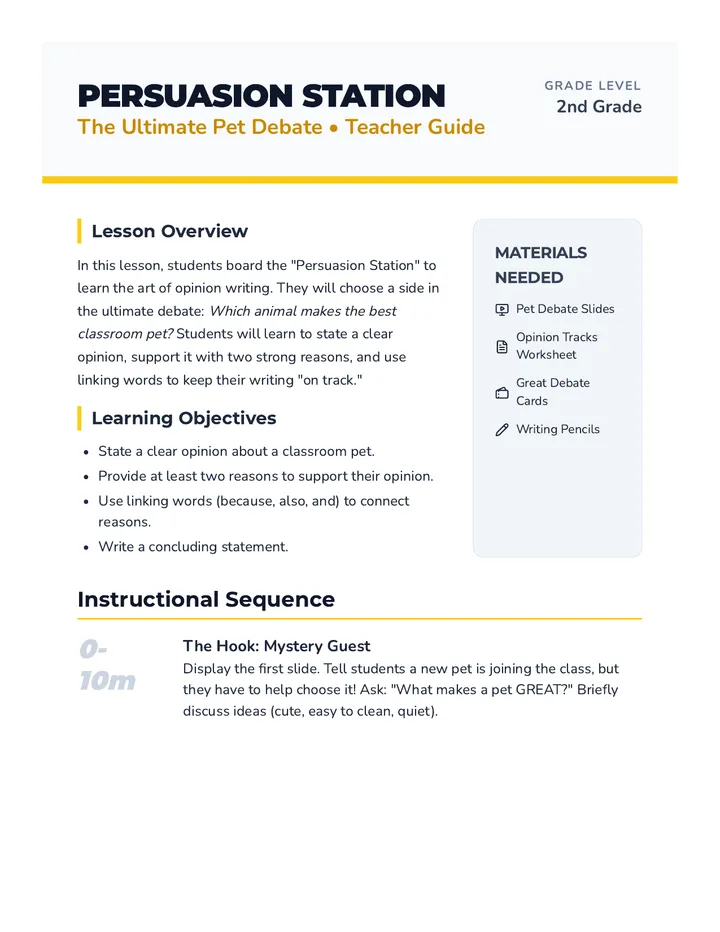
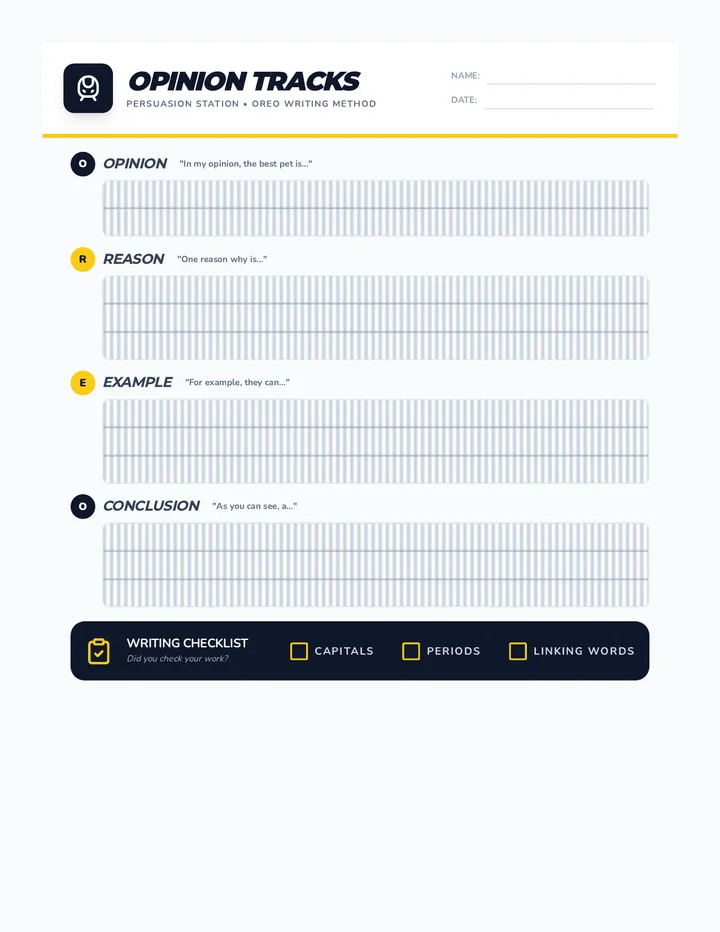
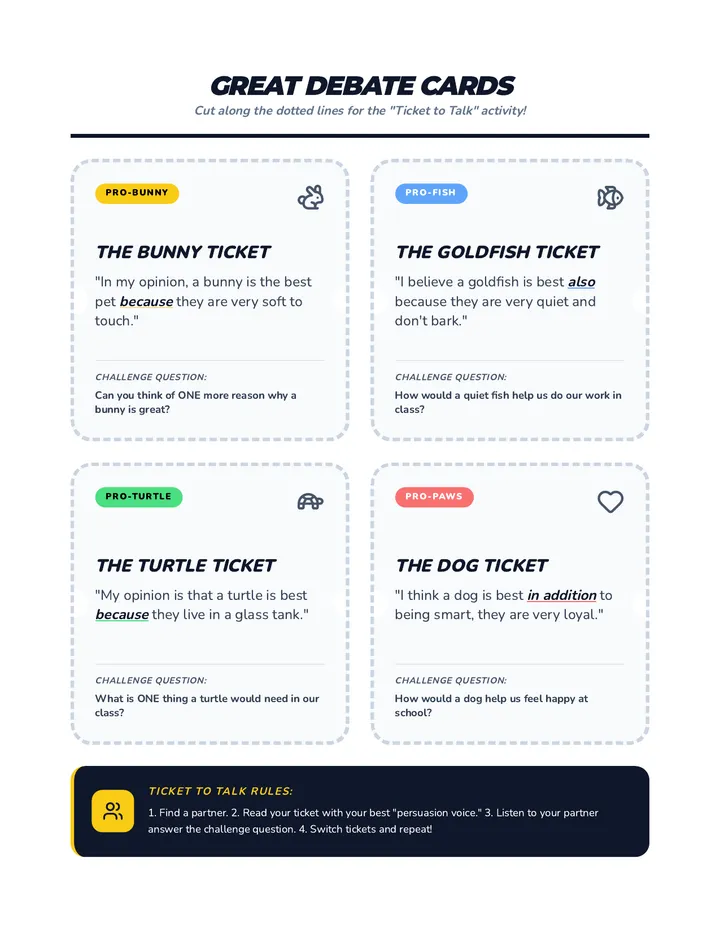
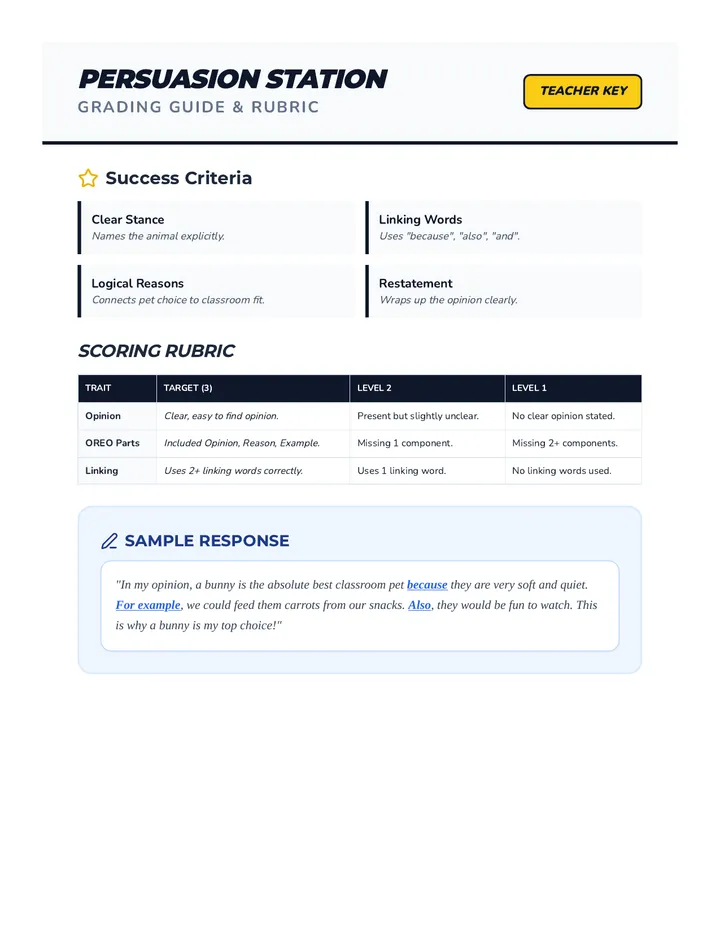
A second-grade literacy lesson where students learn to craft compelling opinion pieces by debating the best classroom pet, focusing on stances, reasons, and linking words.
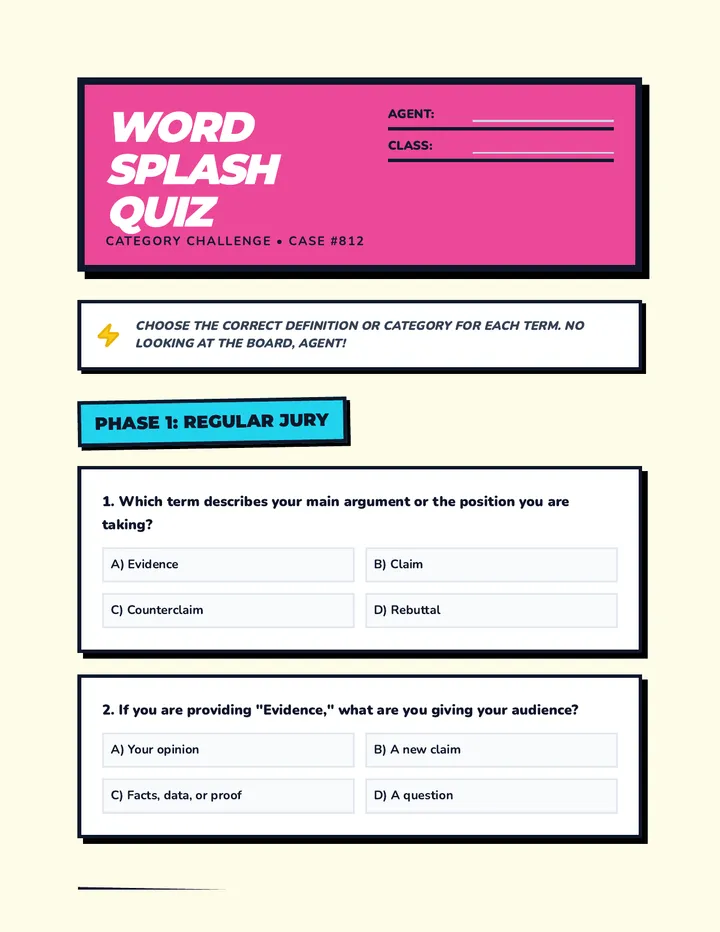
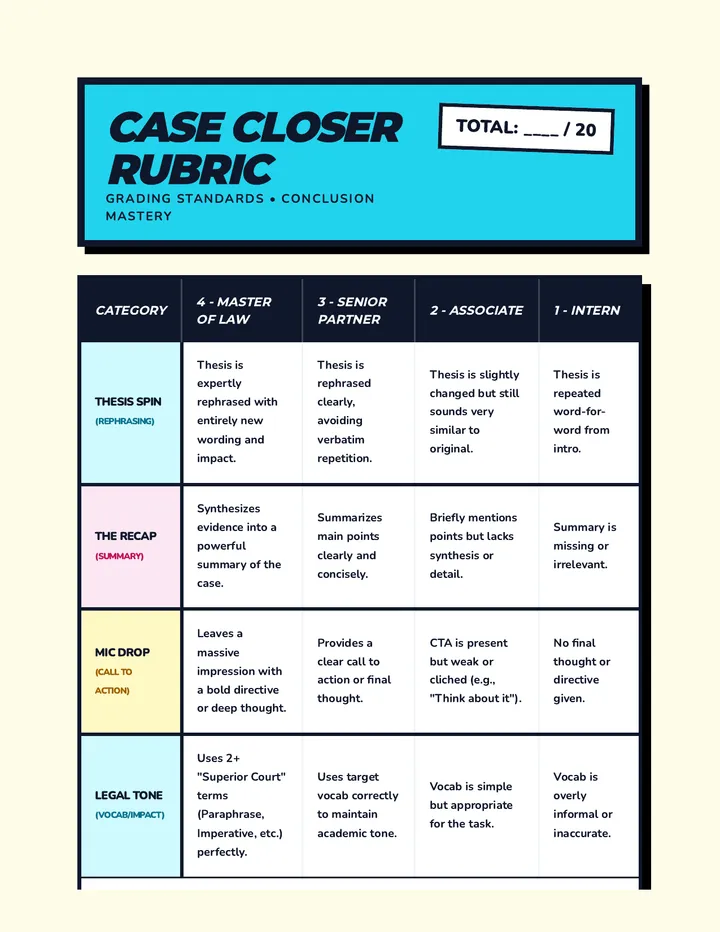
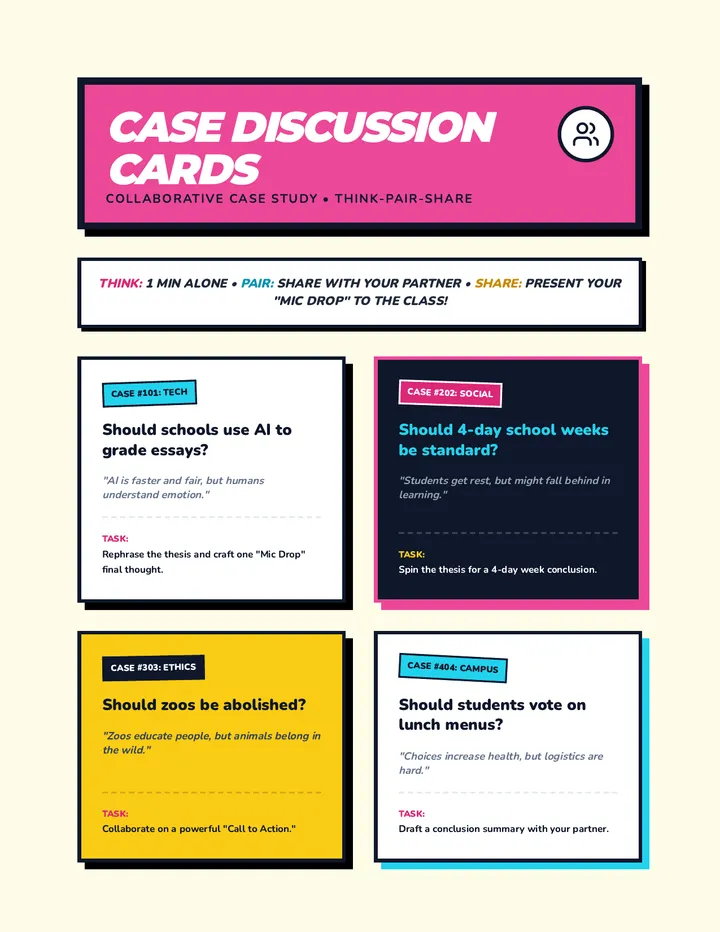
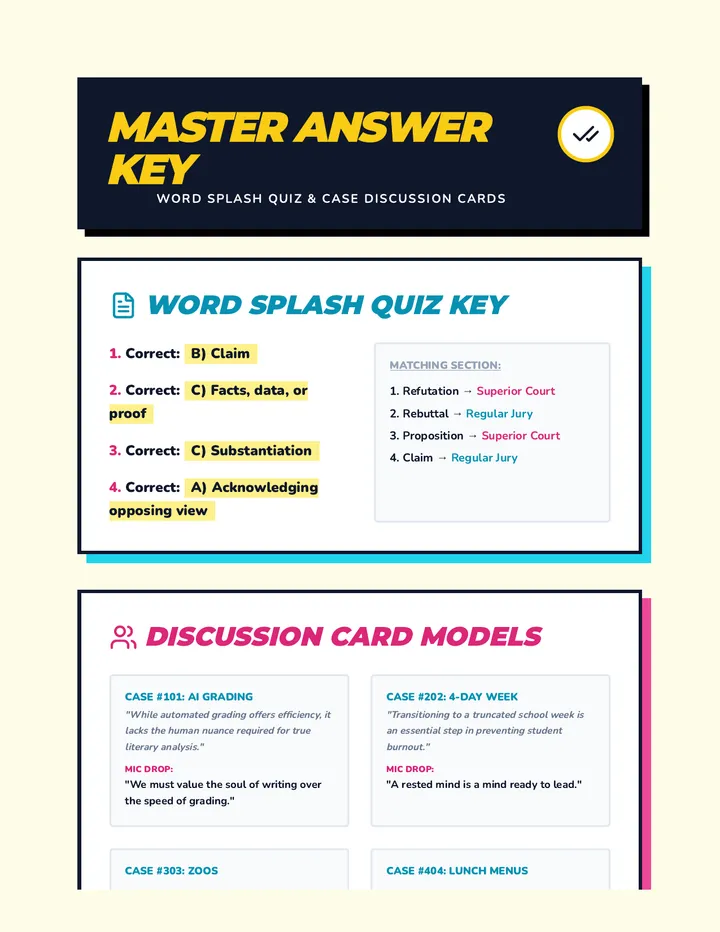
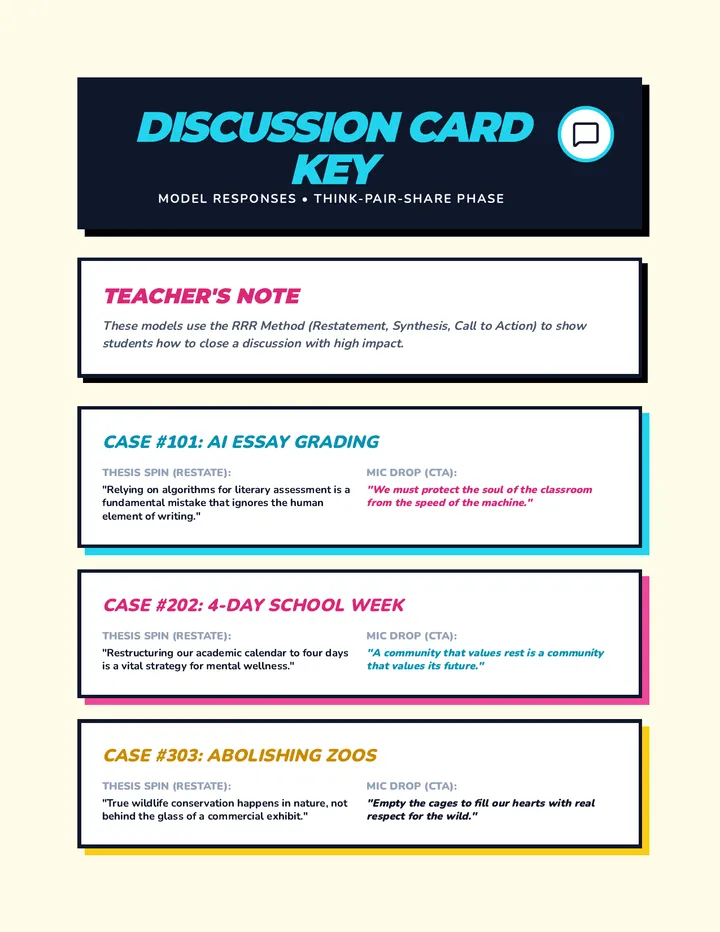
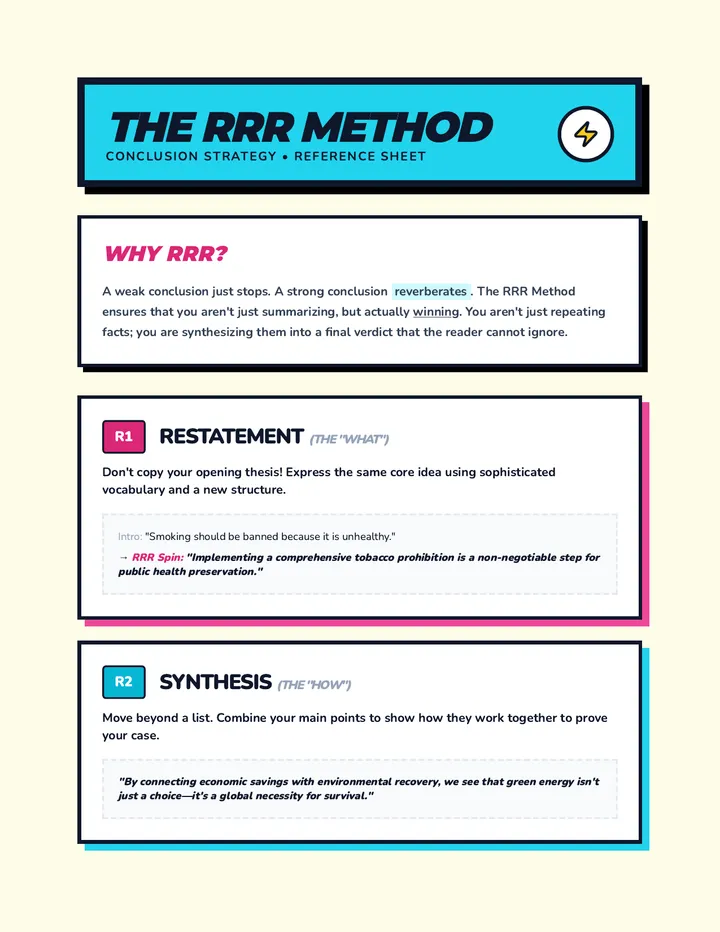
A comprehensive lesson on the structural pillars of argumentative writing, using a courtroom theme to master claims, evidence, and counter-arguments through fast-paced, high-impact activities.
An 8th-grade ELA lesson focused on central ideas and evidence through the CommonLit text 'Keeping Up with the Joneses'. Students analyze the origins, social impacts, and psychological pressures of status-seeking behavior through vocabulary challenges, media analysis, and collaborative activities.
A choice-based writing lesson where students select an opinion prompt and use provided short articles to gather evidence for their persuasive pieces.
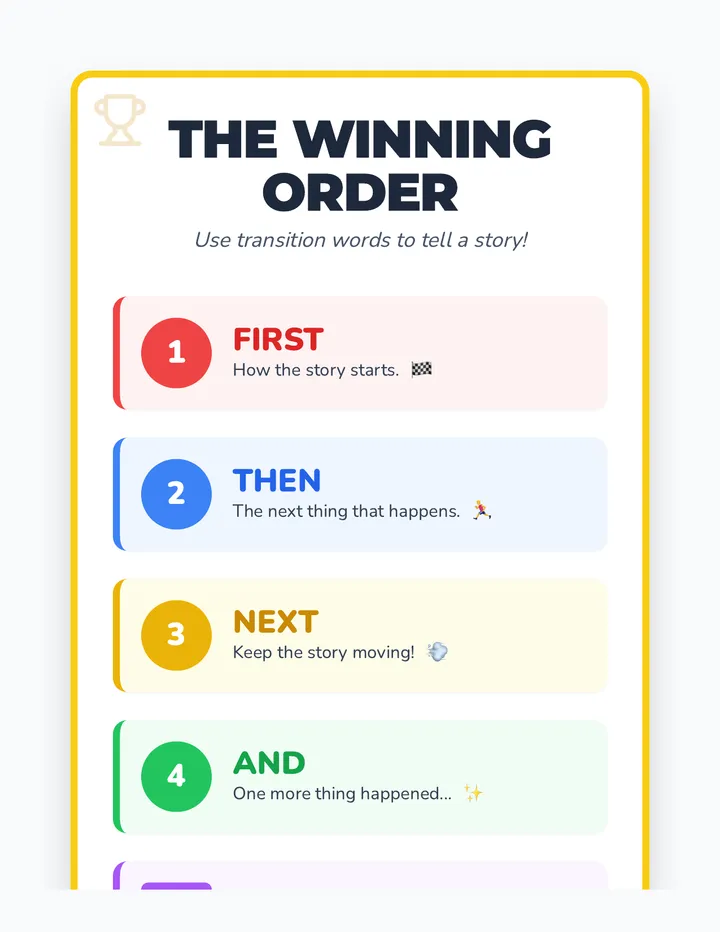
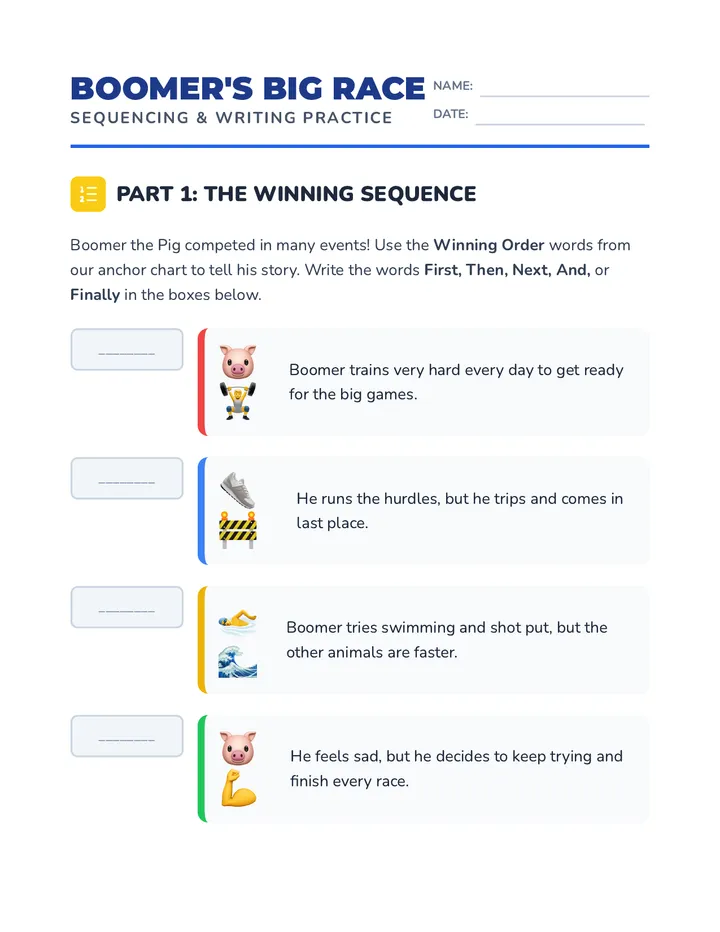
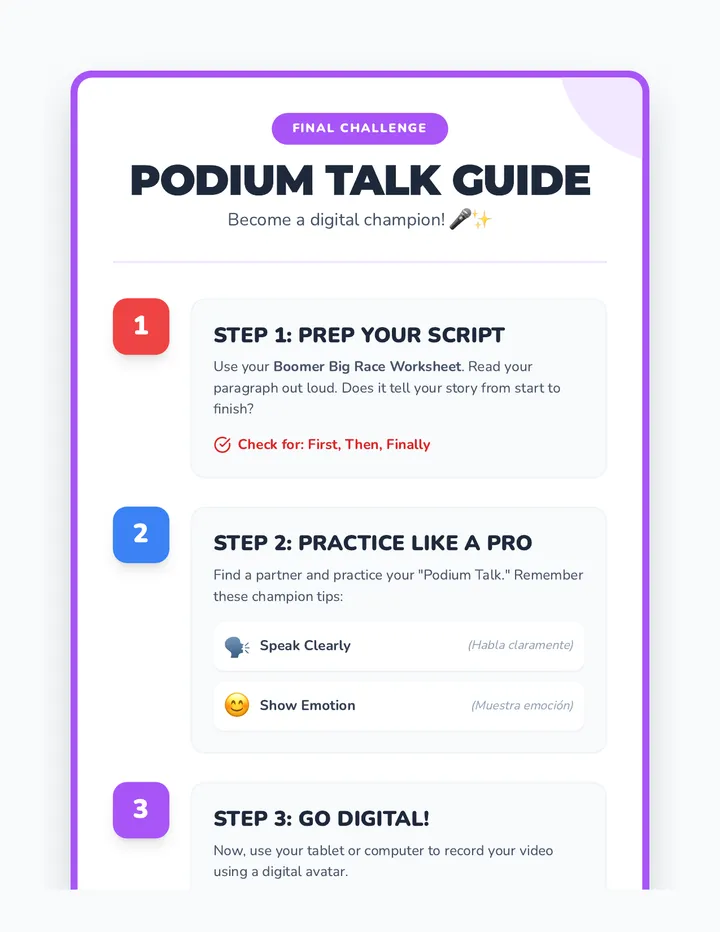
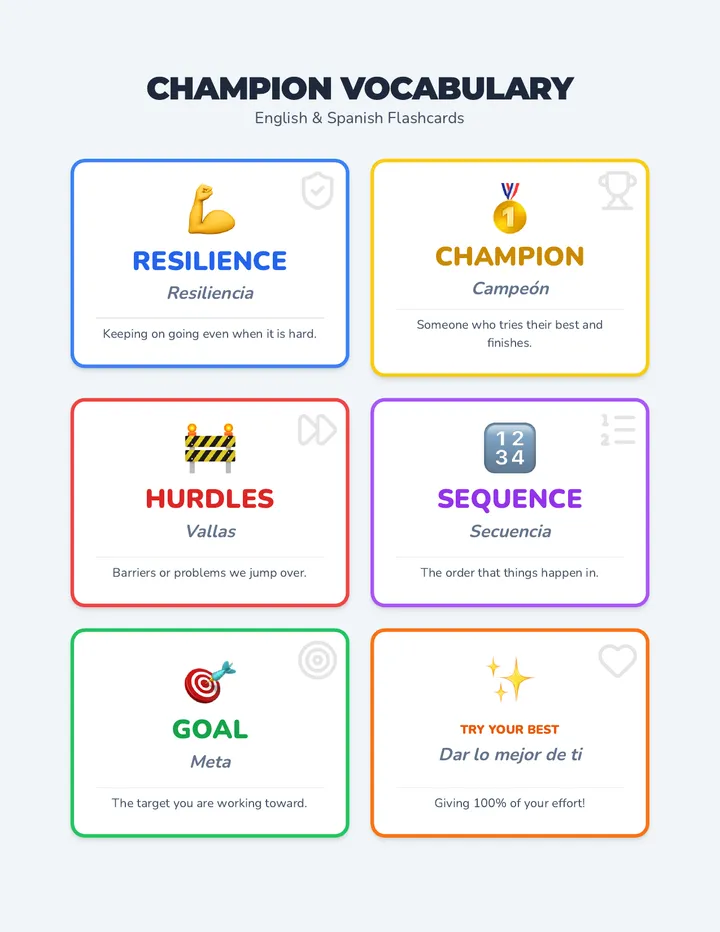
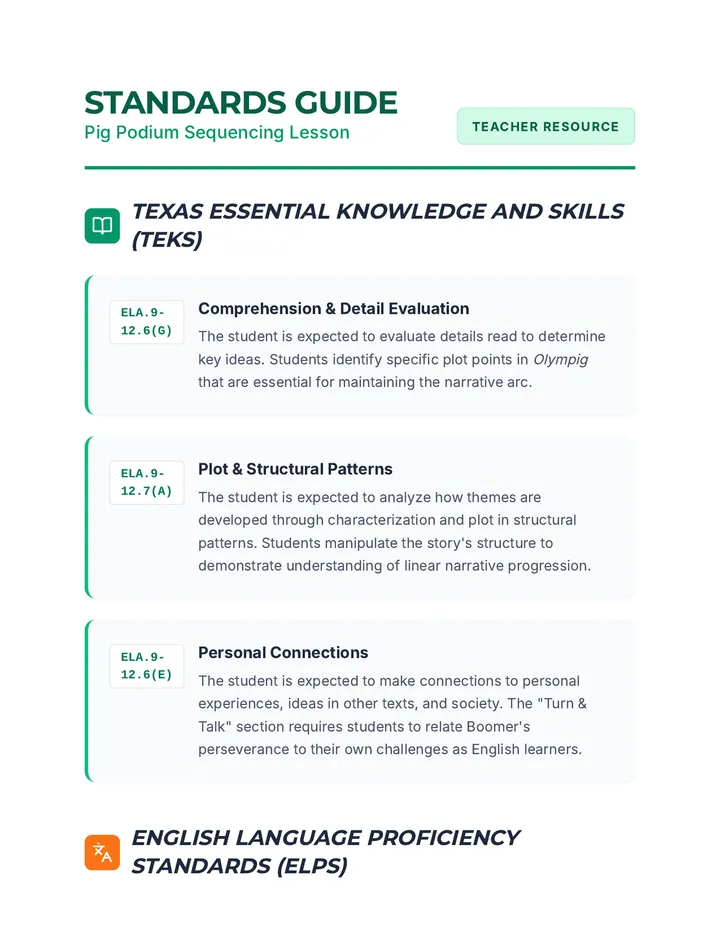
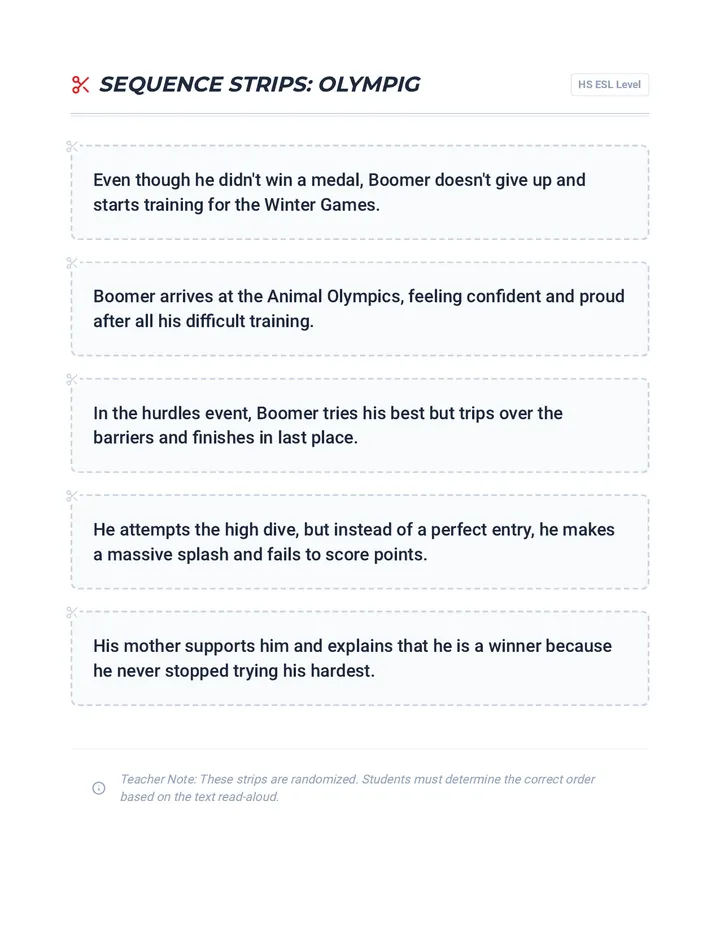
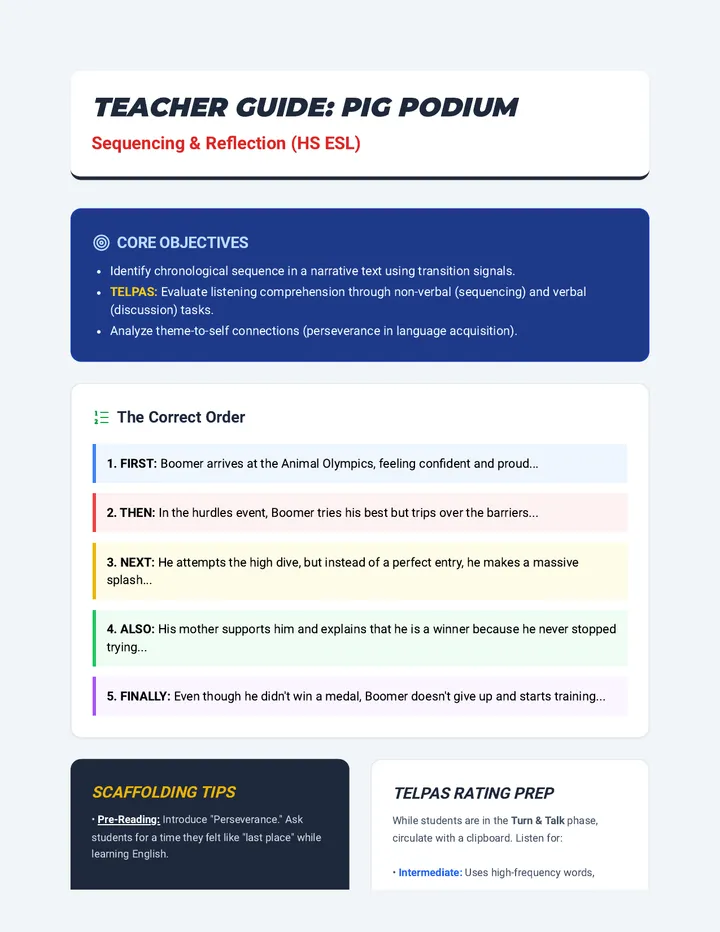
A literacy and language lesson based on 'Olympig!' by Victoria Jamieson, focusing on sequencing with transition words and writing about personal resilience with TELPAS scaffolds.
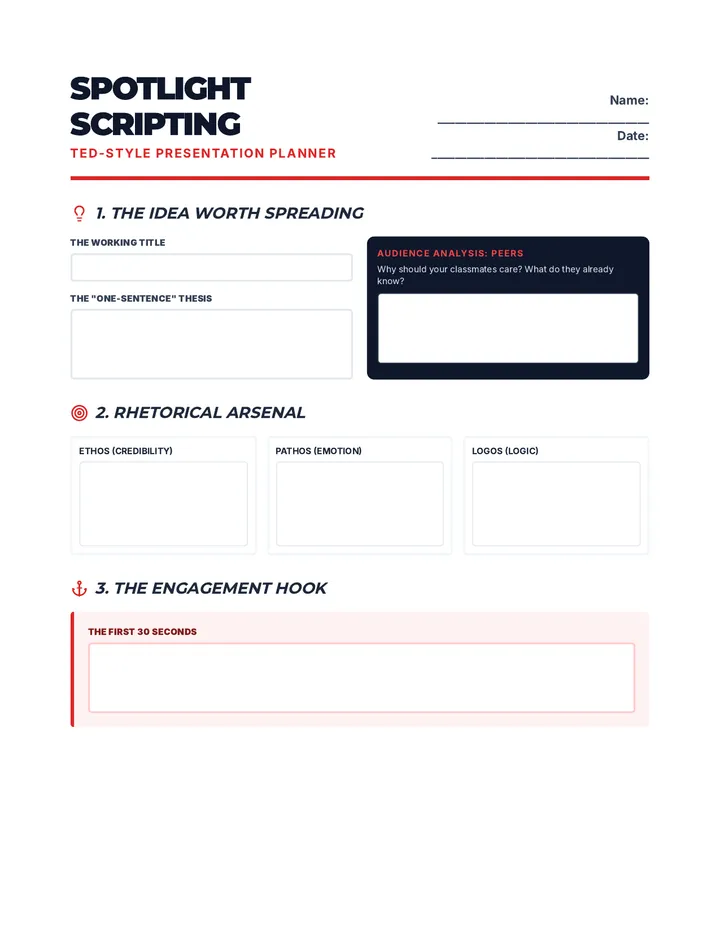
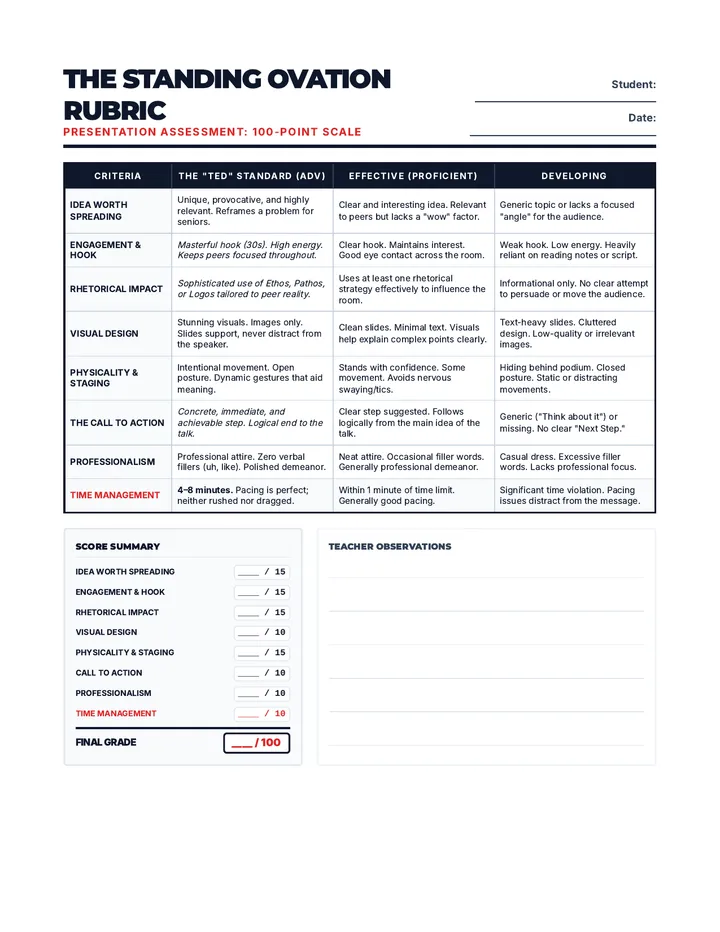
A comprehensive planning session for 12th-grade students to draft, structure, and refine a TED Talk-style presentation with a focus on audience engagement and rhetorical impact.
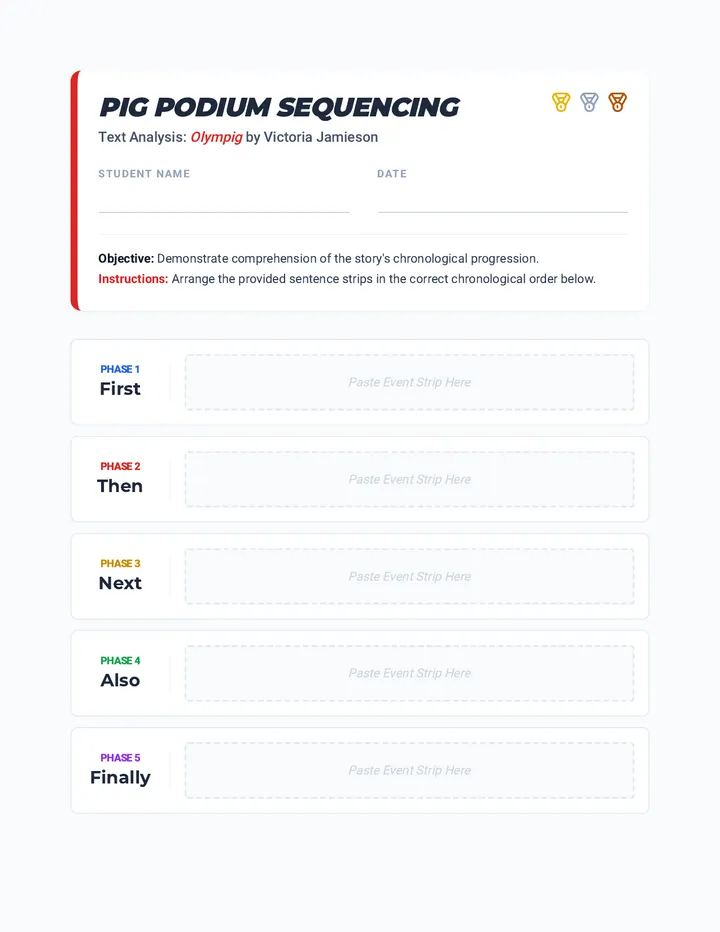
A lesson focused on sequencing story events using the book 'Olympig' by Victoria Jamieson, designed to support listening comprehension and TELPAS preparation.
A week-long exploration comparing The Great Gatsby and The Crucible, specifically designed to engage students with varying attendance and energy levels through scaffolded activities and a structured writing process.
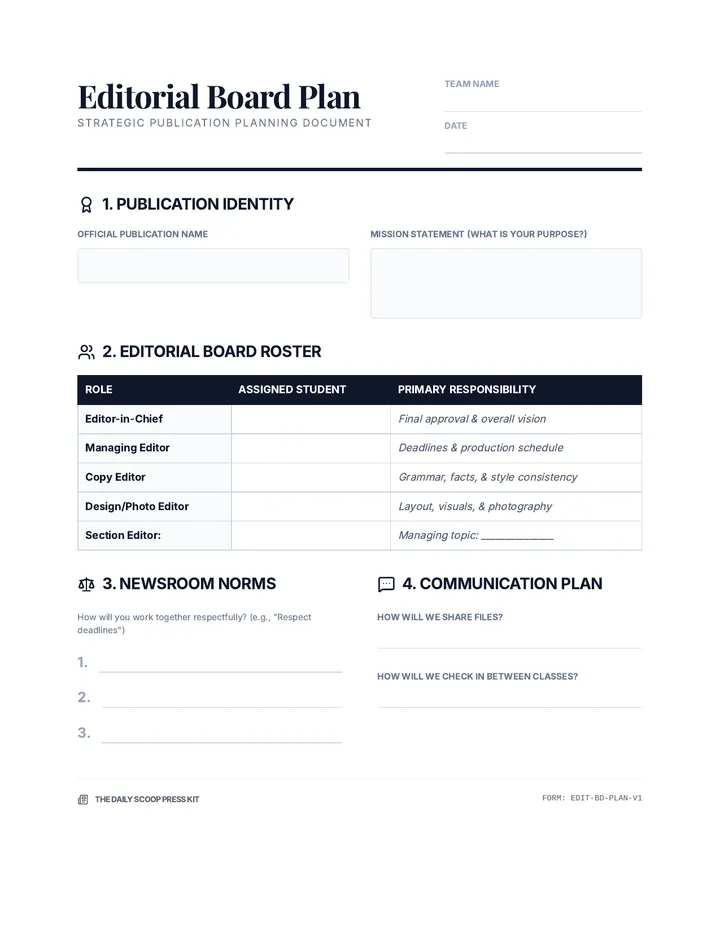
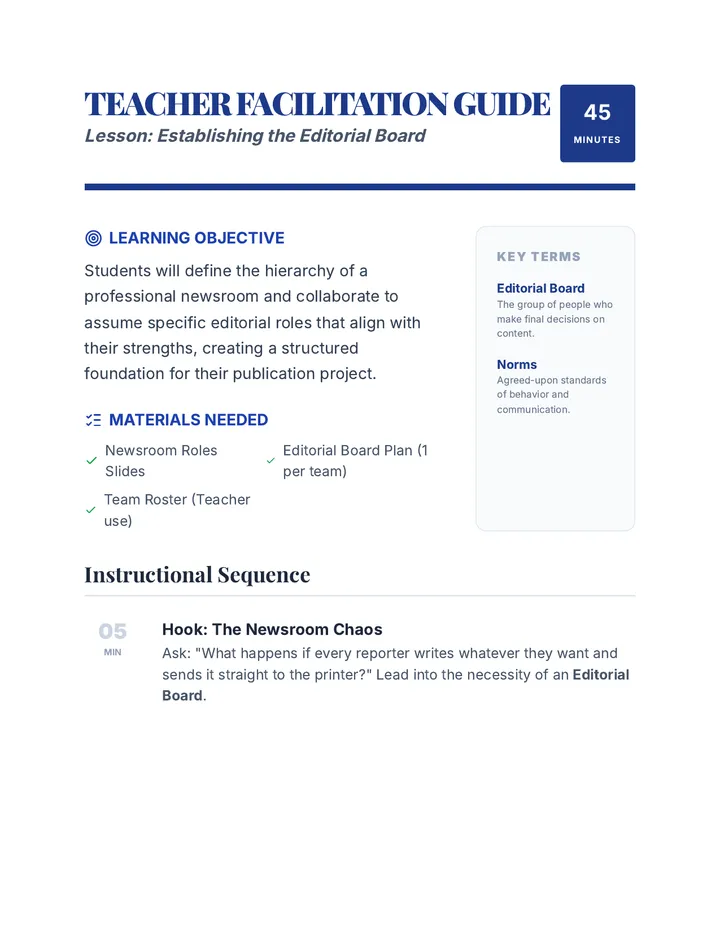
Students explore the hierarchy and responsibilities of a professional newsroom, assigning roles and establishing communication norms for their own publication project.
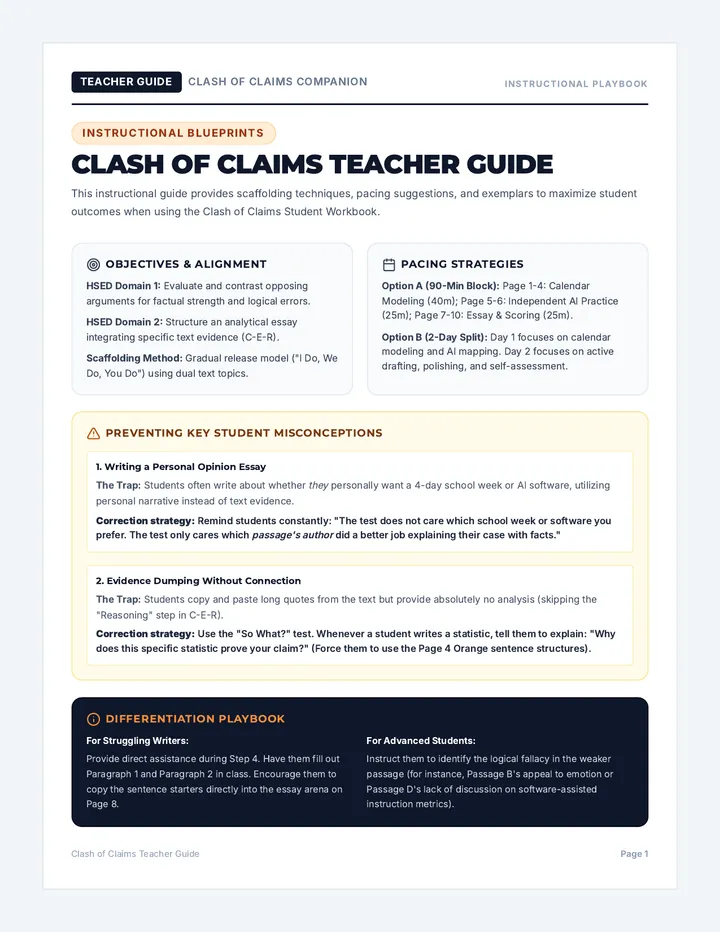
An intensive, highly scaffolded writing experience designed to prepare middle-school level learners for the HSED RLA extended response. Students learn to analyze opposing arguments, structure their own claims with evidence and reasoning, and write a cohesive essay.
A focused introduction to opinion writing for 5th graders, centering on the single debate topic of whether wild animals should be kept in zoos. Students learn to form a strong claim and support it using the OREO method.
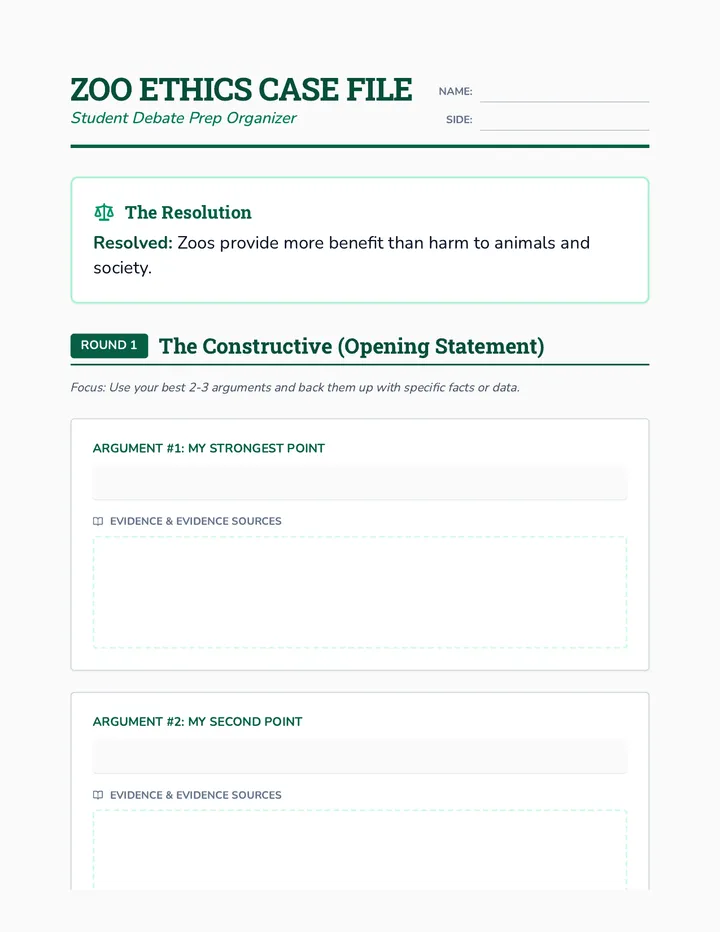
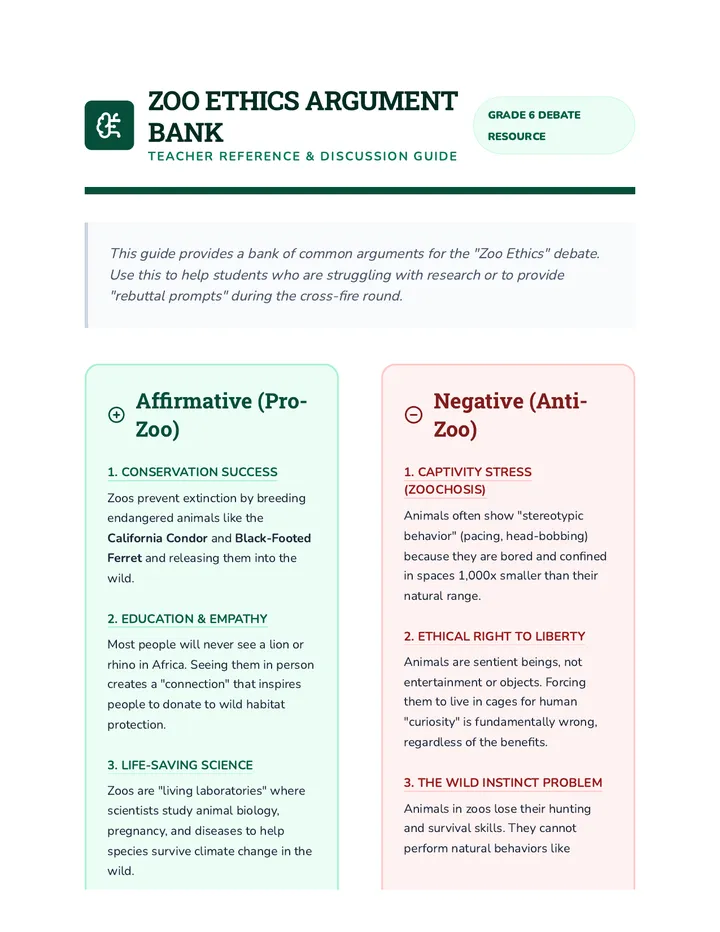
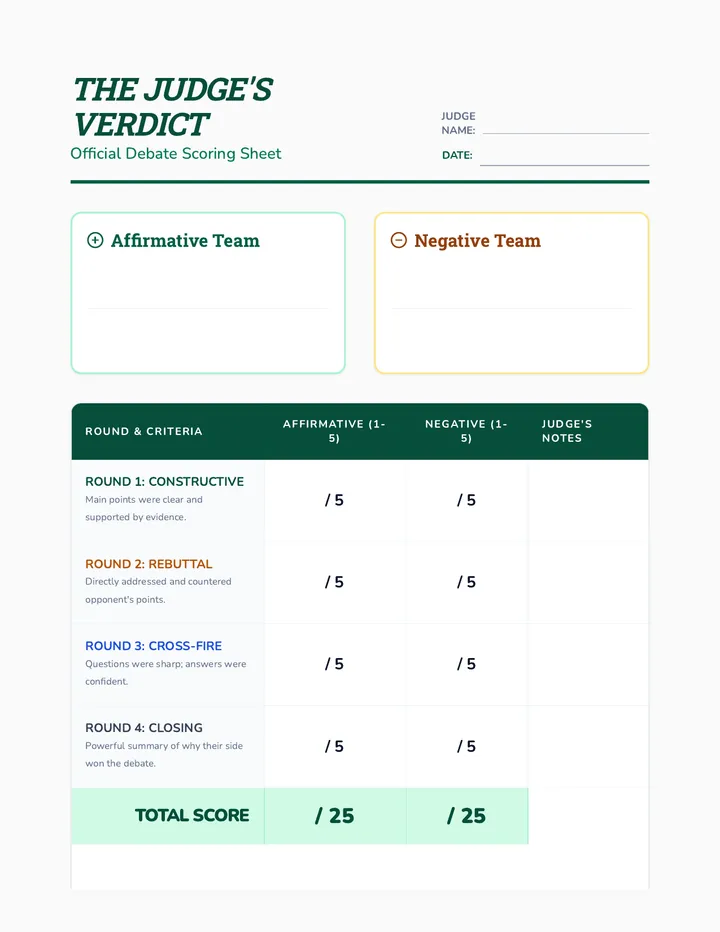
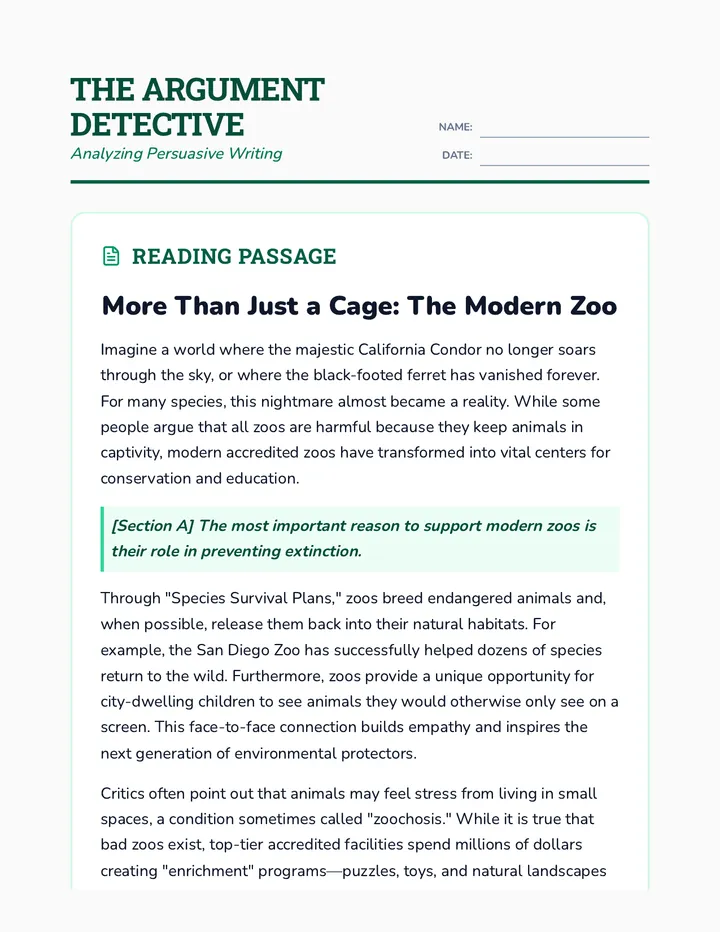
A comprehensive guide and set of tools for 6th-grade students to prepare for and execute a formal debate on the ethics of zoos. This lesson introduces the four-round debate structure, research techniques, and rebuttal strategies.