Zoo Debate Prep Worksheet Zoo Ethics Case File
Student Debate Prep Organizer
Name:
Side:
The Resolution
Resolved: Zoos provide more benefit than harm to animals and society.
Round 1
The Constructive (Opening Statement)
Focus: Use your best 2-3 arguments and back them up with specific facts or data.
Argument #1: My Strongest Point
Evidence & Evidence Sources
Argument #2: My Second Point
Evidence & Evidence Sources
Round 2
The Rebuttal (Defense & Attack)
Focus: Identify the flaws in the other side's arguments and defend your own points.
Opponent's Claim
Notes on what they might say about captivity or conservation.
My Counter-Argument
"While they say X, the evidence actually shows Y..."
Opponent's Claim
My Counter-Argument
Round 3
Cross-Fire (Direct Questioning)
Tip: Ask "Open-Ended" questions (Who, What, How, Why) to catch them off-guard!
1
2
3
Round 4
Closing Summary
Goal: Leave the judge with a powerful final thought. Why did your side win?
Final Summary Points
End of Case File — Prepare to Argue
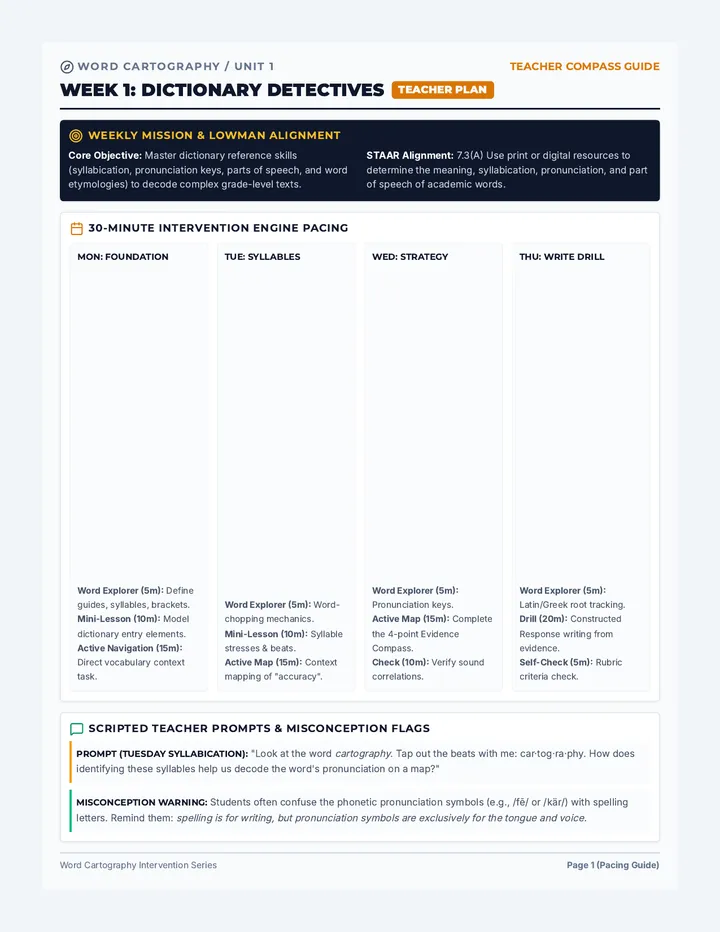
Zoo Debate Slides The Great
Zoo Debate
6th Grade Debate Workshop
What is Debate?
Formal Argument
A structured contest of ideas where two sides try to persuade a judge.
Respectful Conflict
You attack the arguments, not the person speaking.
"It's not about who shouts loudest, but who has the strongest evidence."
The Big Question
"Resolved: Zoos provide more benefit than harm to animals and society."
PRO: Affirmative
CON: Negative
The 4-Round Structure
01
Constructive
Build your case. State your best arguments and facts.
02
Rebuttal
Attack! Show the flaws in the other side's logic.
03
Cross-Fire
Direct questions. Catch them off-guard with inquiry.
04
Closing
The Big Finish. Why did your team win the day?
Round 1
Constructive
Speech
State your main points clearly.
Provide Evidence (Facts, stats, and expert quotes).
Explain WHY this matters for the animal's welfare.
Round 2
The
Rebuttal
The Secret Recipe:
"My opponent said [Point X]..."
"However, this is wrong because [Evidence Y]..."
"Therefore, our side is more correct because..."
Round 3
Cross
Fire
Debate Etiquette
Let the other person finish their sentence.
Ask short questions, not long speeches.
Stay calm and confident.
Look at the Judge, not your opponent.
Winning Strategies
Eye Contact
Look at your judge. It builds trust!
Voice Control
Speak clearly. Slow down when you have big facts.
Body Language
Stand tall. Don't fidget with your notes.
Zoo Ethics Teacher Guide Zoo Ethics Argument Bank
Teacher Reference & Discussion Guide
Grade 6 Debate Resource
This guide provides a bank of common arguments for the "Zoo Ethics" debate. Use this to help students who are struggling with research or to provide "rebuttal prompts" during the cross-fire round.
Affirmative (Pro-Zoo)
1. Conservation Success
Zoos prevent extinction by breeding endangered animals like the California Condor and Black-Footed Ferret and releasing them into the wild.
2. Education & Empathy
Most people will never see a lion or rhino in Africa. Seeing them in person creates a "connection" that inspires people to donate to wild habitat protection.
3. Life-Saving Science
Zoos are "living laboratories" where scientists study animal biology, pregnancy, and diseases to help species survive climate change in the wild.
4. The "Safety" Factor
Animals in zoos are protected from poachers, habitat loss, drought, and starvation. They live significantly longer lives on average than their wild counterparts.
Negative (Anti-Zoo)
1. Captivity Stress (Zoochosis)
Animals often show "stereotypic behavior" (pacing, head-bobbing) because they are bored and confined in spaces 1,000x smaller than their natural range.
2. Ethical Right to Liberty
Animals are sentient beings, not entertainment or objects. Forcing them to live in cages for human "curiosity" is fundamentally wrong, regardless of the benefits.
3. The Wild Instinct Problem
Animals in zoos lose their hunting and survival skills. They cannot perform natural behaviors like migration or complex social bonding in artificial enclosures.
4. Profit vs. Welfare
Zoos are businesses that need ticket sales. Money is often spent on "pretty" landscapes for tourists rather than larger, more natural spaces for the animals.
Facilitating the Rebuttal
Question Prompts (Round 3)
• "Is a safe cage better than a dangerous, free forest?"
• "Can conservation happen without showing animals to the public?"
• "If a zoo helps 10 species but mistreats 1, is it still ethical?"
• "Do humans have a right to keep animals for study?"
Evaluation Criteria
Evidence: Did they use specific facts or just feelings?
Delivery: Did they speak clearly and look at the judge?
Rebuttal: Did they actually answer the opponent's points?
Respect: Did they follow debate etiquette?
Essential Debate Vocabulary
Zoo Debate Scorecard The Judge's Verdict
Official Debate Scoring Sheet
Judge Name:
Date:
Affirmative Team
Negative Team
Round & Criteria Affirmative (1-5) Negative (1-5) Judge's Notes Round 1: Constructive
Main points were clear and supported by evidence.
| / 5 | / 5 |
|
|
Round 2: Rebuttal
Directly addressed and countered opponent's points.
| / 5 | / 5 |
|
|
Round 3: Cross-Fire
Questions were sharp; answers were confident.
| / 5 | / 5 |
|
|
Round 4: Closing
Powerful summary of why their side won the debate.
| / 5 | / 5 |
|
|
Overall Delivery
Eye contact, clear voice, and respectful attitude.
| / 5 | / 5 |
|
| Total Score | / 25 | / 25 | |
The Winner Is...
Final Judge Feedback
1: Poor 2: Fair 3: Good 4: Excellent 5: Superior
Formal 4-Round Structure Scoring Sheet
Zoo Persuasion Analysis Worksheet The Argument Detective
Analyzing Persuasive Writing
Name:
Date:
Reading Passage
More Than Just a Cage: The Modern Zoo
Imagine a world where the majestic California Condor no longer soars through the sky, or where the black-footed ferret has vanished forever. For many species, this nightmare almost became a reality. While some people argue that all zoos are harmful because they keep animals in captivity, modern accredited zoos have transformed into vital centers for conservation and education.
[Section A] The most important reason to support modern zoos is their role in preventing extinction.
Through "Species Survival Plans," zoos breed endangered animals and, when possible, release them back into their natural habitats. For example, the San Diego Zoo has successfully helped dozens of species return to the wild. Furthermore, zoos provide a unique opportunity for city-dwelling children to see animals they would otherwise only see on a screen. This face-to-face connection builds empathy and inspires the next generation of environmental protectors.
Critics often point out that animals may feel stress from living in small spaces, a condition sometimes called "zoochosis." While it is true that bad zoos exist, top-tier accredited facilities spend millions of dollars creating "enrichment" programs—puzzles, toys, and natural landscapes—to keep animals' minds and bodies active. Without the safety of these facilities, many animals would face certain death from poachers or habitat loss.
In conclusion, we must stop viewing zoos as old-fashioned menageries and start seeing them as the "lifeboats" they have become. By visiting and supporting accredited zoos, we are not just buying a ticket; we are funding the future of our planet's most vulnerable creatures.
Part 1: Structure Sleuth
Match the parts of the persuasive article to their definitions. Use the word bank below.
Hook Thesis Statement Evidence Counter-Argument Call to Action
The first sentence meant to grab the reader's attention (e.g., the world without condors).
The author's main claim found in [Section A].
Facts or examples used to prove a point (e.g., the San Diego Zoo example).
Acknowledging what the "other side" believes (e.g., the mention of stress or bad zoos).
The final "ask" where the author tells the reader what to do or think next.
Part 2: Comprehension Check
1. According to the article, why are "Species Survival Plans" important?
They help zoos make more money from ticket sales.
They provide puzzles and toys for the animals to play with.
They breed endangered animals to release them back into the wild.
Climate Debate Prep Worksheet Climate Case File
Student Debate Prep Organizer
Name:
Side:
The Resolution
Resolved: Human activity is the primary cause of global climate change.
Round 1
The Constructive (Opening)
Focus: Present your strongest scientific data or historical facts.
Argument #1: Key Scientific Evidence
Data & Sources (CO2 levels, temperature logs, etc.)
Argument #2: Global Impact
Specific Examples (Glaciers, ocean levels, storms)
Round 2
The Rebuttal (Response)
Focus: Defend your science and point out errors in the other side's logic.
Opponent's Claim
(e.g., "Climate changes are just a natural cycle of the Earth.")
My Counter-Argument
Opponent's Claim
My Counter-Argument
Round 3
Cross-Fire (Interrogation)
Tip: Ask questions that force your opponent to explain their data sources!
Q1
Q2
Q3
Round 4
The Big Conclusion
Goal: Summarize the most important facts. What should the judge remember most?
Final Summary Points
Case Closed — Save the Planet with Science
Climate Debate Slides The Climate Debate
6th Grade Debate Workshop
What is Debate?
Formal Argument
A structured contest of ideas where two sides try to persuade a judge.
Science-Based
In this debate, data and facts are your best weapons.
"The goal is not to win the argument, but to find the truth through evidence."
The Big Question
"Resolved: Human activity is the primary cause of global climate change."
PRO: Affirmative
CON: Negative
The 4-Round Structure
01
Constructive
Build your case. State your best arguments and facts.
02
Rebuttal
Attack! Show the flaws in the other side's logic.
03
Cross-Fire
Direct questions. Catch them off-guard with inquiry.
04
Closing
The Big Finish. Why did your team win the day?
Round 1
Constructive
Speech
Present Data (e.g., CO2 levels rising over time).
Explain Cause & Effect (Human industry & warming).
Use Expert Sources (NASA, IPCC, etc.).
Round 2
The
Rebuttal
Defend Your Data:
"My opponent said warming is natural..."
"However, current levels of CO2 are unprecedented in the last 800k years..."
"Therefore, nature alone cannot explain this..."
Round 3
Cross
Fire
Climate Interrogation
"What is the source of your temperature data?"
"How do you explain the rapid rise in the last 100 years?"
"What about the melting of Arctic ice sheets?"
Winning Strategies
Evidence
Numbers don't lie. Use them often!
Credibility
Quote real scientists and reliable agencies.
Clarity
Complex science needs simple explanations.
Climate Debate Teacher Guide Climate Debate Argument Bank
Teacher Reference & Discussion Guide
Affirmative (Human Cause)
1. Greenhouse Effect
Burning fossil fuels (coal, oil, gas) releases CO2. CO2 acts like a blanket, trapping heat in our atmosphere that would normally escape into space.
2. The Industrial Correlation
Temperatures began rising sharply exactly when humans started using large factories and cars (mid-1800s). This is not a coincidence.
3. Deforestation
Trees absorb CO2. Humans have cut down millions of acres of forest, meaning there are fewer trees to clean the air, making the warming worse.
4. Ice Core Data
Scientists have drilled into ancient ice to measure air from thousands of years ago. CO2 levels today are higher than at any point in the last 800,000 years.
Negative (Natural Factors)
1. Natural Cycles
The Earth has had many "Ice Ages" and "Warm Periods" long before humans existed. These are caused by changes in Earth's orbit and solar activity.
2. Solar Activity
The Sun's energy output is not constant. Periods of higher solar flares can lead to temporary warming of the planet's atmosphere.
3. Volcanic Eruptions
Volcanoes release massive amounts of gases, including CO2 and ash, which can change global temperatures rapidly and naturally.
4. Adaptation Focus
Instead of arguing about the cause, humans should focus on building better technology and sea walls to adapt to whatever changes the planet goes through.
Rebuttal Help for Students
Affirmative can ask:
"If it's natural cycles, why is it happening 100 times faster than any previous warming period in history?"
Negative can ask:
"How can you be sure the warming isn't mostly caused by solar flares which have also increased?"
Climate Persuasion Analysis Worksheet The Climate Detective
Evidence-Based Analysis Assignment
Name:
Date:
Analysis Text
The Clock is Ticking: Why We Must Act Now
Imagine waking up to a world where the beautiful coastal cities we love are underwater. For millions of people, this is not a movie plot; it is the future of our planet. While some critics argue that the Earth goes through natural heating cycles, the scientific evidence is clear: humans are the primary cause of the rapid warming we see today.
[Section A] We must immediately transition to renewable energy because our current reliance on coal and oil is destroying the atmosphere.
Data from NASA shows that 19 of the 20 warmest years on record have occurred since 2001. This spike matches the massive increase in industrial CO2 emissions. Furthermore, the melting of the Greenland and Antarctic ice sheets is accelerating, causing sea levels to rise at an alarming rate.
Some people believe that switching to solar and wind power will be too expensive and hurt our economy. However, the cost of "green" technology has dropped by 80% in the last decade. More importantly, the cost of doing nothing—rebuilding cities after floods and fighting massive wildfires—will be trillions of dollars more expensive.
In conclusion, we can no longer ignore the thermometer. It is time for every citizen to demand that our leaders prioritize the health of our planet over short-term profits. Our future depends on the choices we make today.
Page 1: The Reading Investigation
Part 1: Structural Investigation
Match the argumentative components below by writing the corresponding letter next to the definition.
A. The Hook
B. The Thesis Statement
C. Scientific Evidence
D. The Counter-Argument
Facts, data, and stats from NASA.
Acknowledging the other side's view on cost.
The "Coastal Cities Underwater" opening.
The main claim found in [Section A].
Part 2: Deep Analysis
1. Analyze the Counter-Argument: What specific economic fear do "some people" have, and how does the author debunk it?
2. Evidence Verification: Why is the comparison between the cost of "green" tech and the cost of "doing nothing" important for the author's argument?
3. Reflection: In your own words, summarize the "Call to Action" found in the conclusion.
Page 2: The Critical Investigation
Climate Debate Scorecard Climate Verdict
Official Debate Scoring Sheet
Judge:
Affirmative (Human Cause)
Negative (Natural Cause)
Round & Criteria Affirmative (1-5) Negative (1-5) Constructive
Scientific data and evidence usage.
| / 5 | / 5 |
|
Rebuttal
Defense against counter-arguments.
| / 5 | / 5 |
|
Cross-Fire
Sharpness of interrogation.
| / 5 | / 5 |
|
Closing
Summary and final impact.
| / 5 | / 5 |
| Total | / 20 | / 20 |
Winner of the Debate