Lenny.com
Explore
Create
ActivitiesNewMathEnglish Language ArtsScience & EngineeringSocial StudiesGlobal LanguagesHealth & Physical EducationSpecial EducationCounseling & Life SkillsArts & CreativityESL
Lenny.com
Lenny.com
Explore
Create
ActivitiesNewMathEnglish Language ArtsScience & EngineeringSocial StudiesGlobal LanguagesHealth & Physical EducationSpecial EducationCounseling & Life SkillsArts & CreativityESL
Lenny.com
Lenny.com

Solutions

Lenny for EducatorsLenny for SchoolsLenny for Districts

Product

ExploreSign inCreateSupportAbout

Resources

Getting startedMTSS Acceleration Program

© 2026 Lenny Learning Inc.

TermsPrivacyAccessibility
LinkedInInstagramX
Lenny
English Language ArtsPhonics & Reading FoundationsLetter IdentificationLearn Letters A-ZLowercase and Uppercase LettersConsonants and VowelsLetter-Sound AssociationsLetter-Sound Associations: LowercaseLetter-Sound Associations: UppercaseBeginning and Ending SoundsRhymingBlending And SegmentingShort VowelsShort Vowel SoundsConsonant BlendsConsonant DigraphsBlends, Digraphs, and TrigraphsDigraphs, Blends, and Silent LettersLong Vowel SoundsLong Vowel PatternsShort and Long VowelsShort and Long Vowel PatternsSilent EVowel SoundsVowel TeamsR-Controlled VowelsDiphthongs: Oi, Oy, Ou, OwVariant VowelsVariant, Diphthong, And R Vowel PatternsSoft G And CSight WordsIrregular WordsWord RecognitionSyllablesSyllable TypesTwo-Syllable WordsMultisyllabic WordsPhoneme ManipulationDecodable TextsVocabularyAction WordsQuestion WordsNouns and AdjectivesClassify WordsCompound WordsSynonyms and AntonymsHomophonesHomophones and HomonymsShades of MeaningContext CluesPrefixes and SuffixesGreek and Latin RootsAnalogiesIdioms and AdagesForeign Words and ExpressionsWord Choice and UsageReference SkillsReading ComprehensionRead-Along Literary TextsRead-Along Informational TextsReality vs. FictionStory ElementsCharacterSequenceMain IdeaCause And EffectCompare And ContrastReading StrategiesText StructureAuthor's PurposeAuthor's Purpose And ToneAuthor's PerspectivePoint Of ViewThemeInference And ThemeInference And AnalysisPoetry ElementsLiterary DevicesAnalyzing LiteratureAnalyzing Informational TextsComparing TextsAudience, Purpose, And ToneBusiness DocumentsNovel StudyNonfiction Book StudyGrammar & MechanicsSentencesNounsVerbsAdjectivesPronounsCapitalizationPunctuationContractionsConjunctionsPrepositionsArticlesAdjectives And AdverbsVerb TypesVerb TensePronouns And AntecedentsPronoun TypesSubject-Verb AgreementDirect And Indirect ObjectsSentences, Fragments, And Run-OnsPhrases And ClausesCommasSemicolons, Colons, And CommasDashes, Hyphens, And EllipsesSpellingAbbreviationsFormattingVerb Tense And MoodMisplaced ModifiersWritingDescriptive DetailsCreative WritingOpinion WritingTopic SentencesOrganizing WritingLinking WordsSentence VarietyIntroductions And ConclusionsPersuasive And Opinion WritingExpository WritingPersuasive StrategiesDeveloping And Supporting ArgumentsTopic Sentences And Thesis StatementsSummarizingResearch SkillsEditing And RevisingActive And Passive Voice=Writing Clearly And ConciselyDebate & Public SpeakingPublic Speaking BasicsPersuasive TechniquesClaims and EvidenceTypes of ArgumentsReasoning TypesLogical FallaciesTopic ResearchOrganizing EvidenceDebate Speech OrganizationAttacking and Defending ArgumentsClash and EngagementImpact CalculusQuestioning and Cross-ExaminationCritical ThinkingInformal LogicFormal LogicInductive Reasoning

The Why Wall

An intensive reading and writing lesson that guides students from shallow analysis to sophisticated evidence elaboration using the Three Whys framework. Students stack plot context, character motivation, and universal theme to craft high-scoring explanations for extended responses.

Aawechsler

Score 4 Inspection Checklist Check each box before turning in

Plot context explained

Character motive analyzed

Universal theme stated

Academic stems used

The Why Wall Framework • Independent Application Page 2 of 2

Question 1: Why does "This shows Kiran was brave" only earn a Score 2?

Ideal Student Answer: This is a Score 2 because it is a generic, surface-level label. It simply re-states what the reader already saw without explaining why Kiran decided to intervene, what values drove his courage, or what broader truth about defending vulnerable people the author is trying to convey.

Question 2: Exemplar Score 4 Upgraded Explanation (3 Sentences)

Model: "This interaction highlights Kiran's protective nature and strong sense of justice. Rather than being an idle bystander while younger children were bullied, Kiran intentionally positioned himself as a shield between the bullies and their targets. Through this confrontation, the author suggests that standing up for those who cannot defend themselves is an essential moral responsibility."

4-Point Evidence Elaboration Scoring Matrix

Score 1 Minimal

Restates or paraphrases quote with zero analysis. Example: "He told them to find their own snow."

Score 2 Shallow

Uses single trait label without unpacking context or motivation. Example: "This proves he is a brave boy."

Score 3 Competent

Explains character motivation and plot consequence, but misses the broader universal theme/author's craft.

Score 4 Advanced

Full synthesis of plot context, deep character motivation, and author's universal theme with fluid academic transitions.

Common Student Misconceptions & Coaching Prompts

Trap: Plot Retelling instead of Analysis

Coaching prompt: "You explained what happened next in the story, but WHY did the character make that specific choice? What does it prove about their heart or mindset?"

Trap: Vague Moralizing without Text Anchor

Coaching prompt: "Make sure you connect your theme sentence directly back to how the character's actions showed that lesson."

The Why Wall Teacher Guide • Rubric Calibration Page 2 of 2

Distribute the Why Wall Practice Worksheet. Read "The State Qualifier" together. Direct students into pairs to tackle the 3 brick questions for Marcus.

Teacher Checkpoint: Circulate and listen to partner talk. If students write "Marcus is a good teammate," pause them: "Why? What specifically did he risk to help Tariq? What does that risk prove?"

4 Phase 4: Independent Practice / "You Do" (12 Minutes)

Worksheet Page 2

Students independently read "The Art Room Confession," select their evidence quote, and build the full Why Wall. Emphasize using the Score 4 Inspection Checklist before assembling their final explanation.

5 Phase 5: Exit Ticket & Closure (8 Minutes)

Exit Ticket Slip

Administer the half-sheet exit ticket. Students critique a shallow Score 2 response and construct an upgraded multi-layered explanation for Kiran's snow fort scene. Collect for formative grading.

Differentiation & Scaffolding Pathways

Scaffold (Tier 2 / ENL):

Provide fill-in-the-blank sentence frames from the Anchor Chart toolkit directly on their desk reference sheet.

On-Level Focus:

Focus on fluid transitions between character choices and universal truths without repeating plot facts.

Extension (Advanced):

Have students analyze how the author's diction or figurative language within the quote reinforces the universal theme.

Next Session Connection: Apply the Why Wall framework to the upcoming novel study extended response assessment. RACE Mastery

The Why Wall Lesson Plan • Guided Practice & Assessment Page 2 of 2
You might also like

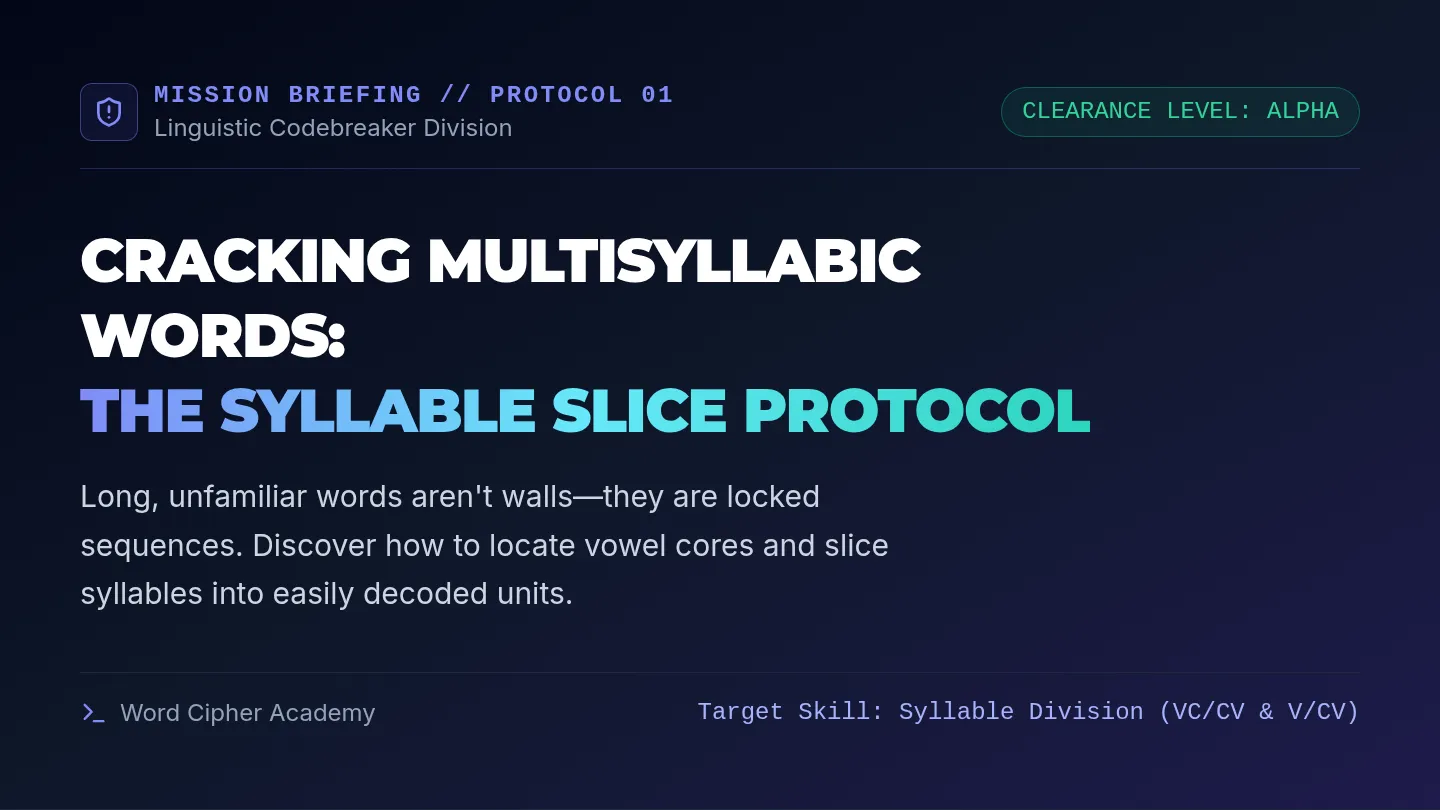
Syllable Division Slides

Word Cipher Academy

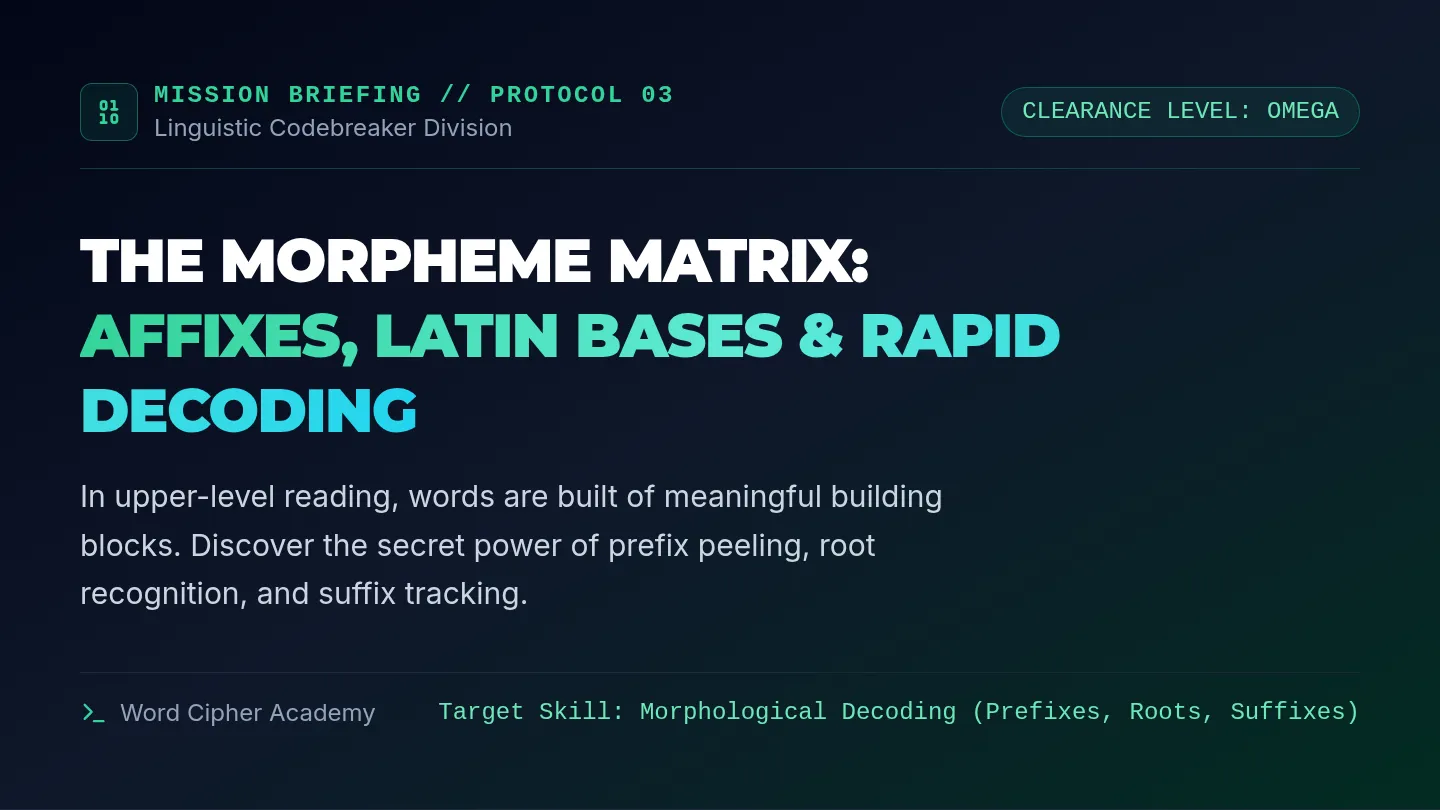
A targeted upper-elementary and middle school phonics intervention sequence designed to decode multisyllabic academic words through syllable division, advanced vowel teams, and morphemic analysis. Structured with a mature codebreaking theme to engage older striving readers without feeling juvenile.

Lenny Avatar
Lenny
9
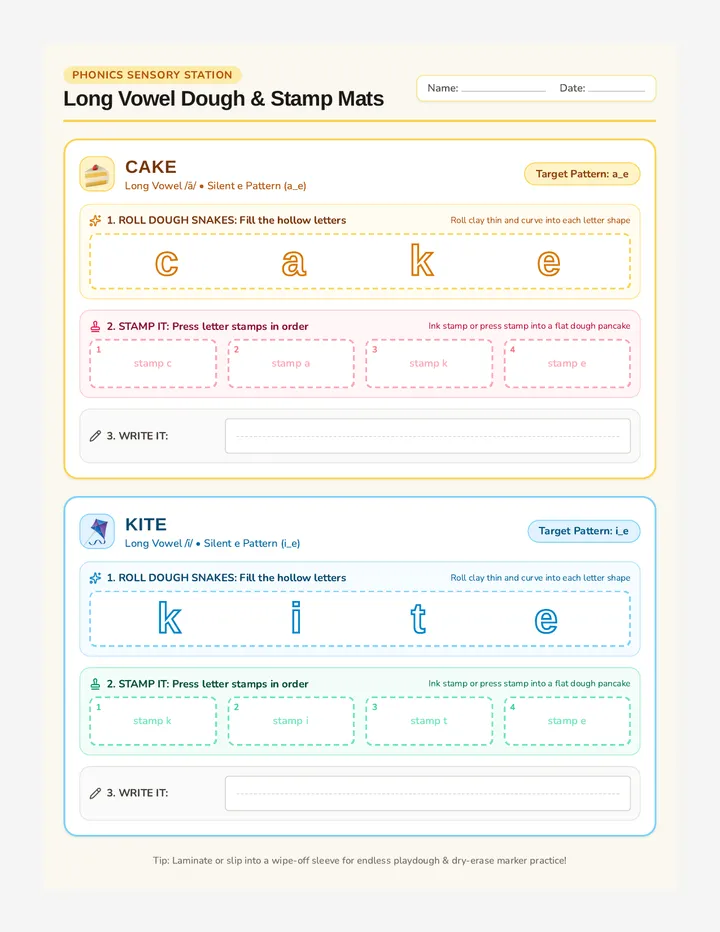
Dough Stamp Mats

Dough Stamp Studio

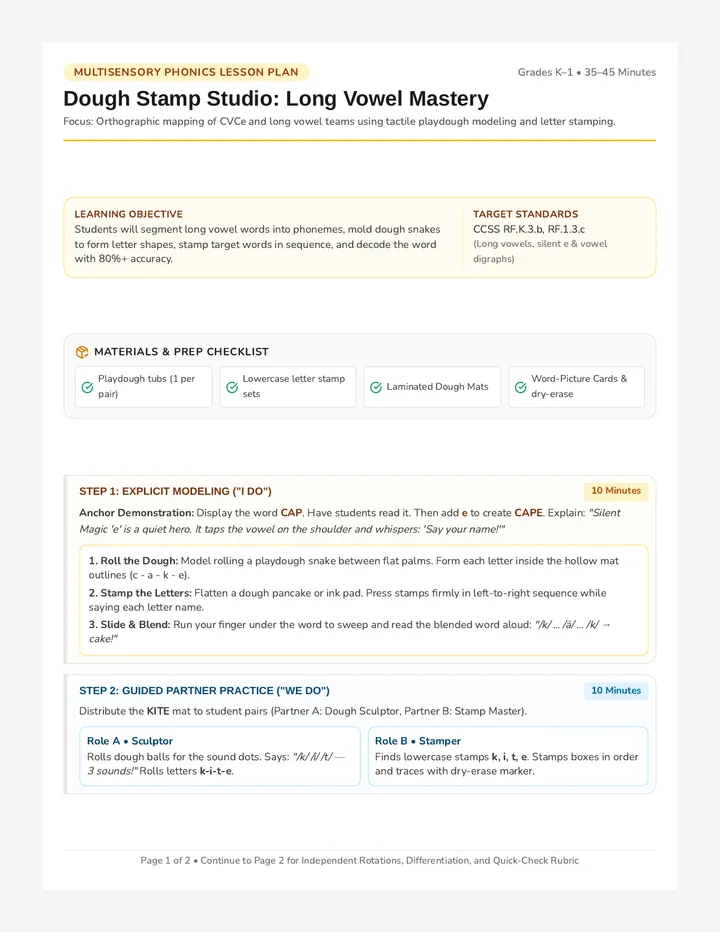
A hands-on early literacy lesson where students build orthographic mapping and phonics fluency for long vowel words using playdough and letter stamps. Includes tactile work mats, picture-word cards, instructional lesson steps, and a quick-check formative assessment.

JW

Jorlian Wynes

4
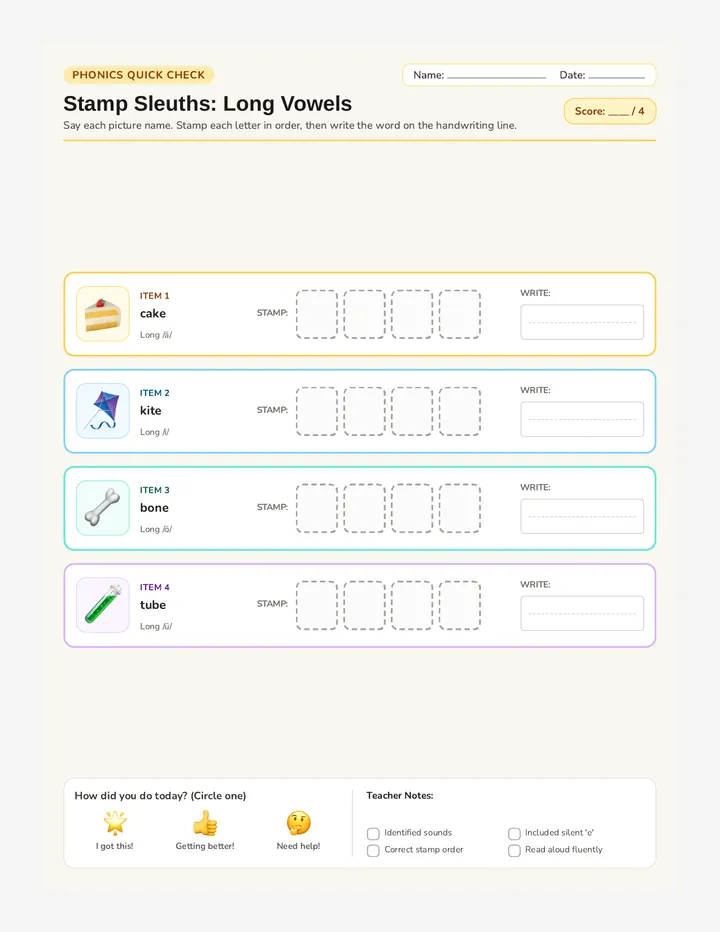
Stamp Sleuths Exit Slip

Stamp Sleuths Exit Slip

A student-facing quick-check exit assessment for long vowel words. Features picture prompts, letter stamp target boxes, primary handwriting lines, and a student self-reflection scale.

JW

Jorlian Wynes

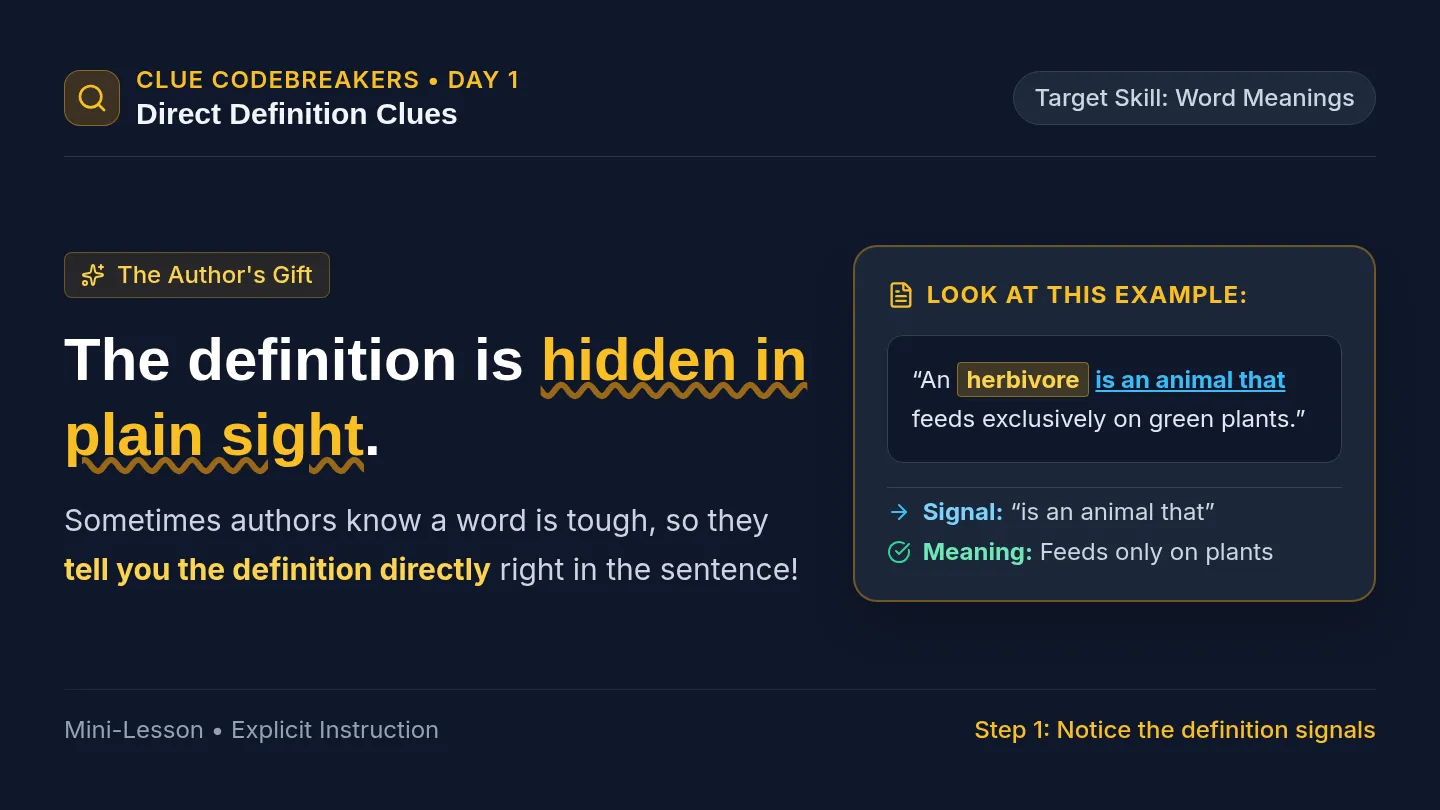
Signal Seekers Slides

Clue Codebreakers

A 3-session targeted remediation sequence designed to help struggling readers master definition context clues, progressing from explicit signal words to punctuation appositives and independent reading transfer.

E

ewestbrook

6
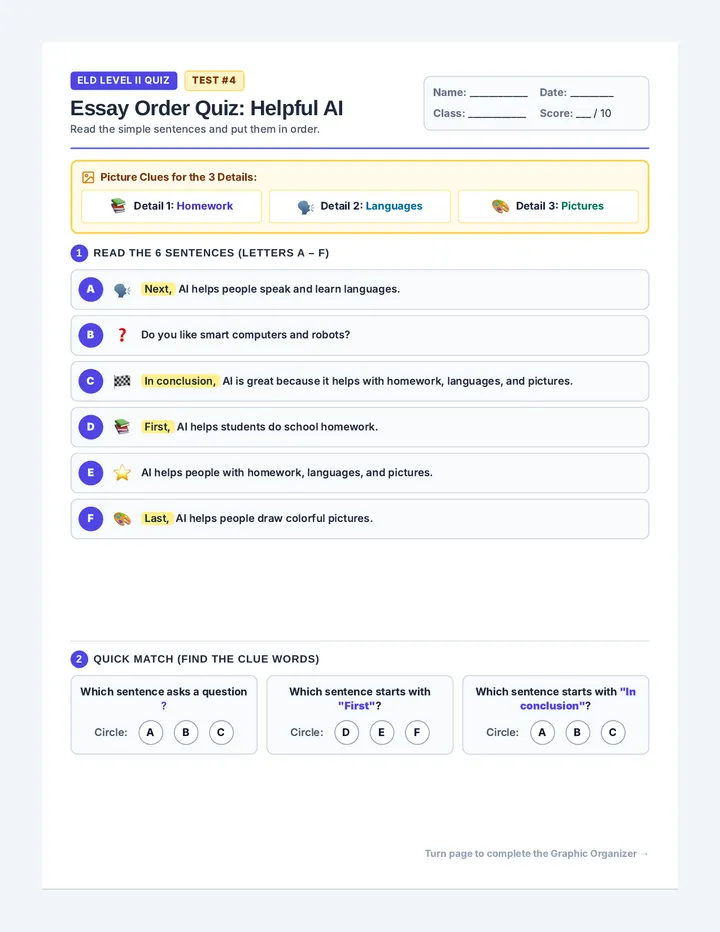
Simple Essay Quiz

Essay Blueprint Builders

A differentiated lesson resource set providing informational essay structure quizzes and graphic organizers for English language learners across proficiency levels.

SF

Shirley Fung

2
Vowel Sculpt Teacher Guide

Vowel Sculpt Teacher Guide

A step-by-step teacher facilitation guide detailing explicit modeling, guided tactile practice, sensory literacy stations, differentiation strategies, and quick-check assessment routines.

JW

Jorlian Wynes

Prefix Power Slides

Word Crafters

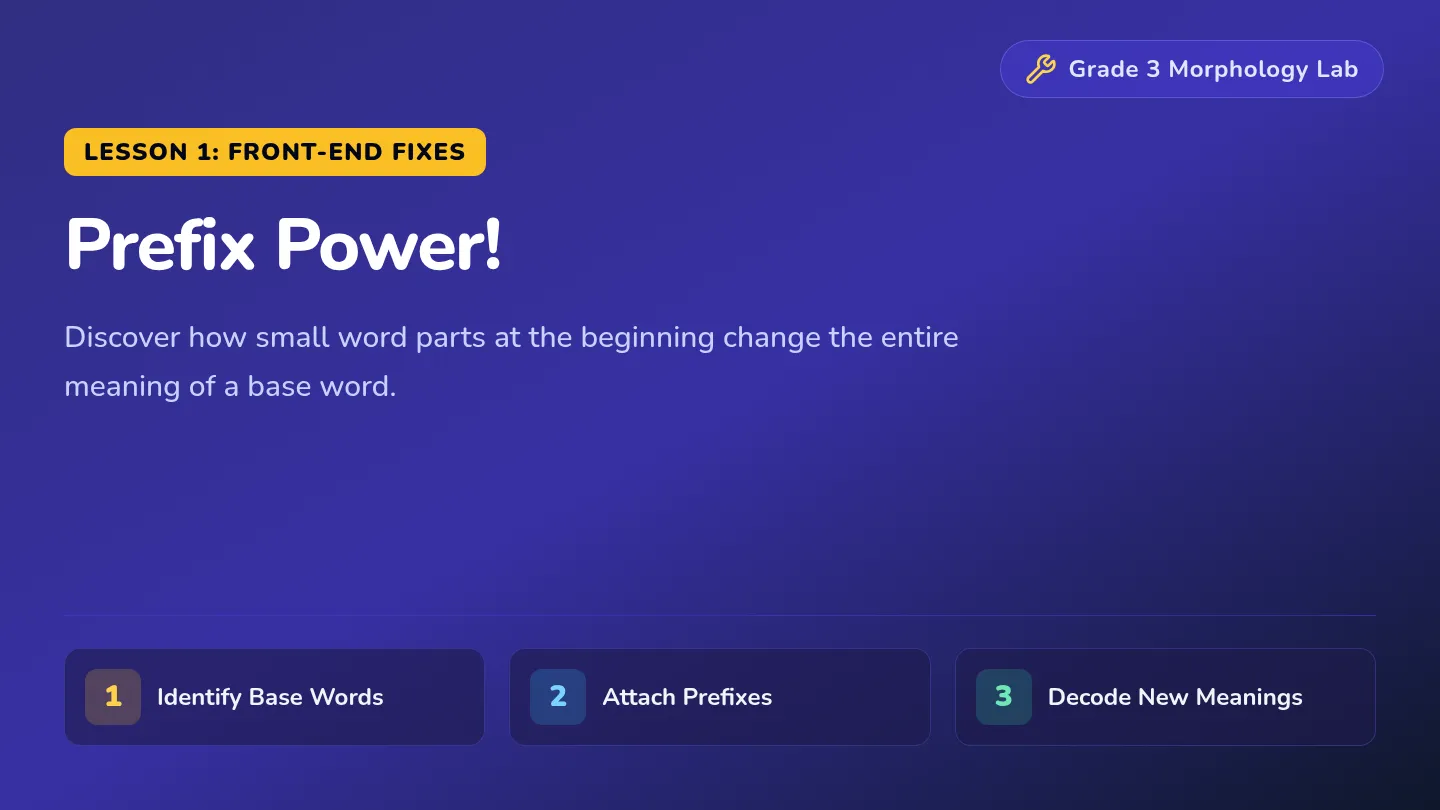
A two-part third-grade morphology sequence exploring root and base words, prefixes, and suffixes. Students investigate how affixes transform meanings and build complex words through hands-on decoding and sentence construction.

MM

MaryAnn Mehler

6
Morpheme Matrix Slides

Morpheme Matrix

Synthesizes affix analysis, base root recognition, and cumulative decoding into fluent text reading and timed word sprints for upper-grade readers.

Lenny Avatar
Lenny
3
Vowel Match Cards

Vowel Match Cards

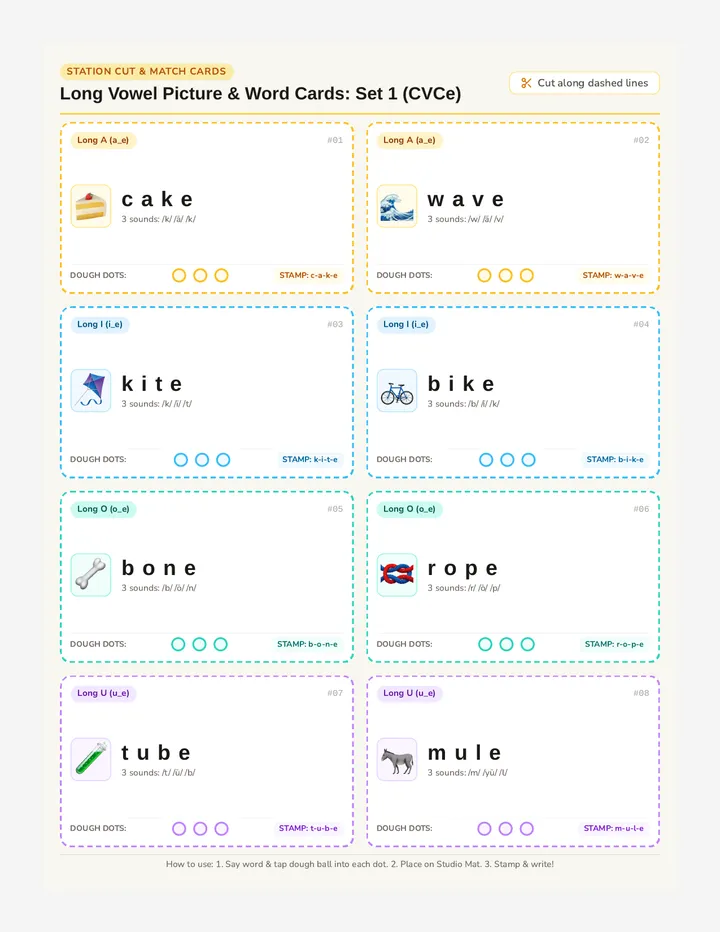
A 16-card set of printable word-and-picture cards for long vowel practice. Features picture cues, sound-mapping dough dots, letter stamp guides, and cut lines for tactile matching and mat building.

JW

Jorlian Wynes

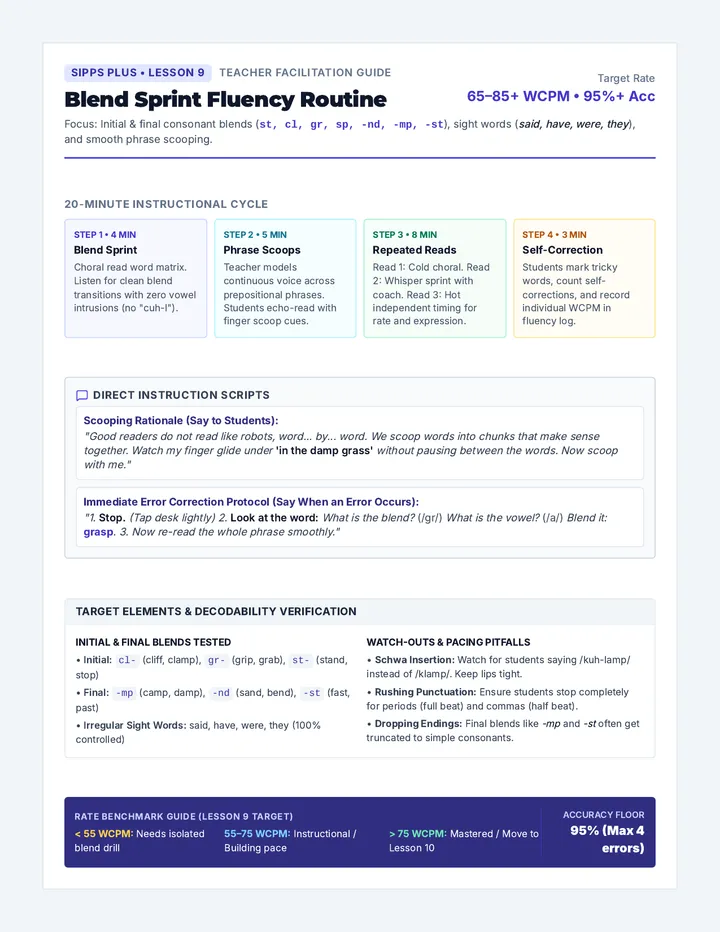
Blend Sprint Teacher Guide

Fluency Launchpad

A targeted multi-lesson reading fluency sequence aligned with SIPPS Plus starting at Lesson 9. Designed for older developing readers, it systematically builds reading rate, decoding accuracy, and self-correction through blend decodability, inflections, phrase scooping, and repeated reading protocols.

ZF

Zach Foster

10
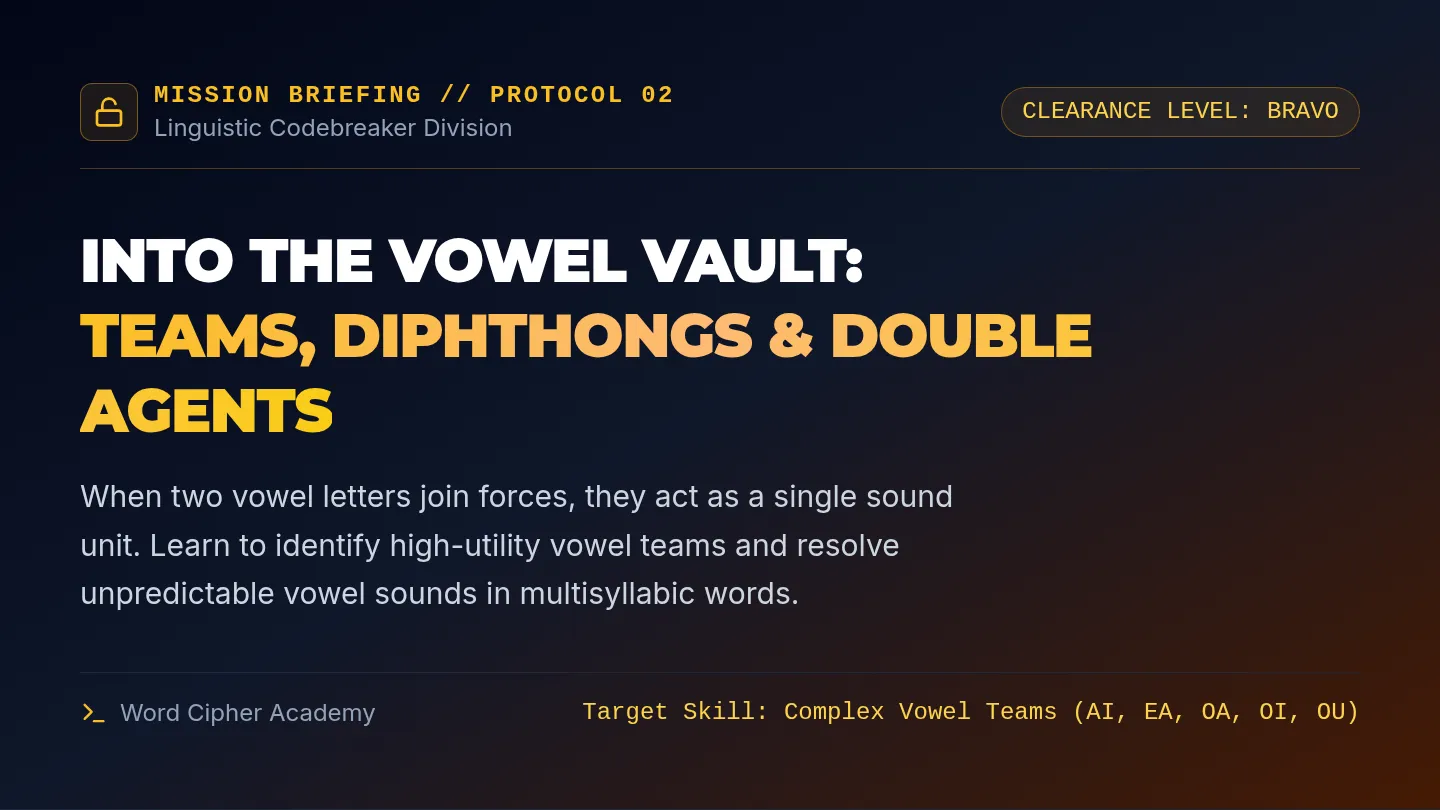
Vowel Pattern Slides

Vowel Vault

Deepens automaticity with complex vowel teams, diphthongs, and unpredictable vowel patterns in multisyllabic academic vocabulary through targeted auditory and visual mapping.

Lenny Avatar
Lenny
3
Dough Stamp Mats

Dough Stamp Mats

Tactile multisensory phonics mats for long vowel CVCe words. Designed for playdough letter sculpting, ink or dough alphabet stamping, and handwriting practice.

JW

Jorlian Wynes