Lenny.com
Explore
Create
ActivitiesNewMathEnglish Language ArtsScience & EngineeringSocial StudiesGlobal LanguagesHealth & Physical EducationSpecial EducationCounseling & Life SkillsArts & CreativityESL
Lenny.com
Lenny.com
Explore
Create
ActivitiesNewMathEnglish Language ArtsScience & EngineeringSocial StudiesGlobal LanguagesHealth & Physical EducationSpecial EducationCounseling & Life SkillsArts & CreativityESL
Lenny.com
Lenny.com

Solutions

Lenny for EducatorsLenny for SchoolsLenny for Districts

Product

ExploreSign inCreateSupportAbout

Resources

Getting startedMTSS Acceleration Program

© 2026 Lenny Learning Inc.

TermsPrivacyAccessibility
LinkedInInstagramX
Lenny
English Language ArtsPhonics & Reading FoundationsLetter IdentificationLearn Letters A-ZLowercase and Uppercase LettersConsonants and VowelsLetter-Sound AssociationsLetter-Sound Associations: LowercaseLetter-Sound Associations: UppercaseBeginning and Ending SoundsRhymingBlending And SegmentingShort VowelsShort Vowel SoundsConsonant BlendsConsonant DigraphsBlends, Digraphs, and TrigraphsDigraphs, Blends, and Silent LettersLong Vowel SoundsLong Vowel PatternsShort and Long VowelsShort and Long Vowel PatternsSilent EVowel SoundsVowel TeamsR-Controlled VowelsDiphthongs: Oi, Oy, Ou, OwVariant VowelsVariant, Diphthong, And R Vowel PatternsSoft G And CSight WordsIrregular WordsWord RecognitionSyllablesSyllable TypesTwo-Syllable WordsMultisyllabic WordsPhoneme ManipulationDecodable TextsVocabularyAction WordsQuestion WordsNouns and AdjectivesClassify WordsCompound WordsSynonyms and AntonymsHomophonesHomophones and HomonymsShades of MeaningContext CluesPrefixes and SuffixesGreek and Latin RootsAnalogiesIdioms and AdagesForeign Words and ExpressionsWord Choice and UsageReference SkillsReading ComprehensionRead-Along Literary TextsRead-Along Informational TextsReality vs. FictionStory ElementsCharacterSequenceMain IdeaCause And EffectCompare And ContrastReading StrategiesText StructureAuthor's PurposeAuthor's Purpose And ToneAuthor's PerspectivePoint Of ViewThemeInference And ThemeInference And AnalysisPoetry ElementsLiterary DevicesAnalyzing LiteratureAnalyzing Informational TextsComparing TextsAudience, Purpose, And ToneBusiness DocumentsNovel StudyNonfiction Book StudyGrammar & MechanicsSentencesNounsVerbsAdjectivesPronounsCapitalizationPunctuationContractionsConjunctionsPrepositionsArticlesAdjectives And AdverbsVerb TypesVerb TensePronouns And AntecedentsPronoun TypesSubject-Verb AgreementDirect And Indirect ObjectsSentences, Fragments, And Run-OnsPhrases And ClausesCommasSemicolons, Colons, And CommasDashes, Hyphens, And EllipsesSpellingAbbreviationsFormattingVerb Tense And MoodMisplaced ModifiersWritingDescriptive DetailsCreative WritingOpinion WritingTopic SentencesOrganizing WritingLinking WordsSentence VarietyIntroductions And ConclusionsPersuasive And Opinion WritingExpository WritingPersuasive StrategiesDeveloping And Supporting ArgumentsTopic Sentences And Thesis StatementsSummarizingResearch SkillsEditing And RevisingActive And Passive Voice=Writing Clearly And ConciselyDebate & Public SpeakingPublic Speaking BasicsPersuasive TechniquesClaims and EvidenceTypes of ArgumentsReasoning TypesLogical FallaciesTopic ResearchOrganizing EvidenceDebate Speech OrganizationAttacking and Defending ArgumentsClash and EngagementImpact CalculusQuestioning and Cross-ExaminationCritical ThinkingInformal LogicFormal LogicInductive Reasoning

RACCE Response Champions

A 3rd-grade reading and writing lesson designed to master the RACCE framework (Restate, Answer, Cite evidence 1, Cite evidence 2, Explain). Students analyze character motivation in realistic fiction, stamp key vocabulary, find the two strongest pieces of text evidence, and craft a complete RACCE response.

KRKenzie Ruthven

RACCE Halloween Lesson Master Guide • Grade 3 Narrative Page 1 of 2

Teacher Exemplar

Annotated Model & Criteria for Success

Uncommon-Aligned Mastery Guide

Halloween RACCE Exemplar Response Target Response

[R] [A] In the story “The Great Pumpkin Challenge” by Johanna Hurwitz, Lucas decides to bring a giant pumpkin to class because he wants to prove to Mrs. Hockaday that he is a responsible student who can do his homework better than anyone else.

[C1] According to the text in paragraph 1, Lucas told his mother, “I will be a great student” because he did not want to be known as just the class clown anymore.

[C2] Additionally, the author writes in paragraph 4 that “he wanted to prove to Mrs. Hockaday that he could do his homework better than anyone!”

[E] This evidence proves that Lucas is motivated by a desire to change his teacher's mind and show that he is serious about doing excellent schoolwork.

Criteria for Success (CFS) Scoring Matrix

StepMastery CriteriaLook-Fors
R (Restate)Names author, puts story title in quotes, uses prompt wording.Quotation marks around title.
A (Answer)Gives specific inference answering "Why?" (not just repeating plot).Clear character motivation.
C1 & C2 (Cite)Provides two direct quotes with lead-in transitions and quotation marks.2 quotes, accurate citation lead-ins.
E (Explain)Explains connection between evidence and motivation using "This proves...".Does not just summarize quote.

Real-Time Coaching Prompts & Misconceptions

Misconception: Cites Only 1 Quote Prompt: "Remember the second C in RACCE! What second sentence in paragraph 4 shows what Lucas wants to prove?"

Misconception: Explaining by Restating Prompt: "Don't just repeat what Lucas did with the pumpkin! Tell me WHY that proves he wants to be a great student."

RACCE Halloween Lesson Master Guide • Grade 3 Narrative Page 2 of 2

Both sentences are clear, easy to read, and zoom straight into Lucas's motivation!


The Complete Halloween RACCE Exemplar

R A C1 C2 E

R A In the story “The Great Pumpkin Challenge” by Johanna Hurwitz, Lucas decides to bring a giant pumpkin to class because he wants to prove to Mrs. Hockaday that he can do his homework better than anyone.

C1 According to the text in paragraph 1, Lucas told his mom, “I will be a great student” because he did not want to be just the class clown anymore.

C2 Additionally, the author writes in paragraph 4 that “he wanted to prove to Mrs. Hockaday that he could do his homework better than anyone!”

E This evidence proves that Lucas wants to change his teacher's mind and show that he is serious about doing great schoolwork.

Notice: Every letter of RACCE has its own job! Clear, complete, and fully supported!


Your Turn: Write Like a Champion

Independent Writing

Writing Mission

Open your worksheet to Part 2. Use your starred quotes from the story to write your full RACCE response.

⏱️ Time: 12–15 Minutes

🤫 Focus: Silent & Independent Writing

Criteria for Success

  • R: Author & story title named
  • A: Clear answer about Lucas's motivation
  • C & C: TWO direct quotes with lead-ins
  • E: Explains how evidence proves answer

Check off each letter on your worksheet checklist before submitting your work!

Grade 3 Narrative RACCE Answer Key • “The Great Pumpkin Challenge” Classroom Resource
You might also like

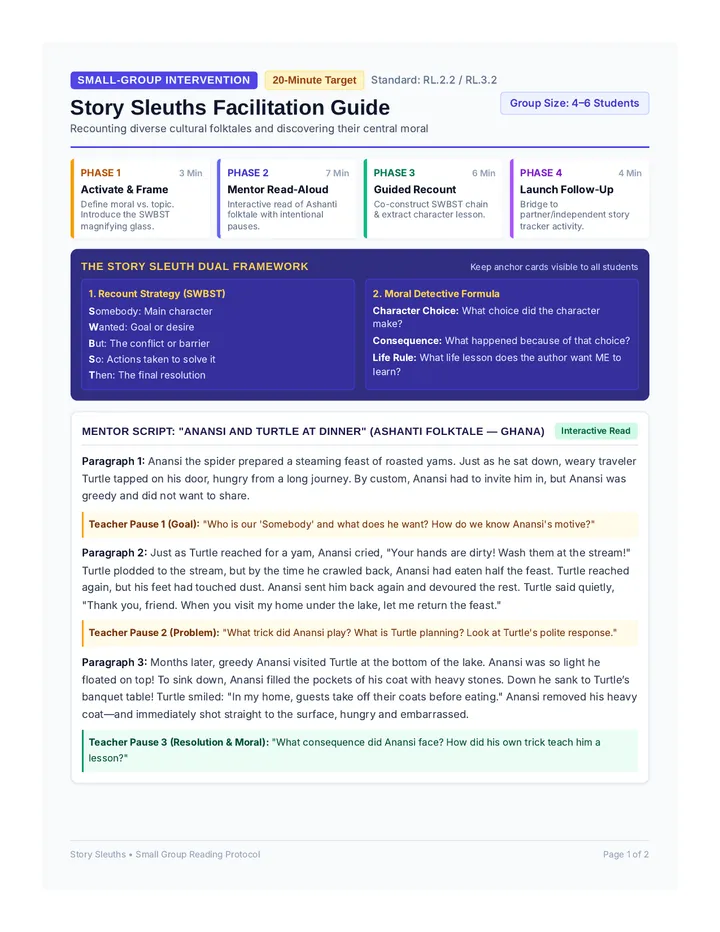
Story Sleuths Facilitation Guide

Story Explorers

An interactive, high-impact reading comprehension unit targeting core foundational literature standards. Students master recounting diverse folktales, extracting central morals, and analyzing how characters respond to major events and challenges.

S

Squiretak

8
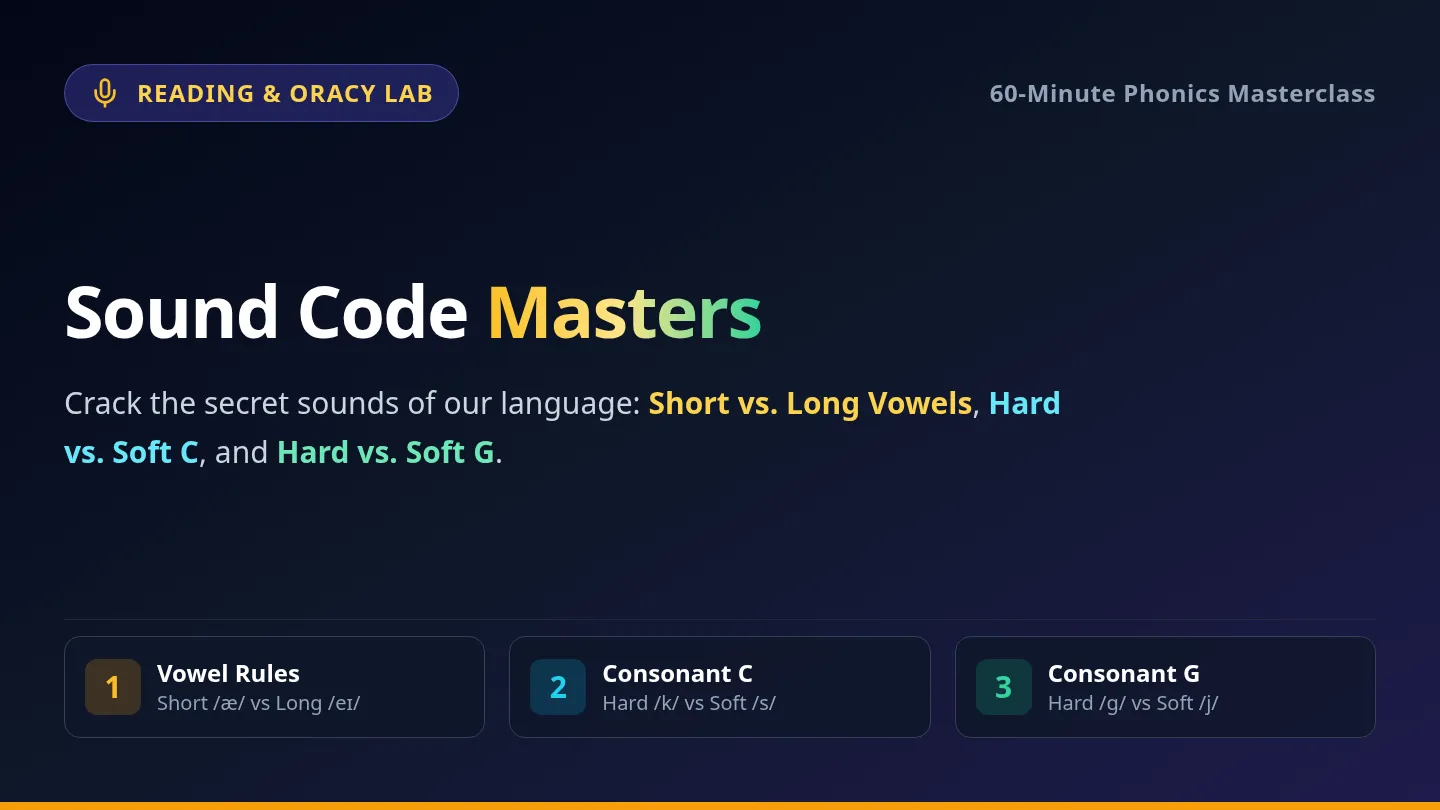
Sound Code Slides

Sound Code Masters

A comprehensive 60-minute foundational reading and oracy lesson reviewing and practicing short vs. long vowels, hard vs. soft c, and hard vs. soft g. Through multisensory articulation modeling, partner whisper-and-echo drills, and oral reading challenges, students master phonics rules and spoken fluency.

LS

Laurel Sviatko

5
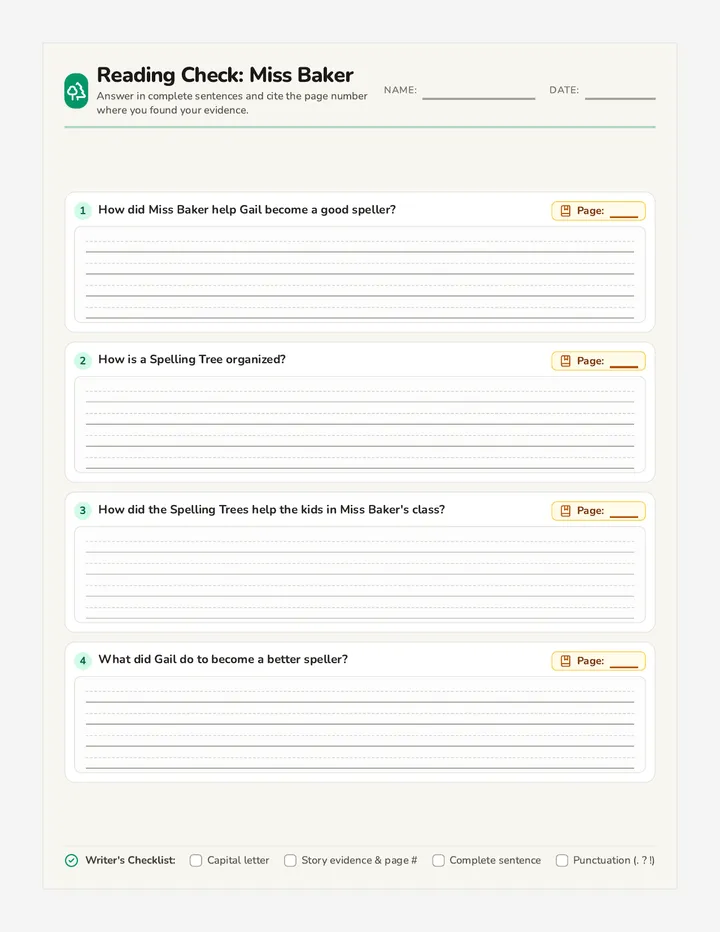
Miss Baker Comprehension Worksheet

Miss Baker Comprehension Worksheet

A reading comprehension worksheet for the story Miss Baker with four literal questions featuring spacious primary handwriting guidelines and a writer's self-check.

FT

Faith Timberman

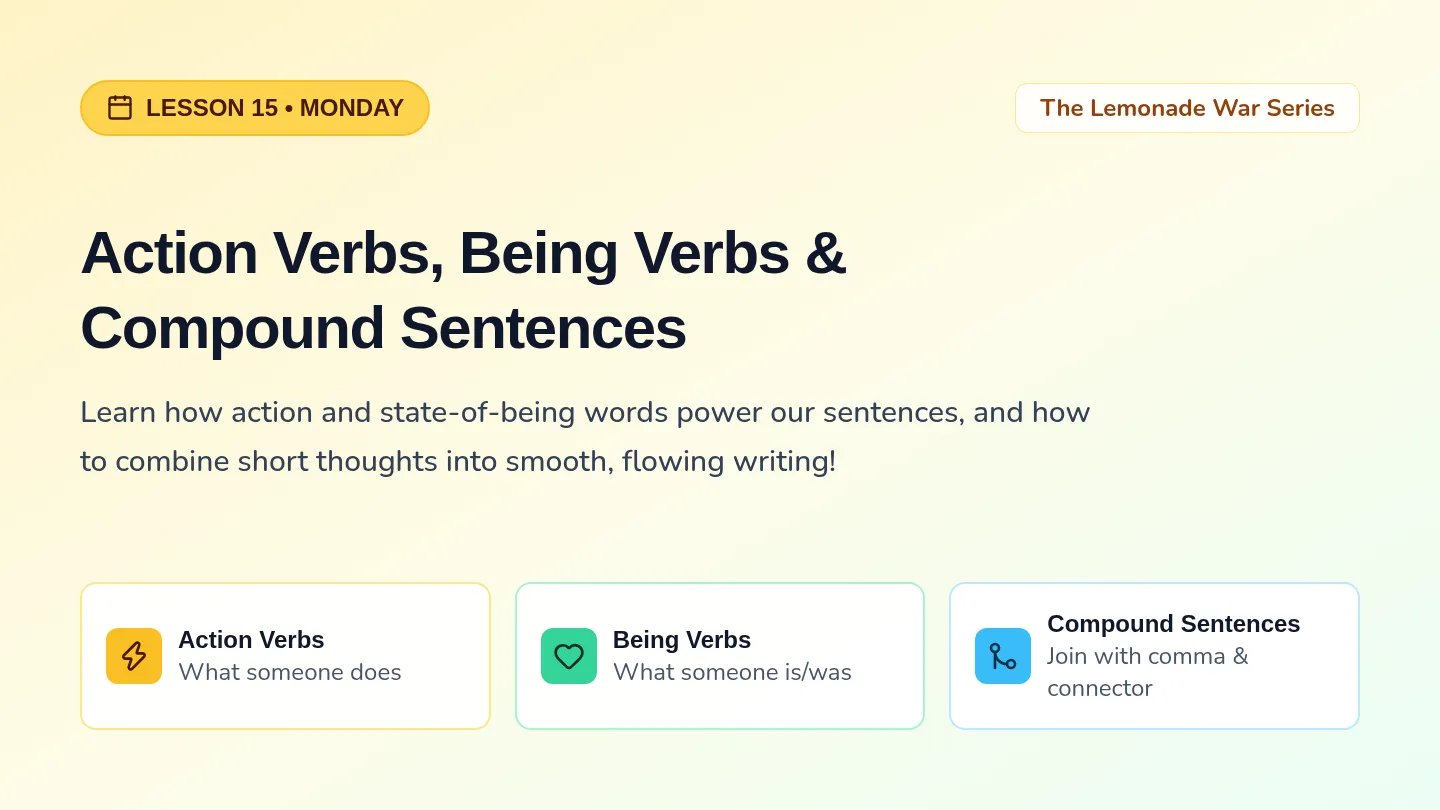
Lemonade Verbs Slides

Reading Writing Workshop

An engaging elementary English Language Arts unit connecting grammar mechanics, mentor texts, vocabulary, and sensory descriptive writing.

B

Bhoovaragavaswamym

8
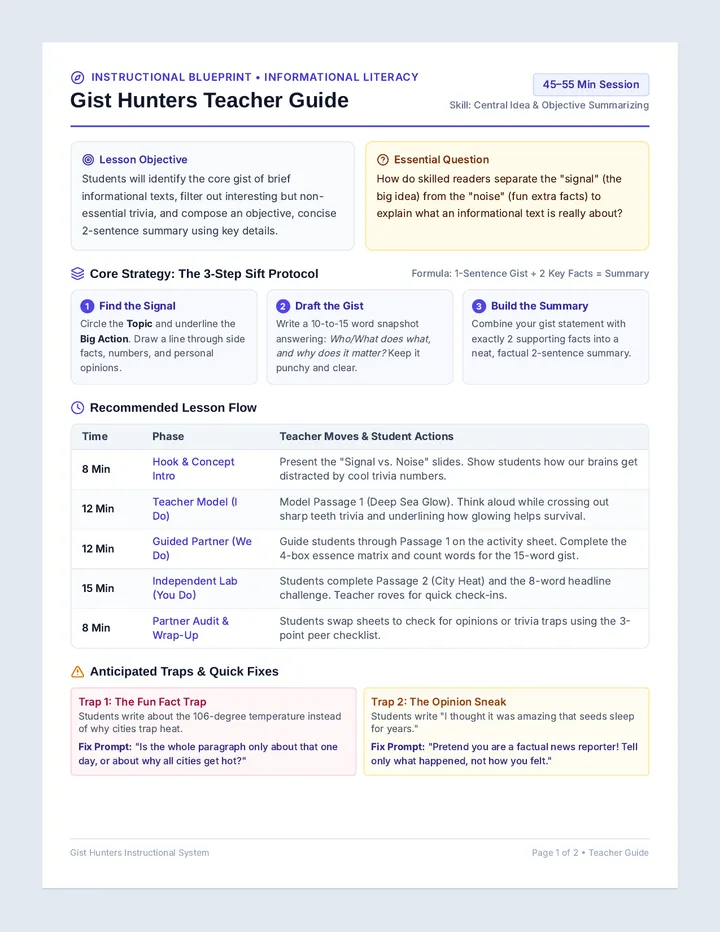
Gist Hunters Teacher Guide

Gist Hunters

A targeted instructional unit that equips students to distinguish essential ideas from supporting trivia in brief informational texts, capture the core gist in 10-15 words, and draft punchy objective summaries.

A

arparks

4
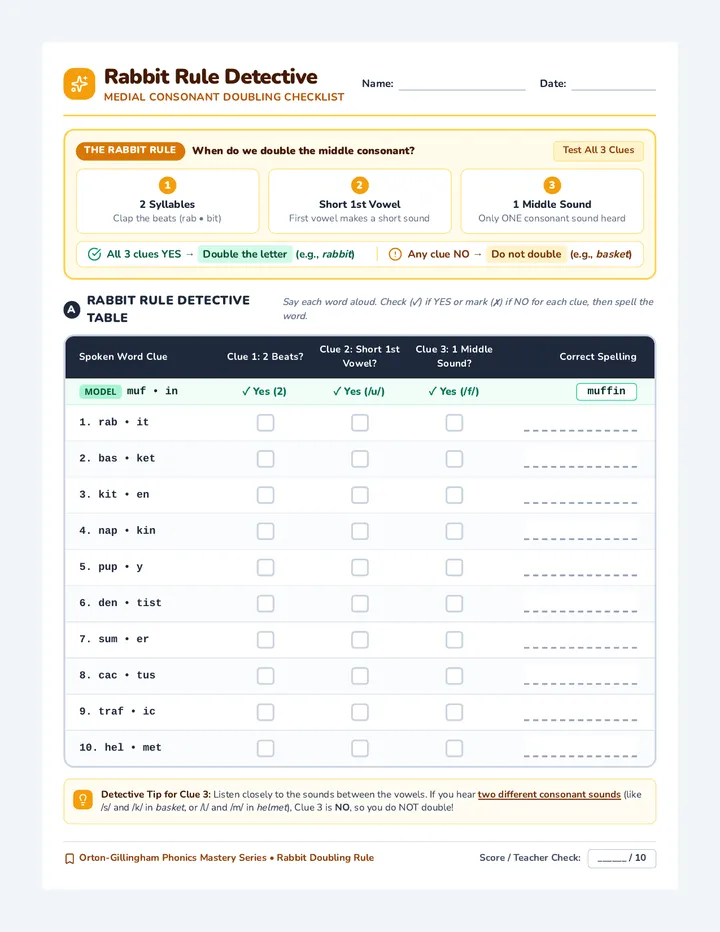
Rabbit Rule Phonics Worksheet

Rabbit Rule Phonics Worksheet

A focused one-page Orton-Gillingham aligned phonics worksheet featuring the Rabbit Rule Detective Checklist table, prompting students to independently test syllables, short vowel sound, and medial consonant sound before spelling each word.

JA

Joann Acosta

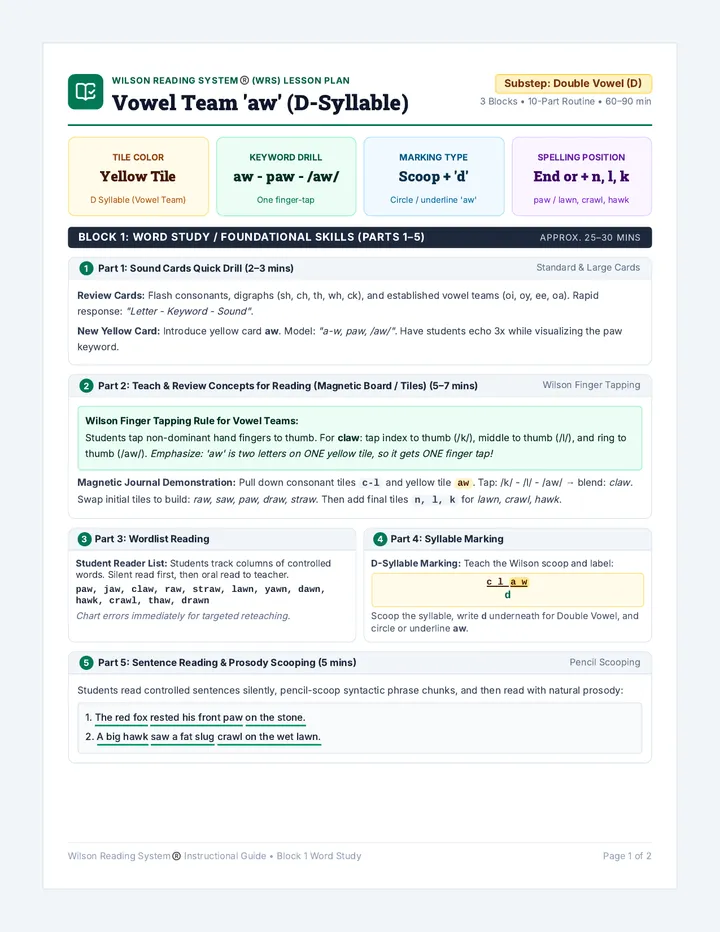
Paw Print Teacher Guide

Vowel Team Aw Pathways

A comprehensive structured literacy sequence targeting the vowel team 'aw', offering dual instructional pathways using both the Classic Orton-Gillingham 7-step routine and the 10-part Wilson Reading System (WRS) framework.

KW

Kellie Walsh

10
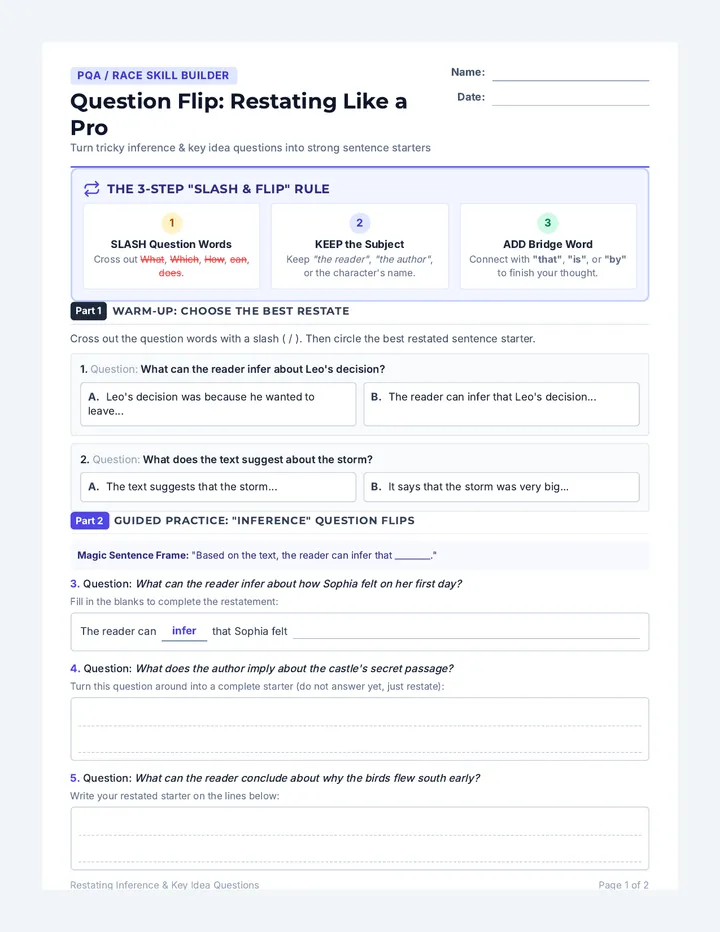
Question Flip Student Worksheet

Question Flip Mastery

A targeted intervention lesson focused on teaching struggling students how to restate inference and key idea questions using step-by-step sentence frames and visual turnarounds.

DV

Dalia Vargas

3
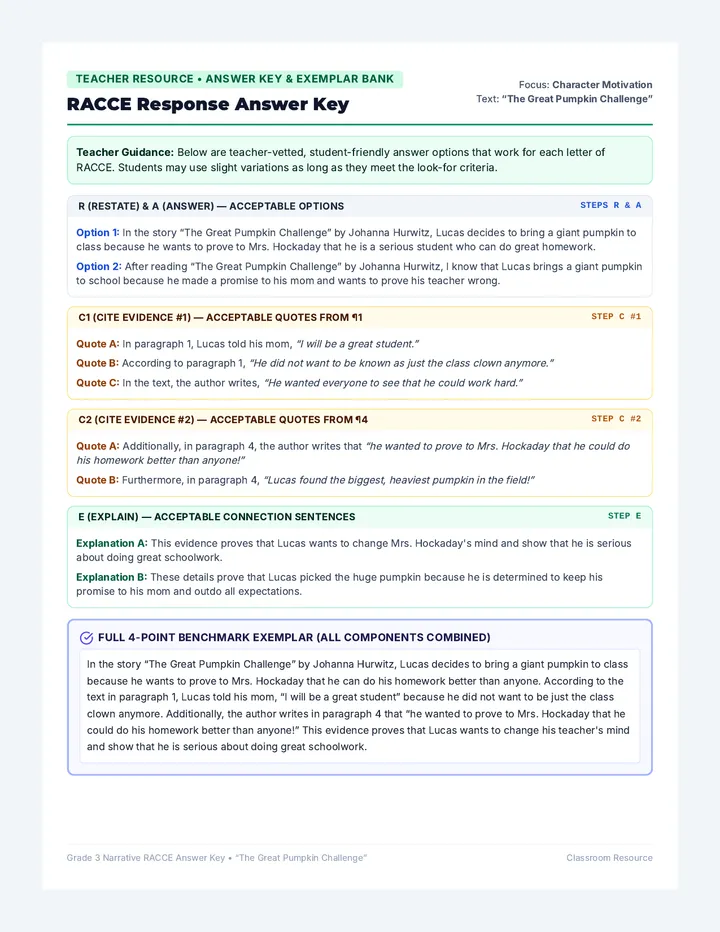
RACCE Response Answer Key

RACCE Response Answer Key

A printable one-page teacher answer key and exemplar bank for the Halloween RACCE lesson. Features multiple acceptable working answers and sentence starters for R, A, C1, C2, and E, a complete 4-point exemplar, and scoring criteria.

KR

Kenzie Ruthven

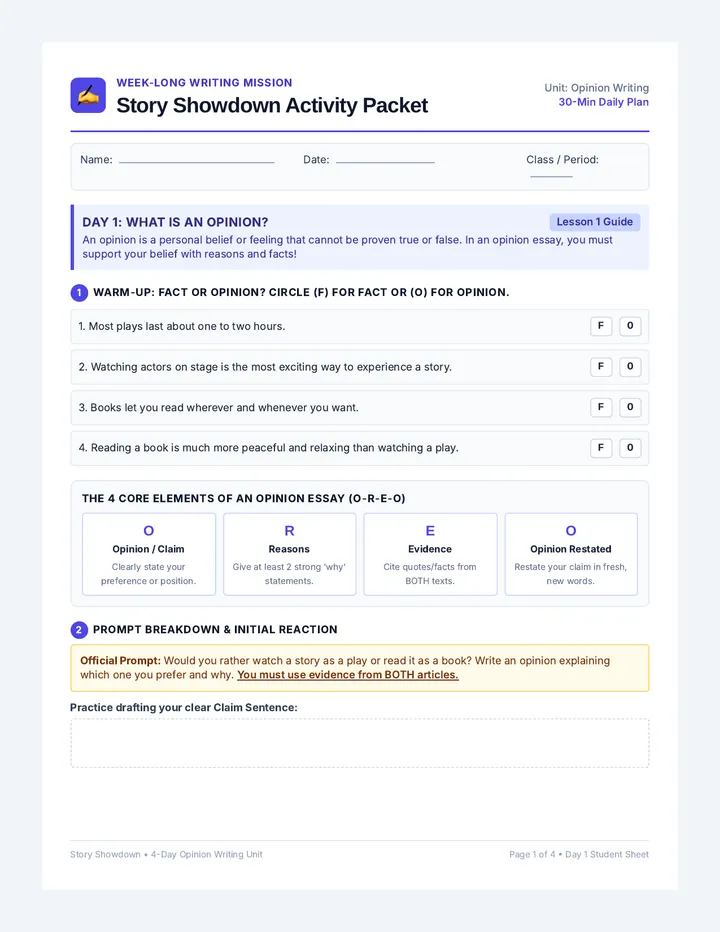
Story Showdown Activity Packet

Story Showdown

A four-day opinion writing unit guiding students through forming claims, analyzing paired texts, and crafting evidence-based essays comparing theatrical plays and books.

SM

Samantha McBath

6
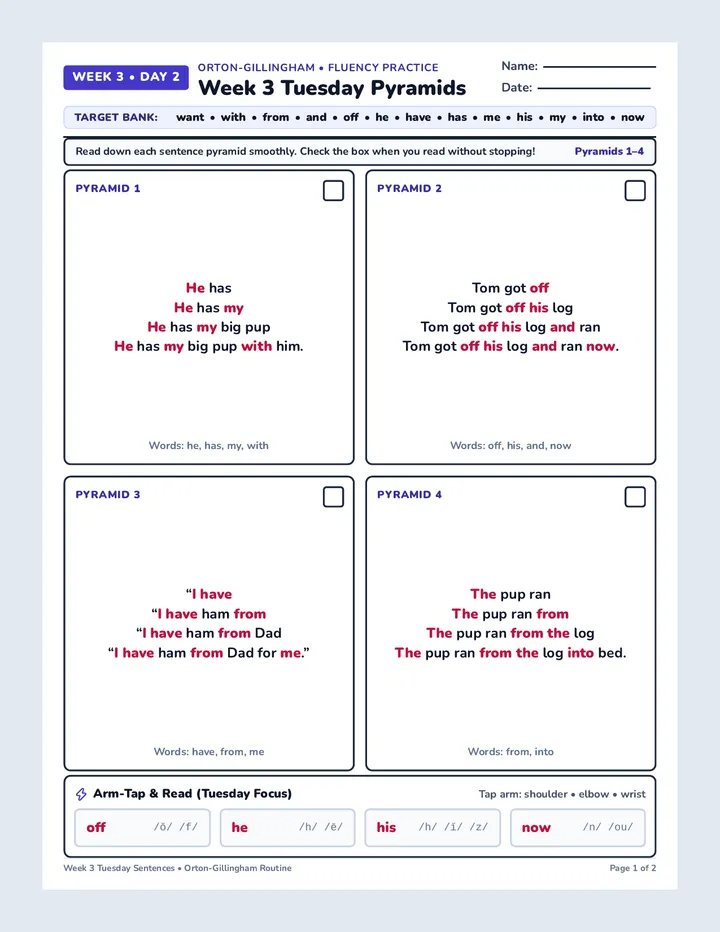
Week 3 Tuesday Sentences Worksheet

Week 3 Tuesday Fluency

Week 3 Tuesday session reinforcing the 13 target red words with decodable sentence pyramids, decodable reader 'Up to the Top!', comprehension story exit ticket, and fluency assessment.

S

Sara

4
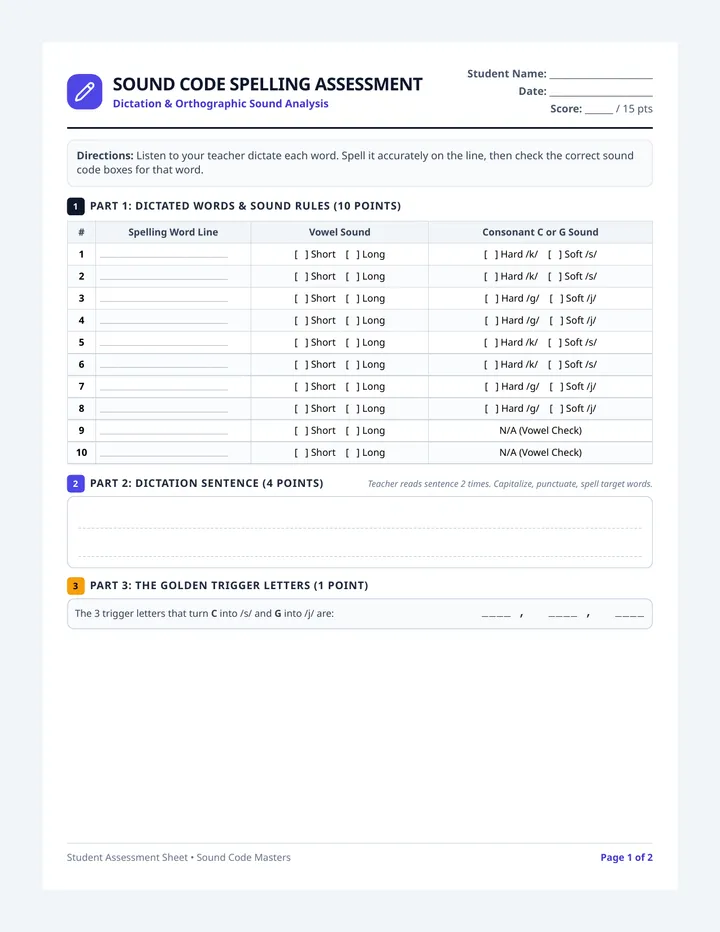
Sound Code Spelling Assessment

Sound Code Spelling Assessment

A 2-page spelling assessment containing an orthographic student dictation sheet with sound-code checkoffs and dictation sentences, followed by a complete teacher dictation script and scoring guide.

LS

Laurel Sviatko