Clear Impact Presentation Slides
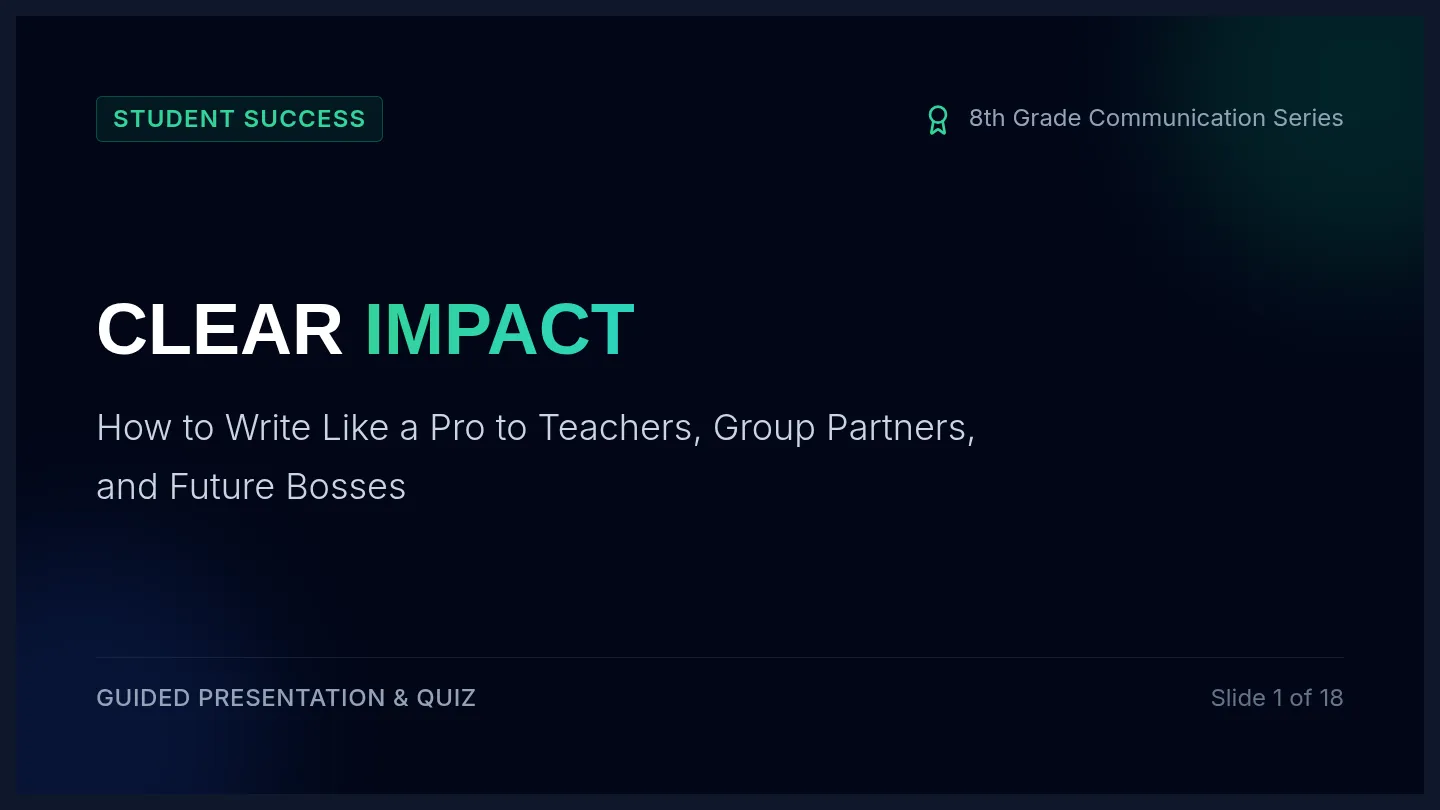
Student Success
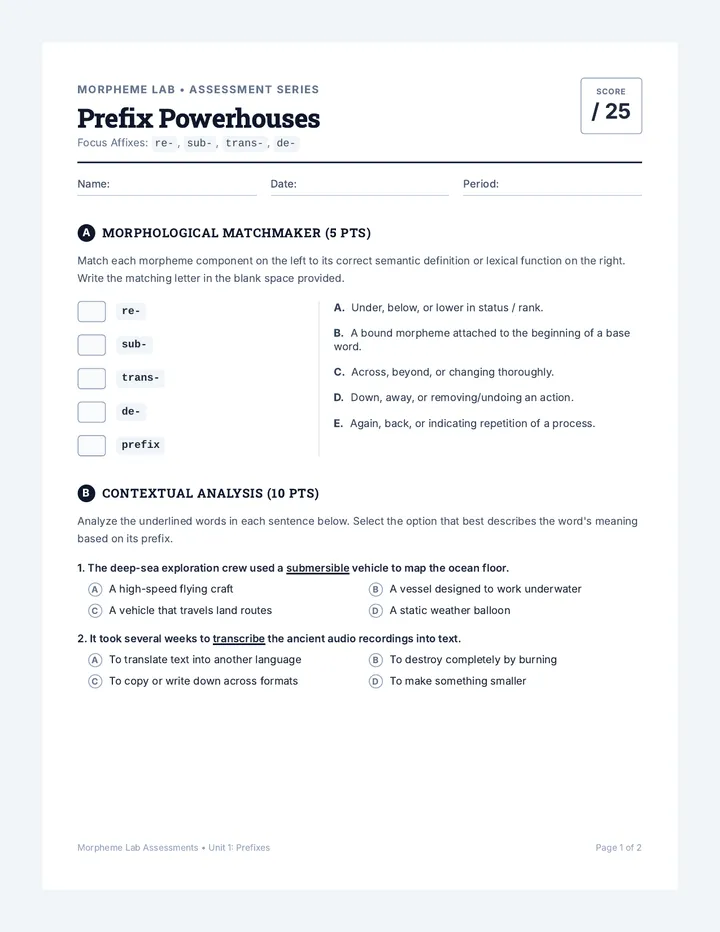
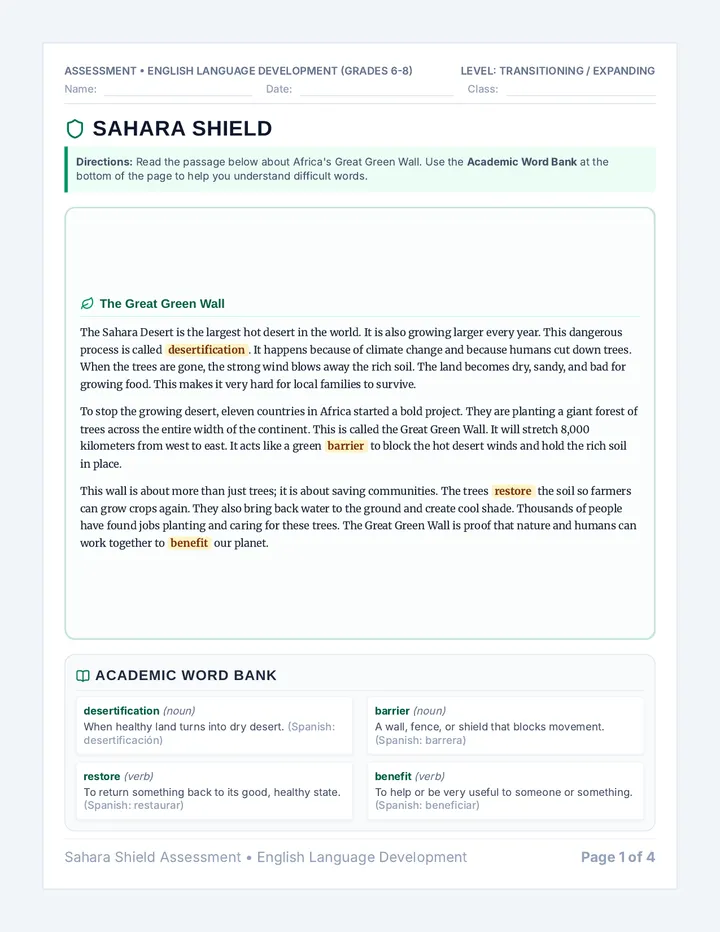
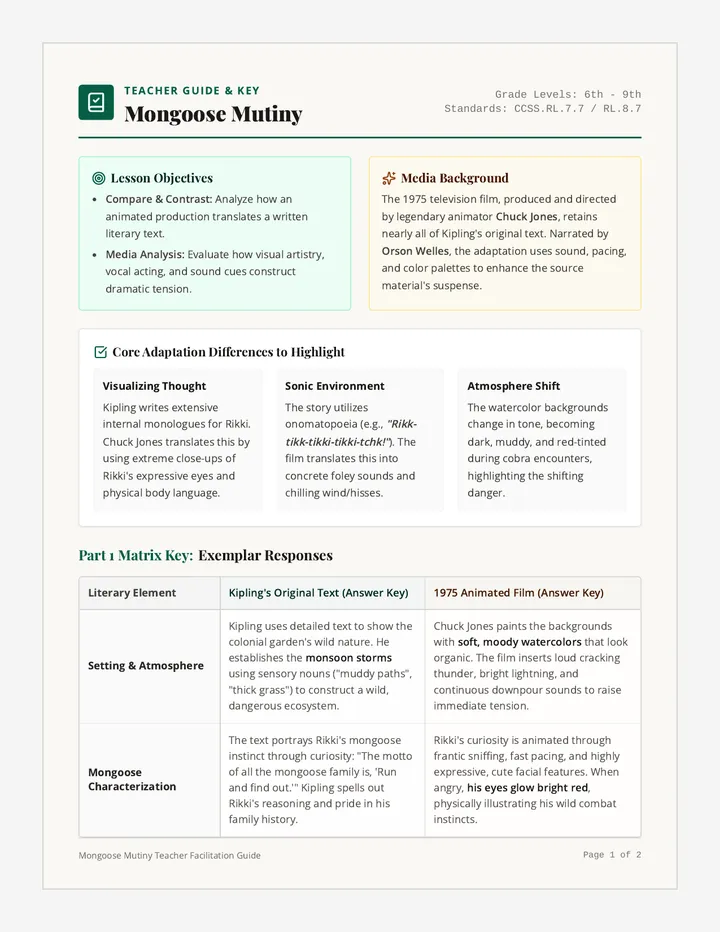
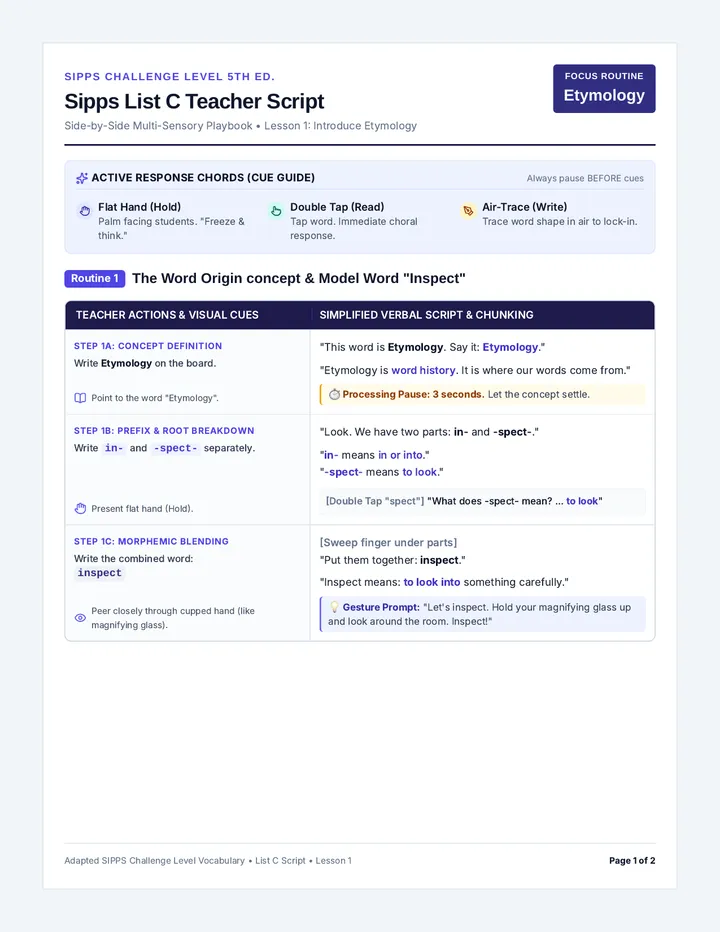
8th Grade Communication Series
CLEAR IMPACT
How to Write Like a Pro to Teachers, Group Partners, and Future Bosses
GUIDED PRESENTATION & QUIZ
Slide 1 of 18
Section 01
Clear Impact
Part One
The Rules of Writing
Let's look at how typing clearly can help you get better grades, work smoother in group projects, and build real-world skills.
CLASSROOM INSTRUCTION
Slide 2 of 18
GENERAL WRITING | School & Beyond
Clarity & Respect
The Golden Rules of Solid Writing
Audience Analysis
Think about who is reading! Use polite words with teachers, clear directions with partners, and avoid confusing internet abbreviations.
Active Voice
Be direct! Write "We finished the poster" instead of "The poster was finished by our group." It sounds stronger and clearer.
Pro Proofreading
Typos can make readers think you didn't care. Check your spelling and punctuation to show you take your schoolwork seriously.
Take a breath, write with confidence, and always read it over once!
Slide 3 of 18
EMAILS TO TEACHERS | Class Connections
Polite & Structured
Writing Emails That Get Quick Answers
Step 1
Clear Subject Lines
Don't just write "Help." Tell them exactly what assignment you have a question about and what class period you are in.
Subject: Question: History Poster Project (Period 3)
Step 2
Polite Greetings
Start with a polite greeting like "Dear Mrs. Jenkins," or "Hello Mr. Lee," instead of diving straight into your complaint.
Step 3
The "Call to Action"
End with a clear, polite request so your teacher knows what you need. E.g., "Could I ask you this question during homeroom tomorrow?"
Teachers have many students. Help them help you by being specific and polite!
Slide 4 of 18
SCHOOL REPORTS | Organizing Projects
Structure & Tone
How to Structure an A-Grade Report
Clear Headings
Use bold section headers (like "Introduction" or "Lab Findings") so your teacher can easily follow your ideas and see your organization.
Fact-Based Data
Present your science or history facts objectively. Use simple charts, direct numbers, and brief summaries instead of guessing.
Objective Tone
Avoid exclamation points (!!!) or slang in reports. Present your work as a young scholar sharing real research.
An organized report makes it easy for your teacher to award high scores.
Slide 5 of 18
CLASSROOM CHATS | Canvas & Teams
Chat Boundaries
Chating Responsibly on School Apps
School Is Still School
Whether you are in Google Classroom or a group project Discord, keep the conversation focused on the assignment. Avoid gossip or personal complaints.
Stop Spamming
Don't send ten single-word messages in a row. Compile your question or answer into one complete paragraph before hitting "send."
Tone Is Tricky
Jokes or sarcasm can easily sound rude in writing. Emojis can help add friendly warmth, but make sure your actual message is clear first!
Everything you write on school networks can be seen by teachers. Keep it polite!
Slide 6 of 18
Section 02
Clear Impact
Part Two
Applied Practice Quiz
Let's test what you've learned! See how you handle these 5 common school situations on active voice, emails, and group chat boundaries.
KNOWLEDGE CHECK
Slide 7 of 18
QUESTION 1 | General Writing Standards
Active Voice & Direct Writing
Direct Action
Which of the following sentences best demonstrates the professional use of active voice?
Look for the sentence where the group doing the work is placed at the very start, making it clear and strong.
A. The science project was built by Sarah and me.
B. The trash was thrown away in the cafeteria.
C. Our science group completed the poster three days before the science fair.
D. An announcement about the field trip will be read by Mr. Davis.
Find the statement where the subject performs the action directly.
Slide 8 of 18
ANSWER 1 | General Writing Standards
Solution Verified
Correct Option
Option C
"Our science group completed the poster three days before the science fair."
Why This Is Correct
In Option C, "Our science group" performs the action ("completed") directly. Active voice makes sentences clearer, easier to read, and assigns clear credit!
Options A, B, and D use passive voice ("was built by...", "was thrown...", "will be read by..."), which makes the sentences sound clumsy, wordy, or hides who did the action.
Active voice shows immediate action and responsibility.
Slide 9 of 18
QUESTION 2 | Emails & Memos
Writing to Teachers
Inbox Strategy
Which of the following is the most effective and professional subject line for an email requesting quadratic equations homework help?
Think about which option helps your busy math teacher instantly know what you need and what period you are in.
A. HELP!!! I don't get the homework!
B. Question: Homework Help on Quadratic Equations (Math Period 4)
C. Homework question from yesterday's class
D. Urgent update regarding some things I did today
A professional subject line helps teachers organize their inbox efficiently.
Slide 10 of 18
ANSWER 2 | Emails & Memos
Solution Verified
Correct Option
Option B
"Question: Homework Help on Quadratic Equations (Math Period 4)"
Why This Is Correct
Option B is highly specific and polite. It tells the teacher exactly what math topic you need help with (Quadratic Equations) and what class period you are in (Period 4).
Option A sounds frantic and lacks detail. Options C and D are far too vague, meaning the teacher has to click and hunt for context.
A clear subject line shows respect for your teacher's busy schedule.
Slide 11 of 18
QUESTION 3 | Digital Chats
Classroom Chat Boundaries
Online Manners
When communicating on digital platforms like Slack or MS Teams for a school project, which practice is considered professional?
Think about how your typing speed, tone of voice, and public comments affect how easily your group gets work done.
A. Sending ten single-word messages in rapid succession to get attention.
B. Using appropriate humor or emojis while keeping messages clear and actionable.
C. Airing personal or team grievances in public channels rather than private messages.
D. Assuming tone of voice translates perfectly without careful phrasing.
Always remember that typing online lacks vocal cues. Keep it friendly and focused.
Slide 12 of 18
ANSWER 3 | Digital Chats
Solution Verified
Correct Option
Option B
"Using appropriate humor or emojis while keeping messages clear and actionable."
Why This Is Correct
Option B is correct because messaging apps allow for a more conversational flow. Appropriate emojis and brief humor help build a friendly team connection, as long as the work-focused core of the message is clear.
Option A floods group notifications. Option C causes public drama, and Option D ignores how easily jokes or dry comments can be misunderstood in plain text.
Balance helpful online friendliness with organized project focus.
Slide 13 of 18
QUESTION 4 | School Reports
Polite Formality
Objective Formatting
When drafting a formal school research report, which of the following practices should be avoided?
Think about what styles make your writing look like an authoritative academic report vs. a quick social media text message.
A. Using descriptive headings and bulleted lists to make the report scannable.
B. Presenting data neutrally with clear charts and objective descriptions.
C. Writing in an overly conversational tone with exclamation points and personal anecdotes.
D. Standardizing the formatting, font sizes, and structural elements throughout.
Reports require focused, neutral, and clear writing.
Slide 14 of 18
ANSWER 4 | School Reports
Solution Verified
Correct Option
Option C
"Writing in an overly conversational tone with exclamation points and personal anecdotes."
Why This Is Correct
Option C should be avoided because research reports need to be objective, organized, and focused on facts. Exclamation points and personal side-stories distract from your thesis statement.
Options A, B, and D are awesome report-building practices that help organize your ideas and make your school project look polished and academic.
Keep your arguments grounded in solid, objective facts.
Slide 15 of 18
QUESTION 5 | Emails & Memos
Call to Action Purpose
Actionable Closings
A professional email should conclude with a "Call to Action" (CTA). What is the primary purpose of a CTA in business and school communication?
Think about how your request should end to ensure your teacher or project partner knows exactly how to respond.
A. To recap the history of the entire company's project timeline.
B. To specify exactly who is responsible for what action, and by when.
C. To tell the recipient how much you enjoyed writing the email to them.
D. To introduce a brand new, unrelated topic of business.
Vague sign-offs like "bye" or "thanks" without requests lead to project delays.
Slide 16 of 18
ANSWER 5 | Emails & Memos
Solution Verified
Correct Option
Option B
"To specify exactly who is responsible for what action, and by when."
Why This Is Correct
Option B is correct because an email's ending is meant to initiate clear momentum. By detailing who handles what task, and what day it's due, you keep projects moving forward smoothly.
Option A adds too much confusing background text. Option C is kind but doesn't assign real work, and Option D should be written as a separate email entirely.
A clear Call to Action gets you answers and keeps projects running on time.
Slide 17 of 18
Mastery Summary
Clear Impact
Your Playbook for Communication Success
Use Active Voice
Show direct action and responsibility. Put the person or team performing the action first.
Draft Strategic Subject Lines
Write descriptive, clear subject lines so teachers and partners can prioritize emails.
Build Scannable Reports
Organize using bold headings, fact-based summaries, and an objective academic voice.
Keep Chats Helpful
Keep group project and school messaging channels productive, concise, and professional.
GO FORTH AND COMMUNICATE WITH IMPACT!
Slide 18 of 18