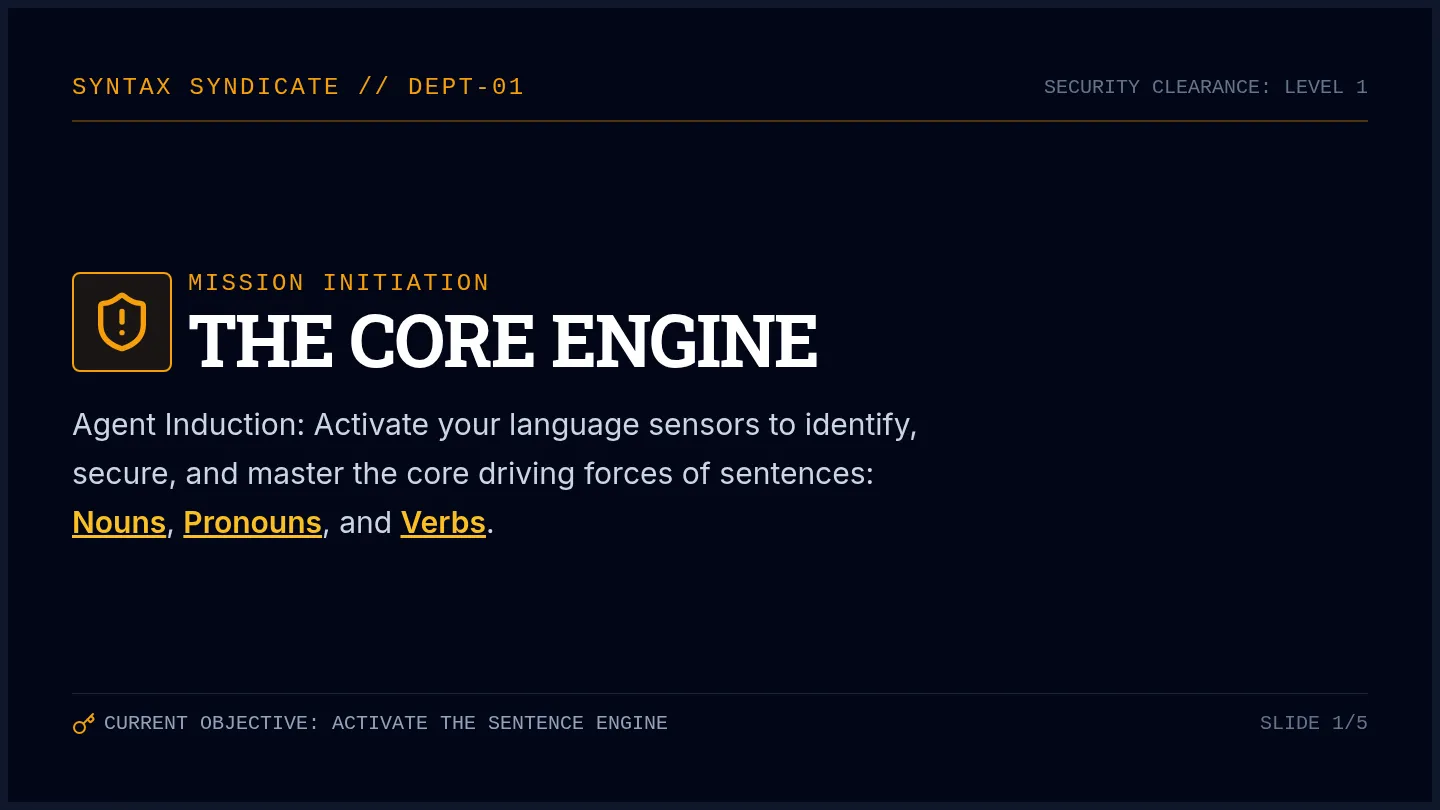
A retro, synthwave-inspired grammar unit for middle school resource room students. Students navigate the 'Upside Down' of parts of speech using themes of mystery, 80s nostalgia, and teamwork.
A series of independent ELA worksheets designed for an 8th-grade student with a learning disability. The sequence focuses on comprehension, context clues, and distinguishing fact from opinion through engaging topics like the science of makeup, historical fiction about strong women, and mythology.
A comprehensive ELA unit for 8th grade students comparing Byron Graves' novel 'Rez Ball' with its film adaptation. The unit focuses on character analysis, plot structure, literary elements, and comparative media studies through a 'Basketball Playbook' theme.
A deep dive into the classic science fiction of Ray Bradbury, analyzing how his Martian frontier serves as a mirror for 20th and 21st-century human nature.
A focused preparation sequence for the 7th Grade Massachusetts MCAS ELA exam, specifically targeting the narrative response category.
A comprehensive preparation unit for the 7th Grade MCAS English Language Arts test, specifically targeting the narrative response essay.
A series of mini-lessons exploring literary elements through the lens of a 'Word Lab', focusing on how precise word choices function like chemical ingredients to build atmosphere and character.
A 6-week intensive novel study for 8th-grade English Language Learners (ELL) focusing on the first two books of the Diary of a Wimpy Kid series. The unit prioritizes visual literacy, vocabulary building through context clues, and foundational literary analysis using high-engagement materials.
A 4-day intensive sequence focused on mastering the 'central idea' multiple-choice question type. Students will learn to distinguish between the main point and supporting details, identify common distractor types, and apply the 'Who + What' strategy to select the most accurate answer.
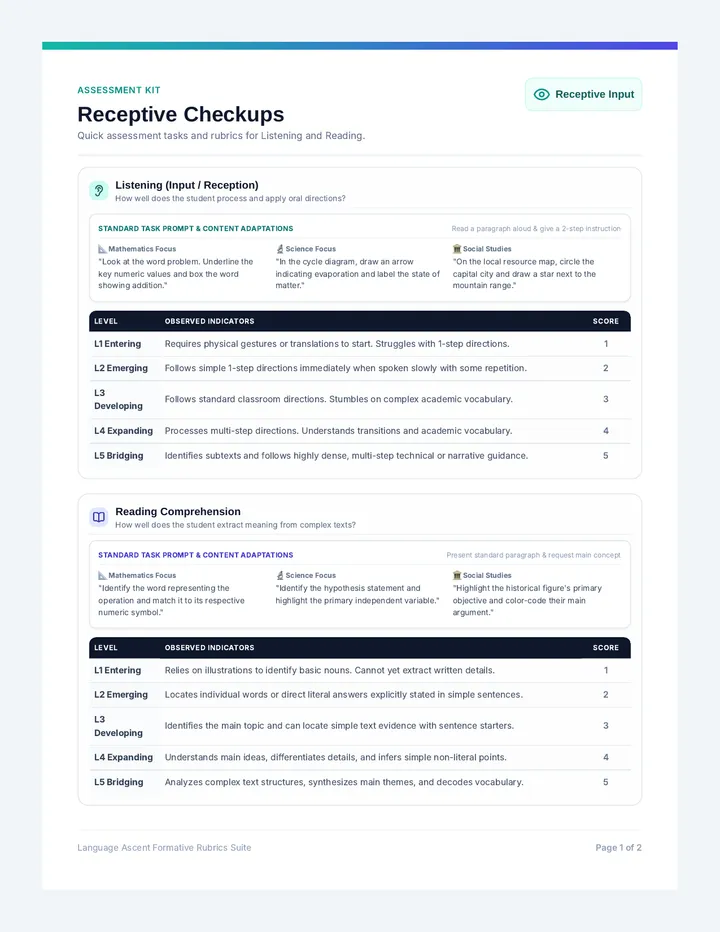
A 6-lesson mini-unit for 6th-grade ELD students focused on listening and speaking skills for ELPA preparation. Students practice listening for main ideas, repeating phrases, describing processes, supporting opinions, and using precise spatial language for drawing.
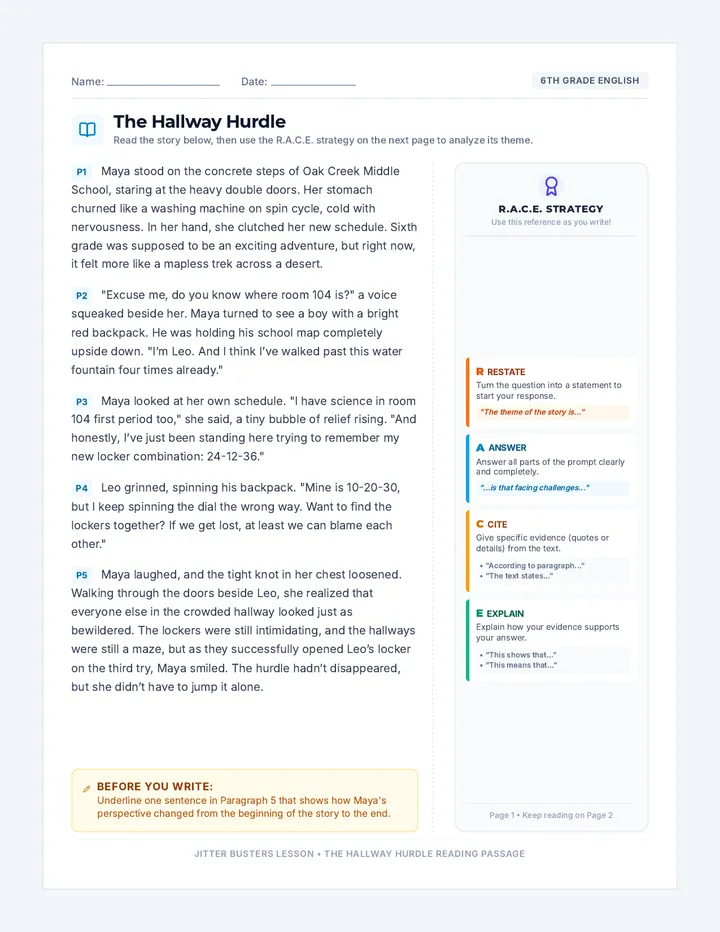
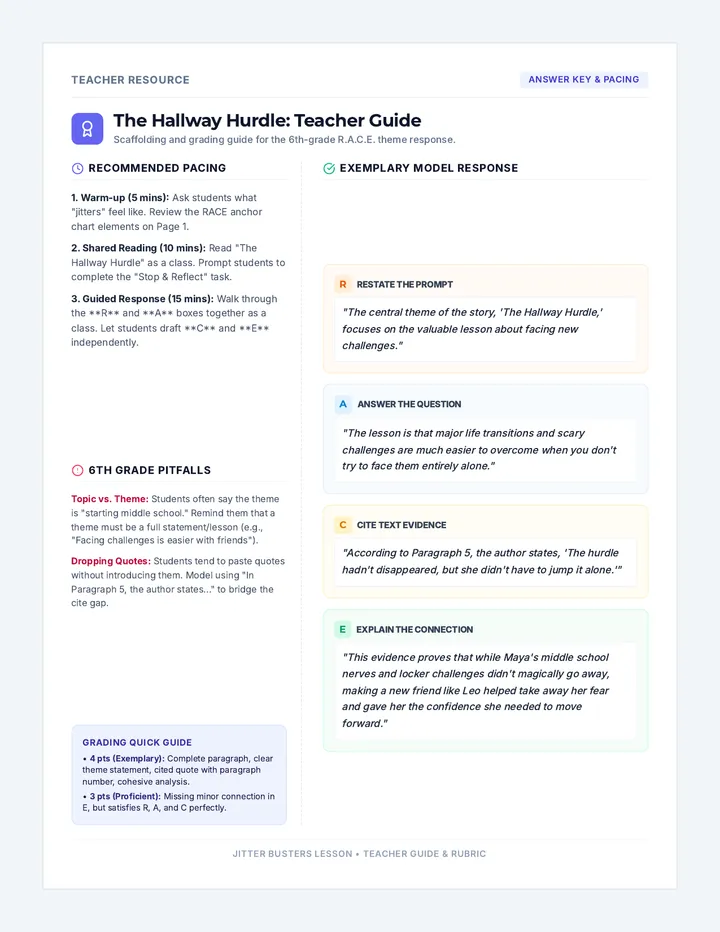
A comprehensive introduction to evidence-based writing using the Claim-Evidence-Reasoning (CER) model, specifically designed for 6th grade students to develop strong argumentative writing skills.
A comprehensive novel study for Roald Dahl's 'Matilda', focusing on character development, text evidence, and creative writing across 21 chapters.
A series of hands-on workshops where students act as "sentence engineers," using word components to master syntax, sentence variety, and descriptive writing.
A series of ELA reteach modules designed to master complex literary standards, including retelling and structural analysis.
A comprehensive English Language Arts unit that uses a mystery-investigation theme to develop reading, writing, listening, and speaking skills. Students act as detectives to analyze evidence, interview witnesses, and present their final case.
A series of lessons designed to develop inference skills through high-interest, contemporary narratives across different domains like beauty, technology, and gaming.
A comprehensive collection of short, paired articles designed for student debates. Each topic features two opposing viewpoints to help students practice identifying and using text evidence in their arguments.
A comprehensive unit exploring the myths of Prometheus and Odysseus, focusing on character traits, epic journeys, and foundational Greek mythology vocabulary.
A 4-day intensive CVC short 'a' intervention for a 6th-grade ESL student, themed around space exploration to maintain age-appropriateness while focusing on foundational literacy.
A two-block introductory unit for Elie Wiesel's 'Night' designed for students with ADHD and SLD, focusing on character introduction, historical context, and the psychological impact of the Holocaust through movement and tactile activities.
A creative informational writing project where students become 'archivists' for the Oddity Almanac, researching and reporting on fascinating real-world topics through a field-guide aesthetic.
A comprehensive unit on argumentative writing for 7th grade, focusing on the construction of strong claims and the strategic use of evidence to support them.
A comprehensive suite of resources focused on academic writing proficiency, providing students with the linguistic scaffolds needed to excel in essays, reports, and arguments.
A comprehensive writing and animation production unit designed for high-functioning autistic students, focusing on character design, studio styles, and thematic analysis. Students explore the worlds of Blue Sky Studios and Warner Bros. while developing informative and creative writing skills.
A comprehensive media literacy unit for grades 7-9 that examines how language and visuals are used to influence public opinion through historical and modern propaganda.
A 5-day project-based learning unit where students analyze themes of oppression and manipulation in 'Persepolis' and create their own graphic novel panels based on a chosen global parallel. Students will explore how visual storytelling can be a form of protest and compare modern narratives to traditional themes of resistance.
A series of speech and language activities designed to help middle school students master complex grammar and sophisticated sentence structures through real-world problem-solving.
A middle school media literacy unit that turns students into 'Propaganda Detectives.' Students learn to identify persuasive techniques and logical fallacies in modern media, culminating in a creative project to redesign famous ads with 'honest' messaging.
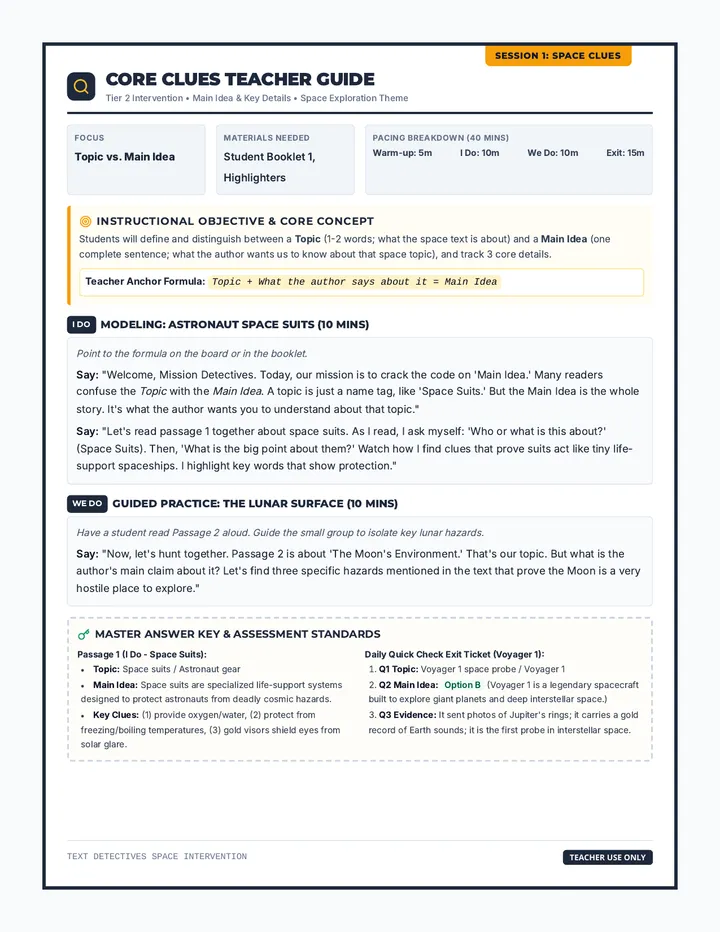
A four-part small group intervention series for sixth graders focused on identifying the central idea of nonfiction texts. The sequence uses the context of Ancient Mesopotamia and Egypt to teach strategies including title analysis, keyword repetition, and text features.
A four-day grammar intensive sequence designed to prepare students for the Introduction to World Literature IA Exam. Each lesson follows a consistent high-engagement structure: Do Now, Model with Concept Map, Solo Practice, and Exit Ticket, covering Sentence Structure, Punctuation, Clauses, and Vocabulary in Context.