A comprehensive 8th-grade grammar sequence focusing on the identification and correction of misplaced, limiting, and squinting modifiers to ensure sentence clarity and precision.
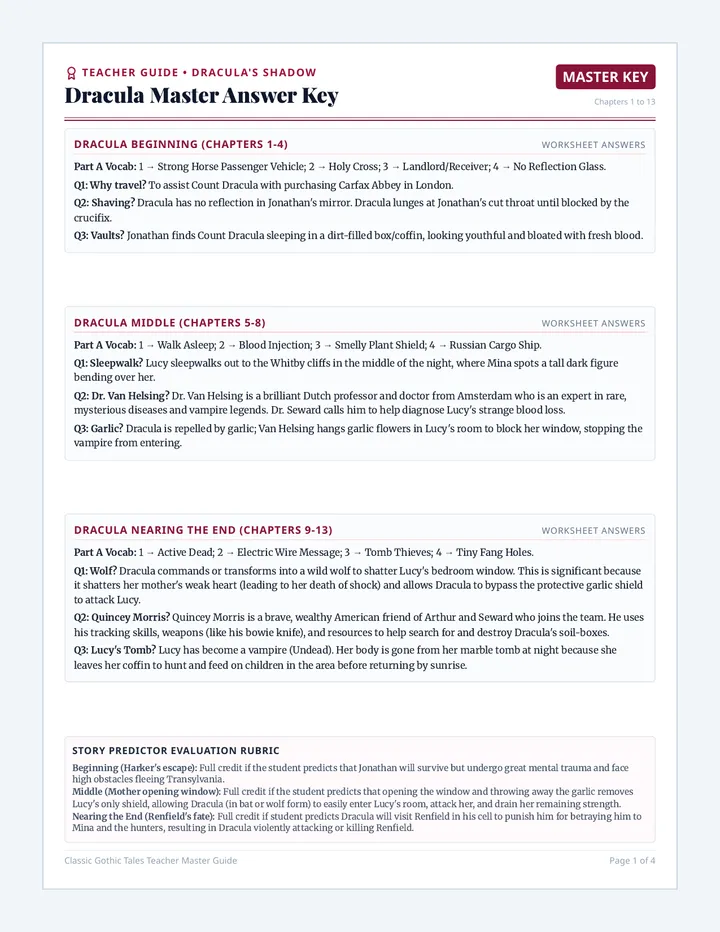
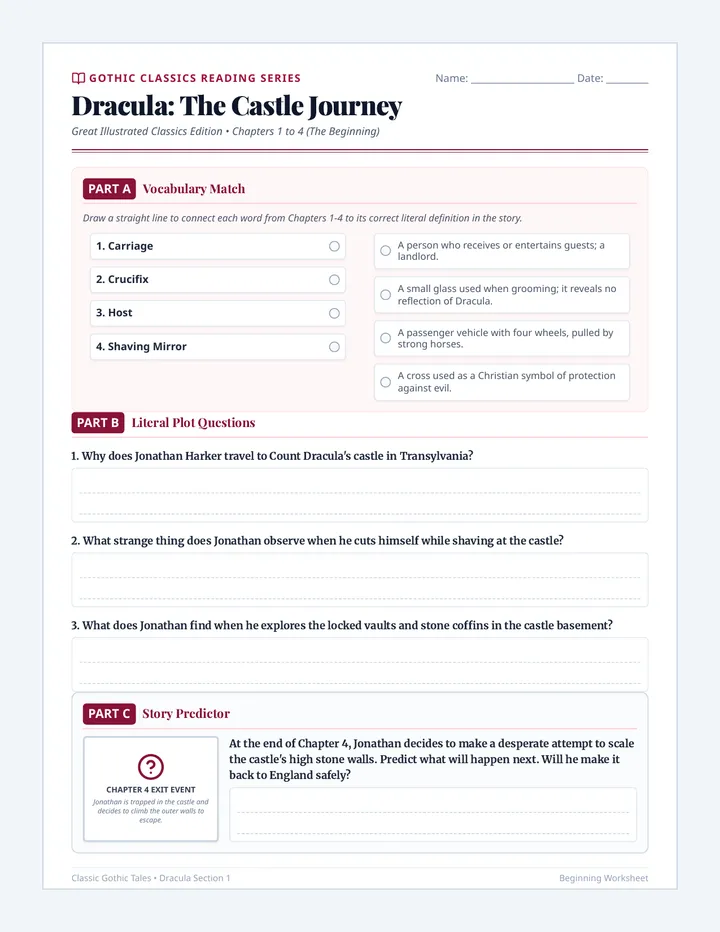
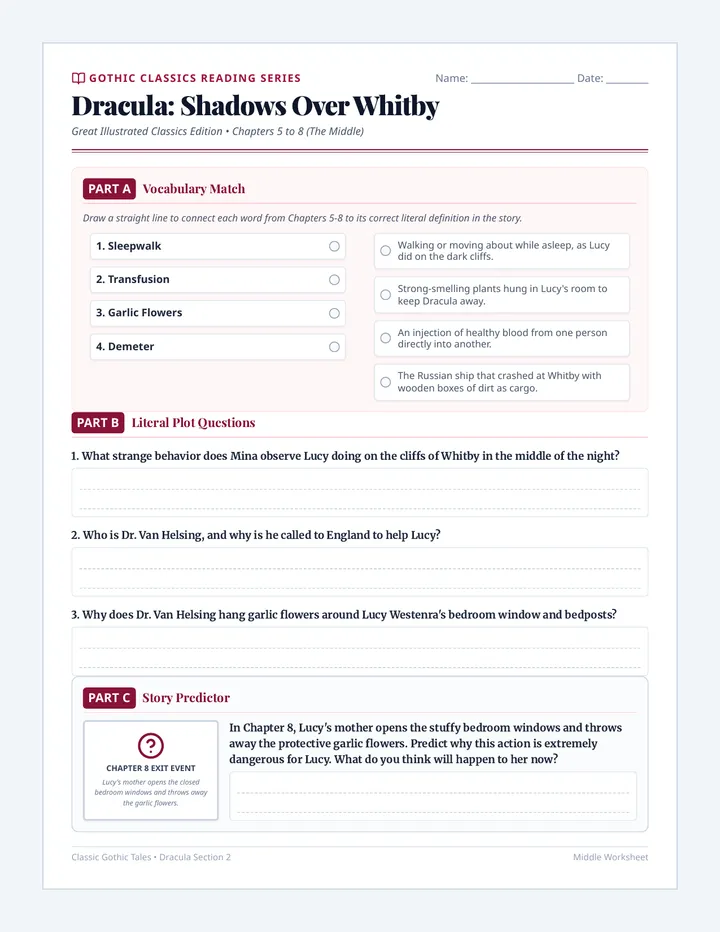
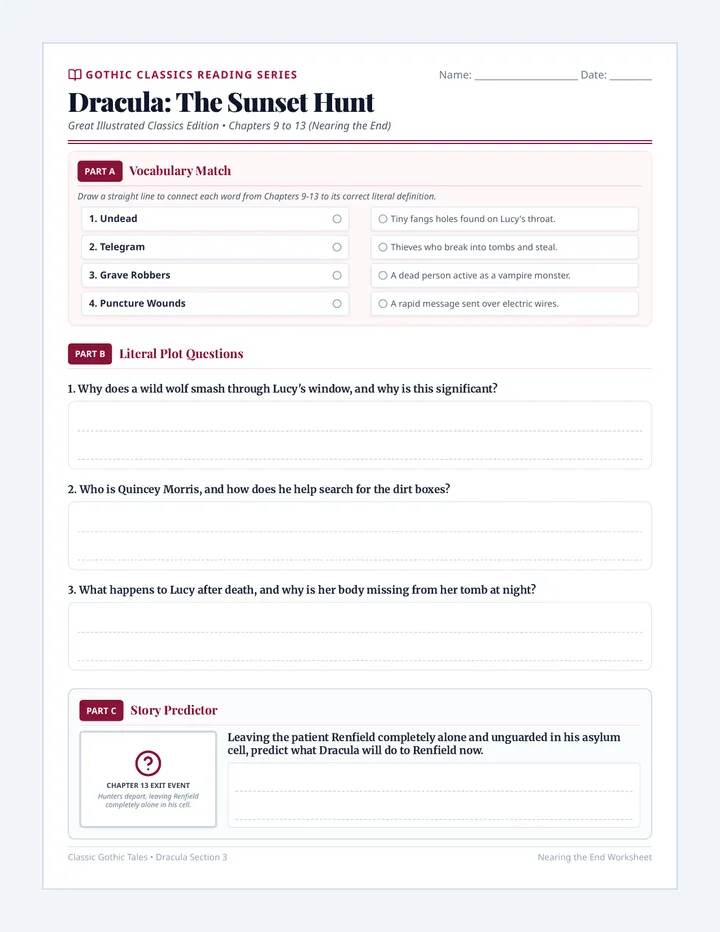
A comprehensive reading study sequence based on the Great Illustrated Classics editions of Dracula, Frankenstein, Dr. Jekyll and Mr. Hyde, and The Legend of Sleepy Hollow. Features student chapter worksheets with vocabulary matching and illustration-based questions, paired with a master teacher question bank and answer key.
A complete lesson exploring identity, expectations, and self-acceptance through the character of Lenny from Shark Tale. Students analyze Lenny's traits and conflict, engage in guided discussion, and compose a creative story about staying true to oneself.
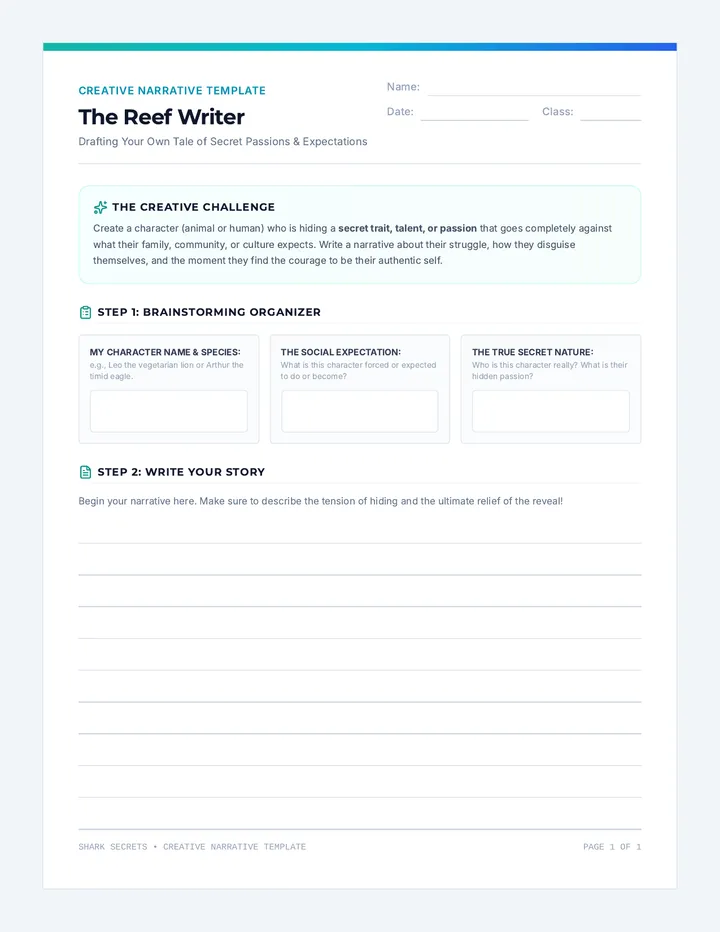
A creative story writing template that guides students to write their own story inspired by Lenny's journey, focusing on a character hiding a secret trait or passion that goes against family expectations.
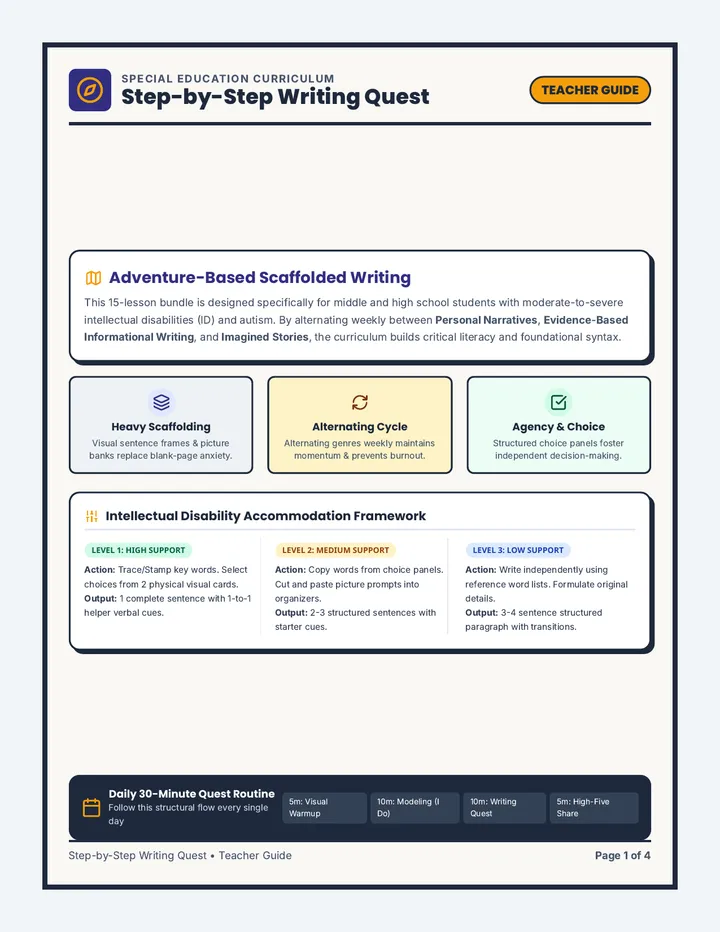
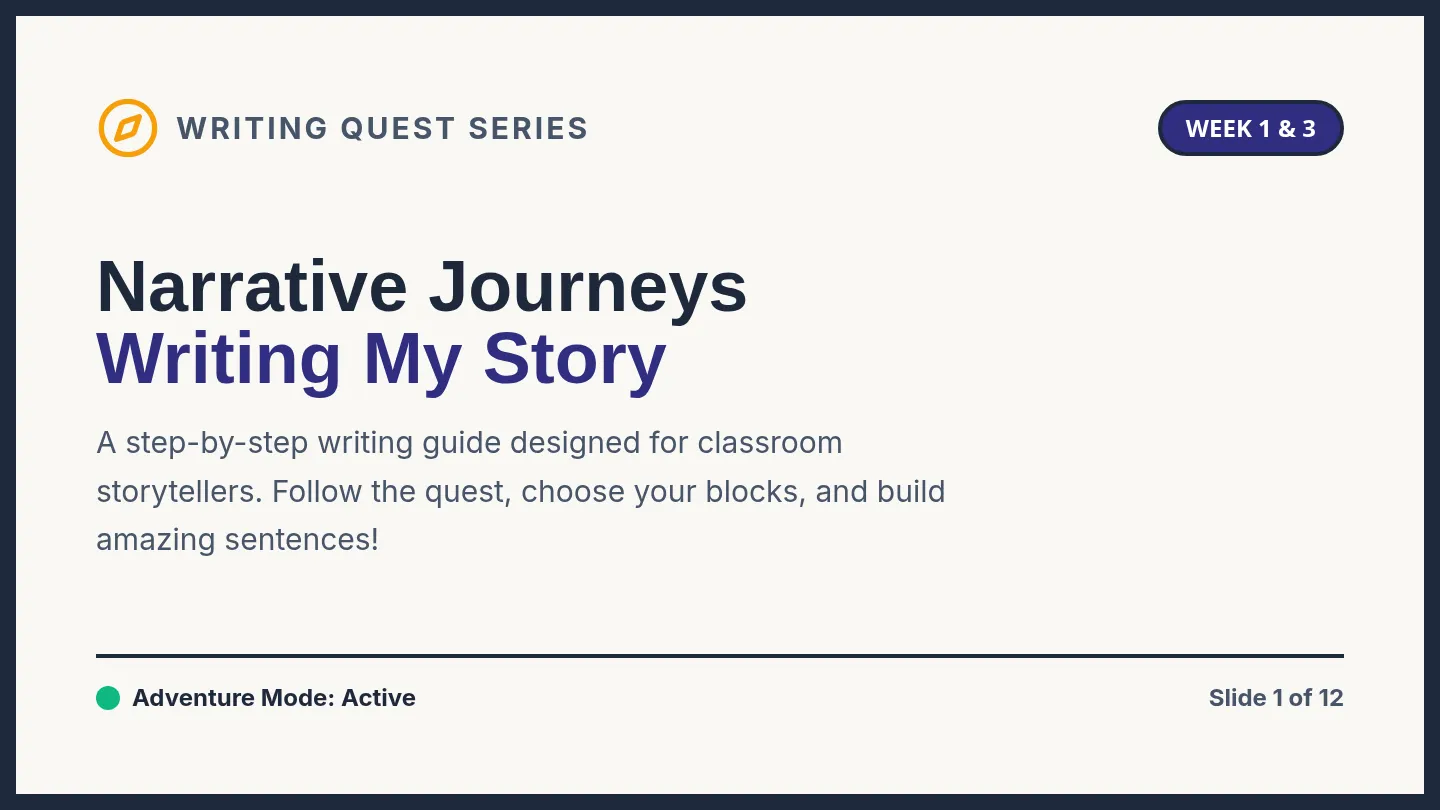
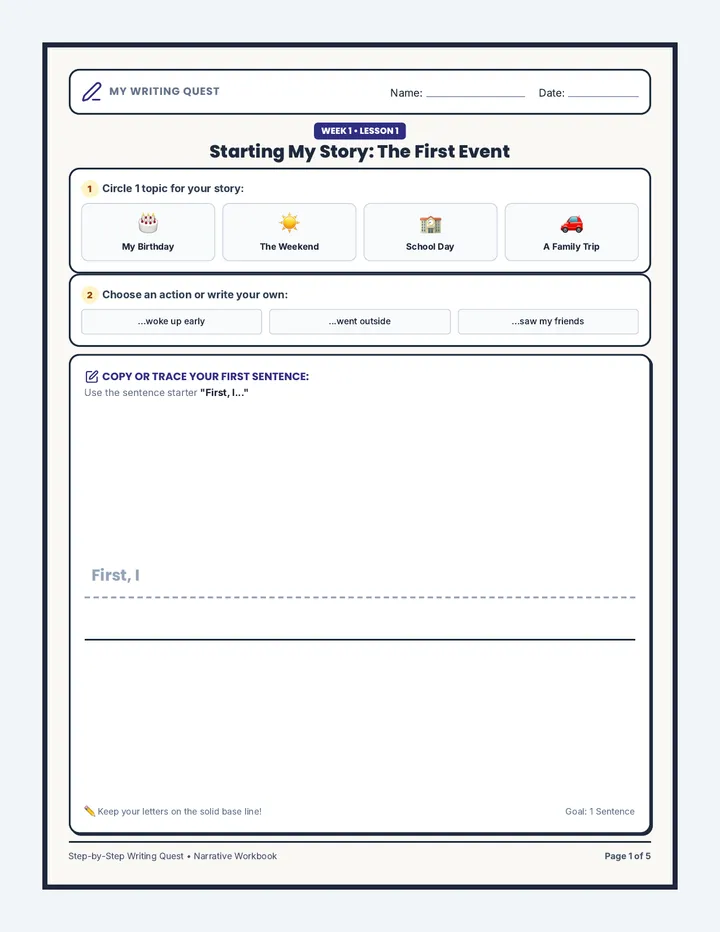
A comprehensive 15-lesson writing curriculum tailored for middle and high school students with intellectual disabilities. The sequence alternates weekly between personal narratives, evidence-based informational writing, and imagined stories, using heavy visual scaffolding, structured sentence frames, and clear graphic organizers.
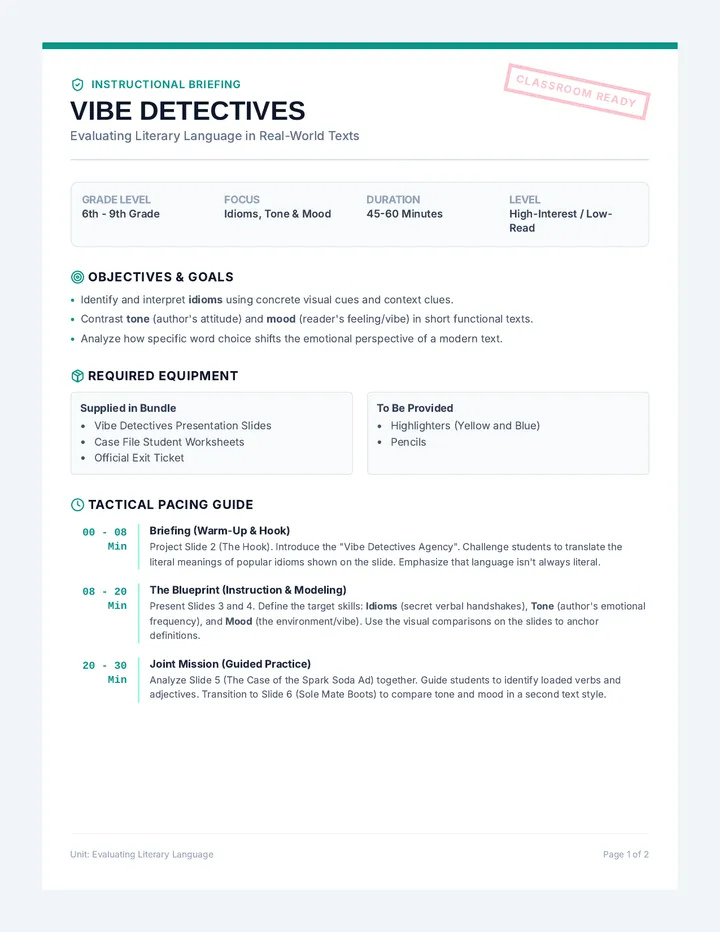
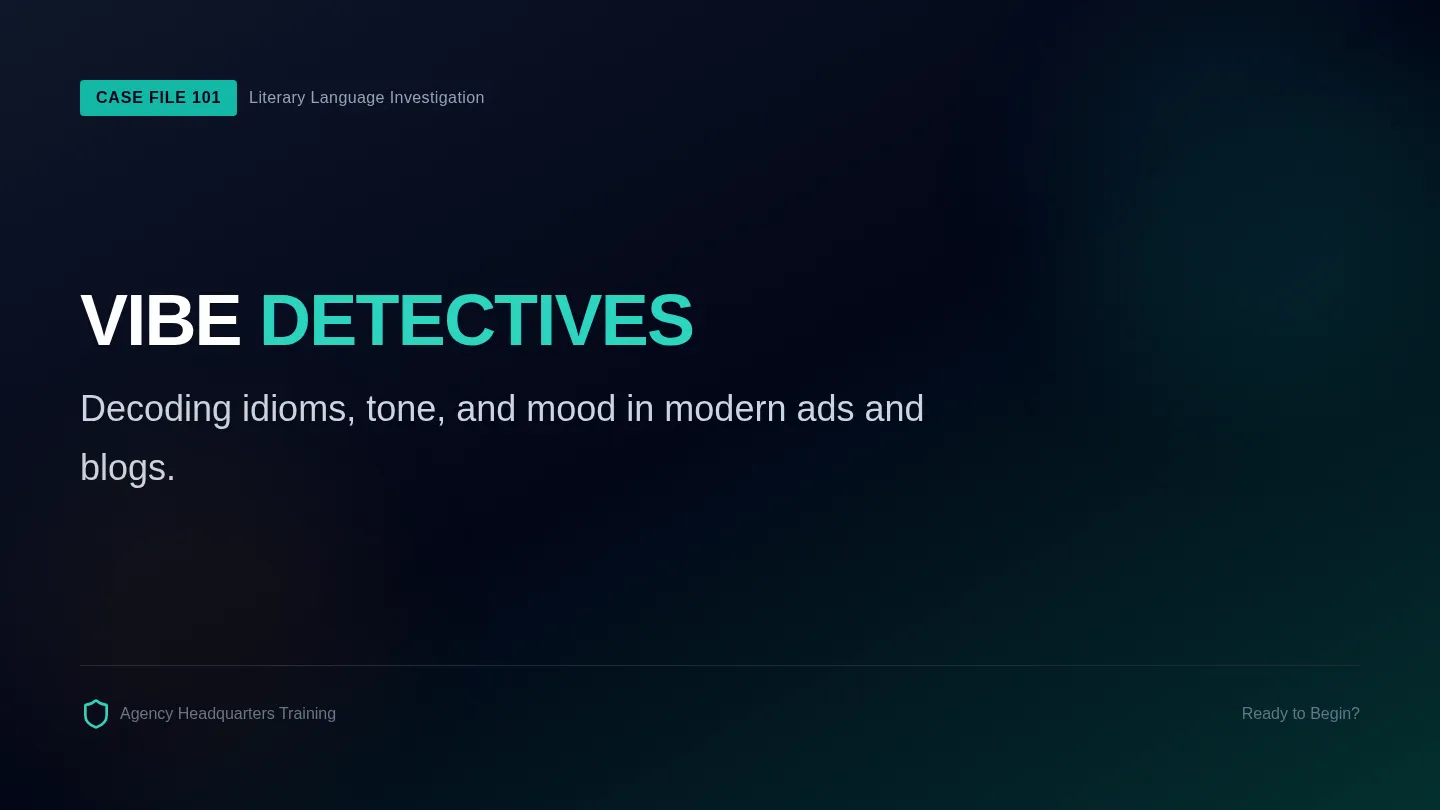
A high-interest, visual-heavy lesson where students become 'Vibe Detectives' to decode idioms, tone, and mood in modern advertisements, social posts, and blogs. Designed with low-readability, high-impact functional texts to ensure maximum accessibility and student engagement.
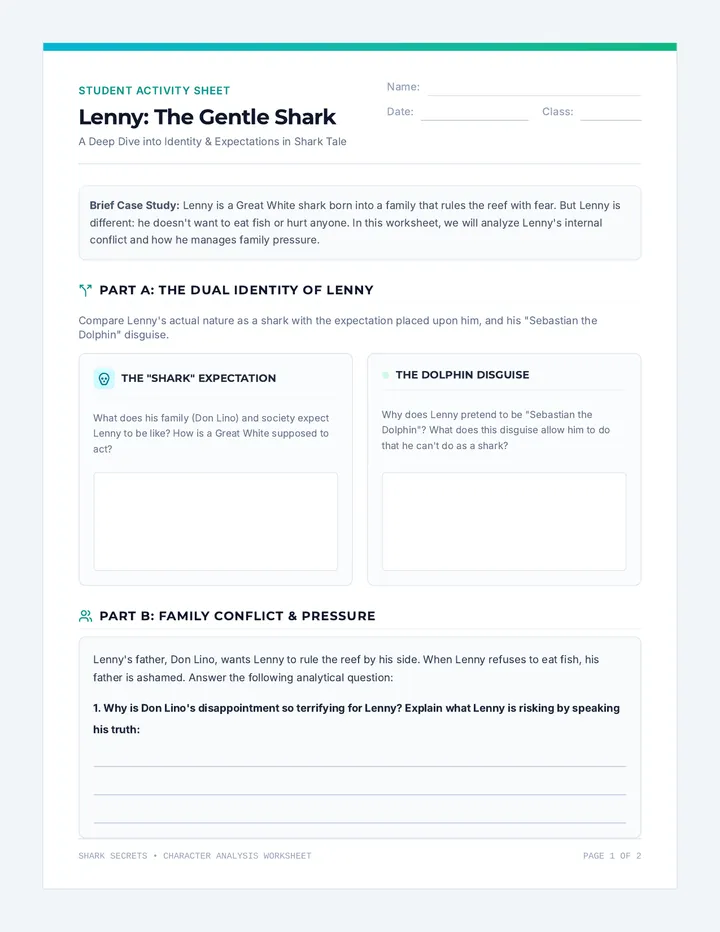
A student character analysis worksheet exploring Lenny's traits, his relationship with his father, and the contrast between his shark nature and dolphin disguise. Includes quote analysis and reflective prompts.
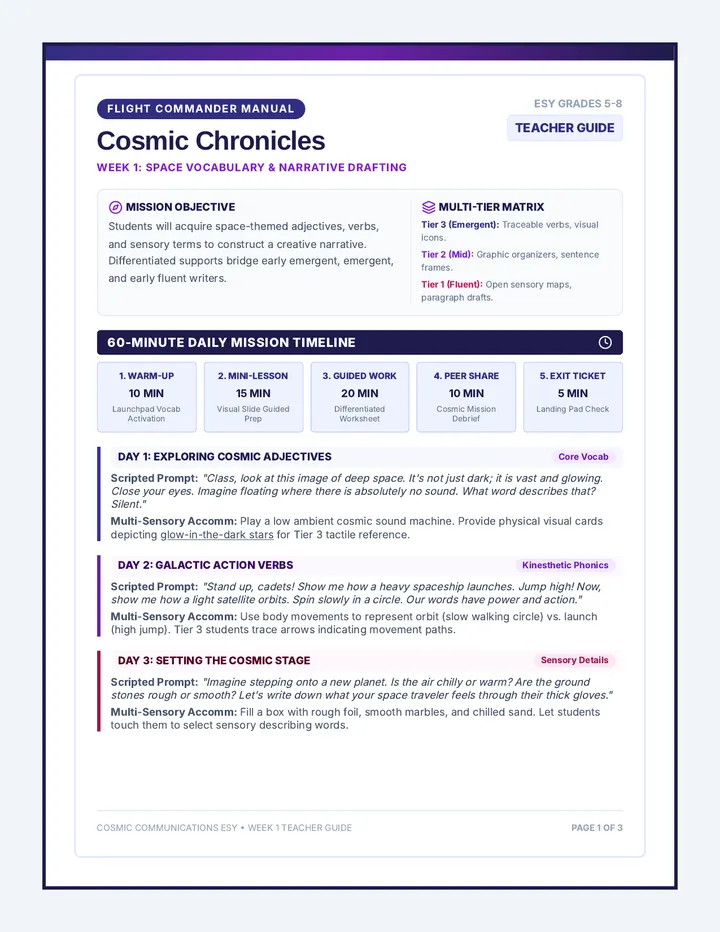
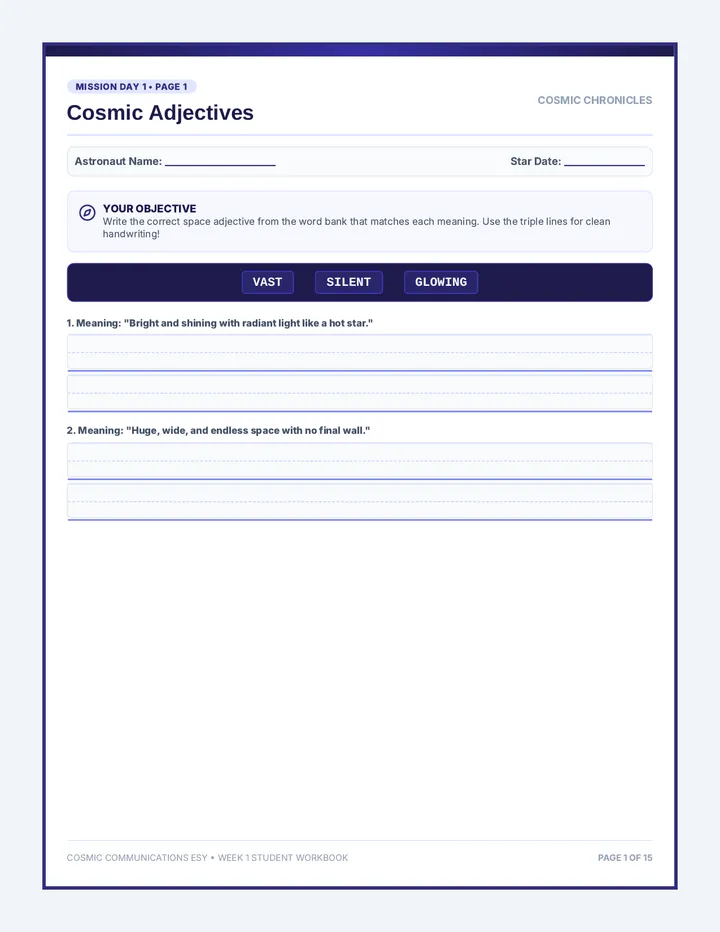
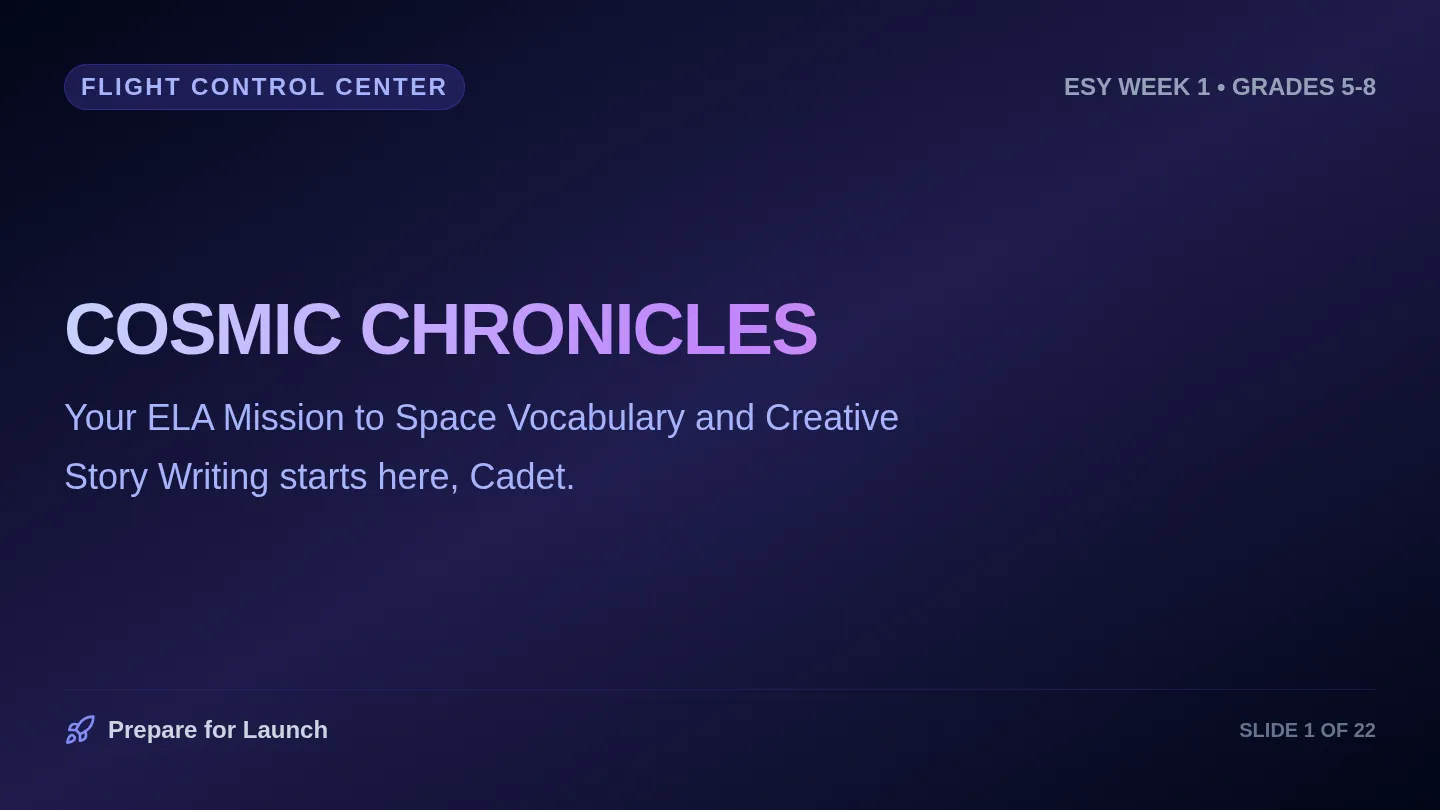
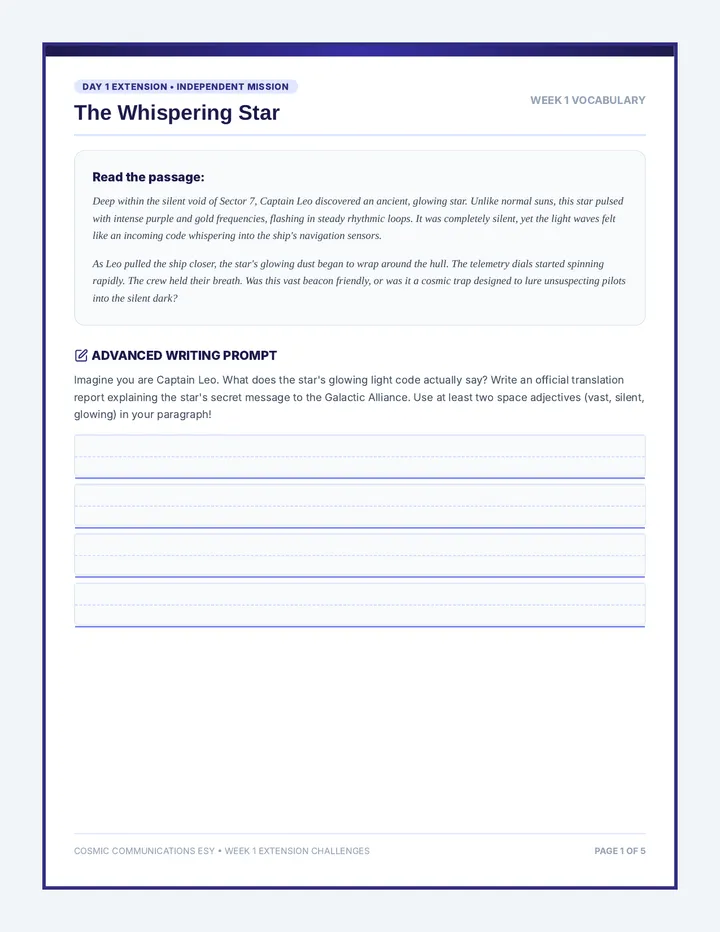
A comprehensive, space-themed 4-week Extended School Year (ESY) ELA curriculum designed for middle school students with disabilities (grades 5-8). It features daily scaffolded learning structures, differentiated materials spanning early emergent to early fluent readers, and visual sensory supports that make ELA skill acquisition accessible, engaging, and structured.
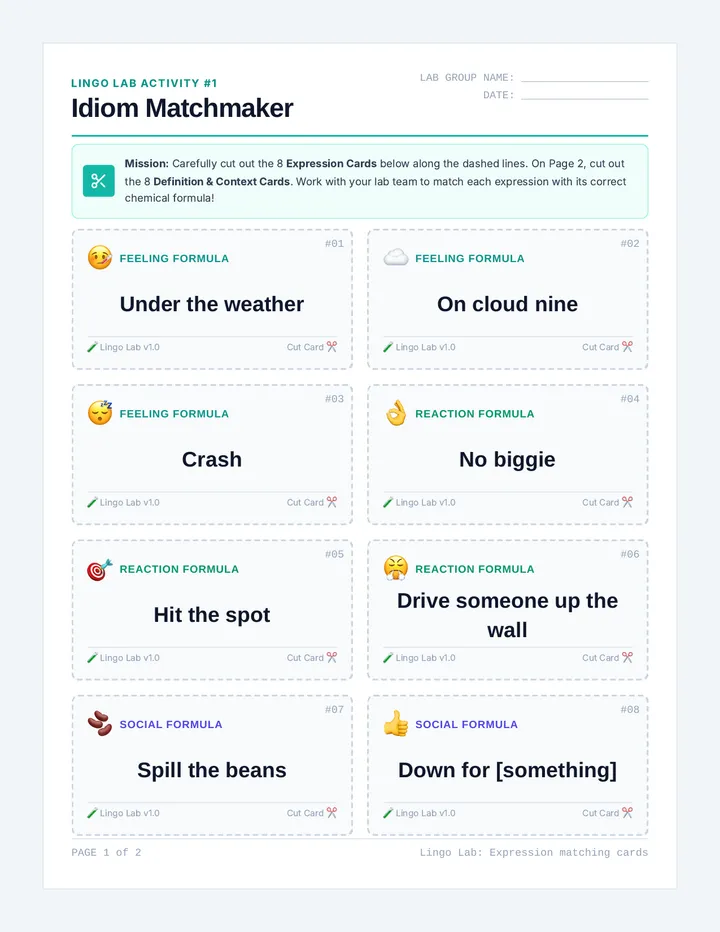
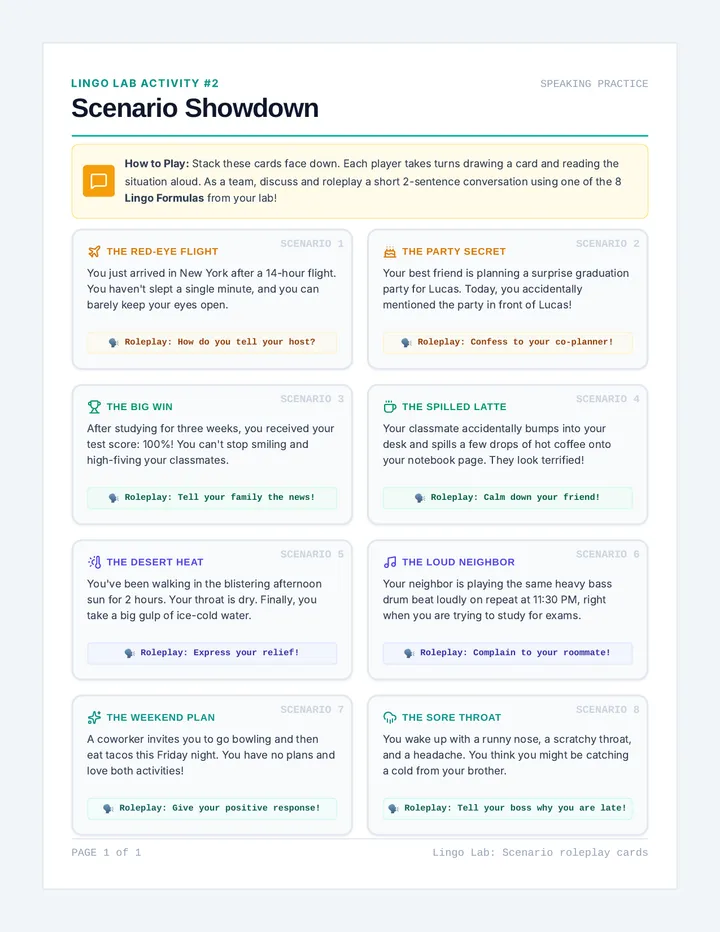
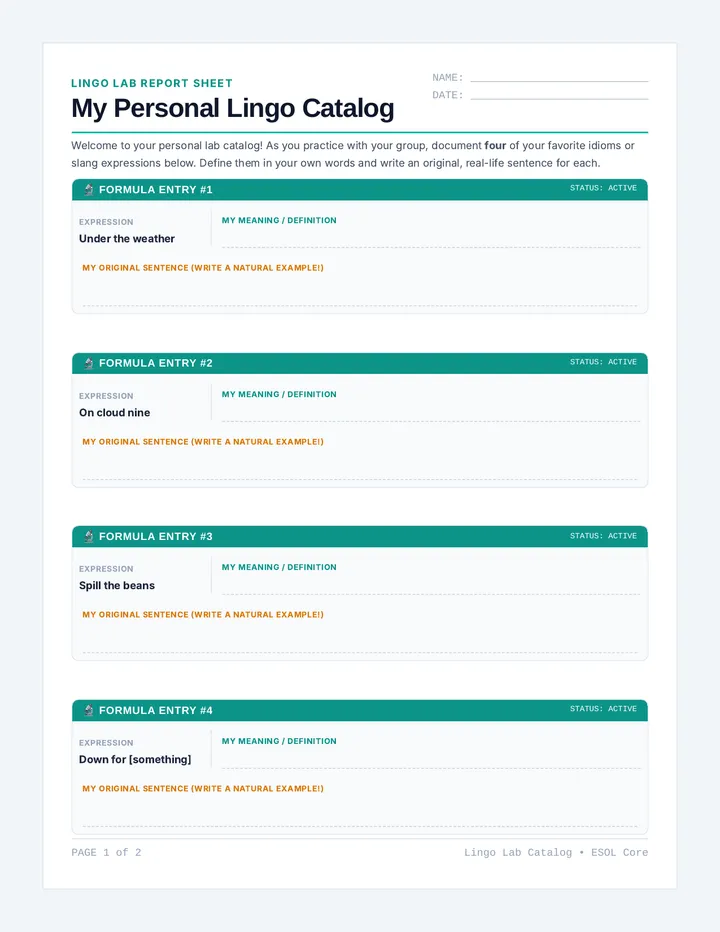
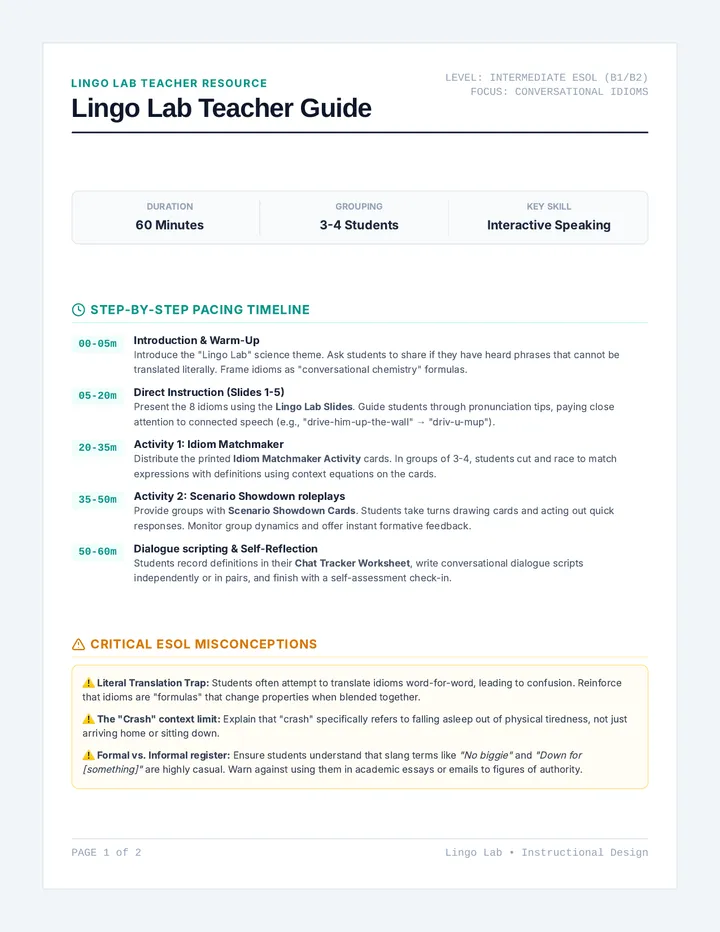
A lesson designed for intermediate ESOL students to master high-frequency conversational idioms and slang related to feelings, reactions, and social interactions. Through collaborative matching games, situational scenario cards, and guided presentation slides, students practice using these expressions naturally.
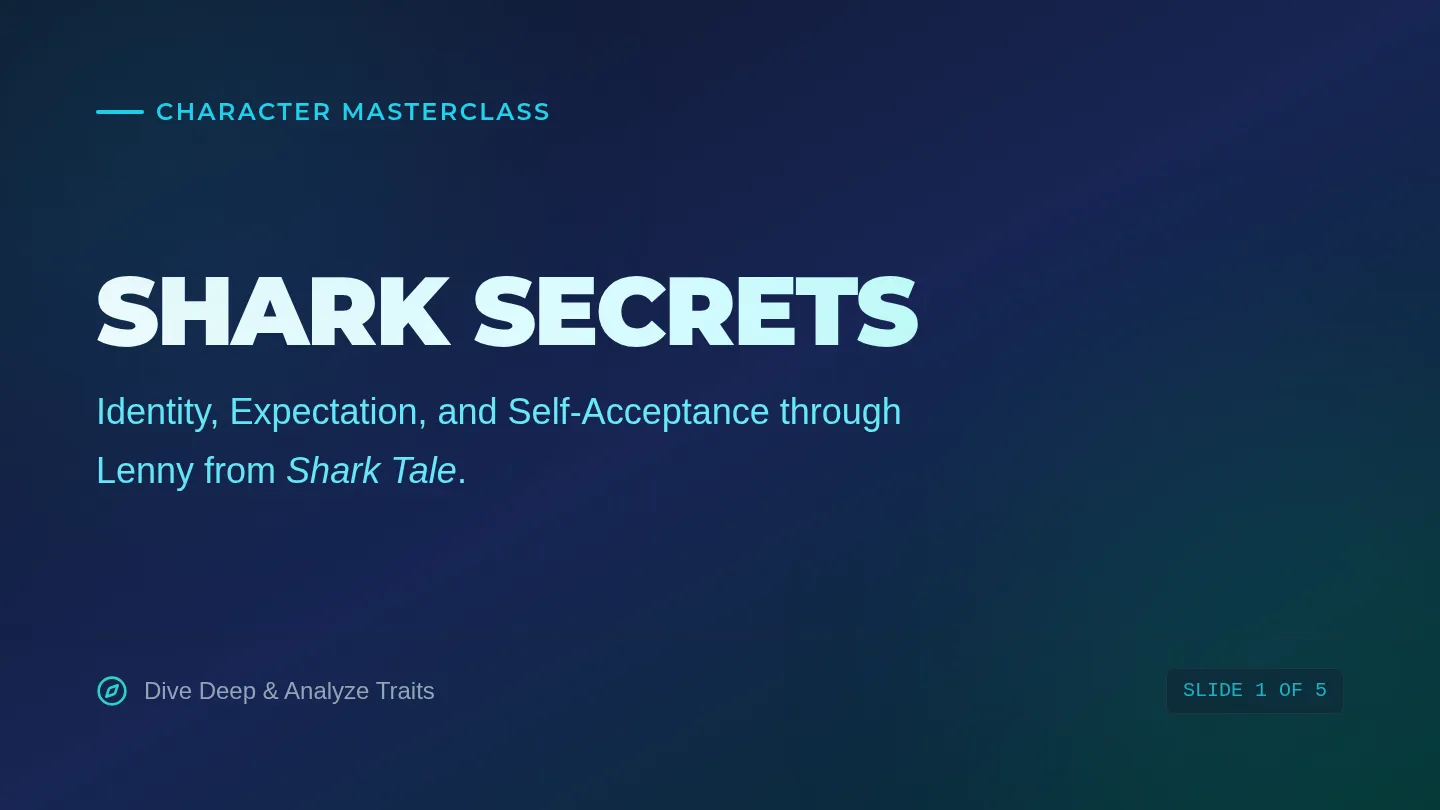
A 5-slide visual presentation deck introducing Lenny from Shark Tale, exploring his traits, conflict, and the dolphin disguise, and launching the writing activity.
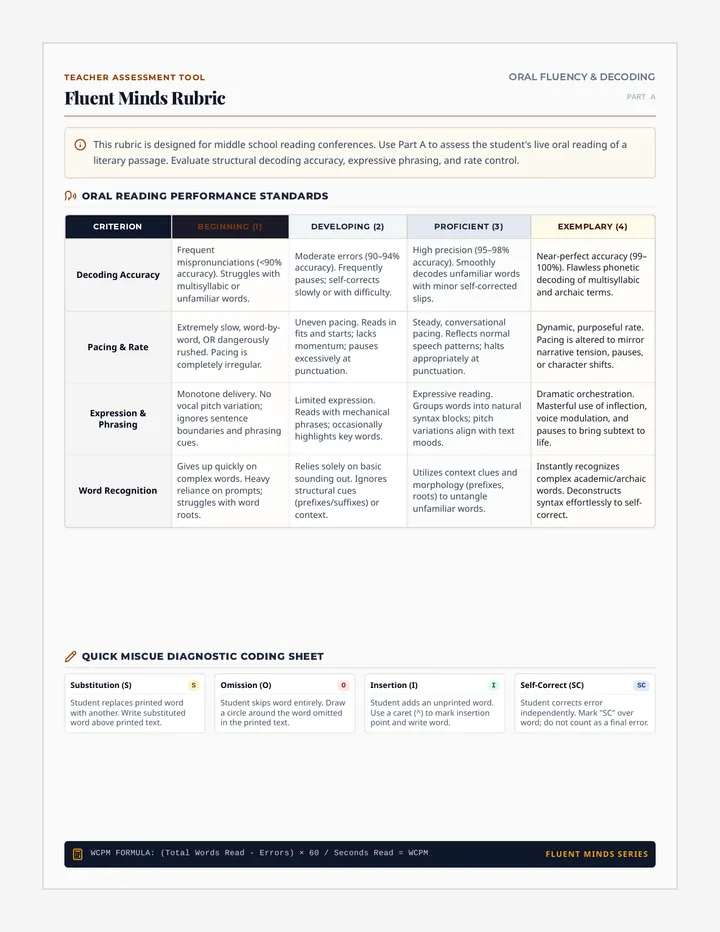
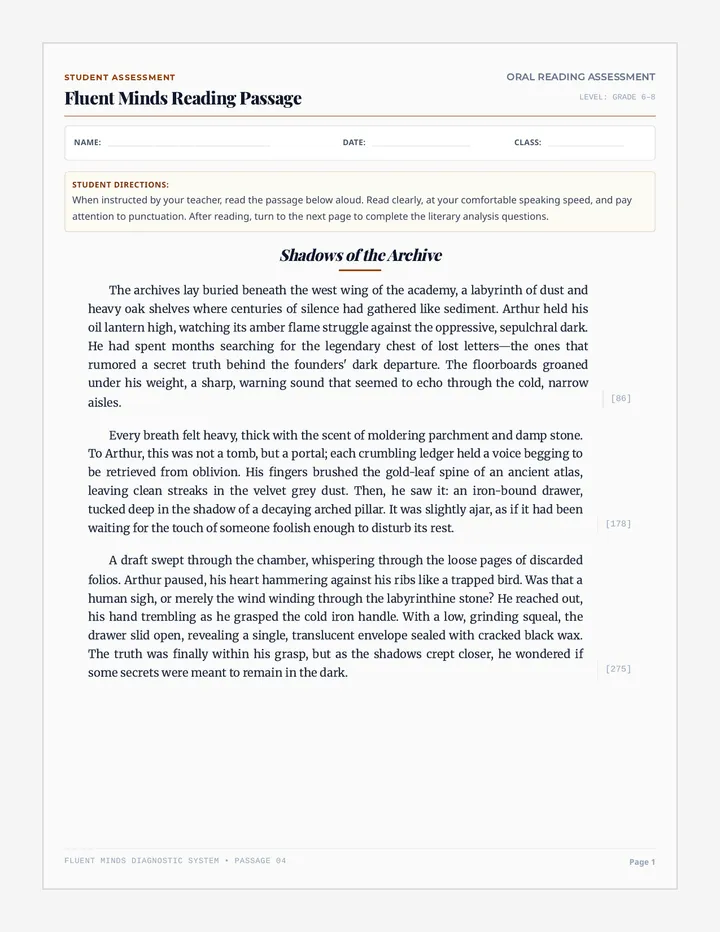
A comprehensive assessment lesson for middle school reading, combining an oral reading fluency and decoding evaluation with deep literary analysis. Students read an evocative Gothic passage aloud to assess accuracy, expression, and pacing, then complete written analysis questions targeting inference, textual evidence, and thematic development.
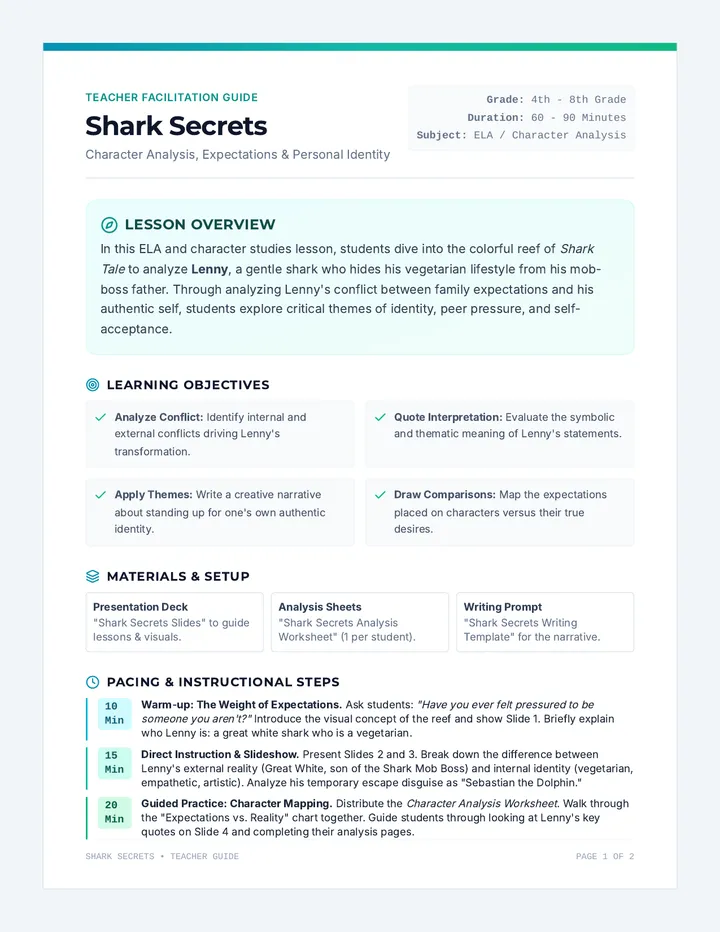
A comprehensive, 2-page teacher's guide and lesson plan for conducting a character analysis and creative writing lesson focused on Lenny from Shark Tale. Includes pacing, discussion prompts, and differentiation.
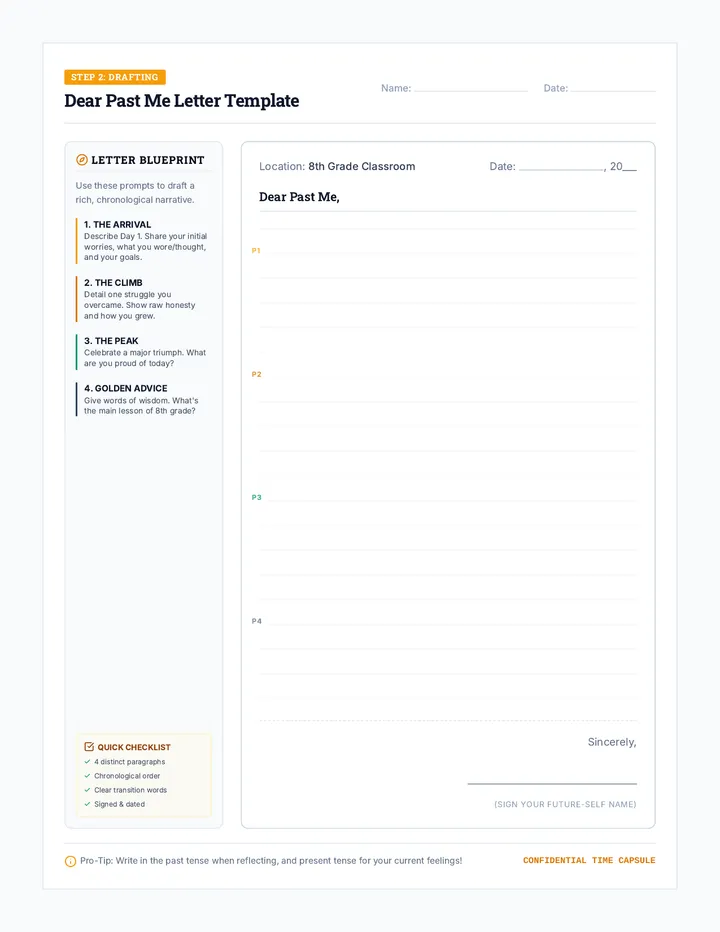
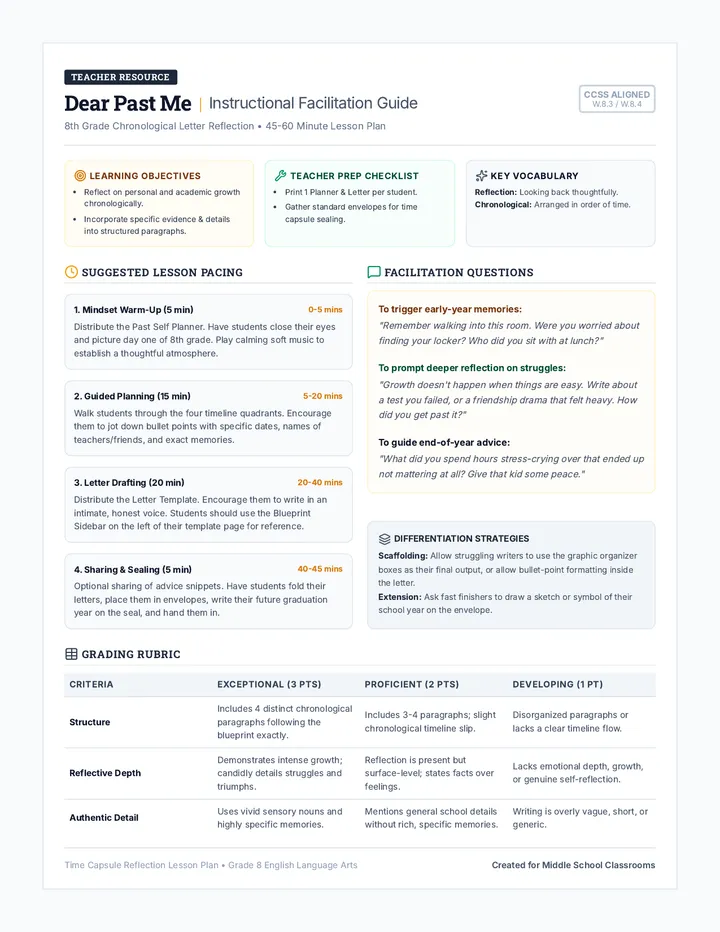
A reflective writing lesson where 8th-grade students analyze their academic and personal growth by planning and drafting a structured chronological letter to their past self. This lesson includes a graphic organizer, a scaffolded template, and a teacher guide to facilitate deep reflection and high-quality writing.