Working Dogs Curriculum Grid
Instructional Blueprint Standards-Based Curriculum Alignment
Packet Ref: Working Dogs on Duty (pp. 1–5)
Working Dogs Instructional Grid
Explanatory Writing & Informational Text Synthesis Unit • Grade Band: 5th–6th
Unit Focus: RI.5.1, RI.5.2, W.5.2 Pacing: 4 Instructional Blocks (3 Classwork + 1 HW)
Anchor Texts Text 1: Guide Dogs • Text 2: SAR Dogs
Writing Product Multi-source explanatory essay with evidence
Core Vocabulary Intelligent disobedience, olfactory, harness
| Standard & Focus | Daily Objective (SWBAT) | Prerequisite / Do Now | Guided Practice & Activity | Assessment / CFU | Deliverable |
|---|
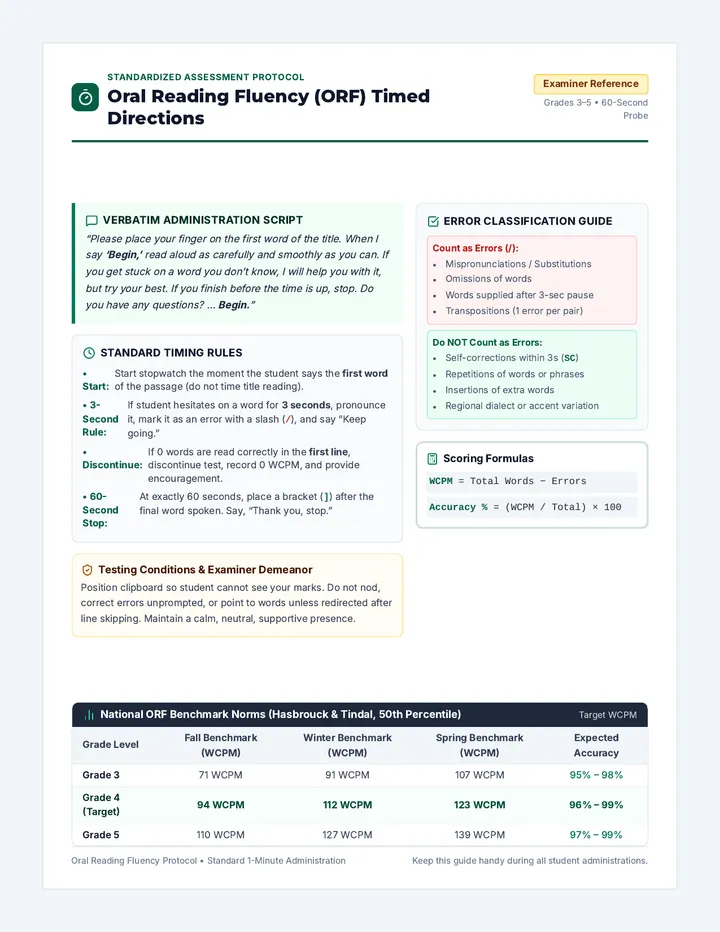
| RTD-1 (RI.5.2) | | | | | |
| Central Idea & Textual Evidence | | | | | |
Guide Dogs | SWBAT determine the central idea of an informational text on guide dogs and cite direct evidence illustrating their rigorous training and protective duties. | Define "working animal" vs. "pet"; identify 2 obstacles a visually impaired pedestrian encounters on city sidewalks. | Close Read & Code Text 1: Annotate harness physics, 2-year guide dog school timeline, and unpack the concept of "intelligent disobedience" (¶4). | Part A Check: 3 MC items (Q1 Central Idea, Q2 Concept Definition, Q3 Evidence Match). | Packet Page 1 (Text 1 + Part A) |
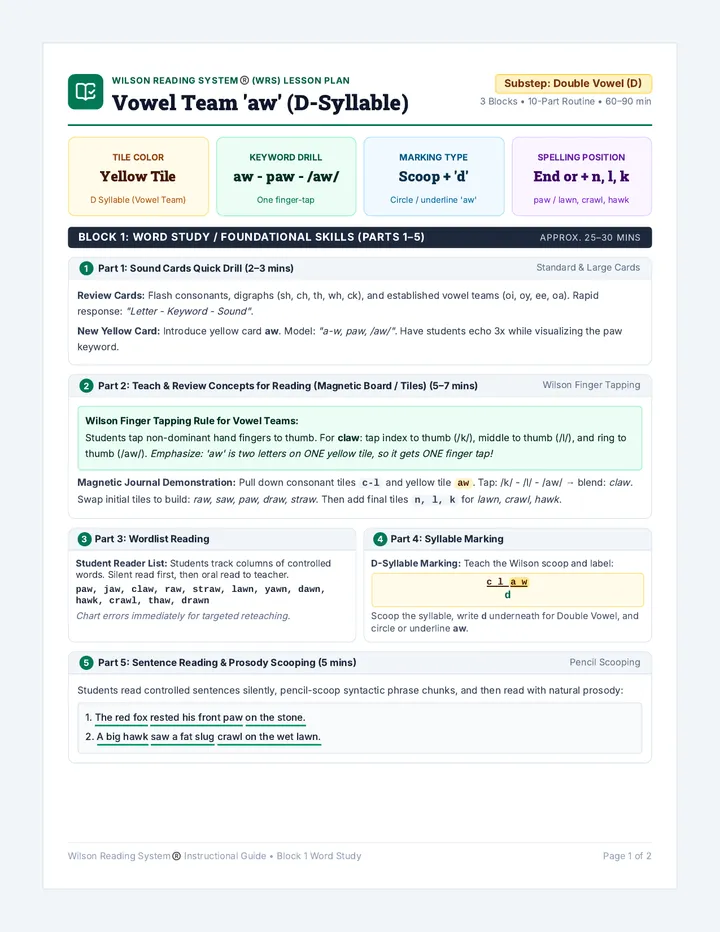
| RTD-2 (RI.5.1)
Technical Details & Physical Adaptations
Search & Rescue | SWBAT identify physiological traits and signaling behaviors that enable search-and-rescue dogs to locate trapped victims across varied disaster environments. | Evaluate human sensory limits in dense fog, snow, or urban rubble compared to canine scent tracking. | Environment Matrix: Chart canine deployments (avalanche snow, wilderness, earthquake rubble) and contrast active bark vs. passive nose-point alert signals. | Part B Check: 2 MC items (Q4 Olfactory Scent Ratio, Q5 Handler Signal Protocol). | Packet Page 2 (Text 2 + Part B) |
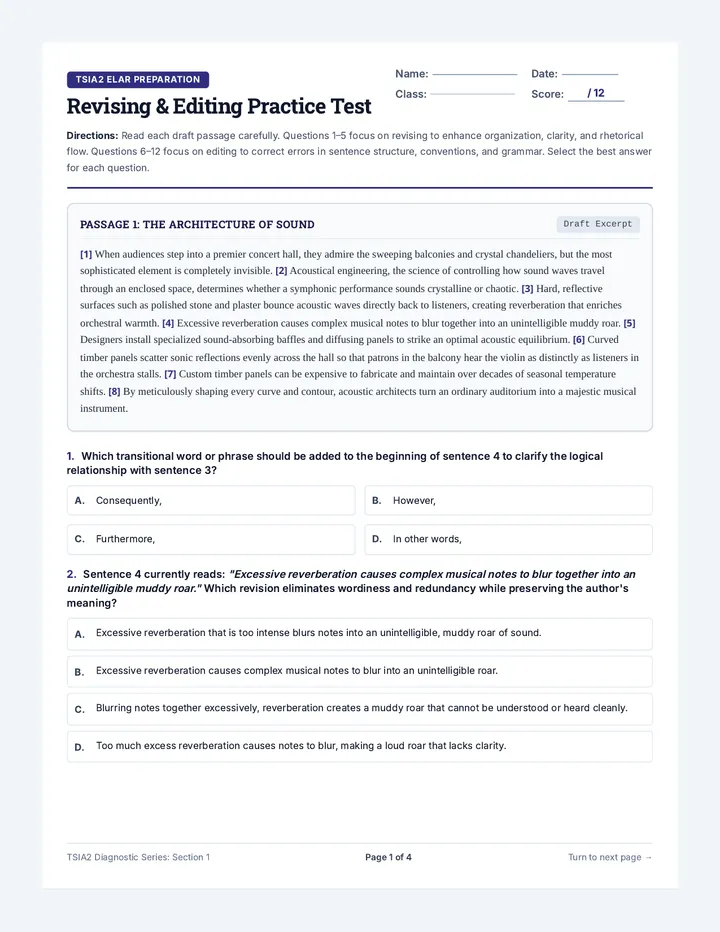
| RTD-3 (W.5.2)
Multi-Source Synthesis & Explanatory Essay
Prompt Drafting | SWBAT synthesize evidence from two texts to draft a complete explanatory essay detailing how working dogs execute high-stakes tasks for human safety. | Draft a central claim statement that bridges navigational assistance (Text 1) and disaster recovery (Text 2). | Explanatory Essay Architecture: Scaffold 4 paragraphs (Intro with thesis, Body 1 Guide Dogs, Body 2 SAR Dogs, Conclusion summarizing human-canine partnership). | Completed 2-page essay draft evaluated on central claim, dual citations, and clear elaboration. | Packet Pages 3–4 (Essay Prompt & Lines) |
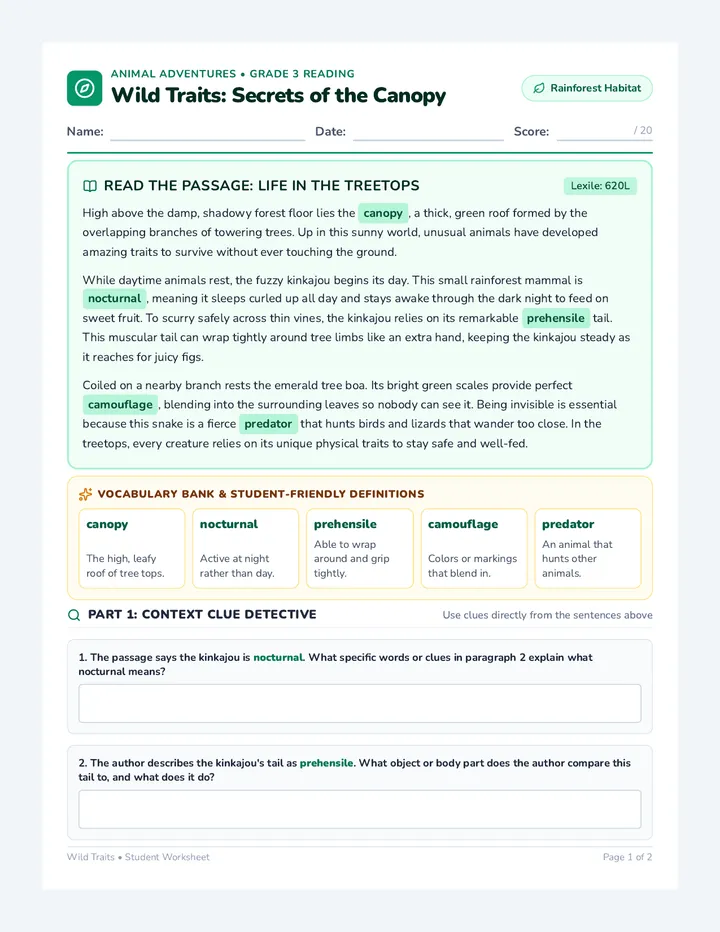
| RTD-4 (W.5.2.B)
Skill Transfer & Paragraph Elaboration
Mounted Police | SWBAT independently apply explanatory paragraph writing to a novel working animal text by integrating a topic sentence, direct quote, and elaboration. | Quick-think: Why would crowd behavior respond more peacefully to a mounted horse patrol than motor vehicles? | Independent Passage Study: Read "Mounted Police: Horses on Patrol" examining height advantage, crowd de-escalation, and rubber horseshoe equipment. | Homework Part A (3 MC items) + Part B written body paragraph citing Paragraph 4. | Packet Page 5 (Homework Assignment) |
Instructional Implementation & Scaffolding Framework
Differentiated Instructional Checkpoints
Reading Scaffolding
Provide sentence-by-sentence text coding for Text 1 (highlighting the difference between volunteer puppy raising and 2-year professional school). Pre-teach domain term "intelligent disobedience" through street crossing scenarios.
Writing Architecture
Enforce dual-text integration: students must extract at least 1 piece of quoted evidence from Guide Dogs (safety/navigation) and 1 from SAR Dogs (rescue/scent) before drafting body paragraphs on Pages 3–4.
Homework Formative Loop
Use Page 5 Part B body paragraph to diagnose mastery of the Topic Sentence → Evidence → Elaboration cycle. Flag students who copy text verbatim without analytical follow-up for next-day conferencing.
Working Dogs on Duty Curriculum Sequence • ELA Informational & Explanatory Writing Unit Page 1 of 1