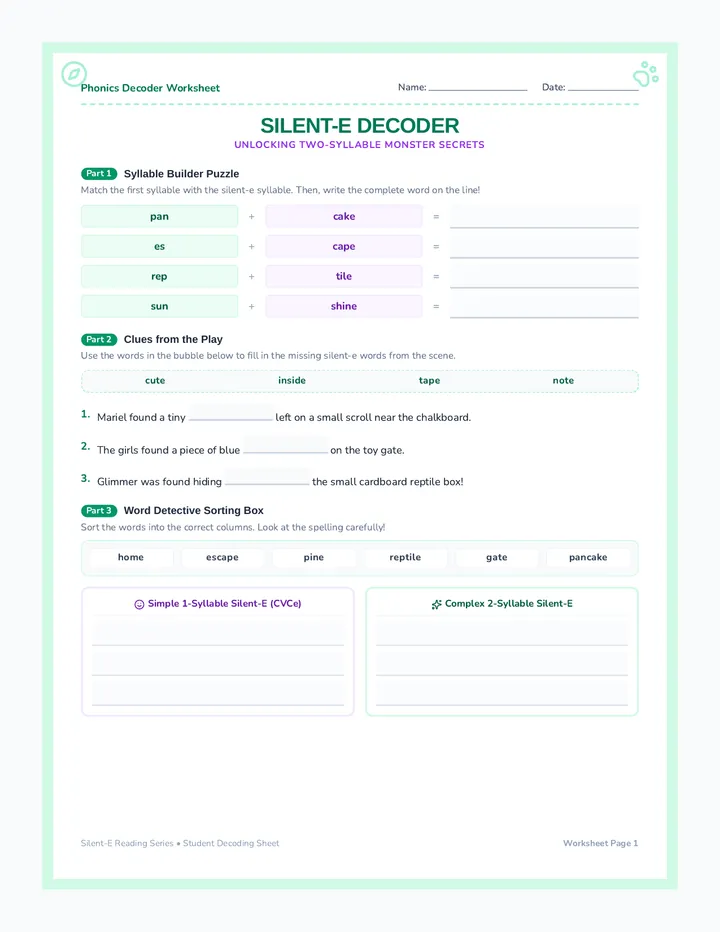
A student worksheet for the 'Modal Auxiliary Mastery' lesson, focusing on identifying silent letters and using 'could', 'should', and 'would' in context.
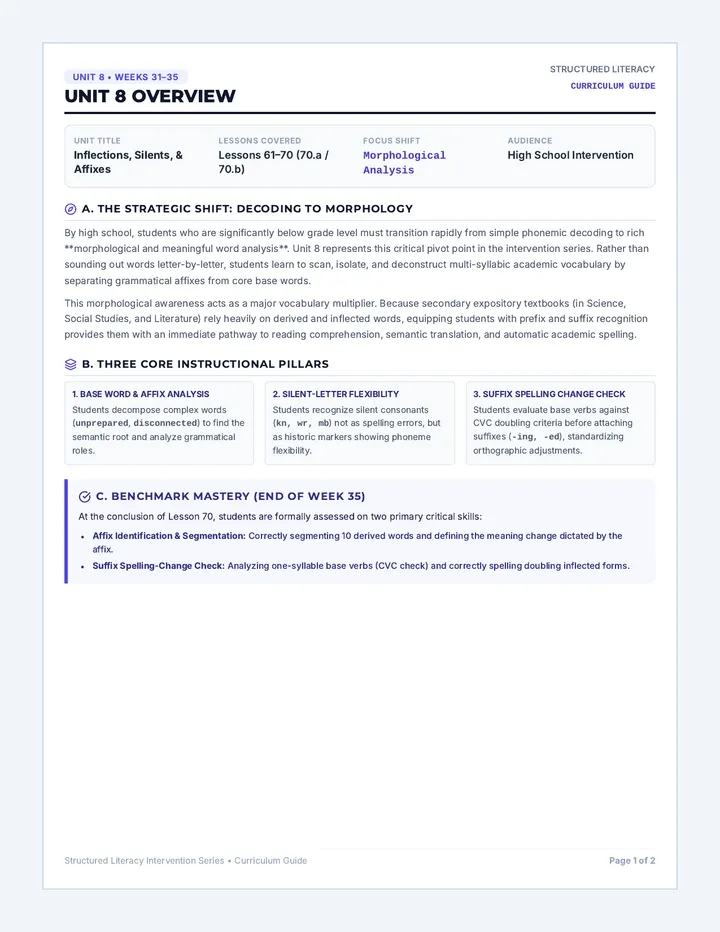
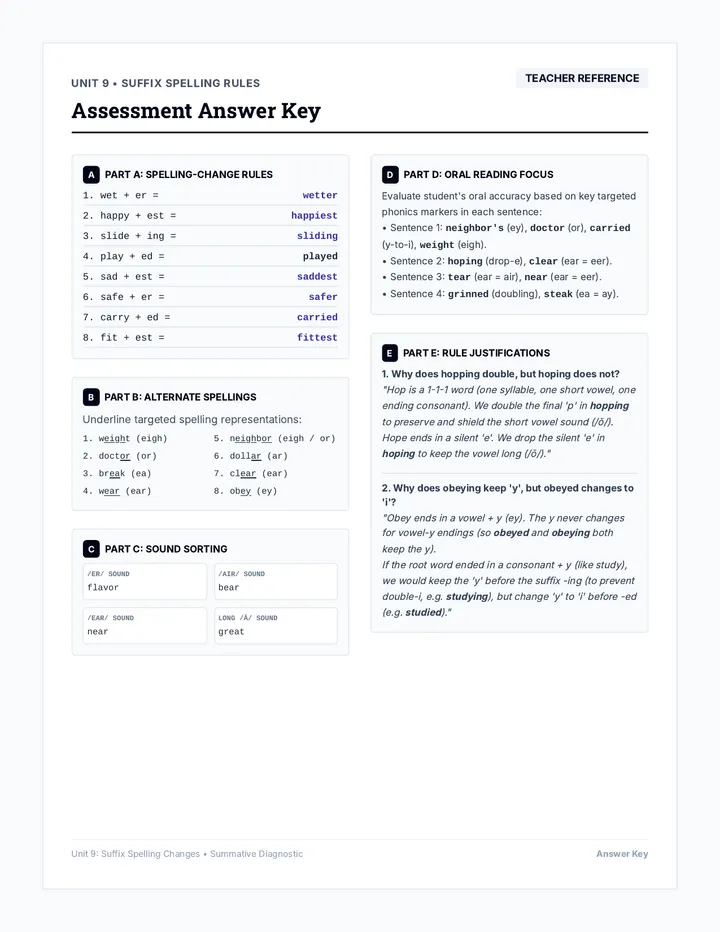
A reading intervention unit targeting the critical spelling changes that occur at suffix boundaries, designed for older struggling readers. The sequence covers final consonant doubling and silent-e dropping logic.
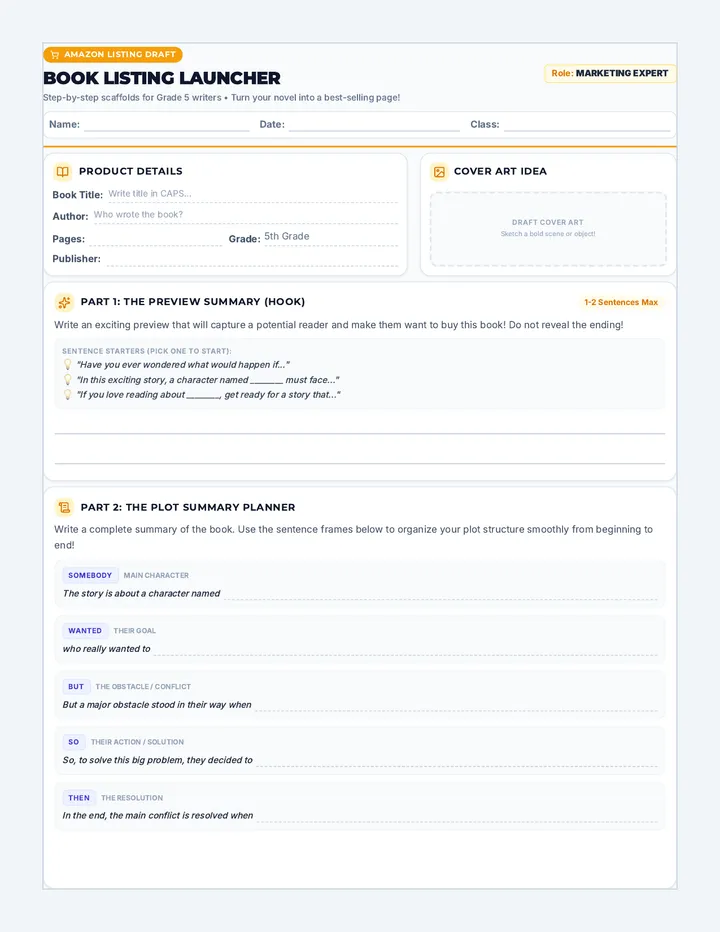
A scaffolded unit designed to help 5th-grade developing and emerging students create a mock e-commerce book listing for a novel they have read. This lesson breaks down complex writing tasks like summaries, quotes, and editorial reviews into structured, bite-sized templates with built-in sentence frames.
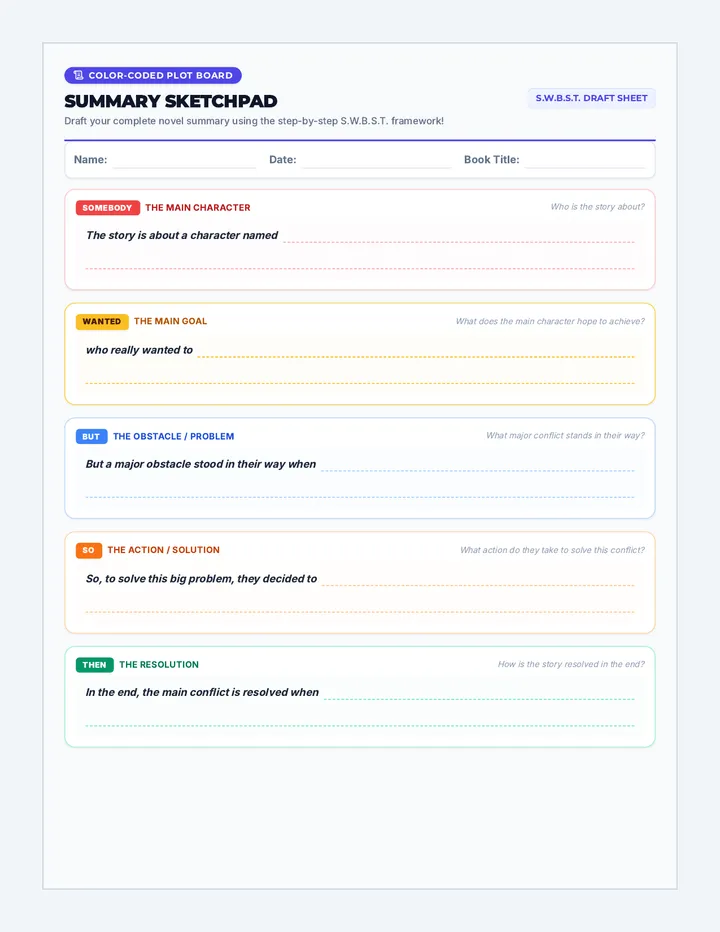
A 1-page student-facing draft worksheet designed for Grade 5 developing writers. It provides generous writing space (2 dashed lines per section) and clear sentence starters for each part of the Somebody-Wanted-But-So-Then (SWBST) summary framework.
A structured reading intervention sequence at Douglas School combining targeted phonic lessons with the multisensory Nessy online literacy system.
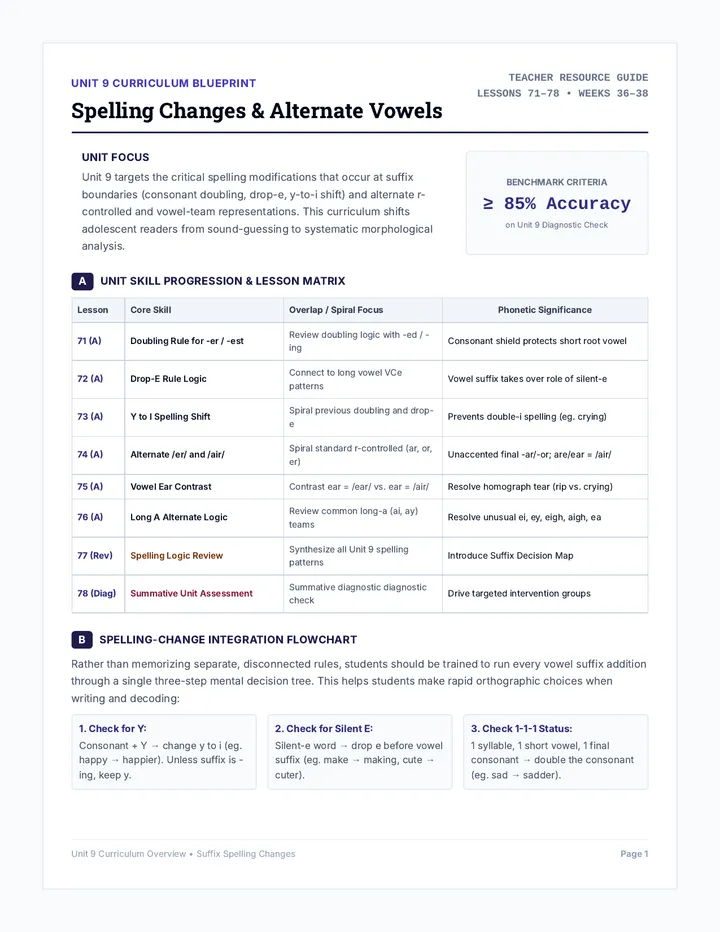
An overall curriculum overview and teacher preparation guide for Unit 9 (Lessons 71–78). This resource maps out the core skills, spiral pathways, cumulative benchmarks, and pacing guides for spelling-change rules and alternate vowel patterns.
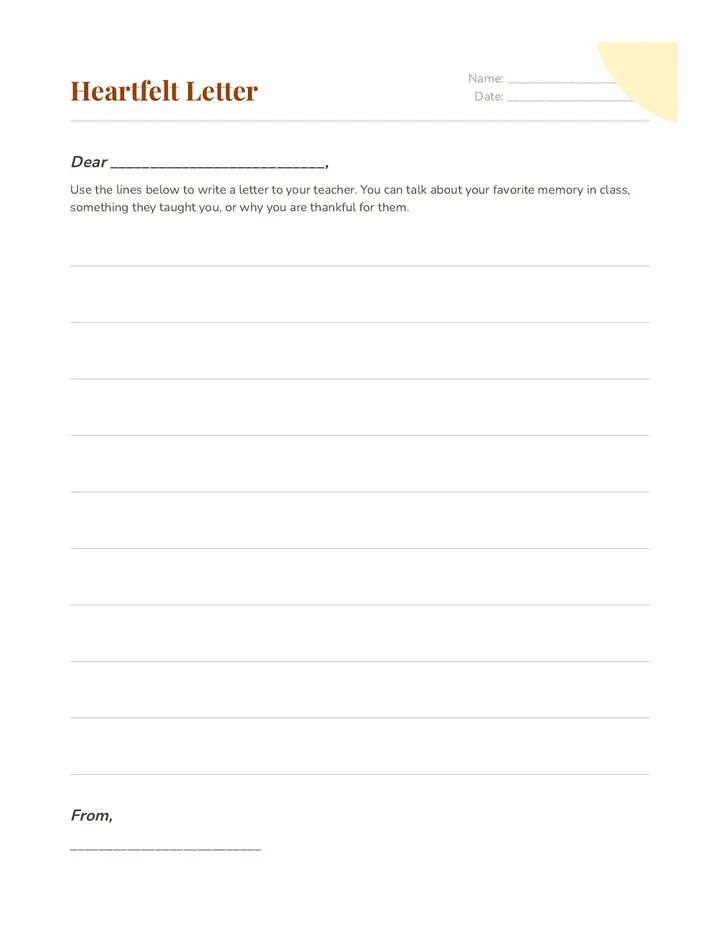
A set of three creative thank-you note templates including a traditional letter, an acrostic poem, and printable postcards for Teacher Appreciation Week.
A structured high school reading intervention sequence focusing on silent consonants, orthographic markers, pluralization rules, and academic spelling structures.
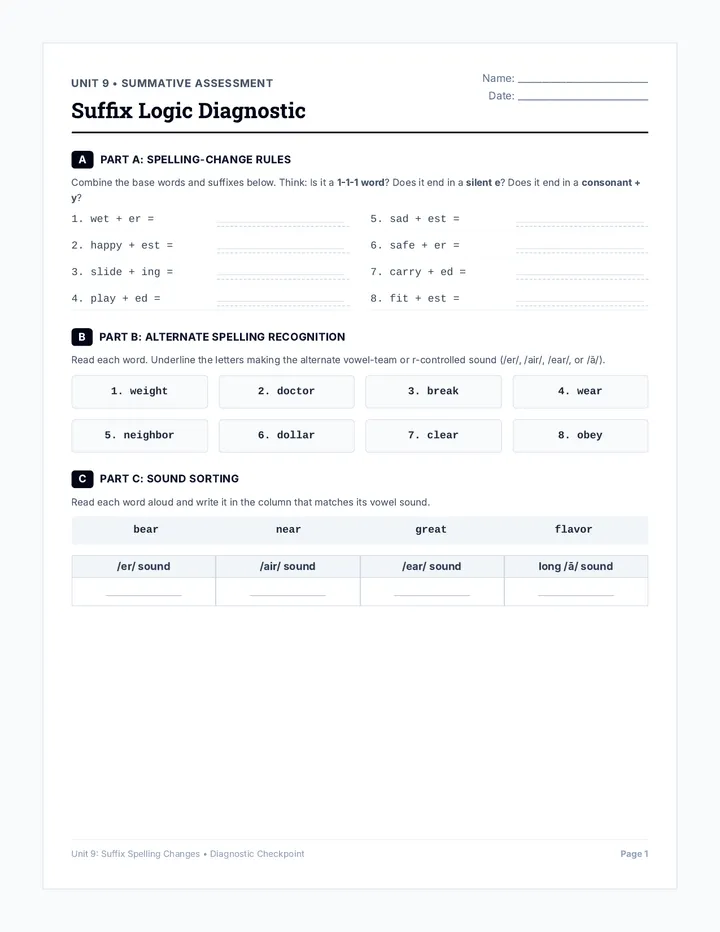
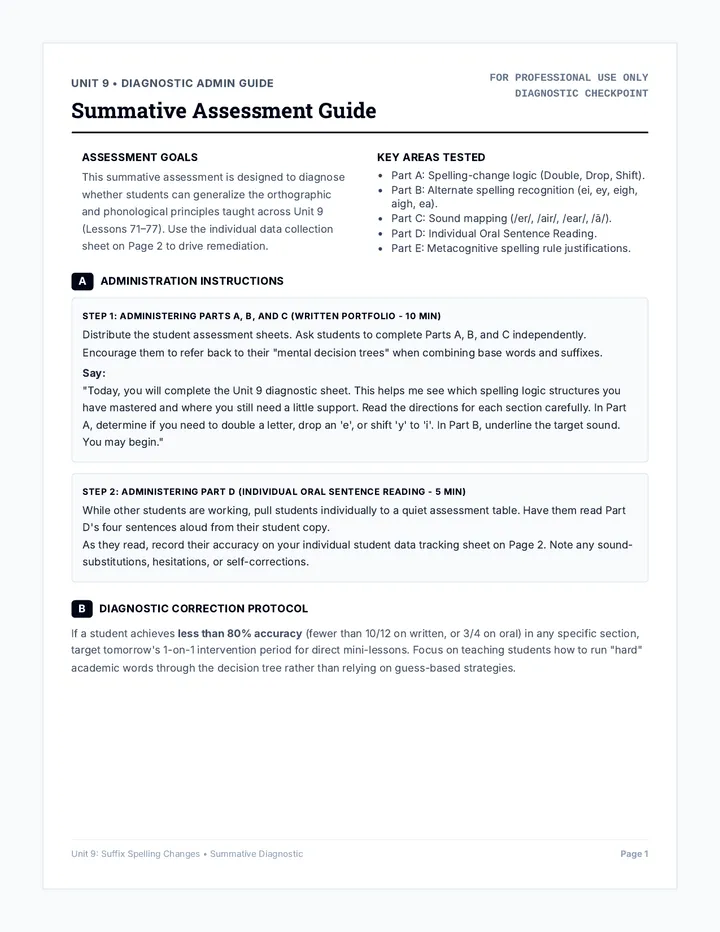
A comprehensive Unit 9 spelling and decoding diagnostic assessment for high school readers. It includes student test sections for spelling-change rules, alternate-spelling recognition, sound-sorting, and sentence reading.
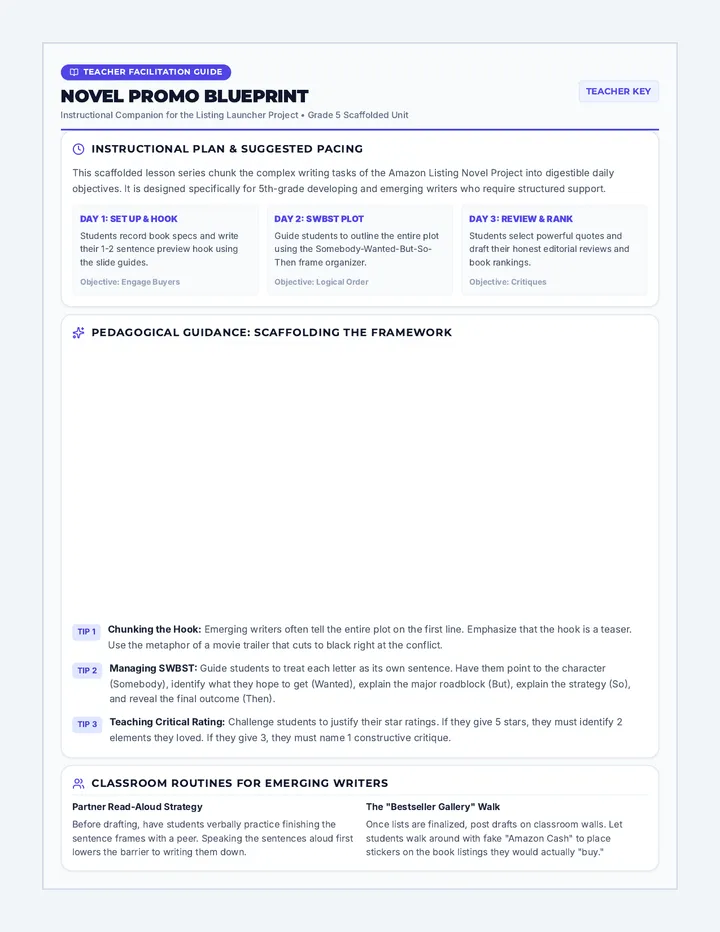
A 2-page instructional guide for teachers containing step-by-step facilitation plans, modeling guides for the sentence frames, a completed exemplar based on the novel Holes, and an asset-based 5th-grade writing rubric.
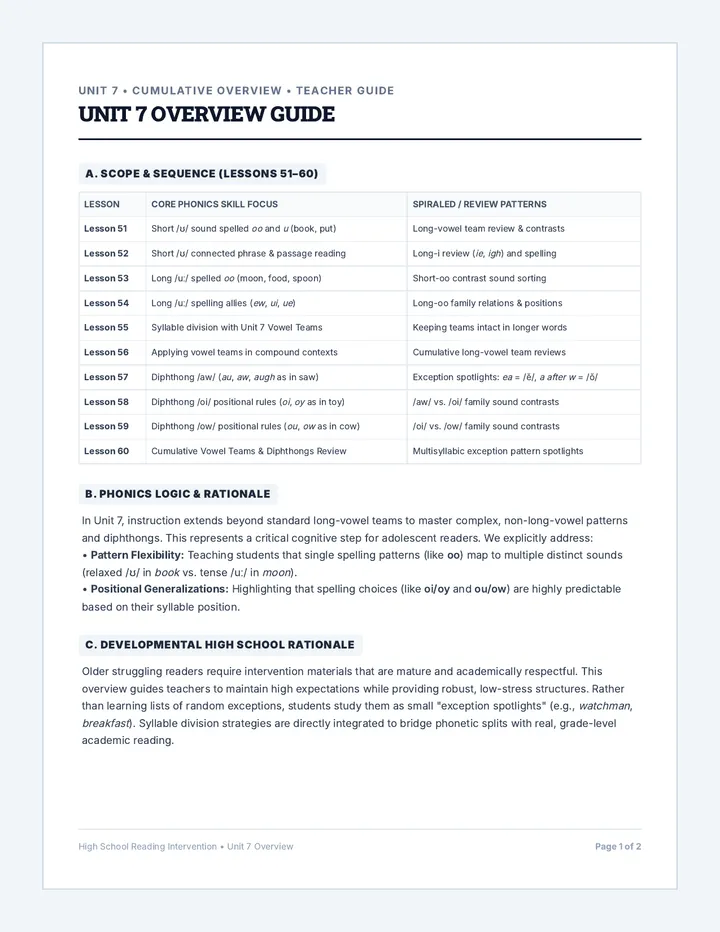
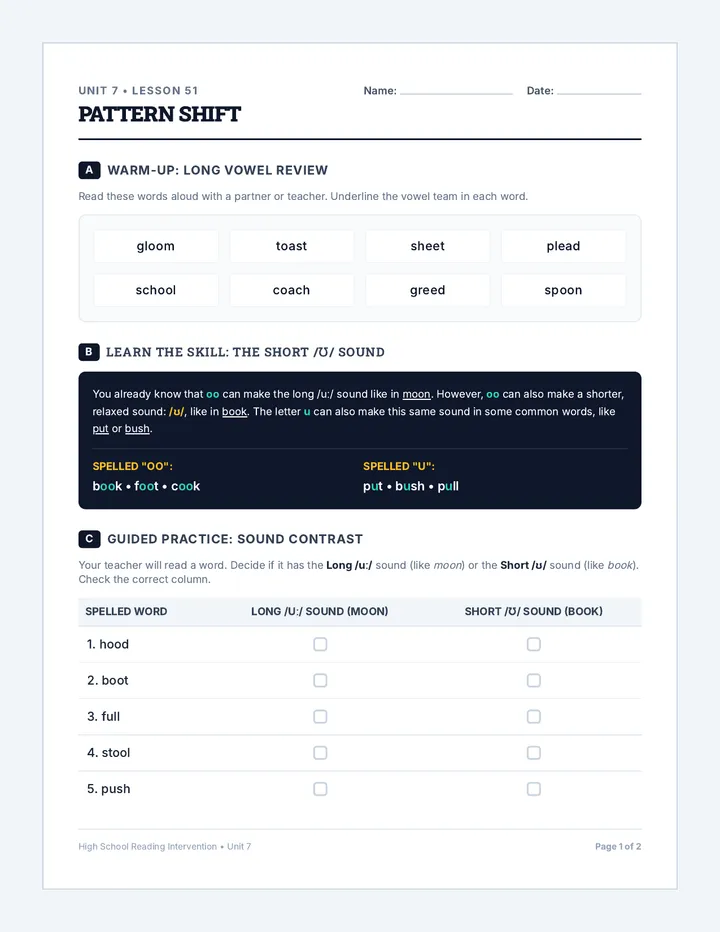
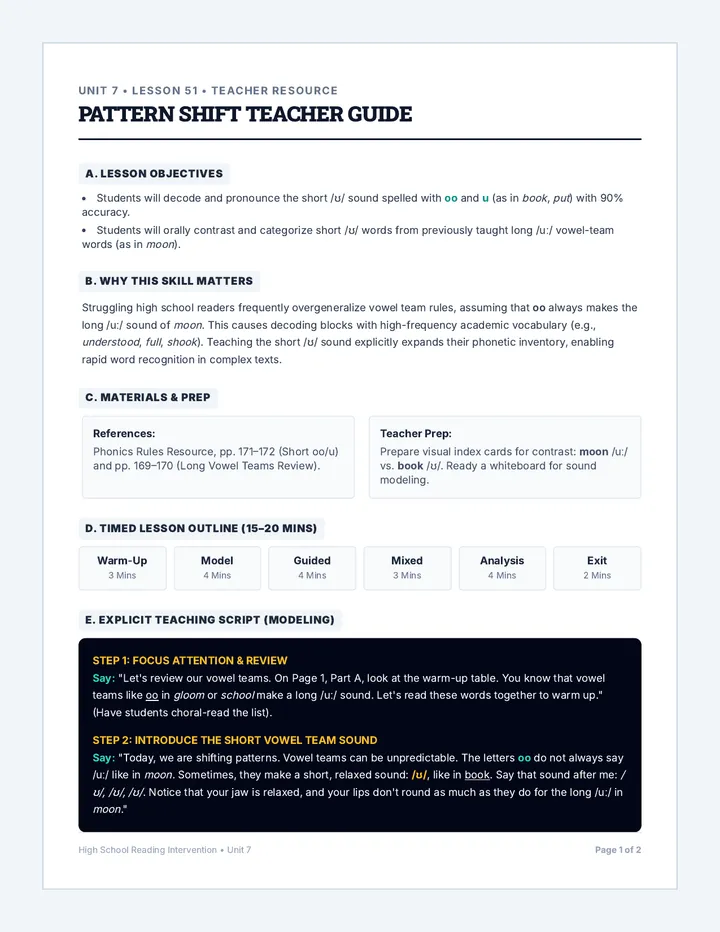
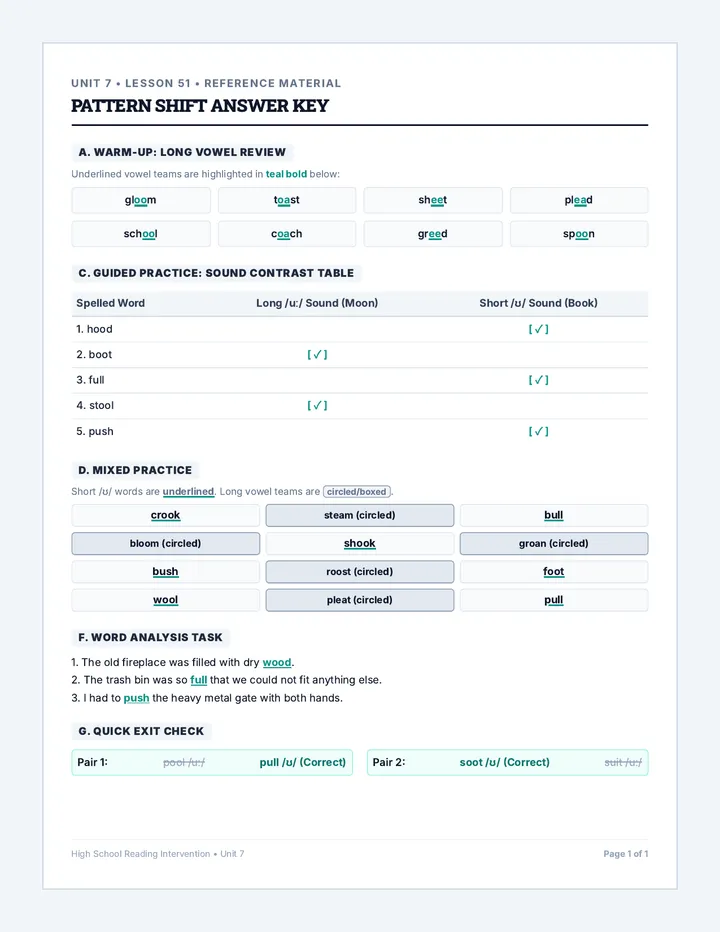
A phonics intervention unit for high school readers focusing on short oo patterns, sound contrasts, and spelling application.
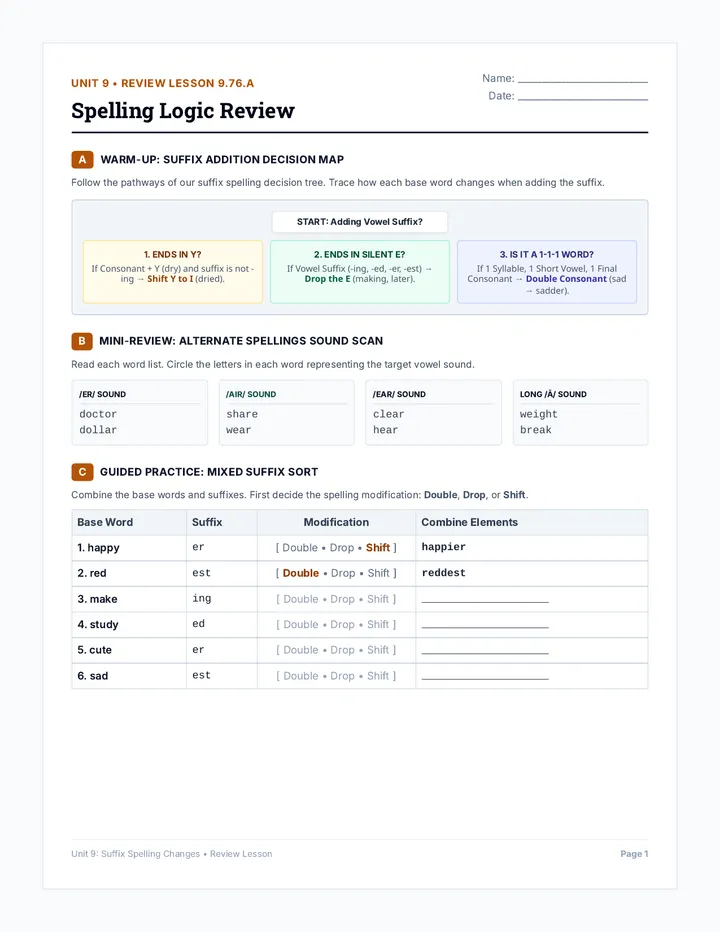
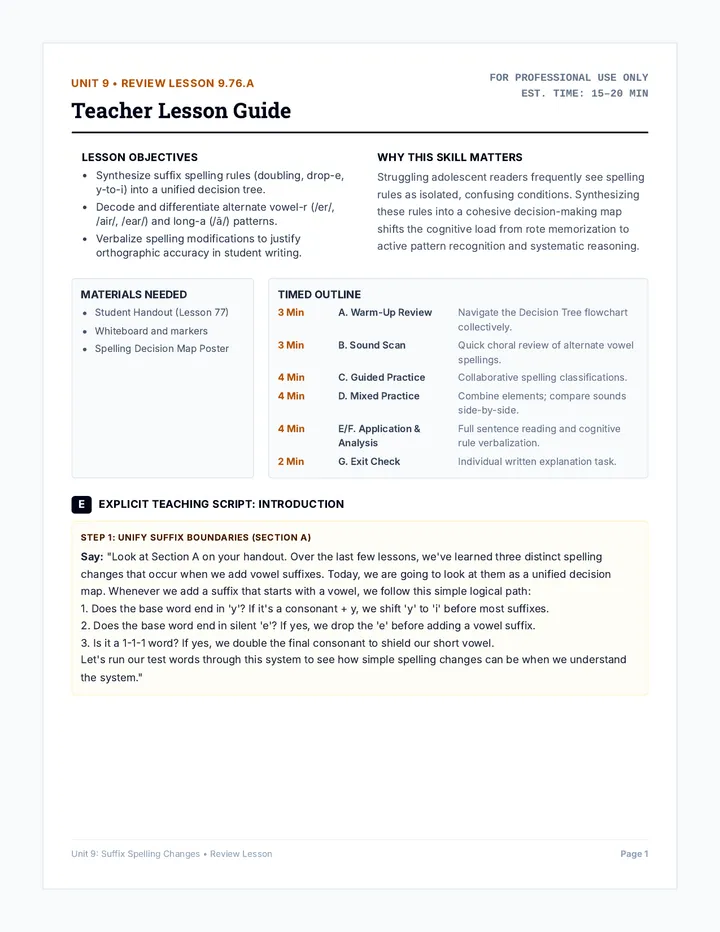
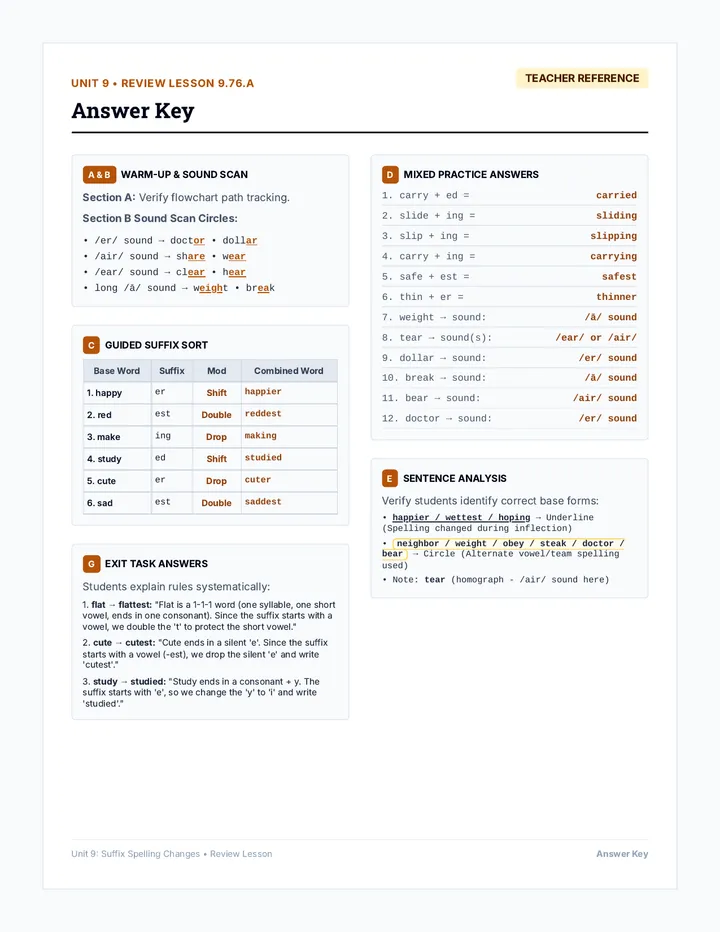
A comprehensive Unit 9 review lesson for high school readers. This lesson synthesizes and reinforces the consonant doubling rule, drop-e rule, y-to-i shift, unaccented final -ar/-or, alternate /air/ and /ear/ vowel contrasts, and alternate long-a spellings.
A 6-slide instructional presentation to guide students through each section of the Listing Launcher Worksheet. Features colorful step-by-step examples, visual marketing templates, and modeled writing strategies tailored for Grade 5 learners.